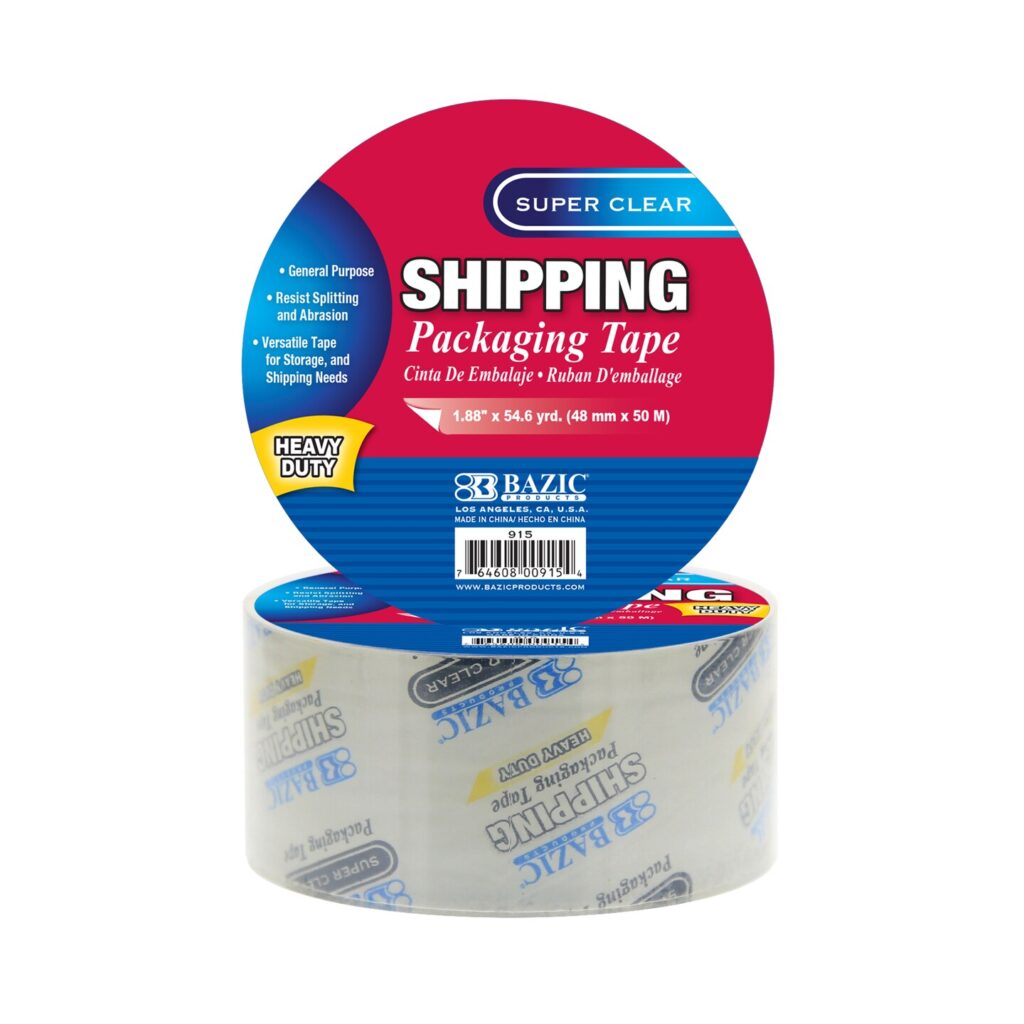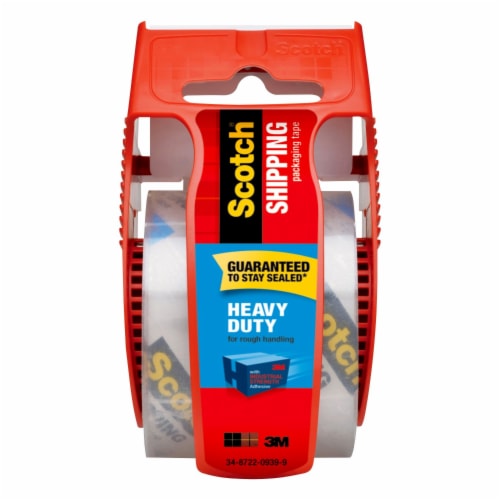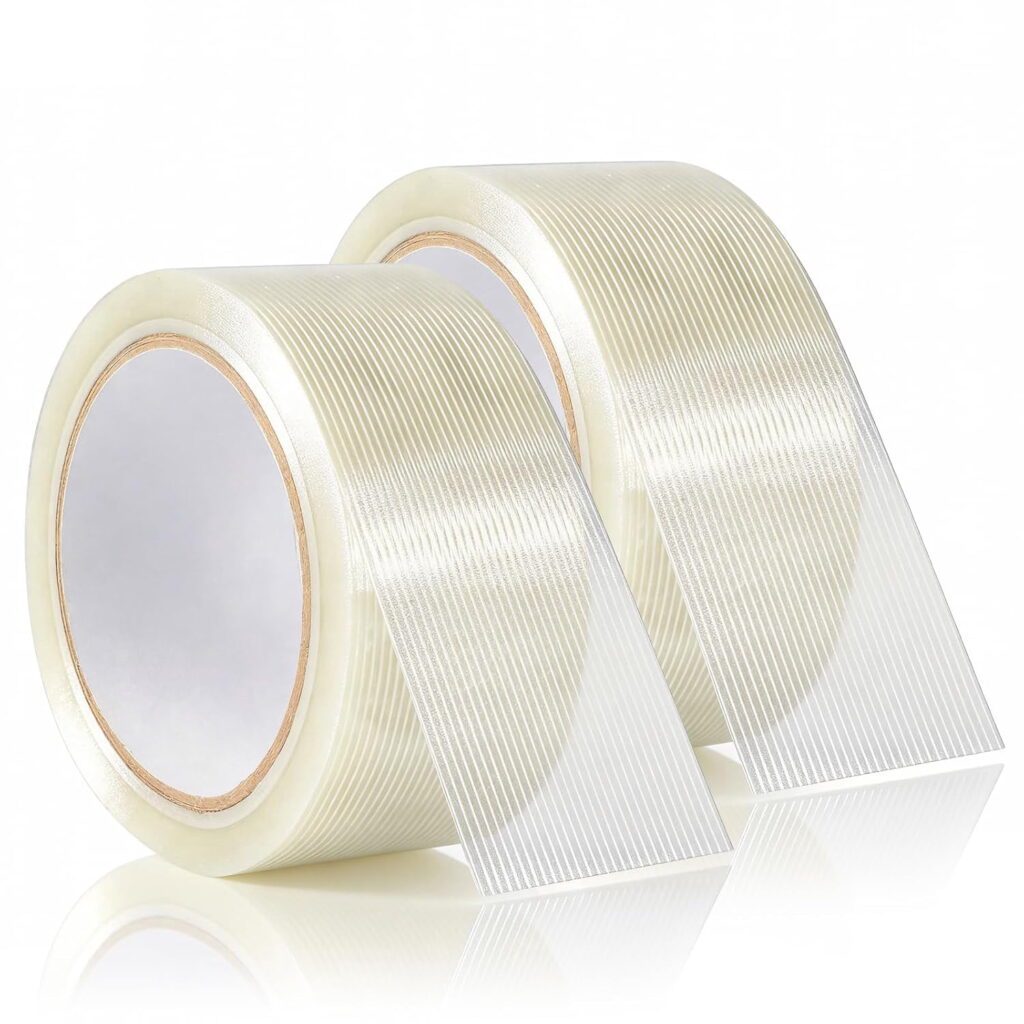
Introduction: Navigating the Global Market for Cloth tape
Sourcing cloth tape for industrial-scale operations presents a complex procurement challenge for buyers navigating fragmented global supply chains and varying quality standards. Whether securing high-tensile duct tape for Middle Eastern infrastructure projects or procuring UV-resistant gaffer tape for European entertainment venues, procurement teams must balance adhesive performance, regulatory compliance, and cost efficiency across diverse operational environments. The wrong specification can result in catastrophic bond failures in extreme temperatures or costly production delays when suppliers fail to meet delivery commitments.
What critical quality factors should global buyers prioritize when vetting cloth tape manufacturers?
International procurement requires navigating distinct technical specifications that vary dramatically between regions and applications. Buyers must evaluate backing materials—cotton for flexibility, polyester for environmental resistance, or fiberglass for high-temperature masking—alongside adhesive chemistries ranging from rubber-based systems for immediate tack to acrylic formulations offering UV stability for outdoor Brazilian construction sites. Additionally, understanding regional compliance requirements, from German automotive standards to humidity-resistant specifications essential for African and South American markets, proves crucial for avoiding inventory rejection and ensuring operational continuity.
How can procurement teams optimize costs while ensuring supply chain reliability across continents?
This comprehensive guide addresses the full procurement ecosystem, providing detailed analysis of cloth tape types including general-purpose duct tape, premium gaffer tape, double-sided carpet solutions, and specialized fiberglass variants. We examine application-specific selection criteria for HVAC, automotive, and entertainment industries, alongside rigorous supplier vetting frameworks, logistics optimization strategies, and total cost of ownership models. By synthesizing technical specifications with regional market intelligence, this resource equips procurement professionals from Lagos to São Paulo, Dubai to Berlin, with the strategic insights necessary to mitigate supply risks, validate supplier credentials, and secure high-performance adhesive solutions that deliver measurable ROI across your industrial applications.
Understanding Cloth tape Types and Variations
| Type Name | Key Distinguishing Features | Primary B2B Applications | Brief Pros & Cons for Buyers |
|---|---|---|---|
| Industrial Duct Tape | Polyethylene-coated cloth backing; rubber-based adhesive; 7-11 mil thickness; high tensile strength; moisture resistant | HVAC sealing, construction bundling, heavy-duty repairs, pipe wrapping, emergency maintenance | Pros: Cost-effective, strong adhesion, versatile Cons: May leave residue, unsuitable for high-heat applications |
| Premium Gaffer Tape | Matte finish; residue-free removal; cotton/synthetic blend backing; hand-tearable; high initial tack | Entertainment/events, cable management, photography, exhibition setup, temporary floor marking | Pros: Clean removal prevents surface damage, no light reflection Cons: Premium pricing, limited UV resistance for long-term outdoor use |
| Double-Sided Carpet Tape | Cloth carrier with dual-sided adhesive; aggressive tack; engineered for flooring substrates | Commercial carpet installation, exhibition flooring, hospitality rug securing, temporary event flooring | Pros: Immediate bond strength, prevents slipping under traffic Cons: Challenging removal on delicate floors, poor performance in high-moisture areas |
| High-Temperature Fiberglass Tape | Silicone adhesive; woven fiberglass backing; withstands 500°F+ (260°C); chemical resistant | Powder coating masking, automotive painting, aerospace manufacturing, heat shielding | Pros: Extreme temperature tolerance, clean release from metals Cons: Less flexible than cotton tapes, significantly higher cost |
| Colored Identification Cloth Tape | Pigmented cloth backing; color-coded availability; maintains standard duct tape structural integrity | Safety marking, warehouse color-coding, pipe identification, construction phase marking | Pros: High visibility for organization, quick application Cons: Color fading under prolonged UV exposure, limited color range in economy grades |
What are the different types of industrial duct tape for heavy-duty applications?
Industrial duct tape features a polyethylene-laminated cloth backing combined with aggressive rubber-based adhesives, delivering superior tensile strength for demanding construction and HVAC applications across diverse climates. This variation excels in bundling heavy cables, sealing ventilation systems, and emergency repairs where moisture resistance and immediate adhesion are critical. B2B buyers should prioritize thickness specifications (typically 7-11 mil) and total adhesive mass when sourcing for outdoor infrastructure projects. While highly cost-effective for general maintenance, procurement teams must verify residue-free requirements
Key Industrial Applications of Cloth tape
| Industry/Sector | Specific Application of Cloth tape | Value/Benefit for the Business | Key Sourcing Considerations for this Application |
|---|---|---|---|
| Construction & Infrastructure | HVAC duct sealing, temporary weatherproofing of scaffolding, and insulation holding | Creates immediate airtight seals that reduce energy costs; withstands extreme heat in Middle Eastern deserts and high humidity in Brazilian climates without delamination | UV-resistant acrylic adhesive for prolonged sun exposure; polyethylene-coated cloth backing for moisture barrier; compliance with regional building codes and temperature stability |
| Automotive Manufacturing | Wire harness bundling, masking during two-tone painting processes, and temporary surface protection | Ensures clean removal without residue damage to sensitive electronics and paint finishes; withstands paint bake ovens exceeding 150°C during curing cycles | Silicone-based or high-temperature rubber adhesive; residue-free removal properties; adherence to German automotive quality standards (VDA) or equivalent regional certifications |
| Oil, Gas & Energy | Pipeline corrosion protection wrapping, emergency leak sealing, and cable identification | Provides immediate pressure resistance for critical repairs; chemical resistance against hydrocarbons and solvents; abrasion protection in desert and offshore environments | Heavy-duty woven backing (fiberglass/polyester blend); solvent-resistant adhesive; operational temperature range of -40°C to +200°C for extreme diurnal fluctuations |
| Entertainment & Event Management | Stage cable management, temporary fixture mounting, and spike mark identification | Residue-free removal protects expensive venue surfaces and equipment; matte finish prevents light reflection during filming and photography in professional productions | Premium cotton cloth backing with strong initial tack rubber adhesive; matte black or neon color options; easy hand-tearability for rapid deployment during tight setup schedules |
| Agriculture & Agro-Processing | Greenhouse film repair, crop bundling, and irrigation pipe mending | UV stability prevents degradation under intense equatorial sun; flexibility accommodates irregular harvest bundles without stem damage; water resistance for irrigation systems | UV-stabilized acrylic adhesive; breathable yet durable backing material; non-toxic formulations suitable for food-contact proximity and compliance with agricultural safety standards |
How does cloth tape support construction and HVAC infrastructure in extreme climates?
In construction sectors across the Middle East and Africa, cloth tape serves as a critical solution for HVAC duct sealing and temporary weatherproofing. The tape’s high tensile strength allows it to secure insulation materials and seal air leaks in systems operating under thermal stress. For buyers in humid regions like Brazil or dusty environments like North Africa, selecting UV-resistant acrylic formulations prevents adhesive degradation during prolonged outdoor exposure. This ensures project timelines remain intact without frequent reapplication, reducing labor costs and improving energy efficiency in commercial buildings.
What role does cloth tape play in automotive manufacturing quality control?
Automotive manufacturers in Germany and emerging markets like Brazil utilize cloth tape for wire harness bundling and precision masking during painting processes. The tape’s clean removal properties are essential when protecting sensitive electronic components and fresh paint finishes from damage. High-temperature silicone adhesives withstand paint bake cycles exceeding 150°C, ensuring the tape holds firm during curing but releases without residue. Buyers should prioritize products meeting stringent automotive standards such as VDA recommendations, ensuring compatibility with robotic application systems and compliance with regional quality certifications.
Why is heavy-duty cloth tape essential for oil and gas pipeline maintenance?
Energy operations in the Middle East and Africa rely on cloth tape for emergency pipeline repairs and corrosion protection in harsh environments. The tape’s woven backing provides immediate pressure resistance for temporary leak containment, while specialized adhesives resist degradation from crude oil, solvents, and hydraulic fluids. Given extreme temperature fluctuations between desert days and cold nights, buyers must source tapes with wide operational temperature ranges and fiberglass-reinforced backings. This ensures reliable performance during critical maintenance windows without compromising safety standards or causing costly shutdowns.
How does specialized gaffer tape enhance professional event production?
The booming entertainment industries in São Paulo, Lagos, and Dubai demand premium gaffer tape for cable management and temporary fixture mounting in venues. Unlike standard duct tape, professional-grade cloth gaffer tape offers clean removal that protects expensive marble floors and stage surfaces from adhesive residue. The matte finish prevents disruptive light reflections during filming and photography. Event production companies should source tapes with strong initial tack rubber adhesives and easy hand-tearability, enabling rapid deployment during tight setup schedules while ensuring compliance with venue insurance requirements regarding surface protection.
What are the agricultural applications of UV-resistant cloth tape in tropical regions?
Agricultural operations across South America and Africa utilize cloth tape for greenhouse film repair and crop bundling in high-UV environments. The tape’s flexibility conforms to irregular plant bundles without cutting into delicate stems, while UV-stabilized acrylic adhesives prevent premature breakdown under intense equatorial sunlight. For irrigation system maintenance, water-resistant formulations provide immediate sealing of polyethylene pipes without disassembly. Buyers should prioritize non-toxic formulations suitable for proximity to food crops and select breathable backings that prevent moisture buildup underneath, ensuring longevity in humid field conditions.
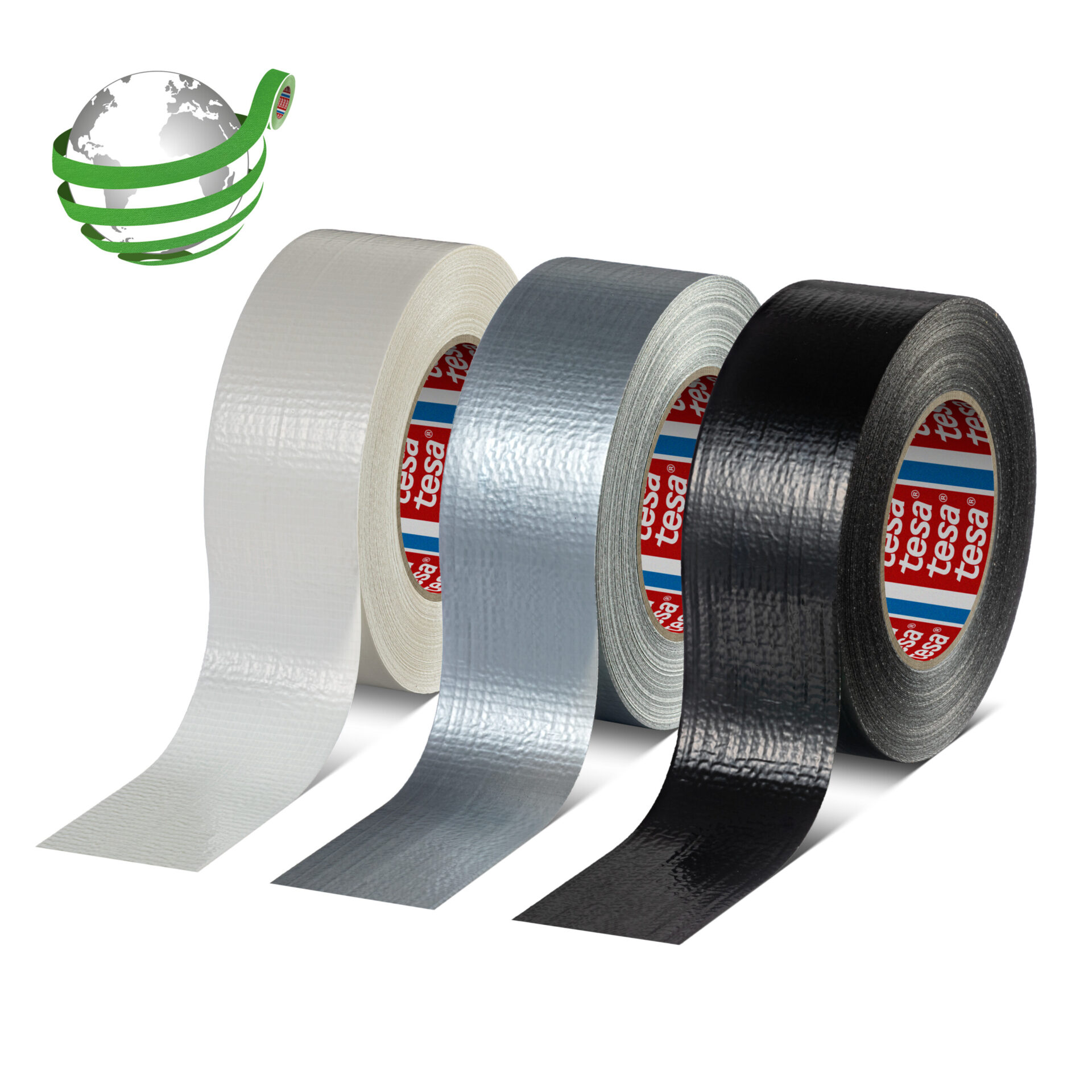
A stock image related to Cloth tape.
3 Common User Pain Points for ‘Cloth tape’ & Their Solutions
Scenario 1: Permanent Adhesive Residue on High-Value Rental Equipment
The Problem: Event production companies and audiovisual rental firms across Europe and the Middle East frequently incur thousands in equipment refurbishment costs when temporary cable management solutions leave behind stubborn adhesive residue. Procurement teams often default to general-purpose duct tape for stage marking and equipment bundling, unaware that rubber-based adhesives can bond permanently to anodized aluminum flight cases, camera housings, or polished venue floors when exposed to stage lighting heat. This misalignment between tape selection and application requirements creates operational bottlenecks, as technical crews must spend hours scraping residue rather than deploying equipment to the next gig, directly impacting rental fleet utilization rates and customer satisfaction.
The Solution: Implement specification standards that distinguish between permanent repair cloth tapes and temporary event-grade gaffer tapes. For temporary applications, select cloth tapes with specialized low-tack silicone or synthetic rubber formulations specifically engineered for clean removal within 72 hours, even after exposure to high-intensity lighting or outdoor event conditions. Verify residue-free performance claims through sample testing on your specific equipment finishes before bulk procurement. For B2B buyers managing international event logistics, maintain separate inventory SKUs for “permanent repair” versus “temporary hold” applications, and train technical staff to recognize that matte-finish gaffer tapes typically offer cleaner removal than glossy polyethylene-coated duct tapes.
Scenario 2: Temperature-Induced Adhesion Failure in Industrial HVAC and Construction
The Problem: Construction contractors and HVAC specialists operating in climates ranging from Germany’s freezing winters to the Gulf States’ extreme heat face critical seal failures when standard cotton-backed cloth tapes lose adhesive properties or backing integrity. Rubber-based adhesives commonly found in general-purpose cloth tapes become brittle below 10°C, causing insulation wraps to gap and thermal bridges to form, while high-temperature environments cause adhesive bleeding and structural collapse of the cloth backing. These failures result in energy inefficiency, moisture intrusion, and compliance violations with local building codes—particularly costly in Middle Eastern commercial projects where HVAC efficiency standards are strictly enforced and rework requires significant downtime.
The Solution: Specify industrial cloth tapes with polyester or fiberglass woven backings combined with acrylic or high-temperature silicone adhesives rated for continuous exposure from -40°C to 150°C. Acrylic formulations offer superior UV stability for outdoor European construction sites, while silicone adhesives excel in high-heat Middle Eastern infrastructure applications. For critical HVAC sealing, select tapes meeting UL 723 standards for flame resistance and thermal insulation. Before committing to bulk orders, conduct field adhesion testing on actual substrates—galvanized ductwork, concrete, or insulation materials—under local ambient conditions to verify performance characteristics match regional climate challenges and specific industrial requirements.
Scenario 3: Load Securing Breakdowns in Heavy-Duty International Shipping
The Problem: Logistics managers coordinating heavy machinery shipments to African mining operations or Brazilian industrial facilities frequently experience cargo integrity failures when cloth tapes marketed as “heavy-duty” snap under dynamic load stress. General-purpose 7-mil cloth tapes may suffice for light office bundling, but they lack the tensile strength and shear resistance required for securing metal components, heavy cable reels, or palletized construction materials during ocean freight vibration and rail transport shock loading. Tape failure leads to load shifting, product damage, and potential safety violations in automated port handling facilities, creating costly delays in regions where replacement materials may not be readily available.
The Solution: Transition to industrial-grade cloth tapes featuring reinforced scrim patterns, nylon or fiberglass backings, and thicknesses of 11-mil or greater, providing tensile strengths exceeding 50 pounds per inch. For heavy bundling applications, specify tapes with high-shear rubber adhesives formulated specifically for metal and fiberboard adhesion. When shipping to humid climates like West African ports or coastal Brazilian warehouses, select moisture-resistant formulations with mold inhibitors to prevent edge lifting during extended transit. Implement procurement specifications that require suppliers to provide tensile strength data and dynamic shear testing results, ensuring tape performance aligns with the specific weight classes and handling stresses of your international logistics operations.
Strategic Material Selection Guide for Cloth tape
Selecting the optimal cloth tape for your industrial operations requires understanding how different backing materials perform under specific environmental stresses. The substrate composition—whether natural or synthetic—directly influences tensile strength, temperature tolerance, and chemical resistance. For procurement teams sourcing across diverse climates from the Middle East to South America, material specification determines not only immediate adhesion quality but also long-term durability and total cost of ownership.
Which Cotton-Based Backings Work Best for General-Purpose Industrial Applications?
Cotton remains the most economical choice for general-purpose cloth tape, offering excellent hand-tearability and conformability to irregular surfaces. This natural fiber provides sufficient tensile strength for bundling, temporary repairs, and sealing applications in controlled indoor environments. When paired with rubber-based adhesives, cotton-backed tapes deliver aggressive initial tack ideal for quick fixes in construction and logistics operations. Cotton-based tapes remain widely available through global supply chains, ensuring shorter lead times for bulk procurement across African and South American markets. However, cotton’s hygroscopic nature limits its effectiveness in high-humidity regions or outdoor exposure common in tropical climates, as the material absorbs moisture and potentially compromises adhesive integrity.
How Does Polyester Cloth Tape Compare for Outdoor and Moisture-Prone Environments?
Polyester synthetic fibers address the limitations of natural cotton, providing superior dimensional stability and moisture resistance critical for outdoor infrastructure projects. This backing maintains structural integrity across temperature fluctuations, from European winter conditions to Middle Eastern heat, without the shrinkage associated with natural fibers. When combined with acrylic adhesives, polyester tapes offer exceptional UV resistance and long-term aging properties that prevent degradation under intense solar exposure. This makes polyester particularly valuable for European construction firms managing seasonal weather variations or contractors facing high-humidity marine applications. While polyester commands a higher unit cost than cotton, its extended service life often yields lower lifecycle costs, though extreme abrasion may still challenge standard polyester weaves.
When Should You Specify Fiberglass-Reinforced Cloth Tape for High-Temperature Operations?
Fiberglass-reinforced cloth tapes serve specialized industrial sectors requiring thermal resistance up to 260°C (500°F), particularly in powder coating, automotive painting, and metal fabrication processes. The glass fiber composition provides exceptional tensile strength and dimensional stability under thermal stress where organic fibers would degrade, typically utilizing silicone adhesives to maintain adhesion during high-temperature masking cycles. Automotive manufacturers frequently specify these tapes for e-coat and powder coating lines where masking precision prevents costly rework. The rigid structure of fiberglass backing offers minimal stretch, ensuring precise masking lines in two-tone coating applications, though this rigidity reduces conformability to complex curves compared to textile alternatives. For industrial coating operations, fiberglass represents a premium solution justified when process failure due to tape degradation would result in significant rework expenses.
Is Nylon Cloth Tape the Right Choice for Heavy-Duty Abrasion Resistance?
Nylon-based cloth tapes occupy the premium tier for mechanical durability, offering exceptional abrasion resistance and toughness for demanding industrial maintenance. The synthetic polyamide structure withstands friction, oil exposure, and repeated handling that would deteriorate standard cotton or polyester alternatives, making nylon particularly suitable for heavy equipment bundling, aerospace applications, and protective wrapping in manufacturing environments. The material maintains flexibility at low temperatures while resisting chemical degradation from hydraulic fluids and industrial solvents prevalent in mining and extraction industries. Despite the upfront investment, nylon’s extended service life in harsh environments often delivers superior total cost of ownership compared to frequent replacement of standard duty tapes. However, this performance comes at significantly higher procurement costs, and nylon tapes may exhibit less aggressive tack with certain adhesive systems compared to cotton variants.
The following comparative matrix summarizes critical selection criteria to streamline your procurement decision-making across these four substrate categories:
| Material | Typical Use Case for Cloth tape | Key Advantage | Key Disadvantage/Limitation | Relative Cost |
|---|---|---|---|---|
| Cotton | General-purpose bundling, indoor sealing, temporary repairs | Economical with excellent hand-tearability | Poor moisture/UV resistance; degrades in humidity | $ |
| Polyester | Outdoor HVAC, marine sealing, long-term weatherproofing | Superior moisture resistance and UV stability | Higher unit cost; moderate abrasion resistance | $$ |
| Fiberglass | High-temperature masking, powder coating, metal fabrication | Thermal stability up to 260°C (500°F) | Rigid; limited conformability to complex curves | $$$ |
| Nylon | Heavy equipment bundling, aerospace, abrasion-prone industrial | Exceptional abrasion and chemical resistance | Premium pricing; potentially lower initial tack | $$$$ |
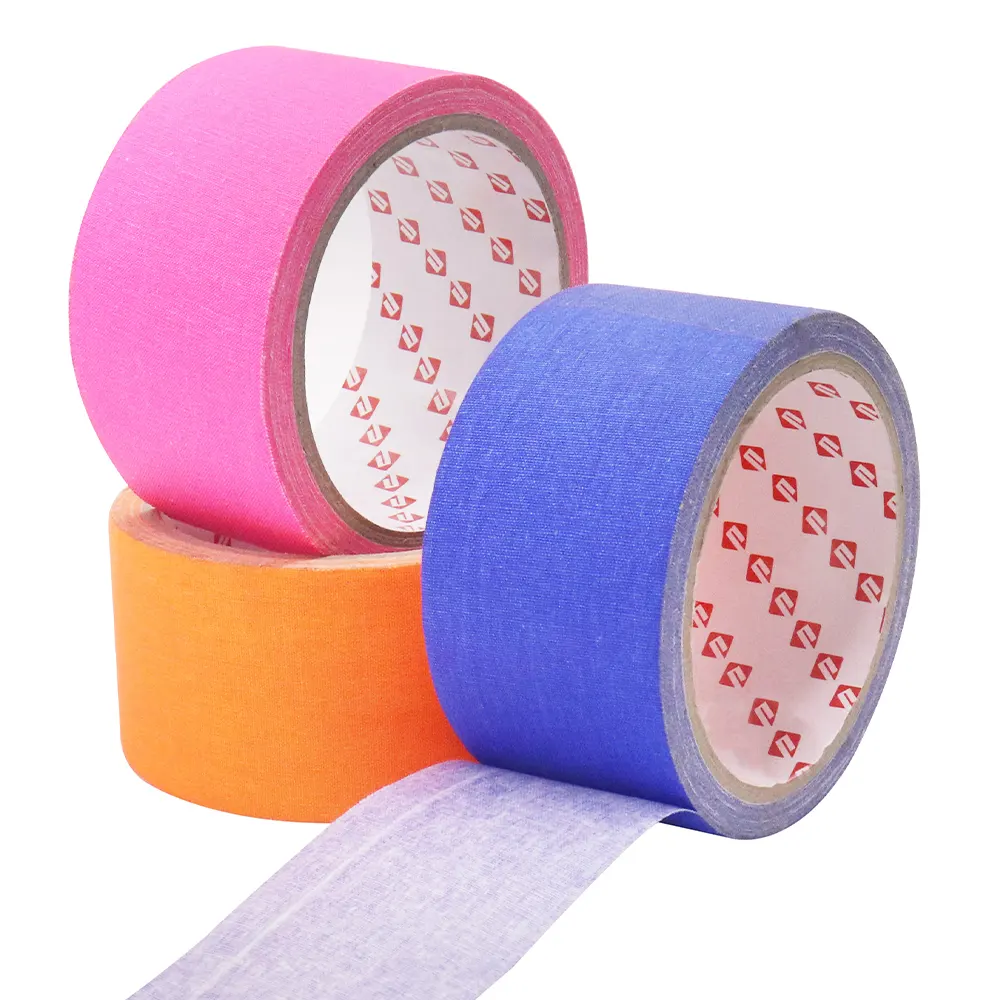
A stock image related to Cloth tape.
In-depth Look: Manufacturing Processes and Quality Assurance for Cloth tape
The production of high-performance cloth tape involves a sophisticated interplay between textile engineering and adhesive chemistry. For procurement teams sourcing from international markets, understanding these technical nuances ensures you specify products that withstand regional climate challenges—from the humidity of São Paulo to the temperature fluctuations of the Middle East—while meeting stringent European compliance standards.
How Is Cloth Tape Manufactured from Raw Fiber to Finished Roll?
The manufacturing journey begins with substrate preparation, where woven or knitted fabrics undergo tension-controlled treatment. Cotton, polyester, or fiberglass yarns are woven into scrim patterns that determine the tape’s tensile strength and hand-tearability. Premium manufacturers utilize heat-setting processes to stabilize the fabric, preventing shrinkage during adhesive application and ensuring dimensional stability when your teams apply the tape across irregular surfaces.
Adhesive coating represents the critical value-add stage. Hot-melt rubber adhesives, favored for aggressive initial tack in general-purpose duct tapes, are applied via calendar coating at temperatures between 150°C–180°C. Conversely, solvent-based acrylic systems—preferred for outdoor applications requiring UV resistance—undergo precision knife-over-roll coating followed by multi-stage oven curing. For high-temperature industrial applications, silicone adhesives receive specialized corona treatment to ensure molecular bonding with fiberglass backings capable of withstanding 260°C intermittent exposure.
Post-coating lamination integrates release liners for double-sided variants or polyethylene films for moisture-resistant duct tapes. The laminated web then passes through tension-controlled slitting stations, where razor or shear slitting techniques convert master rolls into specified widths. Computer-guided edge detection systems maintain ±0.5mm tolerance standards, crucial for automated dispensing systems used in German automotive assembly or Brazilian HVAC manufacturing.
What Quality Control Measures Ensure Consistent Cloth Tape Performance?
Leading manufacturers implement Statistical Process Control (SPC) throughout production to minimize batch-to-batch variation. Incoming raw material inspection verifies fabric weight consistency (typically 120–180 gsm for standard duty, up to 280 gsm for heavy-duty applications) and adhesive viscosity parameters. Rheological testing ensures adhesive flow characteristics remain within specification, preventing the “cold flow” issues that plague inferior products in hot climates.
In-process monitoring employs infrared thermography to detect coating uniformity defects invisible to visual inspection. Automated vision systems scan for pinholes, wrinkles, or contamination during lamination—defects that could compromise waterproofing integrity in Middle Eastern infrastructure projects or European marine applications. Real-time tensile testing of sample strips from each production lot ensures the warp and weft strength meets declared specifications before the material proceeds to final winding.
How Do Manufacturers Test for Tensile Strength and Adhesion?
Laboratory validation protocols distinguish commodity-grade from industrial-grade suppliers. Tensile testing per ASTM D3759 subjects 25mm-wide samples to calibrated pulling forces, measuring both peak load capacity and elongation at break. High-quality cloth tapes should demonstrate 40–60 N/cm tensile strength with controlled elongation (typically 15–25%), ensuring the tape holds firm without snapping during thermal expansion cycles common in outdoor Middle Eastern installations.
Peel adhesion testing follows PSTC-101 or ASTM D3330 methodologies, measuring the force required to remove the tape from standardized steel panels after 20-minute and 24-hour dwell times. For B2B buyers, the 24-hour adhesion value proves particularly critical—it indicates the tape’s long-term holding power for permanent bundling applications in Brazilian manufacturing plants or African mining operations. Shear resistance testing (ASTM D3654) evaluates the tape’s ability to resist slippage under static load, essential for vertical cable management in European data centers.
Environmental stress screening accelerates aging through heat-aging ovens (70°C for 7 days) and humidity chambers (90% RH at 40°C), simulating extended storage in tropical supply chains. UV exposure testing using xenon arc chambers validates the acrylic adhesive’s resistance to polymer degradation, ensuring that marking tapes used in outdoor German construction sites maintain colorfastness and adhesion for the project duration.
What Certifications and Standards Should B2B Buyers Verify?
European procurement teams should prioritize suppliers demonstrating REACH compliance and RoHS certification, ensuring tapes contain no restricted phthalates or heavy metals. For electrical applications, UL 510 or IEC 60454 certification indicates flame retardancy and dielectric strength compliance. Middle Eastern buyers should request Gulf Standardization Organization (GSO) conformity for products entering GCC markets, while Brazilian importers need INMETRO certification for certain industrial adhesive classifications.
ISO 9001:2015 quality management certification provides baseline assurance of documented processes, but sophisticated buyers should also verify ISO 14001 environmental management credentials—particularly important when sourcing cotton-based tapes where sustainable fiber sourcing matters. For food-contact or medical applications, FDA 21 CFR 175.105 compliance or ISO 10993 biocompatibility testing becomes non-negotiable.
How Does Quality Assurance Differ Across Cloth Tape Variants?
Gaffer tape production requires specialized low-residue adhesive formulations and matte-finish fabric treatments to prevent light reflection—critical specifications for entertainment industry buyers. Quality protocols here emphasize clean removal testing from sensitive surfaces after 48-hour adhesion, ensuring no adhesive transfer damages expensive stage flooring or camera equipment.
High-temperature fiberglass cloth tapes undergo additional thermal cycling tests (500°F/260°C for one hour) to validate silicone adhesive performance in powder coating masking applications. Meanwhile, carpet installation tapes require enhanced shear resistance testing on concrete and wood substrates, simulating the lateral forces exerted by foot traffic in commercial Middle Eastern hospitality projects.
When evaluating suppliers, request batch-specific CoAs (Certificates of Analysis) documenting actual test results rather than theoretical specifications. Establish acceptance sampling plans per ISO 2859-1 (AQL standards) for incoming inspection, particularly when sourcing from new manufacturing partners in emerging markets. This proactive approach prevents costly production line stoppages and ensures your cloth tape inventory performs consistently across diverse climatic and operational conditions.
Practical Sourcing Guide: A Step-by-Step Checklist for ‘Cloth tape’
Procuring cloth tape for industrial applications requires balancing technical performance specifications with supply chain reliability across diverse regulatory environments. This systematic framework guides B2B buyers through critical evaluation criteria—from substrate compatibility to international compliance—to ensure procurement decisions align with operational demands and regional market requirements.
1. What Technical Specifications Should B2B Buyers Define Before Sourcing Cloth Tape?
Begin by mapping your application’s mechanical and environmental stresses to material specifications. Determine whether your use case requires cotton backing for flexibility in bookbinding, polyester for automotive abrasion resistance, or fiberglass silicone for high-temperature powder coating applications. Specify adhesive chemistry explicitly—rubber-based for immediate tack in construction bundling, acrylic for UV-stable outdoor performance, or silicone for extreme heat resistance. Document required tensile strength, thickness in mils, and whether your operation needs single-coated or double-coated construction with release liners for automated application.
2. How to Evaluate Supplier Capabilities for Customization and MOQ Flexibility?
Assess manufacturers’ converting capabilities beyond standard stock sizes. Confirm capability for custom widths and lengths that minimize waste in your production line, particularly for specialized variants like colored duct tape or premium gaffer tape. Verify minimum order quantities align with your inventory turnover rates and cash flow cycles. Evaluate their buffer stock availability for emergency replenishment versus lead times for bespoke specifications, ensuring they can scale from trial orders to full container loads.
3. What Quality Certifications and Regional Compliance Standards Apply to Industrial Cloth Tape?
Verify that suppliers hold internationally recognized certifications such as ISO 9001 for quality management systems and RoHS compliance for restricted substances. For European markets like Germany, confirm REACH registration; for Middle Eastern imports, check SASO or Gulf Standard compliance. Request documentation for flame resistance ratings required in electrical applications and chemical resistance certifications critical for industrial maintenance environments in manufacturing hubs.
4. How to Select Cloth Tape Adhesives for Extreme Climate Conditions?
Match adhesive systems to your destination’s environmental challenges. For humid tropical climates in Brazil or West Africa, prioritize moisture-resistant acrylic adhesives that resist mold degradation and maintain tack in high humidity. In Middle Eastern desert environments, specify UV-stable formulations preventing adhesive breakdown under intense solar exposure. For European industrial applications, ensure temperature tolerance spans from freezing logistics storage to high-heat operational environments without delamination or residue failure.
5. Why Is Sample Testing Critical Before Committing to Bulk Cloth Tape Orders?
Avoid committing to container quantities without validating real-world performance. Request A4-sized samples or trial rolls to test adhesion on your specific substrates under actual working conditions. Evaluate hand-tearability for field applications, residue-free removal for temporary entertainment setups, and conformability to irregular surfaces. Subject samples to accelerated aging tests across your full temperature and humidity range to verify claims of environmental resistance and longevity.
6. What Logistics and Packaging Factors Matter When Importing Cloth Tape?
Optimize your shipping strategy by specifying core sizes compatible with your dispensers and pallet configurations that maximize container utilization. Define Incoterms and humidity-controlled storage requirements, as moisture exposure during transit can compromise rubber-based adhesives before arrival. Ensure packaging includes multilingual safety data sheets, proper HS codes for customs clearance in South American and African ports, and climate-resistant wrapping to prevent stock degradation during extended shipping periods.
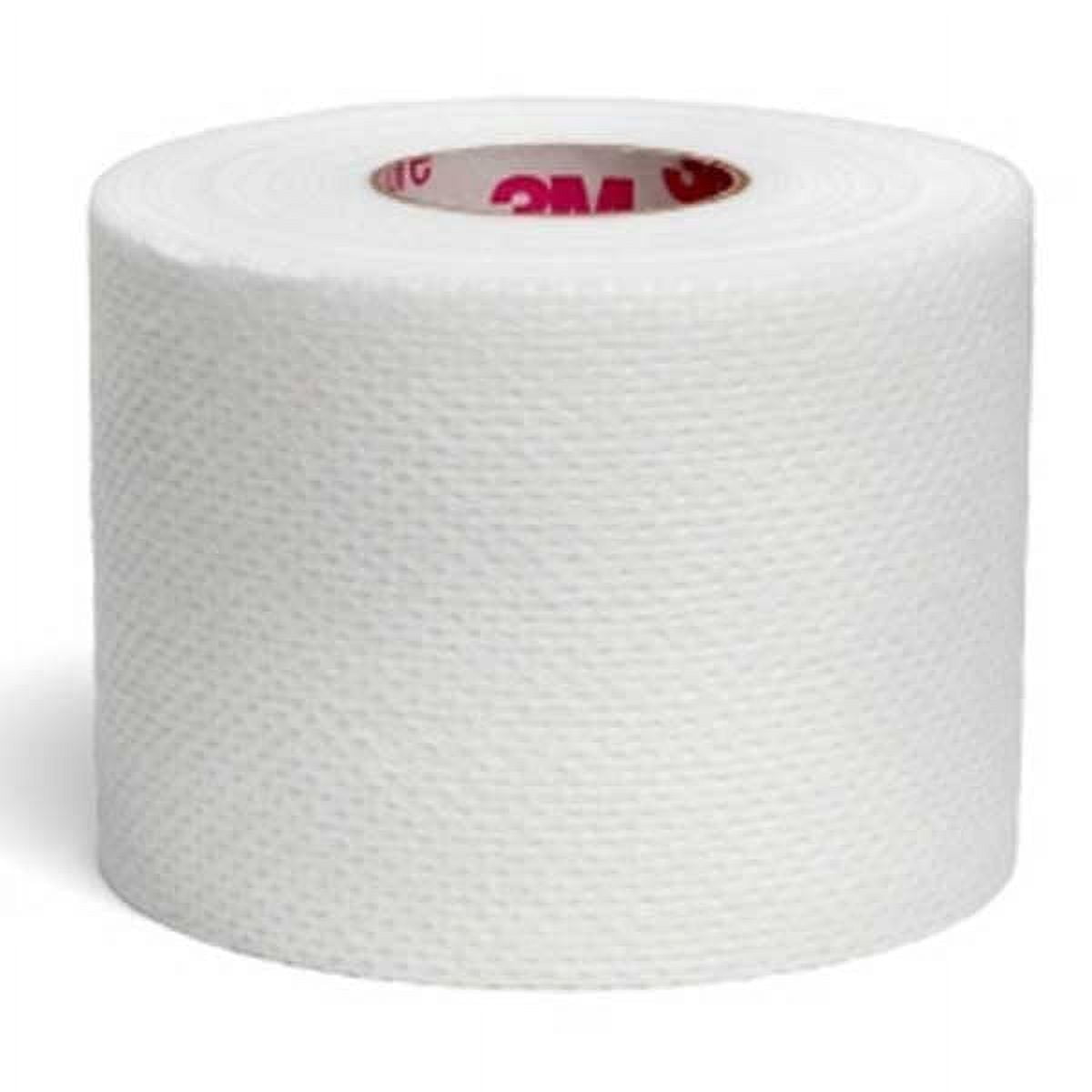
A stock image related to Cloth tape.
Comprehensive Cost and Pricing Analysis for Cloth tape Sourcing
What Factors Determine Cloth Tape Pricing in B2B Procurement?
Cloth tape pricing structures depend heavily on backing material composition, adhesive technology, and manufacturing tolerances. Cotton-backed general-purpose tapes offer economical solutions for high-volume bundling operations, while polyester and nylon variants command premiums due to superior tensile strength and abrasion resistance. The manufacturing process—whether standard coating or specialized fiberglass reinforcement for high-temperature applications—creates distinct pricing tiers. Buyers should evaluate cost-per-application rather than unit price, as premium materials reduce failure rates and labor costs associated with reapplication in demanding industrial environments.
How Do Material Specifications and Thickness Impact Bulk Sourcing Costs?
The mil thickness (ranging from 7.0 mil standard duty to heavy-duty industrial grades) directly correlates with per-roll pricing and material yield. Bulk procurement of standard 7.0 mil general-purpose duct tape minimizes costs for logistics and packaging sectors requiring high-volume sealing solutions. However, specialized industrial applications demanding fiberglass reinforcement or high-temperature silicone adhesives for powder coating operations involve significant cost premiums. Regional buyers in humid climates across Africa, South America, and the Middle East should prioritize moisture-resistant polyethylene-coated cloth backings despite higher initial costs, as standard grades degrade faster in tropical conditions, increasing long-term expenditure and project risk.
Why Does Adhesive Chemistry Affect Long-Term Procurement Value?
Rubber-based adhesives provide cost-effective solutions for indoor bundling and temporary repairs, offering strong initial tack at competitive price points suitable for construction and HVAC sectors. Acrylic adhesives demand higher investment but deliver essential UV stability and temperature resistance for European outdoor infrastructure projects exposed to variable weather conditions. Silicone-based systems represent the premium tier, necessary for high-temperature masking exceeding 500°F in automotive painting and ceramic coating applications. Procurement teams must balance upfront savings against adhesive longevity; acrylic systems often reduce total cost of ownership for exterior applications by eliminating frequent reapplication, material waste, and associated labor expenses.
What Customization Options Influence Total Cost of Ownership?
Custom width and length conversions impact pricing structures beyond standard stock sizes, affecting both material yield and application efficiency across manufacturing lines. While standard rolls minimize per-unit manufacturing costs, custom dimensions reduce material waste and labor time during installation. Color customization (available in 11+ vibrant options for gaffer and duct tapes) typically adds 15-25% to base pricing but improves site safety compliance and brand identification. Double-coated cloth tapes with release liners involve additional manufacturing complexity, pricing 30-50% above single-coated alternatives, yet eliminate mechanical fastening costs in carpet installation and exhibition setups while improving bond reliability.
How Can Regional Buyers Optimize Shipping and Import Economics?
For African, South American, and Middle Eastern markets, shipping volumetric weight significantly impacts landed costs due to logistics infrastructure challenges and regional tariff structures. Concentrated procurement of jumbo rolls for local slitting and conversion reduces freight expenses compared to importing finished retail packs. European buyers, particularly German industrial distributors, should evaluate CE compliance and REACH certification costs embedded in supplier pricing. Establishing regional consolidation hubs minimizes customs duties and improves cash flow for multi-site operations. Bulk orders exceeding 20-foot container volumes often unlock tiered pricing reductions of 12-18% below standard distributor rates, while long-term supply agreements provide price stability against raw material volatility in global markets.
Alternatives Analysis: Comparing Cloth tape With Other Solutions
When evaluating adhesive solutions for industrial procurement, understanding the comparative advantages of cloth tape against synthetic alternatives ensures optimal material specification and total cost of ownership (TCO) efficiency. While cloth tape offers unique conformability and hand-tearability critical for rapid deployment, several alternatives present distinct value propositions for specific operational environments—particularly regarding chemical resistance, linear tensile requirements, and performance in extreme climates prevalent across Middle Eastern, African, and South American industrial zones.
| Comparison Aspect | Cloth Tape | PVC Industrial Tape | Filament-Reinforced Tape |
|---|---|---|---|
| Material Composition | Woven cotton/polyester blend with rubber/acrylic/silicone adhesive | Polyvinyl chloride film backing with synthetic rubber adhesive | Polypropylene film reinforced with continuous fiberglass filaments |
| Tensile Strength | 40–60 lbs/inch (bi-directional flexibility) | 20–30 lbs/inch (limited stretch) | 100–150 lbs/inch (uni-directional rigidity) |
| Surface Adaptability | Excellent conformity to rough, irregular, or curved substrates | Limited to smooth, non-porous surfaces | Rigid; suitable only for flat, linear applications |
| Temperature Resistance | -20°C to +80°C (standard); up to +150°C (silicone adhesive) | -10°C to +60°C (standard grades) | -10°C to +60°C |
| Chemical & Moisture Resistance | Moderate (vulnerable to solvents/oils); water-resistant variants available | High (excellent resistance to acids, alkalis, and moisture penetration) | Moderate (susceptible to UV degradation over time) |
| UV Stability | Good to Excellent (acrylic adhesive variants) | Poor to Moderate (tends to degrade/crack in prolonged sunlight) | Moderate |
| Cost per Linear Meter | Medium ($$) | Low ($) | Medium ($$) |
| Application Speed | Hand-tearable; immediate application without tools | Requires cutting tools; slower manual application | Requires cutting tools; precise alignment necessary |
| Removal & Residue | Clean removal possible (premium gaffer variants); moderate residue with duct grades | High residue risk; potential surface damage upon removal | Clean removal; minimal adhesive residue |
| Primary B2B Applications | Cable management, HVAC sealing, rough substrate repairs, temporary event rigging | Electrical insulation, color-coding, smooth surface protection, pipeline wrapping | Heavy-duty palletizing, carton reinforcement, export packaging, linear bundling |
How Does PVC Industrial Tape Compare to Cloth Tape for Harsh Environment Sealing?
PVC industrial tape represents the most common plastic-based alternative to cloth tape, particularly dominating electrical insulation and moisture-sealing applications in chemical processing and utility infrastructure. Unlike cloth tape’s woven fiber backing that conforms to rivets, welds, and textured metal surfaces, PVC tape offers superior resistance to acids, oils, and moisture penetration—making it preferable for outdoor electrical installations in humid climates like coastal Brazil or the Gulf region. However, PVC’s rigidity limits its effectiveness on cylindrical cable bundles or irregular machinery components, and it typically leaves sticky residue upon removal, creating additional labor costs for surface cleaning in equipment rental and event management sectors common in European markets. While PVC tape offers lower initial material costs (typically 30–40% less per meter), its lack of hand-tearability necessitates cutting tools, reducing operational speed during emergency repairs or rapid-deployment construction scenarios.
When Should Procurement Teams Select Filament-Reinforced Tape Over Cloth Tape for Logistics Operations?
Filament-reinforced tape serves as a high-tensile synthetic alternative specifically engineered for linear bundling and heavy-load palletizing where cloth tape’s flexibility might compromise hold strength. This solution excels in supply chain environments requiring maximum stability for pallet loads exceeding 1,000 kg, particularly within German automotive logistics or Brazilian agricultural export operations where transit integrity across varying humidity levels is non-negotiable. Unlike cloth tape’s multi-directional conformability, filament tape provides unidirectional strength that prevents box seam bursting during international shipping, though it cannot adapt to cylindrical objects or irregular shapes. The clean removal characteristics of filament tape’s synthetic adhesive also reduce surface preparation costs for returnable packaging containers—a significant TCO advantage for circular economy initiatives and sustainable procurement strategies in EU manufacturing sectors.
Essential Technical Properties and Trade Terminology for Cloth tape
When sourcing cloth tape for international industrial applications, precise technical specifications determine performance across diverse climates and regulatory environments. Buyers must evaluate specifications beyond basic dimensions to ensure compatibility with specific bonding requirements, from high-temperature manufacturing in the Middle East to cold-storage logistics in Northern Europe.
What Are the Critical Technical Specifications for Industrial Cloth Tape?
Backing Thickness (Mil Rating)
Thickness is measured in mils (one-thousandth of an inch), with industrial cloth tapes typically ranging from 7.0 mil for general-purpose applications to 11.0 mil or higher for heavy-duty reinforcement. Thicker backings provide enhanced abrasion resistance and tensile strength but reduce conformability around irregular surfaces. For procurement teams, specifying exact mil ratings ensures consistency between shipments and prevents substitution with inferior lightweight alternatives.
Tensile Strength and Elongation
Tensile strength, expressed in pounds per inch (lbs/in) or Newtons per centimeter (N/cm), indicates the force required to break the tape longitudinally. High-performance polyester or fiberglass cloth backings achieve 50+ lbs/in, while cotton blends offer lower strength but superior flexibility. Elongation percentage—typically 10-20% for cloth tapes—measures stretch capacity before breaking, critical for applications requiring vibration absorption or thermal expansion accommodation.
Temperature Resistance Specifications
Operating temperature ranges vary by adhesive chemistry: rubber-based systems perform from -40°C to 60°C, acrylic formulations withstand -30°C to 90°C with UV stability, and silicone adhesives maintain integrity from -50°C to 200°C. Buyers in tropical climates must verify heat resistance to prevent adhesive flow, while European cold-chain applications require low-temperature flexibility without brittleness.
Peel Adhesion Values
Measured via 180-degree peel tests and reported in ounces per inch (oz/in) or N/cm, peel adhesion quantifies the force required to remove the tape from a standardized steel surface. General-purpose duct tapes offer 50-80 oz/in for permanent bonding, while gaffer tapes provide 30-50 oz/in with clean removability. These values guide selection between temporary fixture and permanent sealing applications.
What Industry-Specific Terminology Should B2B Buyers Know When Sourcing Cloth Tape?
What Is the Difference Between Single-Coated and Double-Coated Construction?
Single-coated cloth tape features adhesive applied to one side only, suitable for general sealing and bundling. Double-coated varieties apply adhesive to both sides of the cloth backing, requiring a release liner for protection; these function as carpet tapes or mounting solutions where invisible bonding between two surfaces is required.
What Does “Gaffer Grade” Mean in Cloth Tape Specifications?
Gaffer grade indicates a premium cloth tape formulated for clean removal without adhesive residue, essential for entertainment industry applications on stages and equipment. Unlike standard duct tape, gaffer-grade products utilize specialized rubber adhesives that maintain holding power during use but release cleanly within specific timeframes, typically 48-72 hours.
Understanding Initial Tack vs. Ultimate Adhesion
Initial tack refers to the immediate bond strength upon application, measured in grams or ball tack tests, crucial for vertical applications where immediate holding is necessary. Ultimate adhesion develops over 24-72 hours as the adhesive fully wets the substrate surface, representing the maximum bond strength for long-term performance.
What Is a Release Liner and When Is It Required?
A release liner is a protective paper or film layer covering the adhesive side of double-coated tapes or transfer tapes. Liners prevent premature adhesion during storage and handling, requiring removal before application. Specifications should indicate liner type—silicone-coated paper for general use or poly-coated film for moisture resistance—based on storage conditions in humid climates.
Navigating Market Dynamics and Sourcing Trends in the Cloth tape Sector
The global cloth tape market is undergoing structural transformation as regional industrialization accelerates and procurement strategies evolve toward resilience and sustainability. For B2B buyers operating across Africa, South America, the Middle East, and Europe—from construction contractors in Lagos to automotive suppliers in Stuttgart and agribusiness operators in São Paulo—navigating these dynamics requires insight into both macroeconomic trends and technical material specifications. Understanding how supply chain regionalization, raw material volatility, and regulatory shifts impact availability and pricing is essential for maintaining competitive operations and consistent project timelines.
How Is the Global Cloth Tape Market Evolving for Regional Industrial Buyers?
Regional demand patterns are diverging significantly based on industrial maturity and infrastructure priorities. In Africa and the Middle East, unprecedented investment in commercial construction, renewable energy installations, and HVAC infrastructure is driving robust demand for heavy-duty duct tapes and fiberglass-reinforced cloth tapes capable of withstanding thermal cycling from -20°C to 150°C. Brazilian and broader South American markets are experiencing increased consumption in agricultural mechanization and irrigation system maintenance, where moisture-resistant cotton-backed tapes with acrylic adhesives provide durable sealing against humidity and UV exposure. Conversely, European buyers—particularly in Germany’s precision manufacturing sector—are prioritizing high-specification gaffer tapes and double-coated carpet tapes that meet stringent REACH chemical compliance, low-VOC emissions standards, and specific tensile strength requirements for automotive wire harnessing and temporary flooring protection.
Supply chain regionalization is emerging as a dominant strategy to mitigate logistics volatility. Rather than relying exclusively on Far East manufacturing, procurement teams are establishing relationships with regional conversion facilities that offer custom slitting, private labeling, and just-in-time inventory management. This shift reduces exposure to international freight cost fluctuations—a critical factor for bulky cloth tape products where shipping volumes significantly impact landed costs—and ensures faster response times for urgent technical specifications, such as custom-colored duct tapes for event management or specialized bookbinding tapes for publishing industries.
What Supply Chain Challenges Should Procurement Teams Anticipate?
Raw material instability and adhesive technology transitions present ongoing operational risks. Cotton and synthetic fiber (PET) price volatility, compounded by energy cost fluctuations affecting hot-melt and solvent-based adhesive production, requires buyers to implement dynamic pricing agreements with suppliers. The industry-wide shift from traditional rubber-based adhesives to high-performance acrylic and silicone formulations—necessary for enhanced UV stability and high-temperature powder coating applications—demands rigorous quality verification to ensure that new adhesive systems maintain equivalent initial tack and long-term bonding strength on irregular surfaces. Buyers must also navigate Minimum Order Quantity (MOQ) negotiations carefully, balancing the cost advantages of bulk container shipments against inventory carrying costs and the need for diverse SKU availability across multiple tape widths and backing thicknesses.
Why Are Eco-Friendly Adhesive Systems and Recyclable Backings Becoming Procurement Priorities?
Sustainability has transitioned from a peripheral concern to a core procurement criterion, particularly for European buyers and multinational corporations with binding ESG commitments. The market is witnessing accelerated adoption of cloth tapes featuring recycled PET (rPET) backings, bio-based rubber adhesives with reduced solvent content, and biodegradable paper cores that minimize plastic waste. For German industrial buyers and Middle Eastern hospitality developers alike, verifying cradle-to-cradle certifications and Scope 3 carbon footprint data for adhesive cloth tape production is becoming standard due diligence. Manufacturers are increasingly offering “take-back” programs for used gaffer tapes from entertainment industries and construction sites, supporting circular economy initiatives while helping buyers meet landfill diversion targets and corporate sustainability reporting requirements.
How Can Buyers Verify Ethical Manufacturing and Ensure Supply Chain Resilience?
Ethical sourcing extends beyond environmental metrics to encompass labor practices, factory safety, and supply chain transparency. B2B buyers should prioritize suppliers demonstrating ISO 14001 environmental management certification alongside SA8000 social accountability standards or equivalent audits confirming fair wages and safe working conditions. For African and South American importers, conducting virtual or physical factory assessments—rather than relying solely on trading company intermediaries—provides critical visibility into production capacities, quality control protocols, and workforce conditions that could otherwise trigger supply disruptions or reputational damage. Establishing direct partnerships with manufacturers enables collaborative product development for niche applications, such as high-temperature fiberglass silicone tapes for Middle Eastern automotive coating operations or abrasion-resistant carpet tapes for Brazilian commercial flooring projects, while ensuring ethical integrity throughout the value chain and protecting against counterfeiting risks prevalent in commoditized tape markets.
Frequently Asked Questions (FAQs) for B2B Buyers of Cloth tape
1. What is cloth tape used for in industrial applications across manufacturing and construction sectors?
Cloth tape serves as a critical solution for cable harnessing in automotive assembly, temporary masking during powder coating operations, and securing insulation in HVAC systems. Its high tensile strength and abrasion resistance make it ideal for bundling heavy industrial wiring and protecting surfaces during manufacturing processes. B2B buyers in construction utilize cloth tape for stucco masking, drywall seam sealing, and temporary weatherproofing of exposed materials on job sites.
2. How does cloth tape differ from standard duct tape in composition and performance?
While duct tape is technically a category of cloth tape featuring polyethylene-coated backing and rubber-based adhesive, the broader cloth tape family includes specialized variants without polyethylene lamination, such as gaffer tape and fiberglass cloth tape. Pure cloth backings offer superior conformability to irregular surfaces and cleaner removal characteristics compared to traditional duct tape’s aggressive, residue-prone adhesion. For procurement teams, understanding this distinction prevents specification errors—standard duct tape excels in general repairs, while specialized cloth tapes address specific industrial requirements like high-temperature resistance or residue-free removal in entertainment and aerospace applications.
3. What factors should B2B buyers consider when selecting cloth tape for heavy-duty packaging and bundling?
Selecting appropriate cloth tape for heavy-duty packaging requires evaluating tensile strength ratings (typically 20–50 lbs per inch), backing thickness (7–11 mil for industrial grades), and adhesive mass suitable for your substrate. Rubber-based adhesives provide aggressive initial tack for corrugated cardboard and polypropylene strapping, while acrylic systems maintain adhesion through temperature fluctuations common in international shipping containers. Buyers should request shear strength test data and verify resistance to aging, particularly when sealing packages destined for humid climates or extended warehouse storage in regions like South America or Southeast Asia.
4. Is cloth tape suitable for waterproof sealing and high-temperature industrial environments?
Cloth tape exhibits varying degrees of water resistance depending on backing treatment—polyethylene-laminated variants provide excellent moisture barriers, while untreated cotton backings absorb water and should not be considered waterproof. Temperature resistance ranges from -40°C to 200°C, with silicone adhesives handling extreme heat up to 260°C for powder coating masking, whereas rubber adhesives typically degrade above 80°C. B2B buyers must specify exact environmental exposure parameters, as performance claims require validation through ASTM D3330 adhesion testing after thermal cycling and humidity exposure relevant to Middle Eastern or African operating conditions.
5. How can international buyers ensure consistent cloth tape quality across different climate zones?
Procurement teams sourcing for operations across Africa, South America, the Middle East, and Europe must verify climate stability through accelerated aging tests and UV exposure validation specific to each region. Acrylic adhesives perform reliably in high-UV Middle Eastern environments and humid South American conditions, while silicone formulations prevent adhesive failure in extreme African heat. Requesting batch consistency certificates and specifying storage condition requirements (typically 15–25°C, 40–60% relative humidity) ensures performance integrity during ocean freight and regional distribution through varying seasonal conditions.
6. What are the total cost of ownership considerations when choosing between rubber, acrylic, and silicone adhesive cloth tapes?
Rubber adhesives offer the lowest unit cost and aggressive tack for indoor applications, but may oxidize and leave residue over time, increasing labor costs for cleanup and potential surface damage. Acrylic adhesives command 15–30% higher prices but provide 3–5 year durability and UV stability, reducing replacement frequency in outdoor European construction projects. Silicone systems represent premium investments justified only for high-temperature industrial processes like automotive paint masking or ceramic coating, where tape failure would result in costly production delays—making them essential for German automotive suppliers but potentially excessive for general Brazilian construction bundling.
7. How do you verify cloth tape compliance with international safety and environmental standards?
B2B buyers should demand RoHS compliance for European markets, REACH documentation for chemical safety, and flame retardancy certifications (UL 723 or ASTM E84) for electrical and HVAC applications. Medical-grade cloth tapes require FDA or CE marking, while construction applications in Brazil may need INMETRO certification and Middle Eastern projects often require Gulf Standardization Organization (GSO) approvals. Third-party testing reports for adhesive migration, backing fiber composition, and VOC emissions prevent regulatory delays at customs and ensure workplace safety compliance across diverse international jurisdictions.
8. What customization options are available for bulk cloth tape orders to meet specific industrial requirements?
Bulk cloth tape orders accommodate custom width conversions (ranging from 12mm to 1000mm), private labeling with multi-language specifications for diverse markets, and specific roll lengths to minimize waste in high-volume manufacturing environments. Buyers can specify colored backings for inventory management or safety coding (particularly valuable in German industrial settings), matte finishes for photography and film production, and double-coated configurations with release liners for carpet installation. Minimum order quantities typically range from 1,000 to 5,000 rolls depending on customization complexity, with lead times of 4–6 weeks for specialized adhesive formulations or custom-printed backings.
Important Disclaimer & Terms of Use
⚠️ Important Disclaimer
The information provided in this guide, including content regarding manufacturers, technical specifications, and market analysis, is for informational and educational purposes only. It does not constitute professional procurement advice, financial advice, or legal advice.
B2B buyers must conduct their own independent and thorough due diligence before making any purchasing decisions. The risk of relying on any information in this guide is borne solely by the reader.
Top 1 Cloth Tape Manufacturers & Suppliers List
1. Tape Suppliers – Cloth Tape
Domain: tapesuppliers.com
Registered: 2007 (19 years)
Introduction: Cloth tape (also called fabric tape) is an adhesive tape featuring a fabric backing or core that resembles classic duct tape and gaffer tape. Key characteristics include high strength, durability, resilience, and flexibility, with greater tensile strength and more flexible construction compared to standard adhesive tapes. Suitable for safety applications, repairs, emergency repairs, and various in…
Strategic Sourcing Conclusion and Outlook for Cloth tape
As global supply chains stabilize and industrial demand across Africa, South America, and the Middle East continues to diversify, strategic procurement of cloth tape requires balancing technical specifications with supply reliability. Buyers must prioritize suppliers offering certified tensile strength ratings, customizable adhesive systems (rubber, acrylic, or silicone), and regional compliance standards to ensure consistent performance across construction, automotive, and entertainment applications.
How Can B2B Buyers Secure Supply Chain Resilience for Cloth Tape?
Establishing partnerships with manufacturers who provide custom converting capabilities—slitting bulk rolls to specific widths and lengths—reduces waste and inventory costs while ensuring compatibility with local application standards. For regions with extreme temperature variations or high humidity, verify UV resistance and moisture barrier properties in polyester or fiberglass backings to prevent adhesive degradation during storage and deployment.
What Market Trends Will Shape Industrial Tape Procurement Through 2025?
Sustainability certifications and eco-friendly adhesive formulations are becoming procurement differentiators, particularly in European markets. Simultaneously, infrastructure expansion across emerging economies is driving demand for heavy-duty duct tapes and double-sided carpet tapes with enhanced abrasion resistance. Buyers should anticipate increased customization requirements for colored gaffer tapes in the entertainment sector and prepare for digital procurement platforms that streamline bulk ordering with real-time technical specification verification.
The outlook remains robust for procurement teams who prioritize material traceability and application-specific performance over commodity pricing alone.