Introduction: Navigating the Global Market for Cloth tape
Sourcing cloth tape for heavy-duty industrial applications across diverse regulatory environments presents a complex procurement challenge that extends far beyond basic product specifications. Whether you’re managing construction logistics in Nigeria, automotive manufacturing in Germany, or infrastructure projects across South America and the Middle East, the distinction between cotton-backed, polyester-reinforced, and polyethylene-coated variants can determine project success or costly operational failures. Global buyers face a fragmented marketplace where adhesive formulations, tensile strength ratings, and compliance standards vary significantly between Asian manufacturers and regional distributors.
Why Do Material Specifications Vary Across International Markets?
The global cloth tape market encompasses distinct product categories—from general-purpose 7.0 mil duct tapes to premium gaffer tapes with matte finishes—each engineered for specific environmental conditions and surface applications. Understanding these technical nuances becomes critical when sourcing from international suppliers, as rubber-based adhesives perform differently than acrylic formulations in extreme temperatures, and woven fabric backings offer varying degrees of conformability for irregular surfaces.
What Strategic Insights Will This Guide Provide?
This comprehensive resource examines cloth tape types including colored duct tapes, double-sided fabric options, and high-temperature resistant variants, while addressing application-specific requirements across construction, electrical, and automotive sectors. You’ll discover frameworks for vetting reliable suppliers, navigating customization options for width and length specifications, optimizing bulk procurement costs, and ensuring compliance with regional quality standards.
By bridging technical material science with practical procurement strategy, this guide equips international B2B buyers with the analytical tools necessary to secure consistent, high-performance adhesive solutions that align with both operational demands and budgetary constraints across African, European, Middle Eastern, and South American markets.
Understanding Cloth tape Types and Variations
| Type Name | Key Distinguishing Features | Primary B2B Applications | Brief Pros & Cons for Buyers |
|---|---|---|---|
| General-Purpose Cloth Duct Tape | Woven cotton/polyester blend backing; rubber or acrylic adhesive options; 7–9 mil thickness; hand-tearable construction | General bundling, carton sealing, temporary facility repairs, light-duty maintenance across warehousing and logistics | Pros: Cost-effective for high-volume procurement, versatile across surfaces, tool-free application. Cons: Moderate tensile strength limits heavy-load use, adhesive may degrade under prolonged UV exposure |
| Premium Gaffer Tape | Matte non-reflective finish; specialized low-residue adhesive; strong initial tack; clean removal from sensitive surfaces | Entertainment industry, broadcast studios, exhibition setup, cable management in venues and event spaces | Pros: Leaves no residue on expensive equipment, professional appearance, highly conformable to irregular shapes. Cons: Premium pricing, not suitable for permanent outdoor weatherproofing |
| Colored Identification Cloth Tape | Vibrant colorfast pigments (11+ standard colors); woven backing maintains hue under stress; compatible with color-coding systems | Warehouse safety marking, 5S lean manufacturing implementation, hazard zone identification, inventory categorization | Pros: Transcends language barriers in diverse workforces, immediate visual identification, enhances safety compliance. Cons: Batch color consistency requires verification, increases SKU complexity for procurement |
| Heavy-Duty Reinforced Cloth Tape | Enhanced warp/weft thread density; thicker backing (10+ mil); aggressive high-tack adhesive; superior tensile strength ratings | Construction site bundling, HVAC duct sealing, heavy equipment stabilization, industrial maintenance in manufacturing | Pros: Withstands mechanical stress and weather exposure, long-term durability reduces reapplication costs. Cons: Higher per-unit cost, may require cutting tools rather than hand-tearing, overkill for light-duty tasks |
| High-Temperature Fiberglass Cloth Tape | Woven fiberglass backing; silicone-based adhesive; continuous heat resistance 200°C+; flame retardant properties | Automotive repair (exhaust wrapping), aerospace maintenance, electrical insulation, oil and gas sector pipe protection | Pros: Extreme thermal stability, chemical resistance, maintains integrity in thermal cycling. Cons: Rigid construction limits conformability, specialized procurement requirements, significant price premium over standard cloth |
What distinguishes general-purpose cloth duct tape from industrial grades?
General-purpose cloth duct tape serves as the versatile workhorse for B2B procurement, featuring woven cotton-polyester backings with rubber or acrylic adhesives. Typically ranging 7–9 mil in thickness, these tapes offer balanced tensile strength and hand-tearability ideal for carton sealing, light bundling, and temporary facility repairs. When sourcing, buyers should prioritize adhesive formulation based on regional climate conditions—rubber adhesives excel in immediate tack for humid environments like Nigeria, while acrylic systems provide better aging characteristics for European warehouse applications. Evaluate backing density and thread count specifications to ensure sufficient durability without over-specifying for light-duty tasks.
Why do professional event managers specify premium gaffer tape over standard cloth options?
Premium gaffer tape distinguishes itself through a matte, non-reflective finish and specialized low-residue adhesive systems designed for temporary professional use. Unlike standard cloth tapes that may leave sticky residues on expensive equipment or venue surfaces, quality gaffer tapes remove cleanly even after extended application periods. This makes them indispensable for B2B buyers in entertainment, broadcasting, and exhibition sectors across Europe and the Middle East. Procurement teams should verify residue-free claims through sample testing, assess conformability around cable bundles, and confirm color consistency for stage marking applications where visual aesthetics matter.
How does colored cloth tape enhance warehouse safety and inventory management?
Colored cloth tape functions as a visual management tool beyond basic adhesion, enabling color-coding systems that streamline logistics operations and safety compliance. Available in vibrant, colorfast options resistant to fading, these tapes allow facilities to mark hazardous zones, identify priority shipments, or align with 5S lean manufacturing principles. For buyers in South American and African markets where multi-lingual workforces are common, color-coded tape systems transcend language barriers. Key purchasing considerations include batch-to-batch color consistency, UV stability for outdoor storage applications, and compatibility with existing facility color standards to avoid confusion.
What specifications should buyers prioritize for heavy-duty reinforced cloth tape?
Heavy-duty reinforced cloth tape addresses demanding industrial applications through enhanced backing construction featuring higher warp/weft thread densities and thicknesses exceeding 10 mil. These specifications deliver superior tensile strength for construction site bundling, HVAC duct sealing, and heavy equipment stabilization where standard tapes would fail. B2B buyers should scrutinize actual tensile strength ratings (measured in N/cm or lbs/inch) rather than general “heavy-duty” marketing claims. Additionally, verify weatherproofing capabilities for outdoor Middle Eastern construction sites or humid African climates, and confirm whether the application requires hand-tearability or if cutting tools are acceptable for the thicker backing.
When should procurement teams specify high-temperature fiberglass cloth tape?
High-temperature fiberglass cloth tape serves specialized B2B sectors requiring thermal stability beyond standard adhesive capabilities, utilizing woven fiberglass backings with silicone adhesives rated for 200°C+ continuous exposure. Critical for automotive repair facilities, aerospace maintenance, and electrical insulation projects, these tapes resist flame, chemicals, and thermal cycling that degrade organic fiber tapes. Buyers must verify specific temperature ratings and thermal conductivity specifications, as “high-temp” classifications vary significantly between manufacturers. Consider the trade-off between thermal resistance and flexibility—fiberglass tapes are less conformable than cotton-based options, requiring precise surface preparation for effective bonding in German automotive or Nigerian oil and gas applications.
Key Industrial Applications of Cloth tape
| Industry/Sector | Specific Application of Cloth tape | Value/Benefit for the Business | Key Sourcing Considerations for this Application |
|---|---|---|---|
| Construction & Infrastructure | HVAC duct sealing, temporary weatherproofing, and concrete curing protection | Provides flexible, conformable sealing for irregular surfaces; reduces material waste vs rigid solutions; enables quick repairs to minimize project delays | Weather-resistant adhesive (acrylic preferred for UV), tensile strength rating, compatibility with local climate conditions (humidity/temperature extremes) |
| Automotive Manufacturing & Repair | Wire harness bundling, temporary masking during painting, and interior component fixation | Clean removal prevents residue damage to vehicle surfaces; withstands engine bay temperatures; reduces vibration and abrasion in wiring systems | Heat resistance (up to 80-105°C), low-residue adhesive formulation, compliance with automotive industry standards (RoHS, REACH) |
| Oil, Gas & Energy | Pipeline corrosion protection wrapping, insulation jacketing, and high-temperature equipment maintenance | Fiberglass cloth variants withstand extreme heat (up to 200°C+); provides moisture barrier in harsh environments; extends asset lifespan in petrochemical facilities | Silicone-based adhesive for high temp, fiberglass backing material, chemical resistance certifications, long-term aging stability |
| Entertainment, Events & Exhibition Management | Stage floor marking, cable management on set, and temporary fixture mounting | Matte finish prevents light reflection during filming; clean removal protects expensive venue surfaces; color-coding enables rapid crew coordination | Matte gaffer-style finish, residue-free removal guarantee, vibrant color availability, hand-tearable woven construction |
How is cloth tape utilized in construction and HVAC infrastructure projects?
In construction markets from Lagos to Berlin, cloth tape serves as a critical solution for HVAC duct sealing, temporary weatherproofing, and concrete curing protection. Its woven fabric backing conforms to irregular sheet metal joints and porous concrete surfaces where rigid polymer tapes fail to adhere. For B2B buyers managing large-scale infrastructure projects, selecting acrylic-based adhesive variants ensures UV stability during prolonged outdoor exposure, while high-tensile cotton-polyester blends withstand the mechanical stress of heavy-duty bundling. This adaptability reduces rework costs, minimizes project delays, and provides reliable performance across diverse climate conditions from humid African coastlines to cold European winters.
What role does cloth tape play in automotive manufacturing and aftermarket services?
Automotive manufacturers in emerging markets like Brazil and established European hubs utilize cloth tape primarily for wire harness bundling, temporary paint masking, and interior component fixation during assembly. The tape’s clean-removal properties prevent costly adhesive residue damage to sensitive vehicle interiors and freshly painted surfaces, while its heat resistance accommodates engine compartment temperatures up to 105°C. Procurement teams should prioritize low-VOC, RoHS-compliant formulations that meet stringent EU environmental standards while remaining cost-effective for high-volume assembly lines. The flexibility of cloth backing also reduces vibration-induced abrasion on wiring systems, enhancing long-term vehicle reliability.
Why do oil and gas operations depend on specialized high-temperature cloth tapes?
For energy sector buyers in the Middle East and Nigeria, fiberglass-reinforced cloth tape with silicone adhesive provides essential pipeline insulation jacketing and high-temperature equipment maintenance capabilities. These
A stock image related to Cloth tape.
3 Common User Pain Points for ‘Cloth tape’ & Their Solutions
Scenario 1: Residue Damage from Misapplied Duct Tape in Event and Construction Industries
The Problem: Procurement managers frequently face costly rework when standard duct tape is deployed for temporary flooring protection, exhibition booth assembly, or cable routing in venues across Europe and the Middle East. The polyethylene-coated backing and aggressive rubber adhesive of conventional duct tape bond permanently to delicate surfaces, leaving sticky residues that damage hardwood floors, marble, and painted walls upon removal. This creates significant liability issues for event management companies and construction contractors, particularly when security deposits are forfeited or client relationships are damaged due to surface restoration costs. The confusion between cloth tape and duct tape for industrial applications often stems from assuming all fabric-backed tapes offer clean removal properties.
The Solution: Specify genuine gaffer tape or matte-finish cloth tape with specialized clean-removal adhesive systems designed for temporary surface protection. Unlike duct tape, premium cloth tape utilizes woven cotton or polyester backings that conform to irregular surfaces without leaving adhesive transfer. For B2B buyers, request technical specifications confirming 7-day and 30-day clean removal testing on various substrates, and verify the adhesive is formulated for temporary bonding rather than permanent sealing. When sourcing for event production or commercial construction, insist on samples tested under local humidity conditions to ensure the adhesive releases cleanly without ghosting, particularly in high-temperature climates where inferior adhesives tend to flow and stain.
Scenario 2: Temperature-Related Adhesive Failure in Automotive and HVAC Infrastructure
The Problem: Maintenance contractors and HVAC installers encounter critical failures when general-purpose cloth tape loses adhesion in extreme operating environments. In automotive underhood applications or refrigeration line insulation, tapes with standard acrylic or natural rubber adhesives soften and sag in high heat or become brittle and crack in freezing conditions, leading to unsecured wiring bundles and compromised vapor barriers. This results in warranty claims, safety inspections, and emergency callouts that erode profit margins, particularly challenging for distributors serving diverse climate zones from Nigeria’s heat to Germany’s winters. Understanding what temperature resistance cloth tape should have for automotive and HVAC use prevents these costly field failures.
The Solution: Match the adhesive chemistry to the specific thermal requirements of the application. For high-temperature automotive applications exceeding 80°C, specify cloth tapes with silicone-based adhesives rated for continuous exposure up to 200°C, ensuring they maintain shear strength during thermal cycling. For cold climate HVAC installations, select hot-melt rubber adhesives formulated to remain flexible below -20°C. Request comprehensive technical data sheets detailing peel adhesion values across the full temperature range, and verify the fabric backing maintains structural integrity without shrinking or fraying when exposed to thermal expansion and contraction cycles common in industrial mechanical rooms.
Scenario 3: Supply Chain Inconsistency and Custom Branding Limitations for International Distribution
The Problem: Wholesale distributors across Africa and South America struggle with batch-to-batch variations in cloth tape quality when sourcing from multiple suppliers, resulting in inconsistent tensile strength, adhesive coating weights, and color matching that complicate inventory management. Additionally, companies seeking to differentiate their products or improve job site safety through custom printed cloth tape with company logos often face prohibitive minimum order quantities or poor print durability that fades under UV exposure within weeks. This limits branding opportunities and traceability in competitive B2B markets where product identification is crucial for theft prevention and quality assurance.
The Solution: Partner with manufacturers offering integrated quality management systems with documented batch testing for tensile strength, adhesion, and backing density consistency. For custom printing requirements, specify UV-resistant flexographic printing on cloth backings with options for pantone color matching and sequential numbering for traceability. Negotiate flexible manufacturing agreements that allow mixed-container loads of various printed designs to meet lower effective MOQs per SKU while maintaining volume discounts. Ensure the supplier provides export documentation and compliance certifications required for import into target markets, streamlining customs clearance and reducing lead time variability across international supply chains.
Strategic Material Selection Guide for Cloth tape
Selecting the optimal substrate for cloth tape requires balancing tensile requirements, environmental exposure, and procurement economics. For international buyers managing supply chains across diverse climates—from Nigeria’s humid coastal regions to Germany’s precision manufacturing zones—understanding material composition directly impacts inventory performance, application longevity, and total cost of ownership. The woven backing material determines not only the tape’s physical durability but also its compatibility with specific adhesive systems and environmental stressors. This analysis examines four primary substrate categories, providing procurement teams with actionable selection criteria aligned to regional operational demands and industry-specific performance standards.
What Are the Performance Characteristics of 100% Cotton Cloth Tape in Humid Environments?
Cotton-based cloth tape utilizes woven natural fibers that provide excellent conformability and immediate adhesion acceptance, making it particularly suitable for applications requiring rapid deployment without cutting tools. This material excels in temporary bundling scenarios, theatrical stage marking, and delicate wire harnessing within automotive assembly lines where surface conformity is paramount. However, pure cotton’s hygroscopic nature causes significant moisture absorption in high-humidity climates, potentially compromising rubber-based adhesive integrity and promoting mold growth during extended storage in tropical regions like West Africa. Procurement teams should specify cotton substrates primarily for short-term indoor applications, climate-controlled warehousing, or dry-region logistics where breathability and hand-tearability outweigh weather resistance requirements.
When Should Industrial Buyers Specify Polyester Cloth Tape for Heavy-Duty Applications?
Polyester woven backings deliver superior dimensional stability and abrasion resistance compared to natural fiber alternatives, maintaining structural integrity under constant mechanical stress and tension. This synthetic material demonstrates exceptional performance in permanent bundling applications within manufacturing facilities, outdoor construction site identification, and long-term cable management across Middle Eastern and South American markets. The hydrophobic nature of polyester fibers resists moisture absorption and atmospheric degradation, ensuring consistent adhesive performance across varying humidity levels while providing excellent UV stability for outdoor installations. While polyester offers limited breathability and requires scissors or blades for clean cutting, its resistance to chemical solvents, oils, and extended sun exposure justifies the premium investment for critical infrastructure projects requiring multi-year service life.
How Does Cotton-Polyester Blended Cloth Tape Optimize Cost-Performance Ratios?
Hybrid substrates combining cotton and polyester fibers in ratios such as 30/70 or 50/50 present a strategic procurement solution for volume purchasers seeking balanced performance characteristics. These blends retain the hand-tear convenience and initial tack compatibility of cotton while incorporating polyester’s moisture resistance and enhanced tensile strength for moderate mechanical loads. B2B buyers frequently deploy blended cloth tape for general-purpose duct sealing, packaging reinforcement, and temporary repairs across African logistics networks and European distribution centers where varying transport conditions demand versatility without specialized inventory. The blended construction significantly reduces per-unit material costs compared to pure polyester while outperforming basic cotton tapes in intermittent outdoor exposure and fluctuating warehouse humidity, though it compromises peak performance in extreme thermal or chemical environments.
Why Do High-Temperature Industrial Applications Require Fiberglass-Cloth Composite Tape?
Fiberglass-reinforced cloth tape integrates woven glass fibers with traditional fabric substrates to withstand extreme thermal cycling, mechanical loads, and electrical insulation requirements. This specialized material supports critical applications in HVAC ductwork sealing, thermal insulation wrapping, and electrical coil binding where continuous operating temperatures exceed 150°C or intermittent exposure reaches 200°C. While the rigid structure and abrasive texture limit conformability on irregular surfaces and require careful handling to prevent skin irritation, the exceptional heat resistance, zero-flammability characteristics, and dielectric strength meet stringent European safety standards and Middle Eastern industrial regulations. Procurement specialists should reserve this premium substrate for specific high-stress environments including petrochemical facilities and power generation plants rather than general maintenance or packaging tasks.
The following comparative matrix enables rapid material specification decisions based on operational requirements:
| Material | Typical Use Case for Cloth tape | Key Advantage | Key Disadvantage/Limitation | Relative Cost |
|---|---|---|---|---|
| Cotton | Temporary bundling, stage marking, indoor wire harnessing | Superior hand-tearability and conformability | High moisture absorption, limited UV resistance | Low |
| Polyester | Permanent outdoor bundling, industrial identification | Excellent dimensional stability and weather resistance | Limited breathability, requires cutting tools | Medium-High |
| Cotton-Polyester Blend | General-purpose sealing, logistics packaging, temporary repairs | Balanced flexibility and durability at moderate price | Compromised performance in extreme conditions | Medium |
| Fiberglass Reinforced | High-temperature insulation, electrical binding, HVAC applications | Extreme heat resistance (150°C+) and zero flammability | Poor conformability on irregular surfaces, handling precautions | High |
A stock image related to Cloth tape.
In-depth Look: Manufacturing Processes and Quality Assurance for Cloth tape
B2B procurement of cloth tape requires visibility into production methodologies that directly impact shelf stability, adhesive consistency, and performance across diverse climates. Understanding how manufacturing variables influence tensile strength, coating uniformity, and environmental resistance enables buyers to evaluate supplier capabilities beyond price points, ensuring specifications meet the rigorous demands of construction, automotive, and industrial bundling applications in regions ranging from Nigeria to Germany.
How Is Woven Fabric Backing Engineered for Industrial Cloth Tape?
The structural integrity of cloth tape originates in the textile engineering of its backing material. Manufacturers utilize high-speed rapier or air-jet looms to weave cotton, polyester, fiberglass, or hybrid blends, precisely controlling warp and weft density to achieve target tensile strength ratings—typically 20–50 N/cm for general-purpose grades and higher for premium variants. The weaving process determines the fabric’s “thread count” and surface texture, which directly affects adhesive anchorage and hand-tear characteristics. Following weaving, the fabric undergoes scouring to remove oils and sizing agents, followed by heat-setting to stabilize dimensions and prevent shrinkage during adhesive curing. For industrial applications requiring specific thickness profiles—commonly 7.0 mil for standard duct grades or up to 11 mil for heavy-duty gaffer tapes—manufacturers calender the fabric to achieve uniform gauge before coating, ensuring consistent conformability to irregular surfaces.
What Adhesive Coating Technologies Determine Bond Reliability?
The critical transition from textile to adhesive tape occurs during the saturation and coating phase, where the backing receives its pressure-sensitive adhesive layer. Production facilities employ distinct methodologies based on adhesive chemistry: hot-melt extrusion systems apply rubber-based compounds (SIS or natural rubber) at 150–180°C, delivering aggressive initial tack ideal for low-temperature applications; solvent-based coating lines apply acrylic adhesives that provide superior UV resistance and aging stability for outdoor construction use; while specialized calendaring equipment handles silicone adhesives required for high-temperature electrical insulation exceeding 150°C. The coating weight, measured in grams per square meter (g/m²), typically ranges from 80–150 g/m² depending on adhesion requirements. Advanced manufacturers utilize gravure roll coating or slot-die coating technologies to achieve ±2% thickness tolerance across the web, preventing edge-beading or center-heavy deposits that cause winding defects. Many industrial grades also receive a primer coat between fabric and adhesive to enhance bond longevity under shear stress.
Which Quality Control Protocols Validate Performance Under Stress?
Systematic quality assurance distinguishes commodity tapes from industrial-grade solutions suitable for automated manufacturing and critical infrastructure. Laboratories conduct ASTM D3330 peel adhesion testing, measuring the force (measured in ounces per inch) required to remove tape from standardized stainless steel substrates at 180-degree angles, ensuring values meet specified ranges for surface bonding. ASTM D3654 shear testing evaluates resistance to slippage under static load—critical for vertical bundling applications in automotive wire harnessing. Tensile strength verification per ASTM D3759 ensures the woven backing withstands mechanical stress without fiber fracture, while elongation testing confirms the tape maintains structural integrity during surface expansion and contraction. Additionally, accelerated aging protocols subject samples to 70°C heat and 90% relative humidity for 72 hours to simulate tropical storage conditions, verifying that adhesive mass does not migrate or oxidize—essential for buyers distributing inventory across African or Middle Eastern markets with high ambient temperatures.
How Do Manufacturers Ensure Climate Adaptability for Global Distribution?
For international buyers managing supply chains across varying environmental conditions—from Germany’s humid continental climate to Nigeria’s tropical savanna—manufacturing consistency requires environmental stress-testing beyond baseline specifications. Leading facilities implement climate-specific validation that simulates maritime shipping conditions, testing adhesive stability after exposure to salt spray (ASTM B117) and temperature cycling between -10°C and 60°C. Moisture vapor transmission rate (MVTR) testing ensures polyethylene-coated or uncoated cloth backings resist humidity penetration that could compromise adhesive integrity during warehouse storage. UV resistance testing using xenon arc exposure validates that acrylic-based tapes maintain color fastness and adhesion after prolonged sunlight exposure, crucial for outdoor marking applications in high-UV regions. Statistical process control (SPC) monitoring of coating weights, web tension, and curing temperatures ensures that production lots manufactured months apart exhibit identical mechanical properties, preventing batch-to-batch variation that disrupts automated application equipment.
What Compliance Certifications Should International Buyers Verify?
B2B procurement teams must prioritize suppliers demonstrating adherence to region-specific regulatory frameworks and industry standards. European markets require REACH compliance and RoHS certification to ensure tapes contain no restricted phthalates, heavy metals, or hazardous substances, particularly critical for electrical insulation applications. ISO 9001:2015 certification indicates documented quality management systems with traceable batch records, while ISO 14001 environmental certification reflects sustainable manufacturing practices increasingly valued in German and Nordic procurement policies. For Middle Eastern markets, SASO (Saudi Standards) conformity certificates facilitate customs clearance, while Nigerian buyers should verify SONCAP certification for imported industrial goods. Additionally, UL 723 (ASTM E84) flame spread ratings or FM Global approvals indicate fire-resistant formulations suitable for HVAC duct sealing and electrical applications, reducing liability risks for distributors serving construction sectors.
When evaluating cloth tape manufacturers, request detailed coating specifications, adhesion test reports, and climate-specific performance data relevant to your distribution region. Suppliers utilizing automated vision inspection systems, statistical process control, and third-party certified testing laboratories demonstrate the production discipline necessary to support consistent, long-term B2B supply agreements across international markets.
Practical Sourcing Guide: A Step-by-Step Checklist for ‘Cloth tape’
Procuring cloth tape for industrial applications requires more than comparing unit prices. For international buyers navigating cross-border supply chains—from Lagos to Berlin—systematic verification of technical specs, compliance standards, and logistics capabilities prevents costly specification mismatches and shipment delays. This checklist provides a structured framework to evaluate suppliers, validate product performance, and secure consistent quality for bulk procurement cycles.
1. What Technical Specifications Should B2B Buyers Define When Sourcing Cloth Tape?
Begin by documenting your application requirements. Specify the backing material composition—cotton for flexibility, polyester for chemical resistance, or fiberglass for high-temperature environments. Define adhesive chemistry: rubber-based for aggressive initial tack on rough surfaces, acrylic for UV stability and aging resistance, or silicone for extreme heat applications. Record required tensile strength, thickness (typically 7-12 mil for general purpose, heavier for industrial), and elongation percentages to ensure the tape conforms to your substrate irregularities without adhesive failure.
2. How Can Buyers Verify Compliance for International Cloth Tape Shipments?
Regulatory alignment prevents customs seizures and project delays. Require suppliers to provide current RoHS, REACH, and ISO 9001 certifications, particularly critical for European markets like Germany. For Middle Eastern and African markets, verify SASO or SONCAP conformity documentation where applicable. Request material safety data sheets (MSDS) and confirm the tape contains no restricted phthalates or heavy metals, ensuring seamless import clearance across diverse regulatory environments.
3. Which Supplier Capabilities Indicate Reliable Cloth Tape Manufacturing?
Assess production scalability beyond catalog offerings. Confirm the manufacturer operates slitting and converting equipment to produce custom widths and lengths without excessive MOQ penalties. Evaluate their raw material sourcing—vertically integrated mills often provide better batch consistency than traders. For colored cloth tape requirements, verify in-house dyeing capabilities and color-matching precision to prevent shade variations between orders that could impact brand packaging or coding systems.
4. Why Is Sample Testing Critical Before Committing to Bulk Orders?
Never rely solely on technical datasheets. Request A4-size samples or trial rolls to conduct shear adhesion tests and peel strength validation against your specific substrates—whether corrugated packaging, concrete, or cable insulation. Test samples under your local environmental conditions, simulating humidity levels common in Nigerian monsoons or Gulf region heat waves, to verify adhesive stability before container-level commitments.
5. How Should Buyers Optimize Logistics for International Cloth Tape Procurement?
Cloth tape’s fabric backing absorbs moisture, making packaging specifications vital for sea freight. Specify palletized loads with moisture-barrier wrapping and desiccant inclusion for tropical destinations. Calculate carton dimensions to maximize container cube utilization—typically 20-25 tons per 40-foot container depending on tape density. Clarify Incoterms responsibilities, ensuring the supplier handles export clearance while you arrange marine insurance covering humidity damage risks during transit.
6. What Quality Assurance Protocols Protect Long-Term Cloth Tape Contracts?
Establish pre-shipment inspection criteria, including random roll testing for adhesion consistency and backing integrity. Negotiate retention of payment percentages pending third-party inspection reports. Define defect thresholds—acceptable levels of adhesive transfer, edge lifting, or thickness variation—and specify replacement protocols for non-conforming batches. Document shelf-life guarantees, typically 12-24 months for rubber adhesives, to prevent inventory degradation in warm climate warehouses.
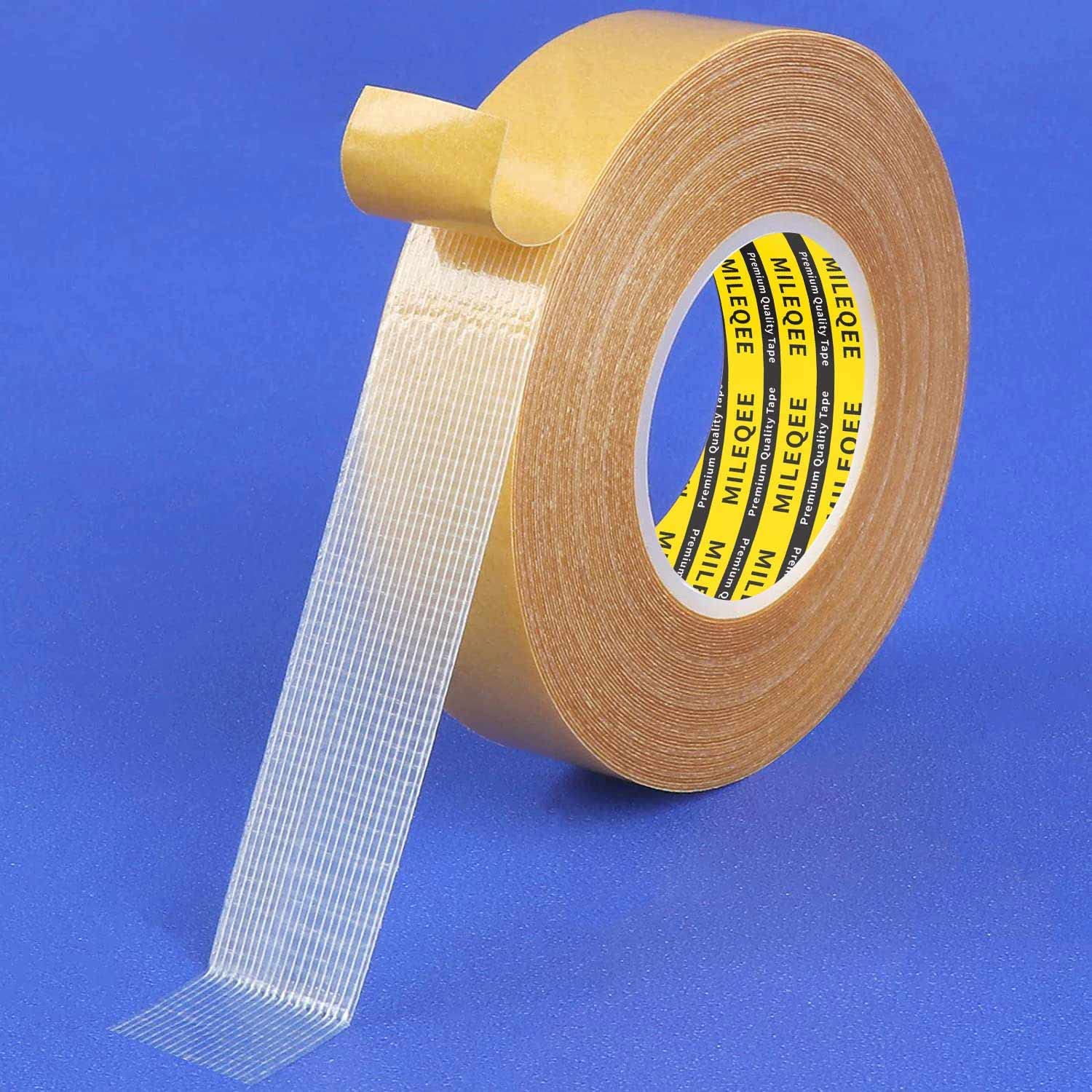
A stock image related to Cloth tape.
Comprehensive Cost and Pricing Analysis for Cloth tape Sourcing
What Factors Determine Cloth Tape Pricing in Global B2B Markets?
Raw material composition significantly influences cloth tape unit costs, with woven cotton backings typically commanding higher prices than polyester blends due to agricultural commodity volatility. Adhesive chemistry creates distinct pricing tiers: hot melt compounds offer economical solutions for general bundling, while synthetic rubber adhesives provide superior tack at moderate premiums, and specialized acrylic formulations cost substantially more but deliver extended weather resistance critical for Middle Eastern and European outdoor applications. Thickness specifications, measured in mils (thousandths of an inch), directly correlate with material usage—standard 7.0 mil general-purpose grades suit price-sensitive African markets, whereas 11+ mil industrial variants target German automotive sectors requiring enhanced tensile strength. Customization requirements, including specific Pantone color matching, logo printing, or non-standard width slitting, introduce additional setup fees and minimum order thresholds that impact per-roll economics.
How Do Volume Tiers and MOQs Impact Your Sourcing Budget?
B2B cloth tape pricing follows aggressive volume discount curves, with substantial breaks typically occurring at 1,000-roll, 5,000-roll, and full-container-load (FCL) quantities. Buyers in Nigeria and South America should evaluate 20-foot versus 40-foot high-cube container utilization, as shipping cost per roll drops significantly when optimizing cubic meter usage rather than relying on less-than-container-load (LCL) shipments that incur consolidation surcharges. Minimum order quantities (MOQs) vary dramatically between stock items and custom conversions—standard 48mm widths in natural tan or black often ship at 500-roll minimums, while bespoke colors or double-sided constructions may require 3,000+ roll commitments. Strategic buyers negotiate staggered delivery schedules against bulk pricing to balance working capital constraints with unit cost optimization.
What Hidden Costs Should International Buyers Consider When Importing Cloth Tape?
Beyond FOB pricing, landed cost calculations must incorporate Harmonized System (HS) code 3919.10 duty variations, which range from 5% to 15% across Middle Eastern and European markets depending on local manufacturing protection policies. Freight volatility represents a critical concern for South American and African importers, where port congestion in Lagos or Buenos Aires can trigger demurrage charges exceeding the tape’s intrinsic value. Currency fluctuation risks require particular attention for buyers operating in volatile Naira or Real markets against stable USD or EUR supplier pricing. Regulatory compliance adds unforeseen expenses—REACH registration for German industrial clients or SONCAP certification for Nigerian construction imports necessitate third-party testing budgets that add $0.02-$0.05 per roll when amortized across large shipments.
How Can Buyers Optimize Total Cost of Ownership Beyond Unit Price?
Evaluating cloth tape sourcing requires analyzing application efficiency rather than sticker price alone; premium rubber-adhesive grades with aggressive initial tack often reduce consumption rates by 15-20% compared to economy hot-melt alternatives in heavy-duty bundling scenarios. Climate-appropriate adhesive selection prevents costly failures—acrylic systems justify higher upfront costs in humid West African or Gulf region storage environments where standard rubber adhesives degrade prematurely. Inventory management strategies must account for shelf-life limitations; rubber-based tapes typically maintain optimal performance for 12 months versus 18+ months for acrylic formulations, impacting write-off risks for slow-turning stock. Finally, assessing supplier technical capabilities, including in-house weaving and coating facilities versus trading companies, reveals opportunities to eliminate intermediary margins while ensuring consistent quality that reduces production line downtime in European manufacturing facilities.
Alternatives Analysis: Comparing Cloth tape With Other Solutions
When evaluating fastening and sealing solutions for industrial procurement, B2B buyers must weigh cloth tape against specialized alternatives that offer distinct performance profiles for specific operational environments. While standard cloth tape provides excellent conformability and hand-tearability for temporary applications, procurement teams across Nigeria, Germany, and emerging markets must consider whether the moisture resistance of coated laminates or the tensile strength of synthetic reinforcements better serve their supply chain needs. Understanding these material distinctions ensures optimal selection for everything from humid construction sites in South America to precision manufacturing facilities in the Middle East.
Which Tape Solution Offers the Best Balance of Conformability and Strength?
| Comparison Aspect | Cloth Tape | Polyethylene-Coated Duct Tape | Filament Reinforced Tape |
|---|---|---|---|
| Backing Composition | Woven cotton or polyester fabric | Fabric scrim laminated with polyethylene film | Polypropylene film with embedded fiberglass threads |
| Adhesive System | Rubber-based or acrylic (moderate tack) | Aggressive rubber-based (high tack) | Synthetic rubber (high shear resistance) |
| Tensile Strength | 20–30 lbs per inch | 30–50 lbs per inch | 100–300 lbs per inch |
| Surface Conformability | Excellent (conforms to irregular textures) | Good (flexible but memory-resistant) | Poor (rigid, requires flat surfaces) |
| Moisture Resistance | Moderate (breathable, vulnerable to saturation) | Excellent (waterproof barrier) | Good (resistant to humidity, not submersion) |
| Cost per Meter | $$ (Mid-range) | $$$ (Premium pricing) | $ (Economical for bulk logistics) |
| Clean Removal | Good (low residue on most surfaces) | Poor (high residue risk, potential surface damage) | Moderate (filaments may separate from backing) |
| Optimal B2B Application | Cable bundling, temporary masking, stage production | HVAC sealing, outdoor construction, heavy-duty patching | Palletizing, export packaging, heavy box reinforcement |
How Does Polyethylene-Coated Duct Tape Compare for Harsh Environment Operations?
Polyethylene-coated duct tape represents the heavy-duty evolution of cloth backing technology, specifically engineered for B2B buyers operating in challenging climates such as Nigeria’s rainy seasons or the Middle East’s extreme heat and dust. Unlike standard cloth tape, the polyethylene laminate creates an impermeable moisture barrier essential for HVAC duct sealing, outdoor equipment protection, and construction site weatherproofing where water ingress causes corrosion. However, procurement teams should note that this coating eliminates the breathability that makes cloth tape ideal for sensitive surfaces; the aggressive rubber adhesive can leave residue on automotive paint or exhibition hall flooring, potentially violating strict German manufacturing or event management standards. While cloth tape suffices for indoor temporary repairs, the coated variant becomes mandatory for any outdoor infrastructure or humid industrial environments where waterproofing takes precedence over clean removal.
Is Filament Reinforced Tape More Cost-Effective for High-Volume Shipping and Logistics?
For procurement managers handling export logistics from African ports or South American manufacturing hubs to European distribution centers, filament reinforced tape offers a compelling economic alternative to heavy-duty cloth options for load containment. The embedded fiberglass filaments provide tensile strength exceeding cloth tape by three to four times, enabling secure palletizing of heavy machinery and reinforcement of corrugated shipping containers subjected to international freight stresses. This synthetic solution significantly reduces material costs per meter compared to premium cloth tapes while providing the rigidity necessary for box sealing applications. However, its lack of conformability makes it unsuitable for wrapping irregular piping, cable harnesses, or curved surfaces where cloth tape’s woven flexibility prevents stress concentration points. B2B buyers should reserve filament tape for flat-surface logistics operations while maintaining cloth tape inventory for maintenance and irregular surface applications.
Essential Technical Properties and Trade Terminology for Cloth tape
When sourcing cloth tape for international industrial applications, understanding precise technical specifications and trade nomenclature ensures compliance with regional standards and operational requirements. B2B buyers across African, European, and Middle Eastern markets must verify these metrics to match products with specific environmental demands and regulatory frameworks. The following breakdown addresses the most critical specifications and terminology for effective global procurement.
What Are the Critical Technical Specifications for Industrial Cloth Tape?
Tensile Strength: Measured in Newtons per centimeter (N/cm) or pounds per inch (lbs/in), this indicates the maximum load the woven fabric backing withstands before rupture. Premium cotton-polyester blends typically offer 40-60 N/cm, essential for heavy-duty bundling in construction and logistics sectors where mechanical stress is constant.
Adhesion Strength (Peel Adhesion): Quantified in ounces per inch (oz/in) or Newtons per 25mm, this measures the adhesive’s bonding force to standardized substrates like stainless steel. Rubber-based adhesives provide 50-80 oz/in for immediate bonding, while acrylic systems offer lower initial tack but superior long-term holding power and UV resistance.
Backing Caliper (Thickness): Expressed in “mils” (thousandths of an inch), standard cloth tapes range from 7.0 mil to 12.0 mil. Thicker backings (10+ mil) provide enhanced abrasion resistance for outdoor applications in harsh climates, while thinner 7-mil variants suit precision electrical bundling and temporary surface protection.
Elongation at Break: This percentage indicates stretch capacity before failure, typically 10-20% for standard cloth tapes. Higher elongation (15%+) proves crucial for applications requiring flexibility around irregular surfaces or thermal expansion compensation in industrial environments with temperature fluctuations.
Temperature Resistance Range: Critical for procurement in varying climates, standard rubber-adhesive cloth tapes perform between -10°C to 80°C, while silicone-adhesive variants withstand -40°C to 180°C for high-temperature industrial applications such as automotive engine compartments or desert infrastructure.
Shear Strength (Cohesion): Measured in hours held under static load, this indicates resistance to slippage under stress. Industrial-grade cloth tapes should demonstrate >24 hours shear resistance to prevent failure in vertical bundling and suspension applications where gravity loads persist.
What Industry-Specific Terminology Should B2B Buyers Understand?
“Mil” Specification: In global trade, “mil” refers to thousandths of an inch (0.001″), not millimeters. A 7.0 mil cloth tape equals 0.177mm thickness—critical for distinguishing between general-purpose and heavy-duty grades in technical datasheets and avoiding costly specification errors.
Gaffer vs. Duct Tape Distinction: “Gaffer tape” denotes low-gloss, residue-free removal variants used in entertainment and exhibition industries, whereas “duct tape” implies polyethylene-coated, permanent-bond solutions for HVAC and construction sealing. This distinction affects pricing tiers and application suitability.
Initial Tack vs. Ultimate Adhesion: “Initial tack” describes immediate stickiness upon application (high in rubber adhesives), while “ultimate adhesion” refers to maximum bond strength achieved after 24-72 hours curing (superior in acrylic formulations). Understanding this difference prevents premature bond failure in critical installations.
Conformability: This describes the tape’s ability to mold to irregular surfaces without lifting or bridging. Woven cotton backings offer higher conformability than rigid fiberglass alternatives, essential for cable management on uneven industrial equipment and curved piping systems.
Hand-Tearability: A key logistical feature indicating the tape can be torn straight across without cutting tools, determined by fabric weave pattern and thread count. This property reduces installation time significantly in field applications where tool access
Navigating Market Dynamics and Sourcing Trends in the Cloth tape Sector
The global cloth tape market is undergoing significant transformation as industrial applications diversify beyond traditional repair and bundling into specialized sectors like renewable energy infrastructure, advanced logistics, and temporary event management. For procurement teams operating across Africa, South America, the Middle East, and Europe, understanding regional demand patterns and supply chain evolution is essential for strategic sourcing decisions that balance cost efficiency with performance requirements. The shift from commodity-grade products to specialized solutions—such as high-temperature resistant fiberglass cloth tapes, residue-free gaffer tapes for entertainment industries, and double-sided variants for industrial bonding—reflects broader industrial modernization trends in these key markets, requiring buyers to develop sophisticated evaluation criteria beyond basic specifications.
How Is the Global Cloth Tape Market Evolving for B2B Procurement?
The cloth tape sector is witnessing robust growth in emerging economies, particularly in Nigeria and other African markets where rapid infrastructure development drives substantial demand for heavy-duty sealing, bundling, and temporary repair solutions in construction and logistics. Simultaneously, European buyers in Germany and neighboring markets are driving a distinct premiumization trend, favoring industrial-grade cloth tapes with advanced acrylic adhesives, UV-resistant coatings, and specialized thicknesses over standard rubber-based alternatives. This market bifurcation creates distinct procurement strategies: volume-focused sourcing for general-purpose construction applications in developing regions, contrasted with performance-focused procurement for automotive, aerospace, and entertainment industries in mature markets where technical specifications and compliance certifications take precedence over unit costs.
Customization has emerged as a critical competitive differentiator, with international buyers increasingly requesting specific widths, extended lengths, and color-coding options for inventory management and safety compliance. The rise of digital procurement platforms has democratized access to Asian manufacturing hubs, yet quality consistency remains a primary concern for risk-averse procurement teams. Sophisticated buyers are moving beyond price-per-roll metrics to evaluate total cost of ownership, including adhesive longevity under thermal cycling and backing durability under local climate conditions—critical factors in humid Middle Eastern environments, high-UV African settings, or temperature-variable European industrial zones.
Regional regulatory fragmentation also shapes sourcing decisions, with Middle Eastern buyers prioritizing heat resistance for extreme temperatures, while European markets emphasize chemical safety standards under DIN or EN specifications. This divergence requires suppliers to maintain flexible manufacturing capabilities and regional warehousing to minimize lead times and currency fluctuation risks.
What Sustainability and Ethical Standards Define Responsible Cloth Tape Sourcing?
Sustainability is fundamentally reshaping sourcing criteria, particularly for European Union buyers subject to stringent REACH, RoHS, and emerging extended producer responsibility regulations. Forward-thinking manufacturers are transitioning from virgin cotton backings to recycled PET (polyester) blends, organic cotton alternatives, and innovative fiberglass composites that significantly reduce water consumption and carbon emissions in textile production. Adhesive innovation presents another critical frontier, with solvent-free acrylic and hot-melt formulations gaining traction over traditional rubber-based adhesives that contain higher volatile organic compound (VOC) levels and present complex end-of-life disposal challenges.
Ethical sourcing extends beyond environmental metrics to encompass labor practices throughout the textile supply chain. Procurement teams should verify factory certifications and conduct regular audits ensuring fair labor standards in cotton cultivation, fabric weaving, and adhesive coating operations—particularly crucial when sourcing from regions with complex textile industries
Frequently Asked Questions (FAQs) for B2B Buyers of Cloth tape
1. What is the difference between cloth tape and duct tape for heavy-duty industrial applications?
Cloth tape utilizes a woven cotton or polyester backing that conforms to irregular surfaces and typically allows cleaner removal, making it ideal for temporary bundling on manufacturing equipment or delicate substrates. Duct tape incorporates a polyethylene-coated fabric with aggressive rubber-based adhesives, providing superior moisture resistance and permanent bonding for outdoor infrastructure and HVAC sealing. For procurement teams, cloth tape reduces the risk of surface damage during temporary holding applications, while duct tape ensures weatherproof integrity in permanent installations exposed to environmental stressors.
2. How do you choose the right tensile strength and weave density for heavy-duty cloth tape?
For industrial load-bearing applications, specify cloth tape with tensile strength exceeding 40 pounds per inch (70 N/cm) to prevent breakage during heavy bundling. Evaluate the weave density—higher thread count blends (such as 70/30 polyester-cotton) provide dimensional stability under dynamic stress while maintaining flexibility. Consider whether field application requires hand-tearability; ultra-high tensile strengths often necessitate cutting tools, which may slow installation speed in construction or emergency repair scenarios.
3. What temperature resistance specifications should cloth tape meet for automotive underhood and HVAC system applications?
Automotive underhood applications require silicone-based adhesive formulations rated for continuous exposure between 150°C and 200°C, with intermittent tolerance up to 250°C to withstand engine bay heat. HVAC cloth tapes should maintain adhesion across a range of -40°C to 80°C with high humidity resistance for duct sealing. For outdoor HVAC units in sunny climates like Nigeria or the Middle East, specify acrylic adhesives that resist UV oxidation and prevent edge lifting during thermal expansion cycles.
4. Can cloth tape be custom printed with company logos and handling instructions for commercial branding?
Yes, manufacturers offer screen printing or flexographic printing on cloth tape backings, typically supporting 1–3 Pantone colors for logos, barcodes, or safety warnings. Minimum order quantities generally start at 500–1000 rolls depending on tape width, with one-time plate setup fees for artwork creation. Custom printed cloth tape enhances supply chain visibility during international shipping while serving compliance needs—such as labeling electrical ratings or fragile handling instructions—directly on the packaging material.
5. How do you select the appropriate adhesive formulation for extreme humidity and temperature variations in African and Middle Eastern markets?
For tropical climates with humidity exceeding 70% and high UV exposure, specify acrylic or hot-melt acrylic adhesives rather than natural rubber formulations, which oxidize and turn gummy in heat. Silicone-based adhesives provide superior performance for desert regions with extreme diurnal temperature swings but command premium pricing suitable for automotive OEM applications. Request accelerated aging test data (ASTM D3654) demonstrating 90-day humidity resistance at 85% relative humidity to validate performance in Lagos, Dubai, or São Paulo storage conditions.
6. What certifications and compliance standards should bulk cloth tape meet for import into the European Union and Nigerian markets?
For EU import (Germany), cloth tape must comply with REACH regulations regarding Substances of Very High Concern (SVHCs) and RoHS directives if used near electrical components. Nigerian imports require Standards Organization of Nigeria Conformity Assessment Programme (SONCAP) certification and ISO 9001:2015 quality management documentation. Procure suppliers providing Material Safety Data Sheets (MSDS), tensile strength test reports accredited to ISO/IEC 17025 laboratories, and phthalate-free certifications to expedite customs clearance and avoid port detention fees.
7. How should bulk cloth tape shipments be stored and container-loaded to prevent adhesive degradation during sea freight to tropical climates?
Implement climate-controlled storage protocols maintaining temperatures below 35°C and relative humidity under 60% during container transit to African and South American ports. Utilize aluminum foil moisture barriers or silica gel desiccants (minimum 5kg per 20-foot container) when shipping through high-humidity corridors like the Suez Canal or equatorial zones. Store rolls vertically on heat-treated pallets with edge protectors to prevent compression damage, and specify “First-In-First-Out” inventory rotation to ensure usage within the 12-month optimal adhesive shelf life.
8. What is the difference between premium gaffer tape and standard cloth duct tape for professional event management and film production industries?
Premium gaffer tape features a matte cotton cloth backing that eliminates light reflection during filming and utilizes synthetic rubber or vinyl-coated adhesives formulated for clean removal without residue from cables, floors, and stage equipment. Standard cloth duct tape typically carries a polyethylene coating and aggressive natural rubber adhesive suited for permanent HVAC sealing but risks surface damage and adhesive transfer when removed. Event management companies should specify gaffer tape for trade shows and concerts to avoid venue damage charges, while reserving standard cloth tape for non-critical bundling and packaging applications.
Important Disclaimer & Terms of Use
⚠️ Important Disclaimer
The information provided in this guide, including content regarding manufacturers, technical specifications, and market analysis, is for informational and educational purposes only. It does not constitute professional procurement advice, financial advice, or legal advice.
B2B buyers must conduct their own independent and thorough due diligence before making any purchasing decisions. The risk of relying on any information in this guide is borne solely by the reader.
Top 2 Cloth Tape Manufacturers & Suppliers List
1. Metoree – Adhesive Tape Manufacturers
Domain: us.metoree.com
Registered: 2020 (6 years)
Introduction: This company, Metoree – Adhesive Tape Manufacturers, is a notable entity in the market.
2. TapeSuppliers – Cloth Tape
Domain: tapesuppliers.com
Registered: 2007 (19 years)
Introduction: Cloth tape (also known as fabric tape) is an adhesive tape featuring a cloth or fabric backing/core. It is characterized by strong durability, high tensile strength, and flexible construction that encourages resilience. The tape resembles classic duct tape and gaffer tape in appearance and functionality. Key properties include exceptional strength, flexibility, and versatility for various applicat…
Strategic Sourcing Conclusion and Outlook for Cloth tape
How Should Global Buyers Evaluate Cloth Tape Suppliers for Long-Term Partnerships?
When sourcing cloth tape internationally, prioritize partners offering comprehensive customization capabilities—including bespoke width conversions and length configurations—to ensure alignment with specific bundling, sealing, or masking requirements. Verify that suppliers maintain consistent adhesive formulations across production batches, particularly for rubber-based and acrylic systems that must perform reliably under varying humidity and temperature conditions prevalent in African, Middle Eastern, and South American markets. Robust quality assurance protocols, including tensile strength testing and aging resistance validation, distinguish reliable manufacturers from commodity traders.
What Are the Emerging Trends Reshaping Cloth Tape Procurement?
The sector is shifting toward specialized adhesive technologies, with silicone-based formulations gaining traction for high-temperature industrial applications, while sustainable cotton and recycled polyester backings address growing ESG mandates in European markets. Procurement strategies increasingly emphasize supply chain resilience; establishing dual-source agreements for both general-purpose and premium grades—such as gaffer and colored duct variants—mitigates risks associated with regional logistics disruptions.
Which Technical Specifications Will Define Next-Generation Applications?
Future demand centers on hybrid constructions that combine woven fabric durability with advanced polymer coatings, delivering enhanced UV resistance for outdoor infrastructure projects and matte finishes for professional entertainment markets. Buyers should specify tapes with optimized adhesion profiles that balance immediate tack with clean removal characteristics, ensuring versatility across construction, automotive, and event management sectors.