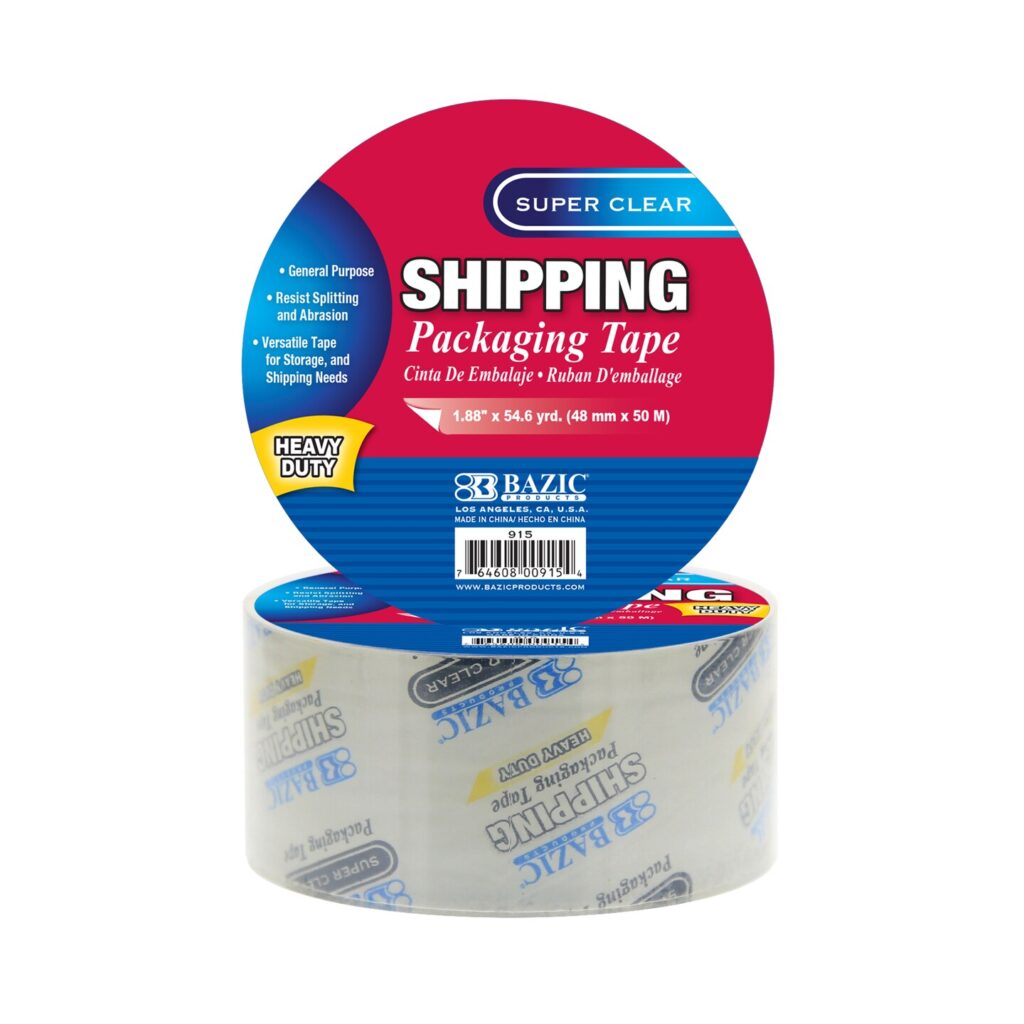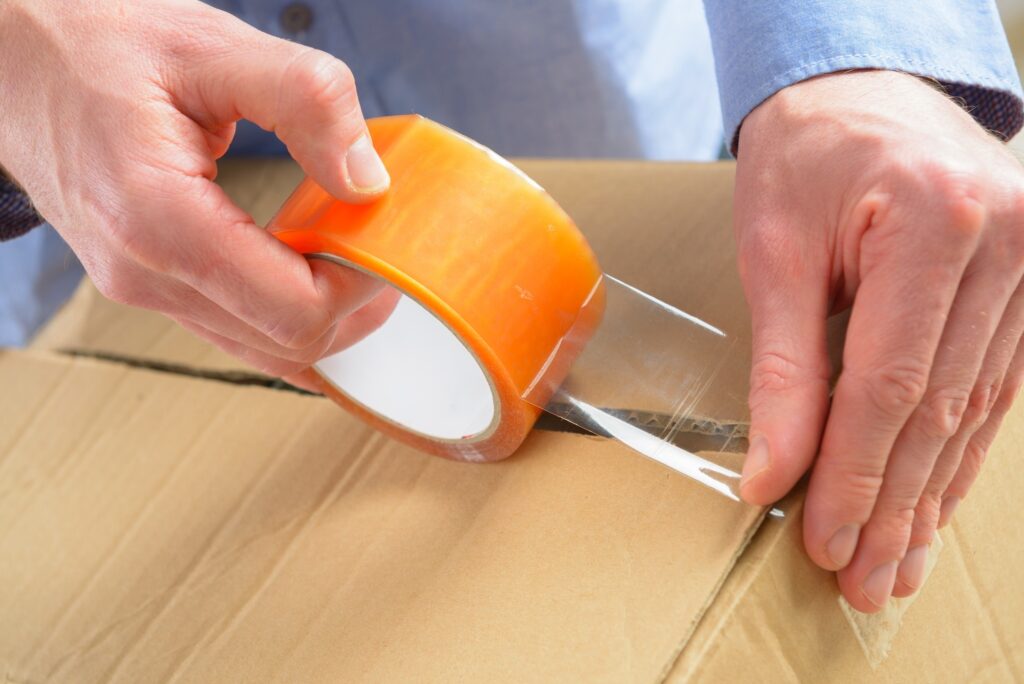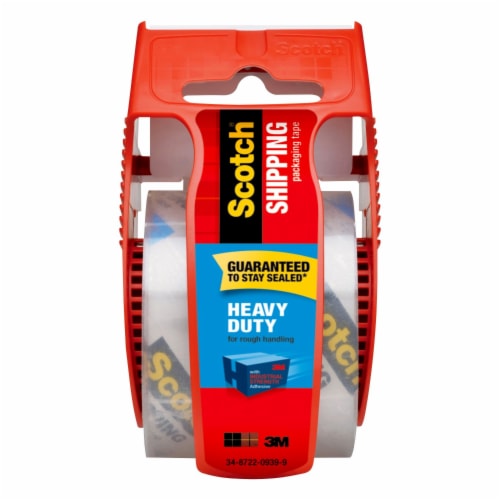
Introduction: Navigating the Global Market for Ultra transparent box sealing tape
Sourcing ultra transparent box sealing tape for high-visibility packaging presents unique procurement challenges for teams operating across diverse regulatory environments and complex supply chain infrastructures. Whether you are managing export operations from São Paulo or fulfilling e-commerce orders in Lagos, inconsistent BOPP film clarity, adhesive degradation under tropical humidity, and unreliable supplier lead times can compromise both product presentation and operational efficiency, directly impacting customer satisfaction and cross-border brand perception.
What Critical Challenges Do Global Buyers Face When Selecting Ultra Transparent Sealing Solutions?
International procurement teams frequently encounter significant friction when balancing aesthetic requirements with harsh logistical realities. Variations in biaxially oriented polypropylene film quality, inadequate UV resistance for extended warehouse storage, and insufficient “clean peel” characteristics create costly delays during customs clearance and retail shelf presentation. Additionally, navigating fluctuating minimum order quantities, volatile currency exchange rates, and disparate regional compliance standards across African, South American, Middle Eastern, and European markets demands specialized technical expertise and robust supplier vetting capabilities.
How Can This Guide Optimize Your Cross-Border Procurement Strategy?
This comprehensive resource directly addresses these market complexities by examining critical selection factors including film thickness variations, solvent-based versus acrylic adhesive systems, and application-specific requirements ranging from semiconductor wafer packaging to luxury retail display sealing. We provide actionable frameworks for certifying manufacturers, analyzing total landed costs including freight and duties, and establishing rigorous quality assurance protocols tailored to emerging markets like Brazil and Nigeria. By synthesizing technical material specifications with regional supply chain insights, this guide equips you to secure consistent, defect-free sealing solutions that enhance brand presentation while optimizing inventory turnover across international distribution networks.
Understanding Ultra transparent box sealing tape Types and Variations
| Type Name | Key Distinguishing Features | Primary B2B Applications | Brief Pros & Cons for Buyers |
|---|---|---|---|
| Standard BOPP Ultra-Clear (2.0–2.6 mil) | Biaxially oriented polypropylene film, solvent acrylic adhesive, UV-resistant, non-yellowing formulation | General carton sealing, retail packaging, light-to-medium duty logistics, label protection | Pros: Cost-effective, high tensile strength, fast tack. Cons: Limited conformability on irregular surfaces, potential adhesive residue on recycled fibers |
| Crystal Clear Lamination Grade | Higher optical clarity, thinner caliper (1.5–2.0 mil), enhanced see-through properties, low haze | Document lamination, bookbinding, barcode label protection, archival sealing, presentation packaging | Pros: Virtually invisible finish, excellent readability, professional aesthetic. Cons: Lower puncture resistance, premium pricing, unsuitable for heavy loads |
| UPVC Flexible Packaging Tape | Unplasticized polyvinyl chloride backing, high conformability, chemical resistance, flexible adhesion | Produce bag sealing, flexible film packaging, printer’s rolls, shrink-wrapped goods, curved surfaces | Pros: Superior adhesion to LDPE films, conforms to irregular shapes, good chemical resistance. Cons: Lower tensile strength than BOPP, temperature-sensitive application |
| Clean-Peel Electronics Grade (LDPE) | Low-density polyethylene film, low halogen/chloride content, minimal outgassing, residue-free removal | Wafer box sealing, semiconductor packaging, sensitive electronics, cleanroom environments, medical devices | Pros: No adhesive transfer, non-corrosive, clean peel properties. Cons: Significantly higher cost, lower initial tack, limited outdoor durability |
| UV-Stabilized Heavy-Duty (3.0+ mil) | Thicker BOPP construction, enhanced UV inhibitors, aggressive solvent acrylic, anti-yellowing additives | Export shipping, tropical climate storage, outdoor warehousing, heavy-duty cartons, long-term archival | Pros: Extended sun exposure resistance, strong edge holding, prevents degradation in high heat. Cons: Higher per-roll cost, requires robust dispensing equipment |
What are the key differences between standard BOPP and crystal clear lamination tapes?
Standard BOPP ultra-clear tapes utilize biaxially oriented polypropylene with solvent-based acrylic adhesives, offering excellent tensile strength and UV resistance for general logistics. In contrast, crystal clear lamination grades prioritize optical clarity over structural strength, utilizing thinner films that virtually disappear when applied. B2B buyers should assess whether their priority is load-bearing security or aesthetic presentation; standard BOPP suits high-volume shipping, while crystal clear excels in retail environments where barcode readability and brand visibility are paramount.
When should procurement teams select UPVC over standard polypropylene variants?
UPVC tapes provide superior conformability compared to rigid BOPP films, making them ideal for flexible packaging applications such as produce bags and shrink-wrapped goods common in agricultural exports to Brazil and Nigeria. While BOPP offers higher tensile strength for rigid carton sealing, UPVC adapts to curved surfaces and maintains adhesion under chemical exposure. Buyers sourcing for food packaging or pharmaceutical flexible films should prioritize UPVC’s flexibility, whereas rigid box manufacturers benefit more from BOPP’s structural integrity and cost efficiency.
Why do electronics manufacturers require clean-peel LDPE tapes instead of standard acrylics?
Clean-peel electronics grade tapes utilize low-density polyethylene backings with specialized low-outgassing adhesives that prevent corrosive residue buildup on sensitive components like silicon wafers and circuit boards. Unlike standard acrylics that may leave ghosting or adhesive transfer upon removal, these tapes offer reliable sealing without contamination risks. B2B buyers in semiconductor, aerospace, or medical device sectors must verify halogen and chloride content levels, as standard packaging tapes can introduce ionic contamination that compromises product functionality during international transit.
How does tape thickness impact performance in high-humidity and UV-exposed environments?
Thickness variations directly correlate with durability in challenging climates prevalent in Middle Eastern and African markets. Standard 2.0–2.6 mil tapes suffice for climate-controlled warehousing, but 3.0+ mil UV-stabilized variants prevent adhesive degradation and film yellowing during extended outdoor storage or tropical shipping. Thicker tapes also resist puncturing from box edges and rough handling. Buyers should match thickness to storage duration and environmental exposure; short-haul distribution may use standard gauges, while export logistics to sun-exposed ports require heavy-duty UV-resistant formulations.
What factors determine the optimal adhesive system for ultra-transparent tapes?
The adhesive chemistry—whether solvent acrylic, hot melt, or natural rubber—determines temperature performance and surface compatibility. Solvent acrylics offer superior UV resistance and aging stability critical for markets with high sun exposure. Hot melt adhesives provide immediate tack for high-speed automated lines but may yellow over time. B2B buyers must evaluate their climate conditions, application speed requirements, and substrate types; solvent-based systems justify premium costs for long-term storage, while hot
Key Industrial Applications of Ultra transparent box sealing tape
| Industry/Sector | Specific Application of Ultra transparent box sealing tape | Value/Benefit for the Business | Key Sourcing Considerations for this Application |
|---|---|---|---|
| E-commerce & Retail Distribution | Carton sealing for high-value consumer goods; protective lamination over shipping labels and barcodes | Maintains brand presentation aesthetics; enables scan-through capability for logistics tracking; provides tamper-evident security without obscuring branding | UV-resistant formulations for tropical climates (Africa, South America); humidity-resistant acrylic adhesive; compatibility with recycled corrugated materials |
| Electronics Manufacturing & Semiconductor Logistics | Cleanroom wafer box sealing; anti-static packaging for sensitive components; contamination control barriers | Clean peel properties prevent particulate contamination; visibility allows inventory verification without seal breach; chemical resistance protects against corrosive outgassing | Low halogen and leachable chloride content; anti-static (ESD) properties; compliance with ISO 14644 cleanroom standards; temperature stability for desert storage conditions |
| Food & Beverage Export & Cold Chain | Secondary packaging for agricultural exports; cold storage carton sealing; moisture barrier maintenance for perishables | Enables visual customs inspection without breaking seals; moisture resistance prevents carton degradation in humid climates; maintains cold chain integrity | FDA/EU food contact compliance (EC 1935/2004); performance in 0°C to 10°C cold chain environments; UV stability for outdoor storage in high-sunlight regions |
| Pharmaceutical & Medical Distribution | Tamper-evident sealing of medical supply boxes; label lamination for drug identification; long-term archival storage | Non-yellowing preservation of batch codes and expiry dates; sterile appearance meets medical packaging standards; protection against moisture and dust contamination | Medical-grade biocompatibility (ISO 10993); resistance to gamma/EO sterilization; compliance with regional pharmacopeia (ANVISA, NAFDAC, EMA); archival stability 5+ years |
| Luxury Goods & Cosmetics | Premium packaging sealing for cosmetics, jewelry, and fashion; gift box security | Invisible sealing maintains luxury unboxing experience; tamper evidence without compromising aesthetics; brand protection against counterfeiting | Low-noise unwind for quiet packaging environments; compatibility with glossy/UV-coated surfaces; residue-free removal for return-friendly policies |
How does ultra-transparent tape enhance e-commerce packaging integrity in emerging markets?
In rapidly digitizing markets like Nigeria and Brazil, ultra-transparent box sealing tape serves as both a security and marketing tool for cross-border shipments. The tape’s
A stock image related to Ultra transparent box sealing tape.
3 Common User Pain Points for ‘Ultra transparent box sealing tape’ & Their Solutions
Scenario 1: Barcode Scanning Failures in High-Volume Distribution
The Problem: In busy logistics hubs across São Paulo or Lagos, warehouse operators frequently encounter automated sorting failures when shipping cartons are sealed with standard clear tape. The haze, micro-bubbles, and surface irregularities inherent in conventional packing films create optical interference that prevents barcode scanners from reading shipping labels through the tape surface. This forces manual repositioning of packages or complete tape removal, creating costly bottlenecks during peak export seasons and delaying customs clearance processes where every hour impacts delivery commitments and labor costs escalate rapidly.
The Solution: Ultra transparent box sealing tape utilizes premium biaxially oriented polypropylene film combined with solvent-based acrylic adhesive systems that eliminate “fish eyes” and optical distortion. This engineering ensures exceptional light transmission properties, allowing infrared and laser barcode scanners to capture data seamlessly through the sealed surface without reflection errors or misreads. For B2B buyers managing international supply chains, selecting tape with verified optical clarity specifications eliminates manual handling interruptions, accelerates throughput in automated distribution centers, and ensures compliance with strict scanning requirements at ports across Europe, Africa, and South America.
Scenario 2: UV-Induced Yellowing in Climate-Challenged Export Markets
The Problem: Export shipments destined for the Middle East, Africa, or South America often endure intense UV exposure during containerized transport and extended outdoor storage, causing standard clear tapes to yellow and become brittle within weeks. This degradation not only compromises the aesthetic appeal of retail packaging but also signals poor quality control to distributors and end consumers. For premium consumer goods exporters, discolored sealing tape can trigger retailer rejection or necessitate costly repackaging operations upon arrival, while also obscuring critical shipping labels and branding that rely on the tape’s transparency for protection and visibility.
The Solution: Specify ultra transparent tapes engineered with non-yellowing, UV-resistant adhesive formulations specifically designed for harsh solar exposure. These advanced acrylic systems resist photochemical breakdown and oxidation, maintaining glass-like transparency throughout tropical shipping cycles and high-temperature storage conditions. Unlike standard tapes that degrade under intense sunlight, specialty-grade ultra clear films preserve the visual integrity of branded packaging and protected labels, ensuring that product presentation remains professional and barcode legibility stays intact from manufacturing facilities to final retail destinations in demanding climates.
Scenario 3: Automation Line Inefficiencies in Scaling Manufacturing Operations
The Problem: Growing manufacturing operations in emerging markets increasingly implement automated carton sealing systems to meet rising export volume demands, yet frequently encounter production stoppages when using commodity-grade clear tapes. Inconsistent film caliper, adhesive buildup on machine rollers, and poor conformability on recycled corrugated materials cause frequent jamming, misalignment, and incomplete seals. These interruptions reduce line efficiency, increase maintenance requirements, and create quality control risks where weak seals could lead to product damage during international transit—particularly critical for high-value electronics, pharmaceuticals, or semiconductor components requiring pristine packaging integrity.
The Solution: Deploy ultra transparent sealing tapes specifically calibrated for automated packaging lines, featuring precise thickness control (typically 2.6 mil) and optimized unwind characteristics that prevent gapping and machine fouling. These industrial-grade films utilize clean-peel acrylic adhesives that minimize outgassing and residue accumulation while providing excellent conformability across various box grades and surfaces. For B2B buyers scaling production for global markets, specifying machine-compatible ultra transparent tape ensures continuous operation, reduces downtime in high-speed sealing environments, and delivers consistent adhesion critical for securing shipments through varying humidity and temperature conditions encountered during ocean freight to European and international ports.
Strategic Material Selection Guide for Ultra transparent box sealing tape
Which Film Substrate Delivers the Best Balance of Clarity and Cost Efficiency?
Biaxially Oriented Polypropylene (BOPP) dominates global packaging markets, particularly in high-volume export hubs like Brazil and Nigeria. This material undergoes biaxial stretching to create a super-clear film with exceptional dimensional stability and tensile strength—critical for securing heavy cartons in automated fulfillment centers. BOPP tapes utilizing solvent acrylic adhesive systems offer excellent UV resistance and non-yellowing properties essential for packages stored in outdoor conditions or transiting through Middle Eastern ports with intense sun exposure. The material’s rigidity ensures clean cuts on high-speed dispensers, reducing waste. However, BOPP’s oriented molecular structure generates significant noise during unwind, which may disrupt quiet retail environments, and its limited conformability can result in edge lifting on highly textured or recycled corrugated surfaces common in emerging markets.
Why Specify Unplasticized Polyvinyl Chloride for Premium Presentation Packaging?
Unplasticized Polyvinyl Chloride (UPVC)—often marketed as “crystal clear” tape—provides optical clarity exceeding 90% light transmission, making it ideal for European retail environments where product visibility directly influences purchasing decisions. Unlike BOPP, UPVC offers silent unwind properties, eliminating the crackling noise that can damage customer experience in boutique retail or hospital settings. The material’s inherent conformability allows it to seal irregularly shaped luxury goods and textured surfaces without “silvering” or stress whitening. For Middle Eastern distributors handling temperature-sensitive cosmetics or electronics, UPVC maintains adhesion across moderate temperature ranges while providing a premium aesthetic. The primary limitations include higher raw material costs and reduced tensile strength, which requires precise tension calibration on automated lines to prevent stretching. Additionally, chlorine content may trigger environmental compliance reviews under EU REACH regulations.
When Is Low-Density Polyethylene Essential for Contamination-Controlled Sealing?
Low-Density Polyethylene (LDPE) serves niche but critical B2B segments, particularly in semiconductor manufacturing and pharmaceutical distribution across the Middle East and Asia. While LDPE sacrifices some optical clarity compared to oriented films, it delivers “clean peel” characteristics essential for wafer box sealing and cleanroom applications where adhesive residue could contaminate sensitive components. The material’s low halogen and leachable chloride content meet stringent ISO cleanroom standards, while its chemical resistance withstands exposure to isopropyl alcohol and other sanitizing agents common in medical supply chains. LDPE’s softness provides superior conformability for sealing irregular pharmaceutical containers. However, the material exhibits significantly lower mechanical strength than BOPP, making it unsuitable for heavy-load containment, and specialized cleanroom-grade formulations command premium pricing with limited supplier availability in South American and African markets.
How Does Cast Polypropylene Support Specialized Converting Requirements?
Cast Polypropylene (CPP) represents an unoriented alternative that bridges the gap between BOPP and UPVC. Manufactured through extrusion casting rather than stretching, CPP offers enhanced conformability and quieter unwind than BOPP while avoiding PVC’s environmental profile. This material suits medium-duty applications requiring moderate clarity, such as bundling printed materials or sealing display boxes in climate-controlled European warehouses. CPP demonstrates better heat-sealing compatibility than oriented films,
A stock image related to Ultra transparent box sealing tape.
In-depth Look: Manufacturing Processes and Quality Assurance for Ultra transparent box sealing tape
Ultra-transparent box sealing tape represents the convergence of advanced polymer science and precision converting technology. For B2B procurement teams sourcing packaging solutions across diverse climates and regulatory environments—from the humid logistics corridors of West Africa to the temperature-controlled warehouses of Europe—understanding the manufacturing intricacies behind optical-grade clarity ensures both aesthetic presentation and functional reliability. The production of these specialty tapes involves sophisticated biaxial orientation processes, solvent-based adhesive formulations, and rigorous contamination controls that distinguish premium grades from standard commodity offerings.
How Is Ultra-Transparent Box Sealing Tape Manufactured to Ensure Optical Clarity?
The manufacturing journey begins with biaxially oriented polypropylene (BOPP) film production, where polymer pellets undergo simultaneous or sequential stretching in both machine and transverse directions. This biaxial orientation creates a molecular structure that delivers exceptional tensile strength while maintaining the crystal-clear transparency required for retail-ready packaging. Premium manufacturers utilize solvent-based acrylic adhesive systems rather than emulsion-based alternatives, as solvent coatings provide superior optical clarity and resistance to whitening under humid conditions common in tropical markets like Brazil and Nigeria.
During the coating phase, automated tension control systems maintain precise film stability to eliminate “fish eyes”—microscopic irregularities that compromise transparency. The adhesive layer, typically calibrated to 2.6 mil thickness for heavy-duty applications, undergoes thermal curing to ensure complete solvent evaporation and uniform cross-linking. This curing process proves critical for achieving the non-yellowing characteristics essential for long-term storage and UV-exposed shipping containers.
What Raw Material Specifications Should B2B Buyers Verify for Premium Transparency?
Discerning buyers should prioritize BOPP films with low haze values (typically below 1.5%) and high gloss surfaces that enhance shelf appeal. For specialized applications such as electronics packaging or pharmaceutical wafer box sealing, verify that raw materials contain minimal halogens and leachable chlorides to prevent corrosion of sensitive components. The adhesive formulation warrants equal scrutiny—solvent-based acrylic systems offer superior aging stability compared to hot-melt or rubber-based alternatives, particularly critical when tape must withstand temperature fluctuations during intercontinental shipping.
Request material safety data sheets documenting the absence of plasticizers that could migrate and cause adhesive failure in high-temperature climates. Leading suppliers utilize low-density polyethylene backing materials for specific cleanroom applications, offering chemical resistance and conformability while maintaining the “clean peel” properties necessary for reusable packaging systems.
Which Coating and Adhesive Technologies Prevent Yellowing and Defects?
Advanced manufacturing facilities employ closed-loop coating systems that maintain constant viscosity and temperature parameters, preventing the oxidative degradation that causes yellowing over time. UV-resistant adhesive formulations incorporate hindered amine light stabilizers and UV absorbers that protect both the tape and packaged contents during extended outdoor storage—a common scenario in Middle Eastern and South American distribution centers.
Quality-focused converters implement vision inspection systems during coating operations, utilizing high-resolution cameras to detect microscopic contaminants or coating irregularities in real-time. These automated systems reject material exhibiting optical defects before slitting, ensuring that only defect-free master rolls proceed to the converting stage. The result is a tape that maintains its transparency throughout the product lifecycle, from application through end-consumer unboxing.
How Does Precision Converting Support Diverse Industrial Requirements?
Post-manufacturing converting capabilities determine a supplier’s ability to serve specialized B2B markets. Precision slitting operations convert master rolls into narrow widths or extended machine lengths while maintaining edge quality critical for automated packaging lines. For buyers managing inventory across multiple warehouse locations, inquire about just-in-time converting options that reduce lead times to 2-3 days for stock sizes and 3-5 days for custom dimensions.
Private labeling and contract converting services enable regional distributors to build brand equity while leveraging international manufacturing standards. This proves particularly valuable for African and South American importers seeking to establish local market presence without investing in capital-intensive coating equipment. Verify that converting facilities maintain ISO-certified cleanroom standards when sourcing tapes for electronics, medical, or food-contact applications.
What Quality Assurance Protocols Guarantee Consistent Batch-to-Batch Performance?
Reliable suppliers implement multi-stage QA protocols beginning with incoming raw material inspection and continuing through final shipment verification. Critical tests include peel adhesion consistency, shear strength resistance to slippage, and accelerated aging simulations that replicate six-month storage conditions within 72-hour testing cycles. Optical quality verification employs haze meters and gloss meters to quantify transparency metrics objectively.
For buyers in regulated industries, request certificates of analysis documenting compliance with international standards for chemical resistance and outgassing properties. Leading manufacturers offer satisfaction guarantees covering material defects and workmanship, coupled with low minimum order quantities that accommodate market testing and seasonal demand fluctuations. This combination of rigorous testing and flexible procurement terms supports the cash flow management priorities of emerging market distributors.
How Can International Buyers Validate Supply Chain Reliability?
When evaluating ultra-transparent tape suppliers for long-term partnerships, assess their ability to maintain consistent optical and mechanical properties across production runs separated by months or years. Request sample retention programs that allow comparison of current shipments against original qualification standards. Evaluate the supplier’s geographic distribution capabilities—manufacturers with regional converting facilities can mitigate shipping delays and currency fluctuation risks affecting landed costs in Europe, Africa, and South America.
Verify that quality management systems include corrective action protocols for addressing batch-specific defects without disrupting ongoing supply commitments. The most reliable partners provide technical datasheets documenting UV resistance, chemical compatibility, and temperature performance ranges specific to your regional climate conditions, enabling informed specification decisions that balance performance requirements against procurement costs.
Practical Sourcing Guide: A Step-by-Step Checklist for ‘Ultra transparent box sealing tape’
Procuring ultra-transparent box sealing tape requires balancing optical performance with logistical practicality, particularly when sourcing from international suppliers for markets in Brazil, Nigeria, or the Middle East. This checklist provides B2B buyers with actionable steps to evaluate technical specifications, ensure climate-appropriate adhesive performance, and establish supply chain terms that accommodate long-distance procurement cycles.
How Do You Define Optical Clarity and Material Specifications for Tropical Climates?
Specify biaxially oriented polypropylene (BOPP) film with solvent-based acrylic adhesive systems to ensure non-yellowing properties and UV resistance critical for tropical storage conditions. Request haze measurements below 5% and verify the tape exhibits no “fish eyes” or visual distortions that compromise barcode scanning or premium product visibility. For high-value electronics or retail packaging destined for Middle Eastern or Brazilian markets, demand accelerated aging documentation confirming the film maintains optical clarity after prolonged sun exposure during port storage and transit.
Which Adhesive Chemistry Performs Best in High-Humidity Export Conditions?
Select solvent-based acrylic adhesives over hot-melt alternatives for superior performance in humid environments typical of South American and West African logistics corridors. Verify the adhesive formulation minimizes outgassing—essential for semiconductor wafer box sealing—and offers robust chemical resistance against moisture infiltration during monsoon seasons. For electronics applications, prioritize low-halogen formulations with minimal leachable chlorides to prevent corrosion of sensitive components during weeks-long ocean freight from Asian manufacturing hubs.
What Compliance Certifications Are Required for Electronics and Food Packaging?
Confirm suppliers provide current RoHS compliance documentation and low-halogen certifications when sealing electronics, medical devices, or pharmaceutical packaging. For food distribution applications, verify FDA or EU food-contact approvals even when the tape serves an outer carton sealing function, as indirect contact regulations vary by jurisdiction. Request independent third-party lab reports confirming the absence of restricted substances like heavy metals or phthalates, particularly when sourcing for highly regulated European markets or stringent Middle Eastern import standards.
Can Suppliers Accommodate Custom Widths and Private Labeling Programs?
Evaluate converting capabilities beyond standard stock sizes, ensuring suppliers can produce narrow widths for manual hand application or extended-length machine rolls for high-speed automated packaging lines. Assess private labeling and contract converting programs that allow custom core printing, branded packaging, or localized language labeling—essential for distributors building brand recognition in Nigeria or Brazil. Confirm minimum order quantities (MOQs) remain manageable for initial trial shipments before committing to full container-load volumes that tie up working capital.
How Should You Structure Payment Terms and Inventory Management for International Procurement?
Negotiate “Pay as You Pull” inventory programs or flexible payment terms that preserve cash flow during extended international shipping periods and customs clearance delays. Verify lead times differentiate between stock items (typically 2-3 days) and custom converted sizes (3-5 days), ensuring these align with your safety stock calculations and seasonal demand fluctuations. Confirm the supplier offers same-day or expedited air freight options for urgent replenishment, and clarify Incoterms responsibilities regarding insurance and customs clearance for your specific African, European, or South American ports.
Why Is Sample Testing Critical for Verifying Clean Peel and Load-Bearing Performance?
Request pre-production sample rolls to test “clean peel” properties—ensuring the tape removes without fiber tear, adhesive residue, or surface damage that compromises premium packaging aesthetics upon unboxing. Validate shear strength, tack levels, and conformability on your specific carton substrates, particularly for recycled corrugated materials common in emerging markets with varying paper qualities. Conduct UV exposure testing by subjecting samples to simulated tropical sunlight conditions, verifying the adhesive maintains consistent tack and the film retains ultra-transparent clarity after typical transit durations of 30-45 days.
A stock image related to Ultra transparent box sealing tape.
Comprehensive Cost and Pricing Analysis for Ultra transparent box sealing tape Sourcing
Ultra-transparent box sealing tape pricing varies significantly based on material composition, order specifications, and supply chain geography. For procurement teams operating across diverse markets like Nigeria, Brazil, or the UAE, understanding the complete cost architecture—beyond simple per-roll pricing—is essential for optimizing working capital and ensuring consistent supply chain performance.
What Raw Material Specifications Drive Cost Variations in Ultra-Transparent Tapes?
The primary cost determinants center on film substrate quality and adhesive chemistry. Premium grades utilizing biaxially oriented polypropylene (BOPP) with solvent-based acrylic adhesives command higher unit costs than standard hot-melt alternatives, but deliver superior optical clarity, UV resistance, and non-yellowing properties critical for retail presentation. Thickness specifications—typically ranging from 2.0 to 3.0 mil—directly correlate with material consumption; a 2.6 mil construction offers optimal durability for heavy-duty carton sealing while maintaining cost efficiency. For electronics manufacturing applications, low-density polyethylene (LDPE) variants with low halogen and leachable chloride specifications incur additional material costs due to cleanroom-grade compliance requirements.
How Do Volume Tiers and MOQs Impact Procurement Economics?
Minimum order quantities (MOQs) represent a critical negotiation lever for international buyers. Standard stock sizes often ship within 2-3 days with relatively low MOQs, while custom slit widths or private-label conversions typically require 3-5 day lead times with specific volume commitments. Strategic buyers should negotiate tiered pricing structures that accommodate both emergency replenishment (smaller batches) and quarterly container shipments (bulk pricing). Some suppliers offer “Pay as you Pull” inventory programs, allowing you to secure volume pricing while deferring payment until actual consumption—significantly improving cash flow for distributors in emerging markets.
What Logistics Strategies Optimize Total Landed Costs Across Emerging Markets?
For buyers in Africa, South America, and the Middle East, freight and duty calculations often exceed material costs. Ocean freight full container loads (FCL) from Asian manufacturing hubs provide the lowest per-unit shipping rates but require 30-45 day transit times. Air freight suits urgent requirements but can triple landed costs. Smart procurement involves balancing safety stock levels against shipping modes, understanding local import tariff classifications for adhesive tapes (typically HS Code 3919), and negotiating Incoterms that clarify customs clearance responsibilities. Currency fluctuation hedging becomes essential when sourcing in USD or EUR while selling in local currencies like the Nigerian Naira or Brazilian Real.
How Should Buyers Evaluate Custom Converting and Value-Added Services?
Custom width slitting, specialized core sizes, and private labeling add per-unit costs but can differentiate your market offering. Evaluate whether these services justify the premium based on your end-user requirements. Contract converting programs that bundle multiple SKUs into single shipments reduce per-item freight costs and simplify inventory management. When assessing quotes, distinguish between tape costs and converting fees—some suppliers absorb slitting charges above certain volume thresholds, while others itemize these services separately.
Alternatives Analysis: Comparing Ultra transparent box sealing tape With Other Solutions
Selecting the optimal sealing method requires balancing optical clarity, operational throughput, and total cost of ownership across diverse logistics environments. While ultra-transparent box sealing tape delivers superior aesthetics and barcode readability essential for retail-ready exports, procurement teams in emerging markets must evaluate how it stacks against conventional alternatives that may offer distinct advantages in specific climate conditions or sustainability frameworks.
Which Sealing Solution Offers the Best Value for International Supply Chains?
| Comparison Aspect | Ultra Transparent Box Sealing Tape | Standard BOPP Packaging Tape | Water-Activated Kraft Paper Tape | UPVC Packaging Tape |
|---|---|---|---|---|
| Optical Clarity | Crystal clear; UV-stable; no fish eyes | Translucent; prone to yellowing under UV | Opaque kraft paper appearance | High clarity with slight blue tint |
| Cost Structure | Premium per meter; minimal waste | Lowest cost option; high availability | Medium material cost; requires dispenser investment | Higher than standard BOPP; specialized applications |
| Adhesion Mechanism | Solvent acrylic; surface bond | Hot melt or emulsion acrylic; surface bond | Chemical bond with corrugated fibers | Acrylic; clean peel properties |
| Application Speed | High (compatible with automated case sealers) | High (hand or machine application) | Moderate (requires water activation) | High; low-noise unwind |
| Climate Resistance | Excellent UV stability; moderate humidity tolerance | Risk of adhesive softening in extreme heat (common in Africa/Middle East) | Superior performance in temperature fluctuations; humidity-resistant once cured | Excellent chemical resistance; performs in high humidity (ideal for Brazil/Nigeria) |
| Security Features | Visual tamper evidence | Visual tamper evidence | Destructive tamper-evidence (tears packaging when removed) | Clean removal; reusable container compatible |
| Sustainability Profile | Polypropylene; recyclable with film recycling streams | Polypropylene; widely recyclable | Biodegradable; recyclable with cardboard | PVC-based; specialized recycling required |
How Does Standard BOPP Packaging Tape Compare for Cost-Driven Operations?
Standard BOPP packaging tape remains the workhorse for high-volume export operations where optical clarity is secondary to cost efficiency and immediate availability. While it lacks the crystal-clear finish necessary for premium retail presentation in European markets, modern hot-melt acrylic formulations provide reliable adhesion across the varied climates found in Nigeria and Brazil. However, procurement teams should note that standard tapes typically develop “fish eyes” and adhesive yellowing under prolonged UV exposure during Middle Eastern transit, potentially obscuring barcode scans and requiring additional label protection measures.
Is Water-Activated Paper Tape Practical for High-Humidity Environments?
Water-activated kraft paper tape presents a compelling alternative for B2B buyers facing strict sustainability mandates in Europe or seeking enhanced security for high-value shipments to the Middle East. The starch-based adhesive creates a permanent chemical bond with corrugated fibers, delivering tamper-evident protection that tears the box upon removal—critical for pharmaceutical and electronics exports. Though requiring initial investment in specialized dispensers and accepting slower application speeds than pressure-sensitive films, this solution performs exceptionally in the temperature fluctuations common in South American logistics and offers complete biodegradability aligned with circular economy principles.
When Should Procurement Teams Select UPVC Over Ultra-Transparent Options?
UPVC packaging tape serves niche but critical applications where chemical resistance and clean removal properties outweigh the need for optical perfection, particularly in agricultural and industrial sectors prevalent in Africa and South America. Unlike polypropylene alternatives that may struggle with outgassing or adhesion failure in high-humidity environments, UPVC maintains structural integrity during the transport of produce, chemicals, and sensitive electronics. While the material carries higher costs and reduced transparency compared to ultra-clear BOPP options, its compatibility with reusable container programs and excellent conformability on irregular surfaces make it indispensable for specific supply chain loops requiring repeated box utilization.
Essential Technical Properties and Trade Terminology for Ultra transparent box sealing tape
When sourcing ultra transparent box sealing tape for international distribution, understanding the technical specifications and industry nomenclature ensures you receive products that meet both aesthetic and performance standards. These tapes are engineered for applications requiring maximum visibility, such as retail packaging and document protection, where optical clarity directly impacts product presentation and brand perception during transit across diverse climates.
What Technical Specifications Determine Optical Performance and Durability?
Biaxially Oriented Polypropylene (BOPP) Film Grade: The substrate should feature premium-grade BOPP film manufactured through simultaneous biaxial orientation. This process aligns polymer molecules in both machine and transverse directions, creating exceptional dimensional stability and crystal-clear transparency while maintaining the tensile strength required for heavy-duty carton sealing during international transit.
Solvent-Based Acrylic Adhesive: Unlike hot melt or water-based alternatives, solvent acrylic adhesives provide superior optical clarity and aging resistance. This formulation offers immediate tack and long-term holding power across varying humidity levels common in African, Middle Eastern, and South American climates, without the yellowing associated with oxidation.
Caliper (Thickness) Measurement: Expressed in mils (thousandths of an inch) or microns, standard ultra transparent tapes range from 1.8 to 2.6 mil. Thicker films provide enhanced puncture resistance for export packaging, while thinner variants reduce freight costs for high-volume shipments. Brazilian and Nigerian import regulations often require specific thickness documentation for customs classification and duty calculations.
Optical Clarity Metrics: Look for haze values below 2% and light transmission rates exceeding 90%. These specifications indicate minimal light scattering and maximum see-through quality. High-performance tapes should exhibit zero “fish eyes”—small, visible imperfections in the film that distort visibility and indicate substandard manufacturing processes.
UV Resistance and Non-Yellowing Properties: Quality ultra transparent tapes incorporate UV stabilizers that prevent photochemical degradation. This is critical for shipments exposed to intense sunlight during Middle Eastern or African logistics operations, ensuring the tape maintains its invisible appearance throughout the supply chain journey.
What Industry Terminology Should Procurement Teams Master?
Fish Eyes: These are microscopic voids or gel particles visible as small dots in the film, caused by inconsistent resin blending. In B2B procurement, specifying “fish-eye-free” product ensures aesthetic standards for retail-ready packaging where barcode scanning and content visibility are paramount.
Crystal Clear vs. Super Clear: While often used interchangeably, “super clear” typically denotes higher-grade BOPP with enhanced anti-yellowing additives and lower haze values (under 1.5%) compared to standard crystal clear variants. Understanding this distinction prevents specification mismatches when comparing quotes from Asian and European manufacturers.
Clean Peel: This describes the tape’s ability to separate from substrates without adhesive residue or fiber tear. For reusable wafer boxes and premium retail cartons destined for European markets, clean peel properties protect brand integrity and enable box reuse, reducing waste management costs.
Outgassing: The release of volatile chemical compounds from adhesive systems under heat or vacuum conditions. Low-outgassing specifications are essential for electronics packaging and long-term storage in tropical climates, preventing fogging of transparent surfaces and corrosion of sensitive contents.
Mil: A unit of measurement equal to one-thousandth of an inch (0.001 inch). When Brazilian or Nigerian buyers specify “2.0 mil tape,” they indicate precise thickness requirements that affect both application machine compatibility and customs tariff classifications for plastic film products.
Navigating Market Dynamics and Sourcing Trends in the Ultra transparent box sealing tape Sector
What Are the Current Market Dynamics Driving Demand for Ultra-Transparent Box Sealing Solutions?
The global shift toward retail-ready packaging and premium unboxing experiences has catalyzed robust demand for ultra-transparent box sealing tape, particularly biaxially oriented polypropylene (BOPP) films engineered with solvent-based acrylic adhesive systems. Unlike conventional opaque alternatives, these high-clarity solutions offer non-yellowing properties and UV resistance, ensuring that branded packaging maintains its aesthetic integrity throughout extended supply chain journeys—critical for B2B buyers serving rapidly expanding e-commerce markets in Nigeria, Brazil, and the Middle East where first impressions directly influence consumer retention and brand perception.
Beyond consumer aesthetics, the semiconductor and electronics manufacturing sectors are driving specialized demand for low-density polyethylene (LDPE) based sealing solutions that minimize outgassing and leachable chlorides. These clean-peel formulations are essential for wafer box sealing and sensitive component packaging, where particulate contamination risks can compromise high-value shipments. As regional manufacturing hubs in these target markets mature, the intersection of consumer packaging clarity and industrial-grade cleanliness standards is creating a bifurcated yet complementary sourcing landscape that rewards suppliers capable of serving both commodity retail applications and high-tech industrial requirements.
How Are Supply Chain Innovations Reshaping International Procurement Strategies?
Modern B2B procurement increasingly prioritizes operational agility over bulk-volume discounts, with international buyers seeking converters capable of delivering custom widths and private-label configurations with minimal lead times. Leading suppliers now offer stock shipments within 2-3 days and custom conversions within 3-5 days, accompanied by flexible inventory programs that
Frequently Asked Questions (FAQs) for B2B Buyers of Ultra transparent box sealing tape
1. What is ultra transparent box sealing tape and why is it preferred for retail-ready export packaging?
Ultra transparent box sealing tape is a specialty-grade biaxially oriented polypropylene (BOPP) film coated with solvent-based acrylic adhesive, engineered to achieve optical clarity exceeding 90% light transmission. Unlike conventional packaging films, it eliminates “fish eyes,” adhesive bleed-through, and micro-bubbles that obscure carton contents, making it essential for retail display boxes where visual product presentation influences purchasing decisions. For exporters serving European and Middle Eastern markets, this grade ensures compliance with premium retail aesthetic standards while maintaining the structural integrity required for international transit.
2. What is the difference between ultra transparent and standard clear packing tape for B2B procurement?
Standard clear packing tape typically utilizes water-based acrylic adhesives that yellow within months and cloud the film substrate, whereas ultra transparent variants employ solvent-based acrylic systems with UV stabilizers and non-yellowing properties. The manufacturing tolerance for ultra transparent grades is significantly stricter, requiring film substrates free of optical distortions that could interfere with barcode scanning or product visibility. For procurement teams in Africa and South America, this distinction translates to reduced rejection rates from quality-conscious retail partners and lower costs associated with re-packaging or label recovery.
3. Can barcode scanners read through ultra transparent box sealing tape without scanning errors?
Yes, provided the tape exhibits true optical clarity with no adhesive irregularities or micro-bubbles that cause light refraction and scanning interference. High-grade ultra transparent tapes allow laser and camera-based barcode scanners to read through the sealed surface seamlessly, eliminating the operational inefficiency of folding tape edges or leaving barcode zones exposed. This capability is particularly critical for automated distribution centers in markets like Brazil and Nigeria, where scanning accuracy directly impacts inventory tracking and customs clearance velocity.
4. Is ultra transparent sealing tape suitable for automated packaging lines and high-speed carton sealers?
Ultra transparent sealing tape is fully compatible with automated packaging lines when specified with consistent unwind characteristics and tensile strength appropriate for the line speed (typically 2.6 mil thickness for heavy-duty applications). The solvent-based acrylic adhesive provides stable tack properties across varying temperatures and humidity levels, preventing flagging or lifting during high-speed carton sealing operations. For manufacturers scaling automation in diverse climates, selecting tape with uniform roll geometry and low elongation properties minimizes downtime caused by tape breaks or applicator misalignment.
5. How do I select ultra transparent tape specifications for humid climates and long-term storage?
For tropical environments like West Africa or coastal South America, specify ultra transparent tapes with UV-resistant, non-yellowing adhesive formulations and low water vapor transmission rates to prevent edge lifting. Solvent-based acrylic systems outperform rubber-based adhesives in high-humidity conditions, resisting oxidation and maintaining optical clarity during monsoon seasons or extended warehouse storage. Requesting suppliers provide accelerated aging test data (per ASTM D3654 standards) ensures the tape will not degrade during long international transit periods or storage in non-climate-controlled facilities.
6. What certifications should I verify when sourcing ultra transparent tape for electronics or pharmaceutical exports?
For electronics, semiconductor, and pharmaceutical applications, verify that tapes meet low-halogen and low-outgassing specifications (IEC 61249-2-21), with minimal leachable chlorides that could cause ionic contamination. Ultra transparent polyethylene variants designed for wafer box sealing offer “clean peel” properties that prevent adhesive residue transfer to sensitive components or sterile barriers. Reputable suppliers should provide certificates of conformance regarding chemical compatibility and surface cleanliness for cleanroom environments, ensuring compliance with EU and FDA regulatory requirements for medical device packaging.
7. How do I calculate the optimal tape width and thickness for heavy-duty export shipping requirements?
Calculate specifications based on carton weight, stacking height, and shipping duration: for cartons exceeding 25kg or double-stacked pallet configurations, utilize 2.6 mil thickness with minimum 48mm width to prevent shear failure at the seal line. Consider the coefficient of friction requirements for automated conveyor systems—thicker films provide superior abrasion resistance but require calibrated tape head pressure to prevent crushing. For exports to the Middle East experiencing extreme temperature differentials, ensure the adhesive shear strength exceeds 50 oz/inch to prevent creep under sustained load during desert transit.
8. What private labeling and custom converting options are available for ultra transparent box sealing tape?
Specialty tape converters typically offer private label programs with low minimum order quantities (MOQs), enabling distributors in Europe and emerging markets to build brand equity without committing to massive inventory volumes. Custom converting services can provide narrow widths for specific carton dimensions or extended machine rolls for high-volume operations, with standard lead times ranging from 3-5 days for custom sizes. Leveraging “pay as you pull” inventory programs or contract converting agreements frees up working capital for buyers managing complex supply chains across multiple continents while ensuring consistent product availability.
Important Disclaimer & Terms of Use
⚠️ Important Disclaimer
The information provided in this guide, including content regarding manufacturers, technical specifications, and market analysis, is for informational and educational purposes only. It does not constitute professional procurement advice, financial advice, or legal advice.
B2B buyers must conduct their own independent and thorough due diligence before making any purchasing decisions. The risk of relying on any information in this guide is borne solely by the reader.
A Look at Ultra Transparent Box Sealing Tape Manufacturers & Suppliers
We are currently compiling a detailed list of top Ultra transparent box sealing tape suppliers. Please check back later.
Strategic Sourcing Conclusion and Outlook for Ultra transparent box sealing tape
How Can Buyers Secure Supply Chain Resilience for Ultra-Transparent Sealing Solutions?
As procurement landscapes across Africa, South America, and the Middle East evolve, prioritizing suppliers utilizing solvent-based acrylic adhesives and biaxially oriented polypropylene films ensures non-yellowing clarity essential for premium retail presentation. Evaluate partners offering custom converting capabilities, private label programs, and flexible minimum order quantities to mitigate inventory risks while accommodating regional demand fluctuations. Rapid lead times—ranging from same-day to five-day turnaround—provide critical competitive advantages in fast-moving consumer markets.
What Future Innovations Should Sourcing Managers Anticipate?
The shift toward low-halogen, clean-peel formulations—originally developed for semiconductor wafer packaging—is increasingly relevant for general industrial applications requiring superior chemical resistance and UV stability. Forward-thinking buyers should specify tapes with UV-resistant adhesives and conformable polyethylene backings to future-proof packaging operations against evolving environmental regulations and extreme climate conditions prevalent in tropical and desert regions.
Strategic sourcing of ultra-transparent box sealing tape ultimately hinges on balancing optical performance with supply chain agility. By selecting manufacturers capable of rapid customization, consistent quality across international logistics networks, and intelligent pricing structures, B2B buyers can transform packaging from a functional necessity into a brand-enhancing asset that drives long-term customer satisfaction.