Introduction: Navigating the Global Market for HVAC Air Duct Tape
Why Is Sourcing Certified HVAC Air Duct Tape Critical for Emerging Market Infrastructure?
When sourcing HVAC air duct tape for large-scale infrastructure projects across diverse climate zones, procurement teams face a critical challenge: balancing immediate cost efficiency with long-term performance integrity in extreme thermal conditions. For B2B buyers in Nigeria, Brazil, and throughout the Middle East and Europe, substandard sealing solutions create cascading operational failures—from energy leakage in high-humidity environments to compliance violations in strict regulatory jurisdictions.
What Are the Hidden Risks in Cross-Border HVAC Tape Procurement?
The global marketplace offers myriad options, from aluminum foil tapes engineered for rigid metal ducts to heavy-duty HVAC-FLEX solutions for flexible ductwork, yet quality inconsistency poses significant liabilities. Without rigorous supplier vetting, buyers risk importing products that fail to maintain adhesion in scorching desert heat or deteriorate under thermal cycling demands. Furthermore, navigating bulk pricing tiers, UL 181 certification authenticity, and application-specific requirements demands specialized technical knowledge that generic procurement guides fail to provide.
How Will This Guide Transform Your International Sourcing Decisions?
This comprehensive resource dismantles these complexities by examining critical tape classifications, thermal resistance specifications, and strategic supplier evaluation frameworks. Whether outfitting commercial developments in São Paulo or industrial facilities in Lagos, we provide actionable insights for verifying compliance standards, optimizing case quantity purchasing, and selecting between aluminum-backed and cloth-reinforced solutions. By decoding the technical standards that differentiate commodity tape from industrial-grade HVAC sealing systems, this guide equips you with the expertise to secure high-performance products that maximize energy efficiency while maintaining strict budgetary controls across international supply chains.
Understanding HVAC Air Duct Tape Types and Variations
| Type Name | Key Distinguishing Features | Primary B2B Applications | Brief Pros & Cons for Buyers |
|---|---|---|---|
| Aluminum Foil HVAC Tape (UL 181 Listed) | Dead-soft aluminum backing; pressure-sensitive acrylic adhesive; UL 181A-P/B-FX certified; heat resistant to 150°C+ | Permanent sealing of rigid metal ducts, flexible duct connections, fiberglass insulation boards | Pros: Code compliant, fire resistant, long shelf life. Cons: Premium pricing, requires clean surfaces, rigid backing limits conformity to irregular shapes |
| Heavy-Duty Reinforced Cloth Tape | Polyethylene-coated fabric with woven reinforcement fibers; high-tack synthetic rubber adhesive; hand-tearable | Emergency repairs, temporary sealing, insulation vapor barriers, service vehicle inventories | Pros: Versatile, cost-effective for bulk use, conforms to irregular shapes. Cons: Not UL 181 listed for permanent duct sealing, degrades under UV/heat exposure |
| Butyl Rubber Sealing Tape | Thick malleable butyl compound; waterproof; airtight; flexible across -40°C to 90°C | Outdoor exposed ductwork, coastal/humid environments, vibration-dampening commercial systems | Pros: Superior moisture barrier, excellent adhesion to irregular surfaces. Cons: Messy application, requires surface preparation, shorter shelf life in hot climates |
| Cold-Weather Grade Aluminum Foil Tape | Aluminum backing with aggressive cold-weather adhesive; maintains immediate tack below freezing | Winter construction projects, cold storage facilities, high-altitude or Southern Cone installations | Pros: Bonds in sub-zero temperatures, prevents condensation issues. Cons: Premium cost, limited availability in some regions, unnecessary for standard climates |
| High-Temperature Flue Tape | Heat-resistant aluminum backing; silicone adhesive; rated for continuous exposure up to 260°C | Exhaust flues, high-efficiency furnace vents, commercial kitchen ventilation systems | Pros: Withstands extreme thermal cycling, prevents catastrophic failures. Cons: Highest cost category, overkill for standard HVAC, specific code compliance requirements |
What is Aluminum Foil HVAC Tape and When Should Buyers Specify It?
Aluminum foil HVAC tape features a dead-soft aluminum backing coated with pressure-sensitive acrylic adhesive, engineered specifically for thermal conductivity and UL 181 compliance. This type creates permanent, airtight seals on rigid metal ducts, flexible duct connections, and fiberglass insulation boards. For B2B procurement teams, critical considerations include verifying UL 181A-P/B-FX listings to meet local building codes, ensuring temperature ratings accommodate regional climate extremes from desert heat to high humidity, and confirming bulk storage capabilities in climate-controlled warehouses to prevent adhesive oxidation common in tropical environments.
How Does Heavy-Duty Reinforced Cloth Tape Compare for Emergency HVAC Repairs?
Heavy-duty reinforced cloth tape utilizes polyethylene-coated fabric with woven reinforcement fibers and high-tack synthetic rubber adhesive, delivering exceptional tensile strength while remaining hand-tearable. This variation excels in temporary emergency repairs, securing loose duct sections during maintenance calls, and wrapping insulation vapor barriers where immediate conformity matters. B2B buyers should evaluate tensile strength ratings against system pressure requirements, confirm adhesive performance on dusty surfaces common at African or Middle Eastern construction sites, and consider this cost-effective option for service fleet inventories requiring versatile, quick-application solutions.
Why Choose Butyl Rubber Tape for Humid or Outdoor HVAC Applications?
Butyl rubber HVAC tape consists of a thick, malleable rubber compound that creates permanent airtight and watertight seals without drying or cracking. Its superior flexibility across temperatures from -40°C to 90°C makes it ideal for outdoor exposed ductwork, coastal installations, and high-humidity environments prevalent in tropical African and South American markets. Procurement considerations include assessing shorter shelf lives in hot climates, implementing surface preparation protocols to ensure adhesion on irregular substrates, and balancing higher per-roll costs against long-term savings from eliminated leak callbacks and superior vibration dampening in commercial systems.
Is Cold-Weather Grade Tape Necessary for Your Regional Climate Conditions?
Cold-weather grade aluminum foil tape employs aggressive adhesive formulations engineered to maintain immediate tack in sub-zero application temperatures, typically rated for use down to -20°C or lower. This specialized variation proves essential for winter construction
Key Industrial Applications of HVAC Air Duct Tape
| Industry/Sector | Specific Application of HVAC Air Duct Tape | Value/Benefit for the Business | Key Sourcing Considerations for this Application |
|---|---|---|---|
| Commercial Construction & Real Estate Development | Sealing rigid and flexible ductwork in high-rise buildings, shopping complexes, and residential towers during HVAC installation and maintenance phases | Prevents energy loss and air leakage in large-scale projects, reducing operational costs and ensuring compliance with green building standards in rapidly urbanizing markets | Bulk procurement capabilities, UL 181A-P/B-FX listings for local code compliance, resistance to high ambient temperatures common in Middle Eastern and African climates, humidity-resistant packaging for sea freight |
| Oil, Gas & Petrochemical Facilities | Emergency sealing of ventilation systems in refineries, offshore platforms, and pipeline stations; temporary repairs on cooling lines and exhaust ducting | Minimizes downtime in critical operations where HVAC failure risks equipment overheating and safety violations; provides immediate containment in harsh, corrosive environments | Chemical and solvent resistance, high-temperature aluminum backing rated for extreme heat, flame-retardant properties, availability for remote site delivery in regions like Nigeria and Brazil |
| Food Processing & Cold Chain Logistics | Sealing refrigeration ducts in cold storage warehouses, meat processing plants, and agricultural export facilities; repairing insulated panels and vapor barriers | Maintains temperature integrity to prevent spoilage in export-oriented operations (e.g., Brazilian beef, Nigerian agricultural goods); reduces condensation and mold risks critical for HACCP compliance | Moisture and mold resistance, compliance with FDA/EU food safety regulations, performance in sub-zero temperatures, linered options for easy application in cold environments |
| Data Centers & Telecommunications | Sealing precision air conditioning ducts and cable penetrations in server rooms; bonding insulation in cooling distribution systems and raised floor plenums | Ensures continuous uptime by preventing air loss in mission-critical cooling systems; supports dust containment essential for sensitive electronic equipment and optimal PUE ratios | Low-outgassing properties, static-resistant formulations, immediate adhesion for emergency repairs, consistent roll quality for automated application, compatibility with clean room standards |
How does commercial construction sector utilize HVAC air duct tape for large-scale projects?
In rapidly developing markets like Nigeria and Brazil, commercial contractors rely on HVAC air duct tape to seal ductwork in high-rise buildings and shopping complexes where traditional mechanical sealing is impractical during fast-track construction schedules. This application addresses air leakage in both rigid galvanized steel and flexible ducting, critical for maintaining energy efficiency in climates where cooling demands dominate operational costs. Buyers should prioritize UL 181-listed aluminum tapes that withstand ambient temperatures exceeding 50°C while ensuring compliance with local green building codes. Bulk sourcing strategies must account for humidity-resistant packaging and proper palletization to prevent adhesive degradation during extended maritime shipping to African and South American ports.
What are the critical HVAC sealing applications in oil and gas facilities?
Petrochemical operations across the Middle East and offshore Nigeria demand duct tape solutions for emergency repairs on ventilation systems exposed to corrosive atmospheres, salt spray, and extreme radiant heat. HVAC air duct tape serves as a temporary yet critical sealant for cooling line breaches and ductwork joints in refineries where equipment downtime costs millions in lost production. Industrial buyers require tapes with solvent-resistant acrylic adhesives and reinforced aluminum backings rated for high-temperature fluctuations and chemical exposure. Sourcing considerations include verifying flame-retardant properties, checking UL listings for hazardous locations, and ensuring suppliers can deliver to remote logistical hubs with varying warehouse storage conditions.
Why is HVAC duct tape essential for food processing and cold chain operations?
Food processing plants in Brazil and cold storage facilities serving African agricultural exports depend on specialized HVAC tape to maintain refrigeration integrity in environments with extreme temperature differentials. These applications involve sealing insulated ductwork and panel joints where condensation resistance prevents mold growth and contamination risks that could violate export standards. B2B buyers must specify linered aluminum tapes that perform in sub-zero conditions while meeting FDA or EU food safety compliance for incidental contact. The tape’s ability to create vapor barriers in meat processing and dairy facilities directly impacts export compliance, reduces spoilage rates during international shipping, and supports HACCP certification requirements.
How do data centers leverage HVAC air duct tape for cooling efficiency?
Data centers in Europe and the Middle East utilize high-performance HVAC tape to seal precision cooling systems and prevent air mixing in server rooms where thermal management is mission-critical for protecting high-value IT infrastructure. This application solves micro-leakage in raised floor plenums and overhead ducting that could lead to hotspots, equipment thermal throttling, and catastrophic failure. International buyers should source low-outgassing, static-resistant formulations that won’t contaminate sensitive electronics or interfere with server operations. Given the 24/7 operational nature of these facilities, procurement teams prioritize immediate-adhesion tapes that enable rapid emergency repairs without system shutdowns, ensuring continuous uptime for telecommunications infrastructure while maintaining optimal Power Usage Effectiveness (PUE) ratios.
A stock image related to HVAC Air Duct Tape.
3 Common User Pain Points for ‘HVAC Air Duct Tape’ & Their Solutions
Scenario 1: Adhesive Degradation in Extreme Heat Conditions
The Problem: Facilities managers in hot climates—from the Arabian Peninsula to Brazil’s interior—face recurring seal failures when HVAC systems cycle between extreme outdoor heat and cooled interior air. Standard cloth-backed duct tape loses adhesion when surface temperatures exceed 50°C, creating thermal cycling stress that causes edges to lift and air leaks. This compromises energy efficiency, increases cooling loads by up to 30%, and introduces contaminants into sealed environments. Procurement teams often discover these failures months after installation when energy audits reveal unexplained consumption spikes, particularly problematic in large commercial developments across Africa and the Middle East where cooling represents the largest operational expense.
The Solution: Specify aluminum foil HVAC tape engineered for continuous operating temperatures up to 200°F (93°C) with intermittent exposure tolerance reaching 300°F (149°C). Prioritize products carrying UL 181A-P certification for rigid metal ducts or UL 181B-FX for flexible ductwork, as these standards validate performance under thermal stress. For tropical and desert climates, select tapes with acrylic adhesive systems rather than rubber-based alternatives, as acrylic maintains tack in high humidity and UV exposure. Always verify surface preparation protocols—cleaning with degreasing agents and ensuring complete dryness before application prevents the oxidation that accelerates adhesive failure in humid-heat environments common across African and South American markets.
Scenario 2: Regulatory Non-Compliance and Project Delays
The Problem: Construction procurement teams in emerging markets frequently source generic cloth duct tape to reduce material costs, only to face catastrophic delays during final inspections. Commercial HVAC installations across the Middle East, Europe, and Africa increasingly require UL 181A-P (for rigid ducts) and UL 181B-FX (for flexible ducts) certifications to meet international building codes and insurance requirements. Non-certified tape fails flame spread and smoke development tests, forcing contractors to dismantle completed ductwork for resealing. This compliance gap proves particularly costly in large-scale commercial developments where inspection failures trigger liquidated damages clauses and reputational harm for contractors competing for international tenders.
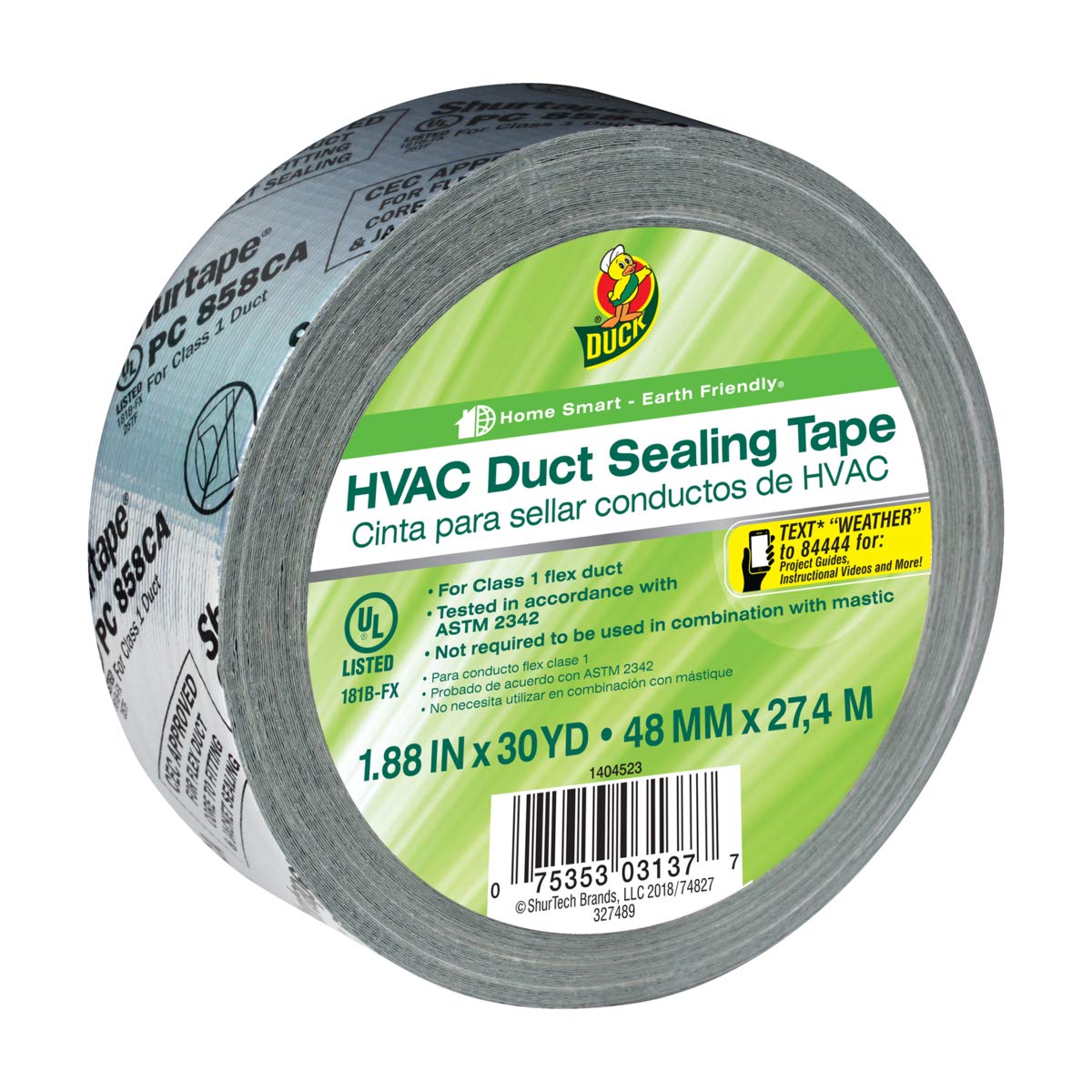
The Solution: Integrate mandatory UL 181A-P and UL 181B-FX specifications into all procurement documentation and vendor qualification processes. These certifications ensure tape withstands 250°F (121°C) aging tests and meets NFPA 90A fire safety standards. For international supply chains, require manufacturers to provide batch-specific compliance certificates and third-party test reports to verify authenticity—critical in markets where counterfeit UL markings are prevalent. When sourcing for mixed-use developments, specify 1.88-inch (48mm) width tapes as the standard contractor preference, ensuring adequate coverage for high-pressure commercial joints while maintaining compatibility with automated tape dispensers used in large-scale European and Middle Eastern construction projects.
Scenario 3: Labor Cost vs. Durability Trade-offs in High-Volume Installation
The Problem: Project managers in cost-sensitive markets like Nigeria and Brazil struggle to balance sealing effectiveness with labor economics. Traditional mastic application requires skilled technicians, extended curing times, and messy cleanup, inflating installation costs by 40-60% compared to tape-only methods. Conversely, using narrow 1-inch tape or non-UL-rated products on high-velocity commercial systems creates blow-offs under pressure, necessitating emergency repairs that disrupt building operations. This dilemma intensifies in large residential complexes where hundreds of joints require sealing within tight construction schedules, forcing contractors to choose between speed and long-term reliability.
The Solution: Implement a strategic hybrid approach optimized for system pressure ratings. For high-velocity commercial ductwork (over 1,500 FPM), specify 2-inch UL 181A-P aluminum foil tape as the primary sealant, applying mastic only at longitudinal seams and connections where mechanical stress concentrates. This reduces labor time by 60% while maintaining airtight integrity. For low-pressure residential or light commercial systems, UL 181B-FX tape alone suffices, eliminating mastic entirely. When specifying widths, standardize on 1.88-inch (48mm) rolls—the industry standard that provides optimal overlap for 1-inch flanges without waste. For large projects, negotiate case-lot pricing (typically 10% discounts at 10+ cases) to offset the premium cost of certified tape against the labor savings achieved through faster installation cycles.
Strategic Material Selection Guide for HVAC Air Duct Tape
Selecting the optimal adhesive system for HVAC infrastructure requires procurement professionals to evaluate thermal resistance, substrate compatibility, and regional climate demands. For markets spanning Nigeria’s humid coastal regions to Brazil’s industrial interiors, material composition directly impacts sealing longevity and energy efficiency. This analysis examines four primary tape categories, emphasizing specifications that align with international building codes and operational cost controls.
Which Foil Tape Specifications Ensure Compliance with International HVAC Safety Standards?
Aluminum foil tapes with acrylic adhesives represent the baseline for permanent duct sealing in commercial and residential HVAC systems. These materials typically carry UL 181A-P (for rigid ducts) and UL 181B-FX (for flexible ducts) listings, ensuring they meet flame resistance and adhesion requirements critical for Middle Eastern and European regulatory environments. The metalized backing provides excellent thermal conductivity reflection, maintaining seal integrity across temperature ranges from -35°C to 120°C. For B2B buyers, specifying UL-listed foil tapes minimizes liability risks during facility inspections while ensuring compatibility with galvanized steel and aluminum ductwork. However, standard foil tapes lack reinforcement, making them susceptible to tearing during application on irregular surfaces or high-vibration systems common in South American manufacturing facilities.
How Does Reinforced Scrim Technology Impact Tape Performance in High-Vibration Environments?
Reinforced aluminum foil tapes integrate fiberglass scrim or polypropylene mesh within the foil laminate, delivering tensile strength up to three times greater than standard foil variants. This construction proves essential for flexible ductwork connections and canvas-to-metal transitions prevalent in African commercial buildings and Brazilian industrial HVAC installations. The reinforcement prevents longitudinal tearing during thermal expansion cycles, reducing maintenance callbacks by maintaining seal integrity under mechanical stress. B2B procurement teams should prioritize these tapes for high-velocity air handling units and rooftop installations where wind-induced vibration occurs. While costing approximately 20-30% more than non-reinforced alternatives, the enhanced durability significantly reduces labor expenses associated with premature failure in critical infrastructure applications.
When Should Procurement Teams Select Butyl Rubber Adhesives Over Acrylic for Exterior Ductwork?
Butyl rubber-based foil tapes provide superior moisture resistance and waterproofing capabilities essential for outdoor HVAC components and humid climates characteristic of Nigerian or Gulf Coast environments. Unlike acrylic adhesives that degrade under UV exposure and heavy precipitation, butyl formulations maintain aggressive tack in temperatures ranging from -40°C to 90°C while forming permanent bonds with irregular surfaces. These tapes excel at sealing exterior duct seams, insulation jacketing, and refrigeration line connections where condensation management prevents corrosion. For B2B buyers managing coastal or tropical installations, butyl tapes offer enhanced longevity despite higher initial material costs. The adhesive’s instant grab properties also reduce installation time compared to heat-activated or pressure-sensitive acrylic alternatives.
Are Heavy-Duty Cloth Tapes Cost-Effective for Emergency HVAC Maintenance Protocols?
Polyethylene-coated cloth duct tapes, including heavy-duty variants marketed for extreme conditions, serve specific niches in emergency response and temporary containment rather than permanent sealing. While these products offer superior tensile strength compared to standard consumer-grade cloth tapes, they lack the thermal resistance and UL 181 listings required for long-term HVAC applications in commercial environments. B2B procurement strategies should position these tapes as critical maintenance inventory for immediate leak containment during unexpected system failures, particularly in remote African mining operations or South American industrial facilities where specialized foil tapes may not be immediately accessible. Their aggressive initial tack works effectively on dusty or irregular surfaces where foil tapes require pristine preparation, though procurement teams must mandate replacement with code-compliant foil solutions within 30 days to prevent adhesive degradation, air quality issues, and energy efficiency losses.
| Material | Typical Use Case for HVAC Air Duct Tape | Key Advantage | Key Disadvantage/Limitation | Relative Cost |
|---|---|---|---|---|
| Aluminum Foil Tape (UL 181 Listed) | Permanent sealing of rigid metal ductwork and flexible duct connections | High thermal reflectivity and code compliance (UL 181A/B) | Susceptible to tearing on irregular surfaces; requires clean, dry application | Medium |
| Reinforced Aluminum Foil Tape | High-vibration industrial ductwork, flexible duct transitions | Superior tensile strength; resists mechanical stress and thermal expansion | Higher material cost; thicker profile may not fit tight spaces | High |
| Butyl Rubber Foil Tape | Exterior duct sealing, waterproofing, humid climate applications | Excellent moisture/UV resistance; bonds to irregular surfaces | Limited high-temperature resistance compared to acrylic; premium pricing | High |
| Heavy-Duty Cloth Duct Tape | Emergency repairs, temporary containment, rough surface application | Immediate adhesion on dusty surfaces; high initial tack | Not UL 181 listed; degrades thermally; temporary use only | Low |
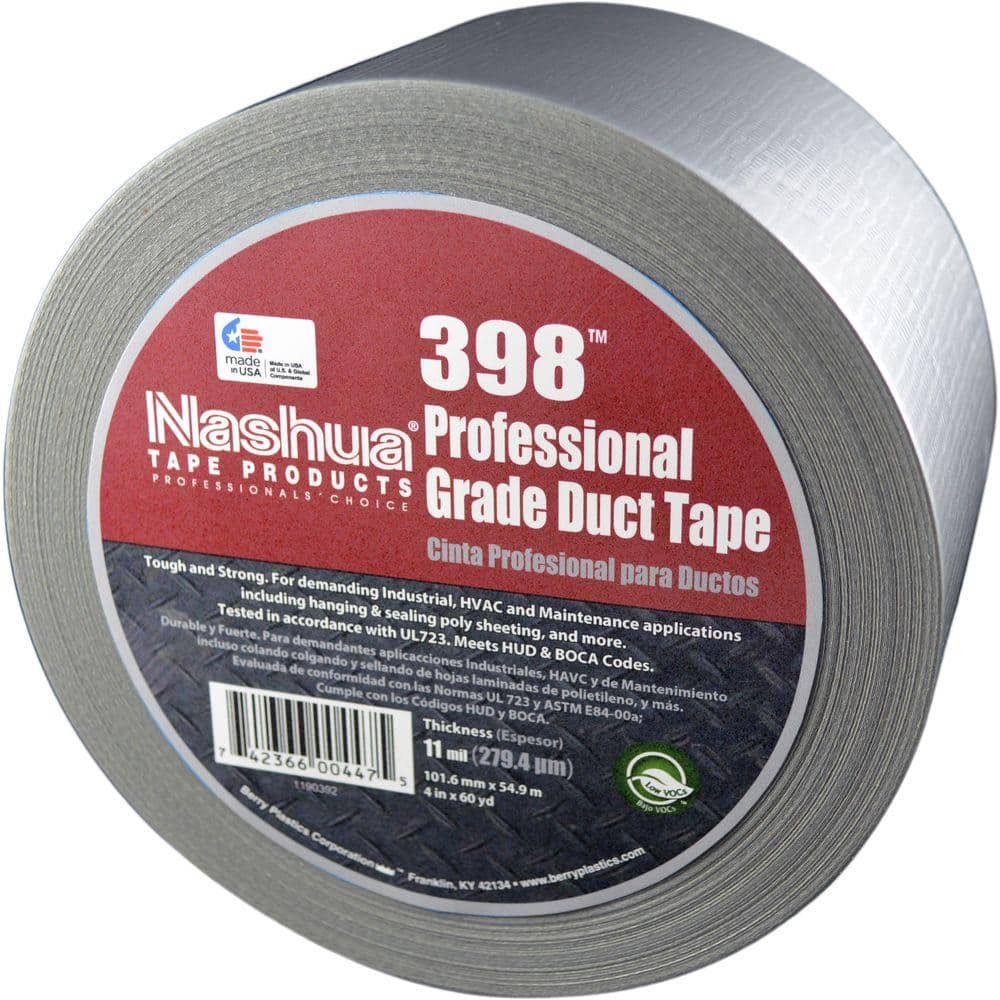
A stock image related to HVAC Air Duct Tape.
In-depth Look: Manufacturing Processes and Quality Assurance for HVAC Air Duct Tape
Understanding the manufacturing backbone of HVAC air duct tape separates commodity traders from strategic procurement partners. For B2B buyers operating across diverse climates—from the humid coastal regions of Nigeria to the extreme heat of the Middle East or the variable temperatures of Eastern Europe—manufacturing consistency directly impacts installation efficiency, system longevity, and regulatory compliance. A tape that delaminates in tropical humidity or loses adhesion in desert heat creates costly callbacks and compromises energy efficiency standards.
How Is HVAC Air Duct Tape Engineered for Thermal Stability and Adhesion?
The manufacturing process begins with substrate selection, typically high-purity aluminum foil ranging from 30 to 50 microns in thickness. This foil undergoes annealing to enhance malleability, allowing the tape to conform to irregular duct surfaces without tearing during application. The critical differentiator lies in the adhesive formulation: premium manufacturers employ pressure-sensitive acrylic or synthetic rubber adhesives engineered specifically for HVAC applications, rather than general-purpose glues.
During production, the adhesive undergoes precision coating onto the foil backing through reverse-roll or knife-over-roll coating systems. This step demands tight tolerance control—typically within ±2 grams per square meter—to ensure uniform adhesion across the entire roll. Inconsistent coating creates weak points where air leakage can occur, particularly problematic for rigid ductwork systems common in European commercial buildings. Following coating, the laminate passes through curing ovens where solvent-based adhesives undergo volatilization, or water-based systems undergo moisture removal, ensuring the tape achieves immediate tack without residual outgassing that could contaminate air streams.
The slitting phase requires equally rigorous precision. Industrial-grade HVAC tape must maintain width consistency (commonly 48mm or 72mm) to fit standard applicator tools used by contractors in Brazil and South Africa. Automated vision inspection systems detect edge fraying or adhesive bleed during this phase, with rejected segments diverted before reaching packaging.
What Quality Control Protocols Validate Performance for International Standards?
Quality assurance extends beyond visual inspection to standardized mechanical testing. Reputable manufacturers subject production batches to peel adhesion testing (ASTM D3330), measuring the force required to remove the tape from stainless steel and aluminum substrates at 180-degree angles. For B2B buyers, values exceeding 60 ounces per inch width indicate sufficient bonding strength for high-pressure duct systems.
Temperature resistance testing proves particularly critical for markets like Saudi Arabia or Arizona-equivalent climates. Tapes undergo thermal aging in environmental chambers, cycling between -20°C and 120°C to simulate seasonal extremes. Products bearing UL 181A-P certification (for rigid fiberglass ducts) and UL 181B-FX certification (for flexible ductwork) have demonstrated flame resistance and structural integrity under these conditions. Buyers should verify that suppliers provide current UL listings rather than outdated compliance certificates, as formulations change with regulatory updates.
Shear strength testing (ASTM D3654) evaluates the tape’s ability to resist slippage under load—essential for vertical duct runs or overhead installations common in industrial facilities. Additionally, humidity resistance testing at 85% relative humidity over 96 hours validates performance for tropical African and South American environments where moisture infiltration threatens adhesive bonds.
Why Does Raw Material Traceability Matter for Climate-Specific Procurement?
The provenance of raw materials significantly impacts field performance. Aluminum sourced from secondary smelting may contain impurities that create microscopic fractures during the forming process, compromising the tape’s air barrier properties. Leading manufacturers utilize primary aluminum with certified purity levels above 99.5%, accompanied by mill test reports verifying metallurgical consistency.
Adhesive component traceability carries equal weight. Synthetic rubber adhesives offer superior initial tack for cold-weather applications in Eastern Europe, while high-solids acrylic formulations provide better UV resistance for Middle Eastern installations exposed to intense solar radiation. B2B buyers should request Material Safety Data Sheets (MSDS) and technical data sheets specifying glass transition temperatures (Tg) of adhesives—values below -10°C indicate cold-flexibility suitable for high-altitude South American installations.
Liner quality often goes overlooked but proves critical for automated application systems. Silicone-coated release liners must demonstrate consistent release values (50-200 grams per 25mm width) to prevent adhesive transfer or liner breakage during high-speed unrolling. Suppliers utilizing kraft paper liners rather than poly-coated films risk moisture absorption during ocean freight to humid ports, leading to liner separation and product waste.
How Can Buyers Verify Manufacturing Excellence in Global Supply Chains?
Due diligence extends beyond product samples to manufacturing facility assessments. ISO 9001:2015 certification indicates standardized quality management systems, while ISO 14001 compliance demonstrates environmental responsibility increasingly required by European procurement frameworks. Requesting batch-specific Certificates of Analysis (CoA) provides documented evidence of tensile strength, elongation percentages, and adhesion values for each production lot.
For buyers in markets with high counterfeit risks, implementing vendor qualification programs proves essential. Authentic HVAC tape manufacturers utilize holographic security labels or QR-coded batch tracking systems. Packaging integrity serves as another quality indicator: vacuum-sealed moisture barrier bags with desiccant packets indicate sophisticated handling protocols, whereas simple shrink-wrapping suggests potential adhesive degradation during transit through variable climates.
Third-party laboratory verification offers additional assurance. Reputable suppliers welcome random sampling protocols where independent labs verify UL compliance and physical properties against declared specifications. This practice particularly benefits distributors in Nigeria and Brazil, where port storage conditions may expose inventory to tropical humidity before customs clearance.
Establishing manufacturing transparency as a procurement criterion ensures that HVAC air duct tape investments deliver measurable returns through reduced installation failures, extended service life, and compliance with regional building codes. For international buyers, this technical diligence mitigates supply chain risks while ensuring that sealing solutions perform reliably from installation through the building’s operational lifecycle.
Practical Sourcing Guide: A Step-by-Step Checklist for ‘HVAC Air Duct Tape’
Procuring HVAC air duct tape for international projects requires balancing technical compliance with regional climate demands and supply chain reliability. Whether sourcing for large-scale commercial installations in Lagos or industrial retrofits in São Paulo, buyers must verify that tape specifications align with local building codes and environmental stressors. This checklist provides a systematic framework to evaluate products, suppliers, and logistics before committing to bulk orders.
What Certifications Should HVAC Duct Tape Have for International Markets?
Begin by verifying that tapes meet UL 181A-P (for rigid ductwork) or UL 181B-FX (for flexible ductwork) standards, as these certifications indicate compliance with flame-resistance and adhesion requirements critical for insurance and safety audits. For Middle Eastern and African markets, additional fire-rating certifications such as ASTM E84 Class A may be required for high-rise applications. Always request third-party lab reports rather than relying solely on manufacturer claims, particularly when sourcing from new suppliers.
How Do You Select HVAC Tape for Extreme Climates?
Match the backing material and adhesive formulation to your region’s environmental stressors. Aluminum foil tapes with butyl rubber adhesives perform exceptionally in high-humidity climates like Brazil or Nigeria, resisting moisture infiltration that degrades acrylic-based alternatives. For European markets with extreme temperature swings, specify tapes rated for -20°F to 250°F (-29°C to 121°C) to prevent thermal cycling failures in unconditioned spaces.
What Is the Difference Between Acrylic and Butyl Adhesive for Duct Sealing?
Evaluate adhesive chemistry based on application longevity and surface compatibility. Acrylic adhesives offer excellent UV resistance for outdoor ductwork but may require longer cure times in cold weather. Butyl rubber adhesives provide immediate tack and superior sealing on irregular surfaces, making them ideal for emergency repairs or rough galvanized steel common in older Middle Eastern infrastructure. Request technical data sheets comparing shear strength and peel adhesion values.
How Do You Evaluate HVAC Tape Suppliers for Bulk Procurement?
Assess manufacturing capacity and export experience before placing large orders. Verify that suppliers can maintain consistent 30–120 yard roll lengths with uniform thickness (typically 1.88–2.0 inches width) to avoid job-site waste. For African and South American buyers, confirm that suppliers have experience navigating import documentation and can provide moisture-barrier packaging to prevent adhesive degradation during sea freight.
What Factors Affect the Total Cost of Ownership for HVAC Duct Tape?
Calculate beyond unit price by analyzing application efficiency and shelf life. Bulk case pricing (typically 12–24 rolls per case) reduces per-roll costs by 7–10%, but factor in warehousing requirements—temperature-controlled storage extends shelf life from 12 to 24 months. High-tack professional grades may cost 15% more upfront but reduce labor time by 30% during installation, lowering total project costs.
How Should You Test Samples Before Full Procurement?
Always request production samples from three potential suppliers for adhesion testing on your specific duct materials. Conduct shear tests at elevated temperatures (140°F/60°C) to simulate attic conditions, and verify that liners release cleanly without tearing the foil backing. Test compatibility with local insulation materials, as some adhesives react chemically with closed-cell foam common in European HVAC systems.
What Are the Best Practices for Storing HVAC Tape in Tropical Regions?
Plan for climate-controlled warehousing upon arrival, maintaining storage temperatures between 60°F–80°F (15°C–27°C) and 40–60% relative humidity. In humid climates like Nigeria or coastal Brazil, use desiccant packs in secondary packaging and rotate inventory using FIFO (First In, First Out) methods to prevent adhesive oxidation. Never store rolls near diesel generators or chemical solvents, as vapors degrade the rubber adhesive compounds.
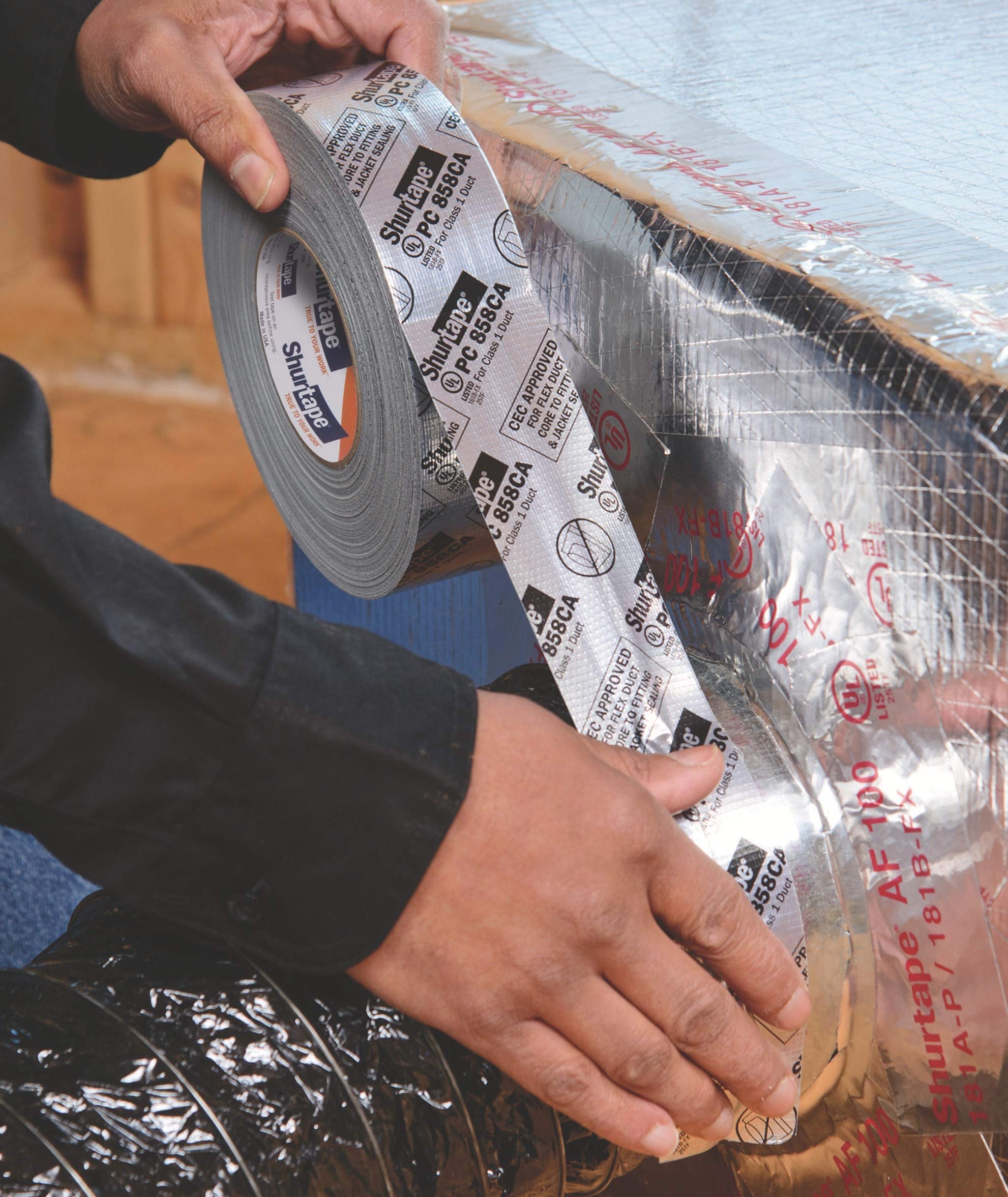
A stock image related to HVAC Air Duct Tape.
Comprehensive Cost and Pricing Analysis for HVAC Air Duct Tape Sourcing
Procuring HVAC air duct tape at scale requires moving beyond sticker-price comparisons to understand the total cost architecture. For B2B buyers operating across diverse regulatory environments—from Nigeria’s commercial construction boom to Brazil’s industrial retrofitting sectors—pricing volatility stems from raw material indices, certification requirements, and logistics complexity rather than product markup alone.
What Raw Material and Certification Factors Drive Base Pricing?
Aluminum foil backing thickness and adhesive chemistry constitute the primary cost variables in duct tape manufacturing. Products meeting UL 181A and UL 181B standards for rigid and flexible ductwork command 15–25% premiums over general-purpose alternatives due to rigorous flame-resistance and shear-strength testing. Acrylic adhesives optimized for extreme temperature cycling (-20°C to 120°C) typically price higher than rubber-based alternatives but deliver superior longevity in Middle Eastern desert climates or European seasonal extremes, reducing replacement frequency and labor costs over the system lifecycle.
How Do Volume Tiers and MOQs Impact Unit Economics?
B2B procurement follows distinct volume-break structures that reward consolidation. Single-item purchases (1–11 rolls) typically baseline at $14.50 per roll for premium 1.88-inch width products, while case-level commitments (12-roll cases) trigger immediate 7% reductions. Scaling to 5–9 case volumes (60–119 rolls) yields 8% discounts, with 10+ case orders (120+ rolls) achieving 10% price floors around $13.08 per unit. For African and South American distributors, consolidating quarterly demand into single 10+ case shipments versus monthly 1-case orders generates annual savings exceeding $1,600 per SKU while amortizing international freight across higher unit counts.
What Hidden Costs Should Emerging Market Buyers Anticipate?
Beyond ex-works pricing, buyers must model landed cost variables including import duties, currency hedging, and climate-specific storage requirements. Brazilian imports face industrial goods tariffs averaging 12–18%, while Nigerian procurement often incurs additional costs for moisture-barrier packaging to prevent adhesive degradation during humid transit. Middle Eastern buyers benefit from regional manufacturing hubs reducing lead times, though should verify UL certification authenticity to avoid substandard local alternatives that compromise HVAC system efficiency and trigger penalty clauses in commercial contracts.
How Can Strategic Specifications Balance Cost and Performance?
Not all applications require maximum specifications. Temporary emergency repairs tolerate heavy-duty cloth-backed solutions, while permanent duct sealing demands UL-listed aluminum foil tapes. Segmenting procurement—specifying premium UL 181A/B tapes for visible client-facing installations and standard-grade products for internal maintenance—optimizes budget allocation without compromising safety compliance. Additionally, negotiating annual volume agreements with suppliers locks in pricing against aluminum commodity fluctuations, providing cost predictability essential for project budgeting in volatile markets.
Establishing robust HVAC air duct tape procurement requires analyzing total landed costs, volume optimization, and application-specific specifications. By leveraging tiered pricing structures and understanding regional logistics variables, buyers transform tape sourcing from a commodity purchase into a strategic cost-control mechanism.
Alternatives Analysis: Comparing HVAC Air Duct Tape With Other Solutions
When specifying sealing solutions for commercial HVAC infrastructure, procurement teams must look beyond immediate adhesive fixes to evaluate long-term performance economics. While aluminum foil HVAC tape serves as the workhorse for both emergency repairs and permanent installations—particularly in fast-track construction environments across Africa and South America—two primary alternatives dominate high-performance applications: brush-applied mastic sealants and mechanical fastening systems with gasketed connections. Each approach offers distinct advantages regarding air tightness longevity, labor specialization requirements, and total cost of ownership. Understanding these distinctions enables facility managers and contractors in regions with extreme thermal cycling, such as the Middle East, to align sealing methodologies with specific project constraints, whether retrofitting existing hospitality infrastructure in Lagos or commissioning new industrial facilities in São Paulo.
What Are the Cost and Performance Trade-offs Between HVAC Tape and Alternative Sealing Methods?
| Comparison Aspect | HVAC Air Duct Tape (Aluminum Foil) | Mastic Sealant (Brush-Applied) | Mechanical Fastening with Gaskets |
|---|---|---|---|
| Performance & Durability | Immediate adhesion; UL 181A-P/B-FX listed variants provide code-compliant permanent sealing; vulnerable to peel-back if applied on contaminated surfaces or in high-vibration environments | Superior permanent air barrier when cured; creates seamless, flexible membrane accommodating thermal expansion; immune to adhesive degradation; requires 24-48 hour curing period | Structural integrity independent of chemical bonds; metal-to-metal contact requires precision gasket alignment; highest durability for high-pressure systems (>3 in. w.g.) and vibration-heavy industrial applications |
| Cost Structure | Low material cost ($0.10–$0.35 per linear foot); minimal labor requirements; potential for costly rework if surface preparation is inadequate | Moderate material cost; high labor intensity (brushing, mesh reinforcement for gaps >1/8″); lowest lifecycle cost due to permanence and <2% air leakage rates | Highest upfront cost (hardware, specialized tools); labor-intensive installation; minimal maintenance costs over 20+ year lifespan; eliminates energy losses from tape/sealant failure |
| Implementation Complexity | Immediate application; requires clean, dry surfaces; ideal for tight spaces, emergency field repairs, and flexible duct connections | Requires thorough surface cleaning; messy application difficult in overhead spaces; demands skilled labor and inspection time; impractical for active system retrofits | Complex installation requiring power tools (seamers, crimpers); time-intensive; requires unobstructed access; unsuitable for sealing existing micro-leaks or damaged ductwork |
| Environmental Suitability | -20°F to 250°F+ (grade dependent); aluminum backing resists UV and moisture; performance degrades in dirty/oily conditions | -40°F to 300°F+ (formulation dependent); maintains flexibility across humidity extremes; ideal for unconditioned mechanical rooms in tropical climates (e.g., Brazil, Nigeria) | Depends on gasket material (EPDM, silicone rated to 400°F+); metal components handle extreme temps; vulnerable to thermal bridging if insulation is compromised |
| Best Application | New construction, temporary emergency repairs, flexible duct connections, residential and light commercial projects | Permanent sealing of rigid duct seams, rectangular trunk lines, energy-efficient buildings targeting LEED certification | Industrial HVAC, high-velocity systems, cleanroom environments, mining operations, petrochemical facilities with mechanical vibration |
How Does Mastic Sealant Compare to HVAC Tape for Permanent Installations in Humid Climates?
Mastic sealant functions as a viscous, fiber-reinforced compound that creates a permanent, flexible air barrier when brushed onto duct seams and joints. Unlike pressure-sensitive tapes, mastic chemically bonds to galvanized steel, fiberglass duct board, and flexible duct cores, filling microscopic surface irregularities that tape
Essential Technical Properties and Trade Terminology for HVAC Air Duct Tape
When procuring HVAC air duct tape for large-scale infrastructure projects across diverse climates—from the humid tropics of Nigeria to the arid regions of the Middle East—understanding technical specifications and industry nomenclature is critical for compliance and performance. Substandard tape selection leads to air leakage, energy loss, and regulatory rejection. Below are the essential technical properties and trade terms that procurement teams must evaluate to ensure specification alignment and long-term system integrity.
What Are the Critical Technical Specifications for HVAC Air Duct Tape in International Markets?
UL 181A-P and UL 181B-FX Compliance
Underwriters Laboratories (UL) 181 certification distinguishes between pressure-sensitive tapes for rigid metal ducts (UL 181A-P) and flexible fiberglass ducts (UL 181B-FX). For B2B buyers in Brazil and Europe, verifying this listing ensures adherence to international mechanical codes and avoids project delays during inspection phases. Unlisted tape may degrade under operational stress, violating warranty terms and creating liability exposure.
Temperature Resistance and Thermal Cycling Stability
Aluminum foil tapes must withstand extreme thermal cycling, typically rated from -35°C to +120°C (-31°F to +248°F). In Middle Eastern desert environments where ambient temperatures exceed 50°C, high-temperature acrylic adhesives prevent delamination. Conversely, specialized cold-weather formulations maintain tack in high-altitude South American installations where standard adhesives become brittle and fail to bond.
Adhesion Strength and Shear Resistance
Measured in ounces per inch (oz/in) or Newtons per meter (N/m), peel adhesion indicates immediate bonding capability, while shear resistance determines long-term holding power under HVAC system pressure. Heavy-duty variants offer >60 oz/in adhesion to both clean and lightly oil-contaminated galvanized steel—critical for maintenance contracts where surface preparation is inconsistent.
Water Vapor Transmission Rate (WVTR)
Expressed in perms (grains per hour per square foot), low WVTR (<0.05 perms) prevents moisture ingress in humid climates like West Africa. This property prevents mold proliferation within duct insulation and maintains thermal efficiency by eliminating condensation pathways at tape seams, directly impacting energy consumption metrics.
What Industry Terminology Should Procurement Teams Master for HVAC Tape Specifications?
Foil-Scrim-Kraft (FSK) Laminate
This refers to aluminum foil reinforced with fiberglass scrim and laminated to kraft paper. FSK-backed tapes provide structural reinforcement for fiberglass duct board and flexible duct connections, offering tear resistance that pure aluminum foil lacks. Understanding this distinction prevents specification mismatches when sourcing for rigid versus flexible systems.
UL 181A-P vs. UL 181B-FX Classification
The suffixes denote application-specific approval: “A-P” indicates pressure-sensitive adhesive for rigid ducts, while “B-FX” signifies heat-activated or pressure-sensitive formulations for flexible ducts. Procurement contracts must specify the correct classification to avoid compatibility failures during installation, particularly when dealing with mixed ductwork systems common in modern commercial builds.
Linered vs. Linerless Construction
“Linered” tapes include a release paper (silicone-coated kraft) protecting the adhesive, ideal for precise application on complex joints and corners. “Linerless” products allow faster wrapping on straight runs but require careful handling to prevent self-adhesion. This distinction impacts labor costs and waste generation on large-scale projects.
HVAC-FLEX Compatibility
A trade designation indicating suitability for flexible ductwork and vibration-prone connections. Unlike rigid metal tapes, FLEX-rated products accommodate thermal expansion and mechanical vibration without cracking, essential for ducted air conditioning systems in regions with high diurnal temperature variations.
Cold Weather Formula
Denotes adhesive systems engineered with specialized tackifiers that remain pliable below 0°C. For European and high-altitude South American contractors, specifying “cold weather” or “all-weather” grades prevents winter installation failures where standard tapes fail to achieve initial tack.
Navigating Market Dynamics and Sourcing Trends in the HVAC Air Duct Tape Sector
How Is the Global HVAC Air Duct Tape Market Evolving for B2B Procurement?
The HVAC air duct tape sector is undergoing a decisive transformation as commercial and industrial buyers shift away from general-purpose cloth-backed solutions toward specialized aluminum foil tapes engineered for permanent duct sealing. This evolution is driven by escalating energy efficiency regulations—particularly stringent EU EPBD codes and ASHRAE 90.1 standards gaining traction across Middle Eastern and African commercial construction markets—that mandate airtight duct systems to minimize HVAC energy losses. For procurement teams in emerging economies like Nigeria and Brazil, this shift presents both an opportunity to reduce long-term operational expenditures and a complexity challenge, requiring navigation of technical specifications such as UL 181 A & B listings that distinguish between rigid and flexible ductwork applications. The market is simultaneously witnessing a consolidation of supply chains, with tier-one manufacturers offering digital traceability and bulk configuration options that cater to large-scale infrastructure projects while phasing out commodity-grade temporary repair products.
What Regional Supply Chain Considerations Impact Sourcing Decisions Across Diverse Climates?
B2B buyers must evaluate climate-specific performance characteristics when sourcing for geographically diverse operational environments. In high-temperature regions such as the Middle East and interior South America, aluminum foil tapes with aggressive acrylic adhesives resistant to thermal cycling (0°F to 300°F+) prove essential for maintaining seal integrity in unconditioned rooftop ductwork exposed to extreme solar gain. Conversely, European and high-altitude African markets require cold-weather premium formulations that maintain immediate tack in sub-zero temperatures and high-humidity conditions common in tropical Nigerian climates. Procurement strategies should prioritize suppliers offering region-calibrated product portfolios rather than universal solutions, ensuring that bulk inventory aligns with local environmental stressors, import tariff structures, and evolving regulatory compliance frameworks specific to each target market.
Why Are UL 181 Listed Products Becoming the Non-Negotiable Standard for Commercial HVAC Projects?
The distinction between temporary repair tapes and permanent HVAC sealing solutions has crystallized around UL 181 A (rigid metal duct) and UL 181 B (flexible duct) certifications, which verify performance under pressure, temperature fluctuations, and humidity levels inherent in commercial systems. For B2B buyers, specifying UL-listed aluminum foil tapes mitigates liability risks and ensures compatibility with modern high-efficiency HVAC equipment operating at higher static pressures than legacy systems. This standardization simplifies cross-border procurement, as these certifications are recognized across North American, European, and increasingly, Gulf Cooperation Council building codes. Furthermore, the shift toward listed products reflects a broader industry move away from emergency “fix-it” applications toward installation-grade materials that guarantee 20-year service life expectations, fundamentally changing how procurement teams evaluate cost-per-foot metrics against total lifecycle value.
How Can B2B Buyers Navigate Sustainability and Ethical Sourcing in HVAC Tape Supply Chains?
Sustainability in the HVAC tape sector extends beyond material composition to encompass lifecycle durability, supply chain transparency, and end-of-life recyclability. Aluminum-backed tapes offer inherent circular economy advantages over cloth-reinforced alternatives, as the metal backing is fully recyclable while providing superior sealing longevity that directly reduces building energy consumption—addressing Scope 3 carbon emissions through minimized air leakage rather than merely manufacturing waste reduction. Procurement teams should verify ISO 14001 environmental management certifications and request Material Safety Data Sheets documenting low-VOC adhesive formulations, which are increasingly mandated in European REACH jurisdictions and urban Brazilian environmental regulations. Additionally, ethical sourcing requires assessment of manufacturing labor practices, including fair wage verification and workplace safety standards, particularly when sourcing from high-volume production regions serving African and Middle Eastern markets.
What Strategies Ensure Cost-Optimized and Ethically Sound International Procurement?
Optimizing HVAC tape procurement requires balancing volume-based pricing incentives—such as case-quantity discounts for 120-yard industrial rolls—with total landed cost analyses that account for shipping logistics, customs duties, and climate-appropriate inventory management. For buyers in Brazil and Nigeria, establishing direct relationships with manufacturers rather than distribution intermediaries often yields improved quality control, customization options for regional climate formulations, and enhanced transparency regarding factory audit reports. Procurement teams should evaluate suppliers’ bulk packaging efficiency, as optimized case configurations reduce both shipping carbon footprints and warehousing costs. By prioritizing suppliers who combine UL-certified product quality with documented ethical labor practices and environmental stewardship, B2B buyers can align their HVAC maintenance and construction supply chains with corporate ESG mandates while ensuring specification compliance across diverse international regulatory environments.
Frequently Asked Questions (FAQs) for B2B Buyers of HVAC Air Duct Tape
What is UL 181 rated tape and why is it essential for HVAC ductwork compliance?
UL 181 rated tape meets stringent safety standards for flame spread and smoke development, making it mandatory for commercial HVAC installations in regulated markets across Europe and the Middle East. This certification ensures the tape maintains structural integrity when exposed to high temperatures and airflow pressures typical in commercial duct systems. For B2B buyers sourcing for projects in Nigeria or Brazil, verifying UL 181A (for rigid ducts) and UL 181B (for flexible ducts) listings prevents code violations and ensures insurance compliance on international construction contracts.
What temperature ranges can HVAC aluminum foil tape withstand in extreme climate conditions?
Premium HVAC aluminum foil tape typically withstands temperatures from -35°C to 120°C (-31°F to 248°F), with specialized high-temperature variants handling up to 200°C (392°F) for flue and exhaust applications. In regions like the Middle East or Northern Africa where ambient temperatures exceed 50°C and duct surface temperatures rise significantly higher, selecting tape with acrylic adhesive rather than rubber-based formulas prevents adhesive failure and thermal degradation. Always verify temperature ratings match your specific climate zone, as standard tapes may soften and lose adhesion in sustained heat above 80°C.
Is mastic or tape better for sealing commercial HVAC ducts in large-scale industrial projects?
For commercial-scale projects, mastic provides superior permanence and flexibility for joints and seams, while UL 181 rated foil tape offers faster installation and immediate pressure resistance during system commissioning. Many contractors combine both methods: applying mastic as the primary sealant at joints, then reinforcing with aluminum tape for immediate airtight integrity during testing phases. For buyers managing tight construction schedules, tape-only solutions reduce labor costs by approximately 40% compared to mastic application, though hybrid approaches yield the longest service life in high-vibration industrial environments.
What width HVAC duct tape do contractors specify for rigid versus flexible ductwork?
Standard contractor specifications call for 48mm (1.88 inches) width for general sealing of rigid metal ducts and 72mm (2.83 inches) for flexible duct connections or larger gap coverage in commercial installations. Wider 96mm tapes reduce labor time on large projects by covering seams in single applications rather than overlapping narrower strips, though they cost 15-20% more per linear meter. When sourcing for diverse project portfolios across Africa and South America, inventorying the 48mm standard size accommodates approximately 80% of applications while maintaining optimal cost efficiency and compatibility with standard tape dispensers.
How do I ensure proper adhesion when applying HVAC duct tape in high-humidity tropical environments?
Surface preparation determines adhesion success in humid climates like tropical West Africa or coastal Brazil; substrates must be clean, dry, and free of oil, dust, or oxidation before application. Specify tapes with aggressive acrylic adhesives formulated specifically for high-moisture environments, and recommend contractors apply pressure with a squeegee or roller to activate bonding agents and eliminate air pockets. Storage in climate-controlled warehouses prior to installation prevents moisture absorption that compromises the adhesive backing, particularly critical when shipping through regions with monsoon seasons or high maritime humidity.
What distinguishes aluminum foil tape from cloth duct tape for industrial HVAC maintenance?
Aluminum foil tape provides heat reflection, moisture barrier properties, and UL 181 compliance necessary for permanent duct sealing, while cloth-backed duct tape serves only temporary emergency repairs and lacks temperature resistance for HVAC applications. Industrial buyers should note that cloth tape degrades rapidly under UV exposure and temperature cycling, making it unsuitable for outdoor installations or long-term sealing in commercial buildings where energy efficiency standards apply. For permanent repairs in ducted air conditioning systems, specify reinforced aluminum tapes with fiberglass scrim backing to prevent tearing during application on irregular surfaces.
How can international buyers verify HVAC duct tape quality when sourcing from overseas manufacturers?
Request third-party testing certificates confirming UL 181 compliance, adhesive shear strength data (measured in ounces per inch), and aluminum backing thickness specifications (typically 30-50 microns for HVAC grade). Conduct sample testing for peel adhesion at various temperatures relevant to your target markets, and verify that packaging includes batch numbers for traceability and manufacturing dates, as adhesive properties degrade after 12-18 months of storage. Establishing quality agreements that specify rejection criteria for adhesive bleed, backing oxidation, or improper liner release protects against substandard inventory that could fail during peak system operation.
What are the bulk procurement strategies for minimizing costs on HVAC sealing tape in construction projects?
Consolidate specifications across project portfolios to standardize on 48mm width UL 181 rated aluminum tape, enabling volume discounts typically starting at 7-10% for quantities exceeding 120 rolls or 10+ cases. Consider 120-yard (110-meter) rolls rather than 30-yard options to reduce per-foot costs by 15-20% and minimize jobsite waste from frequent roll changes in large commercial installations. For buyers in regions with currency volatility like Argentina or Nigeria, negotiating quarterly pricing agreements with suppliers hedges against raw material fluctuations in aluminum and petroleum-based adhesive markets while ensuring consistent project budgeting.
Important Disclaimer & Terms of Use
⚠️ Important Disclaimer
The information provided in this guide, including content regarding manufacturers, technical specifications, and market analysis, is for informational and educational purposes only. It does not constitute professional procurement advice, financial advice, or legal advice.
B2B buyers must conduct their own independent and thorough due diligence before making any purchasing decisions. The risk of relying on any information in this guide is borne solely by the reader.
Top 2 Hvac Air Duct Tape Manufacturers & Suppliers List
1. Metoree – Industrial Tapes
Domain: us.metoree.com
Registered: 2020 (6 years)
Introduction: Category 101958 features manufacturers and suppliers of industrial tapes and adhesive products. Key suppliers identified include SpecTape Inc., Specialty Products & Insulation Co., Shurtape Technologies LLC, PARAGON TAPES, Naikos, Jiangyin Haoxuan Aluminum Foil Adhesive Products Co. Ltd, and HS Butyl. The category encompasses specialty tapes, insulation tapes, aluminum foil adhesive products, and …
2. Shurtape – Specialized Adhesive Tapes
Domain: shurtape.com
Registered: 1996 (30 years)
Introduction: Shurtape manufactures specialized adhesive tapes organized by market and type. Key markets include: Building & Construction (abatement/containment, electrical, flashing, HVAC/insulation, paint/stucco masking, general construction); Arts & Entertainment (gaffer’s tape, safety/marking, stage prep); Industrial MRO (facilities maintenance, janitorial, mounting/splicing, steel pipe coating); Transporta…
Strategic Sourcing Conclusion and Outlook for HVAC Air Duct Tape
Strategic procurement of HVAC air duct tape extends beyond unit cost reduction to encompass thermal performance, regulatory compliance, and supply chain continuity. For buyers operating in high-growth markets across Africa, South America, and the Middle East, selecting the right adhesive solutions directly impacts energy efficiency and long-term operational expenditure.
What Quality Certifications Should B2B Buyers Prioritize in High-Temperature Markets?
In regions experiencing extreme thermal cycling, prioritizing UL 181 A & B listed aluminum foil tapes ensures code compliance and durability. These specifications guarantee resistance to humidity and temperature fluctuations common in tropical climates like Nigeria or Brazil, preventing adhesive degradation that leads to costly air leakage and system inefficiencies.
How Can Procurement Teams Optimize Bulk Purchasing Strategies?
Leveraging volume-based pricing tiers—where case-level orders yield 7-10% cost reductions—requires consolidating specifications across project portfolios. Establishing direct relationships with manufacturers capable of delivering both rigid and flexible ductwork solutions minimizes lead times and mitigates counterfeit product risks prevalent in emerging supply chains.
What Innovations Are Shaping the Future of HVAC Sealing Solutions?
The market is shifting toward cold-weather application compatibility and enhanced pressure-sensitive adhesives suitable for emergency repairs. Forward-thinking buyers should evaluate suppliers offering heavy-duty variants, such as reinforced T-Rex grades, alongside standard aluminum options to address diverse infrastructure demands from commercial ducted systems to industrial flue applications.
By aligning procurement strategies with certified quality standards and regional climate demands, B2B buyers transform duct tape from a commodity purchase into a strategic asset for infrastructure resilience.