Introduction: Navigating the Global Market for Crystal clear packaging tape
Sourcing crystal clear packaging tape that maintains optical clarity through extreme logistics conditions represents a critical procurement challenge for international buyers managing complex supply chains. When sealing cartons for export from humid Nigerian ports or protecting temperature-sensitive goods traversing Middle Eastern trade routes, inconsistent adhesive formulations and substandard film thicknesses can result in package failures, customs delays, and damaged brand reputation. This comprehensive guide addresses these operational vulnerabilities with actionable intelligence designed specifically for procurement professionals navigating the global packaging materials marketplace.
What Technical Specifications Ensure Reliability in Diverse Climates?
Understanding the distinction between standard 2.5 mil general-purpose tapes and heavy-duty 3.6 mil variants becomes essential when evaluating pressure-sensitive polypropylene solutions for abrasion-prone environments. Premium crystal clear formulations featuring UV-resistant acrylic adhesives and split-resistant backings prevent premature degradation during extended storage or solar exposure, particularly critical for buyers in tropical African markets and sun-intensive Middle Eastern logistics hubs where temperature fluctuations compromise inferior alternatives.
How Can Emerging Market Buyers Optimize Supplier Relationships and Total Cost?
For procurement teams in Vietnam, Nigeria, and across South America, navigating manufacturer capabilities while balancing unit costs against performance metrics requires sophisticated vetting frameworks. This guide examines carton sealing applications across industries—from agricultural exports to electronics fulfillment—analyzes regional compliance requirements, and provides methodologies for assessing Chinese manufacturing partners beyond superficial specifications. By translating technical data into strategic procurement criteria, we empower B2B decision-makers to secure packaging solutions that withstand the physical demands of international commerce while maintaining the professional aesthetic standards required for premium brand presentation.
Understanding Crystal clear packaging tape Types and Variations
| Type Name | Key Distinguishing Features | Primary B2B Applications | Brief Pros & Cons for Buyers |
|---|---|---|---|
| Standard-Duty Crystal Clear Tape | 2.0–2.5 mil thickness; acrylic pressure-sensitive adhesive; 3″ core standard; abrasion and split resistant; general-purpose conformability | Lightweight e-commerce fulfillment; office relocations; single-wall corrugated cartons; high-volume sealing operations | Pros: Cost-effective for bulk procurement; excellent clarity for barcode scanning; compatible with standard dispensers. Cons: Insufficient for double-wall or heavy export cartons; limited UV stability |
Key Industrial Applications of Crystal clear packaging tape
| Industry/Sector | Specific Application of Crystal clear packaging tape | Value/Benefit for the Business | Key Sourcing Considerations for this Application |
|---|---|---|---|
| E-commerce & Third-Party Logistics (3PL) | High-speed automated carton sealing for fulfillment centers handling cross-border shipments | UV-resistant clarity prevents yellowing during transit; maintains barcode scannability for inventory tracking; professional appearance enhances brand perception | Bulk volume pricing for high consumption rates; acrylic adhesive formulated for high-humidity climates (Nigeria, Vietnam); consistent roll lengths for automated dispensers |
| Food & Beverage Export Distribution | Secondary packaging sealing for export cartons and pallet consolidation in tropical climates | Moisture and dirt resistance protects goods during long-haul container transport; clear visibility |
A stock image related to Crystal clear packaging tape.
3 Common User Pain Points for ‘Crystal clear packaging tape’ & Their Solutions
For international B2B buyers managing cross-border shipments from manufacturing hubs in Vietnam to distribution centers in Nigeria or export markets in Europe, selecting the right packaging tape involves more than simple adhesion. Crystal clear packaging tape presents unique advantages, but only when sourced to address specific operational challenges prevalent in global supply chains.
Scenario 1: Compromised Brand Presentation and Barcode Scanning Failures
The Problem: When exporting consumer goods, electronics, or luxury textiles to discerning international markets, standard clear packaging tape often casts a cloudy, yellowish tint over carton surfaces, obscuring printed logos and making packages appear aged or low-quality. This aesthetic compromise is particularly costly for B2B buyers in competitive e-commerce sectors where unboxing experience directly influences repeat business and brand perception. Additionally, hazy tape surfaces create reflectivity issues that interfere with automated warehouse barcode scanning systems, causing logistics delays, misrouted shipments, and increased labor costs for manual re-scanning at distribution centers in the Middle East or Europe.
The Solution: Transition to crystal clear BOPP (biaxially oriented polypropylene) tape specifically engineered with ultra-transparent optical properties. Unlike standard clear tape that contains hazing agents, true crystal clear formulations eliminate the frosted appearance entirely, ensuring that underlying branding remains crisp and professional while maintaining package security. For operations relying on automated sorting, verify that the tape’s optical clarity allows barcode readers to penetrate the tape layer without reflection errors. Specify a minimum 2.5 mil thickness to ensure adequate coverage without visual distortion, and request samples to test against your specific carton print colors to ensure the “invisible seal” effect meets your brand standards.
Scenario 2: Adhesive Failure Under Heavy Loads and Extreme Climates
The Problem: Export shipments originating from or transiting through regions with high humidity—such as West Africa, Southeast Asia, or South America—frequently encounter tape degradation that standard acrylic adhesives cannot withstand. When cartons exceed 25kg or encounter condensation during container shipping, inferior tape experiences “flagging” (edges lifting) or complete seal failure, particularly when exposed to the temperature fluctuations common in Middle Eastern ports or European winter storage. This results in damaged goods, customs inspection delays, and increased insurance claims that erode profit margins for wholesale distributors.
The Solution: Specify crystal clear tape with enhanced pressure-sensitive acrylic adhesive systems specifically formulated for high-shear strength and moisture resistance. Prioritize thickness ratings between 2.7 and 3.6 mil, which provide superior abrasion resistance during rough handling and prevent splitting under tension. For buyers in hot climates, select UV-resistant formulations that prevent yellowing and adhesive degradation when tape is stored in outdoor warehouses or transits through sunny ports. Implement quality control protocols ensuring application occurs within manufacturer-specified temperature ranges (typically 10°C to 38°C), and utilize dispensers with adjustable tension mechanisms to eliminate air bubbles that compromise seal integrity in humid environments.
Scenario 3: The Branding Dilemma—Balancing Transparency with Customization
The Problem: Growing manufacturers and export brands often face a frustrating procurement choice: utilize crystal clear tape for a professional, “invisible” seal that showcases premium packaging design, or switch to opaque printed tape for branding visibility. Many B2B buyers assume that crystal clear tape cannot support custom logos, or that white printing will appear washed out and unprofessional against the transparent background. This forces companies to either sacrifice brand recognition during the critical unboxing moment or compromise packaging aesthetics with hazy, colored tape that detracts from the customer experience.
The Solution: Leverage custom printing capabilities specifically available for crystal clear tape substrates. Modern flexographic printing technologies allow for opaque white, metallic, or spot-color inks to be applied to crystal clear tape while maintaining transparency in non-printed areas. This creates a sophisticated “floating logo” effect where branding appears to sit directly on the carton surface without the cloudy background associated with standard printed tape. When sourcing from suppliers, request samples demonstrating print opacity on clear backgrounds, and verify that the printing process does not compromise the tape’s structural integrity or reduce thickness below 2.5 mil. For maximum impact, design graphics that utilize the tape’s transparency as a design element, allowing the carton color to show through negative space while highlighting the logo in crisp, opaque white.
Strategic Material Selection Guide for Crystal clear packaging tape
Selecting the appropriate substrate for crystal clear packaging tape represents a critical procurement decision that directly impacts supply chain integrity, brand presentation aesthetics, and total cost-per-seal economics. For international buyers operating across diverse logistics environments—from Nigeria’s humid coastal ports to the arid distribution centers of the Middle East—material selection must balance optical clarity, tensile strength, adhesive compatibility, and environmental stability. While synthetic polymer films dominate the market, each substrate category offers distinct performance characteristics that determine suitability for specific applications, climate conditions, and regulatory frameworks. Below, we analyze the four primary material categories that define performance standards in global B2B logistics.
What makes BOPP film the optimal choice for high-volume crystal clear carton sealing?
Biaxially Oriented Polypropylene (BOPP) commands approximately 80% of the industrial packaging tape market due to its exceptional strength-to-weight ratio and manufacturing scalability. The biaxial orientation process stretches polypropylene resin in both machine and transverse directions, creating a rigid, high-tensile film (typically 2.0–3.6 mil) that resists abrasion and splitting during rough handling in transit. BOPP’s crystal clarity derives from its non-crystalline surface structure, which remains stable across temperature variations common in European logistics networks. For procurement teams in Vietnam and Nigeria managing high-throughput fulfillment centers, BOPP acrylic tapes offer the lowest cost-per-meter while providing reliable moisture and dust resistance. The material’s compatibility with high-speed automated dispensers further reduces labor costs in large-scale operations.
When should international buyers specify PVC tape for noise-sensitive premium logistics environments?
Polyvinyl Chloride (PVC) films deliver superior optical
A stock image related to Crystal clear packaging tape.
In-depth Look: Manufacturing Processes and Quality Assurance for Crystal clear packaging tape
Crystal clear packaging tape demands precision manufacturing to balance optical transparency with structural integrity. For procurement teams sourcing from international markets, understanding the technical specifications behind the clarity ensures consistent supply chain performance across diverse climatic conditions. The manufacturing process involves sophisticated polymer science and rigorous quality protocols that directly impact your operational efficiency and brand presentation.
What Raw Materials Ensure Optical Clarity in Crystal Clear Packaging Tape?
The foundation of premium crystal clear tape begins with biaxially oriented polypropylene (BOPP) film manufacturing. Unlike standard packaging tapes that utilize opaque or tinted backings, crystal clear variants require virgin polypropylene resins with minimal impurities and controlled crystallinity. During the extrusion process, manufacturers stretch the film both mechanically and transversely to align polymer chains, creating a molecular structure that minimizes light refraction while maximizing tensile strength.
Optical clarity depends heavily on the film’s haze value, typically maintained below 1.5% for premium grades. Manufacturers achieve this through specialized cooling systems and anti-static additives that prevent surface imperfections. The backing thickness generally ranges between 0.9 to 1.2 mil, providing sufficient structural integrity without compromising the see-through quality essential for barcode scanning and professional presentation.
How Does Adhesive Formulation Impact Long-Term Sealing Performance?
The adhesive layer determines whether crystal clear tape merely looks good or performs reliably under stress. Acrylic water-based adhesives dominate high-clarity applications due to their inherent transparency and UV stability, crucial for shipments stored in outdoor environments common in Middle Eastern and African markets. These formulations offer superior aging characteristics, maintaining adhesion for 12 to 24 months without yellowing or embrittlement.
Alternatively, hot melt synthetic rubber adhesives provide immediate tack and high initial adhesion, beneficial for high-speed automated packaging lines. However, they may exhibit slight amber tinting and reduced clarity compared to acrylic options. The coating weight typically measures between 1.6 to 2.4 mil, balancing aggressive bonding with clean dispensing characteristics. For tropical climates with high humidity, moisture-curing acrylics resist delamination and fungal growth that could compromise seal integrity.
What Manufacturing Controls Guarantee Consistent Thickness?
Total tape thickness, ranging from 2.5 mil to 3.6 mil depending on application requirements, requires precise coating controls. Manufacturers employ gravure or slot-die coating systems that maintain adhesive uniformity within ±0.1 mil tolerance. Inconsistent thickness creates application problems, causing dispenser jams or weak seal points that fail during transit.
The lamination process bonds adhesive to film using controlled pressure and temperature parameters. Real-time thickness monitoring via beta gauges or laser sensors ensures every master roll meets specifications before slitting. For B2B buyers, understanding these tolerances matters when specifying tape for automated packaging machinery, where even minor thickness variations trigger sensor errors or alignment issues.
Which Slitting and Winding Standards Prevent Edge Defects?
Post-coating operations transform master rolls into finished products through precision slitting. Crystal clear tape requires razor-sharp blades and tension-controlled winding to prevent edge burrs or telescoping that would obstruct clear visibility of package contents. Standard core diameters of 3 inches accommodate most industrial dispensers, though European markets sometimes require 75mm (2.95 inch) cores for metric compatibility.
Winding tension critically impacts unwind characteristics. Excessive tension causes adhesive ooze and blocking, while insufficient tension creates air pockets and edge flagging. Quality manufacturers maintain consistent tension profiles throughout the roll, ensuring the outer layers match the inner layers in adhesion performance. This consistency proves vital for long production runs where tape splices or tension variations could halt automated lines.
What Quality Control Tests Validate Durability Claims?
Reputable manufacturers subject crystal clear tape to standardized testing protocols before release. Peel adhesion tests per ASTM D3330 measure the force required to remove tape from stainless steel or corrugated surfaces, typically targeting 40-60 ounces per inch for packaging applications. Shear resistance testing evaluates how long the tape maintains position under constant load, indicating resistance to package creep during stacking.
Environmental testing simulates extreme conditions relevant to international shipping. Samples undergo thermal cycling between -20°C and 60°C to verify adhesive stability across climate zones. UV exposure testing ensures clarity retention during outdoor storage in sun-intensive regions. Additionally, abrasion resistance testing validates the BOPP film’s ability to protect printed graphics and barcodes through rough handling and conveyor transport.
How Should Buyers Verify Climate Compatibility for Tropical Regions?
For procurement teams in Vietnam, Nigeria, or South American markets, climate-specific validation prevents inventory losses. Crystal clear tape destined for high-humidity environments requires moisture vapor transmission rate (MVTR) testing to ensure the adhesive resists hydrolysis. Storage recommendations typically specify temperatures between 15°C and 25°C with 40-60% relative humidity to prevent premature aging.
Shelf life certification becomes crucial when managing ocean freight timelines. Premium acrylic tapes maintain optimal performance for 18-24 months when stored properly, while hot melt varieties typically offer 12-month windows. Buyers should verify that manufacturers provide batch coding and production dates, enabling first-in-first-out inventory rotation that prevents adhesive degradation before application.
What Certifications Indicate Manufacturing Excellence?
International buyers should prioritize suppliers demonstrating ISO 9001:2015 quality management systems and ISO 14001 environmental compliance. For European markets, REACH and RoHS certifications confirm the absence of restricted substances like heavy metals or phthalates. Food-contact applications require FDA 21 CFR 175.105 compliance or EU Regulation 10/2011 certification, ensuring adhesive safety for secondary packaging in food supply chains.
SGS or Intertek third-party testing reports provide independent verification of technical specifications beyond manufacturer claims. For sustainable procurement initiatives, inquire about recycled content certifications or carbon footprint documentation, as some manufacturers now offer crystal clear tapes with post-industrial recycled BOPP content without compromising optical properties.
Understanding these manufacturing nuances empowers procurement decisions that balance cost efficiency with performance reliability. By verifying specific quality protocols and climate compatibility, buyers ensure their crystal clear packaging tape maintains both aesthetic appeal and functional integrity throughout the global supply chain.
Practical Sourcing Guide: A Step-by-Step Checklist for ‘Crystal clear packaging tape’
Procuring crystal clear packaging tape for international B2B operations requires balancing technical precision with supply chain resilience. Buyers across Africa, South America, and Southeast Asia must verify specifications that withstand diverse climates while ensuring compatibility with existing packaging infrastructure. This checklist provides actionable steps to evaluate material quality, supplier reliability, and logistical requirements before committing to high-volume orders.
How Do You Verify the Optimal Mil Thickness and Adhesive Performance for High-Volume Shipping?
Select tapes ranging from 2.5 mil to 3.6 mil thickness depending on carton weight and handling intensity. Pressure-sensitive polypropylene with acrylic adhesive offers superior abrasion and split resistance for demanding logistics environments. Request technical data sheets confirming adhesion strength after 24-hour curing periods, particularly for humid climates common in Nigeria and Vietnam where moisture resistance proves critical for maintaining seal integrity.
What Core and Width Specifications Ensure Compatibility with Your Existing Tape Dispensers?
Standardize procurement around 3-inch core diameters to ensure compatibility with most industrial dispensers and automated sealing equipment. While 2-inch width serves general carton sealing, evaluate whether specialty widths (1-inch for reinforcement or 3-inch for heavy-duty sealing) better serve your product mix. Verify that crystal clear formulations maintain optical clarity without yellowing under warehouse lighting conditions typical of Middle Eastern storage facilities.
How Can You Validate UV Resistance and Storage Stability for Tropical Supply Chains?
Demand documentation of UV-resistant additives essential for tapes stored in open-air warehouses or containers exposed to intense sunlight during transit. Quality crystal clear tapes should maintain adhesive integrity and optical transparency for 12+ months under proper storage conditions. This specification prevents edge lifting and adhesive degradation during extended shipping periods typical of African and South American trade routes with prolonged port delays.
Which Quality Certifications and Origin Documentation Protect Your Import Operations?
Require suppliers to provide Material Safety Data Sheets (MSDS), country of origin certificates, and compliance with international packaging standards. For buyers in regulated markets like the EU or emerging economies with strict import controls such as Nigeria, verify that pressure-sensitive adhesives meet relevant chemical safety directives. Transparent supply chain documentation prevents customs delays and ensures traceability for quality assurance protocols.
How Should You Structure Sample Testing and Wholesale Negotiations?
Request free samples to test adhesion on your specific corrugated board grades and surface treatments before bulk commitment. Evaluate suppliers offering flexible wholesale arrangements with trackable shipping options and satisfaction guarantees. Test tape performance under your actual facility conditions—temperature fluctuations, dust exposure, and handling speeds—to confirm the crystal clear formulation meets operational demands beyond laboratory specifications.
What Packaging Configurations Minimize Freight Costs for International Procurement?
Optimize orders by specifying pack quantities that maximize container utilization while protecting rolls from dust and moisture during ocean freight. Negotiate pallet configurations that align with your warehouse racking systems and material handling equipment. For high-volume users, inquire about custom slit widths or private labeling capabilities that reduce downstream processing costs and enhance brand presentation at final destination markets.
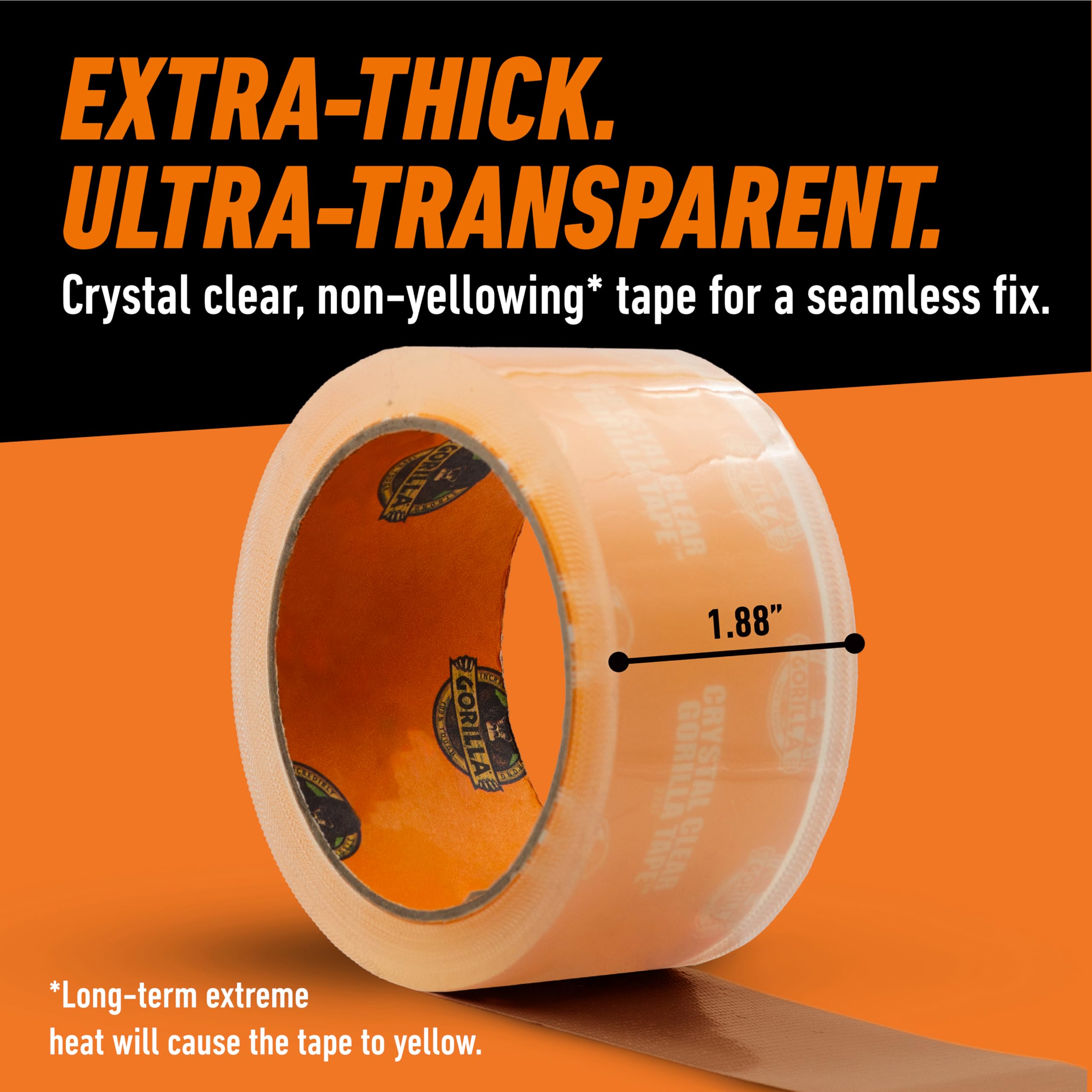
A stock image related to Crystal clear packaging tape.
Comprehensive Cost and Pricing Analysis for Crystal clear packaging tape Sourcing
How Does Film Thickness Impact Crystal Clear Packaging Tape Pricing?
The caliper of crystal clear packaging tape—measured in mils (thousandths of an inch)—serves as the primary cost driver in B2B procurement. Standard general-purpose tapes typically range from 2.5 mil to 3.6 mil thickness, with each increment representing significant material cost implications. Thinner 2.5 mil options, constructed from pressure-sensitive polypropylene, offer adequate abrasion resistance for lightweight carton sealing at lower price points, while heavy-duty 3.6 mil variants provide superior split resistance and moisture barriers for export shipping. Buyers must evaluate whether the additional structural integrity of thicker films justifies the per-roll premium, particularly for high-value goods requiring dust and dirt protection during extended transit across humid climates common in Nigeria or Southeast Asian markets. Industrial applications demanding conformability to irregular box surfaces typically require the investment in thicker gauges to prevent edge lifting and seal failure.
What Volume Quantities Optimize Unit Economics for International Procurement?
Packaging configurations dramatically influence landed costs for cross-border buyers. While retail packs of six rolls suit immediate operational needs, container-level procurement from Chinese manufacturing hubs—where most crystal clear tape originates—reduces per-yard costs by 40-60%. B2B purchasers should negotiate based on total linear footage rather than roll count, as core diameter standardization (typically 3-inch) allows for efficient dispenser compatibility across 55-yard to 100-yard lengths. For emerging market distributors in South America or the Middle East, consolidating orders to achieve full container loads minimizes freight cost per unit while ensuring consistent acrylic adhesive formulations that resist UV degradation during storage. Volume commitments also unlock customization options, including bespoke widths from 1/4-inch to 4-inch formats that standard retail channels rarely stock competitively.
How Do Regional Sourcing Strategies Affect Total Acquisition Costs?
China remains the dominant origin for crystal clear packaging tape production, though proximity to port infrastructure and import tariff structures create regional pricing variances. European buyers face additional compliance costs related to REACH regulations and plastic packaging taxes, whereas African importers contend with currency fluctuation risks and inland logistics expenses. Smart procurement involves analyzing whether direct manufacturer relationships outweigh distributor premiums, particularly when sourcing specialized dimensions that require precision slitting. Buyers should verify factory certifications and quality consistency, as price volatility in polypropylene resin markets can trigger specification shortcuts that compromise the tape’s crystal clarity and adhesion strength.
Which Hidden Cost Factors Extend Beyond the Per-Roll Price?
Sophisticated sourcing analysis must account for ancillary expenses that erode margin. Acrylic adhesive formulations with extended shelf lives reduce waste from dried inventory, while UV-resistant crystal clear grades prevent yellowing in outdoor storage conditions prevalent in Middle Eastern supply chains. Dispenser compatibility represents another cost variable; tapes requiring 3-inch core dispensers necessitate capital investment in pistol-grip or heavy-duty dispensing equipment. Additionally, buyers should verify abrasion resistance specifications, as inferior split-resistant films increase labor costs through application failures and re-taping requirements during high-volume packaging operations. Transportation economics also favor denser packing configurations, as hollow cardboard cores consume container space that could otherwise accommodate additional product volume.
Alternatives Analysis: Comparing Crystal clear packaging tape With Other Solutions
When evaluating sealing solutions for high-volume shipping operations, procurement teams often weigh crystal clear packaging tape against established alternatives that offer different cost-benefit profiles. While transparent BOPP (Biaxially Oriented Polypropylene) tape provides distinct advantages for inventory visibility and retail presentation, understanding how it stacks against conventional opaque options and sustainable paper-based systems enables strategic sourcing decisions aligned with your operational requirements, regulatory environments, and market positioning across Africa, South America, and the Middle East.
| Comparison Aspect | Crystal Clear Packaging Tape | Standard Brown/Tan Carton Sealing Tape | Water-Activated Kraft Paper Tape |
|---|---|---|---|
| Visual Appearance | High-clarity transparent finish; enables barcode scanning through tape | Opaque amber/brown finish; obscures carton graphics | Natural brown paper aesthetic; customizable printed branding |
| Material Composition | 2.5–3.6 mil BOPP film with acrylic adhesive | 2.0–3.0 mil BOPP film with hot melt or acrylic adhesive | Reinforced kraft paper with starch-based adhesive |
| Security Features | Tamper-evident only if custom printed; clear visibility of box contents | Low visibility of tampering; standard security | Permanent bond; impossible to remove without destroying box; tamper-evident |
| Cost per Meter | Moderate premium (5–15% higher than brown variants) | Lowest cost option; high-volume economy pricing | 20–40% higher than plastic tapes; requires dispenser investment |
| Application Speed | Compatible with standard hand dispensers and automated case sealers | Fastest application; universal machine compatibility | Requires water activation; 30–50% slower application process |
| Environmental Profile | Polypropylene; recyclable with box but not biodegradable | Same plastic composition as clear variant | Biodegradable; compostable; plastic-free packaging |
| Climate Resistance | Excellent UV resistance; stable in high humidity | UV stable; may yellow over time; adhesive performs similarly | Vulnerable to moisture before application; excellent seal strength in varying climates once bonded |
| Ideal Use Cases | Retail-ready packaging, inventory visibility, premium branding | General shipping, warehousing, cost-sensitive logistics | E-commerce, food packaging, heavy-duty export shipping, sustainable brands |
Is Standard Brown Carton Sealing Tape the Most Economical Choice for High-Volume Operations?
Standard brown or tan opaque BOPP tape represents the most direct cost competitor to crystal clear variants, typically offering 5–15% savings per linear meter in bulk procurement scenarios common to emerging markets. For B2B buyers managing large-scale distribution centers in Nigeria or Vietnam where operational costs directly impact competitive margins, this differential becomes significant when calculating annual consumption across thousands of cartons. However, the opaque nature eliminates the ability to scan barcodes through sealed flaps without repositioning labels, potentially adding labor costs to inventory management workflows. Furthermore, brown tape obscures any branding printed on carton tops, which may necessitate additional marketing collateral for retail-ready shipments destined for European supermarkets. While both variants share similar tensile strength and acrylic adhesive performance characteristics, brown tape generally lacks the UV resistance and aesthetic premium that clear tape provides, potentially leading to yellowing or brittleness in extended outdoor storage conditions common in Middle Eastern logistics hubs. Procurement teams should conduct a total cost of ownership analysis, assessing whether the marginal material savings justify the loss of inventory visibility and brand presentation, particularly when shipping to markets where retail-ready packaging standards increasingly influence receiving protocols.
When Should B2B Buyers Choose Water-Activated Paper Tape Over Clear Packaging Tape?
Water-activated kraft paper tape emerges as the strategic alternative for enterprises prioritizing sustainability credentials, tamper-evident security, and heavy-duty performance over application convenience. Unlike pressure-sensitive crystal clear tape, this solution forms a permanent chemical bond with corrugated fibers, creating a seal that physically cannot be removed without destroying the box—a critical advantage for high-value electronics or pharmaceutical exports to African and Middle Eastern markets where pilferage concerns persist. The biodegradable, plastic-free composition aligns with stringent EU packaging regulations and corporate ESG mandates increasingly required by European buyers, though implementation requires initial capital investment in water-dispensing equipment and increases packing station time by 30–50% compared to pressure-sensitive systems. While crystal clear tape offers superior flexibility for seasonal demand fluctuations and temporary warehousing operations, paper tape excels in applications exceeding 30kg carton weights and long-term storage scenarios where acrylic adhesive degradation might compromise seal integrity. Additionally, the natural kraft aesthetic communicates environmental responsibility to end consumers, potentially justifying higher product price points in premium markets. Buyers must weigh the 20–40% higher per-unit material costs and training requirements against reduced theft incidents, enhanced customer perception, and compliance benefits, particularly when serving B2B clients in regions where sustainable packaging influences purchasing decisions and contract renewals.
Essential Technical Properties and Trade Terminology for Crystal clear packaging tape
When sourcing crystal clear packaging tape for international supply chains, precise technical specifications determine compatibility with automated carton sealers and resistance to tropical climate variations. Understanding these metrics alongside industry-specific terminology prevents procurement mismatches and ensures consistent sealing integrity across diverse logistics environments.
What Backing Thickness Ensures Optimal Performance for Heavy Shipments?
Backing thickness, measured in mils (thousandths of an inch), ranges from 2.0 mil for lightweight applications to 3.6 mil for heavy-duty export cartons. This dimension directly correlates with tensile strength and split resistance, critical when palletized goods endure abrasion during cross-border transportation through African or South American logistics corridors.
How Do Core Dimensions Impact Operational Efficiency?
Standard industrial cores measure 3 inches (76mm) in diameter, compatible with high-speed dispensers and automated sealing machinery. Width specifications—typically 48mm (2 inches) or 72mm (3 inches)—must align with carton fluting sizes, while roll length (commonly 50-100 yards) affects changeover frequency in high-volume packaging operations.
What Adhesive Properties Resist Humidity and Temperature Fluctuations?
Acrylic adhesive systems provide superior UV resistance and aging stability compared to hot melt alternatives, maintaining adhesion in temperatures from -20°C to 60°C. Key metrics include peel adhesion strength and shear resistance, which prevent “flagging” (tape edges lifting) in humid climates prevalent in Southeast Asian and Middle Eastern markets.
Why Does Optical Clarity Matter for Automated Logistics?
Crystal clear tapes utilize biaxially oriented polypropylene (BOPP) films with high light transmission rates, enabling barcode scanning through the tape layer without removal. UV stabilizers prevent yellowing during extended storage, ensuring professional presentation and scan readability throughout the product shelf life.
What Is BOPP and Why Does It Matter for Durability?
Biaxially Oriented Polypropylene refers to the manufacturing process stretching polymer chains in perpendicular directions, creating dimensional stability that prevents “necking” (narrowing under tension). This molecular structure provides the abrasion resistance necessary for maintaining seal integrity during rough handling in international freight.
How Do “Mil” and “Micron” Measurements Convert for Global Sourcing?
While North American suppliers specify thickness in mils (1 mil = 0.0254mm), international manufacturers often use microns (1 mil ≈ 25.4 microns). A 2.5 mil specification equals approximately 63.5 microns—understanding this conversion prevents thickness mismatches when comparing specifications across European, Asian, and American suppliers.
What Distinguishes Acrylic from Hot Melt Adhesive Systems?
Acrylic adhesives offer chemical resistance, temperature stability, and optical clarity ideal for long-term storage, whereas hot melt adhesives provide aggressive initial tack but may yellow or lose adhesion in extreme heat. For crystal clear applications requiring invisible sealing, acrylic formulations maintain transparency and resist UV degradation.
What Constitutes “Shear Strength” in Packaging Applications?
Shear strength measures a tape’s resistance to constant stress parallel to the sealed surface, critical for preventing package opening when cartons are stacked or top-loaded. High shear values indicate the adhesive’s ability to withstand prolonged pressure and vibration during extended international shipping routes.
Why Is “Tack” Different from Overall Adhesion?
Tack refers to the immediate bond formation upon surface contact without applied pressure, distinct from ultimate adhesion strength. High-tack crystal clear tapes enable rapid application on automated lines, while balanced formulations prevent adhesive transfer or residue buildup on dispenser rollers.
What Does “Carton Sealing” Specification Indicate?
This designation indicates pressure-sensitive tape engineered specifically for corrugated fiberboard, featuring adhesion chemistry optimized for recycled cardboard surfaces. Unlike general-purpose tapes, carton sealing variants account for paper dust and variable surface energy common in industrial packaging environments.
Navigating Market Dynamics and Sourcing Trends in the Crystal clear packaging tape Sector
The crystal clear packaging tape sector is undergoing a strategic transformation from commodity-grade consumables to precision-engineered packaging components essential for modern supply chain integrity. For procurement teams operating across Africa, South America, the Middle East, and Europe
Frequently Asked Questions (FAQs) for B2B Buyers of Crystal clear packaging tape
What is the difference between crystal clear and standard clear packaging tape for B2B applications?
Crystal clear tape utilizes premium-grade biaxially oriented polypropylene (BOPP) film engineered for enhanced optical clarity, whereas standard clear tape typically exhibits a cloudy or yellowish tint that obscures underlying graphics. For businesses exporting to quality-conscious markets in Europe or the Middle East, crystal clear varieties provide superior aesthetics while maintaining equivalent abrasion and split resistance to industrial-grade alternatives. The enhanced transparency ensures barcodes, shipping labels, and custom branding remain fully visible throughout the supply chain, significantly reducing scanning errors and customs processing delays.
Can you print custom logos and branding on crystal clear packaging tape?
Yes, crystal clear tape serves as an excellent substrate for flexographic or digital custom printing, allowing B2B buyers to transform standard packaging into mobile advertising without compromising visibility. The high-clarity background ensures corporate logos and handling instructions appear crisp against the transparent film, eliminating the hazy background common to economy-grade tapes. When sourcing for markets with high sun exposure, such as Nigeria or Vietnam, specify UV-resistant inks and acrylic adhesive systems to prevent fading during extended outdoor storage or transit periods.
Is crystal clear packaging tape strong enough for heavy-duty international shipping?
Premium crystal clear tapes typically range from 2.5 to 3.6 mil in thickness, providing tensile strength exceeding 20 lbs per inch, making them suitable for sealing cartons weighing 40-50 pounds in automated fulfillment environments. The pressure-sensitive acrylic adhesive formulations offer superior shear resistance compared to rubber-based alternatives, ensuring seals remain intact despite the temperature fluctuations and vibration common in intercontinental shipping routes. For heavy machinery or dense product exports to West Africa or South America, select 3.0+ mil thickness with reinforced edges to prevent splitting during rough handling.
What are the benefits of using crystal clear tape for professional packaging and brand presentation?
Crystal clear tape creates an essentially invisible seal that showcases custom-printed boxes and premium product packaging rather than masking it, conveying quality consciousness to B2B recipients and end consumers. The optical clarity eliminates the “frosted” appearance associated with economy-grade tapes, ensuring unboxing experiences remain consistent with luxury or technical product positioning across European retail environments. Additionally, UV-resistant crystal clear formulations prevent yellowing during extended warehouse storage, maintaining pristine package appearance from production through final mile delivery.
How do I select the appropriate thickness (mil) for crystal clear packaging tape in high-volume operations?
For standard B2B shipments under 30 pounds, 2.0-2.5 mil crystal clear tape provides optimal adhesion and cost efficiency, while export containers exceeding 50 pounds require 3.0-3.6 mil thickness to withstand shear forces during pallet stacking. Thicker tapes offer enhanced puncture resistance crucial for goods traversing rough terrain in emerging markets, though they require calibrated dispenser tension to prevent waste and wrist strain in high-volume packing stations. Conduct substrate-specific adhesion tests, as corrugated boxes with high recycled content common in African and Southeast Asian markets may require thicker adhesive layers than virgin fiber containers.
What storage conditions ensure optimal shelf life for bulk crystal clear tape inventories?
Crystal clear packaging tape maintains adhesive integrity for 18-24 months when stored in climate-controlled environments between 50-80°F (10-27°C) with 40-60% relative humidity, protected from direct sunlight that degrades acrylic polymers. For buyers in tropical climates without consistent HVAC infrastructure, implement First-In-First-Out (FIFO) inventory rotation and store rolls vertically on 3-inch cores to prevent edge deformation and adhesive migration. Avoid proximity to heat sources or chemical vapors, as excessive warmth can cause adhesive bleed while cold temperatures may temporarily reduce initial tack until the tape acclimates to ambient conditions.
Which dispenser specifications ensure compatibility with crystal clear packaging tape rolls?
Standard B2B crystal clear tape utilizes 3-inch diameter cores, requiring dispensers with matching mandrel sizes and adjustable tension mechanisms to accommodate thickness variations from 2.0 to 3.6 mil. Pistol-grip dispensers with retractable blades and foam handles optimize ergonomics for manual high-volume packing, while automated case sealers require tapes with consistent unwind characteristics to prevent machine jams. When equipping facilities across multiple continents, verify that dispenser specifications align with regional safety standards, particularly blade-guarding requirements in European markets versus industrial-grade preferences in other regions.
How does crystal clear packaging tape perform under extreme climate conditions during international transit?
High-grade crystal clear tapes formulated with acrylic adhesives maintain reliable adhesion across temperature ranges from -10°F to 150°F (-23°C to 65°C), resisting the humidity fluctuations common in maritime shipping between Asia, Africa, and South America. Unlike rubber-based adhesives that soften in tropical heat or stiffen in European winters, crystal clear pressure-sensitive poly formulations conform to box surfaces despite condensation, dust, or minor surface oxidation. For shipments traversing multiple climate zones, select tapes with enhanced moisture barriers and UV stabilizers to prevent adhesive degradation during prolonged port storage or overland transport through varying elevations.
Important Disclaimer & Terms of Use
⚠️ Important Disclaimer
The information provided in this guide, including content regarding manufacturers, technical specifications, and market analysis, is for informational and educational purposes only. It does not constitute professional procurement advice, financial advice, or legal advice.
B2B buyers must conduct their own independent and thorough due diligence before making any purchasing decisions. The risk of relying on any information in this guide is borne solely by the reader.
Top 3 Crystal Clear Packaging Tape Manufacturers & Suppliers List
1. Metoree – Industrial Tapes
Domain: us.metoree.com
Registered: 2020 (6 years)
Introduction: This company, Metoree – Industrial Tapes, is a notable entity in the market.
2. Topever Tape – Clear Packaging Tape
Domain: topevertape.com
Registered: 2022 (4 years)
Introduction: Clear Packaging Tape manufactured by China factory Topever Tape. BOPP-based packaging tape available in clear and yellowish variants for carton sealing. Produced scientifically from pure raw materials with improved designs and richer variety. Features first-class quality, post-sale support, trouble-free service solutions, and nominated brand packing options. Global supply capability to Europe, Ame…
3. Elite Tape – Carton Sealing Tapes
Domain: elitetape.com
Registered: 2014 (12 years)
Introduction: Elite Tape offers carton sealing tapes made from biaxially oriented polypropylene (BOPP) film with thicknesses ranging from 1.8 mil to 3.5 mil. Product lines include: (1) Hot Melt Carton Sealing Tapes: 218 (1.8 mil clear), 225 (2.5 mil heavy duty with hot melt rubber adhesive and quick tack for immediate bond, alternative to Intertape IPG 9100, Shurtape HP400, 3M-373), and 235 (3.5 mil premium); (…
Strategic Sourcing Conclusion and Outlook for Crystal clear packaging tape
How Can Buyers Ensure Supply Chain Resilience Across Emerging Markets?
Sourcing crystal clear packaging tape requires balancing cost efficiency with performance reliability. For operations spanning Nigeria, Vietnam, and European distribution hubs, prioritize suppliers offering consistent 2.5–3.6 mil thickness ratings and UV-resistant acrylic adhesives to combat humidity-induced degradation. Verify that manufacturers maintain ISO-certified production facilities and transparent origin documentation rather than relying solely on price advantages, ensuring compliance with diverse regional packaging standards.
What Specifications Deliver Maximum ROI in Diverse Climates?
Select pressure-sensitive polypropylene formulations with abrasion-resistant backings for demanding logistics environments. Crystal clear tapes featuring 3-inch cores optimize dispenser compatibility across global equipment standards, reducing operational friction. Request batch-specific tensile strength documentation and moisture-barrier performance data to validate split resistance during high-volume automated sealing in tropical or variable weather conditions.
Future Outlook: Is Sustainable Crystal Clear Tape Becoming the B2B Standard?
The procurement landscape is shifting toward enhanced clarity formulations with reduced plastic density that maintain 2.7+ mil durability standards. Forward-thinking buyers should audit suppliers’ recycling capabilities and inquire about bio-based adhesive alternatives while ensuring immediate performance requirements are met, positioning inventory for impending environmental regulations without disrupting current sealing operations.