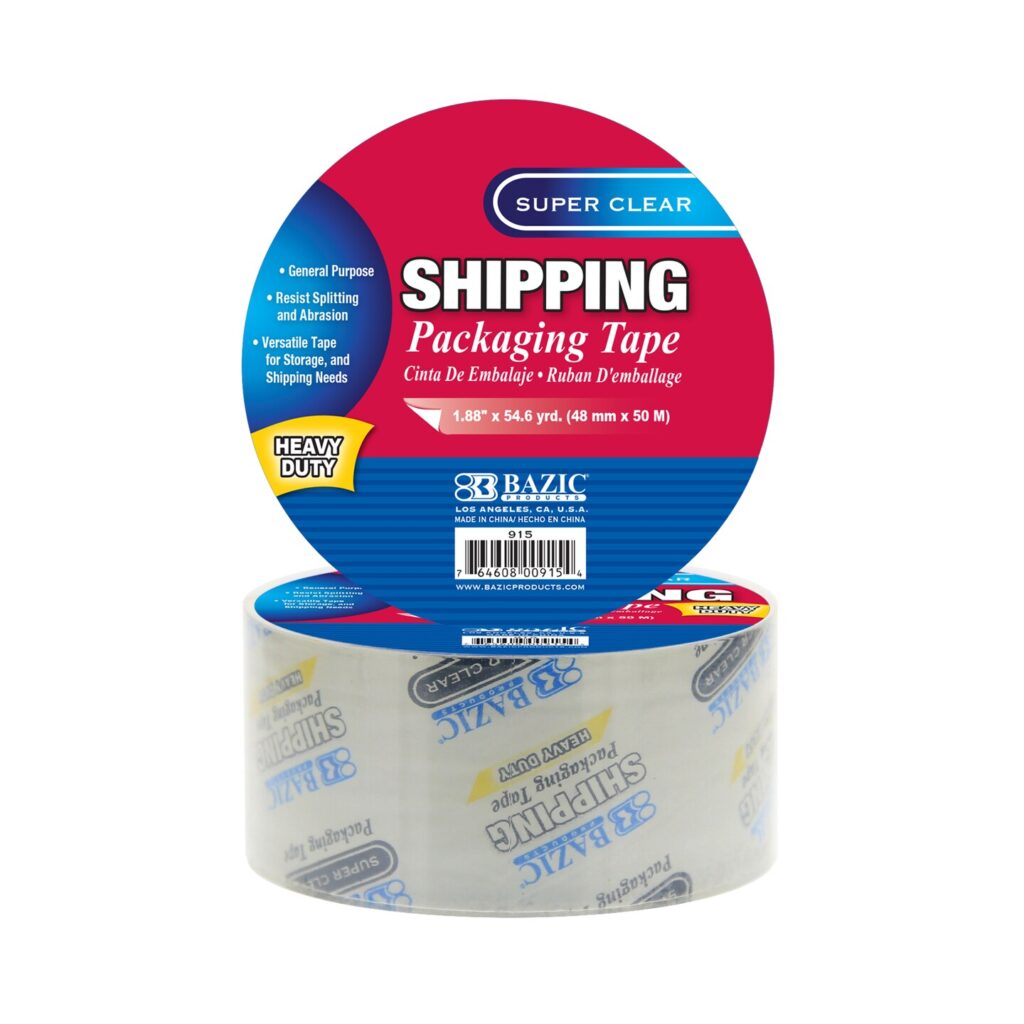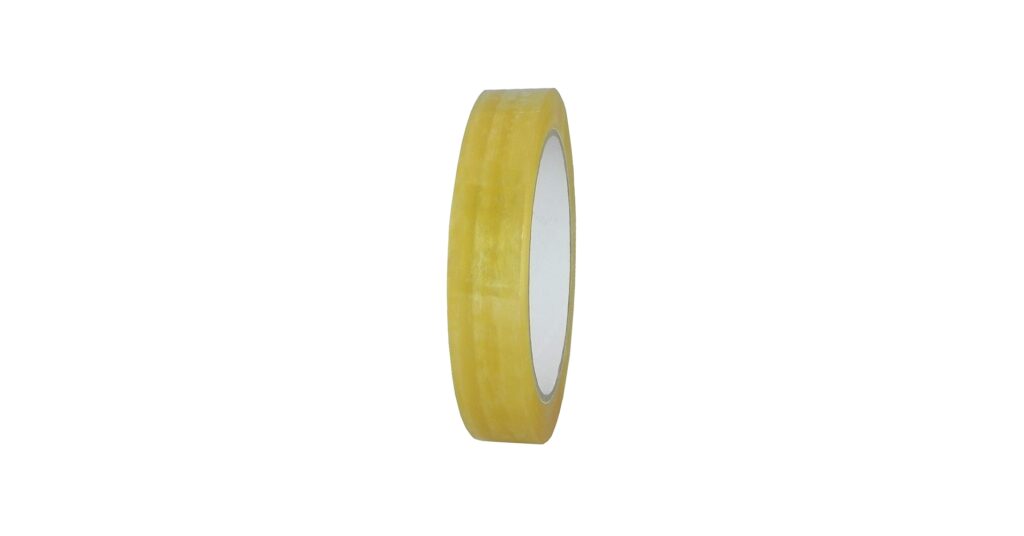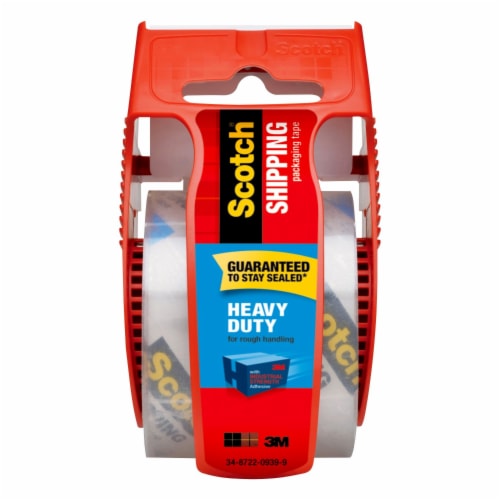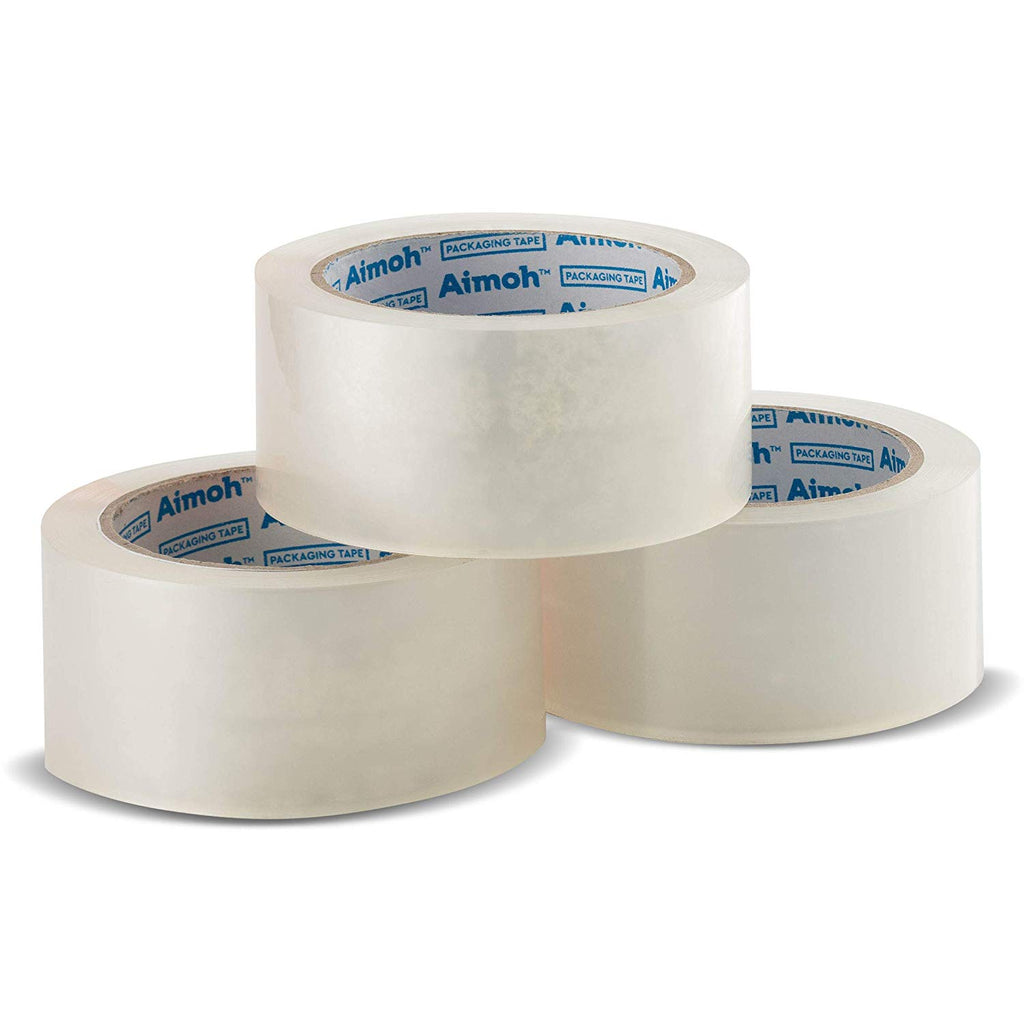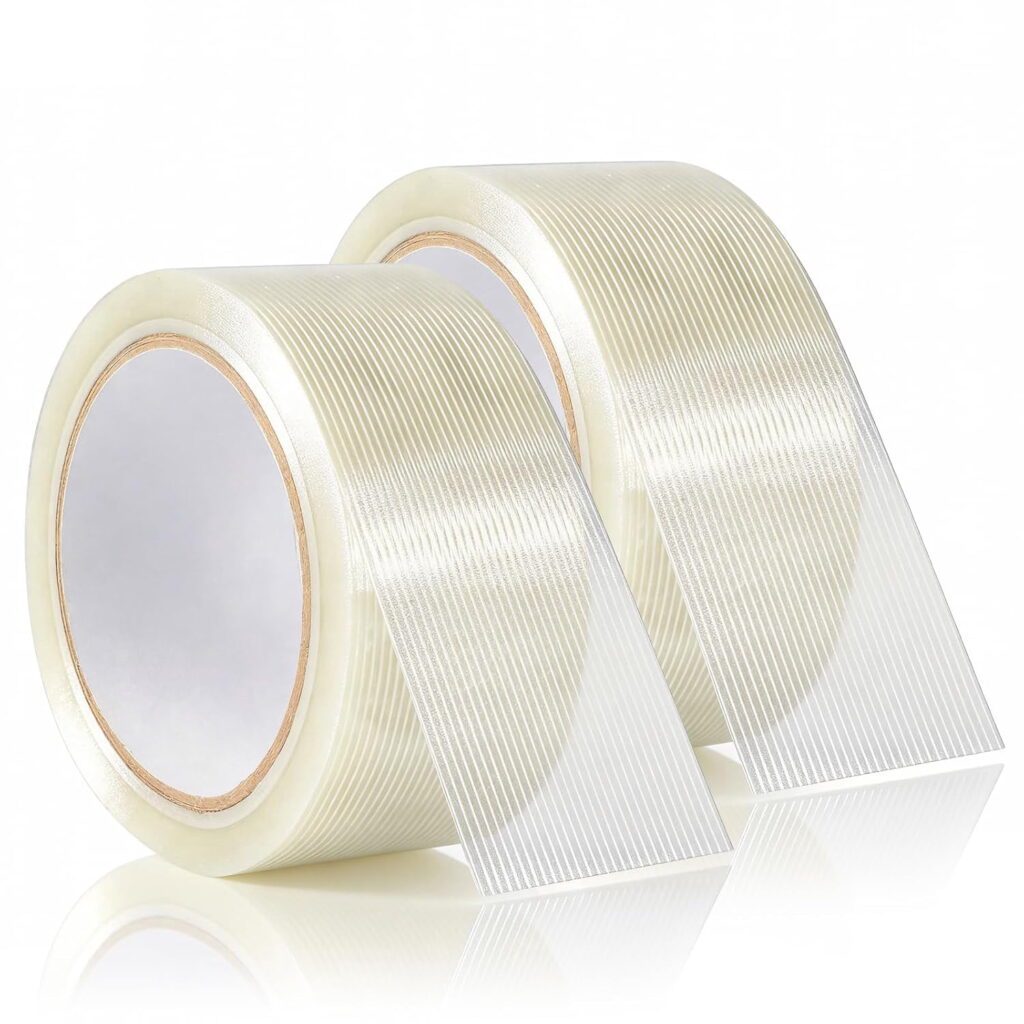
Introduction: Navigating the Global Market for Transparent carton sealing tape
Sourcing high-performance transparent carton sealing tape for secure international logistics presents a critical procurement challenge for businesses operating across Africa, South America, the Middle East, and Europe. Whether you’re managing high-volume exports from Lagos or automated fulfillment centers in Berlin, navigating inconsistent adhesive quality, varying film thicknesses, and unreliable supplier lead times can compromise package integrity and inflate operational costs. The global tape market offers myriad options—from crystal clear presentation-grade films to heavy-duty industrial formulations—yet without technical clarity, buyers risk selecting products that fail under temperature fluctuations or prove incompatible with existing dispensing equipment.
What technical specifications define reliable clear sealing tape for global supply chains?
Understanding the distinction between ultra-clear, crystal clear, and standard transparent formulations is essential for maintaining brand presentation and scan-readable barcodes. This guide examines critical performance metrics including mil thickness variations (ranging from economical 1.6 mil label protection to robust 3.6 mil heavy-duty sealing), acrylic adhesive tack levels, and release coating technologies that reduce operator fatigue during high-volume applications. We explore specific use cases across corrugated carton sealing, label lamination, and export packaging requirements.
How can procurement teams across Nigeria, Germany, and emerging markets optimize supplier relationships?
Beyond product specifications, successful global sourcing requires strategic supplier vetting, understanding palletized bulk purchasing options, and navigating regional compliance standards. This comprehensive resource addresses cost optimization strategies, quality assurance protocols for international shipments, and equipment compatibility considerations—from manual handheld dispensers to automated carton sealers—empowering you to make informed decisions that balance durability, clarity, and total cost of ownership in diverse operational environments.
Understanding Transparent carton sealing tape Types and Variations
| Type Name | Key Distinguishing Features | Primary B2B Applications | Brief Pros & Cons for Buyers |
|---|---|---|---|
| Standard Duty Clear BOPP Tape | 1.8–2.0 mil thickness; acrylic adhesive; cost-optimized polypropylene film | General warehouse sealing, e-commerce fulfillment, light-to-medium cartons | Pros: Economical bulk pricing, universal dispenser compatibility. Cons: Limited performance in extreme temperatures; not suitable for heavy exports |
| Heavy-Duty Crystal Clear Tape | 2.6–3.6 mil thickness; high tensile strength; UV-resistant acrylic formula | Export shipping, palletized loads, heavy industrial cartons, long-term storage | Pros: Superior adhesion to recycled corrugated; weather resistance. Cons: Higher per-roll cost; requires stronger dispensers |
| Ultra Clear Premium Packaging Tape | 2.2 mil thickness; optical-grade clarity; low-haze polypropylene | Retail-ready packaging, branded boxes, label visibility applications | Pros: Enhances product presentation; barcode scanning compatibility. Cons: Premium pricing; mid-range thickness limits ultra-heavy loads |
| Label Protection & Lamination Tape | 1.6–2.0 mil thickness; specialized low-tack or permanent adhesive options; conformable film | Document sealing, barcode protection, shipping label lamination, inventory tags | Pros: Prevents label abrasion and moisture damage; clean removal options. Cons: Not for structural sealing; narrower width options typical |
| Wide-Format Clear Sealing Tape (3-inch) | 72mm width (3″); 1.9–2.2 mil thickness; reinforced for H-taping | Heavy carton sealing, H-taping method, export compliance, automated lines | Pros: Faster sealing of large boxes; meets international shipping standards. Cons: Requires 3-inch dispensers; higher material consumption |
What is Standard Duty Clear BOPP Tape and When Should Procurement Teams Use It?
Standard duty clear tape (1.8–2.0 mil) represents the workhorse solution for high-volume distribution centers and e-commerce operations. Constructed with biaxially oriented polypropylene (BOPP) film and pressure-sensitive acrylic adhesive, this variation offers balanced tensile strength for cartons up to 25 kg. B2B buyers should prioritize this type for domestic supply chains where cost-per-seal efficiency outweighs extreme durability requirements. When sourcing, verify the release coating quality to ensure low-force unwinding that reduces operator fatigue during 8-hour warehouse shifts.
How Does Heavy-Duty Crystal Clear Tape Support International Export Requirements?
Heavy-duty crystal clear tape (2.6–3.6 mil) addresses the rigors of multi-modal logistics and extended storage periods common in African and Middle Eastern trade corridors. The increased film thickness provides enhanced puncture resistance against rough handling in containerized shipping, while UV-stabilized adhesives prevent bond degradation under solar exposure. Procurement managers should specify this grade for recycled corrugated board, which presents challenging porous surfaces. Consider palletized purchasing (36 cases per pallet) to optimize landed costs for transcontinental shipments.
Why Choose Ultra Clear Premium Tape for Retail-Ready Packaging Applications?
Ultra clear premium tape (2.2 mil) bridges the gap between structural sealing and aesthetic presentation, utilizing optical-grade polypropylene that minimizes haze and refractive distortion. This variation proves essential for European retail compliance where package appearance influences shelf acceptance. The 2.2 mil thickness provides sufficient holding power for medium-weight cartons while maintaining the transparency required for barcode scanning and brand visibility. Buyers should request mil-spec certifications to ensure consistency across production batches.
What Are the Specific Applications for Label Protection and Lamination Tape?
Label protection tape (1.6–2.0 mil) serves a specialized yet critical function in supply chain integrity, creating a moisture-resistant barrier over shipping documents, barcodes, and hazardous material labels. Unlike standard sealing tape, this variation features conformable adhesive systems that bond to paper substrates without edge lifting during humidity fluctuations. B2B purchasers should evaluate the adhesive chemistry—permanent for long-term archival or removable for temporary inventory tags—and verify compatibility with thermal transfer printing surfaces common in automated warehouses.
When is Wide-Format 3-Inch Clear Tape the Optimal Choice for Heavy Cartons?
Wide-format clear tape (72mm/3-inch width) accommodates the H-taping method required for cartons exceeding 30 kg or double-walled corrugated construction. The additional width distributes stress across broader surface areas, preventing the “zipper effect” where narrow tape splits under load. This specification aligns with German and Nigerian freight standards for heavy industrial exports. Procurement teams must ensure dispenser compatibility—standard 2-inch dispensers cannot accommodate these rolls—and calculate linear footage requirements carefully, as the wider format consumes inventory faster per linear meter.
Key Industrial Applications of Transparent carton sealing tape
| Industry/Sector | Specific Application of Transparent carton sealing tape | Value/Benefit for the Business | Key Sourcing Considerations for this Application |
|---|---|---|---|
| E-commerce & Fulfillment | High-volume carton sealing for outbound shipments; protective overlay for shipping labels and barcodes | Maintains brand presentation; ensures scanner readability for automated sorting; reduces rework from failed scans and operator fatigue | Acrylic adhesive for instant tack; compatibility with automated dispensers; low-force unwind coating for continuous use |
| Food & Beverage Distribution | Sealing secondary packaging for ambient and chilled exports; laminating expiration dates and traceability codes | Preserves product visibility for port inspections; prevents label degradation from condensation; supports HACCP compliance | FDA/EU food contact compliance; moisture resistance; performance in cold chain logistics (2-8°C) |
| Electronics Manufacturing | Sealing anti-static cartons and retail-ready packaging; protecting serial number and certification labels | Provides dust-free sealing without obscuring branding; prevents edge lift during air freight; ensures clean removal for unboxing | Low-noise unwind; residue-free adhesive; UV stability for storage near windows; adherence to coated surfaces |
| Pharmaceutical & Healthcare | Tamper-evident sealing of medical supply cartons; protecting batch codes and temperature monitoring labels | Ensures chain-of-custody visibility; protects critical data from smudging; supports GDP compliance for cross-border shipments | High shear strength for security; printable surface for over-labeling; temperature stability (15-25°C) |
| Industrial Manufacturing & 3PL | Heavy-duty sealing for machinery parts and multi-client warehouse packing | Versatility across varying recycled box qualities; reduces tape consumption per seal; withstands tropical to temperate climate shifts | High tensile strength (2.5+ mil); aggressive adhesion to recycled corrugated; bulk pallet pricing for cost efficiency |
How Does Transparent Carton Sealing Tape Support High-Volume E-commerce Fulfillment?
In fulfillment centers from Lagos to Berlin, transparent tape serves as the critical final touch in the pick-pack-ship workflow. Its crystal-clear finish ensures that automated barcode scanners read shipping labels without shadow interference, eliminating costly manual re-routing errors. For operations handling 10,000+ daily shipments, tapes with low-force unwind coatings significantly reduce operator fatigue during eight-hour shifts, while instant-tack acrylic adhesives prevent “flagging” on high-speed conveyor lines. Buyers should prioritize rolls compatible with both handheld dispensers and automated case sealers to maintain operational flexibility during peak seasonal demand surges.
What Role Does Clear Sealing Tape Play in Food Export Compliance?
For agricultural exporters in South America and the Middle East shipping to European markets, transparent tape provides tamper-evident security without obscuring organic certification stamps or customs documentation. The tape’s resistance to condensation prevents label smudging during refrigerated transit (2-8°C), ensuring traceability codes remain legible at port inspections. Unlike opaque alternatives, clear tape allows quality control officers to visually verify product integrity without breaking the seal, which is crucial for maintaining HACCP standards across multi-modal supply chains spanning tropical ports to continental distribution hubs.
Why Is Crystal-Clear Tape Essential for Electronics Manufacturing Exports?
German automotive component suppliers and Nigerian tech assembly plants rely on ultra-clear tape to protect sensitive devices from dust ingress while maintaining premium unboxing aesthetics for end consumers. The tape’s ability to adhere to anti-static coated cartons without leaving residue ensures that retail packaging arrives showroom-ready. For international air freight, the 1.9-2.2 mil thickness provides puncture resistance against rough handling stress, while transparency allows customs officials to inspect contents without package destruction, significantly accelerating clearance at busy logistics hubs like Frankfurt or Johannesburg.
How Do Pharmaceutical Distributors Ensure Chain-of-Custody with Transparent Sealing?
In regulated markets across Europe and the Middle East, transparent carton sealing tape functions as both a security device and document protector for temperature-sensitive shipments. By laminating batch codes and cold-chain monitoring labels, pharmaceutical logistics providers prevent critical data degradation from humidity during ocean freight. The tape’s high-shear adhesive formula resists edge-lift in climate-controlled warehouses (15-25°C), ensuring that tamper-evident seals remain intact across multi-country distribution networks. This visibility is vital for GDP compliance, allowing auditors to verify seal integrity without disrupting secondary packaging or compromising sterile barriers.
How Can General Manufacturing Optimize Export Packaging with Clear Tape?
For industrial manufacturers in Africa and Latin America exporting machinery parts to European standards, transparent tape offers a cost-effective method for securing heavy corrugated while maintaining professional presentation. The material’s balanced tensile strength prevents box failure during stacking in container ships, while its clarity allows for rapid inventory checks without tape removal. Sourcing teams should specify 2.5+ mil thickness for items exceeding 30kg, ensuring the adhesive withstands the shear forces generated during ocean freight rolling and vibration, particularly on routes through varying humidity zones.
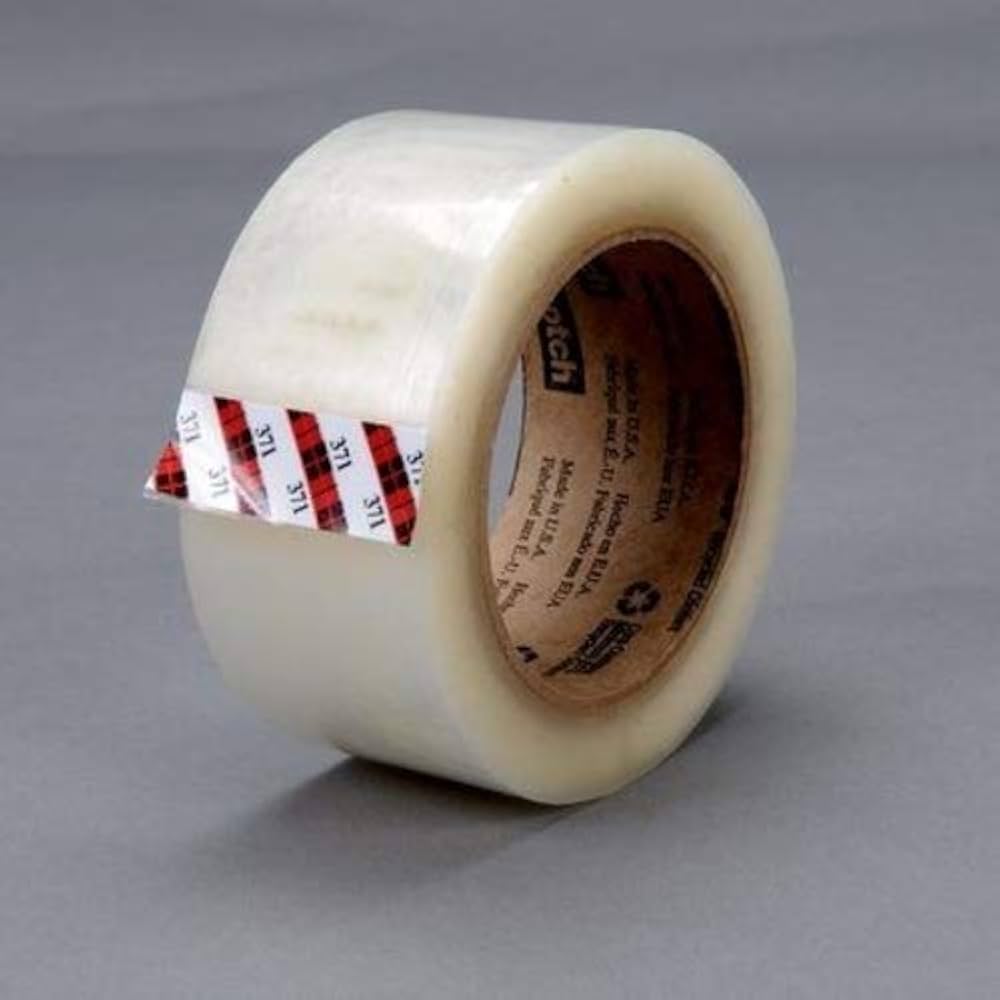
A stock image related to Transparent carton sealing tape.
3 Common User Pain Points for ‘Transparent carton sealing tape’ & Their Solutions
Scenario 1: Why Does Adhesive Fail in High-Humidity Tropical Climates?
The Problem:
For B2B buyers managing supply chains across Nigeria, Brazil, or the UAE, standard hot melt adhesive tapes frequently soften under extreme heat or lose tack entirely in high-humidity port storage conditions. This degradation causes “flagging” (edge lifting) and complete seal failure, compromising palletized loads during international transit. The business impact extends beyond damaged goods to include costly warehouse rework, potential product contamination, and eroded client trust when packages arrive visibly tampered with or open.
The Solution:
Specify acrylic-based transparent carton sealing tape rather than rubber-based hot melt formulations. Acrylic adhesives maintain consistent tack across temperature fluctuations (-20°C to 60°C) and resist UV degradation, ensuring seals remain intact in non-climate-controlled warehouses or during multi-climate shipping routes. Look for instant-tack properties combined with special release coatings that enable smooth, low-force unwinding—critical for reducing operator fatigue during high-volume packing operations. For humid regions, select tapes with moisture-resistant formulations and verify shear strength ratings exceed 40 oz/inch width. Additionally, ensure your supplier guarantees consistent roll-to-roll adhesion variance of less than 5% to prevent application failures in automated sealing systems.
Scenario 2: How Can Yellowing Tape Obscure Barcodes and Damage Brand Integrity?
The Problem:
When transparent tape is applied over shipping labels or retail-ready packaging, standard clear films often develop a yellowish haze or “fog” after 30–60 days of UV exposure or fluorescent warehouse lighting. This optical degradation obscures barcodes, causing delays in automated scanning systems and inventory errors. For exporters to Germany and the EU—where pharmaceutical and cosmetic products require pristine presentation—this yellowing creates compliance issues with strict retail partners and diminishes the unboxing experience, indirectly reducing perceived product quality and brand value.
The Solution:
Opt for Ultra Clear or Crystal Clear BOPP tapes featuring advanced UV stabilizers and non-yellowing acrylic adhesives. These specialized films maintain optical clarity for 6+ months, ensuring barcodes remain machine-scannable and branding stays visible throughout the distribution cycle. For critical label protection, consider dedicated 1.6–2.0 mil label protection tapes that laminate shipping documents without obscuring text or graphics. If utilizing custom printing capabilities, specify flexographic printing on ultra-clear substrates, which integrates company logos seamlessly while maintaining the tape’s structural integrity. This approach satisfies both functional logistics requirements and aesthetic standards for retail-facing shipments.
Scenario 3: Is Transparent Tape Strong Enough for Heavy-Duty International Shipping?
The Problem:
A persistent misconception among procurement teams is that transparent carton sealing tape is inherently weaker than brown or tan alternatives. Consequently, buyers frequently specify insufficient thickness (1.6–1.9 mil) for heavy corrugated boxes exceeding 25–30kg, resulting in seam bursts, corner splits, and catastrophic failure during rough handling in air or sea freight. This miscalculation is particularly costly for exporters of dense industrial components or agricultural goods to African and South American markets, where rough terrain handling and multiple transloading points stress packaging integrity, leading to increased damage claims and customer dissatisfaction.
The Solution:
Match tape thickness precisely to carton weight and handling intensity. For heavy-duty applications, specify 2.7–3.6 mil transparent carton sealing tape constructed from high-tensile polypropylene film. These thicknesses provide tear resistance and shear strength comparable to colored alternatives while delivering the professional aesthetic of clear packaging. Verify technical specifications including tensile strength exceeding 25 lbs/inch and shear adhesion above 50 oz/inch width. For automated sealing lines, confirm the standard 3-inch core compatibility to ensure smooth mechanized application. Modern clear tapes match brown tape strength when properly specified—request technical data sheets comparing elongation percentages and conduct weight-stress tests on sample cartons before bulk procurement to validate performance for your specific logistics chain.
Strategic Material Selection Guide for Transparent carton sealing tape
Selecting the optimal film substrate for transparent carton sealing tape requires balancing tensile strength, optical clarity, and environmental resilience against total cost of ownership. For procurement teams operating across diverse climates—from Nigeria’s humid ports to Germany’s automated fulfillment centers—understanding material specifications directly impacts supply chain integrity and brand presentation. While polypropylene dominates the market due to its cost-effectiveness, alternative substrates offer distinct advantages for specialized logistics environments, cold-chain applications, and noise-sensitive operations. This strategic analysis examines four primary film materials to inform sourcing decisions that align with operational requirements and regional compliance standards.
Which Polypropylene Film Grade Delivers the Best Balance of Clarity and Strength?
Biaxially Oriented Polypropylene (BOPP) represents the industry standard for high-volume carton sealing, offering exceptional tensile strength through molecular orientation in both machine and transverse directions. This 1.6–2.2 mil film provides crystal-clear optics that maintain barcode readability while delivering the stiffness required for automated high-speed dispensers common in European distribution networks. BOPP exhibits excellent moisture resistance and dimensional stability across temperatures from -10°C to 60°C, making it suitable for multi-modal shipping from South American manufacturing hubs to Middle Eastern distribution centers. The material’s rigidity supports clean, straight application lines on standard 32 ECT corrugated boxes. However, the film’s molecular structure produces audible unwinding noise, which may conflict with noise-reduction protocols in German warehouse environments, and it becomes increasingly brittle below freezing, risking seal failure during winter logistics in continental Europe.
Is PVC Film the Right Choice for Cold Climate Logistics and Quiet Operations?
Polyvinyl Chloride film delivers superior conformability and silent unwind characteristics critical for hand-application in noise-sensitive facilities or low-temperature logistics operations prevalent in Northern Europe. At 1.9–2.5 mil thicknesses, PVC maintains adhesive contact with corrugated fibers even in freezing conditions where polypropylene becomes brittle, ensuring seal integrity during winter transits through Germany or high-altitude South American routes. The material’s natural flexibility allows it to conform to irregular box edges and recycled content corrugate with higher surface variation, making it ideal for sustainable packaging initiatives. Procurement teams should note that PVC carries significantly higher material costs per thousand square meters and faces increasing environmental compliance considerations regarding chlorine content and recycling streams, potentially complicating sustainability mandates in eco-conscious European markets and corporate ESG reporting.
When Should B2B Buyers Consider PET Film for Heavy-Duty Transparent Sealing?
Polyethylene Terephthalate (PET) films provide premium tensile strength exceeding 25,000 psi, making them ideal for heavy-duty applications involving overfilled cartons or palletized loads subject to significant shear forces during international transit. This 2.0–3.0 mil substrate resists nicks and abrasion during rough handling common in African port logistics and cross-docking operations, while maintaining optical transparency comparable to lighter films for professional presentation. PET’s superior dimensional stability prevents “flagging” (tape lifting at corners) in high-humidity environments like Nigerian coastal warehouses or tropical South American climates. The primary limitation involves stiffness; PET requires higher application pressure for proper adhesion and may challenge older dispenser equipment or manual application processes, alongside premium pricing that impacts high-volume procurement budgets and requires justification through reduced damage claims.
How Does Cast Polypropylene Compare for Noise-Sensitive Environments?
Cast Polypropylene (CPP) offers an intermediate solution between rigid BOPP and expensive PVC, manufactured through cast extrusion rather than biaxial orientation to create a softer, more pliable film. This 1.8–2.2 mil substrate provides excellent clarity and significantly quieter unwind characteristics, suitable for manual packing stations in Middle Eastern fulfillment centers where operator comfort and noise reduction are prioritized alongside performance. CPP demonstrates superior puncture resistance against sharp corrugated edges and rough handling, reducing tape breakage and rework time during high-volume packing operations. However, the material exhibits lower tensile strength than BOPP and higher elongation under stress, potentially compromising seal security on heavy cartons exceeding 25kg during long-haul international shipping or stacked pallet storage, limiting its use to medium-duty applications
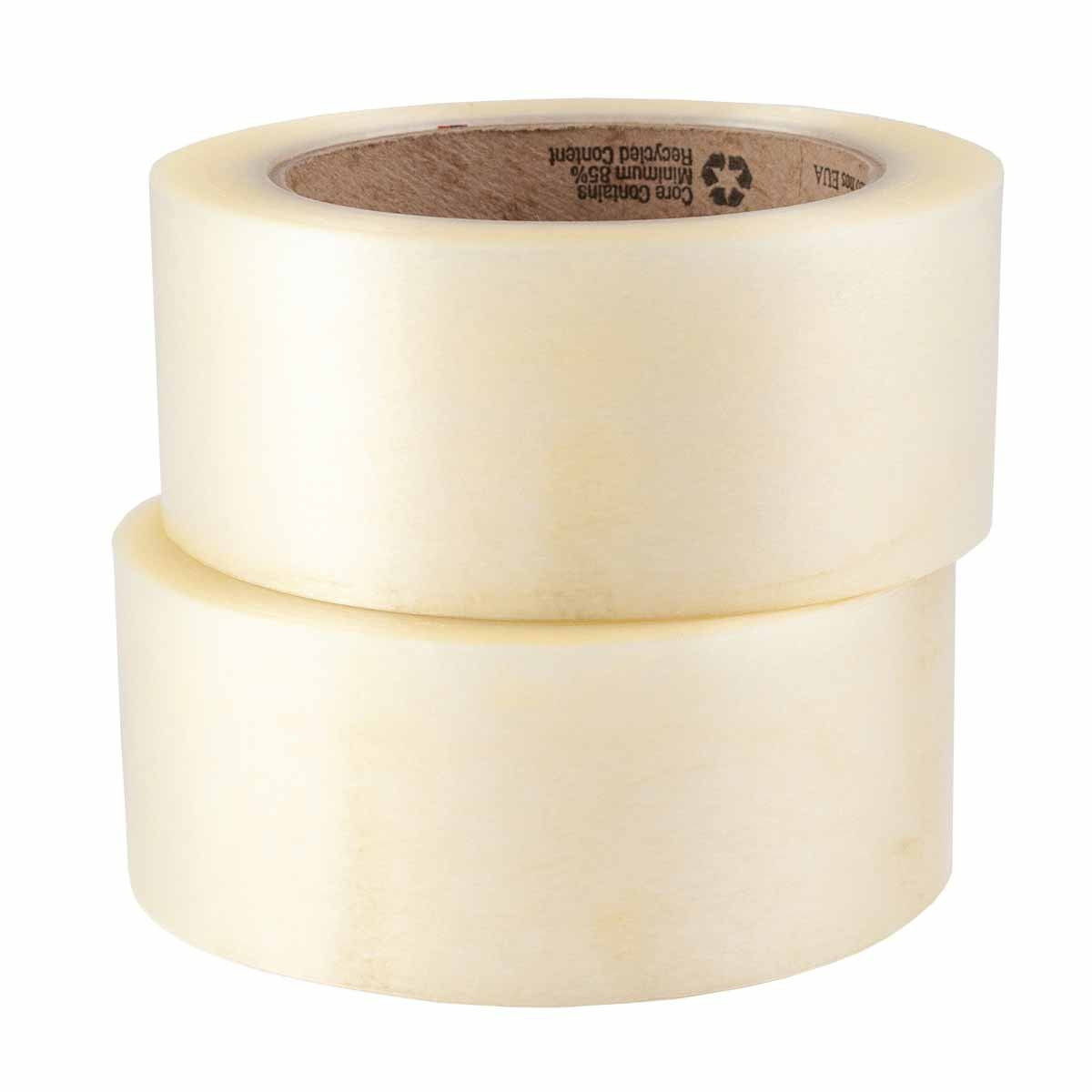
A stock image related to Transparent carton sealing tape.
In-depth Look: Manufacturing Processes and Quality Assurance for Transparent carton sealing tape
Transparent carton sealing tape production involves precision engineering of biaxially oriented polypropylene (BOPP) film combined with advanced adhesive formulation. For procurement managers operating across diverse climates—from humid West African ports to temperature-controlled German distribution centers—understanding these manufacturing intricacies ensures specification alignment with operational demands. The process transforms raw polymer resins into high-performance packaging materials through extrusion, orientation, coating, and rigorous quality validation protocols.
How Is Transparent Carton Sealing Tape Manufactured from Raw Materials to Finished Roll?
The manufacturing journey begins with polypropylene pellets melted and extruded into thick sheets, which undergo biaxial orientation—simultaneous stretching in both machine and transverse directions. This molecular alignment creates the characteristic strength and clarity of BOPP film, typically achieving thicknesses between 1.6 and 3.6 mil depending on application requirements. For ultra-clear variants, manufacturers employ specialized resin grades with low haze properties and minimal crystalline structures that could obstruct light transmission.
Following film preparation, the coating stage applies pressure-sensitive adhesive through precision slot-die or roll-coating methods. Acrylic adhesives dominate transparent carton sealing applications due to their instant tack characteristics and resistance to yellowing under UV exposure. The coating weight typically ranges from 20–25 grams per square meter, calibrated to balance aggressive initial bond formation with clean removal characteristics. A specialized release coating applied to the non-adhesive side ensures consistent unwind force—critical for preventing tape breakage during high-speed automated sealing operations common in Nigerian manufacturing hubs and European fulfillment centers.
What Quality Control Tests Ensure Tape Performance in High-Volume Operations?
Quality assurance protocols begin with raw material verification, testing polypropylene melt flow indices and adhesive solid content before production initiation. During manufacturing, automated vision systems inspect film clarity, detecting microscopic defects or contamination that could compromise optical transparency. Laboratory technicians conduct peel adhesion tests per ASTM D3330 standards, measuring the force required to remove tape from standardized stainless steel panels after 20-minute and 24-hour dwell times.
Unwind force testing proves particularly crucial for B2B buyers deploying tape in mechanized dispensers. Quality teams measure the resistance required to pull tape from the roll at specified speeds, ensuring values remain between 2.5–4.5 Newtons for standard 2-inch widths. Excessive unwind force causes operator fatigue and dispenser jams, while insufficient tension leads to flagging and misapplication. Additionally, roll geometry inspections verify core integrity and concentricity, preventing wobble in automated taping heads that could shut down production lines.
Why Does Film Orientation and Thickness Consistency Matter for Automated Packaging Lines?
Biaxial orientation directly impacts tensile strength and dimensional stability during application. Properly oriented film exhibits balanced strength in both length and width directions, preventing splitting when pulled across corrugated box edges or around corner joints. Thickness consistency—measured via continuous laser micrometers during production—must maintain tolerances within ±5% to ensure uniform performance across thousands of seals.
For buyers operating high-volume distribution centers in South America or the Middle East, thickness variation creates significant operational risks. Inconsistent caliper causes pressure-sensitive adhesive to bond unevenly, potentially leading to seal failures during stacking or transit. Manufacturers achieve precision through closed-loop extrusion controls that adjust polymer flow rates in real-time, coupled with post-production slit-width verification ensuring exact 48mm, 72mm, or custom specifications required by specific packaging machinery.
How Do Manufacturers Ensure Optical Clarity and Adhesive Stability Across Climate Zones?
Optical clarity requires meticulous control of surface roughness and internal haze. Premium transparent tapes undergo additional polishing treatments and utilize nucleating agents that minimize crystalline formations within the polypropylene matrix. Spectrophotometric testing measures light transmission rates, with ultra-clear grades achieving >90% transparency to ensure barcode readability and brand visibility on retail-ready packages.
Adhesive formulation addresses climate-specific challenges facing international supply chains. For humid environments like West African coastal regions, manufacturers incorporate moisture-resistant additives preventing water whitening or adhesion degradation. Conversely, tapes destined for Middle Eastern markets undergo elevated temperature aging tests (70°C for 14 days) to verify resistance to softening and edge-lifting in hot warehouse conditions. These climate-stability validations ensure that tape performance remains consistent from manufacturing facility through containerized shipping to final destination.
What Should International Buyers Verify Regarding Production Standards and Batch Consistency?
When evaluating suppliers for multi-regional operations, verify ISO 9001:2015 certification covering quality management systems and ISO 14001 environmental compliance. Request batch-specific test reports documenting adhesion values, tensile strength (typically 20–30 N/cm), and elongation percentages. For automated operations, demand unwind force histograms showing coefficient of variation below 10% across production lots.
Logistics-conscious buyers should confirm palletization standards—standard configurations stack 36 cases (864 rolls) per pallet optimizing container cube utilization for ocean freight to European or African ports. Verify that core materials utilize recycled cardboard or durable plastic capable of withstanding tropical humidity without crushing, which could render rolls unusable before application. Finally, ensure manufacturers maintain traceability systems linking each roll to specific production shifts, resin lots, and adhesive batches, enabling rapid root-cause analysis should performance variations occur across your international distribution network.
Practical Sourcing Guide: A Step-by-Step Checklist for ‘Transparent carton sealing tape’
Procuring transparent carton sealing tape for international operations requires balancing optical clarity with performance specifications across varying climates and regulatory environments. This checklist guides procurement teams through critical decision points to ensure selected products meet both operational demands and compliance requirements in target markets.
-
How Do You Determine the Right Thickness and Adhesive Formulation for Your Climate?
Standard clear tape ranges from 1.6 mil (label protection) to 3.6 mil (heavy-duty sealing). For humid regions like West Africa or the Gulf states, specify acrylic adhesives over hot-melt alternatives to prevent adhesive creep in high temperatures. Cold-chain logistics in Europe demand low-temperature performance grades that maintain tack in freezing conditions.
-
What Dimensions and Core Specifications Ensure Equipment Compatibility?
Verify dispenser compatibility before ordering—standard 3-inch cores fit most automated systems, while 2-inch widths suit manual operations. Specify roll lengths (typically 55 to 110 yards) based on changeover frequency preferences. For high-volume fulfillment centers, 3-inch widths provide superior edge coverage on double-wall corrugated common in export shipping.
-
Which Quality Certifications Validate Tape Performance Claims?
Request ISO 9001 manufacturing certifications and ASTM D3652 thickness compliance reports. For EU markets, verify REACH chemical compliance; for Nigerian imports, confirm SONCAP conformity assessment documentation. Reputable suppliers provide alternative equivalencies to industry standards like Uline or 3M product lines for benchmarking purposes.
-
How Can You Optimize Bulk Procurement and Shipping Logistics?
Negotiate palletized configurations—typically 36 cases (864 rolls) per pallet—to maximize container utilization and reduce per-unit freight costs. Clarify Incoterms regarding moisture barrier packaging for ocean freight to tropical destinations. Establish reorder points accounting for 30-45 day lead times from Asian manufacturing hubs.
-
What Testing Protocols Validate Tape Performance Before Full Commitment?
Conduct shear adhesion tests on actual corrugated substrates used in your operation. Test unwind force consistency across multiple rolls to ensure dispenser compatibility. Verify optical clarity under your facility’s lighting conditions—”crystal clear” grades differ significantly from “ultra clear” in light transmission percentages.
-
How Do You Structure Quality Agreements and Contingency Planning?
Define acceptable variance ranges for thickness (±10%) and adhesion strength in purchase agreements. Establish defect resolution protocols for issues like adhesive oozing or film irregularities. Secure secondary supplier qualifications to mitigate disruption risks for just-in-time packaging operations.
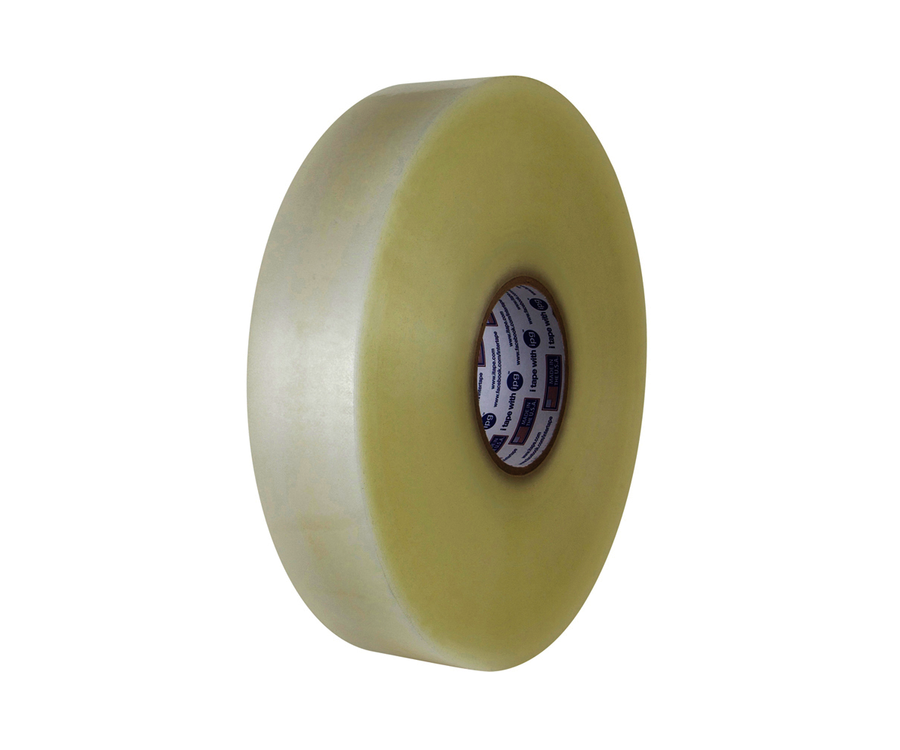
A stock image related to Transparent carton sealing tape.
Comprehensive Cost and Pricing Analysis for Transparent carton sealing tape Sourcing
Transparent carton sealing tape pricing extends far beyond simple per-roll calculations. For international procurement teams, understanding the interplay between film thickness, adhesive formulations, and volume tiers determines whether you achieve cost efficiency or budget overruns. This analysis breaks down the critical pricing variables that influence your total cost of ownership when sourcing from global suppliers.
How Does Film Thickness Impact Transparent Carton Sealing Tape Pricing?
Standard-duty tapes (1.6–1.9 mil) typically range from $5.30–$6.00 per roll when purchased in case quantities of 24 units. Heavy-duty variants (2.2–3.6 mil) command 15–30% premiums due to increased polypropylene content and enhanced tensile strength. For high-volume operations shipping heavy freight, the incremental cost per mil often yields superior ROI through reduced breakage and fewer double-taping requirements. German industrial buyers particularly favor 2.2+ mil specifications for automated lines, while Nigerian distributors often balance cost with 1.9 mil standards for general logistics.
What Are the Volume Pricing Breakpoints for Bulk Tape Procurement?
Most manufacturers structure pricing in three tiers: case level (24 rolls), master carton level, and full pallet quantities (typically 36 cases/864 rolls). Single-case pricing often starts near $128 per case ($5.34/unit), while pallet commitments can reduce unit costs by 8–12%. African and South American buyers should negotiate container-load pricing (20–40 pallets) to maximize freight efficiency and secure deepest volume discounts. Middle Eastern importers benefit from consolidating orders to reach these breakpoints, reducing per-unit logistics costs significantly.
How Can International Buyers Optimize Total Landed Costs?
Beyond unit pricing, landed cost calculations must include harmonized tariff codes (typically 3919.10 for adhesive plastic tapes), ocean freight volatility, and regional warehousing fees. European buyers benefit from CE-compliant manufacturing standards that prevent customs delays, while Middle Eastern importers should factor in summer temperature storage requirements that may necessitate higher-grade acrylic adhesives despite increased costs. South American procurement teams must verify anti-dumping duties on Asian-origin tapes, which can add 12–25% to invoice values.
Are Premium Crystal Clear Tapes Worth the Higher Unit Cost?
Ultra-clear and crystal-clear variants cost 10–18% more than standard clear tapes due to specialized biaxially oriented polypropylene (BOPP) films and enhanced release coatings. For B2B sectors like electronics or luxury cosmetics where package aesthetics influence brand perception, this premium delivers measurable marketing value. However, for industrial shipping within opaque outer packaging, standard clear options provide identical sealing performance at lower procurement costs. Nigerian e-commerce fulfillment centers increasingly prefer crystal-clear options to showcase branded unboxing experiences.
What Hidden Costs Should B2B Buyers Consider Beyond Unit Price?
Incompatible core sizes (3-inch vs. 1-inch) necessitate dispenser upgrades, adding $15–$50 per station. Low-tack formulations in hot climates cause rework and material waste, while insufficient release coatings increase operator fatigue and slow packing line speeds. Additionally, verify whether quotes include inner labels or custom branding options, as these value-added services significantly impact per-roll economics but differentiate products in competitive retail environments. Always request samples to test unwind force and adhesion before committing to bulk orders.
Alternatives Analysis: Comparing Transparent carton sealing tape With Other Solutions
While transparent acrylic carton sealing tape dominates general logistics due to its versatility and immediate tack, procurement teams in high-growth markets—from Nigerian e-commerce hubs to German automotive suppliers—increasingly evaluate alternatives based on load security, climate resilience, and circular economy compliance. Depending on your shipment weight, value density, and destination port conditions, two distinct solutions offer viable substitutions: water-activated reinforced tape for tamper-critical exports, and polypropylene strapping for heavy-duty industrial freight.
| Comparison Aspect | Transparent Carton Sealing Tape (Acrylic) | Water-Activated Reinforced Tape | Polypropylene Strapping Systems |
|---|---|---|---|
| Initial Investment | Low (Hand dispensers under $20 USD) | Moderate (Electric water dispensers $200–$800 USD) | High (Battery-powered strapping tools $500–$2,000 USD) |
| Operating Cost per Seal | $0.02–$0.05 | $0.08–$0.15 | $0.10–$0.30 (including buckles/clips) |
| Application Speed | 2–3 seconds per carton | 5–8 seconds per carton (includes drying time) | 15–30 seconds per pallet |
| Load Security Performance | Medium (suitable up to 15–20kg) | High (mechanically bonds with corrugated fibers) | Very High (mechanical containment for 30kg+) |
| Climate Resilience | Moderate (humidity can compromise tack in tropical ports) | High (resistant to moisture after curing; performs -20°C to 70°C) | High (unaffected by temperature/humidity extremes) |
| Ease of Implementation | Immediate (no training required) | Moderate (requires dispenser calibration and technique training) | Complex (requires operator certification for tool safety) |
| Tamper Evidence | Low (can be resealed with heat) | High (destructive removal; cannot reseal) | Medium (cuttable but leaves physical evidence) |
| Recyclability | Film contaminates paper recycling streams | Fully recyclable with cardboard (paper-based) | Requires separation (PP coded recycling) |
| Barcode Scanning Compatibility | Excellent (transparent film) | Moderate (opaque paper covers labels) | Poor (straps may obscure side labels) |
When Should You Switch to Water-Activated Reinforced Tape for High-Value Exports?
Water-activated tape (WAT) creates a permanent chemical bond with corrugated linerboard, making it the preferred choice for pharmaceutical and electronics shipments facing pilferage risks in multi-modal African and Middle Eastern supply chains. Unlike pressure-sensitive acrylic tapes that rely on surface adhesion and can delaminate in high-humidity environments such as Lagos or Mumbai ports, WAT’s starch-based adhesive penetrates the cardboard fibers, maintaining seal integrity across extreme temperature fluctuations. However, this solution requires capital investment in electric or manual water dispensers and adds 3–5 seconds per seal in application time, rendering it cost-prohibitive for high-volume B2C fulfillment but ideal for palletized B2B exports to European markets with strict packaging waste directives, as the paper-based tape integrates seamlessly into cardboard recycling streams without film contamination.
Is Polypropylene Strapping a Cost-Effective Alternative for Heavy-Duty Logistics?
For industrial shipments exceeding 30kg or palletized freight common in South American agricultural and German manufacturing exports, polypropylene (PP) strapping provides superior load containment that adhesive tapes cannot match, eliminating carton burst risks during rough handling in trans-shipment hubs. While initial tooling costs for battery-powered strapping guns significantly exceed tape dispensers, the per-unit cost of plastic strap becomes economical for dense, rigid items like automotive parts or machinery components. Unlike transparent tape, which allows surface scanning of barcodes, strapping requires strategic placement to avoid obscuring shipping labels, and it necessitates edge protectors to prevent package damage. This method excels in warehouse-to-warehouse logistics and containerized shipping but proves inefficient for small-parcel e-commerce where tape’s flexibility and application speed remain unmatched.
Essential Technical Properties and Trade Terminology for Transparent carton sealing tape
When sourcing transparent carton sealing tape for international supply chains, understanding precise technical specifications ensures compatibility with automated packaging lines and regional climate conditions. Buyers from Nigeria to Germany must evaluate performance metrics that determine seal integrity during ocean freight, warehouse storage, and last-mile delivery across varying humidity and temperature zones.
What Film Thickness (Mil) Should You Specify for Heavy-Duty Export Shipments?
Film thickness, measured in mils (thousandths of an inch) or microns, directly impacts puncture resistance and tensile strength. Standard duty ranges from 1.6–2.0 mil for lightweight e-commerce parcels, while export-grade applications typically require 2.5–3.6 mil to withstand rough handling and stacking pressures during long-haul logistics to African and Middle Eastern ports.
How Does Acrylic Adhesive Performance Vary Across Climate Zones?
Acrylic adhesives offer excellent UV resistance and temperature stability (-20°C to 60°C), making them ideal for shipments to regions with extreme weather fluctuations. Unlike hot melt adhesives, acrylic maintains consistent tack in high humidity and does not yellow over time, preserving barcode readability critical for European customs scanning protocols.
Why Does Release Coating Matter for High-Volume Packing Operations?
The release coating applied to the backing film determines unwind force—the amount of pull required to dispense the tape. Low-force unwind coatings reduce operator fatigue during eight-hour warehouse shifts and minimize “snap-back” injuries, while preventing adhesive buildup on dispenser blades that causes costly downtime in fulfillment centers.
What Roll Dimensions Ensure Compatibility with Automated Dispensers?
Standard BOPP (Biaxially Oriented Polypropylene) tapes feature 3-inch (76mm) cores to fit handheld and automated carton sealers universally. Widths typically range from 48mm (2 inch) for standard boxes to 72mm (3 inch) for heavy-duty cartons, with lengths of 55–110 yards balancing changeover frequency with palletized storage space constraints.
What Is the Difference Between Crystal Clear and Ultra Clear Tape Grades?
“Crystal Clear” and “Ultra Clear” denote optical clarity levels rather than adhesive strength. Crystal clear tapes utilize specialized low-haze polypropylene films that provide glass-like transparency for premium retail presentation and unobstructed barcode scanning, while standard clear tapes may exhibit slight cloudiness that affects automated scan rates.
What Does “Flagging” Mean in Carton Sealing Applications?
Flagging refers to the lifting or peeling of tape edges from the carton surface, typically caused by insufficient initial tack or dusty shipping environments. This failure mode compromises seal security and exposes contents to moisture; premium tapes feature enhanced edge-seal technology to prevent flagging during temperature cycling common in South American transit.
How Do Tack and Shear Strength Differ in Adhesive Specifications?
Tack measures immediate bond formation upon contact (instant grab), critical for high-speed automated lines. Shear strength indicates the tape’s resistance to sliding under constant load, essential for stacked pallet stability. Buyers in tropical climates should prioritize high-shear formulations to prevent box creep during humid storage.
What Is ECT and Why Does It Matter for Tape Selection?
Edge Crush Test (ECT) ratings measure corrugated board compression strength, not tape properties, but directly influence tape specification decisions. Heavy 44+ ECT boxes used in German automotive parts shipping require thicker 3.0+ mil tapes with aggressive adhesives to prevent seam splitting, whereas standard 32 ECT retail boxes perform adequately with economical 1.9–2.2 mil formulations.
Navigating Market Dynamics and Sourcing Trends in the Transparent carton sealing tape Sector
The transparent carton sealing tape sector is experiencing significant transformation as global supply chains adapt to e-commerce acceleration and shifting sustainability mandates. For procurement teams across Africa, South America, the Middle East, and Europe, understanding regional demand patterns and material innovations is critical for optimizing packaging operations. From ultra-clear films that enhance brand visibility to automated dispensing compatibility, the market now demands solutions that balance performance with cost efficiency across diverse climatic and logistical environments.
What Are the Emerging Trends Driving Transparent Carton Sealing Tape Procurement?
The global shift toward e-commerce fulfillment has fundamentally altered specifications for transparent sealing tape, with clarity and consistency now paramount for automated barcode scanning and premium brand presentation. Market analysis indicates a bifurcation in thickness preferences: emerging economies in Nigeria and across South America increasingly favor ultra-thin films (1.6–1.9 mil) through strategic downgauging that reduces material costs and shipping weight without compromising seal integrity, while European industrial buyers—particularly in Germany—prioritize heavier gauges (2.2–3.6 mil) for export-grade durability and high-speed automated line compatibility.
Regional climate considerations significantly influence adhesive formulation demands. Middle Eastern and African markets require acrylic adhesives engineered for high-tack performance in elevated temperatures and humidity, preventing flagging and edge lift during extended storage periods in non-climate-controlled warehouses. Conversely, European buyers emphasize specialized release coatings that ensure low-force unwind, minimizing operator fatigue during continuous high-volume mechanized sealing operations while maintaining precise tension control critical for automated dispensers.
Width standardization has also evolved strategically, with 72mm (3-inch) rolls
Frequently Asked Questions (FAQs) for B2B Buyers of Transparent carton sealing tape
Acrylic vs hot melt adhesive: Which performs better for international B2B shipping?
1. What is the difference between acrylic and hot melt transparent carton sealing tape?
Acrylic adhesives deliver superior UV resistance and long-term aging stability, making them essential for shipments stored in outdoor yards or hot climates common across Africa and the Middle East. Hot melt adhesives provide aggressive initial tack and shear strength, bonding instantly to recycled corrugated surfaces but potentially yellowing under prolonged sun exposure. For B2B buyers managing multi-modal supply chains through varying temperature zones, acrylic formulations typically deliver more consistent performance across extreme heat and cold, while hot melt excels in high-speed automated lines where immediate grab is critical.
Custom printing and branding capabilities for clear packaging tape
2. Can transparent carton sealing tape be custom printed with company logos?
Yes, transparent carton sealing tape supports high-quality flexographic or digital printing that maintains optical clarity while displaying logos, handling instructions, or tamper-evident warnings. When specifying custom printed clear tape, request proofs demonstrating ink opacity against your typical box color to ensure brand visibility without compromising the see-through advantage required for barcode scanning. Minimum order quantities typically start at 50-100 cases for custom prints, with lead times of 4-6 weeks, making this cost-effective for high-volume exporters to Europe or South America looking to reinforce brand presence during transit.
Optimal thickness specifications for heavy-duty international shipping
3. What thickness of clear carton sealing tape is best for heavy-duty shipping?
For heavy
Important Disclaimer & Terms of Use
⚠️ Important Disclaimer
The information provided in this guide, including content regarding manufacturers, technical specifications, and market analysis, is for informational and educational purposes only. It does not constitute professional procurement advice, financial advice, or legal advice.
B2B buyers must conduct their own independent and thorough due diligence before making any purchasing decisions. The risk of relying on any information in this guide is borne solely by the reader.
Top 4 Transparent Carton Sealing Tape Manufacturers & Suppliers List
1. Elite – Super Clear Carton Sealing Tape
Domain: elitetape.com
Registered: 2014 (12 years)
Introduction: Product: Elite Super Clear Carton Sealing Tape (#226ESC). Composition: Strong biaxially oriented polypropylene clear film with solvent-based acrylic adhesive system. Thickness: 2.6 Mil. Key Features: Non-yellowing, UV resistant, no fish eyes, high transparency and clarity. Applications: Carton sealing for light to heavy duty packages, label protection, lamination, bookbinding/document protection, …
2. Tape Jungle – PVC Carton Sealing Tape
Domain: tapejungle.com
Registered: 2010 (16 years)
Introduction: Colored Carton Sealing Tape PVC (9535): 2.4 mil (35 micron) UPVC film, solvent-based natural rubber adhesive, available in tan and clear, medium duty carton/can sealing, printable and heat shrinkable, adhesion 15 oz/in, tensile 42 lbs/in, elongation 75%. Carton Sealing Tape PVC (9532): 2.2 mil (32 micron) UPVC film, solvent-based natural rubber adhesive, quiet unwind, printable and heat-shrinkable…
3. Tape Suppliers – Sealing Tape
Domain: tapesuppliers.com
Registered: 2007 (19 years)
Introduction: Sealing tape is an adhesive product designed to prevent the passage of liquids, gases, dust, moisture, air, and noise through crevices, serving as a cushion and barrier against the elements. Also known as insulating tape, gasket tape, or weather tape, it ensures strong bonds when closing or sealing items and is essential for secondary packaging solutions to prevent shipping damage. Available in va…
4. STA Tapes – Acrylic Carton Sealing Tapes
Domain: sta-tapes.com
Registered: 2016 (10 years)
Introduction: STA Tapes (STA Coated Technologies) manufactures US-made acrylic carton sealing tapes in Rogersville. Product lines include: (1) COHERE Economy Acrylic series (1.7mil-2.0mil): 1060, 1080, 1081 (High Tack), 1082 in Clear/Tan; (2) SUPREME Industrial Acrylic series (1.7mil-3.1mil): 1160, 1180, 1181 (High Tack), 1182 (available in 9 colors including Clear/Tan/Red/Blue/Green/Yellow/White/Orange/Black),…
Strategic Sourcing Conclusion and Outlook for Transparent carton sealing tape
As global supply chains face increasing pressure for both sustainability and operational efficiency, transparent carton sealing tape has evolved from a simple commodity into a strategic packaging component. Procurement leaders must now balance immediate cost considerations with long-term performance reliability across diverse climatic conditions and international logistics corridors.
How Can Buyers Optimize Specifications for Climate and Application Diversity?
Selecting the appropriate adhesive chemistry—specifically high-tack acrylic formulations—ensures reliable bonding across the temperature fluctuations common in African and Middle Eastern logistics corridors. For European and South American operations, prioritizing tapes with optimized release coatings reduces operator fatigue during high-volume fulfillment, while standardized 3-inch cores ensure seamless compatibility with automated dispensing systems.
What Supply Chain Strategies Ensure Consistent Quality at Scale?
Strategic sourcing requires moving beyond unit pricing to evaluate palletized logistics and manufacturer consistency. Leveraging volume-tiered pricing for 36-case pallet quantities streamlines inbound freight and warehouse management, while verifying mil thickness specifications—1.9–2.2 mil for medium-duty applications and 2.7+ mil for heavy-load export—prevents costly seal failures during international transit.
Which Emerging Trends Will Reshape Procurement Priorities?
The shift toward ultra-clear, crystal-grade finishes reflects growing demand for superior label protection and premium brand presentation. Forward-thinking buyers should anticipate increased regulatory emphasis on recyclable adhesive systems and thinner, high-strength films that reduce overall plastic usage without compromising seal integrity in demanding distribution environments.