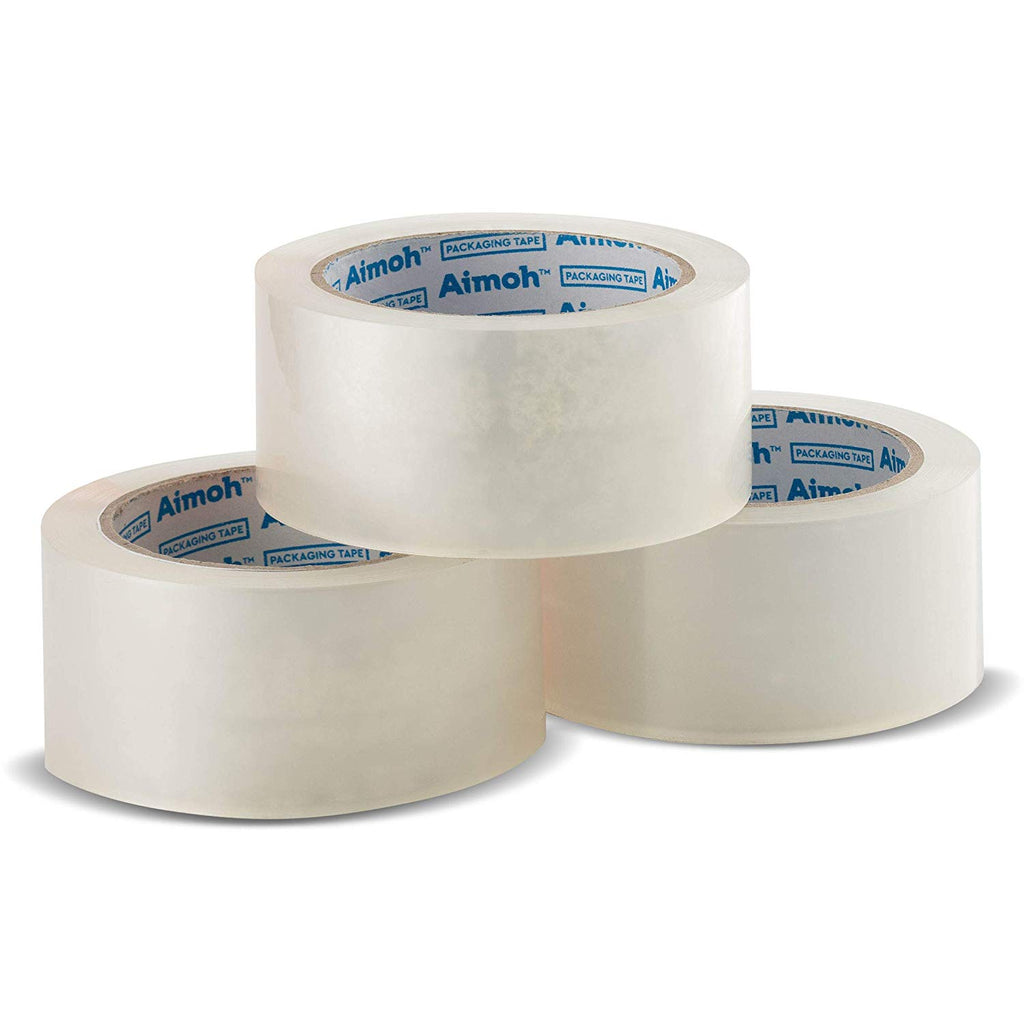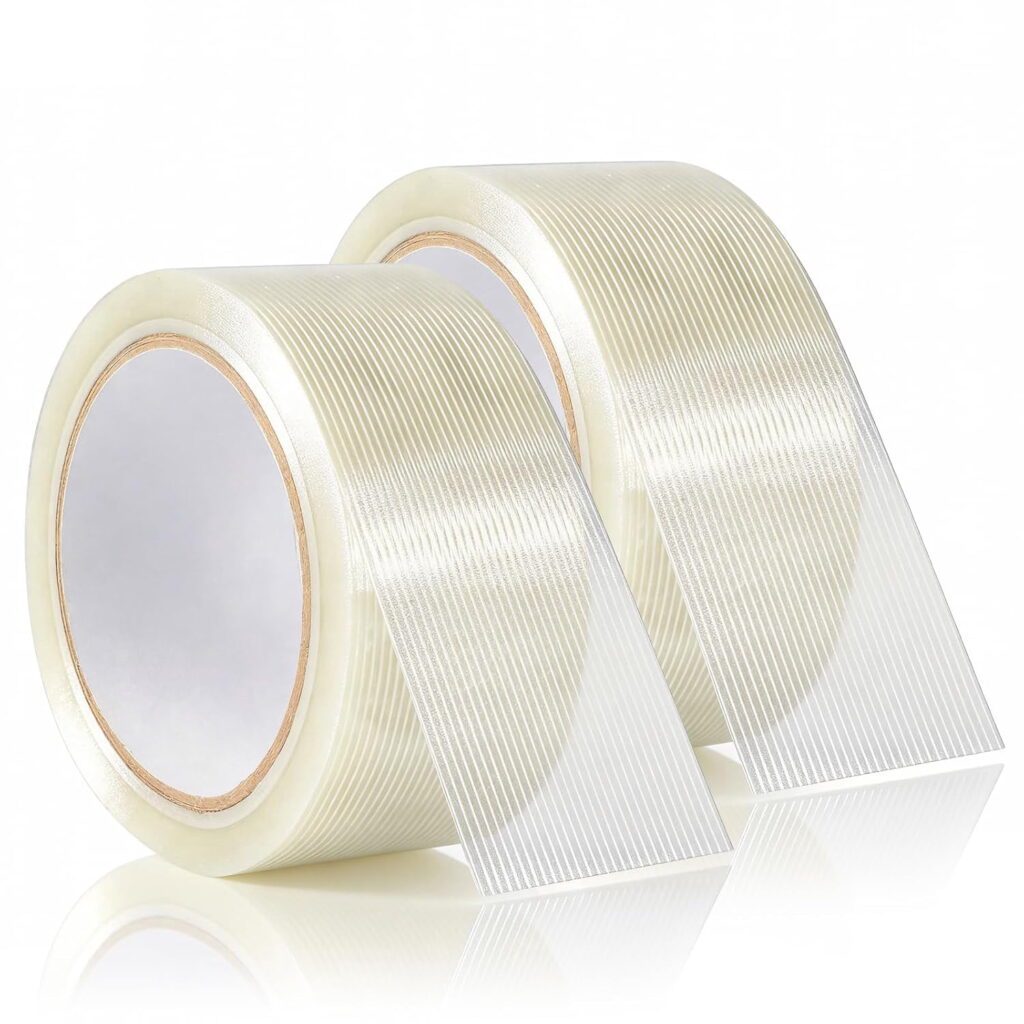
Introduction: Navigating the Global Market for Nano carpet tape
Sourcing nano carpet tape for commercial flooring installations presents a unique procurement challenge for facility managers operating across diverse international markets. While traditional adhesive solutions often damage delicate surfaces or leave visible residue, nano-technology adhesives promise superior grip strength combined with clean removability—yet quality varies dramatically between regional manufacturers. For B2B buyers spanning from Johannesburg to São Paulo, Dubai to Berlin, and manufacturing hubs like Hanoi, navigating these inconsistencies requires strategic market intelligence rather than simple product comparisons.
Why is sourcing certified nano carpet tape critical for international commercial projects?
The global supply chain for advanced mounting solutions remains fragmented, with significant disparities in gel formulation standards and load-bearing certifications across export regions. Buyers in Africa and South America frequently encounter counterfeit nano-gel products that compromise safety in high-traffic environments, while European purchasers face stringent REACH compliance requirements that challenge many Asian suppliers. Understanding these regional regulatory landscapes becomes essential when specifying materials for hotels, offices, and exhibition spaces where carpet stability directly impacts liability costs.
How can buyers overcome regional quality disparities in the global adhesive market?
This comprehensive guide addresses these procurement complexities by examining the complete nano carpet tape ecosystem. We analyze distinct product categories—from heavy-duty transparent mounting tapes to washable, reusable gel formulations—while exploring application-specific requirements across hospitality, healthcare, and retail sectors. The guide further provides frameworks for vetting manufacturers, evaluating cost-per-application metrics, and navigating international shipping logistics.
What comprehensive procurement strategies drive successful nano tape specification?
For procurement teams targeting markets in Germany, Vietnam, the Middle East, and beyond, this resource delivers actionable intelligence to mitigate supply risks and optimize adhesive performance. Whether establishing preferred vendor relationships or evaluating bulk import opportunities, the following sections equip you with technical knowledge and market insights necessary to make specification decisions that balance durability, compliance, and total cost of ownership in your specific regional context.
Understanding Nano carpet tape Types and Variations
| Type Name | Key Distinguishing Features | Primary B2B Applications | Brief Pros & Cons for Buyers |
|---|---|---|---|
| Industrial Heavy-Duty Nano Tape | 2mm+ gel thickness, >20 psi holding strength, permanent adhesion chemistry | Hotel lobbies, airports, corporate offices, retail chains | Pros: Superior durability, eliminates mechanical fasteners. Cons: Higher cost, potential surface damage |
Key Industrial Applications of Nano carpet tape
| Industry/Sector | Specific Application of Nano carpet tape | Value/Benefit for the Business | Key Sourcing Considerations for this Application |
|---|---|---|---|
| Commercial Flooring & Interior Fit-Out | Temporary carpet and rug anchoring in office buildings, hotels, and retail spaces; securing entrance mats on polished concrete or marble substrates | Eliminates adhesive residue damage to premium flooring; enables rapid installation and repositioning during fit-out phases; reduces labor costs associated with traditional tack strips and mechanical fasteners | Verify temperature resistance ratings for tropical climates (Africa/South America) and adhesion compatibility with local stone finishes; request bulk roll specifications to align with regional carpet tile dimensions and large-scale project timelines |
| Event Management & Exhibition Services | Mounting lightweight signage, temporary booth partitions, and securing exhibition hall flooring without permanent fixtures | Facilitates rapid assembly/disassembly without venue surface damage penalties; reusable properties reduce material waste across multiple trade shows; transparent appearance maintains professional aesthetics for high-end exhibitions | Ensure compliance with international venue safety standards for temporary adhesives; prioritize washable formulations to maintain adhesion across dusty environments (Middle East) or humid conditions (Southeast Asia); confirm climate-stabilized packaging for sea freight |
| Manufacturing & Light Industrial Assembly | Securing lightweight jigs, temporary tool organization boards, and mounting sensors or control panels without drilling into equipment | Prevents machinery damage from permanent drilling; allows flexible factory reconfiguration for seasonal production changes; maintains clean room standards where mechanical fasteners generate particulate contamination | Validate shear strength ratings exceed industrial vibration requirements; confirm gel tape thickness consistency for automated dispensing systems; assess shelf-life stability and heat resistance for sea freight logistics to South American or African ports |
| Hospitality & Facility Management | Mounting bathroom accessories, kitchen organization systems, and temporary protective coverings during renovation cycles | Supports green building certifications through reusable mounting solutions; enables maintenance teams to execute room refreshes without guest downtime; eliminates mold risks associated with permanent adhesive failures in humid climates | Source anti-microbial tape variants for bathroom applications; verify removability on painted drywall common in European and Vietnamese hospitality construction; negotiate moisture-barrier packaging for bulk shipments to tropical regions |
How Does Nano Carpet Tape Transform Commercial Flooring Installation?
In commercial fit-out projects across Germany and the Middle East, nano carpet tape serves as a residue-free alternative to traditional tack strips for securing modular carpets and entrance mats. Contractors apply the transparent gel tape to anchor floor coverings to polished concrete or marble substrates without penetrating delicate finishes. This approach proves particularly valuable in African and South American markets where rapid installation and future repositioning are essential for multi-use commercial spaces. Buyers should specify heavy-duty formulations rated for high-temperature environments to prevent adhesive degradation in tropical climates, while verifying bulk roll widths align with local carpet tile dimensions.
What Are the Industrial Benefits for Event Management and Exhibition Setup?
Event production companies in Vietnam and Europe utilize nano carpet tape to mount lightweight signage and secure temporary flooring at exhibition centers without violating venue surface damage clauses. The tape’s washable and reusable properties allow crews to redeploy the same inventory across multiple trade shows, significantly reducing material costs for touring exhibitions. For Middle Eastern and African markets, sourcing dust-resistant formulations ensures reliable adhesion in desert or high-particulate environments while maintaining clean removal on rented venue surfaces. Procurement teams should prioritize suppliers offering climate-stabilized packaging to prevent gel degradation during sea freight to South American ports.
Why Do Manufacturing Facilities Rely on Nano Adhesive Solutions?
Light industrial applications include mounting production line sensors, organizing assembly tools, and securing temporary protective films on equipment surfaces. German automotive suppliers and Vietnamese electronics manufacturers favor nano tape for clean room environments where drilling creates contamination risks. The solution addresses vibration-related slippage challenges common in South American manufacturing plants while allowing rapid production line reconfiguration. Procurement teams must verify shear strength specifications exceed 1 lb per 3 inches and ensure gel consistency remains stable during extended sea freight to regional ports, particularly when sourcing through humid transshipment hubs.
How Does Reusable Mounting Support Hospitality Facility Management?
Hotel chains across Europe and the Middle East deploy nano carpet tape for bathroom fixture mounting and temporary room renovations, eliminating mold risks associated with failed permanent adhesives in humid environments. Facility managers appreciate the ability to refresh room aesthetics without guest downtime or surface repair costs. For buyers in Africa and South America, selecting anti-microbial variants and confirming compatibility with local painted drywall standards ensures long-term performance across diverse climate conditions. Bulk purchasing agreements should specify individual roll packaging integrity to prevent contamination during long-distance logistics to remote hospitality locations.
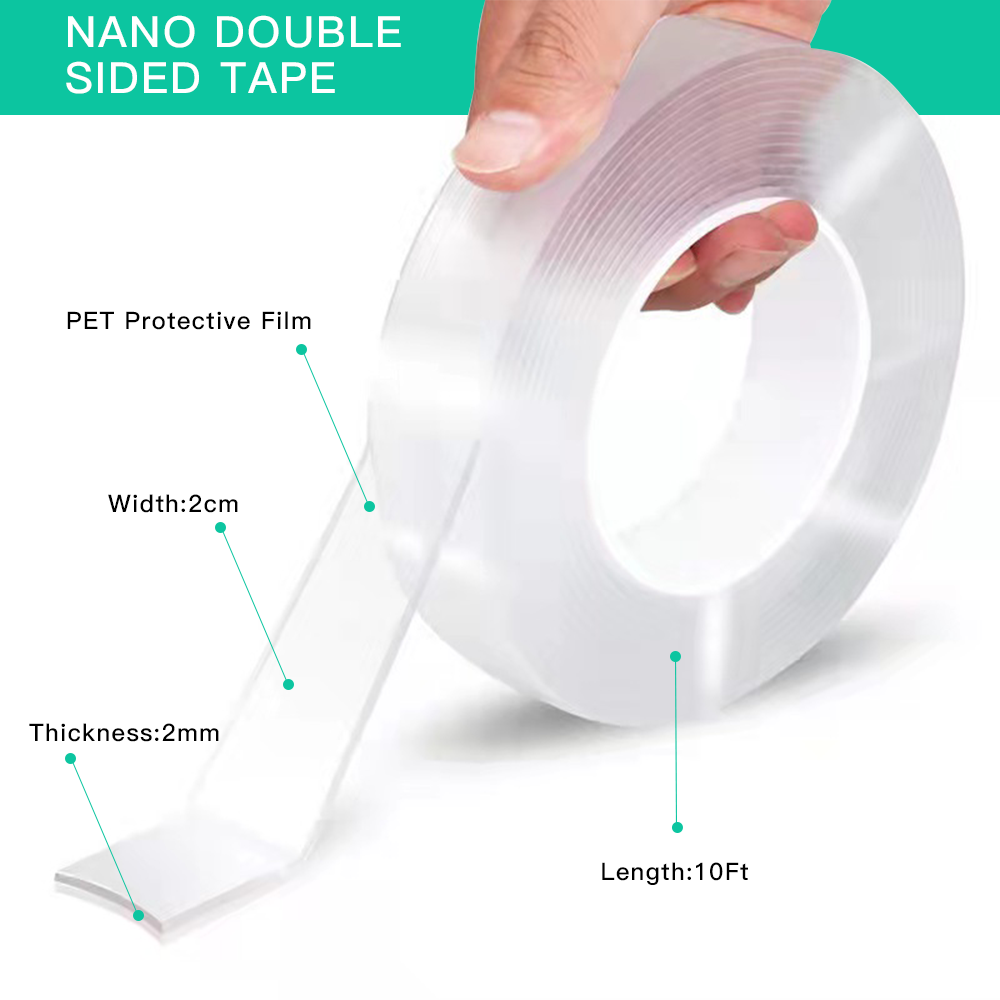
A stock image related to Nano carpet tape.
3 Common User Pain Points for ‘Nano carpet tape’ & Their Solutions
Scenario 1: How to Prevent Costly Subfloor Damage During Temporary Commercial Installations?
The Problem:
Facility managers and commercial contractors across Europe and the Middle East frequently face disputes over damaged premium flooring when removing traditional carpet adhesives from marble, terrazzo, or hardwood surfaces. Standard double-sided tapes often leave stubborn residue that requires expensive chemical stripping or sanding, while aggressive adhesives can pull up floor finishes entirely—creating end-of-lease penalties and renovation delays that impact project profitability. For B2B buyers managing temporary exhibitions, seasonal hospitality venues, or rotating retail pop-ups, the risk of permanent substrate damage makes conventional carpet installation methods financially hazardous and operationally restrictive.
The Solution:
Nano carpet tape utilizes advanced gel-matrix adhesion technology that forms a powerful bond with carpet backing while releasing cleanly from finished surfaces without residue, staining, or substrate damage. Its transparent composition prevents discoloration on light-colored stone or polished concrete common in German commercial spaces and Gulf region hospitality venues. Unlike permanent adhesives, this removable solution allows facility teams to secure runners, exhibition carpets, and temporary flooring for high-traffic events, then remove them without triggering repair clauses in commercial leases. This capability significantly reduces risk for property management companies and event contractors who require flexible, damage-free installation options across diverse flooring portfolios.
Scenario 2: What Causes Installation Delays in High-Humidity Commercial Construction Markets?
The Problem:
Construction and fit-out contractors in Vietnam, Brazil, and coastal African regions consistently battle humidity-related adhesive failures and extended curing times that stall commercial flooring projects. Traditional carpet tapes require completely dry surfaces and specific temperature ranges to achieve proper bond strength, often forcing installers to halt work during monsoon seasons or humid mornings. When conventional adhesives are applied under suboptimal conditions, they fail to cure properly, resulting in carpet shifting, bubbling, and costly rework that extends project timelines and damages contractor reputations in competitive bidding environments.
The Solution:
Nano carpet tape delivers instant adhesion without curing periods, enabling immediate carpet placement and foot traffic regardless of ambient humidity levels. Its pressure-activated gel formula bonds effectively to both carpet backing and subfloors in tropical climates where moisture compromises traditional acrylic or rubber-based adhesives. The tape’s repositionable nature allows installation teams to adjust carpet alignment multiple times without diminishing holding strength, reducing material waste from misaligned cuts and accelerating project completion by up to 60% compared to wet adhesive systems. For bulk buyers managing multiple concurrent projects across diverse climate zones, this reliability eliminates weather-related scheduling uncertainties and labor cost overruns.
Scenario 3: Is Nano Carpet Tape Durable Enough for High-Traffic Airport and Hospitality Environments?
The Problem:
Safety managers in high-traffic commercial environments—such as international airports in Dubai, hotel lobbies in Frankfurt, or convention centers in Johannesburg—face persistent challenges with carpet migration and buckling under constant rolling luggage, catering carts, and foot traffic. Traditional double-sided tapes lose adhesion when subjected to temperature fluctuations from HVAC systems or direct sunlight through atrium windows, creating trip hazards that violate occupational safety regulations and increase liability exposure. Additionally, the frequent carpet cleaning cycles required in hospitality settings often degrade conventional adhesives, necessitating complete reapplication and operational downtime.
The Solution:
Engineered to withstand up to 1 lb per square inch of holding power, nano carpet tape maintains exceptional grip under heavy commercial rolling loads and extreme temperature variations ranging from -20°C to 80°C. Its washable, reusable properties allow maintenance teams to detach carpets for deep cleaning, rinse the tape with water to restore full adhesion, and reapply the same material—dramatically reducing long-term consumable costs for facility management companies. This durability ensures continuous compliance with safety standards in 24/7 operational environments while minimizing the procurement frequency and inventory burden for bulk buyers managing extensive property portfolios across multiple continents.
Strategic Material Selection Guide for Nano carpet tape
Selecting the optimal material composition for nano carpet tape requires balancing adhesive performance with environmental adaptability and total cost of ownership. For procurement teams managing cross-border supply chains across diverse climates—from the humidity of Southeast Asia to the temperature extremes of the Middle East and Africa—understanding the distinct rheological properties of gel-based adhesives is critical. Material selection directly impacts installation failure rates, labor costs, and end-user satisfaction in commercial flooring applications. The following analysis examines three primary adhesive technologies prevalent in B2B markets, evaluating their suitability for high-volume procurement scenarios and regional climate challenges.
Which adhesive composition delivers optimal tack strength for synthetic carpet backings?
Acrylic nano-gel formulations represent the most widely adopted solution in commercial carpet tape manufacturing, utilizing cross-linked pressure-sensitive adhesive (PSA) technology suspended in a clear acrylic polymer matrix. This material excels in B2B procurement scenarios due to its immediate bonding capability and optical clarity, essential for exhibition halls and retail environments where visible tape lines compromise aesthetics. The formulation demonstrates strong shear resistance on low-surface-energy substrates common in polypropylene and nylon carpet backings. However, procurement managers must account for thermal limitations; acrylic adhesives experience significant viscosity reduction and creep failure when substrate temperatures exceed 60°C (140°F), rendering them unsuitable for outdoor installations in arid climates or unventilated warehouse spaces during summer months. The material offers excellent value for high-volume orders, making it ideal for standardized commercial projects with controlled climate conditions.
What washable gel systems maximize asset reusability in temporary commercial installations?
Polyurethane (PU) gel tapes provide superior elasticity and washability compared to acrylic alternatives, enabling multiple repositioning cycles without adhesive delamination or residue transfer. This characteristic proves particularly valuable for event management companies, pop-up retail operators, and property management firms across Europe and South America requiring frequent spatial reconfigurations. PU formulations maintain consistent adhesion across broader temperature ranges, typically performing reliably from -20°C to 80°C, which accommodates warehouses with minimal climate control or seasonal temperature fluctuations. The material’s closed-cell structure resists moisture absorption, preventing mold growth in humid environments common in Vietnamese and Brazilian markets. Nevertheless, B2B buyers face higher per-meter costs and extended curing periods—often 24-48 hours for full bond strength—which can impact project timelines. Strategic inventory forecasting becomes essential when specifying PU systems for large-scale deployments.
How do nano-silica composites perform under extreme thermal stress in industrial applications?
Advanced nano-silica enhanced adhesives incorporate precisely engineered silicon dioxide nanoparticles (typically 20-100nm) into acrylic or hybrid polymer bases, creating three-dimensional bonding networks that resist thermal creep and shear forces. This technology addresses critical adhesive failure modes prevalent in Middle Eastern and North African markets, where surface temperatures frequently exceed 70°C and standard acrylics liquefy under load. The composite structure enhances humidity resistance for tropical climates while maintaining aggressive tack on textured carpet backings where smooth gels fail to conform. For procurement teams, the 30-40% price premium over standard acrylics is offset by reduced material consumption—narrower tape widths achieve equivalent holding power—and elimination of costly callback visits for re-adhesion. However, these formulations require precise application pressure and surface preparation, demanding contractor training investments that may challenge markets with less specialized installation labor pools.
| Material | Typical Use Case for Nano carpet tape | Key Advantage | Key Disadvantage/Limitation | Relative Cost |
|---|---|---|---|---|
| Acrylic Nano-Gel | General commercial flooring, exhibition halls, retail spaces | Immediate tack; optical clarity; high-volume availability | Temperature sensitivity (>60°C); limited outdoor use | Low |
| Polyurethane (PU) Gel | Temporary installations, event venues, rental properties | Washable/reusable; wide temperature range; moisture resistant | Higher material cost; extended curing time (24-48h) | Medium-High |
| Nano-Silica Composite | High-temperature climates, heavy industrial traffic, outdoor applications | Thermal creep resistance (>80°C); reduced material consumption | Premium pricing; requires precise application technique | High |
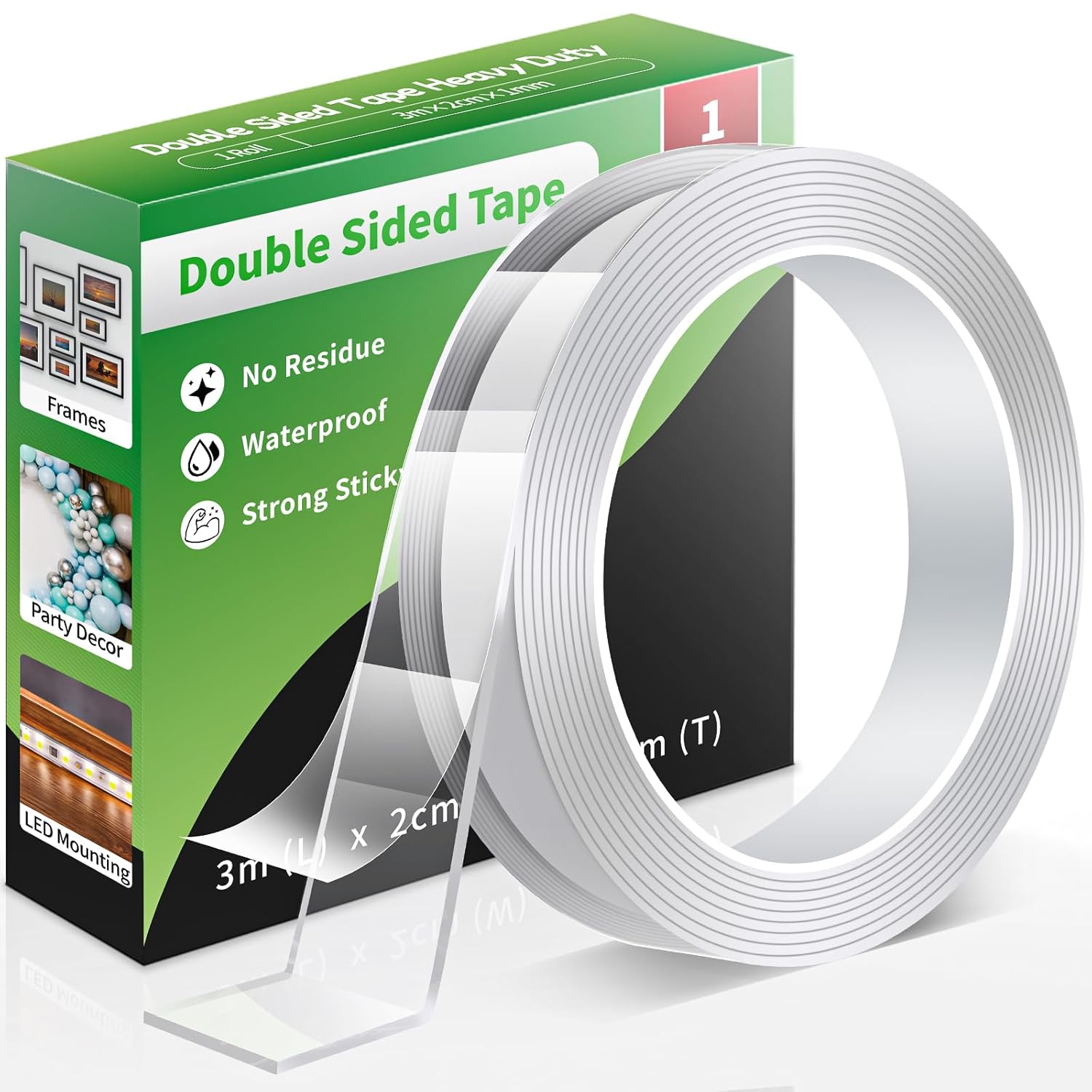
A stock image related to Nano carpet tape.
In-depth Look: Manufacturing Processes and Quality Assurance for Nano carpet tape
Understanding the manufacturing backbone of nano carpet tape is critical for procurement teams sourcing from international suppliers. Unlike standard adhesive tapes, nano carpet tape relies on micro-suction gel technology rather than traditional pressure-sensitive adhesives, requiring specialized production environments and rigorous quality protocols to ensure batch consistency across global supply chains.
How Is Nano Carpet Tape Manufactured for High-Volume B2B Supply?
The production of industrial-grade nano carpet tape begins with precision polymer synthesis, where medical-grade acrylic resins are formulated into nano-gel compounds containing microscopic suction cavities. Manufacturers utilize precision coating heads to apply these gel layers onto specialized backing films—typically PET (polyethylene terephthalate) or PE (polyethylene)—at thicknesses ranging from 0.5mm to 2.0mm depending on load-bearing requirements. The critical manufacturing phase involves creating the micro-structured surface geometry that generates vacuum adhesion through millions of tiny suction cups per square centimeter. This requires cleanroom environments with controlled humidity below 60% to prevent contamination during the curing process. Following gel application, automated slitting lines convert master rolls into specified widths (commonly 20mm, 30mm, or 50mm) with tolerances of ±0.5mm, ensuring compatibility with automated carpet installation equipment used by commercial flooring contractors.
What Raw Material Specifications Determine Performance Grades?
B2B buyers must distinguish between premium and economy grades based on acrylic polymer purity and backing film specifications. High-performance nano carpet tape utilizes solvent-free acrylic formulations with 99%+ purity levels, offering superior aging resistance compared to industrial-grade alternatives containing plasticizers that degrade under UV exposure. The backing film selection significantly impacts application suitability—PET films provide dimensional stability for heavy-duty commercial carpets in high-traffic areas, while PE films offer flexibility for irregular surfaces common in temporary event installations. Release liners require silicone coating uniformity to prevent adhesive transfer during unwinding, particularly important in humid climates where liner separation failures can cause production waste. Procurement teams should verify that suppliers utilize virgin resin materials rather than recycled polymers, as post-consumer content can compromise the nano-gel’s elastic recovery properties essential for washability and reuse.
How Do Manufacturers Validate Washability and Reusability Claims?
Quality assurance protocols for washable nano carpet tape involve cyclic testing that simulates real-world cleaning scenarios. Reputable manufacturers subject samples to ASTM D3330 peel adhesion testing before and after multiple wash cycles, typically requiring 90%+ adhesion retention after 50+ water immersions and air-drying cycles. The testing evaluates not only adhesion strength but also gel surface integrity, ensuring that microscopic suction structures remain intact after lint and dust particle removal. Additionally, manufacturers conduct shear strength testing at elevated temperatures (40°C-60°C) to simulate drying conditions in tropical markets like Vietnam or Brazil, verifying that the gel compound does not flow or lose structural integrity when exposed to heat during air-drying or machine drying processes. These validation procedures ensure that carpet tape marketed as “reusable” maintains performance specifications across multiple installation cycles, reducing total cost of ownership for facility management companies.
What Quality Certifications Are Critical for Export to Europe, Middle East, and Emerging Markets?
International B2B procurement requires verification of region-specific compliance certifications that extend beyond basic ISO 9001:2015 quality management systems. For European markets, particularly Germany, REACH compliance (Registration, Evaluation, Authorization and Restriction of Chemicals) is mandatory, ensuring that nano-gel formulations contain no SVHCs (Substances of Very High Concern) such as certain phthalates or heavy metals. RoHS compliance (Restriction of Hazardous Substances) becomes essential when tape is used in environments with electronic equipment or integrated smart building systems. For Middle Eastern and African markets, SGS or Bureau Veritas inspection certificates provide assurance of product authenticity and specification adherence, critical in regions where counterfeit adhesive products are prevalent. Additionally, VOC (Volatile Organic Compound) emission certifications such as French A+ or German AgBB standards demonstrate suitability for indoor air quality requirements in commercial office spaces and hospitality venues.
How Are Production Standards Calibrated for Regional Climate Challenges?
Leading manufacturers adjust nano-gel formulations based on destination climate profiles to prevent performance degradation during shipping and end-use. For high-humidity markets including Southeast Asia and coastal South American regions, production lines incorporate anti-fungal additives and enhanced moisture barriers in packaging to prevent hydrolysis of acrylic polymers during ocean freight. Middle Eastern and North African exports require UV stabilizers in the backing film to prevent embrittlement during storage in high-temperature environments exceeding 50°C. Conversely, shipments destined for Northern European markets like Germany undergo cold-flow resistance testing at -10°C to -20°C to ensure the gel maintains flexibility and instant tack in unheated warehouse conditions. These climate-specific manufacturing adjustments include modified curing times and cross-linking agent ratios that optimize the tape’s viscoelastic properties for specific regional temperature and humidity ranges, ensuring that peel strength specifications remain consistent whether applied in tropical Vietnam or temperate European climates.
What Quality Control Checkpoints Ensure Batch Consistency for Large Orders?
Robust QC systems for B2B nano carpet tape production incorporate inline monitoring technologies including laser thickness gauging and machine vision inspection for transparency defects or gel voids. Each production batch undergoes peel adhesion testing using standardized stainless steel and carpet backing substrates to verify initial tack (measured in N/25mm) and 24-hour cured adhesion values. Roll length verification through optical encoders prevents the short-length issues that disrupt automated manufacturing lines. For export orders, manufacturers implement vacuum-sealed packaging with desiccant inserts and moisture indicator cards, coupled with reinforced cardboard cores capable of supporting stacked pallet loads during container shipping. These protocols ensure that bulk shipments arriving in Lagos, São Paulo, or Dubai maintain the same performance characteristics as production samples, minimizing rejection risks and supply chain disruptions for international distributors.
Practical Sourcing Guide: A Step-by-Step Checklist for ‘Nano carpet tape’
Procuring nano carpet tape for international resale requires balancing advanced adhesive performance with stringent regulatory compliance across diverse climates and surface applications. This comprehensive checklist equips B2B buyers—from German distributors to Vietnamese retailers—with actionable steps to evaluate manufacturing capabilities, validate nano-gel specifications, and mitigate supply chain risks. Follow these targeted recommendations to secure inventory that meets both technical performance standards and region-specific market requirements.
How Do You Verify Surface Compatibility and Environmental Resistance for Diverse Climates?
Nano carpet tape utilizes pressure-sensitive acrylic nano-gel adhesives that demonstrate varying performance on concrete, untreated wood, glass, and textured drywall prevalent across African, Middle Eastern, and European markets. Request detailed technical data sheets specifying shear strength, peel adhesion rates, and surface energy compatibility for substrates common in humid tropical climates versus arid temperate regions. Verify that the nano-gel formulation maintains optimal tackiness in high-humidity environments like Southeast Asia while resisting heat deformation and UV degradation in Middle Eastern temperatures consistently exceeding 40°C.
What Regulatory Certifications Are Required for Nano Carpet Tape in European and Middle Eastern Markets?
European Union markets strictly require REACH registration and RoHS compliance documentation, while Middle Eastern importers frequently demand SASO conformity certificates and Gulf Standardization Organization marks. Confirm your manufacturing partner provides comprehensive Material Safety Data Sheets (MSDS), third-party SGS or TÜV lab reports validating the absence of heavy metals, phthalates, and volatile organic compounds. For African and South American distribution channels, verify that packaging includes multilingual labeling meeting local consumer protection standards and import registration requirements to avoid costly customs delays and port storage fees.
Which Physical Specifications and Customization Options Maximize B2B Profit Margins?
Standard industrial rolls typically measure between 0.94 inches and 2 inches in width, with lengths ranging from 5 to 30 feet, but custom die-cutting and private branding options can significantly differentiate your wholesale offering. Negotiate master roll dimensions and core sizes that optimize container loading efficiency, considering that nano-gel tape requires climate-controlled storage between 15-25°C during ocean transit to prevent adhesive flow. Request capabilities for retail-ready packaging designs that accommodate German FSC-certified cardboard requirements, Middle Eastern Arabic-English bilingual specifications, or moisture-resistant wrapping essential for tropical African logistics.
How Can You Validate Washability and Reusability Claims Through Pre-Shipment Testing?
Before committing to container-level orders, implement rigorous washability trials using AATCC Test Method 135 standards on supplier-provided samples. Premium nano carpet tape should maintain minimum 90% adhesion strength after five consecutive wash cycles with warm soapy water and air drying. Simultaneously test removability characteristics on painted drywall, varnished hardwood, and ceramic tile to ensure clean removal without residue or substrate damage—particularly critical for customer satisfaction in European rental property markets and high-end residential developments across South American urban centers.
What Logistics Considerations Ensure Cost-Effective International Procurement?
Establish comprehensive quality assurance protocols including pre-shipment third-party inspection reports, batch consistency guarantees, and Certificate of Analysis documentation for every production run. Negotiate Incoterms 2020 terms that explicitly clarify responsibility for temperature-controlled shipping environments, as nano gel adhesives begin degrading above 60°C. Secure written manufacturing agreements covering defect rate thresholds, expedited replacement policies for adhesive failure batches, flexible minimum order quantities enabling market testing, and exclusive territorial distribution rights where volume commitments justify such arrangements.
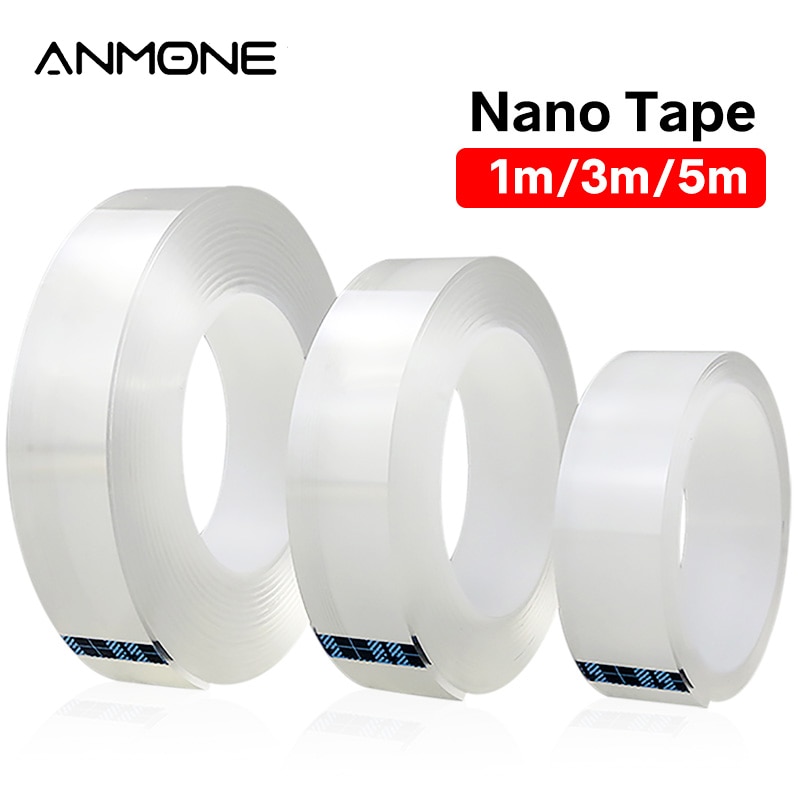
A stock image related to Nano carpet tape.
Comprehensive Cost and Pricing Analysis for Nano carpet tape Sourcing
Nano carpet tape represents a premium category within the adhesive solutions market, with pricing structures that reflect advanced nano-gel polymer technologies rather than traditional adhesive formulations. Unlike conventional fiber-backed or rubber-based carpet tapes, these transparent, washable alternatives command higher unit costs but deliver superior lifecycle value through reusability and residue-free removal. For procurement teams operating across Africa, South America, the Middle East, and European markets like Germany and Vietnam, understanding the nuanced cost drivers—from raw acrylic formulations to regional logistics complexities—enables strategic sourcing decisions that balance upfront investment with long-term operational savings.
What Raw Material Specifications Drive Bulk Pricing Variations?
The cost structure of nano carpet tape hinges primarily on gel matrix density and acrylic polymer purity. Industrial-grade nano tapes utilizing high-viscosity acrylic gels (typically 1mm–2mm thickness) cost 40–60% more than standard thin-film alternatives but provide load-bearing capacities exceeding 1kg per square inch. B2B buyers should scrutinize whether suppliers use pure acrylic formulations or silicone-acrylic hybrids, as the latter offer temperature resistance (-20°C to 80°C) essential for Middle Eastern and South American climates but add 15–20% to material costs. Additionally, anti-UV stabilizers and washable coatings—critical for carpet applications in high-traffic commercial spaces—represent hidden cost drivers that separate commodity-grade from premium industrial products.
How Do Regional Import Tariffs and Logistics Impact Total Landed Costs?
When sourcing from manufacturing hubs in China, Germany, or the United States, logistics strategies significantly alter unit economics. Nano gel tapes typically ship under HS codes 3919 (self-adhesive plates) or 3506 (prepared adhesives), attracting import duties ranging from 5% to 15% depending on the destination market. African and South American importers frequently face higher freight costs due to limited direct shipping lanes, necessitating consolidation strategies or Dubai/Jebel Ali transhipment hubs. Furthermore, temperature-controlled container shipping—essential for preventing gel degradation during transit—adds $800–$1,200 per TEU but prevents adhesive separation that would render bulk inventory unusable upon arrival.
What Volume Thresholds Unlock Competitive Unit Economics for International Buyers?
B2B procurement teams should negotiate pricing based on linear meterage rather than retail roll counts. While consumer packs (3m–5m lengths) retail at premium markups, industrial buyers accessing master rolls of 500m–1,000m lengths typically achieve 60–70% cost reductions per meter. Minimum Order Quantities (MOQs) for customized private-label nano tape—including branded cores and localized packaging—generally start at 5,000–10,000 units, with optimal price breaks occurring at full-container-load (FCL) quantities of 20,000+ units. For construction sector buyers in Vietnam and Germany, establishing annual volume agreements rather than spot purchasing can secure additional 8–12% discounts and favorable 60-day payment terms.
Does the Premium Pricing of Washable Nano Tape Justify Replacement of Traditional Carpet Adhesives?
While nano carpet tape commands 2.5–3x the upfront cost of traditional double-sided carpet tape, the total cost of ownership analysis favors nano technology for commercial applications. Standard adhesive tapes require complete replacement during carpet maintenance cycles, whereas washable nano tapes support 600+ reuse cycles with simple water cleaning. For facility management companies across Europe and the Middle East, this translates to 40% lower annual adhesive expenditures despite higher initial procurement costs. Additionally, labor cost savings from residue-free removal—eliminating surface damage repair and chemical cleaning—often offset the material premium within the first installation cycle.
How Can Procurement Teams Negotiate Value-Added Terms Beyond Unit Pricing?
Sophisticated buyers should negotiate comprehensive sourcing packages that include gel composition certificates (verifying acrylic solid content above 95%), ISO 9001 quality compliance documentation, and moisture-barrier packaging specifications critical for humid climates. Requesting sample retention programs—where suppliers maintain production batch samples for 12 months—protects against quality drift in long-term contracts. Additionally, negotiating co-loading arrangements with other adhesive products (masking tapes, mounting solutions) maximizes container utilization rates, effectively reducing per-unit logistics costs by 18–25% for importers in landlocked African or South American markets.
Alternatives Analysis: Comparing Nano carpet tape With Other Solutions
When evaluating fastening solutions for commercial flooring projects, procurement teams must balance installation velocity, surface integrity, and total cost of ownership against specific operational requirements. While nano carpet tape offers distinct advantages in flexibility and reusability, conventional methods remain relevant for specialized applications. The following analysis examines how nano polymer technology performs against traditional wet adhesives, mechanical fastening systems, and standard cloth tapes—providing actionable insights for buyers operating across diverse regulatory and economic environments from Germany to Vietnam.
How Does Nano Carpet Tape Compare to Traditional Installation Methods?
| Comparison Aspect | Nano Carpet Tape | Wet-Applied Carpet Adhesives | Mechanical Fastening Systems | Standard Double-Sided Cloth Tape |
|---|---|---|---|---|
| Bond Permanence | Temporary to semi-permanent (reusable) | Permanent (10+ years) | Permanent until removal | Semi-permanent (single use) |
| Installation Speed | Immediate bond, zero curing | 24-48 hour curing required | Labor-intensive (2-3x longer) | Immediate bond |
| Surface Impact | Zero residue, non-damaging | Requires grinding/removal damages subfloor | Leaves nail holes, carpet damage | Moderate residue risk, backing damage |
| Reusability | Yes (washable 50+ times) | No | No | No |
| Cost per m² (Material) | $3.00–$5.00 | $1.20–$2.00 | $4.00–$6.00 | $1.50–$2.50 |
| Labor Requirements | Unskilled, DIY-capable | Skilled applicators mandatory | Certified carpentry/installation | Moderate skill required |
| Climate Resilience | Stable in humidity/temperature shifts | Degrades in high humidity (curing issues) | Metal corrosion risk in coastal regions | Adhesive creep in heat/humidity |
| Best Application | Modular carpets, events, leased spaces | Permanent commercial broadloom | Residential wall-to-wall, stairs | Light-duty temporary exhibitions |
How Does Nano Carpet Tape Compare to Wet-Applied Adhesives?
Wet-applied solvent or water-based adhesives remain the industry standard for permanent commercial installations in high-traffic environments such as airport terminals and hotel lobbies, delivering superior shear strength that exceeds 50 N/cm². However, this permanence creates significant operational constraints for B2B buyers managing agile workspaces or temporary exhibition venues across Middle Eastern and European markets. Unlike nano tape’s instant bonding capability, chemical adhesives require 24-48 hour curing periods that delay project completion and revenue generation, while removal necessitates costly mechanical grinding that permanently damages raised access flooring or polished concrete common in German commercial real estate. While unit material costs appear lower initially, total cost of ownership escalates dramatically when accounting for specialized application labor, ventilation requirements during curing, and end-of-lease restoration obligations that can exceed $15 per square meter in premium markets.
When Should Buyers Choose Mechanical Fastening Over Nano Tape?
Mechanical systems utilizing wooden or aluminum tack strips with pneumatic stapling provide unmatched stability for wall-to-wall residential installations and permanent commercial corridors where carpet movement is non-negotiable, particularly in environments with extreme temperature fluctuations common in continental European climates. This method excels under heavy rolling loads where nano tape’s gel-based adhesion might experience gradual creep, yet it demands skilled carpentry labor and structural penetration that violates lease agreements across 80% of commercial real estate portfolios in markets like Dubai or São Paulo. For procurement teams operating in high-wage economies such as Germany or Austria, labor costs render mechanical installation 3-4x more expensive than nano tape’s rapid deployment model, while permanently compromising both carpet backing and subflooring—eliminating the circular economy benefits and asset recovery value critical for sustainability-focused African and European enterprises.
Is Standard Double-Sided Cloth Carpet Tape a Viable Budget Alternative?
Traditional cloth-backed double-sided carpet tape offers an intermediate solution utilizing rubber-based adhesives on
Essential Technical Properties and Trade Terminology for Nano carpet tape
When sourcing nano carpet tape for commercial flooring projects, understanding the technical specifications and industry nomenclature ensures you select products that meet performance benchmarks while complying with regional installation standards. Unlike conventional double-sided carpet tapes that rely on chemical adhesion, nano-adhesive systems utilize gel-based micro-suction technology, requiring distinct evaluation criteria for B2B procurement.
What Are the Critical Technical Specifications for Heavy-Duty Nano Carpet Tape?
1. Gel Layer Caliper (Thickness)
The gel layer thickness, typically ranging from 0.5mm to 2.0mm, determines gap-filling capability for uneven carpet backings and overall shear resistance. Thicker calipers (1.5mm–2.0mm) accommodate textured hand-tufted wool or Berber carpets common in Middle Eastern and European hospitality sectors, while thinner profiles optimize for smooth-backed commercial broadloom. Density specifications, measured in kg/m³, indicate micro-suction cup concentration, with industrial grades requiring ≥800 kg/m³ for high-traffic applications.
2. Shear Resistance and Load Bearing Capacity
Shear resistance indicates the tape’s ability to withstand lateral movement under static load, typically quantified in kilograms per square centimeter (kg/cm²) or pounds per square inch (psi). Premium nano carpet tapes offer load-bearing capacities of 0.5–1.0 psi, sufficient for heavy furniture and commercial foot traffic without creep or edge lifting.
3. Operating Temperature Range
For international buyers managing diverse climates, verify temperature stability between -20°C (-4°F) and 65°C (150°F). This range ensures adhesive integrity in unheated South American logistics facilities during winter and UV-exposed Middle Eastern warehouse environments. The glass transition temperature (Tg) should remain below -10°C to prevent gel brittleness in cold storage applications.
4. Washability Cycle Rating
This specification quantifies how many times the tape can be rinsed with water and reapplied while maintaining ≥80% of initial adhesion. Commercial-grade nano tapes typically guarantee 50–100 wash cycles, significantly impacting total cost of ownership for temporary exhibition flooring or seasonal retail installations in African and European markets.
5. Optical Clarity and UV Stability
Measured as light transmission percentage or haze index, optical clarity determines aesthetic suitability for transparent applications where carpet edges remain visible. UV resistance ratings (measured per ASTM D4329) prevent yellowing and adhesion degradation in sun-exposed atriums or storefront installations.
6. Surface Energy Compatibility Range
Expressed in dynes per centimeter (dynes/cm), this indicates which carpet backing materials the gel will effectively bond with. Polypropylene (PP) backings (29–31 dynes/cm) require nano tapes formulated with polar functional groups, whereas high-surface-energy substrates like glass or sealed concrete (40–50 dynes/cm) bond readily with standard formulations.
What Industry Terminology Should B2B Buyers Master When Sourcing Nano Adhesive Systems?
1. Nano-Grab® / Micro-Suction Technology
Proprietary terms describing gel adhesives containing thousands of microscopic suction cups per square centimeter that create vacuum bonds rather than chemical bonds. This technology enables residue-free removal critical for leased commercial spaces or heritage building renovations where substrate preservation is mandatory.
2. Gel Adhesive vs. Pressure-Sensitive Adhesive (PSA)
While traditional carpet tapes use foam carriers coated with acrylic PSAs, nano tapes utilize viscoelastic gel polymers (typically polyurethane or advanced acrylic gels) that flow into surface irregularities at the microscopic level. This distinction affects conformability and removability characteristics.
3. Removability Index
A classification system indicating the tape’s removal difficulty and residue potential. “Clean removability” signifies zero adhesive transfer for up to six months on painted drywall or finished concrete, essential for temporary event carpeting in German exhibition halls or Vietnamese convention centers.
4. Initial Tack vs. Ultimate Adhesion
Initial tack describes immediate grip upon application (preventing carpet curling during installation), while ultimate adhesion refers to maximum holding strength achieved after 24–72 hours of dwell time. B2B specifications should distinguish between these values to ensure immediate stability during high-traffic openings.
5. Die-Cutting Tolerance
Specifies precision in converting master rolls to custom widths, typically expressed as ±0.5mm or ±1.0mm variance. Tight tolerances ensure clean edges along carpet tile seams (e.g., 50cm or 60cm modules) without adhesive overhang that attracts particulate contamination in cleanroom or healthcare environments.
6. Substrate Surface Energy
A material science term describing the wettability of carpet backing materials. Low-surface-energy substrates like polypropylene or polyethylene require corona-treated nano tapes or gel formulations with enhanced polar components to achieve proper molecular attraction and prevent delamination.
Navigating Market Dynamics and Sourcing Trends in the Nano carpet tape Sector
What Are the Emerging Demand Patterns for Nano Carpet Tape in Global B2B Markets?
The global nano carpet tape sector is experiencing robust expansion, driven by the commercial flooring industry’s decisive shift toward temporary, damage-free installation solutions. Unlike traditional carpet tapes that rely on permanent acrylic adhesives, advanced nano-gel formulations offer washable, reusable bonding that appeals to rental property managers, exhibition organizers, and hospitality operators across Africa, South America, and the Middle East. These regions demonstrate particular appetite for heavy-duty transparent variants that withstand high-temperature environments while maintaining residue-free removal—critical characteristics for venues requiring frequent layout modifications and rapid turnaround times between events.
European markets, particularly Germany, demonstrate increasingly stringent demand for multifunctional mounting solutions that bridge carpet securing with general interior mounting applications. B2B buyers are consolidating procurement strategies by sourcing nano tapes that serve dual operational purposes: securing floor coverings during transit and installation, while simultaneously functioning as display mounting systems for retail and corporate environments. This application convergence has prompted manufacturers to extend standard product lengths—commonly offering 5-meter to 10-meter continuous rolls—while enhancing tensile strength specifications to accommodate both delicate textile surfaces and rigid mounting substrates.
Supply chain dynamics reveal a strategic pivot toward regional distribution hubs designed to mitigate shipping volatility and reduce lead times. Buyers from Vietnam and emerging South American markets report strong preference for suppliers offering fixed-rate international logistics and bulk packaging options that significantly reduce per-unit costs for construction and renovation contractors managing tight project margins. Additionally, the proliferation of hybrid work models has spurred sustained demand in commercial office refurbishment sectors, where nano carpet tape facilitates rapid workspace reconfiguration without compromising substrate integrity, aligning perfectly with agile real estate strategies prevalent in Middle Eastern business districts and African commercial centers.
Technological innovation continues to reshape competitive differentiation, with leading manufacturers integrating UV-resistant nano-gel compounds that prevent yellowing in high-sunlight environments typical of Middle Eastern and African installations. This advancement addresses a critical pain point for outdoor event coordinators and hospitality venues utilizing temporary flooring solutions. Furthermore, the standardization of removable mounting capabilities—originally developed for wall applications—has successfully migrated into carpet-specific formulations, creating cross-selling opportunities for distributors serving diverse B2B segments from exhibition services to commercial real estate management.
How Can Buyers Ensure Sustainable and Ethical Sourcing of Nano Adhesive Solutions?
Sustainability in the nano carpet tape sector extends far beyond base material composition to encompass full lifecycle reusability—a key differentiator for environmentally conscious European procurement teams and CSR-focused enterprises. Unlike conventional single-use adhesive products, premium nano-gel tapes support multiple wash-and-reuse cycles, significantly reducing construction waste volumes in large-scale flooring projects and temporary installations. B2B buyers should prioritize suppliers utilizing non-toxic acrylic nano-gel formulations explicitly free from heavy metals, phthalates, and volatile organic compounds (VOCs), ensuring mandatory compliance with REACH regulations required for German market entry and broader EU distribution.
Ethical sourcing verification demands rigorous scrutiny of manufacturing transparency, particularly when establishing supply chains from Asian production centers serving African and Middle Eastern distribution networks. Reputable suppliers provide comprehensive material safety data sheets (MSDS), ethical labor certifications, and carbon footprint documentation—critical components for corporate social responsibility reporting increasingly required by European commercial clients. Packaging sustainability represents another crucial procurement consideration; astute buyers increasingly specify bulk spooling options that eliminate single-use plastic blister packs, instead favoring recyclable cardboard cores and biodegradable film wraps suitable for tropical climates where heat-induced packaging degradation traditionally poses significant logistical challenges.
Quality assurance protocols should incorporate standardized washability testing—verifying that nano tapes maintain consistent adhesive integrity after 500+ cleaning cycles—and temperature resistance validation essential for hot climate applications common in target markets. Forward-thinking procurement teams are establishing direct manufacturer relationships rather than relying on intermediaries, enabling custom specifications for width variations ranging from standard 0.94-inch consumer grades to 2-inch industrial applications, plus transparency requirements that align with specific regional installation standards. This direct sourcing approach not only ensures complete ethical supply chain visibility but also facilitates competitive pricing structures and volume flexibility essential for winning high-volume commercial tenders in developing markets.
End-of-life management presents both challenges and opportunities for circular economy initiatives. While the reusability factor inherently extends product lifecycles, buyers should inquire about take-back programs or recycling partnerships for nano-gel materials at the conclusion of their functional usability. Some progressive suppliers now offer closed-loop systems where returned tape cores and residual gel materials undergo specialized processing for industrial adhesive reuse, providing buyers with documented waste reduction metrics that support green building certifications such as LEED or BREEAM—increasingly valuable credentials when bidding on government and corporate contracts across European and Middle Eastern markets.
Frequently Asked Questions (FAQs) for B2B Buyers of Nano carpet tape
What is nano carpet tape used for in commercial flooring installations?
Nano carpet tape serves as a removable mounting solution for temporary and semi-permanent flooring applications across exhibition centers, hospitality venues, and corporate office spaces. Unlike permanent adhesives, this transparent gel-based tape secures carpet tiles, runners, and area rugs to subfloors without damaging underlying surfaces such as polished concrete, marble, or hardwood. Commercial users frequently deploy it for trade show booth installations, hotel event conversions, and construction site temporary flooring where rapid deployment and clean removal are critical operational requirements.
How does nano carpet tape compare to traditional double-sided carpet adhesives?
Traditional carpet tapes utilize foam carriers with aggressive rubber or acrylic adhesives that create permanent bonds and often leave residue upon removal, whereas nano carpet tape employs a washable gel polymer technology that maintains adhesion through microscopic suction rather than chemical bonding. This fundamental difference allows nano tape to support loads up to 1 pound per 4 inches of tape while remaining completely removable and reusable across multiple installations. For B2B buyers, this translates to reduced material waste, lower labor costs during de-installation, and the ability to reposition flooring elements without surface damage or adhesive cleanup expenses.
Is nano carpet tape suitable for high-traffic office and hospitality environments?
Nano carpet tape demonstrates exceptional performance in high-traffic commercial settings when properly applied, maintaining adhesion across temperature ranges from -20°F to 200°F (-29°C to 93°C) and resisting UV degradation in sunlit atriums or lobby areas. The gel composition creates a strong anti-slip grip that prevents carpet migration in busy corridors and reception areas while accommodating the flex and movement inherent in commercial carpet tiles. Facilities managers in hotels, convention centers, and multinational offices benefit from its immediate tack strength that requires no curing time, allowing spaces to remain operational during installation and modification.
What are the bulk specifications and wholesale pricing structures for international procurement?
Standard commercial nano carpet tape specifications include widths ranging from 0.94 inches (24mm) to 2 inches (50mm), with roll lengths available in 5-foot consumer segments up to 100-foot contractor rolls for large-scale deployment. Bulk procurement typically involves MOQs of 500-1000 rolls per container load, with thickness options varying from 1mm to 3mm depending on load-bearing requirements. Wholesale pricing follows tiered volume breaks at 1000, 5000, and 10,000+ roll quantities, with FOB pricing structures accommodating port destinations across Africa (Lagos, Mombasa), South America (Santos, Cartagena), the Middle East (Jeddah, Dubai), and European hubs (Hamburg, Rotterdam).
How does nano carpet tape perform in high-humidity and tropical climates common in Africa and Southeast Asia?
The acrylic gel formulation of nano carpet tape exhibits superior moisture resistance compared to traditional rubber-based adhesives, maintaining adhesion integrity in relative humidity levels up to 90% common in tropical African, Middle Eastern, and Southeast Asian environments. Unlike standard carpet tapes that delaminate or lose tack in humid conditions, nano gel technology creates a stable bond that resists moisture penetration while allowing vapor transmission to prevent mold accumulation beneath flooring. Procurement teams sourcing for projects in Vietnam, Nigeria, or Brazil should specify UV-stabilized formulations to prevent degradation in intense equatorial sunlight and ensure temperature ratings accommodate ambient conditions exceeding 40°C (104°F).
Can nano carpet tape be washed and reused for multiple commercial installation cycles?
One of the primary value propositions for B2B buyers is the reusability factor; nano carpet tape can be washed with warm water to remove dust, fibers, and debris, restoring approximately 85-90% of original adhesion strength for subsequent installations. This characteristic proves particularly cost-effective for event rental companies, exhibition contractors, and facilities management firms that cycle flooring configurations quarterly or monthly. To maximize reuse cycles, store cleaned tape in original release liners or silicone-coated paper, avoiding dust contamination that compromises the microscopic suction properties essential for adhesion.
What surface preparation protocols ensure optimal adhesion on concrete, tile, and hardwood substrates?
Successful commercial application requires thorough surface preparation regardless of substrate type, beginning with complete removal of dust, oils, and previous adhesive residues using isopropyl alcohol or neutral pH cleaners. Porous surfaces such as unfinished concrete or brick require additional attention to ensure the gel makes full contact rather than bonding to surface dust particles. For polished stone and hardwood common in European and Middle Eastern commercial spaces, verify that floor sealants are fully cured (minimum 30 days) and avoid application over waxed surfaces that may transfer onto the tape backing, compromising reusability.
How do I calculate material quantities and placement patterns for large-scale commercial deployments?
Material calculation for commercial projects depends on carpet weight and traffic patterns, with standard practice recommending continuous perimeter application plus cross-pattern strips every 24-36 inches for carpet tiles, or full-grid application for heavy-duty exhibition carpeting. For B2B quantity estimation, one 100-foot roll of 2-inch tape typically covers 50-75 square meters of carpet tile installation depending on grid spacing. When sourcing for hotel corridors or office complexes, consider ordering 15-20% additional stock to accommodate pattern matching, cutting waste, and on-site adjustments, particularly for irregularly shaped installation areas common in historic European buildings or modern architectural spaces.
Important Disclaimer & Terms of Use
⚠️ Important Disclaimer
The information provided in this guide, including content regarding manufacturers, technical specifications, and market analysis, is for informational and educational purposes only. It does not constitute professional procurement advice, financial advice, or legal advice.
B2B buyers must conduct their own independent and thorough due diligence before making any purchasing decisions. The risk of relying on any information in this guide is borne solely by the reader.
Top 3 Nano Carpet Tape Manufacturers & Suppliers List
1. Baiyi – Nano Tape
Domain: baiyiadhesive.com
Registered: 2017 (9 years)
Introduction: Manufacturer: Zhejiang Baiyi Adhesive Products Co., Ltd. Product Category: Nano Tape (8 variants). Available Types: DIY Blow Bubbles Nano Tape, Double-Sided Nano-Pearl Coloured Adhesive, Double-Sided Nano-Colour Translucent Adhesive, Gold Onion Double-Sided Nano Adhesive, Double-Sided Nano-Transparent Adhesive, Double-Sided Nano Red Film Adhesive, Double-Sided Nano-Mesh Adhesive, VHB Tape (Nano Ta…
2. Xiangyu – Nano Tape

Domain: cnxytape.com
Registered: 2022 (4 years)
Introduction: Nano Tape Heavy Duty Double Sided Mounting Tape supplied by Shenzhen Xiangyu New Material Co., Ltd. Heavy-duty double-sided adhesive tape designed for secure mounting and lasting bonds without the mess of traditional adhesives. Features strong hold and versatility suitable for both personal and industrial applications. Engineered to withstand various conditions ensuring durability and reliability….
3. ADH Tapes – SlimFlex & Industrial Tapes

Domain: adhtapes.com
Registered: 2018 (8 years)
Introduction: This company, ADH Tapes – SlimFlex & Industrial Tapes, is a notable entity in the market.
Strategic Sourcing Conclusion and Outlook for Nano carpet tape
As global commercial flooring markets shift toward flexible installation solutions, nano carpet tape represents a strategic inflection point for international procurement teams. By combining reusable gel adhesion with residue-free removal, this technology addresses both operational efficiency and sustainability mandates increasingly prioritized across African, South American, Middle Eastern, and European markets.
How Can Procurement Teams Maximize ROI With Washable Nano Adhesive Solutions?
For B2B buyers managing multi-site installations, selecting suppliers with verified washability standards ensures tape longevity across repeated applications—critical for rental property management and exhibition sectors. Prioritize formulations that maintain structural integrity in diverse climate conditions, from humid tropical environments to arid regions, while confirming that transparency specifications align with aesthetic requirements for visible edge sealing.
What Regulatory and Quality Benchmarks Should International Buyers Verify?
When sourcing for compliance-heavy markets like Germany or Vietnam, demand REACH-certified and low-VOC documentation alongside ISO 9001 manufacturing standards. Establishing direct supplier relationships enables customization of roll widths and lengths, reducing material waste while ensuring consistent adhesive performance across hardwood, tile, and carpet backing variations encountered in global commercial projects.
Is Nano Carpet Tape Suitable for Permanent High-Traffic Commercial Applications?
While ideal for temporary installations and tenant improvement projects, procurement teams must validate shear-load specifications against traditional mechanical fasteners for permanent high-traffic zones. Conducting small-scale adhesion trials on local substrate materials—particularly textured surfaces common in Middle Eastern and African construction—remains essential before committing to large-volume contracts.