Introduction: Navigating the Global Market for Self-Adhesive Aluminum Foil Tape
Sourcing self-adhesive aluminum foil tape that balances technical performance with supply chain reliability remains a critical procurement challenge for industrial buyers across emerging markets. From the extreme thermal demands of Saudi Arabian HVAC installations to the moisture-rich environments of Nigerian manufacturing facilities, navigating the global supplier landscape requires more than comparing price points. Quality inconsistencies, varying adhesive specifications, and certification gaps often create costly delays for procurement teams managing cross-border industrial projects.
Why Is Sourcing Certified Aluminum Foil Tape Challenging for Emerging Markets?
Buyers in Africa, South America, the Middle East, and Europe frequently encounter a fragmented marketplace where dead-soft aluminum backings and acrylic pressure-sensitive adhesives vary dramatically in quality. Without clear guidance on flame-retardant ratings, liner configurations, and temperature resistance specifications, procurement teams risk sourcing products that fail under operational stress—whether sealing ductwork in high-humidity Brazilian climates or providing EMI shielding in Dubai’s electronics sector.
What Should International Buyers Evaluate Before Procuring Self-Adhesive Aluminum Foil Tape?
This comprehensive guide addresses the complete procurement ecosystem for B2B decision-makers. We examine the seven critical tape classifications—from unlined HVAC grades to specialized electronic shielding variants—alongside their specific industrial applications. Beyond product specifications, we detail rigorous supplier vetting frameworks, regional compliance requirements (including ISO and flame-retardant standards), and cost-optimization strategies tailored to markets like Nigeria and Saudi Arabia. Logistics considerations, minimum order quantities, and quality assurance protocols specific to cross-border trade receive detailed analysis.
By demystifying technical specifications and supplier qualification processes, this guide empowers procurement professionals to secure consistent, high-performance aluminum foil tape solutions that meet both local regulatory demands and international quality benchmarks.
Understanding Self-Adhesive Aluminum Foil Tape Types and Variations
| Type Name | Key Distinguishing Features | Primary B2B Applications | Brief Pros & Cons for Buyers |
|---|---|---|---|
| Unlined Acrylic HVAC Tape | Dead-soft aluminum backing; aggressive acrylic pressure-sensitive adhesive; immediate peel-and-stick application without liner removal; highly conformable to irregular surfaces | HVAC duct sealing and joint closure; refrigeration pipe insulation; moisture barrier installation in construction; general industrial maintenance | Pros: Rapid deployment reduces labor costs; excellent adhesion to clean metals; good moisture resistance for humid climates. Cons: Adhesive vulnerable to dust/contamination before application; limited repositionability once contacted; requires clean, dry surfaces for optimal bonding. |
| Lined Electronic-Grade Tape | Release paper or film liner protects adhesive; specialized for EMI/RFI shielding; static dissipative properties; precise thickness control for micro-electronics | Electronics manufacturing (mobile devices, computers); photocopier and printer assembly; clean room static control; precision cable shielding in telecommunications | Pros: Contamination-free adhesive surface during storage; enables precise alignment before permanent bonding; clean removal for rework of high-value components. Cons: Higher material cost than unlined variants; additional labor required for liner removal; slower application process impacts high-volume throughput. |
| Flame-Retardant Silicone Tape | Pure aluminum foil construction; silicone-based pressure |
Key Industrial Applications of Self-Adhesive Aluminum Foil Tape
| Industry/Sector | Specific Application of Self-Adhesive Aluminum Foil Tape | Value/Benefit for the Business | Key Sourcing Considerations for this Application |
|---|---|---|---|
| HVAC & Building Infrastructure | Sealing joints in HVAC ductwork, insulating refrigeration lines, and creating vapor barriers in building envelopes | Reduces energy consumption by 15-30% through airtight seals; prevents condensation-related corrosion in high-humidity environments critical for West African and Middle Eastern markets | Verify acrylic adhesive performance in 80-95% humidity; ensure 30-50 micron backing thickness for conformability; confirm compliance with regional energy codes (e.g., SASO for Saudi Arabia, EU Ecodesign) |
| Oil, Gas & Petrochemical Processing | Wrapping pipelines under insulation (CUI prevention), sealing thermal insulation in refineries, and emergency repair of storage tanks | Prevents costly corrosion under insulation (CUI); provides flame retardant barriers meeting API standards; reflects radiant heat in high-temperature processing environments | Require UL 723 or ASTM E84 flame retardant ratings; specify high-temp silicone adhesives (service temp -30°C to +150°C); demand chemical resistance for hydrocarbon exposure; consider 80-micron foil for mechanical protection |
| Electronics Manufacturing & Telecommunications | EMI/RFI shielding in consumer electronics and 5G infrastructure, static dissipation in assembly lines, and cable management in data centers | Ensures signal integrity for telecommunications; prevents electrostatic discharge damage to semiconductors; extends equipment lifespan in high-interference environments | Specify conductive acrylic adhesives; ensure clean-room compatible liner release; verify shielding effectiveness (dB rating) per IEEE 299; request RoHS/REACH compliance for European export markets |
| Refrigeration & Cold Chain Logistics | Sealing seams in cold storage panels, repairing insulated transport containers, and protecting evaporator coils in commercial refrigeration | Maintains thermal integrity in -25°C environments; prevents moisture ingress causing ice buildup and efficiency loss; supports food security by reducing spoilage in transit | Confirm low-temperature |
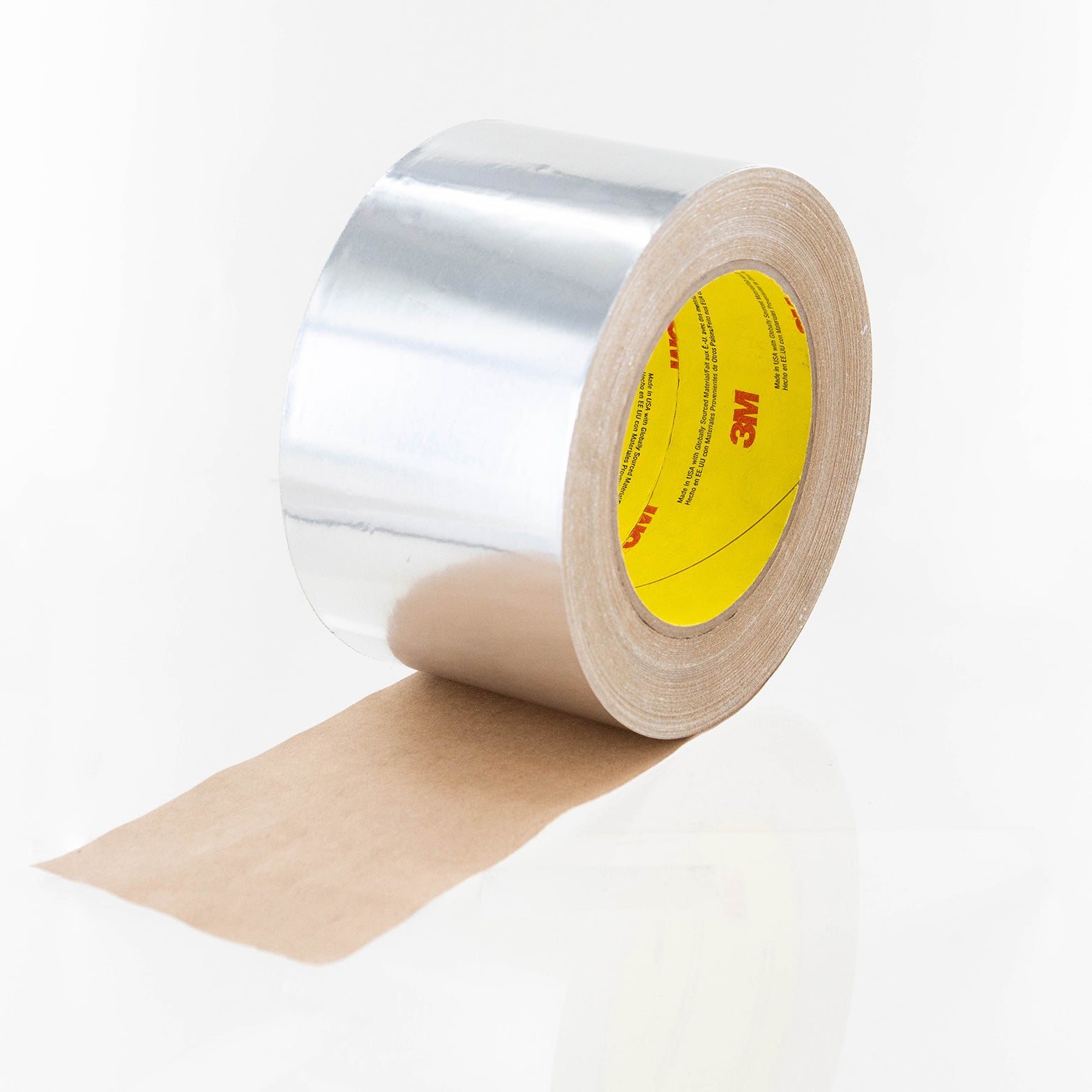
A stock image related to Self-Adhesive Aluminum Foil Tape.
3 Common User Pain Points for ‘Self-Adhesive Aluminum Foil Tape’ & Their Solutions
Scenario 1: Why Does Self-Adhesive Aluminum Foil Tape Fail Under Extreme Temperature Fluctuations in Industrial HVAC?
The Problem:
B2B procurement teams operating in regions with harsh climates—such as the Middle East, North Africa, or South America—frequently encounter adhesive degradation when standard aluminum foil tape is deployed in high-temperature industrial environments. Standard acrylic adhesives often soften and lose tack when surface temperatures exceed 150°F (65°C), leading to seam separation in ductwork and critical air leaks that reduce HVAC efficiency by up to 30%. This failure is exacerbated by thermal cycling, where repeated heating and cooling cause differential expansion between the foil backing and the adhesive layer, resulting in delamination, increased energy consumption, and unplanned maintenance shutdowns during peak operational periods.
The Solution:
Specify aluminum foil tape with high-performance silicone or specialized high-temperature acrylic adhesives rated for continuous service up to 320°F (160°C) or higher, particularly for boiler rooms and industrial facilities in Saudi Arabia or Nigeria. Prioritize products with dead-soft aluminum foil backings that accommodate thermal expansion without stressing the adhesive bond, ensuring long-term seal integrity. Request technical data sheets verifying thermal cycling performance across 100+ cycles and ensure surface preparation protocols remove all oil, dust, and moisture before application. Consider flame-retardant formulations that maintain adhesion integrity even in equipment rooms with minimal ventilation, and verify the adhesive’s shear strength at elevated temperatures to prevent creep failure under mechanical stress.
Scenario 2: How Can You Achieve Reliable Adhesion on Fiberglass Insulation and Irregular Metal Surfaces?
The Problem:
Maintenance managers and contractors often struggle to create vapor-tight seals when applying standard aluminum foil tape to rough substrates like fiberglass duct wrap, corrugated metal, or oxidized aluminum surfaces common in aging industrial infrastructure. Rigid foil backings fail to conform to surface irregularities, creating air pockets that compromise thermal insulation and allow moisture ingress, leading to mold growth and reduced insulation R-values. This is particularly problematic in commercial refrigeration and chilled water piping applications across Europe and Africa, where condensation control is critical for preventing corrosion under insulation (CUI). The tape may appear to stick initially but lifts at edges within weeks due to poor wet-out on porous or uneven materials, requiring costly re-application.
The Solution:
Select unlined, dead-soft aluminum foil tapes with aggressive pressure-sensitive acrylic adhesives specifically formulated for high initial tack on difficult surfaces, ensuring the foil thickness exceeds 3.0 mils for adequate conformability. The dead-soft aluminum provides superior flexibility, allowing the tape to mold into surface contours without bridging gaps or creating channels for air leakage. For fiberglass insulation applications, apply the tape using a pressure roller to ensure full contact and eliminate trapped air, working in temperatures above 50°F (10°C) to ensure adhesive flow. When sealing irregular metal ductwork in industrial facilities, verify the tape’s adhesion to steel ratings (minimum 35 oz/in width) and consider using a compatible primer on heavily oxidized surfaces to enhance bond strength and prevent progressive failure.
Scenario 3: What Prevents Self-Adhesive Aluminum Foil Tape from Meeting Commercial Building Certification Requirements?
The Problem:
Project engineers and procurement officers frequently face compliance rejections when specified tape fails to meet local building codes or international safety standards for commercial installations. Confusion between self-adhesive aluminum foil tape and reinforced aluminum tape leads to incorrect specification—using standard foil tape where structural reinforcement is required, or failing to secure UL 181A-P listings for commercial HVAC duct sealing in high-rise buildings. This results in costly re-work, inspection failures, and project delays in regulated markets like the EU and Gulf Cooperation Council countries, where fire safety, smoke generation ratings, and low VOC emissions are strictly enforced by building authorities and insurance underwriters.
The Solution:
Before procurement, verify that the self-adhesive aluminum foil tape carries appropriate certifications such as UL 181A-P (for rigid fiberglass air ducts), UL 181B-FX (for flexible ducts), or UL 723 (Surface Burning Characteristics) to ensure compliance with international fire codes. Understand that while reinforced aluminum tape contains fiberglass scrim for structural strength and tear resistance, self-adhesive foil tape relies on pure aluminum backing for sealing, reflecting, and EMI shielding applications. Request third-party test reports, Material Safety Data Sheets (MSDS), and Declaration of Performance (DoP) documents from manufacturers to confirm compliance with regional standards. For European commercial installations, ensure the product meets EN 13501-1 fire classification requirements, and always match the tape specification to the exact ductwork material and application standard to avoid liability issues.
Strategic Material Selection Guide for Self-Adhesive Aluminum Foil Tape
Selecting the appropriate aluminum foil backing material is critical for procurement managers and engineers sourcing self-adhesive aluminum foil tape for international infrastructure projects. The specific alloy composition, temper, and surface treatment directly determine performance characteristics including thermal conductivity, conformability, and fire resistance. Understanding these material distinctions ensures compliance with regional safety standards—from Saudi Arabia’s SASO regulations to Nigeria’s SONCAP requirements—while optimizing cost-efficiency for large-scale HVAC, electrical, and industrial applications.
Which Aluminum Alloy Grade Provides Maximum Conformability for Irregular Surfaces?
Dead soft pure aluminum foil (typically 1xxx series, fully annealed) represents the industry standard for general-purpose applications across global markets. This material exhibits exceptional malleability, allowing the tape to conform seamlessly to corrugated ductwork, pipe insulation, and uneven metal surfaces without tearing or wrinkling. The bright, smooth finish enhances reflectivity for thermal insulation applications common in Middle Eastern and African climates where heat management is critical. However, this softness compromises structural rigidity, making it unsuitable for applications requiring high tensile strength or puncture resistance in demanding industrial environments.
How Does Hard Temper Aluminum Foil Enhance Durability in Heavy-Duty Applications?
Hard temper aluminum alloys (3xxx or 5xxx series) undergo work-hardening processes that significantly increase tensile strength and puncture resistance compared to dead soft variants. These materials excel in heavy-duty industrial environments where mechanical stress is prevalent, such as outdoor pipeline protection in South American mining operations or structural sealing in European manufacturing facilities. While offering superior durability against abrasion and environmental exposure, hard temper foils sacrifice conformability and may require pre-heating or mechanical pressure to adhere properly to complex geometries, potentially increasing installation labor costs.
What Specifications Define Flame Retardant Aluminum Foil for High-Temperature Environments?
Flame retardant aluminum foil incorporates either inherently fire-resistant alloy compositions or specialized surface treatments combined with high-performance silicone adhesives. This configuration meets critical safety standards for electrical shielding and aerospace applications where fire propagation risks exist. The material maintains integrity at temperatures exceeding 300°F (150°C), making it essential for Saudi Arabian solar installations and Nigerian petrochemical facilities. Procurement teams must verify UL 723 or ASTM E84 certifications when specifying these materials for compliance-sensitive projects, noting that specialized adhesive systems may require specific surface preparation protocols.
When Should Procurement Teams Specify Conductive-Grade Aluminum Foil for EMI Protection?
EMI shielding grade aluminum foil features high-purity aluminum backings paired with electrically conductive acrylic or silicone adhesives, often utilizing release liners for precise application. This material configuration creates effective Faraday cages for telecommunications infrastructure, data centers, and electronic manufacturing across European and Middle Eastern markets. The conductive adhesive ensures electrical continuity between tape layers, critical for preventing signal interference in sensitive equipment. However, this specialization increases material costs significantly and requires clean-room application conditions to prevent contamination that could compromise shielding effectiveness.
When evaluating these material options for international procurement, consider not only immediate application requirements but also transportation logistics and regional compliance standards. Dead soft aluminum offers cost-effective solutions for high-volume HVAC contracts, while specialized grades justify premium pricing for safety-critical infrastructure.
| Material | Typical Use Case for Self-Adhesive Aluminum Foil Tape | Key Advantage | Key Disadvantage/Limitation | Relative Cost |
|---|---|---|---|---|
| Dead Soft Pure Aluminum (1xxx Series) | HVAC duct sealing, pipe insulation, general maintenance | Exceptional conformability to irregular surfaces | Low tensile strength; prone to tearing | Low |
| Hard Temper Aluminum Alloy (3xxx/5xxx) | Heavy-duty industrial sealing, outdoor pipeline protection | High puncture resistance and structural integrity | Poor conformability; requires application pressure | Moderate |
| Flame Retardant Aluminum Foil | Electrical shielding, aerospace, high-temperature industrial | Fire resistance; meets UL 723/ASTM E84 standards | Limited flexibility; specialized adhesive requirements | High |
| EMI Shielding Grade Aluminum | Telecommunications, data centers, electronic assembly | Electromagnetic interference protection; conductive adhesion | Requires clean application environment; liner handling complexity | Premium |
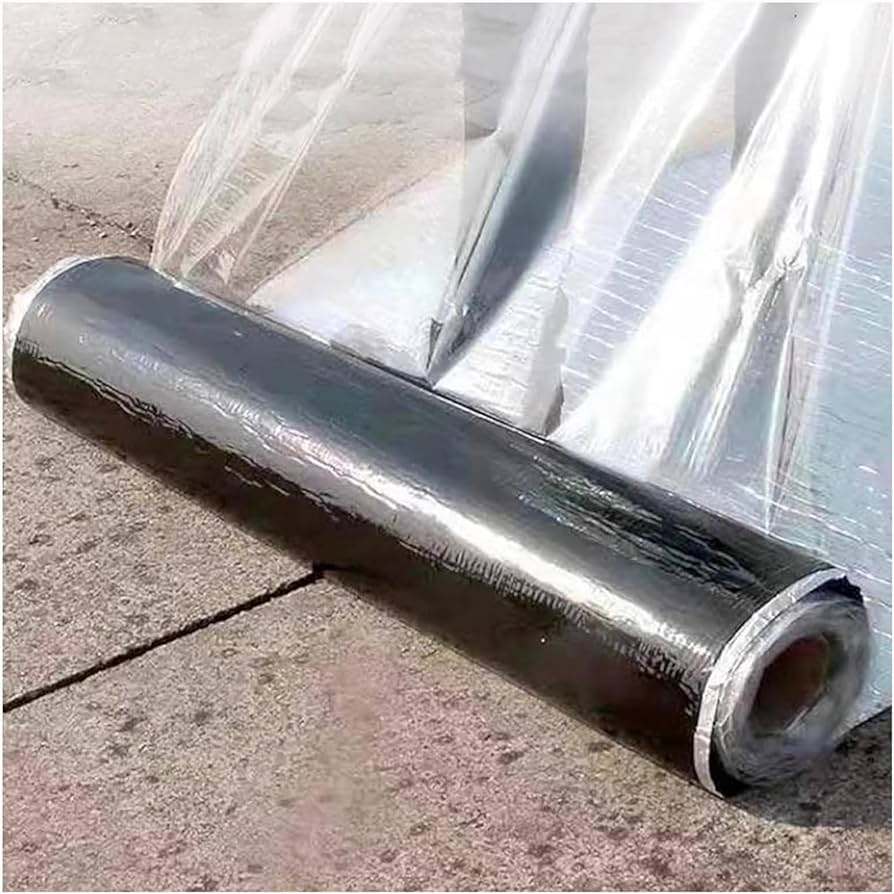
A stock image related to Self-Adhesive Aluminum Foil Tape.
In-depth Look: Manufacturing Processes and Quality Assurance for Self-Adhesive Aluminum Foil Tape
When evaluating potential suppliers for self-adhesive aluminum foil tape, understanding the manufacturing workflow and quality protocols separates commodity traders from vertically integrated manufacturers capable of supporting large-scale industrial projects. The production of high-performance aluminum foil tape involves precision metallurgy, adhesive chemistry, and stringent process controls that directly impact product reliability in demanding applications such as HVAC installation, pipeline insulation, and electronic shielding across diverse climatic conditions.
How Is Self-Adhesive Aluminum Foil Tape Manufactured?
The manufacturing process begins with the selection of dead-soft aluminum foil, typically utilizing 1050 or 1145 series aluminum alloys ranging from 1.5 to 3.5 mils in thickness. This temper choice ensures maximum conformability for wrapping irregular surfaces while maintaining structural integrity. Raw aluminum undergoes degreasing and corona surface treatment to enhance adhesive bonding, followed by precision coating with pressure-sensitive adhesives (PSA) through slot-die or reverse-roll coating methods.
Acrylic adhesives dominate general-purpose and HVAC applications due to their excellent balance of tack, shear resistance, and temperature stability (typically -22°F to 320°F). For specialized requirements, manufacturers may employ synthetic rubber adhesives for immediate bonding or silicone formulations for extreme heat resistance. The coating process requires controlled environment parameters—typically 40-60% humidity and 20-25°C—to ensure uniform adhesive weight distribution measured in grams per square meter (gsm).
Following adhesive application, the material passes through a laminating station where silicone release liners are applied to protect the adhesive surface. For linerless varieties, the foil undergoes immediate slitting. The web then enters a curing phase lasting 24-72 hours where adhesives cross-link and stabilize, a process critical for preventing “cold flow” or adhesive migration during storage. Finally, precision slitting equipment cuts master rolls to specified widths (commonly 1-inch to 2-inch for HVAC markets) with tight tolerances (±0.5mm) to ensure compatibility with automated dispensing equipment.
What Quality Control Tests Ensure Long-Term Durability?
Reputable manufacturers implement multi-stage quality assurance protocols that extend beyond visual inspection. Dimensional verification using laser micrometers ensures foil thickness consistency across the entire master roll, preventing weak points that could compromise moisture barriers. Edge quality inspection checks for burrs or adhesive bleed that could cause telescoping during unwinding.
Adhesion testing follows ASTM D3330 standards, measuring peel strength against stainless steel substrates—typically requiring 35+ ounces per inch width for industrial-grade products. Shear resistance testing evaluates the tape’s ability to maintain position under load at elevated temperatures, crucial for overhead ductwork applications. For products destined for harsh environments, accelerated aging tests simulate extended storage and thermal cycling between freezing and high-heat conditions.
Moisture resistance validation involves 24-hour water immersion tests to verify that the adhesive maintains bonding integrity when exposed to condensation or high humidity common in Middle Eastern and West African climates. Additionally, liner release force testing ensures that the silicone release paper separates cleanly without adhesive transfer or splitting.
How Do Manufacturers Optimize Performance for Extreme Climates?
Given that B2B buyers in Saudi Arabia, Nigeria, and similar markets face extreme temperature differentials and high UV exposure, leading manufacturers modify formulations specifically for tropical and desert applications. UV-stabilized acrylic adhesives prevent degradation from intense solar radiation, while enhanced backing thickness (3.0+ mils) provides additional mechanical protection during installation.
Quality protocols include thermal shock testing, where samples transition rapidly between 60°C and -20°C to simulate desert night-day cycles or refrigerated transport scenarios. Humidity chamber testing at 85% relative humidity validates resistance to mold growth and adhesive hydrolysis. Manufacturers serving these regions should demonstrate consistent performance data across multiple humidity and temperature matrices, not just standard laboratory conditions.
What Certifications and Documentation Should Procurement Teams Require?
B2B buyers should mandate ISO 9001:2015 certification as a baseline for quality management systems, ensuring traceable manufacturing processes. For electrical and construction applications, UL 723 (ASTM E84) certification for flame spread and smoke generation is essential when specifying flame-retardant variants. RoHS and REACH compliance documentation guarantees absence of hazardous substances, critical for European markets and increasingly required in Middle Eastern environmental regulations.
For food-contact or sensitive environments, FDA compliance or similar regional health certifications may be necessary. Batch-specific documentation should include Certificate of Analysis (CoA) detailing peel adhesion values, tensile strength (typically 12-20 lbs/inch width), and service temperature ranges. For large infrastructure projects, suppliers should provide Material Safety Data Sheets (MSDS) and technical data sheets (TDS) in multiple languages to facilitate local regulatory compliance and worker safety protocols.
Why Does Production Consistency Matter for International Supply Chains?
Consistency in roll length (standard 40-yard lengths), core dimensions, and winding tension prevents equipment jams in automated application systems and ensures predictable consumption rates for project budgeting. Quality assurance extends to packaging integrity—moisture-barrier wrapping and UV-stable outer films protect adhesive properties during sea freight transit that may exceed 30 days through varying humidity zones.
Leading manufacturers implement Statistical Process Control (SPC) to monitor coating weights and adhesion values in real-time, minimizing batch-to-batch variation. Raw material traceability systems track aluminum alloy lots and adhesive batches to enable rapid response to any quality deviations. This consistency proves vital when buyers require just-in-time delivery for large-scale construction projects where material shortages cause costly delays. Procurement teams should verify that suppliers maintain raw material inventory buffers and secondary quality verification for exported batches, ensuring that products arriving in Lagos, Jeddah, or São Paulo meet the same specifications as factory samples.
Understanding these manufacturing and quality assurance parameters enables B2B buyers to conduct supplier audits effectively, negotiate specifications with technical confidence, and establish long-term partnerships with manufacturers capable of supporting international industrial standards.
Practical Sourcing Guide: A Step-by-Step Checklist for ‘Self-Adhesive Aluminum Foil Tape’
Procuring self-adhesive aluminum foil tape for industrial applications requires balancing technical performance with supply chain reliability, particularly when sourcing for demanding climates across the Middle East, Africa, and South America. This systematic checklist helps B2B buyers evaluate specifications, verify supplier capabilities, and mitigate risks before committing to bulk orders.
How Do You Define the Right Technical Specifications for Your Climate and Application?
Begin by mapping your end-use environment against material properties. For HVAC sealing in Saudi Arabia or Nigeria, prioritize dead-soft aluminum foil (2–4 mils thick) with aggressive acrylic adhesives rated for -20°C to 160°C to withstand extreme thermal cycling. Electronic shielding applications require lined tapes with conductive adhesives, while flame-retardant formulations meeting UL 723 standards are mandatory for electrical insulation. Specify whether you need linerless rolls for rapid ductwork application or release-lined versions for precision electronic assembly.
What Certifications and Quality Standards Should You Demand from Suppliers?
Verify compliance with region-specific regulations before negotiating. Request flame retardancy certifications (ASTM E84) for construction projects and RoHS/REACH compliance for electronics destined for European markets. For African and Middle Eastern imports, insist on SGS or Intertek test reports validating adhesion strength (minimum 35 oz/inch width) and moisture resistance. Demand mill test certificates confirming aluminum purity of 99.5% or higher to ensure conductivity and corrosion resistance in coastal environments.
How Can You Evaluate Supplier Manufacturing Consistency and Export Readiness?
Assess production capacity against your volume requirements—can the manufacturer guarantee consistent 40-yard rolls without thickness variation exceeding ±5%? Examine their experience exporting to your specific region, including familiarity with humidity-resistant packaging for tropical climates. Request case studies from similar B2B buyers in Europe or South America, and verify they offer OEM customization for core sizes (3-inch standard vs. 76mm metric) and private labeling capabilities.
What Sampling and Testing Protocols Validate Performance Before Bulk Orders?
Never commit to container loads without rigorous field testing. Evaluate samples under real-world conditions: apply to dusty galvanized steel surfaces simulating African construction sites, or test high-humidity storage scenarios relevant to Southeast Asian transit routes. Check conformability around irregular pipe joints and verify immediate tack versus 72-hour cured adhesion strength. For electronic applications, validate EMI shielding effectiveness exceeds 60dB across relevant frequency ranges.
Which Logistics and Packaging Factors Prevent Degradation During Transit?
Specify climate-appropriate packaging to prevent adhesive degradation. For shipments to humid regions like coastal Nigeria or Brazil, demand moisture-barrier poly-wrapping with desiccants and UV-protected outer cartons to prevent liner deterioration. Confirm pallet configurations maximize container space efficiency while preventing crush damage to roll edges. Clarify Incoterms and ensure the supplier provides material safety data sheets and certificates of origin translated into your local language for customs clearance.
How Should You Structure Payment Terms and Quality Agreements?
Negotiate 30% deposit with 70% against bill of lading for initial orders, transitioning to net-30 terms for established relationships. Include penalty clauses for specification deviations and reserve the right to reject batches showing oxidation, adhesive drying, or improper winding tension. Secure warranty terms covering storage shelf life—typically 12 to 24 months from manufacture date when stored in original packaging at 21°C and 50% relative humidity.
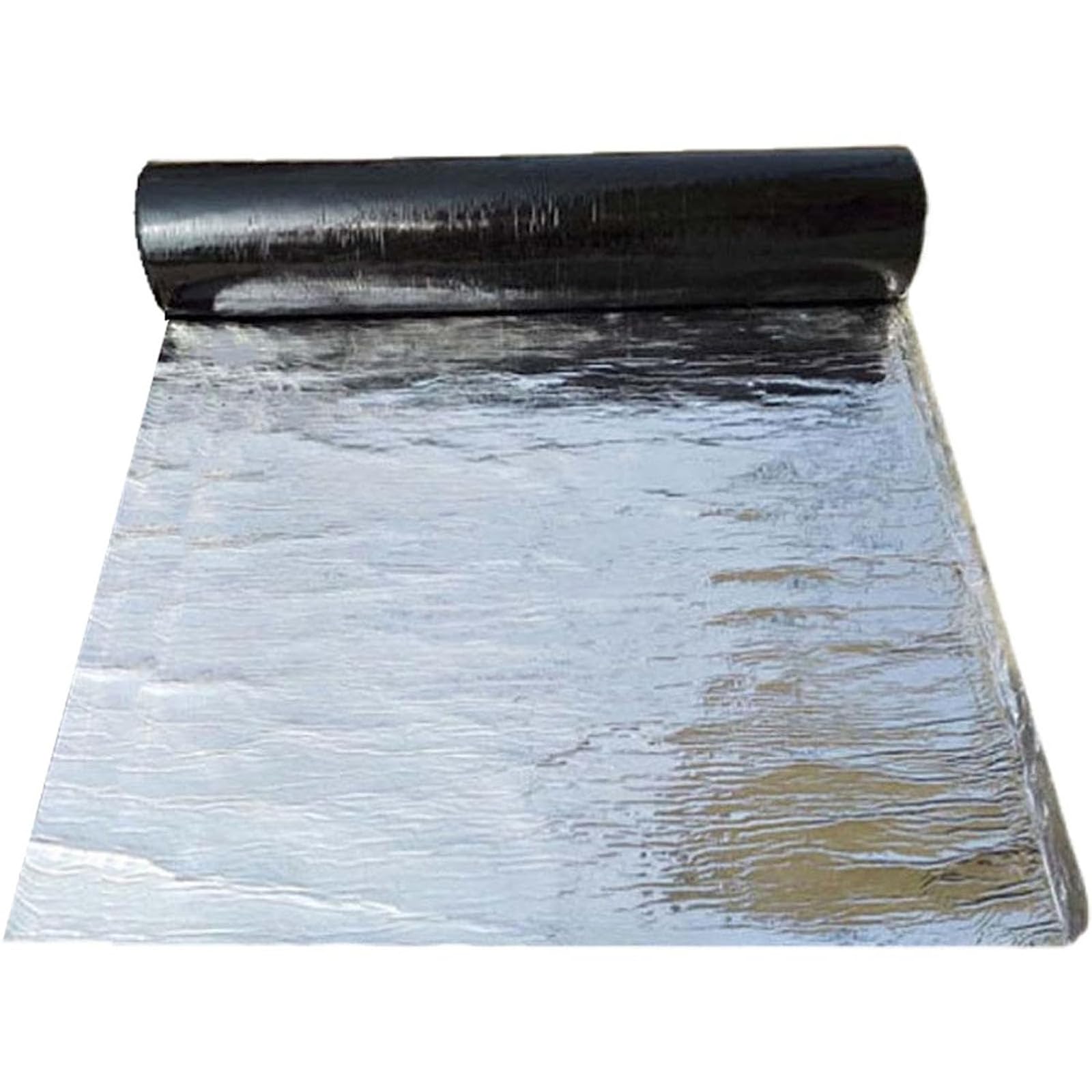
A stock image related to Self-Adhesive Aluminum Foil Tape.
Comprehensive Cost and Pricing Analysis for Self-Adhesive Aluminum Foil Tape Sourcing
When sourcing self-adhesive aluminum foil tape for industrial applications across diverse markets like Nigeria, Saudi Arabia, or Brazil, understanding the granular cost structure prevents budget overruns and ensures specification compliance. Pricing volatility in the aluminum commodities market, combined with adhesive technology variations, creates a complex procurement landscape where unit costs can fluctuate significantly based on technical requirements and order volumes. Smart procurement requires analyzing material grades, construction types, and regional logistics factors that directly impact your landed cost per square meter.
What Raw Material Specifications Drive Aluminum Foil Tape Pricing?
The foundation of your cost structure lies in the aluminum foil backing thickness and temper. Dead-soft aluminum foil (typically 1.5 to 3.1 mils) offers superior conformability for HVAC duct sealing but commands premium pricing compared to harder tempers. The adhesive formulation represents 30-40% of material costs; high-performance acrylic adhesives suitable for extreme temperature ranges (-22°F to 320°F) cost significantly more than synthetic rubber alternatives, though they deliver superior longevity in Middle Eastern heat or African humidity. Specialized conductive adhesives for electronic shielding applications can increase material costs by up to 50%.
How Does Product Construction Affect Bulk Procurement Costs?
Lined versus un-lined construction creates distinct pricing tiers. Un-lined aluminum foil tape eliminates release paper costs and reduces labor during application, offering 15-20% cost savings for high-volume HVAC contractors. Conversely, lined variants with silicone release papers, essential for electronic shielding and precise EMI/RFI applications, incur additional material and processing costs. Flame-retardant formulations incorporating specialized additives further increase unit costs by 25-35% but are non-negotiable for compliance in European and Gulf-region construction projects. The presence of a liner also affects shipping density, potentially increasing freight costs per unit volume by 10-15%.
What Volume-Based Pricing Strategies Should Cross-Regional Buyers Consider?
MOQ (Minimum Order Quantity) structures vary significantly between manufacturers serving emerging markets versus established European suppliers. African and South American buyers often face 40-50% price premiums for sub-container loads (less than 5,000 rolls), whereas Middle Eastern markets benefit from regional warehousing that reduces landed costs. Consolidating shipments to achieve full container loads (FCL) typically reduces per-roll costs by $0.15-$0.30, critical for distributors operating across multiple climate zones with varying specification needs. Long-term supply agreements with quarterly rather than monthly pricing adjustments help mitigate aluminum commodity volatility.
How Can Buyers Mitigate Hidden Costs in International Sourcing?
Beyond unit pricing, anticipate certification-related expenses. UL-listed or flame-retardant certified tapes required for Saudi Arabian and European projects carry compliance documentation fees ranging from $200-$500 per shipment. Shipping aluminum foil tape requires climate-controlled containers in humid regions to prevent adhesive degradation, adding 8-12% to logistics costs. Additionally, currency hedging becomes essential when sourcing from Asian manufacturers for African markets, as aluminum commodity pricing in USD creates exposure to exchange rate fluctuations. Import duties on adhesive tapes vary significantly—ranging from 5% in GCC countries to 15-25% in parts of West Africa—dramatically affecting final procurement budgets.
Strategic sourcing requires balancing immediate unit costs against total cost of ownership. High-temperature acrylic adhesives may cost 20% more upfront but reduce replacement frequency in harsh climates, delivering superior ROI for infrastructure projects across target regions. Establishing direct relationships with manufacturers rather than intermediaries typically yields 12-18% cost reductions for volume buyers.
Alternatives Analysis: Comparing Self-Adhesive Aluminum Foil Tape With Other Solutions
When evaluating sealing and insulation solutions for industrial HVAC systems, electrical shielding, or moisture barriers, procurement teams frequently weigh self-adhesive aluminum foil tape against traditional liquid sealants and competing adhesive technologies. While foil tape offers immediate application and thermal reflectivity, understanding when alternative methods deliver superior ROI requires analyzing specific project constraints including labor costs, environmental exposure, and substrate compatibility.
How Do Self-Adhesive Aluminum Foil Tape and Alternative Solutions Compare?
| Comparison Aspect | Self-Adhesive Aluminum Foil Tape | Brush-Applied Mastic Sealant | Butyl Rubber Tape |
|---|---|---|---|
| Performance | Excellent thermal reflectivity (>95%), EMI shielding, conforms to smooth/moderate contours | Superior gap-filling (up to 6mm), vibration dampening, no thermal reflectivity | Heavy-duty waterproofing, UV stable, limited heat reflection |
| Cost Efficiency | Low material cost ($0.15–0.30/ft), minimal labor, zero curing waste | Low material cost, high labor intensity (skilled application), 20–30% waste factor | Moderate material cost, moderate labor, minimal waste |
| Ease of Implementation | Immediate bond, peel-and-stick application, no curing time | Requires surface prep, 24–48 hour curing, ventilation requirements | Simple application but requires significant pressure, thicker profile |
| Durability | 20+ year service life in HVAC, -30°C to +150°C range | 15–20 years, risk of cracking/shrinkage in thermal cycling | 25+ years, excellent aging resistance |
| Regional Suitability | Ideal for hot climates (Middle East, Africa) due to heat reflection | Challenging in high humidity (tropical Africa) during curing | Excellent for monsoon/exposed conditions |
When Does Brush-Applied Mastic Sealant Outperform Foil Tape Solutions?
Mastic sealants establish themselves as the preferred alternative when sealing irregular ductwork geometries, fiberglass insulation joints, or connections exhibiting gaps exceeding 3mm where tape conformability proves insufficient. In industrial applications across Nigeria and Saudi Arabia, solvent-based mastics create monolithic, vapor-retardant barriers that accommodate thermal expansion better than rigid tape seams at flanged connections. However, procurement teams must account for extended project timelines—surface curing requires 24–48 hours in optimal conditions, and application demands skilled technicians capable of achieving consistent mil thickness. The high labor intensity and ventilation requirements during solvent evaporation often offset material savings, particularly in large-scale HVAC deployments where foil tape’s immediate bond enables faster system commissioning. Additionally, mastic applications struggle in high-humidity environments typical of West African monsoon seasons, where moisture intrusion during the curing phase compromises adhesion integrity.
Is Butyl Rubber Tape a Viable Substitute for Aluminum Foil in Exterior Applications?
Butyl rubber tape emerges as a compelling alternative for exterior sealing applications exposed to severe weather cycles, offering superior UV resistance and waterproofing integrity compared to standard acrylic-based foil tapes. Its thick, viscoelastic composition (typically 1.0–2.0mm) absorbs substrate movement and vibration common in rooftop HVAC installations across South American coastal regions, maintaining adhesion through thermal shock from -40°C to +90°C. While butyl eliminates the corrosion risks associated with dissimilar metals in coastal Saudi Arabian environments, it lacks the thermal reflectivity critical for energy-efficient duct insulation, potentially increasing cooling loads by 8–12% compared to reflective foil systems. Procurement decisions should prioritize butyl for waterproofing-critical joints and foil tape for thermal management applications. Furthermore, butyl’s aggressive initial tack requires precise first-time placement, as repositioning becomes nearly impossible without surface contamination, contrasting with foil tape’s more forgiving application window.
Essential Technical Properties and Trade Terminology for Self-Adhesive Aluminum Foil Tape
When procuring self-adhesive aluminum foil tape for international infrastructure projects, precise technical literacy prevents costly specification mismatches. Buyers operating across diverse regulatory environments—from Saudi Arabian HVAC codes to Nigerian electrical standards—must verify material properties against actual performance demands rather than generic product descriptions.
What Backing Thickness and Temper Specifications Determine Application Suitability?
The aluminum foil backing typically ranges from 1.5 to 4.0 mils (0.038–0.102 mm) in thickness. “Dead soft” temper indicates fully annealed aluminum that offers superior conformability for wrapping irregular ductwork or piping, while harder tempers provide structural rigidity for flat seam sealing. Thicker backings resist tearing during high-tension application but sacrifice flexibility on complex geometries.
How Does Peel Adhesion Strength Indicate Bond Reliability in Extreme Climates?
Measured in ounces per inch (oz/in) or Newtons per 25mm (N/25mm), peel adhesion quantifies the force required to remove the tape from stainless steel after 24-hour dwell time. Industrial HVAC applications typically require 35–50 oz/in minimum for permanent duct sealing, while temporary electronic shielding may utilize lower-tack formulations. High humidity and temperature cycling in tropical climates necessitate adhesion ratings above 40 oz/in to prevent delamination.
What Temperature Service Range Ensures Performance Integrity Across Regions?
Service temperature spans from -30°C to 150°C (-22°F to 302°F) for standard acrylic adhesives, though specialized silicone formulations extend ranges to 200°C (392°F) for high-heat exhaust systems. Critical distinction: application temperature (minimum 10°C/50°F for most acrylics) differs from service temperature, affecting cold-weather installation protocols in European or high-altitude African markets.
Why Is Tensile Strength Critical for Mechanical Stress Resistance?
Tensile strength, measured in pounds per inch width (lbs/in) or MPa, indicates the tape’s resistance to breaking under longitudinal stress. Standard HVAC-grade tapes offer 12–20 lbs/in, sufficient for duct sealing without tearing during application. Higher tensile strength (25+ lbs/in) proves essential for pipe wrapping applications where tension is required to create vapor barriers in refrigeration systems.
When Should Buyers Specify Release Liner Configurations?
Linered tapes utilize silicone-coated paper or poly-coated kraft to protect adhesive integrity during shipping and storage, essential for precision electronic work and die-cutting operations. Linerless configurations enable rapid deployment in field HVAC applications where speed outweighs precision, though they require careful handling to prevent premature sticking in hot climates.
What Does “Dead Soft” Temper Mean for Installation Flexibility?
This metallurgical term describes aluminum annealed to maximum softness (Rockwell hardness near zero), enabling the tape to conform to corrugated ductwork, irregular pipe fittings, and textured surfaces without wrinkling or tenting. Harder tempers create “spring back” effects that compromise seal integrity on non-flat substrates common in industrial retrofit projects.
How Do Pressure-Sensitive Adhesive (PSA) Classifications Impact Selection?
PSA denotes adhesives that form permanent bonds when pressure is applied without solvent activation. Acrylic PSAs offer UV stability and aging resistance for outdoor Middle Eastern applications, while synthetic rubber-based adhesives provide superior initial tack for cold-weather European installations, though with lower temperature resistance.
What Constitutes Cold Weather Adhesion Performance?
This specification indicates the minimum application temperature at which the tape achieves 50% of rated peel adhesion within 24 hours. Standard acrylic formulations require 10°C (50°F) minimum, while all-weather grades function to -10°C (14°F) or lower, crucial for unheated construction sites during Saudi Arabian winter or high-altitude South American projects.
How Do UL Flame Spread Ratings Affect Regulatory Compliance?
UL 723 (ASTM E84) certification measures surface burning characteristics. Class A ratings (Flame Spread Index 0–25) satisfy stringent building codes for plenum spaces and electrical enclosures, mandatory in European commercial construction and Nigerian oil & gas facilities. Uncertified tapes may violate safety inspectors’ requirements despite having flame-retardant additives.
What Is EMI Shielding Effectiveness in Electronic Applications?
Expressed in decibels (dB) of attenuation, this measures the tape’s ability to block electromagnetic interference. Lined aluminum tapes with conductive adhesives achieve 60–80 dB shielding effectiveness, protecting sensitive telecommunications infrastructure in African urban centers from radio frequency interference and electrostatic discharge.
Navigating Market Dynamics and Sourcing Trends in the Self-Adhesive Aluminum Foil Tape Sector
How Is the Global Aluminum Foil Tape Market Evolving for B2B Procurement?
The self-adhesive aluminum foil tape sector is experiencing robust expansion driven by infrastructure modernization across emerging economies and stringent energy efficiency mandates in developed markets. For procurement teams targeting regions like Saudi Arabia, Nigeria, and Brazil, demand is particularly surging in HVAC sealing and thermal insulation applications, where dead-soft aluminum conformability proves critical for irregular ductwork surfaces. Market analysts note a decisive shift from commodity purchasing toward performance-based specifications, with buyers increasingly prioritizing tapes that withstand extreme temperature fluctuations—from desert heat exceeding 50°C to refrigerated environments below -30°C. This evolution requires procurement professionals to look beyond unit costs and evaluate total cost of ownership, including application efficiency and longevity in harsh climatic conditions.
Aluminum price volatility remains a significant market dynamic, directly impacting tape manufacturing costs and requiring strategic contract structuring. Forward-thinking buyers are moving away from spot purchasing toward annual agreements with price-adjustment mechanisms tied to London Metal Exchange (LME) indices. Additionally, regional regulatory divergence is creating procurement complexity; while Middle Eastern markets prioritize flame-retardant certifications for high-rise construction, European buyers demand compliance with REACH regulations regarding adhesive chemical composition. Understanding these regional nuances enables procurement teams to specify the correct adhesive systems—whether high-tack acrylics for general HVAC or specialized silicone formulations for electronic shielding—ensuring technical compatibility while optimizing inventory costs.
What Are the Emerging Supply Chain Considerations for International Buyers?
Global supply chain restructuring has fundamentally altered sourcing strategies for aluminum foil tape, particularly for buyers in Africa and South America facing logistical bottlenecks and currency fluctuation risks. Lead time reliability now rivals price as a primary selection criterion, prompting a shift toward suppliers with regional distribution hubs or bonded warehousing capabilities near major ports. Smart procurement teams are diversifying their supplier base across multiple manufacturing regions—typically maintaining primary relationships with established Asian manufacturers while developing secondary sources in Turkey or Eastern Europe to mitigate geopolitical and shipping disruption risks.
Customization capabilities have become a critical differentiator in B2B sourcing, as end-users demand application-specific configurations ranging from unlined tapes for rapid HVAC sealing to precision-lined products for electronics manufacturing. Buyers must assess whether potential suppliers offer slit-width customization and private labeling without prohibitive minimum order quantities. Furthermore, digital procurement platforms are transforming the sourcing landscape, enabling real-time inventory visibility and streamlined documentation for customs clearance. For markets like Nigeria and Saudi Arabia, ensuring suppliers provide comprehensive technical data sheets—including adhesion strength metrics and service temperature ranges—facilitates smoother import inspections and project compliance verification.
Why Does Sustainability Matter in Aluminum Foil Tape Sourcing Decisions?
Sustainability has transitioned from a peripheral concern to a core procurement criterion, particularly for European buyers and multinational contractors pursuing LEED or BREEAM certification. Aluminum foil tape presents a unique environmental paradox: while the aluminum backing offers infinite recyclability and excellent embodied energy credentials, the pressure-sensitive adhesive (PSA) layer complicates end-of-life processing. Leading suppliers are now innovating with water-based acrylic adhesives that eliminate volatile organic compounds (VOCs) during manufacturing, addressing both workplace safety and environmental impact concerns. Procurement teams should prioritize tapes utilizing solvent-free coating technologies and inquire about the percentage of post-consumer recycled (PCR) aluminum content in the foil backing.
Carbon footprint transparency is increasingly requested in B2B tenders, with buyers evaluating the complete lifecycle from bauxite mining to final adhesive coating. The Aluminum Stewardship Initiative (ASI) certification is emerging as a gold standard for ethical material sourcing, ensuring that primary aluminum inputs come from smelters utilizing renewable energy and responsible mining practices. For high-volume users, specifying tapes with thinner gauge foils (while maintaining tensile strength requirements) reduces material consumption without compromising performance. Additionally, suppliers offering liner recycling programs—particularly for lined aluminum foil tapes used in electronics—demonstrate commitment to circular economy principles that resonate with corporate ESG mandates.
How Can Buyers Ensure Ethical and Quality-Assured Supply Chains?
Ensuring supply chain integrity requires moving beyond surface-level price comparisons to implement rigorous supplier verification protocols. Ethical sourcing in the aluminum foil tape sector necessitates auditing manufacturing facilities for labor compliance, particularly regarding adhesive coating operations that may involve chemical handling risks. Buyers should demand ISO 9001 quality management certifications alongside specific industry standards such as UL 723 for flame retardancy or ASTM D3330 for adhesion testing. Documentation traceability is paramount; reputable suppliers must provide batch-specific test reports verifying that acrylic adhesives maintain consistent coating weights and that aluminum foil temper specifications (dead soft vs. hard) match technical requirements.
For buyers in regions with limited local manufacturing, establishing strategic partnerships rather than transactional relationships proves essential for quality assurance. These partnerships should include quarterly quality audits and the right to inspect raw material inventories, ensuring that “dead soft” aluminum claims translate to actual conformability in field applications. Furthermore, ethical procurement involves verifying that release liners—whether silicone-coated papers or poly films—sourced from sustainable forestry or recycled content. By implementing these verification frameworks, procurement teams mitigate risks of counterfeit or substandard products that could compromise HVAC system integrity or fail electromagnetic shielding requirements in critical electronics applications.
Frequently Asked Questions (FAQs) for B2B Buyers of Self-Adhesive Aluminum Foil Tape
What Temperature Range Can Self-Adhesive Aluminum Foil Tape Withstand in Industrial HVAC Applications?
Standard acrylic-based aluminum foil tapes typically withstand service temperatures from -30°C to 150°C (-22°F to 302°F), making them suitable for most commercial HVAC duct sealing and refrigeration line insulation. For high-temperature industrial applications exceeding 150°C, such as exhaust systems or boiler connections, specify silicone-adhesive variants that maintain thermal stability up to 200°C or higher. Always request temperature cycling test data from suppliers, as extreme diurnal fluctuations common in Middle Eastern and African climates can cause adhesive embrittlement in lower-grade formulations.
How Does Self-Adhesive Aluminum Foil Tape Differ from Reinforced Aluminum Tape for Commercial Ductwork?
Standard self-adhesive aluminum foil tape utilizes pure dead-soft aluminum foil backing that offers superior conformability for wrapping irregular pipe insulation and corrugated ductwork. Reinforced aluminum tape incorporates a fiberglass mesh or scrim layer laminated between the foil and adhesive, providing 3-5 times greater tensile strength and puncture resistance for high-pressure commercial HVAC systems. While standard foil tape suffices for general sealing and moisture barrier applications, reinforced versions are mandatory for UL 181B-FX listed duct board connections and applications requiring structural rigidity under mechanical stress.
What UL Certifications and Fire Safety Standards Are Required for Self-Adhesive Aluminum Foil Tape in Commercial Building Installations?
For commercial installations in European and North American markets, specify tapes bearing UL 723 (ASTM E84) certification with Class A fire ratings—specifically a Flame Spread Index of 25 or less and Smoke Developed Index of 50 or less. Middle Eastern construction projects often require additional BS 476 Part 6 & 7 compliance or EN 13501-1 classification of E or higher for plenum-rated spaces. Always verify that certification documentation includes the specific lot numbers and production dates, as building inspectors in Nigeria, Saudi Arabia, and similar jurisdictions increasingly require traceable compliance certificates to validate insurance coverage and code adherence.
Can Self-Adhesive Aluminum Foil Tape Effectively Adhere to Fiberglass Insulation and Irregular Metal Surfaces?
High-tack acrylic adhesive formulations provide excellent bonding to fiberglass insulation boards and irregular metal surfaces common in industrial ductwork, provided surfaces are clean, dry, and free from oil or dust contamination. Dead-soft aluminum foil backings conform to surface irregularities without wrinkling, maintaining continuous contact across corrugated metal joints and insulation seams. For challenging low-energy surfaces or high-vibration environments common in mining and petrochemical facilities, specify tapes with aggressive synthetic rubber adhesives that provide immediate initial tack and long-term shear resistance.
When Should B2B Buyers Choose Lined vs. Linerless Aluminum Foil Tape for Bulk Procurement?
Linerless aluminum foil tape enables faster application speeds for high-volume HVAC contractors, eliminating the labor-intensive step of removing release paper during installation. Lined versions, featuring silicone-coated paper or polypropylene release liners, provide superior protection for the adhesive layer during ocean freight and storage in humid tropical climates prevalent in West Africa and South America. For electronics manufacturing and EMI shielding applications requiring precise die-cutting or placement, lined tapes allow repositioning before permanent adhesion and prevent contamination during automated dispensing processes.
Which Adhesive Chemistry Is Optimal for High-Humidity Environments and Chemical Processing Facilities?
Acrylic pressure-sensitive adhesives offer superior moisture resistance and UV stability for outdoor HVAC installations and coastal environments where salt air and humidity accelerate corrosion. Solvent-based synthetic rubber adhesives provide aggressive bonding to low-surface-energy materials and oily metals, though they require protection from direct UV exposure in desert climates. For chemical processing facilities or applications involving exposure to aliphatic solvents and hydraulic fluids, silicone-based adhesives provide the necessary chemical inertness despite their higher per-unit cost and longer cure times.
What Are the Critical Storage Requirements for Maintaining Adhesive Performance During International Shipping?
Store aluminum foil tape in climate-controlled warehouses between 15°C and 25°C (59°F-77°F) with relative humidity below 70% to prevent adhesive degradation and foil edge oxidation. Avoid direct floor contact during ocean freight to tropical destinations by using moisture-barrier pallets, as concrete sweating and container rain can compromise tape edges and cause liner delamination. Quality aluminum foil tapes maintain optimal adhesion properties for 18-24 months when stored in original packaging away from heat sources, though first-in-first-out inventory rotation is recommended for buyers in regions with extreme seasonal temperature variations.
How Can Bulk Buyers Customize Self-Adhesive Aluminum Foil Tape Specifications for Specialized Industrial Applications?
Manufacturers can customize foil thickness from 20 microns (light-duty) to 150 microns (heavy-duty), adjust adhesive coat weights for specific surface energies, and provide colored liners for inventory management in large-scale construction projects. For infrastructure projects in regions like Saudi Arabia or Nigeria, specify UV-stabilized acrylic formulations and reinforced edges to withstand sand abrasion and thermal cycling between 50°C daytime and 15°C nighttime temperatures. Request production samples with varying aluminum alloys—dead-soft for conformability versus hard-tempered for puncture resistance—to validate performance against your specific substrate requirements before committing to container-level orders.
Important Disclaimer & Terms of Use
⚠️ Important Disclaimer
The information provided in this guide, including content regarding manufacturers, technical specifications, and market analysis, is for informational and educational purposes only. It does not constitute professional procurement advice, financial advice, or legal advice.
B2B buyers must conduct their own independent and thorough due diligence before making any purchasing decisions. The risk of relying on any information in this guide is borne solely by the reader.
Top 4 Self-Adhesive Aluminum Foil Tape Manufacturers & Suppliers List
1. Hopelight – Aluminum Foil Tape
Domain: hopelightcn.com
Registered: 2016 (10 years)
Introduction: This company, Hopelight – Aluminum Foil Tape, is a notable entity in the market.
2. Tesa – Adhesive Tapes
Domain: us.metoree.com
Registered: 2020 (6 years)
Introduction: This company, Tesa – Adhesive Tapes, is a notable entity in the market.
3. Tape Suppliers – Foil Tape
Domain: tapesuppliers.com
Registered: 2007 (19 years)
Introduction: Foil tape, also known as aluminum tape or aluminum foil tape, provides solutions for chemical resistance, light reflectance, weatherability, flame resistance, and moisture resistance. It is used in electrical, HVAC, construction, and other industries requiring electrical or thermal conductivity. Suitable for industrial, commercial, and residential applications. Not evaluated or approved for medica…
4. Merco Tape – Aluminum Foil Tapes
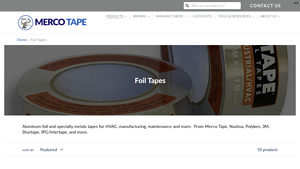
Domain: mercotape.com
Registered: 1998 (28 years)
Introduction: Collection: Foil Tapes – Aluminum foil and specialty metals tapes for HVAC, manufacturing, maintenance. Brands: Merco Tape, Nashua, Polyken, 3M, Shurtape, IPG/Intertape. Total 50 products. Product types include: Aluminum Foil Tape (Cold Weather HVAC, Contractor Grade, Utility Grade, Military Grade, Premium Grade), FSK Tape (Foil Scrim Kraft), Copper Foil Tape (Electrically Conductive and Non-Condu…
Strategic Sourcing Conclusion and Outlook for Self-Adhesive Aluminum Foil Tape
How Can Buyers Future-Proof Their Aluminum Foil Tape Supply Chains?
As infrastructure investment accelerates across Africa, the Middle East, and South America, procurement leaders must prioritize suppliers offering consistent technical performance across extreme climates. The shift toward dead soft aluminum foils with high-tack acrylic adhesives reflects growing demand for conformability in complex HVAC installations and solar thermal applications. Forward-thinking buyers are diversifying sourcing portfolios to include manufacturers with regional distribution hubs, mitigating currency fluctuation risks while ensuring rapid fulfillment for large-scale construction projects.
What Quality Certifications Should Drive Your Sourcing Decisions?
Beyond unit cost, emerging market procurement teams must verify flame-retardant ratings and moisture resistance certifications critical for Gulf Cooperation Council (GCC) building codes and Nigerian oil & gas specifications. Establishing direct partnerships with mills offering customizable liner options and broad service temperature ranges (-30°C to +160°C) ensures compliance with both European EN standards and local regulatory frameworks.
Why Is Sustainable Sourcing Becoming Non-Negotiable?
The next generation of procurement emphasizes recyclable release liners and low-VOC adhesive formulations. Buyers sourcing for green building initiatives in Saudi Arabia’s NEOM or European energy retrofit projects should prioritize suppliers demonstrating closed-loop manufacturing capabilities, carbon footprint transparency, and technical documentation supporting LEED and Estidama compliance.