Introduction: Navigating the Global Market for Cloth duct tape
Sourcing cloth duct tape for demanding industrial applications requires navigating a complex landscape of material specifications, adhesive technologies, and supplier reliability. For procurement teams across Nigeria, Brazil, and emerging markets throughout Africa, South America, the Middle East, and Europe, inconsistent product quality and opaque supply chains create significant operational risks. The challenge lies not merely in finding tape, but in securing high-performance reinforced solutions that withstand extreme climates, meet local regulatory standards, and deliver consistent tensile strength across diverse applications—from HVAC containment in humid environments to heavy-duty bundling in construction sectors.
What challenges do international buyers face when sourcing cloth duct tape?
Global procurement of cloth-backed adhesive solutions involves evaluating critical factors including substrate compatibility, moisture resistance ratings, and certification compliance such as UL181B-FX for HVAC applications. Buyers must distinguish between general-purpose utility grades and specialized variants like matte-finish gaffer tape for entertainment industries or UV-resistant formulations for outdoor infrastructure projects. Supply chain complexities intensify when balancing cost efficiency against the need for customized widths, color-coding requirements, and reliable logistics across continents.
How can this guide optimize your procurement strategy?
This comprehensive resource examines cloth duct tape specifications ranging from cotton and fiberglass backings to rubber-based and acrylic adhesive systems, detailing performance metrics for construction, automotive, abatement, and exhibition applications. We provide frameworks for supplier vetting, cost-benefit analysis for bulk purchasing, and region-specific compliance guidance. Whether securing moisture-resistant sealing solutions for Middle Eastern industrial projects or sourcing color-coded bundling tapes for Brazilian manufacturing facilities, this guide equips international B2B buyers with the technical intelligence and market insights necessary for confident, strategic procurement decisions.
Understanding Cloth duct tape Types and Variations
| Type Name | Key Distinguishing Features | Primary B2B Applications | Brief Pros & Cons for Buyers |
|---|---|---|---|
| General Purpose Economy Grade | 7–9 mil thickness; polyethylene-coated cloth backing; aggressive rubber adhesive; cost-optimized construction | Light-duty bundling; temporary packaging reinforcement; basic masking; non-critical sealing | Pros: Low unit cost, immediate tack, high volume availability Cons: Limited UV resistance, potential adhesive residue on prolonged contact, lower tensile strength |
| Industrial Heavy-Duty Grade | 10–14 mil thickness; high-thread-count woven backing; UL181B-FX certification; UV/moisture/vapor barrier properties | HVAC duct sealing; abatement/containment barriers; construction sheeting attachment; permanent industrial repairs | Pros: Superior holding power, weather resistant, code-compliant for regulated industries Cons: Higher per-roll cost, requires surface prep, aggressive adhesive may leave residue if removed |
| Premium Gaffers Tape | Matte cotton cloth finish; non-reflective low-gloss surface; clean-removal synthetic adhesive; highly conformable | Stage wire and cable management; exhibition hall flooring marks; film production equipment securing; hospitality event setup | Pros: Zero surface damage upon removal, professional aesthetic, easy hand-tearable Cons: Premium pricing, unsuitable for permanent outdoor exposure, lower adhesion than industrial grades |
| Colored Identification Grade | Vibrant pigmented polyethylene coating; 11+ standard color options; color-matched adhesive; writable surface | Inventory color coding; safety zone marking; automotive assembly line identification; pipe labeling; bookbinding | Pros: Instant visual identification, supports 5S methodology, brand customization Cons: Color availability varies by region, potential UV fading in economy versions, limited heavy-duty strength |
Which Cloth Duct Tape Grade Offers the Best Cost Efficiency for Bulk Procurement?
General purpose economy grade cloth duct tape typically features a 7–9 mil thickness with a polyethylene-coated cotton or polyester backing. Designed for short-term bundling, light sealing, and temporary packaging reinforcement, this variation prioritizes immediate tack and low unit cost over extended durability. For B2B buyers in emerging markets such as Nigeria or Brazil, this grade represents an optimal entry point for non-critical logistics and maintenance applications. When sourcing, evaluate the balance between adhesive aggression and residue potential, as economy formulations may transfer adhesive to surfaces after prolonged contact, potentially impacting end-user satisfaction and surface integrity.
What Are the Critical Specifications for Industrial Heavy-Duty Cloth Duct Tape in Construction?
Industrial heavy-duty grades distinguish themselves through 10–14 mil thicknesses, high-thread-count woven backings, and critical certifications such as UL181B-FX for HVAC applications. These tapes function as effective moisture and vapor barriers in abatement containment and permanent duct sealing, withstanding significant temperature fluctuations and prolonged UV exposure. B2B procurement teams in the Middle East and Europe should prioritize rolls with certified flame resistance and thermal stability to ensure compliance with stringent international building codes. While the per-roll investment exceeds economy options, the extended service life, superior tensile strength, and reduced failure rates deliver superior ROI for large-scale infrastructure projects.
Why Should Event Management Companies Invest in Premium Gaffers Tape?
Premium gaffers tape utilizes a matte cotton cloth backing paired with specialized synthetic rubber adhesives engineered for clean, residue-free removal even after extended application. Unlike standard duct tape, its low-gloss finish prevents light reflection in photography and stage environments, while
Key Industrial Applications of Cloth duct tape
| Industry/Sector | Specific Application of Cloth duct tape | Value/Benefit for the Business | Key Sourcing Considerations for this Application |
|---|---|---|---|
| HVAC & Building Construction | Sealing flexible ductwork and containment barriers for remediation | Creates airtight seals that reduce energy costs by up to 30% in climate-controlled environments; enables rapid containment during mold/asbestos abatement | UV-resistant formulations for outdoor exposure; compliance with UL181B-FX standards; moisture-resistant backing for humid climates |
| Automotive Manufacturing & Repair | Temporary body repairs, wire harness bundling, and masking during painting | Minimizes production downtime with quick-stick adhesion; prevents corrosion with clean removal properties; reduces labor costs in collision repair | High-tack rubber adhesive for oily surfaces; residue-free removal for premium finishes; temperature resistance from -40°C to 80°C |
| Oil & Gas Infrastructure | Pipe wrapping, end cap sealing, and stainless steel protection during transport/storage | Prevents costly corrosion and contamination of precision-machined surfaces; provides immediate waterproofing for exposed joints | Chemical-resistant adhesive; conformability to irregular pipe geometries; compatibility with stainless steel without residue |
| Events, Hospitality & Exhibition Management | Cable management, floor marking, and temporary carpet securing on stage/exhibition surfaces | Eliminates trip hazards in high-traffic venues; enables rapid setup/teardown without surface damage; matte finish prevents stage light glare | Low-tack adhesive for delicate surfaces; vibrant color options for coding; flame-retardant certifications for indoor venues |
How does cloth duct tape solve HVAC sealing challenges in tropical climates?
In regions like Nigeria and Brazil where humidity and temperature fluctuations strain climate control systems, cloth duct tape serves as the primary sealing solution for flexible ductwork and fiberglass insulation joints. Its reinforced scrim backing prevents tearing during installation in tight mechanical spaces, while moisture-resistant adhesives maintain bond integrity despite condensation. For abatement contractors, the tape creates reliable containment barriers during mold remediation, ensuring hazardous particles remain isolated. Buyers should prioritize UV-stable formulations that withstand intense sun exposure common in Middle Eastern and African construction sites, preventing adhesive degradation that leads to costly air leakage and energy inefficiency in commercial buildings.
What are the critical applications for cloth duct tape in emerging automotive markets?
Brazil’s expanding automotive sector and Nigeria’s growing transportation infrastructure demand high-performance bonding solutions that withstand harsh workshop environments. Cloth duct tape provides immediate temporary repairs for collision damage, securing loose panels during transit to repair facilities. In manufacturing plants, it masks components during painting and protects sensitive electronics from overspray. The tape’s conformability to irregular automotive surfaces ensures complete coverage without lifting. Procurement teams must verify temperature resistance specifications, as factory floors and outdoor repair sites in these regions often exceed standard adhesive tolerance thresholds, requiring specialized high-tack formulations that maintain grip on oily or dusty metal surfaces common in industrial zones.
Why is reinforced cloth tape essential for pipeline maintenance in oil-rich regions?
Middle Eastern and South American oil operations rely on cloth duct tape for protecting stainless steel pipe integrity during storage and transport through corrosive environments. The tape creates immediate waterproof seals over pipe end caps, preventing contamination of precision-machined threads by sand, dust, or moisture. Its hand-tearable nature allows field engineers to apply protection without cutting tools, speeding up operations in remote locations. For buyers in these sectors, chemical resistance and clean removal properties are paramount—residue left on high-value stainless steel can trigger galvanic corrosion or require expensive re-machining, making premium adhesive quality a cost-saving investment rather than an operational expense.
How can venue managers ensure safety and efficiency with professional cloth duct tape?
From São Paulo’s exhibition centers to Dubai’s convention halls, cloth duct tape (particularly gaffer varieties) manages cable runs and secures temporary flooring without damaging expensive venue surfaces. Unlike standard duct tape, professional cloth variants offer clean removal that preserves marble, wood, and carpet finishes—critical for maintaining security deposits and venue relationships. The matte finish prevents dangerous light reflections during filmed events, while color-coding options streamline technical setups. Sourcing managers should specify low-tack adhesives formulated for tropical temperatures, as standard adhesives may flow or leave residue in heat, and verify flame-retardant certifications required by European and Middle Eastern safety codes for indoor gatherings.
A stock image related to Cloth duct tape.
3 Common User Pain Points for ‘Cloth duct tape’ & Their Solutions
Scenario 1: Adhesive Residue Damaging Rental Equipment and Venue Surfaces
The Problem:
Event management companies and exhibition contractors across Nigeria, Brazil, and the UAE frequently face costly cleaning charges and asset depreciation when standard cloth duct tape leaves stubborn adhesive residue on polished floors, cable housings, and stage equipment. This issue is particularly acute in the events sector, where rapid venue turnover leaves no time for labor-intensive remediation. Many buyers discover too late that general-purpose cloth tapes utilize aggressive rubber adhesives designed for permanent HVAC applications rather than temporary holding, resulting in sticky remnants that require chemical solvents and specialized cleaning crews. The financial impact extends beyond cleaning costs to include damaged client relationships and reduced equipment resale values.
The Solution:
Specify clean-removal cloth duct tape (often categorized as premium gaffers tape) formulated with synthetic rubber or silicone adhesives specifically engineered for temporary bonding. Prioritize products labeled “residue-free” or “clean removal” with a matte flat finish to prevent light reflection on stage sets while protecting sensitive surfaces. Before committing to bulk orders, conduct field testing on your specific surface types—particularly varnished wood, carpet, and powder-coated metal common in international exhibition halls. Establish removal protocols requiring pull-back at 45-degree angles within specified timeframes, and implement color-coding systems using these tapes to streamline inventory management without risking surface damage.
Scenario 2: Tape Failure Under Extreme Heat and Humidity in Climate-Challenged Regions
The Problem:
Construction contractors and HVAC technicians operating in tropical climates—such as coastal West Africa, the Amazon basin, or the Arabian Peninsula—regularly experience catastrophic tape failure when standard cloth duct tape adhesives soften and flow in ambient temperatures exceeding 40°C (104°F). The combination of intense solar exposure and monsoon-season humidity creates a dual threat that utility-grade tapes cannot withstand, resulting in failed building containment systems during asbestos abatement, compromised flexible duct seals allowing energy leakage, and unsecured poly sheeting that violates safety regulations. This leads to project delays, potential liability from exposure hazards, and rework costs that erode already thin margins in competitive developing markets.
The Solution:
Source industrial-grade cloth duct tape with UV-resistant polyethylene coatings and high-temperature silicone or specialized rubber-based adhesives rated for continuous outdoor exposure. For HVAC applications in these regions, verify UL181B-FX certification to ensure compliance with international mechanical codes for flexible duct sealing. Select woven cotton or polyester fabric backings that maintain structural integrity when saturated with moisture, and specify thicknesses of 9-12 mil for heavy-duty outdoor construction. Store inventory in climate-controlled environments prior to deployment, and specify tape widths appropriate for your specific duct diameter to minimize seam failure points in high-humidity conditions.
Scenario 3: Inadequate Conformability on Rough or Irregular Industrial Substrates
The Problem:
Infrastructure maintenance teams and automotive repair facilities frequently encounter bonding failures when attempting to seal corrugated metal sheets, rough concrete masonry, or irregular fiberglass insulation using rigid vinyl tapes or low-quality cloth tapes with stiff backings. In European renovation projects and Middle Eastern industrial maintenance, standard tapes bridge across surface irregularities rather than conforming to them, creating channels where adhesion fails under mechanical stress or thermal expansion. The resulting gaps not only compromise waterproofing but also create safety hazards in abatement zones where toxic particulate containment is legally mandated, exposing contractors to regulatory penalties and rework expenses.
The Solution:
Implement highly conformable cloth duct tape featuring woven fabric backings with diagonal threading patterns that allow multi-directional flexibility across irregular surfaces. Specify products with 7-9 mil thickness for general conformability or 11+ mil for structural reinforcement needs in demanding applications. For concrete and masonry work, ensure compatibility with bond breaker requirements by selecting tapes with release coatings that prevent concrete adhesion while maintaining seal integrity. In automotive and motorsports applications prevalent in Brazilian and European markets, utilize cloth duct tape that maintains adhesion to stainless steel pipes and irregular body panels without lifting at edges, ensuring temporary repairs withstand vibration and weather exposure until permanent fixes are implemented.
Strategic Material Selection Guide for Cloth duct tape
Strategic material selection for cloth duct tape requires procurement professionals to evaluate substrate performance against specific environmental and operational stressors. For international buyers operating across Nigeria’s humid construction corridors, Brazil’s automotive manufacturing sectors, and the Middle East’s extreme temperature zones, the backing material—whether natural cotton, synthetic polyester, or fiberglass-reinforced composites—determines not only adhesion longevity but also total cost of ownership and inventory shelf-life. Understanding the distinct mechanical and chemical properties of these substrates enables data-driven procurement decisions that align with regional climate challenges and industry-specific compliance requirements.
Which Backing Material Delivers Optimal Conformability for Complex Surfaces?
Cotton cloth remains the industry benchmark for applications requiring hand-tearability and superior conformability to irregular substrates. Woven from natural fibers, this backing adheres aggressively to rough concrete, textured metal, and uneven stage flooring—critical for abatement containment, bookbinding reinforcement, and exhibition hall wire management in European and South American markets. The fibrous structure creates mechanical bonding with rubber adhesives, ensuring immediate tack without surface priming, while the matte finish prevents light reflection during film production and live events. However, procurement teams must account for cotton’s hygroscopic properties; in tropical climates like West Africa, moisture absorption can exceed 8% by weight, compromising adhesive cohesion and promoting fungal growth during extended storage. Inventory rotation protocols and moisture-barrier packaging become essential cost considerations when specifying cotton-backed solutions for humid regions, particularly for restoration and remediation contractors managing long-term building containment projects.
How Does Polyester Performance Compare in Moisture-Prone Industrial Environments?
Synthetic polyester fabric addresses the limitations of natural fibers through hydrophobic polymer chemistry that maintains structural integrity in 90%+ humidity conditions. This backing excels in HVAC duct sealing, color-coded safety marking, and outdoor construction containment across coastal regions and monsoon-prone territories, offering superior resistance to UV degradation and thermal expansion. The dimensional stability prevents the “flagging” or edge-lifting common in cotton tapes during temperature fluctuations, reducing maintenance callbacks in critical infrastructure projects. For B2B buyers, polyester’s compatibility with clean-removal acrylic adhesives makes it ideal for temporary surface protection in automotive painting, motorsports branding, and convention center flooring where residue-free removal is mandatory. However, the smooth synthetic surface exhibits lower surface energy than cotton, potentially requiring corona treatment or specialized adhesive formulations to achieve comparable initial tack on low-energy substrates like polypropylene or powder-coated metals, which may increase per-unit application costs.
When Should Buyers Specify Fiberglass
A stock image related to Cloth duct tape.
In-depth Look: Manufacturing Processes and Quality Assurance for Cloth duct tape
Cloth duct tape represents a sophisticated convergence of textile engineering and adhesive polymer science. For procurement teams sourcing from international markets—particularly those operating across diverse climate zones in Nigeria, Brazil, or the UAE—understanding the manufacturing continuum provides critical leverage in supplier negotiations and quality verification. The distinction between commodity-grade products and industrial-performance solutions lies not merely in raw materials, but in the precision of scrim construction, adhesive compounding, and rigorous validation protocols that ensure consistency across high-volume orders.
How Is the Reinforced Scrim Backing Engineered for Maximum Tensile Strength?
The foundation of high-performance cloth duct tape begins with the scrim—a woven lattice of fibers that provides dimensional stability and tear resistance. Manufacturers typically utilize open-weave constructions ranging from 9×9 to 11×11 threads per square inch, utilizing cotton, polyester, fiberglass, or hybrid blends depending on the intended application. During the warping and weaving phase, tension control systems maintain uniform mesh geometry to prevent weak points that could propagate under load. For heavy-duty industrial grades destined for construction or automotive bundling, fiberglass-reinforced scrims offer superior tensile strength exceeding 50 lbs per inch, while cotton-polyester blends provide the conformability necessary for irregular surfaces in abatement and restoration work. The woven substrate undergoes heat-setting treatments to stabilize fiber alignment before receiving specialized coatings that enhance moisture resistance and prevent adhesive bleed-through during the lamination phase.
What Adhesive Formulation Processes Determine Bond Durability?
The adhesive system—typically hot-melt rubber, solvent acrylic, or silicone-based formulations—undergoes precision compounding in controlled-temperature reactors. Hot-melt systems, favored for general-purpose duct tape, involve blending synthetic rubber with hydrocarbon tackifiers and antioxidant stabilizers to prevent oxidation in high-temperature environments. Solvent-based acrylics require extended curing cycles in ventilated drying tunnels, resulting in cleaner removal characteristics essential for gaffers tape used in entertainment venues. For Middle Eastern and African markets where ambient temperatures frequently exceed 40°C, manufacturers incorporate UV stabilizers and plasticizers that maintain tack without adhesive migration. The coating weight, measured in grams per square meter (GSM), directly correlates with initial tack and long-term shear resistance; industrial grades typically apply 150-200 GSM adhesive layers through precision slot-die or roll-coating applicators that ensure uniform thickness across the entire web width.
Which Coating and Lamination Technologies Ensure Moisture Resistance?
Following adhesive application, the composite structure undergoes lamination with polyethylene or polypropylene moisture barriers. Extrusion coating processes melt-bond a 2-3 mil polyethylene layer to the scrim’s reverse side, creating the characteristic silver or colored backing that prevents moisture ingress during outdoor applications. Calendering stations apply precise pressure and temperature—typically 120-150°C—to ensure molecular bonding between adhesive, scrim, and backing layers without compromising the cloth’s flexibility. For HVAC applications requiring UL181B-FX certification, manufacturers implement specialized flame-retardant additive integration during this phase, ensuring the tape maintains structural integrity when sealing flexible ductwork or fiberglass insulation in climate control systems.
How Do Precision Slitting and Winding Standards Impact Automated Application?
The conversion phase transforms master rolls into finished products through precision slitting operations critical for B2B buyers utilizing automated tape dispensers. Tension control systems maintain ±0.5% web tension consistency to prevent telescoping or edge curling that could jam high-speed packaging lines. Edge quality inspection using laser micrometers ensures width tolerances within ±0.5mm, while automated winding systems apply consistent radial pressure to prevent soft spots or hard cores that complicate manual dispensing on construction sites. For buyers in South American manufacturing sectors, suppliers offering traverse-wound spools or specific core diameters (3-inch vs. 6-inch) demonstrate conversion capabilities aligned with regional machinery standards.
What Quality Assurance Protocols Validate Peel Strength and Shear Resistance?
Comprehensive QC laboratories employ ASTM and ISO standardized testing to validate each production batch. Peel adhesion tests (ASTM D3330) measure the force required to remove tape from stainless steel panels at 180-degree angles, with industrial grades requiring minimum 60 oz/inch values. Shear resistance testing (ASTM D3654) subjects samples to static loads at elevated temperatures to simulate failure points under constant stress. Dynamic mechanical analysis evaluates adhesive modulus across temperature ranges relevant to target markets—from European cold storage applications (-10°C) to Middle Eastern outdoor exposure (60°C). Additionally, accelerated aging chambers subject samples to 85°C/85% relative humidity for 1,000 hours to verify that tropical storage conditions in Nigerian or Brazilian warehouses will not degrade adhesive performance before application.
Which International Certifications Should B2B Buyers Demand for Cross-Border Compliance?
Beyond mechanical testing, regulatory compliance documentation separates reputable manufacturers from commodity traders. ISO 9001:2015 certification indicates standardized process controls, while REACH and RoHS compliance ensures adhesive formulations meet European environmental standards regarding hazardous substance limitations. For HVAC contractors, UL181B-FX listings verify flame spread and smoke development ratings critical for building code compliance in commercial construction. Buyers sourcing for European automotive or electronics sectors should verify tapes meet OEM specifications regarding low-halogen content and surface energy compatibility. Requesting batch-specific Certificates of Analysis (CoA) that detail peel strength values, tensile elongation percentages, and adhesive lot traceability provides audit trails essential for quality management systems.
How Do Manufacturers Address Climate-Specific Performance Requirements?
Leading suppliers customize formulations to address regional environmental stressors. For high-humidity markets like coastal Nigeria or Brazil’s Amazon regions, manufacturers apply corona treatment to backing materials to prevent edge lift caused by moisture vapor transmission. Silicone-based adhesive variants withstand the thermal cycling experienced in Middle Eastern desert environments where daytime heat and nighttime condensation create expansion-contraction stresses. Conversely, European winter-grade formulations utilize low-temperature acrylics that maintain adhesion at sub-zero temperatures without becoming brittle. Procurement teams should verify that suppliers conduct climate-chamber testing simulating specific destination conditions rather than relying solely on standard 23°C laboratory benchmarks.
Understanding these manufacturing variables enables strategic sourcing decisions that transcend unit pricing. By evaluating suppliers based on scrim construction methodologies, adhesive compounding capabilities, and climate-specific validation protocols, B2B buyers secure supply chains capable of delivering consistent performance across diverse industrial applications and environmental conditions.
Practical Sourcing Guide: A Step-by-Step Checklist for ‘Cloth duct tape’
Procuring cloth duct tape for industrial-scale operations requires moving beyond unit price comparisons to evaluate performance specifications against regional climate challenges. Whether sourcing for HVAC contractors in the Middle East or construction firms in Brazil, buyers must verify technical compatibility, compliance standards, and supply chain reliability. This checklist provides a systematic framework to assess suppliers and specifications before committing to high-volume orders.
1. How Do You Match Cloth Duct Tape Specifications to Regional Climate Conditions?
Begin by documenting specific end-use scenarios—HVAC duct sealing, asbestos abatement containment, automotive bundling, or entertainment industry gaffing. Determine whether your projects require UV-resistant formulations for outdoor exposure or matte-finish gaffer tape that prevents light reflection. Critically assess your regional climate; buyers in humid tropical zones like Nigeria or coastal Brazil should prioritize moisture-resistant rubber-based adhesives, while European purchasers might favor acrylic systems for temperature-stable indoor applications.
2. What Distinguishes Rubber-Based from Silicone Adhesive Cloth Tapes?
Cloth backings range from economical cotton blends to heavy-duty fiberglass reinforcement. For high-temperature industrial environments, specify silicone-based adhesives capable of withstanding extreme heat. General construction bundling typically requires 7.0 mil polyethylene-coated cloth with aggressive rubber adhesive. Verify tensile strength ratings and elongation percentages to ensure the tape conforms to irregular surfaces without tearing during application.
3. Which UL Certifications Are Essential for HVAC Cloth Duct Tape Procurement?
For HVAC and electrical insulation applications, insist on UL181B-FX certification to guarantee flame resistance and thermal stability under stress. Construction remediation projects may require additional mold-resistant ratings or low-VOC emissions compliance for indoor air quality standards. Request comprehensive material safety data sheets and conformity certificates to satisfy stringent European CE marking or Middle Eastern import regulations.
4. How Should International Buyers Evaluate Supplier Logistics Capabilities?
Investigate whether potential suppliers offer custom slit widths, extended length rolls, or private labeling options for regional distribution. Clarify minimum order quantities and verify if they maintain bonded warehousing in your target markets to reduce shipping costs. For African and South American buyers, specifically confirm the supplier’s expertise with port-of-entry documentation, customs classification for adhesive goods, and experience navigating import duty structures.
5. What Field Testing Protocols Validate Cloth Duct Tape Performance?
Before finalizing bulk contracts, obtain samples for field validation under actual working conditions. Test adhesion on galvanized steel, concrete, fiberglass insulation, and polyethylene sheeting to verify compatibility with your substrates. For humid climates, conduct 72-hour humidity chamber tests to detect adhesive bleed-through or backing delamination. Evaluate clean-removal properties on painted drywall and finished surfaces if your applications involve temporary holding or cable management.
6. How Do You Optimize Storage for Cloth Duct Tape in Tropical Climates?
Negotiate climate-controlled container shipping for tropical destinations to prevent heat-induced adhesive degradation during transit. Upon receipt, implement horizontal storage in climate-controlled warehouses away from direct sunlight and moisture. Establish strict first-in-first-out inventory rotation—rubber-based adhesives typically maintain optimal tack for 12 months when stored between 60-80°F (15-27°C), ensuring your stock remains viable across seasonal demand fluctuations.
A stock image related to Cloth duct tape.
Comprehensive Cost and Pricing Analysis for Cloth duct tape Sourcing
Cloth duct tape procurement costs extend far beyond the per-roll sticker price. For international buyers operating in markets like Nigeria, Brazil, and the broader Middle East, understanding the layered cost structure—from raw material grades to logistics optimization—is critical for maintaining competitive margins while ensuring application-specific performance across construction, HVAC, and industrial bundling operations.
What Factors Drive Cloth Duct Tape Pricing in Global B2B Markets?
Material composition serves as the primary cost determinant. Tapes utilizing polyester-cotton hybrid scrims command higher prices than pure cotton backings due to superior tensile strength and moisture resistance. Adhesive systems significantly impact pricing tiers: rubber-based formulations offer economical high-tack solutions for general bundling, while silicone adhesives used in high-temperature HVAC applications (such as UL181B-FX certified grades) increase unit costs by 15–30%. Thickness specifications measured in mils—ranging from economical 7.0 mil general-purpose grades to heavy-duty 11+ mil industrial variants—directly correlate with per-meter pricing, as do custom color requirements like matte gaffer finishes versus standard silver duct tape.
How Do Volume Tiers and MOQs Impact Unit Economics for Bulk Buyers?
Minimum order quantities (MOQs) create distinct pricing breakpoints that favor container-load procurement over palletized shipments. Manufacturers typically structure pricing in three tiers: sample quantities (1–100 rolls), pallet lots (500–2,000 rolls), and full container loads (20,000+ rolls). Buyers sourcing from North American or Asian manufacturers for African or South American distribution should negotiate slitting specifications early—custom width conversions (e.g., 48mm vs. 50mm standards) incurred during production rather than post-importation can reduce per-roll conversion costs by up to 40%. Additionally, consolidated shipping utilizing 40-foot high-cube containers maximizes freight efficiency compared to LCL (Less than Container Load) shipments, where handling fees at transshipment ports add hidden cost layers.
What Hidden Logistics Costs Should Buyers Anticipate When Importing Cloth Duct Tape?
Beyond FOB pricing, procurement teams must factor in temperature-controlled shipping requirements for rubber-adhesive tapes, which can degrade in extreme heat during transoceanic transit. HS code classification nuances—typically 3919.10 for adhesive tapes—vary by backing material composition, affecting duty rates between 3.5% and 12% in Mercosur and ECOWAS trade zones. Currency fluctuation risks between USD-denominated contracts and local Naira or Real payments necessitate forward-exchange hedging strategies. Furthermore, compliance certifications (REACH for European markets, INMETRO for Brazil) incur testing fees ranging from $2,000–$5,000 per SKU, amortizing across larger volumes to minimize per-unit impact.
How Can Procurement Teams Optimize Grade Selection for Cost Efficiency?
Avoiding over-specification generates immediate savings. General-purpose 7.0 mil cloth tapes adequately serve temporary bundling and abatement containment, while premium gaffer tapes with clean-removal adhesives should be reserved for entertainment and hospitality applications where surface protection justifies higher costs. Total Cost of Ownership (TCO) analysis reveals that industrial-grade tapes with UV resistance often reduce long-term expenses in outdoor construction by eliminating replacement labor costs. Buyers should request split-grade container loading—combining high-volume economy grades with smaller quantities of specialized HVAC or automotive tapes—to optimize inventory carrying costs while meeting diverse operational requirements.
Regional Sourcing Strategies: How Should Buyers in Nigeria and Brazil Navigate Supplier Relationships?
Establishing direct manufacturer relationships rather than distributor intermediaries typically yields 12–18% cost reductions for buyers capable of managing import logistics. For Brazilian buyers, leveraging Mercosur trade agreements with Argentine or Uruguayan tape converters can circumvent certain import tariffs. Nigerian procurement teams should prioritize suppliers offering Letter of Credit (LC) payment terms to mitigate currency volatility risks. Engaging manufacturers who provide regional warehousing in Dubai or Rotterdam reduces lead times for Middle Eastern and European operations, balancing working capital efficiency against landed cost optimization.
Alternatives Analysis: Comparing Cloth duct tape With Other Solutions
When evaluating fastening and sealing solutions for industrial procurement, understanding the performance trade-offs between cloth duct tape and specialized alternatives ensures optimal specification for your operational environment. While cloth-backed reinforced tapes offer exceptional versatility across construction, HVAC, and entertainment sectors, specific applications may demand the thermal properties of metal laminates or the tensile strength of synthetic filament reinforcements.
| Comparison Aspect | Cloth Duct Tape | Aluminum Foil Tape | Filament Reinforced Strapping Tape |
|---|---|---|---|
| Performance | High conformability to irregular surfaces; moisture/UV resistant; moderate temp range (-10°C to 80°C); clean removal options; UL181B-FX rated for HVAC | Excellent thermal conductivity; high temp resistance (-40°C to 120°C+); rigid structure; permanent bond; vapor barrier properties | Exceptional tensile strength (100+ lbs/in); minimal stretch; abrasion resistant; high shear strength; limited conformability |
| Cost Structure | Mid-range material cost; minimal labor (hand-tearable); repositionable reducing waste | Premium material cost; specialized application labor; long-term durability reduces replacement frequency | Low material cost; requires dispensers; potential residue removal costs; high consumption rate for temporary holds |
| Ease of Implementation | Immediate adhesion; no tools required; residue-free removal available; conforms to complex geometries | Requires surface preparation; wrinkles easily compromising seal; difficult to reposition; permanent adhesion | Requires cutting tools/dispensers; limited conformability to curves; aggressive adhesive bonds instantly |
When Is Aluminum Foil Tape the Superior Choice for High-Temperature HVAC and Thermal Insulation?
Aluminum foil tape excels in environments requiring thermal conductivity and extreme temperature stability, making it the preferred specification for HVAC duct sealing and cryogenic applications where cloth duct tape’s rubber-based adhesive may degrade under sustained heat. While cloth tape offers superior conformability to irregular fiberglass insulation and clean removability for temporary repairs, foil tape provides permanent vapor barriers and heat reflection critical for energy efficiency in Middle Eastern and European climate control systems. Procurement teams should specify foil tape for industrial environments exceeding 80°C or where fire resistance codes apply, though they must account for higher material costs and the need for skilled application to avoid wrinkles that compromise sealing integrity.
Should Procurement Teams Choose Filament Reinforced Tape Over Cloth Duct Tape for Heavy-Duty Bundling and Logistics?
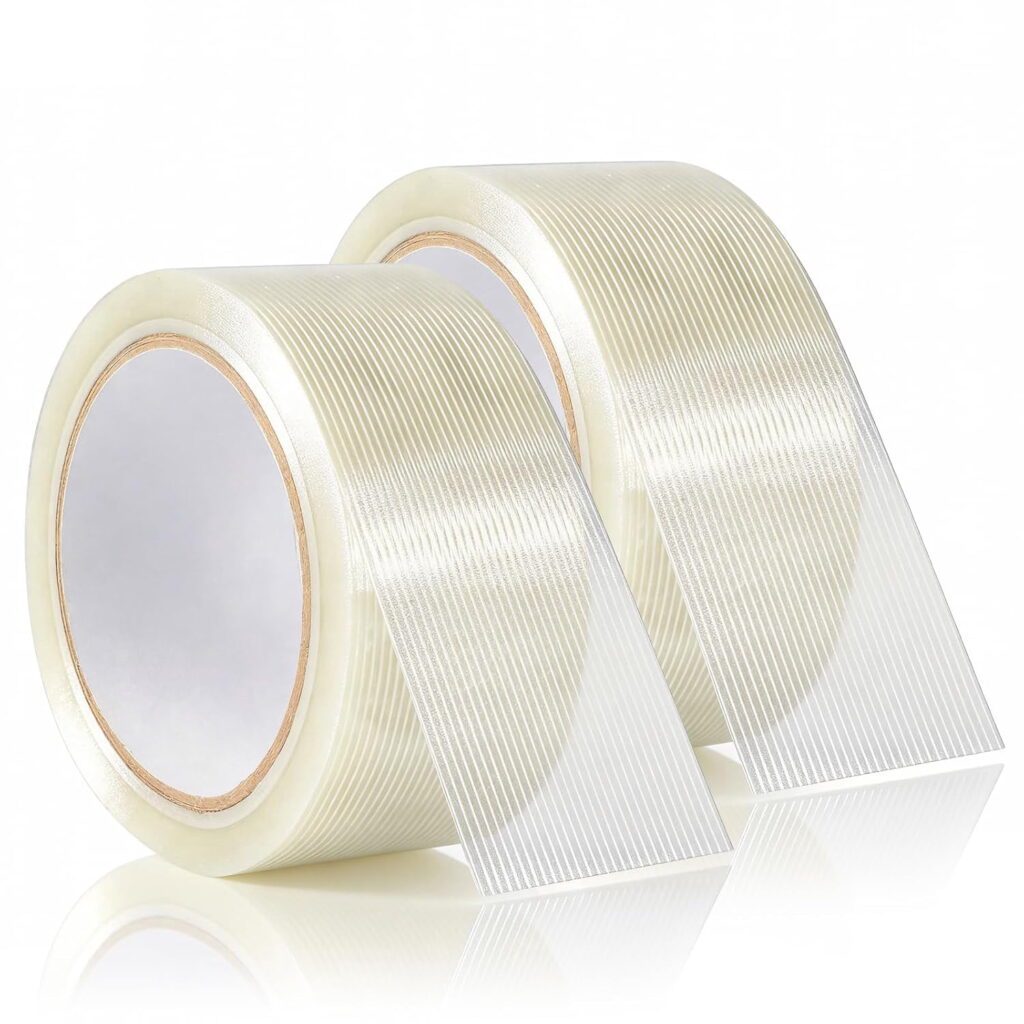
Filament reinforced strapping tape serves as the cost-optimized alternative for high-volume palletizing and bundling operations where maximum tensile strength takes precedence over conformability, particularly in logistics hubs across Nigeria and Brazil facing heavy freight loads and rough handling. Unlike cloth duct tape’s woven fabric backing that provides balanced strength and flexibility for irregular surfaces, filament tape incorporates unidirectional fiberglass strands that resist stretching under extreme stress, making it ideal for securing rigid loads during international shipping. However, B2B buyers must weigh the lower per-meter cost against application inefficiencies—filament tape requires dispensers and lacks the hand-tearability and clean removal properties that make cloth tape indispensable for temporary field repairs, abatement containment, and entertainment industry stage construction.
Essential Technical Properties and Trade Terminology for Cloth duct tape
When procuring cloth duct tape for industrial applications across diverse climates—from humid Nigerian construction sites to Brazilian automotive assembly plants—understanding precise technical specifications and trade nomenclature ensures compliance, reduces material waste, and guarantees performance under mechanical stress. These metrics determine not merely initial adhesion, but long-term reliability when exposed to thermal cycling, UV radiation, and heavy tensile loads.
What Are the Critical Technical Specifications for Industrial Cloth Duct Tape?
Backing Thickness (Mil Rating)
Measured in thousandths of an inch (mil), this specification indicates the combined caliper of the woven scrim and adhesive coating. Industrial grades typically range from 7-mil general-purpose variants suitable for light bundling to 12-mil heavy-duty tapes required for HVAC duct sealing and abatement containment. For buyers in Middle Eastern infrastructure sectors, higher mil ratings directly correlate with enhanced puncture resistance when securing polyethylene sheeting against abrasive concrete surfaces.
Tensile Strength and Scrim Composition
Expressed in pounds per inch (PPI) or Newtons per centimeter, tensile strength measures the force required to break the tape longitudinally. Premium cloth tapes reinforced with fiberglass or polyester scrim achieve 40–50 PPI, essential for securing manufactured housing bottom boards during transoceanic shipping or bundling heavy-gauge industrial cables. Cotton-scrim alternatives offer economy but exhibit lower moisture resistance, a critical consideration for tropical African markets with high humidity.
Adhesive Chemistry and Temperature Stability
Rubber-based adhesives provide aggressive initial tack and conformability to low-surface-energy substrates common in automotive applications, while acrylic formulations deliver superior UV stability for outdoor European construction sites. Silicone adhesives accommodate extreme temperature fluctuations ranging from -40°C to 200°C, necessary for industrial pipe wrapping and stainless steel end-cap sealing in petrochemical environments.
Elongation and Conformability
This metric indicates the percentage the tape can stretch before breaking, typically 10–20% for standard grades. Higher elongation enables superior conformability to irregular surfaces such as corrugated ductwork or textured concrete molds, preventing edge lift during expansion and contraction cycles common in South American climate zones.
What Industry-Specific Terminology Should B2B Buyers Know When Sourcing Cloth Tape?
“Gaffers Tape” vs. Standard Duct Tape
While often conflated, gaffers tape utilizes a matte, non-reflective cloth finish with a clean-removal adhesive system specifically engineered for entertainment industry cable management and exhibition hall flooring. Standard duct tape typically exhibits a glossy polyethylene-coated finish with permanent adhesion optimized for HVAC sealing and construction remediation.
UL181B-FX Certification
This Underwriters Laboratories designation indicates compliance with flame resistance and adhesion standards specifically for HVAC applications, including flexible ductwork and fiberglass insulation sealing. For European and North American export markets, this certification is frequently mandatory for building code compliance, whereas buyers in emerging markets should verify equivalent regional fire-safety ratings.
Clean Removal Properties
Industry terminology describing adhesives formulated to leave zero residue for 14–30 days post-application. This property is essential for temporary motorsports body repairs, convention center carpet hold-down, and stage construction where surface damage incurs significant penalty costs.
Bottom Board Tape
A specialized high-shear cloth tape category used exclusively in manufactured housing to seal the perimeter between the chassis and floor decking. This grade features enhanced moisture barriers and pest-resistant adhesion distinct from general-purpose bundling tapes, critical for housing exports to varied climate zones.
Shear Resistance
Measured in static shear hours, this indicates the tape’s ability to resist sliding under constant load. High shear values (500+ hours) denote suitability for vertical pipe wrapping and cable bundling applications where gravitational stress would cause standard adhesives to fail.
Double-Scrim Reinforcement
Refers to tapes incorporating two layers of woven mesh (typically polyester/cotton hybrid) within the backing. This construction provides bidirectional strength for heavy-duty palletizing and concrete formwork applications where unidirectional fiber tapes would tear under torsional stress.
Navigating Market Dynamics and Sourcing Trends in the Cloth duct tape Sector
What Are the Critical Market Drivers Reshaping Cloth Duct Tape Procurement in Emerging Economies?
The global cloth duct tape market is experiencing significant transformation driven by infrastructure expansion across Africa, South America, and the Middle East. In regions like Nigeria and Brazil, rapid urbanization and HVAC system upgrades are fueling demand for high-performance sealing solutions that withstand extreme environmental conditions. Buyers are increasingly moving beyond commodity-grade products toward specialized formulations—such as UL181B-FX certified tapes for flexible duct sealing and UV-resistant variants for outdoor construction applications.
Supply chain volatility remains a primary concern for international procurement teams. Fluctuations in cotton and polyester fiber costs, coupled with petrochemical price instability affecting rubber-based adhesives, necessitate strategic inventory management and diversified supplier portfolios. Forward-thinking buyers are establishing regional sourcing hubs in the Middle East and Southeast Asia to mitigate logistics disruptions while maintaining access to premium-grade cloth backings reinforced with fiberglass for enhanced tensile strength.
Product innovation is also reshaping procurement criteria. The shift toward matte-finish gaffer tapes for entertainment venues and color-coded solutions for industrial identification reflects broader industry needs for functional versatility. Additionally, custom conversion capabilities—allowing specific widths and lengths tailored to automated manufacturing lines—are becoming standard requirements rather than premium add-ons. As manufacturing sectors in target regions modernize, demand for double-sided cloth tapes and clean-removal formulations that protect sensitive surfaces during automotive and electronics assembly continues to accelerate.
How Can B2B Buyers Navigate Sustainability and Ethical Sourcing in Cloth Tape Supply Chains?
Sustainability has transitioned from a marketing differentiator to a procurement mandate, particularly for European buyers and multinational corporations operating in emerging markets. When evaluating cloth duct tape suppliers, prioritize manufacturers utilizing recycled PET (rPET) cloth backings and natural rubber adhesives with reduced volatile organic compound (VOC) emissions. These materials deliver comparable tensile strength to virgin polyester while supporting circular economy initiatives and complying with stringent EU REACH regulations that increasingly influence global trade standards.
Ethical sourcing requires rigorous due diligence beyond material composition. Verify suppliers’ adherence to ISO 14001 environmental management systems and SA8000 social accountability standards, ensuring production facilities maintain safe working conditions and fair labor practices. For African and South American procurement teams, partnering with suppliers who demonstrate transparent supply chain traceability—from cotton cultivation to final conversion—mitigates risks associated with modern slavery regulations and enhances corporate ESG reporting capabilities.
Cost optimization in sustainable procurement involves analyzing total cost of ownership rather than unit pricing. While eco-friendly cloth tapes may command premium pricing initially, reduced waste generation, lower disposal costs, and improved worker safety profiles often yield favorable returns over project lifecycles. Furthermore, specify biodegradable core labels and recyclable packaging to minimize environmental impact during shipping to remote job sites. By integrating sustainability metrics into vendor scorecards and requiring third-party certifications such as Cradle to Cradle or Green Seal, buyers can secure high-performance cloth duct tape solutions that align with both operational requirements and evolving corporate responsibility frameworks.
Frequently Asked Questions (FAQs) for B2B Buyers of Cloth duct tape
1. What is the difference between cloth duct tape and vinyl duct tape for industrial HVAC and construction applications?
Cloth duct tape features a woven fabric backing—typically cotton, polyester, or fiberglass—that delivers superior conformability and tensile strength compared to vinyl alternatives. Vinyl duct tape utilizes a polyethylene-coated film backing that offers basic moisture resistance but lacks the structural integrity required for irregular surfaces and heavy-duty bundling common in African and South American infrastructure projects. For B2B procurement teams, cloth variants provide reliable adhesion to fibrous materials like insulation and concrete, whereas vinyl suits only smooth, flat surfaces where cost reduction takes priority over durability and longevity.
2. How does cloth duct tape tensile strength compare to standard polyethylene duct tape for heavy-duty bundling?
Cloth duct tape typically delivers significantly higher tensile strength—often exceeding 40 lbs per inch—due to its woven scrim reinforcement, whereas standard polyethylene duct tape relies on less robust film backings prone to stretching and tearing. This structural advantage makes cloth variants essential for securing heavy cable bundles, palletizing export goods, and reinforcing packaging for industrial equipment subjected to rough handling in international shipping lanes. Procurement managers should specify scrim count and total adhesive mass when evaluating suppliers, as premium cloth tapes offer the shear resistance necessary for long-haul logistics to Middle Eastern and European distribution centers.
3. What are the primary applications for cloth duct tape in HVAC duct sealing and construction containment systems?
In HVAC applications, cloth duct tape serves as the primary solution for sealing flexible ductwork, joining fiberglass insulation sections, and achieving UL181B-FX compliance for Class 1 air ducts in commercial buildings. Construction teams utilize high-tack variants for creating airtight containment barriers during asbestos abatement and mold remediation, particularly in renovation projects across Nigeria and Brazil where environmental sealing is critical. The tape’s ability to conform to corrugated metal, concrete textures, and poly-sheeting makes it indispensable for temporary weatherproofing and dust containment in diverse climatic conditions ranging from tropical humidity to desert heat.
4. Does premium cloth duct tape leave adhesive residue on professional equipment, floors, and cables after removal?
High-quality cloth duct tape formulated with clean-removal adhesives—particularly gaffers tape variants—leaves minimal to no residue when removed within the recommended dwell time, typically up to 30 days. Standard industrial cloth tapes with aggressive rubber-based adhesives may deposit slight residue if subjected to high temperatures or UV radiation common in outdoor Brazilian construction sites or Middle Eastern logistics yards. B2B buyers should request technical data sheets specifying “UV clean removal” properties and conduct sample testing on sensitive substrates like convention center hardwood floors and theatrical cables to verify compatibility with professional equipment protection standards.
5. How do I select the right adhesive system for cloth duct tape in extreme heat and humidity conditions common in Africa and the Middle East?
Rubber-based adhesives provide aggressive initial tack and perform adequately in moderate climates, but acrylic adhesives offer superior resistance to oxidation and temperature fluctuations ranging from desert heat to tropical humidity without degrading. Silicone-based adhesive systems withstand continuous operating temperatures up to 200°C, making them ideal for automotive under-hood repairs and industrial pipe wrapping in the Gulf region. Procurement teams should specify adhesive chemistry based on the 90th percentile temperature exposure of the end-use environment, ensuring the tape maintains shear strength during monsoon seasons or peak summer logistics operations when container temperatures exceed 60°C.
6. What UL certifications and international compliance standards should B2B buyers verify when sourcing cloth duct tape for commercial projects?
Buyers should prioritize UL181B-FX listed products for HVAC applications, ensuring the tape meets flame resistance and mold growth inhibition standards required in European and North American building codes. For general industrial and automotive sectors, verify REACH and RoHS compliance to facilitate smooth importation into EU markets and avoid customs delays at ports in Lagos or São Paulo. Additionally, confirm that manufacturers provide batch-specific test reports for tensile strength and adhesion to ASTM D3330 standards, particularly when supplying government infrastructure tenders or large-scale construction projects requiring traceable quality documentation.
7. How should international buyers optimize shipping and storage protocols for bulk cloth duct tape orders to prevent adhesive failure in tropical climates?
Store bulk inventory in climate-controlled environments maintaining 60-80°F (15-27°C) and 40-60% relative humidity to prevent adhesive flow and edge-lifting during ocean freight transit to humid destinations. Request suppliers to palletize shipments with moisture-barrier wrapping and silica gel desiccants, avoiding container placement near engine rooms where temperature spikes can exceed 50°C and degrade rubber adhesives. Implement first-in-first-out inventory rotation and conduct adhesion testing upon receipt using ASTM protocols, as tropical storage conditions can accelerate aging in rubber-based systems by up to 40% compared to temperate European warehouses.
8. What distinguishes gaffers tape from standard cloth duct tape for event management and entertainment industry procurement?
Gaffers tape utilizes a matte cotton cloth backing that eliminates light reflection—critical for stage and television production—while standard cloth duct tape often features a glossy polyethylene coating unsuitable for camera-visible applications. The entertainment-grade variant employs low-residue synthetic rubber adhesives specifically engineered for temporary cable management on delicate surfaces like hardwood stages and carpeted exhibition halls in European convention centers. For B2B buyers supplying hospitality and events sectors across the Middle East and South America, specifying “theater grade” or “gaffers grade” ensures compliance with venue requirements prohibiting reflective surfaces and adhesive damage to premium flooring materials.
Important Disclaimer & Terms of Use
⚠️ Important Disclaimer
The information provided in this guide, including content regarding manufacturers, technical specifications, and market analysis, is for informational and educational purposes only. It does not constitute professional procurement advice, financial advice, or legal advice.
B2B buyers must conduct their own independent and thorough due diligence before making any purchasing decisions. The risk of relying on any information in this guide is borne solely by the reader.
Top 1 Cloth Duct Tape Manufacturers & Suppliers List
1. Tape Suppliers – Cloth Tape
Domain: tapesuppliers.com
Registered: 2007 (19 years)
Introduction: Cloth tape (also known as fabric tape) is a strong, durable adhesive tape with a cloth backing or core. It resembles classic duct tape and gaffer tape in appearance but offers greater tensile strength and more flexible construction compared to standard adhesive tapes. Key characteristics include high strength, resilience, and flexibility due to its fabric composition. Common applications include s…
Strategic Sourcing Conclusion and Outlook for Cloth duct tape
As global infrastructure expansion accelerates across Nigeria, Brazil, and the Middle East, cloth duct tape has transitioned from commodity consumable to strategic procurement asset. Forward-thinking buyers must evaluate total cost of ownership beyond unit pricing, considering adhesive performance in extreme humidity, UV exposure resistance, and compliance with industry-specific certifications that prevent costly application failures.
How Can Buyers Future-Proof Their Cloth Duct Tape Supply Chain?
Strategic procurement requires partnering with manufacturers offering UL-certified formulations—such as UL181B-FX for HVAC applications—alongside customizable specifications including matte gaffer finishes for entertainment venues and color-coded variants for industrial safety protocols. Prioritize suppliers capable of custom width and length conversions, which eliminate material waste while ensuring compatibility with both automated bundling systems and manual field repairs across construction and automotive sectors.
What Should International Procurement Teams Prioritize for Long-Term Value?
For markets experiencing rapid industrial growth or harsh environmental conditions, specify moisture-resistant cloth backings with rubber-based or acrylic adhesives rated for extended outdoor exposure. Verify that potential partners maintain robust inventory across general-purpose, industrial-grade, and premium tape categories to prevent project delays. Ultimately, successful sourcing hinges on selecting vendors who combine technical specification expertise with reliable logistics networks capable of serving diverse regional requirements—from European manufacturing facilities to South American abatement and remediation sites.