Introduction: Navigating the Global Market for Premium cloth duct tape
Sourcing premium cloth duct tape for heavy-duty industrial applications presents a critical procurement challenge for businesses operating across diverse regulatory environments and fragmented global supply chains. With international markets flooded by economy-grade alternatives masquerading as high-performance solutions, B2B buyers from Nigeria to Vietnam face escalating risks when securing reliable adhesive products for construction, manufacturing, and infrastructure projects. The distinction between 7-mil economy grades and true 12-mil premium specifications often determines whether your sealing solutions withstand extreme temperatures and moisture or fail prematurely on critical job sites.
Why Is Supplier Vetting Critical When Importing Premium Cloth Duct Tape to Emerging Markets?
Navigating international markets requires distinguishing between poly-coated waterproof variants with high-tack natural rubber adhesives and inferior substitutes that compromise project integrity. This guide examines critical differentiators including mil thickness standards, coating technologies, and adhesive formulations that separate genuine premium grades from general-purpose alternatives. We analyze how regional manufacturing capabilities across Europe, Asia, and the Americas impact consistency, certification compliance, and long-term supply reliability for buyers in the Middle East, Africa, and South America.
What Procurement Strategies Ensure Cost-Effective Quality Assurance for International Buyers?
Beyond technical specifications, successful global sourcing demands understanding total cost of ownership, import logistics, and quality verification protocols. This comprehensive resource empowers procurement teams with actionable frameworks for evaluating cotton cloth versus vinyl-coated options, negotiating bulk contracts, and establishing quality control checkpoints. Whether securing gaffers tape for entertainment venues in Dubai or heavy-duty duct tape for oilfield operations in Lagos, you’ll gain strategic insights to mitigate supply risks while optimizing performance specifications for your specific industrial requirements.
Understanding Premium cloth duct tape Types and Variations
| Type Name | Key Distinguishing Features | Primary B2B Applications | Brief Pros & Cons for Buyers |
|---|---|---|---|
| Heavy-Duty Poly-Coated Industrial (12+ mil) | Polyethylene-coated woven scrim, 12-14 mil thickness, high-tack natural rubber adhesive, waterproof backing | HVAC duct sealing, heavy-duty packaging, construction site repairs, industrial equipment maintenance | Pros: Superior tensile strength (50+ lbs/in), excellent weather resistance for humid climates, aggressive adhesion to concrete/masonry. Cons: Premium pricing tier, substantial shipping weight per pallet, potential residue on painted surfaces after 6+ months |
| Professional Vinyl-Coated Gaffers Grade | Vinyl polymer coating, matte non-reflective finish, residue-free synthetic rubber adhesive, hand-tearable | Entertainment/event production, exhibition booth installation, temporary cable management, photography studios | Pros: Clean removal from sensitive surfaces, conformable to irregular shapes, professional aesthetic. Cons: Lower moisture resistance than poly-coated, higher cost per yard, limited availability in some regional markets |
| Natural Cotton Uncoated Cloth | 100% woven cotton backing, uncoated breathable weave, medical-grade adhesive options, high |
Key Industrial Applications of Premium cloth duct tape
Premium cloth duct tape delivers superior performance across diverse industrial environments where standard utility tapes fail. The following applications demonstrate how 12-mil poly-coated constructions with high-tack natural rubber adhesives solve critical operational challenges for procurement teams in emerging and established markets.
| Industry/Sector | Specific Application of Premium cloth duct tape | Value/Benefit for the Business | Key Sourcing Considerations for this Application |
|---|---|---|---|
| Oil & Gas & Energy Infrastructure | Pipeline corrosion protection wrap, emergency leak sealing on extraction equipment | Minimizes unplanned shutdowns; ensures operational continuity in harsh environments | High tensile strength (12+ mil); chemical resistance; temperature stability (-20°C to 80°C+) |
| Construction & HVAC Systems | HVAC duct sealing, temporary weatherproofing of exposed structures, scaffolding safety marking | Maintains project timelines; prevents moisture damage; supports safety compliance | UV resistance for outdoor exposure; clean removal properties; adhesion to concrete/metal |
| Heavy Equipment & Automotive Manufacturing | Wire harness bundling, emergency hydraulic hose containment, masking during painting | Reduces equipment downtime; prevents electrical failures; enables efficient refurbishment | Conformability to irregular surfaces; residue-free removal; abrasion resistance |
| Agriculture & Agribusiness | Greenhouse film repair, irrigation system leak sealing, harvest equipment maintenance | Extends growing seasons; ensures water efficiency; reduces seasonal equipment costs | UV stabilization; chemical resistance to fertilizers; bulk packaging availability |
| Marine & International Logistics | Container sealing, temporary tarpaulin repair, cargo securing | Protects goods from moisture/salt; reduces insurance claims; ensures multimodal transport integrity | Waterproof backing; high shear strength; performance across humidity variations |
How Does Premium Cloth Duct Tape Ensure Pipeline Integrity in Oil and Gas Operations?
In Nigeria’s Niger Delta and Middle Eastern extraction sites, premium cloth duct tape serves as a critical stopgap for pipeline integrity management. The 12-mil poly-coated construction withstands saltwater exposure and extreme temperature fluctuations, providing immediate corrosion protection for subsea and above-ground piping. Procurement teams prioritize tapes with high shear strength natural rubber adhesives that maintain tack in high-humidity environments, ensuring that emergency repairs hold until permanent solutions are implemented. This reduces unplanned shutdowns and supports continuous production schedules vital for export-dependent economies.
What Role Does Premium Cloth Duct Tape Play in Construction Weatherproofing and HVAC Efficiency?
Vietnam’s rapid urbanization and infrastructure projects across Africa demand reliable sealing solutions for HVAC ductwork and temporary weatherproofing. Premium cloth duct tape creates airtight seals in ventilation systems where standard tapes fail under thermal cycling. Its waterproof backing prevents moisture ingress in monsoon-prone regions, while high-tack adhesion bonds aggressively to concrete, metal, and polyethylene surfaces. Contractors benefit from clean removal properties that prevent surface damage during project handovers, reducing rework costs and supporting green building certifications increasingly required by European investors funding these developments.
Why Is Premium Cloth Duct Tape Critical for Heavy Equipment Maintenance in Emerging Markets?
Manufacturing and mining operations in Brazil and South Africa utilize premium cloth duct tape for wire harness bundling and emergency hydraulic line containment. The tape’s conformability allows it to wrap irregular surfaces on excavators and agricultural machinery, providing abrasion resistance that prevents costly electrical failures. Unlike standard utility tapes, premium grades offer residue-free removal essential for temporary masking during equipment painting and refurbishment. This capability extends machinery lifespan while minimizing maintenance downtime, crucial for operations managing large fleets across remote locations with limited technical support.
How Can Agricultural Operations Optimize Irrigation and Greenhouse Management with Premium Cloth Duct Tape?
Large-scale farming operations from Argentina to Nigeria rely on premium cloth duct tape for greenhouse film repair and irrigation system maintenance. The tape’s waterproof poly-coating creates durable seals that withstand UV exposure and fertilizer chemicals, extending the growing season in protected agriculture setups. For drip irrigation systems, it provides immediate leak remediation without disrupting water pressure, ensuring crop yields remain stable during critical growth periods. Bulk procurement strategies focus on UV-stabilized formulations and consistent roll lengths to minimize waste across extensive agricultural holdings.
What Are the Logistics Advantages of Using Premium Cloth Duct Tape for Marine and Container Shipping?
International shipping operations connecting European ports to African and South American markets depend on premium cloth duct tape for container sealing integrity and temporary tarpaulin repairs during transit. The high-tack natural rubber adhesive forms watertight barriers that protect sensitive electronics and agricultural exports from salt spray and humidity in maritime environments. Logistics managers source tapes with high tensile strength to withstand the rigors of multimodal transport, ensuring that temporary seals hold through varying climate zones and handling conditions, thereby reducing insurance claims and product spoilage rates.
A stock image related to Premium cloth duct tape.
3 Common User Pain Points for ‘Premium cloth duct tape’ & Their Solutions
Scenario 1: Why Does Premium Cloth Duct Tape Lose Adhesion in High-Humidity Environments?
The Problem:
In regions like Nigeria, Vietnam, or coastal Middle Eastern territories, B2B procurement teams frequently encounter catastrophic adhesive failure when deploying standard-grade cloth duct tape in high-humidity, high-temperature construction environments. The natural rubber adhesive on economy-grade 7 mil tapes degrades rapidly under tropical conditions, causing edge lifting, complete bond failure, and compromised waterproofing seals on critical HVAC ductwork or temporary pipe insulation. This results in costly project delays, moisture intrusion damage, and safety hazards when temporary structural fixes fail unexpectedly. Many industrial buyers discover that general-purpose tapes lack the poly-coated waterproof backing essential for maintaining adhesion in 90%+ relative humidity environments where condensation is constant.
The Solution:
Specify true premium-grade 12 mil poly-coated cloth duct tape featuring high-tack natural rubber adhesive formulations specifically engineered for extreme humidity and temperature cycling. Verify that technical data sheets confirm waterproof polyethylene coating integrity and moisture-vapor transmission resistance. Implement rigorous surface preparation protocols requiring substrate cleaning with industrial solvents to remove oils, dust, and ambient moisture before application. Additionally, establish climate-controlled warehousing protocols during importation and storage to prevent pre-application adhesive degradation, and conduct on-site peel adhesion tests using ASTM D3330 standards to validate batch performance before full deployment on critical infrastructure projects.
Scenario 2: How Can Buyers Ensure Consistent Quality When Sourcing Premium Cloth Duct Tape in Bulk?
The Problem:
When managing procurement for multi-site industrial operations across Africa or South America, supply chain managers frequently face specification drift between bulk shipments of “premium” cloth duct tape. A container delivered in Q2 may contain genuine 12 mil poly-coated waterproof tape with natural rubber adhesive, while Q3 shipments substitute economy-grade 7 mil general-purpose variants with synthetic adhesives to cut costs. This inconsistency creates severe liability exposure, voids equipment manufacturer warranties, and forces unplanned project delays while teams conduct adhesion verification testing. The financial impact extends beyond material replacement to include labor costs for re-work, potential safety violations from failed temporary markings, and damaged client relationships when weatherproofing seals fail on active construction sites.
The Solution:
Establish stringent vendor qualification frameworks requiring ISO 9001 certification and third-party validation of mil thickness (12 mil minimum for heavy-duty applications) and adhesive composition. Mandate batch-specific testing reports showing poly-coated waterproof integrity and adhesion-to-steel values exceeding 50 oz/inch width. Implement contractual quality agreements with penalty clauses for specification deviations, and maintain sealed reference samples from approved production runs. Conduct incoming quality control inspections using calibrated thickness gauges and 180-degree peel tests on every shipment. For critical applications, require Certificate of Analysis (CoA) documentation tracing back to specific production lots, ensuring consistent performance across international procurement cycles.
Scenario 3: What Causes Residue and Surface Damage When Removing Industrial Cloth Duct Tape?
The Problem:
Facility maintenance teams and event production companies across Europe and the Middle East increasingly report surface damage when removing cloth duct tape from rental equipment, polished concrete floors, or finished metal surfaces. “Premium” labeled tapes left in place for extended periods—common in long-term construction projects or outdoor installations
Strategic Material Selection Guide for Premium cloth duct tape
For procurement teams sourcing premium cloth duct tape across diverse industrial markets—from Nigeria’s oil infrastructure to Vietnam’s manufacturing corridors—material specification directly impacts project longevity and total cost of ownership. While thickness measurements (7-mil economy versus 12-mil premium grades) indicate durability, the backing substrate determines fundamental performance characteristics including weather resistance, conformability, and adhesive compatibility. Buyers operating across Africa, South America, and the Middle East must evaluate substrates against specific environmental stressors including UV exposure, humidity fluctuations, and substrate irregularities. Understanding these material distinctions enables strategic alignment between environmental demands and operational requirements, ensuring specifications meet both immediate application needs and long-term durability standards in challenging climates.
What Backing Material Delivers Superior Weather Resistance for Outdoor Infrastructure Projects?
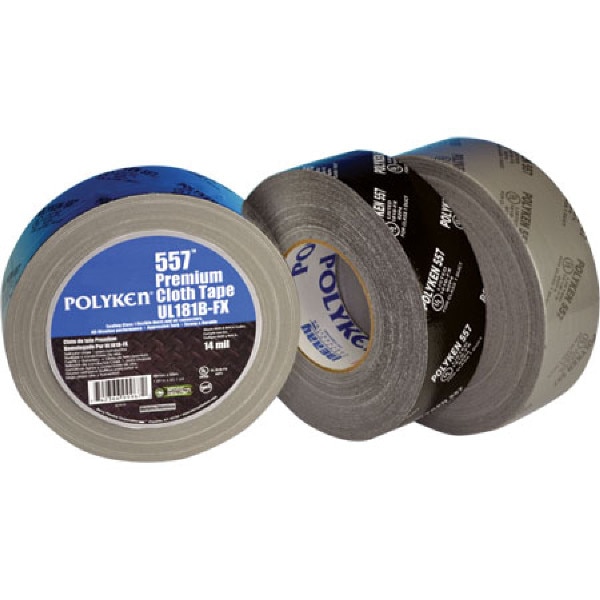
Polyethylene (PE) coated cloth represents the industry standard for premium heavy-duty applications, typically manufactured in 9-mil to 12-mil thicknesses. This substrate features a woven scrim encapsulated between polyethylene layers, creating a waterproof barrier essential for HVAC sealing and pipeline protection. For buyers in high-humidity regions like West Africa or the Middle East, PE coating offers critical moisture resistance while maintaining tensile strength under thermal expansion. The material pairs optimally with high-tack natural rubber adhesives, delivering aggressive
A stock image related to Premium cloth duct tape.
In-depth Look: Manufacturing Processes and Quality Assurance for Premium cloth duct tape
When procuring premium cloth duct tape for industrial applications across diverse climates—from the humidity of Lagos to the heat of Dubai—understanding the manufacturing intricacies separates commodity purchases from strategic supply chain partnerships. Premium-grade variants, typically characterized by 12-mil thicknesses and reinforced polyethylene-coated cloth backings, undergo rigorous multi-stage production protocols that directly impact tensile strength, adhesion longevity, and weather resistance. For B2B buyers in emerging markets, verifying these technical specifications ensures imported inventory withstands local environmental stressors while maintaining consistent performance across construction, HVAC, and heavy-duty packaging applications.
How Is the Scrim Reinforcement Layer Engineered for Maximum Durability?
The foundation of premium cloth duct tape lies in its scrim-reinforced backing, a woven mesh fabric typically comprising cotton or synthetic fibers laminated between polyethylene layers. During manufacturing, producers utilize high-tensile polyester or fiberglass scrim with specific thread counts—often 35-50 threads per square inch for premium grades compared to 20-30 for economy 7-mil variants. This mesh undergoes hot-melt extrusion coating, where molten polyethylene is applied to both sides under controlled temperature and pressure to create a waterproof barrier while maintaining fabric breathability. The calendering process ensures uniform thickness; for 12-mil premium tapes, manufacturers maintain tight tolerances of ±0.5 mil to prevent weak points that could compromise tear resistance during high-stress applications. Unlike standard 9-mil general-purpose tapes, premium variants utilize cross-woven patterns that provide bidirectional strength, critical for bundling heavy cables or sealing HVAC ducts where lateral stress occurs.
What Chemical Composition Defines High-Tack Natural Rubber Adhesive Formulations?
Premium cloth duct tape distinguishes itself through natural rubber-based adhesive systems rather than synthetic acrylic or hot-melt alternatives common in economy grades. The formulation process involves masticating natural rubber with tackifying resins, antioxidants, and plasticizers to achieve high initial tack (often exceeding 50 oz/inch per ASTM D3330) while maintaining clean removal characteristics. Manufacturers employ solvent-based coating methods for premium lines, applying 4-6 mil adhesive layers that penetrate surface irregularities for superior bonding to concrete, metal, and plastic substrates. The curing process requires precise humidity control (typically 45-55% RH) to prevent blistering and ensure consistent viscosity. For buyers in tropical regions like Vietnam or Nigeria, requesting formulations with enhanced UV stabilizers and oxidation inhibitors prevents adhesive degradation during high-temperature storage, ensuring the tape maintains its aggressive tack even after prolonged exposure to 40°C+ warehouse conditions.
Which Quality Control Protocols Validate 12-Mil Premium Specifications?
Reputable manufacturers implement statistical process control (SPC) throughout production to guarantee the 12-mil thickness standard that defines premium performance. Inline beta-ray gauges continuously monitor coating weights, while offline micrometer testing samples every 500 linear meters to verify total thickness including backing, scrim, and adhesive layers. Peel adhesion testing follows ASTM D3330 Method A, requiring minimum 60 oz/inch adhesion to steel for premium classification, compared to 40 oz/inch for general-purpose 9-mil tapes. Tensile strength validation per ASTM D3759 demands minimum 40 lbs/inch breaking strength for premium grades, with elongation rates of 15-25% to ensure the tape conforms to irregular surfaces without snapping. Additionally, manufacturers conduct loop tack testing and shear adhesion failure temperature (SAFT) analysis to verify the tape withstands shear forces up to 200°F (93°C), critical for Middle Eastern construction sites where surface temperatures exceed ambient air readings significantly.
How Do Manufacturers Certify Waterproof and UV Resistance for Extreme Climates?
For B2B buyers sourcing for outdoor infrastructure projects, understanding environmental validation protocols prevents costly field failures. Premium cloth duct tape undergoes hydrostatic resistance testing (AATCC 127), requiring 48+ hours of water pressure resistance without penetration, essential for roofing applications in monsoon-prone regions. Accelerated weathering tests utilizing Xenon arc exposure (ASTM G155) simulate 500+ hours of UV radiation to verify that polyethylene coatings and colored pigments—such as olive drab or black military specifications—resist fading and embrittlement. Humidity aging tests at 85% RH and 85°C for 1000 hours validate adhesive stability in tropical storage conditions common in African and South American supply chains. Manufacturers should provide certificates of analysis (COAs) documenting these specific environmental resistance metrics rather than generic “waterproof” claims, allowing procurement teams to match tape specifications to local climate data.
What International Certifications Indicate Genuine Premium Quality?
Discerning B2B buyers should demand documentation beyond basic product descriptions. ISO 9001:2015 certification indicates standardized manufacturing processes, while RoHS compliance ensures adhesives contain restricted levels of lead, mercury, or cadmium—critical for European Union imports and increasingly relevant for Middle Eastern environmental regulations. REACH compliance documentation proves the absence of Substances of Very High Concern (SVHC) in the adhesive matrix. For construction applications, UL 723 (ASTM E84) flame spread ratings indicate fire resistance properties, while MIL-PRF- duct tape specifications (where applicable) guarantee military-grade durability standards. Requesting batch-specific test reports rather than generic certificates allows buyers to verify that specific production runs meet the 12-mil thickness and high-tack adhesion requirements promised in technical data sheets.
How Does Precision Slitting Impact Bulk Handling and Application Efficiency?
The final manufacturing stage—slitting and winding—significantly affects field performance yet receives minimal attention during procurement evaluations. Premium manufacturers utilize razor-slitting or shear-slitting technologies with ±0.5mm width tolerances to prevent edge fraying and ensure clean unwinding. Winding tension controls prevent telescoping during ocean freight shipping, while core quality (typically 3-inch diameter heavy-duty cardboard or plastic) must withstand stacking pressures in containerized shipments to Nigeria or Vietnam without collapse. Buyers should verify that suppliers utilize dust-free converting environments, as particulate contamination on the adhesive surface reduces tack in critical sealing applications. Additionally, requesting custom slit widths (ranging from 12mm to 100mm+) during manufacturing rather than secondary conversion ensures consistent adhesive coating distribution across the entire roll width, eliminating the “edge effect” where thin adhesive layers occur at roll extremities.
Understanding these manufacturing nuances empowers procurement teams to conduct informed supplier audits, whether visiting facilities in China, India, or domestic regional hubs. By specifying 12-mil constructions with validated natural rubber adhesives, comprehensive environmental testing, and ISO-certified quality protocols, B2B buyers secure inventory that performs reliably across the logistical and climatic challenges of international industrial operations.
Practical Sourcing Guide: A Step-by-Step Checklist for ‘Premium cloth duct tape’
Procurement of premium cloth duct tape requires technical precision when navigating international supply chains. For B2B buyers operating across Africa, South America, the Middle East, and Europe, understanding material specifications and compliance requirements prevents costly procurement errors. This checklist provides actionable criteria to evaluate suppliers, verify product authenticity, and secure logistics arrangements that maintain adhesive integrity from factory to final destination.
How Do You Verify True Premium Grade Specifications?
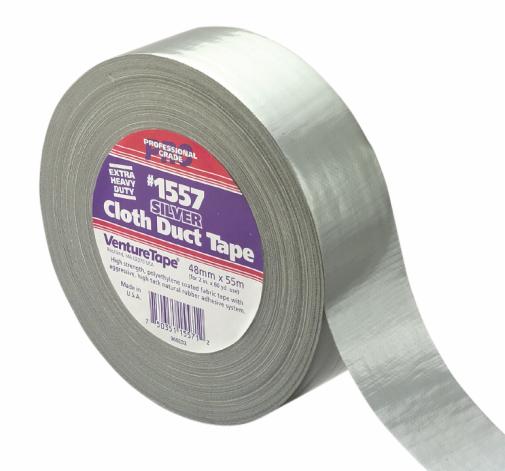
Genuine premium cloth duct tape differs significantly from economy alternatives through measurable physical properties. Confirm 12-mil total thickness versus standard 7-9 mil general-purpose grades, ensuring the poly-coated cloth backing provides waterproof sealing and enhanced tear resistance. Validate high-tack natural rubber adhesive formulations rather than synthetic blends, as these maintain bonding strength across extreme temperature ranges common in Middle Eastern and African industrial environments. Request technical data sheets specifying tensile strength and elongation percentages to confirm suitability for heavy-duty applications.
What Certifications Ensure Regulatory Compliance Across Target Markets?
International procurement demands documentation that satisfies diverse regulatory frameworks. Require ISO 9001 quality management certification and REACH compliance documentation for European Union imports. For Nigerian and Vietnamese markets, verify RoHS certification and heat-resistance testing reports exceeding 60°C ambient temperature ratings. These certifications prevent customs seizures and demonstrate manufacturer adherence to environmental and safety standards. Additionally, confirm that colorants used in olive drab or black variants meet regional chemical substance restrictions.
How Can You Validate Supplier Manufacturing Consistency?
Before finalizing contracts, assess production stability through sample evaluation protocols. Request AATCC test reports for cloth backing durability and ASTM D3330 adhesion testing results. Verify that manufacturers maintain consistent adhesive coating weights across production batches, ensuring the high-tack properties remain uniform. Evaluate their raw material traceability systems for natural rubber sourcing, and confirm they can sustain your required MOQs without subcontracting to third-party facilities that might compromise the 12-mil specification.
Which Customization Options Optimize Operational Integration?
Premium sourcing extends beyond standard specifications to application-specific configurations. Evaluate whether suppliers offer color-coded inventory systems—utilizing white tape for clean-room environments or olive drab for military-grade camouflage requirements. Confirm capabilities for custom slit widths and extended roll lengths that reduce changeover frequency on automated packaging lines. Discuss private labeling options and bilingual packaging requirements for Middle Eastern and South American distribution channels, ensuring compliance with local labeling regulations.
What Logistics Protocols Protect Adhesive Integrity During Transit?
Natural rubber adhesives remain vulnerable to heat and humidity degradation during international shipping. Insist on climate-controlled container specifications for ocean freight to Vietnam or Nigeria, maintaining temperatures below 35°C and relative humidity under 70%. Verify moisture-barrier packaging with desiccant inclusion and palletization standards that prevent compression damage to roll cores. Clarify Incoterms responsibilities regarding port handling in high-humidity environments, and establish inspection rights upon arrival to reject shipments showing adhesive bleed or backing delamination.
How Should You Structure Payment and Quality Assurance Terms?
Mitigate cross-border risks through structured financial and quality protocols. Negotiate letter-of-credit arrangements that release payment only after third-party pre-shipment inspection confirms 12-mil thickness tolerances and adhesive performance benchmarks. Include retention clauses holding 10-15% payment pending post-delivery quality verification. Establish clear rejection criteria for batches exhibiting coating inconsistencies or color variations outside Delta E specifications, with defined remediation timelines and replacement guarantees to ensure continuous supply chain operations.
A stock image related to Premium cloth duct tape.
Comprehensive Cost and Pricing Analysis for Premium cloth duct tape Sourcing
Premium cloth duct tape represents a significant step up from economy grades, with pricing structures reflecting substantial differences in material engineering and performance specifications. While economy variants typically offer 7-mil thickness suitable for light-duty applications, premium grades feature 12-mil poly-coated waterproof constructions with high-tack natural rubber adhesives designed for demanding industrial environments. For procurement teams operating across diverse international markets, understanding the nuanced cost drivers behind these specifications enables more strategic supplier negotiations and inventory planning.
What Factors Drive Premium Cloth Duct Tape Pricing in Global Markets?
The cost hierarchy in cloth duct tape sourcing begins with substrate selection and coating technology. Premium grades utilize heavier woven scrim foundations combined with polyethylene laminations that provide superior moisture resistance compared to standard utility options. Natural rubber adhesive formulations, particularly high-tack variants specified for 12-mil premium tapes, command higher raw material costs than synthetic alternatives but deliver enhanced bonding strength on irregular surfaces. Additionally, specialized color formulations—such as olive drab or custom-matched industrial shades—introduce production complexity that translates to 15-25% price premiums over standard silver or black variants.
How Does Thickness (MIL Rating) Impact Bulk Procurement Costs?
Thickness directly correlates with both performance capability and per-roll pricing. Economy 7-mil tapes serve cost-sensitive markets but lack the tensile strength required for heavy-duty HVAC sealing or construction applications where 12-mil premium grades excel. When procuring in container quantities, the price differential between 9-mil general purpose and 12-mil premium grades typically ranges from $0.40 to $0.85 per square meter, depending on adhesive specifications. However, thinner tapes often require double-layering in critical applications, potentially negating initial savings through increased consumption rates and labor costs.
Are There Regional Price Variations for B2B Buyers in Africa, the Middle East, and Southeast Asia?
Geographic positioning significantly influences landed costs for international buyers. Nigerian and broader West African markets frequently encounter higher freight costs due to limited direct shipping lanes, necessitating transshipment through European or Middle Eastern hubs that add 8-12% to total procurement expenses. Vietnamese buyers benefit from proximity to major Asian manufacturing centers, often securing price advantages on FOB terms compared to South American counterparts. Middle Eastern procurement teams should factor in seasonal demand fluctuations, as construction booms during cooler months can tighten supply chains and trigger 5-10% price volatility for premium waterproof grades.
What Hidden Costs Should International Buyers Consider When Sourcing Premium Grades?
Beyond unit pricing, sophisticated procurement analysis must account for certification requirements and storage specifications. Premium cloth duct tapes destined for European markets often require REACH compliance documentation or specific tensile strength certifications, adding $200-$500 in testing costs per shipment. Climate-controlled warehousing becomes essential for natural rubber adhesive formulations, particularly in humid regions like Southeast Asia or coastal African markets, where improper storage can degrade adhesive properties and increase waste factors by 3-8%.
How Can Buyers Optimize Total Cost of Ownership Through Strategic Volume Planning?
Consolidating specifications across product lines unlocks economies of scale when sourcing premium grades. Rather than fragmenting orders between 9-mil general purpose and 12-mil premium variants, standardizing on premium grades for multiple applications—ranging from temporary flooring fixes to heavy-duty sealing—often reduces per-unit costs by 12-18% at container-volume thresholds. Establishing annual volume agreements with manufacturers, rather than spot-buying through distributors, provides price stability against petrochemical volatility while ensuring priority allocation during raw material shortages.
By analyzing total cost of ownership through the lens of application requirements, regional logistics, and specification consolidation, B2B buyers can transform premium cloth duct tape procurement from a commodity purchase into a strategic supply chain advantage.
Alternatives Analysis: Comparing Premium cloth duct tape With Other Solutions
When evaluating sealing and repair solutions for industrial applications, procurement teams must weigh performance specifications against budget constraints and operational requirements. While premium cloth duct tape offers superior adhesion and durability for demanding environments, alternative solutions may better suit specific project scopes, climate conditions, or cost structures prevalent in emerging markets. Understanding the functional distinctions between economy grades and specialized variants ensures optimal material selection for construction, logistics, and maintenance operations across diverse international settings.
How Do Premium and Alternative Solutions Compare in Industrial Applications?
| Comparison Aspect | Premium Cloth Duct Tape (12 mil) | Economy Grade Cloth Tape (7-9 mil) | Gaffers Tape (Vinyl-Coated) |
|---|---|---|---|
| Performance & Durability | High tensile strength; waterproof poly-coating; aggressive natural rubber adhesive; withstands extreme temperatures, UV exposure, and heavy mechanical stress | Moderate adhesion; limited weather resistance; degrades in high humidity; suitable for indoor or temporary use only | Clean removal; matte finish; high conformability; residue-free on most surfaces; lower tensile strength than premium cloth |
| Cost Analysis | Higher initial investment; cost-effective for long-term applications due to durability and reduced rework | 40-60% lower unit cost; frequent replacement required in demanding environments increases total cost of ownership | Premium pricing; 2-3x standard duct tape cost; offset by elimination of surface damage and cleaning expenses |
| Ease of Implementation | Immediate tack; hand-tearable; strong bond on irregular surfaces; requires surface cleaning for optimal adhesion | Easy application; hand-tearable; limited adhesion on rough, dusty, or damp surfaces common in outdoor African/South American sites | Easy tear by hand; no surface preparation needed; leaves no cleanup residue; safe for delicate flooring and equipment |
| Ideal Use Cases | HVAC sealing, heavy-duty bundling, outdoor construction, permanent repairs, industrial infrastructure maintenance | Temporary masking, light packaging, indoor maintenance, short-term fixes in climate-controlled warehouses | Event production, stage flooring, cable management, photography sets, AV equipment securing, corporate exhibitions |
What Are the Cost-Benefit Trade-offs of Economy Grade Cloth Tape?
Economy grade cloth tape, typically measuring 7-9 mil in thickness with a standard polyethylene-coated backing, presents an attractive upfront cost solution for buyers managing tight procurement budgets across emerging markets in Africa and South America. While suitable for short-term indoor applications such as light bundling, temporary masking during painting operations, or basic packaging reinforcement, this alternative compromises significantly on weather resistance and long-term adhesion strength. In high-humidity environments common in regions like Southeast Asia or coastal Nigeria, the lower-grade natural rubber adhesive may degrade within weeks of application, requiring frequent reapplication and potentially increasing total cost of ownership through labor redundancy and material waste. Furthermore, economy variants lack the waterproof integrity necessary for outdoor construction sites or HVAC applications, often peeling when exposed to UV radiation or temperature fluctuations. Procurement teams should reserve this option strictly for non-critical, temporary fixes within climate-controlled warehouses rather than structural sealing, permanent repairs, or outdoor
Essential Technical Properties and Trade Terminology for Premium cloth duct tape
When sourcing premium cloth duct tape for industrial applications across diverse climates—from the humidity of West Africa to the temperature fluctuations of the Middle East—understanding precise technical specifications ensures procurement decisions align with operational demands. Premium grades differ significantly from economy options in adhesive formulation, backing construction, and durability metrics.
Which Mil Thickness Indicates True Premium Grade Performance?
Premium cloth duct tape typically ranges from 11 to 12 mil (0.28–0.30 mm) in total thickness, compared to 7–9 mil for general-purpose grades. This increased caliper provides superior abrasion resistance and structural integrity for heavy-duty bundling and sealing. B2B buyers should verify that thickness measurements include both the woven cloth scrim and the polyethylene coating, as underspecified products may compromise waterproofing capabilities in demanding environments like Nigerian construction sites or Vietnamese marine applications.
How Do Natural Rubber Adhesives Perform in High-Humidity Environments?
Premium variants utilize high-tack natural rubber adhesives rather than synthetic acrylics, offering superior bonding to rough, dusty, or damp surfaces common in Middle Eastern and South American industrial settings. This formulation provides immediate grab strength and maintains adhesion across temperature ranges from -20°C to 80°C. Unlike economy grades, premium natural rubber formulations resist delamination in high-humidity conditions, ensuring reliable performance for HVAC sealing and temporary weatherproofing in tropical climates.
What Tensile Strength Ratings Should B2B Buyers Specify for Heavy Loads?
Tensile strength, measured in pounds per inch (lbs/in) or Newtons per centimeter (N/cm), determines a tape’s ability to withstand pulling forces without breaking. Premium cloth duct tape delivers 40–50 lbs/in (70–88 N/cm) or higher, enabling secure bundling of heavy cables, metal piping, and scaffolding materials. Procurement teams should request elongation percentages alongside tensile data; premium tapes typically offer 15–20% elongation, providing sufficient flexibility for vibration absorption while maintaining load-bearing capacity.
Why Does Coating Type Matter: Polyethylene vs. Vinyl Backing?
The backing material defines application suitability. Polyethylene-coated cloth (standard premium duct tape) offers excellent waterproofing and abrasion resistance for construction and industrial maintenance. Vinyl-coated cloth—commonly called gaffers tape—provides a matte finish and clean removal without adhesive residue, essential for entertainment venues and temporary flooring applications. B2B buyers must distinguish between these coatings, as polyethylene excels in permanent sealing while vinyl serves temporary, residue-sensitive installations.
What Is the Difference Between “High Tack” and “Peel Adhesion”?
“High tack” refers to the immediate bond strength upon application—the tape’s ability to stick instantly without pressure. “Peel adhesion” measures the force required to remove the tape from a surface at a specific angle (usually 180° or 90°), expressed in ounces per inch. Premium cloth tapes balance high initial tack for quick application with controlled peel adhesion levels that prevent surface damage during removal, critical for rental equipment protection and temporary fixtures.
Why Do Professionals Specify “Gaffers Tape” Instead of Standard Duct Tape?
Despite visual similarities, gaffers tape represents a distinct category of vinyl-coated cloth tape engineered for clean removal and minimal light reflection. Unlike standard duct tape’s shiny polyethylene finish, gaffers tape features a matte surface that doesn’t reflect stage lighting or camera flashes. The term originates from the entertainment industry but has expanded to include any residue-free vinyl cloth tape used for temporary cable management in exhibition centers, event spaces, and broadcast facilities across European and Middle Eastern markets.
What Does “Conformability” Mean for Irregular Surfaces?
Conformability describes the tape’s ability to mold to uneven, curved, or textured substrates without lifting or wrinkling. This property depends on the cloth scrim’s weave density and the adhesive’s flow characteristics. Premium cloth duct tapes offer superior conformability compared to film-based alternatives, making them ideal for sealing corrugated pipes, irregular machinery surfaces, and damaged shipping containers common in African and South American logistics operations.
How Does “Shear Resistance” Impact Long-Term Bonding?
Shear resistance measures the tape’s ability to resist slippage or sliding when subjected to constant load stress parallel to the bonded surface. High shear resistance prevents bundled items from sagging or shifting during transport and storage. This property is quantified in hours or minutes until failure under standard weights. For B2B buyers managing heavy inventory bundling or vertical pipe mounting, specifying high shear resistance ensures maintenance-free holding power throughout the supply chain cycle.
Navigating Market Dynamics and Sourcing Trends in the Premium cloth duct tape Sector
The global premium cloth duct tape market is undergoing a strategic shift as B2B buyers across Africa, South America, the Middle East, and Southeast Asia transition from economy-grade alternatives to high-performance industrial solutions. Characterized by heavier mil thickness (12 mil and above), superior tensile strength, and high-tack natural rubber adhesives, premium variants now command significant market share in construction sealing, HVAC ductwork, and heavy-duty industrial maintenance. For procurement teams in emerging economies like Nigeria and Vietnam, this evolution represents both an opportunity to reduce long-term material waste through enhanced durability and a challenge to navigate increasingly complex supplier landscapes marked by varying quality standards and raw material volatility.
How Are Regional Infrastructure Demands Influencing Premium Cloth Duct Tape Markets?
Emerging market expansion is driving unprecedented demand for weather-resistant sealing solutions capable of withstanding extreme climatic variations. In Middle Eastern and African construction sectors, buyers are prioritizing poly-coated waterproof cloth tapes that maintain aggressive adhesion in high-temperature environments exceeding 40°C, while Latin American infrastructure projects increasingly require UV-stable formulations for outdoor applications in tropical zones. This regional diversification has prompted manufacturers to move beyond standard 7-9 mil economy grades toward specialized 12 mil premium offerings featuring reinforced polyethylene scrim and enhanced moisture barriers. Consequently, B2B purchasers must evaluate suppliers based on climate-specific performance certifications and humidity resistance ratings rather than unit cost alone, particularly when sourcing for critical infrastructure projects where tape failure could result in significant remediation expenses. Furthermore, the volatility in raw material prices for synthetic rubber and polyethylene has created procurement challenges that favor establishing long-term supply agreements with manufacturers capable of inventory buffering.
What Differentiates Premium Grades from Economy Alternatives in Industrial Applications?
The distinction between general-purpose and premium cloth duct tape extends beyond thickness measurements to adhesive chemistry, backing durability, and application-specific performance. Premium grades utilize high-tack natural rubber formulations that provide immediate bonding to irregular surfaces while allowing clean removal without residue—critical characteristics for temporary holding in entertainment rigging, exhibition setups, and sensitive surface protection. Unlike economy poly-coated variants that may delaminate under mechanical stress, premium tapes offer enhanced waterproofing capabilities and superior conformability to corrugated or curved substrates. These performance characteristics prove particularly valuable in African mining operations and South American agricultural applications, where equipment protection and temporary weatherproofing must withstand abrasive conditions and chemical exposure. For European buyers operating under stringent regulatory frameworks, compliance with REACH regulations regarding chemical emissions and RoHS directives has become a non-negotiable specification, effectively segmenting the market between commodity products suitable for basic bundling and performance-grade solutions engineered for professional contracting environments.
Why Are Sustainability and Ethical Sourcing Now Central to B2B Tape Procurement?
Environmental accountability is fundamentally reshaping industrial sourcing strategies as multinational contractors face increasing pressure to reduce construction waste, minimize volatile organic compound (VOC) emissions, and demonstrate circular economy principles. Premium cloth duct tape manufacturers are responding by developing solvent-free natural rubber adhesives, utilizing bio-based polyethylene coatings, and exploring recyclable cloth backings that significantly minimize landfill impact compared to traditional PVC alternatives. This shift toward sustainable procurement is further accelerated by end-user demand in the events and entertainment industries, where gaffers tape—a specialized vinyl-coated cloth variant—must meet both performance standards and environmental criteria for temporary installations. Forward-thinking buyers now request Environmental Product Declarations (EPDs), ISO 14001 environmental management certifications, and carbon footprint documentation as standard tender requirements, particularly in European and Middle Eastern markets where green building certifications like LEED and Estidama influence project approvals and government contracting eligibility.
How Can Procurement Teams Verify Ethical Manufacturing in Global Supply Chains?
Ensuring ethical production requires moving beyond price negotiations to assess labor practices, chemical transparency, and quality consistency throughout extended supply chains. Responsible suppliers should provide comprehensive Material Safety Data Sheets (MSDS), demonstrate compliance with SA8000 or equivalent labor standards through third-party audits, and maintain ISO 9001 quality management certifications. Digital traceability tools, including blockchain-verified supply chain documentation and QR-coded batch tracking, are emerging as essential verification mechanisms for buyers requiring absolute transparency in material provenance and manufacturing conditions. For buyers sourcing from Asian manufacturing hubs, establishing direct relationships with vertically integrated facilities—rather than trading companies—ensures greater control over raw material sourcing while mitigating risks associated with counterfeit adhesive formulations. Additionally, evaluating a supplier’s waste water treatment protocols, renewable energy usage percentages, and worker safety records offers critical insight into long-term partnership viability beyond immediate product specifications, ultimately protecting brand reputation in increasingly transparent global markets.
Frequently Asked Questions (FAQs) for B2B Buyers of Premium cloth duct tape
What distinguishes premium cloth duct tape from standard economy grades in industrial procurement?
Premium cloth duct tape typically features a heavier 11–13 mil thickness compared to 7–9 mil economy versions, utilizing high-tack natural rubber adhesives and poly-coated waterproof cloth backings. While standard grades suffice for light bundling or temporary repairs, premium variants deliver superior tensile strength (often exceeding 40 lbs/inch) and clean removal characteristics critical for HVAC, construction, and entertainment industry applications. For B2B buyers, the higher upfront cost translates to reduced material waste, fewer application failures, and compliance with stringent project specifications that economy tapes cannot meet.
Which heavy-duty industrial applications require premium cloth duct tape versus general-purpose alternatives?
Premium cloth duct tape excels in demanding environments including HVAC duct sealing, heavy-duty cable bundling in oil and gas operations, marine waterproofing, and stage production rigging where residue-free removal is mandatory. Its conformability to irregular surfaces and resistance to moisture make it indispensable for construction sheathing, pipeline wrapping, and automotive underhood repairs. B2B procurement teams should specify premium grades for any application where tape failure could result in safety hazards, environmental exposure, or costly production downtime.
How does premium cloth duct tape perform under extreme temperature fluctuations in harsh climates?
High-grade cloth duct tape maintains adhesion integrity across temperatures ranging from -20°F to 200°F (-29°C to 93°C), with premium natural rubber formulations outperforming acrylic adhesives in both freezing and high-heat environments. In Middle Eastern desert conditions or South American high-altitude installations, the tape resists melting and oozing while maintaining structural flexibility during cold storage applications. B2B buyers sourcing for regions with extreme weather variance should verify ASTM D3654 shear adhesion ratings and request thermal cycling test reports to ensure performance consistency.
What critical specifications should international buyers evaluate when sourcing premium cloth duct tape in bulk quantities?
When procuring container loads, prioritize specifications including backing thickness (minimum 11 mil), tensile strength per ASTM D3759 (minimum 30 lbs/inch), and adhesion values exceeding 60 oz/inch width per ASTM D3330. Verify the poly-coating weight and thread count of the cloth scrim, as these determine tear resistance and conformability. Additionally, confirm core diameter compatibility with your automated dispensing equipment and specify roll length tolerances to prevent production line interruptions during high-volume manufacturing processes.
How can B2B buyers ensure product integrity during ocean freight shipping to humid climates like Vietnam or Nigeria?
Premium cloth duct tape requires climate-controlled storage and moisture-barrier packaging to prevent adhesive degradation and mold growth on cloth fibers during transoceanic shipping. Request suppliers to use vacuum-sealed master cartons with silica gel desiccants and pallet wrapping with VCI (Volatile Corrosion Inhibitor) films for shipments to high-humidity ports. Upon arrival, inventory should be acclimatized in climate-controlled warehouses (40–60% relative humidity) for 48 hours before deployment to prevent condensation-related adhesion failures.
What customization options are available for premium cloth duct tape in private label and OEM arrangements?
Leading manufacturers offer extensive OEM capabilities including custom color matching to Pantone specifications (beyond standard olive drab, black, and white), private branding on tape cores and retail packaging, and specialized widths ranging from 12mm to 96mm. B2B buyers can request custom roll lengths optimized for specific production line speeds, barcode labeling for inventory management systems, and dual-language compliance documentation for multi-national operations. Minimum order quantities for customization typically range from 5,000 to 10,000 rolls depending on complexity.
Which international compliance certifications should premium cloth duct tape meet for import into European and Middle Eastern markets?
For EU entry, verify REACH compliance and RoHS certification regarding restricted substances, while Middle Eastern markets often require SASO (Saudi Standards) or GCC conformity marks. Industrial buyers should demand ASTM D5486 Type I or Type II classification for pressure-sensitive tape standards, and UL 723 ratings for flame spread if used in HVAC or construction applications. Additionally, ISO 9001:2015 manufacturing certifications and VOC emission test reports ensure regulatory compliance and workplace safety standards across international jurisdictions.
What are the optimal logistics strategies for container loading and MOQ negotiation when importing premium cloth duct tape?
Standard 20-foot containers accommodate approximately 1,800–2,000 cartons of premium cloth duct tape depending on roll dimensions, while 40-foot high-cube containers optimize cost-per-unit for bulk procurement exceeding 3,500 cartons. Negotiate Incoterms that shift risk appropriately—FOB for established trade routes, CIF for complex logistics to African or South American ports—and establish 30% deposit/70% against BL (Bill of Lading) payment terms to mitigate financial risk. Request palletization with ISPM-15 certified wood for international shipping and confirm lead times of 30–45 days production plus transit to align with inventory replenishment cycles.
Important Disclaimer & Terms of Use
⚠️ Important Disclaimer
The information provided in this guide, including content regarding manufacturers, technical specifications, and market analysis, is for informational and educational purposes only. It does not constitute professional procurement advice, financial advice, or legal advice.
B2B buyers must conduct their own independent and thorough due diligence before making any purchasing decisions. The risk of relying on any information in this guide is borne solely by the reader.
Top 2 Premium Cloth Duct Tape Manufacturers & Suppliers List
1. Crown Packaging – Industrial Cloth & Duct Tape
Domain: shop.crownpack.com
Registered: 1997 (29 years)
Introduction: Crown Packaging Corp. offers industrial cloth and duct tape options including double-coated cloth tape, metalized duct tape, and matte finish cloth tape. Cloth tape is a heavy-duty laminated/polylaminated tape with cloth backing that is heat-resistant, easily torn/removed without leaving residue, and used for protective covering, heat-resistant projects, sealing joints, fabric repairs, and labelin…
2. IPG – Industrial Cloth Duct Tape
Domain: itape.com
Registered: 1998 (28 years)
Introduction: IPG offers a full range of industrial cloth duct tape from Utility Grade to Premium Grade HVAC duct tapes, manufactured with high grade raw materials. Product line includes: AC6 (6 Mil Utility Grade, PET cloth/PE film), AC10 (7 Mil Utility, PET cloth/PE film), AC15 (8 Mil Utility, 100% Dacron cloth/PE film, consistent tensile/even tear), AC20 (9 Mil Utility, PE coated cloth), AC20 Colors (9 Mil co…
Strategic Sourcing Conclusion and Outlook for Premium cloth duct tape
As global supply chains evolve, sourcing premium cloth duct tape requires moving beyond price-per-roll calculations to technical validation. Procurement teams must prioritize suppliers offering consistent 12-mil thickness specifications, high-tack natural rubber adhesives, and poly-coated waterproof backing—features that distinguish true premium grades from economy 7-mil alternatives vulnerable to adhesive failure in demanding environments.
How can international buyers verify authentic premium grade specifications versus economy alternatives?
When evaluating suppliers across Africa, South America, the Middle East, and Southeast Asia, demand detailed technical datasheets specifying cloth weight and adhesive composition. Authentic premium grades utilize high-tack natural rubber formulations bonded to poly-coated waterproof cloth, delivering superior tensile strength and weather resistance compared to general-purpose 7-mil options. Request sample rolls for shear testing and environmental exposure trials to validate performance claims before committing to bulk orders.
What strategic factors ensure long-term supply chain resilience for premium cloth duct tape procurement?
Establishing direct partnerships with manufacturers capable of customizing color specifications—such as olive drab, black, or white premium grades—while maintaining consistent 12-mil thickness provides competitive advantages. Buyers should prioritize suppliers offering flexible MOQs and regional warehousing capabilities to mitigate logistics disruptions. Additionally, verify that producers can differentiate between vinyl-coated gaffers tape and standard poly-coated duct tape to ensure application-appropriate sourcing.
Looking ahead, demand for heavy-duty waterproof cloth tape will accelerate across construction and industrial sectors in emerging markets. Procurement teams that implement rigorous quality verification protocols and diversify their supplier base across manufacturing regions will secure optimal pricing while maintaining the 12-mil performance standards critical for demanding applications.