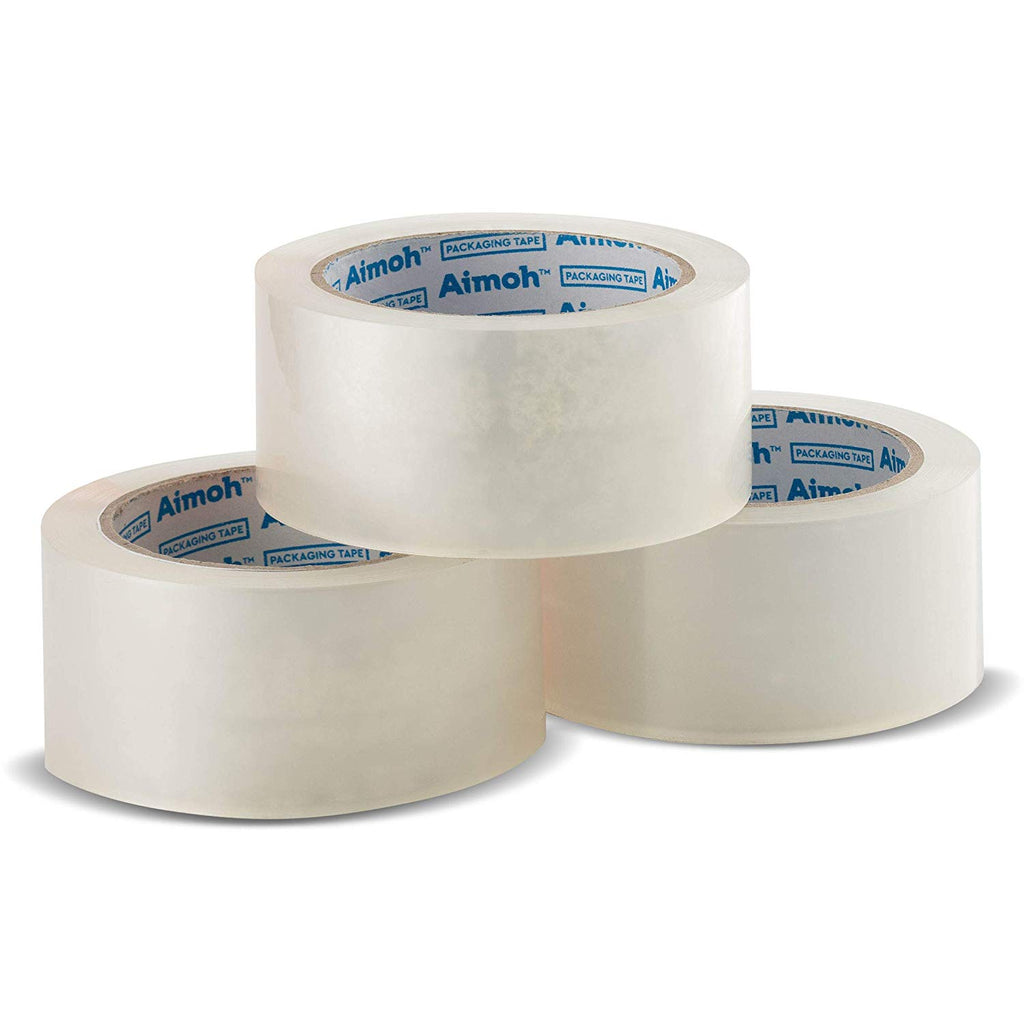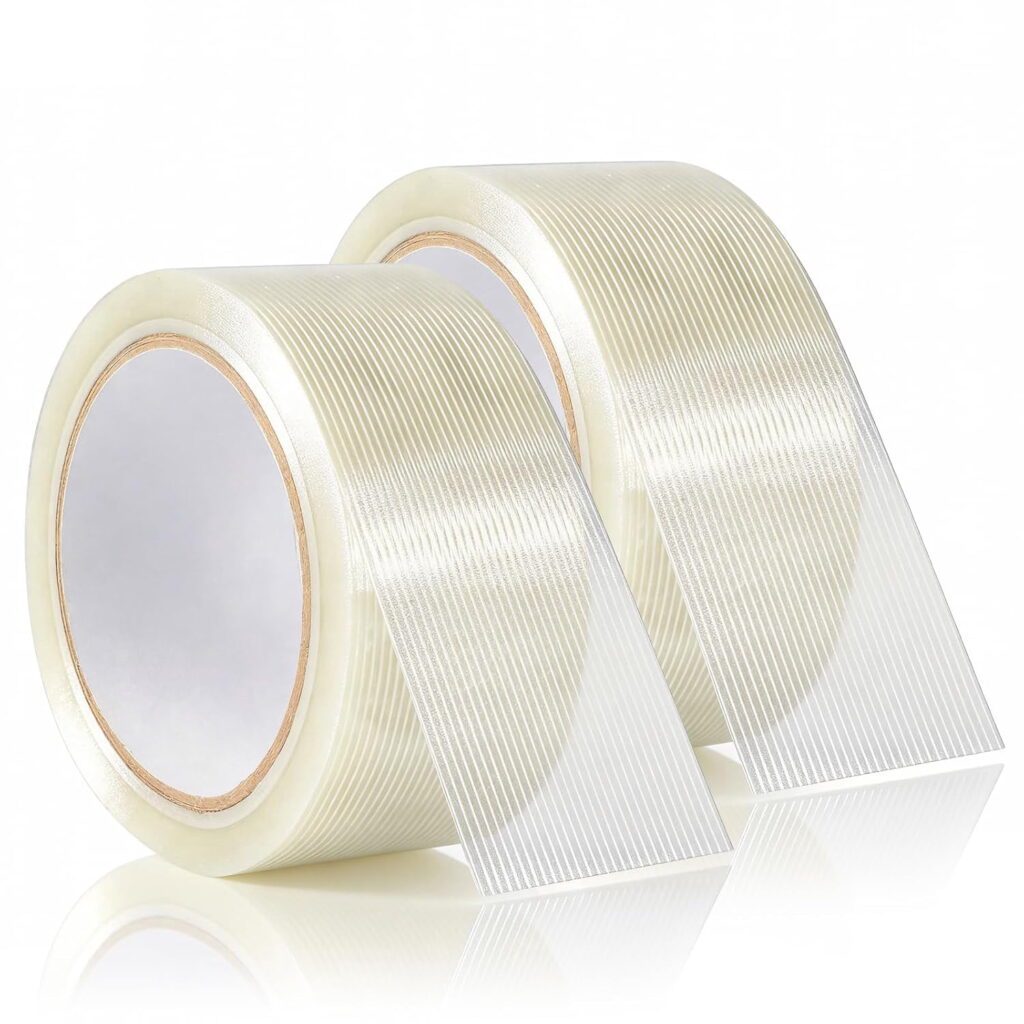
Introduction: Navigating the Global Market for Carton tape for shipping boxes
Sourcing carton tape for shipping boxes that maintains adhesive integrity across humid African ports, freezing German logistics hubs, and the extreme heat of Middle Eastern distribution centers represents one of the most underestimated procurement challenges in global supply chain management. For B2B buyers spanning from São Paulo to Lagos, Dubai to Frankfurt, selecting the wrong sealing solution doesn’t merely risk damaged goods—it triggers customs delays, compliance violations, and cascading operational costs that erode profit margins in competitive export markets.
How does climate variability impact carton tape selection for international shipping?
The global tape market fragments rapidly between eco-conscious European regulations demanding recyclable paper-based solutions and high-volume emerging economies prioritizing cost-effective polypropylene durability. This guide addresses the specific pain points facing procurement teams in Brazil, Germany, and throughout Africa and the Middle East: navigating conflicting sustainability mandates while ensuring boxes remain sealed through monsoon seasons, desert heat, and multi-modal transportation handoffs.
What technical specifications define procurement-ready carton sealing solutions?
Throughout the following sections, we dissect critical performance metrics including tensile strength ratings, hot-melt versus acrylic adhesive formulations, and reinforced fiberglass options for heavy-duty applications. You’ll discover supplier vetting frameworks tailored to international trade complexities, cost-per-seal analyses accounting for currency fluctuations, and compliance roadmaps satisfying both EU packaging waste directives and local content requirements in South American and African markets.
By synthesizing material science insights with regional logistics intelligence, this resource transforms carton tape from a commodity afterthought into a strategic supply chain asset—empowering you to secure packaging partnerships that protect your products, reputation, and bottom line across continents.
Understanding Carton tape for shipping boxes Types and Variations
| Type Name | Key Distinguishing Features | Primary B2B Applications | Brief Pros & Cons for Buyers |
|---|---|---|---|
| Polypropylene (PP) Pressure-Sensitive Tape | Plastic film backing, hot melt or acrylic adhesive options, thicknesses from 1.6–3.0 mil, high tensile strength | High-volume automated lines, general ecommerce fulfillment, standard corrugated boxes | Pros: Lowest cost, versatile, compatible with handheld dispensers. Cons: Less tamper-evident, noisy unwind, temperature-sensitive adhesive. |
| PVC (Vinyl) Pressure-Sensitive Tape | Vinyl film backing, quiet unwind, superior low-temperature performance, higher conformability | Cold storage facilities, luxury goods packaging, noise-sensitive environments, heavy-duty shipping | Pros: Superior adhesion range, quiet application, extreme temperature tolerance. Cons: Higher cost than PP, plastic-based, limited sustainability credentials. |
| Water-Activated Tape (WAT) | Paper backing with starch adhesive activated by water, bonds mechanically to box fibers, fiberglass-reinforced options available | High-security shipments, heavy boxes (30+ lbs), sustainable packaging initiatives, international export | Pros: Tamper-evident, permanent bond, fully recyclable, professional appearance. Cons: Requires water dispenser, slower application, moisture-sensitive until cured. |
| Kraft Flatback Tape | Paper backing with rubber pressure-sensitive adhesive, hand-tearable, recyclable with corrugated boxes | Low-volume operations, lightweight packages, manual sealing stations, eco-conscious brands | Pros: Easy hand application, recyclable, excellent for irregular surfaces. Cons: Lower adhesion strength, not suitable for automation, limited moisture resistance. |
| Cellulose (Cello) Eco-Tape | Clear plant-derived film, industrially compostable, renewable materials, pressure-sensitive adhesive | Sustainable branding, lightweight ecommerce, food-contact applications, European eco-compliance | Pros: Fully compostable, clear visibility, renewable resources. Cons: Limited availability, higher cost, lower tensile strength than synthetic options. |
What Are the Cost Benefits of Polypropylene Carton Sealing Tape for High-Volume Operations?
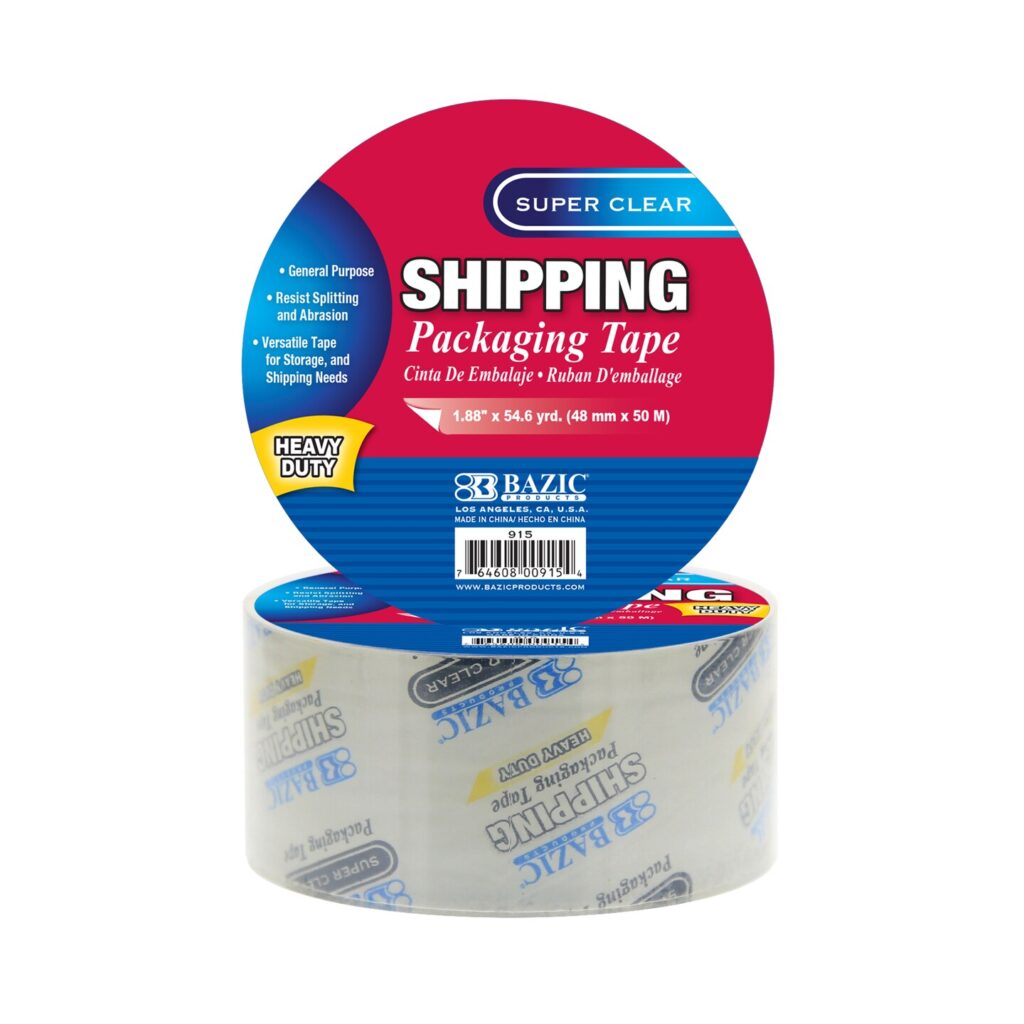
Polypropylene tape dominates global B2B procurement due to its exceptional cost-to-performance ratio, utilizing oriented plastic film available in thicknesses from 1.6 to 3.0 mil. Buyers should specify hot melt adhesives for immediate bonding on automated German packaging lines or acrylic formulations for enhanced UV stability in Middle Eastern climates. While this option offers the lowest per-meter pricing suitable for African and South American markets, procurement teams must verify temperature specifications, as standard formulations may experience adhesive failure in extreme heat or cold storage environments common in diverse international supply chains.
How Does PVC Tape Performance Compare for Temperature-Sensitive Supply Chains?
PVC vinyl tape distinguishes itself through superior conformability and quiet unwind characteristics, utilizing a thicker film backing that maintains adhesion across wider temperature ranges than polypropylene alternatives. European pharmaceutical and luxury goods buyers particularly favor this type for automated facilities where noise reduction and premium presentation are operational priorities. Although the per-unit cost runs significantly higher than standard PP, the enhanced durability, better performance in cold storage, and reduced application failure rates often justify the investment for high-value inventory protection and temperature-critical logistics.
Why Should Export-Focused Businesses Choose Water-Activated Tape for Security?
Water-activated tape creates a permanent mechanical bond with corrugated fibers that becomes tamper-evident upon removal, a critical feature for Brazilian and Middle Eastern export operations vulnerable to pilferage. The fiberglass-reinforced variants support boxes exceeding thirty kilograms, making them ideal for heavy machinery or dense agricultural exports. While buyers must account for dispenser capital costs and slightly reduced throughput speeds, the elimination of theft risks,
Key Industrial Applications of Carton tape for shipping boxes
| Industry/Sector | Specific Application of Carton tape for shipping boxes | Value/Benefit for the Business | Key Sourcing Considerations for this Application |
|---|---|---|---|
| E-commerce & Retail Fulfillment | High-volume carton sealing for omnichannel distribution centers; custom printed tape for brand authentication and security sealing | Reduces theft and pilferage during last-mile delivery in emerging markets; enhances customer unboxing experience; supports EU circular economy packaging mandates | Water-activated reinforced tape for heavy parcels; hot melt acrylic adhesives for humidity/temperature fluctuations (15°C–40°C); flexible MOQs for seasonal demand spikes |
| Food & Beverage Processing | Cold storage carton sealing for frozen/refrigerated exports; tamper-evident sealing for bulk ingredient shipments to manufacturing facilities | Maintains cold chain integrity across ocean freight; prevents moisture contamination; ensures compliance with FDA and EU Regulation 1935/2004 for food contact materials | Freezer-grade synthetic rubber adhesives that resist brittleness; moisture-resistant kraft paper substrates; certified food-safe formulations for direct/indirect contact |
| Automotive & Heavy Manufacturing | Heavy-duty corrugated container sealing for OEM parts and aftermarket components; export pallet consolidation and bundling | Prevents catastrophic “pop-opens” during rough intermodal handling; withstands stacking pressure in containerized shipping; reduces damage claims for high-value components | Fiberglass-reinforced water-activated tape with tensile strength >100 lbs/inch; UV-resistant formulations for outdoor storage yards; compatibility with high-recycled-content corrugated |
| Pharmaceuticals & Healthcare Logistics | Tamper-evident sealing for clinical trial shipments and temperature-sensitive biologics; sterile barrier maintenance for medical device cartons | Ensures chain-of-custody documentation and GDP compliance; prevents counterfeit infiltration; provides immediate visual evidence of tampering through void-message technology | Security-printed tapes with sequential numbering; clean-removal adhesives for reusable pharmaceutical coolers; validation for clean room environments and automated case sealers |
How does e-commerce fulfillment optimize carton sealing for international shipping?
In omnichannel fulfillment operations across emerging markets like Brazil and Nigeria, carton tape serves as both a critical security measure and a brand touchpoint. High-volume distribution centers require pressure-sensitive hot melt tapes that perform reliably across humidity fluctuations common in tropical climates, while European hubs increasingly demand water-activated kraft tape to meet stringent circular economy packaging mandates. Custom printed options enable brand authentication during cross-border transit, reducing counterfeiting risks prevalent in busy African and Middle Eastern trade corridors. For these international buyers, sourcing tapes with consistent adhesive performance across 15°C to 40°C temperature ranges prevents seal failure during extended last-mile delivery routes through diverse infrastructure conditions.
What are the critical sealing requirements for food and beverage exports?
Export-oriented food processors throughout South America and the Middle East rely on specialized freezer-grade carton tape to maintain seal integrity during refrigerated container shipments to European ports. Unlike standard acrylic adhesives that become brittle in cold chain logistics, synthetic rubber formulations ensure boxes remain securely sealed through freezing temperatures and condensation cycles typical of trans-Atlantic voyages. This prevents contamination risks and ensures compliance with EU Regulation 1935/2004 for food contact materials. Buyers must verify that tape substrates resist moisture absorption during ocean freight, as compromised seals can lead to spoilage of agricultural commodities—a critical concern for African coffee exporters and Brazilian frozen meat producers navigating extended transit times through varying climatic zones.
Why do automotive manufacturers require heavy-duty carton sealing solutions?
German automotive suppliers and Brazilian heavy machinery exporters require fiberglass-reinforced water-activated tape to secure dense corrugated containers
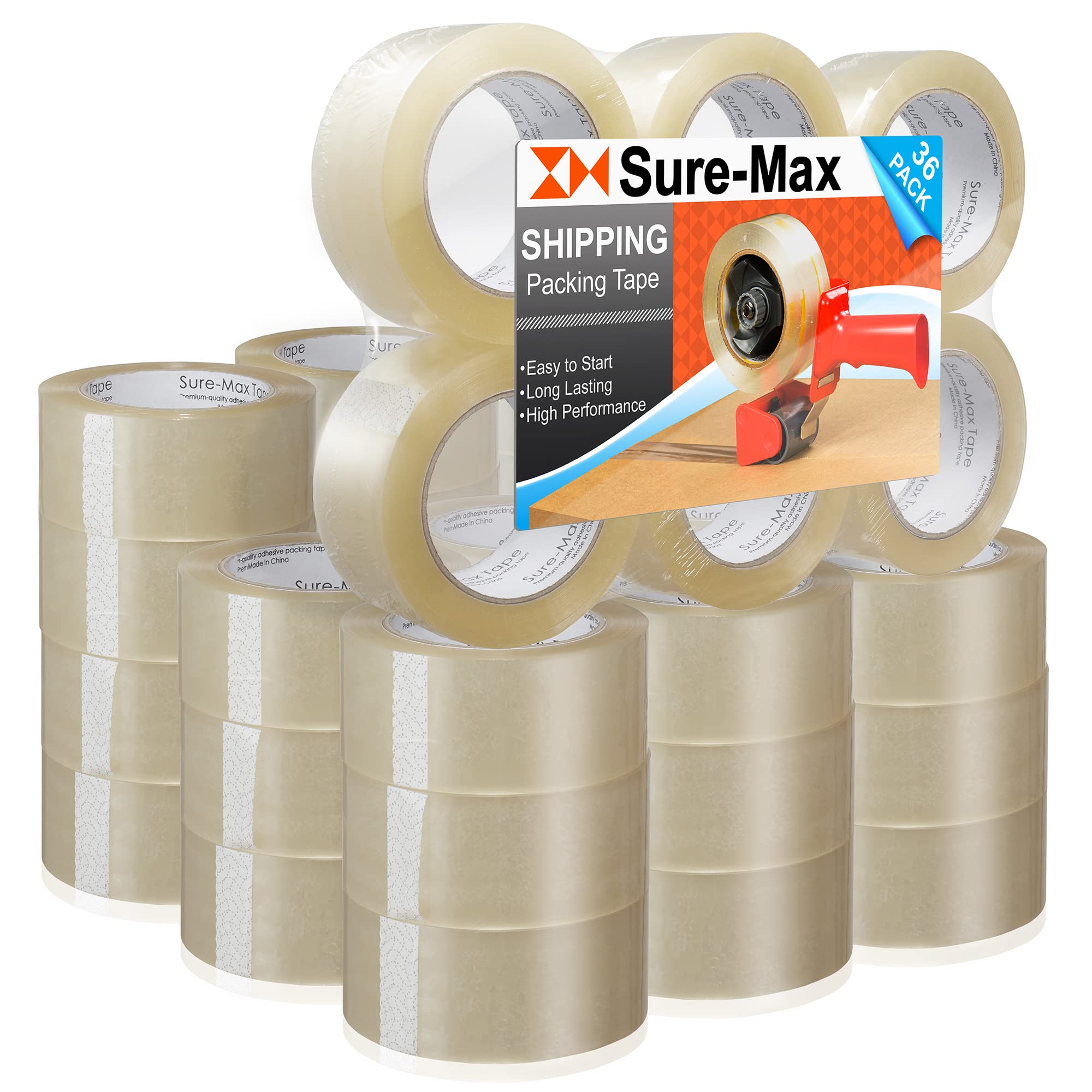
A stock image related to Carton tape for shipping boxes.
3 Common User Pain Points for ‘Carton tape for shipping boxes’ & Their Solutions
Scenario 1: What Tape Strength Prevents Seal Failures on Heavy Shipments Over 50 Lbs?
The Problem: Operations managers frequently encounter catastrophic seal failures when shipping dense industrial components, automotive parts, or bulk agricultural products exceeding 50 lbs. Standard 1.8 mil acrylic tapes lack the tensile strength and aggressive adhesive bond required for heavy-duty corrugated boards, resulting in box bursts during rough handling—particularly problematic in regions with less mechanized logistics infrastructure. These failures trigger costly damage claims, inventory loss, and supply chain delays that erode profit margins on international shipments to Africa and South America.
The Solution: Implement water-activated tape (WAT) reinforced with fiberglass strands for maximum security on heavy cartons, as the starch-based adhesive penetrates corrugated fibers to create a tamper-evident, permanent seal. Alternatively, specify hot melt synthetic rubber adhesive tapes at 2.0 mil thickness or greater, which provide superior shear strength for heavy loads. Ensure your application equipment delivers consistent pressure activation, and conduct burst-strength testing that matches your tape’s rated capacity to your carton’s edge crush test (ECT) rating.
Scenario 2: How Do You Choose Between Hot Melt and Acrylic Tape for Extreme Climates?
The Problem: B2B buyers shipping across diverse climate zones—from humid Brazilian ports to scorching Middle Eastern warehouses—experience adhesive degradation that causes tape flagging, edge lifting, and complete seal failure. Acrylic adhesives can become brittle and lose tack in freezing conditions, while hot melt formulations may soften and ooze in tropical heat, compromising package integrity during critical customs inspections and long-haul storage. This temperature sensitivity creates liability risks when shipping temperature-sensitive electronics or pharmaceuticals.
The Solution: Select adhesive chemistry based on your specific logistics corridor and seasonal temperature ranges. Deploy hot melt synthetic rubber tapes for cold-chain logistics and temperate European climates, leveraging their aggressive initial tack and quick bond formation. For high-heat environments common in African and Middle Eastern markets, choose UV-resistant acrylic adhesives rated for temperatures up to 150°F (65°C) that maintain viscosity across fluctuating conditions. Consider premium polypropylene films with specialized temperature-stable coatings when shipping through multiple climate zones in a single journey.
Scenario 3: Can You Order Eco-Friendly Custom Printed Carton Tape in Bulk Quantities?
The Problem: Procurement teams face mounting pressure from European partners—particularly German distributors and retailers—to eliminate plastic packaging components while maintaining professional brand presentation. Standard polypropylene tapes contaminate cardboard recycling streams, causing entire shipments to be rejected by mills or downgraded to lower-value fiber, while plain unbranded tape misses critical marketing opportunities in competitive B2B markets where package appearance signals quality and authenticity.
The Solution: Transition to custom-printed kraft flatback paper tape or water-activated gummed tape using recycle-compatible natural rubber adhesives that separate cleanly during the repulping process. These solutions satisfy stringent EU packaging regulations and support circular economy initiatives without sacrificing functionality. For branding at scale, source bulk quantities of reinforced paper tape (minimum 60+ roll orders) featuring soy-based inks and water-based adhesives, effectively transforming every shipping carton into a mobile billboard that communicates sustainability commitment while ensuring tamper-evident security.
Strategic Material Selection Guide for Carton tape for shipping boxes
Material selection for carton sealing tape represents a critical procurement decision that intersects logistics performance, regulatory compliance, and sustainability reporting. For international B2B operations managing shipments across humid subtropical zones in Brazil, arid Middle Eastern distribution centers, or EU-regulated recycling streams in Germany, the substrate choice determines seal integrity during multi-modal transport and end-of-life processing. Understanding the mechanical properties and environmental trade-offs of each material category enables procurement teams to align tape specifications with specific cargo weights, climate exposures, and corporate ESG targets.
Which Polymer Base Delivers Optimal Cost Efficiency for Standard Export Shipments?
Biaxially Oriented Polypropylene (BOPP) film dominates global logistics due to its exceptional moisture barrier properties and dimensional stability
A stock image related to Carton tape for shipping boxes.
In-depth Look: Manufacturing Processes and Quality Assurance for Carton tape for shipping boxes
Understanding the manufacturing intricacies behind carton sealing tape empowers procurement teams to distinguish between commodity-grade products and industrial-performance solutions. For international buyers sourcing from global supply chains—whether managing high-volume distribution centers in Germany, navigating humid logistics corridors in Brazil, or securing cold-chain shipments across the Middle East—manufacturing sophistication directly correlates with field reliability. Below is a technical examination of production methodologies and quality protocols that define superior carton sealing tape.
What Raw Materials Define Premium Carton Sealing Tape Performance?
The foundation of any shipping tape begins with substrate selection. Biaxially oriented polypropylene (BOPP) film dominates the market due to its exceptional tensile strength and dimensional stability, typically manufactured in thicknesses ranging from 35 to 65 microns (1.4 to 2.6 mils). Premium producers utilize virgin resin formulations to ensure clarity and mechanical consistency, while cost-optimized variants may incorporate recycled content that requires careful validation for adhesive compatibility.
For sustainable alternatives gaining traction in European markets, unbleached kraft paper backings provide biodegradable options, often reinforced with fiberglass filaments for heavy-duty applications. Adhesive chemistry represents the critical differentiator: hot-melt synthetic rubber compounds deliver aggressive initial tack suitable for high-speed automated lines, while water-based acrylic formulations offer superior UV and aging resistance essential for Middle Eastern and South American climates with intense sun exposure. Natural rubber adhesives, though less common, remain specified for extreme temperature fluctuations between -20°C and 60°C.
How Are Adhesives Engineered for Different Climate Conditions?
Manufacturing facilities employ distinct coating technologies based on adhesive chemistry. Hot-melt adhesives undergo extrusion coating at temperatures exceeding 150°C, requiring precise chill-roll cooling to achieve uniform thickness between 20-40 microns without oxidation. Water-based acrylic systems utilize gravure or Meyer rod coating methods followed by tunnel drying at 80-100°C, demanding sophisticated humidity control to prevent blistering or incomplete solvent evaporation.
Climate-specific engineering occurs during formulation. For tropical African and South American markets where humidity exceeds 80% RH, manufacturers incorporate cross-linking agents that prevent adhesive flow (oozing) during storage. Conversely, tapes destined for European cold-chain logistics receive plasticizer modifications maintaining flexibility below freezing. Water-activated tape (gummed paper) production involves additional starch or dextrin adhesive application that requires specific moisture-barrier packaging to prevent premature activation.
What Manufacturing Processes Ensure Consistent Tape Quality?
Film orientation represents the most technically demanding phase. BOPP substrates undergo sequential biaxial stretching—longitudinally at 120-140°C followed by transverse orientation at 160-180°C—creating molecular alignment that delivers 300-400% machine-direction strength. Corona surface treatment at 38-42 dynes/cm ensures adequate surface energy for adhesive wetting, preventing delamination during stress.
Slitting and conversion require tension-controlled winding systems to avoid telescoping or starring (edge deformation). Precision slitting to widths of 48mm or 72mm demands razor-sharp blades with automated edge inspection. For reinforced water-activated tapes, fiberglass filament embedding occurs during the paper saturation phase, requiring tension synchronization between warp and weft threads to prevent wrinkling during application.
Which Quality Assurance Tests Validate Industrial-Grade Carton Tape?
Reputable manufacturers implement ASTM and TAPPI standardized testing protocols. Peel adhesion testing (ASTM D3330) measures force required to remove tape from stainless steel and corrugated surfaces, with industrial-grade specifications typically exceeding 20 oz/in width. Shear resistance testing (ASTM D3654) evaluates load-bearing capacity over time—critical for heavy boxes stacked in warehouse racking systems.
Tensile strength and elongation testing (ASTM D3759) ensures backing integrity under stress, with premium BOPP tapes achieving 30-50 N/cm tensile strength and <150% elongation. Environmental stress screening includes 72-hour humidity exposure (95% RH at 40°C) and UV-accelerated aging (QUV testing) to simulate six months of outdoor storage. For buyers in regions with extreme temperature differentials, thermal cycling between -10°C and 50°C validates adhesive stability.
How Do Sustainability Certifications Impact Manufacturing Standards?
Eco-conscious manufacturing requires modified quality frameworks. Paper-based tapes pursuing FSC certification undergo chain-of-custody verification ensuring responsibly sourced pulp. Compostable cello tapes derived from plant cellulose must meet ASTM D6400 or EN 13432 standards, requiring adhesive formulations that degrade within industrial composting facilities without leaving microplastic residues.
Recyclability assurance for standard BOPP tapes involves repulpability testing—verifying that adhesives separate cleanly from cardboard fibers during the recycling process. Low-VOC (volatile organic compound) manufacturing protocols, increasingly mandated in European markets, require water-based adhesive systems with solvent content below 5%, necessitating longer drying tunnels but eliminating hazardous emissions.
What Quality Control Measures Should International Buyers Specify?
When auditing suppliers, verify incoming raw material inspection protocols including resin melt flow index testing and adhesive viscosity monitoring. In-process quality control should feature automated coating weight verification using beta-ray gauges, ensuring ±10% thickness uniformity. Final inspection must include roll appearance standards (no wrinkles, bubbles, or die lines), dimensional verification (length and width tolerances), and unwind force consistency.
Request batch traceability documentation linking finished rolls to specific adhesive lots and substrate production dates. For high-volume operations, specify Statistical Process Control (SPC) data demonstrating Cpk values above 1.33 for critical dimensions. Climate-specific performance guarantees—documented through accelerated aging reports—provide assurance that tape purchased in bulk will perform identically across seasonal variations in Lagos, São Paulo, or Dubai.
By scrutinizing these manufacturing and quality assurance dimensions, procurement professionals mitigate supply chain risks while ensuring that carton sealing specifications align with operational demands and regional environmental conditions.
Practical Sourcing Guide: A Step-by-Step Checklist for ‘Carton tape for shipping boxes’
Navigating the procurement of carton sealing tape requires balancing technical performance specifications with regional operational demands. This checklist provides international B2B buyers with actionable steps to select materials that withstand diverse climate conditions—from humid South American ports to temperature-controlled German warehouses—while optimizing costs and sustainability credentials.
How Do You Match Tape Specifications to Your Shipping Environment?
Begin by auditing your average shipment weight and transit stress factors. For heavy industrial exports exceeding 15 kg or double-walled corrugated boxes, specify 2.5–3.0 mil polypropylene or fiberglass-reinforced water-activated tape (WAT) to prevent seam splitting during long-haul container transport. Lightweight e-commerce applications under 5 kg can utilize 1.8–2.0 mil kraft flatback or standard BOPP tape, reducing material costs without compromising seal integrity.
Which Adhesive Technology Works Best for Your Climate and Application?
Select adhesives based on your regional storage and transit temperature ranges. Hot melt synthetic rubber adhesives offer aggressive initial tack for room-temperature applications (40–110°F), ideal for high-speed Brazilian or Middle Eastern fulfillment centers. Acrylic adhesives provide superior UV and temperature fluctuation resistance (-20–150°F), making them essential for shipments experiencing outdoor storage or cross-continental rail transport. For extreme cold chain logistics or freezer storage, specify natural rubber-based formulations that maintain flexibility below freezing.
How Should You Evaluate Eco-Friendly Options Without Sacrificing Performance?
Assess sustainability claims against your target markets’ recycling infrastructure. Kraft flatback and water-activated paper tapes utilize repulpable adhesives that separate cleanly during recycling, meeting Germany’s strict packaging regulations and corporate ESG requirements. For regions where composting infrastructure exists, plant-derived cello tapes offer clear visibility with industrial compostability certifications. Always verify that “eco-friendly” variants maintain comparable shear strength (minimum 24-hour hold) to conventional petroleum-based options.
What Dispensing Equipment Do You Need for Your Volume?
Align your tape application method with daily throughput to prevent bottlenecks. Manual hand dispensers suffice for operations sealing fewer than 500 boxes daily, while semi-automatic tabletop dispensers reduce repetitive strain injuries for medium-volume African or South American manufacturing facilities. High-volume European distribution centers processing 1,000+ cartons daily require automated case sealers with integrated tape heads. Note that water-activated tape mandates specific water-brush or electric dispensers—factor this capital expense into your procurement budget.
How Do You Verify Supplier Reliability and Compliance Standards?
Demand documentation proving adhesive safety for your specific industry. Food-contact shipping requires FDA 21 CFR 175.105 compliance or EU Regulation 10/2011 certification. For chemical exports, verify REACH SVHC compliance and RoHS conformity. Request climate-controlled shipping guarantees, as adhesives exposed to temperatures exceeding 120°F during container transit to Middle Eastern or African ports may experience adhesive bleed or premature aging. Validate supplier ISO 9001 certification and request third-party shear strength test reports.
How Can You Optimize Costs Through Strategic Ordering?
Consolidate specifications to maximize bulk pricing tiers—standardizing on one or two tape widths (typically 48mm or 72mm) across your product lines reduces per-roll costs by 15–25%. For European and Brazilian markets requiring branded packaging, negotiate custom printing minimum order quantities (typically 60–80 case minimums) to eliminate additional label costs. Implement first-in-first-out inventory rotation, as pressure-sensitive adhesives maintain optimal performance for 12 months from manufacture date, preventing waste in high-humidity storage environments.
A stock image related to Carton tape for shipping boxes.
Comprehensive Cost and Pricing Analysis for Carton tape for shipping boxes Sourcing
What Factors Drive Carton Sealing Tape Pricing in Global B2B Markets?
Material composition represents the primary cost variable in carton sealing tape procurement. Polypropylene (BOPP) tapes dominate bulk commodity markets due to lower resin costs, while paper-based alternatives—such as water-activated tape (WAT) and kraft flatback—command 15-30% premiums but deliver superior tensile strength for heavy-duty applications. For buyers operating in humid climates like Brazil or the Gulf states, acrylic adhesives incur higher raw material costs than hot-melt rubber formulations but prevent catastrophic adhesive failure during warehouse storage. Thickness measured in mils (typically 1.6–3.0 mil) directly correlates with price; however, over-specifying thickness for lightweight e-commerce shipments wastes budget without improving seal integrity or reducing damage rates.
How Do Volume Tiers and MOQs Impact Your Tape Sourcing Budget?
B2B pricing structures typically pivot at distinct weekly consumption thresholds. Suppliers distinguish between spot-buy quantities (under 1,000 rolls) and contract-tier volumes (1,000+ units weekly), with price differentials reaching 20-40% when purchasing at pallet or full-container-load (FCL) quantities. Minimum order quantities (MOQs) vary significantly by customization level: stock kraft or polypropylene tapes may require only single-case purchases, while branded or custom-printed options generally demand 60–80 case minimums. For African and South American importers, consolidating orders to achieve FCL status reduces per-unit landed costs more effectively than negotiating individual pallet discounts, given the disproportionate impact of freight charges on partial container loads and LCL (less-than-container) shipments.
Are Sustainable Tape Options Cost-Competitive for International Buyers?
Sustainability premiums have narrowed considerably, making eco-friendly carton sealing tapes viable for cost-conscious procurement teams. Plant-derived cellulose (cello) tapes and high-recycled-content kraft flatback options now price within 10-15% of conventional vinyl or polypropylene alternatives when sourced at volume. However, buyers targeting EU markets—particularly Germany—must factor in Extended Producer Responsibility (EPR) fees and national plastic taxes that can add €0.02–€0.05 per linear meter to non-recyclable PVC tapes. Water-activated tape, while requiring upfront capital investment in dispensers, reduces material usage by 30-50% per seal compared to overlapping plastic tape strips, yielding rapid ROI for high-volume fulfillment operations within 3-6 months.
What Hidden Costs Should Buyers Consider Beyond Unit Price?
Comprehensive landed cost calculations must incorporate auxiliary equipment and climate-specific storage requirements. Water-activated tape systems require electric or manual dispensers ranging from $200–$800 per station, while standard pressure-sensitive tapes need only basic hand dispensers. Humidity-controlled warehousing becomes critical for paper-based adhesives in tropical African or Southeast Asian distribution hubs, potentially adding 5-8% to logistics overhead. Additionally, customs documentation for “recyclable” or “compostable” claims often necessitates third-party certifications (FSC, ASTM D6400), incurring compliance costs that commodity polypropylene tapes avoid. Import tariff schedules also vary significantly: Brazil’s Mercosur regulations impose higher duties on finished adhesive products than raw material inputs, favoring regional conversion facilities or local manufacturing partnerships.
How Can Buyers Optimize Total Cost of Ownership Across Different Regions?
Strategic sourcing requires matching tape specifications to regional logistics stressors rather than defaulting to lowest unit price. In Middle Eastern and Brazilian markets where extreme heat degrades standard acrylic adhesives, investing in hot-melt rubber or fiberglass-reinforced WAT prevents package failure costs that far exceed material savings. European buyers should prioritize recycle-compatible adhesives to avoid municipal waste surcharges and meet circular economy packaging directives. Establishing regional warehousing in free-trade zones—such as Morocco for West African distribution or Panama for South American markets—mitigates import duty stacking and reduces emergency procurement premiums when local inventory cycles deplete. Conducting total cost of ownership analyses that weigh theft deterrence, recyclability rebates, and dispenser amortization against per-roll pricing ensures procurement decisions align with operational realities across diverse geographic markets.
Alternatives Analysis: Comparing Carton tape for shipping boxes With Other Solutions
When evaluating sealing methodologies for corrugated shipments, procurement teams must balance upfront material expenditures against long-term operational resilience and regulatory compliance. While standard pressure-sensitive carton tape dominates global logistics, alternatives such as water-activated tape (WAT) and mechanical strapping systems offer distinct strategic advantages for specific supply chain contexts—from enhanced tamper-evidence in high-risk corridors to load containment for heavy industrial exports.
| Comparison Aspect | Carton Tape For Shipping Boxes (Pressure-Sensitive) | Water-Activated Tape (WAT) | Mechanical Strapping Systems |
|---|---|---|---|
| Security & Tamper Evidence | Moderate; can be peeled and resealed without visible damage | High; bonds with box fibers, shows visible damage if tampered | Very High; physical restraint requires tools to cut and cannot be resealed |
Essential Technical Properties and Trade Terminology for Carton tape for shipping boxes
When procuring carton sealing tape for international logistics, understanding material specifications prevents costly application failures and customs delays. For buyers managing diverse climates—from humid Brazilian ports to arid Middle Eastern distribution centers—technical properties directly impact seal integrity, recyclability compliance, and total cost of ownership.
Which Adhesive Chemistry Performs Best in Extreme Climates?
Adhesive formulation determines bond reliability across temperature fluctuations. Hot melt adhesives provide aggressive initial tack and cost efficiency for temperate European manufacturing, but may soften in Middle Eastern heat. Acrylic adhesives offer superior UV and aging resistance for long-term storage, while natural rubber compounds maintain flexibility from -20°C to 60°C, crucial for South American agricultural exports facing variable transit conditions.
How Do Caliper and Tensile Specifications Impact Load Security?
Film thickness, measured in mils (thousandths of an inch), ranges from 1.6 mil for lightweight single-wall boxes to 3.0 mil for heavy-duty double-wall corrugated. Tensile strength—resistance to breaking under stress—should exceed 25 lbs/in for automated high-speed lines common in German automotive packaging. Elongation percentage indicates stretch capacity; lower elongation (150-180%) suits rigid box closure, while higher values accommodate shifting loads during African overland transport.
What Temperature Ranges Ensure Adhesive Stability?
Operating temperature specifications indicate performance limits without adhesive failure. Standard tapes function between 0°C and 50°C, but freezer-grade formulations maintain adhesion to -10°C for cold-chain pharmaceutical shipments. Heat-resistant grades above 60°C prevent “flagging”—where tape lifts from surfaces—in sun-exposed Middle Eastern logistics yards.
What Is the Difference Between PST and WAT Application Systems?
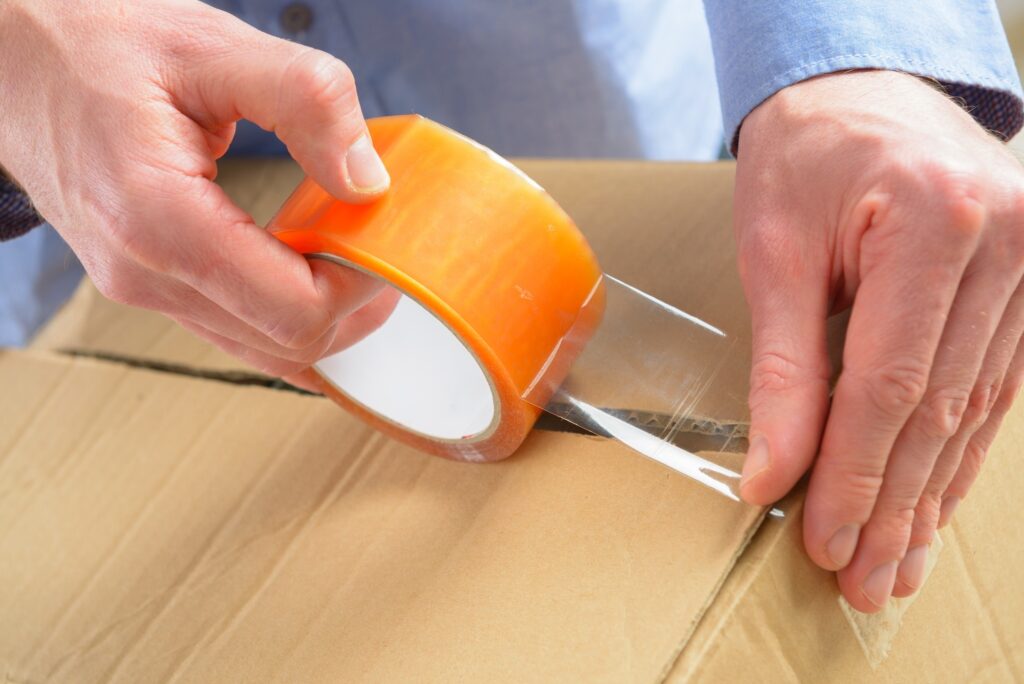
Pressure-Sensitive Tape (PST) bonds instantly with finger pressure, suitable for manual operations and temporary holds. Water-Activated Tape (WAT) utilizes vegetable-based adhesives that penetrate corrugated fibers, creating tamper-evident seals ideal for high-value electronics and humid climates where PST adhesion degrades.
How Do Hand Grade and Machine Grade Classifications Affect Operations?
Hand grade tapes feature optimized unwind tension and reduced noise levels for manual dispensers used in smaller Brazilian fulfillment centers. Machine grade tapes withstand high-speed application friction (up to 1,000+ feet per minute) and heat buildup in automated German distribution facilities, featuring consistent roll concentricity to prevent jams.
What Does Shear Resistance Indicate for Stacked Storage?
Shear resistance measures adhesive cohesion under constant static load, typically expressed in hours until failure. High shear values (72+ hours) prevent “gapping”—where tape slides off flaps under palletized weight—critical for African retailers utilizing vertical storage systems. This property differs from peel adhesion, which measures initial tack strength.
Why Consider Jumbo Roll Procurement for Regional Distribution?
Jumbo rolls (980mm-1,280mm wide parent rolls) enable converters to manufacture custom widths locally, reducing landed costs by 15-20% compared to importing pre-slit finished goods. This strategy helps South American and Middle Eastern distributors mitigate currency fluctuation impacts while maintaining inventory flexibility for diverse client needs.
Navigating Market Dynamics and Sourcing Trends in the Carton tape for shipping boxes Sector
What Are the Current Market Dynamics Shaping the Carton Sealing Tape Industry?
The global carton sealing tape sector is experiencing a paradigm shift as e-commerce growth and circular economy regulations reshape procurement priorities. While traditional polypropylene (PP) and polyvinyl chloride (PVC) tapes continue dominating high-volume markets due to cost advantages, paper-based alternatives—including water-activated tape (WAT) and kraft flatback solutions—are capturing increasing market share among environmentally conscious enterprises. This transition creates complex sourcing calculations for international buyers, who must balance immediate material costs against long-term regulatory compliance risks and brand reputation management. The market has also witnessed significant consolidation among suppliers capable of offering both conventional and sustainable product lines, creating tiered pricing structures that favor buyers with clear sustainability roadmaps.
How Are Regional Supply Chains and Trade Policies Affecting Procurement Strategies Across Diverse Markets?
For B2B buyers operating across Africa, South America, the Middle East, and Europe, regional supply chain fragmentation presents both challenges and opportunities. German and broader EU buyers face stringent Packaging Act requirements that effectively mandate recyclable, paper-based sealing solutions, driving demand for tapes compatible with cardboard repulping processes. Conversely, markets in Brazil and across Africa prioritize durability and humidity resistance, often favoring reinforced water-activated tapes or high-performance pressure-sensitive options that withstand tropical climates and extended storage periods. Smart procurement strategies now involve dual-sourcing approaches—establishing relationships with regional converters who understand local compliance landscapes while maintaining connections to Asian manufacturing hubs for volume flexibility and cost arbitrage.
How Are Sustainability Mandates Reshaping Technical Specifications for Carton Sealing Solutions?
Sustainability has evolved from a peripheral concern to a core technical specification, fundamentally altering how procurement teams evaluate adhesive performance. Modern eco-friendly carton tapes must satisfy dual criteria: secure package integrity during transit while ensuring clean separation during the recycling repulping process. Water-activated tapes reinforced with fiberglass filaments offer superior tamper-evidence and seal strength for high-volume automated operations, utilizing starch-based adhesives that bond molecularly with corrugated fibers. Alternatively, kraft flatback tapes provide practical solutions for lower-volume operations, featuring paper facestocks with rubber adhesives designed to release cleanly from cardboard fibers. For specialized applications, plant-derived cello tapes offer industrial compostability, though buyers must verify that regional waste management infrastructure supports such end-of-life processing, particularly when sourcing for Middle Eastern or African operations where industrial composting facilities remain limited.
What Critical Factors Should Buyers Consider When Evaluating Ethical Sourcing and Supplier Transparency?
Ethical sourcing in the carton tape supply chain extends beyond product composition to encompass raw material provenance and manufacturing transparency. B2B buyers should scrutinize suppliers’ forestry stewardship certifications for paper-based tapes, ensuring kraft backings originate from sustainably managed sources rather than contributing to deforestation pressures in sensitive regions. Additionally, the adhesive supply chain warrants investigation—natural rubber adhesives may raise concerns regarding latex sourcing practices, while synthetic alternatives require scrutiny of petrochemical dependencies. Leading suppliers now offer customization services with reduced minimum order quantities—as low as 60 units for branded water-activated tapes—enabling smaller enterprises to align with corporate sustainability goals without excessive inventory overhead. Procurement teams should demand comprehensive lifecycle assessments that account for carbon emissions from manufacturing through end-of-life processing, particularly when evaluating the true environmental impact of shipping these materials across international borders.
Which Cost-Optimization Strategies Align High-Volume Procurement with Environmental Performance Goals?
Contrary to conventional assumptions that sustainable packaging commands premium pricing exclusively, strategic sourcing of eco-friendly carton tapes often yields measurable total cost of ownership (TCO) reductions. Water-activated tapes typically require 30-40% less material per seal compared to conventional pressure-sensitive plastic tapes, reducing both per-unit costs and packaging waste generation. For operations processing 1,000+ units weekly, automated WAT dispensers improve sealing speeds while eliminating the waste associated with plastic tape cores and backing papers. However, buyers must factor in capital equipment requirements—manual kraft flatback tapes suit lower-volume operations without dispenser investments, while high-volume European operations benefit from electric WAT dispensers that justify initial outlays through labor efficiency gains. Establishing long-term supply agreements with manufacturers offering both standard and custom-branded sustainable options ensures price stability while providing the flexibility to adjust specifications as regional regulations evolve, particularly critical for multinational buyers navigating the transition from voluntary sustainability standards to mandatory extended producer responsibility frameworks.
Frequently Asked Questions (FAQs) for B2B Buyers of Carton tape for shipping boxes
1. What tape strength is recommended for shipping boxes over 50 lbs?
Which mil thickness and reinforced constructions secure heavy freight for international transit?
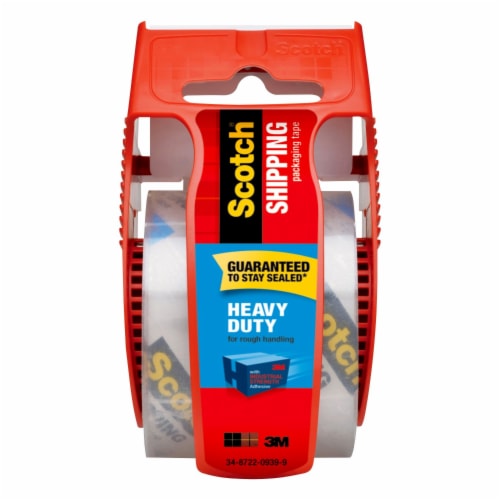
For shipments exceeding 50 pounds (23 kg), select carton sealing tape with a minimum thickness of 2.0 mil (0.051 mm), though 3.0 mil is optimal for industrial machinery and dense goods. Reinforced water-activated tape (WAT) with fiberglass strands provides superior tensile strength and creates a permanent bond with corrugated fibers, preventing seal failure during rough handling. Hot melt adhesive formulations offer aggressive initial tack and shear strength necessary for heavy loads, particularly when shipping to regions with variable climate conditions.
2. Can I order custom printed carton tape in bulk quantities?
How do minimum order quantities and customization options work for branded carton sealing tape?
Yes, most manufacturers accommodate bulk custom printing with minimum order quantities typically starting at 60-80 case units for standard designs, scaling to full truckload quantities for cost efficiency. Custom printed tape serves dual functions: reinforcing brand identity during last-mile delivery and providing tamper-evident security through unique color patterns or sequential numbering. For international buyers in Brazil, Germany, and the Middle East, bulk orders often qualify for freight consolidation programs that reduce per-unit shipping costs and simplify customs documentation.
3. What is the difference between hot melt and acrylic carton sealing tape?
Which adhesive technology performs best in extreme temperatures and high-humidity environments?
Hot melt tape utilizes synthetic rubber adhesives that deliver immediate, aggressive bonding strength ideal for recycled corrugated boards and dusty manufacturing environments common in African and Middle Eastern markets. Acrylic tape employs water-based adhesives offering superior UV resistance and temperature stability from -20°F to 150°F (-29°C to 65°C), making it preferable for long-term storage and shipments to humid South American climates. While hot melt provides better initial grab, acrylic maintains consistent performance over extended periods without yellowing or losing adhesion.
4. Are there eco-friendly carton tape options for sustainable shipping?
What recyclable and compostable sealing solutions comply with EU packaging regulations?
Water-activated tape (WAT) made from kraft paper and starch-based adhesives offers a fully recyclable solution that separates cleanly during the repulping process, meeting Germany’s Packaging Act (VerpackG) requirements. Kraft flatback tape provides a paper-based alternative to plastic with rubber adhesives compatible with standard recycling streams, while plant-derived cello tape offers industrial compostability for brands targeting circular economy goals. These options eliminate plastic contamination in recycling facilities, crucial for B2B buyers serving EU markets with strict Extended Producer Responsibility (EPR) mandates.
5. How do I select tape specifications for varying international climate conditions?
Which adhesive formulations resist humidity and temperature fluctuations during transoceanic shipping?
For humid climates prevalent in West Africa and Southeast Asia, acrylic adhesives resist moisture infiltration better than hot melt formulations, which can soften and lose tack in high heat. Store tape inventories in climate-controlled environments maintaining 40-60% relative humidity and temperatures between 60-80°F (15-27°C) to prevent adhesive degradation and “flagging” (tape edges lifting). When shipping to arid Middle Eastern regions, consider low-noise acrylic tapes that resist drying and cracking during desert transit conditions.
6. What width and application methods optimize sealing for heavy international freight?
When should B2B buyers choose 72mm tape over standard 48mm for export packaging?
Standard 48mm (2-inch) tape suffices for boxes under 30 lbs, but 72mm (3-inch) width becomes essential for 50+ lb shipments and double-walled corrugated containers common in industrial exports. Implement the “H-taping” method—sealing center seams and edge corners—to distribute stress across the entire box structure during automated sorting and pallet stacking. High-volume operations should invest in electric tape dispensers capable of handling 1,000+ units weekly, reducing material waste by 15-20% through consistent application pressure and precise length cutting.
7. How can custom printed tape enhance supply chain security and customs compliance?
What security features prevent tampering and facilitate identification during international logistics?
Custom printed tape with void patterns or destructible substrates provides immediate visual evidence of tampering, critical for high-value electronics and pharmaceutical shipments entering strict regulatory markets. Incorporating handling instructions such as “Fragile” or “This Side Up” in local languages (Portuguese for Brazil, Arabic for Middle East) reduces handling errors and customs inspection delays. Sequential numbering and barcoding options enable track-and-trace capabilities that satisfy import documentation requirements in Germany and other EU member states.
8. What storage and inventory strategies maximize tape performance for seasonal export peaks?
How should B2B buyers manage shelf life and rotation for bulk adhesive tape purchases?
Carton sealing tape maintains optimal adhesive properties for 6-12 months when stored vertically in original packaging away from direct sunlight and heat sources. Implement first-in-first-out (FIFO) inventory rotation to prevent aging adhesive from losing tack, particularly critical for natural rubber formulations used in eco-friendly kraft tapes. For buyers managing seasonal agricultural exports from South America or Africa, coordinate delivery schedules to avoid storing large quantities through extreme summer heat, which can cause adhesive bleed and roll distortion.
Important Disclaimer & Terms of Use
⚠️ Important Disclaimer
The information provided in this guide, including content regarding manufacturers, technical specifications, and market analysis, is for informational and educational purposes only. It does not constitute professional procurement advice, financial advice, or legal advice.
B2B buyers must conduct their own independent and thorough due diligence before making any purchasing decisions. The risk of relying on any information in this guide is borne solely by the reader.
Top 1 Carton Tape For Shipping Boxes Manufacturers & Suppliers List
1. iTape – Carton Sealing Tape
Domain: itape.com
Registered: 1998 (28 years)
Introduction: IPG’s carton sealing product line includes diverse tape options: 100e (recycled kraft paper with aggressive pressure-sensitive adhesive); 1100 (3-mil premium hot melt BOPP with Corru-Grip adhesive for recycled corrugate, effective to 35°F); 130WS (2-mil Whisper Smooth specialty acrylic with quiet unwind, 40°F-120°F range); water-activated kraft tapes including 140, 160, 160 Green Core, and 190 (re…
Strategic Sourcing Conclusion and Outlook for Carton tape for shipping boxes
As global supply chains face increasing pressure to reduce environmental impact while maintaining operational efficiency, carton sealing tape has evolved from a commodity purchase to a strategic sustainability decision. International buyers must now balance immediate cost considerations with long-term compliance risks, particularly as regional regulations diverge between strict EU mandates and emerging standards across Africa and South America.
How Will Emerging Regulations Shape Tape Sourcing Decisions Beyond 2025?
European markets already mandate recyclable adhesives and plastic-free packaging components, while Latin American and Middle Eastern markets are rapidly adopting similar Extended Producer Responsibility frameworks. Forward-thinking procurement teams should prioritize suppliers offering water-activated and kraft flatback alternatives that maintain seal integrity across humid climates and extended transit times without compromising end-of-life recyclability or paper mill repulping compatibility.
What Defines a Future-Ready Carton Tape Partnership in High-Volume Markets?
Beyond unit pricing, evaluate suppliers on technical customization capabilities, robust regional logistics networks, and transparent sustainability certifications such as FSC or industrial compostability standards. The most resilient sourcing strategies integrate bio-based adhesives and automation-compatible formats—ensuring your packaging infrastructure adapts seamlessly to regulatory shifts and high-volume operational demands while minimizing total cost of ownership across multi-regional distribution networks.