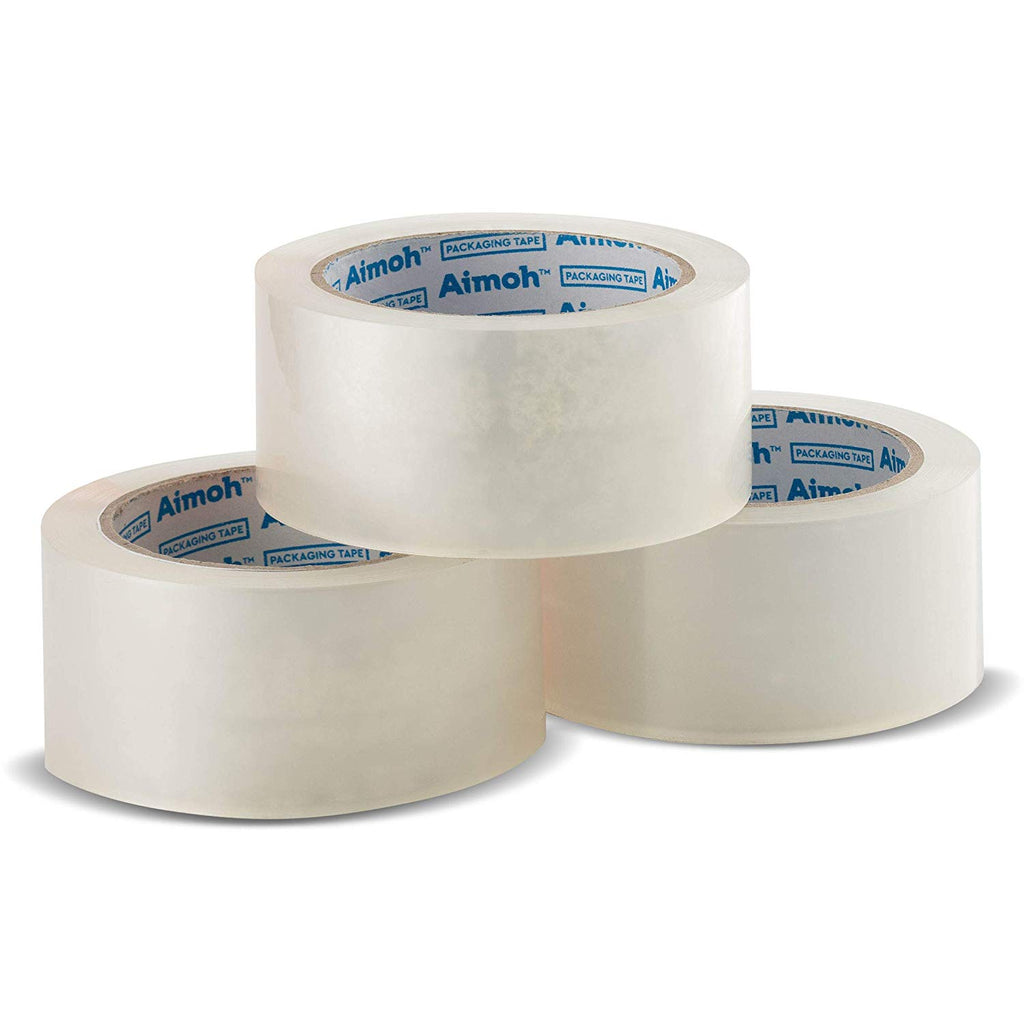
Introduction: Navigating the Global Market for Easy tear masking tape
Sourcing reliable easy tear masking tape solutions for high-volume industrial applications presents significant procurement challenges in today’s fragmented global marketplace. Whether you are securing materials for automotive refinishing operations in São Paulo, packaging facilities in Lagos, or construction projects in Riyadh, inconsistent tear quality and adhesive reliability can disrupt production timelines and inflate operational costs. Buyers across Africa, South America, the Middle East, and Europe must navigate complex supplier landscapes where product specifications vary dramatically between craft-grade decorative tapes and industrial-strength masking solutions.
What Makes Easy Tear Masking Tape Essential for Cross-Border Operations?
Easy tear masking tape bridges the gap between precision application and operational efficiency, offering clean hand-tear capability without compromising adhesive strength. From temporary surface protection in German automotive plants to color-coding systems in UAE logistics hubs, these specialized tapes demand consistent fiber structure and residue-free removal. Yet navigating quality differentiators—including tensile strength, crepe paper density, and temperature resistance—requires technical insight that many international procurement processes lack, particularly when sourcing from emerging manufacturing markets.
How Will This Guide Optimize Your International Procurement Strategy?
This comprehensive resource systematically dismantles barriers to effective global sourcing. We examine critical supplier vetting protocols, cost-optimization frameworks for high-volume contracts, and compliance requirements spanning European CE marking, Middle Eastern SASO standards, and Brazilian INMETRO regulations. You will discover logistics solutions tailored to regional import infrastructures, from African port complexities to South American customs procedures, alongside quality assurance methodologies that ensure consistent adhesive performance across diverse climate conditions.
Why Should Regional Manufacturing Leaders Prioritize Informed Tape Selection?
Designed specifically for B2B decision-makers in Brazil, Saudi Arabia, Nigeria, and European manufacturing sectors, this guide transforms technical specifications into competitive advantages. By aligning product capabilities with regional demands—from humidity-resistant formulations for tropical African climates to UV-stable options for Middle Eastern desert environments—we empower your team to negotiate favorable contract terms, mitigate supply chain vulnerabilities, and secure reliable product quality that meets exacting international production standards.
Understanding Easy tear masking tape Types and Variations
| Type Name | Key Distinguishing Features | Primary B2B Applications | Brief Pros & Cons for Buyers |
|---|---|---|---|
| Standard Crepe Paper Easy-Tear | Natural rubber adhesive; textured crepe backing; tears straight by hand without stretching | General painting masking; temporary surface protection; light-duty bundling in construction | Pros: Cost-effective; versatile; no dispenser needed. Cons: Limited UV resistance; not for heavy loads |
| Writable Surface Easy-Tear | Smooth paper face accepts ballpoint, marker, and pencil; available in multiple colors; clean removal | Inventory color-coding; warehouse labeling; educational/training materials; temporary signage | Pros: Eliminates separate labels; immediate customization. Cons: Smudging risk with wet ink; limited weather resistance |
| Low-Tack Delicate Surface Easy-Tear | Reduced adhesion strength; silicone or synthetic adhesive; residue-free removal up to 14-21 days | Masking fresh paint (24h+ cure); electronics assembly; automotive detailing; delicate trim protection | Pros: Prevents surface damage; clean lines. Cons: Poor adhesion on rough/textured surfaces; higher cost per roll |
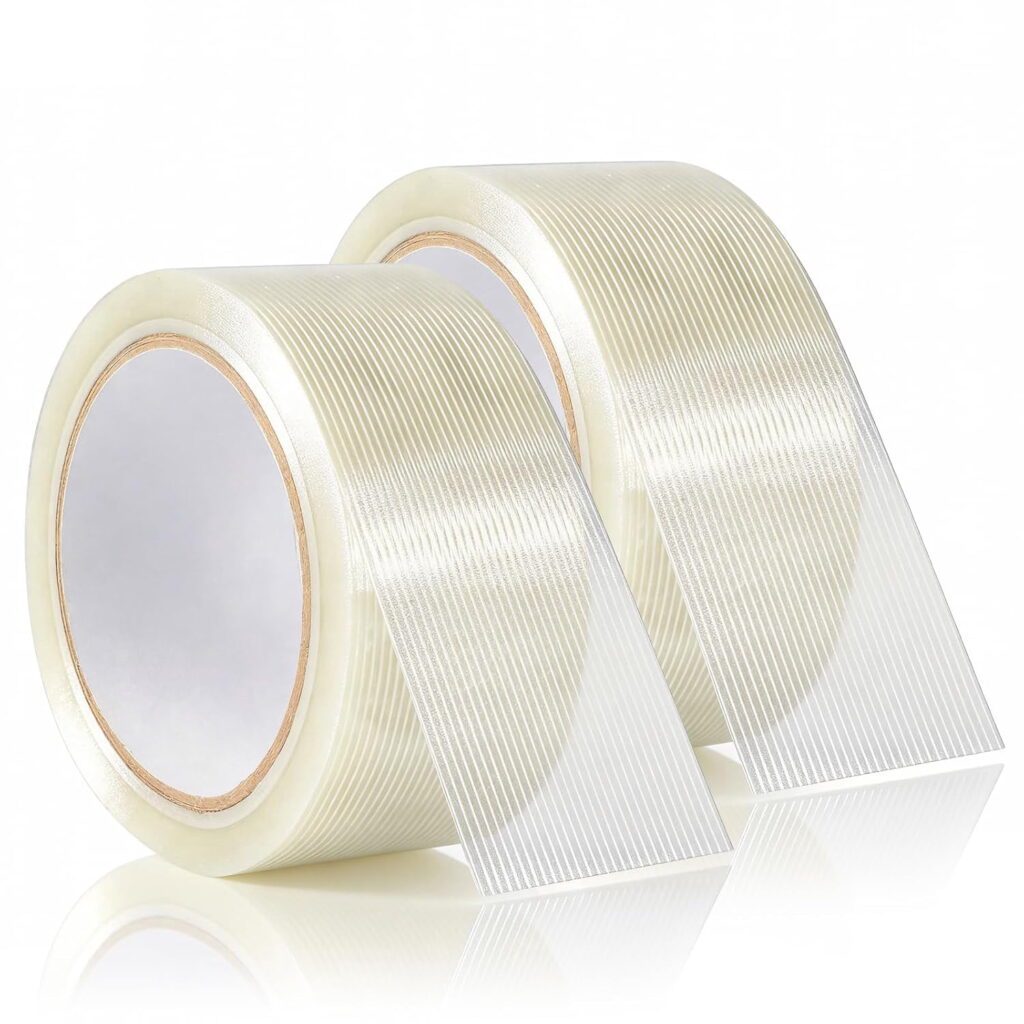
| Reinforced Fiber Easy-Tear | Embedded fiberglass or rayon threads; high tensile strength; maintains hand-tearability | Heavy-duty bundling; pallet stabilization; carpet installation; temporary pipe marking | Pros: Strength of strapping tape with hand-tear convenience. Cons: Higher price point; visible fiber texture may mark surfaces |
| UV-Resistant Exterior Easy-Tear | UV-stable adhesive and backing; clean removal after 7-14 days outdoor exposure; hand-tearable even in heat | Outdoor construction masking; façade work; signage installation; agricultural equipment masking | Pros: Withstands sun exposure without residue; reliable outdoor performance. Cons: Premium pricing; limited cold-weather flexibility |
What are the best applications for standard crepe paper easy-tear masking tape in industrial settings?
Standard crepe paper easy-tear masking tape remains the workhorse for construction and automotive refinishing sectors across emerging markets. Its crinkled paper backing conforms to irregular surfaces while the natural rubber adhesive provides reliable tack on wood, metal, and glass. For B2B buyers in Brazil and Saudi Arabia, this type offers excellent value for general paint masking and temporary surface protection during manufacturing. However, procurement teams should verify temperature ratings, as standard crepe formulations may leave residue if exposed to direct sunlight or heat exceeding 60°C for extended periods.
How does writable easy-tear masking tape improve warehouse inventory management?
Writable easy-tear masking tape functions as an immediate labeling solution for logistics operations requiring rapid color-coding and identification. Unlike permanent labels, this variation allows warehouse staff to hand-write batch numbers, expiration dates, or handling instructions directly onto the tape, then tear and apply without tools. For European and Middle Eastern distributors managing diverse SKU inventories, the ability to customize labels on-demand reduces SKU proliferation. Buyers should prioritize acid-free adhesives to prevent document degradation and ensure the tape’s surface accepts various ink types without smearing during transit.
When should buyers choose low-tack delicate surface easy-tear tape for sensitive substrates?
Low-tack delicate surface easy-tear tape addresses the critical need for temporary adhesion on freshly painted walls, automotive clear coats, and electronic components where traditional masking tape risks pulling substrates or leaving adhesive residue. This variation utilizes specialized synthetic adhesives that maintain tack without increasing bond strength over time. For B2B procurement in humid climates like West Africa or coastal South America, selecting UV-resistant formulations prevents adhesive transfer during outdoor construction projects. The trade-off involves reduced adhesion on porous surfaces, making this type unsuitable for unfinished concrete or brick applications.
What makes reinforced fiber easy-tear tape essential for heavy-duty B2B bundling?
Reinforced fiber easy-tear tape bridges the gap between standard masking tape and industrial strapping materials, offering high tensile strength through embedded fiberglass or rayon threads while maintaining the convenience of hand-tearability. This hybrid solution proves invaluable for pallet stabilization, carpet installation, and temporary pipe marking where cutting tools pose safety risks. Procurement
Key Industrial Applications of Easy tear masking tape
| Industry/Sector | Specific Application of Easy tear masking tape | Value/Benefit for the Business | Key Sourcing Considerations for this Application |
|---|---|---|---|
| Automotive Manufacturing & Refinishing | Spot masking for collision repairs; protection of sensors and trim during painting; color-coding assembly line stations | Eliminates cutting tools from production floors; accelerates paint booth workflow; prevents costly residue damage on clear coats and polycarbonate lenses | Heat resistance up to 80°C+ for paint curing; UV stability for hot climate storage; bulk roll availability for high-volume consumption |
| Electronics Assembly & Semiconductor | Temporary securing of wire harnesses; prototype circuit board labeling; touchscreen protection during component installation | Reduces ESD risks from metal cutters; enables clean removal from sensitive micro-components; minimizes foreign object debris (FOD) in clean rooms | Anti-static or low-static properties; REACH/RoHS compliance; residue-free adhesive for delicate surfaces |
| Commercial Construction & Facilities | Surface protection during renovations; HVAC and electrical conduit labeling; temporary safety zone demarcation | Tool-free deployment accelerates timelines in occupied buildings; clean removal protects tenant finishes; writable surface enables multilingual crew communication | Humidity resistance for tropical climates; dust-resistant adhesive for desert environments; compatibility with concrete, wood, and painted drywall |
| Logistics & Warehouse Management | Color-coded inventory segregation; temporary aisle marking; reusable container labeling and non-structural sealing | Increases packing station throughput; reduces picking errors through visual organization; enables rapid relabeling without container cleaning costs | High-visibility colors for low-light warehouses; adhesion to recycled corrugated materials; UV stability for outdoor storage yards |
| Aerospace MRO (Maintenance, Repair, Overhaul) | Avionics protection during interior retrofits; engine part color-coding; temporary surface masking in hangars | Safe hand-tear application in confined cockpit spaces; prevents tool-related damage to composite structures; supports lean maintenance protocols | Flame-retardant specifications; low-outgassing adhesive; compliance with aviation safety standards (e.g., Boeing BAC 5030) |
How Does Easy Tear Masking Tape Streamline Automotive Refinishing Operations?
In automotive refinishing and OEM assembly lines, easy tear masking tape serves as a critical consumable for spot masking during custom detailing and collision repairs. Technicians can rapidly apply hand-torn sections to protect sensors, trim, and glass without retrieving cutting tools, significantly accelerating workflow in high-volume paint booths. For B2B buyers in Saudi Arabia and Brazil, selecting formulations with high-temperature resistance (up to 80°C) ensures stability in hot climate paint curing processes, while clean removal properties prevent costly rework on delicate clear coats and polycarbonate lenses.
What Are the Critical Applications of Easy Tear Tape in Electronics Manufacturing?
Electronics manufacturers utilize easy tear masking tape for temporary wire harness securing and prototype labeling during manual assembly processes. The hand-tear capability eliminates the need for scissors or blades in ESD-sensitive clean rooms, reducing foreign object debris risks while allowing precise length customization for micro-components. European buyers should prioritize REACH-compliant adhesives with low static properties, whereas emerging manufacturing hubs in Africa benefit from tapes offering reliable adhesion across ambient temperature fluctuations without leaving residue on polycarbonate screens or circuit boards.
Why Is Easy Tear Masking Tape Essential for Modern Construction Projects?
Within commercial construction and facilities maintenance, easy tear masking tape functions as a multi-purpose solution for protecting finished surfaces during renovation, labeling HVAC systems, and creating temporary safety demarcations. The ability to tear cleanly by hand proves invaluable on occupied job sites where tool restrictions apply, enabling rapid deployment by multinational crews. For markets like Nigeria and Colombia, humidity-resistant formulations prevent edge lifting in tropical conditions, while Middle Eastern contractors require dust-resistant adhesives that maintain tack in desert environments and bond effectively to concrete and painted drywall.
How Can Warehousing Operations Optimize Efficiency with Easy Tear Masking Solutions?
Warehousing and distribution centers leverage easy tear masking tape for color-coded inventory segregation, temporary aisle marking, and non-structural carton sealing. The elimination of cutting tools increases packing station throughput while reducing workplace injury risks. Writable surfaces enable rapid relabeling of reusable totes and returnable packaging containers. B2B buyers should source high-visibility color options that remain distinct under fluorescent warehouse lighting and outdoor storage conditions common in South American and African logistics hubs, ensuring adhesive performance on recycled corrugated materials and dusty surfaces.
What Role Does Easy Tear Masking Tape Play in Aerospace Maintenance?
Aerospace maintenance facilities employ easy tear masking tape for temporary protection of avionics during interior retrofits and for color-coding parts during engine overhaul procedures. Hand-tearability ensures rapid application in confined cockpit spaces where cutting tools pose safety hazards. For European and Middle Eastern MRO providers, flame-retardant specifications and low-outgassing adhesives are essential to meet aviation safety standards, while the tape must maintain adhesion in climate-controlled hangars and resist transfer onto sensitive navigation displays or composite surfaces.
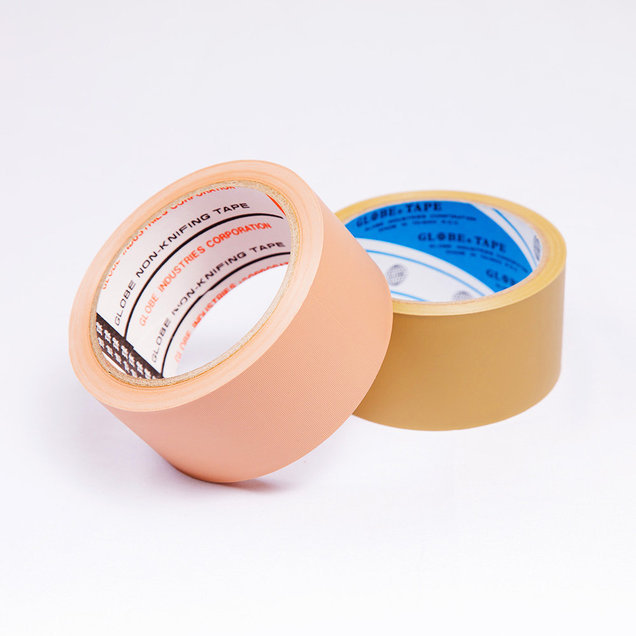
A stock image related to Easy tear masking tape.
3 Common User Pain Points for ‘Easy tear masking tape’ & Their Solutions
Scenario 1: Production Line Bottlenecks from Tool-Dependent Application
The Problem: Manufacturing and logistics operations in high-growth markets frequently rely on standard masking tape for temporary bundling, color-coding, and surface protection. However, requiring scissors or tape dispensers for every application creates significant workflow friction. Workers waste valuable time searching for cutting tools, while the presence of sharp blades near finished goods increases damage liability. In fast-paced warehouse environments across Brazil or Saudi Arabia, this dependency reduces throughput and creates safety hazards when cutters are used at heights or near conveyor systems.
The Solution: Implement fiber-reinforced easy tear masking tape engineered for clean hand-tearing without stretching or fraying. Specify products with optimized tensile strength that allow workers to tear precise lengths using a simple thumb-and-pull motion, eliminating tool dependency entirely. For procurement teams, select high-visibility color options that support visual inventory management systems, and verify the adhesive formulation performs within your region’s specific ambient temperature ranges—whether humid West African ports or dry Middle Eastern logistics hubs.
Scenario 2: Rework Costs from Adhesive Residue in Professional Finishing
The Problem: Professional painters and automotive refinishers across Europe and South America frequently encounter tapes that tear easily but fail during removal, leaving sticky residue or damaging fresh paint. This issue intensifies in high-temperature environments where tape bakes onto surfaces during curing cycles. The efficiency gains from hand-tearability are immediately negated when contractors must spend labor hours on solvent cleaning or rework, directly impacting project margins and client satisfaction in competitive bidding environments.
The Solution: Source easy tear masking tapes featuring UV-resistant crepe paper backings and specialized pressure-sensitive adhesives formulated for clean removal up to 80°C. For automotive refinishing, specify products that maintain hand-tearability while offering solvent resistance during painting processes. Verify that the tape provides a secure seal against bleed-through without compromising quick-removal properties essential for multi-stage workflows. This ensures that application speed doesn’t translate into downstream cleaning costs.
Scenario 3: Inconsistent Performance Across Diverse Climate Conditions
The Problem: International buyers managing operations across Africa, the Middle East, and Europe face a critical procurement challenge: easy tear tapes optimized for dry European warehouses often become gummy, difficult to tear, or lose adhesion in high-humidity environments like Brazilian or Nigerian facilities. Conversely, tropical-grade tapes may turn brittle in cold storage or air-conditioned spaces. This variability forces procurement teams to maintain multiple SKU inventories, complicating supply chain management and increasing carrying costs.
The Solution: Select climate-stabilized easy tear masking tapes with moisture-resistant adhesive systems tested for performance across 20% to 80% relative humidity and temperature ranges from -10°C to 60°C. Request technical data sheets verifying consistent tear strength across these variables. Additionally, prioritize writable variants that allow direct labeling with permanent markers, eliminating separate labeling systems for inventory management—particularly valuable for construction and event management companies operating across multiple climate zones.
Strategic Material Selection Guide for Easy tear masking tape
Selecting the optimal backing material for easy tear masking tape requires understanding regional climate challenges and industry-specific performance demands. For procurement teams across Africa, South America, the Middle East, and Europe, material choice directly impacts application efficiency, residue risk, and total cost of ownership in diverse environmental conditions ranging from tropical humidity to desert heat.
What are the best backing materials for easy tear masking tape in high-humidity environments?
Crepe paper remains the dominant substrate for general industrial masking, characterized by its crinkled texture that provides longitudinal strength while permitting clean lateral tears without cutting tools. For B2B buyers operating in Brazil’s construction sector or Saudi Arabia’s automotive refinishing markets, crepe paper offers exceptional conformability to irregular surfaces, corrugated edges, and curved automotive panels. The material’s micro-creping allows it to stretch slightly during application, preventing paint bleed in high-temperature environments. However, procurement teams should note that standard crepe paper exhibits hygroscopic expansion; in West African or Southeast Asian humidity, the backing may swell, compromising adhesive contact and increasing residue risk upon removal. When sourcing for European markets, verify that crepe paper backings comply with REACH regulations regarding chemical composition, particularly if used in food-adjacent manufacturing environments. Despite these limitations, its low cost and compatibility with both rubber-based and acrylic adhesive systems make it the economical choice for bulk masking operations and temporary bundling where precision is secondary to cost efficiency.
How does washi paper compare to standard crepe for precision masking applications?
Traditional Japanese washi paper represents the premium tier of easy tear technology, manufactured from natural fibers like kozo or mitsumata that tear cleanly in any direction without fiber stringing. For European electronics manufacturers and Middle Eastern luxury goods packaging operations, washi-based masking tape provides the precision necessary for delicate surface protection and intricate pattern masking where blade-free removal is mandatory. The material maintains dimensional stability across humidity fluctuations common in coastal African or South American environments, and its biodegradable composition aligns with EU sustainability directives and corporate ESG targets. Storage in climate-controlled warehouses is recommended to prevent brittleness in extremely dry conditions, such as those found in inland Saudi Arabia during summer months. Nevertheless, B2B buyers must weigh its limited tensile strength—unsuitable for heavy-duty palletizing or structural bundling—against its premium positioning. The higher unit cost restricts washi to specialty applications such as PCB masking, archival mounting, and high-end decorative finishing where clean aesthetics justify the investment.
Is flatback paper suitable for industrial labeling and temporary surface protection?
Flatback paper offers a middle-ground solution, featuring a smooth, non-creped surface engineered for easy hand-tearing while providing superior printability for labeling applications. In logistics hubs across Nigeria, Argentina, or the UAE, flatback masking tape serves dual purposes as both temporary surface protection and inventory color-coding systems, accepting marker pens and thermal transfer printing with minimal feathering. The material’s compatibility with hot-melt adhesives makes it particularly suitable for temporary carton sealing in high-throughput distribution centers common in South American e-commerce markets. The dense paper structure resists moisture penetration better than crepe alternatives, performing reliably in arid Middle Eastern climates where dust adhesion is problematic. However, its rigidity limits conformability; flatback tape cannot navigate complex curves or corrugated profiles without wrinkling, restricting its use to flat surfaces, box sealing, and straight-line masking. For procurement teams balancing performance and budget, flatback paper occupies the medium cost tier, ideal for warehouse management, temporary repairs, and identification marking where surface irregularities are minimal.
| Material | Typical Use Case for Easy tear masking tape | Key Advantage | Key Disadvantage/Limitation | Relative Cost |
|---|---|---|---|---|
| Crepe Paper | General masking, painting, bundling in construction and automotive | Excellent conformability to irregular surfaces; hand-tearable without tools | Susceptible to humidity expansion; moderate tensile strength | Low |
| Washi Paper | Precision electronics masking, delicate surface protection, decorative applications | Exceptional clean tear; biodegradable; minimal residue | Limited tensile strength; premium pricing | High |
| Flatback Paper | Inventory labeling, color-coding, packaging seals | Superior printability; moisture resistant; consistent adhesive contact | Poor conformability on curved surfaces; less elastic | Medium |
Material selection ultimately depends on the intersection of environmental exposure, surface geometry, and budget constraints. Crepe paper dominates general industrial use, washi serves precision markets, and flatback bridges the gap for logistics applications.
A stock image related to Easy tear masking tape.
In-depth Look: Manufacturing Processes and Quality Assurance for Easy tear masking tape
Easy-tear masking tape represents a precision-engineered category within the adhesive tape industry, balancing structural integrity with deliberate fragility. Unlike standard packaging tapes that require cutting tools, these products rely on controlled fiber fracture and specialized adhesive formulations to achieve clean, straight tears without instruments. For procurement teams sourcing from international markets, understanding the manufacturing variables that govern tearability, adhesion stability, and residue-free removal is essential for quality assurance and supply chain risk management.
How Is Easy-Tear Masking Tape Engineered for Clean Hand-Tearing?
The distinctive hand-tearability of premium masking tape originates in the substrate manufacturing process. Manufacturers utilize specialized crepe paper with directional fiber alignment and specific elongation percentages—typically between 5% and 15%—to create controlled breaking points. During the creping process, paper sheets undergo mechanical compression while wet, creating micro-creases that allow the material to stretch slightly before fracturing cleanly. Advanced production lines incorporate laser perforation or micro-scoring technologies that create predetermined tear lines without compromising the tape’s structural integrity during application. The substrate’s basis weight, measured in grams per square meter (GSM), directly correlates with tear resistance; standard easy-tear variants typically range from 50-70 GSM to balance durability with hand-tearability.
What Raw Materials Determine Tape Performance and Consistency?
The raw material selection process separates commodity-grade tapes from industrial-quality products suitable for B2B procurement. The backing material utilizes long-fiber cellulose from sustainable softwood sources, providing the longitudinal strength necessary for clean tears while maintaining cross-directional flexibility. Adhesive formulations typically employ natural rubber-based or synthetic rubber-resin blends rather than acrylics, as rubber adhesives offer the immediate tack and cohesive strength required for temporary holding applications. Release coatings applied to the non-adhesive side prevent tape layers from adhering during storage, utilizing silicone-based compounds that must be precisely metered to avoid interfering with the tape’s writability—a critical feature for labeling applications in logistics and education sectors. Pigment dispersions for colored variants require lightfastness ratings of 6+ on the Blue Wool Scale to prevent fading in high-UV environments common in Middle Eastern and Brazilian markets.
Which Coating Technologies Ensure Optimal Adhesion Without Residue?
Precision coating operations determine the tape’s functional lifespan and removal characteristics. Hot-melt coating systems apply adhesive at temperatures between 150°C and 180°C, creating a uniform 25-35 micron layer that saturates the crepe paper fibers without bleeding through. Solvent-based coating alternatives, while less common due to environmental regulations, offer superior performance in high-humidity climates typical of coastal African and South American markets. The critical manufacturing parameter involves “anchorage”—the mechanical bond between adhesive and substrate—achieved through corona treatment or primer application that prevents adhesive transfer during removal. Drying tunnel configurations utilizing zoned temperature control ensure complete solvent evaporation while preserving adhesive tack. B2B buyers should verify that suppliers utilize closed-loop coating systems that maintain consistent coat weights within ±2% tolerance to ensure uniform adhesion across bulk orders.
How Do Manufacturers Test for Tearability and Tensile Strength?
Quality assurance protocols for easy-tear masking tape focus on mechanical property validation rather than visual inspection alone. Tensile testing machines measure the force required to break the tape longitudinally, with premium grades typically requiring 15-25 N/cm to balance strength with tearability. The Elmendorf tear test quantifies the force needed to propagate a tear across the tape width, ensuring that hand-tearing produces clean edges rather than ragged fractures. Manufacturers also conduct “thumb appeal” testing—subjective evaluation by trained technicians who assess the tactile feedback and tear cleanliness at various angles. For B2B procurement, requesting batch-specific test certificates showing tear propagation values below 50 mN ensures the product will perform consistently in automated or manual application environments.
What Quality Control Protocols Validate Clean Removal Properties?
The residue-free removal characteristic represents the most critical quality parameter for masking tape applications. Accelerated aging tests subject tape samples to 70°C environments for 72 hours to simulate extended storage and application periods, followed by adhesion-to-steel testing to verify that adhesive strength does not increase beyond 3.5 N/cm—the threshold where residue transfer becomes likely. Humidity chamber testing at 85% relative humidity validates performance in tropical climates prevalent in West African and Southeast Asian markets, ensuring that moisture absorption does not cause adhesive bleed-through or backing degradation. Suppliers should provide documentation of UV-stability testing, as rubber-based adhesives can oxidize and harden when exposed to sunlight, compromising clean removal in outdoor construction or logistics applications.
How Does Climate-Stability Testing Address Regional Market Needs?
Given the target markets’ environmental diversity, manufacturers must validate tape performance across extreme temperature and humidity ranges. For Middle Eastern markets where surface temperatures can exceed 60°C, adhesive formulations undergo shear adhesion failure temperature (SAFT) testing to ensure the tape holds securely without adhesive flow or backing delamination. Conversely, European and high-altitude South American markets require low-temperature flexibility testing at -10°C to verify that the crepe backing does not become brittle and lose conformability. Desiccant packaging and moisture-barrier wrapping specifications become crucial for sea freight shipments to humid ports, with vacuum-sealed master cartons preventing humidity-induced adhesive degradation during transit. B2B buyers should specify climate-specific performance requirements in procurement contracts, requiring suppliers to disclose glass transition temperatures (Tg) of adhesive formulations relative to local ambient conditions.
What Certifications Should B2B Buyers Demand From Tape Suppliers?
International compliance documentation separates reputable manufacturers from low-cost alternatives that risk supply chain disruptions. ISO 9001:2015 certification ensures consistent manufacturing processes, while ISO 14001 demonstrates environmental management competence crucial for European market entry. REACH compliance (Registration, Evaluation, Authorization and Restriction of Chemicals) is mandatory for European imports, verifying the absence of restricted phthalates and heavy metals in adhesive formulations. For educational and food-logistics applications, EN 71-3 toy safety compliance and FDA 21 CFR 175.105 indirect food contact certifications provide additional assurance. Brazilian importers should verify INMETRO compliance, while Saudi Arabian buyers should request SASO (Saudi Standards, Metrology and Quality Organization) conformity certificates. Requesting mill test reports (MTRs) for each production lot enables traceability and supports just-in-time inventory management strategies.
Understanding these manufacturing and quality assurance parameters enables procurement professionals to move beyond unit-price negotiations toward value-based sourcing. By specifying technical requirements for fiber orientation, adhesive coat weights, and climate-specific performance validation, B2B buyers can secure easy-tear masking tape inventories that reduce application waste, minimize surface damage claims, and maintain consistent performance across diverse operational environments from São Paulo to Riyadh.
Practical Sourcing Guide: A Step-by-Step Checklist for ‘Easy tear masking tape’
Procuring easy-tear masking tape for international distribution requires balancing performance specifications with logistical efficiency. This checklist guides B2B buyers through critical evaluation criteria—from adhesive formulation to packaging standards—ensuring your bulk orders meet diverse market demands across Africa, South America, the Middle East, and Europe while maintaining consistent hand-tear functionality without dispenser dependency.
How Do You Verify Tear Quality and Edge Integrity for Bulk Orders?
Request production samples demonstrating longitudinal tear consistency across multiple rolls from different batches. Verify that the crepe paper or film backing tears cleanly perpendicular to the roll edge without stretching, fiber fraying, or “gapping,” which indicates proper grain direction and calibrated tensile strength. For educational and craft supply distributors, confirm the tape severs easily by hand in both directions without requiring dispenser assistance or scissors.
What Adhesive Specifications Should You Request for Diverse Climate Conditions?
Specify rubber-based or acrylic adhesives rated for temperature ranges between -10°C to 80°C to accommodate varying warehouse and shipping container conditions. Demand residue-free removal certification after 14-day adhesion, particularly for temporary surface protection and rental equipment applications. Test adhesion efficacy on low-energy surfaces common in your target markets, such as painted concrete, poly-coated cardboard, or slightly dusty substrates typical of construction environments.
Which Dimensions and Roll Configurations Optimize Your Shipping Logistics?
Standardize widths between 12mm to 48mm with 25-yard or 50-yard lengths to maximize container cube utilization while meeting end-user preferences. Evaluate core diameters—3-inch cores suit industrial dispensers while 1-inch cores reduce shipping weight for retail multipacks. Request individual shrink-wrapping or corrugated dividers that prevent compression damage to roll edges during stacked palletization and long-haul ocean freight.
How Can You Customize Easy-Tear Masking Tape for Brand Differentiation?
Inquire about Pantone color matching beyond standard rainbow assortments to align with corporate branding or educational color-coding systems. Explore writable surface treatments that accept ballpoint pen, permanent marker, and pencil without feathering or smudging. For premium market segments, negotiate private-label packaging with multilingual labeling compliant with EU REACH regulations, Saudi Arabian SASO standards, and Portuguese-language requirements for Brazilian markets.
What Certifications Ensure Safety for Sensitive Applications?
Verify acid-free and photo-safe certifications (ISO 18916) when supplying scrapbooking, journaling, and archival preservation markets. Confirm ASTM D-4236 compliance for art materials toxicity standards and EN 71-3 safety for toy-adjacent applications. For Middle Eastern distribution, ensure adhesives contain no animal-derived ingredients to meet halal-adjacent preferences, and obtain RoHS compliance documentation for European electronics masking and automotive painting applications.
How Do You Evaluate Supplier Reliability and Sample Quality?
Conduct standardized peel-strength testing (PSTC-101) on samples from three distinct production batches to assess consistency across manufacturing runs. Review the manufacturer’s quality control documentation for slit-edge uniformity, adhesive coat weight tolerances, and core alignment accuracy. Establish clear defect thresholds—accepting no more than 0.5% roll deformation or adhesive bleeding—and negotiate Incoterms that protect against moisture damage during tropical transit routes through humid ports.
A stock image related to Easy tear masking tape.
Comprehensive Cost and Pricing Analysis for Easy tear masking tape Sourcing
Sourcing easy tear masking tape involves navigating a complex cost structure that extends far beyond per-roll pricing. For procurement teams operating across diverse regulatory environments—from São Paulo to Riyadh—understanding the underlying cost drivers ensures competitive positioning without compromising the clean-tear performance essential for automotive, construction, and industrial applications.
What Raw Material Specifications Drive Cost Variations in Easy Tear Masking Tape?
The foundation of pricing lies in the crepe paper backing density and adhesive formulation. Premium Japanese crepe paper offers superior tensile strength and the signature hand-tearability but commands 15-25% premiums over standard domestic grades. Natural rubber-based adhesives provide optimal tear characteristics and residue-free removal yet fluctuate with latex commodity markets, whereas synthetic acrylic alternatives offer price stability but may sacrifice the clean-edge tear property critical for precision masking.
How Do Volume Tiers and MOQs Impact Bulk Procurement Economics?
Container-level purchasing creates significant economies of scale. Orders below 20-foot container equivalents (TEU) typically incur 12-18% per-unit premiums compared to full 40-foot high-cube container loads. For buyers in Brazil and Saudi Arabia, consolidating multi-SKU orders becomes critical—manufacturers often impose minimum order quantities of 5,000-10,000 rolls per width/specification. Customization options, such as private labeling or specific color matching for retail distribution, generally require 30,000+ roll commitments to justify production line changeover costs.
What Regional Logistics Factors Affect Total Landed Costs?
Geographic sourcing strategies must account for tariff classifications and infrastructure limitations. European imports face REACH compliance certification costs (approximately €0.02-0.04 per roll), while Brazilian buyers navigate Mercosur’s 14-18% industrial tape import duties. African markets present unique challenges: port congestion in Lagos or Dar es Salaam can add $800-1,200 per container in demurrage fees, often exceeding the product’s manufacturing cost. Conversely, Middle Eastern buyers benefit from proximity to Asian manufacturing hubs, reducing freight costs by 20-30% compared to Atlantic shipping routes.
Are There Hidden Quality Certification Costs in Specialized Applications?
Industrial-grade easy tear tapes requiring high-temperature resistance (80°C+) for automotive painting carry 35-40% cost premiums over consumer craft grades. Certifications such as ISO 9001, RoHS, or specific automotive OEM approvals (e.g., Ford WSB-M1G341-A2) add audit and documentation costs typically absorbed into unit pricing for orders under $50,000 FOB value. Writable surface treatments and UV-resistant colorants for exterior construction use further increment costs by 8-12%.
How Can Procurement Teams Optimize Total Cost of Ownership?
Strategic buyers mitigate volatility through quarterly price-lock agreements rather than spot purchasing. Consolidating specifications—opting for versatile beige industrial grades rather than multiple decorative colors—reduces SKU complexity and inventory carrying costs. For African and South American markets, establishing bonded warehouse arrangements in free trade zones (e.g., Dubai JAFZA or Santos Port) buffers against currency fluctuation risks while ensuring just-in-time availability without exposure to import duty fluctuations.
Alternatives Analysis: Comparing Easy tear masking tape With Other Solutions
When evaluating adhesive solutions for industrial, commercial, or educational procurement, B2B buyers must balance workforce efficiency against total cost of ownership and application specificity. While easy-tear masking tape eliminates tooling requirements and accelerates deployment, alternative solutions may offer superior performance for high-volume manufacturing, precision surface preparation, or automated inventory workflows common in markets from São Paulo to Riyadh.
| Comparison Aspect | Easy Tear Masking Tape | Standard Industrial Masking Tape | Pre-Printed Adhesive Label Systems |
|---|---|---|---|
| Tool Requirements | None (hand-tearable) | Scissors or dispenser blades required | Thermal printer + software setup |
| Surface Marking | Writable (pen/marker compatible) | Writable (pen/marker compatible) | Pre-printed only (no on-site editing) |
| Removal Properties | Clean removal (residue-free) | Potential adhesive residue on delicate surfaces | Clean removal (varies by adhesive grade) |
| Initial Cost per Unit | $$ | $ | $$$ |
| Operational Efficiency | High (immediate application) | Medium (cutting time adds labor) | High (batch printing capability) |
| Customization | On-demand color coding and writing | Limited to stock tape colors | Unlimited graphic/branding options |
| Durability | Light-duty (ideal for 1-3 days) | Heavy-duty (up to 14 days exposure) | Permanent (years of adherence) |
| Primary Applications | Temporary labeling, crafts, light bundling | Automotive painting, construction masking | Inventory management, asset tracking |
How Does Standard Industrial Masking Tape Compare for Construction and Automotive Applications?
Standard industrial masking tape—requiring manual cutting with scissors or dispenser blades—remains the staple for heavy-duty applications across manufacturing hubs in Brazil, Saudi Arabia, and Eastern Europe. While it lacks the hand-tear convenience of specialized easy-tear variants, its crepe paper backing typically offers higher tensile strength and solvent resistance critical for automotive painting, sandblasting, and concrete sealing operations. For procurement teams managing construction crews or automotive workshops, the lower per-roll cost and superior adhesion to rough, porous, or high-temperature surfaces often outweigh the additional labor time required for cutting. However, workforce efficiency studies indicate that switching to easy-tear variants can reduce application time by 15-20% in packaging and light industrial settings, suggesting that traditional tape best serves high-temperature masking or aggressive adhesion requirements rather than general organizational tasks where speed prevails over sheer bonding strength.
Are Pre-Printed Label Systems a Better Investment for Warehouse Inventory Management?
For facilities managers operating distribution centers in European logistics corridors or emerging African markets, pre-printed adhesive label systems present a sophisticated alternative to hand-written masking tape solutions. These thermal or direct-print labels integrate seamlessly with warehouse management software (WMS) and barcode scanning systems, eliminating the legibility issues and inconsistent sizing associated with manual tape labeling. While the upfront capital investment—including thermal printers, ribbon costs, and software licensing—exceeds that of masking tape rolls, the long-term ROI manifests through reduced picking errors and faster inventory audits. Unlike easy-tear masking tape, which excels in temporary, color-coded organizational schemes and writable surface flexibility, pre-printed labels offer permanent traceability for asset tracking and compliance documentation, making them ideal for regulated industries such as pharmaceuticals, aerospace components storage, or electronics manufacturing where handwritten identification falls short of audit standards.
What Role Does Washi Tape Play in Retail and Gift Packaging Industries?
Japanese washi tape represents a niche but viable alternative for B2B buyers serving the retail packaging, boutique hospitality, and event management sectors prevalent in Middle Eastern and South American markets. Unlike standard masking tape, washi offers repositionable adhesion and a vast array of decorative patterns without requiring the industrial adhesive strength of easy-tear variants. However, its significantly higher cost per meter and lower structural durability make it unsuitable for industrial masking or long-term warehouse labeling. For businesses specializing in artisanal product packaging, seasonal retail displays, or corporate gift preparation—such as luxury goods retailers in Dubai malls or artisan markets in São Paulo—washi tape provides aesthetic versatility and immediate tearability that functional masking tape cannot match, though it lacks the writable surface and residue-free clean removal required for industrial applications.
Essential Technical Properties and Trade Terminology for Easy tear masking tape
When sourcing easy tear masking tape for industrial or commercial distribution, understanding the intersection of convenience and performance metrics ensures you specify products that meet end-user expectations without compromising application integrity. Unlike standard utility tapes, easy tear variants must balance hand-tearability with sufficient structural strength for masking, bundling, and temporary surface protection.
What Are the Critical Technical Specifications for Easy Tear Masking Tape?
Tensile Strength and Elongation at Break
Measured in pounds per inch (PPI) or Newtons per 25mm, tensile strength indicates the tape’s resistance to breaking under stress. For easy tear formulations, look for moderate tensile strength (typically 15–25 N/25mm) paired with controlled elongation (5–10%). This combination allows clean manual tearing while preventing accidental snapping during application on curved surfaces or corners.
Adhesion to Steel and Backing
Expressed in ounces per inch (oz/in) or Newtons per 25mm, adhesion specifications differentiate between initial tack (quick stick) and holding power. Standard easy tear masking tapes offer 20–30 oz/in adhesion to steel, sufficient for temporary holding without surface damage. Equally important is adhesion to backing—low unwind adhesion prevents tape layers from sticking together in bulk rolls during humid storage or long-distance shipping.
Caliper and Conformability
Thickness, measured in mils (thousandths of an inch) or microns, directly impacts the tape’s ability to conform to irregular substrates. Easy tear variants typically range from 4.5 to 6.5 mils. Thinner profiles (4.5–5.0 mils) suit precision painting and labeling, while heavier calipers provide durability for rough-surface masking in construction or automotive refinishing.
Temperature Resistance and UV Stability
Specify the operating temperature range, particularly for markets with extreme climates like the Middle East or South America. Quality easy tear tapes maintain adhesion from 60°F to 150°F (15°C to 65°C) and resist UV degradation for 3–7 days. Exceeding these thresholds causes adhesive transfer or backing embrittlement, critical concerns for outdoor construction projects or automotive bake cycles.
Residue-Free Removal Rating
Quantified by the percentage of adhesive remaining after peel (ideally <5% residue), this property determines suitability for delicate surfaces like freshly painted drywall or polished metals. Request testing data for 24-hour, 3-day, and 7-day removal intervals to verify clean peel characteristics under your target market’s typical humidity conditions.
What Industry Terminology Should Procurement Teams Understand?
Hand-Tear Edge Integrity
This refers to the tape’s ability to tear perpendicular to the roll edge without feathering or stringing. High edge integrity prevents jagged application lines in painting applications and ensures consistent tear lengths for packaging operations.
Shear Adhesion Failure Temperature (SAFT)
A critical metric for automotive and industrial buyers, SAFT measures the temperature at which the adhesive slips under static load. Values above 150°F (65°C) indicate suitability for masking during high-temperature powder coating or baking processes.
Moisture Vapor Transmission Rate (MVTR)
Expressed in grams per square meter per 24 hours, MVTR indicates how much moisture permeates the backing during concrete curing or wet paint applications. Lower MVTR values (typically <100 g/m²/24h) prevent moisture trapping that causes paint blistering or concrete discoloration.
Crepe Paper Grade
Manufacturers classify backing materials by crepe texture (fine, medium, or coarse). Fine crepe offers smooth paint lines but less conformability; coarse crepe accommodates rough textures but may allow bleed-through. Medium crepe balances these properties for general industrial use.
Unwind Force and Release Coating
Unwind force, measured in ounces, indicates the effort required to dispense the tape from the roll. Easy tear masking tapes require optimized silicone release coatings to maintain low unwind force (3–6 oz) while preventing telescoping (lateral shifting of tape layers) during palletized shipping.
UV Resistance Rating
Distinct from temperature resistance, this rating specifies the duration of sun exposure before adhesive degradation occurs. For outdoor construction markets, specify tapes with 7-day UV resistance to prevent adhesive baking onto surfaces during extended project timelines.
Navigating Market Dynamics and Sourcing Trends in the Easy tear masking tape Sector
The easy tear masking tape sector represents a specialized intersection of convenience-driven innovation and industrial functionality, increasingly critical for procurement strategies across diverse international markets. Unlike traditional masking tapes requiring blade cutting, hand-tearable variants address growing demands for field efficiency across construction, automotive refinishing, electronics manufacturing, and logistics sectors. For procurement teams operating across regulatory environments ranging from European sustainability mandates to rapid infrastructure development in African and Middle Eastern markets, understanding current sourcing dynamics proves essential for securing competitive advantages and ensuring supply continuity.
What Market Forces Are Driving Demand for Hand-Tearable Masking Solutions?
The global shift toward operational efficiency and workplace safety has elevated easy tear masking tape from craft-room novelty to industrial staple. Manufacturing facilities and construction sites increasingly prioritize tools that eliminate dependency on cutting instruments, reducing workplace hazards while accelerating project timelines. In emerging economies such as Brazil and Saudi Arabia, where large-scale infrastructure projects demand rapid deployment of painting and surface protection materials, the ability to tear cleanly by hand without compromising adhesive integrity addresses critical labor efficiency challenges. Furthermore, the expansion of e-commerce fulfillment centers across Africa and South America has generated new demand for writable, color-coded easy tear solutions that facilitate inventory management and temporary packaging seals without requiring secondary labeling equipment.
Which Regional Markets Present the Highest Growth Potential for Easy Tear Masking Tape?
Market expansion patterns reveal distinct regional characteristics influencing procurement volumes and specifications. European buyers increasingly seek multi-functional tapes suitable for both precision industrial applications and educational initiatives, reflecting the continent’s dual focus on manufacturing excellence and STEM infrastructure investment. Conversely, Middle Eastern procurement teams prioritize UV-resistant formulations capable of withstanding extreme temperatures during outdoor construction phases, particularly in Gulf Cooperation Council nations undergoing massive urban development. African markets demonstrate growing appetite for cost-effective, bulk-packaged easy tear varieties suited to informal construction sectors and burgeoning manufacturing hubs in Nigeria and Kenya. South American distributors, particularly in Brazil and Argentina, report rising demand for moisture-resistant variants that maintain adhesion integrity in high-humidity climates characteristic of coastal industrial zones.
How Can B2B Buyers Integrate Sustainability Into Easy Tear Masking Tape Procurement?
Sustainability considerations now extend beyond end-product recyclability to encompass entire supply chain ecosystems and manufacturing processes. Forward-thinking buyers should evaluate tape backings manufactured from FSC-certified crepe paper and pressure-sensitive adhesives formulated without volatile organic compounds (VOCs) or heavy metal cross-linkers. The European Union’s Packaging and Packaging Waste Regulation and Extended Producer Responsibility frameworks necessitate suppliers capable of providing comprehensive lifecycle documentation and recyclable core materials. For markets in Africa and South America, where environmental regulations continue evolving rapidly, partnering with manufacturers already compliant with ISO 14001 environmental management standards and REACH regulations mitigates future compliance risks while supporting corporate sustainability commitments and green building certification requirements.
What Ethical Sourcing Criteria Should Guide Supplier Selection in Global Markets?
Ethical procurement extends beyond environmental metrics to encompass labor practices, supply chain transparency, and community impact considerations. When sourcing from manufacturing hubs serving Middle Eastern and African markets, buyers should verify adherence to ILO conventions regarding worker safety, fair compensation, and prohibition of forced labor, particularly given the labor-intensive nature of adhesive tape production and slitting operations. Due diligence should include assessment of raw material provenance—ensuring natural rubber adhesives derive from responsibly managed plantations certified by the Forest Stewardship Council or Programme for the Endorsement of Forest Certification. Additionally, procurement teams must evaluate packaging ethics; excessive single-use plastic wrapping contradicts sustainability claims even when tape materials themselves prove eco-friendly. Establishing direct relationships with manufacturers offering customizable bulk packaging, consolidated shipping options, and regional warehousing capabilities reduces carbon footprints while ensuring consistent quality standards across shipments to diverse markets.
Frequently Asked Questions (FAQs) for B2B Buyers of Easy tear masking tape
1. What is easy tear masking tape used for in industrial applications?
Easy tear masking tape serves critical functions in industrial settings beyond simple surface protection, including temporary part bundling, color-coded inventory segregation, and writable surface labeling for lean manufacturing workflows. Manufacturing facilities utilize the hand-tearable feature to eliminate cutting tools on production lines, significantly reducing foreign object debris (FOD) risks in sensitive assembly environments such as electronics, aerospace, and precision automotive component manufacturing. The tape’s clean removal properties also make it ideal for protecting polished metal, glass, and painted surfaces during multi-stage fabrication processes where residue contamination could compromise final product quality.
2. How does easy tear masking tape improve efficiency in professional painting?
Professional painting contractors achieve measurable time savings using easy tear formulations by eliminating blade-dependent cutting stations and enabling rapid single-handed application. Crews can apply precise lengths of tape using only gloved hands, accelerating masking preparation by up to 40% on large commercial projects while reducing consumable costs associated with utility knife blades and scissors. The clean, straight tear edges ensure crisp paint lines without the jagged edges or stretching common when standard tapes require hasty mechanical cuts, resulting in superior finish quality and reduced touch-up labor.
3. What is the difference between easy tear and standard masking tape?
The primary distinction lies in the substrate engineering and longitudinal fiber orientation that enables clean manual tearing without stretching, flagging, or requiring mechanical cutting tools. Standard masking tapes typically rely on higher tensile strength backings that necessitate blades for clean edges, while easy tear variants incorporate specialized crepe paper with controlled fiber fracture points that break predictably along the tear line. This structural difference maintains comparable adhesion strength and temperature resistance while adding operational flexibility for field applications where cutting tools are impractical, prohibited, or pose safety hazards.
4. Which easy tear masking tape is best for high-temperature automotive refinishing?
For automotive refinishing involving bake cycles up to 120°C (250°F), specify easy tear masking tapes featuring solvent-resistant natural rubber or synthetic adhesives and saturated crepe paper backings rated for automotive OEM specifications. These specialized formulations prevent adhesive transfer onto clear coats, resist edge curling during infrared or convection baking, and maintain clean removal properties even after exposure to high-temperature paint curing cycles. Verify temperature ratings and residue-free removal claims through ISO-certified testing documentation before specifying for collision repair centers, manufacturing paint shops, or aftermarket refinishing operations.
5. How do I ensure consistent adhesive performance in extreme climates during international shipping?
For procurement teams sourcing for regions with high humidity or extreme temperature variations common in Africa, the Middle East, and South America, specify easy tear masking tapes with climate-stabilized acrylic adhesives rather than standard rubber-based formulations. Acrylic adhesives maintain consistent tack levels across temperature ranges from -10°C to 80°C and resist humidity-induced adhesive migration that can cause surface staining or gummy residue issues during extended transit. Request accelerated aging test data and UV exposure ratings to validate performance during outdoor storage or lengthy shipping periods typical in international supply chains.
6. What width and color specifications support inventory management and 5S lean manufacturing systems?
Industrial easy tear masking tapes typically range from 12mm to 100mm widths, with 18mm, 24mm, and 48mm being standard stock sizes optimized for B2B procurement volumes. Beyond standard beige/cream, manufacturers offer color-coded variants including fluorescent yellow, red, green, and blue for 5S lean manufacturing systems, safety demarcation, and departmental inventory segregation in warehouse environments. Writable surface options using matte finishes allow direct marker application for batch coding, expiration dating, and temporary barcode labeling, transforming the tape into a dual-purpose organizational tool for complex supply chain operations.
7. How does easy tear masking tape reduce labor costs and improve safety in high-volume manufacturing?
The elimination of cutting tools and associated blade replacement costs generates immediate material savings, while the ergonomic benefit of single-handed application reduces repetitive strain injuries common in high-volume taping operations. Production line studies indicate that easy tear formulations can reduce masking time per unit by 15-25 seconds compared to standard tape requiring scissors or blade cuts, translating to significant labor cost reductions when scaled across thousands of units in mass production facilities. Additionally, the reduced risk of surface damage from accidental blade slips minimizes rework, quality control rejections, and potential liability issues in manufacturing environments.
8. What certifications should B2B buyers verify for regulatory compliance in Europe, the Middle East, and South America?
B2B buyers should verify RoHS compliance for electronics industry applications, REACH documentation for European Union imports, and VOC emission certifications relevant to Middle Eastern and South American environmental regulations. For automotive sector procurement, confirm tapes meet OEM specifications such as Ford WSB-M15G23-A or General Motors GMW 14236 standards to ensure compatibility with supplier quality requirements. Request Material Safety Data Sheets (MSDS) in Portuguese, Arabic, or other relevant languages and verify that packaging meets ISPM-15 standards for wooden pallet shipments to prevent customs delays in Brazil, Saudi Arabia, or EU member states.
Important Disclaimer & Terms of Use
⚠️ Important Disclaimer
The information provided in this guide, including content regarding manufacturers, technical specifications, and market analysis, is for informational and educational purposes only. It does not constitute professional procurement advice, financial advice, or legal advice.
B2B buyers must conduct their own independent and thorough due diligence before making any purchasing decisions. The risk of relying on any information in this guide is borne solely by the reader.
Top 2 Easy Tear Masking Tape Manufacturers & Suppliers List
1. 3M – Clean-Line Removal Tapes

Domain: researchandmarkets.com
Registered: 2002 (24 years)
Introduction: Key product details extracted from the analysis include: Clean-line removal and dimensional stability (3M); compatibility with conventional and low-VOC coatings; biodegradable and low-emission adhesive technologies (Nitto Denko); superior conformability and high-temperature resistance; reliable adhesion with residue-free removal even under challenging conditions (tesa); advanced acrylic and rubber…
2. Tape Suppliers – Masking Tape
Domain: tapesuppliers.com
Registered: 2007 (19 years)
Introduction: Masking tape is a pressure-sensitive adhesive tape designed for temporarily concealing surfaces during finishing processes. Key characteristics include: easy tear and dispense properties; clean removal with no residue; safe for use on newly painted surfaces without damage. Primary applications include protection during soldering, blasting, spraying, coating, plating, and polishing, as well as crea…
Strategic Sourcing Conclusion and Outlook for Easy tear masking tape
As global supply chains increasingly prioritize operational agility, easy tear masking tape has evolved from a simple consumable into a strategic asset for international procurement. Its unique combination of hand-tearability and clean removability eliminates tooling costs while reducing material waste across manufacturing, logistics, and creative production environments.
How Can Buyers Optimize Easy Tear Masking Tape Specifications for Regional Climate Challenges?
For procurement teams sourcing across Africa, South America, and the Middle East, climate adaptability remains paramount. High-humidity environments like coastal Brazil or extreme heat conditions in Saudi Arabia demand adhesives engineered for thermal stability and moisture resistance. Prioritize suppliers offering customizable tensile strength and residue-free formulations that maintain adhesion integrity across temperature fluctuations, ensuring consistent performance whether in automotive painting facilities or high-speed packaging operations.
What Emerging Trends Will Shape Strategic Sourcing Decisions in the Easy Tear Category?
The market is shifting toward sustainable substrates and enhanced writability for inventory tracking. Forward-thinking buyers should evaluate manufacturers investing in recyclable crepe paper backings and low-VOC adhesives that align with tightening European environmental regulations while meeting the cost-efficiency demands of emerging markets. Additionally, compatibility with automated dispensing systems represents a critical efficiency frontier for high-volume operations.
By balancing immediate operational efficiency with long-term sustainability metrics and regional performance requirements, procurement teams can leverage easy tear masking tape as a catalyst for supply chain resilience and cross-functional productivity gains.