Introduction: Navigating the Global Market for Ultra clear box tape
When sourcing ultra clear box tape for high-volume packaging operations, procurement teams face a critical dilemma: balancing optical clarity and adhesive performance against supply chain reliability and total landed costs. For businesses operating across diverse regulatory environments—from Lagos to Berlin—selecting the right packaging solution transcends basic product specifications; it demands strategic supplier partnerships capable of delivering consistent quality across international borders.
What Should Global Buyers Consider When Evaluating Ultra Clear Packaging Solutions?
This comprehensive guide addresses the complexities of procuring premium-grade transparent sealing tape for international commerce. We examine critical quality differentiators including film gauge consistency, acrylic versus hot melt adhesive formulations, and UV resistance standards essential for tropical climates and extended storage. Beyond material specifications, we analyze supplier vetting methodologies, customs compliance requirements for Middle Eastern and African markets, and cost-optimization strategies that account for currency fluctuations and regional logistics networks.
Whether you are a Nigerian distributor seeking European-grade clarity standards or a German manufacturer requiring reliable supply chains into South America, this resource equips you with actionable intelligence to mitigate procurement risks. By synthesizing technical specifications with regional market dynamics, we empower your team to make specification decisions that enhance brand presentation while securing packaging integrity throughout the global distribution cycle.
Understanding Ultra clear box tape Types and Variations
| Type Name | Key Distinguishing Features | Primary B2B Applications | Brief Pros & Cons for Buyers |
|---|---|---|---|
| Standard Acrylic Ultra Clear | Water-based acrylic adhesive; 1.8–2.0 mil thickness; crystal clarity; stable in varying humidity | E-commerce fulfillment; retail packaging; document sealing; general warehousing | Pros: Cost-effective; long shelf life; recyclable with boxes. Cons: Lower initial tack on recycled corrugated; temperature-sensitive application. |
| Hot Melt Synthetic Rubber | Hot melt adhesive system; aggressive initial tack; 2.0–2.2 mil thickness; quick bond formation | Heavy-duty cartons; export packaging; automated sealing lines; cold storage logistics | Pros: Superior adhesion to recycled board; works in wider temperature ranges. Cons: Higher cost; potential yellowing over time; louder unwind. |
| Low-Noise Silent Ultra Clear | Specialized unwind coating; reduced decibel levels (sub-60dB); acrylic or hot melt variants | Retail distribution centers; night-shift operations; noise-sensitive urban warehouses; pharmaceutical facilities | Pros: OSHA compliance; improved worker comfort; maintains clarity. Cons: Premium pricing; limited supplier base; may require dispenser upgrades. |
| Heavy-Duty Industrial Grade | 2.5–3.0 mil film thickness; reinforced backing; enhanced tensile strength; extreme clarity | Export shipping; palletized loads; construction material packaging; long-term storage | Pros: Tamper-evident; puncture resistant; suitable for rough handling. Cons: Higher material costs; may require industrial dispensers; overkill for light packages. |
| UV-Stabilized Climate Resistant | UV inhibitors in film and adhesive; heat-resistant formulation; anti-yellowing agents | Outdoor storage; Middle East/African logistics; agricultural exports; cross-docking facilities | Pros: Prevents degradation in sunlight; maintains adhesion in 40°C+ environments; extends package integrity. Cons: Specialized formulation costs; limited availability; may require specific storage conditions pre-application. |
Which Ultra Clear Tape Works Best for High-Humidity Environments?
Standard acrylic ultra clear tape utilizes water-based adhesive systems that offer exceptional optical clarity and long-term stability, making it ideal for climate-controlled warehousing and standard e-commerce operations. This variation performs optimally on virgin corrugated materials in environments with consistent humidity levels, providing a cost-effective solution for high-volume packaging lines. B2B buyers should verify the tape’s compatibility with recycled content boxes, as acrylic formulations may require longer dwell times to achieve maximum adhesion on less porous surfaces common in sustainable packaging initiatives.
What Makes Hot Melt Ultra Clear Tape Different from Acrylic Options?
Hot melt synthetic rubber ultra clear tape delivers aggressive initial tack and superior bonding strength, particularly effective on challenging substrates like highly recycled corrugated or dusty shipping surfaces prevalent in industrial African and Middle Eastern markets. This type maintains performance across broader temperature ranges, ensuring package integrity during extreme weather transitions common in cross-continental shipping routes. Procurement teams should evaluate the trade-off between enhanced adhesion performance and potential adhesive yellowing over extended storage periods, as well as compatibility with automated sealing equipment.
How Does Low-Noise Ultra Clear Tape Improve Warehouse Operations?
Low-noise silent ultra clear tape addresses occupational health requirements increasingly prioritized in European distribution centers and urban logistics hubs throughout South America, reducing unwind noise to below 60 decibels. This variation utilizes specialized coatings that minimize the high-frequency sounds disruptive in high-speed packaging environments while maintaining the optical clarity necessary for barcode scanning and brand presentation. Buyers must consider the premium pricing structure and ensure existing dispensers can accommodate the specialized unwind characteristics without compromising application speed.
When Should B2B Buyers Choose Heavy-Duty Industrial Grade Options?
Heavy-duty industrial ultra clear tape features increased film thickness and reinforced backing materials designed to withstand the rigors of international export shipping and rough-handling logistics common in emerging markets. This type provides enhanced puncture resistance and tamper-evident properties crucial for high-value electronics and pharmaceutical shipments traversing multiple handling points. Procurement specialists should assess whether the additional material costs justify the protection level, as standard automated dispensers may require calibration adjustments to handle the increased gauge effectively.
Is UV-Stabilized Ultra Clear Tape Necessary for Outdoor Storage Logistics?
UV-stabilized ultra clear tape incorporates specialized inhibitors that prevent adhesive degradation and film yellowing when packages undergo prolonged sun exposure during outdoor storage or cross-docking operations in high-sunlight regions like Nigeria or the UAE. This variation maintains structural integrity and optical clarity despite extended exposure to infrared and ultraviolet radiation, preventing premature seal failure that could compromise product protection. B2B buyers operating in tropical or desert climates should prioritize this type for agricultural exports and construction materials, though they must verify storage requirements to prevent pre-application adhesive curing in extreme heat.
Key Industrial Applications of Ultra clear box tape
| Industry/Sector | Specific Application of Ultra clear box tape | Value/Benefit for the Business | Key Sourcing Considerations for this Application |
|---|---|---|---|
| E-commerce & 3PL Fulfillment | Sealing corrugated cartons for last-mile delivery; overlaying branded boxes without obscuring logos | Maintains brand visibility during transit; reduces customer returns due to tamper evidence; enables scan-through for automated sorting | High-tack acrylic adhesive for dusty climates (e.g., Nigeria, Middle East); UV resistance for outdoor storage; compatibility with recycled corrugated |
| Electronics & High-Value Manufacturing | Sealing anti-static packaging and component boxes; securing palletized goods for international freight | Allows barcode/QR code scanning through tape layer; prevents moisture ingress during ocean freight; supports customs inspection without seal breakage | Anti-static formulations; compliance with EU packaging regulations (Germany); temperature stability (0-40°C) for non-climate-controlled containers |
| Food & Beverage Export | Sealing secondary packaging for ambient and dry goods; securing pallet wraps for ocean freight | Provides hygienic seal without chemical odor migration; clear visibility prevents customs delays at manual inspection points | FDA/EU food contact compliance (EU No 10/2011); resistance to condensation in tropical climates (South America, Africa); hot-melt vs acrylic adhesive selection for humidity |
| Luxury Retail & Cosmetics | Tamper-evident sealing of rigid gift boxes and premium packaging; securing multi-layer corrugated for fragile items | Preserves unboxing experience with “invisible” seal; prevents counterfeiting via clear tamper patterns; adheres to high-recycled-content boxes | Low-noise unwinding for automated lines; compatibility with German/EU recycled content mandates; substrate clarity for micro-printing security features |
| Pharmaceutical & Medical Devices | Sealing cold-chain shipping boxes and medical device sterile packaging; securing temperature monitors to shipments | Maintains seal integrity during temperature excursions (2-8°C); clear view of temperature indicators and sterile labels without opening | Cold-tack adhesion for refrigerated environments; compliance with EU GDP and WHO guidelines; medical-grade adhesives free from plasticizer migration |
How Does Ultra Clear Box Tape Optimize Fulfillment Operations in High-Dust Environments?
In regions like Nigeria and the UAE, fulfillment centers contend with extreme particulate matter and thermal cycling that degrade standard tape adhesion. Ultra clear variants with high-tack acrylic adhesives maintain seal integrity on recycled corrugated boxes while allowing branded packaging to remain visible, eliminating the need for additional branding labels. This reduces material costs and ensures scan-through capability for automated sorting systems in European logistics hubs, while preventing dust infiltration that triggers customer complaints.
What Role Does Crystal-Clear Sealing Play in Electronics Export Compliance?
For manufacturers shipping from Germany to Middle Eastern or African markets, ultra clear tape provides essential moisture barrier properties that protect sensitive components during multi-week ocean freight. The optical clarity allows customs inspectors to verify contents without breaking seals, accelerating clearance at ports like Lagos or Dubai. Specialized anti-static formulations prevent electrostatic discharge damage in dry climates. Buyers should verify tape compatibility with anti-static bags and ensure adhesive withstands temperature fluctuations in non-climate-controlled containers common in intermodal African logistics.
Why Is Optical Clarity Critical for Food Export Packaging in Tropical Climates?
Ultra clear tape eliminates the “foggy” appearance that triggers customs delays in South American and African ports, where manual inspectors require immediate visibility of contents to verify against manifests. The tape’s resistance to condensation and high-humidity adhesion prevents catastrophic box failure during monsoon seasons or refrigerated transport transitions. Sourcing teams must prioritize food-grade adhesives compliant with EU No 10/2011 or FDA 21 CFR 175.105 standards to avoid chemical migration risks in ambient food supply chains prevalent in emerging markets.
How Can Invisible Sealing Enhance Brand Protection for Luxury Goods?
For European cosmetics and fashion brands distributing to Middle Eastern markets, ultra clear tape provides tamper-evident security without compromising the premium unboxing experiences that drive customer loyalty. The tape’s compatibility with high-recycled-content boxes—mandatory under German packaging laws—ensures reliable adhesion on challenging kraft surfaces that repel standard adhesives. Buyers should seek low-noise unwind properties for high-speed automated packaging lines and verify that clear substrates support micro-printing or holographic security features to combat sophisticated counterfeiting operations during transit through complex supply chains.
What Specifications Ensure Ultra Clear Tape Performs in Pharmaceutical Cold Chains?
For vaccine distributors operating between European manufacturing sites and African immunization programs, ultra clear tape must maintain adhesion in 2-8°C cold boxes while providing visibility for temperature monitoring devices and sterile integrity indicators. The tape prevents condensation-related seal failure when moving between refrigerated trucks and ambient storage in Middle Eastern or South American climates. Procurement teams should prioritize medical-grade adhesives free from plasticizers that could migrate into primary packaging, ensuring compliance with WHO Good Distribution Practice standards for international health commodity logistics.
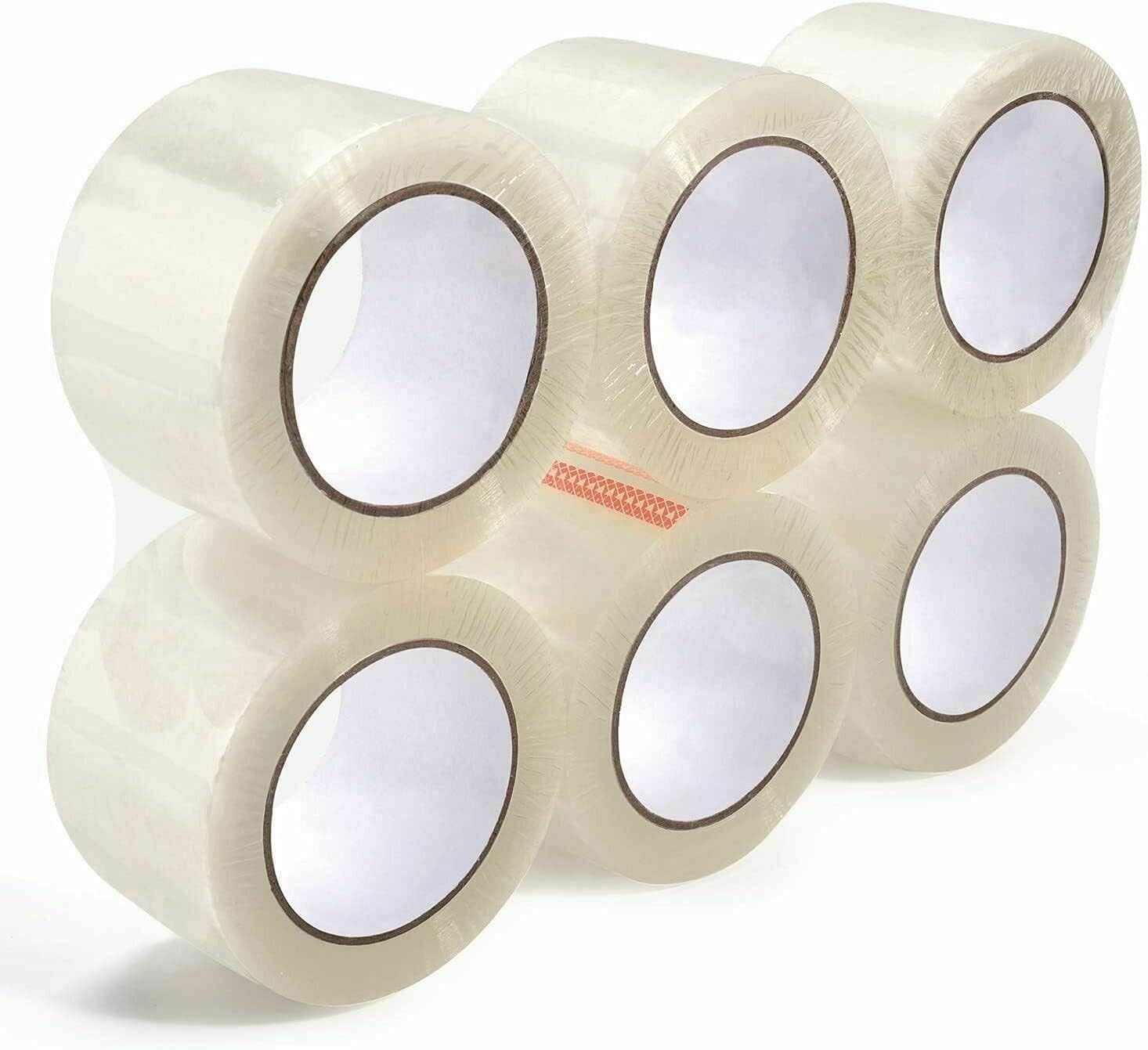
A stock image related to Ultra clear box tape.
3 Common User Pain Points for ‘Ultra clear box tape’ & Their Solutions
When sourcing ultra clear box tape for international supply chains, procurement teams often discover that not all “clear” tapes perform equally across diverse climates and operational demands. From high-volume automated facilities in Germany to manual packaging operations in Nigeria, selecting the wrong specification can result in hidden costs from damaged goods, production delays, and compromised brand presentation. Understanding these distinct operational challenges helps buyers specify tape solutions that align with regional climate conditions, machinery requirements, and aesthetic standards. Below are three critical scenarios B2B buyers frequently encounter when integrating ultra clear tape into their logistics operations.
Scenario 1: How to Prevent Yellowing and Haze from Obscuring Branding and Barcodes
The Problem: Standard clear packing tape often exhibits a cloudy, yellowish tint or develops discoloration when exposed to UV light during transit or storage. For B2B buyers shipping retail-ready goods or products with prominent branding, this haze obscures logos, marketing messages, and critical handling instructions. Additionally, warehouse scanning systems may fail to read barcodes through suboptimal tape clarity, causing inventory bottlenecks at distribution centers in Europe and the Middle East. This visibility issue proves particularly costly for e-commerce and retail suppliers where unboxing aesthetics directly influence customer perception and brand loyalty.
The Solution: Specify ultra clear box tape manufactured with biaxially oriented polypropylene (BOPP) film featuring optical-grade clarity and UV-resistant adhesive formulations. Request optical transmission specifications exceeding 90% clarity and conduct sample tests against your specific carton graphics under various lighting conditions. For automated scanning operations, verify that the tape’s refractive properties do not interfere with laser barcode readers. Establish quality agreements with suppliers guaranteeing yellowing resistance over 12-month storage periods, ensuring your packaging maintains professional appearance from factory floor to final destination.
Scenario 2: What Causes Tape-Related Jams in Automated Carton Sealing Machines
The Problem: Procurement teams investing in automated carton sealing machines—common in high-volume operations across Germany and industrial hubs in South America—frequently experience tape breakage, flagging, and machine jams when using incompatible tape specifications. Standard clear tapes often possess inconsistent unwind characteristics or incorrect thickness profiles that trigger sensors incorrectly, causing production halts that cost thousands in lost hourly output. Manual intervention to clear jams not only reduces throughput but increases workplace injury risks and labor costs, undermining the ROI of automation investments.
The Solution: Select machine-grade ultra clear tape specifically calibrated for high-speed automation, typically requiring 2.0 to 3.0 mil thickness with uniform unwind tension and consistent roll concentricity. Verify core size compatibility (commonly 3-inch for industrial dispensers) and adhesive formulation designed for rapid application without stringing or tailing. Conduct trial runs with your specific equipment models at operational speeds, and specify hot melt synthetic rubber adhesives that provide immediate tack required for automated head application. Maintain detailed specifications documentation to ensure batch-to-batch consistency from your tape supplier.
Scenario 3: Why Does Clear Tape Fail in High-Humidity Climates and Heavy Loads
The Problem: B2B buyers operating in tropical regions such as Nigeria or coastal South America frequently encounter tape lifting, edge popping, or complete seal failure when cartons encounter high humidity, temperature fluctuations, or heavy stacking pressures during ocean freight. Standard acrylic adhesives may lose tack in moist conditions, while insufficient tape thickness (below 2.0 mil) risks tearing under the weight of dense cargo, leading to pilferage, contamination, and damage claims. These failures prove especially expensive for agricultural exporters and manufacturers shipping heavy machinery components where package integrity is non-negotiable.
The Solution: Specify heavy-duty ultra clear tape with enhanced hot melt or natural rubber adhesive systems rated for extreme temperature ranges (-20°C to 60°C) and high-humidity environments exceeding 80% relative humidity. For shipments exceeding 15-20 kg per carton or palletized loads, utilize 2.5 to 3.0 mil thickness with reinforced filaments that provide tensile strength up to 30 lbs per inch. Implement the “H-taping” method for heavy loads—sealing all box seams and edges—and verify that your supplier provides moisture-resistant backing that maintains structural integrity during monsoon seasons or container condensation common in transoceanic shipping.
Strategic Material Selection Guide for Ultra clear box tape
Selecting the optimal substrate for ultra-clear box tape requires balancing optical clarity, tensile strength, and environmental resilience against total cost of ownership. For procurement teams operating across diverse climates—from the humid logistics corridors of Lagos to the temperature-controlled warehouses of Frankfurt—material composition directly impacts seal integrity, regulatory compliance, and brand presentation. Understanding the molecular structure and performance limitations of each substrate enables strategic alignment with specific logistics environments and sustainability goals.
Which Substrate Delivers Superior Clarity in High-Humidity Environments?
Biaxially Orient
A stock image related to Ultra clear box tape.
In-depth Look: Manufacturing Processes and Quality Assurance for Ultra clear box tape
What Raw Materials Determine the Clarity of Ultra Clear Box Tape?
The foundation of premium ultra clear box tape begins with specialized polypropylene resin selection. Manufacturers utilize high-grade biaxially oriented polypropylene (BOPP) film derived from isotactic polypropylene with minimal catalyst residues, ensuring optical clarity below 2% haze levels. Unlike standard packaging tapes that may incorporate recycled content or lower-grade polymers, ultra clear variants require virgin resin with controlled crystallinity to prevent the yellowing or clouding that compromises package presentation.
The adhesive formulation equally impacts transparency. Water-based acrylic emulsions or advanced hot melt synthetic rubber adhesives are calibrated for optical clarity, eliminating the amber tint common in natural rubber adhesives. For B2B buyers sourcing from international markets, verifying that suppliers use non-yellowing antioxidant packages and UV-stable additives becomes critical, particularly for shipments exposed to prolonged sunlight during transit through equatorial regions or Middle Eastern logistics corridors.
How Does the Biaxial Orientation Process Enhance Tape Transparency?
Manufacturing clarity requires precision extrusion and stretching techniques that align polymer chains while minimizing internal stress fractures. The cast extrusion process begins with melting polypropylene pellets at 200-230°C before rapid cooling on chill rolls to form amorphous sheets. These sheets undergo simultaneous or sequential biaxial orientation—stretching longitudinally (machine direction) and transversely at ratios typically between 4:1 and 9:1 depending on thickness requirements.
This molecular alignment creates the crystalline structure responsible for both transparency and tensile strength. For ultra clear specifications, manufacturers maintain strict thickness uniformity within ±2% variance across the web, preventing optical distortion that creates the “wavy” appearance visible under fluorescent warehouse lighting. The oriented film then receives corona treatment to surface-energize the polypropylene, ensuring subsequent adhesive coating achieves proper wetting without delamination risks during automated case sealing operations.
What Coating Technologies Ensure Consistent Adhesive Application?
Precision coating represents the critical junction where film transforms into functional tape. High-volume manufacturers employ gravure roll or slot-die coating systems capable of depositing adhesive layers between 20-35 microns with tolerances of ±1 micron. For ultra clear applications, solvent-free water-based acrylics dominate European and North American production due to environmental compliance, while hot melt systems prevail in high-throughput Asian manufacturing facilities.
The coating process requires climate-controlled environments maintaining 45-55% relative humidity to prevent premature skinning or bubble entrapment that creates visible defects. Inline viscosity monitoring ensures adhesive flow characteristics remain constant across production runs exceeding 10,000 linear meters. Following application, the tape passes through multi-zone drying ovens or cooling drums that cure adhesives without inducing thermal stress that could cause curling or edge lifting—defects particularly problematic for automated packaging lines in Nigerian or German distribution centers operating at high speeds.
Which Quality Control Measures Validate Optical and Mechanical Performance?
Rigorous testing protocols separate commodity-grade tapes from premium ultra clear products suitable for export packaging. Optical quality control begins with spectrophotometric analysis measuring luminous transmittance (targeting >90%) and haze percentages, ensuring that printed branding beneath the tape remains visible to end consumers. Dimensional stability testing subjects samples to 40°C/90% RH environments for 72 hours to verify resistance to humidity-induced shrinkage common in tropical storage conditions.
Mechanical validation includes loop tack testing for immediate adhesion strength and 180-degree peel adhesion tests measuring force requirements between 4.0-6.0 N/cm for standard corrugated substrates. Shear resistance testing—maintaining 1kg loads for 24+ hours—predicts failure risks during stacked warehousing. For buyers in South American markets experiencing significant altitude changes during transport, manufacturers should provide evidence of pressure-sensitive adhesive stability across barometric variations from sea level to 3,000 meters.
What International Standards Should B2B Buyers Verify for Manufacturing Compliance?
Procurement professionals should prioritize suppliers adhering to ISO 9001:2015 quality management systems and ISO 14001 environmental standards, particularly when sourcing from developing manufacturing regions. ASTM D3654 and PSTC-101 test methods provide standardized frameworks for adhesion performance validation, while TAPPI T-412 protocols govern dimensional stability specifications relevant to automated dispensing equipment.
Food-contact safety certifications (FDA 21 CFR 175.105 or EU 10/2011 compliance) become essential when tape seals packages containing consumables destined for European or Middle Eastern markets. Additionally, REACH compliance documentation prevents regulatory complications when importing into Germany or other EU member states with strict chemical substance regulations. Reputable manufacturers provide batch-specific certificates of analysis (COA) documenting melt flow indices, adhesive solid content percentages, and elongation-at-break measurements—transparency that enables supply chain risk mitigation for high-volume distributors.
How Do Manufacturers Prevent Defects in High-Volume Production Runs?
Advanced process control systems utilize machine vision cameras scanning at speeds exceeding 300 meters per minute to detect gels, fisheyes, or coating voids invisible to human inspection. Statistical process control (SPC) charts track critical parameters including coat weight, tension, and oven temperature zones, triggering automatic line stops when variations exceed three standard deviations. For ultra clear products, cleanroom conditions (ISO Class 8 or better) during slitting and rewinding prevent dust particle entrapment that creates “star” defects visible against dark corrugated surfaces.
Slitting accuracy within ±0.5mm ensures consistent roll widths compatible with pneumatic tape dispensers used in modern fulfillment centers. Edge quality monitoring prevents feathering or adhesive squeeze-out that causes rolls to telescope during ocean freight—a common issue when shipping from Asian manufacturing hubs to African ports. Leading suppliers implement Six Sigma methodologies targeting <3.4 defects per million opportunities, providing B2B buyers with the consistency required for just-in-time inventory systems and automated packaging workflows.
Practical Sourcing Guide: A Step-by-Step Checklist for ‘Ultra clear box tape’
Procuring ultra clear box tape for international B2B operations requires balancing aesthetic presentation with stringent logistical performance standards. Unlike standard packaging tapes, ultra-clear variants must maintain optical transparency across diverse climate zones while providing reliable carton integrity. This checklist guides procurement teams through critical technical specifications and supplier verification processes, ensuring your packaging maintains professional brand presentation from German distribution centers to Nigerian manufacturing facilities.
1. How Do You Verify Optical Clarity Specifications for Premium Brand Presentation?
Ultra-clear tape should effectively disappear on corrugated surfaces rather than merely appear translucent. Request optical haze measurements below 5% and light transmission rates exceeding 90% from potential suppliers. For buyers serving retail-sensitive markets like Germany or luxury goods sectors in the Middle East, demand sample rolls to test visibility against specific box print colors and finishes. Verify that clarity remains consistent after simulated temperature fluctuations mimicking international transit conditions, particularly for shipments crossing multiple climate zones.
2. What Adhesive Formulation Works Best for Your Regional Climate Conditions?
Hot melt adhesives provide aggressive initial tack ideal for high-speed manufacturing lines in Nigeria or Brazil, while acrylic formulations better withstand Middle Eastern heat and UV exposure without yellowing or delaminating. Specify your destination climate zones when requesting technical datasheets—suppliers should provide shear strength data for humidity levels above 70% (common in West African monsoon seasons) and temperature stability up to 50°C. Avoid general-purpose adhesive claims; instead, demand region-specific performance documentation and accelerated aging test results.
3. Which Tape Dimensions and Core Sizes Optimize Your Packaging Workflows?
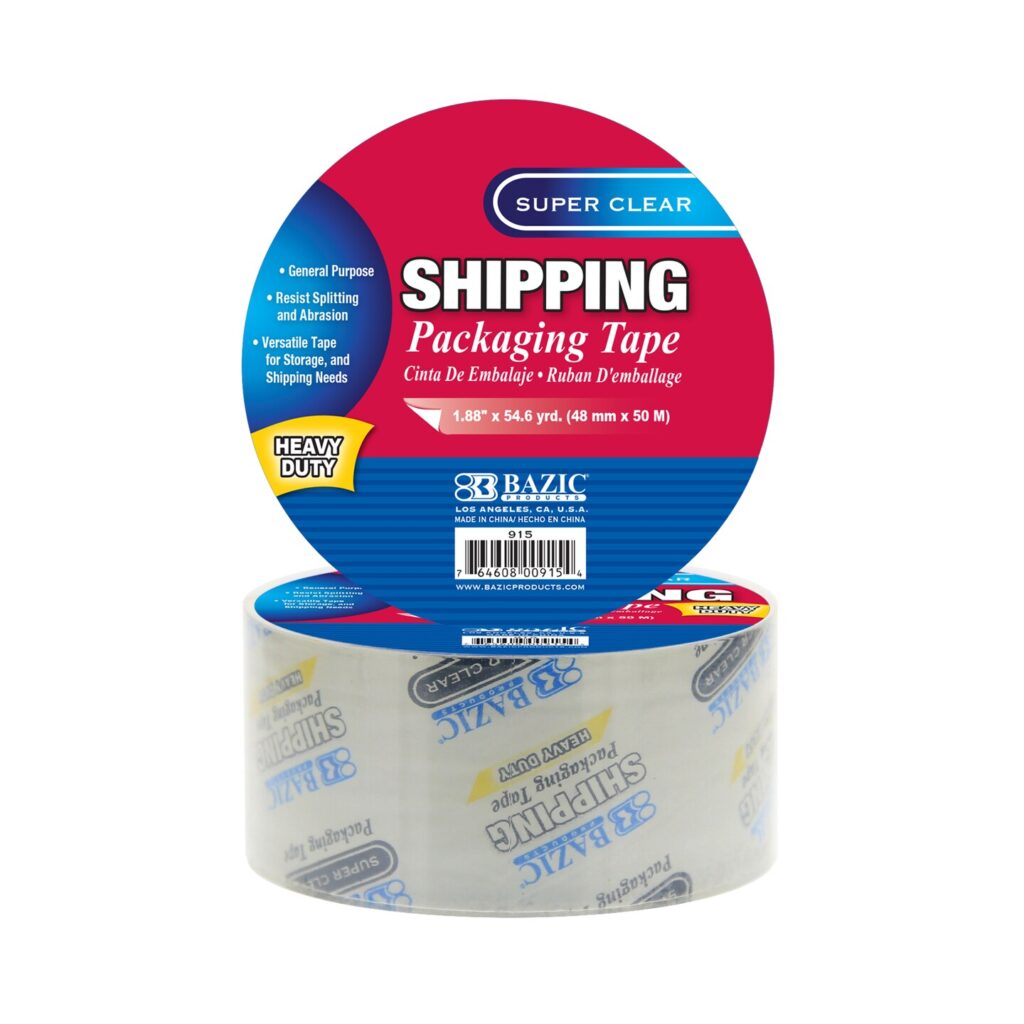
While standard 48mm (1.88-inch) widths suit most carton sealing applications, verify compatibility with existing dispenser fleets across your operational regions. For European palletization standards, consider 50mm widths to ensure seal overlap compliance. Request 3-inch cores for high-volume automated lines versus 1-inch cores for manual operations. Calculate total cost-per-seal by factoring roll length—800-inch industrial rolls reduce changeover frequency in high-throughput distribution centers compared to standard 55-yard consumer-grade options.
4. How Do You Evaluate Dispenser Compatibility and Ergonomic Efficiency?
Ultra-clear tape requires precise, bubble-free application to maintain professional aesthetics. Test dispenser blade sharpness and tension control mechanisms using supplier-provided samples before committing to bulk orders. For operations spanning multiple continents, prioritize universal core adapters and lightweight dispensers accommodating varying workforce ergonomic standards. Verify that dispenser housings feature anti-adhesive coatings resistant to buildup, which becomes critical during high-humidity seasons in tropical transit hubs.
5. What Quality Certifications Should You Request from International Suppliers?
Beyond baseline ISO 9001 compliance, demand ASTM D3654 (shear adhesion) and ASTM D3759 (tensile strength) test reports specific to ultra-clear film formulations. For European Union markets, confirm REACH compliance regarding adhesive chemical composition and SVHC restrictions. African buyers should verify SGS or Bureau Veritas inspection certificates for moisture content specifications, preventing mold proliferation during container shipping. Request batch-specific COAs (Certificates of Analysis) rather than generic specification sheets to ensure traceability.
6. How Do You Structure Bulk Procurement Contracts for Cost Efficiency?
Negotiate tiered pricing based on quarterly volume commitments across multiple SKUs rather than single-item spot orders. Include contractual clauses requiring climate-controlled container storage during transit—ultra-clear BOPP films degrade if exposed to temperatures exceeding 40°C in shipping containers. Structure initial payment terms with 30% deposits and confirmed Letters of Credit for new supplier relationships in South America or the Middle East, transitioning to net-30 open account terms following successful quality verification and delivery confirmation.
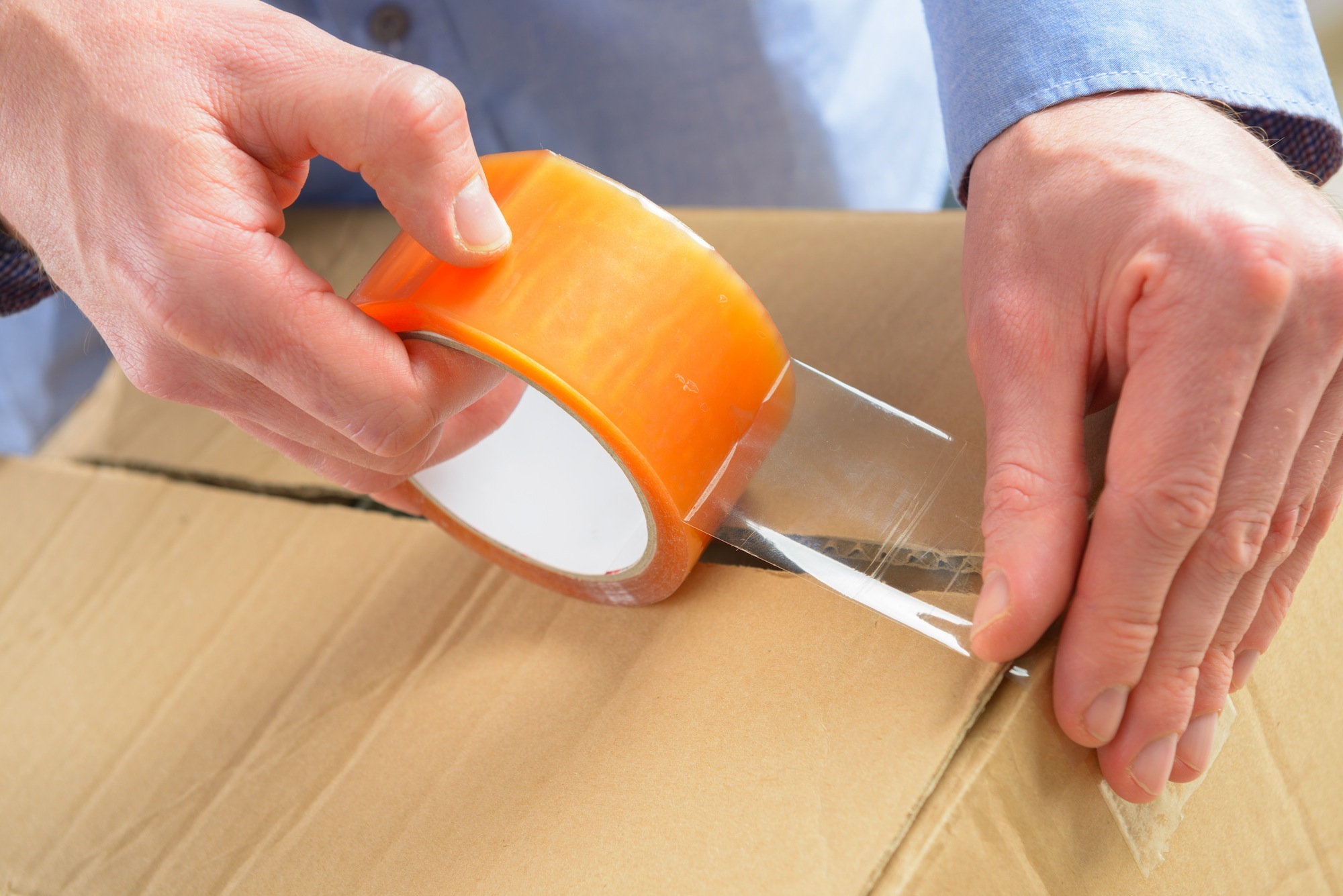
A stock image related to Ultra clear box tape.
Comprehensive Cost and Pricing Analysis for Ultra clear box tape Sourcing
Understanding the true cost architecture of ultra clear box tape requires looking beyond sticker prices to material science, manufacturing complexity, and logistics economics. For procurement teams operating across diverse markets like Nigeria, Germany, or Brazil, granular cost visibility prevents margin erosion and ensures specifications align with actual operational needs.
What raw material factors drive ultra clear box tape pricing volatility?
The primary cost determinant lies in biaxially oriented polypropylene (BOPP) film quality and adhesive formulation. Premium ultra clear variants utilize specialized low-haze BOPP films (typically 28–35 microns) combined with water-based acrylic adhesives that require precise coating tolerances. When polypropylene resin prices fluctuate due to petrochemical market shifts, tape costs move correspondingly—often with a 60–90 day lag. Additionally, paper core specifications (recycled vs. virgin fiber) and release coating chemistries contribute 8–12% to total material costs, factors often overlooked in initial supplier quotations.
How do volume breakpoints and MOQs impact per-roll economics?
B2B procurement operates on stark volume cliffs. Orders below 5,000 rolls typically incur 15–25% premiums compared to full-container-load (FCL) quantities of 20,000+ units. For African and South American importers, Less than Container Load (LCL) shipments often trigger consolidation fees that add $0.02–$0.04 per roll. Smart buyers negotiate tiered pricing structures that bridge quarterly consumption patterns, securing FCL rates while maintaining quarterly delivery schedules to optimize working capital without incurring excessive warehouse holding costs.
What hidden costs distort the total landed price for international buyers?
Beyond ex-factory unit costs, procurement teams must calculate master carton dimensions (affecting container utilization), customs harmonized system (HS) codes 3919.10/3919.90 duty variations, and anti-dumping tariffs prevalent in European markets. Quality assurance represents another cost layer—third-party SGS or Bureau Veritas inspections for optical clarity (measured in haze percentage) and adhesion strength (oz/inch) add $800–$1,200 per shipment but prevent costly rejection of substandard inventory. Currency hedging against USD/CNY or USD/EUR fluctuations protects margins on 90-day production cycles typical for custom-width orders.
How does ultra clear positioning command premium pricing versus standard clear tape?
Ultra clear formulations justify 20–35% price premiums over standard clear BOPP tape due to enhanced optical transmission rates exceeding 90% and specialized UV stabilizers that prevent yellowing during extended storage. For German packaging distributors or Nigerian e-commerce fulfillment centers, this clarity premium translates to brand perception value on retail-ready shipments. However, buyers should demand spectrophotometer test reports verifying haze values below 1.5% to ensure the premium reflects genuine optical-grade materials rather than marketing terminology.
Which Incoterms and payment structures optimize cost efficiency?
FOB (Free On Board) terms generally favor buyers sourcing from Chinese manufacturing clusters, allowing control over ocean freight negotiations. However, for Middle Eastern markets facing complex customs clearance, DDP (Delivered Duty Paid) arrangements often prove cost-effective despite higher upfront quotes, eliminating demurrage risks at Jebel Ali or Lagos ports. Payment terms should leverage 30% T/T deposit with 70% against BL copy for established suppliers, while newer vendor relationships warrant 100% LC (Letter of Credit) to secure quality compliance before funds release.
Alternatives Analysis: Comparing Ultra clear box tape With Other Solutions
When evaluating sealing solutions for export packaging or e-commerce fulfillment, procurement teams must weigh visibility requirements against operational constraints and regional supply chain conditions. While ultra clear box tape provides distinct branding advantages, alternative methods may offer superior cost efficiency or security features depending on your specific logistics environment.
Which Sealing Solution Delivers Superior Value for International Logistics?
| Comparison Aspect | Ultra Clear Box Tape | Standard Opaque (Brown/Tan) Tape | Water-Activated Tape (Gummed) |
|---|---|---|---|
| Visual Presentation | High transparency; barcode scanning through tape; premium aesthetic | Opaque finish; obscures branding; utilitarian appearance | Kraft paper appearance; professional matte finish; customizable printing |
| Security Features | Tamper-evident when removed; visible punctures | Similar tamper evidence; less visible on dark surfaces | Permanent bond with cardboard; cannot be reapplied without detection; superior tamper evidence |
| Cost per Linear Meter | $0.04–$0.08 (premium grade) | $0.02–$0.05 (standard grade) | $0.06–$0.12 (including dispenser investment) |
| Application Speed | High (handheld dispensers or automated case sealers) | High (same as clear) | Moderate (requires water activation; 2-3 seconds additional per seal) |
| Environmental Conditions | Resistant to humidity; acrylic adhesive stable 0°C–60°C | Similar performance; better UV resistance in some formulations | Sensitive to moisture before application; excellent performance post-application; biodegradable options available |
| Implementation Requirements | Minimal (standard dispensers) | Minimal | Requires water dispenser; training for operators; higher initial setup cost |
Is Water-Activated Tape Worth the Investment for High-Security Exports?
Water-activated tape (WAT) creates a permanent chemical bond with corrugated fibers, making it the preferred choice for B2B shipments requiring maximum tamper evidence. Unlike pressure-sensitive alternatives, WAT penetrates the box surface, creating a seal that destroys the cardboard upon removal—ideal for pharmaceutical exports to Germany or high-value electronics bound for Middle Eastern markets. The Kraft paper substrate communicates sustainability values important to European buyers, while the permanent bond addresses customs security concerns in Nigerian and Brazilian ports. However, specialized electric dispensers and slower application speed (15-20% reduction in throughput) necessitate careful ROI calculations for high-volume operations. Additionally, WAT requires climate-controlled warehousing in tropical regions before application, a significant consideration for African and South American distributors evaluating total supply chain costs.
Should Cost-Conscious Buyers Opt for Standard Opaque Tape?
Standard opaque packing tape delivers cost efficiencies of 30-40% compared to ultra clear formulations while offering superior UV stability for outdoor storage common in African and Middle Eastern supply chains. While it lacks the “invisible” aesthetic of clear tape, opaque masking hides dust accumulation during long-haul shipping—improving unboxing experiences in dusty climates like Lagos or Dubai logistics hubs. For B2B buyers prioritizing functional sealing over marketing presentation, particularly in industrial component shipping, standard opaque tape provides reliable adhesion at significantly lower total cost of ownership. The material also performs better on recycled corrugated content where clear tape’s adhesive may struggle with dusty surfaces. However, procurement teams must implement strict SKU management to avoid inventory confusion, and verify that barcode scanning systems can accommodate reduced contrast when scanning through tape edges.
Essential Technical Properties and Trade Terminology for Ultra clear box tape
When sourcing ultra clear box tape for high-visibility packaging, understanding the technical specifications that differentiate premium grades from standard clear variants is critical for procurement decisions across diverse climate zones. Unlike conventional opaque or yellowish packing tapes, ultra clear formulations require precise manufacturing tolerances to ensure both optical clarity and structural integrity during international transit from German manufacturing hubs to Nigerian distribution centers or Brazilian retail endpoints.
What Film Thickness and Micron Specifications Ensure Load Security?
Ultra clear box tape utilizes biaxially oriented polypropylene (BOPP) film typically ranging from 35 to 50 microns (1.4 to 2.0 mils). Thicker films provide enhanced tensile strength exceeding 25 N/cm for heavy-duty cartons surpassing 30kg, while thinner variants reduce material costs for lightweight e-commerce shipments. Buyers should verify caliper consistency across production batches, as uneven thickness creates optical distortion and weak seal points that compromise carton integrity during Middle Eastern heat exposure.
How Do Hot Melt and Acrylic Adhesives Impact Transparency?
The adhesive chemistry determines both optical properties and bonding capability in varying humidity levels. Hot melt synthetic rubber adhesives offer aggressive initial tack (800+ grams) and perform reliably in temperature fluctuations common in African logistics, though they may develop slight amber tones under prolonged UV exposure. Acrylic water-based adhesives provide superior crystal-clear aging characteristics preferred in European pharmaceutical packaging, with excellent performance on recycled corrugated surfaces and resistance to plasticizer migration.
What Haze Percentage Defines Premium Optical Clarity?
Optical performance is quantified by haze percentage and luminous transmittance metrics. Premium ultra clear tapes maintain haze levels below 5% and light transmission above 90%, ensuring barcode scanability and brand visibility through the tape layer. Standard clear tapes typically exhibit 10-15% haze, creating a frosted appearance that obscures printed branding beneath the seal, while ultra clear variants meet ASTM D1003 standards for transparency.
Why Does Unwind Noise Indicate Manufacturing Quality?
Unwind decibel levels reflect film calendering precision and silicone release coating uniformity. Low-noise unwind characteristics (below 60dB) reduce operator fatigue in high-volume German and Nigerian distribution centers where continuous carton sealing is standard. This acoustic property prevents the high-pitched screeching associated with inferior film casting that slows packing line efficiency and indicates inconsistent adhesive distribution that could affect seal strength.
What Differentiates Shear Strength from Peel Adhesion in Performance Testing?
Shear strength measures the tape’s resistance to sliding under constant load, critical for palletized stability during humid South American shipping routes or stacked storage in tropical climates. Peel adhesion (measured in ounces per inch or Newtons per 25mm) indicates immediate surface grip. Quality ultra clear tapes demonstrate minimum 25 oz/in peel adhesion on kraft corrugated and 500+ minutes shear resistance at 40°C to prevent carton opening during transit vibration.
How Does UV Stabilization Protect Brand Presentation?
UV resistance prevents adhesive degradation and yellowing during extended warehouse storage or cross-continental transit through high-sunlight regions. Tapes incorporating UV inhibitors and antioxidants maintain clarity for 6-12 months of exposure, ensuring that luxury cosmetic and pharmaceutical packaging arriving in Middle Eastern markets retains professional appearance without the brittle failure associated with standard tapes.
Navigating Market Dynamics and Sourcing Trends in the Ultra clear box tape Sector
The ultra-clear box tape market is navigating a complex intersection of premium packaging demands and supply chain volatility. As B2B buyers from Lagos to Berlin seek reliable sealing solutions that enhance brand presentation while withstanding diverse climatic conditions, understanding sector-specific dynamics becomes critical for procurement optimization. Unlike standard packaging tapes that obscure branding, ultra-clear variants utilizing advanced polypropylene substrates serve strategic functions in automated fulfillment environments where barcode visibility and aesthetic presentation directly impact operational efficiency.
What Are the Current Market Dynamics Shaping Ultra Clear Box Tape Demand?
Global e-commerce expansion continues to drive demand for high-clarity packaging materials that support premium unboxing experiences and automated sorting systems. Advanced biaxially oriented polypropylene (BOPP) films with enhanced optical properties now command significant market share, particularly among exporters requiring consistent performance across varying humidity levels. Regional sourcing patterns reveal distinct procurement behaviors: European buyers, particularly in Germany, prioritize ISO-certified manufacturing consistency and low-noise unwinding properties for high-speed automated lines. Conversely, emerging markets across Nigeria and South America demonstrate growing appetite for mid-tier clarity solutions that balance optical performance with cost efficiency in challenging storage environments.
Supply chain resilience has emerged as a decisive factor following recent volatility in petrochemical derivatives and shipping rates. Forward-thinking procurement teams are diversifying supplier portfolios across Middle Eastern and Southeast Asian manufacturing hubs while insisting on strategic buffer stock agreements. Additionally, the industry-wide shift toward hot-melt adhesive formulations over solvent-based alternatives reflects both evolving regulatory compliance requirements and enhanced shear strength demands for heavy-duty export shipments. Buyers are increasingly evaluating tape thickness consistency—measured in microns—as a quality indicator, recognizing that substandard films compromise both seal integrity and the professional appearance that justifies premium pricing.
How Is Sustainability Transforming Sourcing Strategies for Clear Packaging Solutions?
Environmental accountability now extends beyond the substrate to encompass adhesive chemistry, manufacturing processes, and end-of-life recyclability. While polypropylene films offer inherent durability, the lamination with acrylic adhesives historically created recyclability challenges. Leading manufacturers are now deploying solvent-free coating technologies that maintain optical clarity while reducing volatile organic compound (VOC) emissions by up to 40%, aligning with EU REACH regulations and emerging Middle Eastern environmental standards.
Ethical sourcing verification has become non-negotiable for enterprise buyers subject to European Union Corporate Sustainability Due Diligence directives and similar frameworks. Procurement professionals must evaluate suppliers against SMETA (Sedex Members Ethical Trade Audit) or BSCI (Business Social Compliance Initiative) standards, particularly when engaging high-volume production facilities. Carbon footprint transparency presents another critical evaluation criterion, with tape density and roll length optimization directly impacting freight emissions and storage costs. Buyers are increasingly requesting Environmental Product Declarations (EPDs) and scrutinizing whether “ultra-clear” marketing claims align with actual recycled content percentages or carbon-neutral manufacturing processes. For operations in Africa and South America, selecting suppliers with regional distribution centers can significantly reduce Scope 3 emissions while ensuring consistent product availability despite geopolitical logistical bottlenecks.
Frequently Asked Questions (FAQs) for B2B Buyers of Ultra clear box tape
What is the difference between ultra clear and standard clear packing tape for international shipping?
1. What is the difference between ultra clear and standard clear packing tape?
Ultra clear box tape utilizes advanced biaxially-oriented polypropylene (BOPP) films or cellulose acetate substrates with optical-grade clarity that eliminates the cloudy, whitish haze characteristic of standard clear tapes. While standard clear tape often contains lower-grade resins or recycled content that refracts light and obscures underlying carton graphics, ultra clear variants offer light transmission rates exceeding 90%, ensuring barcode readability and brand visibility remain uncompromised. For B2B buyers managing retail-ready supply chains, this distinction prevents the “frosted” appearance that frequently triggers rejection during quality control audits at distribution centers in Germany or compliance checks in Nigerian retail markets.
What thickness (mil) of ultra clear box tape is best for heavy-duty export shipping?
2. What thickness of ultra clear box tape is best for heavy-duty shipping?
For heavy-duty international logistics, specify ultra clear tape measuring 2.0 to 3.0 mil (0.05 to 0.076 mm) in thickness, particularly for palletized freight facing multiple handling points across Middle Eastern or South American trade routes. Thinner 1.6-1.8 mil options suffice for lightweight e-commerce parcels, but export containers require the enhanced tensile strength—typically 20-30 lbs per inch width—and puncture resistance of 2.5+ mil formulations to withstand shifting loads during ocean transit. When evaluating specifications, prioritize tapes with high shear adhesion values (measured per ASTM D3654) over mere thickness, as adhesive mass and cross-linking density often determine seal integrity more than film gauge alone.
Can ultra clear box tape be integrated with automated carton sealing machines in high-volume facilities?
3. Can ultra clear box tape be used with automated carton sealing machines?
Premium ultra clear box tapes are engineered specifically for high-speed automated carton sealers, featuring precision-calibrated unwind forces and anti-static coatings that prevent machine jams during continuous operation at speeds of 30-50 meters per minute. When sourcing for automated packaging lines, request tape with tight roll concentricity tolerances (±0.5mm) and consistent core alignment to ensure smooth feeding through case erectors and taper heads. Conduct pilot testing with your specific equipment models, as ultra clear films sometimes require adjusted brake tension settings compared to opaque reinforced tapes to prevent stretching or “waisting” during high-speed application.
Does ultra clear box tape enhance brand visibility compared to standard clear packaging tape?
4. Does ultra clear box tape provide better branding visibility than standard clear tape?
Ultra clear tape significantly enhances brand visibility by eliminating the optical distortion that causes standard tape to appear yellowish or opaque against corrugated surfaces, effectively creating a “floating seal” that makes underlying graphics appear uninterrupted. This optical clarity ensures that printed logos, handling instructions, and marketing designs remain fully visible through the seal, which proves critical for B2C shipments in European markets where unboxing aesthetics directly influence customer retention and review scores. For exporters to Nigeria or luxury goods markets in the Middle East, where package presentation signals product quality and authenticity, ultra clear tape conveys premium handling standards while maintaining tamper-evident security.
How do I select ultra clear box tape that withstands high-humidity climates during transit?
5. How do I select ultra clear box tape that withstands high-humidity climates during transit?
For shipments traversing tropical regions such as West Africa or Southeast Asia, specify ultra clear tape with pure acrylic adhesive formulations rather than standard hot-melt rubber adhesives, as acrylic maintains bonding strength in moisture levels exceeding 80% relative humidity and temperature fluctuations between 10°C and 40°C. Request tapes featuring UV inhibitors and hydrophobic backings that prevent adhesive whitening or edge lifting during prolonged ocean freight exposure to salt air. Verify compliance with PSTC-107 shear adhesion standards, which indicate the tape’s ability to resist sliding and seal failure under the high-moisture conditions common in South American and Middle Eastern port facilities.
What adhesive specifications ensure food-safe compliance for ultra clear packaging tape?
6. What adhesive specifications ensure food-safe compliance for ultra clear packaging tape?
When packaging food products, pharmaceuticals, or cosmetics for export to EU markets or compliance-conscious Middle Eastern buyers, procure ultra clear tape certified to FDA 21 CFR 175.105 (indirect food contact) and EU Regulation 10/2011, ensuring the adhesive contains no heavy metals, plasticizers, or phthalates that could migrate through corrugated fibers. Request comprehensive Safety Data Sheets (SDS) confirming the tape is PVC-free and bisphenol-A (BPA) free, as these substances face strict import restrictions under German LFGB regulations and similar standards across Europe. Water-based acrylic adhesives generally provide the cleanest compliance profile for food-adjacent packaging compared to solvent-based natural rubber alternatives.
How should international buyers calculate MOQ and storage requirements for ultra clear tape procurement?
7. How should international buyers calculate MOQ and storage requirements for ultra clear tape procurement?
Calculate your Minimum Order Quantity (MOQ) based on 90-day consumption rates plus a 25% buffer to account for ocean freight lead times from manufacturing hubs to African or South American ports, while ensuring the production batch dates align with your inventory turnover. Ultra clear tape requires climate-controlled storage (15-25°C, 40-60% relative humidity) to prevent adhesive oxidation and yellowing; budget for ventilated warehousing rather than standard container storage if importing to high-humidity regions. When negotiating contracts, specify shelf-life guarantees of 12-18 months for acrylic formulations and request batch-specific optical clarity testing reports to ensure consistency across large-volume shipments.
Is ultra clear box tape compatible with recycled corrugated materials and sustainable packaging initiatives?
8. Is ultra clear box tape compatible with recycled corrugated materials and sustainable packaging initiatives?
Ultra clear polypropylene tapes are fully compatible with recycled corrugated board (RCCM) and post-consumer recycled (PCR) cartons, though you should verify that the adhesive system bonds effectively with recycled fiber content, which often exhibits more surface variation and lower cohesive strength than virgin Kraft paper. For European markets emphasizing circular economy compliance, specify tapes certified as recyclable with board per EN 643 standards or those featuring repulpable water-based adhesives that separate cleanly during the paper recycling process without contaminating pulp streams. Some premium ultra clear options now incorporate 30% post-industrial recycled content in the film substrate itself, supporting corporate sustainability targets while maintaining the optical clarity required for retail presentation standards.
Important Disclaimer & Terms of Use
⚠️ Important Disclaimer
The information provided in this guide, including content regarding manufacturers, technical specifications, and market analysis, is for informational and educational purposes only. It does not constitute professional procurement advice, financial advice, or legal advice.
B2B buyers must conduct their own independent and thorough due diligence before making any purchasing decisions. The risk of relying on any information in this guide is borne solely by the reader.
Top 1 Ultra Clear Box Tape Manufacturers & Suppliers List
1. Tape Suppliers – Industrial Tapes
Domain: tapesuppliers.com
Registered: 2007 (19 years)
Introduction: Product categories include: 3M Tape, Adhesive Tape, Carpet Tape, Cloth Tape, Duct Tape, Electrical Tape, Foam Tape, Foil Tape, High Temperature Tape, Masking Tape, PTFE Tape, Sealing Tape, Teflon Tape, and Vinyl Tape. Additional services mentioned include die cutting. The directory covers manufacturers, suppliers, and distributors serving various industrial and commercial tape needs.
Strategic Sourcing Conclusion and Outlook for Ultra clear box tape
As global supply chains face continued volatility, ultra clear box tape has evolved from a simple commodity to a strategic packaging asset. For procurement teams across Nigeria, Germany, and emerging markets, success lies not merely in unit cost reduction, but in securing optical clarity and adhesive reliability that withstands diverse climatic conditions—from humid African ports to European cold storage—while maintaining premium brand presentation standards.
How Can B2B Buyers Future-Proof Their Ultra Clear Tape Sourcing Strategy?
Forward-thinking procurement requires diversifying supplier portfolios across multiple continents to mitigate regional disruptions and currency fluctuations. Prioritize partners offering ISO-certified manufacturing and transparent material traceability, particularly as sustainability mandates tighten in European markets. Evaluate formulations specifically for UV resistance and temperature stability, ensuring performance integrity during long-haul shipments through varying environments.
What Role Will Sustainability Play in Ultra Clear Packaging Procurement?
The shift toward recyclable hot-melt adhesives and reduced-plastic backing materials is accelerating across international markets. Buyers should negotiate contracts that include incremental sustainability roadmaps, balancing immediate cost efficiency with long-term ESG compliance. Establishing direct manufacturer relationships—bypassing intermediaries—will prove critical for securing volume commitments while maintaining consistent quality standards.
Ultimately, treating ultra clear box tape as a strategic input rather than an afterthought enables operational resilience. By aligning procurement practices with regional logistics challenges and emerging environmental standards, international buyers transform packaging from a hidden cost into a competitive advantage.