Introduction: Navigating the Global Market for Foil Tape for HVAC
Sourcing high-performance foil tape for HVAC systems presents unique complexities for international procurement teams navigating fragmented supply chains and varying quality standards. Whether you are managing large-scale climate control installations in Lagos or commercial ventilation projects in São Paulo, securing reliable sealing solutions that withstand extreme thermal cycles and humidity conditions remains critical for operational efficiency. The global marketplace offers myriad adhesive technologies—from acrylic-based formulations to reinforced FSK laminates—yet discerning which specifications align with regional building codes and project demands requires specialized expertise that many traditional suppliers fail to provide.
What challenges do B2B buyers face when procuring HVAC foil tape across international markets?
This comprehensive guide addresses the critical pain points facing procurement professionals across Africa, South America, the Middle East, and Europe. We examine essential tape classifications including acrylic adhesive, hot-melt rubber, and FSK reinforced varieties, alongside their specific applications in duct sealing, vapor barrier maintenance, and thermal insulation assembly. Beyond product specifications, we analyze rigorous supplier vetting methodologies, total cost of ownership models, and compliance requirements for diverse regulatory environments ranging from UL 181A-P standards to regional building safety codes.
How can procurement teams ensure quality and compliance when sourcing from global suppliers?
For buyers in emerging markets like Nigeria and Brazil, understanding the distinction between UL-certified products and generic alternatives proves vital for long-term infrastructure resilience. This resource equips you with actionable frameworks to evaluate adhesive performance under extreme temperatures, assess moisture vapor transmission rates, and negotiate favorable commercial terms with international manufacturers. By translating complex technical specifications into strategic procurement criteria, we empower you to mitigate supply chain risks, optimize HVAC system energy efficiency, and secure sustainable competitive advantages in your respective construction, industrial, and MRO sectors.
Understanding Foil Tape for HVAC Types and Variations
| Type Name | Key Distinguishing Features | Primary B2B Applications | Brief Pros & Cons for Buyers |
|---|---|---|---|
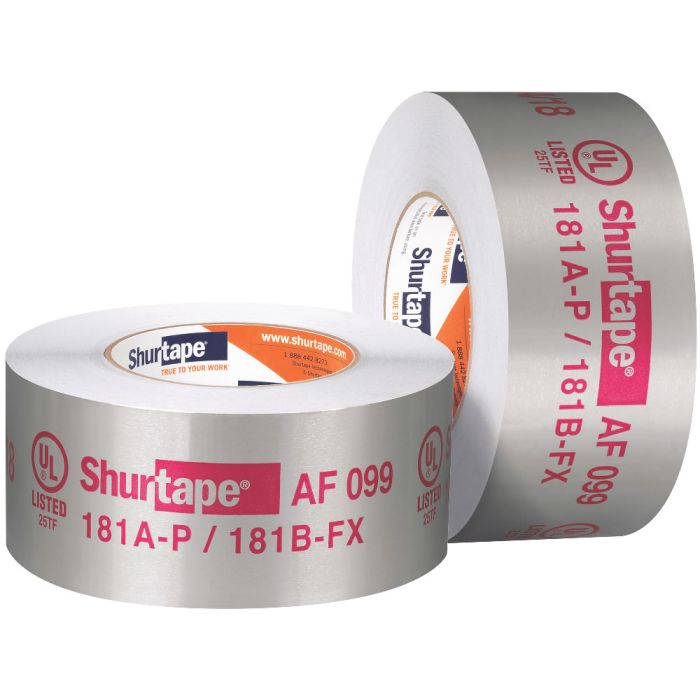
| Acrylic Adhesive Aluminum Foil Tape | Pressure-sensitive acrylic adhesive; operational range -40°F to 300°F (-40°C to 149°C); UV and moisture resistant; UL181A-P/B-FX listings available | Sealing rigid fiberglass ductboard, flexible air ducts, vapor barriers in climate-controlled commercial environments | Pros: Long-term durability, extreme temperature performance, code compliant for international projects. Cons: Higher cost per roll, requires clean surface preparation for optimal adhesion. |
| Hot Melt (Synthetic Rubber) Adhesive Foil Tape | Aggressive initial tack; synthetic rubber resin formulation; moderate temperature tolerance; cost-effective bulk pricing | Quick repairs, temporary seals, joining fiberglass insulation, mineral wool applications in moderate climates | Pros: Lower material cost, instant bond, good cold-weather application. Cons: Limited high-temp resistance (softens above 200°F), potential UV degradation, shorter service lifespan. |
| FSK (Foil-Scrim-Kraft) Reinforced Tape | 3-ply construction: aluminum foil + fiberglass scrim + kraft paper; high tensile strength; puncture and tear resistant | Vapor barrier sealing for insulation boards, duct wrap applications, refrigeration systems, metal building insulation | Pros: Superior mechanical strength, excellent vapor seal, withstands installation stress. Cons: Reduced conformability compared to plain foil, thicker profile unsuitable for tight spaces. |
| Aluminum Foil Glass Cloth Tape | Glass cloth backing laminated with aluminum foil; withstands 600°F+ (315°C+); high abrasion and dimensional stability | High-temperature HVAC systems, industrial furnaces, thermal insulation assemblies, boiler room connections | Pros: Extreme heat resistance, mechanical protection, fire retardant properties. Cons: Premium pricing, stiffer handling, over-specified for standard residential ductwork. |
What Makes Acrylic Adhesive Foil Tape the Industry Standard for Permanent HVAC Sealing?
Acrylic adhesive aluminum foil tape represents the industry standard for permanent HVAC installations requiring long-term reliability. Its pressure-sensitive formulation bonds molecularly with metal ductwork and fiberglass, delivering consistent performance across extreme temperature cycles from -40°F to 300°F. For B2B buyers sourcing commercial projects across diverse climates—from Nigeria’s humidity to European freezes—prioritize UL181A-P and UL181B-FX certified tapes. These listings ensure international code compliance, reduce liability risks, and indicate superior UV resistance and aging stability compared to uncertified alternatives, making them essential for warranty-backed installations.
When Is Hot Melt Adhesive Foil Tape the Most Cost-Effective Choice for Ductwork?
Hot melt or synthetic rubber adhesive foil tapes offer cost-effective solutions where immediate tack outweighs extreme temperature needs. These tapes adhere reliably to fiberglass insulation without extensive surface preparation, making them ideal for quick repairs and residential installations. Procurement teams should evaluate operational temperature ranges carefully, as these adhesives may soften above 200°F. They represent optimal choices for temperate regions and temporary sealing applications where budget constraints are primary concerns, though they lack the long-term durability required for industrial HVAC systems in harsh environments.
Why Do Commercial Insulation Projects Require FSK Reinforced Tape?
FS
Key Industrial Applications of Foil Tape for HVAC
| Industry/Sector | Specific Application of Foil Tape for HVAC | Value/Benefit for the Business | Key Sourcing Considerations for this Application |
|---|---|---|---|
| Commercial Construction & Infrastructure | Sealing rigid fiberglass ductboard and flexible duct systems in high-rise buildings, airports, and retail complexes | Ensures airtight building envelopes, reduces HVAC energy consumption by up to 30%, and prevents mold growth in humid climates | Verify UL 181A-P/B-FX listings; ensure acrylic adhesive stability in high ambient temperatures (40°C+); bulk packaging for large-scale projects |
| Oil, Gas & Petrochemical Processing | Sealing HVAC ductwork in offshore platforms, refineries, and chemical plants exposed to corrosive atmospheres | Prevents ingress of salt-laden air and hazardous vapors; maintains climate control in critical electrical housing and control rooms | Require FSK or glass cloth reinforced tapes for mechanical durability; verify chemical resistance and flame-retardant properties; ATEX/IECEx compliance |
| Food Processing & Cold Chain Logistics | Vapor sealing of insulation in cold storage warehouses, blast freezers, and refrigerated transport HVAC systems | Maintains temperature integrity, reduces thermal bridging and spoilage risk, supports HACCP compliance by preventing condensation | Confirm low-temperature adhesion (effective at -20°C to -40°C); check low MVTR ratings; FDA-compliant adhesives for incidental contact |
| Data Centers & Telecommunications | Sealing precision air conditioning (CRAC/CRAH) ductwork and cable penetration seals in server farms | Maximizes cooling efficiency for PUE optimization, prevents dust contamination of sensitive equipment, supports fire-stop systems | High-tack acrylic for dusty surfaces; easy-release liner for rapid installation; compatibility with clean room standards; consistent roll lengths |
How Does Foil Tape Optimize HVAC Performance in Large-Scale Commercial Construction?
In large-scale commercial developments across Nigeria, Brazil, and the UAE, foil tape serves as the primary sealant for rigid fiberglass ductboard and flexible air distribution systems. It addresses thermal leakage at joints and seams, which is critical in regions with extreme diurnal temperature shifts and high cooling loads. For B2B buyers managing skyscraper or shopping mall projects, selecting acrylic-based adhesives ensures long-term bonding despite high ambient humidity and UV exposure common in tropical climates. The tape eliminates the need for mechanical fasteners, accelerating installation timelines while ensuring compliance with international airtightness standards and reducing overall HVAC energy consumption by preventing conditioned air loss.
What Role Does Foil Tape Play in Harsh Environment HVAC Systems for Oil and Gas?
For offshore platforms and petrochemical facilities in the Middle East and North Africa, HVAC systems must operate in corrosive, high-temperature environments where standard sealants fail. Foil tape—particularly FSK (Foil-Scrim-Kraft) or glass cloth reinforced variants—seals ductwork in control rooms and electrical enclosures, preventing ingress of salt-laden air, dust, and hazardous vapors. This application solves the critical problem of equipment corrosion and climate control failure that leads to costly downtime. Buyers should prioritize tapes with superior chemical resistance, high tensile strength, and flame-retardant certifications to meet ATEX directives and local safety mandates, ensuring reliable performance in these high-risk industrial sectors.
Why Is Vapor Sealing Critical for Cold
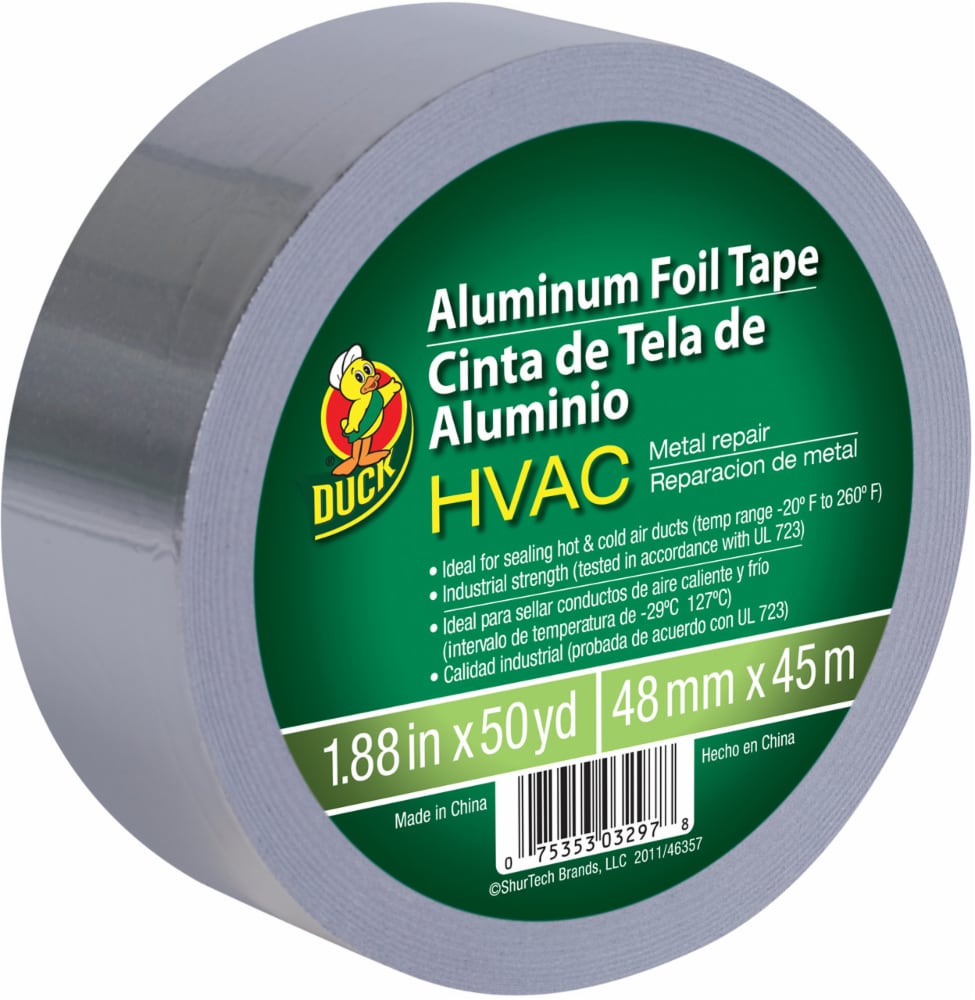
A stock image related to Foil Tape for HVAC.
3 Common User Pain Points for ‘Foil Tape for HVAC’ & Their Solutions
Scenario 1: Why Does HVAC Foil Tape Fail Under Extreme Temperature Cycling?
The Problem: In tropical climates like Nigeria or Brazil, standard adhesive tapes often soften and lose adhesion when rooftop ductwork temperatures exceed 60°C, or conversely become brittle during cooler seasons. This thermal cycling causes edge curling, seam separation, and moisture infiltration that compromises system efficiency. Facilities managers face costly maintenance callbacks and increased energy consumption as conditioned air escapes through failed seals, particularly in high-humidity environments where condensation accelerates adhesive degradation.
The Solution: Specify HVAC aluminum tapes with acrylic adhesive systems rated for operational ranges of -40°C to 149°C (-40°F to 300°F), carrying UL 181A-P or UL 181B-FX certifications. Acrylic formulations resist UV degradation and thermal cycling significantly better than rubber-based alternatives. For humid environments, prioritize tapes with moisture vapor transmission rates below 1.0 perm and aluminum backing thickness exceeding 2.0 mil to ensure dimensional stability and long-term vapor sealing performance.
Scenario 2: Which UL Certification Do I Need for Rigid vs. Flexible Ductwork?
The Problem: Procurement teams frequently struggle to distinguish between UL 181A-P and UL 181B-FX certifications, resulting in specification errors that fail local building inspections. Using UL 181B-FX rated tape on rigid fiberglass ductboard—or conversely applying UL 181A-P to flexible duct connectors—creates compliance liabilities and project delays. In emerging markets with evolving HVAC standards, this confusion often leads to rejected shipments or costly rework on commercial installations, particularly when importing to regions with strict energy efficiency mandates.
The Solution: Match the UL listing precisely to the substrate: UL 181A-P is engineered specifically for rigid fiberglass ductboard and requires shear strength testing on that specific material, while UL 181B-FX is formulated for flexible air ducts and connectors. When sourcing for diverse project portfolios, request dual-certified tapes carrying both listings to simplify inventory management. Ensure suppliers provide current UL certificates of compliance, particularly critical when importing to Middle Eastern or European markets with rigorous building codes.
Scenario 3: How Can I Prevent Tape Delamination on FSK Insulation Materials?
The Problem: Maintenance teams frequently report that standard foil tapes
Strategic Material Selection Guide for Foil Tape for HVAC
Procurement teams evaluating HVAC foil tape for international projects must balance performance specifications against regional environmental stressors. Material selection directly impacts installation efficiency, long-term energy conservation, and compliance with local building codes. The following analysis examines four distinct material configurations, offering actionable guidance for specifying tapes suited to diverse operational contexts from Nigeria’s humid tropics to the Middle East’s extreme heat.
Which Material Offers the Best Balance of Cost and Performance for Standard Duct Sealing?
Standard aluminum foil tape with acrylic adhesive represents the baseline specification for most HVAC applications. Featuring a 2.0 mil aluminum backing paired with pressure-sensitive acrylic adhesive, this configuration delivers reliable vapor sealing across temperatures ranging from -40°C to 149°C. Its reflective surface minimizes thermal transfer, while UL181A-P and UL181B-FX listings ensure compliance with stringent international duct closure standards. For procurement teams in markets like Brazil or Nigeria, this material offers an economical solution for residential and light commercial fiberglass duct board sealing. However, the pure foil construction lacks reinforcement, making it susceptible to tearing during high-tension applications or rough handling on active construction sites.
When Should Procurement Teams Specify FSK Laminate Over Standard Foil?
Foil-Scrim-Kraft (FSK) tape integrates aluminum foil with a fiberglass scrim mesh and kraft paper backing, creating a tri-layer composite ideal for mechanical protection. This reinforcement significantly enhances tensile strength and tear resistance, particularly critical when sealing rigid insulation boards, mineral wool joints, or foil-faced materials in industrial facilities across the Middle East and Europe. The scrim prevents elongation under stress, maintaining vapor barrier integrity during building settlement or thermal expansion cycles. While FSK provides superior durability for exposed ductwork in high-traffic mechanical rooms, its increased thickness reduces conformability, complicating installation around complex duct geometries or tight corners common in retrofit projects.
What Backing Material Withstands Extreme Thermal Cycling in Industrial HVAC?
For high-temperature environments exceeding standard acrylic adhesive limits, aluminum foil-glass cloth composite tape provides essential thermal protection. This hybrid material laminates aluminum foil to woven fiberglass fabric, delivering dimensional stability at continuous operating temperatures up to 260°C or higher. Procurement specialists sourcing for industrial furnace connections, boiler room ductwork,
A stock image related to Foil Tape for HVAC.
In-depth Look: Manufacturing Processes and Quality Assurance for Foil Tape for HVAC
Understanding the manufacturing intricacies behind HVAC foil tape empowers procurement teams to evaluate suppliers beyond surface specifications. For buyers operating in diverse climates—from the humidity of Lagos to the temperature extremes of São Paulo—manufacturing consistency directly correlates with field performance and project longevity.
How Is Aluminum Foil Backing Engineered for HVAC Durability?
The foundation of any HVAC foil tape begins with dead-soft aluminum alloy selection, typically ranging from 1.5 to 3.0 mils in thickness. Manufacturers utilize continuous casting and cold rolling processes to achieve uniform gauge control, critical for preventing pinholes that compromise vapor barriers. The foil undergoes annealing treatments to optimize conformability, allowing the tape to adhere to irregular duct surfaces without cracking during application.
Surface preparation determines adhesive bonding efficacy. Reputable producers employ corona treatment or chemical etching to increase surface energy, ensuring the aluminum accepts pressure-sensitive adhesives without delamination. This metallurgical preparation proves particularly vital for buyers in coastal Middle Eastern or South American markets where salt-laden air accelerates oxidation of poorly prepared substrates.
What Adhesive Manufacturing Processes Ensure Climate Resilience?
HVAC foil tape production centers on precision coating technologies that apply adhesive layers ranging from 1.2 to 2.0 mils thickness. Solvent-based acrylic adhesives—preferred for extreme temperature applications—require controlled evaporation chambers where resin solids content is carefully monitored. Hot-melt rubber adhesives, while offering aggressive initial tack, demand different compounding extrusion temperatures to prevent premature cross-linking that would compromise cold-weather flexibility.
The lamination process involves marrying the adhesive-coated foil with release liners, typically silicone-coated poly kraft paper or polyethylene films. Manufacturers utilize tension-controlled winding systems to prevent telescoping during transit—a common failure point when shipping to regions with variable humidity like West Africa. The liner’s release force must balance protection against contamination with easy unwind characteristics for field installers wearing gloves.
How Do Reinforcement Technologies Enhance Structural Integrity?
Multi-layer construction introduces additional manufacturing complexity that buyers should understand when evaluating FSK (Foil-Scrim-Kraft) or glass cloth reinforced tapes. These products require specialized lamination lines that bond fiberglass scrim or woven glass cloth between aluminum layers or backing substrates. The scrim pattern density—typically 6×6 or 8×8 threads per inch—determines tear resistance and tensile strength.
For high-temperature applications exceeding 150°C, manufacturers must align glass cloth fibers precisely to prevent adhesive strike-through while maintaining flexibility. Quality-conscious producers conduct real-time tensile testing during the slitting process, ensuring that reinforced tapes meet minimum strength requirements (often 25-40 lbs/inch) before reaching packaging stages.
What Quality Assurance Protocols Validate Performance Claims?
Rigorous testing separates commodity suppliers from industrial-grade manufacturers. B2B buyers should verify that potential suppliers conduct accelerated aging tests simulating five-year field conditions within 90-day laboratory cycles. This includes humidity chamber testing at 85°C/85% relative humidity to validate adhesive integrity in tropical climates.
Critical performance validations include peel adhesion testing (ASTM D3330) measuring initial and 72-hour bond strength to galvanized steel and fiberglass duct board. Shear resistance testing (ASTM D3654) determines how well the tape withstands constant load at elevated temperatures—essential for vertical duct applications. Manufacturers serving European markets must demonstrate compliance with EN 12068 or DIN 30672 standards for corrosion protection and mechanical resistance.
Which Certifications Indicate Manufacturing Excellence?
UL listings represent the gold standard for HVAC tape manufacturing compliance. UL181A-P certification validates tapes for rigid fiberglass duct board sealing, while UL181B-FX approval covers flexible air duct applications. These certifications require manufacturers to submit production samples from three separate manufacturing lots, ensuring batch-to-batch consistency rather than one-time laboratory achievements.
ISO 9001:2015 certification indicates systematic quality management, while ISO 14001 demonstrates environmental controls during adhesive solvent handling. For buyers in Nigeria, Brazil, and the Middle East, verifying that factories maintain these certifications prevents supply disruptions caused by regulatory non-compliance or inconsistent product quality that fails local building inspections.
How Should International Buyers Evaluate Supply Chain Reliability?
Manufacturing location and raw material sourcing strategies significantly impact lead times and price volatility. Buyers should inquire about aluminum ingot sourcing—whether producers utilize primary aluminum or recycled content—and adhesive resin supply agreements that buffer against petrochemical price fluctuations.
Packaging specifications require particular attention for long-distance shipping to tropical ports. Moisture-barrier packaging with desiccant inserts prevents adhesive degradation during ocean freight, while UV-resistant outer wrapping protects rolls stored in outdoor conditions common in developing markets. Manufacturers should provide batch coding systems enabling full traceability from aluminum coil lot numbers through final slitting operations, facilitating rapid quality investigations if field issues arise.
Factory audit protocols should examine cleanroom classifications during adhesive coating operations—Class 100,000 or better prevents particulate contamination that creates weak spots in the adhesive layer. Calibration records for coating thickness gauges and temperature controllers provide insight into process control discipline. By scrutinizing these manufacturing fundamentals, procurement teams secure partnerships capable of delivering consistent, climate-appropriate HVAC sealing solutions across diverse international markets.
Practical Sourcing Guide: A Step-by-Step Checklist for ‘Foil Tape for HVAC’
Introduction
Procuring HVAC foil tape for international distribution requires navigating technical specifications alongside regional compliance standards. Whether sourcing for Nigeria’s humid commercial sectors, Brazil’s industrial infrastructure, or Middle Eastern construction projects, buyers must verify that aluminum foil tapes withstand local climate extremes while meeting building safety codes. This systematic checklist ensures you evaluate adhesive technologies, backing reinforcements, and certification requirements to secure reliable duct sealing solutions that optimize energy efficiency across diverse operational environments.
How Do You Verify UL181A-P and UL181B-FX Compliance for Duct Sealing Applications?
Begin by requesting current UL181A-P and UL181B-FX certification documentation from potential suppliers, as these listings indicate the tape meets strict standards for rigid fiberglass duct board and flexible air duct sealing. For European markets, ensure compliance with EN standards or local fire safety regulations that may differ from North American requirements. Nigerian and Brazilian buyers should specifically verify that certifications are recognized by local building authorities, as non-compliant products risk project delays and safety liabilities.
Which Adhesive Technology Performs Best in High-Humidity and Extreme Temperature Environments?
Select acrylic adhesive formulations for tropical climates like Lagos or São Paulo, where UV resistance and low moisture vapor transmission rates are critical—quality acrylics maintain bond integrity from -40°C to 149°C. For moderate temperature applications or temporary seals, hot melt adhesives offer cost-effective solutions with strong initial tack. Middle Eastern buyers facing desert heat should prioritize acrylic-based tapes with reinforced scrim backing to prevent thermal degradation and ensure long-term vapor barrier performance.
What Backing Specifications and Reinforcements Suit Heavy-Duty Industrial HVAC Systems?
Specify 2.0 mil aluminum foil backing as your baseline for standard ductwork, upgrading to FSK (Foil-Scrim-Kraft) or aluminum glass cloth tape for high-temperature industrial furnaces and thermal insulation assemblies. FSK tape provides essential mechanical strength for sealing insulation materials and maintaining vapor barriers in refrigeration systems. For mechanical stress points in Brazilian manufacturing facilities or Nigerian commercial buildings, fiberglass-reinforced scrim prevents tearing during installation and thermal expansion cycles.
How Should You Evaluate Supplier Capabilities for International Logistics and Bulk Procurement?
Assess suppliers’ ability to maintain consistent product quality across large-volume shipments while navigating import regulations in your target markets. Request clarity on Minimum Order Quantities (MOQs), lead times for container loads, and climate-controlled storage recommendations to prevent adhesive degradation during transit through humid ports or hot desert logistics hubs. Verify that packaging includes moisture-resistant barriers and kraft paper liners to protect adhesive integrity during extended shipping periods.
What Technical Documentation Ensures Smooth Customs Clearance and Quality Verification?
Demand comprehensive technical data sheets specifying thermal resistance values, peel adhesion strength, and chemical composition to expedite customs inspections in strict regulatory environments like the EU or Middle East. Secure Material Safety Data Sheets (MSDS) and batch testing reports that demonstrate consistency in foil thickness and adhesive application rates. For African and South American markets, ensure documentation includes origin certificates and import compliance statements that align with local industrial material standards.
How Do You Match Specific Tape Types to Your Project’s HVAC System Requirements?
Map tape selection to specific duct materials: use standard foil tape with acrylic adhesive for rigid fiberglass duct board and flexible non-metallic connectors, while reserving FSK or glass cloth reinforced varieties for mineral wool insulation and high-heat industrial applications. Consider the operational temperature range of the HVAC system—standard residential units require different specifications than commercial refrigeration or desert climate cooling systems. Conduct sample testing on actual job site materials when possible to verify adhesion compatibility with local insulation products and metal duct finishes.
A stock image related to Foil Tape for HVAC.
Comprehensive Cost and Pricing Analysis for Foil Tape for HVAC Sourcing
When sourcing HVAC foil tape for international projects, discerning buyers recognize that the sticker price represents only a fraction of the total procurement equation. For distributors and contractors operating across diverse regulatory environments—from Lagos to São Paulo—understanding the underlying cost drivers ensures competitive positioning without compromising system integrity or facing expensive rework in challenging climates.
What Raw Material Factors Drive HVAC Foil Tape Pricing Volatility?
The primary cost determinant remains the aluminum foil backing thickness, typically measured in mils (thousandths of an inch). Standard 2.0 mil backings offer cost efficiency for general duct sealing, while heavy-duty variants (3.0+ mil) or reinforced laminates like FSK (Foil-Scrim-Kraft) command premium pricing due to enhanced tear resistance and thermal performance. Adhesive chemistry significantly impacts costs: acrylic formulations, essential for UV resistance and extreme temperature ranges (-40°C to 149°C), typically cost 15–25% more than hot-melt rubber resin alternatives, though they deliver superior longevity in harsh Middle Eastern or tropical South American climates where heat and humidity degrade lesser adhesives.
How Do Certification Requirements Influence Bulk Procurement Costs?
UL 181A-P and UL 181B-FX listings, critical for North American and increasingly global compliance, add substantial validation costs to manufacturing. These certifications require rigorous flame resistance and shear adhesion testing, adding incremental costs per linear meter depending on order volume. For buyers in emerging markets, specifying certified tapes may increase initial outlay but reduces liability risks and ensures compatibility with international HVAC equipment standards, particularly important when servicing commercial developments with strict safety protocols or multinational corporate clients.
What Logistics Considerations Affect Landed Costs in Africa and South America?
Geographic sourcing strategies dramatically impact final pricing for African and South American buyers. While Asian manufacturers offer competitive unit costs, containerized shipping, import duties (often 5–15% for adhesive products), and currency hedging against USD/EUR fluctuations can erode margins. Additionally, climate-controlled storage during transit proves essential; extreme heat can degrade hot-melt adhesives before installation, rendering inventory unusable upon arrival. Consolidating shipments to maximize container utilization and negotiating Incoterms that appropriately shift transit risk help mitigate these expenses.
How Can Buyers Optimize Total Cost of Ownership Beyond Unit Price?
Focusing solely on per-roll pricing often obscures hidden expenses that devastate project budgets. Low-cost tapes lacking proper acrylic adhesion may fail in high-humidity environments typical of Nigerian or Brazilian operations, necessitating costly labor for rework and causing energy loss from compromised duct seals. Evaluating suppliers based on consistent roll length accuracy (preventing jobsite waste) and technical documentation support reduces project overruns. Strategic procurement involves balancing upfront material costs against adhesive durability, roll consistency, and supplier reliability to achieve genuine project cost efficiency rather than superficial savings.
Alternatives Analysis: Comparing Foil Tape for HVAC With Other Solutions
While aluminum foil tape represents the contemporary standard for duct sealing across international HVAC markets, procurement professionals and contracting firms frequently evaluate alternative methodologies based on specific project constraints, ambient climate conditions, and total cost of ownership calculations. Understanding how foil tape solutions stack against traditional liquid sealants and mechanical fastening approaches enables informed specification decisions that balance immediate material expenditures against long-term system performance and maintenance liabilities. This analysis examines two prevalent alternatives—brush-applied duct mastic and mechanical fastening systems—against foil tape across critical operational metrics relevant to emerging markets in Africa, South America, and the Middle East.
| Comparison Aspect | Foil Tape for HVAC | Duct Mastic Sealant | Mechanical Fastening Systems |
|---|---|---|---|
| Airtightness Performance | Immediate vapor-tight seal; minimal leakage (0.001–0.005 cfm/sq ft) | Requires curing; prone to shrinkage cracks (0.01–0.05 cfm/sq ft) | Creates penetration points; requires secondary sealing |
| Temperature Resistance | -40°C to 149°C (acrylic adhesive) | Typically -10°C to 60°C; degrades in high heat | Unlimited heat range; limited by metal fatigue |
| Installation Speed | Immediate adhesion; no curing time | 24–48 hour curing; multi-step application | Moderate; requires tooling and torque calibration |
| Material Cost per Linear Meter | $0.80–$1.20 (premium acrylic) | $0.30–$0.50 (plus mesh and labor) | $0.20–$0.40 (plus gasket materials) |
| Labor Skill Requirements | Low; peel-and-stick application | Moderate; requires smoothing and mesh embedding | High; proper torque critical to prevent leaks |
| Long-term Durability | 20+ years; UV and moisture resistant | 5–10 years; susceptible to vibration cracking | 10–15 years; vibration loosening common |
| Code Compliance | UL 181A-P and UL 181B-FX listed | Rarely UL listed for rigid duct board | UL 181B-M for specific clamp types only |
| Climate Adaptability | Excellent in high humidity (Nigeria, Brazil) | Poor curing in >80% humidity | Corrosion risk in coastal Middle East |
How Does Brush-Applied Duct Mastic Compare for Large-Scale HVAC Projects?
Duct mastic, a fibrous paste compound applied via brush or caulking gun, remains prevalent in residential markets where upfront material costs outweigh installation velocity concerns. While the raw material expenditure runs approximately 30–40% lower than premium acrylic foil tapes, the application process demands significantly higher labor inputs—technicians must manually spread the compound, embed reinforcing mesh across gaps exceeding 1/8 inch, and allow 24–48 hours curing time in humid climates characteristic of Lagos or São Paulo. This extended curing window creates critical project bottlenecks and exposes fresh sealant to dust contamination, whereas foil tape provides immediate airtight integrity and enables immediate pressure testing. Furthermore, standard mastic formulations rarely achieve UL 181A-P certification required for commercial fiberglass duct board, limiting their specification viability in industrial Middle Eastern or European markets despite adequate performance on sheet metal seams in low-pressure residential systems. Procurement teams must also factor in waste management costs, as unused mastic compounds require specialized disposal protocols not applicable to solid tape backings.
Are Mechanical Fastening Systems Viable Alternatives to Foil Tape in Industrial Applications?
Mechanical approaches utilizing sheet metal screws, draw bands, or clamping systems offer tactile security that appeals to installation crews in regions with limited access to specialized adhesive technologies or where immediate structural rigidity takes precedence over airtightness. However, these methods inherently create discrete leak points at every penetration, necessitating supplementary sealing with tape or mastic to achieve comparable airtightness—effectively eliminating pure mechanical installation as a standalone solution for energy-efficient systems. In high-vibration environments typical of Nigerian manufacturing facilities or Brazilian petrochemical plants, thermal cycling and equipment resonance frequently compromise mechanical connections within 18–36 months, demanding costly maintenance cycles and system downtime that offset initial hardware savings. While mechanical fasteners excel in temporary repairs or extreme-temperature exhaust applications exceeding 150°C where adhesive degradation occurs, their inability to provide continuous vapor barriers and
Essential Technical Properties and Trade Terminology for Foil Tape for HVAC
When procuring HVAC foil tape for international distribution or large-scale mechanical projects, understanding precise technical specifications and industry nomenclature ensures compliance with diverse building codes and operational longevity across varying climates. The following critical properties and trade terms form the basis of effective sourcing decisions for contractors operating in regions from the humid tropics of Nigeria to the temperate zones of Europe.
What Are the Critical Technical Specifications for HVAC Foil Tape?
Backing Thickness (Mil/Micron): The aluminum foil backing thickness, typically measured in mils (thousandths of an inch) or microns, directly impacts puncture resistance and durability. Standard HVAC tapes range from 1.5 mil (38 micron) to 3.0 mil (76 micron), with 2.0 mil serving as the industry benchmark for rigid duct board applications. Thicker backings prevent tearing during application over sharp flange edges, while thinner variants offer conformability for flexible duct connectors.
Service Temperature Range: This specification indicates both the minimum application temperature and maximum continuous service heat. Premium pressure-sensitive acrylic adhesives perform across spans of -40°C to 150°C (-40°F to 302°F), ensuring reliable bonding in Scandinavian winters and Middle Eastern summer rooftop installations. Synthetic rubber adhesives typically offer narrower ranges and may require surface warming below 10°C.
Moisture Vapor Transmission Rate (MVTR): Expressed in perms (grains per hour·ft²·inHg), MVTR quantifies how effectively the tape blocks moisture migration. Values below 0.05 perms qualify as Class I vapor retarders, essential for preventing condensation on chilled water lines and ductwork in high-humidity environments like Brazil or coastal West Africa. Aluminum foil inherently provides near-zero permeance, but adhesive quality and application technique ultimately determine the seal’s integrity.
Adhesion to Oil-Contaminated Steel: Measured in ounces per inch width (oz/in) or Newtons per meter (N/m), this property indicates bonding strength to galvanized ductwork that may carry light manufacturing oils. High-performance acrylic formulations deliver 60–100 oz/in initial tack, ensuring immediate grab without surface preparation, whereas hot-melt rubber adhesives may require primer on oily substrates.
Tensile Strength (for Reinforced Tapes): Relevant for FSK (Foil-Scrim-Kraft) and glass cloth variants, tensile strength—measured in pounds per inch (lb/in) or Newtons per 25mm—indicates resistance to tearing during application. Fiberglass scrim reinforcement typically achieves 30–50 lb/in, providing dimensional stability when wrapping large diameter ductwork under mechanical tension.
What Do Common HVAC Tape Trade Terms and Certifications Mean?
UL 181A-P vs. UL 181B-FX: These Underwriters Laboratories listings distinguish application scopes critical for code compliance. UL 181A-P certifies tapes specifically for rigid fiberglass duct board closure, requiring flame-spread and smoke-development ratings. UL 181B-FX covers flexible air connectors and non-rigid duct systems. Specifying the correct listing prevents inspection failures and ensures warranty validity on commercial projects.
FSK (Foil-Scrim-Kraft): This acronym describes a tri-laminate backing structure combining aluminum foil, fiberglass mesh scrim, and kraft paper. The scrim provides bi-directional tear resistance, while the kraft paper allows for labeling and adds insulation value. FSK tapes seal the seams of foil-faced fiberglass duct wrap and pipe insulation, distinct from plain aluminum tapes used for bare metal duct sealing.
Cold Weather Adhesion: A trade term indicating a tape’s ability to form permanent bonds at temperatures below 10°C (50°F) without surface warming or special primers. This property is crucial for field installations in unconditioned construction sites during winter months or in high-altitude South American markets where nighttime temperatures drop significantly.
Liner Release Value: Refers to the force required to remove the protective poly-coated kraft paper backing from the adhesive. “Easy-release” or “finger-lift” liners reduce installation time and waste, particularly valuable for high-volume contractors where labor costs exceed material costs. High release values indicate overly aggressive liners that may tear during application.
Perm Rating: Interchangeable with MVTR in industry usage, this term classifies vapor barrier effectiveness. “Zero-perm” or “low-perm” tapes are specified for refrigeration lines and chilled water systems to prevent condensation-related mold growth, while standard ratings suffice for heating ducts.
Mastic Compatibility: Indicates whether the foil tape can be applied over wet mastic sealants or if it requires dry surfaces. While tape-alone systems are preferred for speed, some Middle Eastern and European specifications require tape-reinforced mastic joints for high-pressure duct systems, necessating tapes that maintain adhesion when embedded in water-based sealants.
Navigating Market Dynamics and Sourcing Trends in the Foil Tape for HVAC Sector
What Are the Critical Market Trends Shaping HVAC Foil Tape Procurement?
The global HVAC foil tape market is experiencing robust expansion, driven by accelerating infrastructure development across Africa, South America, and the Middle East. In regions like Nigeria and Brazil, rapid urbanization and commercial construction booms are creating unprecedented demand for high-performance sealing solutions that withstand extreme thermal cycling. Procurement professionals are increasingly prioritizing products that replace traditional mechanical fasteners, shifting toward pressure-sensitive acrylic adhesive systems that meet stringent UL181A-P and UL181B-FX certifications for rigid and flexible ductwork applications. This transition reflects a broader industry move toward faster installation protocols and reduced labor costs on large-scale commercial projects, particularly as skilled technician availability remains constrained in emerging markets.
Temperature resilience has emerged as a non-negotiable specification for buyers operating in diverse climatic zones. Modern HVAC systems in these regions demand foil tapes capable of maintaining adhesion across operational ranges from -40°C to 149°C, ensuring performance integrity whether installed in desert heat or high-altitude cold storage facilities. Consequently, reinforced variants such as FSK (Foil-Scrim-Kraft) and aluminum glass cloth tapes are gaining market share over standard foil constructions, particularly for industrial applications requiring superior mechanical strength and dimensional stability under thermal stress. Buyers are specifically requesting enhanced moisture vapor transmission rate (MVTR) specifications to combat humidity-related adhesive degradation in tropical environments.
Supply chain regionalization represents another significant trend, as procurement teams seek to mitigate logistics risks and currency fluctuations affecting aluminum raw material costs. Forward-thinking buyers are establishing direct relationships with manufacturers capable of consistent 2.0 mil aluminum foil backing production, rather than relying on fragmented distributor networks. Additionally, digital procurement platforms are transforming how international buyers evaluate tape specifications, with virtual technical audits and sample validation protocols becoming standard practice before committing to volume contracts. The integration of IoT-enabled inventory management systems is further streamlining reorder processes for maintenance, repair, and operations (MRO) supplies across multi-site facilities. Customization capabilities, including private labeling and region-specific packaging requirements, are increasingly influencing supplier selection for large-scale infrastructure tenders.
Why Does Sustainable Sourcing Matter for HVAC Foil Tape Supply Chains?
Sustainability in HVAC foil tape procurement extends beyond environmental marketing to encompass tangible operational efficiencies and regulatory compliance. The primary sustainability advantage lies
Frequently Asked Questions (FAQs) for B2B Buyers of Foil Tape for HVAC
1. What is the best type of foil tape for HVAC ductwork in high-humidity tropical climates?
For regions like Nigeria and Brazil with high humidity, acrylic adhesive foil tape offers superior moisture resistance and long-term bonding compared to rubber-based alternatives. Unlike hot-melt adhesives that can degrade in moist conditions, acrylic formulations resist UV exposure and temperature cycling while maintaining vapor barrier integrity. For reinforced applications, FSK (Foil-Scrim-Kraft) tape provides additional mechanical strength against tears during installation in challenging weather conditions.
2. What is the difference between UL 181A-P and UL 181B-FX certified foil tape?
UL 181A-P certification applies to tapes used for sealing rigid fiberglass duct boards and rigid air ducts, requiring higher adhesion and flame resistance standards. UL 181B-FX certification specifically covers flexible air ducts and connectors, focusing on flexibility and bond strength under dynamic conditions. For comprehensive HVAC projects, verify that your supplier provides tapes with the specific UL listing matching your duct type to ensure code compliance and warranty validity.
3. Is aluminum foil tape better than cloth duct tape for commercial HVAC applications?
Aluminum foil tape significantly outperforms cloth duct tape in HVAC applications due to its superior heat resistance, moisture barrier properties, and compliance with building codes. While cloth duct tape may suffice for temporary repairs, it lacks the temperature stability (typically failing above 150°F) and vapor seal capabilities required for permanent ductwork installations. Foil tape’s reflective backing also improves thermal efficiency by reducing heat transfer through duct surfaces.
4. What temperature range can HVAC foil tape withstand in extreme climates?
High-quality HVAC foil tape with acrylic adhesive typically operates between -40°F (-40°C) and 300°F (149°C), accommodating both freezing winters and high-temperature attic installations. For industrial furnace applications or high-heat exhaust systems, aluminum foil glass cloth tape withstands temperatures up to 600°F (316°C) or higher. Always verify the specific temperature ratings with your manufacturer, as hot-melt adhesive variants typically have lower maximum thresholds around 200°F (93°C).
5. How do I select between FSK tape and standard aluminum foil tape for insulation projects?
Choose FSK tape when sealing fiberglass insulation boards or when mechanical reinforcement is needed to prevent tearing during application. The fiberglass scrim layer in FSK tape provides dimensional stability for large surface areas and heavy-duty industrial applications. Standard aluminum foil tape works optimally for sealing metal duct seams and flexible duct connections where conformability and cost-effectiveness are priorities, but lacks the tensile strength required for rigid insulation board sealing.
6. What storage conditions prevent adhesive degradation during international shipping and warehousing?
Store foil tape in climate-controlled environments between 60°F-80°F (15°C-27°C) with relative humidity below 70% to prevent adhesive oxidation and liner delamination. Avoid direct sunlight exposure during transport through tropical regions, as excessive heat can cause premature curing of acrylic adhesives. For bulk shipments to the Middle East or South America, request moisture-barrier packaging and desiccant inserts to protect against humidity damage during sea freight.
7. How do I ensure proper adhesion when applying foil tape to galvanized steel and fiberglass duct materials?
Surface preparation is critical: clean all substrates with isopropyl alcohol to remove oil, dust, and oxidation before application. Apply firm pressure using a squeegee or roller to activate the pressure-sensitive adhesive, ensuring 100% surface contact without air bubbles. For fiberglass duct board, use UL 181A-P listed tape and apply longitudinal strips along seams first, followed by perpendicular strips at joints to create a mechanical seal that accommodates thermal expansion.
8. What cost-optimization strategies work for bulk procurement of HVAC foil tape without compromising quality?
Specify exact performance requirements rather than brand names to access equivalent certified products from multiple manufacturers. Consider ordering FSK tape for high-stress applications and standard foil tape for general sealing to optimize material costs. Request mill-direct pricing for container-load quantities, and verify that suppliers provide batch-specific UL certification documents to avoid costly compliance issues during project inspections.
Important Disclaimer & Terms of Use
⚠️ Important Disclaimer
The information provided in this guide, including content regarding manufacturers, technical specifications, and market analysis, is for informational and educational purposes only. It does not constitute professional procurement advice, financial advice, or legal advice.
B2B buyers must conduct their own independent and thorough due diligence before making any purchasing decisions. The risk of relying on any information in this guide is borne solely by the reader.
Top 1 Foil Tape For Hvac Manufacturers & Suppliers List
1. IPG – Aluminum Foil Tapes
Domain: itape.com
Registered: 1998 (28 years)
Introduction: IPG offers a comprehensive range of aluminum foil tapes for building, construction, and industrial applications. Product categories include: 1) Premium Grade (ALF300/ALF300L): 3.0 mil dead soft aluminum foil with aggressive acrylic adhesive, self-wound or with liner, UV resistant, water-resistant, conforms to irregular surfaces. 2) Medium Grade (ALF200/ALF200L): 2.0 mil dead soft aluminum foil wit…
Strategic Sourcing Conclusion and Outlook for Foil Tape for HVAC
How Can Buyers Ensure Compliance When Sourcing HVAC Foil Tape Globally?
For B2B procurement teams across Nigeria, Brazil, and emerging markets, prioritizing UL 181A-P and UL 181B-FX certified products ensures adherence to international safety standards while mitigating liability risks. Specifying acrylic adhesive formulations with operational ranges from -40°C to 149°C guarantees performance across diverse climates, from humid tropical environments to arid Middle Eastern conditions. Establishing direct relationships with manufacturers who provide comprehensive technical data sheets, batch-specific vapor transmission rates, and humidity-resistant liners reduces counterfeit exposure and ensures consistent project quality.
What Strategic Factors Should Drive Long-Term HVAC Tape Procurement?
Forward-looking sourcing strategies must account for thermal efficiency regulations increasingly prevalent in European and Middle Eastern green building codes. Buyers should evaluate suppliers based on FSK and aluminum glass cloth inventory depth, ensuring immediate access to high-temperature solutions for industrial HVAC applications. Additionally, assessing regional logistics capabilities for bulk aluminum tape delivery to distribution hubs in Lagos, São Paulo, or Dubai minimizes costly project delays and currency fluctuation risks.
How Is the HVAC Adhesive Tape Market Evolving for 2025 and Beyond?
The sector is shifting toward enhanced acrylic formulations offering superior UV resistance and extended service life, critical for outdoor ductwork in high-sun regions. As energy efficiency standards tighten globally, foil tape procurement is transitioning from commodity purchasing to strategic energy conservation partnerships, where vapor seal performance and reflective insulation properties directly impact building certification outcomes and long-term operational cost reduction.