Introduction: Navigating the Global Market for Cloth gaffer tape
Sourcing cloth gaffer tape for international industrial operations presents unique challenges that extend far beyond simple product selection. From navigating inconsistent quality standards across global suppliers to managing complex logistics across Africa, South America, the Middle East, and Europe, procurement professionals face mounting pressure to secure reliable adhesive solutions that perform under demanding conditions. Whether you’re managing event infrastructure in Nigeria or industrial maintenance in Vietnam, the stakes are high: substandard tape can compromise safety, damage expensive surfaces, and halt critical operations.
What critical factors distinguish premium cloth gaffer tape in global procurement?
This comprehensive guide examines the essential distinctions between standard and premium cloth gaffer tape grades, exploring their specific applications across entertainment, construction, and industrial sectors. We analyze critical performance metrics including tensile strength, adhesive systems, and residue-free removal capabilities that define professional-grade products. Understanding these technical specifications enables buyers to match specific operational requirements—whether securing heavy-duty cables on film sets or marking hazardous zones in manufacturing facilities—with appropriate material specifications.
How can international buyers navigate supplier vetting and cost optimization?
Beyond product specifications, we address the complexities of international supplier verification, quality assurance protocols, and cost-effective procurement strategies tailored to regional markets. From evaluating certification standards to understanding freight logistics and customs considerations for bulk orders, this resource provides actionable frameworks for mitigating supply chain risks.
By synthesizing technical knowledge with strategic sourcing insights, this guide equips B2B decision-makers with the expertise to evaluate vendors critically, negotiate favorable terms, and establish resilient supply chains that deliver consistent quality across diverse geographical markets.
Understanding Cloth gaffer tape Types and Variations
| Type Name | Key Distinguishing Features | Primary B2B Applications | Brief Pros & Cons for Buyers |
|---|---|---|---|
| Standard Grade Matte Gaffer Tape | 11-13 mil thickness, cotton cloth backing, low-gloss matte finish, rubber-based adhesive, hand-tearable | Cable management, temporary floor marking, photography studios, event staging | Pros: Cost-effective for bulk procurement, versatile across industries, clean removal from most surfaces. Cons: Less durable in extreme weather, shorter adhesion duration on rough surfaces, potential residue in high heat. |
| Premium Heavy-Duty Gaffer Tape | 14-17 mil thickness, high-thread-count cotton-polyester blend, superior tensile strength, enhanced water/abrasion resistance | Film production, theatre backdrops, industrial maintenance, outdoor event rigging | Pros: Exceptional durability under stress, withstands temperature fluctuations, longer service life reduces replacement frequency. Cons: Higher per-unit cost, may require cutting tools rather than hand-tearing for clean edges. |
| Colored Floor-Marking Gaffer Tape | Vibrant pigmented cloth backing (11+ colors available), matte finish, conformable to irregular floors, high visibility | Warehouse aisle marking, equipment zoning, safety demarcation, theatrical stage blocking | Pros: Immediate visual communication, no paint/drying time required, removable for temporary layouts. Cons: Color fading under UV exposure over time, limited color availability in economy grades. |
| Double-Sided Cloth Gaffer Tape | Aggressive rubber adhesive on both sides, thick woven cotton backing, high initial tack, bonds to rough substrates | Carpet installation, exhibition booth assembly, mounting lightweight signage, temporary flooring fixes | Pros: Eliminates visible tape lines, strong bonding without surface penetration, aesthetic concealment. Cons: Difficult to reposition after initial contact, higher adhesive residue risk on delicate or unfinished surfaces. |
What distinguishes standard grade from premium gaffer tape for industrial procurement?
Standard grade gaffer tape
Key Industrial Applications of Cloth gaffer tape
| Industry/Sector | Specific Application of Cloth gaffer tape | Value/Benefit for the Business | Key Sourcing Considerations for this Application |
|---|---|---|---|
| Film, Broadcast & Live Events Production | Securing AV cables, stage marking, and temporary equipment fixation on location shoots and venue floors | Protects expensive venue surfaces from adhesive damage; matte finish prevents light glare during filming; residue-free removal reduces cleaning costs between productions | Verify UV resistance for outdoor tropical shoots; confirm color availability for branding requirements; ensure hand-tearability for rapid crew deployment |
| Construction & Industrial Maintenance | Temporary weatherproofing of exposed joints, hazard zone marking, and scaffolding bundling in multi-site developments | Clean removal prevents surface damage during final inspections; conforms to irregular concrete and metal surfaces; reduces rework costs associated with permanent adhesive residue | Prioritize high-temperature adhesive formulations for hot climates; bulk purchasing options for cost management across large projects |
| Oil, Gas & Energy Infrastructure | Emergency pipe insulation wrapping, cable protection against abrasion, and temporary sealing of ventilation systems in extraction facilities | Withstands abrasive sand and grit; conforms to complex pipeline geometries; provides immediate temporary repairs preventing costly shutdowns | Specify industrial-grade thickness (11+ mil) for extreme temperatures; verify chemical resistance to hydrocarbons and UV stability |
| Maritime & Logistics Operations | Temporary hull marking, container sealing, dockside cable management, and warehouse floor signage | Water-resistant backing withstands salt spray; clean removal prevents vessel coating damage; creates temporary signage without permanent installation | Confirm compliance with international maritime safety color standards; verify consistent batch quality for fleet maintenance programs |
| Telecommunications & Data Centers | Fiber optic cable bundling, server rack management, and airflow pathway marking in climate-controlled facilities | Cushions delicate cables without cutting like plastic ties; low-static properties reduce dust accumulation; allows rapid reconfiguration of infrastructure | Specify low-outgassing adhesives for enclosed spaces; confirm widths accommodate standard telecommunications cable bundles |
How is cloth gaffer tape utilized in film and broadcast production?
In emerging entertainment markets across Nigeria, Vietnam, and the Middle East, production crews require reliable cable management solutions that protect expensive equipment and venue surfaces. Cloth gaffer tape secures audio-visual cables across irregular stage surfaces and polished floors without leaving adhesive residue that could damage rented spaces or broadcast equipment. The tape’s matte finish prevents light reflection during filming, while its hand-tearability enables rapid deployment during live events. Buyers should prioritize UV-resistant formulations for outdoor shoots in tropical climates and verify that color options match corporate branding requirements for sponsored events.
What are the industrial applications of cloth gaffer tape in construction and maintenance?
For construction projects in humid regions like South America and Southeast Asia, cloth gaffer tape serves as a temporary weatherproofing solution and safety marking tool. It bonds effectively to concrete, metal, and wood surfaces to mark hazard zones, protect exposed wiring, and bundle scaffolding materials. Unlike standard duct tape, its clean removal prevents surface damage during final inspections, reducing rework costs. International buyers must ensure adhesive formulations withstand high ambient temperatures without oozing, and should consider bulk purchasing options to manage costs across multi-site developments.
Why do oil and gas operations rely on cloth gaffer tape for infrastructure protection?
In the harsh environments of Middle Eastern deserts and African oil fields, maintenance teams use premium cloth gaffer tape for emergency pipe insulation wrapping and temporary sealing of ventilation systems. The tape’s abrasion resistance protects cables against sand and grit, while its conformability wraps around complex pipeline geometries. For B2B buyers in these sectors, chemical resistance to hydrocarbons and UV stability are critical specifications. Sourcing should focus on industrial-grade thicknesses (11+ mil) that maintain adhesion in extreme temperature fluctuations common in extraction environments.
How does cloth gaffer tape support maritime and logistics operations?
Port authorities and shipping companies across European and South American coasts utilize cloth gaffer tape for temporary hull marking, container sealing, and dockside cable management. Its water-resistant cloth backing withstands salt spray and humidity better than paper-based alternatives, while clean removal prevents damage to vessel surfaces and container coatings. Logistics managers value the tape’s ability to create temporary signage and floor markings in warehouses without leaving residue that attracts dust. Buyers should verify compliance with international maritime safety color standards and ensure suppliers can deliver consistent batch quality for large fleet maintenance programs.
What role does cloth gaffer tape play in telecommunications and data center management?
Across Europe and Africa’s expanding digital infrastructure, cloth gaffer tape manages fiber optic and power cables in data centers where airflow management is critical. Unlike plastic cable ties that cut into wires, the tape’s fabric backing cushions delicate connections while allowing rapid reconfiguration of server racks. Its low-static properties reduce dust accumulation in climate-controlled environments. B2B buyers should specify low-outgassing adhesives for enclosed spaces and confirm that tape widths accommodate standard cable bundle diameters used in telecommunications installations.
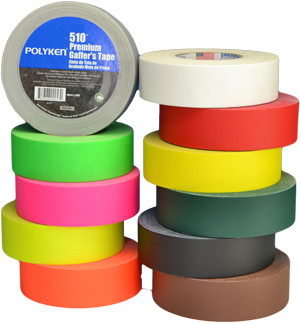
A stock image related to Cloth gaffer tape.
3 Common User Pain Points for ‘Cloth gaffer tape’ & Their Solutions
Scenario 1: Why Does My Event Tape Leave Permanent Residue on Rental Equipment and Venue Floors?
The Problem: Production companies and event management firms across Africa and South America frequently default to standard duct tape for cable management and floor marking due to immediate availability and lower unit costs. However, when crews remove these tapes from sensitive surfaces—such as polished terrazzo floors in Nigerian hotels, marble lobbies in Dubai conference centers, or expensive fiber-optic cables on film sets—the adhesive leaves behind stubborn, gummy residue. This requires hours of labor with chemical solvents to remove, damages delicate floor finishes that incur penalty fees from venue owners, and reduces the lifespan of reusable equipment. The hidden costs of surface damage and labor far exceed any initial savings on tape procurement, creating budget overruns and strained vendor relationships.
The Solution: Transition procurement specifications to premium cloth gaffer tape featuring a low-gloss cotton fabric backing and rubber-based adhesive engineered for clean removal within 48-72 hours. Unlike polyethylene-backed duct tape, genuine gaffer tape releases cleanly without adhesive transfer, even after extended application. For B2B buyers managing international events, establish strict crew guidelines that prohibit duct tape substitutes, request samples to test removal properties on locally common surface materials, and verify that suppliers provide consistent adhesive formulations across bulk orders to avoid batch-to-batch variability in residue levels.
Scenario 2: Is Your Cloth Gaffer Tape Compliant with International Fire Safety Regulations for Entertainment Venues?
The Problem: Theater operators, concert promoters, and exhibition organizers in Europe and the Middle East increasingly face rigorous safety inspections that halt productions when tape materials fail to meet local flame-retardancy standards. Standard cloth tapes, while durable, often carry flammable rubber adhesives or untreated cotton backings that violate BS 476, EN 13501-1, or local fire codes for public assembly spaces. This creates critical path delays during load-in, potential voiding of event insurance policies, and costly emergency procurement when authorities mandate immediate removal of all non-compliant materials. Buyers frequently discover too late that their bulk tape inventory cannot legally be used in prestigious venues, forcing last-minute purchases at premium prices.
The Solution: Source cloth gaffer tape specifically certified to meet BS 476 Part 7 Class 1 surface spread of flame or equivalent ASTM E-84 standards for the entertainment industry. Verify that certification covers both the woven cloth backing and the adhesive system, as some products treat only the fabric while using combustible glues. When placing bulk orders for international operations, request third-party compliance documentation and Certificates of Conformity upfront, and maintain dual inventory systems: standard industrial grade for warehouse applications and certified flame-retardant grade for stage, exhibition, and public venue use. This proactive approach prevents regulatory surprises and ensures seamless venue compliance across borders.
Scenario 3: How Do You Ensure Tape Performance Consistency in High-Humidity Industrial Environments?
The Problem: Manufacturing facilities, oil and gas operations, and construction sites in Vietnam, coastal Brazil, and tropical African regions frequently experience adhesive failure when using economy-grade cloth gaffer tape. High humidity causes tape edges to lift prematurely, creating trip hazards from loose cable bundles, while temperature fluctuations cause adhesive oozing or embrittlement. Additionally, B2B buyers often receive inconsistent product quality between shipments—varying thicknesses, adhesive strengths, and cloth weaves—making standardization impossible across multiple facility locations. When tape fails to hold during critical maintenance operations or safety marking, facilities face work stoppages and compliance violations.
The Solution: Specify industrial-grade cloth gaffer tape with moisture-resistant synthetic rubber or acrylic adhesives rated for tropical climates, typically in 11-13 mil thickness for heavy-duty bundling applications. Partner with manufacturers who offer consistent batch formulations and custom width conversion services, allowing you to order exact widths (such as 25mm for cable ties or 50mm for floor marking) rather than cutting down standard rolls and creating waste. For procurement teams managing multi-site operations, request detailed technical data sheets showing shear strength, temperature resistance ranges (-10°C to 60°C minimum), and humidity stability ratings. Conduct small-batch climate testing in your specific facility conditions before committing to volume contracts to ensure the adhesive system matches your regional environmental challenges.
Strategic Material Selection Guide for Cloth gaffer tape
Selecting the optimal cloth gaffer tape requires understanding how different woven backing materials perform under specific operational conditions. For procurement teams sourcing across diverse climates—from the humid tropics of Vietnam to the arid heat of the Middle East—material composition directly impacts adhesion longevity, conformability, and residue-free removal. This guide analyzes four primary substrate options to inform strategic inventory decisions for entertainment, industrial, and construction applications.
Which Woven Fabric Backing Offers Superior Conformability for Irregular Surfaces?
Cotton Woven Backing (Standard Grade)
Standard-grade gaffer tapes utilize 100% cotton woven cloth, typically weighing 7.0–8.0 mils in thickness. This natural fiber provides excellent hand-tearability and conforms readily to irregular surfaces such as concrete floors, stage cables, and textured walls. Cotton’s breathability makes it suitable for temporary floor marking in indoor environments, though it absorbs moisture readily, which can compromise adhesive integrity in high-humidity regions like West Africa or Southeast Asia. Procurement teams favor cotton for cost-sensitive projects requiring short-term deployment, as it offers reliable tensile strength for general bundling without premium pricing, though UV exposure may degrade the backing over extended outdoor use.
How Does Synthetic Polyester Backing Perform in Extreme Climates?
Polyester Woven Backing (Premium Grade)
Premium cloth gaffer tapes incorporate polyester fibers or polyester-cotton blends, delivering enhanced dimensional stability across temperature fluctuations. Unlike pure cotton, polyester resists moisture absorption and maintains structural integrity in humid conditions common to Nigerian coastal regions or Vietnamese manufacturing facilities. This synthetic backing provides superior abrasion resistance during outdoor industrial staging and film production, though it sacrifices some hand-tearability compared to natural fibers. The material’s low-gloss matte finish remains consistent under harsh lighting, making it ideal for entertainment industry applications where reflection control is critical, while offering better longevity in Middle Eastern heat.
What Material Composition Ensures Residue-Free Removal in High-Temperature Environments?
Cotton-Rayon Blend (Professional Grade)
Professional-grade tapes often feature a cotton-rayon hybrid backing, balancing cotton’s flexibility with rayon’s enhanced tensile strength. This composition excels in applications requiring clean removal after heat exposure, such as securing lighting fixtures in outdoor events or automotive wiring in South American manufacturing plants. The blend offers intermediate moisture resistance while maintaining the matte appearance essential for photography and film work. However, procurement teams should note that rayon content increases material stiffness slightly, requiring careful application on highly irregular substrates, and typically commands higher per-roll pricing than standard cotton options.
When Should Procurement Teams Select Fiberglass-Reinforced Cloth?
Fiberglass-Reinforced Composite (Industrial Grade)
For heavy-duty industrial applications exceeding standard entertainment or MRO use, fiberglass-reinforced cloth backings provide maximum tensile strength and puncture resistance. These composites incorporate fiberglass threads woven into cotton or synthetic substrates, preventing stretching under heavy cable loads or mechanical stress. While significantly less conformable than pure woven fabrics—making hand-tearing difficult without serrated edges—this material withstands abrasive conditions found in mining operations or construction sites across diverse international markets. The reinforced structure commands premium procurement costs but delivers extended service life in demanding mechanical applications where tape failure is not an option.
Material Selection Summary for B2B Procurement
| Material | Typical Use Case for Cloth gaffer tape | Key Advantage | Key Disadvantage/Limitation | Relative Cost |
|---|---|---|---|---|
| Cotton Woven | General bundling, temporary floor marking, indoor cable management | Excellent hand-tearability, high conformability | Moisture absorption, limited UV resistance | Low |
| Polyester Woven | Outdoor events, humid industrial environments, long-term installations | Moisture/UV resistant, dimensional stability | Reduced conformability, harder to tear by hand | Medium-High |
| Cotton-Rayon Blend | Professional AV work, automotive applications, clean removal requirements | Balanced strength and flexibility, residue-free removal | Moderate moisture sensitivity, increased stiffness | Medium |
| Fiberglass-Reinforced | Heavy industrial, mining, construction, permanent mechanical bundling | Maximum tensile strength, puncture resistance | Requires cutting tools, minimal surface conformability | High |
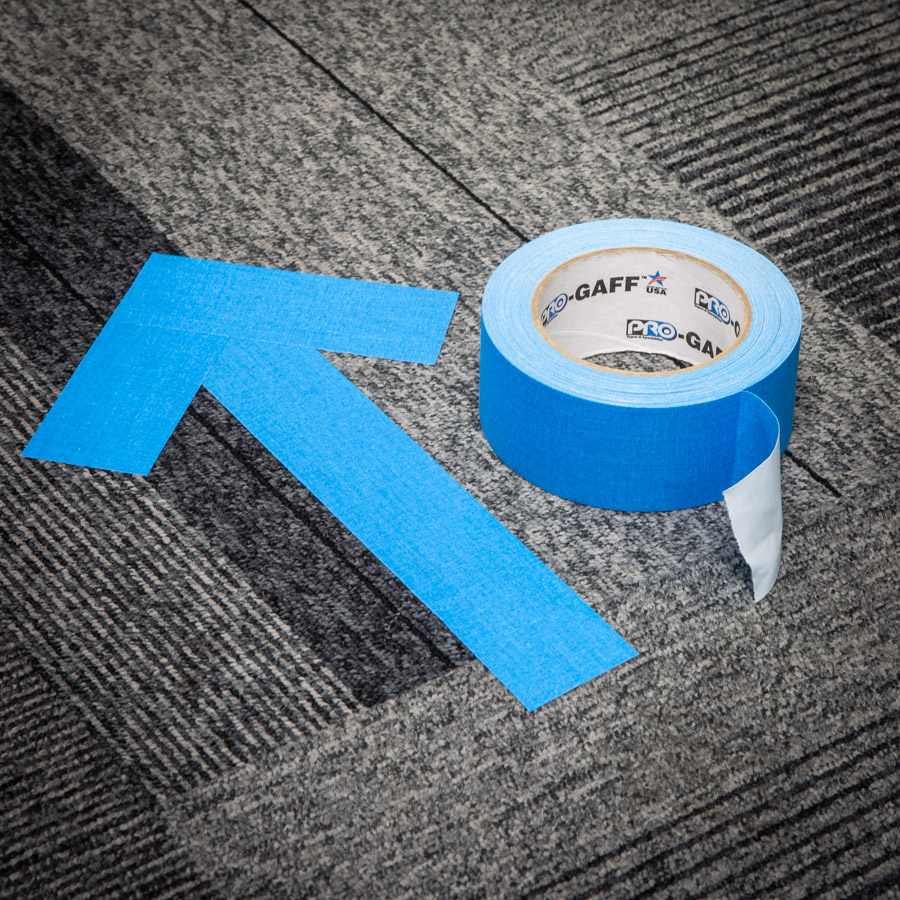
A stock image related to Cloth gaffer tape.
In-depth Look: Manufacturing Processes and Quality Assurance for Cloth gaffer tape
Understanding the manufacturing intricacies behind cloth gaffer tape empowers procurement teams to distinguish between commodity-grade products and industrial-performance solutions. For B2B buyers operating in diverse climates—from the humidity of Lagos to the heat of Dubai—manufacturing standards directly impact shelf stability, adhesive reliability, and residue-free performance. This analysis examines the production workflows and quality protocols that define premium gaffer tape specifications, enabling informed sourcing decisions for entertainment, construction, and industrial staging applications.
How Do Raw Material Specifications Impact Gaffer Tape Performance?
The foundation of industrial-grade cloth gaffer tape begins with woven fabric selection. Premium manufacturers utilize heavy cotton cloth or cotton-polyester blends ranging from 7.0 to 11.0 mils in thickness, balancing tensile strength with hand-tearability. The weave density—typically measured in threads per square inch—determines conformability to irregular surfaces while preventing excessive stretching during application.
Matte finish requirements necessitate specific textile treatments during the weaving phase. Unlike glossy duct tape variants, gaffer tape undergoes napping or brushing processes that create a low-sheen surface essential for photography and film production. The backing material must also receive vapor-resistant coatings to prevent moisture absorption, a critical specification for buyers in tropical regions like Vietnam or Nigeria where humidity can compromise adhesive integrity during storage.
What Coating Technologies Ensure Clean Removal and Strong Adhesion?
The adhesive layer represents the most technically sophisticated aspect of gaffer tape manufacturing. Natural rubber-based adhesives dominate premium formulations, offering superior tack and clean removal compared to acrylic alternatives. Manufacturers employ hot-melt or solvent-based coating systems that deposit 3.0 to 5.0 mils of adhesive onto the cloth backing, followed by precision calendering to ensure uniform thickness.
Release liner application requires controlled tension winding to prevent adhesive strike-through while maintaining easy unwind characteristics. For double-sided cloth tapes, silicone-based release liners enable differential adhesion levels between permanent and removable sides. Advanced production lines utilize infrared spectroscopy during coating to verify adhesive composition consistency, ensuring each batch delivers the vapor and abrasion resistance essential for AV cord management and floor marking applications.
Which Quality Control Tests Validate Industrial-Grade Durability?
Rigorous quality assurance protocols separate commercial-grade from professional-grade gaffer tape. Manufacturers conduct ASTM D3330 peel adhesion testing to measure holding power on steel and painted surfaces, with premium grades achieving 60-80 ounces per inch width. Tensile strength verification per ASTM D3759 ensures the tape withstands 40-60 pounds per inch of force without breaking, while shear resistance testing (ASTM D3654) evaluates load-bearing capacity over extended periods.
Clean removal testing constitutes a critical QC checkpoint. Laboratory technicians apply samples to painted drywall, finished wood, and cable insulation, then measure adhesive residue after 24-hour and 7-day dwell times using standardized peel angles. Temperature cycling tests simulate storage conditions from -10°C to 80°C, ensuring stability for Middle Eastern and South American markets where warehouse temperatures fluctuate dramatically.
What Manufacturing Certifications Should International Buyers Verify?
B2B procurement teams should prioritize suppliers maintaining ISO 9001:2015 quality management systems, ensuring documented process controls from raw material receipt to final inspection. For European markets, REACH compliance and RoHS certification verify the absence of restricted substances in adhesives and backings. Entertainment industry buyers should seek products meeting UL 723 or ASTM E84 flame resistance standards for temporary stage marking.
Manufacturing facilities serving African and Southeast Asian export markets should demonstrate humidity-controlled storage capabilities (maintaining 50-60% relative humidity) during production to prevent premature adhesive degradation. BRC certification for packaging integrity ensures bulk shipments withstand maritime transport conditions without moisture infiltration or core crushing.
How Do Regional Climate Factors Influence Manufacturing Specifications?
For buyers in tropical climates, manufacturing specifications must address specific environmental challenges. Suppliers should utilize moisture-barrier packaging with desiccant inserts and vapor-sealed cores to prevent humidity activation during transit. Adhesive formulations for these markets often incorporate enhanced stabilizers to resist tropical aging, maintaining peel strength after prolonged storage in 30°C+ conditions.
Color fastness becomes particularly critical for markets receiving intense UV exposure. Premium manufacturers utilize solution-dyed yarns rather than surface-printed fabrics, ensuring that red, yellow, and fluorescent marking tapes retain visibility after outdoor staging use in high-UV environments. Custom width conversion capabilities—ranging from 1/4 inch for bookbinding to 4 inches for heavy-duty bundling—require precision slitting equipment maintained to ±0.5mm tolerance standards.
What Traceability Systems Ensure Consistent Batch Quality?
Leading manufacturers implement lot traceability systems that track each roll from raw material batch numbers through final conversion. This documentation enables rapid identification of adhesive formulation dates and weaving loom sources should performance variations occur. For B2B buyers managing inventory across multiple continents, digital certificates of analysis (CoAs) accompanying each shipment provide verification of thickness, adhesion, and tensile specifications without requiring physical sample testing upon receipt.
By evaluating these manufacturing and quality assurance parameters, procurement professionals can establish supplier partnerships that deliver consistent performance across theatrical productions, construction sites, and industrial maintenance operations—regardless of regional climate challenges or application demands.
Practical Sourcing Guide: A Step-by-Step Checklist for ‘Cloth gaffer tape’
Procuring cloth gaffer tape for industrial staging, entertainment, or construction projects requires balancing performance specifications with supply chain reliability across international borders. Whether sourcing for film production in Nigeria, theatre installations in Europe, or oil-and-gas cable marking in the Middle East, this checklist guides buyers through critical selection criteria—from adhesive chemistry to logistics optimization—ensuring you source tape that performs under local environmental conditions while meeting project budgets and delivery timelines.
How Do You Match Tape Grade to Application Demands and Local Climate?
Distinguish between standard grade (general bundling, temporary cable holds) and premium grade (residue-free removal for professional film and photography). For humid climates like Vietnam or coastal Nigeria, specify rubber-based adhesives with moisture-resistant cotton cloth backings rather than standard acrylics that may lose tack in high humidity. Verify hand-tearability and low-gloss matte finish requirements to prevent light reflection during live events and camera work.
What Certifications and Technical Specifications Validate Quality for International Markets?
Request tensile strength ratings and adhesion-to-steel measurements to confirm durability for heavy-duty applications. Ensure compliance with RoHS and REACH standards for European distribution, or local fire safety certifications for Middle Eastern entertainment venues. Verify that the cotton/polyester cloth backing weight matches quoted specifications—lightweight fabrics compromise abrasion resistance when dragged across rough concrete or outdoor terrain.
How Can You Secure Custom Sizes and Color Consistency Across Bulk Orders?
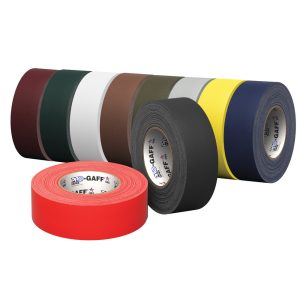
Confirm your supplier offers custom width conversion and length options beyond standard 2-inch rolls for specialized spike tape or AV cord marking. For color-coding electrical phases or branding purposes, request batch consistency guarantees for colored gaffer tape, particularly when sourcing mixed containers for diverse project phases. Clarify minimum order quantities for custom slit rolls versus standard case quantities to optimize inventory costs.
What Logistics Strategies Reduce Transit Risks for Cloth Tape Shipments to Emerging Markets?
Given that extreme heat can activate adhesives during transport, verify climate-controlled shipping options for sea freight to South America or Africa. Confirm proper palletization standards that prevent crushing of cardboard cores and deformation of cloth backing. Clarify Incoterms (FOB, CIF, DDP) to understand who bears responsibility for temperature fluctuations during extended port delays in tropical regions.
How Should You Structure Quality Assurance and Payment Terms for International Procurement?
Implement pre-shipment inspection protocols checking roll count, width tolerances, and adhesive edge bleed. For new supplier relationships in emerging markets, consider 30/70 payment terms (30% deposit, 70% against bill of lading copy) to mitigate risk while building trust. Request production samples from the exact batch before full container approval, particularly for custom colors or printed branding specifications.
What Storage Protocols Preserve Adhesive Performance in High-Humidity Environments?
Upon receipt, store rolls in climate-controlled warehouses between 15-25°C with relative humidity below 70% to prevent premature adhesive degradation. Avoid stacking pallets above recommended heights to prevent compression set in the cloth backing that causes edge lifting. Rotate inventory using FIFO (First In, First Out) methods, noting that rubber-based adhesives typically offer 12-month shelf lives compared to 18+ months for acrylic formulations.
A stock image related to Cloth gaffer tape.
Comprehensive Cost and Pricing Analysis for Cloth gaffer tape Sourcing
The B2B sourcing landscape for cloth gaffer tape involves nuanced cost structures that extend beyond simple per-roll pricing. For procurement teams operating across diverse markets—from Nigeria’s burgeoning entertainment sector to Vietnam’s manufacturing hubs—understanding the granular factors driving costs ensures competitive positioning without compromising technical specifications.
What factors determine cloth gaffer tape pricing for bulk orders?
Material composition significantly impacts baseline costs. Premium cotton cloth backings with high-thread counts command higher prices than synthetic polyester blends, while specialized adhesive systems—such as high-temperature silicone versus standard rubber-based formulations—create distinct price tiers. Thickness measured in mils (typically 7.0 mil for general purpose to 11+ mil for industrial grades) directly correlates with material volume and durability. Color customization also affects pricing; standard black and white variants typically offer the lowest cost per square meter, while specialized chromatic options or custom Pantone matching incur additional conversion fees.
How do standard grade and premium grade costs compare in B2B sourcing?
Standard grade gaffer tape (approximately 7.0–8.0 mil thickness) serves as the economical workhorse for cable management and temporary marking, offering price points accessible for high-volume consumables budgets. Premium grades (10.0–11.0 mil) featuring reinforced woven backings and low-residue adhesive systems cost 40–60% more per roll but deliver superior conformability to irregular surfaces and clean removal critical for film production and exhibition setups. For buyers in South America and the Middle East, where climate conditions demand enhanced UV and temperature resistance, the premium tier often provides better long-term value despite higher upfront investment.
What volume-based pricing strategies reduce per-unit costs for international buyers?
Manufacturers typically structure pricing around minimum order quantities (MOQs), with significant breakpoints at full container load (FCL) quantities versus less-than-container-load (LCL) shipments. African and European buyers should negotiate master carton pricing—usually 24–36 rolls per case—with additional discounts for multi-sku consolidated shipments. Custom width conversions (available from 12mm to 100mm+) often carry setup fees that amortize favorably across bulk orders exceeding 5,000 linear meters. Smart procurement involves balancing inventory carrying costs against these volume incentives, particularly when sourcing from Asian manufacturing hubs to African distribution centers.
How can buyers optimize total cost of ownership beyond unit price?
Beyond the FOB price, international buyers must factor in adhesive efficiency metrics—premium tapes often require 30% less overlap during application, effectively reducing consumption rates. Storage conditions in tropical climates (common in Nigeria and Southeast Asia) necessitate climate-controlled warehousing to prevent adhesive degradation, making shelf-life considerations part of cost calculations. Additionally, sourcing tapes with compatible adhesive systems for specific surface temperatures prevents costly rework and surface damage remediation. Establishing direct relationships with manufacturers rather than intermediaries typically yields 15–25% cost reductions while ensuring consistent batch quality for large-scale industrial applications.
Strategic sourcing of cloth gaffer tape requires balancing immediate unit economics against performance specifications and supply chain logistics. By analyzing material grades, volume thresholds, and total cost of ownership factors, B2B buyers can secure competitive positioning in their respective regional markets while maintaining the technical standards demanded by professional audio-visual and industrial applications.
Alternatives Analysis: Comparing Cloth gaffer tape With Other Solutions
When evaluating fastening and marking solutions for industrial applications, procurement teams often encounter lower-cost substitutes that appear functionally similar to cloth gaffer tape. However, the distinct woven cotton backing and refined adhesive systems of true gaffer tape create performance differentiators that directly impact operational efficiency, surface protection, and total cost of ownership. Below is a technical comparison against two commonly specified alternatives to guide specification decisions.
How Does Cloth Gaffer Tape Compare to Industrial Substitutes?
| Comparison Aspect | Cloth Gaffer Tape | Industrial Duct Tape | Vinyl (PVC) Tape |
|---|---|---|---|
| Adhesive Residue | Minimal to none; clean removal | High residue risk; aggressive permanent bond | Moderate residue; increases with heat exposure |
| Surface Conformity | Excellent; conforms to irregular surfaces and carpet | Good; rigid polyethylene backing limits flexibility | Fair; limited stretch on textured surfaces |
| Cost per Linear Meter | Premium ($$); higher initial investment | Economical ($); bulk pricing advantages | Low cost ($); widely available |
| Implementation Speed | Hand-tearable; no tools required | Requires cutting tools; difficult to tear cleanly | Requires cutting tools; prone to stretch-tearing |
| Aesthetic Finish | Matte/low gloss; non-reflective | High gloss/shiny finish | Glossy; reflective under lighting |
| Weather Resistance | Good; water and vapor resistant | Excellent; UV and moisture resistant | Moderate; plasticizer degradation in extreme heat |
| Primary Application | Temporary cable management, stage marking, AV setups | Permanent repairs, heavy-duty bundling, sealing | Electrical insulation, floor marking, color coding |
Can Industrial Duct Tape Serve as a Viable Alternative?
Industrial duct tape presents the most frequent substitution consideration due to its lower unit cost and aggressive holding power, making it attractive for procurement teams in cost-sensitive markets such as Nigeria and Vietnam. While both products utilize cloth reinforcement, duct tape employs a polyethylene-coated backing and rubber-based adhesive designed for permanent sealing rather than temporary placement. For B2B buyers managing event production or broadcast facilities, the critical distinction lies in residue management: duct tape’s aggressive adhesive transfers to floors and cables upon removal, requiring costly cleaning solvents or surface repairs that often exceed the initial material savings. Duct tape performs admirably in construction bundling and HVAC applications where long-term adhesion outweighs surface protection concerns, but it introduces significant liability when used on finished wood, painted stages, or leased venues where damage deposits apply.
When Should Buyers Specify Vinyl Tape Over Cloth Gaffer Solutions?
Vinyl (PVC) tape offers a plasticized alternative frequently specified for electrical insulation and floor marking in industrial environments across the Middle East and Europe. Unlike the breathable cotton weave of gaffer tape, vinyl’s rigid polymer backing provides superior chemical resistance and dielectric strength, making it essential for electrical contractors working to IEC standards. However, the material’s lack of conformability creates implementation challenges on irregular surfaces common in temporary installations; vinyl tape cannot mold to carpet contours or cable bundles without wrinkling or lifting edges. Additionally, while vinyl options carry lower per-roll pricing, their tendency to leave adhesive residue after prolonged exposure—particularly in high-temperature climates—necessitates frequent replacement and surface cleaning. Procurement teams should reserve vinyl specifications for permanent electrical coding or smooth concrete floor marking, while reserving cloth gaffer tape for temporary AV setups and damage-sensitive surfaces.
Essential Technical Properties and Trade Terminology for Cloth gaffer tape
When sourcing cloth gaffer tape for industrial staging, broadcast, or construction applications, understanding precise technical metrics and industry nomenclature prevents costly specification errors. Buyers operating across diverse climates—from humid West African regions to arid Middle Eastern environments—must verify performance characteristics that ensure adhesive integrity and surface protection under local conditions.
What Technical Specifications Should B2B Buyers Prioritize When Evaluating Cloth Gaffer Tape?
Thickness (Mil Rating) and Fabric Density
Standard industrial grades typically measure 7.0 mil (0.007 inches), while premium variants range 11–12 mil for heavy-duty applications. The fabric density, indicated by threads per square inch, determines tear resistance and conformability. For procurement teams in humid climates like Nigeria or Vietnam, higher-density cotton-polyester blends resist moisture absorption and edge lifting better than standard cotton weaves.
Tensile Strength and Elongation
Tensile strength indicates resistance to breaking under load, typically rated between 40–60 lbs per inch width. Elongation percentage (usually 10–15%) measures stretch capacity before snapping. These metrics are critical when securing heavy cable runs in industrial staging or construction sites where dynamic loads and thermal expansion occur.
Adhesive System: Rubber-Based vs. Acrylic
Rubber-based adhesives provide superior initial tack and clean removal essential for temporary flooring and photography applications. Acrylic formulations offer enhanced UV resistance for outdoor installations in high-sun regions like the Middle East or South America. Buyers should specify adhesive type based on removal timelines; rubber systems minimize residue when peeled within 72 hours, while acrylics suit semi-permanent installations.
Temperature Operating Range
Quality gaffer tape maintains adhesion between -20°C to 80°C (-4°F to 176°F). For buyers in hot climates, verify high-temperature performance above 60°C, as standard adhesives can soften and migrate into porous surfaces, creating difficult-to-remove residue on outdoor equipment or venue flooring.
Surface Reflectance (Gloss Coefficient)
Professional grades feature a matte finish measuring less than 10 gloss units at 60° to prevent light reflection during filming. This “low gloss” property distinguishes theatrical-grade tape from standard duct tape, ensuring it remains invisible under stage lighting or camera flashes.
What Industry-Specific Terminology Defines Application Standards?
“Spike Tape” for Precision Marking
In theatre and live events, “spike tape” denotes narrow-width gaffer tape (typically ½-inch or 1-inch) used to mark actor positions or equipment placement. Unlike standard 2-inch widths, spike tape allows precise floor marking without covering large surface areas, reducing trip hazards while maintaining visibility for crew members.
“Clean Removal” and Adhesive Transfer
This certification indicates the tape peels off within 48–72 hours without leaving sticky residue or damaging painted surfaces. B2B buyers managing temporary event installations should request “residue-free” guarantees, particularly when working with delicate flooring materials or rented venue spaces common in European markets.
“Hand-Tearable” Edge Integrity
This term describes the tape’s ability to tear straight across without fraying or requiring cutting tools. Quality cloth gaffer tape features a woven scrim that tears cleanly by hand, enabling rapid application during live events or emergency repairs where scissors are impractical.
“Conformability” to Irregular Surfaces
Conformability measures how effectively the tape molds to uneven substrates, cable bundles, or textured concrete. High-conformability tapes utilize flexible cotton-polyester blends that maintain contact across surface irregularities, ensuring secure bundling of AV cords in rough industrial environments.
“Cable Path” or “AV Cord” Applications
Industry shorthand for temporary cable management, these terms specify tape used to secure audio-visual wiring across floors without creating trip hazards. Procurement specifications should include “low-profile” edges and high-contrast colors (fluorescent yellow, red) for safety compliance in high-traffic exhibition spaces.
Navigating Market Dynamics and Sourcing Trends in the Cloth gaffer tape Sector
The global cloth gaffer tape market is experiencing significant diversification as traditional entertainment sector demand converges with expanding industrial applications across emerging economies. For procurement professionals operating from Nigeria’s infrastructure projects to Vietnam’s manufacturing corridors, understanding the strategic differentiation between standard utility grades and premium performance variants has become critical for cost optimization. While economical cotton-cloth formulations—typically around 7.0 mil thickness—adequately serve general bundling and temporary marking requirements, specialized matte-finish products offer enhanced conformability essential for professional broadcast and photography applications. This quality stratification directly impacts international pricing structures and supplier selection criteria, particularly as regional markets develop distinct procurement preferences balancing immediate cost efficiency against long-term performance reliability.
What Are the Emerging Applications Driving Cloth Gaffer Tape Market Growth?
Beyond its established presence in film, television, and live event production, cloth gaffer tape is penetrating industrial maintenance, automotive assembly, and construction sectors throughout Africa, South America, and the Middle East. The material’s distinctive combination of hand-tearability, clean removability without surface damage, and superior conformability to irregular substrates makes it preferable to PVC duct tape for temporary cable management in challenging environmental conditions. In rapidly urbanizing regions such as Nigeria and Vietnam, infrastructure development has generated substantial demand for colored variants that facilitate both aesthetic cable concealment and critical safety marking in industrial facilities. Procurement teams should recognize that this application diversification has compelled manufacturers to expand custom conversion capabilities, offering bespoke widths and extended lengths that minimize material waste for large-scale projects while maintaining essential water, vapor, and abrasion resistance for outdoor deployment.
How Do Regional Sourcing Trends Impact B2B Procurement Strategies?
International buyers are increasingly circumventing traditional distribution intermediaries to establish direct relationships with manufacturers capable of engineering custom adhesive systems for specific climatic conditions. For European and Middle Eastern markets, where technical specifications and regulatory compliance are stringent, silicone-based adhesives designed for high-temperature industrial applications are gaining preference over standard rubber-based formulations. Conversely, procurement professionals serving South American and African markets typically prioritize economical grades that balance adequate performance with cost efficiency, frequently selecting blended cotton-polyester backings over pure cotton to reduce unit costs. Contemporary sourcing strategy now necessitates evaluating suppliers’ capacity for consistent color matching—critical for corporate branding and safety coding applications—alongside logistical flexibility regarding minimum order quantities and Incoterms clarity when navigating complex multi-jurisdictional import frameworks.
What Sustainable Alternatives Exist for Traditional Cloth Gaffer Tape Manufacturing?
Environmental compliance pressures are fundamentally reshaping manufacturing methodologies, with progressive suppliers transitioning from traditional solvent-based adhesives to advanced acrylic and low-VOC formulations that maintain robust tensile strength while significantly reducing ecological footprints. The cloth backing material itself presents complex sourcing decisions; while natural cotton offers theoretical biodegradability advantages, synthetic fiber blends or fiberglass reinforcements provide superior durability for heavy-duty industrial applications requiring extended outdoor exposure. Leading manufacturers now provide supply chain transparency regarding raw material provenance, particularly concerning cotton agricultural practices and labor conditions. Furthermore, innovations including recyclable cardboard cores, biodegradable release coatings, and plastic-free packaging configurations are emerging as competitive differentiators for environmentally conscious European buyers, though these sustainable specifications typically command 15-20% price premiums that require careful budget justification in cost-sensitive markets.
How Can B2B Buyers Evaluate Ethical Sourcing in Cloth Adhesive Tape Supply Chains?
Comprehensive due diligence in ethical sourcing extends beyond technical product specifications to encompass rigorous factory audits, chemical compliance certifications including REACH and RoHS directives, and verified adherence to international labor standards. Buyers should prioritize suppliers maintaining ISO 9001 quality management systems and ISO 14001 environmental management certifications, ensuring demonstrable traceability for both cotton textile sources and adhesive chemical components. For international procurement teams managing cross-continental supply chains—particularly those serving regulated European markets while sourcing from Asian manufacturing centers—establishing transparent communication protocols regarding workplace safety, wage compliance, and prohibition of forced labor is non-negotiable. Strategic partnerships with suppliers investing in solvent-free coating technologies and closed-loop water systems not only advance corporate social responsibility objectives but frequently correlate with enhanced product consistency and worker retention rates, creating alignment between ethical procurement mandates and operational quality assurance requirements.
Frequently Asked Questions (FAQs) for B2B Buyers of Cloth gaffer tape
1. What is the difference between cloth gaffer tape and duct tape for professional use?
Cloth gaffer tape utilizes a woven cotton fabric backing paired with a pressure-sensitive adhesive engineered for clean removal without residue, whereas duct tape employs a polyethylene-coated scrim with aggressive rubber adhesive designed for permanent bonding. Professional production crews select gaffer tape for temporary cable management and stage marking because it eliminates surface damage and provides a non-reflective matte finish critical for film and photography lighting setups. Duct tape remains the superior choice for long-term waterproofing and structural repairs in construction or HVAC applications where adhesive permanence outweighs removability concerns.
2. Is cloth gaffer tape flame retardant for stage and entertainment applications?
Standard cloth gaffer tape is not inherently flame retardant, though premium industrial grades are available with specialized coatings that meet UL 723 or ASTM E84 surface burning characteristics standards. Untreated cotton backings can combust when exposed to high heat from stage lighting or pyrotechnics, making certification verification essential for theater, concert venue, and studio applications. Always request Material Safety Data Sheets and fire-resistance test reports from suppliers to ensure compliance with local fire safety codes in your specific market, particularly when sourcing for enclosed entertainment spaces.
3. How do you choose the right width and adhesive strength for industrial cloth gaffer tape?
Width selection should correlate with load-bearing requirements; 2-inch widths accommodate heavy industrial cable bundles while 1-inch rolls provide precision for lightweight cord management and temporary floor marking. Adhesive strength typically corresponds to tape thickness—7-8 mil standard grades suit general purpose temporary applications, while 11-12 mil premium variants offer aggressive bonding for rough concrete or outdoor terrain. For procurement in high-humidity regions like West Africa or Southeast Asia, specify synthetic rubber adhesives rather than natural rubber formulations to prevent oxidation, adhesive bleed, and premature bonding failure during storage and application.
4. Can you order custom printed cloth gaffer tape with company logos for events?
Yes, manufacturers commonly offer flexographic or screen-printing services to embed corporate logos, safety warnings, or event-specific branding directly onto the cloth backing surface. Minimum order quantities typically range from 50 to 100 cases depending on color complexity and roll dimensions, with production lead times extending 4-6 weeks to accommodate plate preparation and color matching. Matte white or neutral gray backings provide optimal substrate contrast for vibrant corporate colors while maintaining the non-reflective properties essential for professional lighting environments.
5. What are the optimal storage conditions and shelf life considerations for bulk cloth gaffer tape orders in humid climates?
Bulk inventory requires climate-controlled storage between 60-80°F (15-27°C) with relative humidity maintained below 60% to prevent adhesive degradation, cloth backing mold growth, and edge lifting. Store cartons on elevated pallets away from concrete floors and direct sunlight, particularly critical in tropical markets like Nigeria or Vietnam where monsoon seasons can compromise tape integrity within weeks. When stored properly, rubber-based adhesive systems maintain a 12-18 month shelf life, though silicone-adhesive variants formulated for high-temperature applications may extend viability to 24 months.
6. How do you navigate import regulations and certifications when sourcing cloth gaffer tape for African and Middle Eastern markets?
When importing into African and Middle Eastern territories, verify that suppliers provide REACH compliance documentation for European transit countries and RoHS certificates if the tape will contact electronic equipment. Nigerian customs specifically requires SONCAP (Standards Organization of Nigeria Conformity Assessment Program) certification, while Vietnamese authorities typically request VICAS documentation for industrial adhesive products entering the market. Ensure commercial invoices accurately list HS Code 3919.10 for adhesive tapes and include proper country-of-origin certificates to prevent costly port delays and demurrage charges.
7. What is the minimum order quantity (MOQ) and typical lead time for custom slit cloth gaffer tape rolls in international B2B procurement?
Standard stock items generally require 50-100 case minimums for sea freight economic viability, while custom slit widths or private-label packaging may necessitate 500+ case commitments depending on factory capacity and blade setup requirements. Production timelines vary from 2-4 weeks for standard colors to 6-8 weeks for custom Pantone matching, with additional transit time of 3-5 weeks for ocean freight to West African or Middle Eastern ports. Establishing blanket purchase orders with quarterly release schedules optimizes cash flow while securing manufacturing capacity during peak entertainment industry seasons.
8. How does temperature resistance vary between standard grade and premium cloth gaffer tape for extreme weather applications?
Standard grade cloth gaffer tape utilizing natural rubber adhesives performs optimally between 50-150°F (10-65°C), making it suitable for indoor climate-controlled environments but prone to adhesive failure in Middle Eastern desert heat or high-altitude South American cold. Premium grades featuring silicone or synthetic rubber adhesives withstand temperature ranges from -40°F to 200°F (-40°C to 93°C), maintaining consistent tack during outdoor event applications from Saudi Arabian summers to European winter festivals. Always specify anticipated temperature exposure in your technical requirements to avoid field failures that could compromise safety and production schedules.
Important Disclaimer & Terms of Use
⚠️ Important Disclaimer
The information provided in this guide, including content regarding manufacturers, technical specifications, and market analysis, is for informational and educational purposes only. It does not constitute professional procurement advice, financial advice, or legal advice.
B2B buyers must conduct their own independent and thorough due diligence before making any purchasing decisions. The risk of relying on any information in this guide is borne solely by the reader.
Top 3 Cloth Gaffer Tape Manufacturers & Suppliers List
1. Tape Suppliers – Cloth Tape
Domain: tapesuppliers.com
Registered: 2007 (19 years)
Introduction: Cloth tape (also known as fabric tape) is a strong, durable adhesive tape with a cloth backing or core that resembles classic duct tape and gaffer tape. Key characteristics include high tensile strength, flexible construction, and resilience due to its fabric composition. It is useful for a wide range of applications including safety, repair, and emergency repairs. The tape comes in various design…
2. Pro Tapes® – Pro Gaff® Tape
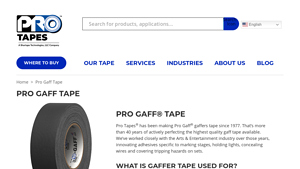
Domain: protapes.com
Registered: 1997 (29 years)
Introduction: Pro Gaff® tape by Pro Tapes® is a premium cloth gaffers tape manufactured since 1977. Available in 20 colors including standard (Black, White, Blue, Electric Blue, Green, Purple, Yellow, Red, Tan, Teal, Olive Drab, Brown, Burgundy, Grey) and fluorescent options (Green, Orange, Yellow, Pink, Blue) plus Chroma Green. Standard size is 2″ x 55 yards; fluorescent/Chroma Green available in 2″ x 50 yards…
3. GaffTapes – Gaffers Tape
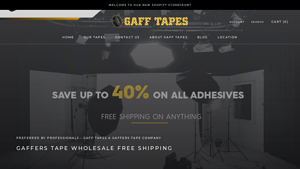
Domain: gafftapes.com
Registered: 2012 (14 years)
Introduction: Gaffers Tape (Half Cases): Black, White, Blue, Silver, Red, Yellow, Green, Burgundy – $186, sizes 1″/2″/3″/4″ x 60yds, 42lb tensile strength, non-reflective. Full Case Black Gaffers: $298. Spike Tape: Fluorescent Yellow/Green/Red/Pink – $145, 1/2″ x 60yds, 24 rolls/case. Duct Tapes: Premium Cloth $276 (2″x30yds, 16.9mil), Camouflage $321, Contractor Grade $233 (water/abrasion resistant). Console T…
Strategic Sourcing Conclusion and Outlook for Cloth gaffer tape
Strategic procurement of cloth gaffer tape requires balancing performance specifications with supply chain resilience. As production demands intensify across Africa, South America, and the Middle East, buyers must move beyond unit pricing to evaluate total cost of ownership, including customs logistics and climate-specific adhesive performance.
How Can Buyers Balance Standard vs. Premium Grades for Cost Efficiency?
Differentiate between standard grade (suitable for general cable management and temporary marking) and premium grades (essential for high-heat environments and residue-sensitive surfaces). For markets like Nigeria and Vietnam where humidity fluctuates significantly, rubber-based adhesives offer superior tack in moist conditions, while acrylic systems better serve European temperate climates. Bulk purchasers should request sample evaluations across seasonal conditions before committing to container-level orders.
What Customization Options Maximize Operational Value?
Leading manufacturers now offer width and length customization beyond standard rolls, reducing waste in specialized applications like broadcast production or industrial bundling. Establishing direct relationships with converters who provide OEM private labeling and regional warehousing can mitigate import delays and currency fluctuation risks.
The cloth gaffer tape market continues evolving toward application-specific formulations. Buyers who prioritize adhesive chemistry expertise, regional compliance certifications, and flexible minimum order quantities will secure competitive advantages in their respective distribution channels.