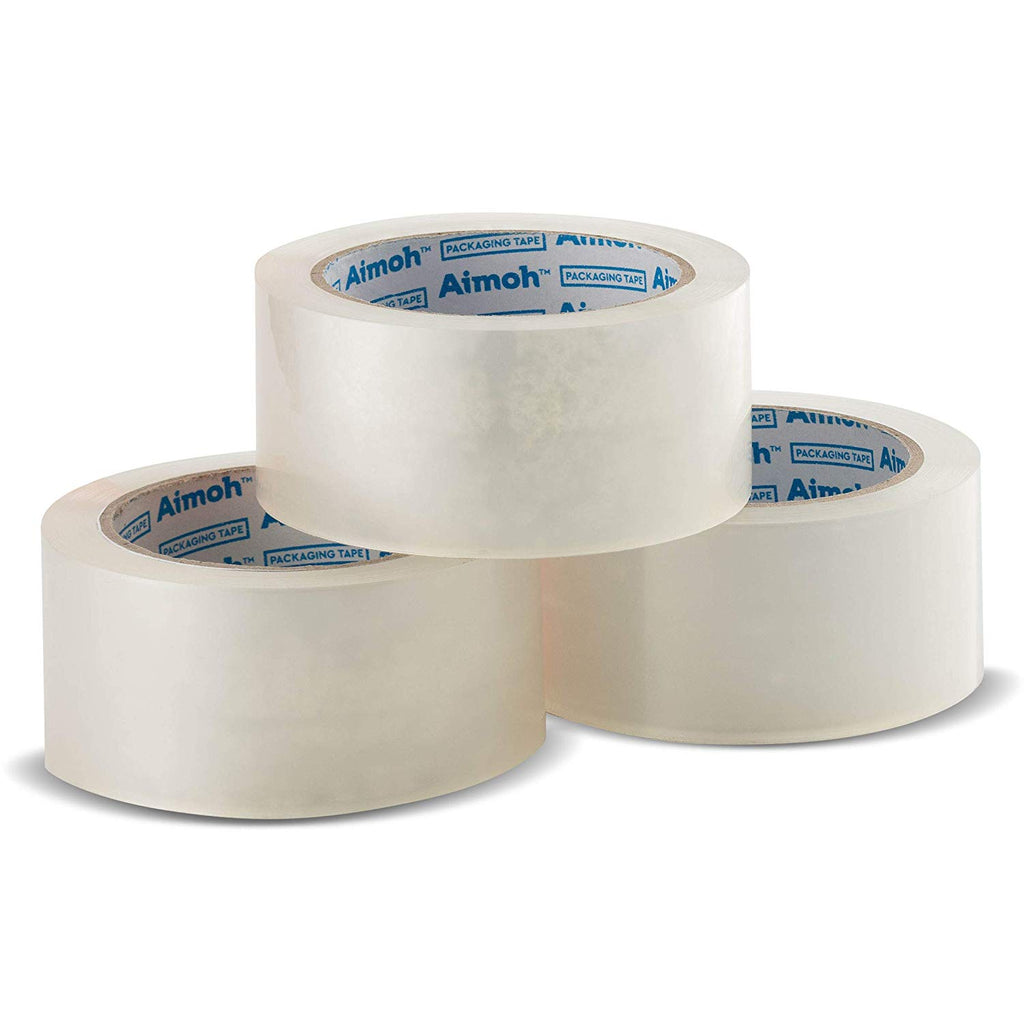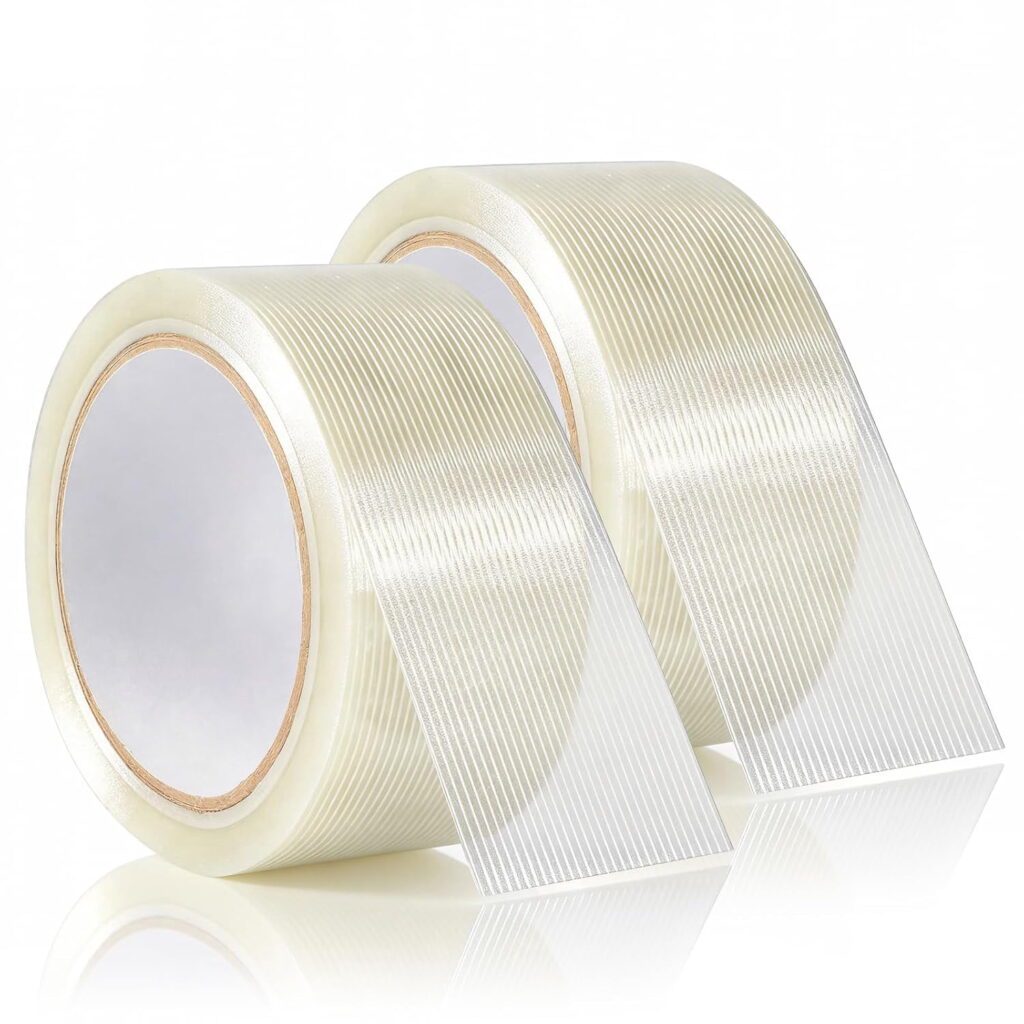
Introduction: Navigating the Global Market for Low noise strong tape
When managing high-volume packaging operations in shared workspaces or noise-sensitive environments, the screech of traditional adhesive tape isn’t merely an annoyance—it’s a productivity drain and potential compliance risk. For procurement teams sourcing low noise strong tape for industrial packaging applications, finding solutions that balance acoustic comfort with structural integrity presents a unique challenge in today’s fragmented global supply chain.
Why Are International Buyers Prioritizing Silent Sealing Solutions in Global Logistics?
This comprehensive guide addresses the critical intersection of workplace ergonomics and operational efficiency. We examine the technical distinctions between acrylic and hot-melt adhesive formulations, explore applications ranging from e-commerce fulfillment centers to pharmaceutical packaging facilities, and provide frameworks for evaluating tensile strength versus decibel reduction. Beyond product specifications, we analyze total cost of ownership models, bulk procurement strategies, and compliance standards relevant to cross-border trade.
How Can Procurement Teams Across Africa, South America, and the Middle East Navigate Supplier Complexity?
Specifically tailored for buyers in emerging markets—including Nigeria, Vietnam, and throughout Europe—this resource empowers you to cut through supplier ambiguity. You’ll learn to verify manufacturing certifications, assess regional logistics capabilities, and negotiate favorable terms that account for currency fluctuations and import regulations. Whether you’re outfitting a new distribution center or optimizing existing packaging workflows, this guide provides the actionable intelligence needed to make confident, cost-effective purchasing decisions in the competitive global tape market.
Understanding Low noise strong tape Types and Variations
| Type Name | Key Distinguishing Features | Primary B2B Applications | Brief Pros & Cons for Buyers |
|---|---|---|---|
| Acrylic Adhesive Low-Noise Tape | Water-based acrylic adhesive; UV and aging resistant; unwinds silently; 1.8–2.0 mil thickness; clear optics | General warehousing, e-commerce fulfillment, light-to-medium carton sealing, climate-controlled facilities | Pros: Cost-effective for bulk procurement, long shelf life, excellent clarity for branding. Cons: Lower initial tack on recycled materials; requires 24-hour cure time for full bond strength |
| Hot Melt Synthetic Rubber Low-Noise Tape | Synthetic rubber adhesive; aggressive initial tack; quick-stick properties; compatible with high-speed quiet unwind technology | High-speed automated lines, recycled cardboard boxes, distribution centers, sustainability-focused operations | Pros: Bonds instantly to difficult surfaces; ideal for automation; performs well on recycled content. Cons: Higher cost than acrylic; potential yellowing under prolonged UV exposure |
| Natural Rubber Low-Noise Tape | Natural rubber adhesive; superior adhesion range (-20°C to 60°C); premium quiet unwind; high shear strength; condensation resistant | Cold storage logistics, export shipping, heavy-duty industrial packaging, extreme climate transit | Pros: Reliable in temperature fluctuations; strongest holding power; reduces shipping damage claims. Cons: Premium pricing; requires storage below 30°C to prevent adhesive aging |
| Heavy-Duty Reinforced Low-Noise Tape | 2.5–3.0 mil film thickness; reinforced backing; ultra-quiet unwind; high tensile strength; available in 2″ and 3″ widths | Heavy machinery parts, export pallets, double-wall corrugated boxes, 24-hour fulfillment operations | Pros: Prevents splitting on heavy loads; reduces tape consumption by up to 40%; 3″ width saves application time. Cons: Higher per-roll cost; requires calibrated dispenser tension settings |
What Are the Best Applications for Acrylic Low-Noise Tape in B2B Operations?
Acrylic adhesive low-noise tape represents the most economical entry point for businesses transitioning from standard noisy packaging tape. This variation utilizes water-based acrylic adhesives that cure over time, delivering excellent clarity for custom-printed branding while maintaining the silent unwind properties essential for open-plan offices and shared warehouse spaces. For buyers in Nigeria and Vietnam managing climate-controlled facilities, this type offers superior UV resistance, preventing adhesive degradation during storage. However, procurement teams should verify carton surface compatibility, as acrylic formulations may require 24-hour cure times to achieve optimal bond strength on heavily recycled corrugated materials. When sourcing in bulk, this option provides the best cost-per-seal ratio for light-to-medium duty applications.
How Does Hot Melt Low-Noise Tape Enhance Automated Packaging Lines?
Hot melt synthetic rubber low-noise tape bridges the gap between cost efficiency and performance, featuring aggressive initial tack that bonds instantly to fibrous carton surfaces. This variation is specifically engineered for high-speed automated dispensers used in European distribution centers, where the combination of rapid application and reduced decibel levels improves workplace safety compliance. The synthetic rubber adhesive performs exceptionally well on recycled cardboard—a critical consideration for South American exporters meeting sustainability mandates. Buyers should note that while this tape offers immediate grab strength, it may exhibit slight yellowing under prolonged UV exposure, making it less suitable for long-term outdoor storage applications. For operations using 3-inch
Key Industrial Applications of Low noise strong tape
| Industry/Sector | Specific Application of Low noise strong tape | Value/Benefit for the Business | Key Sourcing Considerations for this Application |
|---|---|---|---|
| E-commerce Fulfillment & Logistics Centers | High-volume carton sealing, last-mile packaging operations, and reverse logistics processing | Eliminates acoustic fatigue for warehouse staff; enables 24/7 operations in noise-restricted zones; improves packing accuracy during night shifts | Bulk case pricing (36+ rolls); moisture-resistant acrylic adhesive for tropical climates (Nigeria, Vietnam); compliance with international shipping standards |
| Healthcare & Pharmaceutical Distribution | Medical supply packaging, pharmacy shipment sealing, and sterile goods transport | Preserves patient recovery environments; meets strict healthcare noise regulations; supports hygiene-focused workplace standards | Medical-grade adhesive safety certifications; temperature stability for cold chain logistics; low-residue formulation for clean removal |
| Retail & Omnichannel Operations | Backroom inventory management, in-store fulfillment of online orders, and shelf replenishment activities | Allows early morning/late night restocking without noise complaints; prevents customer disruption in mixed-use commercial zones; supports community relations | Optical clarity for barcode scanning efficiency; compatibility with recycled corrugated materials; storage stability in varying ambient temperatures |
| Corporate & Educational Institutions | Administrative mailrooms, document archiving, and inter-office package routing | Supports open-plan office productivity; enables daytime packaging operations; reduces workplace noise pollution affecting concentration | Compatibility with automated tape dispensers; cost-effectiveness for high-volume usage; reliable regional distributor networks for consistent supply |
| Manufacturing & Light Assembly | Finished goods packaging, component kitting, and production line carton sealing | Prevents interference with quality control communications; allows continuous operation during shift changes; reduces overall factory noise levels | High shear strength for heavy-duty loads; consistent roll lengths to minimize dispenser recalibration; industrial-grade durability for demanding environments |
How does low noise strong tape support 24/7 warehouse operations in emerging markets?
In high-volume fulfillment centers across Nigeria and Vietnam, low noise strong tape enables round-the-clock packaging operations without violating local noise ordinances or disturbing nearby residential communities. The silent unwinding mechanism significantly reduces acoustic fatigue among warehouse staff, directly improving packing speed and accuracy during extended night shifts. For international buyers sourcing from manufacturers operating in humid climates, selecting tapes with moisture-resistant acrylic adhesives ensures consistent bonding strength despite tropical humidity levels that can compromise standard packing tape performance during monsoon seasons or in non-climate-controlled storage facilities.
Why is silent sealing critical for medical supply chains in urban hospital networks?
Hospital procurement teams across the Middle East and Europe increasingly specify low noise strong tape for packaging medical supplies and pharmaceutical shipments within noise-sensitive healthcare environments. The absence of screeching unwind sounds allows logistics staff to prepare emergency supply kits and routine deliveries during patient care hours without disrupting treatment areas or violating hospital quiet policies. When sourcing for healthcare applications, buyers must verify that tape adhesives comply with medical-grade safety standards and maintain reliable adhesion integrity through the temperature fluctuations common in pharmaceutical cold chain logistics and air-conditioned hospital storage.
What role does quiet packaging play in modern retail backrooms?
For supermarket chains and retail operations throughout South America and Africa, low noise strong tape facilitates early morning inventory restocking and in-store fulfillment of online orders without generating the disruptive screeching associated with conventional packing tape. This capability proves essential for stores operating in mixed-use commercial zones or dense urban centers where noise complaints can restrict operating hours and affect community relations. Procurement managers should prioritize tapes offering superior optical clarity for barcode scanning efficiency while ensuring the adhesive formulation performs reliably on recycled corrugated materials commonly used in sustainable packaging initiatives across emerging markets.
How can educational facilities benefit from silent packaging solutions?
Universities and corporate campuses from Europe to Southeast Asia increasingly utilize low noise strong tape within administrative mailrooms and document centers where multiple packaging tasks occur simultaneously in open-plan environments. The reduced noise pollution supports concentration-intensive administrative work and allows facilities teams to process outgoing shipments during standard business hours rather than restricting packaging activities to off-peak times. International buyers should evaluate tape compatibility with both manual handheld dispensers and automated sealing systems while confirming supplier capabilities for consistent bulk delivery and technical support across diverse geographic regions with varying import regulations.
How does quiet tape improve efficiency in manufacturing facilities?
Manufacturing facilities across industrial zones in the Middle East and Eastern Europe integrate low noise strong tape into finished goods packaging and component kitting operations where production lines run adjacent to administrative offices. The silent application prevents acoustic interference with quality control communications and allows packaging stations to operate continuously during shift changes without noise-related interruptions. Buyers sourcing for manufacturing should prioritize tapes with high shear strength for heavy-duty applications and verify that suppliers provide consistent roll lengths to minimize dispenser recalibration and production line downtime.
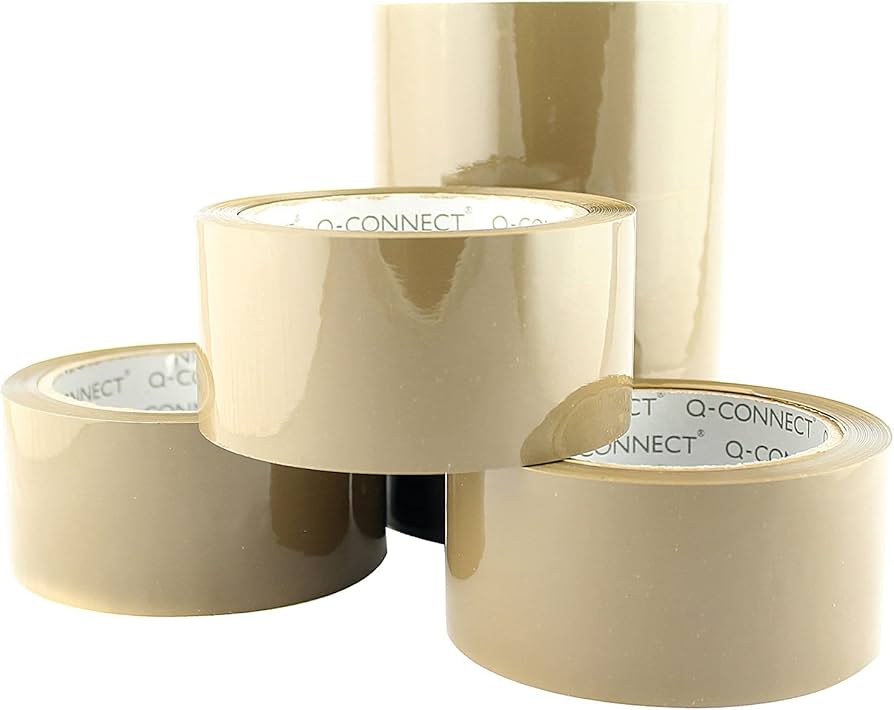
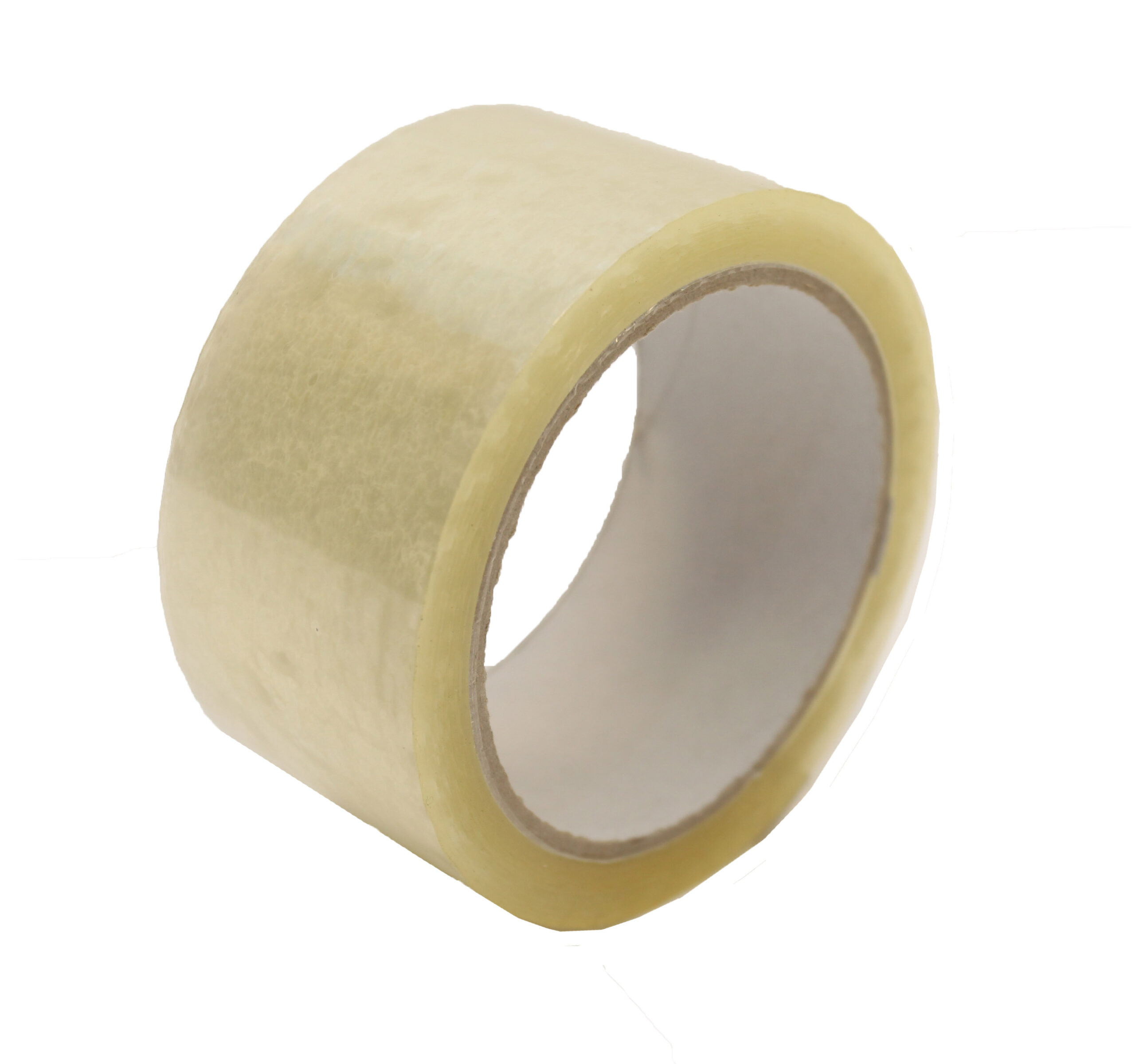
A stock image related to Low noise strong tape.
3 Common User Pain Points for ‘Low noise strong tape’ & Their Solutions
Scenario 1: Acoustic Disruption in Mixed-Use Commercial Environments
The Problem: In modern commercial districts from Nairobi to São Paulo, businesses increasingly operate packing and shipping stations within open-plan offices, retail showrooms, or co-working spaces where traditional packing tape creates significant acoustic pollution. Standard biaxially oriented polypropylene (BOPP) tapes can generate piercing screeches exceeding 70 decibels during unwinding—comparable to a vacuum cleaner—disrupting client consultations, phone calls, and concentrated work. This noise pollution forces companies to segregate shipping operations, increasing real estate costs and operational inefficiency.
The Solution: Specify low-noise tape engineered with specialized release coatings and modified acrylic adhesives that reduce operational noise to below 50 decibels—roughly equivalent to a quiet office conversation. These solutions maintain the critical 2-mil (50-micron) thickness and tensile strength (typically 20+ lbs/inch) required for secure carton sealing, while enabling deployment in customer-facing areas. For B2B buyers managing hybrid spaces, this eliminates the need for separate packing rooms, maximizes floor space efficiency, and projects a professional, technologically advanced image to international clients visiting your facility.
Scenario 2: Strength Anxiety for Heavy-Duty Export Applications
The Problem: Procurement managers in manufacturing and export-oriented businesses—particularly those shipping heavy machinery, automotive parts, or dense agricultural products from hubs like Lagos or Hanoi—often resist adopting low-noise tape due to concerns about compromised adhesive strength. The misconception that noise reduction requires thinner films or weaker adhesives creates hesitation when securing corrugated containers exceeding 30 kilograms or palletized loads facing rough handling, humidity fluctuations, and temperature extremes during ocean freight to European or Middle Eastern destinations.
The Solution: Source industrial-grade low-noise tape featuring hot-melt synthetic rubber adhesives or advanced pressure-sensitive acrylics specifically formulated for heavy-duty applications. Verify specifications indicating true 2.0-mil thickness, minimum 45-ounce adhesion to stainless steel, and tensile strength exceeding 25 lbs/inch. These technical specifications ensure the tape maintains carton integrity through the rigors of international logistics—including tropical humidity and desert heat—while meeting noise ordinances in residential-adjacent warehouses or enabling 24-hour operations without disturbing nearby communities.
Scenario 3: Operator Fatigue and Throughput Bottlenecks in High-Volume Fulfillment
The Problem: In high-throughput distribution centers and e-commerce fulfillment operations where workers process hundreds of packages per shift, the high-frequency screech and physical resistance of standard packing tape creates significant ergonomic and productivity challenges. The “squeak” effect not only causes auditory fatigue but also requires greater wrist torque to unwind, slowing application speed and increasing risk of repetitive strain injuries. This becomes particularly problematic during night-shift operations in residential areas where noise restrictions apply, forcing costly work stoppages or relocation of packing lines.
The Solution: Deploy low-noise tape designed with optimized film caliper and release coating chemistry that enables “butter-smooth” unwinding with minimal auditory output and reduced physical resistance. When procuring in bulk (typically 36-roll cases of 2-inch by 110-yard rolls), prioritize specifications highlighting consistent unwind force below 0.5 N/cm. This ergonomic advantage allows packers to maintain rapid, consistent application rates throughout 8-12 hour shifts while complying with local noise regulations. The result is measurable productivity gains—often 15-20% faster packing speeds—combined with improved worker satisfaction and reduced injury-related downtime.
Strategic Material Selection Guide for Low noise strong tape
When evaluating low-noise strong tape for industrial procurement, the substrate material determines not only acoustic performance but also tensile integrity, environmental compliance, and total cost of ownership. For B2B buyers operating in noise-sensitive environments—such as shared office warehouses in Lagos, pharmaceutical facilities in São Paulo, or luxury retail distribution centers in Dubai—selecting the appropriate backing material ensures compliance with workplace noise standards while maintaining sealing reliability. Unlike standard packaging tapes that generate high-frequency screeching during unwinding, low-noise variants utilize specialized film compositions, release coatings, or inherent material properties to dampen sound. Below is a strategic analysis of the four primary materials dominating the B2B market, tailored for procurement teams balancing performance requirements with regional supply chain realities.
Is Coated BOPP Film the Optimal Choice for High-Volume Emerging Markets?
Biaxially Oriented Polypropylene (BOPP) with specialized low-noise coatings represents the most common solution for silent sealing operations. This material typically features a 2 Mil (50-micron) thickness with hot-melt or acrylic adhesive systems, delivering the “unwinds like butter” application experience referenced in industrial supply specifications. The low-noise functionality derives from silicone-based release coatings applied to the film’s non-adhesive side, reducing unwinding friction by 40-60% compared to standard BOPP. For buyers in Nigeria and Vietnam, this material offers significant advantages: universal compatibility with handheld and automated dispensers, excellent optical clarity for barcode scanning, and widespread local availability that minimizes shipping costs. However, the acoustic coating can degrade if inventory is stored in high-humidity tropical climates without climate control, potentially causing adhesive migration or inconsistent unwinding noise over time.
Why Do European Compliance Officers Still Specify PVC for Critical Applications?
Polyvinyl Chloride (PVC) tape remains the gold standard for inherently silent operation without requiring special surface treatments. The material’s natural flexibility and plasticizer content eliminate the “stick-slip” friction that causes BOPP to squeal, providing consistent low-decibel unwinding essential for pharmaceutical packaging, hospital supply chains, and luxury goods distribution. PVC offers superior conformability to irregular corrugated surfaces and maintains adhesion in cold-chain logistics prevalent in Middle Eastern export operations. Nevertheless, procurement teams must navigate significant limitations: PVC contains chlorine and phthalate plasticizers that face increasing restrictions under EU REACH regulations and similar environmental frameworks. Additionally, the material commands a 35-45% price premium over polypropylene and suffers from limited supplier networks in certain African and South American markets, potentially complicating just-in-time procurement strategies.
When Does Polyester (PET) Backing Justify the Premium Investment?
For heavy-duty industrial applications requiring maximum tensile strength—such as metal bundling, export palletizing, or construction material sealing—Polyethylene Terephthalate (PET) provides 20-30% greater break strength than BOPP while maintaining low-noise characteristics through specialized adhesive formulations. The material’s dimensional stability performs exceptionally across the temperature fluctuations common in Middle Eastern deserts or Southeast Asian monsoon climates, resisting the stretching that can compromise seal integrity. PET tapes also allow for thinner gauges (1.6-1.8 Mil) without sacrificing strength, reducing per-roll material consumption. The critical disadvantage for B2B buyers lies in operational requirements: PET demands precise dispenser tension calibration to prevent film stretching during application, and the material carries a significant cost premium—often 50-60% higher than standard BOPP—that may only justify ROI in heavy-load scenarios.
Can Reinforced Paper Solutions Meet Industrial Demands in Humid Climates?
Water-activated or pressure-sensitive reinforced paper tape offers the only truly zero-noise solution combined with sustainability credentials increasingly demanded by European buyers. The cellulose backing, often reinforced with fiberglass threads, provides tamper-evident sealing and biodegradability that aligns with circular economy mandates. However, procurement teams in tropical regions like Vietnam or coastal Nigeria must carefully evaluate environmental compatibility: paper-based adhesives activate via water or aggressive synthetic tackifiers that can fail in high-humidity conditions or attract dust in dry, sandy environments common in Middle Eastern industrial zones. These tapes also require specialized water-activated dispensers, creating capital expenditure barriers for facilities transitioning from plastic tapes.
| Material | Typical Use Case for Low noise strong tape | Key Advantage | Key Disadvantage/Limitation | Relative Cost |
|---|---|---|---|---|
| Low-Noise Coated BOPP | High-volume e-commerce fulfillment, retail backroom operations, general logistics in emerging markets | Optimal balance of strength and cost; universal dispenser compatibility; wide availability | Coating degradation in high humidity; moderate noise reduction compared to PVC | Medium |
| PVC Film | Pharmaceutical |
A stock image related to Low noise strong tape.
In-depth Look: Manufacturing Processes and Quality Assurance for Low noise strong tape
How Is Low-Noise Strong Tape Engineered for Silent Unwinding?
Standard packaging tape generates significant acoustic disturbance due to the tacky nature of hot melt adhesives and the molecular structure of untreated polypropylene films. Low-noise variants utilize water-based acrylic adhesive systems formulated with specialized plasticizers that minimize the “zipper effect” during unwind. The backing film undergoes corona surface treatment to alter surface energy, reducing friction between adhesive layers without compromising tack strength. Manufacturers employ precision coating techniques that deposit adhesive at 20-25 grams per square meter (gsm), optimizing the balance between noise reduction and aggressive bonding to corrugated substrates.
What Manufacturing Processes Ensure Consistent Acoustic Performance?
The production sequence begins with biaxially oriented polypropylene (BOPP) film extrusion, where polymer chains are stretched longitudinally and transversely to achieve tensile strength exceeding 30 N/cm. During the coating phase, automated slot-die or comma-bar systems apply the low-noise acrylic emulsion in climate-controlled environments maintained at 45-50% relative humidity to prevent premature skinning. Critical to noise reduction is the silicone release coating applied to the non-adhesive side, which controls unwind force to 0.5-1.0 N/cm—significantly lower than standard tapes. Inline spectrophotometry and thickness gauges monitor micron-level uniformity (typically 45-50μm total caliper) to prevent weak points that could cause splitting or increased noise during high-speed application.
Which Quality Assurance Protocols Validate “Silent” Performance Claims?
Reputable manufacturers subject low-noise tape to acoustic testing protocols that measure decibel levels during unwind at standard dispensing speeds of 30-50 meters per minute. Quality control laboratories conduct peel adhesion tests per ASTM D3330, ensuring values remain between 4.0-6.0 N/cm on stainless steel and 3.5-5.0 N/cm on corrugated cardboard. Shear resistance testing (ASTM D3654) validates holding power under 1kg load for minimum 24 hours, critical for palletized shipments in high-temperature climates common in Middle Eastern and African logistics corridors. Batch testing includes accelerated aging in thermal chambers (40°C/75% RH for 72 hours) to verify that acoustic properties remain stable during extended storage in tropical conditions.
How Do Regional Climate Considerations Impact Manufacturing Specifications?
For B2B buyers operating in humid subtropical climates like Vietnam or Nigeria, manufacturers must adjust adhesive formulations to prevent hydrophilic degradation that could increase noise levels over time. Quality assurance includes conditioning samples at 23°C/50% RH versus 38°C/90% RH to validate performance across environmental extremes. UV stabilizers are incorporated during film extrusion for markets with high solar exposure, preventing embrittlement that causes “squeaking” during unwind. Suppliers serving European markets typically emphasize REACH compliance and low-VOC formulations, while Middle Eastern buyers should verify heat resistance up to 60°C for warehouse storage conditions.
What Certifications Should B2B Buyers Demand From Tape Manufacturers?
Procurement teams should verify ISO 9001:2015 certification for quality management systems and ISO 14001 for environmental controls affecting adhesive consistency. For automated packaging operations, request documentation on roll geometry tolerances (±0.5mm width consistency) to prevent jamming in case sealers. Food-contact applications require FDA 21 CFR 175.105 compliance or EU Regulation 10/2011 certification for indirect food contact. Bulk buyers should audit manufacturers’ statistical process control (SPC) data, specifically Cpk values >1.33 for adhesive coat weight, ensuring batch-to-batch consistency that prevents line stoppages in high-volume distribution centers.
How Can Buyers Verify Authentic Low-Noise Performance Before Committing to Bulk Orders?
Request A-B acoustic comparisons using sound level meters positioned 30cm from the tape dispenser, with genuine low-noise products registering below 60dB compared to 75-80dB for standard acrylic tapes. Conduct pilot runs on your actual packaging lines to evaluate unwind consistency at your operational speeds, as laboratory conditions may not replicate warehouse humidity levels. Inspect slit edges for micro-fractures that indicate improper slitting tension, which generates whistling sounds during application. Reputable suppliers provide retention samples from each production lot, enabling forensic analysis if performance discrepancies arise during your consumption period.
Practical Sourcing Guide: A Step-by-Step Checklist for ‘Low noise strong tape’
Procuring low-noise strong tape requires balancing acoustic performance with industrial-grade adhesion, particularly for B2B operations in noise-sensitive environments like urban logistics centers, retail backrooms, or residential delivery services across Nigeria, Vietnam, and European markets. This checklist provides procurement teams with actionable criteria to evaluate suppliers, specifications, and logistics for silent sealing solutions that maintain operational efficiency without disrupting surrounding workspaces.
1. How Do You Verify Decibel Ratings and Noise Reduction Standards?
Request specific decibel level documentation comparing the tape’s unwind noise to standard polypropylene alternatives. Legitimate low-noise formulations should demonstrate at least 50% noise reduction during rapid application. Demand sample rolls for on-site testing in your actual warehouse environment, as ambient acoustics vary significantly between open logistics hubs and enclosed office spaces common in Middle Eastern commercial districts.
2. What Specifications Balance Strength With Silent Unwind?
Prioritize 2-mil (50-micron) thickness for heavy-duty cartons while ensuring the backing utilizes specialized polypropylene films engineered for friction reduction. Standard dimensions of 2″ x 110 yards suit most carton sealing applications, though 3″ widths reduce application time for bulk shipments. Verify the adhesive is hot-melt or acrylic-based with modified unwind properties rather than simply thinner standard tape relabeled as “quiet.”
3. How Should You Structure Volume Purchasing for Emerging Markets?
Negotiate tiered pricing models similar to 3-5 case volume discounts (3% savings) and 6+ case commitments (5% savings) to optimize unit economics. For African and South American buyers, consolidate orders to achieve full container loads (FCL), reducing per-unit shipping costs and minimizing customs clearance complexity compared to less-than-container (LCL) shipments.
4. Which Adhesive Formulations Suit Tropical and Desert Climates?
Select acrylic adhesives for humid environments like Southeast Asia or coastal Nigeria, offering superior UV and moisture resistance compared to hot-melt alternatives. For dusty Middle Eastern logistics hubs, ensure the tape features anti-static properties to prevent dust adhesion during storage. Confirm temperature resistance ranges from 5°C to 50°C to accommodate uncontrolled warehouse conditions during international transit.
5. How Do You Validate Supplier Reliability for Cross-Border Logistics?
Verify the supplier’s experience with HS code 3919.10 (adhesive tapes) documentation and their ability to provide Certificate of Origin and quality compliance certificates required by Nigerian SONCAP or European CE marking. Establish clear lead times accounting for port congestion in Lagos or Ho Chi Minh City, and negotiate payment terms using Letters of Credit (LC) for initial orders to mitigate currency fluctuation risks.
6. What Customization Options Enhance Operational Efficiency?
Explore custom printing capabilities for branding or security sealing, particularly valuable for e-commerce operations in competitive European markets. Consider color-coded inventory systems utilizing red, blue, or yellow tape variants for warehouse zone identification, improving picking accuracy in large-scale distribution centers without additional labeling costs.
7. How Do You Implement Pre-Shipment Quality Protocols?
Require third-party inspection of random sample rolls from each production batch to verify consistent thickness (±5% tolerance) and unwind smoothness. Test adhesion strength on your specific corrugated board grades, as recycled content variations common in African and South American packaging markets affect tape performance differently than virgin Kraft materials used in testing standards.
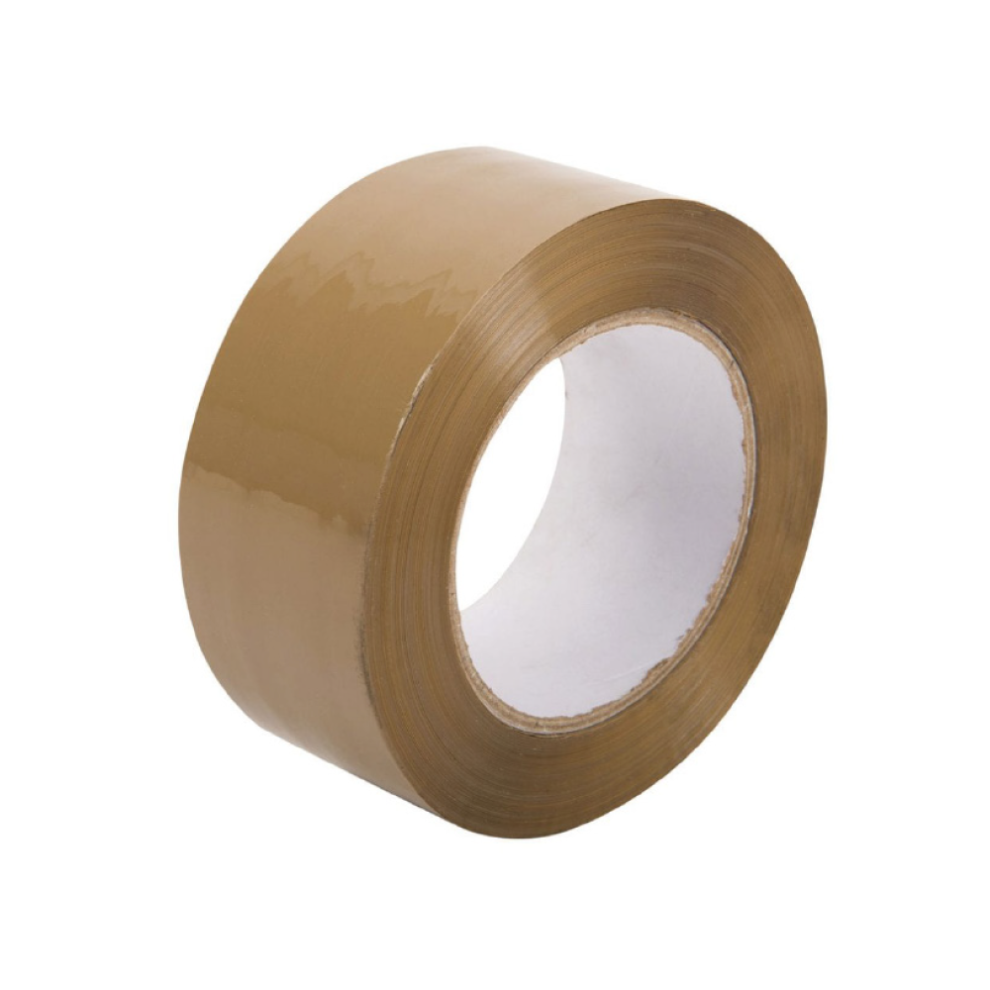
A stock image related to Low noise strong tape.
Comprehensive Cost and Pricing Analysis for Low noise strong tape Sourcing
Low noise strong tape typically commands a significant premium over standard acrylic packaging tape—often 150% to 200% higher per case—due to specialized film formulations and precision unwind technology that eliminates the screeching associated with traditional tapes. For procurement teams across Nigeria, Vietnam, and other emerging markets, understanding this cost structure requires looking beyond unit pricing to factors like dimensional weight shipping charges, bulk tier thresholds, and total cost of ownership in high-volume packaging environments.
Why Does Low Noise Strong Tape Command a Premium Over Standard Packaging Tape?
The price differential stems from advanced polypropylene film manufacturing and proprietary adhesive coatings designed for silent application. While standard heavy-duty packaging tape might price at approximately $47.50 for a 36-roll case, equivalent low-noise variants typically range from $115 to $130 per case depending on micron thickness and adhesive quality. This premium reflects not just material costs, but also specialized slitting processes that ensure smooth, quiet unwinding without compromising tensile strength. Buyers should evaluate whether the acoustic benefits justify the additional spend based on their facility’s noise regulations and employee proximity to packing stations.
How Do Volume-Based Pricing Tiers Impact Your Total Procurement Costs?
Most manufacturers implement tiered discount structures that reward consolidated purchasing. Typical breakpoints include 3% reductions for orders of three to five cases, escalating to 5% or higher for six-plus case commitments. For operations consuming 100+ cases annually, negotiating annual volume agreements rather than spot-buying can yield savings that offset the acoustic premium entirely. However, buyers must balance these discounts against storage costs and inventory carrying charges, particularly in humid climates where tape storage conditions affect shelf life.
What Hidden Costs Should Buyers Consider When Importing Low Noise Tape to Emerging Markets?
International procurement involves logistics complexities that significantly impact landed costs. Low noise tape’s bulky nature relative to its weight means shipping quotes often calculate dimensional rather than actual weight, inflating freight expenses to African and South American ports by 20-30% compared to denser industrial goods. Additionally, import duties on adhesive products vary dramatically—ranging from 5% in certain Middle Eastern trade zones to 15-25% in Nigerian ports—requiring accurate HS code classification (typically 3919.10) to avoid customs surprises. Currency fluctuation hedging becomes essential for Euro or USD-denominated contracts when sourcing for volatile markets.
How Can B2B Buyers Negotiate Better Rates for Silent Packaging Solutions?
Strategic procurement involves requesting mixed-container loads that combine low noise tape with complementary shipping supplies like standard tape or void fill, maximizing container utilization while meeting minimum order quantities. Buyers should also demand extended payment terms (60-90 days) to improve cash flow on premium-priced inventory, and negotiate inclusion of moisture-resistant packaging for sea freight to tropical destinations. Requesting sample rolls for workplace noise testing before committing to bulk orders prevents costly specification mismatches that erode the productivity benefits silent tape promises.
Alternatives Analysis: Comparing Low noise strong tape With Other Solutions
When evaluating sealing solutions for distribution centers, e-commerce fulfillment, or manufacturing facilities across diverse international markets, procurement teams must weigh low noise strong tape against both conventional adhesive options and emerging sustainable alternatives. While the silent unwinding characteristic addresses specific workplace compliance, employee comfort, and customer experience concerns, understanding how these specialized acrylic formulations stack against traditional hot melt tapes or water-activated Kraft systems ensures buyers select the optimal balance of acoustic performance, seal integrity, and total cost of ownership. For B2B buyers in Nigeria, Vietnam, and throughout Europe, the decision often hinges on whether acoustic benefits justify potential price premiums compared to standard solutions, or whether alternative technologies better serve specific climatic and regulatory environments.
| Comparison Aspect | Low Noise Strong Tape | Standard Hot Melt Packaging Tape | Water-Activated Reinforced Tape (WAT) |
|---|---|---|---|
| Noise Level | <35 dB (whisper quiet) | 65-75 dB (high-pitch tearing) | 40-50 dB (minimal noise) |
| Adhesion Strength | High (50+ micron acrylic) | Medium-High (synthetic rubber) | Very High (bonds with carton fibers) |
| Application Speed | Fast (handheld dispensers) | Fast | Moderate (requires water activation) |
| Material Cost per Meter | $$ | $ | $$$ |
| Equipment Requirements | Standard dispensers | Standard dispensers | Specialized dispensers with water reservoirs |
| Security/Tamper Evidence | Moderate (can be resealed) | Low (easy to lift and reapply) | High (destroys fiber upon removal) |
| Environmental Conditions | Stable in varied humidity/temps | Sensitive to extreme heat/cold | Requires dry storage; recyclable |
| Ease of Implementation | Immediate (drop-in replacement) | Immediate | Requires training and setup time |
How Does Standard Hot Melt Tape Compare for High-Volume Operations?
Standard hot melt packaging tape represents the most ubiquitous alternative, utilizing synthetic rubber adhesives that provide aggressive initial tack and adequate holding power on corrugated surfaces. While significantly cost-effective for bulk purchasing—particularly attractive to emerging market distributors in Nigeria or Vietnam concerned with tight per-unit economics—this option generates substantial acoustic pollution during application, often exceeding 70 decibels during rapid dispensing. This noise level can violate stringent workplace noise regulations in European facilities or create significant operator fatigue in South American fulfillment centers operating extended shifts in enclosed environments. Furthermore, hot melt adhesives typically emit stronger volatile organic compounds and may become brittle under Middle Eastern heat extremes or lose adhesion in humid African monsoon seasons, whereas low noise acrylic formulations maintain consistent shear strength across broader temperature ranges without the auditory disruption or odor complaints that trigger employee turnover in sensitive work environments.
Is Water-Activated Reinforced Tape a Viable Substitute for Low Noise Applications?
Water-activated tape (WAT), also known as gummed paper tape, presents a sophisticated alternative for B2B buyers prioritizing security, sustainability, and brand presentation over pure application speed, particularly in European markets with strict packaging waste directives and carbon footprint mandates. This Kraft paper-based solution creates a molecular bond with carton fibers, providing irreversible tamper evidence that exceeds the security capabilities of pressure-sensitive alternatives, though it necessitates specialized dispensing equipment with water reservoirs, heating elements, and regular maintenance protocols. While WAT operates at moderate noise levels during dispensing that approximate low noise tape standards, the implementation complexity—including comprehensive staff training, susceptibility to mold in humid African storage conditions, and slower application speeds—often offsets these benefits for high-volume operations in South America where throughput directly impacts daily profitability. However, for Middle Eastern exporters shipping high-value electronics, luxury goods, or temperature-sensitive pharmaceuticals requiring tamper-evident seals and recyclable packaging materials, WAT may justify the operational trade-offs and capital expenditure despite lacking the immediate deployment flexibility and climate resilience of low noise strong tape solutions.
Essential Technical Properties and Trade Terminology for Low noise strong tape
When procuring low-noise strong tape for high-volume operations, understanding precise technical specifications ensures compatibility with automated dispensers and specific load requirements. For international buyers managing logistics across diverse climates—from humid Vietnamese warehouses to dusty Nigerian distribution centers—these metrics determine not only acoustic performance but also seal integrity during multi-modal transit.
What Technical Specifications Define Industrial-Grade Low-Noise Tape?
Film Thickness (Microns/Mils): Expressed in microns (μm) or mils (thousandths of an inch), this measures the polypropylene film’s caliper. Heavy-duty low-noise tapes typically utilize 45–50 micron (1.8–2.0 mil) BOPP films, providing puncture resistance for double-wall corrugated cartons while maintaining the flexibility required for quiet unwind mechanics.
Adhesion Strength (N/25mm or oz/in): This quantifies the tape’s holding power, measured by peel adhesion tests. Premium low-noise formulations often employ hot-melt synthetic rubber adhesives delivering 4.5–6.0 N/25mm adhesion values, ensuring immediate surface grab without the aggressive noise associated with standard acrylic tapes.
Unwind Force (cN/cm): Critical for noise reduction, this measures the force required to unroll tape from the roll. Optimized low-noise variants maintain 1.5–2.5 cN/cm unwind force, creating the characteristic “butter-smooth” application that eliminates the screeching associated with high-tack alternatives in European retail fulfillment centers.
Tensile Strength (N/25mm): Indicates resistance to breakage under stress. Quality strong tapes offer 35–45 N/25mm tensile strength, preventing splitting when applied to overstuffed cartons or during rough handling in international shipping containers.
Elongation at Break (%): The percentage the tape stretches before snapping. BOPP-based low-noise tapes typically provide 150–180% elongation, accommodating box expansion and contraction during temperature fluctuations common in Middle Eastern or tropical South American logistics corridors.
What Trade Terminology Governs Low-Noise Tape Procurement?
BOPP (Biaxially Oriented Polypropylene): The industry-standard substrate created by stretching polypropylene film in two perpendicular directions. This molecular alignment produces the strength-to-thickness ratio essential for “strong yet silent” performance in automated packaging lines.
Hot Melt Adhesive: A synthetic rubber-based adhesive system cured through heat application. Unlike water-based acrylic adhesives, hot melt formulations provide aggressive initial tack with reduced unwind noise, making them preferred for warehouse environments requiring acoustic control.
Shear Resistance: Measured in hours, this indicates how long tape can hold a standard load under constant stress. High shear resistance (72+ hours) prevents package failure during stacked storage in African distribution hubs.
Case Pack Configuration: Logistics terminology defining rolls per master carton (e.g., 36/Case). Understanding MOQs and case dimensions is crucial for buyers calculating container utilization rates and warehousing costs across Vietnam and Nigeria.
Core Diameter: The internal cardboard tube size, typically 3-inch (76mm) for industrial dispensers or 1-inch (25mm) for handheld use. Mismatched cores cause dispenser jamming and operational noise, disrupting workflow efficiency.
Acoustic Unwind Rating: Though lacking universal ISO standards, manufacturers classify tapes by subjective noise levels (e.g., “whisper quiet” vs. “standard”). Request decibel test data from suppliers to verify claims before bulk procurement.
Navigating Market Dynamics and Sourcing Trends in the Low noise strong tape Sector
The low noise strong tape sector is experiencing significant evolution as B2B procurement standards shift toward workplace ergonomics and operational efficiency. Unlike conventional packaging tapes that generate disruptive screeching during application, low-noise variants utilize specialized film compositions and release coatings that unwind smoothly—critical for noise-sensitive environments such as shared offices, retail backrooms, and urban distribution centers. For procurement teams across emerging markets in Africa, South America, the Middle East, and Europe, understanding these dynamics is essential for optimizing supply chains while meeting increasingly stringent workplace comfort standards. As businesses expand their fulfillment operations into residential areas and mixed-use developments, the acoustic signature of packaging materials has transformed from a minor inconvenience into a regulatory and quality-of-life consideration that directly influences supplier selection and brand reputation.
What Are the Emerging Demand Patterns for Low Noise Packaging Solutions Across Global Markets?
The global shift toward urbanized logistics and e-commerce fulfillment has fundamentally altered demand trajectories for low noise strong tape. In densely populated commercial districts across Lagos, São Paulo, Dubai, and Ho Chi Minh City, noise pollution regulations are increasingly influencing procurement decisions, driving preference for “quiet unwind” solutions that maintain high tensile strength without acoustic disruption. Market analysis indicates accelerating adoption in small-to-medium warehousing operations where employee comfort directly impacts retention rates and where 24-hour fulfillment schedules necessitate noise mitigation during nighttime operations.
Regional sourcing patterns reveal distinct procurement behaviors shaped by economic development stages. European buyers typically prioritize ISO-certified acoustic performance standards and consistent micron thickness specifications—often requiring true 2 Mil (50 micron) heavy-duty variants for secure transit across varied climate conditions. Conversely, emerging markets in Nigeria, Vietnam, and throughout South America demonstrate higher price elasticity, balancing noise-reduction benefits against unit costs, with bulk case purchases (typically 36 rolls per case) offering tiered discounts of 3-5% for volume commitments that significantly impact total cost of ownership calculations.
Supply chain resilience has emerged as a critical trend, with buyers diversifying supplier bases beyond traditional manufacturing hubs to mitigate geopolitical risks and shipping volatility. The sector is witnessing increased demand for customizable unwind tension specifications, allowing distributors to select tapes optimized for either manual application or automated packing lines—each requiring distinct adhesive formulations and noise dampening properties. Furthermore, technological advancements in acrylic adhesive formulations are enabling stronger bonding capabilities at reduced noise levels, allowing single-strip sealing that reduces material waste while improving package security. This innovation particularly benefits exporters in Africa and South America who must ensure carton integrity through varied humidity and temperature fluctuations during international transit.
How Can B2B Buyers Ensure Sustainable and Ethical Sourcing of Low Noise Adhesive Tapes?
Sustainability considerations are reshaping vendor selection criteria as multinational corporations implement Scope 3 emissions tracking and circular economy mandates. Low noise strong tape manufactured from recyclable polypropylene (PP) rather than PVC offers significant environmental advantages, particularly when sourced from facilities utilizing solvent-free adhesive coatings that eliminate harmful off-gassing. Procurement teams should verify that suppliers provide comprehensive technical data sheets confirming heavy metal compliance, REACH registration, and VOC (volatile organic compound) thresholds suitable for stringent indoor air quality standards prevalent in European and Middle Eastern commercial buildings.
Ethical sourcing extends beyond material composition to encompass manufacturing transparency and labor practices. Buyers should prioritize suppliers demonstrating fair labor certifications and safe working conditions in production facilities, particularly when sourcing from regions with variable regulatory oversight. The bulk nature of tape procurement—typically shipped as 36-roll cases weighing substantial quantities—presents significant logistics optimization opportunities. Consolidating shipments to reduce carbon footprint aligns with corporate sustainability goals while leveraging freight economies that benefit both buyer and supplier through reduced per-unit transportation costs.
Circular economy initiatives are gaining traction within the sector, with forward-thinking suppliers offering take-back programs for used tape cores and damaged rolls that would otherwise enter landfill streams. When evaluating potential partners, assess their commitment to reducing packaging waste through optimized case dimensions, biodegradable pallet wrap alternatives, and minimalist packaging designs that eliminate redundant boxing. Water-based adhesive technologies represent another sustainable innovation gaining market share, offering comparable holding power to solvent-based alternatives while significantly reducing environmental impact during manufacturing. Additionally, inquire about renewable energy usage in production processes, as tape manufacturing’s extrusion and coating phases are energy-intensive operations where solar or wind energy adoption significantly impacts lifecycle assessments. By integrating these sustainability metrics into RFQ processes, procurement teams can drive industry-wide improvements while securing competitive advantages in markets where environmental credentials increasingly influence B2B purchasing decisions.
Frequently Asked Questions (FAQs) for B2B Buyers of Low noise strong tape
1. What is the typical decibel level reduction when switching to low noise strong tape?
How much noise reduction can B2B buyers expect from low noise strong tape compared to standard packaging tape?
Low noise strong tape typically operates at 20–30 decibels lower than conventional acrylic packing tape during unwinding. While standard tapes often produce sharp screeching sounds exceeding 85 decibels in high-speed packaging environments, quality low noise variants maintain levels below 60 decibels, comparable to normal conversation volume. This significant reduction helps facilities comply with strict occupational noise regulations in the EU and Middle East while improving workplace comfort in shared industrial spaces.
2. Does low noise tape provide the same adhesive strength as standard packaging tape?
Is low noise strong tape as durable and reliable as traditional noisy packaging tape for securing international shipments?
Modern low noise strong tape utilizes advanced hot melt or solvent acrylic adhesive formulations that deliver tensile strength comparable to standard 2-mil (50 micron) industrial tapes. The silent unwinding mechanism does not compromise adhesion, with premium grades offering 20–30 Newtons per centimeter holding power and excellent shear resistance. B2B buyers can expect equivalent performance in box sealing, palletizing, and long-term storage applications across humid climates like West Africa or Southeast Asia without sacrificing package integrity.
3. Which industries benefit most from using low noise strong tape?
What business sectors and work environments gain the highest ROI from implementing low noise strong tape solutions?
E-commerce fulfillment centers, pharmaceutical packaging facilities, and luxury goods warehouses represent primary beneficiaries where noise pollution impacts worker concentration and brand perception. Office-based shipping departments, educational institutions, and libraries prioritize these tapes to maintain professional environments. Additionally, facilities operating night shifts in residential areas or shared industrial parks in densely populated regions like Nigeria or Vietnam use low noise tape to comply with local noise ordinances while maintaining 24/7 operational capacity.
4. Is low noise strong tape suitable for heavy-duty industrial packaging?
Can low noise strong tape handle heavy-duty industrial applications and high-stress shipping requirements?
Premium low noise strong tape variants rated at 2.0–2.5 mil thickness with reinforced hot melt adhesives withstand rigorous industrial packaging demands, including double-walled corrugated boxes and palletized loads exceeding 25 kilograms. These tapes perform reliably in automated case sealing machines and manual dispensers, maintaining strong adhesion across temperature ranges from -20°C to 60°C. For extreme heavy-duty applications, specify cross-weave or filament-reinforced low noise options that combine silent unwinding with burst strength exceeding 100 pounds per inch.
5. How does the cost of low noise strong tape compare to standard options for bulk procurement?
What pricing differences should international procurement teams expect when sourcing low noise strong tape versus conventional alternatives?
Low noise strong tape typically commands a 10–15% premium over standard acrylic tape due to specialized film formulations and noise-dampening coatings. However, bulk purchasing agreements for 36-roll cases or full pallet quantities often narrow this gap to 5–8%, particularly when sourcing directly from manufacturers serving African, Middle Eastern, and South American markets. The total cost of ownership frequently favors low noise options when factoring in reduced worker fatigue, lower hearing protection equipment costs, and improved productivity in noise-sensitive environments.
6. What storage conditions are required to maintain low noise strong tape performance in tropical climates?
How should B2B buyers in humid regions store low noise strong tape to preserve its adhesive properties and noise-reduction capabilities?
Store low noise strong tape in climate-controlled environments between 15°C and 25°C with relative humidity below 65% to prevent adhesive degradation and film embrittlement. Unlike standard tapes, prolonged exposure to direct sunlight can compromise the specialized coatings that enable silent unwinding, so warehouse positioning away from windows is essential in tropical climates. Rotate inventory using first-in-first-out (FIFO) methods, as properly stored low noise tape maintains optimal performance for 12–18 months, ensuring consistent quality for high-volume operations.
7. Can low noise strong tape be customized with company branding for B2B shipments?
What customization options are available for businesses wanting branded low noise strong tape with silent unwinding properties?
Many manufacturers offer custom printing services on low noise strong tape substrates, allowing companies to add logos, handling instructions, or security patterns while maintaining silent unwinding characteristics. Printed low noise tape requires specialized flexographic processes that preserve the film’s acoustic dampening properties, typically available for minimum order quantities of 50–100 cases depending on width and color complexity. This customization proves particularly valuable for luxury brands and pharmaceutical companies seeking unboxing experiences that align with premium product positioning in European and Middle Eastern markets.
8. What dispenser specifications work best with low noise strong tape in high-volume operations?
Which tape dispensers and application equipment optimize low noise strong tape performance in industrial packaging lines?
Low noise strong tape performs optimally with precision tension-control dispensers that minimize drag resistance, particularly 2-inch or 3-inch benchtop and handheld models designed for polypropylene films. For automated packaging lines, specify tape heads with adjustable brake systems and low-friction rollers to prevent the screeching associated with high-speed unwinding. When transitioning existing operations, conduct compatibility testing with current dispenser fleets, as older metal roller mechanisms may require upgrading to rubber-coated or ceramic variants to maintain the tape’s noise-reduction benefits in high-volume facilities.
Important Disclaimer & Terms of Use
⚠️ Important Disclaimer
The information provided in this guide, including content regarding manufacturers, technical specifications, and market analysis, is for informational and educational purposes only. It does not constitute professional procurement advice, financial advice, or legal advice.
B2B buyers must conduct their own independent and thorough due diligence before making any purchasing decisions. The risk of relying on any information in this guide is borne solely by the reader.
Top 1 Low Noise Strong Tape Manufacturers & Suppliers List
1. WH Tape – Industrial & Specialty Tapes
Domain: wh-tape.com
Registered: 2023 (3 years)
Introduction: 3M: Scotch and VHB (Very High Bond) tapes, office tapes, specialized industrial tapes. Avery Dennison: pressure-sensitive adhesive materials for labeling, packaging, and medical applications. Tesa SE: double-sided tapes, masking tapes, packaging tapes, industrial and automotive tapes. Nitto Denko: electrical insulation tapes, surface protection films, medical tapes. Scapa Group: healthcare, electr…
Strategic Sourcing Conclusion and Outlook for Low noise strong tape
Strategic procurement of low-noise strong tape extends beyond unit pricing to encompass total operational value and workplace efficiency. For B2B buyers across Nigeria, Vietnam, and European markets, leveraging volume-based tiered discounts—typically starting at 3% for mid-volume orders and scaling to 5% or higher for bulk commitments—significantly reduces per-unit costs while ensuring consistent supply chain continuity. Prioritize suppliers offering standardized 2-inch by 110-yard configurations, as these dimensions optimize dispenser compatibility and minimize material waste across diverse packaging environments from retail distribution centers to residential delivery hubs.
How Can Buyers Optimize Procurement Costs for Low-Noise Packaging Solutions?
When evaluating suppliers, assess not only acoustic performance but also regional logistics capabilities and inventory flexibility. Establishing long-term contracts with manufacturers who provide consistent 2-mil thickness specifications ensures adhesive reliability across varying climate conditions, from humid South American ports to arid Middle Eastern distribution centers. Consider the total cost of ownership including dispenser maintenance and worker productivity gains; silent unwinding properties reduce operational fatigue and enable packaging in noise-sensitive environments without compromising seal strength.
What Does the Future Hold for Silent Sealing Technologies in Global Supply Chains?
The trajectory of industrial packaging points toward increasingly stringent workplace noise regulations and heightened emphasis on employee wellbeing in emerging markets. Forward-thinking procurement teams should anticipate growing demand for ultra-quiet adhesive solutions in sectors ranging from e-commerce fulfillment to healthcare logistics, particularly in noise-sensitive urban centers. As sustainability mandates intensify globally, expect rapid convergence between low-noise performance and eco-friendly acrylic formulations. Establishing strategic partnerships with manufacturers now ensures early access to next-generation silent tapes that balance acoustic comfort with structural integrity, positioning your operations ahead of evolving compliance curves and competitive benchmarks.