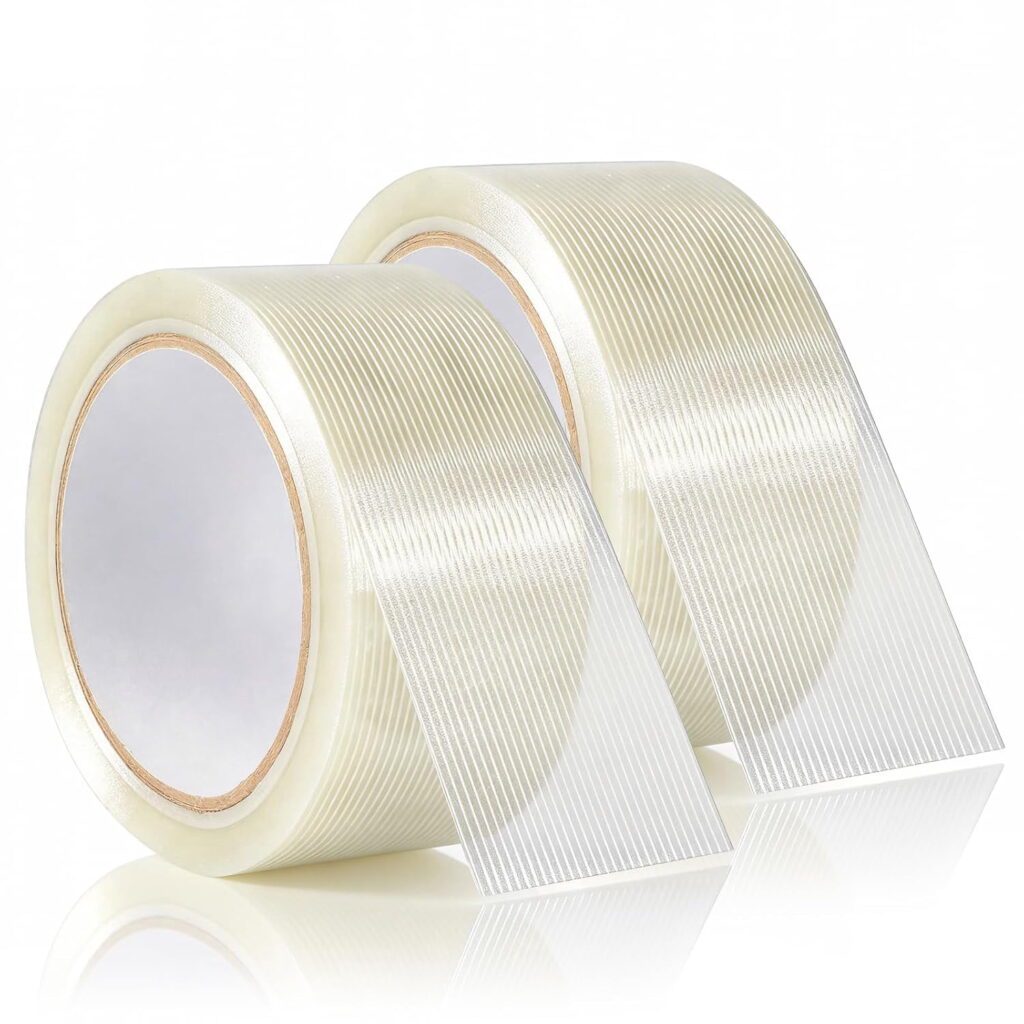
Introduction: Navigating the Global Market for Nano tape
Sourcing nano tape for industrial applications or retail distribution presents a unique set of challenges in today’s fragmented global supply chain. With projected market growth of 6.2% CAGR through 2030, driven by surging demand for reusable, traceless mounting solutions across construction, electronics, and automotive sectors, buyers face increasing pressure to secure high-quality adhesive products while navigating complex international logistics, varying manufacturing standards, and the critical balance between cost efficiency and performance reliability.
Why is the global nano tape market expanding beyond traditional consumer applications?
The versatility of nano tape—capable of holding up to 9lbs per inch while remaining washable and residue-free—has transformed it from a household novelty into an industrial essential. From mounting delicate electronic components in German automotive factories to temporary fixtures on Brazilian construction sites and climate-resistant installations across the Middle East and Africa, this polyurethane or acrylate-based adhesive solution addresses stringent sustainability mandates through reusability while eliminating surface damage risks associated with traditional mechanical fasteners.
What critical factors should international buyers evaluate when sourcing nano tape across diverse markets?
Navigating supplier landscapes across Africa, South America, the Middle East, and Europe requires sophisticated evaluation beyond simple price comparisons. This guide examines critical material specifications including acrylate versus polyurethane base formulations, verified load-bearing capacities, temperature resistance for extreme climates, and compliance with regional safety standards. We analyze transparent cost structures, MOQ negotiation strategies, quality verification protocols, and the specific logistical considerations essential for procurement teams operating in diverse commercial environments.
How will this guide optimize your cross-border procurement strategy?
Throughout the following sections, we provide actionable intelligence on supplier vetting methodologies, application-specific product selection for industrial MRO or retail environments, and logistics optimization for international shipping routes. Whether you are securing bulk inventory for construction projects, automotive assembly lines, or consumer electronics distribution networks, this comprehensive resource equips you with the technical specifications, market insights, and risk mitigation strategies necessary to make confident, cost-effective purchasing decisions in the competitive global nano tape marketplace.
Understanding Nano tape Types and Variations
| Type Name | Key Distinguishing Features | Primary B2B Applications | Brief Pros & Cons for Buyers |
|---|---|---|---|
| Acrylic-Based Transparent Nano Tape | Clear acrylate polymer composition; high optical clarity; standard 1-2mm thickness; general purpose adhesion via van der Waals forces | Electronics assembly; retail display mounting; glass and acrylic signage installation; office fit-outs | Pros: Cost-effective, versatile on smooth surfaces, residue-free removal. Cons: Limited flexibility on curved surfaces, reduced efficacy on painted/porous substrates, humidity-sensitive in uncontrolled environments. |
| Polyurethane Gel Nano Tape | Flexible polyurethane adhesive matrix; higher elongation; conforms to irregular surfaces; PET film-lined; vibration-dampening properties | Automotive interior trim; curved device housings; temporary fixtures in manufacturing; medical equipment mounting | Pros: Superior conformability, maintains adhesion under mechanical stress, washable. Cons: Higher cost per meter, potential yellowing under UV exposure, requires longer curing time for full bond strength. |
| Heavy-Duty Industrial Grade | Enhanced cross-linked acrylate formulation; temperature resistance (up to 120°C+); higher shear strength; thicker gauge (2-3mm); weather-resistant | Automotive under-hood components; HVAC ductwork; industrial MRO; outdoor construction in extreme climates; heavy machinery fixtures | Pros: Withstands thermal cycling, supports heavier loads (4kg+ per inch), durable in harsh environments. Cons: Premium pricing, requires solvent-based surface preparation, may leave slight residue on porous surfaces if overheated. |
| Custom Die-Cut Configurations | Pre-cut circles, strips, or complex geometries; precision tolerances; specialized liners for automated application; exact dimensional stability | OEM electronics manufacturing; automated assembly lines; point-of-sale display production; medical device assembly | Pros: Reduces labor costs, minimizes material waste, consistent application quality, compatible with pick-and-place robotics. Cons: Higher MOQs (5,000-10,000+ units), longer lead times for custom tooling, requires accurate demand forecasting. |
What are the optimal applications for standard acrylic-based nano tape in B2B environments?
This represents the baseline standard for general industrial and commercial applications, utilizing acrylate polymer arrays that generate adhesion through van der Waals forces. Best suited for smooth, non-porous substrates such as glass, metal, and polished plastics, this variation offers excellent optical clarity for visible mounting applications. B2B buyers should verify the acrylate density and liner quality, as lower-grade formulations may lose adhesion in high-humidity environments common in Middle Eastern and Southeast Asian markets. Ideal for temporary fixtures in exhibition builds and retail environments where residue-free removal is mandatory, this cost-effective option serves as the entry point for businesses testing nano-adhesive technologies.
How does polyurethane gel nano tape compare for curved surface applications?
Engineered with a flexible polyurethane matrix rather than rigid acrylic, this variation excels in applications requiring conformability to curved or textured surfaces. The material’s elastomeric properties provide vibration dampening alongside adhesion, making it particularly valuable for automotive interior assemblies and electronic device manufacturing where mechanical stress occurs. Procurement teams should assess the gel’s durometer rating and UV stability, as polyurethane formulations vary significantly in long-term clarity and temperature resistance. This type commands a price premium but reduces failure rates in dynamic load applications where rigid tapes would delaminate, offering superior performance on slightly irregular substrates.
Which heavy-duty nano tape specifications are critical for high-temperature industrial use?
Formulated with enhanced cross-linked acrylates and thicker gauge construction (typically 2-3mm), this variation withstands thermal cycling up to 120°C and shear loads exceeding 4kg per inch. Critical for automotive under-hood applications, HVAC installations, and outdoor construction in extreme climates prevalent in African and Middle Eastern markets, it maintains adhesion through severe temperature fluctuations and humidity exposure. Buyers must specify surface energy requirements, as industrial grades often require solvent-based surface preparation for optimal bonding. While costlier than standard variants, the reduced rework rates and elimination of mechanical fasteners justify the investment for permanent industrial fixtures requiring long-term reliability.
Why should manufacturers consider custom die-cut nano tape for automated assembly lines?
Manufactured as pre-cut circles, strips, or complex geometries with precision tolerances, this variation streamlines high-volume assembly operations by eliminating on-site cutting and reducing material waste. Essential for OEM electronics, medical device manufacturing, and automated production lines, die-cut tapes feature specialized liners compatible with pick-and-place robotics and automated dispensing systems. Procurement considerations include tooling costs, minimum order quantities typically ranging from 5,000-10,000 units, and dimensional stability during international shipping. This solution maximizes labor efficiency
Key Industrial Applications of Nano tape
| Industry/Sector | Specific Application of Nano tape | Value/Benefit for the Business | Key Sourcing Considerations for this Application |
|---|---|---|---|
| Automotive Manufacturing & Assembly | Temporary fixture of interior trim components, prototype validation, and cable harness management during assembly | Eliminates surface damage during design iterations; enables multiple repositioning cycles without residue; reduces mechanical fastener costs and installation time | Heat resistance ratings (80°C+), automotive VOC emission compliance, thickness consistency for automated dispensing systems |
| Electronics & Semiconductor Assembly | Mounting camera modules, sensors, heat sinks, and protective films in consumer electronics and optical equipment | Provides vibration damping for sensitive components; allows rework without PCB or lens damage; maintains clean room compatibility | Anti-static properties, precision die-cutting capabilities for miniaturized components, RoHS/REACH compliance for EU markets |
| Renewable Energy (Solar PV & Wind) | Temporary positioning of solar panel junction boxes, cable routing systems, and monitoring equipment during field installations | Accelerates installation timelines in remote locations; weather-resistant for outdoor exposure; reusable for multiple site adjustments | UV resistance ratings, adhesion strength on aluminum and glass substrates, temperature cycling stability (-20°C to +80°C) |
| Commercial Construction & Interior Fit-Out | Mounting lightweight architectural elements, temporary wayfinding signage, and surface protection films during building completion | Prevents surface damage in leased commercial spaces; supports lean construction methodologies; eliminates drilling on premium finishes | Compatibility with high-humidity climates, bulk roll dimensions for large-scale projects, residue-free certification for rental properties |
| Industrial MRO (Maintenance, Repair, Operations) | Emergency cable management, temporary guarding installation, and equipment cover mounting during maintenance windows | Enables rapid deployment without surface preparation or curing time; washable for reuse across shifts; reduces consumable inventory costs | Thickness uniformity for manual or automated application, tensile strength for medium-weight industrial components, dust-resistant formulation |
How Does Nano Tape Streamline Automotive Prototyping and Interior Assembly?
In automotive manufacturing facilities across Germany and Brazil, nano tape serves as a critical temporary bonding solution for interior trim fitting, prototype validation, and cable harness management. Unlike permanent mechanical fasteners that damage dashboards or door panels during testing phases, nano tape allows engineers to reposition components multiple times while maintaining adhesion strength up to 4kg per inch. The tape’s heat resistance properties prove essential in engine bay applications and during paint shop processes, while its traceless removal prevents costly surface refinishing on leather, wood veneer, or painted metal substrates common in premium vehicle segments.
What Role Does Nano Tape Play in Precision Electronics Manufacturing?
For semiconductor facilities and electronics assembly plants, particularly in European markets with strict environmental regulations, nano tape provides residue-free mounting for camera modules, sensors, and heat dissipation components. The polyurethane-based adhesive offers anti-vibration damping critical for optical equipment alignment, while its washability supports sustainable manufacturing practices by reducing tape waste during rework processes. Buyers should verify die-cutting capabilities for miniaturized components and ensure compliance with RoHS directives and REACH regulations when sourcing for EU distribution channels or export to Middle Eastern tech hubs.
Why Are Solar and Wind Energy Contractors Adopting Nano Tape for Field Installations?
In emerging markets across Africa and the Middle East, nano tape facilitates the temporary positioning of solar panel junction boxes, cable management systems, and monitoring equipment during large-scale photovoltaic deployments. The tape’s ability to adhere to aluminum frames and glass surfaces without surface preparation accelerates installation timelines in remote locations where mechanical fastening proves impractical. Its UV stability and temperature resistance accommodate extreme desert conditions and tropical humidity, though buyers must specify outdoor-grade formulations with enhanced weatherproofing rather than standard consumer-grade variants.
How Can Construction Firms Leverage Nano Tape for Damage-Free Installations?
For commercial building projects in urban centers from São Paulo to Dubai, nano tape replaces traditional drilling and adhesive methods when mounting lightweight architectural elements, temporary wayfinding signage, and protective films during final fit-out phases. The tape’s traceless characteristics prove invaluable in leased commercial spaces where landlords mandate surface preservation, while its reusability aligns with circular economy principles increasingly demanded by European sustainability frameworks. Procurement teams should prioritize bulk roll configurations and verify adhesion performance on local substrate materials common in regional construction practices, such as textured concrete or ceramic facades prevalent in Middle Eastern architecture.
How Does Nano Tape Support Maintenance Operations in Manufacturing Facilities?
For industrial plants across South America and Africa, nano tape provides immediate solutions for emergency cable management, temporary guarding installation, and equipment cover mounting during maintenance windows. Unlike permanent adhesives that require surface preparation and curing time, nano tape enables rapid deployment in high-dust environments where traditional tapes fail. The washable properties allow maintenance teams to reuse the same tape across multiple shift changes, reducing consumable inventory costs. Buyers should prioritize thickness uniformity for automated dispensers and verify tensile strength ratings suitable for medium-weight industrial components.
3 Common User Pain Points for ‘Nano tape’ & Their Solutions
Scenario 1: Adhesion Failure on Textured Concrete and Cast Metal Surfaces
The Problem: Manufacturing facilities and construction sites across emerging markets frequently feature unfinished concrete, rough-cast aluminum, or painted cinder block walls. B2B buyers deploying standard nano tape for equipment mounting or temporary fixtures discover that the tape’s micro-suction mechanism—relying on van der Waals forces—requires near-perfect surface contact. On these irregular substrates common in African and South American industrial environments, the tape fails to create adequate vacuum seals, resulting in premature detachment of cable management systems, signage, or lightweight sensors. This leads to production interruptions, potential equipment damage, and safety hazards when components fall unexpectedly.
The Solution: Conduct thorough surface profiling before procurement. For rough substrates, specify nano tape variants with thicker polyurethane gel layers (2mm or greater) that can conform to surface irregularities, or transition to hybrid acrylic foam tapes designed for semi-rough applications. Alternatively, restrict nano tape deployment to designated smooth zones—such as glass partition installations, polished stainless steel equipment panels, or plastic component assembly—while reserving mechanical fasteners for untreated concrete or brick. Implement mandatory pre-cleaning protocols using isopropyl alcohol to remove industrial dust, cutting oils, and oxidation that compromise adhesion on porous materials.
Scenario 2: Thermal Degradation in High-Temperature Manufacturing Environments
The Problem: Automotive manufacturers in Germany and industrial processors in the Middle East operate assembly lines with ambient temperatures exceeding standard nano tape specifications. When used for securing wiring harnesses, sensor modules, or temporary jigs near engine compartments, heat presses, or industrial ovens, conventional nano tape formulations experience adhesive breakdown above 60-80°C. The polyurethane matrix softens excessively, causing catastrophic creep and failure of fixed components. This creates costly rework, potential damage to sensitive electronic assemblies, and compliance issues when temporary fixtures fail during quality control inspections.
The Solution: Specify heat-stabilized nano tape grades engineered with acrylate copolymers rated for continuous exposure up to 120°C for automotive applications. Conduct thermal mapping of your production environment to identify hotspot zones, deploying standard nano tape only in climate-controlled assembly areas. For high-heat zones, utilize nano tape solely as a temporary positioning aid during cooler production phases, or transition to specialized VHB acrylic foam tapes rated for 150°C+ exposure. Establish temperature monitoring protocols to ensure nano tape remains within operational parameters, leveraging its reusability for fixture positioning rather than permanent high-heat bonding.
Scenario 3: Load Capacity Uncertainty in Lightweight Construction and RV Assembly
The Problem: Construction contractors and RV manufacturers seeking to eliminate drilling and surface damage increasingly substitute nano tape for mechanical fasteners in interior installations. However, uncertainty regarding weight distribution leads to overloading—attempting to secure heavy glass panels, metal signage, or loaded cable trays that exceed the material’s approximately 9 lbs per inch tensile capacity. In European commercial building projects and South American manufacturing facilities, this miscalculation results in liability risks, surface damage from falling objects, and project delays when adhesive systems fail to replace structural mechanical anchoring.
The Solution: Adhere strictly to manufacturer load specifications (typically 1-2 kg per cm²) and implement distributed load engineering. Rather than single-point attachment, apply multiple nano tape strips in geometric patterns to maximize surface contact and distribute shear forces across the substrate. For B2B procurement, request certified load-test documentation from suppliers specific to your exact substrate materials and environmental conditions. Utilize nano tape for its validated lightweight applications—securing decorative panels under 2kg, LED strip mounting, and temporary fixture positioning—while maintaining mechanical anchoring for structural loads. Establish quality control checkpoints to verify tape width and coverage area against calculated load requirements before final installation approval.
Strategic Material Selection Guide for Nano tape
Procurement teams evaluating nano tape for cross-border supply chains must look beyond marketing terminology to analyze the underlying polymer chemistry. The “nano” designation typically refers to micro-structural engineering that enhances van der Waals forces, but the base material—whether polyurethane gel or acrylic resin—determines load-bearing capacity, environmental resilience, and total cost of ownership. For buyers operating in diverse climates ranging from German industrial facilities to Brazilian construction sites, selecting the appropriate adhesive matrix ensures compliance with both performance specifications and regional sustainability mandates. Understanding these material distinctions prevents costly specification errors in high-volume manufacturing environments.
Which Base Polymer Delivers Optimal Performance for High-Humidity Environments?
Polyurethane (PU) gel matrices dominate the consumer and light commercial segments, offering a unique value proposition for B2B buyers prioritizing operational flexibility. This elastomeric compound creates a soft, conformable layer that maximizes surface contact through micro-cavity suction effects rather than permanent chemical adhesion. For procurement teams in tropical markets like Brazil or West Africa, PU offers excellent moisture resistance and maintains reliable adhesion in high-humidity conditions where traditional acrylics might fail. However, shear strength typically peaks at 2-3 kg/cm², rendering it unsuitable for structural load-bearing applications. The material excels in electronics assembly, temporary retail fixtures, and hospitality installations where frequent repositioning and residue-free removal are prioritized over permanent bonding strength.
How Does Acrylic
In-depth Look: Manufacturing Processes and Quality Assurance for Nano tape
For B2B procurement teams evaluating nano tape suppliers across diverse markets—from German automotive manufacturers to Brazilian construction firms—understanding the manufacturing pipeline and quality assurance frameworks is critical for mitigating supply chain risks. The production of high-performance nano tape involves sophisticated polymer processing that transforms polyurethane or advanced acrylate formulations into micro-structured adhesive systems. Unlike conventional pressure-sensitive adhesives, nano tape manufacturing requires precise control over surface topography at the micro-scale to generate the van der Waals forces that enable its characteristic “gecko-like” adhesion and reusability.
How Is Industrial-Grade Nano Tape Manufactured?
The manufacturing process begins with material compounding, where polyurethane or acrylic gel formulations are synthesized with specific rheological properties to balance flow characteristics with structural integrity. Manufacturers utilize solvent-free coating technologies to apply these adhesive gels onto silicone-coated PET release liners, ensuring uniform thickness tolerance—typically maintained within ±0.05mm for industrial-grade products. The coating process employs precision slot-die or comma-bar systems operating in climate-controlled environments (20-25°C, 45-55% humidity) to prevent bubble formation and ensure consistent gel distribution across widths ranging from standard 3cm rolls to custom industrial formats.
Following coating, the critical micro-structuring phase occurs through either mechanical embossing or chemical etching processes that create the high-surface-area topography essential for nano tape’s adhesive properties. This step replicates microscopic patterns—often mimicking gecko foot structures—across the tape surface to maximize contact points and van der Waals force generation. The material then undergoes UV or thermal curing to cross-link polymer chains, establishing the elastic recovery properties that allow the tape to maintain adhesion after multiple compression cycles while enabling clean removal without substrate damage.
What Micro-Structuring Techniques Ensure Reusable Adhesion?
Advanced manufacturers employ micro-replication technology to create consistent surface geometries that distinguish premium nano tape from basic double-sided alternatives. This process involves precision-engineered rollers or templates that imprint microscopic channels and pillars into the adhesive surface, creating the conditions for temporary mechanical bonding alongside molecular adhesion. Quality control during this phase utilizes optical profilometry to verify surface roughness parameters (Ra values typically between 2-10 micrometers), ensuring the micro-structures maintain their integrity through the washing and reuse cycles that B2B buyers require for cost-effective industrial applications.
The washability feature—central to nano tape’s value proposition—depends heavily on the hydrophobic properties engineered during material compounding and the structural stability of these micro-features. Post-manufacturing, reputable suppliers conduct immersion testing in deionized water to verify that adhesion retention meets specifications (typically 90%+ of original tack after five wash cycles). This validation ensures that the tape performs reliably in humid climates common in Middle Eastern and South American markets, where temperature fluctuations and moisture exposure challenge conventional adhesive systems.
Which Quality Control Protocols Validate Industrial Performance?
Comprehensive QC frameworks for nano tape production incorporate multi-stage testing protocols that align with ISO 9001 quality management systems. Incoming raw material inspection verifies the molecular weight distribution of polyurethane resins and the release properties of PET liners, while in-process monitoring employs rheometers to confirm gel viscosity remains within specification ranges (usually 10,000-50,000 cPs). Automated vision systems inspect coating uniformity at speeds exceeding 100 meters per minute, flagging thickness variations or contamination that could compromise adhesion strength in automotive or electronics assembly applications.
Final product validation includes shear adhesion testing (ASTM D3654), peel adhesion measurements (PSTC-101), and temperature cycling tests from -20°C to 80°C to simulate operational conditions across European and African climates. Manufacturers serving B2B industrial markets also conduct specific load-bearing tests, verifying that the tape maintains holding power under static loads (typically rated at 1-5 kg per square centimeter depending on formulation). Each production batch receives a Certificate of Analysis (CoA) documenting these parameters, providing procurement teams with traceable quality documentation essential for supplier qualification processes.
What Certifications Should Global B2B Buyers Verify?
For international trade compliance, particularly when supplying to EU markets like Germany or export-driven economies in Brazil, nano tape manufacturers must maintain REACH and RoHS certifications confirming the absence of restricted substances including heavy metals and phthalates. Food-contact applications require FDA 21 CFR 175.105 compliance or EU 10/2011 certification, while automotive suppliers should verify IATF 16949 quality system accreditation. Middle Eastern buyers often require SASO conformity certificates, whereas African markets increasingly demand SONCAP (Nigeria) or equivalent regional quality marks.
Environmental sustainability credentials—critical for European procurement policies—include ISO 14001 environmental management and recyclable packaging standards. B2B buyers should also verify that manufacturers provide Material Safety Data Sheets (MSDS) in multiple languages and maintain lot traceability systems that enable rapid quality recall procedures. These documentation standards indicate manufacturing maturity levels that correlate with supply reliability and risk mitigation for long-term procurement contracts.
How Do Manufacturing Capabilities Support Custom B2B Requirements?
Leading nano tape manufacturers differentiate through conversion capabilities that support die-cutting, slitting, and custom lamination services essential for industrial integration. Rotary die-cutting equipment enables precision shaping of tape components for electronics assembly (camera module fixation, circuit board mounting) or automotive interior applications, with tolerances as tight as ±0.1mm. Manufacturers utilizing cleanroom environments (ISO Class 7 or better) can supply optical-grade nano tape for display assembly and precision instrumentation, minimizing particulate contamination that compromises sensitive manufacturing processes.
Supply chain reliability indicators include automated packaging systems that prevent edge damage during international shipping and inventory management systems capable of handling minimum order quantities (MOQs) ranging from 1,000 to 100,000+ units. For buyers in South America and Africa, manufacturers with regional warehousing or bonded inventory programs reduce lead times from 45-60 days to 7-14 days, supporting just-in-time production schedules. Evaluating these manufacturing flexibilities—alongside technical quality parameters—enables procurement teams to select partners capable of scaling from pilot projects to full production volumes while maintaining the traceless adhesion and reusability characteristics that define premium nano tape solutions.
Practical Sourcing Guide: A Step-by-Step Checklist for ‘Nano tape’
This guide equips procurement managers with a systematic framework for evaluating nano tape suppliers and specifications, ensuring alignment with industrial applications across diverse climates and regulatory environments—from humid Brazilian manufacturing facilities to temperature-controlled German automotive assembly lines.
1. How Do You Verify Material Composition and Load Capacity for Industrial Applications?
Begin by distinguishing between polyurethane-based and acrylic-acrylate formulations, as each offers distinct shear strength and temperature resistance profiles. Request technical data sheets specifying adhesion values in N/cm² and load-bearing capacity per inch (typically rated for 4–9 lbs), ensuring compliance with your specific industrial requirements. For automotive or electronics applications, verify heat resistance thresholds (usually -20°C to 120°C) and whether the nano-scale microstructure maintains integrity under cyclic thermal stress.
2. What Surface Compatibility Testing Should Precede Bulk Procurement?
Conduct substrate-specific adhesion trials on your actual application surfaces—particularly powder-coated metals, anodized aluminum, or textured plastics common in Middle Eastern and African construction markets. Document performance on painted walls and brick surfaces to establish clear exclusion parameters for your installation teams. Test under local environmental conditions, assessing how dust, high humidity, or temperature fluctuations affect initial tack and long-term holding power.
3. Which Customization and Conversion Services Maximize Operational Efficiency?
Evaluate suppliers offering precision die-cutting capabilities to minimize material waste and reduce application time in high-volume manufacturing. Specify liner requirements—clear PET film liners facilitate automated dispensing, while specialized release liners suit manual assembly lines. Confirm whether the supplier provides width slitting, custom roll lengths, and private labeling options to streamline your inventory management and brand consistency across European and South American distribution networks.
4. How Do You Evaluate Supplier Credentials and Quality Certifications?
Verify ISO 9001 quality management systems and request RoHS/REACH compliance documentation essential for European market entry and environmentally conscious procurement policies. Assess manufacturing capacity through facility audits or third-party verification, ensuring the supplier can scale from pilot orders to container-level volumes without quality degradation. Review their raw material traceability systems, particularly for acrylate sourcing, to mitigate supply chain disruptions.
5. What Are the Critical Logistics and Storage Considerations for International Shipments?
Confirm shelf-life specifications (typically 12–24 months) and storage requirements, as extreme heat during transit through equatorial regions can compromise adhesive properties. Clarify HS codes for customs classification—nano tape generally falls under adhesive polymer classifications requiring specific import documentation in Brazil and Nigeria. Ensure moisture-barrier packaging prevents liner separation and edge oxidation during ocean freight, and negotiate Incoterms that allocate responsibility for temperature-controlled storage during port delays.
6. How Should You Structure Sample Evaluation and Pilot Testing Protocols?
Implement a three-phase testing protocol: initial adhesion measurement, washability verification (confirming 90% stickiness retention after water cleaning), and residue-free removal assessment on sensitive substrates. Test repositioning capabilities across multiple cycles to validate reusability claims for temporary mounting applications. Document failure modes—whether cohesive or adhesive failure—to determine appropriate safety factors for structural versus decorative installations.
Comprehensive Cost and Pricing Analysis for Nano tape Sourcing
Nano tape procurement strategies must extend beyond unit price comparisons to encompass material science variables, supply chain logistics, and total cost of ownership calculations. For B2B buyers importing into regulated markets like Germany or high-growth regions such as Brazil and the UAE, understanding the cost architecture of acrylic and polyurethane-based adhesive systems ensures competitive positioning while maintaining quality standards.
What Raw Material Specifications Drive Nano Tape Manufacturing Costs?
The primary cost determinant lies in the polymer formulation—high-grade acrylate compounds command premium pricing compared to standard polyurethane alternatives due to enhanced van der Waals force retention and temperature stability. Material thickness measured in millimeters directly correlates with adhesive mass; industrial-grade nano tape requiring 1-3mm thickness for heavy-duty automotive or construction applications costs significantly more than consumer-grade 0.5-1mm variants. Additionally, PET film liner quality and nano-scale surface texturing processes add manufacturing complexity, with food-grade or medical-certified adhesives increasing costs by 15-25% compared to general industrial grades.
How Do Minimum Order Quantities Impact Your Sourcing Budget?
Manufacturing economies of scale create substantial pricing cliffs at specific volume thresholds. Standard MOQs of 5,000-10,000 rolls typically yield 30-40% cost reductions compared to small-batch orders below 1,000 units. For African and South American buyers, consolidating orders into full container loads (FCL) rather than less-than-container-load (LCL) shipments reduces per-unit logistics costs by eliminating consolidation fees and minimizing handling damage risks. Smart procurement involves negotiating annual volume agreements with quarterly release schedules to lock in bulk pricing without incurring immediate storage cost penalties.
What Hidden Logistics Costs Affect International Nano Tape Shipments?
Temperature-controlled shipping represents a critical cost variable often excluded from initial quotes, as extreme heat during transit can degrade acrylic adhesive properties before arrival. Customs duties vary significantly by region—Brazil typically imposes 12-18% import tariffs on adhesive products, while Middle Eastern GCC countries offer duty exemptions for industrial inputs. Packaging specifications also influence freight costs; compressed roll packaging reduces cubic meter volume by 40% compared to standard spool packaging, generating substantial savings on ocean freight rates from Asia to European ports.
How Does Customization Complexity Influence Pricing Structures?
Die-cutting services for specific industrial applications—such as automotive cable management or electronics assembly—add tooling costs ranging from $500-$2,000 for initial mold creation. Private labeling and multilingual packaging requirements for diverse markets (Portuguese for Brazil, Arabic for Middle East) increase per-unit costs by $0.02-$0.05 per roll but eliminate downstream repackaging expenses. Buyers should evaluate whether custom slit widths (ranging from 5mm to 50mm) justify the setup fees or if standard widths offer better inventory flexibility.
Why Should Buyers Calculate Total Cost of Ownership Rather Than Unit Price?
The reusable nature of nano tape fundamentally alters cost-per-use economics. While premium washable formulations cost 50% more upfront than single-use alternatives, their 50-100 reuse cycles reduce actual application costs by 80-90%. For German industrial buyers focused on sustainability metrics and Brazilian construction firms managing tight project margins, calculating cost-per-fixation rather than cost-per-roll reveals true value. Factor in reduced labor costs from elimination of surface preparation and residue cleaning to identify optimal price-performance ratios for your specific operational environment.
Alternatives Analysis: Comparing Nano tape With Other Solutions
When evaluating mounting solutions for industrial procurement, understanding the trade-offs between reusable nano-adhesive systems and traditional fastening methods is critical for total cost of ownership calculations. While nano tape offers distinct advantages for temporary and semi-permanent applications, established alternatives remain superior for specific load-bearing and environmental requirements. The following analysis examines how nano tape positions against high-bond acrylic systems and mechanical fasteners across key performance metrics.
How Does Nano Tape Compare to VHB Acrylic Foam Tape and Mechanical Fastening?
| Comparison Aspect | Nano Tape | VHB Acrylic Foam Tape | Mechanical Fastening Systems |
|---|---|---|---|
| Bonding Mechanism | Micro-suction via van der Waals forces; pressure-activated, reusable | Permanent chemical cross-linking; viscoelastic acrylic adhesive | Physical interlocking (threaded fasteners, rivets, brackets) |
| Load Capacity | Light to medium duty (up to ~4kg per inch) | Heavy duty (up to 30+ kg per inch depending on substrate) | Structural (unlimited with proper engineering) |
| Surface Compatibility | Smooth, non-porous surfaces (glass, polished metal, acrylic); incompatible with painted brick or textured concrete | Broad compatibility including powder-coated metals and composites; requires surface preparation | Universal; works on all materials but requires drilling/substrate penetration |
| Removability & Residue | Clean removal; washable and reusable up to 600+ cycles | Difficult to remove; leaves adhesive residue; single-use only | Permanent alteration; creates holes and potential corrosion points |
| Implementation Time | Immediate bond; no curing period | Immediate tack; full structural strength after 24-72 hours curing | Time-intensive; requires drilling, alignment, and specialized tools |
| Cost per Application | High initial unit cost; low cost-per-use due to reusability | Moderate material cost; single-use application | Low material cost; high labor/installation cost |
| Environmental Resistance | Moderate; limited long-term UV and humidity resistance for outdoor use | Excellent; extreme weather, chemical, and temperature resistance (-40°C to 150°C+) | Excellent; performance unaffected by temperature or chemical exposure |
How Does Nano Tape Compare to VHB Acrylic Foam Tape for Permanent Industrial Applications?
VHB (Very High Bond) acrylic foam tape represents the industry standard for permanent bonding in automotive assembly and architectural facade applications, particularly prevalent in German automotive manufacturing and Brazilian construction sectors where DIN/ISO compliance and weather resistance are non-negotiable. Unlike nano tape’s reversible micro-suction mechanism, VHB creates a chemical weld that absorbs dynamic stress and thermal expansion between dissimilar materials, making it essential for mounting heavy machinery panels or exterior signage. However, procurement teams must account for single-use waste streams and the 72-hour curing period required for full adhesion, factors that increase project timelines compared to immediate-deployment nano tape solutions. For applications requiring seismic resistance or structural load-bearing where adhesive failure poses significant liability risks, VHB remains the superior despite higher material costs and complex removal processes.
When Should Procurement Teams Choose Mechanical Fastening Over Nano Tape?
Mechanical fastening systems—including threaded inserts, toggle bolts, and stainless-steel bracket assemblies—remain indispensable for heavy-duty industrial infrastructure across Middle Eastern petrochemical facilities and African mining operations where nano tape’s load limitations would compromise operational safety. These systems provide immediate structural integrity without adhesive curing times or temperature sensitivity, offering superior performance in environments exposed to extreme heat, chemical solvents, or constant vibration. While nano tape excels in tenant-friendly commercial real estate applications common in European markets—where lease agreements prohibit surface damage—mechanical solutions offer decades of reliability for permanent installations. The trade-off involves higher upfront labor costs for drilling and skilled installation, plus irreversible substrate damage, but for critical safety applications or equipment exceeding 50kg, mechanical fastening eliminates the degradation risks inherent in polymer-based adhesives.
Essential Technical Properties and Trade Terminology for Nano tape
When procuring nano tape for industrial distribution or large-scale installation projects, precise technical literacy separates compliant products from costly failures. The following specifications and terminology provide the necessary framework for evaluating supplier capabilities and ensuring application suitability across diverse regulatory environments.
What Technical Specifications Should B2B Buyers Prioritize When Selecting Nano Tape?
Peel Adhesion Strength and Shear Resistance: Quantified in Newtons per centimeter (N/cm) or ounces per inch (oz/in), this metric determines load-bearing capacity and resistance to slippage under static weight. Industrial-grade nano tapes typically demonstrate peel strengths exceeding 20 N/cm on stainless steel and 15 N/cm on glass, with shear resistance preventing failure under loads up to 4 kg per square inch.
Temperature Operating Range: Critical for automotive and electronics applications, high-performance nano tapes maintain adhesive integrity across -20°C to +120°C. Specifications must distinguish between short-term heat spike tolerance and continuous operating temperatures to prevent polymer degradation in engine compartments or outdoor signage exposed to extreme climates.
Dimensional Caliper and Liner Construction: Standard gel matrix thickness ranges from 1.0mm to 3.0mm, paired with 25-micron to 50-micron PET (polyethylene terephthalate) release liners. The liner’s silicone release coating weight (measured in g/m²) directly impacts automated dispensing efficiency, storage shelf life, and contamination prevention during shipping to humid regions.
Reusability Index and Washability Coefficient: Procurement contracts should specify minimum reuse cycles (typically 50–600 applications depending on substrate porosity) and adhesion retention rates post-washing (industry standard ≥90%). These metrics determine total cost of ownership for temporary mounting solutions in exhibition construction and retail fixture management.
Surface Energy Compatibility: Technical datasheets must distinguish adhesion values for high-surface-energy substrates (glass, anodized aluminum) versus low-surface-energy plastics (polypropylene, polyethylene). This prevents specification mismatches in appliance manufacturing and automotive interior assembly where traditional tapes fail.
Which Trade Terms Define Quality Standards in Nano Tape Commerce?
Gecko Tape: Derived from biomimetic engineering, this industry nickname denotes tapes utilizing van der Waals forces and micro-suction arrays rather than chemical bonding. Understanding this distinction helps buyers explain residue-free performance characteristics to end-users in property management and hospitality sectors.
Traceless Removal: A quality guarantee indicating clean peel without adhesive transfer, ghost marks, or substrate damage. In commercial leasing and exhibition industries, this term often carries warranty implications regarding surface integrity and security deposit retention.
Die-Cutting Tolerance: Refers to precision cutting capabilities for custom widths and shapes (typically ±0.1mm to ±0.5mm). This terminology governs MOQ negotiations, tooling charge structures, and waste reduction strategies for OEM applications in electronics and automotive assembly.
Matrix Composition: The chemical distinction between acrylic and polyurethane (PU) gel formulations. Acrylic matrices offer superior heat resistance and UV stability for outdoor applications, while PU provides enhanced conformability to textured surfaces and vibration dampening for industrial machinery.
Release Liner Specification: Technical discussions regarding silicone-coated PET film (clear or colored) and “easy unwind” properties. This affects automated application line speeds, worker ergonomics, and waste stream management in high-volume manufacturing environments.
Initial Tack vs. Ultimate Adhesion: Distinguishing between immediate grab strength upon application (initial tack) versus full bond development after 24–72 hours of environmental exposure (ultimate adhesion). This temporal distinction is crucial for specifying temporary fixture applications versus permanent structural bonding in building projects.
Navigating Market Dynamics and Sourcing Trends in the Nano tape Sector
The global nano tape sector is experiencing a paradigm shift as industries move away from permanent mechanical fasteners toward flexible, residue-free adhesive solutions. With the market projected to expand at a 6.2% CAGR through 2030, B2B procurement teams across diverse geographies are reassessing their bonding strategies to capitalize on advanced polymer technologies that offer both operational efficiency and environmental compliance.
What Market Trends Are Defining the Nano Tape Industry in 2024 and Beyond?
The acceleration of nano tape adoption is primarily driven by cross-industrial demand for versatile mounting solutions that eliminate surface damage while maintaining high load-bearing capacity. In automotive manufacturing—particularly within Germany’s precision engineering sector—nano tape is increasingly replacing traditional clips and screws for interior trim assembly and cable management, leveraging heat-resistant polyurethane-acrylate formulations that withstand temperatures ranging from -20°C to 120°C. Simultaneously, construction sectors in Brazil and the Middle East are utilizing industrial-grade variants supporting up to 9 lbs per inch for temporary fixture installations and lightweight material bonding, where traceless removal preserves expensive surface finishes and eliminates repair costs.
Material innovation represents another critical trend distinguishing market leaders from commodity suppliers. While early iterations relied on marketing-driven “nano” branding, contemporary B2B buyers are scrutinizing actual material specifications—specifically hybrid formulations that optimize van der Waals force adhesion. For procurement teams in emerging African markets and South America, understanding the distinction between consumer-grade and industrial-grade nano tape is crucial; B2B operations require specifications regarding UV stability for outdoor applications and die-cutting capabilities for electronics assembly. Establishing technical partnerships with manufacturers who provide application engineering support can significantly reduce assembly line inefficiencies and material waste in high-volume manufacturing environments.
Regional supply chain dynamics also warrant strategic attention. African and South American markets are witnessing increased importation of customized solutions tailored for protective film applications and electronic component fixation. However, buyers must navigate varying quality standards; establishing partnerships with manufacturers offering transparent material certifications and consistent PET liner quality ensures specification compliance across different climatic conditions, from humid tropical environments to arid Middle Eastern heat.
How Are Sustainability Requirements Transforming B2B Nano Tape Procurement?
Sustainability has evolved from a peripheral concern to a core procurement criterion, with nano tape’s reusable nature aligning perfectly with circular economy principles. Unlike single-use foam tapes or permanent adhesives, industrial nano tape can be washed and restored to approximately 90% of original tackiness, significantly reducing consumable waste in high-volume manufacturing environments. This reusability factor presents compelling total cost of ownership (TCO) advantages for B2B buyers managing large-scale installation projects, particularly when evaluating the complete lifecycle impact against traditional mechanical fasteners.
Ethical sourcing considerations now extend beyond environmental impact to encompass manufacturing transparency and labor standards. European buyers, particularly those in Germany subject to stringent Supply Chain Due Diligence Act requirements, must verify that suppliers maintain ISO 9001 quality management systems and REACH/RoHS compliance for chemical safety. For Middle Eastern and African procurement teams, assessing factory audit reports and material traceability documentation ensures alignment with international ethical standards while mitigating risks of counterfeit or substandard acrylic formulations that could compromise adhesion performance.
Furthermore, the shift toward green building certifications is driving demand for nano tape in sustainable construction projects across target regions. The tape’s ability to eliminate drilling—a process that creates particulate waste and structural damage—supports LEED and BREEAM certification goals. While the initial unit cost may exceed conventional adhesive options, the elimination of surface repair costs, reduced installation labor, and minimized hazardous waste disposal creates measurable ROI within 12-18 months. B2B buyers should prioritize suppliers offering clear environmental product declarations (EPDs) and third-party lifecycle assessment (LCA) reports to substantiate sustainability claims, ensuring that reusability translates into quantifiable environmental impact reductions rather than marketing rhetoric.
Frequently Asked Questions (FAQs) for B2B Buyers of Nano tape
What is nano tape used for in industrial applications beyond temporary fixes?
Nano tape serves critical functions in electronics manufacturing, automotive assembly, and precision optics where temporary yet secure positioning is required without surface damage. In electronics, it secures camera modules and sensors during testing phases without leaving residue that could interfere with sensitive components. Automotive manufacturers utilize it for interior cable management and trim alignment during pre-assembly stages, while construction teams employ it for positioning lightweight materials before permanent installation, particularly in leased facilities where drilling restrictions apply.
How strong is nano tape compared to traditional permanent adhesives like acrylic foam tapes?
While nano tape utilizes van der Waals forces to achieve impressive holding power—typically supporting up to 9 pounds per inch—it functions differently than structural acrylic foam or VHB tapes. Traditional permanent adhesives create chemical bonds suited for load-bearing applications, whereas nano tape excels in repositionable strength, maintaining 90% of original adhesion after washing. For B2B procurement, this translates to reduced material waste during assembly adjustments, though nano tape should not replace structural adhesives for permanent heavy-load applications in construction or heavy machinery.
Can nano tape adhere effectively to textured surfaces common in manufacturing environments?
Nano tape requires smooth, non-porous surfaces to maximize the microscopic contact area essential for its adhesive mechanism. Textured surfaces such as unfinished concrete, brick, or aggressively powder-coated metals significantly reduce bonding effectiveness and may cause failure under load. For industrial use on moderately textured substrates, buyers should request samples to test adhesion, or implement surface preparation techniques like smoothing films. Ideal manufacturing surfaces include polished metals, glass, acrylics, and high-gloss plastics where the tape’s micro-structure can achieve full surface contact.
Is nano tape suitable for high-temperature industrial settings such as automotive engine bays or Middle Eastern construction sites?
Standard nano tape formulations withstand temperatures ranging from -20°C to 80°C, making them suitable for automotive interiors and general industrial applications, but insufficient for engine bay environments exceeding these limits. For high-heat applications common in Middle Eastern construction or African industrial zones, specify heat-resistant nano tape variants treated with advanced acrylate compounds. Always verify temperature ratings with suppliers, as prolonged exposure to direct sunlight on metal surfaces in tropical climates can exceed standard tape tolerances and compromise adhesion.
How does surface preparation impact nano tape performance in automated manufacturing lines?
Optimal adhesion requires surfaces free from oils, dust, and oxidation, necessitating pre-application cleaning with isopropyl alcohol or similar degreasing agents. In high-speed manufacturing environments, implementing automated surface cleaning stations ensures consistent bonding strength and reduces failure rates during quality control. Allow surfaces to dry completely before application, as moisture trapped beneath the tape can compromise initial tack, particularly in humid climates prevalent in Brazilian or Southeast Asian manufacturing facilities where condensation risks are elevated.
What customization options are available for B2B buyers requiring specific dimensions for assembly operations?
Leading suppliers offer precision die-cutting services to create nano tape circles, strips, or complex geometries matching specific component footprints for electronics and automotive assembly. B2B buyers can specify roll widths, liner types (PET film versus paper), and adhesive thicknesses optimized for their automated dispensing equipment. For large-scale operations in Europe or Africa, request bulk rolls with automated dispensing compatibility to minimize production line downtime, while smaller operations might benefit from pre-cut sheets tailored to specific SKU requirements and manual assembly stations.
How can procurement teams evaluate nano tape quality when sourcing from international suppliers?
Verify compliance with regional regulatory standards including REACH for European markets, RoHS for electronics applications, and relevant automotive directives such as IATF 16949. Request technical data sheets specifying shear strength, peel adhesion, and temperature resistance metrics rather than relying solely on marketing claims. For buyers in Germany or Brazil, insist on batch consistency certifications and samples from actual production runs rather than prototype materials. Conduct wash-cycle testing to confirm reusability claims, as lower-quality formulations may lose adhesive properties after 2-3 washes rather than the standard 10+ cycles promised by premium manufacturers.
What are the logistics and storage considerations for bulk nano tape orders in tropical climates?
Nano tape requires climate-controlled storage between 15°C and 25°C with humidity below 60% to prevent premature adhesive degradation and liner separation. When shipping to humid regions like West Africa or coastal South America, ensure suppliers use moisture-barrier packaging with desiccant packs and aluminum foil wrapping. The reusable nature of nano tape allows for consolidated shipping schedules—buyers can order larger quantities without concerns regarding adhesive shelf-life expiration typical of traditional tapes, provided storage facilities maintain recommended conditions upon arrival at port or warehouse facilities.
Important Disclaimer & Terms of Use
⚠️ Important Disclaimer
The information provided in this guide, including content regarding manufacturers, technical specifications, and market analysis, is for informational and educational purposes only. It does not constitute professional procurement advice, financial advice, or legal advice.
B2B buyers must conduct their own independent and thorough due diligence before making any purchasing decisions. The risk of relying on any information in this guide is borne solely by the reader.
Top 4 Nano Tape Manufacturers & Suppliers List
1. Baiyi – Nano Tape
Domain: baiyiadhesive.com
Registered: 2017 (9 years)
Introduction: Category: Nano Tape (8 products). Customization available. Product variants include: DIY Blow Bubbles Nano Tape, Double-Sided Nano-Pearl Coloured Adhesive, Double-Sided Nano-Colour Translucent Adhesive, Gold Onion Double-Sided Nano Adhesive, Double-Sided Nano-Transparent Adhesive, Double-Sided Nano Red Film Adhesive, Double-Sided Nano-Mesh Adhesive, and VHB Tape (Nano Tape). All products appear to…
2. Cnxy – Double Sided Nano Tape

Domain: cnxytape.com
Registered: 2022 (4 years)
Introduction: Double Sided Self Adhesive Nano Tape manufactured by Shenzhen Xiangyu New Material Co., Ltd. (China). Features nano technology providing exceptional bonding strength without leaving residue. Flexible and transparent construction suitable for delicate surfaces and appearance-critical projects. Applications include mounting, crafting, and securing items for both home and industrial use. Contact: jas…
3. Topever – Nano Tape
Domain: topevertape.com
Registered: 2022 (4 years)
Introduction: Topever Tape operates as a China-based manufacturer, factory, and supplier of Nano Tape with global distribution capabilities to Europe, America, Australia, Latvia, Florida, Paris, and Miami. The company emphasizes B2B supply relationships and competitive value propositions (‘same top quality, better price; same selling price, higher quality’). Related product categories include Self Adhesive Tape…
4. Nano Tape – Transparent Double Sided Nano Tape
Domain: nano-tape.com
Registered: 2020 (6 years)
Introduction: Product: Transparent Double Sided Nano Tape. Key Features: Washable and reusable (rinse with water to restore adhesion), super strong gel formula holds ~9lbs (weight of 4 bricks), double-sided adhesive, transparent/clear appearance, easily removable without damaging surfaces or leaving glue marks/residue, strong elasticity, thin profile, high ductility. Compatible Surfaces: Walls, glass, mirrors, …
Strategic Sourcing Conclusion and Outlook for Nano tape
As global supply chains pivot toward sustainable fastening solutions, nano tape represents a strategic procurement opportunity for industries spanning automotive assembly to renewable energy infrastructure. Its unique combination of reusability, high-temperature resistance, and traceless adhesion addresses operational efficiency goals while meeting stringent ESG compliance requirements prevalent in European and Middle Eastern markets. Procurement teams should prioritize suppliers offering certified acrylate or polyurethane formulations that withstand diverse climate conditions, from humid Brazilian manufacturing environments to high-temperature Gulf Cooperation Council construction sites.
How Should B2B Buyers Evaluate Nano Tape Suppliers for Long-Term Partnerships?
Beyond unit pricing, assess suppliers’ die-cutting customization capabilities, bulk consistency guarantees, and material traceability certifications. Given the projected 6.2% market CAGR through 2030, securing partnerships with manufacturers capable of scaling production while maintaining ISO quality standards ensures supply continuity across African, South American, and European distribution networks.
Why Is Strategic Sourcing of Washable Adhesive Technologies Critical for Future-Proofing Operations?
The shift toward circular economy models and single-use plastic reduction mandates makes reusable nano tape indispensable for ESG reporting. By replacing permanent mechanical fasteners in temporary installations and MRO applications, organizations significantly reduce waste streams while improving installation flexibility—a competitive advantage as sustainability regulations tighten globally.