Introduction: Navigating the Global Market for Fragile shipping tape
Sourcing fragile shipping tape for complex international supply chains requires more than selecting a standard adhesive product—it demands strategic procurement that accounts for diverse regulatory environments, climatic variations, and handling protocols across multiple continents. For B2B buyers operating from Germany’s precision-driven manufacturing hubs to Brazil’s rapidly expanding e-commerce corridors, and from the Middle East’s logistics gateways to Africa’s emerging distribution networks, the challenge lies not merely in finding tape, but in securing solutions that reduce damage rates while optimizing total procurement costs. When delicate electronics, glassware, or pharmaceutical goods traverse multiple handling points between continents, inadequate packaging communication can result in catastrophic product loss and eroded client trust.
Why do material specifications and compliance requirements differ across global markets?
This guide examines the technical distinctions between polypropylene, PVC, and paper-based fragile tapes, analyzing how substrate choices impact performance in humid tropical climates versus temperate European conditions. We explore application-specific requirements—from heavy-duty industrial pallet sealing to lightweight e-commerce parcel protection—while addressing regional certification standards that affect import compliance in your target markets.
How can international buyers vet suppliers and balance cost against quality?
Beyond product specifications, we provide actionable frameworks for evaluating manufacturer reliability, assessing minimum order quantities for container-level procurement, and navigating currency fluctuations when sourcing from Asian manufacturing centers. Whether you’re establishing vendor relationships in the Middle East or scaling operations across South American free trade zones, this resource equips you with the analytical tools to make data-driven purchasing decisions that protect both your cargo and your margins.
Understanding Fragile shipping tape Types and Variations
Selecting the appropriate fragile tape specification requires understanding how material composition directly impacts supply chain performance across diverse climatic and regulatory environments. Below is a comparative analysis of the four primary variations dominating international B2B procurement.
| Type Name | Key Distinguishing Features | Primary B2B Applications | Brief Pros & Cons for Buyers |
|---|---|---|---|
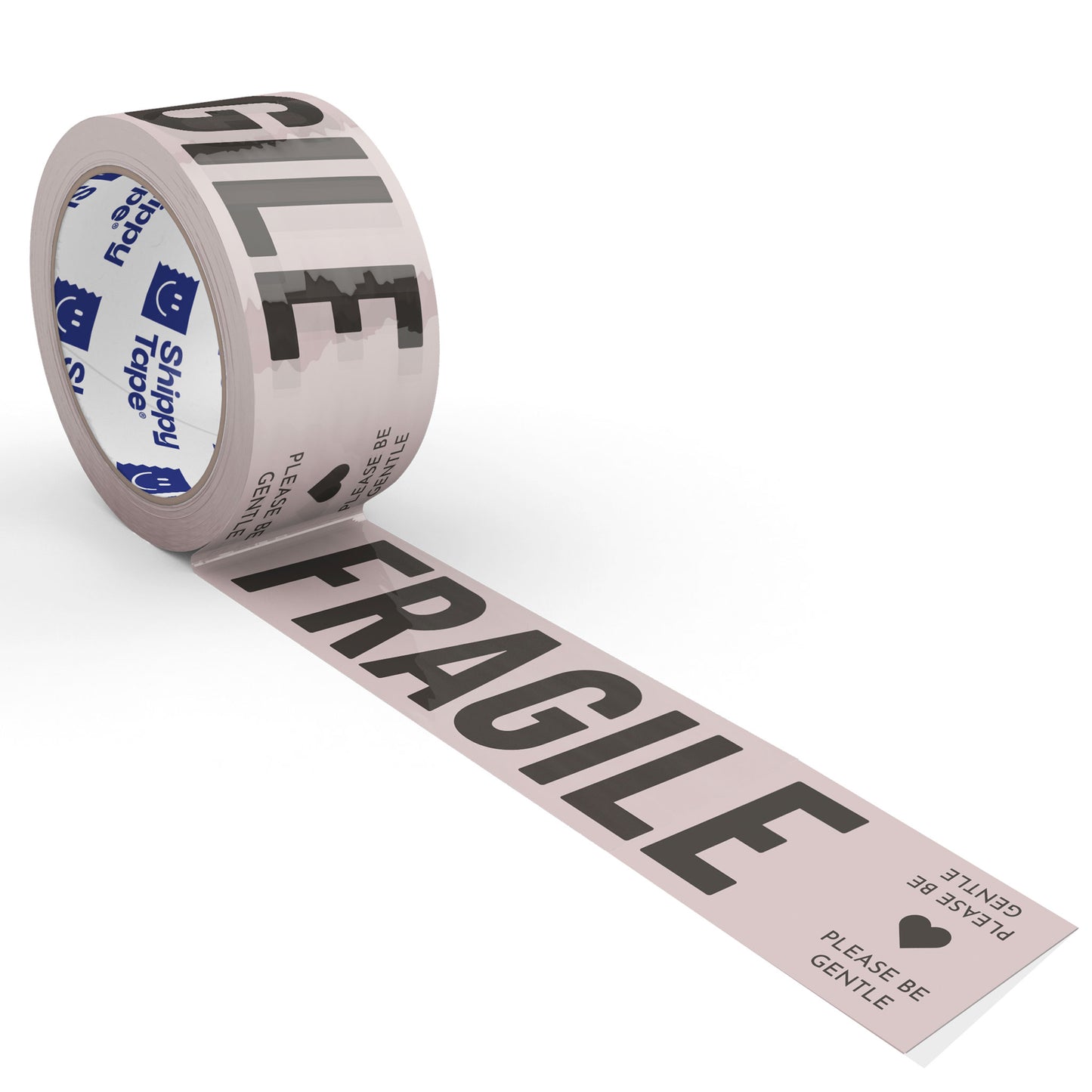
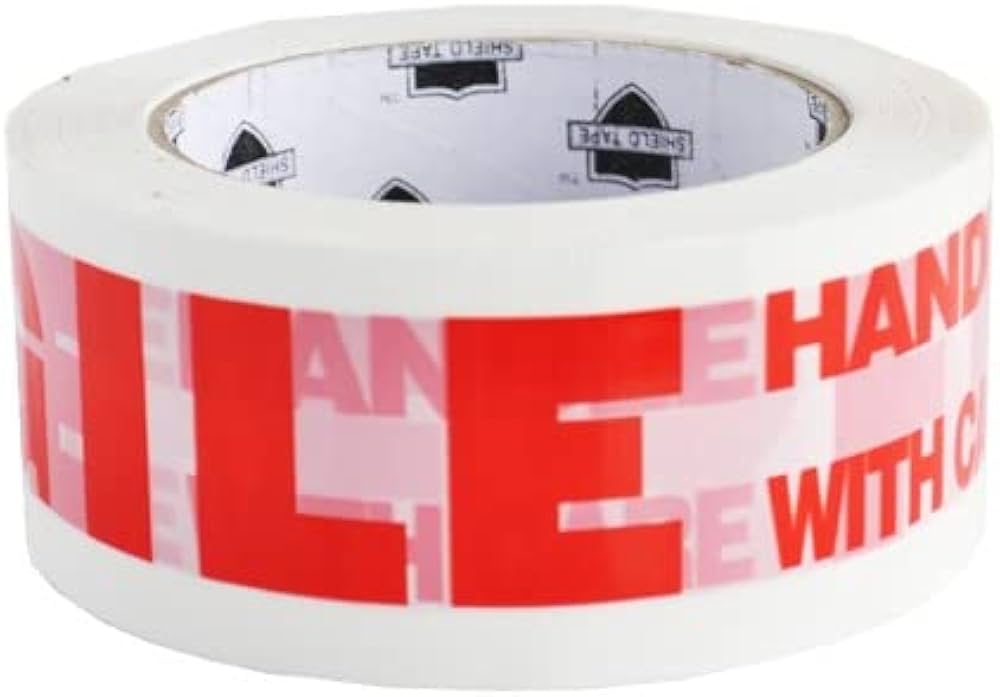
| Standard Polypropylene (PP) Fragile Tape | High-visibility red/white print on durable plastic backing; acrylic or hotmelt adhesive; cost-effective bulk options | High-volume e-commerce, retail distribution, general logistics | Pros: Economical for large volumes, moisture-resistant. Cons: Non-biodegradable, may lose adhesion in extreme heat |
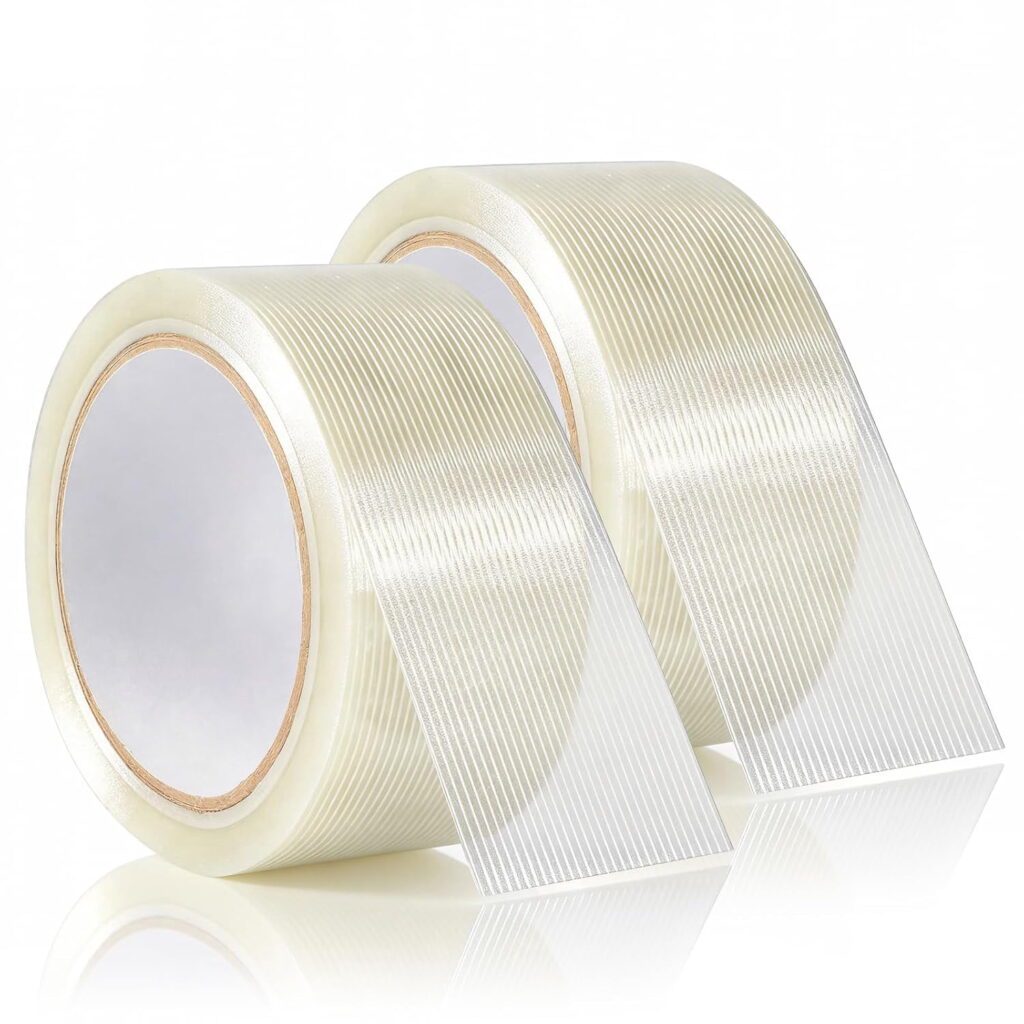
| Heavy-Duty Reinforced Fragile Tape | Fiberglass or cross-woven filaments embedded in film; superior tensile strength; tamper-resistant seal | Heavy machinery parts, industrial equipment, palletized fragile goods | Pros: Prevents box burst under weight, durable for long-haul shipping. Cons: Higher cost per roll, requires tape dispensers for clean application |
| Eco-Friendly Paper/Kraft Fragile Tape | Water-activated or self-adhesive paper backing; recyclable with cardboard; often reinforced with fiberglass threads | Sustainable brands, EU regulatory compliance, organic products | Pros: Meets sustainability mandates, professional unboxing experience. Cons: Sensitive to humidity, requires storage climate control |
| Tamper-Evident Security Fragile Tape | “VOID” or pattern-reveal adhesive; combines fragile messaging with theft deterrence; sequential numbering options | High-value electronics, pharmaceuticals, luxury goods export | Pros: Dual protection against damage and pilferage, chain-of-custody verification. Cons: Premium pricing, specialized supplier requirements |
What Are the Core Characteristics of Standard Polypropylene Fragile Tape?
Standard polypropylene fragile tape remains the workhorse for high-volume B2B operations across emerging and established markets. Characterized by its biaxially oriented polypropylene (BOPP) film backing and high-tack adhesive, this variation offers excellent moisture resistance crucial for humid climates prevalent in regions like Brazil or West Africa. For buyers, consider the adhesive formulation—hotmelt adhesives perform better in colder European winters, while acrylic maintains stability in Middle Eastern heat. Bulk procurement significantly reduces per-unit costs, making it ideal for e-commerce fulfillment centers managing thousands of SKUs. When negotiating contracts, verify slit-roll widths (48mm vs. 72mm) match your carton sealing equipment specifications to avoid operational delays.
When Should B2B Buyers Choose Heavy-Duty Reinforced Fragile Tape?
Heavy-duty reinforced fragile tape integrates fiberglass filaments or cross-woven fibers that provide tensile strength up to 300% greater than standard options. This suits industrial exporters shipping heavy automotive parts or ceramic tiles where box integrity is paramount during multi-modal transport. The reinforced structure prevents “box burst” during pallet stacking, a critical consideration for sea freight to African or South American ports. Purchasing considerations include verifying the filament density (measured in mesh count) and ensuring your sealing equipment can handle the increased thickness without jamming. Additionally, assess the tape’s compatibility with recycled corrugated board, as some aggressive adhesives may delaminate lower-grade boxes common in cost-sensitive markets.
How Does Eco-Friendly Paper Fragile Tape Support Regulatory Compliance?
Water-activated or self-adhesive kraft paper fragile tape addresses stringent EU packaging waste directives and growing Middle Eastern sustainability mandates. Unlike plastic alternatives, this tape bonds molecularly with cardboard fibers, creating a tamper-evident seal while remaining fully recyclable. However, humidity sensitivity requires climate-controlled warehousing—essential for buyers in tropical regions. When sourcing, verify FSC certification and adhesive composition (natural rubber vs. synthetic) to ensure compliance with specific regional environmental regulations. While initial costs run 20-30% higher than polypropylene, the elimination of plastic segregation labor and alignment with corporate ESG goals often delivers long-term operational savings for brands targeting environmentally conscious European distributors.
Why Invest in Tamper-Evident Security Fragile Tape for High-Value Shipments?
Tamper-evident fragile tape combines physical damage warnings with security features that reveal “VOID” messages or distinct patterns upon removal. This dual-functionality proves invaluable for pharmaceutical distributors and electronics exporters targeting European markets with strict chain-of-custody requirements. The tape typically incorporates sequential numbering for inventory tracking and integrates with warehouse
Key Industrial Applications of Fragile shipping tape
| Industry/Sector | Specific Application of Fragile shipping tape | Value/Benefit for the Business | Key Sourcing Considerations for this Application |
|---|---|---|---|
| Electronics Manufacturing & Assembly | Sealing export cartons for semiconductors, LCD panels, and precision components destined for global distribution hubs | Reduces transit damage claims by up to 60%; ensures compliance with international shipping standards; minimizes customs delays caused by handling errors | UV-resistant adhesive for tropical climates (Brazil, Middle East); high-visibility fluorescent colors; compatibility with automated carton sealing machines |
| Pharmaceutical & Medical Device Distribution | Marking cold-chain shipments containing glass vials, diagnostic instruments, and temperature-sensitive biotech samples | Prevents temperature excursions caused by rough handling; maintains product integrity for regulatory compliance; supports GDP (Good Distribution Practice) standards | FDA/EU-compliant adhesives; moisture-resistant backing for humid environments (West Africa, Southeast Asia); tamper-evident properties |
| Automotive OEM & Tier 1 Suppliers | Packaging ECUs, sensors, and glass components for just-in-time delivery to assembly plants across international supply chains | Ensures production line continuity; prevents costly manufacturing delays; meets strict OEM handling specifications for fragile auto parts | High-tack adhesive for dusty warehouse conditions; abrasion-resistant printing; bulk volume pricing for high-throughput operations |
| Luxury Cosmetics & Glassware Export | Securing high-value fragrance bottles, skincare containers, and premium glass packaging for retail distribution in European and Middle Eastern markets | Protects brand reputation and premium positioning; reduces shrinkage rates; enhances professional presentation for unboxing experiences | Custom printing capabilities for dual-branding/warning use; residue-free adhesive for reusable packaging; aesthetic color matching to brand guidelines |
| Fine Art & Cultural Heritage Logistics | Protecting museum-quality ceramics, glass sculptures, and antiquities during international exhibition transport and cross-border loans | Safeguards irreplaceable assets; reduces insurance premiums; facilitates customs clearance through immediate content identification | Archival-grade, residue-free adhesives; multilingual “Fragile” warnings; high-contrast colors visible in low-light storage conditions |
How Does Fragile Tape Protect Electronics Manufacturing Exports in High-Humidity Regions?
In electronics manufacturing hubs from São Paulo to Shenzhen, fragile tape serves as the first line of defense for semiconductor shipments facing tropical humidity and extreme temperature fluctuations. When exporting sensitive components to German automotive plants or Middle Eastern distribution centers, manufacturers require tape with UV-stable adhesives that maintain tack in 40°C+ environments while providing instant visual recognition for customs handlers. The bright red or orange warning labels reduce mishandling incidents during multi-modal transit, particularly critical when navigating Africa’s developing logistics infrastructure where automated sorting may be limited and manual handling predominates.
What Are the Regulatory Requirements for Pharmaceutical Fragile Labeling in Global Cold Chains?
Pharmaceutical distributors shipping glass vials and diagnostic equipment from European hubs to African clinics rely on fragile tape to maintain Good Distribution Practice (GDP) compliance while navigating varying infrastructure quality. In regions like the Middle East where temperature-controlled logistics face extreme heat challenges, clearly marked fragile packaging prevents rough handling that could compromise cold-chain integrity. For German pharmaceutical exporters, tape must meet EU regulatory standards while offering moisture-resistant backing to withstand humid conditions during transshipment through West African ports, ensuring life-saving medications arrive intact and compliant with international health regulations.
Why Is High-Visibility Fragile Tape Critical for Automotive Just-in-Time Supply Chains?
Automotive supply chains operating between Brazilian manufacturing plants and German assembly facilities depend on fragile tape to protect ECUs and sensor modules during just-in-time
A stock image related to Fragile shipping tape.
3 Common User Pain Points for ‘Fragile shipping tape’ & Their Solutions
Scenario 1: How to Eliminate Packing Line Bottlenecks When Using Fragile Labels in High-Volume Warehouses
The Problem: In high-volume distribution centers across São Paulo or Lagos, operations managers face significant throughput delays when packing teams must apply standard sealing tape followed by separate “Fragile” stickers. This dual-application process not only doubles the time per package but introduces human error risks—missed labels on even 2% of shipments translate to substantial damage liability when handling bulk electronics or ceramics. Additionally, managing two separate inventory SKUs (tape and labels) complicates procurement, increases storage overhead, and creates aesthetic inconsistencies that project unprofessionalism to European retail buyers receiving the goods.
The Solution: Transition to integrated fragile shipping tape that combines high-tensile sealing strength with bold, pre-printed warnings in a single application stroke. This consolidation reduces packing time by approximately 30-40%, allowing warehouses to reallocate labor to quality control rather than repetitive sealing. When evaluating suppliers, conduct a Total Cost of Ownership (TCO) analysis: factor in the per-unit price difference, labor cost savings calculated at your local wage rates, and the elimination of label inventory management. For African and South American markets where humidity affects adhesion, specify tapes with hot-melt adhesive rather than standard acrylic to ensure the warning remains legible throughout the supply chain, preventing SLA penalties from 3PL partners.
Scenario 2: How to Prevent Adhesive Failure on Fragile Tape During Extreme Climate Shipping
The Problem: B2B exporters from Germany shipping precision automotive parts to the Middle East, or Brazilian agricultural equipment suppliers facing tropical humidity, frequently encounter tape adhesion failures that compromise package integrity. Standard fragile tapes use acrylic adhesives that lose tack in high heat (above 40°C in container ships) or become brittle in European winter logistics, causing the tape to lift and expose carton contents. When the “FRAGILE” warning peels away, handlers lose the visual cue for careful handling, resulting in crushed packaging and insurance disputes. This is particularly critical for moisture-sensitive electronics and glassware where failed seals allow condensation damage during transoceanic routes.
The Solution: Specify climate-engineered fragile tape with synthetic rubber resin or hot-melt adhesive formulations rated for temperature ranges of -20°C to 60°C and high humidity resistance. Request technical data sheets verifying shear adhesion strength (measured in N/25mm) and UV resistance for outdoor storage scenarios. Before committing to bulk orders, implement a 72-hour adhesion test protocol on your specific corrugated substrates under simulated climate conditions (ASTM D3654 testing standards). For Middle Eastern and African routes, select tapes with moisture-resistant polypropylene backings and solvent-resistant inks that won’t smudge during monsoon seasons or high-humidity port delays, ensuring compliance with international shipping insurance requirements.
Scenario 3: How Can B2B Buyers Customize Fragile Tape for Brand Compliance and Professional Packaging
The Problem: Generic, off-the-shelf fragile tape fails to serve the dual B2B requirements of brand differentiation and regulatory compliance in international markets. When German machinery parts or luxury goods from the Middle East arrive in plain packaging with standard yellow-and-black tape, recipients perceive lower value, missing a critical marketing touchpoint in the unboxing experience. Furthermore, EU packaging regulations and certain logistics partners require specific warning visibility standards that generic tapes may not satisfy. For companies managing multi-language exports across Europe, Africa, and South America, sourcing separate compliant labels in Portuguese, Arabic, or German creates procurement fragmentation and brand inconsistency across different regional warehouses.
The Solution: Implement custom-printed fragile tape featuring your corporate logo alongside the standard warning text, effectively turning every shipment into a branded security seal. Modern digital printing technologies now allow low Minimum Order Quantities (MOQs) suitable for mid-sized B2B operations, with options for multilingual warnings (e.g., “FRAGILE/FRÁGIL” or Arabic script) to satisfy regional requirements in target markets. Ensure the supplier uses flexographic or UV-resistant digital inks that maintain contrast even after exposure to shipping condensation. This approach not only enhances unboxing experiences for end clients but provides tamper-evidence—custom prints are difficult to replicate, adding security against pilferage in high-risk shipping corridors while consolidating your packaging SKUs.
Strategic Material Selection Guide for Fragile shipping tape
Selecting the optimal substrate for fragile shipping tape requires balancing adhesion performance, environmental resilience, and cost efficiency across diverse supply chain conditions. For procurement teams operating across Africa, South America, the Middle East, and Europe, material choice directly impacts product integrity during high-humidity transits, extreme temperature fluctuations, and multi-modal logistics handling.
Which Polypropylene Tape Specifications Work Best for Fragile Export Shipments?
Biaxially Oriented Polypropylene (BOPP) tape remains the dominant choice for high-volume fragile shipping operations due to its exceptional cost efficiency and print clarity. This thermoplastic polymer offers excellent resistance to abrasion and moisture, making it suitable for standard corrugated packaging moving through varied climates. For B2B buyers in Brazil and South Africa, BOPP provides reliable adhesion on recycled cardboard surfaces common in emerging markets. However, procurement teams should note that standard polypropylene formulations exhibit reduced tack in temperatures exceeding 40°C, a critical consideration for Middle Eastern logistics hubs. While ideal for lightweight ceramics and electronics, BOPP may require reinforced application patterns for shipments exceeding 20kg to prevent seam failure during automated sorting processes.
When Should B2B Buyers Choose PVC Tape Over Standard Options for Fragile Goods?
Polyvinyl Chloride (PVC) tape delivers superior performance for heavy industrial fragile equipment and high-value instrumentation requiring absolute seal security. Unlike polypropylene alternatives, PVC maintains consistent adhesive properties across temperature ranges from -10°C to 60°C, ensuring integrity during European winter storage and Gulf region summer transport. The material’s natural conformability creates superior surface contact on irregular packaging geometries, essential for protecting oddly shaped glassware or precision machinery. German industrial buyers particularly favor PVC for its low noise unwind characteristics in automated packaging lines. The primary limitation involves material cost—typically 40-60% higher than BOPP—making PVC most appropriate for premium product categories where damage costs exceed tape expenditure.
How Does Reinforced Paper Tape Perform as a Sustainable Fragile Shipping Solution?
Reinforced Kraft paper tape addresses growing EU sustainability mandates while providing tamper-evident security for fragile shipments. This cellulose-based substrate, embedded with fiberglass or synthetic fiber filaments, creates a permanent bond with corrugated fibers that cannot be removed without visible damage. For environmentally conscious European markets, the material offers full recyclability with cardboard waste streams, eliminating plastic separation costs. However, procurement teams in humid African and South American regions must ensure climate-controlled storage prior to application, as moisture exposure compromises the water-activated adhesive systems common in paper tape formulations. While initial material costs fall between BOPP and PVC, the requirement for specialized dispensing equipment may increase total cost of ownership for smaller operations.
| Material | Typical Use Case for Fragile shipping tape | Key Advantage | Key Disadvantage/Limitation | Relative Cost |
|---|---|---|---|---|
| Polypropylene (BOPP) | High-volume e-commerce ceramics and electronics | Cost efficiency and moisture resistance | Temperature sensitivity above 40°C | Low |
| PVC (Vinyl) | Heavy industrial machinery and precision instruments | Superior adhesion across extreme temperatures | Premium pricing limits bulk applicability | High |
| Reinforced Kraft Paper | Premium retail and EU-regulated sustainable shipments | Tamper evidence and full recyclability | Moisture vulnerability before application | Medium |
A stock image related to Fragile shipping tape.
In-depth Look: Manufacturing Processes and Quality Assurance for Fragile shipping tape
For B2B procurement teams sourcing fragile shipping tape across diverse regulatory environments—from São Paulo’s humidity to Hamburg’s warehousing standards—understanding the manufacturing pipeline is essential for risk mitigation. The integrity of your “FRAGILE” warning depends not merely on ink visibility, but on substrate engineering, adhesive polymerization, and quality assurance protocols that prevent field failures during automated carton sealing or long-haul freight.
What Raw Materials Define Premium Fragile Shipping Tape?
Industrial-grade fragile tape typically utilizes biaxially oriented polypropylene (BOPP) film as the substrate, ranging from 28 to 50 microns in thickness depending on load-bearing requirements. For B2B buyers managing heavy export crates, 40-micron BOPP provides the tensile strength necessary to resist shear forces during transoceanic shipping. The adhesive layer comprises synthetic rubber-based hot-melt polymers or acrylic water-based emulsions, with hot-melt formulations offering superior initial tack for high-speed automated lines common in German manufacturing facilities. Release coatings—usually silicone-based—prevent adhesive transfer to the tape’s non-sticky side during roll winding, ensuring clean unwinding in both tropical Brazilian warehouses and climate-controlled Middle Eastern distribution centers.
How Is the “FRAGILE” Warning Printed During Manufacturing?
The warning messaging undergoes flexographic or rotogravure printing processes during the lamination phase, prior to adhesive application. Flexography dominates high-volume B2B orders due to its cost-efficiency for runs exceeding 5,000 rolls, utilizing photopolymer plates that ensure consistent Pantone color matching for high-visibility red or orange warning text. For premium European markets requiring solvent-free production, water-based UV-curable inks provide abrasion resistance without volatile organic compound (VOC) emissions. Critical to quality assurance is the registration accuracy—deviations exceeding ±0.5mm in print alignment can render warnings illegible after application, violating ISO 780 packaging symbols standards and exposing shippers to liability in strict regulatory jurisdictions.
What Quality Control Tests Ensure Adhesive Reliability?
Reputable manufacturers implement ASTM D3330 and PSTC-101 testing protocols to validate peel adhesion and shear resistance. For fragile tape specifically, loop tack testing measures immediate bond strength, ensuring the tape adheres aggressively to recycled corrugated board prevalent in African markets where virgin fiber costs are prohibitive. Shear adhesion failure temperature (SAFT) testing becomes crucial for Middle Eastern buyers, verifying that tape maintains structural integrity when containers experience ambient temperatures exceeding 50°C during desert transit. Additionally, accelerated aging chambers simulate six-month storage periods to guarantee that printed warnings resist fading under UV exposure—a common failure point in South American agricultural exports facing prolonged sun exposure during port delays.
Which International Certifications Should B2B Buyers Verify?
Procurement teams should demand ISO 9001:2015 certification for quality management systems and ISO 14001 for environmental compliance, particularly when supplying EU markets where Extended Producer Responsibility (EPR) regulations apply. For food-adjacent logistics—common in Brazilian agribusiness and Middle Eastern foodstuff exports—FDA 21 CFR 175.105 compliance ensures adhesive safety standards. REACH compliance documentation proves essential for German and broader European imports, certifying the absence of restricted phthalates and heavy metals in both film and adhesive matrices. African buyers should additionally verify SABS (South African Bureau of Standards) or SON (Standards Organization of Nigeria) conformity marks when sourcing for regional distribution networks.
How Do Climate Conditions Affect Manufacturing Specifications?
Manufacturers serving global B2B markets must adjust adhesive formulations based on destination climate zones. High-humidity environments like coastal Brazil or West African ports require modified acrylic adhesives with enhanced moisture vapor transmission resistance, preventing delamination during monsoon seasons. Conversely, tapes manufactured for Central European winter logistics incorporate cold-temperature hot-melt adhesives that maintain tack when applied in environments below 5°C, preventing “flagging” (tape lifting at edges) in unheated German warehouses. Smart procurement involves specifying intended climate zones during the RFQ process, allowing manufacturers to adjust open time and set time characteristics in the adhesive curing process.
What Defect Detection Systems Protect Your Bulk Orders?
Leading production facilities employ machine vision systems with CCD cameras capable of detecting print voids, color deviations, and adhesive coating inconsistencies at speeds exceeding 300 meters per minute. For fragile tape, automated inspection is critical because partial adhesive coating—”fish eyes” or “holiday” defects—can cause catastrophic seal failure during automated case sealing. Statistical process control (SPC) charts track coating weight consistency across the web width, with B2B-grade tape requiring ±2% tolerance to ensure uniform performance across entire palletized orders. Buyers should verify that suppliers conduct 100% unwind testing on sample rolls from each production lot, checking for telescoping (layer shifting) that causes application jams in high-speed Brazilian or German packaging lines.
Why Does Substrate Thickness Matter for Automated Application?
While 28-micron tape suffices for manual application in small-scale African or South American operations, automated carton sealers require 35-micron minimum thickness to prevent stretching and misalignment during high-speed dispensing. Thinner substrates risk “necking” under tension, causing the printed “FRAGILE” message to distort or the tape to snap, triggering costly downtime in German automotive parts distribution centers. When procuring for automated lines, specify unwind force parameters (typically 0.5–1.5 N/cm) to ensure compatibility with pneumatic tape heads, reducing the risk of flagging and ensuring the warning remains perpendicular to the box edge for maximum visibility.
When evaluating manufacturing partners, request detailed material safety data sheets (MSDS) and production batch records that trace raw material origins through to final slitting operations. This documentation proves invaluable during customs clearance in regulated markets and provides recourse should adhesion failures occur during critical pharmaceutical or electronics shipments. By scrutinizing these manufacturing and quality assurance parameters, procurement teams transform fragile tape from a commodity purchase into a engineered component of their damage-prevention strategy.
Practical Sourcing Guide: A Step-by-Step Checklist for ‘Fragile shipping tape’
Procuring fragile shipping tape requires strategic evaluation beyond unit pricing. This checklist equips international procurement teams with actionable criteria to assess suppliers, ensuring tape specifications align with diverse transit conditions—from humid South American ports to temperature-controlled European logistics hubs—while optimizing total cost of ownership and supply chain resilience.
1. How Do You Evaluate Adhesive Performance for Diverse Climate Conditions?
Begin by assessing adhesive formulations against your destination markets’ environmental challenges. Hot-melt adhesives excel in dusty, dry climates prevalent in the Middle East, while acrylic formulations maintain superior tack in high-humidity Brazilian or West African monsoon seasons. Request technical data sheets detailing shear strength, temperature resistance ranges (-20°C to 60°C), and UV stability to prevent message degradation during extended warehouse storage.
2. What International Compliance Standards Must Your Supplier Meet?
Verify certifications that facilitate seamless cross-border trade. European buyers specifically require REACH-compliant materials and ISO 9001 quality management systems. For Middle Eastern and African markets, confirm SGS or Bureau Veritas factory audits and RoHS compliance. Ensure printed messaging adheres to ISO 780 handling symbols and IATA guidelines for universal recognition by logistics teams regardless of local language barriers.
3. Should You Choose Custom-Branded or Standard Fragile Tape?
Evaluate whether combining corporate branding with “FRAGILE” warnings enhances security or marketing ROI. Custom polypropylene tapes allow logo integration while maintaining 2-3 color warning visibility. However, standard high-visibility red/white tapes often process faster through customs and offer immediate handler recognition in high-volume distribution centers. Consider solvent-based inks for abrasion resistance during rough handling.
4. How Do You Match Tape Specifications to Packaging Workflows?
Specify dimensions compatible with your sealing equipment and carton grades. Standard 48mm widths suit most B-flute cartons, while 72mm reinforced options support double-wall boxes for heavy ceramics or electronics. Verify roll lengths (66m to 150m) that minimize changeover downtime in automated packing lines. Confirm core sizes (76mm standard) match your tape dispensers and carton sealing machines to prevent operational disruptions.
5. What Logistics Capabilities Indicate a Reliable International Supplier?
Assess regional distribution infrastructure to mitigate lead time risks and currency fluctuations. Suppliers maintaining European hubs in Germany or the Netherlands, plus Middle Eastern warehousing in Dubai or Jeddah, ensure faster replenishment cycles for African and South American buyers. Confirm flexible minimum order quantities, multi-currency pricing options, and clear Incoterms regarding customs documentation responsibilities.
6. How Do You Calculate True Total Cost of Ownership?
Move beyond per-roll pricing to analyze application efficiency and damage prevention metrics. Premium tapes with aggressive adhesion reduce re-taping labor costs and eliminate package reopening during multi-modal transit. Calculate cost-per-sealed-carton by factoring waste rates, machine downtime, inventory carrying costs, and reduced damage claims to identify genuine value propositions rather than superficial savings.
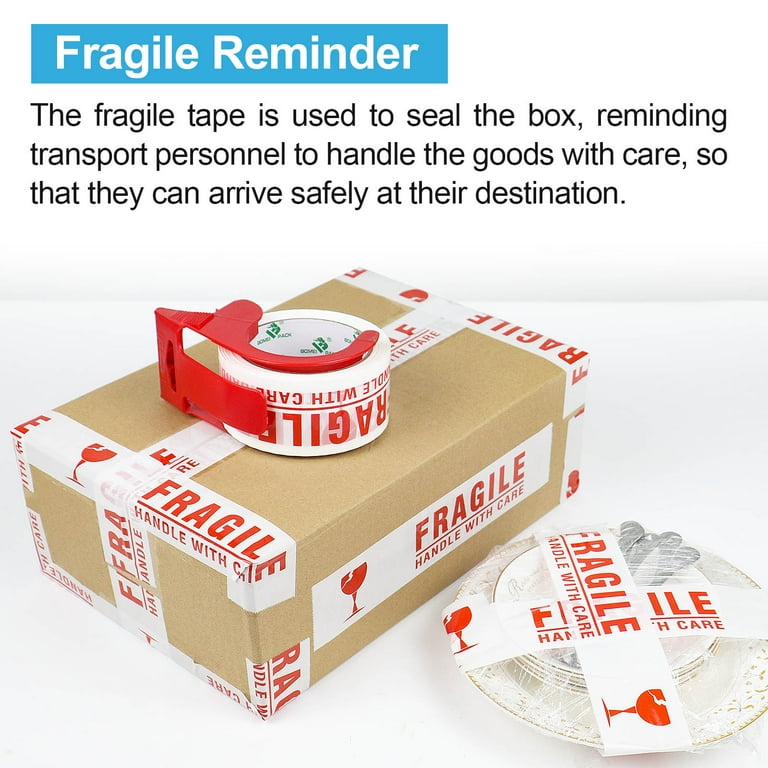
A stock image related to Fragile shipping tape.
Comprehensive Cost and Pricing Analysis for Fragile shipping tape Sourcing
B2B procurement of fragile shipping tape extends beyond unit sticker price. For buyers operating across diverse regulatory environments—from São Paulo to Frankfurt—understanding the total cost architecture prevents budget overruns while ensuring compliance with international shipping standards. Strategic sourcing requires evaluating material specifications, volume thresholds, and regional logistics variables that significantly impact landed costs.
What Factors Determine Fragile Tape Pricing for Bulk Orders?
Minimum order quantities (MOQs) serve as the primary cost differentiator in B2B fragile tape procurement. Manufacturers typically structure pricing tiers at 500, 1,000, and 5,000+ roll thresholds, with per-unit costs dropping 15–30% at each escalation point. However, buyers must calculate storage economics against these discounts; warehousing 10,000 rolls of polypropylene tape incurs carrying costs that may negate savings for SMEs with limited cash flow. Negotiating flexible MOQs with regional distributors rather than direct factory orders often provides optimal unit economics for mid-volume operations in markets like Brazil or South Africa.
How Do Material Specifications Impact Your Total Sourcing Costs?
Material composition creates substantial price variance that affects long-term value. Standard polypropylene (PP) fragile tape offers the lowest entry point (approximately $0.80–$1.20 per 50-meter roll at volume), while PVC variants command a 20–35% premium due to superior tensile strength and temperature resistance crucial for Middle Eastern logistics corridors. Paper-based kraft fragile tape, though 40% pricier than PP, eliminates plastic tariffs in environmentally regulated European markets like Germany. Adhesive chemistry further differentiates costs: hot-melt adhesives provide aggressive bonding for recycled cardboard at moderate pricing, whereas acrylic formulations, essential for temperature-stable storage in African climates, add 10–15% to material costs.
Should You Choose Custom Printed or Pre-Printed Fragile Tape for Cost Efficiency?
The decision between stock “FRAGILE” warnings and custom-branded solutions involves fixed-cost amortization. Pre-printed stock tape eliminates plate charges ($300–$600 setup fees) and offers immediate availability, making it cost-effective for operations consuming fewer than 2,000 rolls annually. Conversely, custom printed fragile tape—featuring company logos and handling instructions—requires volume commitments exceeding 5,000 rolls to achieve per-unit parity with stock options. For German automotive parts exporters or Brazilian electronics distributors, branded tape reduces tampering risks and marketing costs, delivering ROI despite 25% higher initial procurement expenses.
What Are the Hidden Logistics Costs When Importing Fragile Tape to Emerging Markets?
International buyers frequently underestimate landed cost components beyond FOB pricing. Fragile tape shipments classified under HS codes 3919.10 or 3920.20 face variable import duties—ranging from 5% in GCC nations to 18% in Mercosur territories—that must be factored into procurement budgets. Container utilization efficiency proves critical; tape rolls’ cylindrical geometry creates 12–15% dead space in standard shipping containers unless paired with flat-packed packaging materials. Currency fluctuation hedging becomes essential when sourcing from Asian manufacturers using USD-denominated contracts while selling in EUR, BRL, or local African currencies.
How Can B2B Buyers Optimize Procurement Costs Through Strategic Volume Planning?
Total cost optimization requires balancing purchase price against failure rates and payment terms. Low-cost acrylic tapes from non-specialized suppliers may save 8% upfront but generate exponential costs through adhesive failure in humid climates, resulting in damaged goods claims. Establishing 60- or 90-day payment terms with certified suppliers often provides greater cash-flow value than aggressive unit-price negotiations. Consolidating fragile tape procurement with primary packaging suppliers—cardboard and void fill—leverages combined shipping volumes and reduces administrative overhead by 20–30% for multi-regional operations.
Alternatives Analysis: Comparing Fragile shipping tape With Other Solutions
When evaluating protective packaging strategies for international B2B logistics, procurement teams frequently assess whether specialized fragile shipping tape represents the optimal investment or if alternative identification methods better serve their operational requirements. For businesses managing cross-border shipments across diverse regulatory environments—from European Union compliance standards to the varying infrastructure challenges encountered in African and South American trade corridors—selecting the appropriate warning system impacts both damage rates and brand perception. This analysis examines how fragile tape compares against two prevalent alternatives: discrete adhesive warning labels and custom-printed packaging tape, evaluating each solution across performance durability, total cost of ownership, and implementation complexity.
| Comparison Aspect | Fragile Shipping Tape | Adhesive Warning Labels | Custom Printed Packaging Tape |
|---|---|---|---|
| Performance | Provides continuous high-visibility tamper-evident sealing; withstands temperature fluctuations and rough handling during extended international transit | Offers initial visibility but vulnerable to edge-lifting and removal; provides no sealing function; may fall off during humidity exposure common in tropical shipping routes | Combines sealing with customizable branding; superior adhesive strength; allows multilingual handling instructions crucial for diverse export markets |
| Cost | Low per-unit cost; minimal waste; compatible with existing tape dispensers | Lowest material cost; higher labor expenses due to separate application steps; potential costs from reapplications and damage claims | Higher upfront investment with setup fees; achieves economies of scale at high volumes; eliminates need for separate branded materials |
| Ease of Implementation | Immediate deployment using standard packing stations; uniform application ensures consistent visibility | Simple application but requires additional sealing step; inconsistent placement risks handler oversight; adds SKU complexity to inventory management | Requires design approval and longer lead times; standard dispensers compatible; streamlines packing by combining sealing and branding into one action |
Are adhesive fragile labels a cost-effective solution for international B2B shipments?
Adhesive warning labels appeal to cost-conscious operations seeking basic fragility indication without modifying existing sealing protocols, offering particular flexibility for businesses testing new export markets or managing seasonal demand fluctuations. These discrete stickers allow companies to utilize generic packing tape while still communicating handling requirements, making them accessible for small-scale exporters in emerging markets such as Brazil or Nigeria where upfront capital investment must be minimized. However, for shipments traversing multiple handling points across international supply chains, labels present significant vulnerabilities: they lack tamper-evident properties, frequently detach during the humidity fluctuations common in maritime shipping between continents, and require additional labor to apply alongside sealing operations. The inconsistency in manual placement also risks obscuring critical barcode information or creating visual clutter that handlers might overlook during high-volume sorting processes. While suitable for low-volume domestic distribution, reliance on labels as primary protection for delicate electronics, glassware, or precision components often generates hidden costs through increased damage claims, customer dissatisfaction, and elevated insurance premiums, particularly when navigating the rigorous handling environments of Middle Eastern logistics hubs or automated European distribution centers.
How does custom printed packaging tape compare to standard fragile tape for high-volume exporters?
Custom printed packaging tape represents a strategic evolution for enterprises prioritizing brand consistency alongside cargo protection, particularly valuable when shipping to linguistically diverse markets across Africa, Europe, and South America. Unlike standard fragile tape with generic messaging, custom solutions integrate company logos, specific handling instructions, and multilingual warnings—eliminating language barriers that might confuse handlers in non-English speaking regions. This consolidation of sealing and communication into a single application step reduces packing time by eliminating separate labeling processes, while the reinforced construction typical of custom polypropylene options provides superior tensile strength for heavy palletized shipments. For high-volume exporters operating manufacturing hubs in Turkey, South Africa, or Argentina, the initial setup costs are rapidly offset by streamlined warehouse operations, reduced SKU complexity, and enhanced unboxing experiences that reinforce professional credibility with international B2B clients. The ability to include specific handling symbols recognized under ISO standards further ensures compliance with regional shipping regulations, making this solution particularly advantageous for businesses navigating complex import requirements across multiple jurisdictions.
Essential Technical Properties and Trade Terminology for Fragile shipping tape
When sourcing fragile shipping tape for international supply chains, understanding technical specifications ensures compliance with logistics standards and reduces damage rates across diverse handling environments. B2B buyers must evaluate performance metrics beyond visual branding to guarantee carton integrity through extreme climate variations and automated sorting systems.
What Adhesive Specifications Ensure Secure Sealing for Fragile Shipments?
Adhesive Chemistry and Shear Resistance determine long-term seal integrity. Hot melt rubber adhesives provide aggressive initial tack for high-speed carton sealing, while acrylic formulations offer superior aging stability and temperature resistance critical for Middle Eastern and African climates. Shear resistance—measured in minutes under standardized load—indicates the tape’s ability to resist sliding when packages are stacked during ocean freight, with industrial grades requiring 1,000+ minutes of resistance.
How Does Substrate Thickness Impact Tape Durability in International Logistics?
Substrate Thickness and Tensile Strength define physical durability. Industrial fragile tape utilizes Biaxially Oriented Polypropylene (BOPP) film ranging from 28 to 50 microns (1.1 to 2.0 mils). Tensile strength, typically 20–40 N/cm, prevents splitting when cartons are palletized under heavy loads. For heavy-duty export shipments to Europe or South America, specify minimum 35-micron substrates to withstand rough handling.
What Print Specifications Ensure Warning Visibility Across Supply Chains?
Print Opacity and Colorfastness ensure the “FRAGILE” warning remains legible. Opacity, measured as light blockage percentage, should exceed 85% to prevent show-through on printed corrugated backgrounds. UV-resistant inks prevent fading during extended outdoor storage in sunny regions like Brazil or Gulf States, maintaining red/white contrast throughout the shipping cycle.
Why Does Temperature Resistance Matter for Cross-Border Shipping?
Temperature Resistance Range indicates operational limits. Quality fragile tape maintains adhesion across -10°C to 50°C, while specialized grades offer -40°C to 80°C performance for pharmaceutical or electronics exports encountering European winters and Middle Eastern container heat.
What Industry Terminology Distinguishes Stock from Custom Solutions?
Stock Printed versus Custom Printed Tape represents the primary procurement distinction. Stock tape features generic “FRAGILE” warnings with immediate availability. Custom printed tape incorporates company logos, multilingual warnings (Portuguese, Arabic, German), or handling instructions, requiring MOQs but offering brand protection and marketing value.
What Security Features Should Buyers Understand?
Tamper-Evident Sealing Mechanisms include void-release adhesives that leave “VOID” patterns upon removal, distinguishing standard sealing from security-grade applications for high-value cargo.
How Is Sealing Performance Quantified?
Breakaway Adhesion measures the force required to separate sealed flaps, expressed in Newtons per 25mm width. Industrial standards require 5–8 N/25mm for standard cartons, with heavy-duty applications demanding 10+ N/25mm to prevent “pop-open” failures during automated sorting.
What Specifications Prevent Degradation During Storage?
UV Stabilization prevents adhesive degradation and ink fading when pallets await customs clearance in direct sunlight. Core Size Standardization (76mm/3-inch for automated dispensers versus 50mm/2-inch for manual application) ensures compatibility with existing packaging lines, while proper winding tension prevents telescoping during high-humidity transit.
Navigating Market Dynamics and Sourcing Trends in the Fragile shipping tape Sector
The fragile shipping tape sector is experiencing significant transformation as global supply chains prioritize damage prevention alongside stringent sustainability mandates. For procurement teams across Africa, South America, the Middle East, and Europe, understanding these evolving market dynamics is essential for optimizing packaging strategies while controlling costs in volatile economic conditions. Recent shifts indicate a definitive move beyond basic utility toward multifunctional solutions that combine high-visibility protection cues with brand reinforcement, supply chain traceability, and environmental compliance.
What Are the Current Global Demand Patterns and Innovation Trends in Fragile Shipping Tape?
The global fragile tape market is witnessing accelerated growth driven by exponential e-commerce expansion and increasingly complex international logistics networks that demand superior damage prevention. Regional demand patterns reveal distinct procurement priorities: European markets, particularly Germany, demonstrate strong preference for high-performance polypropylene and PVC tapes compatible with high-speed automated sealing systems, featuring high-resolution custom printing capabilities that integrate handling instructions with multilingual compliance labeling. Conversely, emerging economies across Brazil, Africa, and the Middle East prioritize bulk procurement strategies that balance cost efficiency with tropical climate resistance, ensuring hot-melt adhesive integrity during high-humidity storage and extreme temperature fluctuations common in non-climate-controlled warehouses.
Material
Frequently Asked Questions (FAQs) for B2B Buyers of Fragile shipping tape
What is the difference between fragile shipping tape and using fragile stickers with standard packing tape?
Fragile shipping tape integrates structural sealing with visual warning systems in a single application, eliminating the two-step process required when applying standard packing tape followed by separate adhesive labels. This integration provides superior adhesion because the warning message is embedded within the tape layer itself, preventing the peeling or detachment issues common in high-humidity climates such as those encountered in Brazilian or African logistics corridors. Additionally, the tape creates a tamper-evident seal that cannot be removed without visible damage, offering security benefits that separate labels cannot match while reducing labor costs by 30-40% in high-volume operations.
How do you choose the right adhesive strength for fragile shipping tape in high-volume warehouse environments?
For automated packaging lines and high-throughput warehouses, select hot melt rubber-based adhesives that provide immediate tack and strong holding power on recycled corrugated surfaces common in international shipping. Acrylic adhesives offer superior temperature resistance for goods traversing climate zones from Middle Eastern heat to European cold chains, though they require longer dwell times to reach maximum adhesion strength. Specify tape thickness between 1.8 to 2.5 mils to prevent breaking during rapid dispenser application, and verify that the adhesive formulation maintains effectiveness on dust-prone surfaces typical of industrial packing areas in manufacturing hubs across South America and Africa.
Can fragile shipping tape be customized with company branding for professional packaging?
Modern fragile shipping tape supports full-color custom printing that combines corporate branding with standard fragile messaging, allowing B2B companies to reinforce brand recognition while protecting goods in transit. You can incorporate QR codes for supply chain tracking or implement color-coding systems—such as red for glassware and yellow for electronics—to streamline warehouse sorting processes and reduce handling errors. Minimum order quantities typically start at 50-100 cases for custom printed options, making this solution viable for mid-to-large scale operations in Germany and other European markets where professional packaging presentation significantly impacts B2B client relationships and contract renewals.
Is fragile shipping tape more cost-effective than separate fragile labels for bulk shipping operations?
Fragile shipping tape delivers superior ROI in bulk operations by consolidating inventory management—stocking one SKU instead of two—thereby reducing procurement complexity and warehouse storage requirements. When calculating total cost of ownership, factor in reduced damage rates from superior adhesion integrity and the elimination of label detachment issues that plague high-humidity routes common in African and South American supply chains. The single-application process also minimizes packaging time per unit, which compounds into significant labor savings when processing thousands of shipments monthly through distribution centers serving international markets.
How should fragile shipping tape be applied to ensure compliance with international shipping standards?
Apply fragile shipping tape using the H-method—sealing the center seam and both edge flaps—to create a tamper-evident closure that meets international shipping security standards while ensuring the fragile warning remains visible throughout multi-modal transit. For wooden crates subject to ISPM 15 regulations, ensure the tape adhesive formulation does not interfere with heat treatment markings or certification stamps required for entry into European Union markets. Position tape strips to avoid covering customs documentation windows while maintaining coverage on all stress points where cartons are most likely to split during rough handling at international ports.
What storage conditions are required to maintain adhesive quality when buying fragile shipping tape in bulk?
Store fragile shipping tape in climate-controlled environments between 15-25°C (59-77°F) with relative humidity below 65% to prevent adhesive degradation and premature aging of the backing material during extended inventory cycles. Rotate stock using first-in-first-out (FIFO) methods, as pressure-sensitive adhesives maintain optimal performance for 12-18 months when stored properly away from direct sunlight—a critical consideration for buyers in tropical regions like Brazil or the Middle East where warehouse temperatures can fluctuate dramatically between seasons. Keep rolls in original packaging until use to protect against dust accumulation that could compromise adhesion on automated packaging lines.
How does fragile shipping tape perform under extreme climate conditions common in global supply chains?
Select acrylic-based fragile shipping tape for shipments traversing extreme temperature variations, as these formulations maintain adhesion from -20°C to 60°C (-4°F to 140°F), essential for European winter logistics and Middle Eastern summer heat exposure. For high-humidity environments common in African and South American ports, choose tapes with moisture-resistant adhesives that resist edge lifting during monsoon seasons or extended ocean transit in container ships. UV-resistant printing inks prevent the “FRAGILE” message from fading during outdoor storage or customs delays in sun-exposed regions, ensuring handlers remain aware of contents throughout the journey.
Can fragile shipping tape be integrated with automated packaging machinery for high-throughput operations?
Fragile shipping tape designed for automated case sealers features enhanced tensile strength (35-45 lbs per inch) and consistent roll winding to prevent stretching or breaking during high-speed application exceeding 30 meters per minute. Specify low-noise acrylic formulations for warehouse environments where worker comfort and noise regulations are priorities, particularly relevant for German and European Union workplace safety standards. Ensure the tape width (typically 48mm or 72mm) matches your dispenser heads, and consider extended length rolls (up to 1000 meters) to minimize changeover frequency during continuous production runs serving international export markets.
Important Disclaimer & Terms of Use
⚠️ Important Disclaimer
The information provided in this guide, including content regarding manufacturers, technical specifications, and market analysis, is for informational and educational purposes only. It does not constitute professional procurement advice, financial advice, or legal advice.
B2B buyers must conduct their own independent and thorough due diligence before making any purchasing decisions. The risk of relying on any information in this guide is borne solely by the reader.
Top 2 Fragile Shipping Tape Manufacturers & Suppliers List
1. Tape Suppliers – Industrial Adhesive Tapes
Domain: tapesuppliers.com
Registered: 2007 (19 years)
Introduction: Tape products include adhesive tape, carpet tape, cloth tape, duct tape, electrical tape, foam tape, foil tape, high temperature tape, masking tape, PTFE/Teflon tape, sealing tape, vinyl tape, packaging tape, and double-sided tape. Materials include rubber-based adhesives, fabric strips, Teflon Fluoroplastic, Kapton, UHMW, silicone, foam, foil, and vinyl. Key applications encompass fastening, seal…
2. Baywater – Industrial Adhesive Tapes
Domain: baywaterpackaging.com
Registered: 2005 (21 years)
Introduction: Major manufacturers include 3M, Tesa SE, Duck Brand, Intertape Polymer Group, and Scotch. Product types include pressure-sensitive adhesive tapes, water-activated tapes, and eco-friendly options. Key features emphasized are adhesive strength, durability, effective sealing capabilities, and advanced adhesive technologies. Applications span household needs, industrial uses, retail, shipping, constru…
Strategic Sourcing Conclusion and Outlook for Fragile shipping tape
How Can Global Buyers Future-Proof Their Fragile Tape Procurement?
As supply chains across Africa, South America, the Middle East, and Europe continue to digitize and sustainability mandates tighten, sourcing decisions for fragile tape must extend beyond basic adhesion. Forward-thinking procurement teams are prioritizing suppliers offering multilingual custom printing capabilities and certified adhesive formulations that withstand temperature fluctuations during international transit.
The convergence of protection and brand visibility remains critical. High-visibility fragile tape with tamper-evident properties now serves dual functions: reducing damage rates while reinforcing unboxing experiences. For buyers in markets like Brazil and Germany, selecting partners with consistent bulk manufacturing capabilities, regional logistics expertise, and competitive MOQs ensures minimal stock disruptions during peak shipping seasons while controlling procurement costs.
Looking ahead, expect accelerated demand for eco-friendly acrylic adhesives and recyclable polypropylene substrates that maintain performance in extreme climates—from humid South American ports to arid Middle Eastern distribution centers. Compatibility with high-speed automated packaging lines will also become essential as fulfillment centers modernize across these regions, requiring tape dimensions and unwind characteristics that integrate seamlessly with robotics.
Strategic sourcing ultimately hinges on balancing immediate protective efficacy with long-term supply chain resilience, transforming fragile tape from a commodity expense into a calculated risk management investment that protects both products and brand reputation throughout complex global distribution networks. By vetting suppliers for both technical specifications and geographic coverage, international buyers can secure consistent quality while mitigating cross-border shipping risks.