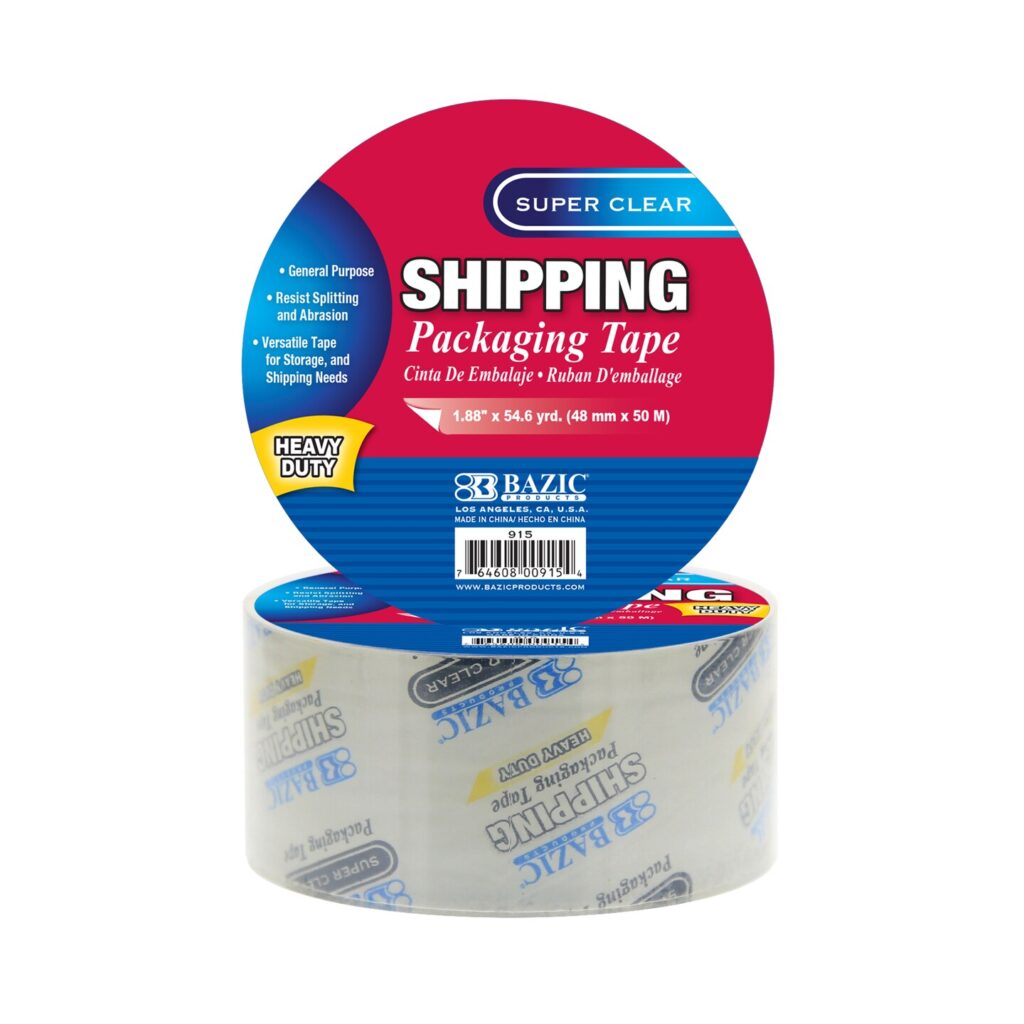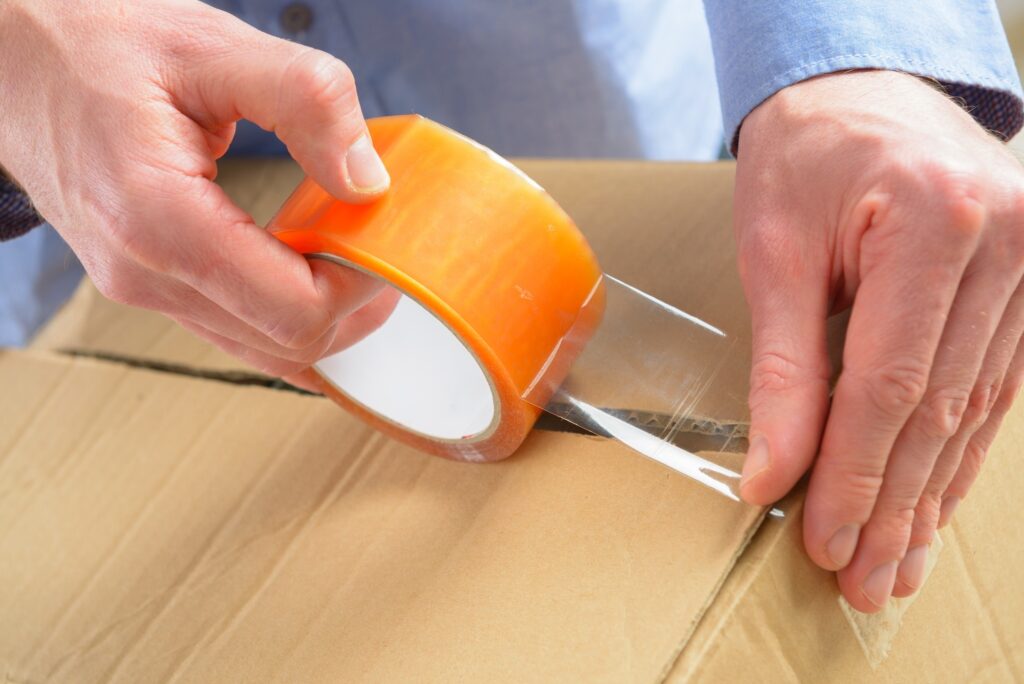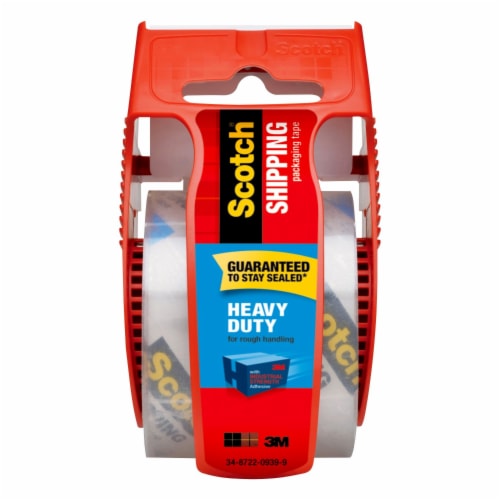
Introduction: Navigating the Global Market for Waterproof cloth tape
Sourcing waterproof cloth tape for mission-critical industrial applications demands more than basic product identification—it requires navigating a labyrinth of regional quality standards, volatile supply chains, and substrate-specific performance requirements. Procurement professionals across Africa, South America, the Middle East, and Europe increasingly encounter friction when balancing cost pressures against the need for weather-resistant, durable adhesion in construction, manufacturing, and healthcare sectors. From German automotive facilities requiring CE-certified medical-grade solutions to Nigerian infrastructure projects demanding heavy-duty waterproof sealing, the margin for specification error narrows significantly when operating across diverse regulatory environments.
Why Do Procurement Teams Struggle with Waterproof Cloth Tape Specifications Across Continents?
The global marketplace for adhesive solutions remains fragmented by inconsistent quality benchmarks and logistical complexities. Buyers frequently confront counterfeit products, ambiguous technical datasheets, and suppliers unable to demonstrate compliance with regional safety mandates—challenges amplified when sourcing across emerging markets with evolving import regulations. Understanding the distinction between medical-grade cloth tapes, industrial gaffer variants, and specialized waterproof formulations becomes essential for risk mitigation.
What Technical and Commercial Insights Drive Informed Purchasing Decisions?
This guide provides a systematic framework for evaluating tape specifications including tensile strength, adhesive chemistry, and temperature resistance across medical, construction, and industrial applications. We examine supplier vetting methodologies that verify manufacturing certifications, analyze total cost of ownership models accounting for shipping and tariffs, and outline volume-based procurement strategies that align with both European Union regulatory frameworks and African standards board requirements.
How Can International Buyers Secure Reliable Supply Chains?
By integrating technical specification analysis with geopolitical sourcing intelligence, this resource empowers procurement teams to establish resilient vendor relationships, optimize inventory management, and ensure compliance across jurisdictions. Whether securing emergency repair materials for South American mining operations or specifying hospital-grade solutions for Middle Eastern healthcare infrastructure, the following sections deliver actionable procurement strategies tailored to high-stakes international markets.
Understanding Waterproof cloth tape Types and Variations
| Type Name | Key Distinguishing Features | Primary B2B Applications | Brief Pros & Cons for Buyers |
|---|---|---|---|
| Medical-Grade Hypoallergenic Cloth Tape | Latex-free medical adhesive, breathable woven cotton/synthetic blend, gentle removal properties, sterilizable packaging options | Hospitals, clinics, wound care facilities, veterinary practices, sports medicine centers | Pros: Skin-safe for sensitive patients, residue-free removal, compliant with medical device regulations Cons: Higher per-unit cost, limited tensile strength compared to industrial grades, narrow temperature range |
| Heavy-Duty Reinforced Waterproof Cloth Tape | Polyethylene-coated fabric backing, high-tack synthetic rubber adhesive, UV and weather resistant, fiber-reinforced construction | Construction sealing, HVAC ductwork, marine repair, automotive emergency patching, infrastructure maintenance | Pros: Superior weather resistance, high tensile strength (20-50 lbs/inch), bonds to rough/dusty surfaces Cons: Heavier freight weight increasing shipping costs, potential adhesive residue on delicate substrates, requires surface preparation |
| Double-Sided Waterproof Cloth Tape | Adhesive coated on both sides of fabric carrier, siliconized release liner, high shear strength, immediate bond | Exhibition flooring, carpet installation, temporary event structures, industrial bonding, mounting applications | Pros: Eliminates mechanical fasteners, clean aesthetic finish, bridges gaps between dissimilar materials Cons: Complex liner removal in bulk application, temperature-sensitive storage requirements, precise alignment needed |
| Specialty Narrow-Width Binding Tape | 1/4″ to 1″ precision widths, ultra-flexible cotton/rayon fabric, hand-tearable, conformable to irregular shapes | Floral industry stem wrapping, luxury packaging, wire harnessing, bookbinding restoration, decorative binding | Pros: Excellent conformability, discrete professional appearance, bonds aggressively to itself Cons: Limited structural load capacity, strict width tolerances required for automation, color fastness varies by manufacturer |
What Specifications Define Medical-Grade Waterproof Cloth Tape for Healthcare Procurement?
Characteristics: Soft, breathable woven fabric backing utilizing medical-grade acrylic or zinc-oxide adhesive formulations. Engineered for extended skin contact without irritation, featuring porous construction that allows moisture vapor transmission while maintaining waterproof external protection.
Suitability: Ideal for healthcare facilities, veterinary clinics, and sports medicine applications requiring secure dressing retention during patient movement, hydrotherapy sessions, or high-humidity environments prevalent in tropical regions.
Key B2B Purchasing Considerations: Verify FDA, CE, or local medical device certifications for regulatory compliance in European and Middle Eastern markets. Assess hypoallergenic testing documentation and evaluate packaging sterilization compatibility. Bulk procurement should prioritize rolls with consistent adhesive coating weights to prevent skin trauma during removal, particularly for elderly care sectors in Germany and Nigeria.
Which Heavy-Duty Waterproof Cloth Tape Performs Best for Industrial Outdoor Applications?
Characteristics: Multi-layer construction featuring woven polyethylene-coated fabric with aggressive synthetic rubber adhesive. Resists UV degradation, moisture penetration, and temperature extremes from -40°C to 80°C. Often features longitudinal or cross-weave fiber reinforcement for enhanced tear resistance.
Suitability: Essential for construction site sealing, HVAC ductwork, marine equipment repair, and emergency infrastructure patching in challenging climates common across African and Middle Eastern markets. Performs reliably on rough, uneven surfaces including concrete, metal, and masonry.
Key B2B Purchasing Considerations: Evaluate tensile strength ratings and
Key Industrial Applications of Waterproof cloth tape
| Industry/Sector | Specific Application of Waterproof cloth tape | Value/Benefit for the Business | Key Sourcing Considerations for this Application |
|---|---|---|---|
| Agriculture & Floriculture Export | Floral stem binding and waterproof wrapping for cut flowers and fresh produce | Ensures moisture retention during long-haul shipping to European markets, reducing spoilage by up to 15% and replacing costly plastic alternatives | Food-safe adhesive compliance (FDA/EU), humidity resistance for tropical climates (Nigeria, Colombia), breathability for botanical stems, compatibility with automated packaging lines |
| Construction & Infrastructure | HVAC duct sealing, temporary scaffolding protection, and emergency pipe wrapping | Provides immediate weatherproofing in monsoon or desert conditions, minimizing project delays while withstanding thermal expansion cycles from -10°C to 80°C | High tensile strength (>50 lbs/inch), UV resistance for Middle Eastern exposure, compatibility with aluminum/galvanized steel, vapor barrier certification |
| Healthcare & Medical Devices | Securing wound dressings, IV line fixation, and orthopedic support strapping | Maintains adhesion despite patient perspiration or tropical humidity (Lagos, São Paulo), ensuring continuous care in facilities with inconsistent climate control | Hypoallergenic certification (ISO 10993), latex-free formulations, sterilization compatibility, residue-free removal for sensitive skin types |
| Marine & Logistics | Emergency hull sealing, cargo container moisture barriers, and fishing net repair | Prevents water ingress during transoceanic shipping routes, protecting high-value electronics and agricultural exports from saltwater damage | Salt spray resistance (ASTM B117), aggressive wet-surface adhesion, flexibility retention in sub-zero North Atlantic vs. warm Red Sea conditions |
| Energy & Telecommunications | Outdoor cable harnessing and solar inverter junction box sealing | Prevents short circuits during seasonal flooding or sandstorms, ensuring grid reliability in remote renewable installations | UV stabilization for desert deployments, UL-listed flame retardancy, compatibility with PVC/rubber cable jackets, temperature ratings for diurnal swings |
How does waterproof cloth tape optimize agricultural export supply chains?
In agricultural economies across Nigeria, Kenya, and Colombia, waterproof cloth tape serves as a critical packaging component for floral and fresh produce exports. The tape’s fabric backing allows stems to breathe while the waterproof adhesive prevents moisture loss during 48-72 hour transits to European distribution hubs. Buyers should prioritize tapes with food-contact safe certifications and resistance to ethylene gas exposure common in refrigerated containers. This application directly addresses post-harvest loss challenges, offering a cost-effective alternative to plastic wraps that can suffocate sensitive botanicals.
What construction applications benefit most from waterproof cloth tape in extreme climates?
Construction firms operating in the Middle East and Northern Europe utilize waterproof cloth tape for HVAC duct sealing and temporary weatherproofing of building envelopes. Unlike standard duct tape, the cloth substrate withstands thermal expansion cycles from desert heat to freezing German winters without delaminating. The tape creates vapor barriers that prevent condensation damage in high-humidity African regions. Procurement teams must verify tensile strength ratings exceeding 50 lbs/inch and compatibility with aluminum and galvanized steel substrates common in commercial HVAC systems.
Why is medical-grade waterproof cloth tape critical for diverse healthcare infrastructures?
Healthcare providers from São Paulo to Lagos require waterproof cloth tape that maintains adhesion across varying humidity levels and skin types. The tape secures IV lines and wound dressings in facilities where climate control may be inconsistent, preventing infections caused by moisture infiltration. Its porous cloth construction reduces maceration risks compared to plastic alternatives. B2B buyers should demand biocompatibility testing per ISO 10993 standards and verify latex-free formulations to accommodate patient populations with higher allergy sensitivities in tropical regions.
How does waterproof cloth tape support marine logistics and offshore operations?
Maritime logistics operators utilize waterproof cloth tape for emergency cargo sealing and fishing vessel repairs across Atlantic and Mediterranean routes. The tape’s aggressive adhesive bonds to wet surfaces, providing immediate leak mitigation when hull damage occurs far from port facilities. For shipping companies transporting electronics from Middle Eastern hubs to European markets, the tape creates moisture barriers in container door seals. Sourcing considerations include salt spray resistance certification (ASTM B117) and flexibility retention in sub-zero North Sea conditions versus tropical water temperatures.
What role does waterproof cloth tape play in renewable energy infrastructure?
Renewable energy projects across North Africa and South America rely on waterproof cloth tape for solar farm cable management and wind turbine maintenance. The tape organizes high-voltage wiring while creating moisture barriers at inverter junction boxes, critical for preventing electrical faults during seasonal flooding or humidity spikes. Unlike vinyl tapes that degrade under intense UV exposure, cloth-backed variants maintain structural integrity in equatorial sun. Procurement specialists should prioritize UL-listed products with flame-retardant properties and temperature ratings suitable for desert diurnal temperature swings.
A stock image related to Waterproof cloth tape.
3 Common User Pain Points for ‘Waterproof cloth tape’ & Their Solutions
Procurement teams operating across diverse climate zones—from the humid coastlines of Nigeria to the industrial hubs of Germany—face distinct challenges when sourcing waterproof cloth tape at commercial scale. Addressing these application-specific pain points ensures your bulk orders deliver regulatory compliance and field performance rather than inventory liability.
Scenario 1: How to Ensure Reliable Adhesion in High-Humidity and Extreme Temperature Environments?
The Problem:
B2B buyers in tropical regions such as West Africa, Southeast Asia, or South America frequently encounter catastrophic adhesion failures when standard waterproof cloth tape is deployed for outdoor construction, agricultural equipment sealing, or marine applications. In climates where ambient humidity consistently exceeds 80% and temperatures fluctuate dramatically between day and night, generic cloth tapes suffer from adhesive degradation, edge lifting, and mold proliferation beneath the backing. This results in costly rework, compromised waterproofing integrity for temporary shelters, and potential safety hazards when used for emergency pipe repairs or HVAC duct sealing in unventilated industrial facilities.
The Solution:
Specify tapes formulated with synthetic rubber or hot-melt adhesives explicitly rated for tropical climate zones, ensuring they maintain permanent tack across temperature ranges of -10°C to 80°C with high moisture vapor transmission resistance. Prioritize products featuring polyethylene-laminated cloth backings that create impermeable vapor barriers, and mandate rigorous surface preparation protocols including degreasing with isopropyl alcohol and 24-hour ambient temperature curing before exposure to precipitation. Requesting batch-specific adhesion test data (per ASTM D3330) and shear resistance values from suppliers validates performance claims, while ordering samples for 30-day field testing in your specific environment prevents bulk procurement of inadequate materials.
Scenario 2: How to Navigate Regulatory Compliance When Sourcing Medical vs. Industrial Applications?
The Problem:
European buyers, particularly in Germany’s highly regulated healthcare and food-processing sectors, face significant compliance risks when waterproof cloth tape intended for industrial bundling is inadvertently specified for medical or hygienic environments. Industrial variants often contain phthalate plasticizers, latex-based adhesives, or zinc oxide formulations that violate EU REACH regulations, FDA 21 CFR Part 175.105 standards, or ISO 10993 biocompatibility requirements. This confusion frequently results in customs seizures at European ports, audit failures, or operational liability when tapes cause allergic reactions in medical settings. Conversely, medical-grade cloth tapes lack the tensile strength and abrasion resistance required for heavy-duty industrial repairs, leading to mechanical failures in critical infrastructure applications.
The Solution:
Implement a dual-specification procurement framework that rigorously distinguishes between ISO 10993-certified medical cloth tapes (hypoallergenic, latex-free, biocompatible) and industrial-grade alternatives meeting ASTM D5748, DIN 5510-2, or specific flammability standards. For healthcare and food-contact applications, verify suppliers provide current biocompatibility documentation and migration testing certificates; for construction, electrical, or marine uses, demand minimum tensile strength ratings of 50 lbs/inch and UL 723 flame spread classifications. Conduct regulatory pre-screening using your destination country’s chemical inventory lists (TSCA for US, REACH for EU) and require Material Safety Data Sheets (MSDS) translated into local languages before confirming bulk purchase orders.
Scenario 3: How to Prevent Inventory Degradation During Long-Term Storage and International Transit?
The Problem:
Procurement teams in the Middle East and landlocked African regions frequently discover that bulk shipments of waterproof cloth tape have degraded during extended ocean freight or warehouse storage due to extreme heat exposure, UV radiation, and humidity fluctuations. Adhesive bleed-through onto adjacent layers, oxidative drying of natural rubber adhesives, and permanent loss of tack occur when rolls are subjected to container temperatures exceeding 45°C or stored in facilities without climate control, rendering entire pallet quantities unusable. This challenge is compounded by suppliers utilizing standard cardboard cores that absorb moisture and collapse in tropical conditions, causing roll deformation and dispensing difficulties that disrupt project timelines and inflate waste percentages.
The Solution:
Negotiate stringent shipping specifications including refrigerated or ventilated container requirements for ocean freight routes crossing equatorial zones, and mandate UV-resistant opaque shrink-wrapping with desiccant packets for palletized goods. Upon receipt, immediately transfer inventory to climate-controlled warehousing maintained at 15-25°C with relative humidity below 50%, implementing FIFO (First In, First Out) rotation protocols to minimize exposure to shelf-life expiration. Specify plastic or moisture-resistant reinforced cardboard cores rated for
Strategic Material Selection Guide for Waterproof cloth tape
Waterproof cloth tape performance varies significantly based on substrate composition and coating chemistry. For procurement teams sourcing across diverse climates—from the humidity of Lagos to the industrial environments of Stuttgart—understanding material specifications ensures optimal adhesion longevity and total cost efficiency. Selecting inappropriate backing materials for specific environmental stressors can result in premature adhesive failure, project delays, and increased material waste. The following analysis examines four primary backing materials, evaluating their suitability for specific commercial applications across African, European, and Middle Eastern markets.
What Backing Material Performs Best in High-Humidity Tropical Environments?
Polyethylene (PE) Coated Cotton remains the industry standard for general-purpose waterproof cloth tape across emerging markets. The woven cotton substrate provides excellent conformability to irregular surfaces, while the PE lamination creates a reliable moisture barrier suitable for temporary outdoor applications and packaging reinforcement.
For B2B buyers in Nigeria and South America, this material offers particular value in agricultural bundling and construction site moisture protection. The natural fiber content allows the tape to breathe slightly, preventing condensation buildup beneath the adhesive layer that could compromise bond integrity. However, procurement teams should note that standard PE coatings degrade under prolonged UV exposure, limiting outdoor deployment to 3-6 months without additional protective measures or storage protocols.
Which Material Offers Superior Chemical Resistance for Industrial Maintenance?
PVC-Coated Polyester backing provides enhanced durability for manufacturing and petrochemical applications where exposure to harsh substances is inevitable. Unlike cotton substrates, polyester resists rot and mildew in perpetually damp conditions, while the PVC coating offers exceptional resistance to oils, acids, and hydraulic fluids common in industrial settings.
German industrial buyers frequently specify this material for automotive assembly lines and machinery maintenance, where exposure to cutting fluids and petroleum products would rapidly degrade natural fiber alternatives. The synthetic backing maintains structural integrity across temperature ranges from -20°C to 80°C, making it suitable for unheated warehouse applications in European winters. The trade-off involves reduced flexibility compared to cotton variants, requiring thorough surface preparation and application pressure for optimal adhesion.
How Does Medical-Grade Cotton Differ from Industrial Cloth Tape Materials?
Medical-Grade Cotton with Zinc Oxide Adhesive serves specialized healthcare procurement needs across Middle Eastern and African medical supply chains. This material utilizes a tighter weave cotton fabric processed to remove impurities and lint, paired with hypoallergenic adhesives that maintain waterproofing while allowing essential skin respiration.
Hospital procurement teams favor this specification for securing wound dressings and medical devices in humid climates where synthetic tapes might cause skin maceration or allergic reactions. The zinc oxide component provides mild antimicrobial properties, critical for infection control in tropical medical facilities. Limitations include significantly lower tensile strength—typically 15-20 N/cm compared to 40-50 N/cm for industrial variants—and higher per-unit costs that impact bulk purchasing budgets for large healthcare systems.
When Should Procurement Teams Specify Fiberglass-Reinforced Cloth Backing?
Fiberglass-Reinforced Cloth represents the premium tier for structural applications requiring maximum dimensional stability and load-bearing capacity. The woven glass fiber mesh, coated with waterproof polymers, delivers tensile strengths exceeding 100 N/cm while resisting stretching under mechanical load or thermal stress.
This material proves essential for heavy-duty cable bundling in marine environments, permanent HVAC duct sealing, and emergency pipeline repairs in oil fields where failure is not an option. Middle Eastern infrastructure projects particularly benefit from its resistance to thermal expansion and contraction in desert environments. The primary limitation involves handling complexity—the rig
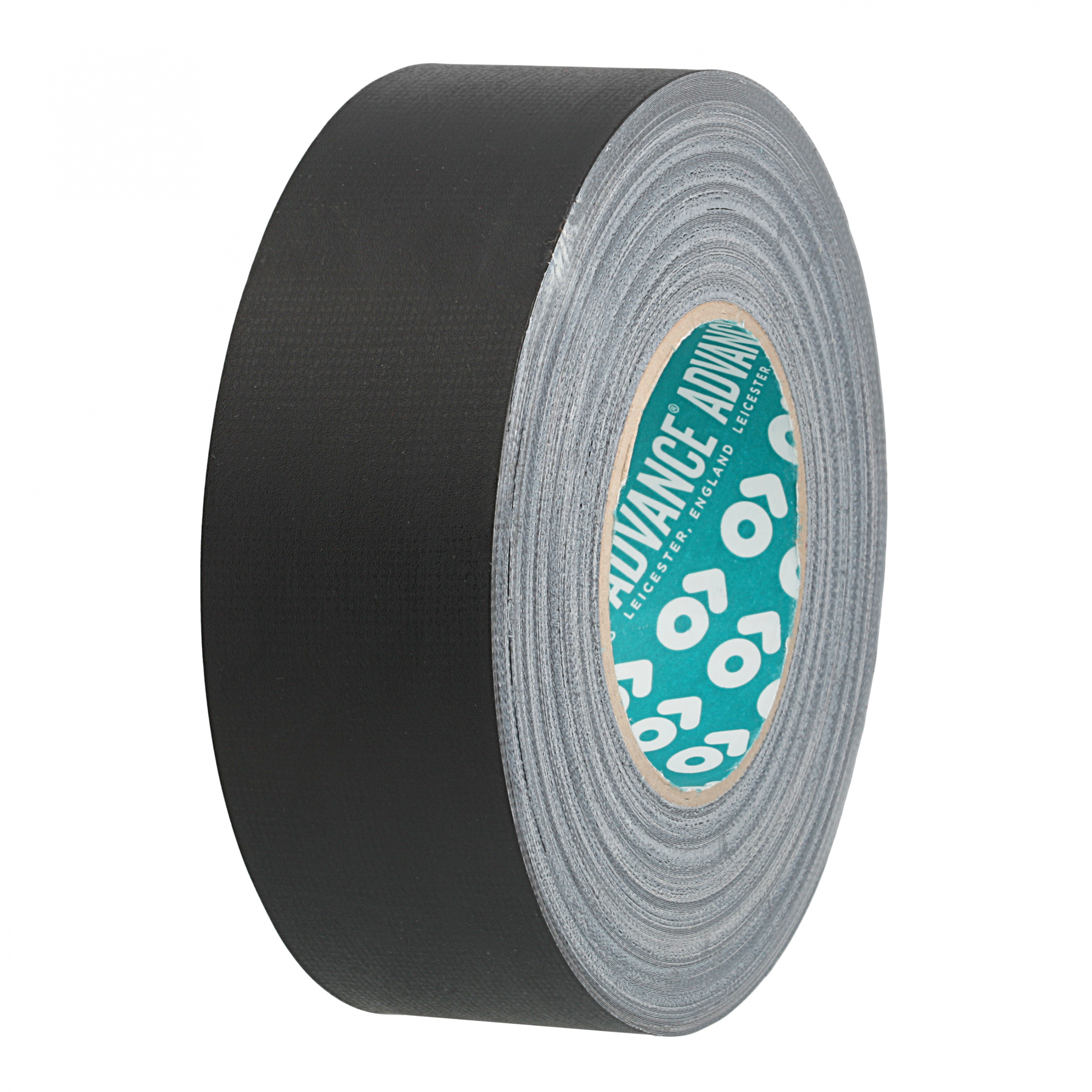
A stock image related to Waterproof cloth tape.
In-depth Look: Manufacturing Processes and Quality Assurance for Waterproof cloth tape
How Is Waterproof Cloth Tape Engineered for Extreme Climate Resilience?
The manufacturing process begins with substrate selection, where textile mills weave cotton, polyester, or blended rayon fabrics to specific thread counts (typically 35–65 threads per cm) to balance tensile strength with conformability. These base materials undergo scouring and mercerization treatments to remove impurities and increase surface energy before receiving waterproof barrier coatings. Manufacturers apply polyethylene or thermoplastic rubber (TPR) films through calendaring or extrusion lamination processes, maintaining strict temperature protocols between 140°C–170°C to achieve molecular cross-linking without thermal degradation of the adhesive interface. For B2B buyers operating in Nigeria’s humid Niger Delta or the Middle Eastern Gulf states, requesting substrates with UV-stabilized warp threads prevents fabric embrittlement during outdoor storage. The lamination stage requires cleanroom conditions (ISO Class 8 or better) to prevent dust inclusion that would compromise waterproof seals, particularly critical for medical-grade cloth tapes where sterility impacts patient safety.
What Advanced Coating Technologies Ensure Industrial-Grade Waterproofing?
Adhesive application represents the most technically demanding manufacturing phase, requiring precision coating heads that deposit hot-melt rubber, solvent acrylic, or silicone formulations at controlled thicknesses between 150–300 microns. High-speed coating lines utilize infrared drying tunnels or solvent recovery systems to cure adhesives while maintaining volatile organic compound (VOC) compliance for European environmental regulations. Double-coated variants undergo a second pass through the coating station after intermediate liner application, creating waterproof cloth tapes suitable for carpet installation or heavy-duty splicing where both sides require adhesion. The tackification process—adding resin modifiers to base adhesives—requires exact temperature profiling to prevent cold flow (adhesive oozing) during shipping to tropical climates. Buyers should verify that manufacturers utilize gravure or reverse-roll coating methods rather than knife-over-roll systems, as the former provides superior adhesive anchorage to woven substrates essential for underwater pipe wrapping or marine applications.
Which Quality Control Protocols Validate Performance Under Stress?
Comprehensive QC laboratories conduct hydrostatic resistance testing per ASTM D751, subjecting tape samples to increasing water pressure until penetration occurs—premium industrial grades withstand 50+ kPa while economy versions may fail at 20 kPa. Peel adhesion tests (ASTM D3330) measure the force required to remove tape from stainless steel after 24-hour water immersion, with acceptable values ranging 3.5–6.0 N/cm depending on specification grade. Additionally, shear adhesion testing (ASTM D3654) evaluates the tape’s ability to resist slippage under constant load at elevated temperatures (40°C–70°C), simulating roof repair applications in South American summers or desert environments. Manufacturers serving German automotive sectors must demonstrate compliance with DIN 2304 bonding standards, while suppliers to African mining operations should provide abrasion resistance data (ASTM D4060) showing minimal weight loss after 1000 Taber cycles. Each production batch requires retention samples stored for 24 months to facilitate traceability investigations if field failures occur months after delivery.
How Do Global Compliance Standards Impact Manufacturing Specifications?
ISO 9001:2015 certification provides the foundational quality management framework, but industry-specific accreditations separate commodity producers from specialized manufacturers. Medical cloth tape production requires ISO 13485 medical device quality systems and biocompatibility testing per ISO 10993-5 (cytotoxicity) and ISO 10993-10 (sensitization). For Middle Eastern markets, Halal certification ensures adhesive formulations contain no animal-derived glycerin or alcohol, while European REACH compliance mandates disclosure of Substances of Very High Concern (SVHC) below 0.1% weight concentration. Nigerian Standards Organisation (SON) Product Conformity Assessment Program (SONCAP) requires pre-shipment verification for imported adhesive tapes, necessitating that manufacturers maintain consistent formulation documentation. Construction-grade waterproof cloth tapes destined for German infrastructure projects often require CE marking under EN 1939 standards, including specific declarations on tensile strength (minimum 25 N/cm) and elongation at break (typically 15–25%).
What Supply Chain Controls Ensure Product Integrity During International Shipping?
Post-manufacturing handling significantly impacts tape performance upon arrival in buyer warehouses. Reputable suppliers implement climate-controlled warehousing (18°C–24°C, relative humidity 45–55%) prior to export, preventing premature adhesive aging or oxidation. Slitting operations utilize razor-sharp carbide blades maintained within 0.01mm tolerance to produce clean edges that resist fraying during unwinding in automated packaging lines. For ocean freight to South American or African ports, manufacturers should vacuum-seal master cartons with aluminum-laminated moisture barriers and include humidity indicator cards that change color if containers experience condensation cycles during transit. Statistical Process Control (SPC) charts monitoring roll length consistency (typically ±0.5% tolerance) prevent shortages that disrupt just-in-time manufacturing
Practical Sourcing Guide: A Step-by-Step Checklist for ‘Waterproof cloth tape’
Sourcing waterproof cloth tape for international B2B procurement requires navigating diverse quality standards, application-specific requirements, and complex logistics across markets like Germany, Nigeria, and emerging economies in South America. This checklist provides a systematic framework to evaluate suppliers, specifications, and compliance factors essential for securing reliable product performance in demanding industrial, medical, or construction environments.
1. What Specific Application Requirements Should Define Your Procurement Criteria?
Begin by mapping exact use cases—whether medical-grade adhesion for healthcare facilities, heavy-duty sealing for Middle Eastern construction sites, or moisture-resistant bundling for agricultural applications in tropical climates. Medical applications demand hypoallergenic adhesives and sterilization compatibility, while industrial uses prioritize tensile strength and UV resistance. Documenting these parameters prevents costly mismatches between general-purpose cloth tape and specialized waterproof variants designed for submerged or high-humidity environments.
2. Which Technical Specifications Ensure Optimal Performance in Diverse Climates?
Verify critical metrics including substrate composition (cotton vs. synthetic blends), adhesive mass measured in grams per square meter, and waterproofing certification ratings such as IP codes or ASTM D3330. For European markets like Germany, confirm REACH compliance and DIN standards; for African and South American imports, assess heat resistance capabilities exceeding 60°C for high-temperature storage during transit. Request detailed datasheets specifying elongation percentages and adhesion strength to concrete, metal, and plastic substrates relevant to your projects.
3. How Can Buyers Evaluate Supplier Reliability and Certification Standards?
Investigate manufacturing certifications including ISO 9001 quality management and ISO 13485 for medical device applications. Verify that suppliers provide batch-specific test reports and material safety data sheets (MSDS). For healthcare procurement in the Middle East, ensure Saudi FDA or equivalent regional registrations; Nigerian buyers should confirm SONCAP certification readiness and EU-import documentation for German industrial clients to prevent customs delays.
4. What Pricing Structures and MOQ Flexibilities Support Scalable Procurement?
Analyze unit economics beyond per-roll pricing to evaluate total landed costs including customs duties and inland freight. Compare bulk quantity thresholds—some suppliers offer 48-roll master cartons with tiered discounts, while others require container-level commitments for custom specifications. Negotiate sample policies and pilot order minimums that allow quality verification before committing to high-volume contracts, particularly critical when establishing new supplier relationships across international borders with fluctuating currency exchange rates.
5. How Should Logistics and Climate Compatibility Influence Sourcing Decisions?
Evaluate packaging integrity for sea freight conditions common in African and South American trade routes, ensuring moisture-barrier wrapping prevents adhesive degradation during humid transit. Confirm shelf-life documentation (typically 12-24 months) and storage temperature requirements. For German industrial buyers, prioritize suppliers offering Just-in-Time (JIT) delivery capabilities, while Nigerian procurement teams should verify Lagos or Apapa port clearance documentation support and local warehousing partnerships.
6. Why Is Pre-Purchase Sampling Essential for Quality Assurance?
Request A4-sized sample sheets or single rolls for adhesion testing on your specific substrates before bulk ordering. Conduct peel-strength tests under local humidity conditions and verify residue-free removal if temporary application is intended. This step mitigates risks of adhesive failure in tropical environments or incompatibility with European safety standards, ensuring the waterproof cloth tape performs reliably across your operational contexts and reducing costly returns of containerized shipments.
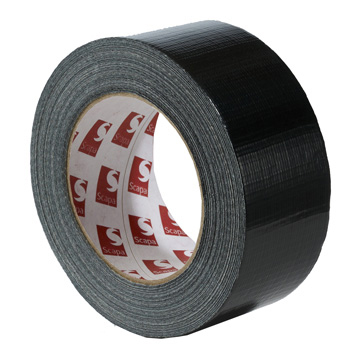
A stock image related to Waterproof cloth tape.
Comprehensive Cost and Pricing Analysis for Waterproof cloth tape Sourcing
B2B procurement of waterproof cloth tape extends far beyond unit sticker prices. For procurement teams operating across diverse regulatory environments—from Germany’s industrial manufacturing sector to Nigeria’s construction supply chains—understanding the multifaceted cost structure ensures sustainable margin protection and supply chain resilience.
What Material Specifications Drive Price Variations in Waterproof Cloth Tape?
The fundamental cost determinant lies in the substrate and adhesive composition. Premium cotton-blend cloth tapes with natural rubber adhesives command higher prices than polyester variants with synthetic acrylic bonding, typically ranging 15–30% above standard grades. Waterproofing efficacy—measured by IP ratings and hydrostatic resistance—further stratifies pricing tiers. Medical-grade waterproof cloth tapes requiring biocompatibility certifications (ISO 10993) can cost 40–60% more than general industrial grades, while specialized UV-resistant formulations for Middle Eastern outdoor applications add additional premiums.
How Do Volume Tiers and MOQ Structures Impact Unit Economics?
Minimum order quantities (MOQs) create significant pricing inflection points. Small-volume procurement (3–48 rolls) typically suits retail distributors, with per-roll costs hovering around $1.80–$2.50 for standard 1/4″ widths. However, industrial buyers accessing manufacturer-direct pricing at 1,000+ roll quantities often secure 35–50% reductions, dropping unit costs below $1.20 per roll. Strategic buyers should negotiate tiered pricing brackets at 500, 1,500, and 5,000-roll thresholds rather than accepting binary retail/bulk distinctions.
What Hidden Logistics Costs Affect Total Cost of Ownership?
International sourcing introduces variables that frequently exceed material costs. Cloth tape’s fabric substrate adds weight density compared to vinyl alternatives, increasing freight charges by 20–25% per cubic meter. For African and South American importers, customs duties vary significantly by HS code classification—typically 3919.10 for plastic-coated tapes versus 5903.90 for textile-based adhesives—with duty spreads of 5–15% depending on regional trade agreements. Additionally, climate-controlled warehousing requirements (maintaining 40–60% humidity to prevent adhesive degradation) add $0.08–$0.12 per roll in storage costs annually.
How Can Procurement Teams Optimize Cross-Border Pricing Strategies?
Savvy buyers leverage regional manufacturing hubs to minimize landed costs. European purchasers benefit from Turkey and Eastern European suppliers to avoid EU import tariffs, while Middle Eastern buyers increasingly source from UAE-based converters to reduce Asian shipping lead times. Implementing annual volume commitments rather than spot purchasing stabilizes pricing against petrochemical volatility affecting adhesive costs. Furthermore, specifying exact width tolerances (±0.5mm versus ±1mm) prevents over-engineering that unnecessarily inflates per-meter costs by 8–12%.
Alternatives Analysis: Comparing Waterproof cloth tape With Other Solutions
When evaluating sealing solutions for international procurement, understanding the trade-offs between waterproof cloth tape and specialized alternatives ensures optimal specification for regional climate conditions and application environments. While cloth-backed tapes offer unique fabric flexibility and immediate hand-tearability, industrial buyers across Africa, the Middle East, and Latin America frequently consider butyl rubber and PVC vinyl formulations for heavy-duty waterproofing projects. The following analysis examines how these alternatives compare across critical procurement criteria including bulk pricing structures, surface compatibility, and long-term weather resistance in tropical and temperate climates.
Which waterproof tape solution delivers optimal ROI for emerging markets?
| Comparison Aspect | Waterproof Cloth Tape | Butyl Rubber Tape | PVC (Vinyl) Waterproof Tape |
|---|---|---|---|
| Primary Composition | Polyethylene-coated fabric backing with synthetic rubber adhesive | Synthetic rubber compound (isobutylene-isoprene) | Polyvinyl chloride film with pressure-sensitive adhesive |
| Water Resistance | High (suitable for damp environments, temporary water exposure) | Exceptional (permanent watertight seal, gas-impermeable) | High (excellent for moisture barriers, limited submersion) |
| Surface Conformability | Excellent (conforms to irregular textures, rough surfaces) | Superior (flows into gaps, self-leveling on uneven substrates) | Moderate (best on smooth, clean surfaces) |
| Temperature Range | -10°C to 60°C (standard grades) | -40°C to 80°C (extreme weather stable) | -18°C to 105°C (varies by grade) |
| Cost per Linear Meter (Bulk) | $0.15 – $0.45 | $0.85 – $2.20 | $0.08 – $0.25 |
| Application Speed | Fast (hand-tearable, no tools required) | Slow (requires pressure rolling, surface prep critical) | Moderate (requires cutting, clean surface) |
| Typical Lifespan | 6 months – 2 years (environment dependent) | 10-20 years (permanent applications) | 3-5 years (UV stabilized grades) |
| Best Use Cases | Emergency repairs, bundling, temporary weatherproofing | Roofing, marine sealing, underground pipe wrapping | Electrical insulation, HVAC duct sealing, smooth surface bonding |
How does butyl rubber tape compare for permanent infrastructure sealing?
Butyl rubber tape represents the premium alternative for procurement teams managing long-term infrastructure projects across Middle Eastern construction sectors and African agricultural installations. Unlike cloth-backed options, butyl compounds create molecular-level adhesion that fuses to substrates, delivering gas and watertight seals capable of withstanding decades of thermal cycling and intense UV exposure common in equatorial regions. However, B2B buyers must factor in significantly higher material costs—often 3-5 times the per-meter price of cloth tape—and specialized labor requirements; application demands clean, dry surfaces and pressure rolling equipment to achieve proper adhesion, increasing installation time by 40-60%. For German engineering firms and Nigerian construction contractors evaluating total lifecycle costs, butyl excels in permanent roofing membrane repairs, marine vessel sealing, and underground pipeline protection where replacement accessibility is limited and failure carries high consequential costs. Procurement teams should note that butyl requires climate-controlled storage and has shorter shelf life than cloth alternatives, impacting inventory management for large-scale projects.
Is PVC waterproof tape suitable for high-humidity industrial environments?
PVC waterproof tape offers procurement managers a cost-effective middle ground, particularly prevalent in European industrial maintenance and South American manufacturing facilities where electrical safety standards require dielectric protection combined with moisture barriers. The vinyl formulation provides superior chemical resistance against hydraulic fluids, industrial acids, and agricultural fertilizers compared to cloth-backed alternatives, making it ideal for machinery maintenance and irrigation system repairs in harsh environments. While bulk pricing typically undercuts cloth tape by 20-30% and offers consistent availability through European distribution networks, PVC lacks the fabric substrate’s tear resistance and conformability to rough textures common in emergency field repairs. B2B buyers should specify PVC for smooth-surface applications—such as HVAC duct sealing, electrical junction boxing, and agricultural equipment panel repairs—where its clean removal characteristics and standardized color-coding options support organized maintenance protocols and safety compliance. However, procurement teams must verify UV stabilization ratings for tropical deployments, as unmodified PVC degrades rapidly under intense African or Middle Eastern sun exposure, potentially requiring replacement within 12-18 months versus cloth tape’s more predictable degradation patterns.
Essential Technical Properties and Trade Terminology for Waterproof cloth tape
Which Technical Specifications Determine Industrial-Grade Waterproof Cloth Tape Performance?
When procuring waterproof cloth tape for construction, marine, or medical supply chains, understanding quantitative performance metrics ensures compliance with project specifications across diverse climates—from German industrial facilities to Nigerian infrastructure sites.
Tensile Strength and Edge Tear Resistance
Measured in pounds per inch (lb/in) or Newtons per centimeter (N/cm), tensile strength indicates the tape’s ability to withstand pulling forces without breaking. For heavy-duty bundling in infrastructure projects common in African and Middle Eastern markets, look for values exceeding 50 lb/in. Edge tear resistance prevents propagation of rips when the tape is hand-torn, critical for rapid field application where cutting tools are unavailable.
Peel Adhesion and Surface Energy Compatibility
Peel adhesion, tested per ASTM D3330 or PSTC-101 standards, quantifies the force required to remove tape from stainless steel or low-surface-energy substrates like polyethylene. High-performance waterproof cloth tapes offer 60–80 oz/in adhesion for permanent bonding in automotive manufacturing, while lower-tack variants (20–30 oz/in) suit temporary holding in European floral or event staging industries where residue-free removal is mandatory.
Hydrostatic Resistance and Moisture Vapor Transmission
This specification determines how long the tape prevents water penetration under pressure, typically rated in hours (e.g., 24-hour resistance at 2 psi). For marine and outdoor electrical applications in tropical South American climates, verify hydrostatic ratings alongside low Moisture Vapor Transmission Rates (MVTR) measured in grams per square meter per 24 hours. This prevents condensation buildup beneath the adhesive layer that could compromise electrical insulation.
Temperature Operating Range
The functional span between minimum application temperature and maximum service temperature (e.g., -10°C to 80°C) dictates suitability for cold-storage logistics in Germany versus high-heat pipeline maintenance in Nigeria. Acrylic adhesives generally offer broader ranges (-40°C to 150°C) than natural rubber formulations, making them preferable for regions with extreme diurnal temperature variations.
Backing Construction and Scrim Density
Thickness, measured in mils (thousandths of an inch), typically ranges 11–14 mils for standard duty and 17+ mils for heavy-duty industrial applications. Scrim density—the weave count of the internal fabric mesh—directly correlates with tear resistance and dimensional stability under load, with 70–100 mesh count providing optimal strength-to-weight ratios for export shipping efficiency.
What Critical Trade Terminology Should B2B Buyers Master When Sourcing Waterproof Cloth Tape?
Navigating supplier datasheets requires fluency in industry-specific jargon that distinguishes commodity-grade products from specialized solutions suitable for medical, construction, and energy sector procurement.
Scrim-Reinforced Backing
Refers to the woven fiberglass or polyester mesh laminated between cloth layers. “High-scrim” tapes provide superior tensile strength for industrial bundling in oil and gas sectors, while “low-scrim” or “scrimless” variants offer enhanced flexibility for medical bandaging or floral stem wrapping where conformability outweighs structural load requirements.
Pressure-Sensitive Adhesive (PSA)
Indicates adhesives that bond instantly with manual pressure, requiring no heat, water, or solvent activation. Within PSAs, procurement teams must distinguish between natural rubber (high initial tack, economical for short-term construction) and synthetic acrylic (superior UV stability and aging resistance, better
Navigating Market Dynamics and Sourcing Trends in the Waterproof cloth tape Sector
The waterproof cloth tape market is experiencing significant transformation as global supply chains adapt to regional industrial growth and evolving regulatory standards. For procurement teams across Africa, South America, the Middle East, and Europe, understanding these dynamics is crucial for optimizing inventory costs while ensuring product reliability across diverse climate conditions and application environments. Recent shifts toward localized manufacturing, digital procurement platforms, and climate-adaptive product specifications are reshaping how international buyers approach volume purchasing decisions in this competitive sector.
What Are the Current Market Dynamics Shaping Global Demand for Waterproof Cloth Tape?
The global waterproof cloth tape sector is witnessing robust expansion driven by cross-industry applications ranging from medical wound care to heavy-duty construction sealing, automotive repair, and agricultural greenhouse maintenance. In emerging markets such as Nigeria and broader Sub-Saharan Africa, infrastructure development, oil & gas pipeline maintenance, and telecommunications cable protection are fueling demand for high-tensile, weather-resistant adhesive solutions capable of withstanding extreme humidity, desert sand abrasion, and rapid temperature fluctuations. Meanwhile, European buyers, particularly in Germany’s precision manufacturing hubs, are prioritizing tapes that meet stringent EU regulatory frameworks while serving automotive assembly, aerospace, and renewable energy sectors.
Pricing structures continue to favor strategic bulk procurement, with volume discounts typically activating at 48-roll quantities or higher, though regional logistics costs and import duties significantly impact landed prices across different jurisdictions. Smart buyers are negotiating consolidated shipping arrangements and regional distribution hubs near Middle Eastern and South American ports to mitigate freight expenses and customs delays. The medical and healthcare sector remains a particularly high-growth vertical, with hospitals and clinic networks seeking hypoallergenic, latex-free variants that comply with ISO 13485 quality management standards and FDA registration requirements.
Supply chain resilience has emerged as a critical procurement priority following recent global disruptions, prompting buyers to diversify sourcing beyond traditional manufacturing centers. This geographic diversification creates opportunities for regional distributors to establish local stocking programs, reducing lead times for urgent industrial applications while mitigating currency fluctuation risks prevalent in volatile markets. Additionally, the integration of e-procurement platforms and vendor-managed inventory systems is streamlining bulk ordering processes, enabling real-time stock level monitoring and automated reorder points for maintenance, repair, and operations (MRO) supplies.
How Can B2B Buyers Ensure Sustainable and Ethical Sourcing in the Waterproof Tape Supply Chain?
Sustainability has transitioned from niche preference to core procurement criterion, with end-users, government tenders, and regulatory bodies demanding verifiable transparency regarding raw material origins and manufacturing environmental impact. Forward-thinking buyers are implementing comprehensive vetting protocols that examine adhesive formulations for volatile organic compound (VOC) emissions, heavy metal content, and backing materials for post-consumer recycled content or biodegradability certifications. European markets, governed by REACH and RoHS directives, require extensive technical documentation proving the absence of hazardous substances, while rapidly industrializing African and Middle Eastern markets are increasingly adopting similar environmental compliance frameworks and green building standards.
Ethical sourcing extends beyond carbon metrics to encompass fair labor practices, anti-corruption measures, and community impact assessments throughout the supply chain. Procurement teams should prioritize manufacturers demonstrating SA8000, WRAP, or equivalent fair labor certifications, particularly for cloth tape backings derived from cotton or textile industries with historically challenging labor conditions. The transition toward bio-based adhesive technologies—utilizing natural rubber, plant-derived acrylates, or solvent-free formulations—presents both cost challenges and competitive advantages, as these alternatives command premium pricing but offer significant market differentiation in environmentally conscious sectors such as organic agriculture, marine conservation projects, and LEED-certified construction.
Implementing rigorous supplier audit protocols and requiring third-party sustainability certifications such as ISO 14001 ensures alignment with corporate social responsibility mandates and reduces reputational risks. Buyers should also evaluate packaging innovations and circular economy practices, favoring suppliers transitioning to recycled cardboard cores, plastic-free wrapping, optimized pallet configurations that minimize transportation emissions, and take-back programs for used tape rolls. Establishing long-term strategic partnerships with ethically certified manufacturers not only ensures regulatory compliance and supply continuity but also positions procurement strategies favorably within evolving global sustainability trends increasingly valued by downstream customers and institutional investors.
Frequently Asked Questions (FAQs) for B2B Buyers of Waterproof cloth tape
What are the primary industrial applications for waterproof cloth tape in construction and manufacturing sectors?
Waterproof cloth tape serves critical functions across HVAC installation, temporary weatherproofing of building envelopes, and emergency pipe sealing in industrial facilities. In construction markets across Africa and the Middle East, it functions as a high-adhesion solution for dust barrier containment and scaffolding protection where polyethylene tapes fail to conform to irregular surfaces. Manufacturing sectors utilize it for bundling heavy cables, reinforcing shipping crates exposed to maritime humidity, and masking during abrasive blasting operations where standard masking tapes lack durability.
How does waterproof cloth tape maintain adhesion in extreme temperatures and high-humidity environments?
Premium waterproof cloth tape utilizes rubber-based adhesives that maintain tackiness from -18°C to 93°C, making it suitable for German winter construction sites and Nigerian tropical monsoon conditions alike. The woven cotton or synthetic fabric backing expands and contracts without cracking, preventing moisture ingress at the bond line during thermal cycling. For procurement teams sourcing for desert climates in the Middle East, specify UV-stabilized variants that resist adhesive degradation from intense solar exposure and sand abrasion.
What distinguishes waterproof cloth tape from standard duct tape for heavy-duty commercial projects?
While both tapes feature cloth backings, waterproof cloth tape typically employs a denser weave count (30-50 threads per square inch) and thicker adhesive coating (12-15 mils) compared to economy duct tapes. Duct tape uses polyethylene lamination that becomes brittle in cold weather, whereas true waterproof cloth tape maintains flexibility for conforming to curved surfaces like pipeline insulation. For European industrial buyers, cloth tape offers cleaner removal without residue—critical for rental equipment protection and exhibition stand construction where surface damage incurs penalty fees.
Which technical specifications should procurement teams prioritize when sourcing waterproof cloth tape in bulk quantities?
Prioritize tensile strength ratings above 40 lbs per inch for load-bearing applications, and verify adhesive mass exceeds 200 gsm for permanent outdoor installations. Specify width variations—1/4 inch for floral and retail packaging sectors (common in South American agricultural exports) up to 3 inches for construction membrane sealing. Request ASTM D3330 peel adhesion test results (minimum 60 oz/inch) and confirm compliance with REACH regulations for European markets or SASO standards for Middle Eastern imports. Bulk buyers should verify roll length consistency to prevent machinery jams in automated dispensers.
What minimum order quantities and pricing structures are typical for international B2B shipments of waterproof cloth tape?
Standard MOQs range from 48-roll master cartons (suitable for SME contractors) to 20-foot container loads exceeding 10,000 rolls for distributor procurement. Volume pricing typically activates at 500-roll increments, with savings of 15-25% at full container load quantities. For African and South American importers, negotiate Incoterms carefully—FOB pricing from Asian manufacturers often excludes moisture-control packaging essential for humid transit conditions. European buyers should confirm pallet dimensions comply with EUR-standard 1200x800mm specifications to maximize warehouse storage efficiency.
How does surface preparation affect the bonding strength of waterproof cloth tape on concrete, metal, and plastic substrates?
Optimal adhesion requires surfaces free of dust, oils, and oxidation; concrete substrates demand pH-neutral curing (minimum 28 days old) to prevent alkaline degradation of rubber adhesives. For metal applications common in German automotive manufacturing, degrease with isopropyl alcohol and apply primer to galvanized surfaces to prevent zinc oxidation beneath the tape. On low-energy plastics (polypropylene, polyethylene), flame treatment or adhesion promoters become necessary—critical consideration for Middle Eastern pipeline projects using HDPE coatings.
What differentiates medical-grade from industrial-grade waterproof cloth tape for B2B procurement?
Medical-grade variants feature hypoallergenic latex-free adhesives and biocompatibility testing (ISO 10993 certification) for patient contact applications like securing wound dressings or medical device fixation. Industrial grades prioritize shear strength and moisture resistance over skin sensitivity, utilizing natural rubber or synthetic resin adhesives unsuitable for clinical environments. For European healthcare procurement, verify CE marking and Medical Device Regulation (MDR) compliance, while industrial buyers should focus on OSHA-compliant slip-resistant textures for floor marking applications.
What are the optimal storage conditions and shelf life expectations for bulk inventory of waterproof cloth tape?
Store inventory in climate-controlled environments between 15°C and 25°C with relative humidity below 60% to prevent adhesive flow and edge lifting. Rubber-adhesive tapes maintain 12-month shelf life, while acrylic formulations offer 24-month stability but reduced initial tack. For buyers in tropical regions (Nigeria, Brazil), insist on moisture-barrier packaging with desiccant inserts and avoid stacking pallets above three meters to prevent bottom-roll deformation. Rotate stock using FIFO (First In, First Out) methods, as aged tape exhibits reduced adhesion to rough substrates common in outdoor construction.
Important Disclaimer & Terms of Use
⚠️ Important Disclaimer
The information provided in this guide, including content regarding manufacturers, technical specifications, and market analysis, is for informational and educational purposes only. It does not constitute professional procurement advice, financial advice, or legal advice.
B2B buyers must conduct their own independent and thorough due diligence before making any purchasing decisions. The risk of relying on any information in this guide is borne solely by the reader.
Top 3 Waterproof Cloth Tape Manufacturers & Suppliers List
1. 3M – Reinforced Duct and Medical Tapes
Domain: researchandmarkets.com
Registered: 2002 (24 years)
Introduction: 3M Company: Reinforced duct tapes, specialized medical tapes, advanced adhesives for industrial, automotive, medical, and consumer markets. Tesa SE: Eco-friendly waterproof tapes featuring recyclable backings and low-VOC adhesives for automotive, electronics, and industrial applications. Nitto Denko Corporation: Self-fusing silicone tapes, advanced acrylic adhesive technologies, and high-precision…
2. Horiko – NT-003 & YT-100 Tapes
Domain: ipros.com
Registered: 2002 (24 years)
Introduction: Japan Support Fabric Tape “NT-003” by Horiko: 0.2mm thickness, 8.50 N/25mm adhesive strength, Ball NO.15 tack, 40.0 N/10mm tensile strength; packaging tape with social donation program (1 yen per roll to Save the Children Japan). Painting protective cloth tape “My Cloth YT-100” by Horiko: 0.29mm thickness, 7.4N/25mm adhesive strength, exterior masking tape for rough surfaces with minimal residue. …
3. Tape Suppliers – Cloth Tape
Domain: tapesuppliers.com
Registered: 2007 (19 years)
Introduction: Cloth tape (also known as fabric tape) is a strong, durable adhesive tape with a cloth backing or core. It resembles classic duct tape and gaffer tape but offers greater tensile strength and more flexible construction compared to standard adhesive tapes. Made from cloth material, it is particularly strong, resilient, and encourages flexibility, making it advantageous for various projects. The tape…
Strategic Sourcing Conclusion and Outlook for Waterproof cloth tape
How Can B2B Buyers Future-Proof Their Waterproof Cloth Tape Supply Chains?
As global supply chains face continued volatility, strategic procurement requires shifting from transactional purchasing to partnership-based sourcing. Buyers across Africa, South America, and the Middle East should prioritize suppliers offering transparent bulk pricing structures and regional logistics capabilities, ensuring consistent availability despite geopolitical or climatic disruptions. Establishing dual-source strategies—combining established manufacturers with certified regional converters—mitigates risk while maintaining quality standards essential for industrial and medical applications.
What Quality and Compliance Factors Should Drive Long-Term Vendor Selection?
Beyond unit cost optimization, discerning buyers must evaluate adhesive longevity under extreme humidity and temperature variations prevalent in target markets like Nigeria or the UAE. Demand comprehensive material certifications—particularly for medical-grade applications where biocompatibility and residue-free removal are non-negotiable. The most resilient procurement strategies emphasize suppliers investing in sustainable backing materials and solvent-free adhesives, aligning with evolving EU regulations and corporate ESG mandates without compromising tensile strength.
How Is the Waterproof Cloth Tape Market Evolving for 2025?
Looking ahead, customization capabilities will differentiate commodity suppliers from strategic partners. Expect increased demand for UV-stabilized variants suitable for outdoor infrastructure projects in emerging economies, alongside antimicrobial formulations for healthcare sectors. Proactive buyers should negotiate framework agreements now, locking in volume commitments while securing flexibility for specification adjustments as application technologies advance.