Introduction: Navigating the Global Market for Art masking tape
Sourcing art masking tape for high-precision creative and industrial applications presents a complex procurement challenge for international buyers navigating between quality consistency and volatile supply chains. Whether supplying fine art studios in São Paulo, automotive manufacturers in Hanoi, or decorative finishing operations in Dubai, procurement teams face critical decisions regarding adhesion chemistry, substrate compatibility, and clean-removal properties. Substandard specifications can result in costly surface damage, paint bleeding, or production delays—risks that escalate when importing across diverse regulatory environments.
What Technical Specifications Separate Gallery-Grade Masking Materials from Industrial Alternatives?
This guide dissects the critical distinctions between washi paper, crepe paper, and flatback constructions, examining how low-tack versus high-tack formulations perform across watercolor, acrylic, and mixed-media applications. We analyze bleed-resistance capabilities, humidity stability, and residue-free removal characteristics—factors that determine whether your tape protects delicate cold-pressed papers or compromises entire production runs through adhesive transfer or fiber tearing.
How Can Buyers Across Africa, South America, the Middle East, and Europe Optimize Their Procurement Strategy?
Tailored for procurement professionals operating across Brazil, Vietnam, Nigeria, and the UAE, this comprehensive resource delivers actionable intelligence on supplier due diligence, ISO certification verification, and landed cost optimization. We address region-specific logistics hurdles—from Middle Eastern humidity storage requirements to South American import documentation—while providing negotiation frameworks for MOQs and payment terms. By translating technical specifications into procurement criteria, we empower you to secure reliable art masking tape partnerships that mitigate supply chain volatility while meeting exacting artistic and industrial standards.
Understanding Art masking tape Types and Variations
| タイプ名 | 主な特徴 | 主なB2Bアプリケーション | バイヤーのための簡単な長所と短所 |
|---|---|---|---|
| Japanese Washi Tape | Made from rice paper; low-tack adhesive; tears by hand; translucent; acid-free options available | Fine art studios, mixed media artists, archival framing, luxury packaging | Pros: Clean removal, no residue, delicate on handmade papers. Cons: Higher cost per unit, limited weather resistance, not suitable for heavy-duty masking |
| Crepe Paper Masking Tape (General Purpose) | Beige/cream crinkled paper backing; rubber-based adhesive; conformable to curves; various widths | Art schools, bulk craft supply, general studio use, under-painting protection | Pros: Cost-effective for volume buying, versatile, easy tear. Cons: Risk of residue if left too long, potential paper tear on delicate surfaces, quality varies by manufacturer |
| Low-Tack Artist Tape (Drafting Grade) | Formulated for delicate surfaces; acid-free; minimal adhesion; guaranteed clean removal | Watercolor paper, printmaking, drafting, architectural drawings, museum mounting | Pros: Surface-safe, no damage to fine papers, archival quality available. Cons: Limited holding power on textured surfaces, premium pricing, unsuitable for heavy body acrylics |
| Precision Edge Masking Tape | Thin flat backing; strong edge seal; prevents paint bleed; often blue or green pigmented | Automotive art, airbrush work, detailed illustration, model making, stencil creation | Pros: Sharp lines, bleed-resistant, good for wet media application. Cons: Higher cost per roll, requires careful application technique, may be too aggressive for unsized papers |
| Colored Masking Tape (Education Grade) | Vibrant pigmented crepe paper; moderate adhesion; writable surface; easy tear | Primary schools, art therapy, retail packaging, color-coding systems, craft workshops | Pros: Visual appeal, organizational utility, engages younger users. Cons: Adhesion varies by pigment/color, potential dye migration when wet, shorter shelf life than neutral tones |
What Makes Japanese Washi Tape Essential for Delicate Art Surfaces?
Japanese washi tape originates from traditional rice paper manufacturing, offering unparalleled gentleness for fine art applications. Its low-tack adhesive composition allows for repositioning without leaving residue, making it ideal for watercolorists and mixed media artists working on delicate substrates like handmade paper or index cards. B2B buyers should prioritize acid-free variants for archival projects and verify that suppliers provide consistent adhesive quality across humidity variations common in tropical climates like Brazil or Vietnam, ensuring the tape performs reliably during monsoon seasons or humid storage conditions.
When Should B2B Buyers Choose Crepe Paper Masking Tape for Art Studios?
Standard crepe paper masking tape serves as the workhorse for high-volume art education and general studio environments where cost efficiency outweighs specialized performance. The crinkled paper backing conforms to irregular surfaces while providing sufficient hold for light masking duties and under-painting protection. However, procurement teams must rigorously evaluate adhesive aging characteristics, as lower-grade formulations may become brittle or leave sticky residues when stored in warm warehouses or shipped through varying climate zones, potentially damaging finished artwork and resulting in costly returns from educational institutions.
Why Invest in Low-Tack Artist Tape for Professional Drafting and Watercolor?
Low-tack artist tape addresses the specific pain point of surface damage common with hardware-grade alternatives, featuring adhesives engineered specifically for unsized papers and finished artwork. This variation is critical for B2B buyers supplying professional printmakers, architectural drafters, and museum conservators who require guaranteed clean removal after extended application periods. When sourcing, verify that products meet ISO archival standards and test samples on local paper stocks prevalent in your regional markets, as fiber content significantly affects adhesion interaction and removal cleanliness across different cultural paper-making traditions.
How Does Precision Edge Masking Tape Support Detailed Commercial Artwork?
Precision edge tape utilizes flat-back technology and advanced adhesive barriers to prevent medium bleed-under, essential for airbrush artists, automotive detailers, and commercial illustrators requiring razor-sharp lines. Unlike general masking tape, these products maintain edge integrity under wet acrylic or ink application without curling. B2B purchasers should assess the tape’s backing thickness and adhesive curing time specifications, as premature removal can compromise edge quality while delayed removal risks substrate damage, particularly challenging in high-humidity environments prevalent in many target export markets.
Is Colored Masking Tape Suitable for Educational and Therapeutic Art Supply Chains?
Colored masking tape bridges functional masking with creative expression, serving educational institutions and art therapy centers where visual organization enhances project management and cognitive engagement. While not suitable for fine detail work, these variations offer moderate adhesion suitable for paper construction, temporary mounting, and sensory activities. Buyers should request comprehensive pigment migration testing data, as lower-quality dyes may transfer when exposed to moisture or adhesives, and ensure that the colorfastness meets international safety standards for children’s products in your specific target export markets.
Key Industrial Applications of Art masking tape
| 業界/セクター | Specific Application of Art masking tape | ビジネスにとっての価値/利益 | このアプリケーションにおける主な調達上の考慮事項 |
|---|---|---|---|
| Professional Art Studios & Galleries | Masking delicate substrates (watercolor paper, canvas) for clean edge definition in mixed media and fine art production | Prevents costly paper tears and surface damage while enabling precise creative techniques; reduces material waste on expensive substrates | Low-tack adhesive formulations compatible with cold-pressed and hot-pressed papers; residue-free removal within 24-48 hours; climate stability for tropical storage |
| Screen Printing & Graphic Arts | Temporary masking of screens and registration guides during multi-color printing runs; blocking pinholes and edges on mesh screens | Enables sharp registration without adhesive transfer; quick clean-up increases production throughput and reduces downtime | Heat resistance for flash curing (up to 80°C); clean removal from polyester mesh; bulk roll lengths for industrial print shops |
| Museum Conservation & Restoration | Surface protection and masking during artifact cleaning, mounting, and restoration of delicate paper/textile artworks | Non-invasive adhesion prevents damage to aged or fragile substrates; pH-neutral formulations protect archival integrity and prevent yellowing | Acid-free, lignin-free materials; tested compatibility with heritage substrates; compliance with conservation standards; humidity-resistant adhesive |
| Educational Institutions (Art Schools & Universities) | Classroom demonstrations, student projects, and bulk supply for fine art departments teaching watercolor and acrylic techniques | Cost-effective bulk purchasing for high-volume usage; safe for student |
A stock image related to Art masking tape.
3 Common User Pain Points for ‘Art masking tape’ & Their Solutions
Scenario 1: How to Prevent Surface Damage When Removing Masking Tape from Delicate Papers?
問題だ: B2B buyers supplying educational institutions and professional studios frequently encounter returns due to tape tearing delicate substrates like cold-pressed watercolor paper, index cards, or thin mixed-media sheets. This damage occurs when adhesive strength exceeds the paper’s fiber integrity, particularly if tape remains adhered for extended periods or if removal techniques are improper. The financial implications extend beyond material waste to include damaged client artwork, rework costs, and eroded trust with professional artists who demand pristine surface preservation. Many buyers discover too late that hardware-grade painter’s tape, while economical, often carries aggressive adhesives unsuitable for fine art applications.
解決策 Source low-tack art masking tape specifically engineered for delicate artistic papers rather than construction applications. Implement medium-specific removal protocols: instruct end-users to peel tape immediately after applying water-based mediums like gouache or watercolor (provided no puddles remain), wait 10-15 minutes for heavy-body acrylics to skin over but not fully cure, and exercise additional caution with high-flow inks that require longer drying times. Prioritize suppliers offering sample testing programs to evaluate adhesion on your specific paper stocks before committing to bulk orders. Consider stocking washi tape alternatives for ultra-delicate applications, as these rice-paper-based options typically release cleaner than crepe paper alternatives.
Scenario 2: Why Does Paint Bleed Under Masking Tape and How to Achieve Crisp Edges?
問題だ: Paint seepage beneath tape edges creates irregular, fuzzy boundaries rather than the sharp lines professional artists require, particularly when working with fluid acrylics, inks, or wet-on-wet watercolor techniques. This bleeding results from tape inability to conform to textured paper surfaces, inadequate edge adhesion, or using general-purpose painter’s tape lacking the precision required for fine art. For B2B buyers, this quality failure generates customer complaints, product returns, and the costly necessity of sourcing alternative masking solutions mid-project. The inconsistency often stems from variable adhesive formulations between batches or using tapes designed for wall painting rather than detailed artistic work.
解決策 Specify art masking tape with optimized adhesion levels specifically calibrated for creative applications, avoiding hardware-store alternatives. Look for products featuring thin, conformable backings that mold to paper textures without creating gaps where paint can migrate. For critical precision work, recommend washi tape or specialized artist tapes that offer superior surface conformity compared to standard crepe paper. Train clients on application techniques: burnishing tape edges firmly to eliminate gaps, and considering edge-sealing methods for high-fluidity mediums. Establish relationships with manufacturers guaranteeing batch-to-batch adhesive consistency, ensuring your bulk shipments deliver predictable edge quality that meets professional standards.
Scenario 3: Which Acid-Free Art Masking Tape Options Protect Archival Artwork Long-Term?
問題だ: Museums, galleries, and collectors face catastrophic artwork degradation when non-archival masking tapes yellow, become brittle, or leave acidic residues that migrate into paper substrates over months or years. Standard masking tapes contain acids, lignin, and plasticizers that cause irreversible discoloration and embrittlement of valuable mixed-media pieces, compromising both aesthetic value and historical integrity. B2B buyers serving professional artists and archival institutions risk significant liability and reputation damage when supplying products that contribute to artwork deterioration, particularly when tapes are left in place for extended periods during complex layering processes or shipping.
解決策 Procure explicitly acid-free, pH-neutral art masking tape certified for archival and photographic use. Verify that adhesives are stable, non-yellowing, and free from harmful plasticizers, requesting documentation of archival testing standards from suppliers. For professional art supply distribution, prioritize washi tapes made from natural rice fibers or specialized artist tapes explicitly labeled “acid-free,” “lignin-free,” and “photo-safe.” Ensure your supply chain partners can guarantee these archival standards across bulk shipments with consistent quality control. Consider offering consultation on tape removal timelines for archival pieces, as even acid-free products should not remain adhered indefinitely on valuable artworks.
Strategic Material Selection Guide for Art masking tape
Selecting the optimal substrate composition for art masking tape requires understanding how material properties interact with regional climate conditions and application methods. For procurement teams sourcing across diverse markets—from humid Southeast Asian manufacturing hubs to arid Middle Eastern distribution centers—material selection directly impacts inventory longevity, shipping costs, and end-user satisfaction. This guide analyzes four primary substrate categories to inform bulk purchasing decisions and mitigate climate-related degradation risks.
When Should B2B Buyers Choose Washi Paper for Delicate Art Applications?
Washi paper tapes, traditionally crafted from rice paper fibers and natural adhesives, offer exceptional breathability and low-tack adhesion ideal for watercolor, sumi-e, and fine art papers. These tapes minimize substrate damage during removal, making them preferable for high-value archival work, museum restoration supplies, and educational institutions where paper preservation is paramount. However, washi’s natural fiber composition absorbs atmospheric moisture, potentially compromising adhesive stability in tropical climates common to Brazilian or Vietnamese markets unless climate-controlled warehousing is maintained. While unit costs run significantly higher than synthetic alternatives, the reduction in damaged artwork claims and customer returns often justifies the investment for premium art supply distributors targeting professional artists and conservators.
How Does Crepe Paper Masking Tape Perform for High-Volume Acrylic Applications?
Crepe paper formulations—characterized by their crinkled texture and rubber-based adhesives—dominate bulk procurement for general-purpose art masking, particularly in acrylic, gouache, and house painting applications. The textured surface allows superior conformability around canvas edges, irregular surfaces, and textured walls, while providing sufficient tack to prevent bleed-through during layering techniques. Procurement officers should note that standard crepe tapes vary significantly in adhesive quality; lower-grade options may oxidize and leave residue on delicate papers or become difficult to remove in high-temperature environments typical of Middle Eastern summers. These materials offer the most favorable price-to-performance ratio for volume distributors serving schools, commercial painting studios, and construction sectors where cost efficiency outweighs precision requirements.
Why Is Flatback Paper Preferred for Graphic Arts and Airbrushing?
Flatback paper tapes feature a smooth, non-creped surface that delivers superior edge definition critical for airbrushing, graphic design, pinstriping, and automotive art applications. Unlike textured crepe alternatives, flatback substrates create razor-sharp paint lines without the risk of pigment seepage under the tape edge, essential for stencil work and geometric abstraction. For European markets emphasizing precision engineering, architectural drafting, and technical illustration, flatback options provide consistent unwinding characteristics and clean removal from drafting tables, vellum, and marker paper. The trade-off lies in reduced conformability; these tapes struggle with heavily textured canvases or curved surfaces, limiting their versatility in expressive mixed-media contexts and large-scale mural work.
What Role Do Polyimide Film Tapes Play in Specialized Art Manufacturing?
Polyimide film substrates—often recognized by their distinctive amber coloration—serve niche but growing segments in resin art, pyrography, electronics crafting, and heat-transfer applications where temperatures exceed 150°C. While significantly more expensive than paper alternatives, these silicone-adhesive films withstand solvent exposure, epoxy resins, and thermal stress that would immediately degrade paper tapes. African and South American markets with emerging epoxy resin art and jewelry-making industries should consider stocking these for professional artists working with heat guns, blowtorches, and chemical solvents. Procurement teams must balance the higher per-unit cost against the tape’s extended shelf life and resistance to humidity-induced degradation common in equatorial climates.
| 素材 | Typical Use Case for Art masking tape | 主な利点 | 主な欠点/制限 | 相対コスト |
|---|---|---|---|---|
| Washi Paper | Watercolor, mixed media, archival work | Residue-free removal, hand-tearable | Moisture sensitivity, limited conformability | 高い |
| Crepe Paper | Acrylic painting, general masking, education | Conformable to curves, economical | Risk of residue/tearing, edge bleed potential | Low-Medium |
| Flatback Paper | Airbrushing, graphic design, sharp lines | Superior edge definition, clean removal | Poor conformability on textured surfaces | ミディアム |
| Polyimide Film | Resin art, heat applications, solvent work | Heat/solvent resistant, dimensional stability | High cost, requires cutting tools | 高い |
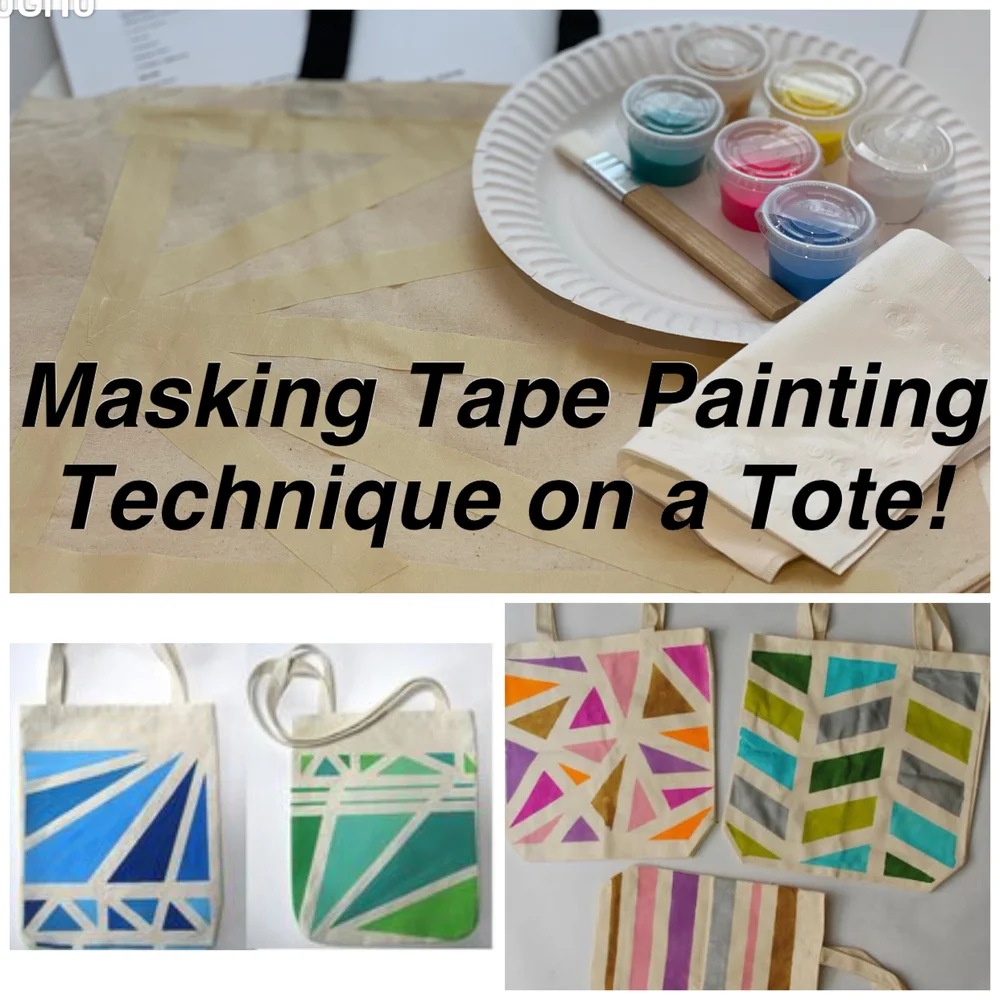
A stock image related to Art masking tape.
In-depth Look: Manufacturing Processes and Quality Assurance for Art masking tape
Art masking tape demands a delicate balance between reliable adhesion and damage-free removal that standard industrial masking tapes cannot achieve. For B2B buyers sourcing from international markets, understanding the technical nuances of manufacturing and quality control ensures you select suppliers capable of delivering consistent, archive-grade products suitable for delicate watercolor papers, canvas, and mixed-media substrates. The following breakdown examines the critical production stages and verification protocols that separate commodity masking tape from professional art-grade solutions.
What Raw Materials Define Premium Art Masking Tape?
The substrate selection fundamentally determines the tape’s conformability and tear characteristics. Premium art masking tape typically utilizes specialized crepe paper with a higher elongation percentage (8-15%) compared to standard painter’s tape, allowing it to curve around irregular canvas edges without lifting. Alternatively, washi-style rice paper substrates offer semi-transparency and fiber texture that blends with traditional Asian painting techniques, though these require distinct adhesive formulations to prevent fiber tear upon removal.
Adhesive systems for art applications predominantly employ synthetic rubber-resin blends or low-tack acrylic emulsions rather than aggressive natural rubber adhesives found in construction-grade tapes. These formulations prioritize cohesive strength over aggressive surface bonding, ensuring the adhesive remains on the tape backing rather than transferring to delicate paper surfaces. The backing material receives a silicone release coating calibrated to specific peel adhesion values (typically 3-6 oz/inch width) to facilitate clean unwinding without adhesive stringing or tailing.
How Is the Low-Tack Adhesive Engineered for Clean Removal?
The coating process begins with corona treatment of the paper substrate to enhance adhesive anchorage without increasing thickness. Manufacturers apply a primer layer that creates a chemical bridge between the hydrophilic paper fibers and hydrophobic adhesive polymers, preventing adhesive migration into porous substrates during extended application periods critical for oil painting techniques.
Adhesive coating utilizes either direct gravure roll application or hot-melt slot-die coating depending on the solvent-based or water-based chemistry employed. Art-grade tapes require precise coating weights (typically 20-35 gsm) to achieve the “sweet spot” where the tape adheres sufficiently to resist paint bleed under fluid acrylics or ink washes, yet releases without delaminating watercolor paper. UV-resistant adhesive stabilizers prove essential for tapes marketed to tropical climates like Brazil or Southeast Asia, preventing adhesive degradation and residue transfer in high-humidity environments.
What Manufacturing Steps Ensure Consistent Tape Performance?
Following coating, the jumbo rolls undergo controlled curing in climate-stabilized chambers (maintaining 50±5% relative humidity and 23°C) to complete cross-linking reactions without thermal shock. Slitting operations utilize razor-blade or shear-cut technologies depending on the paper thickness, with art-grade products requiring burr-free edges to prevent paint seepage along cut lines during precision masking applications.
Winding tension represents a critical variable often overlooked by commodity suppliers. Excessive tension causes adhesive flow (cold flow) during ocean freight shipping to warm climates, resulting in blocked rolls that tear upon unwinding. Quality manufacturers employ differential winding shafts that maintain consistent tension across the roll width, particularly important for narrow-width art tapes (3mm-12mm) used in detailed airbrush work or geometric abstraction techniques.
Which Quality Assurance Tests Validate Art-Grade Specifications?
Incoming raw material inspection includes fibrillation testing of paper substrates to ensure fibers release cleanly rather than tearing during removal from cold-pressed watercolor paper. Adhesive testing protocols measure initial tack (Loop Tack Test ASTM D6195), holding power to cardboard (ASTM D3654 modified for low-tack applications), and peel adhesion at 180 degrees (ASTM D3330).
Critical for art applications, manufacturers conduct substrate compatibility testing across multiple paper types—hot-pressed, cold-pressed, and illustration board—aging samples for 14 days to simulate long-term masking projects. Residue testing involves applying tape to standardized test panels, removing after 24-hour and 7-day dwell times, and examining surfaces under 10x magnification for adhesive transfer or fiber lifting. Batch consistency requires statistical process control (SPC) monitoring of coating weights with Cpk values exceeding 1.33 to ensure every roll performs identically for professional artists and educational institutions.
How Do Manufacturers Ensure Climate Stability for Global Distribution?
For buyers in regions with extreme humidity fluctuations (Middle Eastern coastal areas, Southeast Asian monsoon zones), manufacturers implement moisture-barrier packaging utilizing laminated foil wraps or polyethylene film with desiccant inserts. Production facilities maintain ISO 8 cleanroom standards for slitting operations to prevent dust contamination that could create paint bleed channels under tape edges.
Thermal stability testing subjects finished rolls to accelerated aging protocols (70°C for 7 days) simulating extended warehouse storage in tropical climates, verifying that adhesive viscosity remains stable and does not migrate into paper cores. Suppliers serving European markets increasingly offer solvent-free adhesive formulations compliant with REACH regulations, while providing batch-specific technical data sheets (TDS) documenting volatile organic compound (VOC) content and acid-free certification (pH 7.0-8.5) essential for archival conservation applications.
What Certifications Should B2B Buyers Verify for Archival-Grade Products?
Beyond standard ISO 9001 quality management systems, discerning buyers should request documentation of acid-free and lignin-free certifications (ISO 18916) for tapes marketed to museums and conservation professionals. FSC (Forest Stewardship Council) certification of paper substrates appeals to European and South American markets with stringent sustainability requirements.
For educational sector procurement, EN 71-3 compliance regarding heavy metal migration and CPSIA certification for school supply safety provide competitive differentiation. Reputable manufacturers provide Certificate of Analysis (CoA) documentation for each production lot, detailing peel strength values, thickness measurements, and shelf-life dating (typically 12-18 months for acrylic adhesives, 6-12 months for rubber-based formulations) to prevent inventory obsolescence in extended supply chains reaching African or South American distribution centers.
Practical Sourcing Guide: A Step-by-Step Checklist for ‘Art masking tape’
Procuring art masking tape for international distribution requires balancing technical performance with regional market demands. Whether supplying educational institutions in Brazil, professional studios in the Middle East, or retail chains in Europe, buyers must verify specifications that prevent surface damage while ensuring clean masking results across diverse climates and artistic techniques.
How Do You Verify Adhesive Compatibility for Mixed Media Applications?
Begin by requesting sample rolls to test adhesion across your target markets’ typical humidity levels. Art masking tape must secure firmly enough to prevent bleeding under watercolor and ink, yet release cleanly from cold-pressed watercolor paper and index cards without fiber tear. Test removal timing protocols—immediate peeling works for gouache, while acrylic applications require 10-15 minute set periods. Verify that the adhesive leaves no residue on delicate substrates, particularly important for archival-quality work in professional Middle Eastern and European markets where paper preservation standards are stringent.
What Specifications Ensure Clean Edge Quality Without Bleeding?
Demand technical datasheets specifying edge-sealing technology and tape thickness calibrated for fluid media. True art masking tape differs from hardware-store painter’s tape through specialized crepe or rice-paper backings that conform to textured surfaces while maintaining barrier integrity. Request width variety in your bulk order—narrow strips for detailed illustration work and wider formats for background masking—to accommodate diverse studio needs from African art schools to South American design agencies.
Which Material Composition Suits Your End-User’s Technique?
Distinguish between traditional washi (rice paper) tapes for delicate, low-tack applications and reinforced crepe paper for heavy-body acrylic masking. Verify acid-free certification for archival suppliers serving European conservation markets, while ensuring tensile strength suits curved canvas applications popular in contemporary Brazilian art scenes. Confirm the backing material withstands tropical storage conditions without adhesive degradation, particularly critical for distributors in Southeast Asian and African climates.
How Should You Evaluate Supplier Consistency Across Bulk Orders?
Implement batch testing protocols for adhesion stability and edge fray resistance. Inspect packaging integrity—individually sealed rolls prevent edge drying during sea freight transit to South American or Middle Eastern ports. Verify that color coding remains consistent across production runs, as artists rely on tape tint identification for workflow efficiency. Request climate-stability documentation proving adhesive performance across temperature fluctuations during international shipping.
What Certifications Matter for International Art Supply Distribution?
Secure REACH compliance documentation for European imports and safety certifications for educational institutional sales. Verify that products meet archival standards (ISO 18916 or equivalent) for museum-grade supply chains. For African and South American markets, confirm phthalate-free formulations align with emerging environmental regulations. Request material safety data sheets (MSDS) in multiple languages to facilitate customs clearance and institutional procurement requirements.
How Do You Optimize Cost Without Sacrificing Studio Performance?
Negotiate tiered pricing structures that distinguish between student-grade and professional-grade masking tapes without compromising core functionality. Consider multi-medium compatible formulations that reduce SKU complexity while serving diverse techniques—from fluid acrylics to ink masking. Establish storage guidelines with suppliers regarding humidity-controlled packaging for tropical climates, preventing adhesive migration that renders tape unusable upon arrival. Balance unit economics against defect rates; premium art tapes reduce customer returns compared to repurposed painter’s tape in professional settings.

A stock image related to Art masking tape.
Comprehensive Cost and Pricing Analysis for Art masking tape Sourcing
Art masking tape sourcing costs vary significantly based on substrate composition, adhesive technology, and regional manufacturing capabilities. For procurement teams operating across diverse markets like Brazil, Vietnam, or the UAE, understanding the cost structure beyond per-roll pricing is essential for optimizing supply chain expenditures and avoiding hidden expenses related to product failure or surface damage.
What Raw Material Specifications Drive Price Variations in Bulk Orders?
The primary cost determinant lies in the backing material and adhesive formulation. True washi tape manufactured from rice paper commands premium pricing due to specialized production processes and superior removability characteristics, whereas crepe paper or flatback alternatives offer cost efficiencies for high-volume industrial applications. Adhesive grades further stratify pricing tiers; low-tack formulations suitable for delicate watercolor papers cost 15-30% more than standard painter’s tape adhesives, but prevent costly substrate damage during removal. B2B buyers must evaluate whether their end-users require artist-grade precision or can utilize hardware-store alternatives, as this distinction impacts unit economics by 40-60% at container-load quantities.
How Do Volume Thresholds and Customization Impact Unit Economics?
Minimum order quantities (MOQs) typically range from 5,000 to 50,000 rolls depending on manufacturer capacity, with price breaks occurring at 20,000 and 100,000-roll thresholds. Customization variables—including non-standard widths for specialized dispensers, private labeling, or unique core sizes—introduce setup fees ranging from $500-$2,000 per production run but become negligible when amortized across large volumes. Smart procurement involves negotiating blanket orders with quarterly release schedules to lock in raw material pricing while avoiding storage cost penalties for bulky, lightweight inventory that consumes disproportionate warehouse space.
Which Regional Factors Affect Total Landed Costs for International Buyers?
Manufacturing geography significantly influences pricing structures for buyers in Africa, South America, and the Middle East. Asian manufacturing hubs offer competitive base pricing but may incur higher freight costs to South American markets compared to sourcing from regional converters. Import duties vary dramatically; art supplies often face different tariff classifications than industrial masking tapes, potentially creating 5-12% cost differentials at customs. Additionally, currency fluctuation risks in emerging markets necessitate pricing agreements in stable denominations or hedged contracts to prevent margin erosion during extended shipping cycles.
What Hidden Quality Costs Should Procurement Teams Anticipate?
Beyond unit pricing, B2B buyers must factor in quality-related expenses that manifest during application. Tapes exhibiting excessive adhesion or residue transfer—common in lower-grade alternatives—generate rework costs that far exceed initial savings. Testing protocols, as recommended for mixed-media applications, should validate clean removal across various paper substrates and humidity conditions prevalent in target markets. Storage shelf-life also impacts cost efficiency; natural rubber adhesives degrade faster in tropical climates than acrylic formulations, potentially rendering inventory unusable and necessitating climate-controlled logistics that add 8-15% to landed costs.
How Can Buyers Optimize Negotiation Strategies for Art Masking Tape Contracts?
Successful sourcing involves requesting comprehensive technical data sheets alongside pricing quotes to verify adhesion levels and backing specifications match intended applications. Establishing trial periods with sample rolls before committing to container loads mitigates risk of mass product failure. For international shipments, negotiate Incoterms that balance freight responsibility with customs clearance expertise, particularly when importing into regions with complex import documentation requirements. Long-term supply agreements with price adjustment clauses tied to pulp or adhesive resin indices provide cost stability while ensuring supply continuity for seasonal demand fluctuations in the art supply sector.
Alternatives Analysis: Comparing Art masking tape With Other Solutions
When evaluating masking solutions for creative production environments, international procurement teams must weigh the performance specifications of specialized art masking tape against readily accessible substitutes. While general-purpose painter’s tape and decorative washi tape present apparent cost advantages, each alternative introduces distinct compromises regarding adhesive chemistry, substrate compatibility, and edge precision that directly impact production quality and material waste.
| 比較の側面 | Art Masking Tape | General Purpose Painter’s Tape | Washi Tape |
|---|---|---|---|
| Edge Precision & Bleed Control | Engineered for sharp lines; minimal bleed on textured papers | Moderate; higher bleed risk on cold-pressed surfaces; aggressive adhesion | Low; irregular edges expected; decorative rather than precision masking |
| Cost per Linear Meter | Premium ($$) | Economical ($) | 中程度($$) |
| Surface Compatibility | Archival-safe; optimized for watercolor, canvas, mixed media | Best for walls, wood, industrial substrates; risks fiber tear on delicate papers | Suitable for smooth papers, index cards; inconsistent on textured surfaces |
| Implementation Workflow | Immediate removal; no curing time required | Requires timing management (10-15 min wait for acrylics) to prevent tearing | Immediate removal; risk of surface lift on thin papers |
| Ideal Procurement Scenario | Fine art studios, archival reproduction, high-end packaging | Large-scale industrial masking, construction-adjacent projects, budget constraints | Educational institutions, decorative crafts, temporary labeling |
When Should B2B Procurement Teams Select General Purpose Painter’s Tape Over Art Masking Tape?
General purpose painter’s tape—commonly sourced as blue or green hardware-grade variants—offers a compelling value proposition for high-volume operations where budget efficiency outweighs requirements for archival precision. These industrial formulations provide superior tensile strength for large-scale masking applications and integrate seamlessly with construction-adjacent workflows, making them suitable for automotive touch-up work, theatrical set painting, and coarse canvas preparation. However, procurement teams must account for elevated surface risks: the aggressive adhesive chemistry optimized for wallboard and wood often exceeds the tack requirements of cold-pressed watercolor papers or thin index stock, frequently resulting in fiber lift, surface pilling, or substrate damage upon removal. Additionally, these tapes demand precise timing protocols—typically requiring removal within 10-15 minutes of acrylic application—to prevent tearing or adhesive transfer. For B2B buyers managing projects where edge bleed is acceptable and substrate durability is high, painter’s tape delivers measurable cost savings; conversely, fine art reproductions or gallery-quality output warrant the premium investment in specialized art masking formulations.
Is Washi Tape a Viable Substitute for Professional Art Masking Applications?
Washi tape, manufactured from rice paper with repositionable adhesive properties, occupies a distinct niche in the masking ecosystem, serving decorative and experimental applications where perfect edge geometry is not the primary objective. Unlike professional art masking tapes engineered for solvent resistance and clean removal, washi variants excel in mixed-media journaling, prototype packaging, and educational settings where temporary adhesion and aesthetic flexibility outweigh precision requirements
Essential Technical Properties and Trade Terminology for Art masking tape
Which Technical Specifications Define Professional-Grade Art Masking Tape?
When sourcing art masking tape for international distribution across diverse climates and artistic disciplines, understanding core technical specifications ensures you meet market demands from fine art studios to educational institutions while minimizing costly returns.
Adhesion Level (Tack): Art masking tape requires precisely calibrated low-tack adhesives—typically measuring 50-100 grams per inch of width—to secure to delicate substrates like cold-pressed watercolor paper or canvas without fiber tear upon removal. Unlike industrial masking tapes designed for construction surfaces, excessive tack damages artistic papers and creates “pick-off” issues where substrate lifts with tape. B2B buyers should request technical data sheets specifying tack ranges suitable for “delicate surfaces” versus general purpose applications.
Backing Material Composition: Professional art tapes utilize either traditional washi (Japanese rice paper) or specialized creped paper backings. Washi provides exceptional conformability to textured surfaces and clean fiber-tear removal, while creped options offer economy and adaptability for high-volume classroom use. The backing’s tensile strength determines whether tape removes in one piece or fragments during peeling—a critical quality indicator for artist satisfaction.
Bleed Resistance: This performance metric measures the tape’s ability to prevent paint seepage beneath edges during fluid medium application. High-quality art masking tapes feature saturated adhesive coatings and moisture-resistant backings that create effective barriers against fluid acrylics, high-flow inks, and wet watercolors, ensuring sharp line definition without touch-up work.
Residue-Free Removal: Premium formulations guarantee clean lift properties even after extended dwell times (7-14 days) without adhesive transfer or ghosting. This property proves essential for multi-layer mixed media work where tape remains on substrates during various drying phases, particularly in humid markets like Southeast Asia or coastal South American regions where humidity affects adhesive performance.
Thickness (Caliper): Measured in microns (typically 80-120μm), backing thickness directly impacts edge sharpness and handling characteristics. Thinner washi tapes create finer paint lines but require careful application to prevent wrinkling, while slightly thicker options provide structural integrity for large-scale masking in mural work.
Temperature Stability: Art masking tapes must withstand varying studio conditions and drying heat from heat guns or direct sunlight without adhesive softening or backing embrittlement. This ensures consistent performance across climates from humid Brazilian studios to Middle Eastern workshops where temperature fluctuations compromise standard utility tapes.
What Industry Terminology Should B2B Buyers Master?
Understanding trade-specific language facilitates clearer communication with manufacturers and end-users regarding application-specific requirements and quality benchmarks.
“Edge Bleed” vs. “Clean Edge”: “Edge bleed” refers to paint seepage under tape boundaries, creating irregular, fuzzy lines—a primary quality concern when matching tape viscosity to medium fluidity. “Clean edge” denotes optimal tape performance with zero seepage, essential for geometric abstraction, hard-edge painting, and commercial illustration techniques requiring precision.
“Washi” (和紙): This term distinguishes authentic Japanese rice paper tapes containing natural long-fiber pulp (kozo, mitsumata) from synthetic “washi-style” alternatives. True washi offers unique moisture absorption, low-tack natural adhesives, and archival-quality removal characteristics prized in fine art applications and premium craft markets.
“Dwell Time”: The duration tape remains adhered before removal significantly impacts results. Watercolor applications require immediate peeling to prevent paper fiber lifting, while heavy-body acrylics need 10-15 minute partial curing periods before tape removal to prevent smearing. Understanding dwell time prevents costly substrate damage and customer complaints in professional settings.
“Substrate Compatibility”: Refers to tape performance across paper types—cold-pressed (textured) versus hot-pressed (smooth) watercolor papers, Bristol board, or index card stock. Compatibility matrices help buyers specify appropriate products for different regional paper preferences and prevent surface tearing in educational markets.
“Adhesive Transfer”: The undesirable migration of adhesive residue onto artwork surfaces after tape removal, often appearing as yellowing or sticky patches. Low-quality tapes exhibit “gumming” particularly problematic in hot climates or when left applied for extended periods, directly impacting artist satisfaction and repeat purchasing.
“Conformability”: The tape’s ability to maintain intimate contact with irregular surfaces without bridging or tenting over texture peaks. High conformability prevents paint leakage on rough watercolor papers and canvas surfaces common in mixed media applications, ensuring consistent masking across varied artistic substrates.
Navigating Market Dynamics and Sourcing Trends in the Art masking tape Sector
The art masking tape sector sits at the intersection of fine art supplies and specialty adhesives, experiencing nuanced growth driven by professional mixed-media adoption and educational institutional procurement. Unlike general-purpose painter’s tape, art-specific masking variants—particularly washi-based and low-tack formulations—command premium positioning due to their residue-free performance on delicate substrates like watercolor paper and canvas. For B2B buyers operating across diverse regional markets from São Paulo to Ho Chi Minh City, understanding material differentiation and supply chain volatility is essential for inventory optimization and margin protection.
What Are the Emerging Demand Patterns in the Global Art Masking Tape Market?
The professional art supply market is witnessing a decisive shift toward specialized masking solutions that accommodate mixed-media techniques using gouache, high-flow acrylics, and alcohol inks. Regional demand varies significantly: European markets prioritize archival-quality, acid-free washi tapes for conservation-grade work, while emerging economies in Africa and South America show increased procurement volumes for educational institutions and DIY craft sectors. Digital art journaling and online craft tutorials have catalyzed B2B demand for narrower width varieties and decorative washi assortments, creating opportunities for distributors who can offer SKU diversification beyond standard 24mm hardware-store formats. Buyers should note that supply chain constraints affecting rice paper production in traditional manufacturing hubs can impact lead times, necessitating strategic buffer stock for high-volume seasonal procurement.
How Is the Professional Art Supply Sector Reshaping Masking Tape Standards?
Quality benchmarks in art masking tape are diverging from construction-grade standards, with professional artists requiring precise adhesion profiles that prevent bleed-through during wet media application while ensuring clean removal without fiber lift. Hardware-store alternatives often damage cold-pressed watercolor paper or leave adhesive residue, driving demand for genuine washi (rice paper) tapes or specialized low-tack artist formulations that balance tackiness with substrate protection. B2B procurement teams must evaluate tensile strength and adhesive transfer properties specific to intended end-use—whether for temporary masking in fluid acrylic work or immediate peel-off techniques favored in fast-drying ink applications. Additionally, the trend toward mixed-media experimentation necessitates product specifications that address drying-time variables across different paint mediums, from quick-setting gouache to heavy-body acrylics.
Why Does Sustainable Sourcing Matter for Art Masking Tape Procurement?
Sustainability credentials increasingly influence B2B purchasing decisions, particularly for buyers serving environmentally conscious European markets and institutional clients with green procurement mandates. Traditional washi tape—manufactured from renewable rice paper and natural rubber adhesives—offers biodegradable advantages over synthetic polymer alternatives, though supply chain transparency remains critical to verify authentic material composition. Buyers should audit that “washi” labeling accurately reflects rice paper content rather than plastic imposters, as counterfeit products compromise both environmental claims and performance characteristics. The carbon footprint of shipping lightweight paper products from Asian manufacturing centers to Middle Eastern or African distribution hubs requires logistics optimization, with consolidated sea freight preferred over air cargo to maintain both cost efficiency and emissions reduction targets.
What Should B2B Buyers Look for in Ethical Washi Tape Supply Chains?
Ethical sourcing in the art masking tape sector extends beyond material composition to encompass labor practices in traditional paper-making regions, particularly in Japan and Southeast Asia where hand-crafted washi production persists. B2B buyers should prioritize suppliers demonstrating fair labor certifications and sustainable forestry practices for wood pulp components used in tape backings. Due diligence should include verification of adhesive formulations—specifically ensuring natural rubber latex sourcing does not contribute to deforestation in primary production regions. For markets like Brazil and Vietnam, where import regulations increasingly scrutinize packaging waste, selecting suppliers utilizing recyclable cores and plastic-free packaging aligns with evolving compliance requirements while meeting end-user demand for studio-safe, non-toxic art materials. Establishing direct relationships with manufacturers rather than opaque trading companies enables better quality control and supports long-term supply stability in volatile raw material markets.
Frequently Asked Questions (FAQs) for B2B Buyers of Art masking tape
1. What is the difference between art masking tape and standard painter’s tape for professional bulk procurement?
重要な免責事項および利用規約
⚠️ 重要な免責事項
メーカー、技術仕様、市場分析に関する内容を含め、本ガイドラインで提供される情報は、情報提供と教育目的のみのものです。専門的な調達アドバイス、財務アドバイス、または法的アドバイスを提供するものではありません。.
B2Bバイヤーは、独自の徹底的なデューデリジェンスを行う必要がある。 をご覧の上、ご購入をお決めください。本ガイドに記載された情報を信頼した場合のリスクは、読者が単独で負うものとします。.
Top 2 Art Masking Tape Manufacturers & Suppliers List
1. 3M and Nitto Denko – Industrial Adhesive Technologies

登録:2002年(24年)
はじめに 3M: Clean-line removal, dimensional stability, compatibility with conventional and low-VOC coatings, high-performance technologies for automotive/industrial/construction. Nitto Denko: Biodegradable and low-emission adhesive technologies, superior conformability, high-temperature resistance for aerospace and auto refinishing. tesa SE: Reliable adhesion, residue-free removal, eco-friendly tapes for …
2.テープ供給業者 - マスキングテープ
ドメイン tapesuppliers.com
登録:2007年(19年)
はじめに Masking tape is a pressure-sensitive adhesive tape designed for temporarily concealing surfaces during finishing work. Key features include: easy tear and dispensing properties; residue-free removal that prevents damage to underlying surfaces; and clean removal from painted surfaces without leaving unwanted residue. Primary applications include protecting surfaces during soldering, blasting, spray…
Strategic Sourcing Conclusion and Outlook for Art masking tape
How Should Buyers Evaluate Tape Performance Across Diverse Climates and Applications?
When sourcing art masking tape for international distribution, prioritize suppliers who provide detailed technical specifications for adhesive performance across varying humidity levels—critical for markets from São Paulo to Ho Chi Minh City. The interaction between tape adhesive and substrates varies significantly; cold-pressed watercolor paper demands gentler tack than index cards or synthetic surfaces. Establish testing protocols that evaluate bleed resistance with gouache, acrylics, and inks, as removal timing requirements differ by medium. Immediate peeling works for water-based paints, while acrylics require 10-15 minute set periods to prevent edge tearing.
What Supply Chain Strategies Ensure Consistent Quality and Cost Efficiency?
Balance specialization against versatility in your product portfolio. While authentic rice-paper washi tape commands premium pricing in fine art segments, high-quality painter’s tape offers superior cost efficiency for educational institutions and bulk industrial users. Vet manufacturers for consistent adhesive formulation that eliminates residue issues—a common failure point in tropical climates. Consider suppliers offering customizable widths and private labeling capabilities to differentiate your offerings in competitive regional markets.
How Is the Art Masking Tape Market Evolving for B2B Procurement?
The market trajectory points toward hybrid formulations bridging fine art precision and DIY durability. Demand is accelerating for low-residue, eco-friendly alternatives that perform across multiple mediums without surface damage. Forward-thinking buyers should secure partnerships with manufacturers investing in sustainable adhesive technologies and climate-stable formulations, positioning inventory to capture growth in both professional studio supply and creative education sectors across emerging economies.