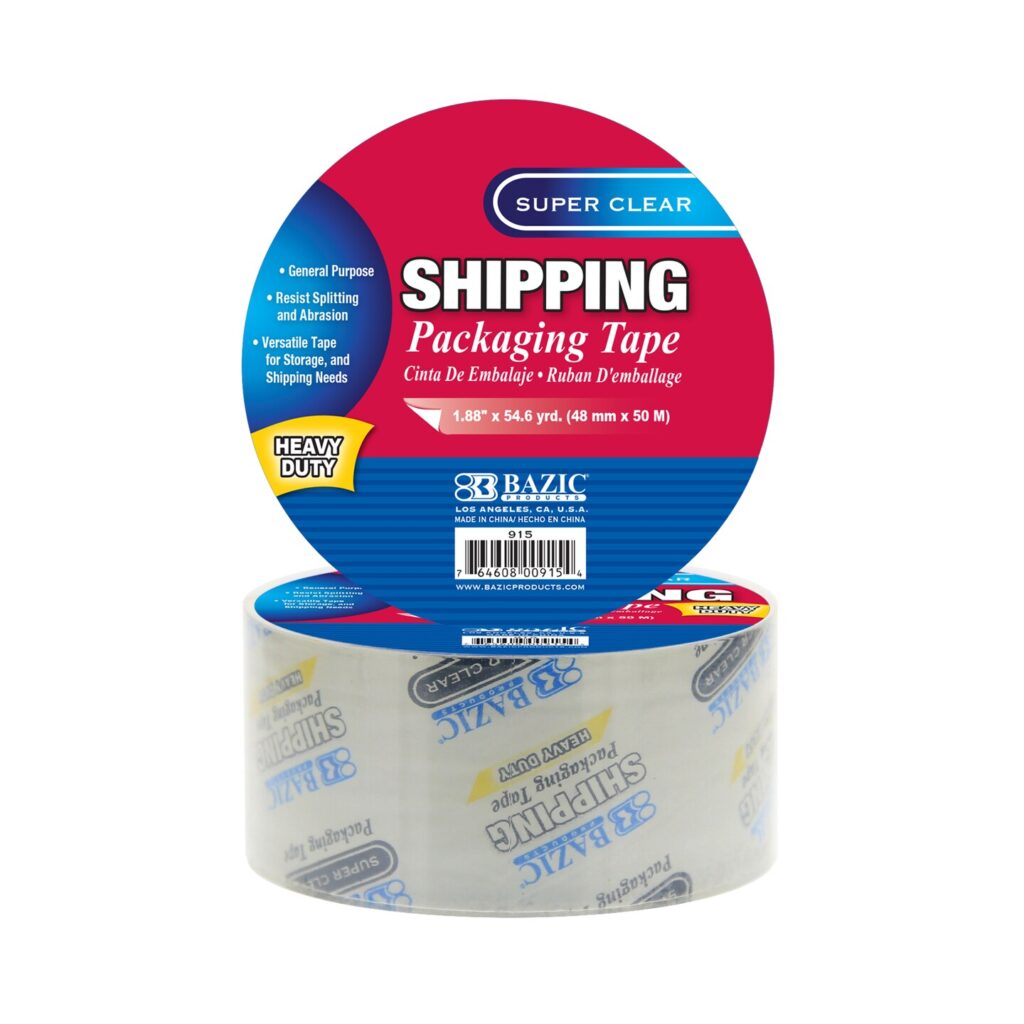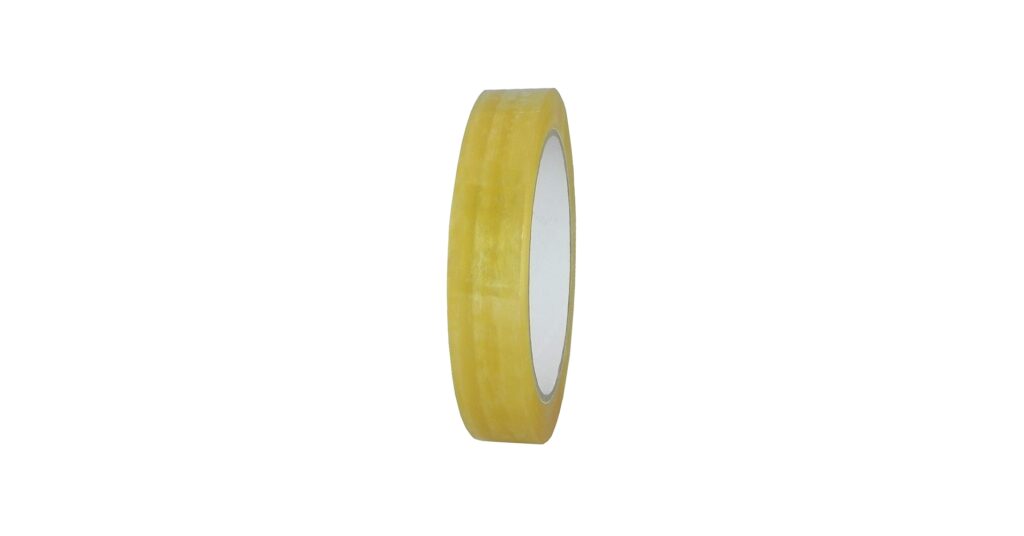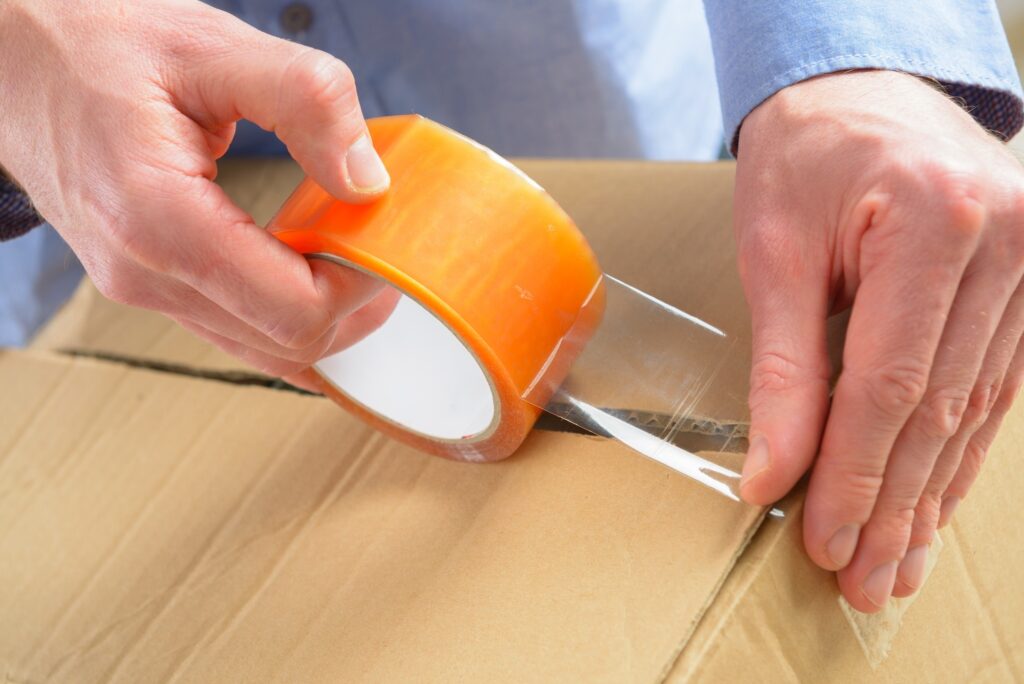
Introduction: Navigating the Global Market for Colored cloth tape
Sourcing colored cloth tape for large-scale industrial projects presents unique challenges for procurement teams operating across international borders. From inconsistent adhesive formulations that fail under regional climate conditions to color matching issues that disrupt safety coding and branding protocols, global buyers face significant risks when vetting suppliers from disparate manufacturing hubs. Whether you require heavy-duty polyethylene-coated cloth backing for HVAC applications in Saudi Arabia or vibrant, residue-free gaffer tape for entertainment venues in Nigeria, navigating quality variations and supply chain complexities demands specialized expertise.
What Applications Drive Demand for Industrial Colored Cloth Tape?
This versatile adhesive solution serves critical functions across multiple sectors. In construction and HVAC, colored cloth tape provides color-coded sealing and bundling that withstands temperature fluctuations and exposure to moisture. The entertainment industry relies on matte-finish gaffer tape for temporary cable management and stage marking without surface damage, while sports equipment manufacturers utilize specialized woven cotton or polyester backings for grip enhancement. Bookbinding operations, automotive repair facilities, and carpet installation professionals similarly depend on specific cloth compositions—ranging from fiberglass-reinforced to flexible fabric—to ensure durability and conformability to irregular surfaces.
How Can Buyers in Emerging Markets Ensure Supplier Reliability?
For procurement professionals across Africa, South America, the Middle East, and Europe, verifying manufacturer capabilities requires rigorous due diligence beyond standard product catalogs. This comprehensive guide examines technical specifications including mil thickness, tensile strength, and adhesive systems—whether rubber-based for ambient temperatures or silicone for high-heat environments—while addressing region-specific logistics challenges. We analyze cost structures for bulk orders, customs considerations for industrial tape shipments, and quality certification standards that prevent costly project delays.
By mastering these procurement fundamentals, you will optimize your supply chain for consistent product performance, reduce material waste from incompatible formulations, and establish partnerships with converters capable of delivering custom widths and color specifications tailored to your regional operational requirements.
Understanding Colored cloth tape Types and Variations
| タイプ名 | 主な特徴 | 主なB2Bアプリケーション | バイヤーのための簡単な長所と短所 |
|---|---|---|---|
| Polyethylene-Coated Colored Duct Tape | Woven cloth scrim laminated with polyethylene film; rubber-based adhesive; 7–12 mil thickness; high tensile strength; water-resistant | Construction sealing, HVAC ductwork, heavy-duty bundling, temporary repairs, safety color-coding in industrial settings | Pros: Cost-effective for bulk procurement, aggressive adhesion on rough surfaces, excellent moisture barrier. Cons: May leave adhesive residue upon removal, natural rubber formulations can degrade in extreme humidity without proper storage |
| Matte Finish Gaffer Tape | Cotton cloth backing; low-gloss matte surface; clean-release adhesive; residue-free removal; hand-tearable | Entertainment/events, photography studios, exhibition stand construction, cable management in hospitality venues | Pros: Professional appearance, no surface damage liability, conformable to irregular shapes. Cons: Premium pricing compared to utility tapes, lower water resistance limits outdoor longevity in tropical climates |
| 高温ガラス繊維布テープ | Woven fiberglass backing; silicone-based adhesive; withstands 500°F+ (260°C); chemical resistant; minimal stretch | Powder coating masking, automotive paint shops, aerospace manufacturing, petrochemical insulation, two-tone coating applications | Pros: Extreme heat tolerance, clean removal after thermal cycles, durable in harsh chemicals. Cons: Higher unit cost, limited flexibility compared to cotton tapes, requires specialized storage to prevent adhesive degradation |
| Double-Sided Carpet & Binding Tape | Woven cloth carrier with aggressive adhesive on both sides; high shear strength; breathable fabric structure; neutral colors | Exhibition flooring installation, hospitality carpet laying, bookbinding spine repair, textile manufacturing lamination | Pros: Strong immediate bond between substrates, invisible in finished bookbinding, works in humid environments. Cons: Difficult to reposition after initial contact, requires surface preparation to prevent failure on dusty concrete floors |
What distinguishes industrial colored duct tape from standard utility options?
This industrial-grade variation features a woven cloth scrim embedded between durable polyethylene layers, providing exceptional tear resistance and waterproofing against dust, sand, and moisture prevalent in African and Middle Eastern construction environments. The rubber-based adhesive ensures immediate aggressive tack on concrete, metal, and plastic surfaces common in HVAC ductwork and heavy-duty bundling operations. Available in vibrant safety colors for hazard coding and inventory management, it balances flexibility with structural integrity while offering cost-effective solutions for large-scale infrastructure projects requiring color-coded identification systems.
Why should event management professionals specify matte gaffer tape?
Utilizing a premium cotton fabric substrate with specialized low-gloss coating, this tape eliminates light reflection during professional filming, photography, and theatrical productions. The clean-release adhesive system prevents surface damage on painted walls and delicate exhibition equipment, making it essential for temporary installations in European event venues and Saudi Arabian conference centers where surface integrity is paramount. Its hand-tearable nature allows quick application without cutting tools, while the matte finish ensures discreet cable management in high-visibility hospitality environments and broadcast studios.
When is high-temperature fiberglass cloth tape necessary for industrial operations?
Constructed from woven fiberglass filaments with high-performance silicone adhesive, this specialized tape withstands continuous exposure to 500°F (260°C) and intermittent temperature spikes significantly higher. It maintains structural integrity during powder coating and ceramic coating processes where precise masking is critical for automotive, aerospace, and petrochemical manufacturers. The non-adhesive backing allows for clean removal after thermal cycles without leaving residue on coated surfaces, making it indispensable for industrial facilities in South America and the Middle East requiring chemical resistance and thermal stability in extreme processing environments.
How does double-sided cloth tape benefit flooring and publishing industries?
Features a woven cloth carrier coated with aggressive pressure-sensitive adhesive on both sides, providing immediate permanent bonds between flooring substrates and textile materials. The cloth structure allows breathability in humid climates while maintaining high shear strength under heavy foot traffic loads common in hospitality venues. Essential for exhibition builders across Africa and Europe requiring secure carpet installation without curling edges, and publishing houses needing archival-quality book spine repairs, this tape offers neutral color options that ensure aesthetic discretion in finished products while supporting high-volume binding operations.
Key Industrial Applications of Colored cloth tape
| 業界/セクター | Specific Application of Colored cloth tape | ビジネスにとっての価値/利益 | このアプリケーションにおける主な調達上の考慮事項 |
|---|---|---|---|
| 建設・インフラ | HVAC duct sealing, pipe color-coding, temporary weatherproofing | Reduced installation errors, rapid visual MEP identification, climate resilience | UV-resistant backing, rubber adhesive for 40°C+ temperatures |
| Oil, Gas & Petrochemical | Pipeline wrapping, safety zone marking, equipment tagging | Corrosion protection, compliance with safety standards, chemical resistance | Fiberglass reinforcement, silicone adhesive for high heat |
| Entertainment & Event Management | Cable management, stage marking, temporary rigging | Zero-residue removal, matte finish for filming, trip hazard prevention | Low-residue adhesive, easy hand-tearability |
| Automotive Manufacturing | Wire harness bundling, masking, assembly line marking | Heat resistance, lean manufacturing support, clean removal | Heat-resistant backing, residue-free adhesive systems |
| Logistics & Warehousing | Floor marking, pallet identification, zone demarcation | Rapid layout reconfiguration, forklift durability, inventory accuracy | High tensile strength, concrete/epoxy floor compatibility |
How Does Colored Cloth Tape Support Large-Scale Construction and HVAC Projects?
In rapidly developing markets like Nigeria and Saudi Arabia, colored cloth tape serves as a critical solution for mechanical, electrical, and plumbing (MEP) contractors. It enables color-coded identification of HVAC ducts and piping systems, reducing installation errors in complex high-rise developments. The tape’s polyethylene-coated backing provides temporary weatherproofing during monsoon seasons or desert sandstorms, while rubber-based adhesives maintain tack in extreme temperatures ranging from 40°C desert heat to humid coastal conditions. For B2B buyers, selecting UV-resistant variants ensures that color-coding remains visible throughout multi-year construction cycles without degradation.
What Are the Critical Applications in Oil, Gas, and Petrochemical Operations?
For energy sector operators across the Middle East, Africa, and South America, colored cloth tape functions as both a safety marking tool and corrosion prevention barrier. It wraps pipeline joints and valves for immediate visual identification of gas, oil, and water lines, supporting compliance with international safety standards. In offshore platforms and desert extraction sites, high-temperature silicone adhesive variants withstand equipment heat up to 500°F while resisting chemical exposure. Procurement teams should prioritize tapes with fiberglass reinforcement for these applications, ensuring structural integrity under mechanical stress and thermal cycling common in upstream operations.
Why Do Event Management Companies Rely on Colored Cloth Tape for Safety and Production?
With Saudi Arabia’s expanding entertainment sector under Vision 2030 and growing film industries in Nigeria and South America, professional gaffer-grade colored cloth tape has become indispensable for temporary infrastructure. It secures electrical cables across marble floors and carpets without leaving adhesive residue, preventing trip hazards in high-traffic venues. The matte finish prevents light reflection during filming and photography, while vibrant colors enable rapid identification of power versus data lines. Event producers should source low-residue, easy-tear formulations that withstand multi-day outdoor festivals yet remove cleanly from sensitive surfaces like polished stone or painted stages.
How Does the Automotive Sector Utilize Colored Cloth Tape for Manufacturing Efficiency?
Automotive manufacturers in Europe and South America utilize colored cloth tape for wire harness bundling, temporary masking during two-tone painting processes, and lean manufacturing visual management systems. The tape’s conformability allows it to wrap irregular wire bundles securely without adding significant bulk, while heat-resistant variants withstand engine compartment temperatures. During assembly, different colors indicate specific wire functions or temporary holds for components awaiting permanent fastening. Buyers should specify cloth tapes with clean-removal adhesives to prevent surface contamination on painted body panels and interior trim during production line workflows.
What Are the Logistics and Warehousing Applications for Colored Cloth Tape?
International distribution centers across Europe and South America employ colored cloth tape for temporary floor marking, pallet labeling, and inventory zone identification in high-traffic warehouses. Unlike permanent paint, it allows facilities to reconfigure logistics layouts rapidly during seasonal peaks without facility downtime. The tape’s durability withstands forklift traffic and heavy pallet dragging better than vinyl alternatives, while color-coding streamlines picking processes and reduces mis-shipment rates. Procurement managers should evaluate tensile strength ratings and adhesive systems suited to concrete, epoxy, or polished warehouse floors prevalent in their specific regional markets.
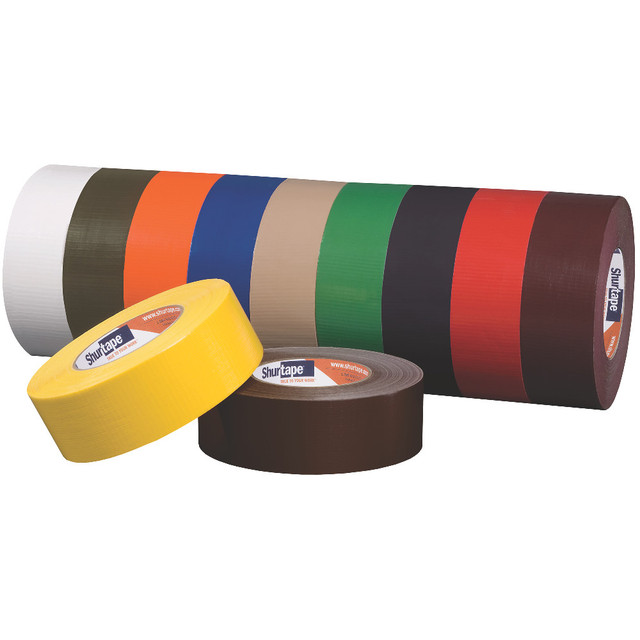
A stock image related to Colored cloth tape.
3 Common User Pain Points for ‘Colored cloth tape’ & Their Solutions
Scenario 1: Why Does Colored Cloth Tape Fail in High-Temperature Industrial Environments?
問題だ:
B2B buyers operating in regions with extreme heat—such as Saudi Arabia, Nigeria, or northern Brazil—frequently encounter adhesive bleeding, tape edge curling, or complete bond failure when using standard rubber-based colored cloth tape for outdoor bundling or HVAC applications. General-purpose formulations often soften above 40°C, causing tape to slip from cable bundles or leave sticky deposits on machinery. This results in safety hazards, frequent reapplication labor costs, and potential equipment damage when tape residue gums up moving parts.
解決策
Specify silicone-based or high-shear acrylic adhesive systems specifically rated for tropical or desert climates, with service temperature ranges extending to 80°C or higher. Request UV-stabilized colored backings that resist fading under intense sun exposure, and demand shear adhesion test data at elevated temperatures from suppliers. For critical applications, transition from standard cloth duct tape to fiberglass-reinforced silicone cloth tape, which maintains structural integrity during monsoon humidity cycles common in West African and South American operations.
Scenario 2: How Can Buyers Maintain Consistent Color Coding Across International Supply Chains?
問題だ:
Logistics managers operating warehouses across multiple continents—such as coordinating facilities in Europe and the Middle East—face operational chaos when “safety yellow” or “hazard red” tape from different suppliers varies significantly in shade. Inconsistent color coding violates ISO 3864 and OSHA standards for floor marking, leading to inventory misplacement and safety violations. This is particularly acute in African markets where local sourcing might provide different dye lots than European headquarters, complicating unified training protocols and visual management systems.
解決策
Establish master color specifications using Pantone or RAL color codes rather than generic descriptions, and require suppliers to provide batch-to-batch color consistency certificates with Delta E values below 2.0. Implement a centralized procurement strategy where regional hubs receive tape from the same manufacturing dye lot, or partner with converters offering custom color matching services. For warehouse applications, specify cloth tapes with lightfastness ratings of 6+ on the Blue Wool Scale to ensure color stability during long-term storage in facilities with high UV exposure.
Scenario 3: How Do You Prevent Adhesive Residue When Removing Colored Cloth Tape from Sensitive Surfaces?
問題だ:
Event management companies and construction firms in Europe and the Gulf States increasingly face penalty fees from equipment rental agencies when colored cloth tape—used for temporary stage marking, scaffolding identification, or vehicle protection—leaves adhesive residue on polished floors, glass, or painted metal surfaces. Standard polyethylene-coated duct tapes often cure to surfaces over time, requiring costly solvent cleaning or surface refinishing that damages client relationships and erodes project margins.
解決策
Specify “clean removal” or “residue-free” cloth tape formulations, typically premium matte-finish gaffer tape with coated cloth backings rather than standard duct tape. These utilize synthetic rubber adhesives designed for temporary hold (up to 30 days) without surface curing. Before bulk procurement, conduct adhesion tests on your specific surface materials after 7-day and 14-day dwell periods. Negotiate residue-free performance guarantees into supply contracts, and train site teams to distinguish between heavy-duty bundling tape (permanent) and surface-safe marking tape (temporary) to prevent costly misapplication on rented equipment.
Strategic Material Selection Guide for Colored cloth tape
Selecting the optimal backing material for colored cloth tape requires balancing tensile strength, environmental resistance, and application-specific conformability. For procurement teams sourcing across diverse climates—from the humidity of Lagos to the arid heat of Riyadh—understanding material composition directly impacts inventory turnover and end-user satisfaction. Substrate selection determines not only durability but also compatibility with surface textures and temperature extremes. Below is a strategic analysis of primary material options to inform your technical specifications and supplier negotiations.
Which backing material offers superior hand-tearability and surface conformability?
Cotton-based colored cloth tape remains the preferred specification for applications requiring immediate manual tearability without secondary cutting tools. The woven natural fibers provide exceptional conformability to irregular surfaces such as book spines, athletic equipment handles, and textured industrial components. This substrate excels in low-to-moderate temperature environments where breathability prevents moisture trapping beneath the tape layer. However, procurement teams should note that untreated cotton absorbs atmospheric humidity, potentially compromising adhesive performance in tropical climates during monsoon seasons. Additionally, natural fibers exhibit lower tensile strength—typically 40-50 N/cm—compared to synthetics, making them unsuitable for heavy-load bundling. For publishing houses, educational institutions, and sports equipment distributors across Nigeria and Brazil, cotton-backed colored tape offers cost-effective flexibility with moderate durability expectations and excellent color vibrancy.
How do synthetic blended backings perform in high-humidity industrial environments?
Polyester and synthetic fiber blends address the hygroscopic limitations of natural cloth by providing superior moisture resistance and dimensional stability. These materials maintain structural integrity when exposed to the high humidity common in coastal Middle Eastern and West African port operations. The synthetic weave delivers enhanced tensile strength—often exceeding 70 N/cm—making it ideal for cable management, theatrical stage marking, and industrial pipe identification where long-term adhesion is critical. Unlike cotton, polyester resists mold growth and chemical degradation from industrial cleaners. While offering excellent UV stability for outdoor applications, polyester backings require mechanical cutting as they resist clean hand-tearing. Procurement specialists should specify synthetic blends for construction projects in Saudi Arabia and outdoor entertainment venues, recognizing that the material’s rigidity trades off some conformability for extended service life in harsh weather conditions.
What specifications ensure colored cloth tape withstands extreme thermal processing?
Fiberglass-reinforced colored cloth tape serves specialized industrial masking applications, particularly in automotive powder coating and ceramic coating processes where temperatures exceed 260°C (500°F) for sustained periods. The glass fiber composition provides exceptional dimensional stability under thermal stress, preventing the shrinkage or adhesive failure common in organic substrates during high-temperature curing cycles. This material is typically paired with silicone adhesives to maintain tack after heat exposure and clean removal without residue. The rigidity of fiberglass cloth, however, limits conformability to complex curves and radiused edges, restricting its use to flat panels or gently contoured surfaces. For European automotive manufacturers and industrial coating facilities in the Middle East, fiberglass represents a premium specification for heat-intensive workflows despite its higher unit cost and requirement for precise application techniques.
When does laminated cloth construction become essential for moisture-critical infrastructure?
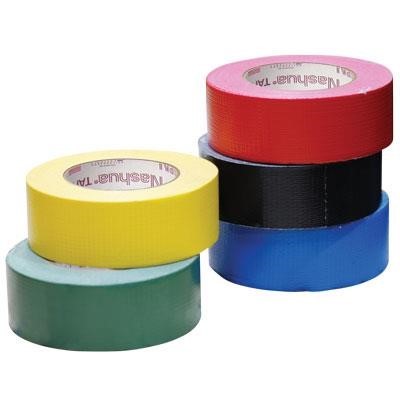
Polyethylene-coated cloth tape combines a woven fabric substrate with a waterproof polyethylene film lamination, creating a composite barrier ideal for HVAC duct sealing, outdoor weatherproofing, and marine equipment marking. This construction prevents moisture penetration to the adhesive layer while maintaining the tensile strength of cloth reinforcement. The colored variants serve critical identification purposes in pipeline phase coding and electrical marking where water exposure is constant and color-coding errors carry safety implications. While offering superior weather resistance and abrasion protection, the laminated
A stock image related to Colored cloth tape.
In-depth Look: Manufacturing Processes and Quality Assurance for Colored cloth tape
Colored cloth tape production demands sophisticated engineering to balance aesthetic requirements with industrial-grade performance specifications. For procurement teams sourcing from international markets, understanding the technical workflow—from fiber selection and adhesive compounding to precision slitting and climate-controlled packaging—reveals critical quality differentiators that directly impact supply chain reliability and end-user satisfaction in demanding environments.
How Is Colored Cloth Tape Manufactured for High-Volume Industrial Applications?
The manufacturing process begins with backing material construction, typically utilizing woven cotton, polyester, or fiberglass scrim substrates. Premium manufacturers employ leno weaving techniques that create a stable, non-stretching grid pattern, ensuring the tape maintains dimensional integrity when subjected to lateral stress during application. For colored variants, solution dyeing—where pigment integrates directly into the molten polymer before extrusion—provides superior color fastness compared to surface coating methods, preventing color bleed when exposed to moisture or solvents common in industrial settings.
Adhesive application represents the most technically demanding phase, utilizing hot-melt rubber, solvent acrylic, or silicone formulations depending on intended use cases. Hot-melt systems undergo slot-die coating at precise temperatures between 250°F–350°F, creating uniform adhesive layers measured in mils (typically 4.0–11.0 mil total construction). Solvent-based acrylics require controlled evaporation chambers to eliminate volatile compounds while maintaining aggressive tack properties essential for temporary holding applications in entertainment and construction sectors.
What Quality Control Protocols Ensure Color Consistency Across Production Batches?
Color consistency presents unique challenges in cloth tape manufacturing due to substrate absorption variations and adhesive opacity interactions. Leading facilities employ spectrophotometric analysis with Delta E tolerances of ≤1.5 to ensure batch-to-batch uniformity critical for branding applications and safety color-coding systems. Quality assurance teams conduct accelerated UV exposure testing (ASTM G154) to verify pigment stability, ensuring that red, blue, or yellow tapes shipped to Saudi Arabian or Nigerian markets resist fading despite intense solar exposure during outdoor storage or application.
Moisture content management during dyeing prevents hydrolysis degradation in polyester backings, while pH balancing ensures compatibility with rubber-based adhesives that can discolor if exposed to alkaline residues. Advanced manufacturers implement Statistical Process Control (SPC) monitoring during coating operations, continuously measuring adhesive coat weight and curing uniformity to prevent delamination risks in high-humidity climates prevalent in target export regions.
Which Mechanical Performance Tests Validate Durability for International Supply Chains?
Comprehensive testing protocols extend beyond basic adhesion metrics to simulate real-world stressors encountered during global shipping and field application. Tensile strength verification per ASTM D3759 ensures cloth backings withstand minimum 20–50 lbs/inch loads, while peel adhesion testing (ASTM D3330) quantifies immediate tack versus 24-hour bond strength development. Shear resistance testing (ASTM D3654) becomes particularly critical for buyers in warmer climates, measuring the tape’s ability to resist slippage when bonded to vertical surfaces in elevated temperatures.
Environmental stress screening includes temperature cycling between -20°C and 80°C to validate adhesive stability across seasonal variations, while salt spray testing (ASTM B117) confirms corrosion resistance for metal bonding applications in coastal Middle Eastern or South American environments. Humidity chamber testing at 85% relative humidity validates that colored cloth tapes resist edge lift and fungal growth during extended sea freight voyages through tropical zones.
What Manufacturing Certifications Should B2B Buyers Verify for Regulatory Compliance?
International buyers must verify compliance frameworks relevant to destination markets. ISO 9001:2015 certification indicates standardized quality management systems, while ISO 14001 demonstrates environmental responsibility in adhesive solvent handling and waste management. For European markets, REACH compliance and RoHS directives ensure tapes contain no restricted heavy metals or phthalates, critical for electrical insulation applications.
Middle Eastern buyers should request GCC (Gulf Cooperation Council) conformity marking or SASO (Saudi Standards, Metrology and Quality Organization) certification for construction-grade tapes. Nigerian and broader West African procurement teams benefit from SONCAP (Standards Organization of Nigeria Conformity Assessment Program) verification, ensuring products meet local safety and quality benchmarks. Manufacturers serving these markets should demonstrate halal certification compliance for adhesive formulations when supplying to Saudi Arabian food processing or packaging sectors.
How Does Precision Slitting and Conversion Impact Final Product Integrity?
The conversion phase transforms master rolls into specified widths and lengths through razor or shear slitting technologies. Tension control during winding prevents telescoping—lateral shifting of tape layers that creates edge damage and application difficulties. Core selection impacts dimensional stability; moisture-resistant polycarbonate cores prevent collapse in humid warehousing conditions common in African and South American logistics hubs.
Custom printing capabilities, including flexographic or screen printing of company logos or safety warnings, require precise registration control to maintain legibility on textured cloth surfaces. Protective interleaving papers or film liners prevent color transfer between tape layers during stacking, preserving aesthetic quality through extended storage periods.
What Packaging Specifications Protect Product Quality During Global Distribution?
Export-oriented manufacturers employ moisture-barrier packaging with VCI (Volatile Corrosion Inhibitor) films and desiccant insertion to combat condensation during containerized shipping. UV-opaque outer wrapping prevents photochemical degradation of colored pigments when containers undergo customs inspection in direct sunlight. Palletization follows ISPM-15 standards for international wood packaging, while carton labeling includes handling instructions in multiple languages (English, Arabic, Portuguese) to facilitate customs clearance and proper storage orientation.
Climate-specific considerations include enhanced adhesive stabilization for high-temperature Middle Eastern destinations and anti-fungal treatments for tropical African markets. Batch coding systems enable complete traceability from raw material lot numbers through final inspection dates, essential for warranty claims and recall management in industrial supply chains.
Understanding these manufacturing variables enables procurement professionals to evaluate supplier capabilities beyond unit pricing, ensuring sourced colored cloth tapes deliver consistent performance across diverse climatic conditions and application requirements.
Practical Sourcing Guide: A Step-by-Step Checklist for ‘Colored cloth tape’
Navigating international procurement for colored cloth tape requires systematic evaluation of technical specifications, supplier capabilities, and logistics protocols. This checklist provides B2B buyers with actionable steps to secure consistent quality, optimize shipping volumes, and ensure compliance with regional import standards across diverse markets from the Middle East to South America.
1. What technical specifications should you verify when sourcing colored cloth tape?
Begin by defining your backing material requirements—cotton or polyester blends offer flexibility for general bundling, while fiberglass reinforced options withstand high-temperature industrial applications. Specify adhesive chemistry based on environmental conditions: rubber-based adhesives provide aggressive bonding for construction sites, whereas acrylic systems resist UV degradation for outdoor use. Confirm thickness measurements (typically 7.0 mil for general purpose up to 11.0 mil for heavy-duty) and verify color matching against Pantone standards to ensure brand consistency.
2. How do you determine the right adhesive system for your climate and application?
Evaluate your operating environment’s temperature range and humidity levels before selecting adhesive formulations. Silicone-based adhesives perform reliably in high-heat applications up to 500°F, making them suitable for powder coating masking, while natural rubber compounds excel in ambient temperature construction settings. Request samples for surface compatibility testing on your specific substrates—whether concrete, metal, or polymer—to verify clean removal properties versus permanent bonding requirements. Consider seasonal variations in your destination market, as extreme heat can degrade standard adhesives during transit or storage.
3. What packaging configurations optimize international shipping costs?
Analyze minimum order quantities (MOQs) against container utilization rates to maximize freight efficiency. Standard configurations include bulk cases of 12, 24, or 30 rolls, but custom slitting to specific widths (ranging from 1/2 inch to 4 inches) can reduce waste and improve storage efficiency in your distribution network. Confirm master carton dimensions and weights to calculate accurate freight costs, and inquire about palletization options that comply with your warehouse handling equipment specifications. Evaluate whether private labeling services are available for brand differentiation in your local market.
4. Which quality certifications should you demand for industrial applications?
Require documentation proving compliance with regional chemical regulations—REACH for European markets or RoHS for electronics applications. Verify colorfastness testing results to prevent dye bleeding during application, and request tensile strength specifications (measured in pounds per inch) to confirm load-bearing capacity. For electrical or HVAC applications, ensure tapes meet relevant flame resistance ratings and insulation standards specific to your industry sector.
5. How can you ensure color consistency across bulk orders?
Establish color approval protocols using physical swatches rather than digital representations to account for substrate variations. Verify that suppliers utilize batch-controlled dye processes and maintain spectrophotometer calibration records. Request pre-production samples from the actual manufacturing run rather than stock items, and confirm that the supplier maintains dedicated color-matching laboratories capable of replicating custom shades across multiple production cycles.
6. What logistics considerations reduce risks for cross-border procurement?
Confirm HS classification codes (typically 5906.10 for textile-backed adhesive tapes) for accurate duty calculations. Require moisture-barrier packaging with desiccant protection for ocean freight to tropical destinations. Verify that suppliers provide certificates of origin and material safety data sheets (MSDS) translated into local languages. Establish clear Incoterms (FOB, CIF, or DDP) that allocate responsibility for freight insurance and customs clearance procedures.
A stock image related to Colored cloth tape.
Comprehensive Cost and Pricing Analysis for Colored cloth tape Sourcing
Sourcing colored cloth tape involves navigating a complex pricing landscape where material specifications, customization requirements, and regional logistics converge to determine total landed costs. For procurement teams operating across diverse markets—from Nigeria’s construction sector to Saudi Arabia’s event management industry—understanding the granular cost drivers ensures competitive purchasing decisions without compromising application performance.
What Raw Material Variables Most Significantly Impact Colored Cloth Tape Pricing?
The foundation of any cost analysis begins with the backing substrate and adhesive system. Cotton-polyester blends typically command premium pricing over pure cotton due to enhanced tensile strength and moisture resistance, while specialized fiberglass backings for high-temperature applications (resisting up to 500°F) can increase unit costs by 15-25%. Rubber-based adhesives offer economical solutions for general-purpose bundling, whereas silicone formulations—essential for powder coating masking in industrial settings—represent higher price tiers. Color customization beyond standard inventory (such as matching specific Pantone shades versus selecting from standard color ranges) often triggers additional setup fees or minimum order quantity (MOQ) thresholds of 500-1000 rolls for custom conversions.
How Do Volume Tiers and MOQs Affect Unit Economics?
B2B pricing structures typically follow logarithmic scaling where unit costs decrease substantially at container-load quantities. Entry-level procurement (1-5 cartons) may price colored cloth tape at $2.50-$4.00 per roll, while full-container commitments (20-foot equivalent units) can reduce landed costs to $1.20-$1.80 per roll depending on width and thickness specifications (7.0 mil standard versus 11.0 mil heavy-duty). Manufacturers offering custom slitting services—converting master rolls to specific widths—often waive conversion fees for orders exceeding 10,000 square meters, presenting optimization opportunities for large-scale distributors in South America and Europe.
What Regional Logistics Considerations Influence Total Landed Costs?
For buyers in Africa and the Middle East, freight and customs duties constitute 20-35% of total procurement expenses. Sea freight from Asian manufacturing hubs to Lagos or Jeddah ports requires calculating not just shipping rates, but warehousing during customs clearance and potential demurrage charges. Import tariffs on adhesive tapes vary significantly—Saudi Arabia applies 5% customs duty plus 15% VAT on industrial tapes, while Nigerian imports face complex duty structures including 7.5% VAT and additional levies. Establishing regional distribution partnerships or negotiating DDP (Delivered Duty Paid) terms with suppliers mitigates currency fluctuation risks and simplifies landed cost calculations.
How Can Strategic Specifications Reduce Long-Term Procurement Expenses?
Specifying exact performance requirements rather than over-engineering prevents unnecessary expenditure. Selecting economical 7.0 mil general-purpose colored duct tape for temporary bundling applications—rather than premium gaffer-grade products—can yield 40% cost savings without functional compromise. Conversely, investing in UV-stabilized colored cloth tape for outdoor construction in high-sun regions like the UAE prevents premature adhesive failure and costly replacement cycles. Bulk buyers should also evaluate core diameter standardization (3-inch versus 6-inch cores) to maximize shipping cube utilization and reduce per-roll freight costs.
By analyzing these interconnected cost layers—from molecular adhesive composition to port-of-entry logistics—procurement teams can structure colored cloth tape sourcing strategies that align quality requirements with budget constraints across diverse international markets.
Alternatives Analysis: Comparing Colored cloth tape With Other Solutions
When sourcing adhesive solutions for marking, bundling, and temporary repairs, procurement teams across industrial sectors must weigh material performance against total cost of ownership. While colored cloth tape provides unique advantages in flexibility and clean removability, understanding its limitations relative to plastic-based films and mechanical fasteners ensures optimal specification for demanding environments in regions from the Middle East to South America.
Why Should B2B Buyers Evaluate Alternatives to Colored Cloth Tape?
Selecting the appropriate fastening or identification method requires analyzing substrate compatibility, environmental exposure, and labor efficiency. The following comparison examines how colored cloth tape stacks against two common alternatives: rigid plastic film tapes for cost-sensitive applications and nylon mechanical fasteners for permanent bundling.
| 比較の側面 | Colored Cloth Tape | Colored PVC Vinyl Tape | Nylon Cable Ties (Zip Ties) |
|---|---|---|---|
| 素材構成 | Woven cotton/polyester blend with rubber/acrylic adhesive | Polyvinyl chloride (PVC) film backing with pressure-sensitive adhesive | Nylon 6/6 polymer with stainless steel or plastic locking mechanism |
| 引張強度 | High (conforms to irregular surfaces without tearing) | Moderate (rigid structure, prone to cracking under torsion) | Very High (rigid locking, withstands heavy vibration) |
| Removability & Residue | Clean removal, minimal residue; repositionable | Leaves adhesive residue; risks surface damage upon removal | Permanent (requires cutting; risk of pinching cables) |
| 申請1件あたりのコスト | $$ (Mid-range; reduces labor time) | $ (Lowest material cost) | $ (Lowest unit cost; single-use) |
| 実施しやすさ | Hand-tearable; no tools required; instant adhesion | Requires cutting tools; limited conformability | Requires tensioning tools for bulk application; precise sizing needed |
| Environmental Resistance | Good (moisture-resistant; moderate UV stability) | Excellent chemical resistance; poor performance in extreme heat | Excellent UV/heat resistance; brittle in extreme cold |
| Best Use Cases | Stage marking, cable harnessing, temporary repairs, bookbinding | Electrical insulation, low-cost color coding, light-duty sealing | Permanent wire management, heavy-load securing, outdoor infrastructure |
How Does Colored PVC Vinyl Tape Compare for Industrial Marking Applications?
Colored PVC vinyl tape presents an attractive upfront cost advantage for high-volume electrical insulation and basic color-coding projects common in manufacturing facilities. However, its rigid film structure lacks the woven conformability essential for textured or irregular surfaces frequently encountered in construction and automotive applications across African and Middle Eastern markets. Unlike cloth tape, which maintains adhesion on curved or rough substrates, PVC tapes often lift at edges when exposed to temperature fluctuations or humidity. Furthermore, vinyl formulations typically leave stubborn adhesive residues upon removal, complicating equipment maintenance and potentially damaging sensitive substrates during decommissioning—a critical consideration for temporary installations in entertainment or exhibition sectors.
Are Nylon Cable Ties a Cost-Effective Alternative for Bundling Operations?
For permanent wire management in infrastructure projects, nylon cable ties offer superior tensile strength and resistance to UV degradation and extreme heat prevalent in Saudi Arabian or Nigerian climates. While significantly cheaper per unit than adhesive solutions, they lack the flexibility and reusability of cloth tape, requiring cutting tools for adjustments and posing inherent risks of over-tightening damage to delicate wiring insulation. Unlike cloth tape, which allows for rapid repositioning during iterative prototyping or temporary staging, cable ties demand precise sizing with no margin for error, increasing waste and labor costs when specifications change mid-project. This rigidity makes them unsuitable for applications requiring frequent access or modification.
When Is Colored Cloth Tape the Superior Choice Over Plastic Films and Mechanical Fasteners?
Ultimately, colored cloth tape remains the optimal specification for applications demanding hand-tearable application, clean removability, and conformance to complex geometries without surface preparation. For procurement managers balancing initial material costs against total cost of ownership, cloth tape significantly reduces labor installation time and eliminates surface damage risks despite higher per-roll pricing—a crucial factor in markets where skilled labor efficiency and equipment protection drive long-term project profitability.
Essential Technical Properties and Trade Terminology for Colored cloth tape
When sourcing colored cloth tape for industrial, construction, or entertainment applications across diverse climates—from the humidity of West Africa to the extreme heat of the Middle East—understanding precise technical specifications ensures compliance with durability standards and prevents costly adhesive failures. Buyers must evaluate specifications beyond color aesthetics to guarantee performance under specific environmental stressors, surface energy requirements, and load-bearing demands.
What Backing Material Composition Ensures Maximum Durability?
The woven substrate determines mechanical performance and environmental resistance. Premium colored cloth tapes utilize cotton-polyester blends or fiberglass-reinforced scrims, typically ranging from 7.0 to 11.0 mils in total thickness. Fiberglass-reinforced variants provide dimensional stability for high-temperature masking applications, such as two-tone powder coating requiring 500°F resistance, while standard woven blends offer superior conformability for irregular surfaces. Thread count—measured in threads per square inch—directly correlates with tear resistance; industrial grades typically feature 35–50 threads per inch to prevent fiber separation during heavy-duty bundling.
How Does Tensile Strength Impact Load-Bearing Capacity?
Tensile strength, quantified in pounds per inch (PPI) or Newtons per centimeter, indicates resistance to breaking under tension. Industrial-grade colored cloth tapes deliver 20–50 PPI, essential for palletizing and securing heavy conduit in logistics operations. Elongation percentage—typically 5–15% for cloth-backed products—determines flexibility; lower elongation provides rigid holding power for pipe wrapping, while higher percentages accommodate thermal expansion in HVAC ductwork without adhesive fracture.
Which Adhesive Systems Withstand Extreme Temperature Variations?
Natural rubber-based adhesives provide aggressive initial tack and bonding to low-energy surfaces, performing reliably in ambient temperatures up to 60°C common in Nigerian or Brazilian industrial zones. For extreme heat applications—such as automotive engine masking or desert construction—silicone adhesives withstand intermittent exposure up to 260°C (500°F). Acrylic formulations offer superior UV stability and aging resistance for outdoor infrastructure marking in Saudi Arabian markets, though they require longer dwell times to achieve maximum bond strength compared to rubber adhesives.
What Is the Significance of Adhesion Strength and Shear Resistance?
Adhesion strength, measured in ounces per inch (oz/in) against standardized steel panels, quantifies immediate holding power; values of 40–60 oz/in indicate industrial-grade performance suitable for heavy-gauge metal sealing. Shear resistance—measured in hours until slippage under constant 1kg load—prevents tape failure in vertical bundling applications during international shipping. High-shear formulations maintain position under dynamic vibration, critical for securing cargo in long-haul logistics across variable terrain.
What Does “Gaffer Tape” Mean in Professional Procurement Contexts?
In entertainment and exhibition procurement, “gaffer tape” designates premium colored cloth tape featuring low-gloss matte finishes that eliminate light reflection during filming and photography. Unlike utility-grade duct tape, professional gaffer variants utilize synthetic rubber adhesives formulated for clean removal without residue transfer to cables, flooring, or painted stage surfaces—essential for temporary installations in conference centers and concert venues where surface protection is mandatory.
How Is “Spike Tape” Differentiated from Standard Widths?
Spike tape refers to narrow-width colored cloth tape, typically 12mm (½ inch) or 19mm (¾ inch), used for precise floor marking and color-coding in theaters, warehouses, and sports facilities. The term originates from theatrical applications marking “spike” positions for set pieces. B2B buyers should specify spike tape when requiring fine-line safety demarcation or intricate cable management where standard 48mm or 50mm widths prove excessive and wasteful.
What Do “Jumbo Rolls” and “Log Rolls” Signify for Bulk Importing?
Jumbo rolls (also called log rolls or master rolls) represent bulk tape widths of 48 to 54 inches (1220–1370mm), supplied to converters and distributors for slitting into retail widths. Procuring jumbo rolls reduces per-meter costs by 15–30% compared to finished retail rolls, though buyers must possess slitting capabilities or establish partnerships with local converting facilities in target markets to manage inventory efficiently.
What Is the Distinction Between “PE-Coated” and “Uncoated” Cloth Backing?
Polyethylene (PE) coating laminated to the cloth scrim provides moisture resistance and prevents adhesive bleed-through, essential for outdoor construction, marine applications, and humid climates. Uncoated cloth tapes offer superior breathability and hand-tearability for bookbinding or temporary fabric repairs but lack water resistance. Buyers operating in regions with high precipitation or humidity should explicitly specify PE-coated variants to prevent delamination and adhesive degradation during storage and application.
Navigating Market Dynamics and Sourcing Trends in the Colored cloth tape Sector
What Are the Current Market Dynamics Shaping Colored Cloth Tape Demand?
The global colored cloth tape market is experiencing robust diversification beyond traditional industrial applications. While construction and HVAC sectors remain primary consumption drivers in the Middle East and Africa, emerging demand from entertainment infrastructure and professional sports equipment is reshaping procurement patterns. B2B buyers are increasingly sourcing specialized variants—ranging from 7.0 mil general-purpose grades to premium gaffer tapes with residue-free removal properties—to meet sector-specific performance requirements. Regional infrastructure investments, particularly in Saudi Arabia’s giga-projects and Nigeria’s expanding logistics networks, are fueling demand for high-visibility color coding solutions that enhance site safety and inventory management. This segmentation trend requires procurement teams to specify exact adhesive systems, whether silicone-based for high-temperature ceramic coating applications or rubber-based for ambient temperature bundling.
How Is the Supply Chain Evolving for International B2B Buyers?
Supply chain resilience has become a critical procurement criterion following recent global disruptions. Leading manufacturers now offer flexible MOQ (Minimum Order Quantity) structures and custom width conversions to accommodate diverse market needs—from European distributors requiring precise metric specifications to African wholesalers seeking bulk packaging configurations like 12-case and 30-case units. The shift toward regional warehousing hubs in Dubai and Lagos is reducing lead times for Middle Eastern and West African buyers, while direct-from-factory sourcing remains advantageous for large-scale South American construction firms. Smart buyers are diversifying their supplier portfolios to include manufacturers offering both stock and custom solutions, ensuring continuity during peak construction seasons. Additionally, currency fluctuation hedging and multi-currency pricing agreements are becoming standard practice when contracting with Asian manufacturing centers.
Which Sustainability Standards Should B2B Buyers Prioritize When Sourcing Colored Cloth Tape?
Environmental compliance is no longer optional in cross-border B2B trade. European buyers must ensure suppliers adhere to REACH regulations regarding adhesive formulations, particularly concerning rubber-based and acrylic systems. Forward-thinking procurement teams are prioritizing tapes manufactured with reduced VOC (Volatile Organic Compound) emissions and recyclable cloth backings—transitioning from traditional polyethylene-coated variants to cotton or fiberglass blends with silicone adhesives for high-temperature applications. When evaluating suppliers, request documentation regarding waste reduction protocols in slitting and conversion processes, as these directly impact both carbon footprint and unit economics. Circular economy initiatives now include take-back programs for used tape cores and packaging materials, particularly relevant for high-volume users in the automotive and events industries.
What Constitutes Ethical Sourcing in the Colored Cloth Tape Supply Chain?
Ethical sourcing extends beyond material composition to encompass labor practices and packaging sustainability. B2B buyers should verify that manufacturing partners maintain ISO 14001 environmental management certifications and demonstrate transparent supply chain auditing. For markets like Saudi Arabia and Nigeria, where extreme temperatures affect adhesive performance, ethical sourcing includes ensuring products are formulated for local climate conditions rather than dumping substandard inventory. Additionally, sustainable packaging innovations—such as reducing plastic core diameters or utilizing recycled cardboard cases for bulk shipments—offer both environmental benefits and reduced shipping costs, critical considerations for importers managing tight margins across emerging markets. Social compliance audits should verify fair labor practices in fiber sourcing regions, particularly for cotton-backed tapes originating from agricultural sectors with historically challenging labor conditions.
How Can Buyers Balance Cost Efficiency with Quality Assurance in Global Markets?
Navigating price volatility requires understanding the technical specifications that justify premium positioning. While economy-grade colored duct tapes suit temporary bundling applications, infrastructure projects in challenging climates demand industrial-grade cloth backings with enhanced tensile strength. Establishing quality benchmarks—such as 11-color consistency for safety marking systems or specific mil thickness tolerances for automotive aftermarket applications—prevents costly application failures. Successful B2B procurement strategies involve requesting sample evaluations for adhesion testing on local substrates, ensuring that vibrant colorants maintain visibility under regional UV exposure levels, particularly critical for outdoor applications in Middle Eastern and South American markets. Long-term cost analysis should factor in durability metrics; premium gaffer tapes that leave no residue may reduce labor costs in entertainment venues despite higher upfront pricing compared to standard duct tape alternatives.
Frequently Asked Questions (FAQs) for B2B Buyers of Colored cloth tape
1. What is colored cloth tape used for in industrial applications?
Colored cloth tape serves critical functions across manufacturing, logistics, and construction sectors where visual identification meets mechanical performance. In automotive assembly lines, it secures wiring harnesses while color-coding electrical phases; warehouse operations use distinct hues for floor marking, inventory zoning, and pallet identification without leaving residue during repositioning. The polyethylene-coated cloth backing provides abrasion resistance during transport, while rubber-based adhesives maintain bond strength on corrugated, metal, and concrete surfaces common in industrial environments.
2. How does colored cloth tape compare to standard duct tape for heavy-duty bundling?
While both tapes share cloth reinforcement, colored cloth tape typically features a more aggressive adhesive formulation optimized for long-term bundling without the bulk of traditional silver duct tape. Standard duct tape often carries a thicker polyethylene coating that adds rigidity, whereas colored variants like 7.0 mil general-purpose grades offer superior conformability around irregular pallet loads and cable bundles. For heavy-duty applications in Saudi Arabian construction or Nigerian logistics, colored cloth tape provides comparable tensile strength (often 20-30 lbs/inch) with the added benefit of color-coding for immediate content identification during customs inspections and warehouse sorting.
3. Can colored cloth tape be custom printed with company logos for branding and identification?
Yes, manufacturers offer custom printing capabilities on colored cloth tape substrates, enabling direct branding on packaging seals and safety markings. Screen printing and flexographic methods apply solvent-resistant inks that bond to the cloth backing without compromising adhesive performance, allowing logos, barcodes, or handling instructions to remain legible throughout shipping cycles. For B2B buyers in Europe and the Middle East, this capability transforms standard sealing tape into a mobile branding asset while maintaining the tape’s core functionality for bundling and identification.
4. What are the standard color coding specifications for warehouse inventory management?
While ISO and industry-specific standards vary, most warehouse operations follow the ANSI/ASME A13.1 schema adapted for floor marking: red for fire protection equipment and danger zones, yellow for caution and physical hazards, blue for informational signage and raw materials, green for safety equipment and first aid, and orange for energized machinery or inspection areas. When sourcing colored cloth tape for facilities in South America or Africa, verify that supplier color matches Pantone or RAL standards to ensure consistency with existing safety protocols, particularly when distinguishing between flammable material storage (red) and chemical handling areas (yellow with black stripes).
5. Which backing material and adhesive combination works best for high-temperature climates like the Middle East and Africa?
For environments exceeding 40°C (104°F), fiberglass-reinforced cloth tape with silicone adhesive outperforms standard cotton-polyester blends, resisting heat deformation up to 260°C (500°F) for short durations. Rubber-based adhesives may soften and leave residue in extreme heat, whereas acrylic adhesives provide better UV stability for outdoor storage yards in Saudi Arabia or Nigeria. When sourcing for tropical climates, specify moisture-resistant polyester cloth backings rather than cotton, as natural fibers absorb humidity and compromise tensile strength during monsoon seasons or coastal shipping.
6. What is the minimum order quantity (MOQ) and lead time for custom-width colored cloth tape shipments to emerging markets?
Standard stock widths (48mm, 50mm, 72mm) typically require 500-1000 roll MOQs for sea freight efficiency, while custom slitting to specific widths (25mm for electrical bundling or 100mm for carpet installation) may require 2000+ roll commitments depending on jumbo roll availability. Lead times range from 4-6 weeks for standard colors to 8-10 weeks for custom Pantone matching, with additional transit time for African or South American ports. B2B buyers should negotiate buffer stock agreements for critical colors to avoid production delays during peak shipping seasons.
7. How should colored cloth tape be stored to maintain adhesive integrity in humid or dusty environments?
Store inventory in climate-controlled environments between 15-25°C (59-77°F) with relative humidity below 60% to prevent adhesive oxidation and cloth backing mold growth common in tropical African or Middle Eastern warehouses. Keep rolls in original packaging elevated on pallets away from concrete floors that transfer moisture, and rotate stock using FIFO (First In, First Out) methods as rubber adhesives typically maintain optimal tack for 12-18 months. For dusty construction sites in Nigeria or Saudi Arabia, consider individually wrapped rolls or dispensers that protect the adhesive edge from particulate contamination that compromises initial bond strength.
8. What certifications should international buyers verify for colored cloth tape used in electrical or construction applications?
Verify RoHS compliance for European markets, ensuring tapes contain no restricted heavy metals in adhesives, and check for UL 723 (ASTM E84) flame spread ratings if used in HVAC or electrical bundling in commercial buildings. For Middle Eastern construction projects, request SABER conformity certificates for Saudi Arabia or UAE-specific ECAS marks; African buyers should verify SONCAP compliance for Nigeria or equivalent standards for electrical insulation properties. Industrial buyers should also confirm tensile strength testing per ASTM D3759 and adhesion
重要な免責事項および利用規約
⚠️ 重要な免責事項
メーカー、技術仕様、市場分析に関する内容を含め、本ガイドラインで提供される情報は、情報提供と教育目的のみのものです。専門的な調達アドバイス、財務アドバイス、または法的アドバイスを提供するものではありません。.
B2Bバイヤーは、独自の徹底的なデューデリジェンスを行う必要がある。 をご覧の上、ご購入をお決めください。本ガイドに記載された情報を信頼した場合のリスクは、読者が単独で負うものとします。.
Top 4 Colored Cloth Tape Manufacturers & Suppliers List
1. Elite Tape – Cloth Duct Tape
ドメイン elitetape.com
Registered: 2014 (12 years)
はじめに Elite Tape offers a comprehensive range of cloth tapes including General Purpose Duct Tape, Colored Duct Tape, Gaffer’s Tapes, Double-Sided Cloth Tape, Bookbinding Tape, Carpet Tape, and Fiberglass Tape. Key products include: Elite Tape #615 (7.0 mil general purpose cloth duct tape for bundling/sealing/wrapping), #620 (industrial cloth tape), #670 (premium duct tape), #620C (colored duct tape avai…
2. Tape Suppliers – Cloth Tape
ドメイン tapesuppliers.com
登録:2007年(19年)
はじめに Cloth tape (also known as fabric tape) is a strong, durable adhesive tape with a cloth backing or core. It resembles classic duct tape and gaffer tape but offers greater tensile strength and more flexible construction compared to standard adhesive tapes. Made from cloth material, it is particularly strong, resilient, and encourages flexibility, making it advantageous for various projects. The tape…
3. IQS Directory – Cloth Tape
ドメイン iqsdirectory.com
登録:2004年(22年)
はじめに Cloth tape is a pressure-sensitive adhesive tape used for bonding, sealing, masking, splicing, and surface protection in industrial applications. Related products include foil tape, electrical tape, Teflon tape, foam tape, masking tape, PTFE tapes, and Kapton film tapes. Applications span HVAC, automotive, electrical and electronic industries, aerospace, medical packaging, and general industrial m…
4. Spectape – Cloth Tapes
ドメイン spectape-tx.com
登録:2010年(16年)
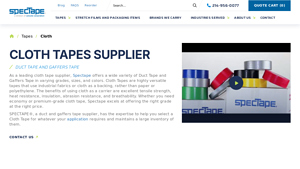
はじめに Spectape (SPECTAPE®) supplies Cloth Tapes including Duct Tape and Gaffers Tape with industrial fabric/cloth backing (cotton duck/scrim) offering high tensile strength, heat resistance, insulation, abrasion resistance, and breathability. Products are stretchable, conformable to uneven surfaces, and hand-tearable. Duct Tape features polyethylene coating, high gloss finish, waterproof performance, se…
Strategic Sourcing Conclusion and Outlook for Colored cloth tape
How Can Buyers Future-Proof Their Colored Cloth Tape Procurement?
For B2B buyers across Africa, the Middle East, and South America, securing a stable supply of colored cloth tape requires prioritizing manufacturers with robust customization capabilities. Look for partners offering diverse adhesive systems—rubber-based for general applications and silicone for high-temperature environments common in industrial zones—alongside extensive color palettes and custom sizing options. Establishing direct relationships with converters who provide stock and custom widths ensures flexibility for project-specific demands while mitigating regional supply chain disruptions.
What Innovations Will Shape the Colored Cloth Tape Market?
The sector is evolving beyond traditional duct and gaffer applications toward specialized industrial solutions. Emerging trends include enhanced UV-resistant formulations critical for outdoor construction in Saudi Arabia and Nigeria, and eco-friendly cloth backings that meet European sustainability standards. As color-coding systems become standard for safety compliance and inventory management across global industries, demand for consistent, vibrant pigmentation and residue-free removal will drive supplier differentiation. Forward-thinking procurement teams should audit suppliers’ R&D capabilities to ensure access to next-generation products that balance durability with environmental responsibility.