Introduction: Navigating the Global Market for Multi surface masking tape
Sourcing multi-surface masking tape for high-stakes commercial projects presents a critical procurement challenge when quality inconsistencies threaten project timelines across international construction and industrial markets. Whether coordinating large-scale infrastructure developments in Brazil, managing automotive refinishing operations in the UAE, or overseeing renovation contracts throughout Vietnam and Europe, B2B buyers encounter persistent pain points: inadequate adhesion on irregular substrates, adhesive residue compromising finished surfaces, and UV degradation that renders tape ineffective within days rather than delivering the promised 60-day exposure windows essential for outdoor applications.
Why Do Surface Compatibility and Climate Resistance Determine Project Success?
This guide addresses these procurement complexities by dissecting technical specifications that distinguish professional-grade multi-surface solutions from commodity alternatives. We examine substrate-specific performance requirements across diverse applications—from aluminum siding and glass facades to carpet protection and vinyl surfaces—while analyzing critical metrics including tensile strength, temperature resistance up to 120°C, and clean removal capabilities that prevent costly rework in professional painting and renovation workflows.
How Can International Buyers Vet Suppliers and Optimize Costs Across Regional Markets?
Beyond technical specifications, this comprehensive resource navigates supplier qualification protocols, regional compliance standards, and logistics optimization strategies tailored for procurement teams operating across Africa, South America, the Middle East, and Europe. We provide actionable frameworks for assessing Washi paper versus crepe paper backings, evaluating acrylic adhesive formulations, and calculating total cost of ownership when sourcing from manufacturing hubs in Vietnam, Brazil, and beyond.
By synthesizing application-specific requirements with strategic sourcing intelligence, this guide empowers procurement professionals to mitigate supply chain risks, ensure surface protection integrity, and secure competitive advantages through informed vendor selection in their respective regional markets.
Understanding Multi surface masking tape Types and Variations
| タイプ名 | 主な特徴 | 主なB2Bアプリケーション | バイヤーのための簡単な長所と短所 |
|---|---|---|---|
| Premium Washi Paper Multi-Surface Tape | Advanced Cellux/washi paper backing; acrylic adhesive; 60-day UV resistance; service temperature up to 120°C; conforms to irregular surfaces | Exterior construction, automotive detailing, renovation on mixed substrates (glass, metal, plastic, carpet, aluminum) | 長所だ: Superior outdoor durability, clean removal without residue, high conformability. 短所だ: Premium pricing requires higher procurement budgets; requires cool, dry storage to maintain adhesive performance. |
| PaintBlock Technology Multi-Surface Tape | Medium adhesion; super-absorbent polymer edge treatment that gels upon latex paint contact; 21-day clean removal (7 days in direct sunlight) | Interior commercial painting, decorative finishing, trim work on cured painted walls, wood, glass, and metal fixtures | 長所だ: Prevents paint bleed without manual edge sealing; ensures crisp lines despite crew skill variations. 短所だ: Limited UV exposure window complicates outdoor scheduling; higher cost per roll than standard crepe alternatives. |
| General Purpose Crepe Paper Multi-Surface Tape | Rubber-based adhesive; standard crepe paper backing; 3–14 day removal window; cost-optimized formulation | Short-term interior masking, maintenance work, temporary bundling, low-stress renovation projects on standard drywall and unfinished wood | 長所だ: Cost-effective for high-volume procurement; readily available through standard industrial distributors. 短所だ: Risk of adhesive residue if left beyond removal window; limited heat/UV resistance; potential failure on delicate or freshly painted surfaces. |
| High-Temperature Industrial Multi-Surface Tape | Specialized silicone or modified acrylic adhesive; withstands baking cycles exceeding 150°C; crepe/washi hybrid backing | Automotive painting, powder coating operations, industrial equipment finishing, metal fabrication requiring oven curing | 長所だ: Survives extreme heat cycles without adhesive transfer; maintains holding power on metal and glass. 短所だ: Specialized pricing significantly exceeds standard painter’s tape; reduced flexibility on complex curves compared to Washi alternatives. |
What distinguishes premium Washi paper multi-surface tape from standard options?
Premium Washi paper multi-surface tapes utilize advanced cellulose fiber technology that delivers exceptional conformability to irregular surfaces while maintaining structural integrity in demanding climates. These products typically feature acrylic adhesives engineered for 60-day UV resistance and service temperatures exceeding 120°C, making them ideal for tropical construction markets and extended outdoor projects. B2B buyers should prioritize these specifications when sourcing for regions with high humidity or intense sun exposure, though they must account for climate-controlled storage requirements to prevent premature adhesive degradation before application.
How does PaintBlock technology benefit large-scale painting contractors?
PaintBlock technology incorporates super-absorbent polymers along the tape edges that instantly gel upon contact with latex paint, creating a micro-barrier that prevents bleed-through without manual edge sealing. This innovation proves particularly valuable for contractors managing large crews where application consistency varies, ensuring professional-grade lines across diverse interior substrates including cured painted walls, wood trim, and metal fixtures. Procurement teams should note the 21-day clean removal window (reduced to 7 days in direct sunlight) when scheduling project timelines, balancing the premium price point against labor savings from eliminated touch-up work.
When is general purpose crepe paper multi-surface tape the optimal procurement choice?
General purpose crepe paper multi-surface tapes offer rubber-based adhesion suitable for short-term masking applications where extended UV exposure or high heat is not a factor, typically providing reliable removal within 3-14 days. These products serve cost-sensitive B2B segments effectively, particularly for interior renovation projects, temporary bundling, or maintenance work on standard substrates like drywall and unfinished wood. Buyers should evaluate the total cost of ownership carefully, as adhesive residue risks on sensitive surfaces and limited weather resistance may necessitate additional labor costs that offset initial material savings in demanding environments.
Which multi-surface masking tape specifications are essential for high-temperature industrial environments?
High-temperature industrial multi-surface tapes feature specialized silicone or modified acrylic adhesives capable of withstanding baking cycles exceeding 150°C, essential for automotive refinishing, powder coating operations, and metal fabrication workflows. These products maintain clean removal properties on metal, glass, and plastic substrates even after prolonged oven exposure, preventing costly rework in manufacturing settings. B2B purchasers should verify temperature ratings exceed their specific process requirements by at least 10-15°C to account for hot spots, while confirming the backing material provides sufficient flexibility for complex geometries without wrinkling during application.
Key Industrial Applications of Multi surface masking tape
| 業界/セクター | Specific Application of Multi surface masking tape | ビジネスにとっての価値/利益 | このアプリケーションにおける主な調達上の考慮事項 |
|---|---|---|---|
| Commercial Construction & Civil Infrastructure | Exterior facade masking on multi-substrate buildings (concrete, glass, aluminum panels) during weatherproof coating; interior precision edging for cured painted drywall and trim | Eliminates inventory complexity by replacing multiple tape types; 60-day UV resistance accommodates extended construction schedules in tropical climates without residue | Verify UV stability certification for prolonged outdoor exposure; ensure acrylic adhesive compatibility with low-energy surfaces like PVC and powder-coated aluminum |
| Automotive OEM & Collision Repair | Multi-stage vehicle painting on mixed substrates (metal panels, plastic bumpers, glass); protection of sensors and trim during coating processes | Withstands paint booth temperatures up to 120°C without adhesive transfer; clean removal prevents costly rework on high-value automotive assets | Confirm temperature rating (120°C/248°F) for baking cycles; validate compatibility with automotive clear coats; bulk packaging availability for high-volume production lines |
| Marine & Offshore Engineering | Hull maintenance and deck recoating on vessels with mixed metal-fiberglass construction; masking of irregular welded surfaces and rivets | Superior adhesion to salt-exposed surfaces and humidity resistance prevents tape failure in coastal environments; conformability ensures clean paint lines on irregular marine surfaces | Moisture-resistant acrylic adhesive essential for humid port environments; flexibility rating for curved hull application; resistance to salt spray and marine coatings |
| Renewable Energy Infrastructure | Turbine blade and solar panel frame masking during protective coating; temporary protection of electrical components during field installation | Multi-surface compatibility reduces inventory for maintenance crews working across diverse materials; extended outdoor durability minimizes replacement costs on remote wind and solar farms | Extended UV resistance critical for prolonged outdoor exposure; static-free properties for electrical safety; wide width availability for large-scale blade masking |
| Heavy Equipment & Industrial Manufacturing | Assembly line coating of |
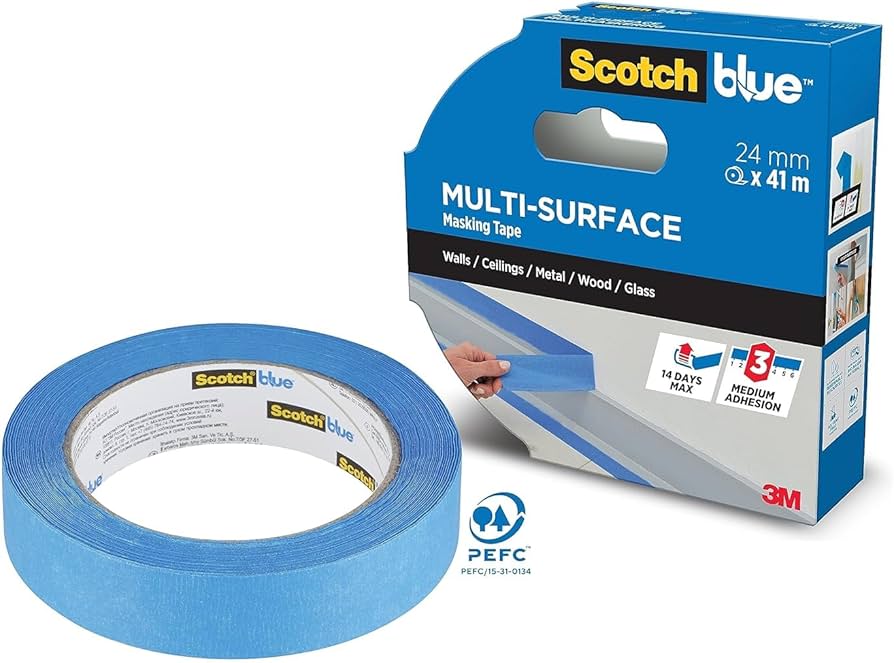
A stock image related to Multi surface masking tape.
3 Common User Pain Points for ‘Multi surface masking tape’ & Their Solutions
Scenario 1: Inventory Complexity from Surface-Specific Tape Requirements
問題だ: Procurement teams managing construction or automotive projects across diverse substrates face significant logistical challenges when forced to stock multiple tape SKUs—separate inventories for painted drywall, metal trim, glass, plastic, and vinyl surfaces. This fragmentation not only increases procurement costs and warehouse complexity but also creates substantial application risks where on-site crews might accidentally deploy incompatible tapes. The consequences range from adhesive residue requiring chemical solvents to complete bond failure on low-energy surfaces like polyethylene or powder-coated metals, resulting in paint bleed, damaged finishes, and costly rework that delays project completion.
解決策 Transition to advanced multi-surface masking tapes engineered with acrylic adhesives and flexible Washi paper backings that conform to irregular surfaces while maintaining consistent adhesion coefficients across wood, metal, glass, aluminum, carpet, and plastic substrates. These universal formulations eliminate the need for surface-specific inventory management, reduce procurement SKU complexity by up to 60%, and ensure clean removal without ghosting or residue when applied to properly prepared, dust-free surfaces. For international buyers operating across diverse climate zones, this standardization simplifies supply chain logistics while reducing the risk of application errors.
Scenario 2: UV Degradation and Adhesive Failure in High-Sun Environments
問題だ: Contractors and industrial painters operating in high-UV environments—characteristic of Middle Eastern deserts, Brazilian tropical zones, and African construction sites—frequently encounter standard painter’s tapes that degrade within 7 days of direct sun exposure. UV radiation causes the backing to become brittle and the adhesive to oxidize, creating a permanent bond that leaves stubborn residue requiring aggressive scraping or solvent cleaning. This not only risks damaging delicate substrates like automotive clear coats, vinyl siding, or anodized aluminum but also forces expensive project delays when masking must be prematurely removed and reapplied during multi-week outdoor painting schedules.
解決策 Specify multi-surface masking tapes with advanced UV-resistant formulations rated for 60-day outdoor exposure, utilizing super-absorbent polymer technologies that react with latex paint to prevent edge bleed while maintaining structural integrity under intense solar radiation. These premium tapes remove cleanly even after extended weathering periods, providing project managers the flexibility to adjust timelines without risking surface damage. This eliminates the need for chemical cleaning agents that may violate local environmental regulations while ensuring consistent performance across glass, metal, and vinyl substrates.
Scenario 3: Heat-Induced Adhesive Breakdown in Industrial Coating Applications
問題だ: Manufacturing facilities conducting powder coating, automotive refinishing, or metal fabrication often expose masking tapes to temperatures exceeding 100°C during curing cycles. Standard painter’s tapes melt, off-gas, or leave carbonized adhesive residue that becomes permanently bonded to substrates, resulting in rejected parts, overspray contamination, and production line shutdowns for cleaning. This thermal failure is particularly costly in just-in-time manufacturing environments where tape removal must occur immediately after heat exposure to prevent permanent adhesion.
解決策 Implement high-temperature multi-surface masking tapes rated for service temperatures up to 120°C (248°F) featuring specialized acrylic adhesives formulated to maintain peel strength during short-term thermal exposure. These industrial-grade tapes utilize advanced Cellux technology backings that resist shrinkage and adhesive migration during heat cycles. For optimal performance, remove tape within 60 minutes of high-temperature exposure at a 45-degree angle, ensuring clean release without residue while maintaining sharp paint lines across diverse manufacturing substrates from galvanized steel to polycarbonate.
Strategic Material Selection Guide for Multi surface masking tape
Selecting the optimal backing material for multi-surface masking tape requires balancing adhesion profiles, surface compatibility, and environmental resilience across diverse procurement regions. For international buyers sourcing for construction markets in Brazil, Vietnam, or the UAE, substrate-specific performance varies significantly between humid tropical interiors and UV-intensive desert exteriors. Understanding the mechanical properties of backing substrates—from fiber composition to moisture resistance—enables strategic inventory decisions that minimize rework costs and surface damage claims. This analysis examines four primary materials dominating B2B procurement: ultra-conformable Washi paper, versatile embossed crepe, weather-resistant polypropylene film, and rigid flatback paper. Each offers distinct adhesion characteristics and removal profiles that determine suitability for delicate finishes versus industrial applications.
Is Washi Paper Backing the Optimal Solution for Delicate Multi-Surface Applications?
W
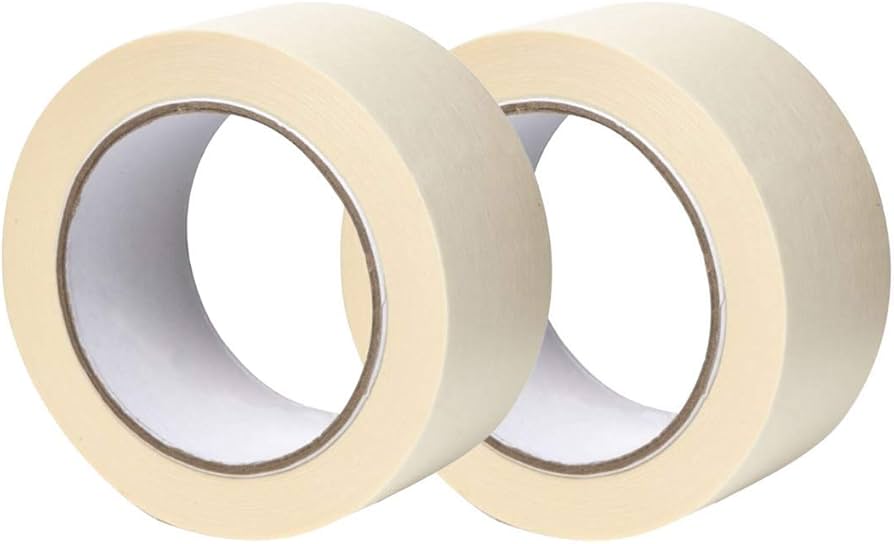
A stock image related to Multi surface masking tape.
In-depth Look: Manufacturing Processes and Quality Assurance for Multi surface masking tape
Understanding the manufacturing intricacies behind multi-surface masking tape empowers procurement teams to assess supplier capabilities beyond marketing claims. For B2B buyers sourcing for diverse climates—from humid Southeast Asian construction sites to UV-intensive Middle Eastern exteriors—manufacturing precision directly correlates with on-site performance and cost efficiency.
What Raw Material Standards Define Premium Multi-Surface Masking Tape?
The foundation of high-performance multi-surface tape begins with backing material selection. Premium manufacturers utilize advanced Washi paper or saturated crepe paper rather than standard masking paper, creating a substrate that balances tensile strength (typically 36–50 N/10mm) with conformability. This specific paper grade undergoes fiber refinement processes to achieve a density that prevents paint bleed while allowing clean removal from delicate surfaces like vinyl, aluminum, or freshly cured painted walls.
Adhesive formulation represents the second critical material decision. Acrylic-based adhesives dominate the multi-surface category due to their superior UV stability and clean removal characteristics compared to natural rubber alternatives. Manufacturers engineer specific tack levels—measured via 180° peel force testing (2.5–3.5 N/25mm)—to ensure aggressive initial grab on irregular textures without leaving residue upon removal.
How Is the Backing Engineered for Versatility and Clean Removal?
The saturation process transforms raw paper into a functional barrier. During manufacturing, the backing undergoes impregnation with flexible polymers that enhance moisture resistance and prevent fiber tear during removal. For specialized multi-surface applications, some producers integrate edge-sealing technologies similar to PaintBlock® concepts, where the backing material reacts with latex paints to form a micro-barrier preventing bleed-through.
Calendering and tension control during coating ensure uniform thickness across the entire roll width—critical for B2B buyers requiring consistency across large-scale projects. Inconsistent saturation leads to weak points where adhesive can seep through or where the tape tears unevenly, causing application delays and material waste on job sites.
What Adhesive Technologies Enable Multi-Surface Compatibility?
Adhesive application occurs through precision slot-die or roll-coating methods, ensuring exact gram-weight distribution per square meter. Multi-surface formulations require balanced cohesion and adhesion: sufficient internal strength to prevent adhesive transfer to substrates, yet optimized surface wetting for bonding to low-energy surfaces like plastics and powder-coated metals.
Temperature resistance engineering happens at the polymer level. Quality manufacturers formulate acrylic adhesives to withstand service temperatures up to 120°C (248°F) for short durations, preventing adhesive softening and edge curling during industrial painting processes. This thermal stability proves essential for buyers in regions with high ambient temperatures or applications involving heat-cured coatings.
Which Precision Manufacturing Steps Ensure Consistent Roll Performance?
Slitting and winding operations determine the practical usability that contractors experience. Computer-controlled slitting machines maintain width tolerances within ±0.5mm, ensuring that bulk rolls fit standard applicator tools and dispensers without jamming. Tension-controlled winding prevents telescoping (lateral shifting of tape layers) and edge deformation during international shipping.
Core selection and roll geometry also factor into B2B value. Manufacturers optimize roll diameters and core dimensions for high-volume construction environments, balancing yardage per roll (typically 60-yard industrial lengths) against handling ergonomics. Automated vision systems inspect each roll for defects, adhesive voids, or contamination before packaging.
What Quality Assurance Protocols Validate UV and Temperature Resistance?
Rigorous testing separates commodity masking tape from professional-grade multi-surface solutions. Reputable manufacturers subject samples to accelerated aging chambers simulating 60-day UV exposure equivalent to direct sunlight, verifying that adhesive systems resist oxidation and backing materials maintain structural integrity. Peel adhesion tests occur both immediately after application and after heat aging to validate performance across the product’s service life.
Tensile testing machines verify that the backing withstands 20–28 lbs/in of force without breaking, ensuring the tape can be stretched slightly for curved applications without snapping. Shear resistance testing—measuring how long the tape supports a weighted load vertically—indicates the formulation’s suitability for overhead or vertical masking applications common in industrial painting.
How Does Packaging and Storage Protocol Impact International Supply Chains?
For buyers importing from manufacturing hubs to distribution centers in Brazil, Vietnam, or Europe, packaging integrity prevents humidity damage during ocean transit. Manufacturers utilize moisture-barrier shrink wrapping and desiccant insertion to maintain optimal conditions, as excessive humidity can activate adhesive prematurely or cause backing delamination.
Storage recommendations from production facilities emphasize climate-controlled warehousing between 15–25°C with relative humidity below 60%. Products manufactured with one-year shelf life guarantees require inventory rotation protocols to ensure end-users receive tape within optimal performance windows. B2B procurement teams should verify that suppliers provide batch-specific technical data sheets (TDS) documenting production dates, adhesive lot numbers, and compliance certifications relevant to regional construction standards.
By scrutinizing these manufacturing and quality assurance elements—from Washi paper fiber density to UV-stabilized acrylic formulations—international buyers can establish supplier qualification criteria that ensure consistent project outcomes across diverse surface applications and environmental conditions.
Practical Sourcing Guide: A Step-by-Step Checklist for ‘Multi surface masking tape’
Sourcing multi-surface masking tape for international B2B markets requires moving beyond unit pricing to evaluate technical performance across diverse climates, surface materials, and regulatory frameworks. This checklist equips procurement teams with actionable criteria to assess adhesive technologies, environmental resistance, and logistics compatibility—ensuring your bulk orders meet application standards from humid Southeast Asian construction sites to UV-intensive Middle Eastern exteriors without compliance delays.
1. How Do You Verify Surface Compatibility and Adhesion Requirements for Multi-Surface Masking Tape?
Before committing to bulk orders, confirm the tape’s backing material and adhesive chemistry align with your target applications. Premium multi-surface variants typically utilize advanced Washi paper or crepe backings with acrylic adhesives, offering balanced adhesion (2.5–3.5 N/25mm peel force) for delicate surfaces like vinyl, carpet, and freshly painted drywall while maintaining grip on glass, aluminum, and wood trim. Request surface-specific adhesion data and irregular surface performance reports to avoid residue issues on low-energy substrates like plastics or textured decorative finishes.
2. What Climate Resistance Specifications Should You Evaluate for Cross-Border Procurement?
For buyers sourcing from or shipping to high-temperature regions like Brazil or the Middle East, verify UV resistance duration—ranging from 7 days to 60 days—and service temperature thresholds (up to 120°C/248°F). These specifications prevent adhesive degradation during container transit and ensure performance on outdoor construction projects exposed to seasonal monsoons or desert heat. Confirm the product maintains clean removal capabilities after prolonged sun exposure, as lower-grade tapes may leave residue or become brittle in tropical humidity cycles.
3. How Can You Ensure Proper Storage Conditions and Shelf Life Management During Transit?
Multi-surface masking tape typically carries a 12-month shelf life from production date when stored in cool, dry environments below 70% relative humidity and away from direct sunlight. When negotiating FOB or CIF terms, verify supplier warehousing conditions and transit humidity controls, as excessive heat or moisture during ocean freight can compromise adhesive performance before the product reaches your warehouse. Establish inventory rotation protocols and pre-shipment inspection clauses to prioritize older stock and avoid performance degradation in tropical storage facilities.
4. Which Technical Documentation and Compliance Standards Are Non-Negotiable for B2B Orders?
Require suppliers to provide Technical Data Sheets (TDS) detailing tensile strength (36–50 N/10mm), elongation percentages, and adhesive composition. For European markets, confirm REACH and RoHS compliance; for Middle Eastern and African markets, verify that product catalogs include metric specifications and multilingual application guides. Documentation should also specify removal timeframes—clean removal within 21 days for standard applications, or up to 60 days for UV-resistant premium grades—and provide batch traceability codes for quality control.
5. How Should You Evaluate Packaging Configurations and Minimum Order Quantities?
Analyze roll dimensions (common widths: 24mm, 36mm, 48mm) and length specifications (typically 50–60 yards) against your end-user preferences. Evaluate master carton configurations—standard packs of 24 rolls per box—and palletization efficiency for 20-foot and 40-foot container loading. Clarify Minimum Order Quantities (MOQs) and whether suppliers offer mixed-width containers to diversify inventory without overcommitting to single SKUs, critical for distributors serving varied contractor needs across residential and commercial sectors.
6. What Quality Control Protocols Validate Clean Removal and Surface Safety?
Before finalizing contracts, request sample rolls to test edge-sealing properties that prevent paint bleed on textured surfaces, particularly if sourcing tapes with advanced polymer technologies. Conduct removal testing at 45-degree angles on your most common substrates after 24-hour and 7-day adhesion periods, simulating real-world application timelines. Verify that the tape releases cleanly without surface damage or adhesive transfer, particularly on sensitive materials like automotive trim, powder-coated metal, or decorative woodwork common in high-end construction markets.
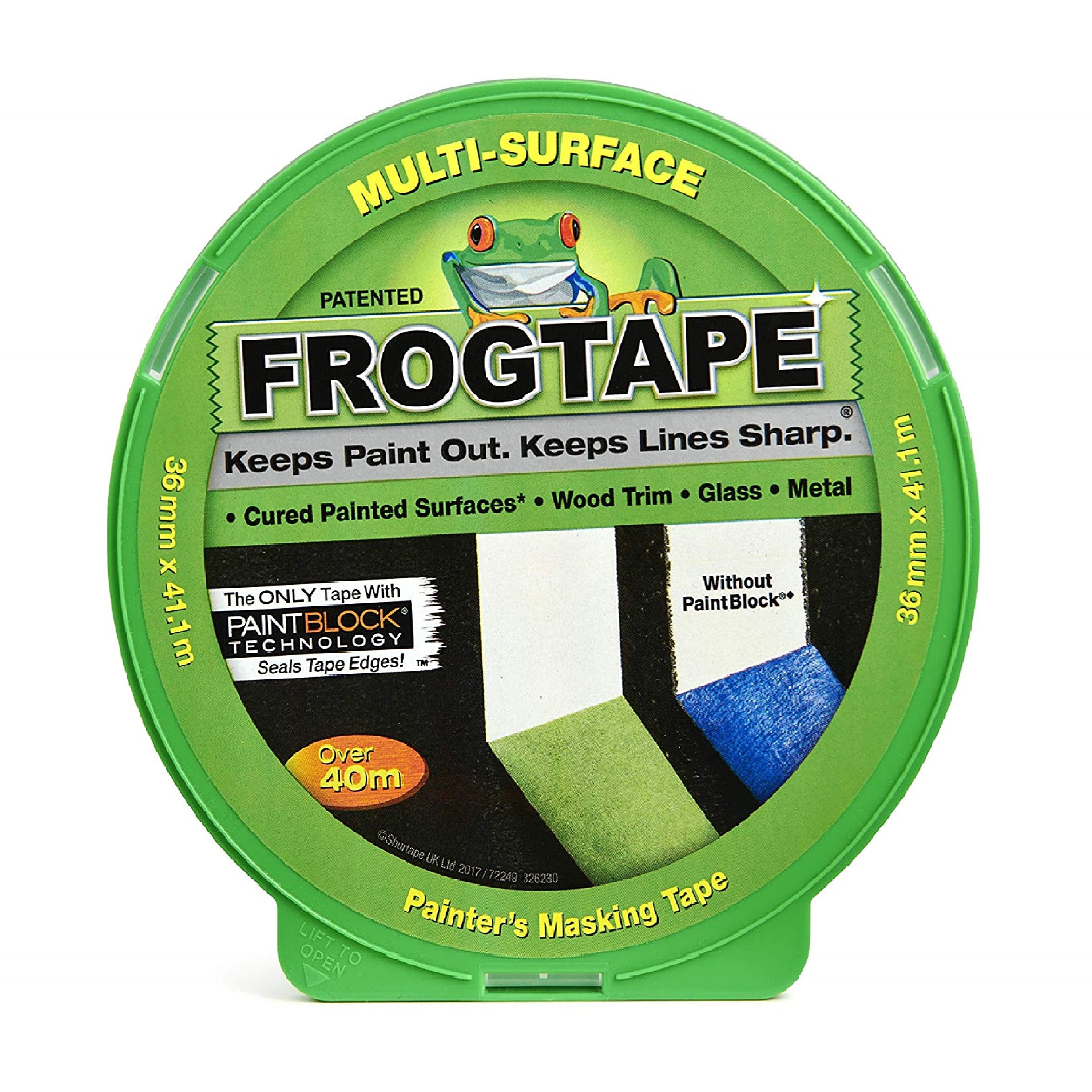
A stock image related to Multi surface masking tape.
Comprehensive Cost and Pricing Analysis for Multi surface masking tape Sourcing
What Factors Drive Bulk Pricing Variations for Multi-Surface Masking Tape?
Multi-surface masking tape pricing fluctuates significantly based on material composition and performance specifications. Premium variants utilizing advanced Washi paper backings and high-grade acrylic adhesives typically command 40-60% higher unit costs than standard crepe paper alternatives, reflecting superior UV resistance capabilities—ranging from 21 days to 60 days—and cleaner removal properties. For B2B procurement, volume tiers dramatically alter per-roll economics; while retail pricing for professional-grade tapes may range from $10-$16 per roll, bulk packaging configurations of 24-roll cases can reduce unit costs to $5-$6 when purchasing 12+ cases. Buyers should evaluate whether extended outdoor durability justifies the premium, particularly for construction markets in high-UV regions like the Middle East or Brazil where tape failure necessitates costly rework.
How Do Regional Supply Chains Impact Procurement Costs in Emerging Markets?
Geographic sourcing strategies substantially influence landed costs for international buyers across Africa, South America, and Southeast Asia. Heavy paper-based products incur significant freight expenses relative to product value, making proximity to manufacturing hubs a critical cost determinant. Buyers in Vietnam or Brazil should assess whether importing premium North American or European tapes outweighs sourcing from regional Asian manufacturers, factoring import duties that can add 15-25% to total procurement costs. Additionally, currency fluctuation risks and minimum order quantity (MOQ) requirements—often starting at 10-12 case minimums for direct manufacturer relationships—affect working capital requirements. Establishing partnerships with distributors holding regional inventory often proves more cost-effective than direct importing for mid-volume purchasers.
Why Does Total Cost of Ownership Matter More Than Unit Price?
Savvy procurement teams recognize that the lowest per-roll price rarely equates to optimal project economics. Tapes offering superior clean-removal technology prevent surface damage and eliminate labor-intensive cleanup, reducing total project costs despite higher upfront material expenses. For outdoor applications, UV-resistant formulations prevent adhesive baking and residue transfer, avoiding costly remediation on delicate surfaces like vinyl, aluminum, or carpet. Storage requirements also impact long-term costs; products requiring climate-controlled warehousing (cool, dry conditions away from direct sunlight) incur higher inventory carrying costs than standard alternatives. Calculate break-even points by comparing tape costs against potential labor savings—typically, premium multi-surface tapes deliver positive ROI when preventing just 2-3 hours of rework per project.
What Pricing Structures Should B2B Buyers Negotiate?
Effective sourcing negotiations should address beyond-list pricing to include freight terms, payment schedules, and volume flexibility. Request FOB (Free On Board) versus CIF (Cost, Insurance, Freight) quotations to accurately compare logistics costs across suppliers. Seasonal construction demand cycles—peaking in Q2-Q3 for Northern Hemisphere markets—often create pricing leverage for Q4-Q1 procurement. Explore private-label opportunities for consistent high-volume usage, potentially reducing costs 8-12% below branded equivalents while maintaining identical technical specifications. Finally, negotiate sample programs and small-batch trial orders before committing to container-level MOQs, ensuring product performance aligns with specific surface compatibility requirements in your regional operating environment.
Alternatives Analysis: Comparing Multi surface masking tape With Other Solutions
While multi-surface masking tape delivers exceptional versatility across glass, metal, wood, and synthetic substrates, procurement teams must assess whether specialized alternatives offer superior cost-efficiency or performance for specific operational contexts. Construction and industrial finishing projects in diverse climate zones—from humid Southeast Asian manufacturing facilities to high-UV Middle Eastern exterior sites—demand careful evaluation of masking methodologies beyond all-purpose solutions. The following analysis examines how traditional masking tapes, liquid peelable coatings, and large-format masking films compare against advanced multi-surface formulations across critical B2B procurement criteria.
| 比較の側面 | Multi-Surface Masking Tape | General Purpose Masking Tape | 液体マスキング剤 | マスキングフィルム |
|---|---|---|---|---|
| Surface Versatility | High (glass, metal, plastic, wood, carpet) | Limited (drywall, unfinished wood) | Universal (any shape/texture) | Medium (flat/curved surfaces) |
| UV/Weather Resistance | Up to 60 days | 1–3 days (indoor only) | 7–30 days (varies by formula) | Up to 14 days |
| クリーン除去 | 60+ days, no residue | 24–48 hours, residue risk | Peelable, no residue | 7–14 days, minimal residue |
| Cost per m² | ミディアム | Low (40–60% less) | High (200–300% premium) | Low-Medium |
| アプリケーション・スピード | Immediate adhesion | Immediate | Slow (30–120 min curing) | Very fast (integrated system) |
| 労働条件 | Moderate (manual application) | 中程度 | High (skilled application) | Low (rapid deployment) |
| ベスト・ユースケース | Multi-substrate projects, outdoor exposure | Budget interior painting | Complex geometries, automotive | Large surface protection, renovations |
How does general purpose masking tape perform for cost-sensitive construction projects?
Traditional crepe paper masking tape remains prevalent among interior painting contractors prioritizing material cost reduction over substrate versatility. Utilizing rubber-based adhesives formulated primarily for drywall and unfinished wood, this alternative offers significant per-roll savings—often 40–60% less than multi-surface variants—making it attractive for high-volume residential developments in stable, climate-controlled environments. However, procurement teams must account for hidden operational costs: standard formulations typically resist UV exposure for only 24–72 hours and frequently leave adhesive residue on glass, metal, or vinyl surfaces when removal extends beyond 48 hours. For projects in tropical climates with high humidity or intense solar exposure, the risk of tape failure and subsequent labor-intensive surface cleaning often negates initial material savings.
What are the operational advantages of liquid masking compounds for industrial applications?
Peelable liquid masking solutions present a viable alternative for automotive refinishing, aerospace coating, and architectural restoration projects involving complex geometries where tape edges prove problematic. These brushable or sprayable polymers create seamless protective barriers that conform to irregular contours, textured stucco, or curved metal panels without the adhesion failures common to pressure-sensitive tapes. While material costs per square meter typically exceed multi-surface tape by 200
Essential Technical Properties and Trade Terminology for Multi surface masking tape
When procuring multi-surface masking tape for international construction and renovation projects, understanding precise technical metrics and industry nomenclature ensures product suitability for diverse climates—from the humid tropics of Vietnam to the intense UV exposure of Brazil and the Middle East. Specifications that perform in temperate European conditions may fail under thermal stress or prolonged sun exposure, making technical literacy essential for risk mitigation.
What Are the Critical Technical Specifications for Multi-Surface Masking Tape?
180-Degree Peel Adhesion measures the force required to remove tape from a standardized stainless-steel surface, typically rated between 2.5–3.5 N/25mm (or 9–13 oz/in) for premium multi-surface grades. This metric indicates balanced tack—sufficient to prevent paint bleed on textured substrates yet gentle enough for removal from cured painted walls without delaminating the finish.
引張強度 (36–50 N/10mm or 20–28 lbs/in) determines the tape’s resistance to tearing during high-speed application or removal over rough surfaces like concrete or unfinished wood. High tensile strength is non-negotiable for automated taping equipment used in large-scale developments across Africa and South America.
UV Resistance Duration specifies how long tape can withstand solar exposure before adhesive degradation. Premium grades offer 60-day UV stability, while standard products may limit clean removal to 7 days in direct sunlight—a critical distinction for outdoor scaffolding projects in high-radiation environments.
Service Temperature Threshold indicates maximum heat tolerance before adhesive failure, typically rated at 120°C (248°F) for 60-minute exposure. This prevents edge lifting during industrial baking cycles or automotive painting in hot climates.
Backing Material Composition differentiates between standard crepe paper and advanced Washi paper derivatives. Washi-based backings provide superior conformability for irregular surfaces like crown molding or textured vinyl, common in European interior finishing.
Residue-Free Removal Window defines the safe timeframe for tape removal—ranging from 14 to 60 days—after which acrylic adhesives may oxidize and leave ghosting or sticky residues on glass and aluminum trim.
What Industry Terminology Should B2B Buyers Understand?
Washi Paper Backing refers to ultra-thin, fiber-reinforced Japanese paper technology that offers high tensile strength with minimal bulk, enabling precise edge lines on complex geometries where standard crepe paper would wrinkle or bridge gaps.
PaintBlock® or Edge-Sealing Technology describes proprietary treatments (often polymer-based) that cause the tape edge to gel upon contact with water-based paints, creating a micro-barrier that prevents bleed-under. This is essential for achieving sharp lines on multi-texture surfaces without manual sealing.
Clean Removal Window is the trade term for the maximum adhesion lifespan before chemical bonding occurs. Buyers should distinguish between “indoor removal” (21 days) and “UV-exposed removal” (7–14 days) specifications to avoid costly surface remediation.
Adhesion Grades classify tapes as Low (delicate surfaces like fresh paint), Medium (cured walls, glass, metal), or High (brick, concrete). Multi-surface tapes typically employ medium-grade acrylic formulations optimized for versatility across plastic, vinyl, and aluminum substrates.
180-Degree Peel Test (ASTM D3330) is the standard methodology for verifying adhesion claims. B2B buyers should request test reports using this protocol to compare supplier specifications objectively, ensuring compliance with project engineering standards.
適合性 measures the backing’s ability to adhere to curved or irregular surfaces without lifting. High conformability ratings indicate suitability for application over complex architectural details found in modern Middle Eastern and European construction, reducing labor costs associated with touch-up work.
Navigating Market Dynamics and Sourcing Trends in the Multi surface masking tape Sector
What Are the Current Market Dynamics Shaping Multi-Surface Masking Tape Demand?
The global multi-surface masking tape sector is undergoing significant transformation as infrastructure development accelerates across emerging economies and industrial maintenance standards tighten worldwide. Unlike conventional crepe paper masking solutions, next-generation multi-surface tapes engineered with advanced Washi paper backings and specialized acrylic adhesives are capturing increased market share, driven by their exceptional conformability on irregular substrates and resistance to harsh environmental conditions. These material innovations prove particularly critical for B2B buyers in tropical and subtropical regions, where construction projects demand adhesives capable of withstanding prolonged UV exposure without compromising bond integrity.
Regional procurement patterns reveal distinct technical requirements influenced by local climate conditions and application methodologies. In Brazil and across Middle Eastern markets, contractors prioritize tapes offering 60-day UV resistance and service temperatures reaching 120°C, specifications essential for exterior painting and automotive applications exposed to intense solar radiation. Conversely, European and Vietnamese manufacturing sectors emphasize precision-edge technologies such as PaintBlock® polymers that react with latex coatings to prevent bleed-through, ensuring crisp lines on cured painted walls, wood trim, and delicate metal surfaces while reducing costly rework cycles.
Supply chain optimization has become paramount as international buyers navigate freight volatility and currency fluctuations. The standardization of 24-roll case configurations facilitates container-level procurement strategies that reduce per-unit shipping costs for distributors serving construction and automotive refinishing sectors. Furthermore, the shift from single-purpose masking products to versatile multi-surface solutions—capable of adhering to plastic, vinyl, glass, aluminum, and carpet without residue—enables inventory consolidation that minimizes SKU proliferation and improves warehouse efficiency for wholesalers operating across diverse regional markets.
How Is Sustainability Influencing Multi-Surface Tape Sourcing and Ethical Procurement?
Environmental compliance is increasingly determining supplier selection criteria as regulatory frameworks tighten across Africa, South America, and Southeast Asia. B2B procurement teams are transitioning toward solvent-free acrylic adhesive systems that deliver aggressive initial tack and long-term cohesion while eliminating volatile organic compound emissions during application. This chemical evolution supports adherence to EU REACH directives and emerging green building standards, positioning low-VOC masking tapes as essential components for government infrastructure tenders and corporate sustainability initiatives.
Clean removal capabilities function as critical sustainability metrics, with premium tapes offering residue-free removal windows extending from 21 days for interior applications to 60 days for UV-exposed outdoor projects. These extended timelines reduce construction waste by eliminating the need for harsh chemical solvents and abrasive cleaning processes that damage substrates and generate hazardous runoff. For contractors and facility managers, selecting tapes with documented clean-removal specifications translates directly to reduced landfill contributions and lower environmental remediation costs on renovation projects.
Ethical sourcing protocols now extend beyond product chemistry to encompass supply chain transparency and manufacturing responsibility. Washi paper backings sourced from certified sustainable pulp operations offer biodegradable end-of-life advantages compared to synthetic film alternatives, while responsible manufacturers implement strict one-year shelf-life protocols to minimize expired inventory waste. B2B buyers are increasingly requiring suppliers to demonstrate ISO 14001 environmental management certifications, ethical labor practices in conversion facilities, and conflict-free material sourcing—verification steps that ensure alignment with corporate social responsibility mandates while maintaining performance standards including 2.5–3.5 N/25mm peel adhesion and 36–50 N/10mm tensile strength.
The convergence of technical durability and environmental stewardship creates competitive advantages for distributors serving eco-conscious industrial sectors. By prioritizing multi-surface tapes that combine tropical-grade UV resistance with clean-removal sustainability, procurement professionals can satisfy rigorous performance specifications while supporting circular economy objectives across diverse regional markets from West African development projects to Brazilian automotive manufacturing hubs.
Frequently Asked Questions (FAQs) for B2B Buyers of Multi surface masking tape
1. What surfaces can multi-surface masking tape adhere to without compromising paint quality?
Multi-surface masking tape is engineered for versatility across cured painted walls, wood trim, glass, metal, aluminum, vinyl, plastic, and carpet. Unlike standard masking tapes that struggle with irregular textures, premium variants featuring advanced Washi paper backing conform to baseboards and curved surfaces while maintaining edge seal. For B2B buyers sourcing for construction projects in diverse climates, verify that the tape’s acrylic adhesive formulation supports adhesion on both porous and non-porous substrates common in industrial and residential applications.
2. How long can multi-surface masking tape remain applied before risking adhesive residue or surface damage?
Clean removal timelines vary by environmental exposure, with most premium multi-surface tapes offering residue-free removal for up to 21 days indoors and 7 days in direct sunlight. However, high-performance industrial grades with UV-resistant acrylic adhesives can extend this window to 60 days for outdoor construction projects. B2B procurement teams should specify removal timeframes based on project duration, particularly for tropical environments where elevated temperatures may necessitate removal within 60 minutes if surfaces exceed 120°C (248°F) to prevent adhesive baking.
3. What distinguishes multi-surface masking tape from standard painter’s tape in industrial applications?
Standard painter’s tape typically offers single-surface adhesion optimized for drywall, while multi-surface variants feature medium-to-high adhesion acrylic formulas designed for diverse substrates including metal, glass, and finished wood. Multi-surface tapes incorporate advanced backing technologies—such as super Washi paper or PaintBlock® polymers—that prevent paint bleed and provide clean lines on textured or irregular surfaces. For contractors managing mixed-material job sites, multi-surface tape eliminates the inventory complexity of maintaining multiple tape grades while delivering superior tensile strength (20–28 lbs/in) for demanding applications.
4. Can multi-surface masking tape withstand high temperatures for industrial painting and automotive applications?
Premium multi-surface masking tapes rated for industrial use can withstand service temperatures up to 120°C (248°F) for 60-minute intervals, making them suitable for automotive painting, powder coating preparation, and industrial equipment finishing. The acrylic adhesive maintains bonding integrity under heat exposure common in Middle Eastern or South American construction environments, though prolonged high-temperature application requires prompt removal to prevent adhesive transfer. B2B buyers should verify temperature ratings in technical data sheets, as standard consumer-grade tapes typically fail above 80°C, compromising masking precision in industrial ovens or direct sunlight scenarios.
5. How does UV exposure affect multi-surface masking tape performance in outdoor construction projects?
UV-resistant multi-surface masking tapes utilize specialized acrylic adhesives that resist degradation for up to 60 days of direct sun exposure, critical for outdoor construction in high-UV regions like Africa and the Middle East. Standard tapes become brittle and difficult to remove after 3-7 days of sunlight, risking substrate damage and labor-intensive cleanup. When procuring for exterior painting, infrastructure projects, or shipyard maintenance, specify tapes with UV-stable backing materials to ensure clean removal and reduced labor costs on extended timelines.
6. What storage protocols ensure optimal adhesive performance for bulk multi-surface masking tape inventory?
To maintain peel force specifications (9–13 oz/in) and prevent adhesive degradation, store masking tape in climate-controlled environments between 15°C–25°C (59°F–77°F) with humidity below 60%. Extreme heat or direct sunlight during storage can cause premature aging of acrylic adhesives, resulting in difficult application and residue issues upon removal. For international B2B buyers managing container shipments from humid regions like Vietnam or Brazil, ensure suppliers use moisture-barrier packaging and recommend inventory rotation within 12 months of production to guarantee optimal tack and clean release properties.
7. How do application techniques differ when using multi-surface masking tape on irregular or textured substrates?
Achieving professional results on irregular surfaces requires firm, even pressure application to activate the acrylic adhesive fully, particularly on textured concrete, stucco, or rough-cut wood common in renovation markets. Premium multi-surface tapes with flexible Washi paper backing conform to surface contours better than rigid vinyl tapes, but proper surface preparation—cleaning dust, oils, and moisture—is essential for adhesion in high-humidity climates. Remove the tape slowly at a 45-degree angle within the specified timeframe to prevent fiber tear on delicate surfaces or adhesive residue on glossy finishes.
8. What technical specifications should B2B buyers verify when sourcing multi-surface masking tape for international distribution?
Critical specifications include tensile strength (minimum 36 N/10mm for industrial applications), peel adhesion values (2.5–3.5 N/25mm for multi-surface compatibility), and backing composition (super Washi paper for conformability). Verify compliance with regional chemical regulations and confirm roll dimensions meet local market preferences—standard 54.9m (60-yard) lengths with 24-roll case quantities optimize shipping logistics for wholesale distribution. Request technical data sheets (TDS) and samples for adhesion testing on local substrate materials prevalent in your target markets, ensuring the product performs under regional climate conditions before committing to bulk orders.
重要な免責事項および利用規約
⚠️ 重要な免責事項
メーカー、技術仕様、市場分析に関する内容を含め、本ガイドラインで提供される情報は、情報提供と教育目的のみのものです。専門的な調達アドバイス、財務アドバイス、または法的アドバイスを提供するものではありません。.
B2Bバイヤーは、独自の徹底的なデューデリジェンスを行う必要がある。 をご覧の上、ご購入をお決めください。本ガイドに記載された情報を信頼した場合のリスクは、読者が単独で負うものとします。.
Top 2 Multi Surface Masking Tape Manufacturers & Suppliers List
1. Tape Suppliers – Masking Tape
ドメイン tapesuppliers.com
登録:2007年(19年)
はじめに Masking tape is a pressure-sensitive adhesive tape invented in 1925 for the automotive industry to paint two-toned cars. It temporarily conceals and protects surfaces during finishing processes including soldering, blasting, spraying, coating, plating, and polishing. Key features include easy tear and dispense properties, clean removal without residue or damage to newly painted surfaces, and the a…
2. HOPELIGHT – Adhesive Tapes
ドメイン ホープライト
登録:2016年(10年)
はじめに HOPELIGHT ELECTRICAL CO.,LIMITED manufactures diverse adhesive tape products including: Masking Tape, NANO Tape, Aluminum Foil Tape, Polyimide Tape (Kapton Tape Acrylic Adhesive, Polyimide Silicone Tape), Polyester Tape (Acrylic and Silicone Adhesive variants), PTFE Coated Glass Fabric Adhesive Tape, Kraft Paper Tape, PVC Tape, Copper Tape (Conductive and Non-conductive Adhesive types), Teflon Adh…
Strategic Sourcing Conclusion and Outlook for Multi surface masking tape
How Can Buyers Future-Proof Multi-Surface Tape Procurement Strategies?
Strategic procurement of multi-surface masking tape requires balancing immediate project specifications with long-term supply chain resilience. Buyers should prioritize suppliers offering consistent technical documentation—such as verified UV resistance ratings up to 60 days and service temperature thresholds exceeding 120°C—to ensure reliable performance across diverse climates, from humid Southeast Asian construction sites to sun-intensive Middle Eastern exteriors. Establishing direct partnerships with manufacturers who provide comprehensive datasheets, batch-specific certifications, and flexible MOQs mitigates risks associated with material inconsistency while optimizing inventory costs for large-scale operations.
What Emerging Technologies Are Reshaping Adhesive Performance Standards?
The evolution of PaintBlock® polymers and advanced Washi paper backings signals a decisive shift toward specialized adhesion chemistry that prevents paint bleed-through while enabling residue-free removal on delicate substrates like vinyl and aluminum. Forward-thinking procurement teams are increasingly specifying tapes with extended outdoor durability—significantly beyond standard 21-day removal windows—to accommodate complex international logistics, customs delays, and storage conditions common in emerging markets across Africa and South America.
How Should Regional Climate Factors Influence Sourcing Decisions?
For operations spanning tropical and arid regions, selecting tapes with enhanced humidity resistance and thermal stability prevents adhesive degradation during extended transit and high-temperature application environments. Prioritizing suppliers with established regional distribution hubs and climate-appropriate packaging configurations ensures product integrity from warehouse to job site, reducing waste and rework costs.