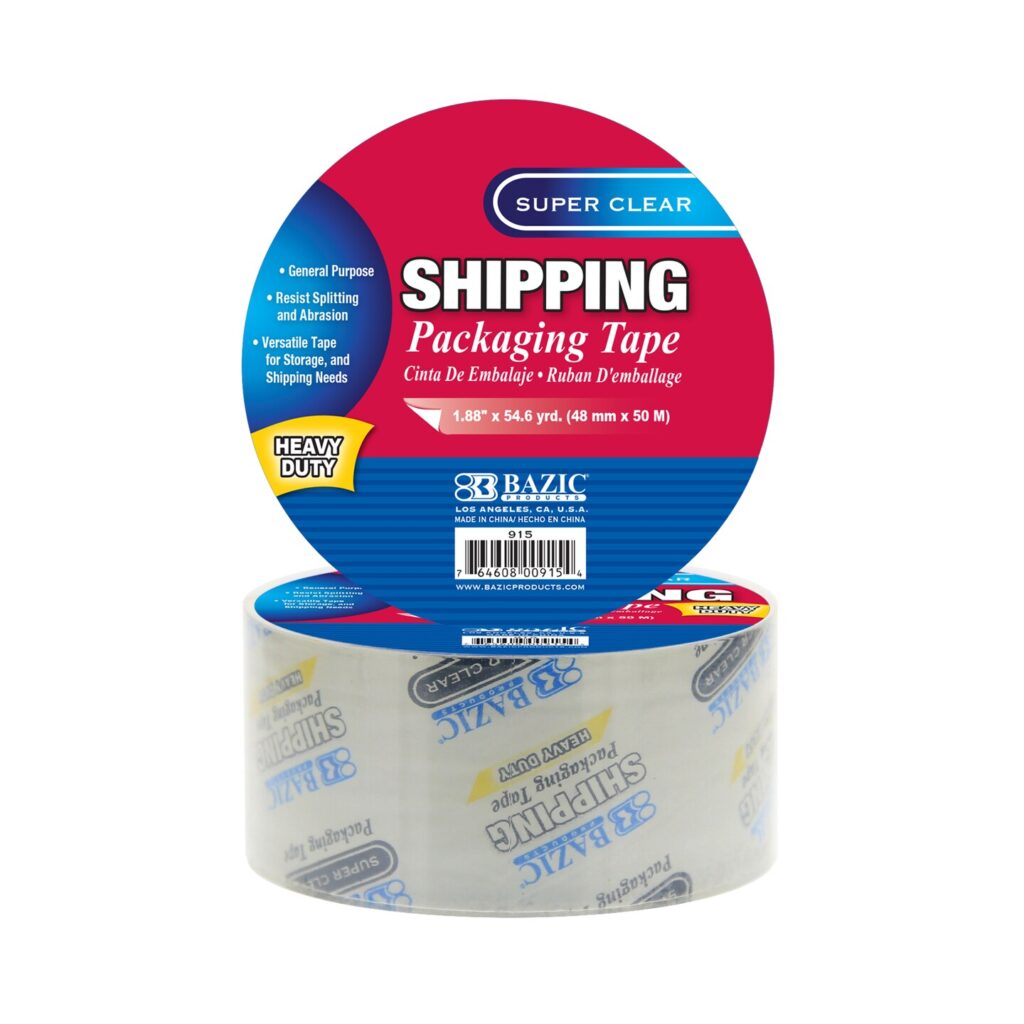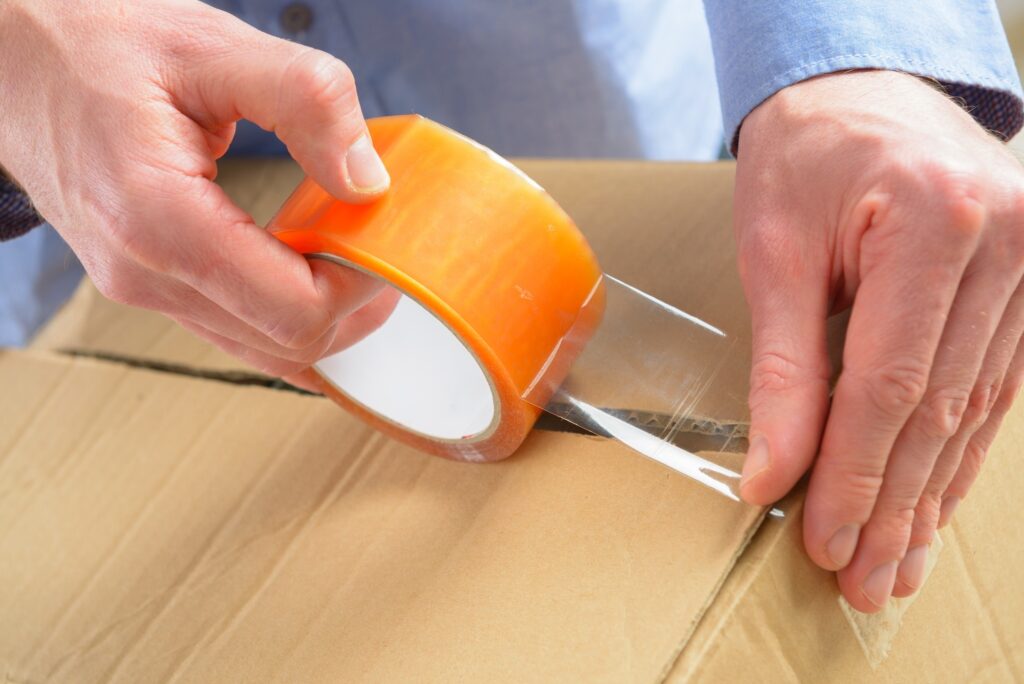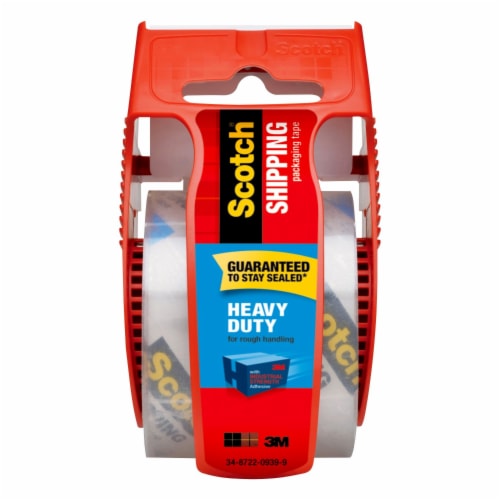
Introduction: Navigating the Global Market for Silver duct tape
Sourcing high-performance silver duct tape for international industrial operations presents significant procurement challenges for buyers managing complex supply chains across Africa, South America, the Middle East, and Europe. Whether securing critical repairs for oil and gas infrastructure in Saudi Arabia or packaging solutions for manufacturing exports from Vietnam, procurement teams must navigate varying quality standards, adhesive formulations, and climate-specific performance requirements. The global market offers substantial opportunities for cost optimization, yet inconsistent product specifications—from 8-mil general-purpose grades to heavy-duty 10-mil industrial variants—create risks for operational continuity when suppliers fail to meet documented performance claims.
Why do procurement teams struggle with silver duct tape quality assurance?
International buyers frequently encounter discrepancies between advertised specifications and actual product performance, particularly regarding UV resistance, tensile strength, and temperature tolerance. These variations prove especially problematic when applications span diverse environments, from desert construction sites requiring heat-resistant adhesives to humid tropical conditions demanding superior moisture barriers. Without standardized vetting protocols, organizations risk project delays and material waste when substandard tapes fail to bond properly to rough substrates or deteriorate under environmental stress.
How can this guide optimize your silver duct tape procurement strategy?
This comprehensive resource examines critical selection criteria including thickness optimization (8-12 mil ranges), backing material composition (cloth versus polyethylene), and application-specific formulations. We detail supplier qualification frameworks tailored to regional markets, covering certification requirements, logistics optimization for bulk shipments, and cost-analysis methodologies. By analyzing performance standards for construction bundling, HVAC sealing, and heavy-duty weatherproofing across varied climates, you will develop strategic sourcing capabilities to secure reliable partnerships, mitigate supply chain risks, and achieve competitive pricing without compromising operational integrity.
Understanding Silver duct tape Types and Variations
| タイプ名 | 主な特徴 | 主なB2Bアプリケーション | バイヤーのための簡単な長所と短所 |
|---|---|---|---|
| Standard-Duty Poly-Coated Cloth | 8–9 mil thickness, cotton mesh backing, rubber adhesive, polyethylene coating | General maintenance, temporary repairs, inventory labeling, light bundling | Pros: Cost-effective for bulk orders, versatile across industries; Cons: Degrades under prolonged UV/heat exposure, limited durability on rough surfaces |
| Weather-Resistant UV-Stable | UV inhibitors, temperature-stable formulation (-20°F to 200°F), waterproof backing | Outdoor infrastructure, agricultural repairs, exposed piping, roofing patches | Pros: Long-term outdoor performance in tropical/arid climates; Cons: Premium pricing, requires pristine surface preparation for optimal adhesion |
| High-Tack Rough Surface | Aggressive rubber-based adhesive, instant grab texture, conformable scrim backing | Concrete/brick bonding, emergency repairs on uneven substrates, mining applications | Pros: Bonds to difficult porous surfaces without priming; Cons: High residue risk on painted surfaces, overkill for smooth indoor applications |
| Heavy-Duty Industrial Grade | 10–12 mil thickness, reinforced scrim construction, high shear-strength adhesive | Construction site sealing, HVAC ductwork, heavy-duty industrial packaging, load-bearing bundling | Pros: Superior holding power, abrasion resistant for harsh environments; Cons: Higher unit cost, potential adhesive transfer on delicate finishes |
What Are the Key Differences Between Standard and Heavy-Duty Silver Duct Tape?
Standard-duty poly-coated cloth tapes typically feature 8–9 mil thickness with polyethylene-backed cotton mesh construction, making them suitable for temporary repairs, light bundling, and labeling tasks common in warehouse operations across emerging markets. These variants offer cost efficiency for high-volume procurement but may degrade under prolonged UV exposure or extreme temperature fluctuations prevalent in Middle Eastern and Southeast Asian climates. B2B buyers should evaluate adhesive formulation compatibility with local humidity levels, as standard rubber-based adhesives can soften in tropical environments, compromising bond integrity on metal and plastic substrates during monsoon seasons.
Which Silver Duct Tape Variations Perform Best in Extreme Weather Conditions?
Weather-resistant UV-stable formulations incorporate specialized inhibitors that prevent adhesive breakdown during continuous sun exposure, maintaining tack integrity between -20°F to 200°F across diverse global climates. These tapes feature enhanced waterproof backing materials that resist moisture penetration critical for agricultural applications in South America and outdoor infrastructure projects in arid Middle Eastern regions. Procurement teams should verify temperature range specifications and backing permeability ratings, as substandard weatherproofing leads to delamination and costly rework. This variant commands premium pricing but reduces long-term maintenance costs for exposed installations in harsh environments.
How Should Buyers Select Silver Duct Tape for Rough and Uneven Industrial Surfaces?
High-tack rough surface variants utilize aggressive rubber-based adhesives with instant grab properties, conforming to porous substrates like concrete, brick, and unfinished wood prevalent in African construction and mining operations. These tapes feature flexible scrim reinforcement that maintains integrity across irregular topography while providing immediate bonding without surface priming or extensive preparation. However, procurement specialists must balance adhesion strength against residue concerns, as high-tack formulations may leave difficult-to-remove deposits on painted or finished surfaces. This type proves essential for emergency repairs and temporary containment in heavy manufacturing environments where surface preparation time is limited.
What Critical Specifications Should B2B Buyers Consider for Bulk Silver Duct Tape Procurement?
Industrial-grade heavy-duty tapes (10–12 mil thickness) offer reinforced scrim construction and high shear-strength adhesives designed for load-bearing applications and HVAC sealing in commercial construction projects throughout Europe and Saudi Arabia. When sourcing for international distribution, buyers should prioritize tensile strength ratings and thickness consistency to ensure compatibility with automated dispensing equipment and climate-specific performance requirements. These variants provide superior abrasion resistance and longevity but require careful inventory management due to higher per-unit costs and specific storage conditions. Understanding the specific mil thickness and adhesive chemistry ensures optimal performance across diverse operational environments from humid Vietnamese manufacturing facilities to dry South American mining operations.
Key Industrial Applications of Silver duct tape
| 業界/セクター | Specific Application of Silver duct tape | ビジネスにとっての価値/利益 | このアプリケーションにおける主な調達上の考慮事項 |
|---|---|---|---|
| 建設・インフラ開発 | Temporary weatherproofing of scaffolding joints, HVAC duct sealing, and emergency repair of building envelopes during active construction phases | Prevents costly project delays from moisture ingress and dust infiltration; provides immediate adhesion to concrete, rough timber, and oxidized metal without surface preparation | UV-resistant polyethylene backings for intense tropical/desert sun; high-tack rubber adhesive formulated for dusty, porous surfaces; compliance with local building safety codes |
| Oil, Gas & Petrochemical Maintenance | Pipeline corrosion protection wrapping under insulation, emergency leak containment in flexible ducting, and sealing high-temperature valve insulation jackets | Reduces unplanned maintenance shutdowns; provides chemical resistance against hydrocarbons and salt-air corrosion; extends equipment lifespan in harsh environments | 10+ mil thickness for abrasion resistance; natural rubber adhesive with temperature stability up to 80°C; flame-retardant formulations for safety compliance in hazardous zones |
| 農業・アグリビジネス | Greenhouse polyethylene film repair, irrigation drip line patching, and weatherproofing of equipment storage tarps and harvest bundling | Extends lifespan of expensive agricultural infrastructure; prevents water waste in arid climates; offers cost-effective alternative to replacement parts during critical growing seasons | Humidity-resistant adhesive for daily irrigation exposure; non-toxic formulations safe for food-grade applications; flexibility maintained through extreme diurnal temperature swings |
| Manufacturing & Heavy Industry | Temporary floor marking for warehouse safety protocols, masking during powder coating and sandblasting operations, and bundling irregular metal components for export shipping | Improves facility safety and organization without permanent paint; enables clean removal to reduce rework costs; secures heavy loads for long-distance ocean freight | Clean-release adhesive systems that prevent residue on finished parts; high-visibility silver coloring meeting international safety standards; high tensile strength cloth backing for load containment |
How does silver duct tape support construction and infrastructure development?
In construction zones across humid Vietnamese deltas and arid Saudi Arabian developments, silver duct tape serves as a critical temporary barrier for weatherproofing scaffolding joints, sealing HVAC ductwork, and patching breaches in building envelopes during active construction. It solves the persistent challenge of moisture ingress during unpredictable monsoon seasons and prevents dust infiltration in desert environments that can damage sensitive interior installations. For international buyers, critical requirements include high-tack rubber adhesive formulations capable of bonding to porous concrete, rough timber, and oxidized metal despite ambient dust, alongside UV-stable polyethylene backings that resist embrittlement under intense tropical or Middle Eastern sun exposure.
What are the key applications of silver duct tape in oil and gas maintenance?
For petrochemical facilities in Nigeria, Venezuela, and the Arabian Peninsula, silver duct tape provides immediate corrosion protection when wrapping exposed pipeline sections, sealing insulation jackets around high-temperature valves, and containing emergency leaks in flexible ducting systems. This application addresses the costly problem of unplanned maintenance shutdowns and prevents salt-air corrosion in coastal refining operations. Procurement teams should prioritize tapes with 10+ mil thickness ratings for abrasion resistance, natural rubber adhesives that maintain tack in extreme heat up to 80°C, and formulations resistant to hydrocarbon exposure, ensuring reliability during critical path maintenance windows in harsh desert or tropical marine environments.
Why is silver duct tape essential for agricultural operations in emerging markets?
Across agricultural operations in Brazil, Kenya, and Southeast Asia, silver duct tape functions as an economical solution for repairing tears in polyethylene greenhouse films, patching leaks in drip irrigation infrastructure, and weatherproofing equipment storage tarps during off-seasons. The technology solves infrastructure longevity challenges in regions with intense UV exposure and sporadic heavy rainfall, preventing the water waste critical in arid Middle Eastern farming operations and protecting high-value harvests. Buyers require humidity-resistant adhesives that withstand daily irrigation cycles, non-toxic formulations safe for food-grade applications, and flexible backings that maintain adhesion through extreme diurnal temperature swings common in high-altitude African and South American farming regions.
How do manufacturing sectors utilize silver duct tape for safety and logistics?
Industrial facilities throughout Europe, Vietnam, and Mexico utilize silver duct tape for temporary floor marking in warehouse safety protocols, masking during powder coating and sandblasting operations, and bundling irregular metal components for export shipping. This versatile application eliminates the need for permanent paint-based safety markings while providing clean removal during finishing processes, reducing rework costs. Key sourcing considerations include clean-release adhesive systems that prevent residue on finished machined parts, high-visibility silver coloring that meets international safety standards for hazard demarcation, and cloth-backed constructions with sufficient tensile strength to secure heavy industrial loads during long-distance ocean freight to African and Middle Eastern markets.
A stock image related to Silver duct tape.
3 Common User Pain Points for ‘Silver duct tape’ & Their Solutions
Scenario 1: Why Does Silver Duct Tape Fail in High-Heat and High-Humidity Climates?
問題だ: B2B buyers operating in tropical regions like Vietnam or desert climates across the Middle East and North Africa frequently encounter silver duct tape that peels within days of application. Standard commodity tapes utilize adhesives that degrade when surface temperatures exceed 40°C or relative humidity climbs above 85%, leading to “flagging” (edges lifting) and complete bond failure on metal roofing, scaffolding, and temporary shelter applications. This results in costly rework, compromised weatherproofing, and potential safety hazards when tape is used for hazard marking or equipment securing. Many buyers discover too late that their “heavy-duty” tape lacks UV stabilizers, causing the polyethylene backing to become brittle and crack under intense sunlight exposure common in these regions.
解決策 Specify industrial-grade cloth-backed silver duct tape with synthetic rubber adhesives specifically formulated for tropical and desert service conditions. Look for products featuring 8-10 mil total thickness with reinforced polyethylene backings coated in UV-resistant compounds. Prioritize tapes rated for continuous operating temperatures up to 60°C and high-tack formulations that bond aggressively to both smooth metal and rough concrete surfaces. For critical applications, require suppliers to provide adhesion test data conducted at elevated temperatures and humidity levels. Additionally, implement proper surface preparation protocols—removing oil, dust, and moisture before application—to maximize bond longevity in challenging climates.
Scenario 2: Is Silver Duct Tape Safe for HVAC Systems and High-Temperature Applications?
問題だ: Facility maintenance managers and HVAC contractors across Europe and Saudi Arabia often mistakenly specify silver cloth duct tape for high-temperature applications such as furnace connections, exhaust systems, or solar thermal equipment. Unlike aluminum foil tape, cloth-backed duct tape cannot withstand sustained temperatures above approximately 60°C without adhesive melting or releasing smoke, creating serious fire code violations and system failures. This confusion stems from both products appearing similar in color and the generic use of “duct tape” terminology, leading procurement teams to purchase incorrect materials for critical thermal sealing applications. The result is dangerous tape degradation in heating systems, air leaks in climate-controlled facilities, and potential liability issues for construction firms.
解決策 Establish clear procurement protocols that distinguish between temporary sealing and permanent thermal applications. For HVAC systems, exhaust ducts, or any surface exceeding 60°C, specify aluminum foil tape with high-temperature acrylic or silicone adhesives rated for 150°C+ continuous exposure. Reserve silver cloth duct tape for cold air returns, insulation vapor barrier sealing, temporary construction holding, and non-thermal bundling applications. Train procurement teams to verify technical specifications rather than relying on visual appearance, specifically checking for aluminum foil substrate versus polyethylene-coated cloth backing. When sourcing for mixed-use facilities, implement color-coding systems or distinct SKU management to prevent cross-contamination between high-temperature foil tapes and general-purpose silver duct tape.
Scenario 3: How Can Buyers Ensure Consistent Quality When Ordering Silver Duct Tape in Bulk?
問題だ: Construction companies and industrial distributors sourcing large volumes for infrastructure projects in Africa and South America frequently encounter significant quality variations between shipments. One container may deliver 10-mil heavy-duty tape with strong adhesion, while the next contains 6-mil economy-grade product with weak adhesive that fails to bond to rough surfaces. This inconsistency forces project managers to halt installation crews while testing new batches, creating cascade delays in tight construction schedules. The root cause often lies in sourcing from trading companies that aggregate products from multiple manufacturers without quality standardization, leaving buyers with unpredictable performance across multi-phase projects spanning months or years.
解決策 Partner directly with manufacturers or authorized distributors who maintain ISO 9001-certified production facilities and consistent raw material sourcing. Specify exact technical requirements in purchase agreements: minimum 8-mil thickness, 50+ lbs/inch tensile strength, and synthetic rubber adhesive mass coating weights. Require pre-shipment third-party inspection reports and batch sample retention for quality verification. For long-term projects, negotiate locked specifications with guaranteed production line consistency, including backing fabric thread count and adhesive viscosity standards. Establish acceptance criteria that allow rejection of shipments deviating from agreed specifications by more than 5%, protecting your operation from substandard materials that compromise structural integrity and worker safety.
Strategic Material Selection Guide for Silver duct tape
Selecting the appropriate substrate for silver duct tape directly impacts adhesion longevity, weather resistance, and total procurement costs across global supply chains. For B2B buyers operating in diverse climates—from the humid tropics of Southeast Asia to the arid conditions of the Middle East and North Africa—understanding material composition ensures specifications align with end-use environmental stressors rather than just unit pricing. Material selection determines not only immediate bonding performance but also long-term maintenance intervals, labor costs for reapplication, and compatibility with local surface conditions ranging from concrete and metal to polymer composites.
Which Backing Material Delivers Optimal Durability for Harsh Climates?
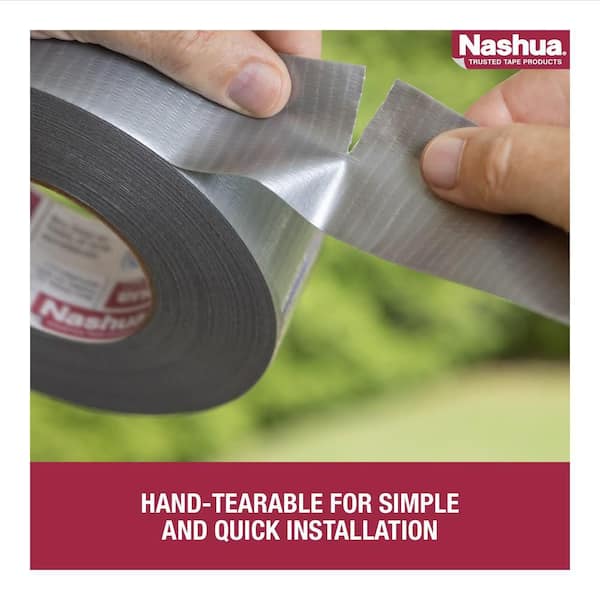
Polyethylene-coated cotton scrim represents the traditional construction found in most commodity silver duct tapes, featuring a woven cotton mesh laminated with low-density polyethylene film and paired with rubber-based adhesives. This construction offers exceptional conformability for irregular surfaces common in industrial maintenance, emergency pipeline repairs, and construction site bundling across African mining operations. The fabric scrim provides bidirectional tear resistance while allowing hand-tearing for rapid field applications without cutting tools, significantly reducing installation labor time. However, prolonged UV exposure degrades the polyethylene coating within months, making this material unsuitable for permanent outdoor installations in high-sunlight regions like Saudi Arabia or Brazil without additional protective covering or UV-resistant overwraps.
Is Aluminum Foil Tape the Right Choice for Thermal Management Applications?
For thermal management and HVAC applications prevalent in Middle Eastern and European construction sectors, aluminum foil backing—often reinforced with fiberglass scrim—provides superior heat reflection and flame resistance critical for ductwork sealing. The acrylic adhesives used withstand temperature cycling from desert heat exceeding 50°C to refrigerated transport environments, maintaining bond integrity where standard rubber adhesives fail. While offering excellent moisture barrier properties essential for marine shipping protection in humid African ports and Southeast Asian logistics hubs, aluminum tapes lack the mechanical flexibility of cloth variants. They require careful application to avoid creasing that compromises the vapor seal, and their sharp edges necessitate safety protocols during installation.
When Should You Specify Vinyl Backing Over Cloth for Heavy-Duty Sealing?
Heavy-duty vinyl substrates deliver UV stability and waterproofing essential for long-term outdoor construction projects in tropical South American or Southeast Asian markets where monsoon exposure is inevitable. Unlike cloth-backed alternatives, PVC silver tapes resist plasticizer migration and maintain aggressive adhesion through seasonal temperature fluctuations and salt-air corrosion prevalent in coastal Middle Eastern developments. The trade-off involves reduced hand-tearability, requiring utility knives for clean cuts, and higher per-roll density that increases freight costs for containerized bulk shipments. However, the extended service life—often exceeding 18 months of continuous outdoor exposure—frequently justifies the material premium for infrastructure applications where access for maintenance remains difficult or dangerous.
How Does Metallized Film Compare for Cost-Sensitive Bulk Procurement?
Metallized biaxially oriented polypropylene (BOPP) films serve cost-sensitive procurement strategies for light-duty bundling, pallet stabilization, and temporary holding in climate-controlled warehousing throughout European distribution networks. These economy-grade silver tapes utilize hot-melt
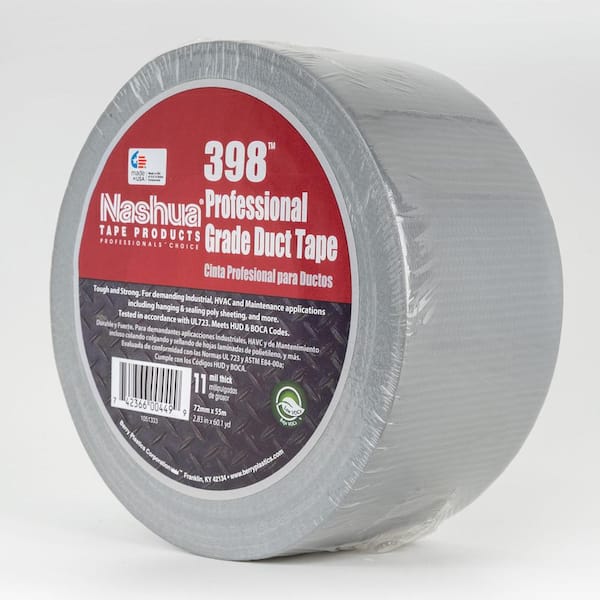
A stock image related to Silver duct tape.
In-depth Look: Manufacturing Processes and Quality Assurance for Silver duct tape
Understanding the manufacturing intricacies behind silver duct tape empowers procurement teams to assess supplier capabilities beyond surface-level specifications. For international buyers operating across diverse climates—from the humid tropics of Southeast Asia to the arid regions of the Middle East and the variable European climate—manufacturing consistency directly correlates with field performance and project liability.
How Is Multi-Layer Silver Duct Tape Constructed?
The production of industrial-grade silver duct tape involves a sophisticated lamination process that combines three distinct functional layers. Manufacturers begin with a woven cotton mesh or cloth scrim, which provides the tensile strength and tear resistance necessary for heavy-duty applications. This fibrous layer undergoes precise tension control during unwinding to prevent distortion that could compromise the tape’s structural integrity.
Next, the cloth backing receives a polyethylene (PE) film coating through extrusion or hot-melt lamination. This polyethylene layer creates the waterproof barrier and silver aesthetic while protecting the internal scrim from moisture degradation. Premium manufacturers utilize UV-stabilized polyethylene formulations, particularly critical for buyers in high-sunlight regions like Saudi Arabia or Brazil, where standard films rapidly degrade under intense solar exposure.
The final construction phase involves applying a rubber-based adhesive—typically formulated from natural rubber, synthetic SBR (styrene-butadiene rubber), or hot-melt blends—onto the cloth side of the laminate. Coating thickness varies by intended application, with heavy-duty industrial grades featuring thicker adhesive deposits (often 8-10 mil total tape thickness) compared to general-purpose variants. The adhesive layer undergoes calendering to ensure uniform thickness across the entire roll width, preventing weak spots that could cause delamination during high-stress applications.
What Quality Control Protocols Validate Adhesive Performance?
Rigorous quality assurance separates commodity-grade products from industrial-strength solutions suitable for infrastructure and MRO (Maintenance, Repair, and Operations) procurement. Reputable manufacturers implement ASTM D3330 testing protocols to measure peel adhesion, ensuring the tape achieves specified holding power on both high-surface-energy materials (metals) and low-surface-energy substrates (plastics and powder-coated surfaces).
Shear resistance testing constitutes another critical QA checkpoint, particularly for buyers in regions with extreme temperature fluctuations. This testing evaluates how long the tape can hold a static load before slipping, simulating real-world conditions where duct tape secures HVAC components or temporary electrical repairs. Leading facilities also conduct loop tack testing to quantify the immediate bond strength upon application—a crucial factor for high-speed installation environments common in African and South American construction sectors.
Visual inspection systems using automated cameras detect coating inconsistencies, pinholes, or contamination during the slitting process. For B2B buyers managing large-scale projects, requesting batch-specific CoAs (Certificates of Analysis) ensures each shipment meets specified adhesion values (typically measured in ounces per inch width) and tensile strength benchmarks (usually 20-30 pounds per inch for standard cloth-backed varieties).
How Do Manufacturing Standards Address Regional Climate Challenges?
Manufacturing facilities serving international markets must adapt formulations to address specific environmental stressors prevalent in target regions. For Middle Eastern and North African markets, manufacturers often increase UV inhibitor concentrations in the polyethylene backing and utilize oxidation-resistant adhesive formulations to combat intense thermal cycling and solar radiation. These modifications prevent the silver coating from chalking and the adhesive from embrittling during prolonged outdoor exposure.
Conversely, for Southeast Asian and humid South American climates, manufacturers prioritize moisture-curing resistance and mold inhibitors within the adhesive matrix. High-humidity environments can activate premature curing in standard rubber adhesives or promote fungal growth on organic cloth backings. Premium manufacturing lines incorporate synthetic fiber blends or antimicrobial treatments in the scrim layer to address these concerns.
European procurement teams typically require compliance with REACH regulations regarding chemical substances and RoHS directives for restricted materials. Manufacturing partners serving these markets must maintain clean-room standards during coating processes to prevent contamination by heavy metals or phthalates, ensuring regulatory compliance across EU member states and associated trading partners.
What Manufacturing Specifications Should B2B Buyers Verify?
When evaluating potential suppliers, procurement professionals should request detailed manufacturing specifications beyond standard product datasheets. Verify the exact composition of the cloth scrim—polyester-cotton blends offer superior dimensional stability compared to 100% cotton variants, particularly important for applications involving thermal expansion and contraction.
Examine the unwind tension consistency specifications, as uneven winding creates telescoping or edge-curling that wastes material and slows application. Industrial-grade manufacturing should guarantee roll straightness within ±1mm across the entire length, ensuring compatibility with automated dispensers and hand-held tape guns used in high-volume operations.
For critical infrastructure applications, inquire about the manufacturer’s lot traceability systems. Sophisticated facilities assign unique identifiers to each production run, tracking raw material batches, machine operators, and environmental conditions during manufacture. This traceability proves invaluable when conducting failure analysis or managing warranty claims across international supply chains.
Additionally, confirm whether the manufacturing facility maintains ISO 9001:2015 quality management certifications and whether they conduct accelerated aging tests (ASTM D3611) to simulate multi-year weathering in compressed timeframes. These certifications indicate systematic process control rather than random quality inspection, providing procurement teams with confidence in long-term supply consistency.
Understanding these manufacturing variables enables buyers to draft technical specifications that eliminate underperforming products while avoiding over-engineered solutions that inflate costs unnecessarily. By aligning manufacturing capabilities with specific regional environmental demands and application requirements, procurement professionals optimize both immediate project outcomes and total cost of ownership across their tape inventory.
Practical Sourcing Guide: A Step-by-Step Checklist for ‘Silver duct tape’
Procuring silver duct tape for industrial applications across diverse geographic markets requires meticulous attention to material specifications and supply chain logistics. This checklist provides procurement professionals with a systematic approach to evaluating suppliers, ensuring product performance aligns with regional environmental demands and operational requirements.
1. What Technical Specifications Ensure Durability in High-Stress Environments?
Begin by defining precise material standards suitable for your operational climate. Specify polyethylene-coated cloth backing with thickness ranging from 8 mil to 10 mil for optimal strength-to-flexibility ratios. Confirm dimensions align with usage patterns—standard widths of 1.88 inches suit general repairs, while 3-inch variants accommodate heavy-duty sealing applications. Request technical data sheets verifying tensile strength and abrasion resistance ratings.
2. How Do You Validate Adhesive Performance for Extreme Temperature Variations?
Evaluate rubber-based adhesive formulations that maintain tack integrity across humidity levels common in Middle Eastern, African, and Southeast Asian markets. Verify UV resistance certifications to prevent degradation under intense sunlight exposure. Demand documentation confirming adhesion strength on both smooth and rough substrates, particularly for construction and industrial maintenance applications.
3. Which Quality Certifications Indicate Reliable Manufacturing Standards?
Prioritize suppliers holding ISO 9001 quality management certifications and compliance with REACH regulations for European distribution. For Middle Eastern markets, confirm adherence to regional standards such as SASO (Saudi Standards, Metrology and Quality Organization). Request third-party testing reports validating waterproofing capabilities and longevity claims.
4. How Should Packaging Specifications Accommodate International Shipping Constraints?
Specify carton configurations that maximize container utilization while protecting adhesive properties from heat damage during transit. Standard rolls typically ship 24-36 per carton; verify pallet stacking limits and weight distributions. Discuss moisture-barrier packaging options for humid port environments prevalent in tropical regions.
5. What Testing Protocols Confirm Product Suitability Before Mass Procurement?
Implement a three-phase sample evaluation: initial adhesion testing on local substrate materials, accelerated weathering simulation for UV and moisture exposure, and shear-resistance testing under load. Conduct application-specific trials—whether for HVAC sealing, construction temporary repairs, or industrial bundling—to validate real-world performance.
6. How Can You Structure Contracts to Mitigate Supply Chain Risks?
Negotiate flexible minimum order quantities that balance economies of scale with inventory turnover rates. Establish clear lead time commitments with penalty clauses for delays affecting project timelines. Include raw material price adjustment formulas to manage volatility in petroleum-based product costs, and specify quality consistency guarantees with batch traceability requirements.
This systematic approach ensures your procurement strategy delivers silver duct tape solutions that perform reliably across diverse international operating conditions.
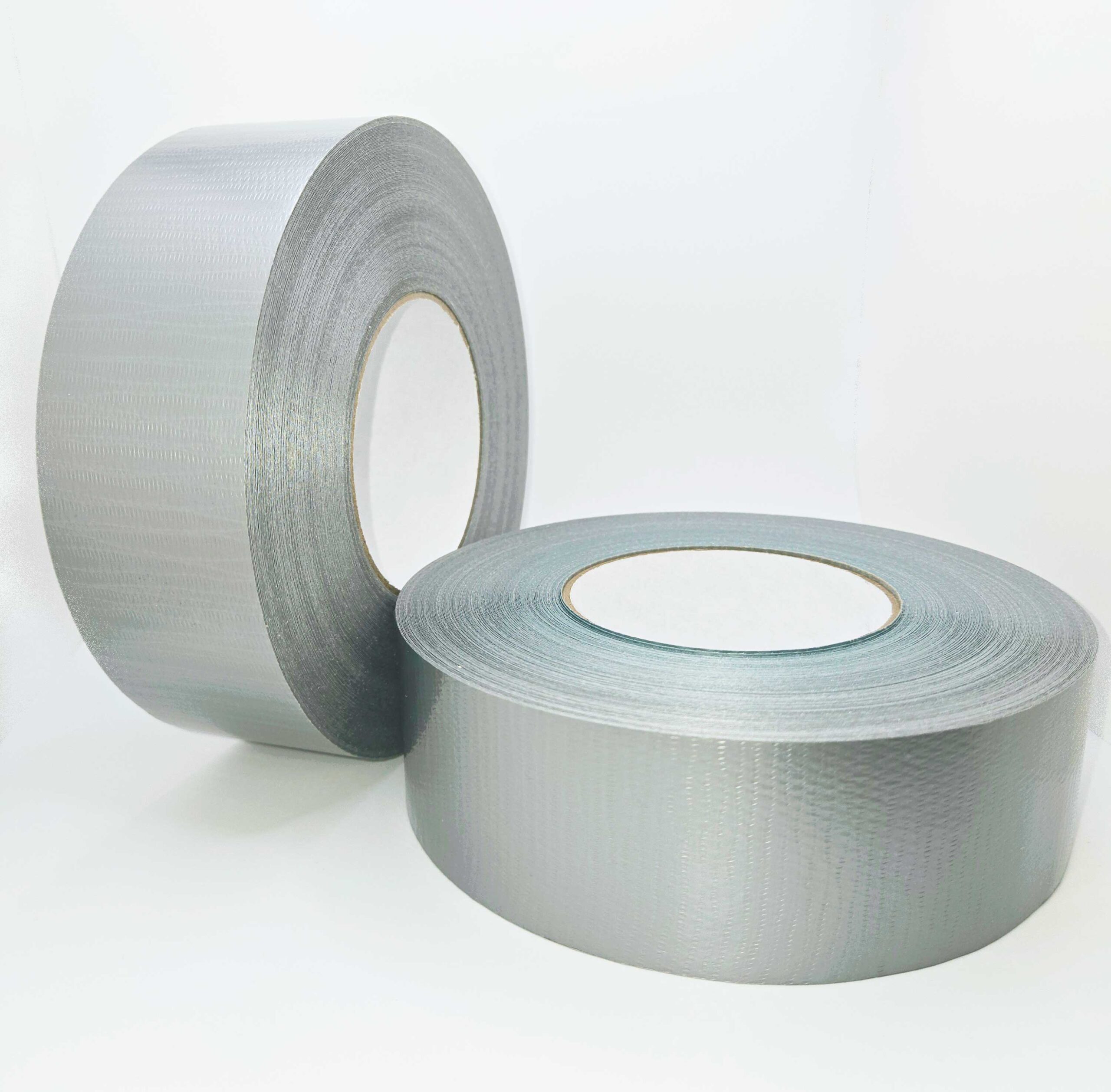
A stock image related to Silver duct tape.
Comprehensive Cost and Pricing Analysis for Silver duct tape Sourcing
When sourcing silver duct tape for industrial or commercial applications, understanding the nuanced cost structure prevents budget overruns while ensuring quality compliance. B2B buyers must evaluate specifications beyond surface pricing, as material composition, dimensional standards, and supply chain logistics significantly impact total procurement costs. Strategic procurement requires balancing immediate unit economics against long-term performance metrics and regional market dynamics.
What Material Specifications Drive Silver Duct Tape Pricing Variations?
The cost differential between commodity and industrial-grade silver duct tape stems primarily from backing materials and adhesive formulations. Standard consumer-grade options typically feature 8-mil polyethylene cloth backing suitable for light repairs, while heavy-duty industrial variants utilize 10-mil thickness with reinforced cotton mesh for demanding construction and HVAC applications. Width variations—from 1.88-inch general purpose to 3-inch professional grades—also affect per-unit pricing, with wider rolls commanding premium rates but offering reduced labor costs during high-volume application. Rubber-based adhesives optimized for extreme temperature resistance, crucial for Middle Eastern and South American climates, typically add 15-25% to base material costs compared to standard synthetic formulations.
How Do Volume Tiers and MOQs Impact Unit Economics for International Buyers?
B2B procurement strategies must account for minimum order quantities (MOQs) that unlock meaningful economies of scale. While retail equivalents may price 50-yard rolls at consumer-friendly points, industrial buyers purchasing 3-inch by 60-yard configurations in pallet quantities typically negotiate 15-30% reductions below standard distributor pricing. For buyers in Vietnam, Saudi Arabia, and emerging African markets, consolidating shipments to achieve full container loads (FCL) rather than less-than-container (LCL) quantities dramatically reduces per-roll freight absorption, often representing the largest cost optimization opportunity. Suppliers frequently offer additional 5-10% discounts for annual contract commitments versus spot purchasing.
What Hidden Costs Should Global Procurement Teams Anticipate Beyond Unit Price?
Calculating true landed costs requires factoring in tariff classifications, regional compliance certifications, and currency fluctuation buffers. Silver duct tape imports may face varying duty rates depending on regional trade agreements—particularly relevant for Middle Eastern and South American buyers sourcing from Asian manufacturing hubs. Additionally, UV-resistant and weatherproof formulations, essential for outdoor infrastructure projects in high-temperature climates, carry 20-40% premiums over standard grades but reduce replacement frequency, improving lifecycle cost efficiency. Storage conditions during transit also matter; humidity-sensitive adhesives may require climate-controlled shipping, adding $0.15-0.25 per roll to logistics expenses.
How Can Buyers Optimize Payment Terms and Logistics for Cost Efficiency?
Strategic sourcing involves negotiating extended payment terms (Net 60/90) to improve cash flow while securing early-payment discounts of 2-3%. For European and African buyers, establishing regional distribution partnerships rather than direct container shipping can mitigate currency exchange risks and reduce warehousing costs. Evaluating supplier capabilities for custom slitting or private labeling during initial manufacturing—rather than secondary processing—eliminates redundant handling fees and import complexity. Buyers should also verify whether suppliers offer price-lock guarantees for quarterly contracts, protecting against volatile petrochemical-based raw material fluctuations that directly impact polyethylene backing costs.
Alternatives Analysis: Comparing Silver duct tape With Other Solutions
While silver cloth-back duct tape functions as a versatile utility solution for general repairs and weatherproofing, discerning B2B procurement teams across emerging markets must evaluate application-specific limitations that impact total cost of ownership. In high-temperature industrial environments, heavy-load logistics operations, or permanent infrastructure installations, specialized adhesive systems deliver superior ROI through targeted performance characteristics. Understanding these material distinctions prevents costly field failures, ensures compliance with regional safety standards, and optimizes inventory allocation for diverse operational contexts from Saudi Arabian construction sites to Vietnamese export facilities.
| 比較の側面 | Silver Duct Tape (Cloth-Back) | Aluminum Foil Tape (HVAC Grade) | Filament Reinforced Strapping Tape |
|---|---|---|---|
| Primary Application | General sealing, temporary repairs, surface protection | HVAC ductwork, thermal insulation, flame-retardant sealing | Heavy-duty bundling, palletizing, corrugated box reinforcement |
| 耐熱温度 | -10°C to 60°C (adhesive degradation above 60°C) | -40°C to 150°C+ (heat-reflective backing) | -20°C to 80°C (stable in moderate heat/humidity) |
| 引張強度 | 20-30 lbs/in (cloth mesh reinforced) | 25-35 lbs/in (foil backing tears easily) | 100-150 lbs/in (fiberglass filament reinforcement) |
| Surface Residue | High residue, difficult removal | Minimal residue, clean removal | Low-to-medium residue depending on adhesive formulation |
| Cost per Linear Meter | $0.03 – $0.05 (economical bulk pricing) | $0.08 – $0.15 (specialized industrial grade) | $0.06 – $0.12 (structural applications) |
| 実施しやすさ | Hand-tearable, immediate adhesion, no tools required | Requires clean surface preparation, pressure-sensitive roller recommended | Requires tape dispenser/cutter, precise tension application |
When Should You Choose Aluminum Foil Tape Over Cloth-Back Silver Duct Tape?
Aluminum foil tape emerges as the critical alternative for B2B buyers managing HVAC systems, refrigeration units, or industrial insulation projects across Middle Eastern and African markets where extreme thermal cycling is common. Unlike polyethylene-backed cloth duct tape—which degrades rapidly under UV exposure and loses adhesive integrity above 60°C—foil tape maintains structural stability while providing flame-retardant properties essential for Saudi Arabian and UAE construction code compliance. While silver duct tape offers superior conformability to irregular surfaces, aluminum foil tape delivers airtight, moisture-resistant seals on metal ductwork without the “drying out” and delamination phenomenon common in rubber-based adhesives under desert conditions. Procurement teams should reserve foil tape for permanent mechanical installations where heat reflection and long-term durability justify the moderate cost premium over standard cloth duct tape.
Is Filament Reinforced Tape Better Than Duct Tape for Heavy-Duty Export Bundling?
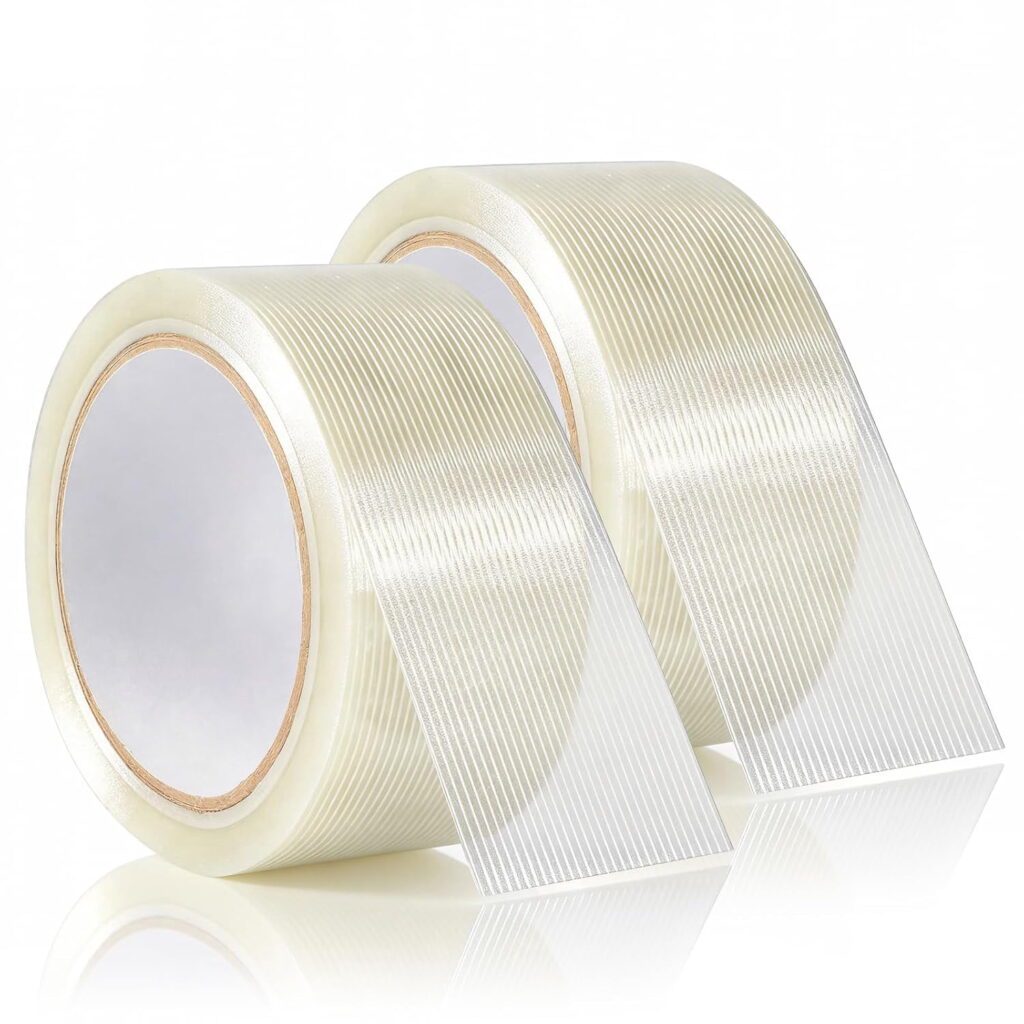
For logistics coordinators and warehouse operations managers in Vietnam, Brazil, and South African manufacturing hubs handling high-volume international exports, filament reinforced tape (strapping tape) presents a structural alternative that eliminates catastrophic bundle failure risks during ocean freight. While cloth-back duct tape provides surface-level adhesion suitable for temporary workshop repairs, its cotton mesh reinforcement lacks the unidirectional fiberglass filaments necessary to withstand shear forces and shifting loads during transcontinental shipping. Filament tape distributes tension across corrugated fibers, offering 4-5x greater tensile strength for pallet unitizing, steel pipe bundling, and textile export packaging. Though requiring handheld tape dispensers for clean application—unlike hand-tearable duct tape—the superior load-bearing capacity significantly reduces insurance claims for damaged goods, particularly in humid tropical climates where standard duct tape adhesives may delaminate or creep under sustained load.
Essential Technical Properties and Trade Terminology for Silver duct tape
What Are the Critical Technical Specifications for High-Volume Silver Duct Tape Procurement?
When evaluating silver duct tape for industrial applications across diverse climates—from the humidity of Vietnam to the arid heat of Saudi Arabia—buyers must scrutinize specifications that determine long-term performance and total cost of ownership. Thickness, measured in mils (thousandths of an inch), serves as the primary durability indicator; standard 8-mil tapes suit general packaging, while 10-12 mil heavy-duty variants provide the abrasion resistance necessary for African mining operations or South American construction sites where mechanical stress is constant. This metric directly impacts freight costs, as denser tapes increase shipment weight significantly at pallet scale.
Tensile strength, quantified in pounds per inch width (PIW) or Newtons per centimeter, reveals the tape’s load-bearing
Navigating Market Dynamics and Sourcing Trends in the Silver duct tape Sector
How Is the Global Silver Duct Tape Market Evolving for Industrial Buyers?
The silver duct tape sector continues to demonstrate resilience amid fluctuating petrochemical markets, driven by sustained demand from construction, HVAC maintenance, and heavy-duty packaging sectors across emerging economies. For procurement teams operating in regions like Saudi Arabia, Vietnam, and South Africa, the market presents a dual opportunity: accessing cost-competitive general-purpose grades (typically 8 mil thickness
Frequently Asked Questions (FAQs) for B2B Buyers of Silver duct tape
1. What is silver duct tape used for in industrial applications and heavy-duty repairs?
Answer: Silver duct tape serves as a versatile solution for general maintenance, emergency repairs, and temporary sealing across manufacturing facilities and construction sites. Its polyethylene-coated cloth construction reinforced with cotton mesh provides exceptional tensile strength for bundling cables, reinforcing packaging, and patching industrial equipment covers. The waterproof backing and abrasion-resistant properties make it ideal for outdoor applications where exposure to moisture and rough handling is expected. Unlike specialized tapes, silver duct tape adheres aggressively to both smooth metal surfaces and rough concrete, making it indispensable for quick fixes in workshop environments and field operations.
2. Is silver duct tape heat resistant for HVAC systems and high-temperature environments?
Answer: While silver duct tape offers moderate temperature tolerance typically ranging from -20°F to 200°F (-29°C to 93°C), it is not recommended for permanent HVAC duct sealing or high-heat applications. The rubber-based adhesive can soften under continuous heat exposure, potentially compromising the seal and leaving residue on metal surfaces. For heating, ventilation, and air conditioning systems, aluminum foil tape is the industry standard due to its superior heat reflection and flame-retardant properties. Silver duct tape performs best in ambient temperature environments for temporary repairs, insulation wrapping, and protection against dust and moisture rather than direct heat exposure.
3. What is the difference between silver duct tape and aluminum foil tape for sealing applications?
Answer: Silver duct tape features a flexible cloth mesh backing coated with polyethylene and a natural rubber adhesive, designed for conformability and strong initial tack on irregular surfaces. In contrast, aluminum foil tape utilizes a dead-soft aluminum backing with acrylic or rubber adhesive, engineered specifically for heat resistance and vapor barrier sealing in HVAC systems. While silver duct tape excels in abrasion resistance and general-purpose bonding, aluminum foil tape provides superior performance for thermal insulation, electromagnetic shielding, and permanent duct sealing. B2B buyers should specify cloth-backed duct tape for construction bundling and temporary repairs, reserving foil tape for temperature-critical applications exceeding 200°F.
4. Can you buy silver duct tape in bulk for construction projects and international procurement?
Answer: Yes, silver
重要な免責事項および利用規約
⚠️ 重要な免責事項
メーカー、技術仕様、市場分析に関する内容を含め、本ガイドラインで提供される情報は、情報提供と教育目的のみのものです。専門的な調達アドバイス、財務アドバイス、または法的アドバイスを提供するものではありません。.
B2Bバイヤーは、独自の徹底的なデューデリジェンスを行う必要がある。 をご覧の上、ご購入をお決めください。本ガイドに記載された情報を信頼した場合のリスクは、読者が単独で負うものとします。.
Top 1 Silver Duct Tape Manufacturers & Suppliers List
1. Amana – Timberline
ドメイン wurthmachinery.com
登録:2017年(9年目)
はじめに This company, Amana – Timberline, is a notable entity in the market.
Strategic Sourcing Conclusion and Outlook for Silver duct tape
As global supply chains continue to evolve, strategic procurement of industrial-grade silver duct tape requires balancing cost efficiency with performance specifications tailored to regional climate demands. Buyers across Africa, South America, the Middle East, and Southeast Asia must prioritize suppliers offering consistent mil thickness ratings—whether selecting standard 8-mil options for general maintenance or heavy-duty 10-mil variants for construction and HVAC applications.
How Can B2B Buyers Future-Proof Their Silver Duct Tape Sourcing Strategy?
The trajectory of industrial adhesives points toward enhanced UV resistance and natural rubber formulations that withstand extreme temperature fluctuations. Forward-thinking procurement teams should establish multi-regional supplier networks capable of delivering polyethylene-backed cloth tape with verified waterproofing and abrasion resistance certifications. This approach mitigates logistics risks while ensuring inventory continuity for critical infrastructure projects.
What Quality Specifications Should Drive Your International Procurement Decisions?
When evaluating bulk orders, prioritize specifications over branding: confirm adhesive tensile strength, backing durability, and compliance with regional industrial standards. For markets experiencing rapid infrastructure growth, selecting weather-resistant silver duct tape with high-tack rubber adhesives ensures longevity in both tropical humidity and arid conditions.
Ultimately, successful sourcing hinges on aligning technical specifications—such as thickness, width, and adhesive composition—with specific application environments. By focusing on material science rather than price alone, international buyers secure reliable sealing solutions that reduce long-term operational costs across diverse industrial sectors.