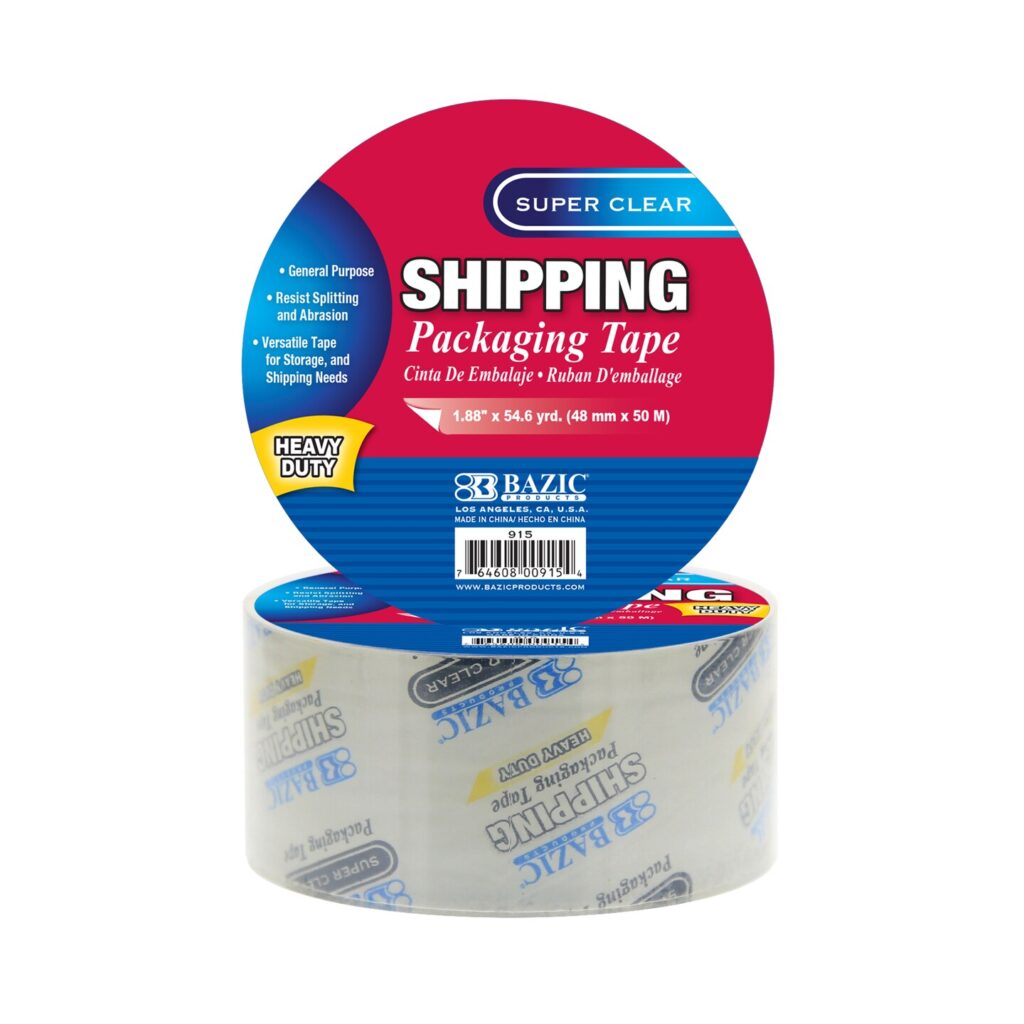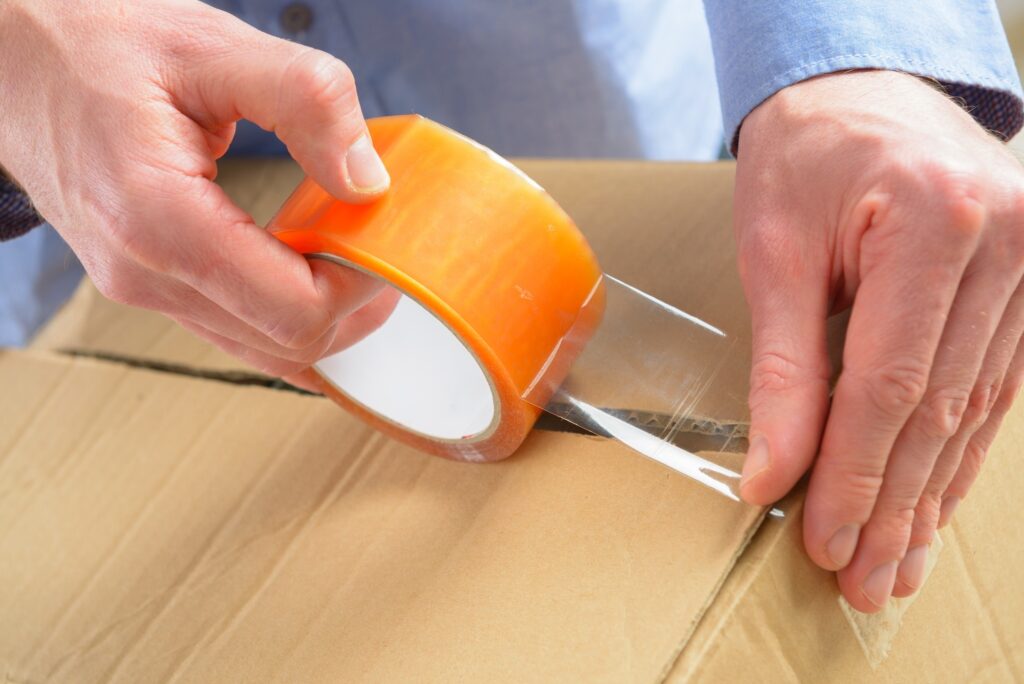
Introduction: Navigating the Global Market for Waterproof fragile tape
Sourcing waterproof fragile tape that withstands the rigors of international logistics has become a critical procurement priority for businesses managing cross-border shipments through humid ports and unpredictable weather corridors. Standard packaging indicators often fail when exposed to monsoon conditions, sea spray, or tropical humidity, leaving delicate electronics, glassware, and precision instruments vulnerable to mishandling while obscuring critical handling instructions. For procurement teams navigating complex supply chains across diverse climates, selecting the right protective sealing solution directly impacts damage rates, insurance costs, and customer satisfaction.
Why do international shipments require waterproof fragile tape solutions?
Traditional paper-based fragile labels dissolve or detach when moisture penetrates container seams, creating liability gaps during transit through high-humidity regions like Southeast Asia or coastal South American ports. Waterproof variants utilizing acrylic adhesives and synthetic film substrates maintain legibility and adhesion despite condensation, rain exposure, or temperature fluctuations common in Middle Eastern and African logistics hubs. This durability ensures that “Handle With Care” warnings remain visible from warehouse to final delivery, reducing costly returns and protecting brand reputation across global markets.
How can this guide optimize your global procurement strategy?
This comprehensive resource examines technical specifications including mil thickness, adhesive chemistry, and substrate durability essential for demanding environments. We analyze application-specific requirements for electronics, pharmaceuticals, and luxury goods while providing frameworks for vetting suppliers capable of consistent bulk delivery to emerging markets. From navigating import compliance in Brazil to understanding volume pricing tiers that impact total landed costs in Vietnam, this guide equips procurement professionals with actionable insights to secure reliable, cost-effective waterproof fragile tape solutions tailored to regional logistical challenges.
Understanding Waterproof fragile tape Types and Variations
| タイプ名 | 主な特徴 | 主なB2Bアプリケーション | バイヤーのための簡単な長所と短所 |
|---|---|---|---|
| Acrylic-Based Standard Waterproof Fragile Tape | 2.0–2.5 mil BOPP film; water-resistant acrylic adhesive; UV-stable red/white print; operates -20°C to 60°C | General e-commerce exports; electronics; glassware; consumer goods to Africa and Middle East | Pros: Cost-effective at volume (36+ rolls), stable long-term adhesion, clear visibility Cons: Reduced tack below 10°C; requires clean, dry application surface |
| Hot Melt Rubber Waterproof Fragile Tape | Synthetic rubber adhesive; immediate fiber-tearing bond; 2.5–3.0 mil thickness; high initial tack | Fast-moving packaging lines; humid warehouse environments (Southeast Asia, Brazil); recycled corrugated boxes | Pros: Aggressive grip on dusty/recycled surfaces; moisture-resistant seal Cons: Higher cost per roll; potential yellowing; shorter shelf life in hot storage |
| Reinforced Filament Waterproof Fragile Tape | Fiberglass or cross-woven fiber reinforcement; 3.0+ mil thickness; 100+ lbs/inch tensile strength; tear-resistant backing | Heavy machinery; automotive parts; mining equipment; palletized industrial goods | Pros: Prevents box bursting under weight; maintains integrity in monsoon conditions Cons: Requires cutting tools or reinforced dispensers; premium pricing; not suitable for lightweight parcels |
| Tamper-Evident Security Waterproof Fragile Tape | Void-message technology (“VOID” or “OPENED” upon removal); permanent solvent-resistant adhesive; waterproof substrate | Pharmaceuticals; high-value electronics; luxury retail goods; compliance-sensitive exports to Europe | Pros: Combines handling instructions with theft deterrence; weatherproof security features Cons: Higher MOQs for customization; single-use only; requires testing on specific box substrates |
What specifications define standard acrylic waterproof fragile tape for export packaging?
Acrylic-based waterproof fragile tape represents the industry standard for B2B exporters managing moderate-value goods across diverse climates. Typically manufactured with 2.2-mil BOPP (biaxially oriented polypropylene) film and water-resistant acrylic adhesives, this variant offers excellent clarity for printed “FRAGILE” warnings while maintaining seal integrity during ocean freight humidity exposure. Buyers should prioritize UV-stable inks to prevent fading during extended port storage, particularly when shipping to Middle Eastern or African markets where cargo may await customs clearance in outdoor conditions. Volume pricing typically begins at 36-roll quantities, offering cost efficiency for mid-sized fulfillment operations without compromising waterproof performance.
Why choose hot melt rubber adhesive for tropical climate fragile shipments?
Hot melt rubber waterproof fragile tape addresses the specific challenges of high-humidity logistics corridors common in Southeast Asia and South America. Unlike acrylic formulations, synthetic rubber adhesives provide immediate fiber-tearing bond strength upon application, crucial for preventing seal failure in moist warehouse environments where condensation risks are elevated. This type performs reliably on corrugated surfaces containing high recycled content—a frequent requirement for Brazilian and Vietnamese export packaging regulations. However, procurement teams should verify oxidation resistance specifications and optimal application temperatures, as rubber-based tapes may degrade during long-term storage in hot climates, potentially affecting shelf-life before application.
How does reinforced waterproof fragile tape secure heavy industrial cargo?
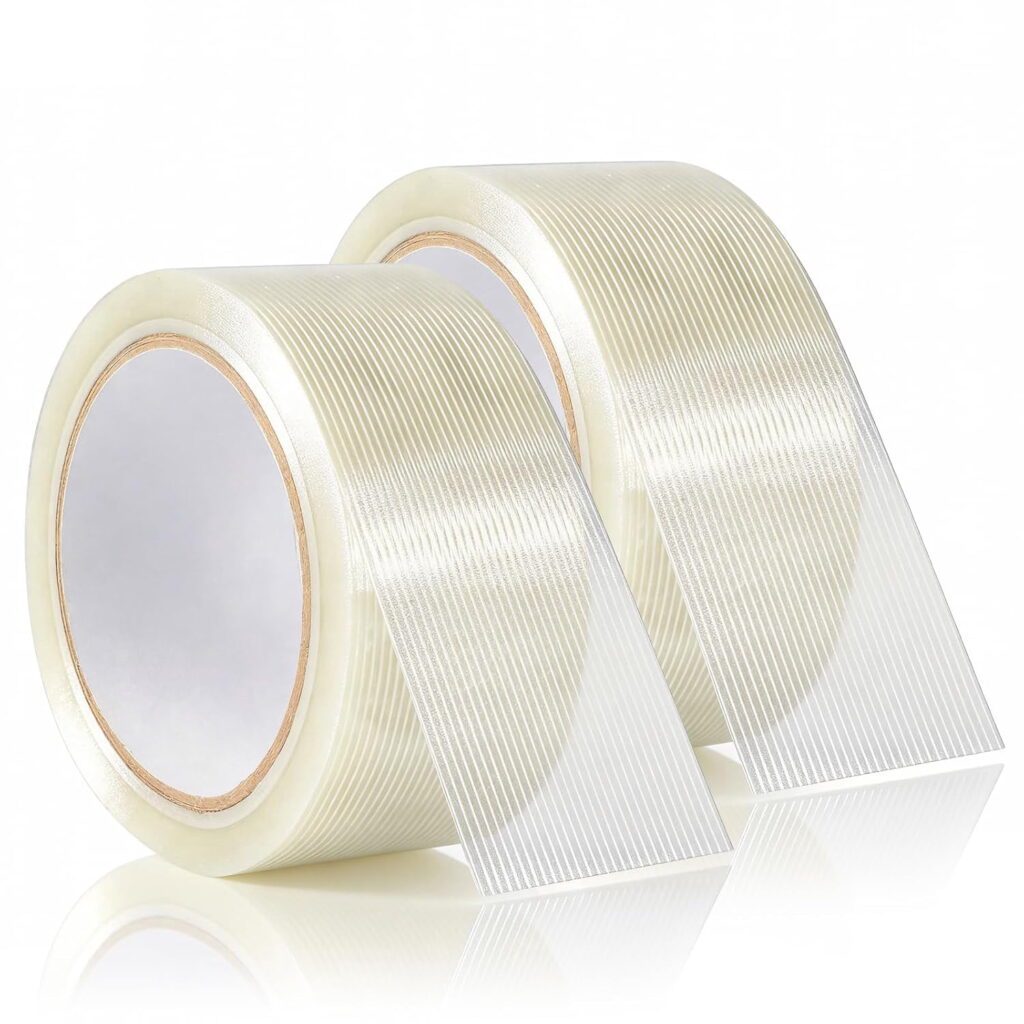
Reinforced waterproof fragile tape integrates fiberglass filaments or cross-woven fibers within the tape substrate, creating a strapping-grade solution for heavy machinery and dense automotive components exceeding 30kg per carton. This variation combines “Handle with Care” visibility with structural reinforcement that prevents box seam bursting under weight stress—critical for African mining equipment exports or European industrial parts. The waterproof backing ensures that fiber reinforcement remains intact during monsoon season transport or refrigerated shipping condensation. B2B buyers must evaluate tensile strength ratings (typically 100+ lbs per inch) and ensure compatibility with automated case sealers, as reinforced grades often require specialized cutting blades to prevent dispenser jams.
What security features should buyers prioritize in tamper-evident waterproof fragile tape?
Tamper-evident waterproof fragile tape serves dual functions for high-value B2B shipments: communicating handling requirements while providing intrusion detection through void-message technology. When removed, these tapes leave permanent “VOID” or “OPENED” text on both the tape and substrate, preventing resealing by unauthorized parties during multi-modal transport. This type proves essential for pharmaceutical exports to Middle Eastern markets and electronics bound for European retailers. Waterproof variants utilize solvent-resistant adhesives that maintain tamper-evident properties even after exposure to rain or cleaning protocols. Procurement considerations include minimum order quantities for custom printing, verification that the void message activates effectively on specific box materials, and compliance with international shipping security standards.
Key Industrial Applications of Waterproof fragile tape
| 業界/セクター | Specific Application of Waterproof fragile tape | ビジネスにとっての価値/利益 | このアプリケーションにおける主な調達上の考慮事項 |
|---|---|---|---|
| Agricultural Export & Cold Chain | Sealing corrugated boxes of fresh produce, flowers, and processed foods for sea/air freight to European markets | Prevents adhesive failure from condensation and tropical rain; maintains “FRAGILE” warning visibility through humid transshipment ports, reducing spoilage claims | UV-resistant ink for outdoor storage; acrylic adhesive rated for 0°C to 60°C; compliance with phytosanitary export standards for EU import |
| Marine & Offshore Equipment | Securing packaging for ship spare parts, drilling instrumentation, and navigation electronics exposed to salt spray | Ensures tamper-evident seal integrity during deck exposure and coastal loading; eliminates costly replacement of water-damaged precision equipment | Heavy-duty 2.5+ mil thickness; resistance to saltwater corrosion; high-tack synthetic rubber adhesive for damp surface application |
| Pharmaceutical & Biomedical | Unitizing temperature-sensitive medical devices, diagnostic kits, and glass ampoules in cold chain logistics | Maintains adhesion in high-humidity refrigerated containers; prevents contamination from tape degradation during multi-modal transport to remote clinics | FDA-compliant or ISO 15378 certified adhesive; low-temperature performance down to -10°C; sterile packaging compatibility |
| 建設・建築資材 | Bundling ceramic tiles, sanitary ware, and architectural glass for project site delivery in tropical climates | Withstands outdoor storage during monsoon seasons; eliminates re-taping labor costs and prevents mishandling losses on job sites | High tensile strength (25+ lbs/in); compatibility with recycled cardboard; weatherproof ink that resists smearing in heavy rain |
| Oil & Gas Equipment Logistics | Packaging precision instrumentation and fragile drilling sensors for remote field operations in desert and coastal regions | Survives flash floods and high-humidity storage in coastal yards; ensures critical safety equipment arrives operational, avoiding extraction downtime | Extreme temperature range (-20°C to 80°C); dust-resistant aggressive adhesive; high-visibility red printing for harsh light conditions |
How Does Waterproof Fragile Tape Protect Agricultural Exports in Tropical Climates?
In regions like Brazil and Vietnam, agricultural exporters face extreme humidity during monsoon seasons and condensation in refrigerated containers. Waterproof fragile tape creates a moisture barrier that standard paper-based fragile labels cannot provide, ensuring that “Handle With Care” warnings remain legible even when cartons are stored in open-air loading bays or transshipment ports. For B2B buyers, this translates to reduced spoilage claims and compliance with strict import visibility standards in European markets.
What Are the Critical Applications for Marine and Offshore Equipment Shipping?
Offshore oil platforms and shipping operators in the Middle East and African coasts require packaging that withstands salt spray and deck washdowns. Waterproof fragile tape secures high-value navigation equipment and replacement parts during ocean freight, preventing seal failure that could expose sensitive electronics to corrosive environments. The tape’s synthetic adhesive maintains tack even when applied to slightly damp surfaces, crucial for rapid loading operations in unpredictable port weather.
Why Is Cold Chain Pharmaceutical Distribution Dependent on Waterproof Fragile Tape?
Medical device manufacturers exporting to South America and Africa rely on cold chain logistics where temperature fluctuations create condensation risks. Waterproof fragile tape ensures that sterile packaging remains sealed and clearly marked throughout multi-modal transport, from humid manufacturing facilities in Vietnam to refrigerated trucks in the Middle East. This prevents costly temperature excursions caused by compromised packaging and ensures compliance with WHO pre-qualification requirements for medical supply chains.
How Does Construction Material Logistics Benefit from Weatherproof Fragile Sealing?
Construction projects in tropical regions like Brazil and Southeast Asia often experience material delays due to tape failure during unexpected rainfall. Waterproof fragile tape secures ceramic tiles, glass fixtures, and sanitary ware on open trucks and outdoor storage yards, eliminating the need for re-taping upon arrival at job sites. This durability is essential for contractors managing just-in-time delivery schedules where damaged markings could result in mishandling and breakage losses.
What Role Does Waterproof Fragile Tape Play in Oil and Gas Supply Chains?
Remote oil and gas operations in the Middle East and North Africa expose fragile instrumentation to harsh conditions including sandstorms and flash floods. Waterproof fragile tape provides reliable carton sealing for precision drilling sensors and laboratory equipment shipped to desert locations, maintaining adhesive integrity across extreme temperature swings. For procurement teams, this ensures critical safety equipment arrives operational, avoiding costly downtime in extraction operations.
A stock image related to Waterproof fragile tape.
3 Common User Pain Points for ‘Waterproof fragile tape’ & Their Solutions
Scenario 1: How Does Humidity Compromise Fragile Tape Adhesion in Tropical Manufacturing Hubs?
問題だ: B2B buyers operating in high-humidity regions such as Vietnam, Brazil, and Southeast Asian manufacturing corridors frequently encounter adhesive degradation when using standard fragile tape. In warehouse environments where relative humidity exceeds 80%, acrylic adhesives absorb atmospheric moisture, causing edge lifting and “FRAGILE” text smearing within 48-72 hours of application. This compromises cargo protection for electronics, glassware, and precision components, leading to mishandling by logistics partners and increased damage claims that erode profit margins.
解決策 Specify waterproof fragile tape constructed with 2.2+ mil polypropylene or vinyl substrates featuring synthetic rubber adhesives formulated for tropical climates. Verify ASTM D5486 Type I compliance for humidity resistance and ensure printed warnings use UV-resistant, solvent-based inks that resist bleeding. Implement climate-controlled packing stations (maintaining 45-55% relative humidity) for tape application, and request suppliers provide adhesion test data specific to 30°C/85% RH conditions before committing to bulk orders of 36+ rolls.
Scenario 2: Can Waterproof Fragile Tape Withstand Monsoon Exposure During Multi-Modal Transit?
問題だ: International shipments from manufacturing hubs to Middle Eastern and European destinations face severe weather exposure during port transfers and last-mile delivery. Standard paper-based fragile tape dissolves when exposed to monsoon rains, dockside precipitation, or container condensation (sweat), leaving critical handling instructions illegible during high-risk sorting operations. This creates liability gaps where carriers deny fragility awareness, resulting in rejected claims for damaged goods and strained vendor relationships.
解決策 Deploy waterproof fragile tape with aggressive hot-melt or cross-linked acrylic adhesive systems rated for extreme temperature fluctuations (-20°C to 60°C) common in transcontinental shipping. Select tape featuring embossed or laminated “FRAGILE” lettering that remains visible after direct water exposure, and pair with moisture-indicator labels to document environmental breaches. For African and South American trade routes, specify tape meeting ISO 17712 high-security standards to prevent tampering while ensuring handling instructions survive sea spray and tropical downpours.
Scenario 3: What Customization Options Maintain Brand Integrity in High-Moisture Supply Chains?
問題だ: Generic fragile tape offers zero competitive differentiation in crowded B2B markets such as Brazil’s e-commerce sector or Europe’s luxury goods logistics. Buyers requiring custom branding find that standard printed tapes bleed or fade when exposed to condensation during refrigerated transport or humid last-mile delivery, undermining professional presentation and traceability. This limits operational efficiency, as illegible QR codes or logos prevent automated sorting and brand recognition at receiving docks.
解決策 Source waterproof fragile tape with flexographic or digital printing capabilities on synthetic substrates that support custom Pantone colors, company logos, and tracking QR codes. Verify ink adhesion through ASTM D3359 cross-hatch testing for moisture resistance, and specify 3″ width options for maximum visibility on large freight containers. Negotiate quantity pricing tiers (optimizing at 611+ rolls) for branded waterproof variants, ensuring that handling instructions and corporate identity remain crisp from origin warehouses in Vietnam through to final delivery in humid African or Middle Eastern climates.
Strategic Material Selection Guide for Waterproof fragile tape
Procurement teams sourcing waterproof fragile tape for intercontinental logistics must evaluate substrate performance beyond basic adhesion metrics. For operations spanning monsoon-prone Southeast Asian manufacturing hubs, humid Brazilian port facilities, and temperature-variable European distribution networks, material selection directly impacts damage claim rates and brand presentation. Synthetic film backings offer distinct moisture-barrier properties, yet each polymer class presents unique trade-offs between conformability, climate resistance, and total cost of ownership that influence specification decisions across Africa, the Middle East, and emerging American markets.
Which substrate delivers optimal moisture resistance for cross-border fragile labeling?
Polyvinyl chloride (PVC) film dominates waterproof fragile tape specifications for African and Southeast Asian exporters managing tropical monsoon exposure and high-humidity warehousing. At standard 2.2-mil calipers, PVC provides exceptional conformability to corrugated fiberboard irregularities while maintaining impermeable moisture barriers during ocean freight transits. The material’s plasticizer content ensures flexibility in refrigerated supply chains, preventing the brittleness that compromises paper alternatives. However, procurement teams must verify UV-stabilized formulations for Middle Eastern markets, as standard PVC exhibits photodegradation under intense desert sunlight that fades red “FRAGILE” print warnings. Additionally, evolving EU REACH regulations regarding phthalate content require compliance verification for European-bound shipments.
How does polyethylene film perform in high-humidity logistics corridors?
Low-density polyethylene (LDPE) substrates offer Brazilian and Vietnamese manufacturers an economical entry point into waterproof fragile labeling without sacrificing moisture protection. These lightweight films excel in 85%+ humidity environments typical of Atlantic and Pacific port operations, resisting the delamination issues that plague standard acrylic tapes. PE’s inherent chemical inertness prevents adhesive oxidation during extended storage in tropical climates, preserving tack properties across seasonal inventory cycles. The trade-off manifests in tensile strength limitations; PE tapes stretch significantly during high-speed automated application, potentially causing misalignment on packaging lines. Buyers should specify minimum 2.0-mil thicknesses to prevent dispenser web breaks while balancing freight cost efficiencies derived from material lightness.
Is polyester film the premium solution for temperature-variable shipping?
Polyethylene terephthalate (PET) addresses the rigorous demands of European pharmaceutical exporters and Middle Eastern luxury goods distributors requiring dimensional stability across extreme temperature differentials. Unlike PVC, PET maintains structural integrity from -20°C freezer storage through +80°C desert exposure, eliminating shrinkage that obscures handling instructions. The rigid substrate supports high-definition red printing that remains legible after salt-spray exposure during maritime transport, critical for high-value electronics and precision instrumentation. While PET commands 40-60% premiums over polyethylene alternatives, its resistance to tearing and chemical solvents reduces damage claims in multi-modal logistics. The material’s stiffness, however, limits conformability to heavily textured or irregular packaging surfaces common in artisanal export sectors.
When should buyers specify aluminum composite backing for extreme weather exposure?
Aluminum foil laminated with polyethylene creates the definitive barrier for fragile tape applications in harsh environmental conditions. This hybrid construction reflects infrared radiation while maintaining absolute moisture impermeability, essential for African overland routes and Middle Eastern logistics where cargo experiences both extreme heat and flash flooding. The metallic substrate provides inherent tamper-evidence—removal attempts create irreversible creasing—adding security value for high-risk trade corridors. Weight penalties and material costs typically restrict aluminum composite specifications to industrial machinery, fine art logistics, and military equipment rather than consumer goods, though the investment proves justified when protecting high-value assets in unpredictable weather patterns.
| 素材 | Typical Use Case for Waterproof fragile tape | 主な利点 | 主な欠点/制限 | 相対コスト |
|---|---|---|---|---|
| PVC (Polyvinyl Chloride) | Tropical climate exports, cold-chain logistics, corrugated irregular surfaces | Superior flexibility and conformability; excellent immediate water resistance | UV degradation and potential print fading; environmental compliance concerns | ミディアム |
| PE (Polyethylene) | High-volume manufacturing exports, humid port storage, cost-sensitive bulk applications | Lightweight with low freight impact; excellent humidity resistance | Lower tensile strength; prone to stretching during automated application | 低い |
| PET (Polyester) | Pharmaceutical/electronics cold-chain, luxury goods, multi-climate zone transits | Extreme temperature stability (-20°C to +80°C); high tear resistance | Rigid structure limits conformability to irregular surfaces; premium pricing | 高い |
| Aluminum Composite | Desert/overland extreme weather, high-value industrial equipment, tamper-evident requirements | Absolute moisture barrier; thermal reflection and tamper evidence | Significant weight increase; excessive cost for standard consumer goods | Premium |
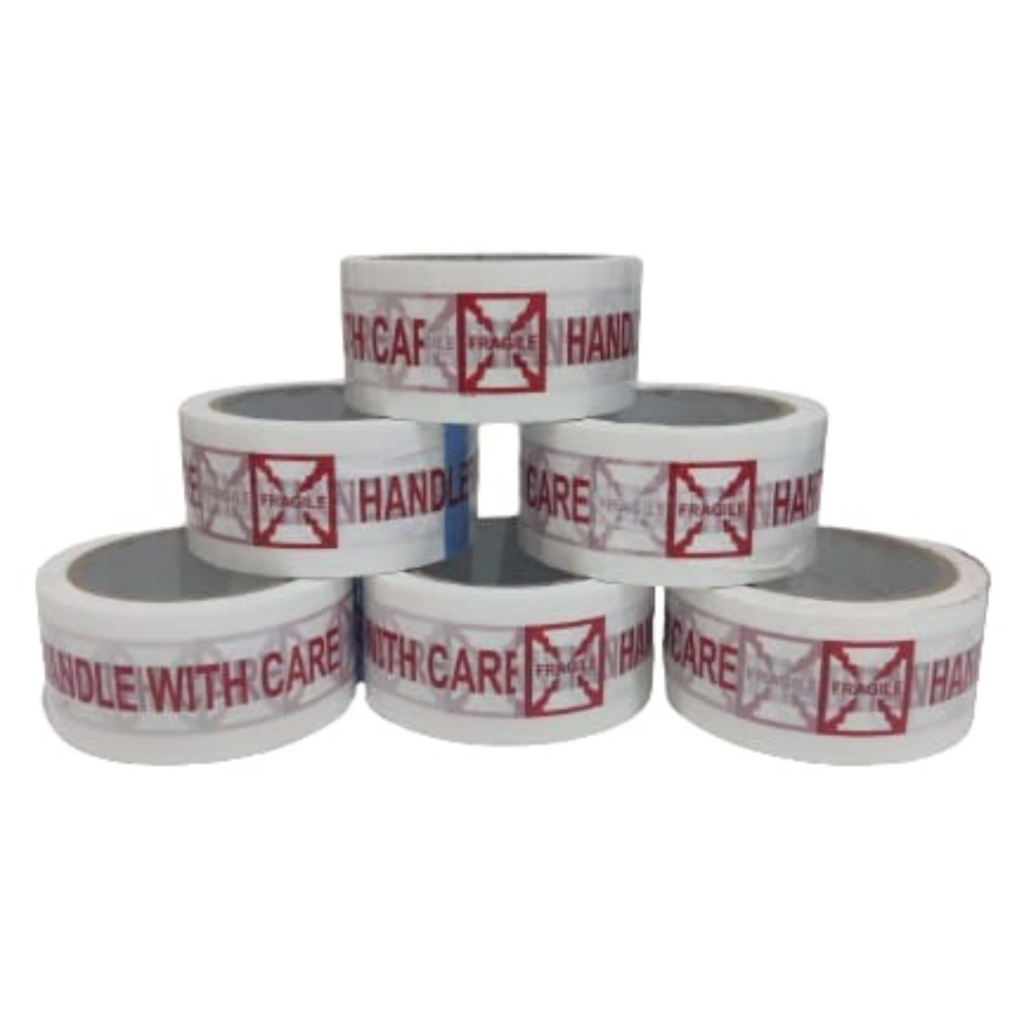
A stock image related to Waterproof fragile tape.
In-depth Look: Manufacturing Processes and Quality Assurance for Waterproof fragile tape
What Raw Materials Define High-Performance Waterproof Fragile Tape?
Waterproof fragile tape begins with material selection that diverges significantly from standard paper-based warning labels. Manufacturers typically utilize biaxially oriented polypropylene (BOPP) film or heavy-duty PVC substrates ranging from 2.2 mil to 3.0 mil thickness, providing the foundational moisture barrier that paper alternatives cannot achieve. The backing material undergoes corona treatment to enhance surface energy, ensuring subsequent adhesive and ink layers bond molecularly rather than merely mechanically.
The adhesive formulation represents the critical differentiator for international buyers sourcing for humid climates. While standard fragile tapes utilize basic acrylic emulsions, waterproof variants employ solvent-based acrylics or synthetic rubber hot melt compounds specifically engineered with hydrophobic properties. These formulations maintain tack integrity when exposed to condensation, tropical rainfall, or high-humidity shipping containers—common scenarios for logistics corridors between Vietnam, Brazil, and African port cities.
How Is the Waterproof Coating Integrated During Manufacturing?
The manufacturing process follows a multi-stage extrusion and coating line operating under controlled atmospheric conditions. First, the BOPP film substrate passes through an extrusion lamination process where a micron-thin layer of polyethylene or specialized waterproof polymer is fused to the non-printing side. This creates a dual-layer barrier system that prevents water ingress from either direction.
Following substrate preparation, the adhesive application occurs via precision gravure coating at temperatures between 120°C–150°C, depending on the hot melt viscosity. For waterproof fragile tape destined for extreme environments, manufacturers apply a heavier coat weight—typically 25–30 grams per square meter compared to the standard 20–22 gsm—ensuring aggressive initial tack and long-term holding power on corrugated surfaces that may absorb atmospheric moisture. The tape then passes through a cooling drum system that sets the adhesive structure before winding.
What Quality Control Tests Ensure Tape Performance in Humid Conditions?
Reputable manufacturers subject waterproof fragile tape to accelerated aging protocols that simulate tropical transit conditions. The ASTM D3330 peel adhesion test serves as the baseline, measuring the force required to remove tape from stainless steel after 24-hour water immersion. Premium-grade waterproof fragile tape must demonstrate retention of at least 80% of its original adhesion strength following submersion testing.
Additionally, manufacturers conduct humidity chamber testing per ISO 2528 standards, exposing tape samples to 90% relative humidity at 40°C for 72 hours. This protocol identifies adhesive degradation, edge lifting, or “tunneling”—where trapped moisture creates bubbles beneath the tape surface. For B2B buyers in the Middle East and Southeast Asia, requesting documentation of these specific humidity resistance tests provides assurance that “FRAGILE” warnings will remain affixed during monsoon seasons or desert condensation cycles.
How Do Manufacturers Verify Print Durability Against Moisture and Abrasion?
The “FRAGILE” warning message requires specialized printing processes to maintain legibility when exposed to water. Leading manufacturers employ flexographic printing with UV-cured or solvent-based inks rather than water-based alternatives, creating a chemical bond with the BOPP substrate that resists smearing. Post-printing, a protective varnish or lamination layer—often 0.5–1.0 mil thick—is applied over the printed graphics.
Quality assurance includes the ASTM D5264 abrasion test (the Sutherland Rub Test), where printed samples undergo 50–100 double rubs with standardized abrasive paper. Waterproof fragile tape must maintain 95% print opacity after testing. Furthermore, manufacturers conduct salt spray testing (ASTM B117) for tapes intended for maritime shipping, ensuring that corrosive ocean air does not degrade the warning message during trans-Atlantic or trans-Pacific voyages.
What Certifications Should B2B Buyers Demand for Waterproof Fragile Tape?
International buyers should prioritize suppliers holding ISO 9001:2015 quality management certifications with specific scope covering pressure-sensitive adhesive tape manufacturing. For European markets, REACH compliance documentation ensures the tape contains no restricted phthalates or heavy metals that could contaminate packaged electronics or pharmaceuticals.
For food-contact applications or pharmaceutical logistics, FDA 21 CFR 175.105 compliance becomes essential, certifying that adhesive components remain safe if incidental contact occurs. Buyers sourcing for Brazilian or Argentine markets should verify INMETRO certification, while Gulf Cooperation Council (GCC) countries often require G-Mark certification for imported packaging materials. Requesting batch-specific Certificate of Analysis (CoA) documents provides traceability and confirms that each production run meets the specified waterproof rating.
Why Does Mil Thickness Matter for Waterproof Fragile Handling Tape?
The caliper—or mil thickness—directly correlates with waterproof integrity and mechanical protection. While standard fragile tapes operate at 2.0–2.2 mil, waterproof variants optimized for heavy-duty export packaging typically range from 2.6 mil to 3.0 mil. This additional thickness accommodates the waterproof coating layers while providing structural rigidity that prevents the tape from “sagging” or delaminating when exposed to temperature fluctuations during container shipping.
Thicker tapes also offer superior puncture resistance when applied over box edges or seams, maintaining the waterproof seal even when packages slide against pallet strapping or container walls. For buyers managing supply chains through high-precipitation regions like the Amazon basin or West African coast, specifying 2.6 mil minimum thickness provides a critical buffer against handling damage that could compromise the waterproof barrier.
Procurement Recommendation: When evaluating suppliers, request samples subjected to 48-hour water immersion followed by immediate peel testing. This simple validation procedure reveals whether the “waterproof” claim represents genuine barrier protection or merely water-resistant properties insufficient for your specific logistics environment.
Practical Sourcing Guide: A Step-by-Step Checklist for ‘Waterproof fragile tape’
Sourcing waterproof fragile tape for international supply chains requires balancing material durability with cost efficiency, particularly when shipping across climates ranging from tropical humidity to arid heat. This checklist helps procurement teams evaluate specifications, supplier capabilities, and logistics requirements to ensure your packaging maintains integrity from warehouse to final destination.
How Do You Verify Waterproof Ratings and Material Specifications?
Begin by confirming the tape’s backing material and adhesive chemistry. True waterproof fragile tape utilizes polypropylene or vinyl backings (typically 2.0–2.6 mil thickness) rather than standard paper-based options. Request technical data sheets specifying ASTM D3330 adhesion standards and ASTM D3654 shear resistance. Verify the “FRAGILE” printing uses solvent-resistant inks that won’t bleed when exposed to rain or container condensation during ocean freight.
What Adhesive Formulations Work Best for High-Humidity Climates?
For regions like Southeast Asia, Brazil, or the Gulf States, prioritize acrylic adhesives over hot-melt formulations. Acrylic maintains tack in temperatures ranging from -20°C to 60°C and resists humidity-induced delamination. Request samples to test quick-stick properties on recycled corrugated boards common in emerging markets, ensuring the tape bonds immediately despite surface dust or moisture.
How Should You Evaluate Print Durability and Visibility Standards?
Inspect the legibility of warning text under wet conditions. High-quality waterproof fragile tape features embossed or laminated printing that remains visible after water exposure. Confirm contrast ratios meet ISO 3864 safety color standards (typically red on white). If sourcing for specific retail channels, verify whether suppliers offer customization for multilingual “Fragile” warnings or branded handling instructions without minimum order quantity penalties.
What Quantity Tiers Optimize Cost Efficiency for International Buyers?
Analyze total landed costs across volume breakpoints. Standard configurations (2″ x 55 yards) often provide price breaks at 6, 12, and 36-roll quantities, but calculate whether larger 110-yard rolls reduce per-meter costs and packaging waste. Factor in storage constraints—waterproof tape requires climate-controlled warehousing in tropical regions to prevent adhesive degradation before application.
Which Certifications Ensure Compliance for Cross-Border Shipping?
Verify suppliers hold ISO 9001 quality management certifications and provide SGS or TÜV testing reports for tensile strength (typically 20–30 lbs/inch). For European markets, confirm REACH compliance regarding chemical substances. If serving environmentally conscious markets, request documentation on recyclable adhesives and PVC-free backings to meet emerging sustainability mandates.
How Do You Conduct Pre-Production Sampling for Performance Validation?
Before committing to bulk orders, implement a three-phase testing protocol: initial adhesion testing on your specific box substrates, 72-hour humidity chamber testing (85% RH at 30°C), and simulated transit vibration testing. This prevents costly failures when shipments face monsoon seasons or desert storage conditions during multimodal transport.
What Quality Control Protocols Should You Establish for Bulk Orders?
Define acceptance criteria for roll consistency, including core alignment tolerances and print registration accuracy. Require pre-shipment inspection reports with photos of random batch testing. For container shipments, specify moisture-barrier pallet wrapping to prevent tape roll edge contamination during ocean transit, ensuring your waterproof fragile tape arrives ready for immediate deployment.
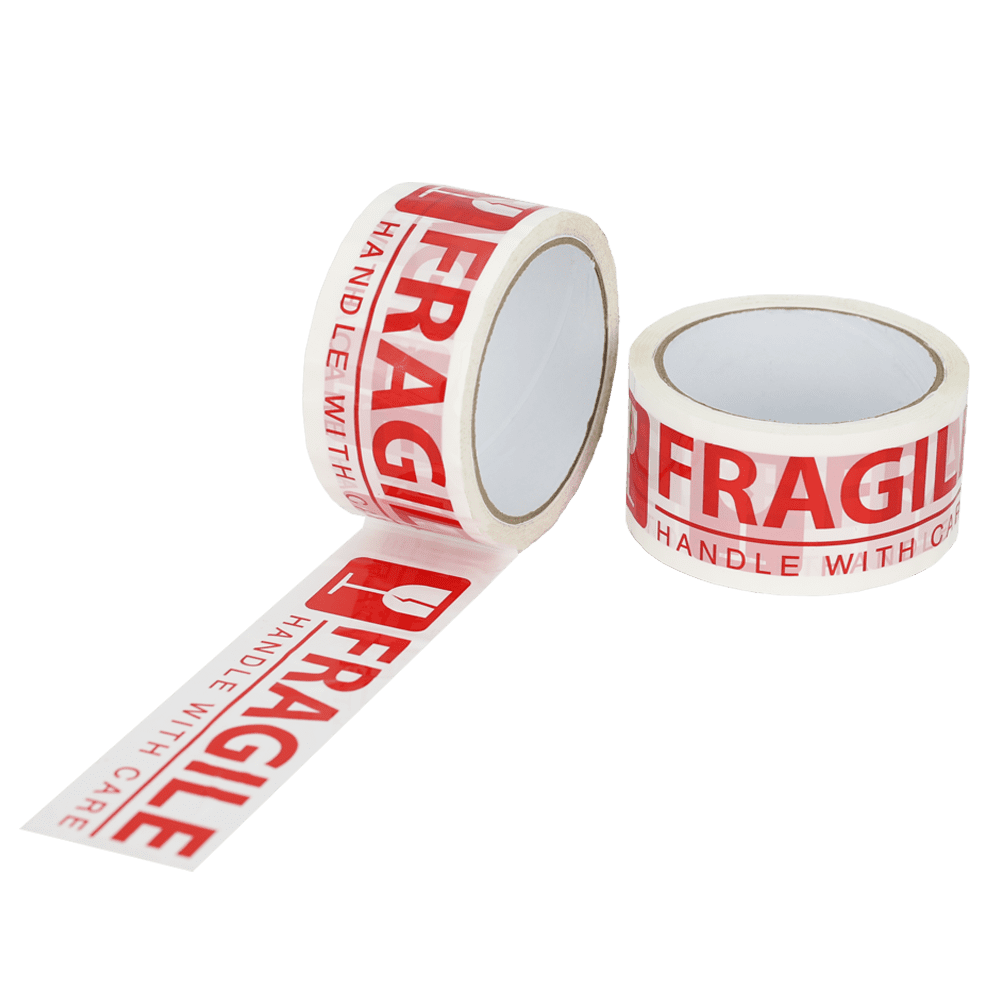
A stock image related to Waterproof fragile tape.
Comprehensive Cost and Pricing Analysis for Waterproof fragile tape Sourcing
What Factors Drive Waterproof Fragile Tape Pricing in Global Markets?
Waterproof fragile tape commands a premium over standard printed packaging tape due to specialized acrylic adhesives and moisture-resistant BOPP (biaxially oriented polypropylene) film backings. For B2B buyers sourcing from international suppliers, unit costs typically range between $0.06–$0.10 per yard depending on mil thickness, roll length, and order volume. The 2.2-mil specification represents the industry standard for durability, while waterproof variants require additional lamination processes and UV-resistant inks that increase manufacturing costs by 15–25%. Regional pricing variations reflect raw material availability, with Asian manufacturers often offering 10–20% cost advantages compared to European or North American suppliers, though quality certifications may vary.
How Do Volume Tiers Impact Procurement Economics for Emerging Markets?
Strategic bulk purchasing significantly reduces per-unit expenditures while improving shipping efficiency. Single-roll purchases may cost $4.50–$4.80 for standard 2″×55-yard specifications, while commitments of 36+ units typically reduce costs to $3.50–$3.80 per roll—a savings of nearly 22%. For emerging market importers in Brazil, Vietnam, or Nigeria, consolidating quarterly requirements into single container shipments optimizes both material costs and freight efficiency. Consider negotiating annual contracts with quarterly release schedules rather than spot-buying to lock in favorable rates against currency fluctuations. Many suppliers offer additional 5–8% discounts for prepayment or letter-of-credit arrangements, improving cash flow for manufacturers while reducing your landed costs.
Is Longer Length Always More Cost-Effective for International Operations?
Analyzing cost-per-yard reveals that 110-yard rolls typically offer superior economics compared to 55-yard alternatives, often reducing per-yard costs by 20–30% and minimizing packaging waste. However, international buyers must balance this against warehouse storage constraints, capital tie-up, and climate considerations. For operations with limited storage facilities in humid African or Middle Eastern markets, the 55-yard format may improve inventory turnover despite higher per-yard pricing. Calculate your consumption rates carefully—high-volume e-commerce operations benefit from extended lengths, while seasonal agricultural exporters should prioritize shorter rolls to prevent adhesive degradation during monsoon storage periods.
What Hidden Costs Should Buyers Consider When Sourcing Internationally?
Beyond unit pricing, factor in dimensional weight shipping charges, import duties (typically 5–15% for adhesive tapes under HS code 3919), customs clearance fees, and potential moisture damage during maritime transit. Waterproof fragile tape’s protective qualities justify premium pricing when considering reduced product damage claims and insurance costs. Request moisture-barrier packaging specifications from suppliers to ensure adhesive integrity upon arrival in tropical ports. Additionally, verify whether quoted prices include dispenser compatibility and core sizes—manual application increases labor costs that often exceed material savings from cheaper alternatives, while incompatible dispensers require additional capital expenditure.
How Can Buyers Optimize Total Cost of Ownership Across Regions?
Evaluate tape performance under local humidity and temperature conditions rather than selecting solely on upfront price. In tropical climates common to Southeast Asian or South American operations, investing in 2.2-mil waterproof specifications prevents seal failure that leads to inventory losses exceeding tape costs by orders of magnitude. Establish supplier relationships offering regional warehousing or bonded storage to minimize lead times and emergency air freight expenses. Standardize tape widths (2″ vs 3″) across your operation to reduce dispenser inventory complexity and achieve better volume discounts through consolidated purchasing. Finally, consider the total applied cost including labor efficiency—premium acrylic adhesives offer immediate tack properties that reduce application time by 15–20% compared to economy grades, delivering superior ROI despite higher per-roll pricing.
Alternatives Analysis: Comparing Waterproof fragile tape With Other Solutions
When evaluating protective packaging strategies for international supply chains, procurement teams must balance environmental resilience against operational scalability. While waterproof fragile tape integrates sealing and weather-resistant messaging into a single application, alternative methodologies offer distinct economic and logistical profiles suited to specific climate conditions and volume requirements.
How Do These Solutions Compare Across Key Operational Metrics?
| 比較の側面 | Waterproof Fragile Tape | Standard Paper Fragile Labels | Pre-Printed Corrugated Boxes |
|---|---|---|---|
| Weather Resistance | High (waterproof backing, withstands humidity/rain) | Low (paper degrades, adhesive fails when wet) | Medium (ink may run, but cardboard structure holds) |
| Cost per Unit | Moderate ($0.08–$0.15 per linear foot) | Low ($0.02–$0.05 per label) | High (requires custom box manufacturing) |
| 申込方法 | Hand or machine tape dispenser | Manual peeling/sticking | N/A (integrated into box) |
| 実施スピード | Fast (continuous roll application) | Moderate (individual placement) | Fastest (no secondary step) |
| Minimum Order Volume | Flexible (rolls available from 36 units) | High volume discounts available | High (typically 500+ units) |
| Message Durability | Permanent (fused with tape adhesive) | Removable (edges peel, ink smears) | Semi-permanent (vulnerable to scuffing) |
Are Standard Paper Fragile Labels a Viable Budget Alternative?
Standard paper fragile labels remain the dominant low-cost alternative for marking handling-sensitive inventory. These adhesive-backed markers typically utilize thermal transfer or flexographic printing on semi-gloss paper stock, offering initial tack strength suitable for dry climate distribution. From a procurement perspective, the unit economics are compelling—paper labels often cost 60–75% less per application than waterproof tape systems, with minimal storage requirements and no specialized dispensing equipment needed. However, operational realities in high-humidity regions like Vietnam’s Mekong Delta or Brazil’s coastal ports reveal critical failure points: paper substrates absorb atmospheric moisture at rates exceeding 15% RH, causing edge curling, adhesive emulsification, and message illegibility within 48–72 hours of exposure. This necessitates secondary protective measures such as clear tape overlays or plastic pouch application, effectively negating initial cost savings while adding labor time. Furthermore, discrete labeling requires sequential application—workers must first seal cartons with standard tape, then apply fragile labels—reducing packing station throughput by approximately 20–30% compared to integrated tape solutions.
Is Direct-to-Box Printing Superior for High-Volume Operations?
Direct-to-carton printing represents the premium alternative, embedding fragile warnings directly into corrugated board during the box manufacturing process. This method eliminates consumables entirely from the packing line, streamlining operations for high-volume exporters with standardized product dimensions. The approach delivers superior aesthetic consistency and eliminates the failure modes associated with adhesive products—no peeling, no residue, and no weather-related degradation of the message itself. However, the total cost of ownership profile differs significantly from tape-based systems. Custom printing requires plate charges (typically $200–$600 per design) and enforces high minimum order quantities, often 1,000+ units per size, creating cash flow pressure and warehouse space constraints for SMEs. Additionally, the model sacrifices operational flexibility; regulatory changes requiring bilingual warnings (e.g., Arabic/English for Middle Eastern markets or Portuguese/English for MERCOSUR compliance) necessitate new print runs and potentially obsolete existing inventory. Unlike waterproof tape, which allows on-demand messaging changes and works with generic stock boxes, pre-printed packaging locks businesses into specific handling instructions for the inventory lifecycle.
Essential Technical Properties and Trade Terminology for Waterproof fragile tape
When sourcing waterproof fragile tape for international shipments—particularly through humid ports in Vietnam or tropical climates in Brazil—understanding technical specifications prevents seal failure and product damage. Unlike standard printed tape, waterproof variants must maintain adhesive integrity during exposure to moisture, temperature fluctuations, and rough handling common in African and Middle Eastern supply chains.
What Mil Thickness Provides Optimal Water Resistance for Fragile Goods?
Waterproof fragile tape typically ranges from 2.2 to 3.0 mil (0.056–0.076 mm) in thickness. While standard fragile tape may use 2.0 mil, waterproof variants require additional caliper to accommodate moisture-barrier coatings without compromising flexibility. For heavy-duty export containers facing monsoon conditions or sea freight condensation, specify 2.5 mil or higher to ensure the backing film maintains structural integrity when wet.
How Does Acrylic Adhesive Chemistry Perform Under Humid Conditions?
Acrylic adhesive systems offer superior water resistance compared to hot melt rubber adhesives, making them essential for Southeast Asian and Middle Eastern logistics. Solvent-based acrylics provide aggressive initial tack and long-term aging stability, resisting plasticizer migration from corrugated boxes. Water-based acrylics offer eco-friendly alternatives but require verification of humidity resistance ratings above 85% RH for tropical storage compatibility.
Which Backing Materials Ensure Waterproofing Without Obscuring Fragile Warnings?
Biaxially Oriented Polypropylene (BOPP) film serves as the industry standard, offering excellent moisture vapor transmission resistance (MVTR). High-quality BOPP substrates feature low-density polyethylene (LDPE) lamination or UV stabilizers to prevent embrittlement during extended outdoor storage in South American or African ports.
Why Does Tensile Strength Matter for Cross-Border Shipping Security?
Tensile strength—measured in pounds per inch (PPI) or Newtons per 25mm—indicates resistance to breaking under stress. Waterproof fragile tape should exceed 20 lbs/inch longitudinal strength to withstand box stacking pressures during ocean freight. Low tensile strength risks “tape snap” during humidity-induced box expansion, compromising the “Handle with Care” warning visibility.
What Temperature Ranges Should You Specify for Multi-Climate Logistics?
Specify service temperatures between -20°C to 60°C (-4°F to 140°F) to accommodate cold chain logistics and desert heat. Acrylic adhesives maintain tack across this spectrum, whereas hot melt adhesives soften above 50°C, risking seal failure in high-temperature warehouses.
Essential Trade Terminology for Waterproof Fragile Tape Procurement
Hot Melt vs. Acrylic: Hot melt adhesives provide immediate bond strength but degrade under UV and moisture exposure. Acrylic systems cure over 24 hours but offer superior weatherability for waterproof applications.
Shear Strength: Measures resistance to sliding under constant load. High shear strength (measured in hours) prevents tape flagging on vertical box surfaces during high-humidity storage.
Elongation at Break: The percentage the tape stretches before snapping. Waterproof BOPP tapes typically offer 150-200% elongation, accommodating box expansion without adhesive fracture.
Tamper-Evident: Refers to security features where tape leaves “VOID” messages or destructible patterns upon removal, distinct from standard fragile tape but often combined for high-value exports.
Jumbo Rolls vs. Slit Rolls: Jumbo rolls (1000m+) require slitting machinery but reduce per-unit costs by 30-40% for high-volume African or Brazilian converters. Slit rolls (55-110 yards) offer immediate usability for SMEs.
MVTR (Moisture Vapor Transmission Rate): Critical for waterproof claims, measuring grams of moisture passing through tape per square meter daily. Premium waterproof tape maintains MVTR below 10 g/m²/24hr.
Navigating Market Dynamics and Sourcing Trends in the Waterproof fragile tape Sector
The waterproof fragile tape sector is experiencing significant transformation as global supply chains adapt to climate challenges and e-commerce expansion. For procurement teams operating across diverse climates—from the humid ports of Vietnam to the variable weather conditions of Brazil and the Middle East—understanding current market dynamics is essential for strategic inventory management. This segment requires particular attention to material specifications that standard fragile tape cannot meet, specifically moisture-resistant acrylic adhesives and polypropylene backings that maintain integrity during monsoon seasons or high-humidity storage. As regional logistics infrastructure evolves, buyers must navigate complex pricing structures and specification standards that vary significantly between manufacturing hubs.
What Are the Key Market Trends Shaping Waterproof Fragile Tape Procurement?
The global market is witnessing a decisive shift toward specialized formulations designed for tropical and subtropical logistics corridors. Unlike standard 2.2 mil fragile tape, waterproof variants now command distinct pricing tiers based on enhanced mil thickness—typically ranging from 2.5 to 3.0 mil—and specialized adhesive chemistry engineered for temperature stability. Regional manufacturing hubs in Southeast Asia and Latin America are increasingly offering localized production to mitigate shipping costs, particularly beneficial for African and Middle Eastern buyers facing complex import duty structures and currency fluctuation risks.
E-commerce growth across emerging markets has accelerated demand for weather-resistant packaging solutions capable of withstanding outdoor storage and extended trans-shipment delays common in multi-modal transport. Buyers should note that waterproof fragile tape specifications vary significantly between Asian manufacturers and European standards, with the former often emphasizing cost-effective polypropylene constructions while the latter prioritizes recyclable content percentages and REACH compliance. Quantity pricing structures reflect these material differentiations, with premium waterproof grades showing steeper volume discounts—often dropping 20-25% when moving from single-roll purchases to pallet-level orders exceeding 500 rolls. For buyers in Brazil and Vietnam, negotiating annual volume contracts rather than spot purchasing can secure additional 5-10% savings while ensuring supply continuity during peak shipping seasons.
Climate adaptation represents another critical trend, as waterproof fragile tape must perform across extreme temperature ranges from desert logistics in the Middle East to high-humidity port environments. Advanced acrylic adhesives now offer immediate tack and long-term holding power even when applied to condensation-prone surfaces, a specification particularly valuable for cold chain pharmaceutical shipments and agricultural exports common in South American trade lanes.
How Can B2B Buyers Ensure Sustainable and Ethical Sourcing of Waterproof Fragile Tape?
Sustainability in the waterproof tape sector extends beyond material composition to encompass the entire adhesive supply chain and end-of-life considerations. Forward-thinking procurement teams are now requiring suppliers to provide water-based acrylic adhesive formulations that eliminate volatile organic compounds (VOCs) while maintaining the moisture resistance critical for tropical climates. Ethical sourcing verification should include comprehensive audits of factory conditions in major manufacturing regions, ensuring compliance with labor standards particularly relevant to European import regulations and increasingly stringent Middle Eastern customs requirements regarding forced labor prevention.
The intersection of waterproofing and sustainability presents unique technical challenges, as traditional solvent-based adhesives historically provided superior moisture barriers compared to eco-friendly alternatives. However, recent innovations in hot-melt acrylic and UV-cured technologies now offer comparable water resistance with significantly reduced environmental impact and carbon footprint. Buyers should prioritize suppliers offering recyclable polypropylene backings and biodegradable paper cores, with some advanced manufacturers providing closed-loop take-back programs for used tape dispensers and cores.
When evaluating ethical credentials, consider the carbon footprint implications of bulk shipping versus regional warehousing strategies, particularly for buyers in landlocked African markets or remote South American regions where consolidated purchasing can reduce per-unit transportation emissions by up to 40%. Additionally, verify that waterproof coatings and laminates do not contain per- and polyfluoroalkyl substances (PFAS), which face increasing regulatory bans in European markets. Establishing direct relationships with manufacturers rather than intermediaries allows buyers to verify sustainability claims through third-party certifications such as ISO 14001 and FSC chain-of-custody documentation for paper-based packaging components.
Frequently Asked Questions (FAQs) for B2B Buyers of Waterproof fragile tape
Primary Applications and Performance in Commercial Logistics
1. What is waterproof fragile tape used for in commercial shipping and logistics?
Waterproof fragile tape functions as a critical protective indicator for electronics, glassware, and pharmaceutical products exposed to monsoon conditions, port condensation, or outdoor storage during cross-border transit. Unlike standard paper labels, this tape maintains its “FRAGILE” warning visibility and adhesive bond when subjected to rain or high-humidity warehouse environments common in tropical logistics hubs. B2B buyers deploy it specifically for ocean freight and multimodal shipments where packages encounter uncontrolled climate variables between origin and destination.
2. How does waterproof fragile tape perform in rain and high-humidity storage environments?
Premium waterproof fragile tape utilizes acrylic adhesive formulations resistant to moisture ingress, maintaining tack strength even when applied to corrugated surfaces with 85-95% relative humidity. The synthetic polymer backing (typically 2.2 mil or thicker) prevents ink bleeding and label disintegration during tropical downpours or condensation cycles prevalent in Southeast Asian and South American ports. For buyers operating in coastal regions, selecting tapes with IPX4-rated water resistance ensures warning messaging remains intact during unexpected rain exposure during loading operations.
Technical Differentiation and Customization Options
3. What is the difference between waterproof fragile tape and standard fragile packing tape?
Standard fragile tape employs paper-based or non-laminated film backings that absorb moisture, causing adhesive failure and print smearing within hours of humidity exposure. Waterproof variants feature polypropylene or PVC backings with specialized acrylic adhesives that create moisture barriers while maintaining tensile strength for heavy-load securing. While standard tape suffices for climate-controlled indoor shipping, waterproof tape is essential for exports encountering variable weather patterns and uncontrolled storage environments where package integrity directly impacts damage claim rates.
4. Can waterproof fragile tape be customized with company branding and handling instructions?
Yes, manufacturers offer full-color custom printing on waterproof fragile tape substrates, allowing B2B buyers to incorporate corporate logos, QR codes for supply chain tracking, and multilingual handling instructions beyond standard “FRAGILE” warnings. Digital and flexographic printing technologies ensure that custom graphics remain waterproof and abrasion-resistant throughout transit, serving dual purposes as tamper-evident seals and brand marketing tools. Minimum order quantities typically start at 5,000 rolls for custom designs, with lead times of 3-4 weeks for international delivery to African, Middle Eastern, or South American markets.
Application Best Practices for High-Humidity Environments
5. How do I ensure adhesive integrity when applying waterproof fragile tape in high-humidity climates?
Achieving optimal bond strength requires surface preparation including cleaning corrugated boxes of condensation, dust, or mold inhibitors that compromise adhesive contact. Apply tape using pressure-sensitive dispensers at temperatures between 15°C and 38°C, avoiding
重要な免責事項および利用規約
⚠️ 重要な免責事項
メーカー、技術仕様、市場分析に関する内容を含め、本ガイドラインで提供される情報は、情報提供と教育目的のみのものです。専門的な調達アドバイス、財務アドバイス、または法的アドバイスを提供するものではありません。.
B2Bバイヤーは、独自の徹底的なデューデリジェンスを行う必要がある。 をご覧の上、ご購入をお決めください。本ガイドに記載された情報を信頼した場合のリスクは、読者が単独で負うものとします。.
Top 1 Waterproof Fragile Tape Manufacturers & Suppliers List
1.リゼテープ - 傷つきやすいシーリングテープ
ドメイン リゼテープ・ドットコム
登録:2022年(4年)
はじめに Fragile Sealing Tape manufactured in China by Rizetape, positioned as factory/supplier/manufacturer for B2B markets. Company emphasizes high-quality products, competitive pricing, and first-class professional service. Supplies to global markets including Europe, America, Australia, Netherlands, Greece, United States, and Somalia. Related product offerings include PVC Tape Clear, Heavy Duty Two Sid…
Strategic Sourcing Conclusion and Outlook for Waterproof fragile tape
As global supply chains navigate increasing climate volatility and stricter handling regulations, waterproof fragile tape has evolved from a niche packaging accessory to a critical logistics asset. For procurement teams operating across diverse climates—from the humid ports of Vietnam to the variable weather conditions of Brazil—selecting the right adhesive solution requires balancing immediate cost efficiencies with long-term operational resilience.
How Can B2B Buyers Optimize Procurement Costs for Waterproof Fragile Tape?
Volume consolidation remains the most leveragable strategy for international buyers. Analysis of tiered pricing structures reveals that committing to 36-roll quantities typically reduces per-unit costs by over 20% compared to single-roll purchases, while ensuring consistent batch quality for large-scale operations. Beyond unit pricing, buyers should negotiate landed cost agreements that account for moisture-resistant packaging requirements during ocean freight, ensuring that inventory arrives ready for immediate deployment without humidity-related adhesive degradation.
What Future Trends Should Global Buyers Consider When Sourcing Waterproof Fragile Tape?
The convergence of sustainability mandates and performance standards is driving innovation in acrylic adhesive formulations that maintain waterproof integrity while supporting recyclable corrugated workflows. Forward-thinking procurement teams are now requiring suppliers to provide climate-specific performance data—particularly critical for Middle Eastern and African markets where extreme heat can compromise standard adhesives. Establishing multi-regional supplier relationships will mitigate geopolitical risks while ensuring consistent quality across distribution networks.
Ultimately, strategic sourcing of waterproof fragile tape demands viewing this category not as a commodity expense, but as insurance against costly handling errors and weather-related claim disputes. By leveraging volume commitments, demanding climate-specific performance certifications, and diversifying supplier portfolios, international buyers can transform packaging procurement into a competitive operational advantage.