Introduction: Navigating the Global Market for Benefits of Using Aluminum Foil Tape in HVAC Systems
いつ sourcing aluminum foil tape for HVAC efficiency across international markets, procurement teams confront a strategic challenge that extends beyond simple product selection: identifying sealing solutions that maintain adhesive integrity through extreme thermal cycling, high humidity, and UV exposure while navigating complex cross-border supply chains. From the tropical industrial zones of Vietnam to the scorching infrastructure developments of Saudi Arabia, HVAC systems operate under environmental stressors that rapidly degrade conventional sealing materials. Substandard tape applications create invisible energy leaks—where ductwork gaps as small as 5% can escalate operational costs by 20-30% annually—compromising climate control in critical commercial, industrial, and healthcare facilities.
This comprehensive guide dismantles the technical complexity of global HVAC tape procurement. We examine reinforced backing technologies—from FSK (Foil-Scrim-Kraft) and PSK to ASJ (All-Service Jacket)—that solve the tensile limitations of pure aluminum foil, analyze application-specific requirements for duct sealing, vapor barrier installation, and plenum integrity, and provide actionable frameworks for vetting manufacturers, negotiating bulk contracts, and optimizing shipping logistics for markets across Africa, South America, the Middle East, and Europe.
Whether you are equipping large-scale commercial projects in Lagos, industrial retrofits in São Paulo, or sustainable building initiatives in Frankfurt, this resource empowers you with material specifications, regional compliance insights (including fire-resistance standards and thermal ratings), and cost-benefit methodologies necessary to secure reliable, long-lasting sealing solutions. By mastering these procurement fundamentals, you will maximize HVAC system performance across diverse regulatory environments while mitigating risks of thermal degradation, moisture infiltration, and premature adhesive failure.
What Critical Factors Should International Buyers Consider When Evaluating HVAC Tape Suppliers?
Understanding the intersection of material science and logistics distinguishes high-value procurement from costly experimentation. This section establishes the evaluation criteria essential for sourcing decisions that balance immediate project requirements with long-term system reliability in your specific regional climate.
Understanding Benefits of Using Aluminum Foil Tape in HVAC Systems Types and Variations
| タイプ名 | 主な特徴 | 主なB2Bアプリケーション | バイヤーのための簡単な長所と短所 |
|---|---|---|---|
| Dead-Soft Aluminum Foil Tape | Pure aluminum foil (1.5–3.0 mil) with acrylic PSA backing; maximum conformability to irregular surfaces; no reinforcement layer | Sealing small duct joints, temporary vapor barrier patches, tight-space repairs in residential and light commercial systems | Pros: Cost-effective, excellent adhesion to metal, easy hand-tearing, high thermal conductivity. Cons: Low tensile strength, prone to tearing during application, unsuitable for large insulation facing |
| FSK (Foil-Scrim-Kraft) Reinforced Tape | Tri-directional fiberglass scrim sandwiched between aluminum foil and kraft paper; flame-retardant adhesive bonding; UL 723 rated | Fiberglass duct board facing, rigid metal ductwork sealing, mechanical room insulation, industrial HVAC infrastructure | Pros: High tear resistance, dimensional stability, fire-resistant, withstands mechanical stress. Cons: Less flexible than pure foil, requires roller application, higher material cost |
| ASJ (All Service Jacket) Reinforced Tape | Glass fiber scrim with white kraft paper backing and aluminum foil layer; clean white aesthetic finish; paint-compatible surface | Exposed commercial ductwork in retail/office ceilings, architectural HVAC systems, visible installations requiring aesthetic consistency | Pros: Professional appearance, paint-compatible, maintains insulation integrity, inspection-friendly. Cons: Premium pricing, limited UV resistance without coating, visible dirt accumulation in high-traffic areas |
| PSK (Polypropylene-Scrim-Kraft) Reinforced Tape | White polypropylene film laminated to fiberglass scrim and kraft; replaces metal facing for chemical resistance; wash-down compatible | Food processing facilities, pharmaceutical cleanrooms, coastal/high-humidity environments, chemical processing plants | Pros: Superior moisture/chemical resistance, corrosion-proof, bright white finish, sanitary maintenance compatible. Cons: Lower heat tolerance (max ~200°F), unsuitable for high-temperature exhaust, limited EMI shielding |
What Are the Core Characteristics of Dead-Soft Aluminum Foil Tape?
Dead-soft aluminum foil tape features pure aluminum foil laminated with pressure-sensitive acrylic adhesive, delivering exceptional conformability for irregular duct surfaces and tight corners. This non-reinforced variant provides superior initial tack and thermal conductivity, making it ideal for sealing small gaps in galvanized metal ductwork and creating temporary vapor barriers. B2B buyers should evaluate foil thickness (typically 1.5–3.0 mil) and adhesive temperature ratings between -30°F to 300°F, as unsupported foil lacks the tensile strength required for large-scale insulation facing or high-stress mechanical applications.
How Does FSK Reinforced Tape Support Heavy-Duty HVAC Infrastructure?
FSK tape integrates tri-directional fiberglass scrim sandwiched between aluminum foil and kraft paper, delivering exceptional tear resistance and dimensional stability for industrial duct wrapping and fiberglass board facing. This construction withstands mechanical stress during installation and thermal cycling without delamination or cracking. Procurement teams should verify UL 723 flame-smoke ratings and ensure compatibility with fiberglass insulation boards. While the reinforced structure requires roller application for proper bonding, it eliminates the tearing issues common with pure foil in high-vibration commercial environments.
Why Choose ASJ Reinforced Tape for Visible Commercial Installations?
ASJ (All-Service Jacket) tape combines reinforced fiberglass scrim with white kraft paper backing and aluminum foil, providing an aesthetically pleasing finish for exposed
Key Industrial Applications of Benefits of Using Aluminum Foil Tape in HVAC Systems
| 業界/セクター | Specific Application of Benefits of Using Aluminum Foil Tape in HVAC Systems | ビジネスにとっての価値/利益 | このアプリケーションにおける主な調達上の考慮事項 |
|---|---|---|---|
| Commercial Construction & Infrastructure Development | Sealing high-rise ductwork joints, plenum connections, and vapor barriers in large-scale HVAC installations; insulating sheet metal in mixed-use developments | Reduces HVAC operational costs by up to 30% through airtight sealing; ensures compliance with green building certifications (LEED/BREEAM); prevents thermal leakage in glass-intensive architecture | Prioritize FSK or ASJ reinforced backing for structural integrity in high-wind zones; verify fire ratings (UL 723/ASTM E84); ensure high-tack adhesive for humid climates (coastal Africa, Southeast Asia) |
| Oil, Gas & Petrochemical Processing | Sealing climate-controlled ductwork in explosion-proof environments; insulating process cooling lines and instrumentation room HVAC in refineries and offshore platforms | Maintains critical temperature control for sensitive equipment in extreme heat; prevents corrosive moisture ingress in chemical-heavy atmospheres; enhances fire safety in hydrocarbon processing zones | Specify high-temperature resistance (minimum 120°C continuous); demand chemical-resistant acrylic or silicone adhesive; require compliance with ATEX/IECEx or regional safety standards for flammable environments |
| Cold Chain Logistics & Food Processing | Sealing refrigerated ductwork, cold storage vapor barriers, and flexible connections in transport refrigeration units; repairing insulation on freezer room panels | Prevents spoilage by maintaining consistent sub-zero temperatures; reduces refrigeration energy consumption by eliminating air leaks; ensures hygiene compliance by preventing condensation and mold growth | Source tapes with anti-microbial adhesive properties; verify low-temperature adhesion performance (effective at -30°C); ensure compliance with FDA or EU food contact regulations for food processing zones |
| Data Centers & Telecommunications | Sealing precision cooling systems (CRAC/CRAH units), raised floor plenums, and sound-dampening ductwork in server farms; creating dust barriers for cleanroom HVAC | Optimizes PUE (Power Usage Effectiveness) by preventing bypass airflow; protects high-value electronics from dust infiltration; reduces acoustic interference from cooling infrastructure in 24/7 operations | Require low-outgassing adhesive to prevent vapor deposition on servers; specify anti-static or static-dissipative properties; ensure high reflectivity backing for enhanced thermal management in hot climates |
How Does Commercial Construction Maximize HVAC Efficiency with Aluminum Foil Tape?
In large-scale commercial developments across Saudi Arabia and Vietnam, aluminum foil tape serves as the primary defense against thermal leakage in high-rise HVAC networks. Contractors utilize reinforced FSK-backed tape to seal sheet metal ductwork joints and plenum connections, preventing conditioned air escape in extreme heat. This application solves the critical problem of energy inefficiency in glass-heavy modern architecture while withstanding high humidity levels common in coastal African and South American cities. Buyers should prioritize tapes with high tensile strength to accommodate building settlement and thermal expansion without cracking, ensuring performance in seismic zones.
What Role Does Aluminum Foil Tape Play in Oil & Gas Facility Climate Control?
Petrochemical facilities in the Middle East and offshore platforms require HVAC systems that function reliably in corrosive, high-temperature environments. Aluminum foil tape creates airtight seals on ductwork exposed to chemical vapors and intense solar heat, preventing equipment corrosion and maintaining climate control for instrumentation rooms. The tape’s fire-resistant properties address stringent safety protocols in hydrocarbon processing zones where ignition risks are severe. International buyers must verify chemical resistance certifications and ensure adhesive systems remain effective when applied to oil-contaminated surfaces common in these industrial settings, particularly for maintenance repairs in active facilities.
Why is Aluminum Foil Tape Critical for Cold Chain Infrastructure in Emerging Markets?
For agricultural exporters in South America and pharmaceutical distributors in Africa, maintaining unbroken cold chains depends on robust refrigeration HVAC systems. Aluminum foil tape seals flexible duct connections in refrigerated warehouses and transport containers, preventing moisture infiltration that causes ice buildup and energy waste. This application is crucial for regions with high ambient humidity where condensation risks are elevated and temperature fluctuations threaten perishable goods. Buyers should source tapes with superior low-temperature adhesion and anti-microbial properties to prevent mold growth in humid cold storage environments, ensuring compliance with international food safety standards like HACCP.
How Do Data Centers in Hot Climates Benefit from Specialized HVAC Sealing Solutions?
As data center construction expands across Europe and the Middle East, precision cooling becomes paramount for protecting high-value server infrastructure. Aluminum foil tape seals raised floor plenums and CRAC unit connections, eliminating bypass airflow that reduces cooling efficiency by up to 40% in high-density environments. The tape’s reflective backing enhances thermal management while its sound-dampening properties reduce mechanical noise in facilities operating 24/7. Procurement teams must prioritize low-outgassing formulations to prevent adhesive vapor deposition on sensitive electronic components, alongside static-dissipative properties essential for maintaining cleanroom standards in telecommunications hubs.
A stock image related to Benefits of Using Aluminum Foil Tape in HVAC Systems.
3 Common User Pain Points for ‘Benefits of Using Aluminum Foil Tape in HVAC Systems’ & Their Solutions
B2B buyers sourcing HVAC materials across diverse climates and regulatory environments face unique challenges that standard product specifications often fail to address. From extreme heat degradation in Middle Eastern installations to compliance complexities in multi-national projects, understanding these specific pain points ensures procurement decisions that protect both project timelines and long-term system performance.
Scenario 1: Why Do HVAC Seals Fail in High-Temperature Commercial Environments?
問題だ:
Procurement teams and contractors operating in hot climates—such as Saudi Arabia, Nigeria, or industrial zones across Vietnam—frequently encounter catastrophic adhesion failure when relying on standard cloth-backed duct tape for HVAC installations. When surface temperatures on ductwork exceed 60°C–80°C in uninsulated attic spaces or near heating equipment, the rubber-based adhesives on conventional tapes degrade rapidly, causing edges to peel and seals to breach within weeks. This results in significant conditioned air loss, inflated energy costs for end clients, and costly callback visits that damage contractor reputations. For international B2B buyers managing cross-border supply chains, this translates to inventory write-offs and project delays when products fail to perform in local thermal conditions.
解決策
Specify aluminum foil tape engineered with high-temperature acrylic or synthetic rubber adhesives rated for continuous exposure between -30°C and 150°C (302°F), ensuring stability in extreme heat cycles. For outdoor applications exposed to intense UV radiation common in Middle Eastern and African markets, select tapes with UV-resistant foil backing to prevent adhesive breakdown. Always verify that temperature ratings exceed both ambient climate extremes and peak operating temperatures of the HVAC system. Additionally, ensure surfaces are clean, dry, and free of oil before application to maximize bond strength in challenging environments.
Scenario 2: How Can International Contractors Navigate UL Compliance and Safety Standards?
問題だ:
B2B buyers managing multi-national projects across Europe, the Middle East, and South America face significant compliance risks when aluminum foil tape specifications don’t align with local HVAC codes. Many procurement managers struggle to distinguish between UL 181A-P (required for rigid fiberglass and metal ductboard) and UL 181B-FX (mandated for flexible duct connections), leading to inspection failures, project delays, and potential liability issues. In regions with stringent building safety regulations, using non-listed tape can result in code violations that halt construction or require expensive remediation. This confusion is compounded when suppliers provide generic “HVAC tape” without clear certification documentation, leaving buyers vulnerable to substandard products that compromise fire safety and system integrity.
解決策
Implement a strict procurement protocol that matches tape specifications to duct types: specify UL 181A-P listed aluminum foil tape for all rigid ductboard, metal ductwork, and plenum applications, while reserving UL 181B-FX rated products specifically for flexible duct connections. Request formal UL listing documents and batch-specific test reports from manufacturers before accepting shipments. For projects in regions adopting international standards, verify that products meet both local fire codes and UL requirements. Establishing these verification steps prevents compliance gaps and ensures that installations pass inspection across diverse regulatory environments from Vietnam to Venezuela.
Scenario 3: What Prevents Structural Failure When Sealing Irregular or High-Stress Duct Surfaces?
問題だ:
Standard aluminum foil tape presents a critical durability challenge for contractors working with complex duct geometries common in commercial retrofits and industrial HVAC systems. The inherent thinness of basic aluminum backing—while excellent for conformability—offers limited resistance to tearing when wrapped around sharp edges, corrugated flexible ducts, or curved transitions. This vulnerability leads to installation inefficiencies as workers struggle with material breakage, resulting in wasted inventory and incomplete seals that allow air leakage. In high-vibration environments or systems with frequent thermal expansion cycles, non-reinforced tape may crack or lift over time, compromising the airtight barrier essential for energy efficiency and requiring premature maintenance interventions.
解決策
Transition to reinforced aluminum foil tape constructions specifically engineered for mechanical stress. FSK (Foil-Scrim-Kraft) tape incorporates a tri-directional fiberglass scrim between aluminum and kraft paper layers, delivering superior tensile strength while maintaining flexibility. For applications requiring additional moisture resistance or white aesthetic finishes, specify PSK (Polypropylene-Scrim-Kraft) or ASJ (All-Service Jacket) variants. These reinforced backings resist tearing during application around elbows and irregular surfaces while providing the flame-retardant properties necessary for commercial plenum use. When sealing flexible ducts or high-movement joints, ensure the tape’s scrim reinforcement aligns with stress points to prevent fatigue failure over the system lifecycle.
Strategic Material Selection Guide for Benefits of Using Aluminum Foil Tape in HVAC Systems
When specifying aluminum foil tape for HVAC infrastructure across diverse climate zones—from humid Southeast Asian commercial projects to arid Middle Eastern industrial facilities—understanding backing material composition is critical for procurement decisions. The substrate determines not only mechanical durability but also compliance with regional fire safety codes and long-term thermal performance in challenging environments.
Which Backing Material Offers the Best Cost-Efficiency for Standard Duct Sealing?
Standard aluminum foil tape utilizes pure aluminum backing (typically 30-50 microns) coated with pressure-sensitive acrylic adhesive. This configuration excels in general-purpose applications where moderate tensile strength suffices, such as sealing joints in rigid galvanized steel ductwork or patching minor air leaks in residential systems common in European retrofit markets. The unlaminated structure provides excellent conformability around irregular surfaces and maintains stable adhesion across temperatures ranging from -30°C to 120°C. However, pure foil lacks reinforcement, making it susceptible to tearing during application in high-tension scenarios or when subjected to mechanical stress during routine maintenance activities, potentially increasing long-term maintenance costs.
How Does FSK Reinforcement Improve Performance in High-Stress HVAC Environments?
Foil-scrim-kraft (FSK) backing integrates aluminum foil with a bidirectional fiberglass scrim and kraft paper laminate, creating a tri-layer composite structure. This reinforcement significantly enhances tensile strength and puncture resistance, making it ideal for sealing fiberglass duct board, rigid insulation panels, and flex duct connections in commercial installations throughout African and Middle Eastern industrial zones. The fiberglass mesh prevents zipper-like tearing during application while maintaining the thermal reflectivity essential for reducing heat gain in unconditioned spaces. Procurement teams should note that FSK tapes typically command higher material costs but reduce labor expenses through faster application and fewer callbacks in high-vibration environments.
Why Specify ASJ Backing for Visible HVAC Installations in Commercial Buildings?
All-Service Jacket (ASJ) tape features similar reinforcement to FSK but utilizes a white kraft paper outer layer that provides aesthetic consistency with standard ASJ-facing insulation. This material proves invaluable in exposed ceiling plenums, mechanical rooms, and commercial retrofits where visual uniformity impacts building certification requirements in Saudi Arabian and Vietnamese commercial developments. The white surface enhances light reflectivity while maintaining the flame-retardant properties critical for Middle Eastern and European fire code compliance. While ASJ offers superior tear resistance compared to standard foil, the paper component may degrade in high-humidity environments without proper vapor sealing, limiting its effectiveness in tropical African or Southeast Asian climates without additional protective measures.
When Should Procurement Teams Select PSK Over Traditional Foil Options?
Polypropylene-scrim-kraft (PSK) backing substitutes the aluminum outer layer with a white polypropylene film while retaining the fiberglass scrim reinforcement. This configuration delivers exceptional moisture resistance and flexibility, particularly suited for flexible ductwork connections and outdoor applications in coastal South American or Gulf region environments where salt air corrosion poses significant risks to traditional metal tapes. The polypropylene layer provides superior resistance to mold growth and UV degradation compared to kraft paper alternatives, ensuring longevity in harsh weather conditions. However, PSK sacrifices some thermal reflectivity and conductive heat transfer capabilities, making it less suitable for applications requiring radiant heat barrier performance in high-temperature industrial settings.
Strategic material selection ultimately depends on balancing initial procurement costs against lifecycle performance in specific environmental conditions. While standard aluminum foil suffices for controlled indoor environments, reinforced options provide necessary durability for challenging installations across diverse international markets from humid Southeast Asia to arid North Africa.
The following comparative analysis summarizes critical selection criteria for international procurement teams evaluating HVAC sealing solutions across varied climatic and regulatory environments:
| 素材 | Typical Use Case for Benefits of Using Aluminum Foil Tape in HVAC Systems | 主な利点 | 主な欠点/制限 | 相対コスト |
|---|---|---|---|---|
| Standard Aluminum Foil | General duct |
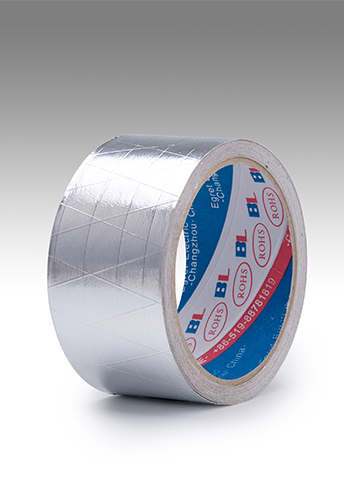
A stock image related to Benefits of Using Aluminum Foil Tape in HVAC Systems.
In-depth Look: Manufacturing Processes and Quality Assurance for Benefits of Using Aluminum Foil Tape in HVAC Systems
Understanding the manufacturing intricacies behind aluminum foil tape ensures procurement teams source products capable of withstanding the thermal cycling and humidity fluctuations common in diverse climates across Africa, the Middle East, and South America. The transition from raw aluminum alloy to finished HVAC-grade tape involves precision metallurgy, advanced lamination techniques, and rigorous validation protocols that directly determine field performance and system longevity.
How Is Aluminum Foil Tape Manufactured for High-Performance HVAC Applications?
The production process begins with selecting aerospace-grade aluminum alloys, typically 1100, 1145, or 1235 series, which offer optimal malleability and corrosion resistance. Manufacturers anneal the foil to specific temper levels (usually soft H22 or H24) to achieve the 18-to-50-micron thickness range required for ductwork flexibility without compromising structural integrity.
For standard HVAC applications, the foil undergoes solvent cleaning and corona treatment to prepare the surface for adhesive bonding. Pressure-sensitive adhesive (PSA) coating represents the critical manufacturing phase, with facilities employing either hot-melt calendaring or solvent-based coating lines. Acrylic adhesives dominate HVAC formulations due to their superior UV resistance and aging stability, though synthetic rubber-based adhesives remain prevalent for low-temperature flexibility in refrigeration applications. The coating weight typically ranges between 25–50 grams per square meter, applied via reverse-roll coaters to ensure uniform thickness across the web.
Reinforced variants such as FSK (Foil-Scrim-Kraft) and PSK (Polypropylene-Scrim-Kraft) require additional lamination stages. Glass fiber scrim, woven in tri-directional patterns for maximum tensile strength, is embedded between the aluminum facing and backing substrates using flame-retardant adhesive matrices. This lamination occurs under controlled heat and pressure (typically 120–150°C at 3–5 bar pressure) to prevent delamination during thermal expansion cycles in active ductwork.
What Quality Control Measures Ensure Performance in Extreme Climates?
Quality assurance protocols must account for the environmental stressors prevalent in target markets, from the high humidity of Southeast Asian monsoons to the intense thermal radiation of Middle Eastern desert installations. Incoming raw materials undergo spectrographic analysis to verify aluminum purity levels exceeding 99% and adhesive viscosity testing using Brookfield viscometers.
During production, automated vision systems inspect for pinholes and foil discontinuities at speeds exceeding 200 meters per minute. Peel adhesion testing per ASTM D3330 standards validates that tapes achieve minimum 4.5 N/cm adhesion to stainless steel substrates immediately after application and maintain 85% of that bond strength after 72-hour thermal aging at 80°C. Shear resistance testing (ASTM D3654) ensures the adhesive withstands static loads equivalent to vertical ductwork installations without creep failure.
Climate-specific validation includes humidity chamber exposure (95% RH at 40°C for 500 hours) to simulate tropical storage conditions, and thermal shock cycling between -30°C and 120°C to verify bond integrity across seasonal temperature swings. For fire-rated applications, manufacturers conduct flame spread index testing per ASTM E84 or UL 723, ensuring products achieve Class A ratings with flame spread indices below 25 and smoke development indices below 50.
Which International Certifications Should B2B Buyers Verify?
Procurement teams should prioritize suppliers holding ISO 9001:2015 quality management certifications with specific scope covering adhesive tape manufacturing. For Middle Eastern markets, SASO (Saudi Standards, Metrology and Quality Organization) certification ensures compliance with regional fire safety and chemical content regulations. European Economic Area imports require CE marking under the Construction Products Regulation (CPR), specifically EN 12086 standards for adhesive tapes used in HVAC insulation systems.
North American project specifications frequently demand UL 723 (ASTM E84) listings for surface burning characteristics, while African markets increasingly require SONCAP (Standards Organization of Nigeria Conformity Assessment Program) or equivalent national standards body approvals. Verify that manufacturers provide batch-specific test reports documenting tensile strength (minimum 20 N/cm for reinforced products), elongation at break, and low-temperature flexibility (typically tested at -10°C to -20°C).
How Does Reinforcement Technology Impact Manufacturing Standards?
The integration of reinforcement layers introduces additional quality checkpoints that standard aluminum tapes bypass. For FSK constructions, manufacturers must verify that the glass fiber scrim exhibits tensile strength exceeding 400 N/5cm in both machine and cross directions to prevent tearing during application around irregular duct geometries. The kraft paper layer in ASJ (All-Service Jacket) tapes requires moisture content control between 6–8% to prevent mold growth during ocean freight transit to humid destinations.
Lamination bond strength testing ensures the peel force between aluminum and scrim layers exceeds 3.0 N/cm, preventing separation when wrapping around 90-degree duct elbows. UV resistance testing for the polypropylene film in PSK variants involves 500-hour QUV accelerated weathering exposure to ensure white reflective surfaces maintain 85% initial reflectance values, critical for energy efficiency in Saudi Arabian and UAE installations.
What Packaging and Storage Protocols Maintain Product Integrity?
Manufacturing excellence extends to post-production handling. Tapes destined for international B2B distribution undergo moisture-barrier packaging using aluminum-laminated film or polyethylene-lined cartons with desiccant packets to prevent adhesive degradation during multi-week sea freight. Core materials utilize moisture-resistant plastic or treated cardboard rated for 80% RH environments.
Temperature-controlled storage recommendations (15–25°C) accompany shipments to prevent cold flow in rubber-based adhesives or oxidation in acrylic formulations. Palletization follows ISPM-15 standards for international shipping, with stretch-wrapping incorporating UV inhibitors to protect stockpiled inventory in outdoor storage yards common at African and South American port facilities.
By scrutinizing these manufacturing and quality assurance parameters, procurement professionals secure aluminum foil tape inventories capable of maintaining airtight seals across the operational lifespan of HVAC infrastructure, regardless of regional climate challenges or installation complexity.
Practical Sourcing Guide: A Step-by-Step Checklist for ‘Benefits of Using Aluminum Foil Tape in HVAC Systems’
When procuring aluminum foil tape for HVAC installations across diverse international markets, procurement teams must balance performance specifications with logistical realities. This checklist provides a systematic framework for evaluating suppliers and product specifications, ensuring your sourced materials withstand extreme thermal cycles, humidity variations, and regional compliance requirements while maintaining airtight integrity in ductwork systems.
How Do You Select the Optimal Backing Reinforcement for Structural Demands?
Begin by assessing whether your projects require standard aluminum foil or reinforced backings. For high-tensile applications involving flexible ductwork or curved surfaces in high-vibration environments, specify FSK (Foil-Scrim-Kraft), PSK (Polypropylene-Scrim-Kraft), or ASJ (All-Service Jacket) constructions. These fiberglass-reinforced options prevent tearing during installation while maintaining flexibility. For standard rigid duct sealing in climate-controlled environments, pure aluminum foil backings offer sufficient integrity at lower cost points.
What Temperature Resistance Specifications Are Critical for Extreme Climate Zones?
Verify that your specified tape withstands operating temperatures from -35°C to 120°C minimum, with flame-retardant properties exceeding 1,200°F (649°C) ignition thresholds. For Middle Eastern and African markets where ambient temperatures regularly exceed 50°C, demand thermal cycling test data proving adhesive stability across 1,000+ heating/cooling cycles. Request UV-resistance documentation for outdoor rooftop installations where direct sunlight exposure accelerates material degradation.
Which Adhesive Formulations Ensure Long-Term Bond Integrity in Humid Conditions?
Evaluate pressure-sensitive adhesive chemistry based on regional humidity profiles. Acrylic adhesives offer superior aging resistance and chemical stability for European and Middle Eastern dry climates, while synthetic rubber-based adhesives provide better initial tack and moisture resistance for Southeast Asian and South American tropical environments. Specify minimum 24-hour peel adhesion values and verify humidity resistance testing at 85% relative humidity to prevent delamination during monsoon seasons or sea freight storage.
How Can You Validate Compliance with Regional Fire Safety and HVAC Standards?
Require suppliers to provide UL 723 (ASTM E84) flame spread and smoke generation ratings for fire code compliance in Saudi Arabian and EU construction markets. Verify that products meet local HVAC standards such as EN 12099 for European projects or SASO certification for Gulf Cooperation Council countries. Request third-party test reports rather than manufacturer declarations, ensuring documentation includes specific batch traceability for quality assurance protocols.
What Packaging Specifications Prevent Adhesive Degradation During International Transit?
Specify moisture-barrier packaging with desiccant inserts for ocean freight shipments to tropical ports, as humidity exposure during 30+ day transits can activate adhesive prematurely. Standardize core diameters (3-inch industrial cores preferred) to match local application tools, and require UV-protective outer wrapping for storage in non-climate-controlled warehouses. Confirm shelf life of 24+ months from manufacture date to accommodate customs clearance delays common in emerging markets.
How Should You Calculate Total Cost of Ownership Beyond Per-Roll Pricing?
Analyze application efficiency metrics including tensile strength (requiring fewer overlap layers) and hand-tearability (reducing labor time by 30-40% versus knife-cut tapes). Factor in failure rate warranties—premium tapes offering 10-year adhesion guarantees often outperform budget alternatives in lifecycle cost analysis despite higher upfront costs. Evaluate supplier minimum order quantities against project phasing to optimize inventory carrying costs while ensuring consistent batch quality across multi-phase developments.
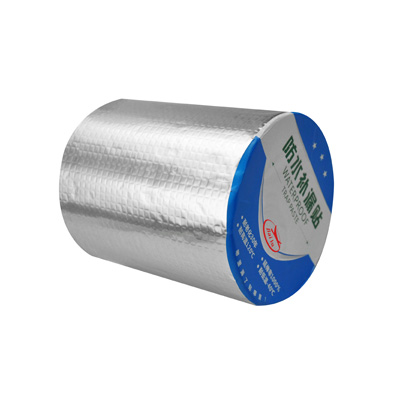
A stock image related to Benefits of Using Aluminum Foil Tape in HVAC Systems.
Comprehensive Cost and Pricing Analysis for Benefits of Using Aluminum Foil Tape in HVAC Systems Sourcing
When sourcing aluminum foil tape for HVAC applications across diverse international markets, understanding the complete cost architecture prevents procurement decisions based solely on unit price. B2B buyers must evaluate material specifications, logistics complexities, and lifecycle value to optimize procurement budgets effectively while ensuring compliance with regional performance standards.
How Do Material Specifications and Backing Types Influence Unit Pricing?
Standard aluminum foil tape with basic pressure-sensitive adhesive (PSA) backing offers lower upfront costs but presents limitations in tensile strength and durability. Reinforced variants—FSK (Foil-Scrim-Kraft), PSK (Polypropylene-Scrim-Kraft), and ASJ (All-Service Jacket)—typically command 15–30% price premiums due to fiberglass scrim integration and multi-layer lamination processes. These structural enhancements justify the investment for large-scale infrastructure projects in regions like the Middle East and Saudi Arabia, where extreme thermal cycling and mechanical stress demand superior puncture resistance during ductwork installation.
What Volume-Based Procurement Strategies Reduce HVAC Tape Costs for International Buyers?
Bulk procurement significantly reduces per-unit costs, with manufacturers typically offering tiered pricing structures at thresholds of 5,000, 20,000, and 100,000+ roll quantities. For buyers in Africa and South America, consolidating orders into full container loads (FCL) minimizes per-unit shipping expenses compared to less-than-container-load (LCL) shipments, which carry disproportionate logistics fees. Establishing annual purchasing agreements with manufacturers locks in pricing against aluminum commodity volatility, a critical consideration for emerging markets like Vietnam experiencing rapid HVAC sector expansion and currency fluctuations.
How Can Buyers Calculate Total Cost of Ownership Beyond the Per-Roll Price?
Total Cost of Ownership (TCO) analysis reveals that tapes with superior adhesion and temperature resistance significantly reduce labor costs associated with re-application and maintenance. While standard tapes cost less initially, reinforced options prevent costly air leakage—where duct inefficiency can increase HVAC energy consumption by 20–30% annually. For European markets with stringent energy efficiency regulations and green building certifications, investing in high-grade ASJ or FSK tape ensures compliance while minimizing long-term operational expenditures and potential penalty costs.
What Regional Pricing Variations Should Buyers Consider When Sourcing from Global Markets?
Import duties and regional trade agreements substantially impact landed costs across target markets. Gulf Cooperation Council (GCC) countries including Saudi Arabia generally impose 5% customs duties on adhesive tape imports, while select African nations may apply tariffs ranging from 15–25%. Buyers should evaluate local manufacturing capabilities versus import costs; Vietnam and select Southeast Asian hubs offer competitive regional production that reduces logistics expenses and lead times for Middle Eastern and Asian projects. Implementing currency hedging strategies becomes essential when sourcing from USD-denominated suppliers for Euro or local currency-based budgets.
How Does Reinforced Backing Impact Long-Term Value and Replacement Costs?
The decision between standard and reinforced backing directly impacts maintenance budgets and system longevity. In humid South American climates or coastal Middle Eastern environments with high salt exposure, standard foil tapes risk delamination, cracking, and UV degradation, necessitating frequent replacement cycles. FSK and PSK tapes, despite higher initial investment, provide tensile strength that withstands mechanical stress during installation and thermal expansion, delivering superior ROI through extended service life, reduced downtime, and elimination of costly emergency repairs in critical HVAC infrastructure.
Alternatives Analysis: Comparing Benefits of Using Aluminum Foil Tape in HVAC Systems With Other Solutions
When evaluating sealing solutions for commercial HVAC installations, procurement teams often weigh aluminum foil tape against traditional methods that have served the industry for decades. While foil tape offers distinct advantages in speed and thermal performance, understanding how it stacks against alternative technologies ensures optimal material selection for specific project environments, climate conditions, and budget constraints.
How Does Aluminum Foil Tape Compare to Liquid Duct Mastic and Butyl Solutions?
| 比較の側面 | Benefits Of Using Aluminum Foil Tape In Hvac Systems | Liquid Duct Mastic (Brush-On Sealant) | ブチルゴムテープ |
|---|---|---|---|
| Sealing Mechanism | Pressure-sensitive adhesive creates immediate bond without curing time | Viscous compound requires brush/roller application and 24-48 hour curing period | Aggressive rubber adhesive provides instant tack but requires pressure activation |
| コスト効率 | Low material cost ($0.15-0.30 per linear foot) with minimal labor requirements | Low material cost ($0.05-0.10 per foot) but high labor costs due to application time and skilled technician requirements | Moderate to high material cost ($0.40-0.80 per foot) with moderate labor needs |
| 実施しやすさ | Immediate application; no tools or surface preparation beyond basic cleaning; suitable for emergency repairs | Requires surface priming, brush/roller tools, and curing time; messy application unsuitable for tight spaces | Requires significant pressure application tools; excellent for irregular surfaces but challenging on smooth vertical ducts |
| 耐熱温度 | Withstands extreme temperatures (-35°C to 120°C); maintains integrity in high-heat attic spaces | Limited to -20°C to 80°C; may crack in freeze-thaw cycles common in Middle Eastern desert nights or European winters | Superior cold resistance (-40°C to 90°C) but degrades under sustained high heat above 90°C |
| Gap Bridging Capability | Ideal for seams up to 3mm; requires backing material for larger gaps | Excellent for irregular gaps up to 6mm; fills voids and creates seamless membrane | Moderate gap filling (up to 2mm); conforms well to textured surfaces |
| Durability & Lifespan | 10-15 years in indoor applications; UV-resistant grades available for outdoor use | 20+ years when properly applied; rigid finish may crack with duct vibration | 15-20 years; remains flexible but may ooze adhesive in high-temperature Saudi Arabian or Vietnamese climates |
| Moisture/Vapor Barrier | Creates Class I vapor barrier; impermeable to moisture and HVAC condensation | Porous if applied too thin; requires reinforcement mesh for proper vapor sealing | Excellent moisture resistance; preferred for outdoor waterproofing applications |
When Should Procurement Teams Choose Liquid Duct Mastic Over Aluminum Foil Tape?
Liquid duct mastic remains the preferred solution for irregular ductwork geometries and large-scale industrial installations where labor costs are secondary to long-term sealing integrity. Unlike aluminum foil tape, which excels on smooth, clean metal surfaces, mastic compounds conform to pitted galvanized steel, fibrous glass duct board, and complex joint configurations common in older African and South American infrastructure. However, B2B buyers must factor in the total cost of ownership: while mastic materials cost 40-60% less per foot than foil tape, the requirement for skilled application technicians, extended curing periods that delay project completion, and the need for fiberglass mesh reinforcement in high-vibration systems often eliminate upfront savings. Mastic also presents logistical challenges in remote Middle Eastern construction sites where dust contamination during the 48-hour curing window can compromise seal integrity.
Is Butyl Rubber Tape a Viable Alternative for Extreme Climate HVAC Applications?
Butyl rubber tape serves as a specialized alternative when projects demand superior adhesion to dissimilar materials or enhanced waterproofing in high-humidity environments like Southeast Asian coastal regions or Amazonian territories. The rubber-based adhesive chemistry bonds aggressively to concrete, wood, and polymer surfaces where aluminum foil tape might struggle, making it ideal for hybrid HVAC systems integrating ductwork with building envelope elements. Nevertheless, procurement managers should note critical limitations: butyl tapes lack the thermal reflectivity essential for energy-efficient Saudi Arabian or European attic installations, and their adhesive tends to soften and migrate when exposed to sustained temperatures above 90°C—precisely the conditions where aluminum foil tape maintains structural integrity. For B2B buyers managing projects across diverse climate zones, butyl tape functions best as a complementary solution for outdoor weatherproofing rather than a wholesale replacement for foil tape in high-temperature duct interiors.
Essential Technical Properties and Trade Terminology for Benefits of Using Aluminum Foil Tape in HVAC Systems
When procuring aluminum foil tape for international HVAC projects, understanding precise technical specifications and standardized industry nomenclature ensures compliance with regional building codes, such as EN 13501-1 in Europe or SASO standards in Saudi Arabia. These specifications directly impact installation durability, energy efficiency ratings, and long-term system integrity in diverse climatic conditions.
What Are the Critical Performance Specifications for HVAC Aluminum Foil Tape?
Temperature Resistance and Flame Retardancy: High-performance aluminum foil tape must withstand continuous operating temperatures ranging from -30°C to 120°C, with short-term resistance up to 600°C. Look for ASTM E84 Class A or equivalent EN 13501-1 fire classifications, ensuring the tape maintains structural integrity as a flame-retardant vapor barrier within ductwork and plenum spaces.
Reinforced Tensile Strength: Pure aluminum foil offers limited resistance to tearing. Reinforced backings utilize tri-directional fiberglass scrim laminated between foil and kraft paper layers, significantly increasing tensile strength (measured in Newtons per 25mm or pounds per inch). This prevents seam failure under mechanical stress, thermal expansion, or vibration common in commercial air handling units.
Pressure-Sensitive Adhesion (PSA) Performance: The adhesive layer requires high initial tack and long-term shear resistance without heat activation. Critical metrics include peel adhesion values (oz/in or N/25mm) and service temperature ranges, indicating reliable bonding to galvanized steel, fiberglass duct board, and flexible duct liners in both humid tropical and arid desert environments.
Water Vapor Transmission Rate (WVTR): Expressed in perms (grains per hour per square foot), this measures moisture barrier effectiveness. Premium HVAC tapes achieve ratings below 0.05 perms, creating impermeable seals that prevent condensation migration, insulation degradation, and mold proliferation—essential for high-humidity climates in Southeast Asia and coastal South American regions.
Thermal Emissivity: Aluminum backings typically demonstrate emissivity values of 0.03-0.05, reflecting up to 97% of radiant heat. This property enhances overall system R-values when sealing insulation joints, directly reducing thermal bridging and improving energy efficiency calculations for green building certifications.
What Key Industry Terms Define HVAC Tape Classifications and Applications?
FSK (Foil-Scrim-Kraft): A laminate construction featuring aluminum foil bonded to bleached kraft paper via a tri-directional fiberglass scrim mesh. This reinforcement provides dimensional stability and tear resistance for sealing rigid fiberglass duct board and insulation facings in standard commercial applications.
ASJ (All-Service Jacket): A white kraft paper facing with embedded fiberglass scrim, often laminated to aluminum foil. ASJ tape matches mechanical insulation jackets aesthetically and is specifically rated for plenum spaces (air distribution chambers), meeting strict fire safety standards for exposed HVAC infrastructure in Middle Eastern and European commercial buildings.
PSK (Polypropylene-Scrim-Kraft): Similar to FSK but incorporating a white polypropylene film layer either replacing or supplementing the aluminum foil. PSK tapes offer superior chemical resistance and aesthetic compatibility with white PVC or polypropylene insulation systems, frequently specified for pharmaceutical cleanrooms and food processing facilities.
Pressure-Sensitive Adhesive (PSA): A cold-applied bonding system activated by manual pressure alone, distinct from heat-activated or solvent-based alternatives. PSA formulations for HVAC typically employ synthetic rubber or acrylic bases optimized for metal adhesion, UV stability, and aging resistance.
Vapor Retarder: A material classification indicating restricted moisture vapor transmission. In HVAC specifications, aluminum foil tape functions as both a sealant and a vapor retarder, preventing dew point complications and maintaining insulation thermal efficiency throughout the system lifecycle.
Plenum Rating: Refers to materials tested for flame spread and smoke density in air-handling spaces (plenums). Tapes carrying UL 723 or EN 13501-1 plenum ratings are mandatory for commercial installations in Saudi Arabia, UAE, and EU jurisdictions where fire safety in ventilation shafts is strictly regulated.
Navigating Market Dynamics and Sourcing Trends in the Benefits of Using Aluminum Foil Tape in HVAC Systems Sector
How Is the Global HVAC Aluminum Foil Tape Market Evolving in Emerging Economies?
Rapid urbanization across Africa, the Middle East—notably Saudi Arabia’s Vision 2030 infrastructure projects—and South America is accelerating demand for energy-efficient HVAC infrastructure. B2B buyers in these regions, alongside rapidly industrializing Southeast Asian markets like Vietnam, are increasingly shifting from traditional mechanical fastening and mastic-based sealing methods to advanced aluminum foil tape solutions that offer superior airtight sealing and thermal management. Market analysis indicates a pronounced preference for reinforced backing variants—such as FSK (Foil-Scrim-Kraft), PSK (Polypropylene-Scrim-Kraft), and ASJ (All-Service Jacket)—which resolve the tensile strength limitations of standard aluminum foil in high-humidity or high-temperature environments common in tropical and desert climates. This evolution reflects broader regulatory trends toward stricter building energy codes and green construction standards, compelling contractors and facility managers to prioritize materials that minimize air leakage, prevent moisture infiltration, and reduce operational carbon footprints across commercial and residential developments.
What Supply Chain Factors Should B2B Buyers Monitor When Sourcing HVAC Sealing Solutions?
Procurement professionals must navigate significant volatility in raw aluminum commodity markets, which directly impacts foil tape pricing and availability across international markets. Regional manufacturing capabilities vary considerably; while Asia-Pacific remains the dominant production hub, buyers in Europe and the Middle East are increasingly evaluating near-shoring or regional manufacturing options to mitigate logistics costs, currency fluctuations, and import tariff exposures. Quality consistency presents another critical consideration, as HVAC systems in harsh environments require tapes that maintain pressure-sensitive adhesive (PSA) integrity across extreme temperature differentials—from sub-zero conditions to sustained heat exposure exceeding 120°F (49°C). Smart sourcing strategies now emphasize partnerships with suppliers offering comprehensive technical documentation, including flame-retardant certifications, UV resistance data, and compliance with international standards such as ASTM E84 and ISO 9001, ensuring that products meet both local building codes and multinational corporate procurement guidelines.
Why Does Sustainable Sourcing Matter for Aluminum Foil Tape Procurement?
Sustainability has transitioned from a peripheral concern to a core procurement criterion, particularly as aluminum foil tape plays a pivotal role in reducing HVAC energy consumption—a major contributor to building operational emissions worldwide. Aluminum offers inherent environmental advantages due to its infinite recyclability without quality degradation, with recycled aluminum requiring approximately 95% less energy than primary production. However, extraction and processing footprints necessitate scrutiny of smelting energy sources and manufacturing waste management. Forward-thinking buyers are prioritizing tapes manufactured using low-VOC (Volatile Organic Compound) pressure-sensitive adhesives and solvent-free coating processes that align with LEED, BREEAM, and regional green building certification requirements. Furthermore, the exceptional longevity of high-quality foil tape—resisting moisture ingress, chemical degradation, and thermal cycling up to 1,200°F (649°C)—directly supports circular economy principles by extending HVAC system lifecycles and reducing material waste from frequent repairs or premature replacements.
How Can International Buyers Ensure Ethical Compliance in Aluminum Foil Supply Chains?
Ethical sourcing demands rigorous due diligence beyond product specifications, particularly regarding labor practices and raw material provenance in complex global supply chains. B2B procurement teams should verify that suppliers adhere to ISO 14001 environmental management and SA8000 social accountability standards, while conducting regular audits to ensure compliance with ethical labor practices in manufacturing facilities. The aluminum industry faces ongoing scrutiny regarding conflict minerals, bauxite mining impacts, and smelter transparency; therefore, buyers should prioritize partners who provide Chain of Custody documentation and participate in the Aluminum Stewardship Initiative (ASI) or equivalent certification programs. For emerging markets in Africa and South America, where regulatory enforcement may vary, establishing direct relationships with manufacturers who demonstrate tangible investment in local workforce development, safety infrastructure, and community engagement offers both risk mitigation and brand reputation protection, ensuring that procurement cost efficiencies do not compromise ethical integrity or expose organizations to ESG-related liabilities.
Frequently Asked Questions (FAQs) for B2B Buyers of Benefits of Using Aluminum Foil Tape in HVAC Systems
How does aluminum foil tape differ from standard cloth duct tape in HVAC sealing applications?
Standard cloth duct tape utilizes a fabric backing with rubber-based adhesive that degrades under thermal cycling and UV exposure, whereas aluminum foil tape features a metallic backing with pressure-sensitive acrylic adhesive engineered specifically for HVAC environments. The aluminum construction provides superior thermal conductivity, reflecting heat rather than absorbing it, while maintaining structural integrity across temperature extremes from -35°C to 120°C. Unlike cloth tape that becomes brittle and loses adhesion within months, quality aluminum foil tape creates permanent airtight seals that withstand the mechanical stresses of thermal expansion in commercial ductwork.
How does aluminum foil tape improve energy efficiency in commercial duct sealing applications?
Aluminum foil tape eliminates air leakage at duct joints and seams, preventing conditioned air loss that forces HVAC systems to consume excess energy—unsealed ducts typically waste 20-30% of heating and cooling output in commercial buildings. The tape’s reflective metallic surface provides additional thermal insulation by radiating heat back into the airstream rather than allowing thermal transfer through duct walls. When applied to plenums, connections, and vapor barriers, it maintains static pressure integrity, ensuring designed airflow rates reach intended zones without the energy penalties associated with bypass leakage.
What temperature ratings are required for aluminum foil tape in high-heat HVAC systems?
High-heat HVAC applications, including commercial kitchen ventilation and industrial heating systems, require aluminum foil tape rated for continuous operating temperatures between -30°F to 300°F (-34°C to 149°C), with short-term exposure capabilities up to 600°F (315°C) for reinforced FSK or ASJ variants. Standard HVAC foil tape withstands intermittent exposure to 250°F (121°C), but high-temperature acrylic adhesives are necessary for applications near heat exchangers or boiler rooms. For extreme environments exceeding 1,000°F (538°C), specialized high-temperature aluminum foil tapes with fiberglass scrim reinforcement provide fire-resistant sealing while maintaining structural integrity.
Is aluminum foil tape UL 181A-P compliant for professional HVAC installation?
UL 181A-P certification specifically applies to pressure-sensitive tape used for sealing rigid fiberglass air ducts and connectors, requiring the tape to maintain adhesion under specific temperature, humidity, and aging tests. While many aluminum foil tapes meet UL 181B-FX standards for flexible ductwork, buyers must verify that their selected product carries the UL 181A-P listing when sealing rigid metal or fiberglass board ducts in commercial construction. Reputable manufacturers provide third-party certification documentation confirming compliance with NFPA 90A and regional building codes, which is essential for passing inspections in regulated markets across Europe, the Middle East, and North America.
How do I select between FSK, PSK, and standard aluminum foil backing for extreme climate conditions?
FSK (Foil-Scrim-Kraft) reinforcement integrates fiberglass scrim between aluminum foil and kraft paper, providing 20-30% higher tensile strength for applications in seismic zones or high-wind regions like coastal Middle Eastern or Southeast Asian environments. PSK (Polypropylene-Scrim-Kraft) offers superior moisture resistance and a whitened aesthetic for exposed insulation facing in humid climates, while ASJ (All-Service Jacket) provides the puncture resistance needed for industrial applications with high mechanical traffic. Standard unreinforced aluminum foil tape suits controlled indoor environments, but for outdoor HVAC installations or underground ductwork in African or South American mining operations, reinforced variants prevent tearing during application and thermal cycling.
What storage and handling protocols ensure optimal adhesion in high-humidity environments?
Aluminum foil tape requires climate-controlled storage between 15°C and 25°C with relative humidity below 60% to prevent adhesive degradation and foil oxidation, particularly critical when shipping to tropical regions with monsoon seasons or desert climates with extreme diurnal temperature swings. Prior to application, surfaces must be cleaned with degreasing agents to remove oil, dust, and oxidation—especially on galvanized steel ducts common in Middle Eastern construction—then primed if ambient temperatures exceed 35°C to prevent rapid solvent evaporation. Rolls should be acclimatized to installation site conditions for 24 hours before use, and applied with a squeegee or roller under firm pressure to activate the pressure-sensitive adhesive fully.
How can procurement teams calculate ROI when transitioning from mechanical fasteners to aluminum foil tape for duct sealing?
Mechanical fastening systems require labor-intensive installation of screws and flanges, whereas aluminum foil tape reduces installation time by 40-60% while eliminating thermal bridging points that compromise insulation values—calculate labor cost savings against tape material costs using man-hour rates specific to your region. Factor in energy efficiency gains from improved airtightness, typically reducing HVAC operational costs by 15-25% annually in commercial buildings, alongside reduced maintenance callbacks due to tape’s resistance to vibration loosening. For large-scale projects in emerging markets, bulk purchasing agreements for container-load quantities can reduce per-meter costs by 30-50%, improving payback periods to under 18 months for most commercial installations.
Which surface preparation methods maximize bond strength on galvanized steel and flexible ductwork?
Galvanized steel ducts require abrasion with wire brushes to remove zinc oxidation and mill oil, followed by solvent wiping with isopropyl alcohol to achieve surface energy levels above 38 dynes/cm for optimal acrylic adhesive wetting. For flexible ductwork with polyethylene or metallized polyester jackets, apply a primer specifically formulated for low-surface-energy plastics, ensuring the substrate temperature remains above 10°C to prevent condensation interference during application in humid climates. Always apply tape with minimal tension to prevent lifting at edges, using a J-roller to exert 15-20 psi pressure that activates the adhesive’s bonding agents and ensures immediate tack on both smooth metal and irregular insulation facing surfaces.
重要な免責事項および利用規約
⚠️ 重要な免責事項
メーカー、技術仕様、市場分析に関する内容を含め、本ガイドラインで提供される情報は、情報提供と教育目的のみのものです。専門的な調達アドバイス、財務アドバイス、または法的アドバイスを提供するものではありません。.
B2Bバイヤーは、独自の徹底的なデューデリジェンスを行う必要がある。 をご覧の上、ご購入をお決めください。本ガイドに記載された情報を信頼した場合のリスクは、読者が単独で負うものとします。.
Top 3 Benefits Of Using Aluminum Foil Tape In Hvac Systems Manufacturers & Suppliers List
1. Egret Mfg – Aluminum Foil Tape
ドメイン egretmfg.com
登録:2017年(9年目)
はじめに This company, Egret Mfg – Aluminum Foil Tape, is a notable entity in the market.
2. MPI Matco – Aluminum Foil Tape
ドメイン mpi-matco.com
登録:2022年(4年)
はじめに MPI Matco offers a comprehensive HVAC tape product line including: 1) Aluminum Foil Tapes – UL-listed, moisture/water/mold/smoke resistant, for foil jacketing insulation and thermal insulation with UV protection for outdoor units; 2) Metalized Film Tapes; 3) Duct Tapes – general purpose, high strength, temperature resistant, for sealing, binding, temporary repairs, and color-coding; 4) Foam Tapes …
3.IPG - アルミ箔テープ
ドメイン イテイプ・ドット・コム
登録:1998年(28年)
はじめに IPG offers a comprehensive range of aluminum foil tapes for building, construction, and industrial applications. Key products include: ALF300 (3 mil premium self-wound with aggressive acrylic adhesive, UV/water resistant); ALF150L (utility grade with high-tack rubber adhesive for fiberglass duct board); ALF161LA (cold temperature utility grade, +35°F minimum application temp, chemical/UV resistant…
Strategic Sourcing Conclusion and Outlook for Benefits of Using Aluminum Foil Tape in HVAC Systems
How Can B2B Buyers Future-Proof HVAC Infrastructure with Aluminum Foil Tape Solutions?
As global energy efficiency mandates tighten and extreme weather patterns intensify across Africa, the Middle East, and South America, specifying high-performance aluminum foil tape becomes a strategic procurement decision rather than merely an operational expense. Reinforced backing variants—FSK, PSK, and ASJ—provide tailored solutions for high-humidity coastal environments and desert climates where thermal expansion, UV exposure, and sand abrasion challenge conventional sealing methods.
What Should International Procurement Teams Prioritize When Sourcing HVAC Sealing Materials?
Forward-thinking buyers must evaluate suppliers based on consistent pressure-sensitive adhesive quality, flame-retardant certifications aligned with local building codes, and logistical reliability to ensure uninterrupted project timelines. The accelerating shift toward green building standards across European and Gulf Cooperation Council markets further elevates the importance of durable, moisture-resistant seals that minimize energy leakage and reduce HVAC maintenance cycles.
Strategic Outlook for Climate-Resilient HVAC Installations
Investing in premium aluminum foil tape solutions delivers measurable ROI through reduced thermal losses, extended equipment lifespans, and compliance with evolving international efficiency directives. For procurement professionals managing multi-site developments, establishing partnerships with manufacturers offering technical specification support and climate-specific product variants ensures optimal performance from tropical humidity to arid heat. The convergence of durability, ease of application, and extreme temperature resistance positions aluminum foil tape as an indispensable component in next-generation sustainable HVAC infrastructure.