Introduction: Navigating the Global Market for Fragile carton sealing tape
Sourcing reliable fragile carton sealing tape for international shipping operations has become increasingly complex as global supply chains face heightened scrutiny over product damage rates and sustainability compliance. Whether you are managing export logistics from São Paulo or coordinating distribution networks in Ho Chi Minh City, the stakes for protecting high-value inventory extend far beyond simple adhesive performance. Substandard sealing solutions not only risk costly breakage claims but can compromise brand reputation across diverse regulatory environments, making informed supplier selection a critical competitive advantage.
Why Do Cross-Border Operations Demand Specialized Fragile Tape Solutions?
Emerging markets across Africa, South America, the Middle East, and Europe present unique logistical challenges where extreme climate variations and disparate handling standards converge. Standard packaging often fails to communicate handling requirements effectively to multilingual warehouse teams, resulting in preventable damage during last-mile delivery. High-visibility fragile tape serves as a universal visual language that transcends barriers, while reinforced formulations—such as three-way fiberglass reinforced water-activated options—provide structural integrity for heavy cartons up to 25 kilograms during extended transit times and temperature fluctuations.
What Critical Factors Should Global Buyers Evaluate Beyond Basic Specifications?
This comprehensive guide examines the complete procurement landscape for fragile carton sealing tape, analyzing material distinctions between natural kraft reinforced tapes and synthetic pressure-sensitive alternatives. We explore industry-specific applications ranging from electronics manufacturing to food processing and aerospace components, alongside rigorous supplier vetting frameworks that address ISO certifications, customization capabilities, minimum order quantities, and regional compliance standards. Cost optimization strategies tailored for high-volume importers in Brazil, Vietnam, and beyond will equip you with negotiation leverage, quality assurance protocols, and insights into tamper-evident technologies.
By synthesizing technical specifications with real-world logistics intelligence, this resource empowers procurement teams to make data-driven decisions that reduce damage rates while optimizing packaging expenditures across complex international trade corridors.
Understanding Fragile carton sealing tape Types and Variations
| タイプ名 | 主な特徴 | 主なB2Bアプリケーション | バイヤーのための簡単な長所と短所 |
|---|---|---|---|
| Polypropylene (PP) Printed Fragile Tape | Biaxially oriented polypropylene film with bold “FRAGILE” printing; acrylic or hot-melt adhesive options; available in various widths (48mm/72mm standard) | E-commerce fulfillment, retail distribution, light manufacturing exports | Pros: Cost-effective, high-speed application compatible, vibrant print clarity. Cons: Limited tamper evidence, lower performance on recycled cartons, temperature sensitive. |
| Water-Activated Reinforced (WAT) Fragile Tape | Natural kraft paper with 3-way fiberglass reinforcement; water-activated adhesive bonds to carton fibers; permanent seal | Aerospace components, appliance manufacturing, food processing exports, high-value electronics | Pros: Superior tamper evidence (cannot be resealed), excellent for recycled cartons, professional aesthetic. Cons: Requires dispenser investment, not suitable for damp storage conditions, higher per-roll cost. |
| PVC Heavy-Duty Fragile Tape | Polyvinyl chloride film with higher tensile strength; stable adhesive performance in extreme temperatures; UV resistant | Automotive aftermarket parts, industrial equipment, Middle East/African logistics (high heat), cold chain logistics | Pros: Reliable in 0°C to 60°C ranges, quieter unwind than PP, strong initial tack. Cons: Premium pricing, heavier roll weight increases shipping costs, less eco-friendly than paper options. |
| Tamper-Evident Security Fragile Tape | Void message or pattern reveal upon removal; combined with “FRAGILE” branding; often sequential numbering available | Pharmaceutical distribution, luxury goods, sensitive document transport, high-value B2B shipments | Pros: Deters theft/pilferage, provides visual proof of tampering, enhances brand protection. Cons: Specialized supplier required, may need custom printing MOQs, aggressive adhesive can damage delicate surfaces. |
Which fragile tape offers the best cost-efficiency for high-volume shipping?
Polypropylene printed fragile tape remains the dominant choice for high-volume operations due to its compatibility with automated case sealers and dispensers. Its biaxially oriented construction provides adequate tensile strength for cartons up to 30kg, while acrylic adhesives perform reliably in standard warehouse environments. B2B buyers should evaluate hot-melt versus acrylic formulations based on climate—hot-melt offers superior quick-stick in ambient temperatures above 20°C, while acrylic maintains stability in cooler conditions. When sourcing from Asian manufacturers, verify that printed inks are solvent-free to comply with EU REACH and emerging Middle Eastern environmental standards. Bulk procurement typically reduces unit costs by 15-20% at container-load volumes.
Why choose water-activated reinforced tape for fragile shipments?
Water-activated reinforced fragile tape creates a permanent mechanical bond with carton fibers, making it the preferred solution for industries requiring tamper evidence and professional presentation. The fiberglass reinforcement prevents tearing during rough handling common in international freight, particularly beneficial for African and South American logistics corridors. B2B procurement teams should note that this tape requires specific dispensers—either manual or electric—and performs optimally on virgin or recycled corrugated surfaces. While initial infrastructure costs are higher, the elimination of tape failure and reduced theft incidents typically deliver ROI within six months for high-value exporters. This eco-friendly option also supports corporate sustainability mandates in European markets.
Is PVC fragile tape suitable for extreme climate logistics?
PVC heavy-duty fragile tape addresses the performance gaps of standard polypropylene in challenging environments prevalent in Middle Eastern and Southeast Asian supply chains. Its plasticizer stability prevents adhesive degradation in sustained heat above 40°C, while maintaining flexibility in cold storage conditions. This variation is particularly suited for automotive and industrial machinery exports where carton weights exceed 40kg. Buyers should assess the tape’s unwind noise levels—PVC operates significantly quieter than PP, improving warehouse working conditions—and verify that suppliers provide UV-resistant formulations to prevent print fading during extended port storage. Consider this investment for temperature-sensitive pharmaceutical routes.
How does tamper-evident fragile tape protect high-value B2B shipments?
Tamper-evident fragile tape integrates security void technology with standard fragile messaging, creating a dual-function solution for pharmaceutical, electronics, and luxury goods sectors. Upon removal, the tape reveals a “VOID” or checkerboard pattern that cannot be realigned, providing immediate visual confirmation of interference during customs inspections or in-transit handling. For international buyers, particularly in Brazil and Vietnam where cargo theft rates are elevated, this variation offers critical supply chain protection. Procurement considerations include minimum order quantities for custom printing and surface compatibility testing, as the aggressive adhesive may lift coatings on high-gloss cartons. Sequential numbering options enhance traceability.
Key Industrial Applications of Fragile carton sealing tape
| 業界/セクター | Specific Application of Fragile carton sealing tape | ビジネスにとっての価値/利益 | このアプリケーションにおける主な調達上の考慮事項 |
|---|---|---|---|
| E-Commerce & Retail Logistics | High-volume carton sealing for fragile consumer goods; custom-printed branding with multilingual “FRAGILE” warnings | Reduces damage-related returns by 30-40%; enhances unboxing experience and brand recognition in competitive emerging markets | High-tack acrylic or hot melt adhesives engineered for tropical humidity (e.g., Brazil, Vietnam); compatibility with high-speed automated dispensers |
| Food Processing & Cold Chain Distribution | Sealing refrigerated and frozen transport cartons; tamper-evident closure for temperature-sensitive shipments to Middle East and Europe | Ensures FDA/EU food safety compliance; maintains seal integrity despite condensation and temperature fluctuations from -20°C to +40°C | Water-activated reinforced (WAT) tapes with fiberglass backing; food-contact compliant adhesives; moisture-resistant formulations for humid port environments |
| Electronics & Appliance Manufacturing | Securing high-value fragile components, glass panels, and precision instruments; anti-static packaging sealing for export | Prevents costly damage to sensitive components; provides clear handling instructions to reduce mishandling during international transit; deters pilferage | Clean-removal adhesives to prevent surface residue; static-dissipative properties; high-contrast printing for visibility in low-light warehouses |
| Automotive Aftermarket & Parts Distribution | Packaging fragile auto glass, lighting assemblies, and precision-engineered components for multi-modal transport across Africa and South America | Withstands rough handling in developing logistics infrastructure; enables quick inventory identification through color-coded or printed tape; reinforces heavy cartons | Heavy-duty reinforced backing for 50+ lb (25+ kg) cartons; solvent-resistant adhesives for oily environments; compatibility with recycled corrugated materials |
How Does Fragile Tape Protect E-Commerce Shipments in High-Humidity Regions?
In emerging markets like Brazil and Vietnam, where e-commerce growth frequently outpaces logistics infrastructure development, fragile carton sealing tape serves as a critical damage-control mechanism for cross-border shipments. High-tack acrylic formulations specifically engineered for tropical humidity ensure cartons remain securely sealed during monsoon seasons and high-temperature last-mile delivery operations. Custom-printed “FRAGILE” warnings in local languages significantly reduce mishandling incidents by providing immediate visual cues to undertrained warehouse staff, while branded tape simultaneously reinforces corporate identity during the unboxing experience, directly impacting customer retention and reducing costly return rates in competitive B2C environments.
What Are the Cold Chain Compliance Requirements for Fragile Tape in Food Export?
For food processors exporting to Middle Eastern and European markets, fragile tape must withstand extreme temperature differentials between refrigerated containers and ambient storage facilities throughout extended supply chains. Water-activated reinforced (WAT) tapes create permanent molecular bonds with corrugated fibers that resist condensation-induced delamination, ensuring tamper-evident seals remain intact across fluctuating cold chain conditions. This application proves particularly vital for frozen seafood and dairy exports originating from South America and Southeast Asia, where strict FDA and EU food-contact compliance standards require specialized adhesive formulations that prevent chemical migration while maintaining absolute seal integrity from -20°C processing floors to +40°C port environments.
Why Is Tamper-Evident Fragile Tape Critical for Electronics Manufacturing Exports?
Electronics manufacturers shipping high-value appliances and delicate components from Asia to emerging markets in Africa and Europe rely on fragile tape not merely for carton closure but for sophisticated supply chain protection and brand assurance. Clean-removal adhesives prevent unsightly surface damage to glossy finishes and glass panels upon unboxing, while specialized anti-static formulations protect sensitive circuit boards from potentially catastrophic electrostatic discharge during dry desert transits or air freight handling. The tape’s high-contrast printed warnings serve dual strategic purposes: reducing mechanical shock incidents through unambiguous handling protocols and providing immediate visual tamper evidence to deter pilferage in high-risk international transit corridors.
How Can Automotive Parts Distributors Reduce Breakage in Rough-Handling Environments?
Automotive aftermarket distributors face unique logistical challenges when shipping fragile glass headlights, mirror assemblies, and precision sensors through developing transportation networks common across Africa and South America. Heavy-duty reinforced fragile tape with embedded fiberglass backing provides essential structural reinforcement to cartons frequently exceeding 25 kilograms, preventing catastrophic burst seams during rough handling and repeated multi-modal transfers between trucks, rail, and maritime vessels. Solvent-resistant adhesives maintain consistent bonding strength despite exposure to oily workshop environments, while specialized compatibility with recycled corrugated materials—common in cost-sensitive emerging markets—ensures reliable adhesion to variable-quality packaging substrates.
A stock image related to Fragile carton sealing tape.
3 Common User Pain Points for ‘Fragile carton sealing tape’ & Their Solutions
Scenario 1: Adhesion Failures in High-Humidity Export Environments
問題だ:
B2B buyers managing supply chains from tropical climates—such as Brazil, Vietnam, or coastal African regions—frequently encounter catastrophic tape degradation during ocean freight transit. Standard pressure-sensitive acrylic tapes lose tackiness when exposed to humidity fluctuations in container ships or non-climate-controlled warehouse storage, causing “FRAGILE” warnings to peel, bubble, or detach entirely. This visibility failure exposes delicate shipments to rough handling during international transfers, resulting in damaged electronics, glassware, or precision components. The financial impact extends beyond product replacement costs to include expedited reshipping fees, customs complications, and eroded client trust in competitive export markets.
解決策
Specify reinforced water-activated tape (WAT) with embedded fiberglass strands for critical carton sealing. Unlike surface-level adhesives that degrade in moist conditions, WAT forms a molecular bond with carton fibers that actually strengthens under humidity exposure. Procure 3-way fiberglass reinforcement rated for loads up to 55 pounds (25 kg), ensuring tamper-evident seals that withstand the rigors of intercontinental logistics. This single-application approach eliminates the need for secondary labeling while providing superior protection for non-unitized loads, reducing claims and ensuring handling instructions remain legible from origin to destination.
Scenario 2: Manual Application Bottlenecks in High-Volume Operations
問題だ:
Growing e-commerce and manufacturing operations across the Middle East and South America often rely on manual application of separate fragile stickers alongside standard packing tape. This dual-step process creates significant inefficiencies during peak shipping periods, increasing labor costs per unit and resulting in inconsistent placement that compromises brand professionalism. Procurement teams struggle to justify the cumulative expense of purchasing two separate consumables when international shipping rates already compress margins. Additionally, misplaced or forgotten labels in fast-paced warehouse environments lead to mishandled fragile goods and elevated damage rates that strain customer relationships.
解決策
Transition to pre-printed fragile carton sealing tape compatible with automated case sealing machinery. Integrating handling instructions directly into the sealing tape reduces application time by eliminating secondary labeling steps while ensuring consistent, professional placement on every carton. For facilities not yet fully automated, manual water-activated tape dispensers still offer faster application than sticker-and-tape combinations. When ordering in bulk for international distribution centers, pre-printed options typically deliver 15-30% cost savings compared to purchasing separate labels and clear tape, optimizing both operational throughput and material expenditure while supporting seamless integration with existing WAT dispenser systems.
Scenario 3: Seal Integrity on Recycled and Heavy-Duty Cartons
問題だ:
Sustainability-focused businesses across Europe and emerging markets increasingly utilize 100% recycled corrugated cartons or double-walled construction for heavy industrial components. However, the shorter paper fibers and textured surfaces of recycled board often resist standard pressure-sensitive tapes, leading to corner lift and seal failure during palletized transport. When sealing heavy appliances, aerospace components, or automotive parts exceeding 20 kg, inadequate tape adhesion creates liability risks and potential contamination from exposed packaging. This challenge intensifies in refrigerated transport storage where condensation further compromises adhesive performance on eco-friendly materials, threatening both product integrity and environmental compliance goals.
解決策
Source fragile-specific water-activated tape engineered explicitly for recycled carton compatibility and heavy-load applications. The starch-based adhesive penetrates the porous fibers of sustainable packaging materials rather than merely sitting atop the surface, creating a permanent bond ideal for non-unitized loads. Specify tape widths of 48mm or wider for automotive and appliance shipments, and verify 3-way fiberglass reinforcement for items up to 55 pounds. This approach satisfies stringent environmental compliance requirements in European markets while ensuring that fragile designations remain visible throughout complex supply chains, from food processing facilities to final mile delivery in humid climates.
Strategic Material Selection Guide for Fragile carton sealing tape
Selecting the optimal substrate for fragile carton sealing tape requires balancing security, substrate compatibility, and total cost of ownership across international supply chains. For B2B buyers operating in diverse climates—from the humidity of Southeast Asia to the temperature fluctuations of the Middle East—material properties directly impact damage rates, customs inspection outcomes, and brand reputation. Furthermore, the choice between reinforced paper and synthetic films affects insurance premiums and customer satisfaction metrics in cross-border trade, making material selection a strategic procurement decision rather than a simple commodity purchase.
Is Water-Activated Reinforced Kraft Tape the Gold Standard for Fragile Carton Security?
Water-activated tape (WAT), particularly 3-way fiberglass-reinforced kraft variants, establishes a permanent chemical bond with corrugated fibers through capillary action, creating a tamper-evident seal that destroys the carton upon removal. This substrate excels for high-value fragile shipments in aerospace, electronics, and appliance manufacturing, where evidence of pilferage is as critical as physical protection. The fiberglass reinforcement grid provides tensile strength up to 55 lbs (25 kg), preventing carton burst during rough handling in non-unitized loads. Unlike pressure-sensitive alternatives, WAT performs reliably on 100% recycled cartons and maintains integrity across extreme temperature ranges (-20°C to 60°C), making it ideal for Middle Eastern and South American logistics corridors. However, implementation requires capital investment in electric or manual dispensers, and application demands controlled humidity environments to prevent premature drying or excessive wetting that could compromise adhesive activation.
When Does BOPP Film Tape Offer the Best Value for High-Volume Fragile Shipping?
Biaxially Oriented Polypropylene (BOPP) film dominates e-commerce and consumer electronics
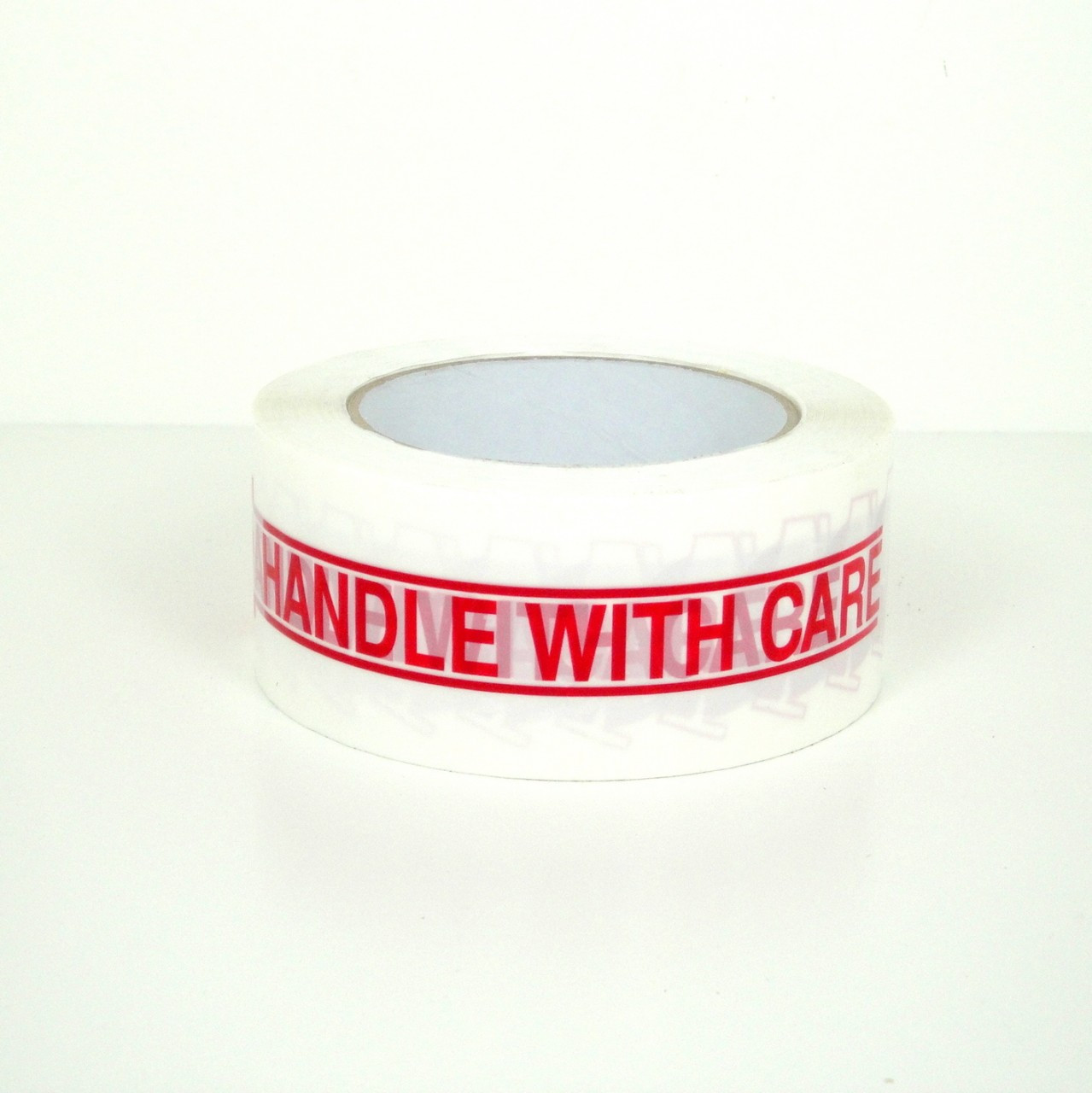
A stock image related to Fragile carton sealing tape.
In-depth Look: Manufacturing Processes and Quality Assurance for Fragile carton sealing tape
Understanding the manufacturing intricacies behind fragile carton sealing tape enables procurement teams to evaluate supplier capabilities beyond unit pricing. For B2B buyers managing supply chains across diverse climates—from the humidity of Southeast Asian ports to the arid logistics hubs of the Middle East—the engineering decisions made during production directly impact seal integrity and tamper evidence. This analysis examines the critical production phases and quality benchmarks that distinguish industrial-grade fragile tape from commodity alternatives.
What Raw Material Specifications Determine Tape Durability for International Transit?
The foundation of high-performance fragile carton sealing tape begins with substrate selection. Premium variants utilize natural kraft paper derived from virgin pulp or high-recycled content fibers, calibrated to specific grammage (typically 100–120 gsm) to balance conformability with tear resistance. For B2B applications involving heavy unitized loads up to 25kg, manufacturers integrate three-way fiberglass reinforcement—longitudinal and cross-directional filaments embedded within the paper matrix. This triaxial reinforcement prevents fibrillation during stress distribution, particularly crucial when cartons undergo multiple handling cycles across intermodal transport. Procurement teams should verify that substrates undergo corona treatment or pre-gelatinization processes to ensure compatibility with water-activated adhesive systems, especially when sealing recycled corrugated boards common in circular economy supply chains.
How Does Water-Activated Adhesive Chemistry Create Tamper-Evident Security?
Unlike pressure-sensitive alternatives, industrial fragile tapes employ water-activated adhesive (WAT) formulations that create permanent chemical bonds with corrugated fibers. The manufacturing process involves coating the kraft substrate with a precise layer of modified starch or hybrid resin adhesives containing hygroscopic agents. When activated by water application during the sealing process, these adhesives penetrate the carton surface, creating a bond that destroys the tape upon removal attempts. Quality-focused manufacturers monitor viscosity curves and gel points during adhesive cooking stages, ensuring optimal tack development for automated case sealing operations. For buyers in high-humidity regions like Brazil or Vietnam, moisture-resistant adhesive variants prevent premature activation during storage while maintaining aggressive bonding characteristics during application.
Why Does Fiberglass Reinforcement Architecture Matter for Heavy-Duty Applications?
The integration of reinforcement filaments represents a critical manufacturing checkpoint. Using a warp-weft-insertion process, fiberglass strands are embedded in three directions—machine direction, cross-machine direction, and diagonal—to create isotropic strength distribution. This architecture prevents the “zipper effect” common in unidirectional tapes when cartons are subjected to shear forces during stacking. During lamination, calendering processes compress the composite structure to precise thickness tolerances (typically 0.15–0.18mm), ensuring compatibility with high-speed WAT dispensers. B2B buyers should inquire about filament diameter specifications (measured in denier) and tensile strength ratings, as these determine whether the tape can withstand the 55-pound load thresholds typical in e-commerce fulfillment without delamination.
How Is High-Visibility Fragile Messaging Integrated Without Compromising Structural Integrity?
The printing phase requires careful process control to maintain tape performance while ensuring regulatory compliance for handling instructions. Flexographic printing systems apply solvent-based or UV-curable inks onto the reinforced substrate prior to adhesive coating, utilizing anilox rollers with specific cell volumes to achieve optimal ink transfer without saturating the kraft fibers. For fragile-specific messaging, manufacturers must balance pigment opacity—ensuring high-contrast visibility against brown corrugated—with adhesive penetration requirements. Advanced production lines incorporate inline vision systems that verify print registration accuracy and barcode readability, critical for automated warehouse environments in European distribution centers. Buyers should confirm that ink formulations comply with FDA 21 CFR 175.105 for indirect food contact when packaging food processing equipment or appliance components.
What Quality Assurance Protocols Validate Performance Across Climatic Extremes?
Rigorous testing protocols separate industrial-grade suppliers from commodity producers. Comprehensive QC includes tensile strength testing per ASTM D3759, peel adhesion testing on recycled corrugated substrates, and accelerated aging in environmental chambers simulating tropical humidity (85% RH at 30°C) and desert heat (40°C ambient). Manufacturers should provide Technical Data Sheets (TDS) documenting shear strength values and Safety Data Sheets (SDS) for adhesive components. Batch consistency testing ensures that water-activation timing remains within 3–5 second parameters for automated production lines. For Middle Eastern and African markets, additional UV stability testing prevents message degradation during extended outdoor storage, while cold-chain validation (testing at -20°C) ensures adhesion integrity for refrigerated transport applications in food processing logistics.
What Sustainability and Compliance Standards Should Global Buyers Verify?
Modern manufacturing facilities increasingly emphasize environmental compliance alongside mechanical performance. B2B buyers should seek certifications including FSC Chain of Custody for kraft paper sourcing, ISO 14001 environmental management systems, and compostability standards (ASTM D6400 or EN 13432). The manufacturing process should minimize volatile organic compound (VOC) emissions during adhesive cooking and printing phases. For European markets subject to Extended Producer Responsibility (EPR) regulations, verify that fiberglass reinforcement components are mechanically separable from paper substrates during recycling processes. Additionally, confirm compliance with international shipping regulations regarding moisture content (typically 6–8% equilibrium moisture content) to prevent mold growth during ocean freight from Asian manufacturing hubs to South American ports.
By scrutinizing these manufacturing parameters—from triaxial fiberglass architecture to hygroscopic adhesive formulations—procurement professionals can secure fragile carton sealing solutions that withstand the rigors of global supply chains while meeting sustainability mandates. The intersection of material science and quality assurance ultimately determines whether packaging merely contains products or actively protects them through multimodal transit.
Practical Sourcing Guide: A Step-by-Step Checklist for ‘Fragile carton sealing tape’
Navigating the procurement landscape for fragile carton sealing tape requires balancing protective performance with cost efficiency across diverse international supply chains. This checklist equips B2B buyers with actionable criteria to evaluate specifications, ensuring your high-value shipments withstand the rigors of global transit from manufacturing hubs in Vietnam to distribution centers in Brazil or the Middle East.
What Weight Capacity and Carton Material Specifications Do Your Shipments Require?
Begin by auditing your average carton weights and contents. For shipments exceeding 25 kilograms or containing dense automotive aftermarket parts, specify 3-way fiberglass reinforced water-activated tape that bonds aggressively with recycled corrugated fibers. Lightweight e-commerce parcels may suit standard pressure-sensitive alternatives, but verify compatibility with your current carton recycling content to prevent adhesive failure during multi-modal transport.
Should You Select Water-Activated Reinforced Tape or Pressure-Sensitive Formulations?
Evaluate your sealing methodology before committing to adhesive chemistry. Water-activated tape (WAT) provides superior tamper evidence and structural integrity for aerospace and appliance manufacturing exports, particularly when applied through automated dispensers for high-volume operations. Alternatively, acrylic or hot melt pressure-sensitive tapes offer immediate handling strength for food processing facilities requiring quick turnaround without dispenser infrastructure investments.
How Will Regional Climate Conditions Impact Adhesive Performance?
Assess your logistics corridors for humidity and temperature extremes. Shipments traversing tropical climates in West Africa or Southeast Asia demand moisture-resistant adhesive formulations that resist delamination during monsoon seasons. For refrigerated transport storage or desert crossings in the Middle East, confirm Kraft paper backing stability and adhesive flexibility across temperature differentials to prevent brittle failure or edge lifting.
Does the Product Meet Industry-Specific Compliance and Certification Standards?
Verify regulatory alignment with your target markets’ requirements. Food processing exports to Europe require FDA-compliant adhesives with direct food contact certifications, while aerospace components demand material specifications traceable through technical data sheets. Request safety documentation upfront to expedite customs clearance and avoid detention risks at international ports.
Can You Integrate Multi-Language Branding Without Compromising Seal Integrity?
Determine whether custom printing capabilities support your market expansion needs. High-quality “FRAGILE” warnings in Portuguese, Arabic, or Vietnamese reduce handling errors in regional distribution centers. Ensure printed graphics utilize abrasion-resistant inks that maintain legibility through automated case sealing processes while preserving the tape’s fiberglass reinforcement structure for load-bearing integrity.
Have You Validated Supplier Manufacturing Capacity and Regional Logistics Networks?
Confirm your vendor can sustain consistent quality across bulk orders with manageable minimum order quantities for emerging market operations. Evaluate regional warehousing capabilities near Brazilian or Vietnamese manufacturing clusters to reduce lead times and shipping costs. Request batch consistency guarantees to prevent automated packaging line disruptions that could bottleneck your export schedules.
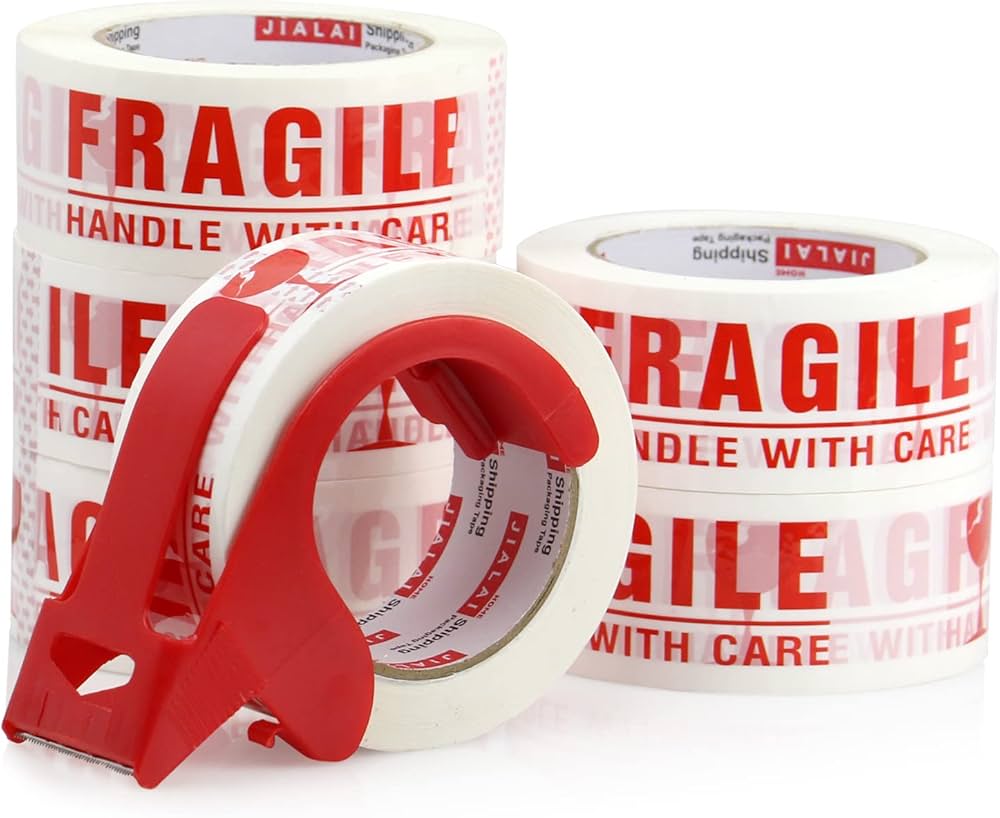
A stock image related to Fragile carton sealing tape.
Comprehensive Cost and Pricing Analysis for Fragile carton sealing tape Sourcing
Fragile carton sealing tape pricing varies significantly based on substrate technology, reinforcement levels, and customization requirements. For international procurement teams sourcing from global manufacturing hubs, understanding the cost drivers behind water-activated fiberglass-reinforced tapes versus standard polypropylene options is essential for accurate budget forecasting. The following analysis breaks down the critical pricing components that influence total cost of ownership across diverse regional markets.
How Do Material Specifications Impact Fragile Tape Pricing?
The fundamental cost differential stems from the backing material and adhesive chemistry. Water-activated tape (WAT) with fiberglass reinforcement—such as 3-way reinforced kraft paper variants—commands premium pricing due to raw material costs and specialized manufacturing processes. These tapes typically range 40-60% higher per linear meter than standard pressure-sensitive polypropylene tapes, but offer superior tamper evidence and seal integrity for cartons up to 25kg. Custom printed branding adds additional plate setup costs and minimum order quantities starting at 5,000-10,000 rolls, depending on print complexity and color registration requirements.
What Volume Tiers Unlock Competitive Pricing for International Buyers?
B2B pricing structures typically operate on exponential volume breaks. Orders below container-load quantities (LCL) often face 15-25% premiums compared to full container load (FCL) shipments of 20-40ft containers. For emerging market buyers in Brazil or Vietnam, consolidating orders to achieve 50,000+ roll quantities can reduce unit costs by 30-35% while justifying sea freight expenses. Manufacturers increasingly offer regional warehousing options in the Middle East and Africa to minimize duty exposure and reduce lead times, though these arrangements require annual volume commitments typically exceeding $50,000 in contract value.
Why Does Water-Activated Tape Cost More Than Pressure-Sensitive Alternatives?
The price gap reflects application infrastructure requirements, not merely consumable costs. Water-activated systems require dispenser investments ranging from $200 for manual units to $5,000+ for automated case sealers, creating higher initial capital expenditure. However, WAT uses 15-20% less tape per seal compared to overlapping pressure-sensitive applications, generating material savings that typically amortize equipment costs within 12-18 months for operations sealing 500+ cartons daily. The reinforced fiberglass layers also eliminate the need for additional corner protectors, reducing ancillary packaging spend.
How Do Regional Tariffs and Logistics Affect Total Landed Costs?
Import duties vary dramatically by destination, with some African nations imposing 15-25% tariffs on adhesive tape classifications while Middle Eastern free trade zones offer zero-duty advantages. European buyers face additional regulatory compliance costs regarding adhesive chemical compositions and recyclability certifications. Sea freight volatility has compressed the traditional price advantage of Asian manufacturing, prompting many South American buyers to evaluate nearshoring options from Mexico or Colombia despite 8-12% higher manufacturing costs, achieving net savings through reduced logistics expenditure and currency hedge benefits.
What Hidden Costs Should Buyers Factor Beyond Unit Price?
Total cost calculations must include waste factors and application efficiency. Reinforced fragile tapes exhibit lower stretch and waste during application compared to plastic alternatives, typically achieving 95%+ utilization rates. Storage climate control represents another overlooked expense—kraft paper-based WAT requires humidity-controlled warehousing (45-55% RH) to prevent adhesive degradation, adding $2-4 per pallet monthly in specialized storage costs. Additionally, currency fluctuation protection through forward contracts or supplier financing terms can impact final pricing by 3-7% annually in volatile markets.
Alternatives Analysis: Comparing Fragile carton sealing tape With Other Solutions
When evaluating protective packaging strategies for international logistics, procurement teams often weigh specialized fragile carton sealing tape against seemingly comparable alternatives. While reinforced water-activated tape with integrated “FRAGILE” messaging offers superior tamper evidence and handling instructions, two common substitutes—pressure-sensitive polypropylene tape with surface printing, and separate fragile labels paired with standard clear tape—present distinct trade-offs in cost, operational efficiency, and security. The following analysis examines these alternatives through the lens of high-volume B2B shipping requirements across emerging markets in Africa, South America, and Southeast Asia.
How Does Standard Printed Polypropylene Tape Compare to Reinforced Fragile Tape?
| 比較の側面 | Fragile Carton Sealing Tape (Reinforced WAT) | Pressure-Sensitive Polypropylene “Fragile” Tape | Fragile Warning Labels + Standard Clear Tape |
|---|---|---|---|
| Performance & Security | Superior tamper evidence; bonds with carton fibers; 3-way fiberglass reinforcement rated up to 55 lbs (25 kg); works reliably on recycled cartons | Moderate surface adhesion; printed message susceptible to smudging; easily slit and resealed without visible detection | Labels prone to edge peeling and detachment; no integrated tamper evidence; two separate failure points |
| Cost Structure | Higher material cost; requires water-activated dispenser investment; minimal waste via single-strip sealing | Lower per-roll cost; compatible with standard hand dispensers; often requires multiple strips for security | Lowest material expenditure; labor-intensive application; increased risk of damage claims |
| Implementation & Speed | Single-pass application; requires initial operator training; consistent automated dispensing available | Immediate deployment; familiar application method; rapid handling | Two-step manual process; inconsistent label positioning; reduces line efficiency by 30-40% |
| Environmental Profile | Biodegradable kraft paper; recyclable with corrugated carton; plastic-free solution | Polypropylene film contaminates recycling streams; non-biodegradable adhesive backing | Mixed material waste; adhesive residue complicates carton recycling |
Is Pressure-Sensitive Polypropylene Tape a Suitable Substitute?
This plastic film alternative offers immediate deployment advantages for operations lacking water-activated tape dispensers, particularly attractive for smaller enterprises in Vietnam or Brazil seeking minimal capital investment. While the upfront cost per roll is significantly lower than reinforced paper tape, the acrylic or hot melt adhesive creates only surface-level bonds that degrade in extreme humidity—a critical concern for shipments through tropical climates or coastal African regions. The printed “FRAGILE” message sits atop the film layer, making it susceptible to scuffing during rough handling and potential tampering, as the tape can be slit and reapplied without visible damage. For high-volume e-commerce operations prioritizing speed over maximum security, this option provides adequate handling visibility but requires rigorous quality control to ensure warnings remain legible upon delivery.
Do Separate Fragile Labels Offer Better Value Than Printed Sealing Tape?
Combining adhesive labels with generic sealing tape represents the most modular approach, allowing warehouses to apply handling instructions selectively while using commodity-grade clear tape for sealing. However, this method introduces operational friction: separate application steps create bottlenecks during peak shipping periods, and labels frequently detach during the intermodal transport common across Middle Eastern and South American infrastructure. The disconnect between the warning label and the actual seal creates security vulnerabilities—customs inspectors or logistics handlers may not associate the peripheral label with carton integrity. While initially economical for low-volume shippers, the cumulative labor costs, inconsistent application quality, and increased damage claims often negate savings for enterprises managing regular international freight through complex supply chains.
Essential Technical Properties and Trade Terminology for Fragile carton sealing tape
When procuring fragile carton sealing tape for international supply chains, technical specifications directly impact product protection rates and customs compliance. Understanding the material science behind these specialized adhesives ensures your shipments withstand varying climate conditions while maintaining clear handling instructions throughout the logistics journey.
What Technical Specifications Determine Fragile Tape Performance?
Adhesive Chemistry and Activation Method
Pressure-sensitive acrylics offer immediate tack for high-speed automation, while water-activated adhesives (WAT) create permanent chemical bonds with kraft fibers, providing superior tamper evidence. For humid climates common in Brazilian or Vietnamese logistics corridors, synthetic rubber adhesives resist moisture infiltration better than standard hot-melt formulations.
Reinforcement Tensile Strength
Fiberglass filament reinforcement—typically configured in machine-direction (MD) and cross-direction (TD) patterns—determines load-bearing capacity. Three-way fiberglass reinforcement supports cartons up to 25 kg, critical for aerospace and appliance shipments requiring non-unitized load stability without additional strapping.
Caliper and Film Gauge
Measured in mils (thousandths of an inch) or microns, tape thickness correlates with puncture resistance. Heavy-duty fragile applications require 2.5-3.0 mil polypropylene or 5-6 mil PVC backing to prevent abrasion during rough handling in Middle Eastern port facilities.
Print Legibility Standards
UV-resistant inks prevent message degradation during extended outdoor storage. High-definition flexographic printing ensures “FRAGILE” warnings remain scannable and visible even after exposure to African high-UV environments or refrigerated transport condensation.
Temperature Performance Range
Service temperature ranges from -20°C to 60°C accommodate refrigerated food processing chains and Middle Eastern ambient storage. Application temperature minimums (typically 0°C to 10°C) determine whether tape performs during winter warehousing in European distribution centers.
Which Industry Terms Should B2B Buyers Understand When Sourcing Fragile Tape?
Water-Activated Tape (WAT) vs. Pressure-Sensitive Adhesive (PSA)
WAT requires moisture to activate starch-based adhesives that penetrate carton fibers, creating irreversible bonds ideal for tamper evidence. PSA tapes offer immediate grab without equipment but may lift in extreme heat.
Cross-Direction Reinforcement
Fiberglass filaments running perpendicular to the tape’s length provide tear resistance during rough handling. This “cross-weave” pattern prevents catastrophic seam failure when cartons shift during ocean freight.
H-Seal Configuration
The standard two-strip sealing method where tape covers both center seams and edge flaps, creating an “H” pattern. This configuration distributes stress across the entire carton top, essential for maintaining structural integrity in non-unitized loads.
Non-Unitized Load Compatibility
Refers to tape performance on individual cartons not palletized or stretch-wrapped. Fragile tapes for non-unitized applications require higher shear adhesion to prevent bottom-seam failure when cartons slide against each other.
Tamper-Evident Void Mechanisms
Specialized adhesives that leave “VOID” or checkerboard patterns upon removal. This security feature proves particularly valuable for high-value electronics and pharmaceutical shipments entering European customs zones.
Kraft Paper Backing Integrity
Natural kraft substrates provide sustainable, recyclable sealing compatible with corrugated fibers. Reinforced kraft tapes offer rigidity that prevents “flagging” (tape edges lifting) during automated application processes.
Navigating Market Dynamics and Sourcing Trends in the Fragile carton sealing tape Sector
The fragile carton sealing tape market is undergoing a strategic shift as B2B procurement teams balance operational security with evolving regulatory landscapes. Unlike conventional sealing solutions, fragile-specific tapes—particularly reinforced water-activated varieties—function as both physical barriers and critical communication tools within complex supply chains. For international buyers operating across diverse regulatory environments, from Brazil’s expanding e-commerce infrastructure to Vietnam’s manufacturing export hubs, understanding sector-specific dynamics has become essential for risk mitigation and cost optimization. As global trade volumes increase and handling protocols become more standardized, the selection of appropriate fragile identification and sealing technologies directly impacts damage rates, insurance costs, and end-customer satisfaction metrics.
What Are the Current Market Dynamics and Regional Demand Patterns for Fragile Carton Sealing Tape?
The global fragile tape sector is experiencing accelerated growth driven by the expansion of cross-border e-commerce and specialized logistics requirements. Market analysis indicates increasing demand for tamper-evident, reinforced sealing solutions—particularly three-way fiberglass reinforced water-activated tape (WAT) systems that provide superior adhesion on recycled corrugated surfaces common in international shipping. These advanced systems create permanent bonds with carton fibers, offering enhanced security compared to traditional pressure-sensitive alternatives while clearly identifying contents requiring careful handling. The shift toward automation-compatible dispensing systems is further reshaping procurement volumes, as integrated packaging lines require consistent tape tensile strength and precise print registration for scanner readability.
Regional procurement patterns reveal distinct operational priorities shaped by local infrastructure and trade characteristics. In African and South American markets, infrastructure development and agricultural export growth are driving demand for heavy-duty fragile sealing capable of withstanding variable climate conditions during extended transit periods. Buyers in these regions prioritize UV-resistant printing and moisture-resistant adhesives that maintain legibility despite humidity fluctuations common in port environments. Middle Eastern logistics hubs prioritize high-visibility identification tapes that integrate with automated sorting systems while meeting stringent security protocols for high-value electronics and pharmaceutical goods. Meanwhile, European buyers face intensifying regulatory pressure regarding packaging waste directives, accelerating the shift from plastic-based fragile tapes toward kraft paper alternatives with water-activated adhesives that comply with circular economy principles and Extended Producer Responsibility frameworks.
Supply chain resilience remains a critical concern, with procurement teams diversifying supplier bases to mitigate geopolitical risks and raw material volatility affecting petrochemical-derived adhesives. Just-in-time inventory strategies are being reassessed in favor of strategic stockholding for critical fragile tape specifications, particularly for specialized reinforced grades required for heavy cartons up to 55 pounds. Additionally, the rise of digital printing technologies enables cost-effective customization for branded fragile warnings, allowing companies to reinforce corporate identity while meeting international handling standards.
How Can B2B Buyers Integrate Sustainability and Ethical Sourcing into Fragile Tape Procurement?
Sustainability has transitioned from peripheral concern to core procurement criterion, particularly for fragile carton sealing solutions traditionally dominated by plastic-based products. Water-activated tape (WAT) systems utilizing natural kraft backings with fiberglass reinforcement offer significant environmental advantages over conventional pressure-sensitive plastic tapes, providing biodegradable alternatives that align with circular economy objectives while maintaining the structural integrity required for heavy shipments. Unlike polypropylene or PVC alternatives, these paper-based solutions can be recycled alongside corrugated cardboard without separation processes, significantly reducing waste management complexity for receiving facilities and supporting zero-landfill initiatives increasingly mandated by European and Middle Eastern retail partners.
Ethical sourcing considerations extend beyond material composition to encompass manufacturing transparency, labor standards, and chemical safety throughout the supply chain. International buyers are increasingly requiring suppliers to demonstrate compliance with comprehensive ESG frameworks, including carbon footprint disclosures for kraft paper production and responsible sourcing of fiberglass reinforcement materials. For markets in the European Union and emerging economies like Brazil, adherence to Extended Producer Responsibility regulations necessitates partnerships with manufacturers offering recyclable fragile tape solutions that minimize end-of-life environmental impact. Furthermore, procurement teams are scrutinizing adhesive formulations to ensure compliance with evolving regulations regarding volatile organic compounds (VOCs) and workplace chemical exposure standards.
Procurement teams should evaluate supplier certifications such as FSC (Forest Stewardship Council) for paper-based tapes and ISO 14001 environmental management standards to verify sustainability claims. The shift toward localized production facilities—reducing transportation emissions for bulky tape shipments—presents both sustainability benefits and supply chain resilience advantages, particularly for African markets seeking to reduce import dependency and currency fluctuation risks. By prioritizing suppliers that combine reinforced fragile tape technology with verified ethical manufacturing processes and transparent audit trails, B2B buyers can satisfy stakeholder ESG requirements while ensuring consistent product protection across international distribution networks. This dual focus on ecological responsibility and supply chain ethics creates competitive differentiation in markets where corporate sustainability credentials increasingly influence long-term B2B partnership decisions.
Frequently Asked Questions (FAQs) for B2B Buyers of Fragile carton sealing tape
What is the difference between fragile carton sealing tape and using separate fragile labels?
Integrated fragile sealing tape combines structural carton closure with visual handling instructions in a single application, eliminating the risk of label detachment during transit. Unlike separate adhesive labels that can peel off in high-humidity conditions or rough handling, pre-printed fragile tape creates a permanent bond with the carton surface while sealing the box simultaneously. This consolidation reduces labor costs by merging two packaging steps into one and ensures consistent messaging across your international supply chain.
What specifications should I look for when ordering fragile carton sealing tape in bulk?
For international procurement, prioritize tensile strength ratings, adhesive formulation compatibility with local climate conditions, and core sizes matching your existing dispensers. Water-activated reinforced options with fiberglass strands provide superior security for heavy shipments up to 25 kg, while pressure-sensitive acrylic tapes offer immediate tack for high-speed operations. Verify consistent roll lengths and widths to prevent machinery jams, and request technical data sheets confirming compliance with international shipping regulations for your specific export markets.
Can fragile carton sealing tape be used with automated case sealing machinery?
Yes, most automated case sealers accommodate pre-printed fragile tape, though water-activated varieties require specialized dispensers with moistening brushes while pressure-sensitive tapes work with standard tape heads. When integrating fragile tape into automated lines, ensure print orientation aligns with your carton feed direction and verify that the tape thickness suits your machine’s tension settings. Conduct trial runs with your specific carton board grades, as recycled fibers may require different adhesive formulations than virgin corrugated materials.
Is pre-printed fragile tape more cost-effective than applying individual fragile stickers to cartons?
Pre-printed fragile tape typically reduces total applied costs by 30-40% compared to separate label-and-tape applications by eliminating redundant labor and material waste. While the per-roll cost may exceed standard clear tape, the consolidation of sealing and labeling functions reduces packaging station bottlenecks and minimizes SKU complexity in your inventory. For operations shipping 500+ cartons daily, labor savings from single-application sealing generally offset any material premium within the first quarter of implementation.
How does water-activated fragile tape compare to pressure-sensitive acrylic options for international shipping?
Water-activated fragile tape forms a permanent chemical bond with corrugated fibers, creating tamper-evident seals that show immediate visual damage if removal is attempted, making it ideal for high-value exports. Pressure-sensitive acrylic tapes offer superior initial tack and perform better in dusty or cold storage environments common in emerging markets, though they may require reinforced grades for heavy loads. For cross-border shipments facing variable humidity and temperature fluctuations, reinforced water-activated options provide superior longevity, while acrylics suit operations requiring immediate handling without drying time.
What weight limits should I consider when selecting reinforced fragile tape for heavy cartons?
Standard fragile tapes typically secure cartons up to 25 kg (55 lbs), but reinforced fiberglass options can handle unitized loads exceeding this threshold when applied in two-strip sealing patterns. For industrial machinery or dense product shipments, specify three-way fiberglass reinforcement rather than standard mono-filament to prevent tape stretch under dynamic load stress. Always test your specific carton construction, as double-wall corrugated boxes paired with reinforced water-activated tape can often exceed 30 kg capacity without additional strapping.
How can fragile tape provide tamper-evidence and branding benefits beyond basic handling instructions?
Premium fragile tapes incorporate security features such as sequential numbering or custom color printing that standard labels cannot replicate, providing authentication for warranty-sensitive electronics or pharmaceutical exports. The continuous tape application creates a complete seal across carton flaps, making intrusion attempts immediately visible through fiber tear patterns, whereas labels only cover discrete surface areas. Many B2B buyers leverage custom-printed fragile tape to include multilingual handling instructions, QR codes for tracking, or brand logos that reinforce professional presentation while protecting goods.
Which fragile tape formulations work best with recycled corrugated cartons in humid climates?
Natural kraft water-activated tapes with synthetic resin adhesives penetrate recycled fiberboard more effectively than acrylic pressure-sensitive tapes, which may struggle with the dust and loose fibers common in high-recycled-content cartons. For tropical environments in Southeast Asia or coastal regions, specify moisture-resistant adhesives that maintain tack during monsoon seasons or container condensation cycles. Avoid standard hot-melt adhesives in humidity above 70% RH, opting instead for solvent-free acrylic or gummed tape formulations that resist humidity-induced flagging.
重要な免責事項および利用規約
⚠️ 重要な免責事項
メーカー、技術仕様、市場分析に関する内容を含め、本ガイドラインで提供される情報は、情報提供と教育目的のみのものです。専門的な調達アドバイス、財務アドバイス、または法的アドバイスを提供するものではありません。.
B2Bバイヤーは、独自の徹底的なデューデリジェンスを行う必要がある。 をご覧の上、ご購入をお決めください。本ガイドに記載された情報を信頼した場合のリスクは、読者が単独で負うものとします。.
Top 3 Fragile Carton Sealing Tape Manufacturers & Suppliers List
1. Topever – Fragile Tape
ドメイン topevertape.com
登録:2022年(4年)
はじめに Company specializes in fragile tape manufacturing with 10+ years experience, supplying globally to Europe, America, Australia, UK, Netherlands, Iraq, and Nigeria. Core product lines include: Fragile Tape (including Pink Fragile Tape), BOPP Adhesive Packing Tape, Printed Carton Sealing Tape, and Self-Adhesive Shim Tape. Product specifications feature BOPP/OPP film materials with acrylic pressure-se…
2. Tape Jungle – Gaffers Tape
ドメイン テープジャングル・ドットコム
登録:2010年(16年)
はじめに Products listed: Standard Grade Gaffers Tape (67680) by Alanson Products; Standard ATG Tape (56720) 1/4 inch by Alanson Products; Colored Duct Tape Industrial Grade (67236) in 18 colors by Alanson Products; Premium Cloth Gaffers Tape (67665) matte finish by Polyken; Colored Carton Sealing Tape PVC (9535) tan/clear, 2.4 mil (35 micron) UPVC film, solvent-based natural rubber adhesive, medium duty, …
3. Spectape – Carton Sealing Tape
ドメイン spectape-tx.com
登録:2010年(16年)
はじめに Carton Sealing Tape (also known as polypropylene packaging tape, poly tape, or box sealing tape). Adhesive types: Hot Melt, Acrylic, Natural Rubber, and Water Activated. Strength levels by mil thickness: Light Duty (1.6 mil), Medium Duty (1.8 mil), Heavy Duty (2.0 mil), Super Duty (>2.0 mil). Product families: ST450 Polypropylene (general purpose, medium grade, heavy duty available in hot melt and…
Strategic Sourcing Conclusion and Outlook for Fragile carton sealing tape
As global supply chains navigate increasing complexity, strategic procurement of fragile carton sealing tape demands a nuanced balance between performance specifications and supply resilience. For international buyers sourcing from high-growth regions, prioritizing water-activated reinforced tapes—capable of securing loads up to 25kg while providing tamper-evident security—offers superior protection for high-value electronics, aerospace components, and e-commerce shipments compared to standard pressure-sensitive alternatives. Establishing clear quality benchmarks around fiberglass reinforcement and adhesive integrity remains essential for minimizing in-transit damage across diverse climate zones.
How Can Buyers in Emerging Markets Optimize Fragile Tape Sourcing?
Organizations across Africa, South America, and the Middle East should diversify supplier portfolios to mitigate regional logistics volatility, establishing partnerships with manufacturers offering consistent fiberglass-reinforced kraft specifications and localized technical support. Evaluating vendors based on their ability to deliver custom-printed branding solutions alongside standard fragile warnings can consolidate packaging spend while enhancing unboxing experiences for end consumers in competitive retail environments.
What Sustainability and Automation Trends Will Define Future Procurement?
The shift toward recyclable carton materials and automated case-sealing systems is accelerating demand for water-activated tapes compatible with recycled fiberboard and high-speed dispenser automation. Forward-thinking procurement teams are now specifying eco-friendly adhesive formulations that maintain superior bonding integrity across the variable temperature and humidity conditions prevalent in tropical and desert logistics corridors.
By aligning sourcing strategies with these operational realities—prioritizing durability, regional supply chain agility, and environmental compliance—B2B buyers will secure competitive advantages in protecting fragile goods throughout increasingly demanding global distribution networks.