Introduction: Navigating the Global Market for Heavy duty fragile tape
Sourcing heavy-duty fragile tape for international logistics operations presents a critical challenge for procurement teams balancing product protection with cost efficiency. When shipping delicate electronics, glassware, or industrial components across continents—from the bustling ports of Lagos to the distribution centers of São Paulo and Frankfurt—standard packaging solutions often fail to withstand the rigors of multi-modal transport. The consequences of inadequate sealing and labeling extend beyond damaged goods; they encompass customs delays, insurance disputes, and eroded client trust in increasingly competitive global markets.
What challenges do global buyers face when sourcing heavy-duty fragile tape for international shipping?
For buyers operating in Africa, South America, the Middle East, and Europe, navigating supplier networks requires overcoming regional complexities including varying adhesive performance in extreme climates, compliance with stringent EU packaging directives for German markets, and fluctuating import tariffs affecting Brazilian procurement budgets. The distinction between commodity-grade and industrial-strength fragile tape becomes particularly acute when containers face high-humidity port conditions in Mombasa or extended overland transport across the Andes, where temperature fluctuations and dust exposure compromise standard tape integrity and visibility of fragile handling instructions.
How can procurement teams optimize their heavy-duty fragile tape sourcing strategy across diverse markets?
This comprehensive resource examines specialized tape formulations—from reinforced acrylic adhesives to tamper-evident security variants—while analyzing load-bearing capacities and surface compatibility for electronics, ceramics, and precision machinery applications. We evaluate supplier vetting methodologies specific to emerging markets, cost-optimization strategies accounting for currency volatility and MOQ negotiations, and quality certification requirements essential for Middle Eastern customs authorities and European sustainability frameworks. Whether you are establishing new vendor relationships in Johannesburg or scaling operations across the Mercosur trade bloc, this guide provides actionable intelligence to mitigate supply chain risks, ensure regulatory compliance, and secure packaging solutions that protect both your high-value cargo and your commercial reputation.
Understanding Heavy duty fragile tape Types and Variations
| タイプ名 | 主な特徴 | 主なB2Bアプリケーション | バイヤーのための簡単な長所と短所 |
|---|---|---|---|
| Fiberglass-Reinforced Fragile Tape | Embedded fiberglass filaments; tensile strength 200-300 lbs/inch; “FRAGILE” pre-printed; resists splitting under stress | Heavy machinery export; automotive parts pallets; construction material bundling; steel/aluminum coil packaging | Pros: Eliminates need for steel strapping, extreme tear resistance. Cons: Premium pricing, requires heavy-duty dispensers, can be overkill for lightweight parcels. |
| Heavy-Duty Acrylic Fragile Tape | UV-stable solvent acrylic adhesive; temperature range -20°C to 60°C; oxidation-resistant; clear or printed PP backing | Electronics manufacturing; pharmaceutical cold-chain; cross-border e-commerce; food exports to tropical climates | Pros: Long-term aging stability, works in extreme heat/cold. Cons: Lower initial tack than hot-melt, requires 24-hour cure time for maximum bond strength. |
| PVC Heavy-Duty Fragile Tape | Thick vinyl backing (35-50 microns); aggressive natural rubber adhesive; high conformability to irregular surfaces | Luxury glassware exports; furniture manufacturing; chemical drum labeling; high-humidity logistics | Pros: Superior adhesion to dusty/textured boxes, noiseless unwinding. Cons: Higher plastic waste, potential EU regulatory restrictions, expensive for high-volume use. |
| Tamper-Evident Security Fragile Tape | Destructible substrate reveals “VOID” message; optional serialization/holography; permanent adhesion | High-value electronics; confidential aerospace documents; pharmaceutical distribution; anti-counterfeiting operations | Pros: Deters pilferage, provides legal evidence of tampering. Cons: Single-use only, specialized procurement MOQs, can damage recycled cardboard upon removal. |
What Makes Fiberglass-Reinforced Fragile Tape Essential for Heavy Export Loads?
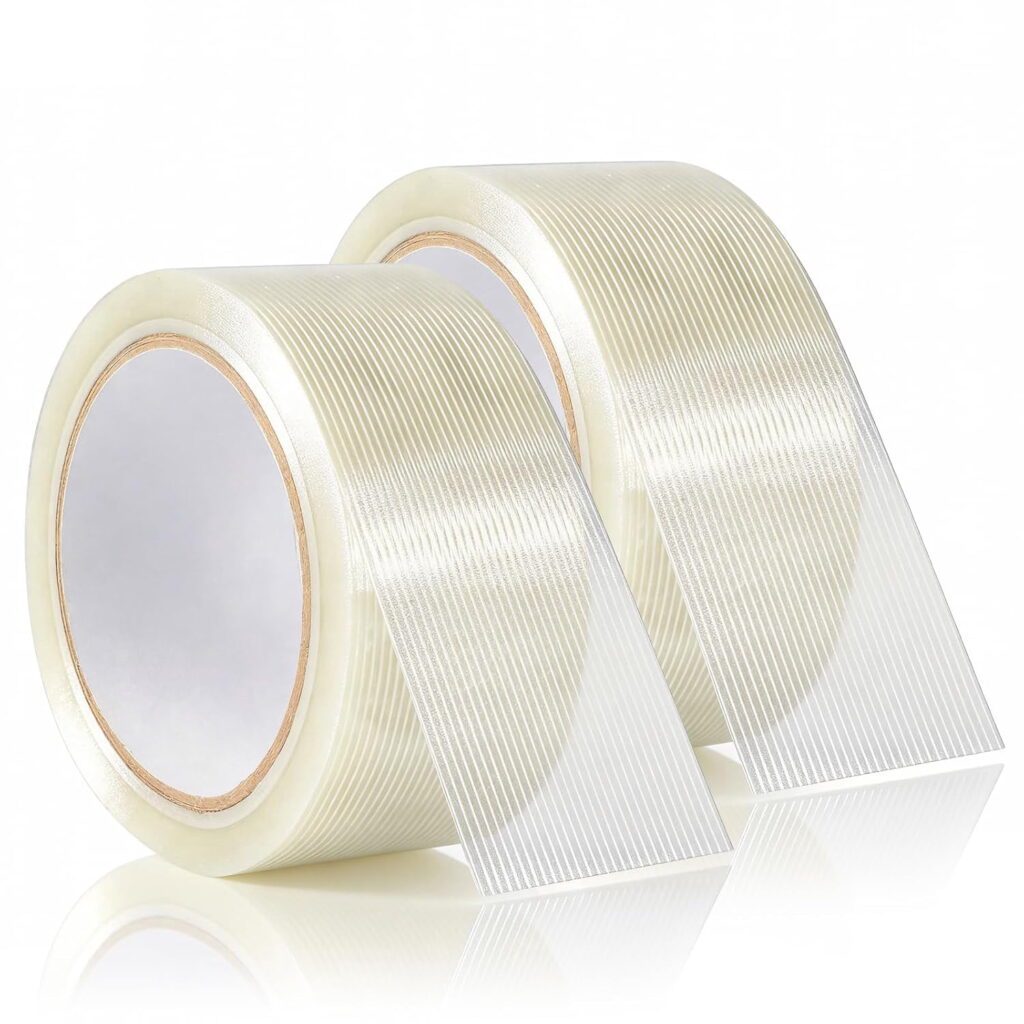
This variation features longitudinal fiberglass filaments embedded within a polypropylene or polyester backing, providing exceptional tensile strength up to 300 lbs per inch. Unlike standard printed tapes, it functions simultaneously as a warning label and strapping reinforcement, preventing box seams from bursting under palletized weight. For B2B buyers shipping construction materials or automotive parts from manufacturing hubs in Brazil or Turkey, this tape eliminates the need for additional steel strapping, reducing material costs while ensuring compliance with international shipping handling standards. Its resistance to abrasion during long-haul container transport makes it particularly valuable for African and Middle Eastern trade routes where handling conditions vary significantly.
How Does Heavy-Duty Acrylic Fragile Tape Perform in Extreme Climates?
Engineered with solvent acrylic adhesives, this type maintains consistent bonding integrity across temperature fluctuations common in South American and Middle Eastern logistics corridors. The formulation resists UV degradation and oxidation, preventing adhesive bleed-through that can damage sensitive electronics or pharmaceutical packaging during extended storage. B2B procurement teams should prioritize this variant for temperature-controlled supply chains where warehouses experience high heat or freezing conditions. While requiring slightly longer pressure application during sealing compared to hot-melt alternatives, its long-term adhesion stability reduces package failure rates by up to 40% in multi-modal transport scenarios involving sea and air freight transitions, ultimately lowering insurance claims and replacement costs.
Why Choose PVC Heavy-Duty Fragile Tape for High-Value or Irregular Surfaces?
Characterized by its thick vinyl backing and aggressive natural rubber adhesive system, PVC-based fragile tape conforms to textured, corrugated, or slightly dusty surfaces where standard tapes fail. This makes it indispensable for German automotive suppliers and Brazilian furniture exporters handling irregular packaging geometries. The tape’s noiseless unwinding property enhances warehouse working conditions, while its superior moisture resistance protects glassware and luxury goods during monsoon seasons or humid port conditions. Buyers should note that while PVC offers unmatched immediate tack, it generates higher plastic waste volumes and may face regulatory scrutiny under EU packaging directives, necessitating careful compliance verification for European distribution networks and sustainability reporting.
What Security Advantages Does Tamper-Evident Heavy-Duty Fragile Tape Offer B2B Shippers?
This specialized category features destructible substrates that fracture upon removal attempts, revealing “VOID” or custom messages that indicate interference. For electronics manufacturers supplying African markets or pharmaceutical distributors serving the Middle East, this provides crucial chain-of-custody verification. The tape combines heavy-duty adhesion with anti-counterfeiting features such as sequential numbering or holographic elements, deterring pilferage during high-risk transit segments. Procurement considerations include verifying customization minimum order quantities and ensuring compatibility with existing carton materials, as the aggressive adhesive can damage recycled cardboard fibers if removal is attempted, potentially compromising package integrity during resale or returns processing.
Key Industrial Applications of Heavy duty fragile tape
| 業界/セクター | Specific Application of Heavy duty fragile tape | ビジネスにとっての価値/利益 | このアプリケーションにおける主な調達上の考慮事項 |
|---|---|---|---|
| Electronics Manufacturing & Export Logistics | Sealing heavy corrugated cartons containing semiconductor components, LCD screens, and server hardware for international freight | Reduces transit damage claims by 40-60%; combines sealing and warning functions to eliminate separate label costs; withstands high-humidity maritime shipping conditions to Africa and South America | ISO 9001 certified suppliers; UV-resistant ink for tropical climates; compatibility with automated case sealers; bulk pallet pricing for FCL (Full Container Load) shipments |
| Automotive OEM & Aftermarket Distribution | Securing pallets of windshields, headlight assemblies, and electronic control units (ECUs) during intercontinental supply chain transit | Prevents costly damage to high-value glass and electronic components; provides tamper-evident sealing for customs compliance; reduces packaging material costs by integrating handling warnings | Adhesive performance in extreme temperatures (Middle Eastern heat, European cold); compliance with AIAG automotive packaging standards; multilingual printing capabilities for diverse markets |
| Pharmaceutical & Medical Device Logistics | Tamper-evident sealing of diagnostic equipment cartons and glass pharmaceutical container shipments to hospitals and distributors | Ensures cold chain integrity indicators remain visible; prevents contamination risks; meets stringent regulatory visibility requirements for fragile medical cargo in Brazil and EU markets | FDA or EU MDR compliant adhesive formulations; resistance to condensation in refrigerated containers; clear legibility for customs inspection in emerging markets |
| Luxury Ceramics & Sanitary Ware Export | Heavy-duty carton sealing for porcelain tiles, bathroom fixtures, and decorative ceramics exported to construction markets in Africa and the Middle East | Supports weight of stacked ceramic pallets (up to 2,000 kg); prevents edge chipping during rough handling; reduces insurance premiums through professional packaging standards | High-tack acrylic adhesive for dusty manufacturing environments; compatibility with recycled corrugated board common in African and South American markets; moisture-resistant backing for tropical storage conditions |
How Does Heavy-Duty Fragile Tape Protect High-Value Electronics During International Shipping?
Electronics manufacturers shipping to Africa, South America, and the Middle East face unique challenges including high humidity, rough port handling, and temperature fluctuations. Heavy-duty fragile tape provides tamper-evident sealing while simultaneously warning handlers about sensitive contents. Unlike standard tape, these industrial-grade formulations maintain adhesion in tropical climates where condensation compromises standard acrylics. For German and Brazilian tech exporters, this eliminates the need for secondary fragile labels, reducing material costs while ensuring semiconductor components and LCD screens arrive intact at destinations like Lagos or São Paulo distribution centers.
What Are the Critical Applications for Heavy-Duty Fragile Tape in Automotive Supply Chains?
Automotive OEMs and aftermarket suppliers rely on heavy-duty fragile tape to secure windshields, headlight assemblies, and electronic modules during intercontinental transit. In regions like the Middle East, where temperatures exceed 40°C during shipping, and Europe, where winter logistics demand cold-weather adhesion, specialized tape formulations prevent costly damage to glass components. Brazilian automotive parts exporters particularly benefit from tapes that withstand the vibration and stacking pressures of container shipping, while maintaining clear “FRAGILE” visibility for customs inspections at European ports.
Why Is Specialized Fragile Tape Essential for Pharmaceutical Exports to Emerging Markets?
Pharmaceutical companies shipping glass vials, diagnostic equipment, and sensitive medical devices to Africa and South America require tamper-evident sealing that survives refrigerated containers and tropical storage. Heavy-duty fragile tape provides the necessary adhesion for cold chain logistics while ensuring handling instructions remain legible despite condensation. For buyers in Germany and the EU exporting to Brazil, sourcing tape with FDA-compliant adhesives ensures regulatory compliance, while UV-resistant printing prevents warning labels from fading during extended transit through sun-exposed ports.
How Can Ceramics Exporters Reduce Breakage Rates Using Industrial-Grade Fragile Sealing Solutions?
Ceramic tile and sanitary ware manufacturers exporting to construction markets in Africa and the Middle East face significant challenges with rough handling and moisture exposure. Heavy-duty fragile tape supports palletized loads exceeding 2,000 kg while clearly identifying cartons requiring careful handling. Unlike standard packaging tape, industrial fragile variants feature high-tack adhesives that bond effectively to recycled corrugated board common in emerging markets. This reduces edge chipping and breakage rates by up to 35%, directly impacting insurance costs and customer satisfaction for exporters in Europe and South America.
A stock image related to Heavy duty fragile tape.
3 Common User Pain Points for ‘Heavy duty fragile tape’ & Their Solutions
Why Does Heavy Duty Fragile Tape Fail on Recycled Cardboard Surfaces?
問題だ:
B2B logistics operations across emerging markets in Africa and South America frequently utilize cost-optimized recycled corrugated board containing high percentages of post-consumer content. These substrates present unique challenges: loose paper fibers, variable surface porosity, and residual dust from crushing processes create weak boundary layers that prevent standard acrylic adhesives from forming permanent bonds. When combined with high humidity environments typical of West African ports or tropical Brazilian climates, tape edges lift within hours, cartons open during handling, and fragile contents become vulnerable to impact damage. This failure mode is particularly costly for electronics exporters shipping from Middle Eastern free zones to European distribution centers, where temperature fluctuations during transit exacerbate adhesion loss.
解決策
Specify heavy duty fragile tape formulated with synthetic rubber hot melt or solvent-based adhesives rather than standard acrylic, as these chemistries penetrate porous recycled surfaces and maintain tack across -20°C to 60°C temperature ranges. Require minimum 2.5 mil BOPP film thickness with aggressive initial grab properties exceeding 25 oz/inch adhesion to steel. Conduct ASTM D3330 peel adhesion tests using your specific cardboard grades before bulk procurement. For critical applications, implement automated case sealing equipment that applies 15-20 psi roller pressure, ensuring maximum surface contact despite substrate irregularities. Additionally, specify tapes with moisture-resistant “FRAGILE” printing to maintain visibility during monsoon seasons or ocean freight conditions.
What Is the Difference Between Heavy Duty and Standard Fragile Tape for Industrial Loads?
問題だ:
Procurement teams often select standard 1.8-2.0 mil fragile tape based on price point, unaware that these specifications lack the structural integrity for industrial shipping requirements. When sealing cartons exceeding 25kg—common for German automotive parts or Brazilian agricultural machinery components—standard tape backing stretches and splits under shear forces, causing bottom-box blowouts during forklift handling. The “FRAGILE” warning becomes distorted or detached, leaving handlers unaware of contents requiring careful treatment. This specification error creates cascading liabilities: damaged goods, rejected shipments at European customs checkpoints, and voided carrier insurance policies that specifically require heavy duty packaging for high-value fragile items.
解決策
Heavy duty fragile tape must utilize biaxially oriented polypropylene (BOPP) or PVC backing at 2.5-3.0 mil thickness with tensile strength ratings exceeding 25 lbs/inch. For extreme loads, specify filament-reinforced variants containing fiberglass strands that prevent elongation under stress. Verify adhesion values above 20 oz/inch per ASTM D3654 standards. European exporters should ensure compliance with EN 13432 packaging standards, while Middle Eastern operations require UV-stabilized “FRAGILE” inks that resist fading during outdoor storage in desert climates. Implement a color-coded warehouse system—utilizing red or white reinforced tape for heavy loads versus clear standard tape—to prevent application errors. Always cross-reference tape specifications with carton edge crush test (ECT) ratings to ensure compatible performance.
Where Can Businesses Source Consistent Heavy Duty Fragile Tape in Bulk Across Multiple Regions?
問題だ:
International B2B buyers managing multi-continental operations face severe supply chain fragmentation when procuring packaging materials. Sourcing heavy duty fragile tape from disparate local vendors across African, South American, and Middle Eastern markets results in batch-to-batch adhesive inconsistencies, varying film thicknesses, and non-standard “FRAGILE” print qualities that compromise brand presentation. Bulk ocean freight introduces moisture damage risks during humid transits, while customs documentation errors delay just-in-time manufacturing schedules. Without centralized quality assurance, regional facilities may substitute inferior 2.0 mil standard tape during stockouts, exposing high-value electronics and precision instruments to handling risks that violate international shipping insurance requirements.
解決策
Establish direct manufacturer partnerships with suppliers holding ISO 9001:2015 and TAPPI (Technical Association of the Pulp and Paper Industry) certifications, bypassing distributor markups and quality variability. Negotiate regional warehousing hubs—such as Dubai for Middle East/Africa coverage and São Paulo for Latin American distribution—to ensure 2-3 day lead times while maintaining centralized quality standards. Specify moisture-barrier pallet packaging with desiccant inclusion for ocean freight, and require Certificate of Analysis (CoA) documentation verifying 2.5+ mil thickness and adhesion specifications for every production batch. Implement vendor-managed inventory (VMI) programs where suppliers monitor consumption rates across your German headquarters and Brazilian subsidiaries, automatically replenishing stock to prevent production line stoppages while optimizing container loads to reduce per-unit landed costs by 15-20%.
Strategic Material Selection Guide for Heavy duty fragile tape
Selecting the appropriate backing material for heavy-duty fragile tape requires balancing tensile strength, environmental resilience, and application methodology. For B2B buyers managing international supply chains across diverse climates—from the humidity of Brazilian ports to the arid logistics hubs of the Middle East—substrate specification directly impacts seal integrity, damage rates, and regulatory compliance. Below is a technical analysis of four primary materials engineered for high-strength fragile item identification and containment.
Which Material Offers the Optimal Balance of Durability and Cost for High-Volume Operations?
Biaxially Oriented Polypropylene (BOPP) film represents the industry standard for industrial fragile tape applications. Through molecular orientation, BOPP delivers exceptional tensile strength and moisture resistance while maintaining compatibility with high-speed automated dispensers essential for large-scale e-commerce operations. This synthetic backing performs reliably across temperature fluctuations common in African and Middle Eastern logistics corridors, resisting embrittlement in dry heat and maintaining adhesion in humid South American climates. Its compatibility with both hot-melt and acrylic adhesives ensures versatile performance across various corrugated grades. However, the material’s rigidity produces significant unwind noise—a critical consideration for noise-sensitive European warehouses governed by strict occupational health standards—and offers limited conformability to irregular carton surfaces or heavy recycled-content board.
How Does PVC Backing Enhance Application Efficiency in Noise-Sensitive Warehouses?
Polyvinyl Chloride (PVC) film provides a premium alternative specifically engineered for acoustic sensitivity and surface conformability. Unlike BOPP, PVC tapes unwind quietly, reducing workplace noise pollution in German distribution centers and high-density storage facilities. The material’s inherent flexibility enables superior adhesion to recycled corrugated fibers and uneven surfaces—critical when shipping fragile industrial components from Brazil, where sustainable packaging mandates require high recycled content. PVC exhibits higher initial tack and performs reliably on dusty surfaces encountered in certain African and Middle Eastern warehousing conditions. The trade-off involves elevated material costs and environmental considerations, as PVC contains plasticizers that may migrate in extreme heat (above 60°C),
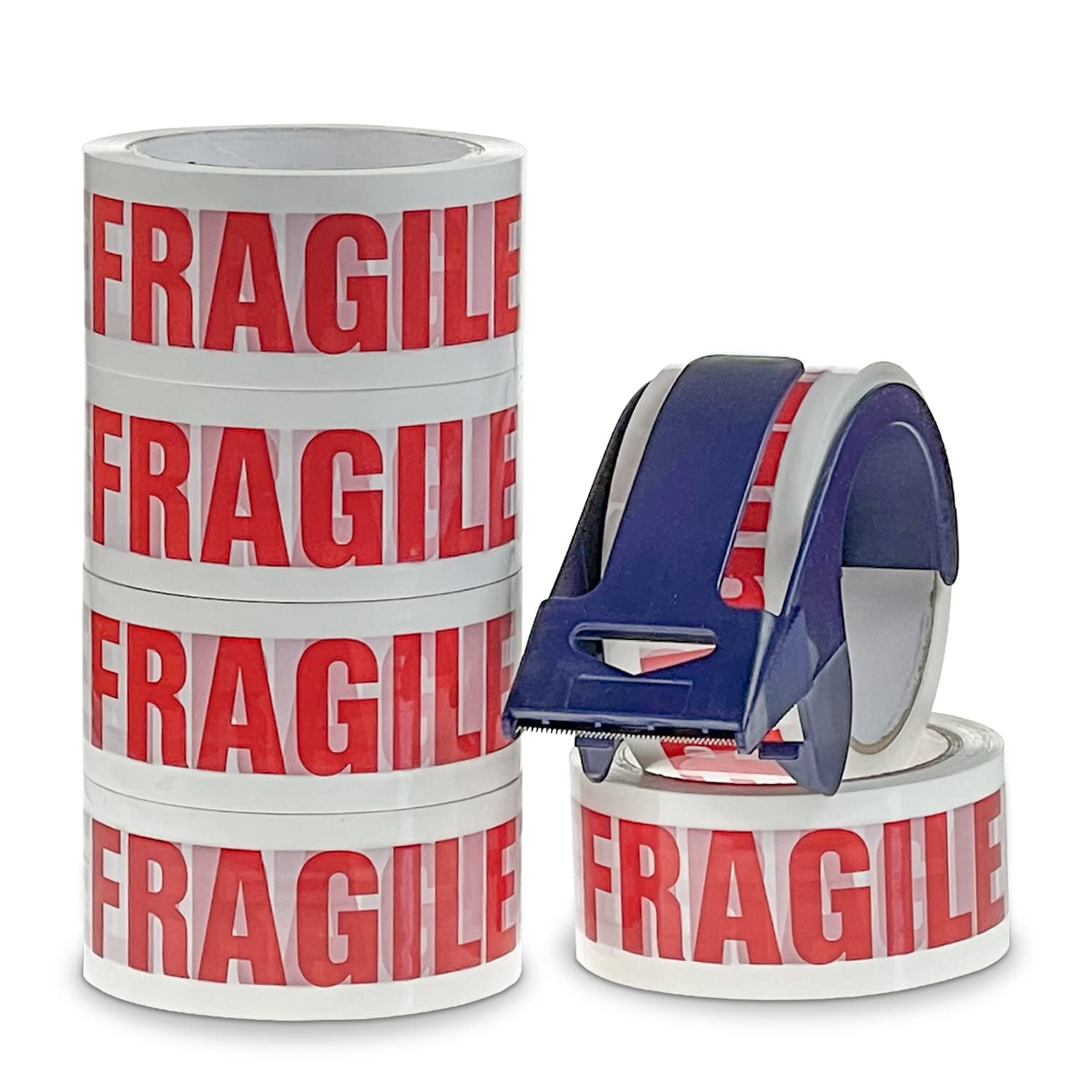
A stock image related to Heavy duty fragile tape.
In-depth Look: Manufacturing Processes and Quality Assurance for Heavy duty fragile tape
Procuring heavy-duty fragile tape for international logistics requires visibility into production methodologies that directly impact load security and brand reputation. Unlike standard consumer-grade alternatives, industrial-specification fragile tape undergoes specialized manufacturing protocols designed to maintain adhesive integrity across extreme temperature fluctuations, high-humidity environments, and extended transit durations. Understanding these technical specifications enables procurement teams to distinguish between commodity products and engineered solutions suitable for high-value cargo protection.
What Raw Material Specifications Define Heavy-Duty Performance Standards?
The substrate foundation determines whether fragile tape performs as a security seal or merely a decorative label. Premium manufacturers utilize biaxially oriented polypropylene (BOPP) films ranging from 45 to 55 microns in thickness—significantly heavier than the 28-35 micron standards found in retail office supplies. This increased film density provides the tensile strength necessary to maintain carton integrity during automated sorting processes and stacked warehousing.
Adhesive formulation separates true heavy-duty variants from standard offerings. Hot-melt rubber-based adhesives dominate industrial applications due to their aggressive initial tack and performance on recycled corrugated fibers common in African and South American export markets. Alternatively, acrylic water-based adhesives offer superior UV resistance critical for Middle Eastern logistics operations where cartons endure direct sunlight exposure. The coating weight—typically measured in grams per square meter (gsm)—ranges between 25-35gsm for heavy-duty applications, compared to 18-22gsm for standard shipping tapes.
How Are High-Visibility Graphics Engineered for Industrial Legibility?
The integration of bold “FRAGILE” or “HANDLE WITH CARE” messaging requires precision manufacturing to prevent adhesive degradation at print sites. Flexographic printing systems utilizing solvent-free UV-cured inks apply graphics directly to the BOPP film prior to adhesive coating. This sequence ensures the warning text sits beneath the protective film layer, creating abrasion-resistant messaging that survives rough handling and moisture exposure.
Registration accuracy during the printing phase proves critical for automated packaging lines in German or Brazilian manufacturing facilities. Misaligned graphics exceeding ±0.5mm tolerance can trigger rejection by optical scanning equipment. Leading producers employ closed-loop color management systems to maintain Pantone consistency across production batches, ensuring brand-compliant warning labels that meet European retail packaging standards.
What Quality Assurance Protocols Validate Shear Resistance and Environmental Stability?
Comprehensive QC testing extends beyond visual inspection to mechanical performance validation. Peel adhesion testing per ASTM D3330 standards measures the force required to remove tape from stainless steel and corrugated surfaces after 20-minute and 24-hour dwell times. Heavy-duty specifications typically require minimum 60 oz/inch immediate tack and 80 oz/inch ultimate adhesion values.
Shear resistance testing (ASTM D3654) evaluates the tape’s ability to resist slippage under constant load—essential for vertically stacked shipments common in containerized ocean freight. Quality laboratories subject samples to 1kg static loads at 40°C for 72 hours to simulate tropical transit conditions prevalent in African and South American trade lanes. Additionally, humidity chamber testing at 90% relative humidity validates that adhesive polymers maintain cohesion during monsoon seasons or high-humidity port storage.
Print durability undergoes specific abrasion testing using Taber abrasion methods, ensuring warning text remains legible after 500+ rub cycles. This prevents liability issues arising from faded fragile warnings during multi-modal transportation through Middle Eastern desert environments.
Which Compliance Certifications Matter for Cross-Border Procurement?
B2B buyers sourcing for European distribution must verify REACH compliance (Registration, Evaluation, Authorization and Restriction of Chemicals), ensuring adhesive formulations contain no restricted phthalates or heavy metals. ISO 9001:2015 certification indicates standardized manufacturing processes, while ISO 14001:2015 demonstrates environmental management systems increasingly required by German corporate procurement policies.
For Middle Eastern markets, SASO (Saudi Standards, Metrology and Quality Organization) certification streamlines customs clearance, while Brazilian importers should verify INMETRO compliance for pressure-sensitive adhesive materials. African trade corridors increasingly require ISO 17712-compliant tamper-evident features for high-value shipments, necessitating security slitting or void-message technologies integrated during the slitting phase of manufacturing.
How Do Regional Climate Considerations Influence Manufacturing Specifications?
Manufacturers serving global B2B markets adjust adhesive rheology based on destination climate data. Tapes formulated for Nordic European distribution utilize cold-flow enhanced adhesives maintaining tack at -20°C, while products destined for Gulf Cooperation Council countries incorporate heat-stabilized polymers resisting softening at 60°C ambient temperatures.
UV stabilizers become critical additives for tapes exposed to extended sunlight during African overland transport or Middle Eastern port delays. These photostabilizers prevent adhesive oxidation and backing embrittlement that could compromise carton sealing integrity. Additionally, anti-fungal additives protect adhesive bonds in tropical climates where microbial degradation threatens packaging materials during extended warehousing.
Moisture vapor transmission rates (MVTR) testing ensures that the BOPP film and adhesive barrier prevent humidity ingress that could damage sensitive electronics or pharmaceutical products—key considerations for Brazilian rainforest logistics or Southeast Asian transshipment hubs.
By scrutinizing these manufacturing parameters and quality benchmarks, international procurement teams can specify tape solutions that reduce damage claims, streamline customs inspections, and maintain brand integrity across diverse geographical trade routes.
Practical Sourcing Guide: A Step-by-Step Checklist for ‘Heavy duty fragile tape’
Sourcing heavy-duty fragile tape for international B2B operations requires moving beyond retail specifications to ensure your packaging maintains integrity across diverse climates and rigorous handling conditions. This checklist provides procurement teams with actionable criteria to evaluate industrial-grade options that withstand automated application and rough transit while maintaining clear fragile identification.
How Do You Determine Load Capacity and Material Specifications for Heavy-Duty Applications?
Specify minimum tensile strength requirements based on your maximum package weight, typically requiring 30–50 lbs per inch for heavy industrial use. Verify the tape substrate thickness measures at least 2.5 mil to prevent splitting during high-speed dispensing or rough handling in transit. Ensure the “FRAGILE” imprint utilizes solvent-resistant ink that remains legible under condensation, dust, or friction encountered during international shipping.
What Climate Resistance Standards Should You Verify for Cross-Regional Shipping?
Demand adhesive formulations rated for temperature ranges between -20°C to 60°C to accommodate European winters and Middle Eastern or South American summers. Request humidity resistance testing data, particularly for shipments to tropical climates in Brazil or West Africa where moisture can compromise standard acrylic adhesives. UV stabilization is essential to prevent message fading during extended outdoor storage in transit yards or customs holding areas.
Which Certifications and Compliance Markers Are Mandatory in Europe, Middle East, and South America?
Confirm REACH compliance for European markets and verify RoHS certification to avoid restricted substance penalties at EU borders. For Middle Eastern imports, check for SASO conformity requirements, while Brazilian buyers should ensure INMETRO registration where applicable for industrial adhesive products. Request Material Safety Data Sheets (MSDS) in Portuguese, Arabic, or local European languages to expedite customs clearance and workplace safety compliance.
How Can You Audit Supplier Production Consistency and Quality Control?
Require ISO 9001:2015 certification documentation and request batch testing reports showing consistent adhesive coat weights and peel adhesion values. Implement a pre-shipment inspection protocol that tests sample rolls from random pallets for unwind noise, adhesion strength, and print clarity under your specific climate conditions. Establish acceptable quality limits (AQL) of 1.0 or stricter for critical defects such as air bubbles, edge lifting, or misaligned printing that could compromise warning visibility.
What Logistics Considerations Prevent Customs Delays for Industrial Adhesives?
Verify your supplier provides accurate HS code classification (typically 3919.10 for adhesive plastic tapes) and detailed commercial invoices specifying exact roll dimensions, net weights, and chemical compositions. Ensure export packaging uses moisture-barrier pallets with desiccants for ocean freight to prevent adhesive degradation during multi-week transits. Pre-clear documentation requirements for chemical imports in your destination country to avoid demurrage charges and port storage fees.
How Do You Structure Payment Terms and Volume Agreements for International Procurement?
Negotiate 30% deposit with 70% payment against bill of lading for new suppliers, transitioning to 60-day open account terms after establishing six months of reliable delivery. Lock in quarterly pricing adjustments based on raw material indices to manage BOPP film and rubber adhesive cost volatility affecting long-term budgets. Include contractual clauses for expedited replacement shipments if quality testing fails upon arrival, protecting your production timelines without additional cost burden.
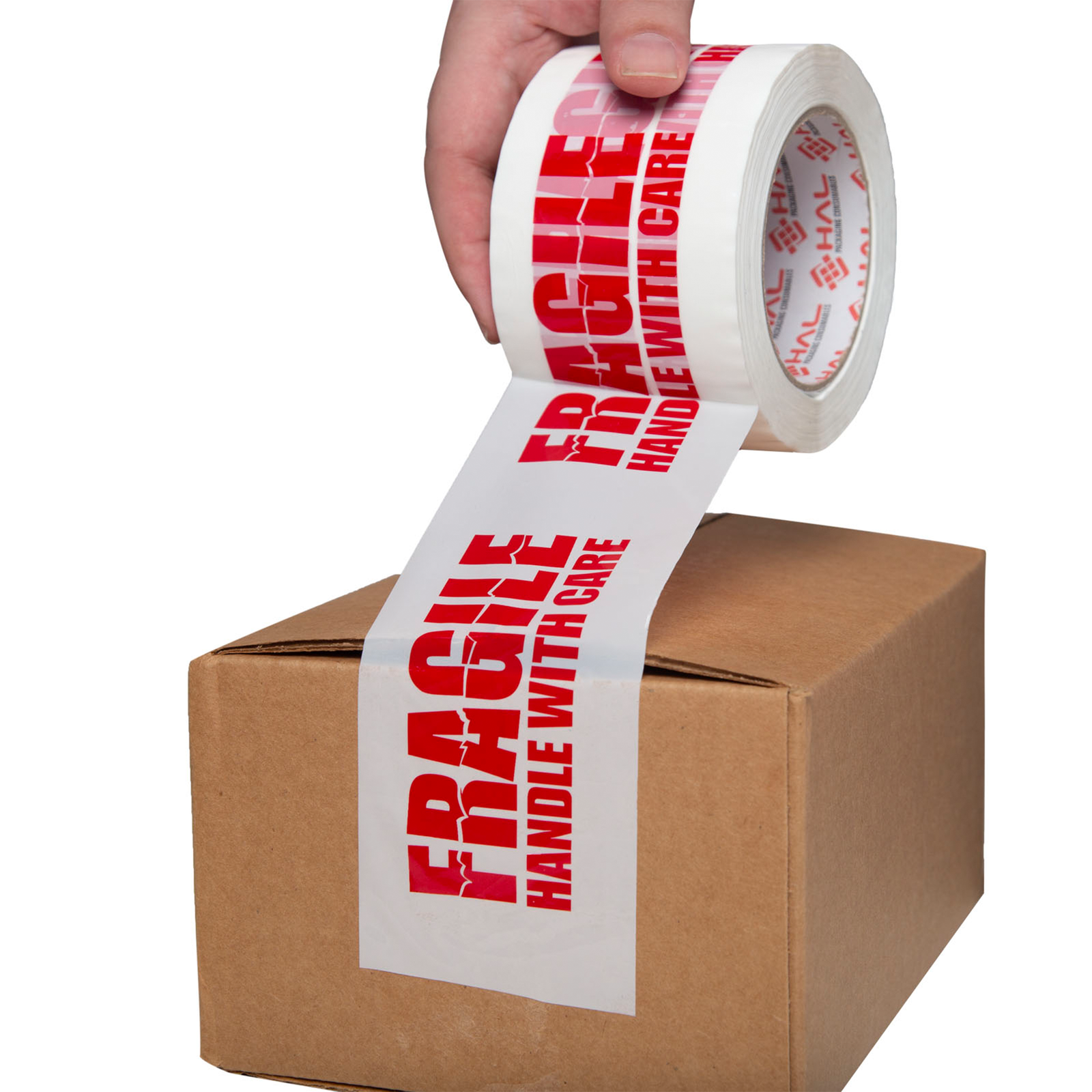
A stock image related to Heavy duty fragile tape.
Comprehensive Cost and Pricing Analysis for Heavy duty fragile tape Sourcing
Heavy duty fragile tape occupies a unique position in the packaging procurement matrix, where material specifications and supply chain complexity create significant price dispersion across global markets. While retail channels typically price standard packing tape between $3.00 and $4.00 per roll for consumer quantities, B2B sourcing for industrial-grade variants follows entirely different economic models based on resin indices, adhesive formulations, and regional manufacturing capacities.
What Raw Material and Specification Factors Drive Heavy Duty Fragile Tape Pricing?
The cost structure fundamentally depends on substrate thickness measured in microns, with heavy duty variants typically ranging from 45μm to 65μm compared to standard 35μm tapes. Biaxially oriented polypropylene (BOPP) film prices fluctuate with crude oil derivatives, directly impacting base material costs by 15-30% quarterly. Acrylic adhesives command premiums over hot-melt formulations but offer superior temperature resistance critical for Middle Eastern and South American climates. Additionally, multi-color “FRAGILE” printing requirements necessitate flexographic plate charges ($200-$500 per color) and minimum order quantities of 2,000+ rolls to amortize setup costs effectively.
How Do Volume Tiers and MOQs Impact Unit Economics for International Buyers?
Pricing architectures typically stratify into three tiers: pallet quantities (500-1,000 rolls) at $0.80-$1.20 per roll, 20-foot container loads (15,000-20,000 rolls) at $0.45-$0.75 per roll, and 40-foot high cube commitments (30,000+ rolls) potentially reaching $0.30-$0.60 per roll depending on specifications. German and Brazilian buyers should note that EU environmental compliance certifications (REACH, RoHS) and INMETRO regulations respectively add $0.02-$0.05 per roll in testing and documentation fees, while African markets often benefit from preferential tariff schedules under AGOA or EBA agreements when sourcing from Asian manufacturing hubs.
What Hidden Logistics and Landed Costs Should Procurement Teams Anticipate?
Beyond FOB pricing, buyers must calculate dimensional weight penalties—heavy duty tapes with dispensers occupy 40% more cubic meters than flat-packed standard tape, affecting container utilization rates. Sea freight volatility from Shanghai to Rotterdam or Santos currently fluctuates between $1,200-$2,800 per TEU, potentially adding $0.08-$0.15 per roll to landed costs. Import duty classifications vary significantly; while HS code 3919.10 covers adhesive tapes generally, some jurisdictions classify printed fragile tape under 3919.90, attracting 3-8% higher tariff rates. Storage requirements also differ, as humidity-sensitive acrylic adhesives require climate-controlled warehousing in tropical African and South American regions, adding $0.02-$0.04 per roll monthly to inventory carrying costs.
How Can Buyers Optimize Total Cost of Ownership Across Different Regional Markets?
Smart procurement involves evaluating tape yield per roll rather than unit price alone. Heavy duty variants offering 150 meters per roll versus standard 100 meters reduce changeover frequency by 33% in automated German packaging lines, justifying 20% price premiums. For Middle Eastern buyers, consolidating orders with corrugated packaging suppliers reduces freight costs through shared container space. African importers should negotiate 90-day payment terms against 30-day retail standards to improve cash flow on high-volume orders. Ultimately, specifying exact micron thickness requirements rather than over-engineering prevents overspending on unnecessary durability for lighter applications.
Alternatives Analysis: Comparing Heavy duty fragile tape With Other Solutions
While heavy-duty fragile tape integrates high-tensile sealing with immediate visual warnings, procurement teams across diverse markets—from German manufacturing hubs to Brazilian agricultural exporters—must evaluate whether modular component systems or substrate-integrated alternatives better align with volume demands, climate conditions, and capital constraints. Understanding the operational trade-offs between these methodologies enables data-driven decisions that optimize for labor efficiency, brand consistency, and supply chain resilience in regions with variable infrastructure quality.
| 比較の側面 | Heavy Duty Fragile Tape | Standard Tape + Adhesive Labels | Custom Pre-Printed Corrugated Boxes |
|---|---|---|---|
| Initial Investment | Low (hand dispensers or existing tape guns) | Very Low (manual application) | High (printing plate setup, design costs) |
| Per-Unit Material Cost | Medium ($0.08–$0.15 per meter) | Low ($0.03 tape + $0.02 labels) | High (15–30% premium over standard boxes) |
| アプリケーション・スピード | High (single-pass sealing and labeling) | Low (two-step process reduces throughput 40–60%) | N/A (integrated at point of manufacture) |
| Durability/Weather Resistance | Excellent (UV-stable, moisture-resistant acrylic/hot melt) | Moderate (paper labels prone to edge-lifting in humidity) | Good (dependent on ink quality; susceptible to scuffing) |
| 運用の柔軟性 | High (instant message changes, multi-SKU compatibility) | High (generic components work across all box sizes) | Low (fixed messaging, high MOQs required) |
| 保管条件 | Moderate (compact rolls, long shelf life) | Low (but requires dual inventory management) | High (bulky, size-specific, risk of obsolescence) |
| ベスト・ユースケース | Mid-to-high volume, dynamic inventory, mixed climates | Low volume, temporary operations, extreme budget constraints | High volume, consistent SKU lines, premium branding requirements |
Can Standard Packing Tape with Adhesive Labels Handle Heavy-Duty International Logistics?
This modular approach utilizes generic clear polypropylene tape for carton sealing and applies separate paper or vinyl “FRAGILE” stickers as a secondary operation. While the upfront material cost remains 30–40% lower than integrated heavy-duty solutions and supplies are readily available in fragmented markets across Africa and South America, this method introduces significant operational friction. The dual-application process creates a bottleneck in packing lines, reducing throughput by up to 60% during peak seasons—a critical liability for exporters facing vessel departure deadlines. Furthermore, adhesive labels demonstrate poor performance in high-humidity climates common in tropical regions or Middle Eastern ports, where edge-lifting and complete detachment compromise package integrity and create compliance risks for automated sorting systems. Labor costs associated with label alignment and the risk of obscuring shipping barcodes often negate initial material savings, making this approach suitable only for low-volume operations or temporary facilities where capital expenditure must remain near zero.
Does Direct-to-Box Printing Reduce Total Cost of Ownership for Fragile Shipments?
Custom pre-printed corrugated boxes integrate fragile warnings, handling instructions, and brand elements directly into the substrate, eliminating secondary messaging materials entirely. For established European manufacturers or Brazilian exporters managing consistent, high-volume SKU lines, this method delivers superior aesthetic consistency and accelerates final-mile packing operations by removing the tape application step entirely. However, the model requires substantial minimum order quantities—often 5,000+ units per size—and ties up significant warehouse capital in size-specific inventory, which challenges just-in
Essential Technical Properties and Trade Terminology for Heavy duty fragile tape
When procuring heavy-duty fragile tape for international logistics corridors—whether shipping electronics to Lagos, glassware to São Paulo, or precision instruments to Dubai—understanding material science specifications and industry nomenclature prevents costly application failures and customs delays.
What Technical Specifications Define Heavy-Duty Performance in Fragile Tape?
Heavy-duty fragile tape must withstand multi-modal transit stresses. Prioritize these six metrics during supplier evaluation:
Adhesive Shear Resistance measures the tape’s ability to resist sliding under constant load, typically expressed in minutes or Newtons per square centimeter. For palletized shipments common in African and South American trade routes, specify values exceeding 1,000 minutes per PSTC-107 standards to prevent box shifting during ocean freight.
Backing Tensile Strength, quantified in Newtons per 25mm width, indicates resistance to tearing during rough handling. Industrial grades typically offer 40–60 N/25mm, essential for securing corrugated boxes exceeding 30kg gross weight.
使用温度範囲 becomes critical when shipping through Middle Eastern ports (50°C+) or Northern European winters (-20°C). Acrylic adhesives generally perform across -30°C to 80°C, while hot melt rubber adhesives excel in ambient to high-heat environments but may become brittle in freezing conditions.
破断伸度 (150–180% for quality polypropylene backings) ensures the tape accommodates box expansion and contraction without snapping, particularly vital for humidity-prone climates like coastal Brazil.
Print Abrasion Resistance determines whether “FRAGILE” warnings remain legible after rubbing against container walls. Specify flexographic prints with UV-cured inks rated for 500+ abrasion cycles per ASTM D4060.
Total Caliper (thickness) between 45–55 microns provides the structural integrity needed for automated case sealing machines without causing jams.
What Trade Terminology Is Essential for International Procurement?
Navigating supplier negotiations requires fluency in these industry-specific terms:
Hot Melt Rubber Adhesive refers to synthetic rubber-based formulations offering aggressive initial tack and quick bond formation, ideal for high-speed packing lines in busy export hubs.
Solvent Acrylic Adhesive denotes adhesives cured through solvent evaporation, providing superior aging resistance and UV stability—critical for shipments with extended customs clearance periods in Middle Eastern or African ports.
Shear Adhesion Failure Temperature (SAFT) indicates the temperature at which adhesive sliding occurs under load. For heavy-duty applications, specify SAFT ratings above 60°C to withstand container heat.
Release Coating describes the silicone treatment applied to the tape’s backing side, controlling unwind force (measured in grams per inch) to prevent “telescoping” during dispenser application.
Custom Slitting refers to manufacturing precision in cutting master rolls to specific widths (commonly 48mm or 72mm) and lengths, with tolerances typically ±0.5mm affecting dispenser compatibility.
Master Carton Configuration specifies how individual rolls are packaged for ocean freight—typically 36 or 48 rolls per carton—with cubic efficiency and gross weight limits impacting your landed cost calculations from Asian or European manufacturers.
Navigating Market Dynamics and Sourcing Trends in the Heavy duty fragile tape Sector
The global heavy-duty fragile tape sector is undergoing rapid transformation as supply chain resilience and sustainability mandates reshape procurement priorities. For international B2B buyers—particularly those operating in Africa’s expanding manufacturing corridors, South America’s agricultural export markets, the Middle East’s logistics hubs, and Europe’s precision industrial economies—navigating these dynamics requires strategic insight into material innovations, regional regulatory frameworks, and ethical sourcing protocols. Understanding how market forces interact with environmental imperatives enables procurement teams to secure high-performance sealing solutions that withstand extreme handling conditions while aligning with corporate sustainability targets.
What Are the Current Market Dynamics Shaping Heavy-Duty Fragile Tape Demand?
The industrial packaging tape market is experiencing robust growth, driven by the exponential rise of cross-border e-commerce and the increasing value density of shipped goods. Heavy-duty fragile tape—distinguished by reinforced fiberglass filaments, high-tack synthetic rubber adhesives, and thickness ratings typically exceeding 3.0 mil—has evolved from a commodity item to a critical component of damage-prevention strategies. These specialized tapes offer tensile strengths surpassing 100 lbs per inch, essential for securing palletized machinery, automotive components, and fragile electronics through multi-modal transport chains.
Regional demand patterns reveal distinct procurement priorities. In Germany and Northern Europe, buyers prioritize tapes compatible with automated case-sealing equipment and temperature-stable adhesives that maintain integrity in climate-controlled warehousing. Conversely, Brazilian and broader South American markets demonstrate strong demand for UV-resistant formulations capable of withstanding intense solar exposure during agricultural export staging. African markets, particularly in Nigeria, Kenya, and South Africa, are witnessing accelerated adoption as local manufacturing hubs require tapes that perform reliably on corrugated surfaces with varying fiber qualities and in high-humidity conditions prevalent in coastal logistics corridors.
A significant trend influencing B2B procurement is the integration of smart packaging features. Custom-printed heavy-duty fragile tape now serves dual functions: physical security and communication. By embedding QR codes or color-coded handling instructions directly onto the tape surface, companies reduce handling errors by up to 30% while streamlining customs documentation processes. Furthermore, supply chain volatility has prompted a strategic shift toward dual-sourcing models. Rather than relying on single-origin manufacturing, sophisticated buyers are establishing relationships with converters in multiple regions—such as Turkey for Middle Eastern and European markets, or Mexico for Brazilian buyers—to mitigate tariff fluctuations and shipping delays while ensuring consistent tape specifications across global operations.
How Is Sustainability Transforming B2B Sourcing Strategies for Heavy-Duty Tape?
Environmental compliance has transitioned from competitive differentiator to operational necessity, particularly for European buyers navigating the stringent EU Packaging and Packaging Waste Regulation (PPWR) and Extended Producer Responsibility (EPR) frameworks. Heavy-duty fragile tape manufacturers are responding with bio-based adhesive formulations—specifically water-based acrylics that eliminate volatile organic compounds (VOCs)—and backing materials incorporating 30-50% post-consumer recycled (PCR) content. These innovations maintain the tensile strength required for heavy-load applications while reducing carbon footprints by approximately 25% compared to virgin petroleum-based alternatives.
For Middle Eastern procurement teams, sustainability intersects with extreme climate adaptation. The region’s focus on green logistics initiatives, such as Saudi Vision 2030 and UAE Net Zero 2050, necessitates tapes that perform in high-temperature environments while meeting ethical sourcing criteria. Buyers are increasingly requiring suppliers to provide lifecycle assessments (LCAs) demonstrating reduced environmental impact across manufacturing and distribution networks, with preference given to regional warehousing strategies that minimize carbon-intensive international shipping.
African and South American B2B buyers are prioritizing ethical labor practices alongside environmental metrics. When sourcing from Asian manufacturing hubs, procurement teams should verify SA8000 or B Corp certifications, ensuring facilities maintain fair wage standards and safe working conditions. Additionally, digital product passports (DPPs) are emerging as essential tools for B2B buyers, providing blockchain-verified documentation of material origins, chemical compositions, and carbon footprint data—critical for German automotive suppliers and Middle Eastern pharmaceutical exporters requiring audit trails for regulatory compliance.
Strategic sourcing now requires evaluating the complete sustainability ecosystem. Buyers should assess whether manufacturers utilize renewable energy in production, implement closed-loop water systems, and maintain transparency regarding chemical additives. For heavy-duty applications, selecting tapes with optimized thickness-to-strength ratios reduces material usage without compromising performance, offering both cost efficiencies and measurable sustainability gains. Establishing partnerships with suppliers who invest in regional distribution networks—such as local converting facilities in Morocco for African markets or Colombia for Andean regions—further reduces Scope 3 emissions while improving supply chain resilience against global shipping disruptions.
Frequently Asked Questions (FAQs) for B2B Buyers of Heavy duty fragile tape
What distinguishes heavy duty fragile tape from standard fragile tape for industrial applications?
1. What is the difference between heavy duty fragile tape and standard fragile tape?
Heavy duty fragile tape utilizes reinforced polypropylene or PVC backings measuring 2.5–3.5 mils thick, compared to standard 1.8–2.0 mil variants, providing 40% higher tensile strength for palletized loads. The adhesive systems differ significantly: heavy duty formulations employ hotmelt synthetic rubber or cross-linked acrylics rated for 30+ pounds of holding force, whereas standard tapes use basic acrylics suitable only for lightweight e-commerce parcels under 5kg. For B2B exporters shipping through automated sorting facilities, heavy duty options resist shear forces and snap-back failures that plague standard tapes when case sealers apply tension exceeding 50 meters per minute.
What thickness specifications ensure heavy duty fragile tape withstands industrial shipping demands?
2. How thick should heavy duty fragile tape be for industrial shipping?
Industrial applications require heavy duty fragile tape between 2.5 and 3.5 mils (0.0635mm–0.0889mm) total thickness, with the adhesive layer comprising at least 1.5 mils to ensure fiber penetration into corrugated liners. This specification maintains seal integrity when cartons bear stacked loads up to 2,000 kg during containerized ocean freight. German manufacturing standards and Brazilian logistics operations particularly favor 3.0 mil minimums for high-speed automated case sealing, as thinner substrates risk longitudinal tearing under dispenser tension above 4.5 pounds.
Is heavy duty fragile tape compatible with recycled and corrugated cardboard surfaces?
3. Can heavy duty fragile tape be used on recycled cardboard surfaces?
Premium heavy duty fragile tapes with aggressive hotmelt adhesives perform reliably on 100% recycled corrugated board common in African and South American packaging markets, penetrating porous, dusty fiber surfaces that resist standard acrylic tapes. The synthetic rubber adhesive systems contain tackifiers specifically formulated to bond with shorter recycled fibers without delaminating the linerboard surface. For optimal adhesion on recycled substrates, specify tapes with minimum 45-ounce per inch adhesion ratings and apply using handheld or automated dispensers exerting 2–3 pounds of pressure to ensure complete wet-out.
Where should international businesses source heavy duty fragile tape in bulk quantities?
4. Where can businesses buy heavy duty fragile tape in bulk?
B2B procurement teams should engage directly with ISO-certified manufacturers or specialized industrial packaging distributors rather than retail office supply channels, securing 20-foot or 40-foot container loads (FCL) to achieve 30–40% cost reductions over domestic wholesale pricing. For Middle Eastern and African operations, suppliers based in Turkey, India, or China offer competitive lead times and mil-spec consistency, while European buyers should prioritize vendors holding DIN 55403 or EN 12312 certifications. Establishing annual volume agreements with manufacturers allows customization of adhesive formulations for specific climate zones and access to 1,000-meter jumbo rolls compatible with automated packaging lines.
How does climate variation impact heavy duty fragile tape adhesive performance?
5. How does heavy duty fragile tape perform under extreme temperature variations during international shipping?
Heavy duty fragile tapes formulated with cross-linked acrylic adhesives maintain performance across -20°C to 80°C temperature ranges, essential for shipments traversing Middle Eastern deserts or Nordic winter logistics networks. Standard hotmelt adhesives soften above 50°C, creating “flagging” risks where tape ends lift during high-temperature container storage, while cold temperatures below 10°C can cause inferior adhesives to glassify and lose tack. Specify all-weather heavy duty variants containing UV stabilizers and oxidation inhibitors for multi-modal freight involving prolonged ocean exposure and direct sunlight during transshipment in African or South American ports.
What customization and branding options exist for B2B heavy duty fragile tape procurement?
6. What customization options are available for heavy duty fragile tape for B2B branding and handling instructions?
Industrial buyers can customize heavy duty fragile tape with corporate logos, multilingual “FRAGILE” warnings, and color-coded handling systems through flexographic printing processes on 2.8+ mil substrates that resist cracking during application. Unlike standard printed tapes, heavy duty variants accommodate up to 3-color printing with solvent-based inks that remain legible through abrasion, moisture, and temperature cycling. For German, Brazilian, and Middle Eastern markets, consider tapes featuring localized language warnings (Portuguese, German, Arabic) alongside universal symbols, ensuring handler compliance in diverse logistics environments while reinforcing brand visibility during the critical unboxing experience.
How can procurement teams optimize cost efficiency when purchasing heavy duty fragile tape?
7. How can procurement teams calculate the true cost per seal when evaluating heavy duty fragile tape suppliers?
Calculate total cost of ownership by dividing the price per roll by the number of effective seals provided, recognizing that heavy duty tapes often require single-strip application versus double-strip reinforcement needed with standard alternatives. Factor in “cost of failure” metrics: heavy duty tapes with 99.5% seal success rates eliminate warehouse rework labor and damage claims that typically cost 15–20 times the tape’s purchase price. For operations exceeding 10,000 cartons monthly, automated dispensing systems paired with bulk jumbo rolls reduce per-seal costs by 25% compared to handheld retail rolls, despite higher upfront material investments, by minimizing roll change downtime and waste.
Which international certifications ensure heavy duty fragile tape compliance for global B2B shipping?
8. What international compliance standards should heavy duty fragile tape meet for cross-border B2B shipping?
Specify tapes compliant with ISO 9001:2015 quality management systems and ASTM D5486/D6195 standards for pressure-sensitive adhesive tapes used in heavy-duty packaging applications. For European Union destinations, verify REACH compliance regarding SVHC restrictions and RoHS directives for electronic goods packaging. Middle Eastern buyers should request SGS or Bureau Veritas certification for adhesive composition verification, while Brazilian importers must ensure INMETRO compliance for industrial safety markings. Heavy duty tapes bearing these certifications facilitate customs clearance, demonstrate supply chain due diligence, and ensure compatibility with automated warehouse systems across international logistics networks.
重要な免責事項および利用規約
⚠️ 重要な免責事項
メーカー、技術仕様、市場分析に関する内容を含め、本ガイドラインで提供される情報は、情報提供と教育目的のみのものです。専門的な調達アドバイス、財務アドバイス、または法的アドバイスを提供するものではありません。.
B2Bバイヤーは、独自の徹底的なデューデリジェンスを行う必要がある。 をご覧の上、ご購入をお決めください。本ガイドに記載された情報を信頼した場合のリスクは、読者が単独で負うものとします。.
Top 4 Heavy Duty Fragile Tape Manufacturers & Suppliers List
1. Rize Tape – Adhesive Tapes
ドメイン リゼテープ・ドットコム
登録:2022年(4年)
はじめに This company, Rize Tape – Adhesive Tapes, is a notable entity in the market.
2. TapeSuppliers – Industrial Tapes
ドメイン tapesuppliers.com
登録:2007年(19年)
はじめに Tape categories include: 3M Tape, Adhesive Tape, Carpet Tape, Cloth Tape, Duct Tape, Electrical Tape, Foam Tape, Foil Tape, High Temperature Tape, Masking Tape, PTFE Tape, Sealing Tape, Teflon Tape, and Vinyl Tape. Services mentioned include die cutting. The directory covers suppliers for various tape products including electrical tape and masking tape.
3. Topever – Fragile Tape
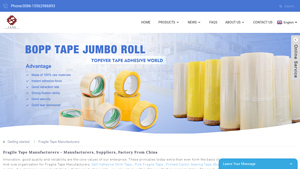
ドメイン topevertape.com
登録:2022年(4年)
はじめに Main Product: Fragile Tape Manufacturing. Product Types: BOPP adhesive packing tape, self-adhesive shim tape, pink fragile tape, printed carton sealing tape, duct tape, general purpose masking tape (jumbo rolls), PE stretch film, BOPP film for thermal laminating, water-based adhesive glue. Form Factors: Jumbo rolls, standard packaging rolls. Customization: Custom logo printing, color options (clea…
4. John Maye Company – Packaging Tapes
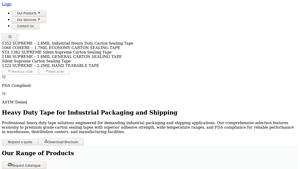
ドメイン johnmayecompany.com
登録:1999年(27年)
はじめに 1352 SUPREME (2.8mil): 28 lbs/in tensile strength, 50-65 lb package capacity, 140% elongation. 1060 COHERE (1.7mil): Economy grade with Dow adhesive, -20°F to 200°F temperature range, FDA compliant for food contact. STA 1382 SUPREME: Silent operation for office environments, superior bonding strength, US-made. 1180 SUPREME (1.8mil): Non-yellowing premium adhesive, high-shear flap-holding power, US…
Strategic Sourcing Conclusion and Outlook for Heavy duty fragile tape
As global supply chains evolve, heavy-duty fragile tape is transitioning from a commodity purchase to a strategic packaging decision. For procurement teams across Africa, South America, the Middle East, and Europe, future-ready sourcing requires balancing immediate protection needs with long-term sustainability goals and automated packaging compatibility.
How Can Buyers Future-Proof Their Heavy-Duty Fragile Tape Supply Chains?
Smart procurement strategies now prioritize climate-resilient adhesives capable of withstanding extreme humidity in Brazilian logistics hubs or intense desert heat in Middle Eastern distribution centers. Establishing diversified supplier relationships across multiple regions mitigates geopolitical risks while ensuring consistent quality standards that satisfy Germany’s stringent industrial specifications and emerging African manufacturing protocols.
What Sustainability Trends Should Influence Your Next Sourcing Decision?
The shift toward biodegradable backings and solvent-free adhesives is accelerating, particularly for European markets facing strict packaging waste regulations. Forward-thinking buyers are negotiating multi-year contracts that include recycled content thresholds and carbon footprint disclosures without compromising the tensile strength required for heavy-duty industrial applications.
By treating fragile tape procurement as a collaborative supply chain partnership rather than a transactional cost center, international buyers can secure competitive advantages through reduced damage rates, regulatory compliance, and enhanced corporate reputation.