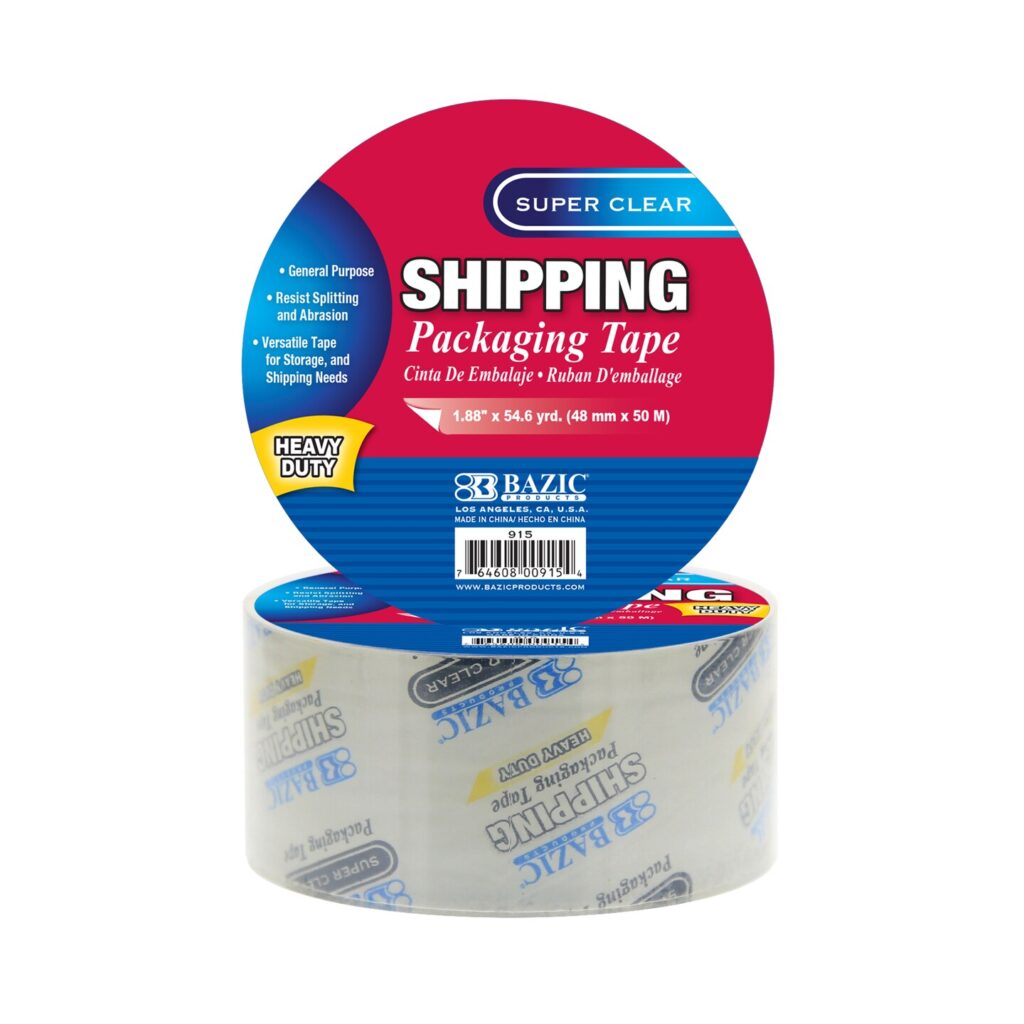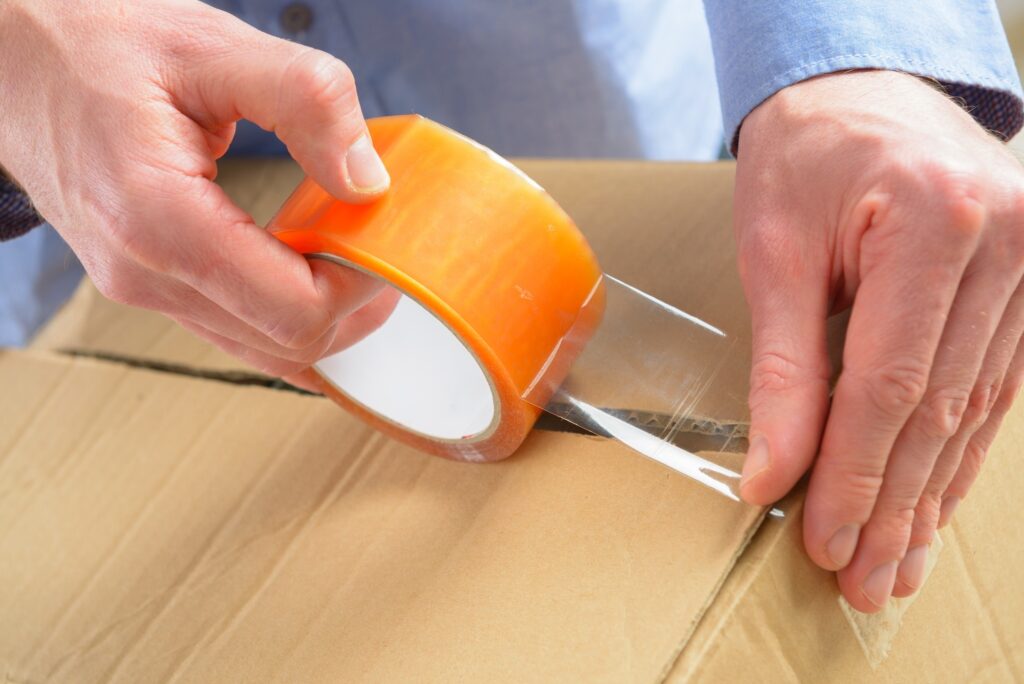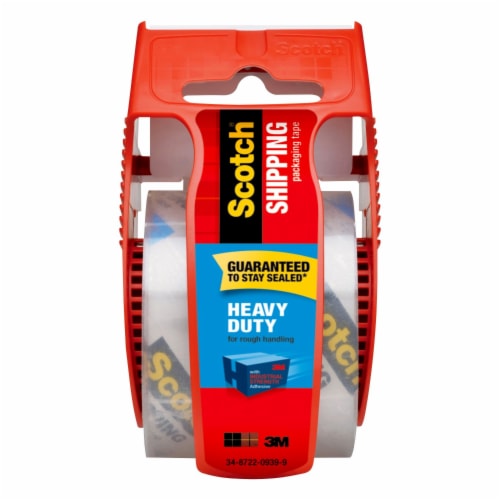
Introduction: Navigating the Global Market for Wide carton sealing tape
Sourcing wide carton sealing tape for heavy-duty export operations presents a critical procurement challenge that extends far beyond simple adhesive selection. As supply chains stretch across continents—from the humid ports of West Africa to the temperature-controlled warehouses of Germany—buyers face the complex task of securing packaging solutions that withstand diverse climatic conditions, regulatory standards, and handling intensities. The wrong specification can result in catastrophic seal failures, product damage, and eroded profit margins, making informed tape selection a strategic business imperative rather than a mere operational detail.
Why do global supply chains demand specialized wide carton sealing solutions?
International logistics environments expose packaging to extreme variables that standard tapes cannot withstand. From the high humidity of South American rainforests to the abrasive handling common in Middle Eastern transit hubs, wide carton sealing tape must perform under stressors including temperature fluctuations, UV exposure, and recycled corrugated surfaces. Understanding the distinction between acrylic, hot melt, and natural rubber adhesives becomes essential when your shipments navigate multiple climate zones before reaching destinations in Vietnam or European distribution centers.
What comprehensive insights will empower your international procurement strategy?
This guide delivers actionable intelligence across the entire procurement spectrum: evaluating adhesive technologies for specific applications, vetting suppliers for consistent quality across bulk orders, and analyzing total cost of ownership beyond unit pricing. We examine critical selection criteria including tape thickness, tensile strength, and compatibility with automated sealing equipment, while addressing region-specific compliance requirements and sustainable packaging trends affecting African and European markets alike.
How can buyers across emerging and established markets optimize their tape investments?
Whether you are managing high-volume exports from manufacturing hubs in Vietnam or securing supply chain resilience for African distribution networks, this resource provides the technical knowledge and supplier evaluation frameworks necessary to mitigate risk. By aligning tape specifications with real-world environmental demands and logistical constraints, you will transform packaging procurement from a cost center into a competitive advantage that protects product integrity across every mile of the global supply chain.
Understanding Wide carton sealing tape Types and Variations
| タイプ名 | 主な特徴 | 主なB2Bアプリケーション | バイヤーのための簡単な長所と短所 |
|---|---|---|---|
| Hot Melt Wide Carton Sealing Tape | Aggressive synthetic rubber-resin adhesive; superior initial tack; stable under temperature fluctuations | High-speed automated packaging lines; heavy corrugated boxes; export shipping | Pros: Excellent adhesion to corrugated, quick stick. Cons: Higher cost, potential adhesive transfer in extreme heat |
| Acrylic Wide Carton Sealing Tape | Water-based acrylic adhesive; UV and aging resistant; high clarity; long-term stability | Long-term storage; retail-ready packaging; temperature-controlled warehousing | Pros: Cost-effective, won’t yellow, good for recycled content. Cons: Lower initial tack, requires pressure for full bond |
| Natural Rubber Wide Carton Sealing Tape | Solvent-based natural rubber adhesive; superior conformability; works on dusty/uneven surfaces | Rough or recycled corrugated; cold storage facilities; humid climates (Middle East, Southeast Asia) | Pros: Bonds to difficult surfaces, extreme temp performance. Cons: Premium pricing, solvent odor during application |
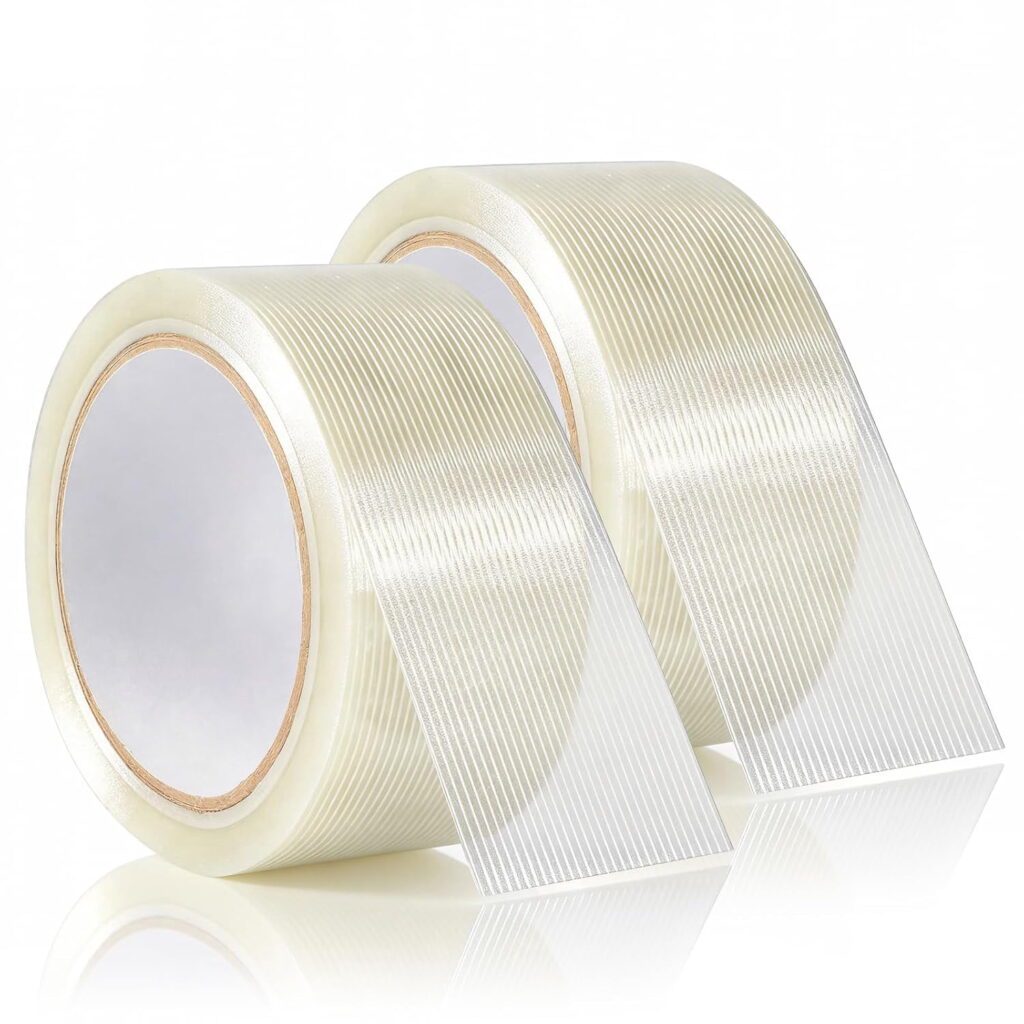
| Heavy-Duty Reinforced Wide Carton Sealing Tape | Fiberglass or filament reinforcement; high tensile strength; 3-inch+ widths standard | Palletized loads; bulk cargo boxes; international freight (Africa, South America routes) | Pros: Tear-resistant, security sealing. Cons: Requires specialized dispensers, visible reinforcement lines |
| Recycled Content Compatible Wide Tape | Specialized adhesive chemistry for high-recycled-content board; penetrates shorter fibers effectively | Sustainable packaging initiatives; 100% recycled corrugated boxes; eco-conscious supply chains | Pros: Reliable seal on difficult substrates, supports ESG goals. Cons: Limited supplier |
Key Industrial Applications of Wide carton sealing tape
| 業界/セクター | Specific Application of Wide carton sealing tape | ビジネスにとっての価値/利益 | このアプリケーションにおける主な調達上の考慮事項 |
|---|---|---|---|
| Agriculture & Commodity Export | Sealing bulk produce boxes (coffee, cocoa, dates) and insulated shipping containers for ocean freight | Prevents moisture ingress and carton failure during long-haul transit; reduces spoilage claims and contamination risks | Natural rubber adhesive for high humidity; UV resistance for outdoor port storage; compliance with food-safe international standards |
| Heavy Manufacturing & Automotive | Securing large corrugated containers for machinery parts, metal components, and automotive assemblies | Eliminates “flagging” and seal failure under heavy weight; withstands vibration during containerized shipping | Hot melt or natural rubber for aggressive adhesion; 3-inch (72mm) width minimum; high shear strength for recycled corrugated board |
| E-commerce Fulfillment & 3PL | High-speed case sealing of variable recycled-content boxes in automated and manual packing lines | Reduces downtime from tape breaks; clear visibility for barcode scanning; cost efficiency per seal across high volumes | Acrylic formulation for aging resistance; consistent unwind for automated dispensers; compatibility with rough, recycled corrugate surfaces |
| Construction Materials & Building Supplies | Closing heavy-duty boxes for tiles, hardware, and cement products exposed to outdoor yard storage | Weatherproof seal against dust and rain; tamper-evident security for high-value hardware; supports heavy stacking | Heavy-duty grade (2.5+ mil thickness); moisture-resistant adhesive; colored or printed options for inventory coding |
How Does Wide Carton Sealing Tape Protect Agricultural Exports in High-Humidity Climates?
For exporters shipping commodities like coffee, cocoa, or dates from Africa, South America, and the Middle East, standard narrow tape often fails catastrophically in tropical humidity and temperature fluctuations. Wide carton sealing tape with natural rubber adhesive creates superior bonds on corrugated produce boxes exposed to moisture during pre-shipment storage and lengthy ocean transit. The extended width (72mm/3-inch) distributes shear stress across heavy bulk cargo seams, preventing “pop-open” failures that expose sensitive agricultural products to contamination and spoilage. International buyers should prioritize tapes with UV stabilizers and moisture-resistant polypropylene backings to withstand outdoor port storage while maintaining food-grade compliance for strict international sanitary regulations.
Why Do Automotive Suppliers Rely on Wide Tape for Heavy Machinery Packaging?
Manufacturing hubs in Germany and Vietnam require exceptionally robust packaging solutions for metal components, automotive assemblies, and precision parts that exert significant static weight on carton seals. Wide carton sealing tape—particularly hot melt or natural rubber formulations—provides the aggressive tack and peel strength necessary to adhere tenaciously to recycled corrugated surfaces common in industrial export packaging. The additional width ensures continuous contact along box flaps, eliminating costly “flagging” (tape lifting at edges) caused by vibration during international freight transport. For B2B buyers sourcing for automotive supply chains, selecting tapes with high shear strength prevents catastrophic seal failure when heavy boxes are stacked in containerized shipping, significantly reducing damage claims.
What Makes Wide Carton Sealing Tape Essential for High-Volume E-commerce Operations?
Third-party logistics providers managing cross-border e-commerce from Europe and emerging markets face persistent challenges with variable box quality, recycled-content roughness, and high-speed automation requirements. Wide acrylic carton sealing tape offers consistent unwind properties critical for automated case sealers while providing the optical clarity needed for barcode scanning through tape lines. When sealing recycled-content boxes—which feature rougher, more porous surfaces than virgin fiber—standard narrow tapes often delaminate under stress. The broader 3-inch width compensates for surface irregularities and box distortion, ensuring secure closure across the entire box top. This reliability reduces packaging line downtime, prevents “resealing” labor costs, and minimizes package failures during last-mile delivery.
How Can Wide Sealing Tape Withstand Harsh Outdoor Storage Conditions in Building Supply Chains?
Construction material suppliers across the Middle East, Africa, and South America require packaging that survives extended outdoor yard storage under intense sun and monsoon conditions. Wide heavy-duty carton sealing tape (2.5+ mil thickness) effectively seals boxes containing tiles, hardware, and cement products against abrasive dust infiltration and driving rain penetration. The extended width provides tamper-evident security for high-value building materials while accommodating the substantial weight stress of multi-layer stacked inventory. For international buyers, sourcing tapes with UV-resistant polypropylene backings and moisture-resistant natural rubber adhesives ensures seal integrity from manufacturing facility to remote job sites, regardless of extreme temperature fluctuations or humidity exposure during transit.
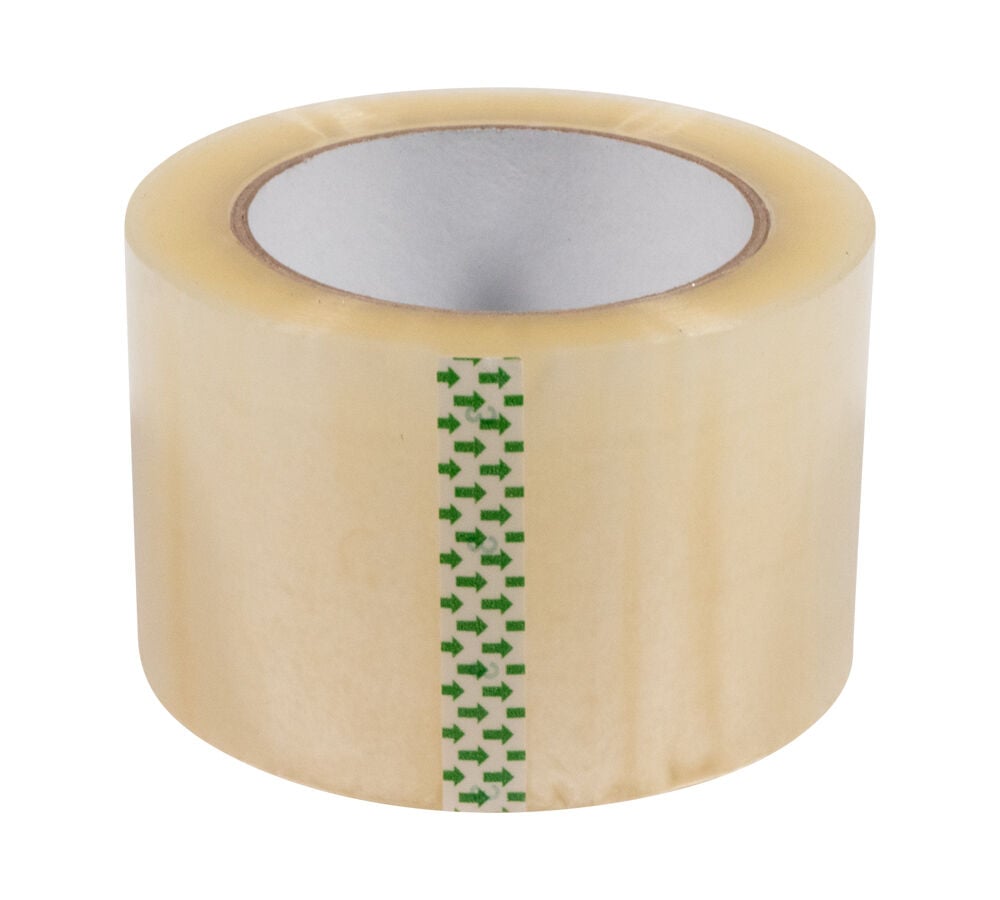
A stock image related to Wide carton sealing tape.
3 Common User Pain Points for ‘Wide carton sealing tape’ & Their Solutions
Scenario 1: Why Do Seals Fail on Heavy Recycled Corrugated Despite Using Standard Tape?
問題だ:
B2B buyers shipping heavy machinery components, dense agricultural exports, or automotive parts often experience catastrophic seal failures when relying on standard 48mm tape for double-wall corrugated or 100% recycled board. The narrow width provides insufficient surface contact area for the shorter fibers characteristic of recycled substrates, particularly under the extreme stack pressures common in containerized shipping to African and South American ports. In humid climates prevalent in Southeast Asia and Gulf states, this limitation compounds as moisture weakens the adhesive bond across the minimal contact patch, leading to “carton pop” where seals burst during transit despite appearing secure during packing.
解決策
Transition to 72mm (3-inch) wide carton sealing tape to increase adhesive surface contact by approximately 50%, creating a distributed mechanical lock across the entire box seam. For recycled corrugated substrates, specify hot melt adhesive formulations that penetrate shorter fibers for immediate tack, or select natural rubber adhesives for extreme humidity resistance common in tropical logistics corridors. Ensure your application protocol mandates a 2-3 inch tail overlap on both top and bottom seals, and pair with dispensers specifically calibrated for wide-format rolls to maintain consistent tension and eliminate air pockets that compromise seal integrity under load.
Scenario 2: How Can Wide Tape Integration Cause Automated Packaging Line Inefficiencies?
問題だ:
Procurement teams frequently upgrade to wide tape for enhanced load security but overlook critical equipment compatibility factors, resulting in costly line stoppages. Standard automated case sealers designed for 2-inch tape feature narrow roller paths and cutting mechanisms that misalign with 3-inch rolls, causing edge wrinkling, adhesive flagging, and jammed applicator heads that halt production. Manual operations suffer equally—warehouse staff using standard tape dispensers on 72mm rolls experience significant ergonomic strain and inconsistent application pressure, leading to “fishmouth” gaps at the box edges where dust and moisture compromise the closure.
解決策
Conduct a comprehensive audit of your automation equipment for 3-inch wide tape compatibility before procurement, verifying that dispenser rollers, cutting blades, and guide rails accommodate 72mm widths without pinching or distortion. For automated lines, select machine-grade acrylic tapes with controlled unwind characteristics to prevent telescoping during high-speed application. In manual packing environments, invest in ergonomic wide-tape dispensers featuring adjustable tension brakes and 3-inch wide rollers to ensure smooth, consistent application pressure across the entire seam width, reducing operator fatigue and improving seal consistency by up to 40% while preventing repetitive strain injuries.
Scenario 3: What Causes Wide Tape Adhesion Failures Across Different Climate Zones?
問題だ:
International buyers attempting to standardize on a single wide tape specification across global distribution networks—from German cold storage facilities to Middle Eastern distribution hubs—encounter adhesion degradation that negates the security benefits of increased width. Hot melt adhesives soften and bleed in high-temperature African or Gulf state warehouses, creating messy application and seal creep under thermal stress, while standard acrylic formulations lose flexibility in unheated European logistics hubs during winter months, causing “spring open” failures where the tape retracts from the corrugated surface despite the wider format.
解決策
Implement climate-specific adhesive strategies rather than one-size-fits-all procurement policies. Specify natural rubber-based wide tapes for high-humidity monsoon regions and tropical climates where moisture resistance is critical to maintaining bond strength. Deploy UV-stable acrylic wide tapes for Middle Eastern and African markets with high sun exposure and temperature fluctuations above 40°C, ensuring the adhesive maintains shear strength and resists aging. For cold chain logistics in Europe or high-altitude South American routes, utilize low-temperature hot melt formulations that remain tacky in sub-zero conditions. The 72mm width provides the necessary surface area to compensate for thermal expansion stresses, but only when paired with region-appropriate adhesive chemistry matched to specific environmental stressors.
Strategic Material Selection Guide for Wide carton sealing tape
Selecting the optimal material composition for wide carton sealing tape requires balancing adhesion chemistry against environmental stressors, application methods, and substrate compatibility. For B2B procurement teams managing international supply chains across diverse climates—from the humidity of West Africa to the temperature fluctuations of Central Europe—understanding the distinct performance profiles of adhesive technologies is critical. The following analysis examines the primary material formulations used in industrial wide-width sealing applications, providing actionable criteria for specification decisions.
Which Adhesive Technology Performs Best in Extreme Temperatures and Humidity?
Natural rubber solvent-based adhesives offer superior performance in challenging environmental conditions frequently encountered in South American and Middle Eastern markets. These formulations penetrate corrugated fibers aggressively, creating bonds that withstand temperature ranges from -20°C to 80°C while maintaining tack in high-humidity environments. For wide carton sealing tape applications involving recycled content or slightly dusty surfaces, natural rubber provides the aggressive wet-out necessary to prevent seam failure during rough handling. However, procurement teams should note that these tapes typically exhibit yellowing under prolonged UV exposure and require careful inventory rotation to prevent adhesive degradation during storage.
How Do Hot Melt Adhesives Optimize Automated Wide Carton Sealing Operations?
Hot melt synthetic rubber adhesives deliver exceptional initial tack and immediate bond strength, making them ideal for high-speed automated packaging lines common in German manufacturing facilities. The thermoplastic polymer formulation allows wide carton sealing tape to grab corrugated surfaces instantly, reducing “flagging” issues where tape ends lift on wide seals. These materials perform consistently in climate-controlled European warehouses, offering excellent shear strength for heavy palletized loads. The primary limitation involves temperature sensitivity; extreme heat during transit through tropical regions can cause adhesive softening and potential seam failure, while cold environments may reduce tack levels below acceptable thresholds.
When Is Acrylic Tape the Most Cost-Effective Choice for Long-Term Storage?
Water-based acrylic adhesives provide outstanding aging resistance and optical clarity, resisting oxidation and yellowing over extended storage periods. For B2B buyers managing inventory in Vietnamese logistics hubs or non-climate-controlled African distribution centers, acrylic wide carton sealing tape offers excellent UV stability and maintains consistent unwind characteristics across both manual dispensers and automated case sealers. While exhibiting lower initial tack compared to rubber-based alternatives, acrylic formulations provide sufficient adhesion for virgin corrugated boxes and standard shipping cycles. This technology offers the lowest total cost of ownership for operations prioritizing material clarity and extended shelf life over aggressive bonding requirements.
What Material Solutions Work Best for Recycled and Heavy-Duty Corrugated Boards?
For operations utilizing 100% recycled corrugated or double-wall heavy-duty boxes, specialized natural rubber or modified acrylic formulations provide enhanced penetration into shorter, more compact fibers. Heavy-duty wide carton sealing tape often incorporates thicker BOPP (Biaxially Oriented Polypropylene) films—ranging from 35 to 50 microns—combined with high-solids adhesives to prevent “popping” under stress. These materials justify higher per-roll costs through reduced application waste and elimination of secondary reinforcement tape in overweight shipments exceeding 30 kilograms.
| 素材 | Typical Use Case for Wide carton sealing tape | 主な利点 | 主な欠点/制限 | 相対コスト |
|---|---|---|---|---|
| BOPP Film with Acrylic Adhesive | General purpose sealing, long-term storage, climate-controlled shipping | UV/aging resistance, high clarity, cost efficiency | Lower tack on recycled/dusty surfaces, temperature sensitive | 低い |
| BOPP Film with Hot Melt (Synthetic Rubber) | High-speed automated lines, immediate handling requirements | Superior initial tack, excellent shear strength, quiet unwind | Poor performance in extreme heat/cold, oxidation over time | ミディアム |
| BOPP Film with Natural Rubber Adhesive | Extreme climates, humid environments, recycled corrugated | Aggressive bonding, wide temperature range, penetrates uneven surfaces | Prone to yellowing, requires careful storage, UV degradation | 高い |
| PVC Film with Rubber Adhesive | Premium retail packaging, noise-sensitive environments, hand applications | Quiet unwind, superior conformability, premium aesthetic | Higher environmental impact, significantly higher material cost | Premium |
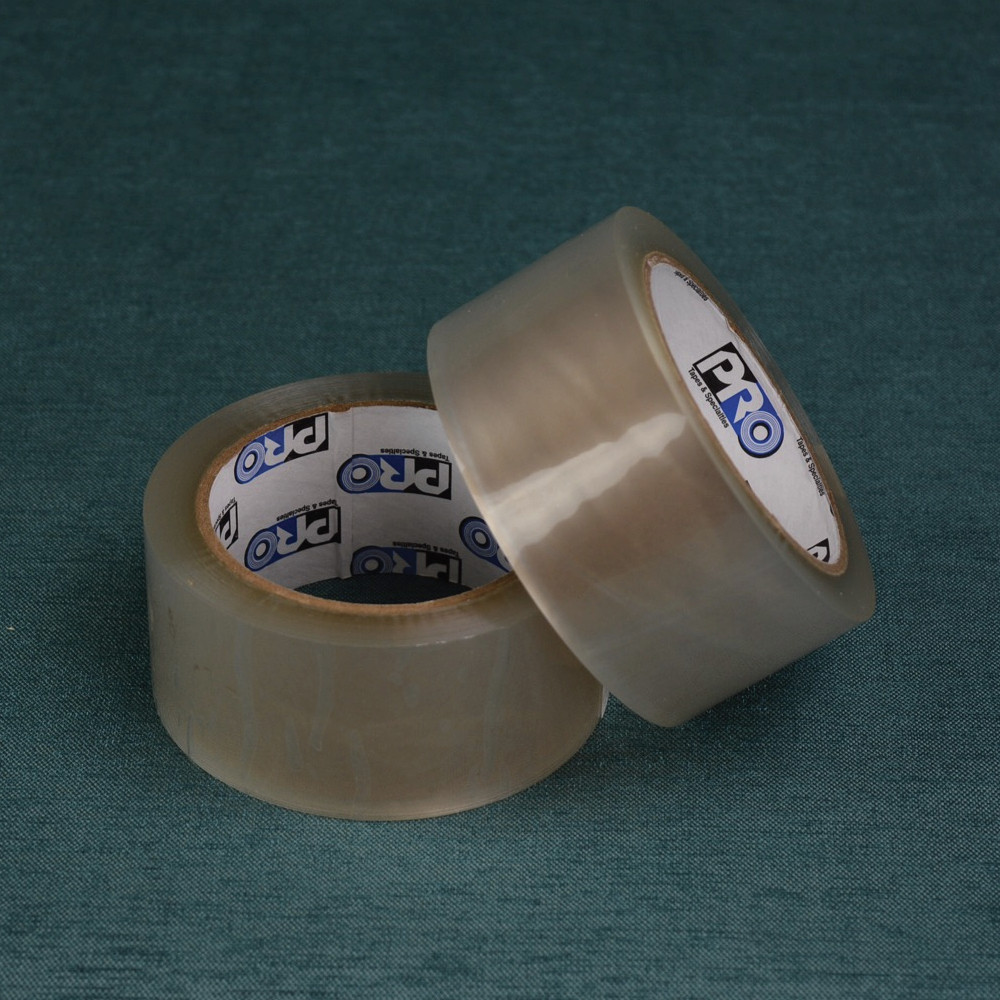
A stock image related to Wide carton sealing tape.
In-depth Look: Manufacturing Processes and Quality Assurance for Wide carton sealing tape
Understanding the manufacturing journey and quality benchmarks behind wide carton sealing tape empowers procurement teams to mitigate supply chain risks and ensure product integrity across diverse operational environments. For B2B buyers sourcing from international markets—including manufacturing hubs serving Africa, South America, the Middle East, and Europe—transparency in production methods and testing protocols serves as a critical differentiator between commodity-grade supplies and industrial-performance solutions.
How Is Wide Carton Sealing Tape Manufactured from Raw Materials to Finished Product?
The production of wide-format carton sealing tape (typically 48mm to 144mm widths) begins with biaxially oriented polypropylene (BOPP) film extrusion, where polymer pellets are stretched in both machine and transverse directions to create a high-tensile strength backing. This orientation process determines the tape’s dimensional stability and resistance to splitting under stress. Following extrusion, the film undergoes corona treatment to increase surface energy, ensuring optimal adhesive wetting and bond formation.
The coating stage differentiates performance categories. Hot melt adhesives—synthetic rubber-based formulations—are applied at elevated temperatures and cooled rapidly to create aggressive initial tack suitable for high-speed automated lines. Acrylic adhesives, conversely, undergo solvent or water-based coating processes followed by oven curing, resulting in pressure-sensitive films with superior aging characteristics. For wide tape specifically, manufacturers utilize precision coating heads that maintain micron-level thickness uniformity across expanded widths, preventing adhesive pooling or dry edges that could compromise seal integrity on large cartons.
What Adhesive Technologies Deliver Reliable Performance in Extreme Climates?
Regional climate variability demands specific adhesive chemistries. Hot melt tapes offer exceptional quick-stick properties and perform reliably on recycled corrugated board with high dust content, making them ideal for fast-paced logistics operations in humid regions like Southeast Asia or coastal South America. However, they may soften in extreme heat exceeding 60°C during Middle Eastern summers or African inland transport.
Acrylic formulations provide superior UV resistance and oxidation stability, resisting yellowing and maintaining clarity for retail-ready packaging exposed to sunlight during cross-border European transit. Natural rubber adhesives deliver the broadest temperature service range (-40°C to 80°C) and maintain adhesion on uneven surfaces or in freezer environments, critical for pharmaceutical and food exporters operating across diverse climate zones. Buyers should request technical data sheets specifying shear adhesion failure temperatures and humidity resistance ratings aligned with their destination markets.
Which Quality Assurance Protocols Validate Industrial-Grade Performance?
Reputable manufacturers implement multi-stage quality control beginning with incoming raw material verification, including melt flow index testing for BOPP resins and viscosity checks for adhesive batches. During production, inline optical scanners detect coating defects, while tension-controlled winding prevents telescoping or edge deformation in wide-diameter master rolls.
Finished goods testing adheres to ASTM and ISO methodologies. Peel adhesion testing (ASTM D3330) measures the force required to remove tape from standardized steel and corrugated surfaces, ensuring consistency between production lots. Shear strength testing (ASTM D3654) evaluates the tape’s resistance to slippage under static load—critical for heavy-duty applications where cartons remain stacked for extended periods. Additionally, unwind force testing ensures consistent dispensing tension across the roll, preventing machine jams in automated packaging lines or operator fatigue during manual application.
How Do Manufacturers Ensure Dimensional Consistency Across Wide Format Rolls?
Wide carton sealing tape presents unique manufacturing challenges regarding edge straightness and roll geometry. Precision slitting operations utilize razor or shear-cut blades with automated edge guidance systems to maintain width tolerances within ±0.5mm, essential for compatibility with pneumatic tape dispensers and case sealing machinery. Core quality significantly impacts performance; high-grade cardboard or plastic cores prevent crushing during high-tension application, while precise core alignment eliminates wobble that causes misalignment on automated equipment.
Surface tension testing verifies that the BOPP film accepts adhesive uniformly across its entire width, preventing “adhesive skip” that creates weak sealing zones. For buyers sourcing 72mm or 96mm widths commonly used for heavy cartons in industrial export markets, requesting certificate of conformance (COC) documentation verifying slit width uniformity and roll diameter consistency ensures compatibility with existing dispensing infrastructure.
What Climate-Specific Testing Should Buyers Request for Regional Distribution?
Given the thermal stresses encountered during international shipping, sophisticated manufacturers conduct accelerated aging tests simulating six-month storage in tropical humidity (40°C/90% RH) and desert heat exposure. Thermal cycling tests subject tape samples to rapid temperature fluctuations between -20°C and 60°C, verifying that adhesive cohesion remains stable during air freight or containerized ocean transport through varying climate zones.
For European markets requiring compliance with REACH regulations, manufacturers must verify the absence of restricted substances in adhesive formulations. Buyers serving food packaging sectors should request migration testing documentation confirming adhesive safety for indirect food contact under EC 1935/2004 standards.
How Are Sustainable Manufacturing Practices Integrated Into Production?
Environmental responsibility increasingly influences procurement decisions, particularly in German and broader European markets with stringent packaging regulations. Leading manufacturers now incorporate post-consumer recycled (PCR) content into BOPP film backings without compromising tensile strength, while water-based acrylic coating systems reduce volatile organic compound (VOC) emissions compared to solvent-based alternatives.
Quality assurance for sustainable tapes includes specialized adhesion testing on 100% recycled corrugated board, which presents higher dust content and variable surface energy compared to virgin Kraft paper. Manufacturers committed to circular economy principles also implement edge trim recycling programs and energy-efficient coating ovens, verified through ISO 14001 environmental management certifications.
Which Certifications Indicate Manufacturing Excellence and Compliance?
Beyond internal QC protocols, third-party certifications provide objective verification of manufacturing standards. ISO 9001:2015 certification indicates robust quality management systems, while ISO 14001 demonstrates environmental stewardship. For industrial applications, UL 969 certification validates pressure-sensitive adhesive performance for labeling and marking, indicating rigorous testing standards.
Buyers should verify that suppliers maintain batch traceability systems, enabling rapid identification of raw material sources and production parameters in the event of performance issues. Requesting factory audit reports or quality agreements specifying acceptable quality levels (AQL) for critical defects ensures alignment between supplier capabilities and buyer expectations for wide carton sealing tape deployed in mission-critical packaging operations.
Practical Sourcing Guide: A Step-by-Step Checklist for ‘Wide carton sealing tape’
Sourcing wide carton sealing tape for international operations requires balancing performance specifications with regional logistics realities. This checklist guides procurement teams through technical selection criteria—from adhesive chemistry to equipment compatibility—ensuring your packaging integrity withstands diverse climate conditions and handling stresses across global supply chains.
What Width and Mil Thickness Specifications Ensure Load Security?
Standard widths range from 48mm (2 inches) to 72mm (3 inches), with wider options available for bulk cargo. For heavy-duty applications exceeding 20kg or long-haul international shipping, specify 72mm width with 2.0+ mil thickness. Consider the “W” formation sealing method requirements—wider tape provides greater surface contact on box seams, reducing failure risks during humid transit or rough handling characteristic of emerging market logistics.
Which Adhesive Chemistry Performs Best in Extreme Climates?
Match adhesive formulations to your destination’s environmental profile. Acrylic adhesives offer superior UV resistance and clarity for long-term storage in sunny climates like the Middle East or Africa. Hot melt provides aggressive initial tack for high-speed automation in temperate regions. For humid environments (Southeast Asia, South America) or temperature fluctuations, natural rubber adhesives maintain bond integrity on dust-prone recycled corrugated surfaces where standard acrylics may fail.
How Do You Optimize Tape Selection for Recycled Corrugated Substrates?
High-recycled-content boxes present unique challenges due to shorter fibers and surface dust. Specify natural rubber or specialized hot melt formulations designed for “difficult-to-seal” recycled board. These adhesives penetrate surface contaminants better than standard acrylics. For wide tape applications on double-wall or triple-wall boxes common in heavy industry, ensure the adhesive coat weight exceeds 1.8 grams per square meter for adequate fiber penetration and lasting adhesion.
Can Your Sealing Equipment Handle Wide Tape Specifications?
Verify dispenser and case-sealer compatibility before procurement. Wide tape requires 3-inch core diameters and calibrated tension settings to prevent “flagging” (tape lifting at corners). Automated lines need controlled unwind characteristics—hot melt tapes typically perform better on high-speed machines, while acrylics suit manual operations. Test sample rolls on your specific equipment to ensure smooth application without stretching or misalignment that compromises seal integrity.
How Should Global Buyers Calculate Total Cost of Ownership?
Beyond unit pricing, evaluate master roll dimensions for container optimization—jumbo rolls reduce per-meter costs but require specific unwind equipment. Assess supplier lead times against your inventory carrying costs, particularly for remote destinations. Request weathering test data relevant to your region’s humidity and temperature ranges. Establish quality acceptance criteria including peel adhesion standards (ASTM D3330) and tensile strength benchmarks to avoid costly reshipment failures.
What Compliance and Customization Options Add Strategic Value?
Verify suppliers hold ISO 9001 quality management and relevant environmental certifications. For high-value exports, consider custom-printed wide tape incorporating your logo, handling instructions, or tamper-evident patterns—branding that survives transit while deterring pilferage. Ensure inks meet international safety standards (REACH, RoHS) for cross-border shipments. Request documentation proving adhesive formulations comply with destination country recycling stream requirements, particularly within EU circular economy packaging regulations.
A stock image related to Wide carton sealing tape.
Comprehensive Cost and Pricing Analysis for Wide carton sealing tape Sourcing
When sourcing wide carton sealing tape—typically defined as rolls exceeding 48mm (2 inches) in width and extending to 72mm (3 inches) or broader—international buyers must navigate a complex pricing ecosystem that extends far beyond per-roll unit costs. For procurement teams operating across diverse climates and regulatory environments, from the humid supply chains of Vietnam to the temperature-controlled logistics hubs of Germany, understanding the cost drivers specific to these wider formats is essential for accurate budget forecasting and supplier negotiation.
What Material Specifications Drive Base Pricing for Wide-Format Tapes?
The fundamental cost structure of wide carton sealing tape hinges on three primary variables: film thickness (measured in microns or mils), adhesive coating weight, and the substrate width itself. Polypropylene (BOPP) film costs scale linearly with width, meaning a 72mm roll requires approximately 50% more raw material than standard 48mm alternatives, though bulk adhesive application efficiencies can moderate this premium. Hot melt adhesives typically command 15-20% higher raw material costs than acrylic formulations, while natural rubber compounds—essential for extreme temperature applications common in Middle Eastern and South American markets—represent the premium tier due to synthetic rubber price volatility. Buyers should request detailed coating weight specifications (measured in grams per square meter) rather than accepting generic “heavy-duty” classifications, as excess adhesive beyond application requirements inflates costs without improving seal integrity.
How Do Volume Tiers and Regional Tariffs Affect landed Costs?
B2B pricing for wide sealing tape follows aggressive volume breaks, with container-load quantities (20-foot or 40-foot FCL) often achieving 30-40% reductions compared to LCL (Less than Container Load) shipments. However, international buyers must factor in Harmonized System (HS) code classifications for adhesive tapes (typically 3919.10), which attract varying duty rates across target markets—ranging from 5-15% in many African trade zones to complex VAT structures in Europe. Additionally, the cubic volume efficiency of wide tape rolls means freight costs per sealed carton are lower than narrower alternatives, but the total shipment weight can trigger overweight container penalties if not optimized with lighter acrylic formulations for non-critical applications.
What Hidden Costs Should Buyers Consider When Evaluating Tape Suppliers?
Beyond the per-meter price, total cost of ownership calculations must include core compatibility expenses—non-standard core sizes (e.g., 3-inch vs. 76mm metric standards) necessitate dispenser retooling that can erase initial material savings. For buyers in regions with high humidity fluctuations, such as Southeast Asia or coastal African markets, investing in moisture-resistant acrylic or natural rubber adhesives prevents costly carton resealing labor and tape failure claims. Custom printed wide tapes, while enhancing brand visibility, incur plate charges and minimum order quantities (typically 5,000+ rolls) that only become cost-effective at enterprise-scale volumes. Finally, consider the operational cost implications of unwind noise and dispensing efficiency; quieter, controlled-unwind formulations may carry a 5-8% premium but reduce worker fatigue and application time in high-volume German or Vietnamese manufacturing environments.
Strategic procurement involves balancing these material, logistical, and operational cost vectors against the specific environmental demands of your distribution geography, ensuring that apparent per-roll savings do not compromise supply chain reliability.
Alternatives Analysis: Comparing Wide carton sealing tape With Other Solutions
When evaluating sealing methods for corrugated containers, procurement teams must balance security requirements, throughput speed, and total cost of ownership. While wide carton sealing tape (typically 48mm–72mm pressure-sensitive film) dominates general-purpose logistics, two distinct alternatives merit consideration for specific operational contexts: water-activated reinforced tape (WAT) and polypropylene strapping systems. Each solution addresses specific vulnerabilities in standard tape applications, from pilferage risks to heavy-load containment.
| 比較の側面 | Wide Carton Sealing Tape | 水活性強化テープ | Polypropylene Strapping |
|---|---|---|---|
| Security & Tamper Evidence | Moderate; can be resealed without detection | High; permanent bond with carton fibers, shows visible damage if removed | Very High; requires cutting tools to remove, immediate visual breach |
| Initial Investment | Low; hand dispensers or basic carton sealers | Medium; requires water-activated tape dispensers | High; needs tensioners, sealers, and dispensers |
| Operating Speed | Fast; immediate handling after application | Moderate; requires 30–60 seconds for adhesive curing | Slow; manual application is labor-intensive |
| Material Cost per Seal | $0.02–$0.05 (varies by mil thickness) | $0.08–$0.15 (higher material cost, less waste) | $0.10–$0.25 (plus buckle/seal costs) |
| 耐荷重 | Up to 15–20 kg per carton (standard duty) | Up to 25–30 kg (reinforced grades) | 50+ kg (primary load containment) |
| Environmental Profile | Plastic film (recyclable with box) | Paper-based, biodegradable, curbside recyclable | Plastic or reusable; recyclable but requires separation |
Is Water-Activated Tape a More Secure Alternative to Wide Carton Sealing Tape?
Water-activated tape (WAT) creates a permanent mechanical bond with corrugated fibers, making it the preferred choice for high-value shipments and export documentation requirements common in European and Middle Eastern markets. Unlike pressure-sensitive wide tape, which adheres superficially and can be resealed using heat or solvents, WAT’s starch-based adhesive penetrates the linerboard, creating a tamper-evident seal that destroys the box upon removal. While requiring an initial investment in electric or manual water dispensers, WAT eliminates the “flagging” issues common in hot climates—such as those in Sub-Saharan Africa or South America—where acrylic adhesives may soften. However, the 24–48 hour curing period before full strength development may conflict with just-in-time logistics requiring immediate palletization.
When Should You Choose Mechanical Strapping Over Wide Carton Sealing Tape?
Polypropylene or polyester strapping serves as a structural alternative rather than a surface seal, ideal for bulk commodity exports and heavy industrial components where carton integrity under compression is critical. In markets like Germany or Vietnam, where containerized shipping involves high stacking heights, strapping provides vertical load containment that tape cannot match, preventing “box burst” during ocean freight. Implementation requires significant capital expenditure for automated arch machines or semi-automatic tensioning tools, making it economically viable only for operations exceeding 500 cartons daily or handling items exceeding 25 kilograms. Unlike tape, strapping allows for unitization of irregular loads and creates stable pallet layers, though it offers no protection against dust or moisture ingress at carton openings.
Essential Technical Properties and Trade Terminology for Wide carton sealing tape
Wide carton sealing tape—typically ranging from 48mm to 72mm in width—serves as the primary closure method for heavy-duty shipping and automated packaging lines. For procurement teams operating across diverse climates and logistics networks, understanding the precise technical parameters ensures seal integrity during long-haul container transport and high-speed application.
What Technical Specifications Determine Wide Carton Sealing Tape Performance?
引張強さと伸び measure the tape’s resistance to breaking under stress, expressed in Newtons per 25mm (N/25mm) or pounds per inch (lbs/in). High tensile strength (typically 25–50 N/25mm for BOPP films) prevents splitting when cartons are palletized or encounter lateral shifting during transit. Elongation percentage indicates how much the film stretches before failure; optimal levels (150–180%) allow the tape to absorb shock without losing seal contact.
Adhesion Strength distinguishes between initial tack (immediate grip) and ultimate bond (holding power after 24 hours). Measured in ounces per inch (oz/in) or Newtons per 25mm, this specification varies significantly by adhesive chemistry. Hot melt adhesives deliver 60–80 oz/in for immediate grab on high-recycled content board, while acrylic formulations offer 50–70 oz/in with superior aging resistance for long-term storage in fluctuating warehouse temperatures.
Film Thickness directly correlates with puncture resistance and is specified in microns (μm) or mils (1 mil = 25.4 μm). Standard hand-grade tapes range from 28–35 microns (1.1–1.4 mils), whereas machine-grade heavy-duty variants require 40–65 microns (1.6–2.5 mils) to withstand automated dispensing tension and rough handling.
温度抵抗範囲 encompasses both application temperature (minimum for proper bonding) and service temperature (operating limits). Acrylic tapes perform across -10°C to 60°C, making them suitable for unheated Middle Eastern warehouses or humid South American climates, while natural rubber adhesives maintain flexibility in freezing European logistics hubs or high-heat African storage facilities.
Unwind Force specifies the resistance required to pull tape from the roll, critical for automated case sealers. Inconsistent unwind causes “telescoping” or machine jams, while excessive noise levels disrupt warehouse operations requiring quiet unwind formulations for ergonomic compliance.
Which Industry Terms Are Essential for International B2B Procurement?
Adhesive Chemistry Types define performance categories: Hot Melt (synthetic rubber resin) offers aggressive initial tack for dusty or recycled surfaces; Acrylic provides UV stability and clarity for long-term inventory; Natural Rubber delivers superior adhesion on uneven surfaces and extreme temperature cycling common in cross-continental shipping.
Shear Resistance and “Flagging” refer to the tape’s ability to resist sliding under load (shear) and the phenomenon where tape edges lift (flag). High shear strength prevents “pop-off” failures when cartons are stacked, while anti-flagging formulations maintain seal integrity on scored box flaps.
Machine Grade vs. Hand Grade indicates manufacturing tolerances. Machine-grade tapes feature consistent unwind force, splice-free lengths (often 1000m+), and static-resistant properties for high-speed automated lines, whereas hand-grade prioritizes easy tearability and dispenser compatibility for manual operations.
Recycled Corrugated Compatibility addresses adhesion challenges with high-recycled content board (common in European and emerging markets). Standard acrylic may struggle with dusty fibers, requiring hot melt or natural rubber formulations specifically engineered for “difficult-to-stick” surfaces.
Quiet Unwind describes low-decibel unwinding properties (typically <65 dB), a specification increasingly demanded in German and Vietnamese manufacturing facilities for worker safety compliance and noise pollution reduction in open-plan distribution centers.
Navigating Market Dynamics and Sourcing Trends in the Wide carton sealing tape Sector
What Are the Current Market Dynamics Shaping Wide Carton Sealing Tape Demand?
The global wide carton sealing tape sector—encompassing 72mm (3-inch) and broader widths—is experiencing robust growth driven by expanding e-commerce logistics and heavy-duty export packaging requirements. Unlike standard 48mm tapes, wide-format variants provide superior seal integrity for oversized corrugated containers prevalent in automotive parts, agricultural exports, and industrial machinery sectors. B2B procurement teams across Africa and the Middle East are increasingly specifying high-tensile hot melt adhesives to withstand extreme temperature fluctuations during long-haul shipping, while Vietnamese manufacturing hubs prioritize cost-efficient acrylic formulations that offer excellent clarity and aging resistance for electronics exports.
Regional sourcing patterns reveal distinct material preferences aligned with climatic and regulatory conditions. European buyers, particularly in Germany, demonstrate strong demand for natural rubber-based wide tapes that maintain adhesion on recycled corrugated surfaces in humid warehouse environments. Conversely, South American agricultural exporters favor heavy-duty polypropylene films with UV-resistant additives to prevent degradation during outdoor storage. The shift toward automated case sealing equipment is also reshaping procurement criteria, with buyers prioritizing tapes featuring controlled unwind properties and consistent shear strength to minimize downtime and “flagging” on high-speed production lines.
How Can B2B Buyers Navigate Sustainability and Ethical Sourcing in Wide Tape Procurement?
Sustainability has transitioned from a value-added feature to a procurement mandate, particularly for wide carton sealing tapes that consume significant material volumes in bulk shipping operations. Leading suppliers now offer formulations specifically engineered for recycled corrugated boxes, addressing the challenge that high-recycled-content board presents to traditional adhesives. Post-consumer recycled (PCR) film substrates are gaining traction in European markets, where Extended Producer Responsibility (EPR) regulations increasingly influence packaging material selection. Buyers should verify that wide tape suppliers provide transparency regarding resin sourcing, ensuring that “eco-friendly” claims align with actual PCR content percentages rather than marketing terminology.
Ethical sourcing extends beyond material composition to encompass supply chain labor practices and carbon footprint transparency. When sourcing from Asian manufacturing centers, particularly Vietnam, B2B buyers should prioritize partners adhering to ISO 14001 environmental management standards and SA8000 social accountability protocols. The integration of water-activated tape (WAT) systems presents another sustainable pathway for wide-format applications, offering biodegradable reinforcement fibers and recyclable paper carriers that align with circular economy objectives. For African and Middle Eastern markets facing infrastructure constraints, selecting suppliers with localized converting facilities reduces transportation emissions while ensuring consistent product availability despite global resin price volatility.
Strategic procurement now requires balancing performance specifications—such as the superior initial tack of hot melt versus the long-term stability of acrylic—with verifiable sustainability credentials. Buyers should request technical data sheets confirming compatibility with recycled content targets and inquire about take-back programs for used tape cores and packaging waste. As regulatory frameworks tighten across the EU and emerging economies, early adoption of ethically sourced, wide-format sealing solutions positions organizations ahead of compliance curves while supporting corporate ESG commitments.
Frequently Asked Questions (FAQs) for B2B Buyers of Wide carton sealing tape
What width specifications define wide format carton sealing tape for industrial applications?
Standard carton sealing tape measures 48mm (approximately 2 inches) in width, while wide format typically encompasses rolls ranging from 72mm (3 inches) to 96mm (4 inches). For international B2B procurement, 72mm has emerged as the standard wide format specification, offering optimal seam coverage for double-wall corrugated without excessive material waste. Specialized industrial applications, particularly in heavy machinery export, may utilize widths up to 144mm to accommodate oversized bulk cargo containers.
How does wide carton sealing tape improve seal integrity compared to standard 2-inch alternatives?
Wide format tape increases surface contact area by 50% to 100%, distributing shear forces and tensile stress across the entire corrugated seam rather than concentrating pressure at a narrow central point. This geometric advantage significantly reduces “zippering” failures and flap lifting under palletized stacking pressure common in containerized shipping. For buyers managing cross-border logistics from Africa to Europe, this eliminates the need for secondary reinforcement strips while maintaining seal integrity through varying climate conditions.
Can wide carton sealing tape be integrated with existing automated case sealing machinery?
Most modern automated case sealers accommodate 72mm wide tape through adjustable tape heads and reinforced roller assemblies, though legacy equipment may require retrofitting with wider dispensing components. Critical calibration parameters include unwind tension control to prevent edge “flagging” and pressure roller alignment to ensure full-width adhesive activation. When sourcing from international suppliers, verify that the tape’s micron thickness and unwind characteristics match your equipment specifications to prevent jamming in high-speed continuous operations.
What load capacity advantages does wide carton sealing tape provide for heavy export shipments?
Wide format tape enhances box closure strength by distributing dynamic loads across the full flap width, preventing the seam burst failures that occur when narrow tape concentrates stress at the center. This is essential for double-wall and triple-wall corrugated containers used in ocean freight, where cargo shifting creates multidirectional shear forces. B2B buyers should specify hot melt or natural rubber adhesives for these applications, as these formulations provide superior holding power on fiberboard under sustained compression and humidity variations common in Middle Eastern and Southeast Asian ports.
Which adhesive technologies perform optimally for wide carton sealing tape in extreme climate zones?
Natural rubber adhesives provide aggressive initial tack and maintain bond integrity in high-humidity environments characteristic of African and South American markets, penetrating corrugated fibers effectively despite moisture fluctuations. Hot melt synthetic rubber compounds offer excellent quick-stick properties for automated lines but require formulations with elevated temperature resistance for Middle Eastern summer storage. Acrylic adhesives deliver superior UV resistance and aging stability for European outdoor warehousing requirements, though they require longer dwell times to achieve full adhesion on wide format applications.
How should B2B buyers evaluate total cost of ownership when transitioning to wide carton sealing tape?
While wide format rolls command higher per-unit pricing, the elimination of double-taping practices and reduced application labor typically yield 15-25% operational savings in high-volume fulfillment centers. Calculate return on investment by comparing cost per sealed box rather than cost per roll, factoring in reduced damage claims during international transit and faster packaging line speeds. For buyers in emerging markets where freight consolidation is critical, wide tape’s superior holding power may eliminate the need for additional poly strapping or banding, reducing overall packaging material expenditure.
What dispenser specifications ensure proper application of wide carton sealing tape?
Manual and automated dispensers require minimum 3-inch (72mm) tape heads with reinforced cutting blades capable of shearing wider widths without tearing or adhesive transfer. The dispenser frame must accommodate the increased roll diameter and weight of wide format inventory, which can exceed standard dispenser capacity by 40%. Look for models with adjustable tension brakes to prevent excessive unwind, particularly crucial when applying natural rubber adhesives that feature aggressive initial tack and require controlled application pressure to prevent waste.
How does wide carton sealing tape perform on recycled content and irregular corrugated surfaces?
Wide format tape compensates for structural inconsistencies and increased dust content inherent in high-recycled corrugated board by maximizing adhesive contact area across the sealing flap. Natural rubber formulations particularly excel on these challenging substrates, penetrating short fiber surfaces and uneven crush patterns more effectively than acrylic alternatives. For European buyers prioritizing sustainability compliance, wide tape allows secure sealing of lightweight, high-recycled-content boxes without compromising package integrity during the rigors of international ocean and air freight.
重要な免責事項および利用規約
⚠️ 重要な免責事項
メーカー、技術仕様、市場分析に関する内容を含め、本ガイドラインで提供される情報は、情報提供と教育目的のみのものです。専門的な調達アドバイス、財務アドバイス、または法的アドバイスを提供するものではありません。.
B2Bバイヤーは、独自の徹底的なデューデリジェンスを行う必要がある。 をご覧の上、ご購入をお決めください。本ガイドに記載された情報を信頼した場合のリスクは、読者が単独で負うものとします。.
Top 3 Wide Carton Sealing Tape Manufacturers & Suppliers List
1. CrownPack – Carton Sealing Tape
ドメイン shop.crownpack.com
登録:1997年(29年)
はじめに Carton sealing tape (CST), also known as box-sealing or packing tape, is pressure-sensitive adhesive tape for closing corrugated boxes to protect products during shipping and storage. Key types: Acrylic (resistant to aging, weathering, UV light, yellowing; high clarity; excellent shear strength preventing flagging; controlled unwind; all-temperature performance; good for manual/automatic dispenser…
2. iTape – Carton Sealing Tape
ドメイン イテイプ・ドット・コム
登録:1998年(28年)
はじめに IPG Carton Sealing Products Portfolio: 1) 100e – Recycled Kraft Paper Carton Sealing Tape with aggressive pressure-sensitive adhesive for strong seals on various carton types. 2) 1100 – 3 Mil Premium Hot Melt Carton Sealing Tape featuring BOPP film with Corru-Grip™ adhesive technology, optimal for recycled corrugate boxes, effective down to 35°F, suitable for manual or automatic application. 3) 13…
3. Tape Suppliers – Sealing Tape
ドメイン tapesuppliers.com
登録:2007年(19年)
はじめに Sealing tape is an adhesive product designed to prevent liquids, gases, dust, moisture, air, and noise from passing through crevices, serving as a cushion and barrier against the elements. Also known as insulating tape, gasket tape, or weather tape, it ensures strong bonds when closing or sealing items. Available in various lengths, widths, strengths, and styles, sealing tape comes in materials in…
Strategic Sourcing Conclusion and Outlook for Wide carton sealing tape
As global supply chains face increasing pressure from climate variability and sustainability mandates, selecting the optimal wide carton sealing tape requires moving beyond basic specifications. Procurement teams must evaluate adhesive chemistry—whether UV-resistant acrylic for long-term storage, high-tack hot melt for automated lines, or natural rubber formulations for humid environments—against specific regional challenges and end-use requirements. The width specification itself becomes critical for heavy-duty applications, where standard narrow tapes risk seam failure under shifting loads.
How Can Buyers Future-Proof Wide Tape Sourcing Against Climate Variability?
For operations spanning Africa’s arid zones, Southeast Asia’s monsoon seasons, or the Middle East’s extreme heat, natural rubber adhesives offer superior performance on recycled corrugated and uneven surfaces, while acrylic solutions provide excellent aging resistance for long-haul exports. Investing in heavy-duty widths (3-inch and above) with optimized mil thickness ensures load containment integrity for ocean freight and palletized distribution, reducing the risk of carton opening during transit.
What Sustainability Considerations Should Drive Your Next Procurement Cycle?
The shift toward circular packaging demands tapes compatible with 100% recycled board and emerging compostable alternatives. Forward-thinking buyers are prioritizing suppliers offering PCR-content films and water-activated reinforcements that maintain seal security without compromising recyclability. Additionally, compatibility with automated case sealing equipment ensures efficiency gains while minimizing material waste.
Strategic partnerships with manufacturers providing consistent quality control, automated dispensing compatibility, and regional logistics support will ultimately determine operational efficiency and total cost of ownership in evolving global markets.