Introduction: Navigating the Global Market for High tensile cloth tape
Sourcing high tensile cloth tape for demanding industrial applications presents unique challenges for procurement teams operating across diverse regulatory environments and supply chain infrastructures. Whether securing HVAC systems in the Middle East, bundling heavy-duty cables in Nigeria, or managing construction projects in Vietnam, buyers face critical decisions balancing performance specifications with cost efficiency and supplier reliability. The global marketplace offers abundant options, yet navigating quality inconsistencies, certification requirements, and logistical complexities demands strategic insight.
What challenges complicate global procurement of reinforced cloth tapes?
This comprehensive guide addresses the full spectrum of high tensile cloth tape procurement, from understanding material compositions—such as cotton, polyester, and fiberglass backings with rubber or acrylic adhesives—to evaluating application-specific requirements across construction, automotive, and entertainment industries. We examine critical supplier vetting protocols, regional compliance standards affecting African, South American, Middle Eastern, and European markets, and cost optimization strategies that account for bulk purchasing and custom conversion services.
How does strategic sourcing transform your industrial tape procurement?
By providing actionable frameworks for assessing tensile strength ratings, adhesive performance in extreme climates, and manufacturer certifications, this resource empowers B2B buyers to mitigate supply chain risks while securing competitive advantages. Whether you require general-purpose duct tape for infrastructure projects or specialized gaffer tape for event production, our analysis delivers the technical and commercial intelligence necessary for confident, long-term purchasing decisions in emerging and established markets alike.
Understanding High tensile cloth tape Types and Variations
| タイプ名 | 主な特徴 | 主なB2Bアプリケーション | バイヤーのための簡単な長所と短所 |
|---|---|---|---|
| Industrial Heavy-Duty Duct Tape | Polyethylene-coated cloth; rubber adhesive; 7-11 mil; water/UV resistant | HVAC sealing, construction bundling, pipeline wrapping, emergency repairs | Pros: High tensile strength (20+ lbs/in), cost-effective, versatile Cons: Potential residue on delicate surfaces, limited high-temp performance |
| プレミアムガファー・テープ | Matte cotton cloth; residue-free removal; 11-13 mil; conformable | Event production, film/theater, cable management, exhibition setup | Pros: Clean removal, professional aesthetic, strong adhesion Cons: Premium pricing, limited outdoor UV resistance |
| Fiberglass Silicone Cloth Tape | Woven fiberglass backing; silicone adhesive; 500°F+ heat resistance; 7-9 mil | Powder coating masking, aerospace, automotive under-hood, industrial ovens | Pros: Extreme temperature stability, chemical resistance, dimensional strength Cons: Higher rigidity than cotton, specialized pricing |
| Double-Sided Reinforced Cloth Tape | Woven fabric carrier; aggressive adhesive both sides; high shear strength | Carpet installation, exhibition flooring, foam bonding, fixture mounting | Pros: Invisible bonding, immediate tack, eliminates mechanical fasteners Cons: Permanent bond (difficult to reposition), surface-sensitive application |
| Automotive Wire Harness Cloth Tape | Fleece/woven backing; abrasion-resistant; noise-dampening; flexible | Vehicle manufacturing, electrical harnessing, cable bundling, aerospace wiring | Pros: Reduces vibration noise, conforms to complex geometries, hand-tearable Cons: Lower moisture resistance than film tapes, specific automotive certifications required |
Which Heavy-Duty Duct Tape Specifications Matter for Industrial Applications?
Industrial heavy-duty duct tape features a polyethylene-laminated cloth backing combined with aggressive natural rubber adhesive, delivering tensile strength exceeding 20 lbs per inch. This construction resists moisture, UV exposure, and abrasion across diverse climates from humid tropical regions to arid Middle Eastern environments. For B2B buyers, critical purchasing considerations include verifying adhesive compatibility with local substrate materials common in your market, confirming compliance with regional construction or HVAC standards, assessing roll length optimization for reduced waste, and evaluating bulk container pricing structures to minimize landed costs per square meter.
What Makes Premium Gaffer Tape Essential for Event Production Businesses?
Premium gaffer tape utilizes a woven cotton substrate coated with specialized low-residue synthetic rubber adhesive, providing 30+ lbs per inch tensile strength while ensuring clean removal from sensitive surfaces. Its matte finish prevents reflective glare essential for broadcast and theatrical applications. When sourcing, buyers should request sample testing on local surface types to verify residue-free claims, confirm colorfastness stability under regional UV conditions for outdoor events, verify core diameters match existing dispensers, and assess minimum order quantities suitable for international freight consolidation without excessive inventory holding costs.
How Does Fiberglass Silicone Tape Perform in High-Temperature Manufacturing?
Fiberglass silicone cloth tape employs woven glass fiber fabric impregnated with high-purity silicone adhesive, maintaining structural integrity at continuous temperatures exceeding 500°F (260°C). This specification suits powder coating operations, automotive under-hood applications, and aerospace manufacturing where thermal masking is critical. B2B procurement teams must validate actual temperature ratings against specific process requirements, inspect weave density for conformability around complex geometries, confirm silicone purity levels for chemical resistance needs, and review manufacturing lead times for non-standard widths commonly
Key Industrial Applications of High tensile cloth tape
| 業界/セクター | Specific Application of High tensile cloth tape | ビジネスにとっての価値/利益 | このアプリケーションにおける主な調達上の考慮事項 |
|---|---|---|---|
| 建設・HVAC | Sealing ductwork, insulating pipes, and temporary weatherproofing of building envelopes | Reduces energy loss, prevents moisture intrusion, and enables fast repairs without curing time | UV resistance for outdoor exposure, temperature stability for hot climates (Middle East, Africa), bulk roll availability |
| 自動車・運輸 | Wire harness bundling, temporary body repairs, and masking during painting processes | Withstands vibration and thermal cycling while protecting sensitive wiring from abrasion | Heat resistance up to 80-100°C, clean removal properties, compliance with OEM specifications |
| Oil & Gas Infrastructure | Corrosion protection wrapping for subsea and underground pipelines, flange sealing | Provides mechanical protection against abrasion and chemical resistance in harsh environments | Saltwater resistance for offshore operations, high adhesion to steel substrates, long-term durability (5+ years) |
| Heavy Transport & Logistics | Securing heavy cargo, pallet stabilization, and bundling irregularly shaped industrial equipment | Prevents load shifting during transit, reduces damage claims, and replaces expensive strapping systems | High shear strength for dynamic loads, moisture resistance for maritime shipping, customizable widths for container optimization |
| Marine & Offshore Engineering | Temporary hull repairs, deck sealing, and equipment fastening in shipyards | Offers immediate watertight solutions and withstands salt spray without delamination | IMO certification for maritime use, resistance to saltwater corrosion, flexibility in sub-zero temperatures |
How Does High Tensile Cloth Tape Support Construction and HVAC Systems in
A stock image related to High tensile cloth tape.
3 Common User Pain Points for ‘High tensile cloth tape’ & Their Solutions
Scenario 1: Load-Bearing Failures During Heavy Industrial Bundling
問題だ:
Procurement teams in construction, oil and gas, and heavy logistics frequently encounter catastrophic tape failures when bundling metal pipes, steel cables, or machinery components for transport. Standard cloth tapes marketed as “heavy-duty” often utilize lightweight scrim backings with tensile strengths below 30 lbs per inch, causing them to snap or stretch under industrial loads. In emerging markets like Nigeria or Vietnam, where infrastructure projects involve rough handling and extended outdoor storage, these failures result in damaged inventory, project delays, and safety liabilities when heavy loads shift during transit. Buyers often discover too late that their supplier’s “general purpose” duct tape lacks the woven fiber density required for true high-tensile applications.
解決策
Specify minimum tensile strength requirements of 50–70 lbs per inch when sourcing for load-bearing applications. Demand technical data sheets verifying woven fabric composition—opt for polyester-cotton blends or fiberglass-reinforced backings rather than non-woven scrim. Implement pre-qualification load testing by applying tape samples to actual materials under maximum expected stress conditions. Establish partnerships with manufacturers who provide batch-specific tensile test reports and offer customized widths (48mm to 100mm+) to distribute load across broader surface areas, ensuring compliance with industrial bundling standards.
Scenario 2: Adhesive Degradation in Extreme Climate Conditions
問題だ:
B2B buyers operating in the Middle East, West Africa, or high-altitude South American regions face rapid adhesive failure when deploying standard cloth tape in outdoor environments. Natural rubber-based adhesives soften and ooze at temperatures above 40°C, creating messy residue on expensive equipment, while becoming brittle and losing tack in desert night
Strategic Material Selection Guide for High tensile cloth tape
Selecting the optimal substrate for high-tensile cloth tape requires balancing tensile requirements, environmental exposure, and total cost of ownership. For procurement teams sourcing for diverse industrial environments—from humid Southeast Asian manufacturing hubs to UV-intense Middle Eastern construction sites—material specification directly impacts application longevity and safety compliance. Understanding the mechanical properties and environmental limitations of each backing type prevents costly field failures and ensures specification alignment with operational demands.
Is Cotton Woven Backing Economical for General-Purpose High-Tensile Applications?
Cotton woven backings remain the cost-effective standard for general-purpose cloth tape, utilizing natural fiber weaves that provide excellent conformability to irregular surfaces and immediate adhesive wet-out. With typical tensile strengths ranging 20-30 lbs/inch, cotton substrates adequately support lightweight cable bundling, temporary packaging reinforcement, and indoor construction marking where mechanical loads remain moderate. However, procurement teams must account for hygroscopic expansion—cotton absorbs atmospheric moisture, causing dimensional instability and adhesive degradation in tropical climates prevalent across Nigeria and Vietnam. Additionally, cotton lacks UV resistance, making it unsuitable for outdoor installations exceeding 48 hours. Specify cotton only for short-term indoor applications where budget constraints outweigh longevity requirements and environmental exposure remains minimal.
Why Does Polyester Synthetic Fabric Excel in Outdoor Heavy-Duty Bundling?
Polyester woven backings deliver superior dimensional stability and hydrophobic performance compared to natural fibers, maintaining structural integrity in high-humidity and precipitation-prone environments. Engineered from polyethylene terephthalate (PET) fibers, these tapes achieve tensile strengths of 40-50 lbs/inch while resisting mold growth, chemical exposure, and UV degradation common in South American and Middle Eastern industrial settings. The synthetic polymer construction excels in dynamic load applications such as automotive wire harnessing, offshore equipment securing, and long-term outdoor infrastructure marking. While polyester commands a 15-25% price premium over cotton substrates, its extended service life and resistance to tropical climate deterioration often yield lower total cost of ownership for construction and energy sector procurement teams managing outdoor installations.
What Critical Applications Demand Fiberglass-Reinforced Cloth Backing?
Fiberglass-reinforced tapes represent the premium specification for extreme tensile requirements, achieving 80-100+ lbs/inch strength through woven E-glass fiber matrices bonded with high-performance adhesives. These substrates are essential for high-temperature HVAC sealing, aerospace cable management, and heavy machinery vibration damping where mechanical stress and thermal cycling exceed conventional fabric capabilities. The inorganic composition provides exceptional thermal resistance (withstanding 500°F/260°C when paired with silicone adhesives) and zero moisture absorption, critical for industrial boiler maintenance and exhaust system wrapping. However, B2B buyers must account for installation safety protocols—fiberglass edges cause skin irritation and respiratory hazards during application, requiring personal protective equipment and specialized training. The rigidity also limits conformability to tight-radius bundling, restricting use to relatively straight runs and flat surfaces.
How Do Polyethylene-Coated Hybrid Materials Balance Weatherproofing and Flexibility?
Polyethylene-coated cloth tapes combine woven cotton or polyester substrates with extruded PE layers, creating water-resistant barriers that maintain the hand-tearability and conformability of traditional fabric tapes. This hybrid construction prevents moisture ingress while adding abrasion resistance for construction site dragging, concrete exposure, and temporary weather sealing applications prevalent in European renovation markets. The laminated structure effectively blocks humidity in African coastal installations while allowing clean removal without residue—critical for event management and facility maintenance contractors. However, the coating reduces substrate breathability, potentially trapping condensation beneath the tape in high-temperature differentials, and may exhibit delamination under prolonged UV exposure exceeding six months. For procurement teams requiring temporary outdoor protection (3-6 months) with easy removability, this material offers optimal versatility between uncoated fabric and rigid film alternatives.
| 素材 | Typical Use Case for High tensile cloth tape | 主な利点 | 主な欠点/制限 | 相対コスト |
|---|---|---|---|---|
| Cotton Woven | Indoor cable bundling, temporary packaging, marking | Low cost, excellent conformability | Moisture absorption, UV degradation | $ |
| Polyester Synthetic | Outdoor wire harnessing, marine equipment, long-term bundling | Weather resistance, dimensional stability | Higher initial material cost | $$ |
| グラスファイバー強化 | HVAC high-temp sealing, heavy machinery, aerospace | Extreme tensile strength, thermal resistance | Handling hazards, limited flexibility | $$$ |
| PE-Coated Hybrid | Temporary weather sealing, construction protection, event staging | Water barrier, clean removability | Delamination risk, reduced breathability | $$ |
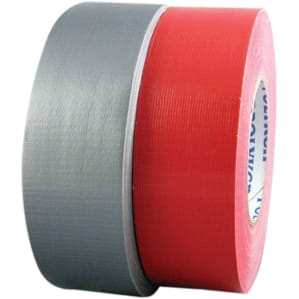
A stock image related to High tensile cloth tape.
In-depth Look: Manufacturing Processes and Quality Assurance for High tensile cloth tape
High tensile cloth tape represents a sophisticated convergence of textile engineering and adhesive technology. For procurement teams sourcing these materials for industrial bundling, heavy-duty sealing, or critical repairs, understanding the manufacturing pipeline and quality benchmarks is essential for mitigating supply chain risks and ensuring specification compliance. The following breakdown examines the production methodologies and verification protocols that separate commodity-grade products from industrial-performance solutions.
How Is the Woven Backing Engineered for Maximum Tensile Strength?
The foundation of any high-performance cloth tape lies in its scrim or woven substrate. Manufacturers typically utilize blended fiber constructions—combining polyester for dimensional stability with cotton or fiberglass for tear resistance—to achieve the optimal strength-to-weight ratio. The weaving process employs high-density warp and weft patterns, often exceeding 20 threads per centimeter, which creates a grid structure capable of withstanding longitudinal forces exceeding 50 N/cm.
During the finishing stage, the woven cloth undergoes heat-setting treatments to pre-shrink fibers and eliminate internal stresses. This thermal stabilization prevents elongation under load, a critical failure point in inferior tapes used for heavy-load bundling in construction or logistics applications. Premium manufacturers also apply scrim reinforcement—embedding cross-hatched threads at 45-degree angles—to provide multi-directional strength for applications requiring torsional resistance.
What Adhesive Formulations Deliver Superior Bonding Under Stress?
The adhesive layer determines the tape’s functional ceiling in extreme environments. For high tensile applications, natural rubber-based adhesives dominate due to their aggressive initial tack and ability to maintain viscosity across temperature fluctuations (-20°C to 80°C). However, synthetic acrylic formulations are increasingly preferred for UV-exposed outdoor applications, offering superior aging resistance without the oxidation yellowing common in rubber compounds.
Solvent-based coating systems remain the industry standard for heavy-duty cloth tapes, providing deeper penetration into the woven fibers compared to hot-melt alternatives. The coating weight—typically measured in grams per square meter (gsm)—directly correlates with peel adhesion values. Industrial-grade specifications require minimum coating weights of 120-150 gsm to ensure the adhesive mass can absorb substrate irregularities while maintaining shear resistance under constant load.
Which Coating and Lamination Processes Ensure Uniform Performance?
Precision coating represents the most technically demanding phase of production. Advanced manufacturers employ reverse-roll coating or knife-over-roll systems that deposit adhesive with tolerances of ±2 gsm across the entire web width. This uniformity prevents weak points where the tape might delaminate or tear under stress. For double-sided cloth tapes, silicone release liners are laminated in-line using controlled nip pressure to avoid adhesive displacement.
The curing process follows immediately, with infrared or convection ovens gradually raising the web temperature to activate cross-linking agents in the adhesive. Proper curing cycles—typically 3-5 minutes at elevated temperatures—ensure the adhesive achieves full cohesive strength without embrittling the cloth backing. Post-coating, the material passes through tension-controlled cooling drums that stabilize the composite structure before slitting.
What Quality Control Tests Validate High Tensile Claims?
Reputable suppliers implement multi-stage testing protocols that exceed basic ASTM D3759 standards. Tensile testing machines apply gradual load increases to measure breaking strength and elongation at break, with high-grade cloth tapes typically demonstrating >300 N/25mm tensile strength and <15% elongation. Peel adhesion tests (ASTM D3330) verify that the tape maintains >5 N/cm adhesion to steel surfaces after 24-hour dwell time.
Environmental stress screening includes heat-aging chambers where samples undergo 70°C exposure for 72 hours to simulate tropical storage conditions relevant to African and Southeast Asian markets. Humidity cycling (85% RH at 40°C) tests the adhesive’s resistance to hydrolysis, while shear-holding tests measure the tape’s ability to maintain bond under constant load—critical for vertical bundling applications in industrial settings.
How Do Certifications and Standards Impact Procurement Decisions?
International buyers should prioritize manufacturers holding ISO 9001:2015 quality management certifications, ensuring traceable process controls from raw material receipt to finished goods. For European markets, REACH compliance regarding SVHC (Substances of Very High Concern) restrictions is non-negotiable, while RoHS certification confirms the absence of heavy metals in electrical applications.
Specific industry certifications provide additional assurance: UL 723 ratings for flame spread in HVAC applications, MIL-STD-202G for military-grade durability, and automotive IATF 16949 compliance for suppliers serving the vehicle manufacturing sector. Requesting batch-specific test reports—including Certificate of Analysis (CoA) documentation—allows procurement teams to verify that each shipment meets the declared technical data sheet specifications.
What Supply Chain Factors Should International Buyers Consider?
Manufacturing consistency depends heavily on vertical integration capabilities. Suppliers controlling their own weaving mills and adhesive compounding facilities offer superior lot-to-lot consistency compared to converters relying on outsourced materials. For buyers in Nigeria, Vietnam, or Brazil, evaluating a manufacturer’s moisture-barrier packaging standards is crucial; cloth tapes are hygroscopic and require vapor-sealed cores to prevent adhesive degradation during ocean freight.
Lead time stability correlates with raw material inventory depth. Premium manufacturers maintain 90-day stocks of woven substrates and petrochemical adhesives to buffer against supply volatility. When auditing facilities, verify the presence of automated slitting and rewinding equipment with edge-guidance systems, as manual conversion processes introduce width variations that cause application failures in automated dispensing equipment.
By scrutinizing these manufacturing parameters and quality assurance protocols, procurement professionals can distinguish between commodity converters and engineered-solution providers, ensuring their high tensile cloth tape investments deliver measurable performance returns across demanding industrial applications.
Practical Sourcing Guide: A Step-by-Step Checklist for ‘High tensile cloth tape’
Procuring high tensile cloth tape requires balancing material specifications, adhesive chemistry, and regional compliance standards. This systematic checklist helps procurement teams evaluate suppliers for construction, HVAC, automotive, or heavy-duty bundling applications, ensuring optimal performance while mitigating supply chain risks in demanding international markets.
1. How Do You Define Application-Specific Performance Requirements?
Document the operational environment before contacting suppliers. Record maximum tensile load requirements (pounds per inch), temperature exposure ranges, and substrate materials (rough concrete, smooth metal, or flexible fabrics). High tensile cloth tape specifications vary significantly between temporary bundling and permanent structural reinforcement; precise requirements prevent over-specification that inflates costs or under-specification causing field failures.
2. Which Backing Material Aligns With Your Durability Needs?
Evaluate cotton for conformability, polyester for moisture resistance, or fiberglass for maximum tensile strength. For humid climates in Southeast Asia or West Africa, polyester or fiberglass backings resist mold better than cotton blends. Request material composition percentages from suppliers, as hybrid backings offer middle-ground performance for general industrial use while pure fiberglass handles extreme load-bearing applications.
3. What Adhesive Chemistry Matches Your Operating Environment?
Select rubber-based adhesives for aggressive tack on low-energy surfaces and cold weather, acrylic for UV resistance in outdoor installations, or silicone for temperatures up to 500°F (260°C) in powder coating operations. Verify shear strength ratings and residue-free removal properties, particularly critical for rental equipment or temporary event staging where surface damage creates liability issues.
4. How Do You Specify Physical Dimensions and Tolerance Levels?
Define exact width, length, and thickness rather than accepting stock sizes. Industrial cloth tape ranges from 7.0 mil (general purpose) to 12+ mil (heavy-duty). Specify tight width tolerances (±0.5mm) for automated dispensing systems to prevent jamming. Confirm custom slitting capabilities, as many manufacturers convert master rolls to specific widths required for automotive assembly or electrical bundling.
5. Which Quality Certifications Validate Tensile Strength Claims?
Request independent test reports for tensile strength (ASTM D3759), adhesion (ASTM D3330), and shear resistance (ASTM D3654). European markets require REACH and RoHS compliance; Middle Eastern and African buyers need heat resistance verification for extreme climates. Reputable suppliers provide batch-specific CoAs (Certificates of Analysis) ensuring consistency across large-volume orders, not just generic specification sheets.
6. How Do You Evaluate Manufacturing Capacity and Logistics?
Assess MOQs, lead times for custom specifications, and inventory holding programs. For buyers in South America or Africa, evaluate suppliers’ experience with international shipping documentation and moisture-resistant packaging for sea freight. Confirm technical support availability for application troubleshooting, particularly for specialized uses like fiberglass cloth tape in ceramic coating operations.
7. What Testing Protocols Should Precede Full Procurement?
Implement sample evaluation under actual field conditions before container-load commitments. Test adhesion after surface aging, performance at maximum rated temperature, and conformability around irregular geometries. Establish acceptance criteria for production runs, including roll diameter consistency and edge straightness that affects automated application systems.
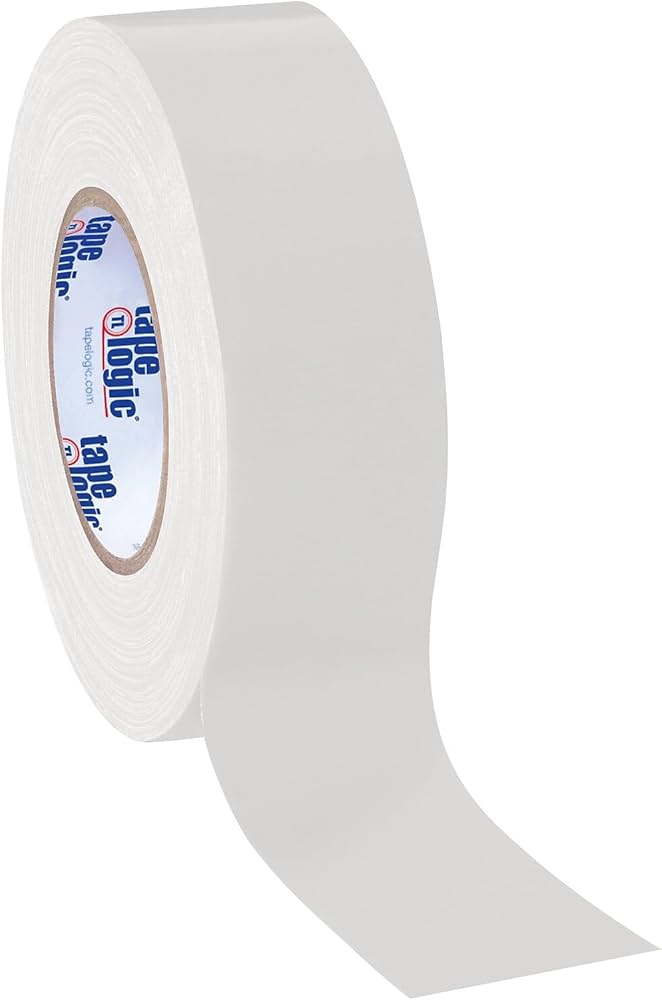
A stock image related to High tensile cloth tape.
Comprehensive Cost and Pricing Analysis for High tensile cloth tape Sourcing
What Factors Drive the Cost Structure of High Tensile Cloth Tape?
High tensile cloth tape pricing fluctuates based on three primary material variables: backing composition, adhesive formulation, and caliper thickness. Premium fiberglass-reinforced substrates command 15-25% higher raw material costs than standard cotton-polyester blends, while specialized silicone adhesives designed for 500°F resistance significantly exceed standard rubber-based formulations. Industrial-grade specifications—typically 9-11 mil thickness—require denser scrim weaving and heavier adhesive coating weights, directly impacting per-roll manufacturing costs. Color customization also affects pricing; vibrant pigmented cloth backings used in entertainment industry gaffer tape add approximately 8-12% to base material expenses compared to standard silver or black industrial grades.
How Do Volume Tiers and MOQs Impact Unit Pricing for Emerging Markets?
B2B procurement follows aggressive economies of scale, particularly for buyers in Nigeria, Vietnam, and Middle Eastern markets. Container-load quantities (20-40ft FCL) typically unlock 30-40% price reductions compared to LCL (Less than Container Load) shipments. Minimum Order Quantities (MOQs) vary by manufacturer: standard 7.0 mil general-purpose grades often start at 5,000-10,000 square meters, while premium gaffer or HVAC-specific grades may require 50,000+ square meter commitments for custom width conversions. Regional distributors in South America and Africa frequently offer consolidated purchasing options, allowing smaller contractors to access bulk-tier pricing through shared container arrangements, effectively reducing per-unit landed costs by 18-22%.
What Hidden Costs Should Buyers Factor Beyond the Ex-Works Price?
Landed cost calculations must account for adhesive tape classification under HS Code 5906.10, which carries varying duty rates across Mercosur, ECOWAS, and GCC trade zones—sometimes reaching 12-15% in protectionist markets. Custom slit widths (non-standard 48mm or 72mm rolls) incur conversion surcharges of $0.02-0.04 per square meter. Additionally, UL723 flame resistance or RoHS compliance certifications—critical for European and Middle Eastern construction markets—add $200-500 per SKU in testing documentation fees. Storage considerations matter significantly: cloth tape’s rubber adhesive has 12-18 month shelf life in tropical climates, necessitating climate-controlled warehousing that impacts inventory carrying costs by 3-5% monthly.
How Can Buyers Optimize Their Sourcing Strategy for Long-Term Cost Efficiency?
Strategic buyers balance upfront costs against total cost of ownership. For bundling and temporary HVAC sealing, general-purpose 7.0 mil cotton-backed grades offer optimal value. However, for automotive wire harnessing or outdoor construction in humid climates, investing in premium polyester-silicone formulations reduces failure rates and expensive rework expenses. Negotiate multi-year contracts with 15-20% volume escalation clauses to hedge against petrochemical price volatility affecting synthetic rubber adhesives. Finally, verify that suppliers provide slit-to-width services in-market (e.g., regional conversion facilities in Lagos, São Paulo, or Ho Chi Minh City) to minimize freight dimensional weight charges on bulky finished rolls, potentially saving $800-1,200 per container in shipping costs.
Alternatives Analysis: Comparing High tensile cloth tape With Other Solutions
When selecting bundling and reinforcement solutions for heavy-duty industrial applications, procurement teams often evaluate multiple fastening technologies beyond adhesive-based systems. While high tensile cloth tape offers unique advantages in flexibility and surface conformity, understanding how it stacks against synthetic strapping and metal banding alternatives ensures optimal cost-performance ratios for your specific logistics or construction requirements.
| 比較の側面 | High Tensile Cloth Tape | PET (Polyester) Strapping Tape | Steel Strapping |
|---|---|---|---|
| 引張強度 | High (800–1500 N/cm), excellent shock absorption | Very High (up to 2000+ N/cm), rigid hold | Extreme (3000+ N/cm), maximum security |
| コスト効率 | Moderate material cost; minimal tooling investment | Low material cost; requires tensioning tools/sealers | Low material cost; high tooling, labor, and safety equipment costs |
| 実施しやすさ | Immediate hand-tearable application; no training required | Requires tensioners and sealers; moderate skill needed | Requires specialized tools, safety protocols, and trained operators |
| Surface Compatibility | Conforms to irregular, curved, or textured surfaces | Best for uniform, rigid loads (pallets, boxes) | Limited to rigid, heavy loads; high risk of surface damage |
| Weather Resistance | Good water resistance; moderate UV stability | Excellent UV and chemical resistance; waterproof | Prone to rust; requires coating in humid environments |
| Logistics & Weight | Lightweight; reduces freight costs | Lightweight; bulk packaging efficient | Heavy; increases shipping costs and handling difficulty |
When Should You Choose PET Strapping Tape Over High Tensile Cloth Tape?
PET (Polyester) strapping tape serves as a robust synthetic alternative for operations prioritizing load containment over surface protection. Unlike cloth tape, which excels in applications requiring conformability to irregular shapes, PET strapping provides superior elongation recovery and maintains tension under sustained stress, making it ideal for palletized goods in long-haul shipping. However, this performance comes with infrastructure requirements—your team will need tensioning tools and sealing equipment, whereas cloth tape deploys immediately without capital investment. For buyers in emerging markets like Nigeria or Vietnam where initial tooling costs impact procurement decisions, cloth tape often delivers faster ROI for intermittent bundling needs, while PET becomes economical only at high volumes with dedicated packaging lines.
Is Steel Strapping Still Viable Compared to Cloth Tape Solutions?
Steel strapping remains the dominant choice for extreme heavy-duty applications such as metal coil binding and construction material transport where tensile strength cannot be compromised. While cloth tape offers roughly 20–30% of steel’s break strength, it eliminates the safety hazards associated with sharp metal edges and “spring-back” injuries during application. From a total cost of ownership perspective, steel requires significant investment in tensioners, sealers, and personal protective equipment, alongside higher freight costs due to weight. For international buyers managing projects across diverse climates—from humid South American ports to Middle Eastern construction sites—cloth tape’s corrosion resistance and lightweight logistics profile often outweigh steel’s raw strength advantages, unless transporting extremely dense, sharp-edged industrial materials.
How Does Filament Reinforced Tape Compare for Industrial Bundling?
Filament tape, featuring fiberglass strands embedded in a polypropylene backing, offers a middle-ground solution between the flexibility of cloth tape and the rigidity of PET strapping. Its unidirectional strength makes it suitable for corrugated box closing and light palletizing where cloth tape might stretch excessively under load. However, filament tape lacks the bi-directional tear resistance and hand-tearability that makes high tensile cloth tape valuable for rapid field repairs and temporary fixes in construction environments. For B2B buyers in Europe and the Middle East facing strict packaging waste regulations, cloth tape’s fabric backing often presents easier recycling pathways compared to mixed-material filament tapes, though the latter may offer lower per-meter pricing for high-volume automated sealing operations.
Essential Technical Properties and Trade Terminology for High tensile cloth tape
When procuring high tensile cloth tape for industrial bundling, HVAC sealing, or heavy-duty packaging applications, understanding precise technical specifications ensures compliance with project requirements and avoids costly material failures. The following specifications and terminology form the baseline for evaluating supplier capabilities and product suitability in cross-border trade.
What Are the Critical Technical Specifications for High Tensile Cloth Tape?
Tensile Strength (N/cm or lbs/inch)
This measures the force required to break the tape when pulled lengthwise, typically ranging from 40–100 N/cm for industrial grades. High tensile variants utilize woven polyester or fiberglass-reinforced backings rather than standard cotton scrim, providing structural integrity for palletizing heavy loads or securing rigid HVAC ductwork without snapping under stress.
Peel Adhesion (N/25mm or oz/in)
Expressed as the force needed to remove the tape from a stainless steel surface at a 180-degree angle, peel adhesion indicates immediate bonding capability. Industrial cloth tapes generally offer 4–10 N/25mm, with rubber-based adhesives providing higher initial tack for rough surfaces compared to acrylic formulations that excel in UV stability.
Elongation at Break (%)
This percentage indicates how much the tape stretches before failure, typically 10–25% for high tensile cloth varieties. Lower elongation percentages suit rigid bundling where dimensional stability is critical, while moderate stretch (15–20%) allows conformability around irregular pipe fittings without compromising load-bearing capacity.
使用温度範囲
Critical for Middle Eastern and African climates, standard cloth tapes operate between -10°C to 80°C, while silicone-adhesive variants withstand 200°C+ for powder coating masking or automotive under-hood applications. Always verify short-term peak temperatures versus continuous operating ranges.
Backing Thickness (Mil)
One mil equals 0.0254mm. General purpose cloth tapes measure 7–9 mil (0.18–0.23mm), whereas premium high tensile grades reach 11–14 mil (0.28–0.36mm), incorporating denser weave patterns for abrasion resistance in construction and logistics environments.
What Industry Terms Should B2B Buyers Know When Sourcing Cloth Tape?
“Mil” vs. “Micron”
While North American suppliers specify thickness in mils (thousandths of an inch), European and Asian manufacturers often use microns (micrometers). Conversion is essential: 1 mil = 25.4 microns. Clarify units in RFQs to prevent specification mismatches.
“Peel” vs. “Shear” Adhesion
Peel adhesion measures immediate stickiness upon application, while shear resistance indicates the tape’s ability to hold weight over time under stress. High tensile bundling applications require high shear strength to prevent slippage on vertical loads.
“Double-Coated” Construction
Unlike single-sided cloth tape, double-coated variants feature adhesive on both sides of the backing, separated by a release liner. These are essential for carpet installation, laminate bonding, and mounting applications where permanent adhesion is required on both substrates.
“HVAC Grade” Specification
This designation indicates compliance with UL 181 or similar standards for duct sealing, requiring flame resistance, mold inhibition, and temperature stability. Not all cloth tapes meet HVAC standards; verify certifications for ventilation projects in commercial buildings.
“Gaffer” vs. “Duct” Tape
While often conflated, gaffer tape features a matte finish and clean-removal adhesive for entertainment industry use, whereas duct tape typically has a polyethylene-coated glossy finish optimized for waterproofing. For industrial procurement, specify “industrial cloth tape” to avoid receiving consumer-grade variants.
“Hand Tearability”
A functional property describing whether the tape tears straight across the warp threads without scissors. While convenient for field applications, high tensile tapes with reinforced fiberglass filaments often require cutting tools, a trade-off between tensile strength and application speed.
Navigating Market Dynamics and Sourcing Trends in the High tensile cloth tape Sector
The global high tensile cloth tape market is undergoing significant transformation as industrial demand intersects with evolving procurement standards and regional infrastructure expansion. B2B buyers across emerging economies in Africa, South America, and Southeast Asia, alongside established European markets, now navigate a complex landscape where material performance requirements must balance with supply chain resilience and sustainability mandates. Understanding these shifting dynamics is essential for procurement teams seeking reliable manufacturing partners capable of delivering consistent quality across diverse applications, from heavy-duty construction bundling to precision HVAC sealing in extreme climates.
What Are the Key Market Trends Shaping Demand for High Tensile Cloth Tape?
The market is witnessing a definitive shift toward specialized, high-performance variants that significantly exceed traditional duct tape capabilities. Fiberglass-reinforced cloth tapes and hybrid polyester-cotton backings are gaining substantial traction in critical applications requiring superior tensile strength and thermal resistance, particularly within HVAC system installations and automotive wire harnessing where mechanical failure is not an option. Additionally, customization demands are rising sharply, with international buyers requesting specific adhesive formulations—ranging from high-tack silicone for 500°F powder coating applications to clean-removal acrylics for temporary entertainment industry use. This specialization trend reflects broader industrial needs for task-specific solutions rather than commodity-grade alternatives, driving manufacturers to invest in advanced coating technologies and precision slitting capabilities that accommodate custom widths and lengths.
Which Regional Markets Show the Strongest Growth Potential for Reinforced Cloth Tapes?
Emerging economies across Africa, Southeast Asia, and South America currently represent the fastest-growing demand centers for high tensile cloth tape, outpacing traditional Western markets in year-over-year expansion. Nigeria and Vietnam are experiencing particularly robust growth driven by large-scale infrastructure development, urbanization projects, and manufacturing sector acceleration, all requiring reliable sealing and abrasion-resistant bundling solutions for construction and export-oriented automotive production. Meanwhile, Middle Eastern markets are diversifying beyond oil-dependent industries, with
Frequently Asked Questions (FAQs) for B2B Buyers of High tensile cloth tape
How does high tensile cloth tape differ from standard duct tape in heavy-duty manufacturing applications?
Standard duct tape typically features a polyethylene-coated cloth backing with general-purpose rubber adhesive suitable for temporary repairs, whereas high tensile cloth tape utilizes reinforced woven fabrics like polyester or fiberglass with specialized adhesives engineered for load-bearing applications. In manufacturing environments, high tensile variants offer superior elongation resistance and shear strength, maintaining bundle integrity under dynamic stress where standard duct tape would stretch or experience adhesive creep. For B2B procurement, specify tensile strength ratings (typically 40–60 lbs per inch width or higher) and adhesive thickness measured in mils rather than relying on generic “duct tape” categorization, as industrial specifications ensure compliance with safety standards in automotive assembly lines and heavy equipment manufacturing.
What is the maximum load capacity of high tensile cloth tape for industrial bundling and cable management?
Load capacity varies significantly by backing material and adhesive formulation, with premium high tensile cloth tapes supporting 50–100 lbs per inch width under static load conditions, though dynamic applications require 30–40% derating for safety factors. When bundling heavy industrial cables or HVAC components, calculate the total weight against the tape’s tensile strength rating (TDS), ensuring the selected width provides a minimum 4:1 safety margin for vibration-prone environments. For infrastructure projects in Nigeria and the Middle East where thermal expansion affects bundle stress, specify fiberglass-reinforced variants that maintain structural integrity across temperature fluctuations without sagging or adhesive failure.
What temperature ranges can high tensile cloth tape withstand in extreme outdoor environments?
Standard rubber-based high tensile cloth tapes perform optimally between -10°C to 80°C (14°F to 176°F), while silicone-adhesive variants engineered for harsh outdoor exposure tolerate -40°C to 200°C (-40°F to 392°F) continuous operation with intermittent peaks to 260°C (500°F). In South American and Southeast Asian markets with high UV exposure and humidity, specify UV-stabilized acrylic adhesives that resist oxidation and maintain tack in tropical conditions, unlike natural rubber formulations that degrade under intense solar radiation. For European cold-chain logistics or desert applications across Africa, verify low-temperature flexibility ratings to prevent backing cracking during application or service in sub-zero conditions.
Which certifications should high tensile cloth tape have for aerospace, automotive, and railway applications?
Aerospace procurement requires tapes meeting SAE AMS-T-22085 or Boeing BAC standards with flame resistance certifications (FAR 25.853), while automotive suppliers should verify IATF 16949 compliance and OEM-specific approvals like Ford WSB-M15G28-A or GM 6031M. Railway applications in Europe demand EN 45545-2 HL3 ratings for fire smoke toxicity, and infrastructure projects across Africa and the Middle East often require ISO 9001:2015 quality management with third-party tensile testing reports. When sourcing for international markets, request REACH and RoHS compliance documentation to ensure chemical safety standards for EU markets, plus UL 723/ASTM E84 surface burning characteristics for projects requiring North American safety codes.
How do I select the right adhesive chemistry for high tensile cloth tape in humid or high-temperature climates?
Natural rubber adhesives offer aggressive initial tack and cost-effectiveness for general industrial bundling in moderate climates, but synthetic acrylic formulations provide superior aging resistance and UV stability for outdoor applications across Vietnam and South America. For high-temperature manufacturing environments like automotive engine compartments or Middle Eastern solar installations, specify silicone-based adhesives that maintain adhesion above 150°C without transfer or residue. In monsoon-prone regions, request tapes with moisture-curing adhesive systems or polyethylene-coated backings that prevent water ingress, which compromises tensile strength through backing degradation and adhesive delamination.
What customization options are available for bulk orders of high tensile cloth tape in non-standard dimensions?
Industrial manufacturers typically offer slit widths from 12mm to 1000mm with ±0.5mm tolerance precision, and custom lengths up to 50-meter rolls for automated bundling equipment, reducing changeover downtime in high-volume automotive or appliance manufacturing facilities. Color coding options extend beyond standard silver/black to OSHA safety colors (red, yellow, blue, green) for phase identification in electrical contracting, with matte finishes available for film production and photography applications. For construction markets in Nigeria and Europe, request double-sided high tensile variants with differential adhesive systems—permanent on one side, removable on the other—for temporary protection during concrete curing or facade installation.
What surface preparation and application techniques ensure maximum tensile performance in industrial settings?
Achieve optimal adhesion by cleaning substrates with isopropyl alcohol to remove oils, dust, and oxidation, then applying firm pressure (15–20 psi) using a rubber roller to eliminate air pockets that create stress concentration points under load. In cold climates or during European winter construction, warm both tape and substrate to 15°C minimum before application to prevent adhesive shock and ensure proper molecular bonding with metal or plastic surfaces. For heavy bundling in vibration-intensive environments like railway or mining equipment across Africa, apply the tape with 50% overlap in a spiral wrap configuration rather than single-loop binding, distributing shear forces across the adhesive surface to prevent catastrophic failure modes.
How should high tensile cloth tape be stored and handled during international shipping to prevent quality degradation?
Store inventory in climate-controlled environments between 15–25°C (59–77°F) with 40–60% relative humidity, avoiding direct sunlight exposure that accelerates adhesive oxidation and backing embrittlement during transoceanic shipping to African or South American ports. Maintain rolls in vertical orientation on pallets to prevent edge crushing and adhesive bleed, particularly important for rubber-based formulations prone to cold flow in stacked horizontal storage during Middle Eastern summer transit. Verify shelf life specifications—typically 12–24 months unopened—and implement FIFO (First In, First Out) inventory rotation for large construction projects, as aged tape exhibits reduced tack and tensile strength that compromises safety-critical bundling applications.
重要な免責事項および利用規約
⚠️ 重要な免責事項
メーカー、技術仕様、市場分析に関する内容を含め、本ガイドラインで提供される情報は、情報提供と教育目的のみのものです。専門的な調達アドバイス、財務アドバイス、または法的アドバイスを提供するものではありません。.
B2Bバイヤーは、独自の徹底的なデューデリジェンスを行う必要がある。 をご覧の上、ご購入をお決めください。本ガイドに記載された情報を信頼した場合のリスクは、読者が単独で負うものとします。.
Top 2 High Tensile Cloth Tape Manufacturers & Suppliers List
1. Tape Suppliers – Cloth Tape
ドメイン tapesuppliers.com
登録:2007年(19年)
はじめに Cloth tape (also known as fabric tape) is a strong, durable adhesive tape featuring a cloth or fabric backing or core. It resembles classic duct tape and gaffer tape, offering greater tensile strength and more flexible construction compared to standard adhesive tapes. Key characteristics include high strength, resilience, and flexibility due to its cloth composition. It is useful for a wide range …
2. IQS Directory – Cloth Tape
ドメイン iqsdirectory.com
登録:2004年(22年)
はじめに Cloth tape (also known as fabric tape) is an adhesive tape featuring a cloth backing rather than fiberglass or plastic. Key applications include: medical (wound setting, joint support, allows body movement without losing strength), craft (marking edges, outlining shapes), construction (wall sealing), and print (book repair, bookbinding). Available styles include duct tape (heavy duty strength for …
Strategic Sourcing Conclusion and Outlook for High tensile cloth tape
How Can Global Buyers Secure Supply Chain Resilience for High Tensile Cloth Tape?
Procurement leaders across Africa, South America, and the Middle East must prioritize supplier diversification beyond single-source dependencies to mitigate geopolitical and logistics disruptions. When evaluating manufacturers, verify not only ISO-certified production facilities but also demonstrated expertise in custom slitting, color-coding, and specialized adhesive formulations—capabilities critical for operational efficiency in construction and HVAC sectors. Establishing direct partnerships with mills providing comprehensive technical documentation on tensile ratings and temperature resistance ensures specifications align with high-stakes environmental conditions, from Nigerian humidity to European thermal cycling requirements.
What Quality Benchmarks Should Drive Your 2025 Sourcing Strategy?
Moving beyond commodity-grade procurement requires rigorous validation of cloth backing integrity, adhesive aging properties, and residue-free removal characteristics—essential for temporary bundling in automotive and entertainment applications. Buyers should demand batch consistency reports and pre-shipment samples tested against relevant ASTM or EN standards before volume commitments. As infrastructure investment accelerates across Vietnam and Nigeria, selecting partners with regional distribution networks and flexible MOQ structures will optimize total cost of ownership while ensuring project-specific customization capabilities remain accessible for scalable industrial growth.