Introduction: Navigating the Global Market for Painters tape
When managing procurement for construction, automotive, or industrial finishing projects across diverse geographic markets, ensuring consistent adhesive performance and clean removal properties presents a significant operational challenge. Sourcing painters tape that meets both international quality standards and regional application requirements demands more than comparing unit costs—it requires understanding substrate compatibility, climate resilience, and supply chain reliability in regions with varying infrastructure maturity.
What Critical Factors Should Buyers Evaluate When Entering the Global Painters Tape Market?
This comprehensive guide addresses the complexities facing B2B procurement teams in Africa, South America, the Middle East, and Europe—including high-growth markets like Nigeria and Saudi Arabia. We examine essential product categories from delicate-surface masking solutions to heavy-duty exterior grades, analyze application-specific requirements across construction, automotive refinishing, and manufacturing sectors, and provide frameworks for vetting manufacturers capable of consistent bulk delivery.
Beyond product specifications, we explore cost-optimization strategies that account for import duties, shipping logistics, and storage conditions unique to tropical and arid climates. Whether you are establishing new supplier relationships or diversifying your existing adhesive products portfolio, this resource equips you with actionable intelligence to mitigate procurement risks, ensure specification compliance, and secure competitive positioning in your respective markets.
Understanding Painters tape Types and Variations
| タイプ名 | 主な特徴 | 主なB2Bアプリケーション | バイヤーのための簡単な長所と短所 |
|---|---|---|---|
| Standard Multi-Surface | Medium adhesion strength, 14-day clean removal window, blue crepe paper backing, UV resistant | General construction, interior/exterior trim work, drywall finishing, glass protection during spray operations | Pros: Cost-effective for high-volume use, versatile across common substrates, prevents bleed-through. Cons: Leaves adhesive residue if removal time exceeded, unsuitable for surfaces painted within 24 hours |
| Delicate Surface | Low-tack synthetic adhesive, 60-day removal window, color-coded green/yellow, gentle release | Freshly painted walls (24h+ cure), wallpaper, faux finishes, decorative veneers, heritage restoration | Pros: Prevents surface damage and lifting, extended project flexibility. Cons: Higher unit cost, reduced adhesion in high-humidity climates, requires smooth substrates |
| Rough Surface | High-tack rubber adhesive, thick conformable backing, 7-day removal window, textured grip | Concrete, brick, stucco, textured ceilings, unfinished wood, industrial coatings | Pros: Superior adhesion to uneven textures, prevents coating bleed on porous surfaces. Cons: Risk of substrate damage on delicate materials, short removal window requires tight scheduling, premium pricing |
| High-Temperature Industrial | Silicone or cross-linked rubber adhesive, 120°C–150°C heat resistance, solvent resistant, crepe/poly backing | Automotive painting, powder coating, metal fabrication, oven-cured industrial finishes | Pros: Maintains integrity during baking cycles, clean removal from metal substrates. Cons: Significantly higher cost, specialized storage requirements, unnecessary for ambient-temperature applications |
What is the best painter’s tape for standard construction and interior finishing?
Standard multi-surface painter’s tape features medium-tack adhesive formulated for clean removal within 14 days on cured painted drywall, wood trim, and glass. Its blue crepe paper backing provides UV resistance for temporary outdoor exposure during commercial projects. B2B buyers should prioritize consistent unwind tension and batch adhesion stability for compatibility with automated applicators. This type offers optimal cost-efficiency for general contractors managing mixed-surface projects, though procurement teams must verify compatibility with both latex and oil-based coatings to prevent adhesive transfer during high-volume applications.
Which painter’s tape ensures damage-free application on delicate surfaces?
Delicate surface variants utilize low-tack synthetic adhesives designed for extended 60-day removal windows on fresh paint requiring 24-hour minimum cure time, wallpaper, and decorative veneers. Typically color-coded green or yellow for immediate job site identification, these prevent substrate lifting or finish damage during removal. Procurement teams should assess humidity resistance specifications for tropical climates and verify surface compatibility with water-based versus solvent-based coating systems. Essential for hospitality renovations and heritage building restorations where preserving surface integrity outweighs raw material cost considerations.
How does rough surface painter’s tape differ for masonry and exterior applications?
Engineered with high-tack rubber-based adhesives and thicker crepe paper backings, rough surface tapes conform to brick, stucco, and concrete textures to prevent coating bleed on uneven substrates. These variants prioritize immediate adhesion strength over extended removal windows, typically requiring removal within 7 days to prevent adhesive residue buildup. B2B purchasers should evaluate backing thickness measured in mils for optimal texture penetration and adhesive shear strength for vertical masonry applications. Critical for infrastructure projects and industrial facility maintenance where minimal surface preparation meets demanding environmental exposure.
What specifications define high-temperature masking tape for industrial B2B use?
Industrial-grade masking tapes feature silicone or cross-linked rubber adhesives capable of withstanding 120°C to 150°C during powder coating, automotive painting, and metal fabrication baking cycles. These specialized tapes resist solvent penetration and maintain structural integrity during extended oven curing processes. Buyers must verify temperature ratings against specific coating chemistries and assess residue-free removal properties on galvanized or bare metal substrates. Essential for automotive OEM suppliers and heavy equipment manufacturers requiring precision masking during high-heat finishing operations where standard adhesives would fail or leave contamination.
Key Industrial Applications of Painters tape
| 業界/セクター | Specific Application of Painters tape | ビジネスにとっての価値/利益 | このアプリケーションにおける主な調達上の考慮事項 |
|---|---|---|---|
| 建設・インフラ開発 | Masking walls, ceilings, and fixtures during commercial painting; protecting window frames and hardware from overspray | Minimizes costly rework and surface damage; accelerates project completion timelines for large-scale developments | UV resistance for outdoor storage in high-sun regions; humidity tolerance for tropical climates; bulk roll availability for cost efficiency |
| 自動車製造・再塗装 | Precision masking of vehicle trim, emblems, and panel edges during spray painting and clear coat application | Ensures clean paint lines and professional finishes; reduces defect rates and material waste in production facilities | Heat resistance for paint booth baking cycles (up to 120°C); residue-free removal from clear coats; compatibility with robotic application systems |
| 電子・電気組立 | Temporary securing of wire harnesses; masking circuit boards during conformal coating and potting processes | Prevents adhesive residue on sensitive components; enables clean removal without damaging delicate substrates | Low-tack adhesion for plastic and PCB surfaces; anti-static properties to prevent ESD damage; clean room compatible certification |
| Marine & Offshore Engineering | Masking during vessel hull maintenance; protecting deck hardware during anti-fouling and corrosion-resistant coating applications | Delivers sharp paint edges on curved surfaces; prevents saltwater ingress during outdoor maintenance windows | Water-resistant crepe paper backing; strong adhesion in high-humidity marine environments; resistance to salt spray and industrial solvents |
| Aerospace & Industrial Manufacturing | Masking during powder coating, anodizing, and chemical milling; protecting critical surfaces during precision assembly | Prevents contamination in precision engineering; maintains surface integrity for safety-critical components | High temperature resistance (up to 150°C+); lot traceability for quality control; clean room compatibility certifications |
How Can Construction Firms Optimize Commercial Painting Projects in High-Temperature Climates?
In regions like Nigeria and Saudi Arabia, construction contractors face extreme heat and dust during exterior painting operations. High-quality painters tape serves as a critical barrier protecting aluminum window frames, glass facades, and door hardware from overspray in commercial building projects. The tape must withstand prolonged UV exposure without adhesive transfer, particularly when projects face delays or multi-phase completion schedules. Procurement teams should prioritize UV-resistant formulations that maintain clean-removal properties even after 14-day outdoor exposure, ensuring that masking materials don’t bake onto surfaces or leave residue that requires costly chemical cleaning.
What Specifications Ensure Precision Masking in Automotive Manufacturing and Refinishing?
Automotive
A stock image related to Painters tape.
3 Common User Pain Points for ‘Painters tape’ & Their Solutions
Scenario 1: How to Prevent Adhesive Residue and Surface Damage in High-Temperature Environments?
問題だ: Commercial painting contractors operating in hot climates—such as Nigeria’s humid regions or Saudi Arabia’s desert environments—frequently encounter tape that bonds permanently to surfaces when left for extended periods. Standard painters tape adhesives can thermally cure against exterior stucco, metal window frames, or drywall, transforming into a stubborn residue that requires chemical solvents or aggressive scraping to remove. This not only damages expensive decorative finishes and fresh paintwork but also creates significant labor overruns when crews must return to remediate surfaces that should have been pristine. The risk intensifies on projects with phased handovers where tape remains in place over weekends or holiday shutdowns.
解決策 Specify UV-resistant painters tapes engineered specifically for extended outdoor exposure with “clean removal” guarantees of 14 to 21 days, even in direct sunlight. Prioritize products featuring synthetic rubber adhesives and crepe paper backings rated for tropical climates, avoiding standard masking tapes that degrade quickly under infrared heat. Implement strict site protocols requiring tape removal within 48 hours of paint curing, and maintain climate-specific inventory—low-tack variants for delicate interior drywall and high-tack exterior grades for masonry and concrete. Store tape in climate-controlled environments prior to application, as extreme heat during transport can prematurely activate adhesives.
Scenario 2: Where Can Businesses Source Consistent Bulk Painters Tape Without Supply Chain Risks?
問題だ: International B2B buyers sourcing painters tape for large-scale commercial developments across Africa, South America, and the Middle East often face batch-to-batch variations in adhesion strength, roll lengths, and backing integrity. In many emerging markets, counterfeit products bearing familiar brand names enter the supply chain, delivering substandard adhesion that fails mid-application—resulting in paint bleed onto client furnishings, glass curtain walls, or flooring. These quality failures trigger costly rework, damage contractor reputations, and create liability exposure on high-visibility projects. Additionally, unreliable lead times from fragmented supplier networks disrupt tight construction schedules, forcing expensive emergency procurement at premium prices.
解決策 Establish direct contractual relationships with manufacturers or authorized master distributors who provide comprehensive batch consistency documentation and ISO 9001 quality management certifications. Rather than relying solely on brand recognition, specify exact technical parameters in purchase orders—adhesion strength measured in ounces per inch, total thickness in mils, and tensile strength specifications. Implement incoming quality control protocols testing sample rolls from each shipping container for adhesion consistency and dimensional accuracy before site deployment. For critical projects, secure buffer inventory through bonded warehousing arrangements near major job sites to mitigate supply chain disruptions while ensuring product authenticity.
Scenario 3: What Is the Best Way to Stop Paint Bleed-Through on Textured Commercial Surfaces?
問題だ: Achieving crisp paint lines on textured surfaces—such as concrete block, stucco, or orange-peel drywall common in commercial buildings—presents significant challenges when using standard painters tape. The tape fails to seal against surface irregularities, allowing paint to seep underneath and creating jagged edges that require time-consuming touch-ups. Conversely, using high-tack contractors’ tape on delicate surfaces like fresh eggshell paint or vinyl wall coverings results in substrate damage, peeling, or adhesive residue upon removal. These application failures force crews to remask areas multiple times, consuming labor hours and delaying project completion while compromising the professional finish expected by commercial clients.
解決策 Implement surface-specific tape selection protocols based on substrate topography and paint type. For rough or textured masonry, specify “rough surface” tapes featuring thicker adhesive layers that conform to irregularities, or utilize advanced “edge-lock” technology that creates micro-barriers against paint seepage. For delicate surfaces, deploy “safe release” or “delicate surface” variants with lower adhesion values specifically engineered for fresh paint or wallpaper. Train application crews to seal tape edges using plastic putty knives or similar tools to fully activate pressure-sensitive adhesive and eliminate air gaps. For critical color transitions in high-visibility areas, consider two-tone masking systems combining crepe paper with poly-backed films to provide both conformability and bleed resistance.
Strategic Material Selection Guide for Painters tape
Selecting the optimal substrate material for painter’s tape directly impacts project efficiency, surface integrity, and final finish quality across international construction markets. For procurement teams and distributors operating across diverse climates—from the humid coastal regions of Nigeria to the arid desert environments of Saudi Arabia—understanding material specifications ensures inventory aligns with regional construction standards, surface compatibility requirements, and application demands. Material selection influences not only immediate masking performance but also long-term adhesive stability, removal cleanliness, and total project cost-effectiveness.
How Does Crepe Paper Construction Support General Interior Masking?
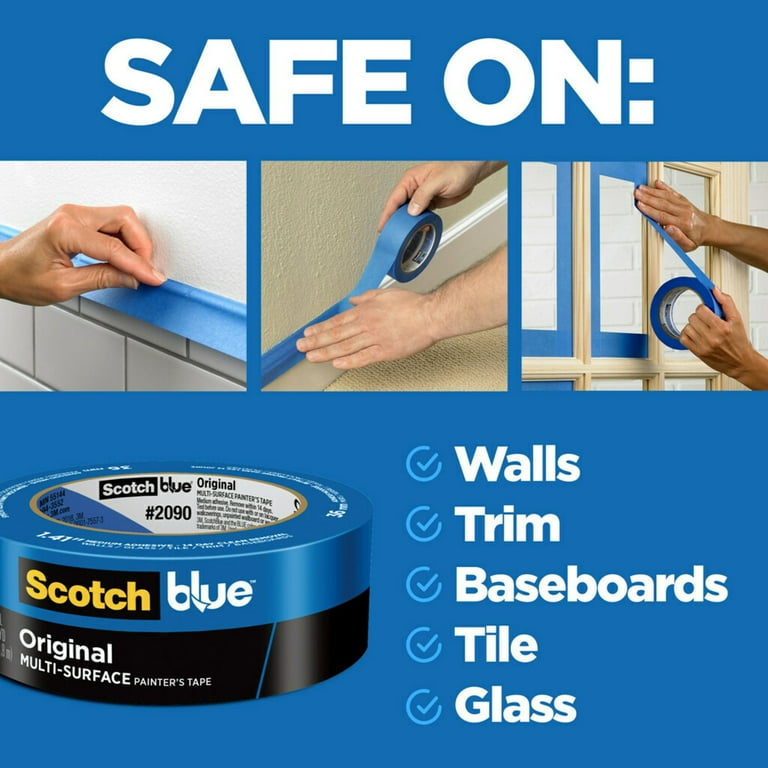
Crepe paper remains the predominant substrate for standard interior painter’s tape, characterized by its crinkled texture that provides exceptional conformability to irregular surfaces, textured drywall, and crown molding profiles. This material accommodates medium-strength rubber-based adhesive systems suitable for residential and
A stock image related to Painters tape.
In-depth Look: Manufacturing Processes and Quality Assurance for Painters tape
How Is Painters Tape Engineered for Clean Removal and Strong Adhesion?
The manufacturing of professional-grade painters tape begins with substrate selection, typically utilizing crepe paper or flatback paper ranging from 120 to 160 microns in thickness. Premium manufacturers employ long-fiber cellulose papers that undergo mechanical creping processes, creating a textured backing that allows the tape to conform to irregular surfaces while maintaining structural integrity during removal. This substrate serves as the foundation for multi-layer adhesive systems, where rubber-based or acrylic pressure-sensitive adhesives (PSAs) are precisely calibrated to achieve the delicate balance between immediate tack and clean release.
The coating process involves solvent-based or hot-melt application systems that deposit 25–40 grams of adhesive per square meter onto the prepared backing. Advanced production lines utilize micro-perforation technologies that create controlled channels for air release, preventing bubble formation during application on painted drywall or automotive surfaces. For B2B buyers sourcing for tropical climates prevalent in Nigeria or Saudi Arabia, manufacturers often integrate UV stabilizers into the adhesive matrix to prevent degradation during extended exposure to high-intensity sunlight, ensuring the tape maintains its integrity throughout 14-day masking cycles without leaving residue.
What Quality Control Protocols Validate Performance for Professional Applications?
Rigorous quality assurance begins with raw material verification, where adhesive batches undergo rheological testing to ensure viscosity consistency within ±5% of specification. Production facilities implement Statistical Process Control (SPC) at three critical checkpoints: post-coating thickness verification using laser micrometers, adhesion testing via PSTC-101 standards (Polyken Probe Tack), and shear resistance evaluation to prevent adhesive migration on vertical surfaces.
For international B2B buyers, understanding ASTM D3652 (thickness testing) and ASTM D3330 (peel adhesion) compliance is essential when evaluating suppliers. Reputable manufacturers conduct accelerated aging tests that simulate 90-day storage in 40°C/75% humidity conditions—critical parameters for shipments destined for Middle Eastern or South American ports where container temperatures may exceed 60°C during transit. Additionally, edge-lift testing under varying humidity levels (from 40% to 90% RH) ensures that products perform consistently across diverse climatic zones, from the arid regions of Saudi Arabia to the humid coastal areas of Nigeria.
Which Manufacturing Certifications Should International Buyers Verify?
When sourcing painters tape for distribution across Europe, Africa, and the Middle East, B2B buyers must prioritize manufacturers holding ISO 9001:2015 quality management certifications and ISO 14001 environmental management standards. For European markets, REACH compliance regarding Substances of Very High Concern (SVHC) in adhesive formulations is non-negotiable, while buyers targeting Saudi Arabia should verify GCC (Gulf Cooperation Council) conformity marks and SASO (Saudi Standards, Metrology and Quality Organization) certifications.
Nigerian importers specifically benefit from suppliers familiar with SONCAP (Standards Organization of Nigeria Conformity Assessment Program) requirements, which mandate pre-shipment verification to prevent port delays. Leading manufacturers also maintain FSC (Forest Stewardship Council) chain-of-custody certification for paper backings, increasingly important for European B2B clients facing stringent sustainability procurement mandates. Requesting batch-specific test reports covering elongation percentages (typically 6–10% for crepe paper backings) and tensile strength (minimum 40 N/cm) provides additional assurance of manufacturing consistency.
How Do Production Capabilities Support Regional Customization Needs?
Modern tape manufacturing facilities offer slit-width customization ranging from 12mm to 100mm, accommodating both precision automotive masking requirements and large-scale construction applications. For B2B buyers serving diverse markets, manufacturers can adjust adhesive mass and backing thickness to create region-specific formulations—higher tack variants for textured exterior surfaces common in Middle Eastern construction, or low-tack options for delicate interior paints preferred in European renovation markets.
Color-coding capabilities extend beyond standard blue and green to include custom Pantone matching for private-label distributors. Production runs can accommodate specialized requirements such as printable backings for branded contractor tapes or moisture-resistant packaging using VCI (Volatile Corrosion Inhibitor) films for sea freight shipments to South American ports. Leading suppliers offer flexible minimum order quantities (MOQs) starting at 5,000 rolls for standard sizes, with capability to scale to container-load quantities (20,000+ rolls) while maintaining ±0.5mm width tolerances across the entire production batch.
What Supply Chain Quality Assurances Protect Bulk Shipments?
Quality assurance extends beyond manufacturing to packaging engineering designed for international logistics. Premium suppliers utilize individual roll shrink-wrapping with UV inhibitors and corrugated master cartons featuring moisture-barrier coatings to prevent humidity ingress during transoceanic shipping. For buyers in tropical regions, manufacturers implement vacuum-sealed pallet wrapping and desiccant insertion protocols that maintain adhesive stability across fluctuating maritime temperatures.
Batch traceability systems utilizing QR codes or RFID tags enable B2B buyers to track production dates, adhesive formulations, and quality test results for every carton received. This traceability proves invaluable when managing inventory rotation across multiple warehouse locations or addressing specific performance concerns in the field. Establishing direct relationships with manufacturers who offer technical datasheets in multiple languages (English, French, Arabic, Portuguese) facilitates smoother customs clearance and end-user training in diverse international markets, ultimately reducing downstream support costs and enhancing distributor credibility.
Practical Sourcing Guide: A Step-by-Step Checklist for ‘Painters tape’
Navigating the global procurement landscape for masking solutions requires strategic planning beyond basic product selection. This checklist equips international buyers with actionable steps to secure high-performance painters tape that meets regional climate demands, regulatory standards, and cost-efficiency targets for large-scale projects.
What Technical Specifications Should B2B Buyers Define Before Contacting Suppliers?
Begin by documenting precise performance requirements including adhesion strength levels (low, medium, or high-tack), substrate compatibility (drywall, glass, wood, or metal), and dimensional needs. Specify widths ranging from 0.94 inches for detail work to 1.88 inches for broad surface protection, alongside roll lengths that optimize your consumption rates. Determine whether crepe paper or flatback paper backing suits your application environment, and confirm color requirements—traditional blue for general masking or green for multi-surface adhesion—based on your end-user preferences.
How Can International Buyers Verify Manufacturer Quality Standards?
Conduct thorough due diligence on potential suppliers by requesting ISO 9001 certification documentation and third-party audit reports. Verify that manufacturing facilities adhere to international adhesive safety standards and environmental regulations relevant to your destination markets. Request evidence of consistent crepe paper sourcing and solvent-free adhesive formulations. For buyers in Nigeria, Saudi Arabia, or European Union countries, confirm compliance with local chemical substance regulations and import quality certifications before committing to production runs.
Which Climate Factors Affect Painters Tape Performance in Tropical Markets?
Assess environmental resilience specifications critical for high-humidity regions like West Africa or the Middle East. Demand UV-resistant formulations that prevent adhesive degradation during outdoor storage in hot climates, and verify humidity-stable backing materials that resist curling in moist conditions. Request 14-day clean removal guarantees for tropical environments where standard tapes might leave residue. Confirm temperature resistance ranges spanning 50°F to 150°F to accommodate varying warehouse and jobsite conditions across your distribution network.
What Packaging Configurations Optimize International Shipping Efficiency?
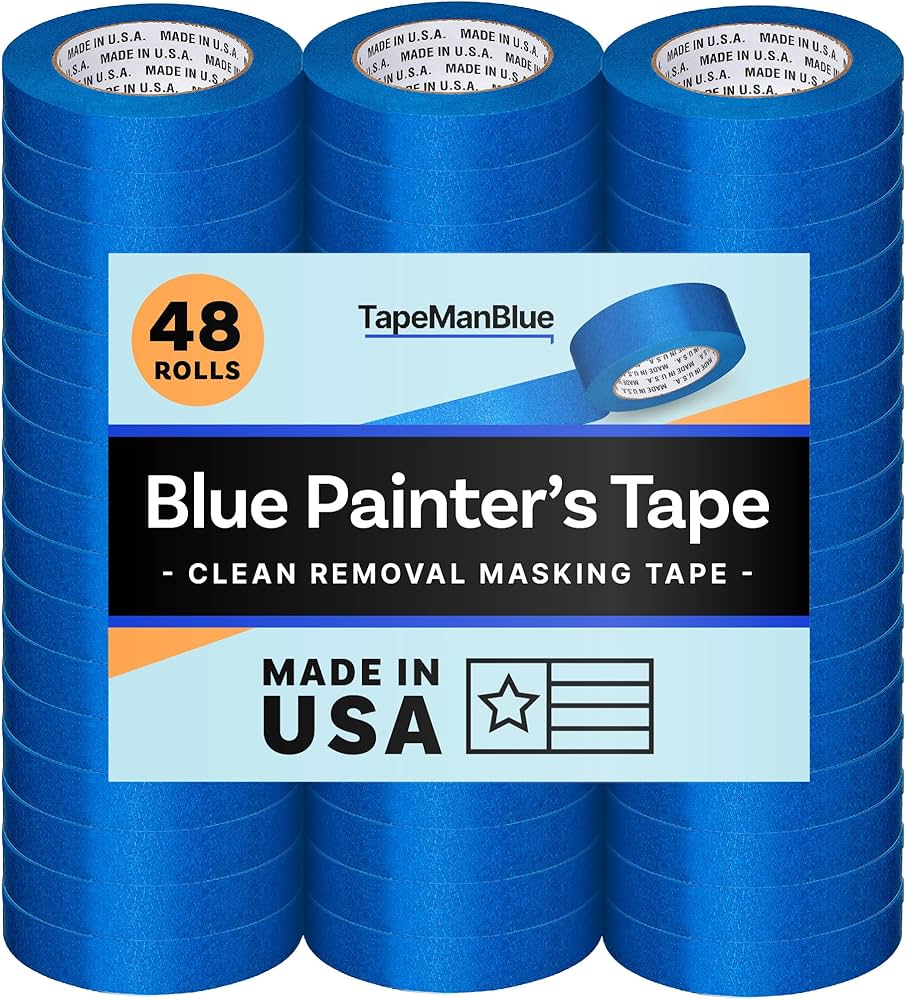
Evaluate bulk packaging options that maximize container utilization while preventing edge damage during ocean freight. Specify individual roll wrapping in moisture-barrier film and master carton configurations that facilitate palletized loading. Request custom labeling with bilingual instructions (English/Arabic or English/French) for Middle Eastern and African markets. Calculate total landed costs by comparing standard 24-roll cases versus jumbo 48-roll pallets to determine optimal inventory turnover rates for your specific market demand.
Why Is Sample Testing Essential Before Placing Bulk Orders?
Require pre-production samples for adhesion testing on local substrate materials commonly used in your target markets. Conduct 7-day and 14-day removal tests to verify clean-release promises under your regional humidity levels. Test edge-sealing capabilities against paint bleed-through using water-based and oil-based coatings prevalent in your area. Validate that tape backing tears cleanly by hand without requiring blade cutting, ensuring compatibility with local contractor work practices before authorizing mass production.
What Documentation Ensures Smooth Customs Clearance?
Secure comprehensive certification packages including Material Safety Data Sheets (MSDS), certificates of origin, and chemical composition declarations required by destination customs authorities. For EU imports, confirm REACH compliance documentation; for Gulf Cooperation Council countries, verify GCC conformity certificates. Obtain detailed packing lists with HS code classifications (typically 3919.10 for adhesive tapes) and phytosanitary certificates if paper backing requires agricultural clearance. Establish digital document transfer protocols to expedite pre-shipment inspection processes and avoid port delays.
A stock image related to Painters tape.
Comprehensive Cost and Pricing Analysis for Painters tape Sourcing
When sourcing painters tape for construction, automotive, or industrial resale, understanding the true cost structure beyond unit pricing is essential for margin optimization. International procurement involves navigating material specifications, volume economics, and complex logistics that significantly impact landed costs in destination markets like Nigeria, Saudi Arabia, or Brazil.
What Factors Drive Bulk Pricing Variations for Painters Tape?
Material composition represents the primary cost differentiator in B2B quotations. Crepe paper backings with solvent-based natural rubber adhesives command higher prices than flatback paper with synthetic acrylic formulations, yet offer superior conformability on textured surfaces. Width specifications (commonly ranging from 24mm to 48mm) and roll lengths (standard 50-60 yard vs. extended 180-yard industrial rolls) create nonlinear pricing scales where wider, longer rolls often provide better per-meter value but require higher initial capital outlay. Specialized features—UV resistance for exterior projects, 14-day clean removal technology, or automotive-grade temperature tolerance—can increase unit costs by 15-40% compared to standard multi-surface variants.
How Do Volume Tiers and MOQs Impact Your Procurement Costs?
Manufacturers typically structure pricing across four distinct volume thresholds: sample quantities (1-100 rolls), LCL (Less than Container Load) shipments, 20-foot container volumes, and 40-foot HQ container commitments. MOQs (Minimum Order Quantities) from major Chinese and Southeast Asian producers usually start at 5,000-10,000 rolls per SKU, with price reductions of 8-12% achievable when committing to full container loads. For buyers in Africa and South America, consolidating mixed-SKU containers often proves more cost-effective than air freight for urgent stock, despite longer lead times of 25-35 days.
What Are the Regional Cost Considerations for Importing Painters Tape?
Landed cost calculations must account for region-specific tariff classifications and currency volatility. Painters tape typically falls under HS Code 3919.10 (self-adhesive plates, sheets, and film), though import duties vary dramatically—ranging from 5% in GCC nations like Saudi Arabia to 20-35% in select African markets. European buyers face additional compliance costs regarding REACH regulations and plastic packaging taxes. Smart procurement strategies involve negotiating DDP (Delivered Duty Paid) terms for initial orders to establish true cost baselines, then transitioning to FOB (Free on Board) arrangements once supply chain reliability is confirmed.
How Can Buyers Balance Quality Tiers with Budget Constraints?
Strategic SKU mixing optimizes inventory ROI across diverse market segments. Premium branded equivalents (similar to ScotchBlue or FrogTape specifications) suit professional contractor segments willing to pay 30-50% premiums for guaranteed clean removal and edge sealing technology. Conversely, economy-grade blue tape without PaintBlock technology adequately serves DIY retail markets and price-sensitive construction sectors prevalent in emerging economies. Consider requesting OEM private-label arrangements for volumes exceeding 50,000 rolls annually, typically reducing unit costs by 18-25% while building brand equity in local distribution channels.
Alternatives Analysis: Comparing Painters tape With Other Solutions
When evaluating surface protection strategies for commercial painting contracts, procurement teams must weigh precision requirements against budget constraints and environmental conditions. While specialized painters tape has become the industry standard for clean edge finishing, alternative solutions continue to occupy significant market share in specific applications. Understanding the operational trade-offs between adhesive-based masking systems and emerging alternatives enables B2B buyers to optimize material selection across diverse project portfolios, from high-end hospitality interiors in Dubai to industrial facilities in Lagos.
How Do Painters Tape and Alternative Masking Solutions Compare for Commercial Projects?
| 比較の側面 | Premium Painters Tape | General Purpose Masking Tape | 液体マスキング剤 |
|---|---|---|---|
| Edge Definition | Excellent; engineered for sharp lines with minimal bleed | Poor to moderate; high risk of paint seepage under edges | Superior on irregular surfaces; eliminates tape lines entirely |
| Material Cost per m² | $0.15–$0.30 | $0.08–$0.15 | $0.40–$0.80 (including application labor) |
| Climate Resilience | UV-stable; 14-day clean removal window | 3-day removal limit in heat; adhesive degradation and residue | Unaffected by temperature; humidity affects drying time only |
| Application Efficiency | Immediate use; no curing required | Immediate use; no curing required | 30-60 minute drying time required before painting |
| Surface Compatibility | Delicate to semi-rough surfaces; low residue | Rough surfaces only; risks damage to delicate substrates | Universal; conforms to any geometry or texture |
| Labor Skill Requirement | Low; standard application training | Low; standard application training | Medium to high; requires even application technique |
Is Standard Masking Tape Suitable for Professional Finishing Work?
General purpose masking tape continues to dominate budget-sensitive procurement channels across emerging markets, offering immediate material cost savings of 40-60% compared to specialized painters tape variants. The crepe paper construction and aggressive rubber-based adhesive provide sufficient tack for rough construction phases, drywall texturing, and temporary surface protection on concrete or unfinished wood. However, for B2B buyers supplying professional painting contractors, this alternative presents critical operational liabilities in warm climates typical of Saudi Arabia or Nigeria, where thermal bonding occurs within 48-72 hours, rendering clean removal impossible without solvent intervention or surface damage. The adhesive bleeding and paint seepage common with utility-grade masking tape necessitate frequent rework cycles, particularly on textured drywall or plaster common in European restoration projects. Consequently, while suitable for preliminary construction phases where finish quality is irrelevant, standard masking tape generates hidden labor costs that typically exceed the material savings when deployed in finished carpentry or decorative painting applications requiring crisp edge definition.
When Are Liquid Masking Compounds Superior to Adhesive Tape?
Liquid masking technologies—peelable latex or synthetic coatings applied via conventional painting equipment—represent the optimal solution for architectural environments featuring complex geometries, ornate plaster moldings, or curved glass installations where linear tape application becomes labor-prohibitive. These compounds conform seamlessly to surface irregularities, eliminating the “bridge” effect and paint seepage common when tape spans textured substrates, making them particularly valuable for heritage restoration in European markets or luxury hospitality projects in the Middle East. The application process demands skilled technicians and incorporates 30-60 minutes of curing time, increasing immediate labor costs compared to tape deployment. However, for commercial contractors managing large-scale projects with intricate architectural details, the elimination of tape lines, reduced material waste, and ability to mask irregular stone facings or decorative metalwork often justifies the premium pricing. Climate considerations remain relevant; while liquid masks perform consistently across temperature ranges, high ambient humidity in regions like coastal West Africa or Southeast Brazil extends drying times, requiring adjusted project scheduling to prevent coating failure during application.
Essential Technical Properties and Trade Terminology for Painters tape
When procuring painters tape for large-scale construction, facility maintenance, or industrial coating projects, understanding the technical specifications and industry nomenclature ensures compatibility with regional climate conditions and surface substrates. The following critical properties and trade terms form the basis of professional procurement standards across diverse markets from the Middle East to South America.
What Technical Specifications Should B2B Buyers Prioritize for Climate-Resilient Painters Tape?
Adhesion Strength Classification distinguishes between medium-strength formulations suitable for cured painted drywall and high-strength variants designed for rough, porous surfaces like concrete block, stucco, or unfinished wood common in African and Middle Eastern construction. This specification determines whether the tape bonds effectively without damaging delicate finishes upon removal.
UV Resistance Ratings measure the tape’s ability to withstand solar degradation during extended outdoor masking applications. In high-sun regions such as Saudi Arabia or Nigeria, UV-stable adhesives prevent the tape from baking onto surfaces, ensuring clean removal even after 14-21 day exposure periods without leaving residue or requiring razor blade removal.
Temperature Tolerance Range indicates performance parameters from sub-zero conditions to extreme heat exceeding 60°C (140°F). For B2B buyers in hot climates, heat-resistant formulations prevent adhesive migration and tape flagging (edge curling) during exterior painting projects, while low-temperature variants maintain tack in cold storage or refrigerated facility applications.
Clean Removal Time Windows define the maximum duration tape can remain adhered before risking substrate damage or adhesive transfer. Standard windows range from 14-day general purpose to 60-day exterior grades, critical for construction timelines where masking may precede painting by weeks.
Backing Material Specifications differentiate between creped (crinkled) paper that conforms to irregular textures and flatback smooth paper for precision straight lines. Creped backings accommodate the textured plaster and masonry surfaces prevalent in European and South American heritage buildings.
Width Standardization ensures procurement efficiency, with 24mm, 36mm, and 48mm representing industry-standard dimensions compatible with automated dispensers and manual application tools across international markets.
What Industry Terminology Defines Professional Masking Quality Standards?
Edge Bleed (or seepage) refers to paint penetrating beneath the tape barrier, causing ragged lines. B2B buyers should specify “bleed-resistant” products for critical finish work.
Edge-Lock Technology denotes proprietary treatments—such as hydrophobic polymer edges—that create a micro-barrier against paint seepage, essential for achieving contractor-grade sharp lines on multi-specification projects.
Residue-Free Removal indicates adhesive formulations that lift completely without ghosting, staining, or substrate delamination, particularly crucial when masking over fresh paint or decorative veneers.
Tack Level describes the initial grab strength versus long-term holding power balance, distinguishing between low-tack delicate surface tapes and aggressive-tack exterior grades.
Washroom Resistance specifies moisture and humidity tolerance for bathroom, kitchen, and tropical climate applications, preventing tape failure in high-humidity environments common in coastal African and South American regions.
Masking Grade vs. Painter’s Grade differentiates general-purpose utility tapes from precision painting products, with the latter offering superior conformability and clean removal characteristics required for professional finishing trades.
Navigating Market Dynamics and Sourcing Trends in the Painters tape Sector
What Are the Current Global Supply Trends Reshaping the Painters Tape Market?
The global painters tape market is experiencing significant fragmentation, creating both opportunities and complexities for B2B procurement teams across Africa, the Middle East, and South America. While established multinational brands like 3M’s ScotchBlue and Shurtape’s FrogTape dominate premium segments, regional manufacturers are increasingly competitive on price and localized specifications. For buyers in Nigeria or Saudi Arabia, this means evaluating whether to prioritize brand recognition for high-end construction projects or cost-optimized private-label alternatives for volume-driven retail distribution.
Regional climate variations are driving product specification divergence that procurement officers must navigate carefully. Middle Eastern markets demand tapes with enhanced UV resistance and high-temperature adhesion stability for outdoor applications in extreme heat, often requiring silicone-based adhesives rather than standard rubber-based formulations. Conversely, buyers in humid West African climates should prioritize moisture-resistant crepe paper backings that prevent edge curling during monsoon seasons. European import partners are increasingly requesting low-VOC (Volatile Organic Compound) formulations compliant with REACH regulations, a standard that is becoming a de facto global benchmark even for non-EU destinations.
Supply chain volatility remains a critical concern for international buyers sourcing from Asian manufacturing hubs. Fluctuations in kraft paper pulp prices and petroleum-derived adhesive components have compressed margins throughout 2023-2024. Smart procurement strategies now involve locking in quarterly contracts rather than spot-buying, particularly for standard widths like 24mm and 48mm that serve as commodity benchmarks. Additionally, the shift toward multi-surface tapes—capable of adhering to textured concrete, glass, and metal without residue—is reducing SKU complexity for distributors serving diverse construction sectors.
How Can B2B Buyers Ensure Sustainable and Ethical Sourcing of Painters Tape?
Sustainability has transitioned from a marketing differentiator to a procurement mandate, particularly for buyers supplying European contractors or multinational construction firms with ESG (Environmental, Social, and Governance) commitments. When evaluating suppliers, prioritize manufacturers utilizing FSC-certified paper backings and water-based acrylic adhesives rather than solvent-based systems that release harmful VOCs during application. Leading suppliers now offer biodegradable crepe paper options and coreless roll designs that eliminate cardboard waste, reducing disposal costs for large-scale commercial painting operations.
Ethical sourcing verification requires deeper supply chain visibility than standard product specifications provide. Request third-party audit documentation covering labor practices at manufacturing facilities, particularly regarding adhesive coating operations where chemical exposure risks are highest. For Middle Eastern and African markets, ensure suppliers comply with ISO 14001 environmental management standards, which indicate systematic approaches to waste reduction and energy efficiency. Packaging represents another sustainability lever; specify bulk master cartons containing 48-96 rolls rather than individually shrink-wrapped units to minimize plastic consumption and reduce shipping cube utilization by up to 30%.
End-of-life considerations are increasingly influencing purchasing decisions. While traditional painters tape is not recyclable due to adhesive contamination, some innovative suppliers now offer take-back programs for bulk commercial users or utilize repulpable adhesives that separate during standard paper recycling processes. For procurement teams in regions with limited waste infrastructure, selecting tapes with clean-removal guarantees (typically 14-day or 21-day formulations) reduces surface damage and material waste during rework, delivering both environmental and economic value. When negotiating contracts, include clauses requiring suppliers to report on Scope 3 emissions and raw material provenance to satisfy increasingly stringent corporate sustainability reporting requirements.
Frequently Asked Questions (FAQs) for B2B Buyers of Painters tape
What is the best painters tape for professional contractors handling large-scale commercial projects?
For high-volume commercial applications, premium-grade tapes such as 3M ScotchBlue Original Multi-Surface or FrogTape with PaintBlock Technology deliver superior edge sealing and bleed prevention. These products feature medium-to-high adhesion levels suitable for drywall, trim, and glass, while offering UV resistance for outdoor exposure up to 14 days. Contractors should select tape based on specific surface compatibility—delicate surfaces require low-tack yellow tape, whereas rough exterior surfaces demand heavy-duty green variants. Bulk procurement of contractor-grade rolls (typically 50-60 yard lengths) reduces per-linear-meter costs and minimizes roll changes on job sites.
Where can businesses buy painters tape in bulk for international distribution across Africa and the Middle East?
B2B buyers should establish direct relationships with manufacturers or authorized regional distributors to secure competitive MOQs (Minimum Order Quantities) and private labeling options. Major industrial supply hubs in Dubai, Lagos, and São Paulo offer consolidated shipping routes that reduce freight costs for container-load quantities. When sourcing, verify that suppliers provide batch-specific technical data sheets and comply with regional import regulations, including VOC emissions standards for adhesive products. Negotiating annual supply agreements rather than spot purchasing ensures price stability and priority allocation during raw material shortages.
How long can painters tape be left on surfaces without leaving residue in high-temperature climates?
Standard medium-adhesion blue painters tape typically allows residue-free removal for up to 14 days on most surfaces, while heavy-duty green variants extend this window to 21 days or more. However, in high-temperature environments common in the Middle East or tropical regions, adhesive degradation accelerates, reducing safe removal time to 7-10 days. UV exposure further complicates removal; tapes left on exterior glass or metal in direct sunlight may bond permanently within 5-7 days. For extended masking periods in hot climates, specify high-temperature rated tapes designed to withstand 80-90°C surface temperatures without adhesive transfer.
What is the difference between masking tape and painters tape for commercial construction use?
Masking tape utilizes natural rubber adhesives that provide aggressive tack suitable for industrial bundling and temporary repairs, but risk damaging painted drywall or varnish upon removal. Painters tape employs synthetic acrylic adhesives engineered for clean release within specific time windows, preventing surface damage and eliminating the need for touch-up work. While masking tape costs 30-40% less per roll, the potential for substrate damage and labor-intensive cleanup makes painters tape more cost-effective for finished carpentry and precision painting. Commercial buyers should reserve masking tape for rough substrates like concrete or unpainted wood, while specifying painters tape for finished interiors.
How do I select the right adhesion strength for delicate surfaces versus rough exterior masonry?
Delicate surfaces such as fresh paint (less than 30 days old), wallpaper, or faux finishes require specialized low-tack tapes—often color-coded yellow or light blue—to prevent surface lifting or adhesive transfer upon removal. Standard medium-adhesion blue tapes suit cured painted drywall, glass, and metal trim found in typical commercial interiors. For rough, porous surfaces like brick, stucco, or concrete block, high-adhesion green tapes with thicker crepe paper backings conform to texture while preventing paint bleed. Always conduct 24-hour adhesion tests on inconspicuous areas when working with unfamiliar surface combinations or climate conditions.
What technical specifications should B2B buyers verify when importing painters tape for industrial applications?
Verify the tape’s total thickness (typically 0.10-0.15mm for standard grades), tensile strength (measured in N/cm), and temperature resistance range (-40°C to +80°C for standard, up to +110°C for high-temperature variants). Ensure the product carries relevant certifications such as ISO 9001 for manufacturing quality and REACH compliance for chemical safety within European markets. Check core diameter compatibility—standard 3-inch cores fit most commercial dispensers, while metric 76mm cores suit European equipment. Request independent lab reports confirming adhesion strength (measured in oz/in width) and elongation percentages to ensure suitability for automated application systems.
What are the optimal storage conditions for maintaining painters tape adhesive quality in humid tropical climates?
Store inventory in climate-controlled environments maintaining 15-25°C with relative humidity below 60% to prevent adhesive degradation and paper backing warping. Avoid stacking pallets directly on concrete floors where moisture accumulates; instead use pallets or shelving to ensure air circulation. Original factory packaging should remain sealed until use, as exposure to tropical humidity can reduce shelf life from 24 months to 12 months or less. For container shipping to high-humidity destinations, specify moisture-barrier packaging with desiccant packs to prevent “sweating” during transit.
Which width configurations provide the best cost-efficiency for large-scale construction and maintenance projects?
Standard widths of 24mm (0.94″), 36mm (1.41″), and 48mm (1.88″) offer the best price-per-coverage ratio for most commercial applications. While wider 72mm or 96mm tapes reduce application time for large surface masking, the higher per-roll cost typically favors using standard widths with efficient overlap techniques. For precision trim work, 12mm narrow tapes minimize waste but require more labor; calculate total linear meters needed against roll lengths (commonly 50m or 55m) to optimize bulk purchasing. Consider multi-width assortment packs for contractors handling diverse project types, ensuring inventory flexibility without excessive SKU proliferation.
重要な免責事項および利用規約
⚠️ 重要な免責事項
メーカー、技術仕様、市場分析に関する内容を含め、本ガイドラインで提供される情報は、情報提供と教育目的のみのものです。専門的な調達アドバイス、財務アドバイス、または法的アドバイスを提供するものではありません。.
B2Bバイヤーは、独自の徹底的なデューデリジェンスを行う必要がある。 をご覧の上、ご購入をお決めください。本ガイドに記載された情報を信頼した場合のリスクは、読者が単独で負うものとします。.
Top 3 Painters Tape Manufacturers & Suppliers List
1. 3M – Clean-Line Removal Tapes

登録:2002年(24年)
はじめに Key product features across leading manufacturers include: clean-line removal and dimensional stability with compatibility for conventional and low-VOC coatings (3M); biodegradable, low-emission adhesives with superior conformability and high-temperature resistance for aerospace applications (Nitto Denko); reliable adhesion with residue-free removal and eco-friendly formulations (tesa); advanced a…
2. Tape Suppliers – Industrial Adhesive Tapes & Die Cutting
ドメイン tapesuppliers.com
登録:2007年(19年)
はじめに Product categories include 3M tape, adhesive tape, carpet tape, cloth tape, duct tape, electrical tape, foam tape, foil tape, high temperature tape, masking tape, PTFE tape, sealing tape, Teflon tape, and vinyl tape. Additional services mentioned include die cutting.
3. Taglues – 3M & CCT Industrial Tapes
ドメイン タグルードットコム
登録:2024年(2年間)
はじめに 3M: VHB high-strength double-sided tape, industrial tape, automotive tape, electrical tape, medical tape for building curtain walls, automotive structural bonding, and electronic equipment assembly. CCT Tape: Over 300 product types including industrial tape, medical tape, high-performance pressure-sensitive tapes for door/window manufacturing, medical industry, and optical equipment. MBK Tape Solu…
Strategic Sourcing Conclusion and Outlook for Painters tape
As global construction markets evolve, strategic procurement of painters tape requires balancing cost efficiency with performance reliability. Buyers operating across diverse regions—from Nigeria’s humid climates to Saudi Arabia’s extreme heat—must navigate supply chain complexities while ensuring adhesive formulations meet specific environmental tolerances and application standards.
How Can Buyers Future-Proof Their Masking Tape Procurement Against Supply Volatility?
Diversifying supplier portfolios across Asian manufacturing hubs and regional distributors mitigates logistics disruptions while ensuring consistent availability. Establishing partnerships with manufacturers offering standardized adhesive technologies—such as medium-strength acrylics compatible with varied surfaces—ensures quality stability across large-scale projects regardless of local humidity fluctuations.
What Technical Specifications Deliver Maximum ROI for High-Volume Construction Projects?
Prioritizing UV-resistant formulations and crepe paper backings that withstand 14-day clean removal reduces material waste and labor costs. Standardizing inventory around versatile widths (24mm, 36mm, 48mm) compatible with automated dispensers streamlines procurement while supporting applications ranging from residential finishing to heavy-duty commercial masking.
Which Emerging Market Trends Should Influence Long-Term Sourcing Strategies?
The accelerating shift toward eco-friendly, solvent-free adhesives in European markets is reshaping global supply chains. Forward-thinking buyers should negotiate flexible contracts accommodating sustainable product transitions while securing volume pricing advantages that buffer against raw material volatility in key manufacturing regions.