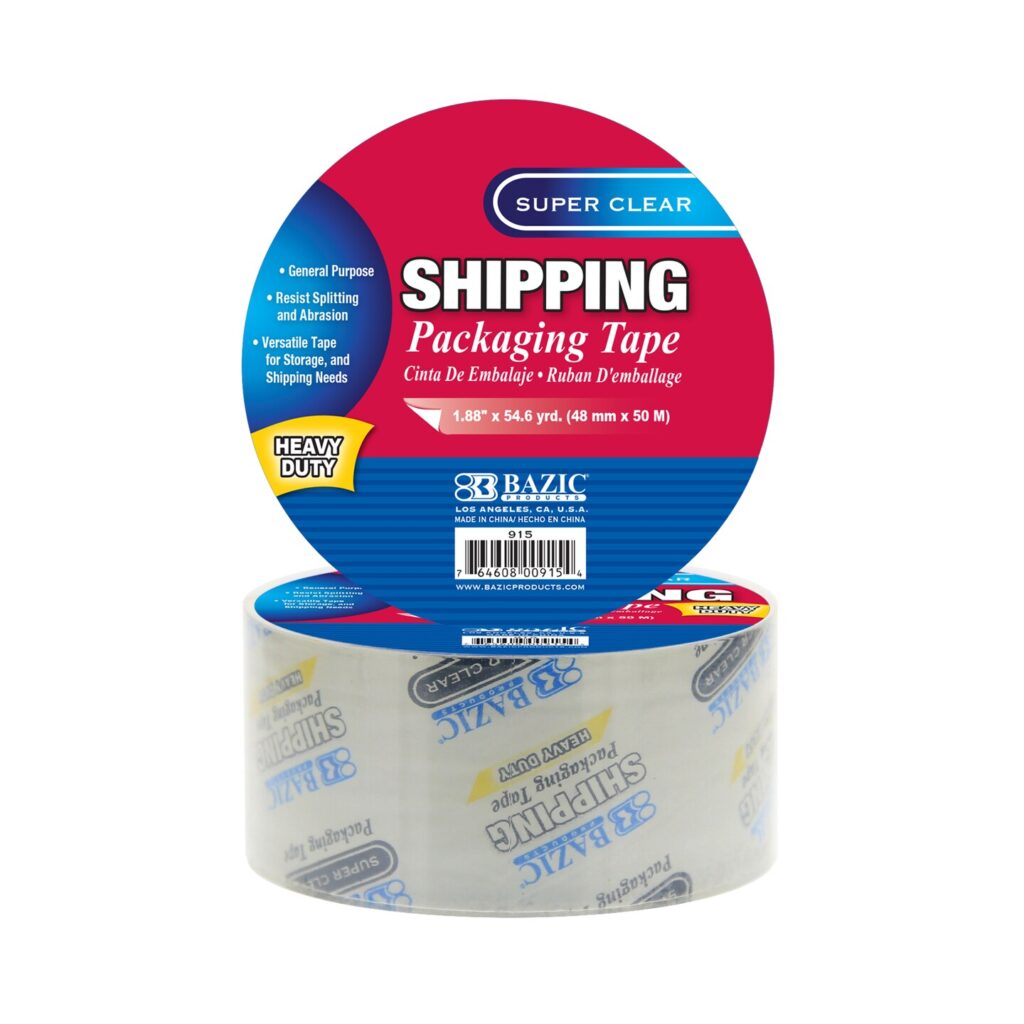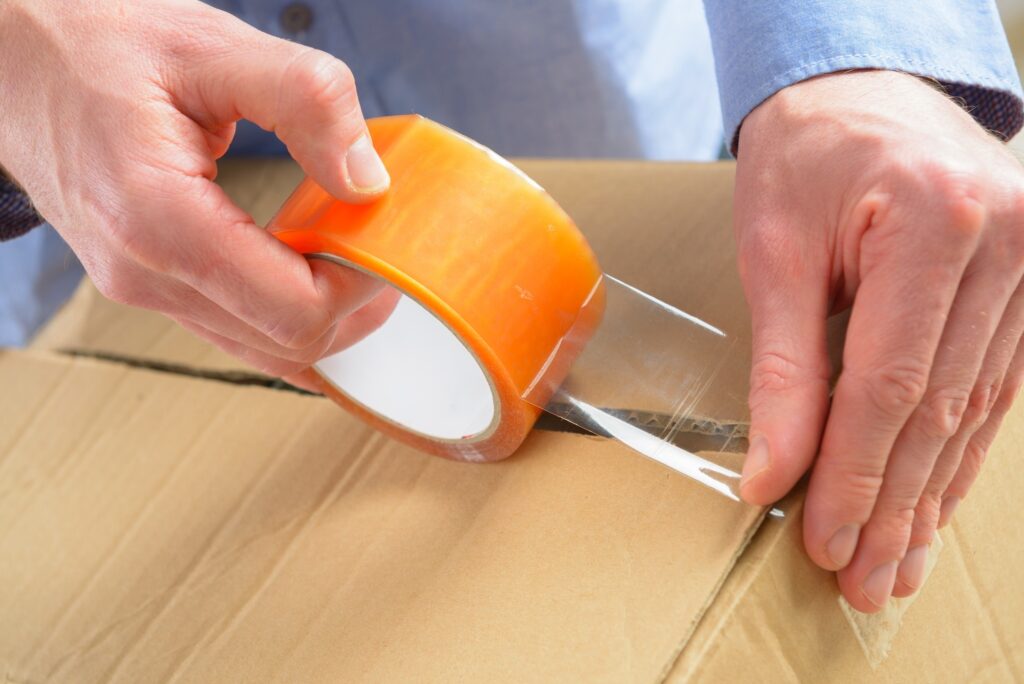
Introduction: Navigating the Global Market for High transparency carton sealing tape
Sourcing high transparency carton sealing tape for premium brand visibility presents a complex procurement challenge for international B2B buyers. When packaging integrity must withstand diverse climate conditions—from the humid supply chains of Vietnam to the precision-driven logistics of Germany—standard sealing solutions often compromise product presentation with yellowing, fish eyes, or adhesive failure. The global marketplace demands more than basic carton sealing; it requires crystal-clear protection that maintains aesthetic excellence across continents while navigating complex supplier networks, currency fluctuations, and varying regional quality standards.
How Can Procurement Teams Navigate Quality Variations in Global Tape Markets?
This guide addresses the critical pain points facing purchasing managers across Africa, South America, the Middle East, and Europe. We examine the technical distinctions between biaxially oriented polypropylene films and solvent-based acrylic adhesives that ensure true UV resistance and optical clarity without defects. Beyond material specifications, we explore rigorous supplier vetting methodologies, total cost of ownership calculations including international shipping logistics, and compliance standards that vary significantly between emerging and established markets.
What Comprehensive Solutions Will This Guide Provide for Cross-Border Sourcing?
From evaluating super clear versus ultra-clear formulations to understanding custom converting capabilities, private labeling options, and just-in-time inventory management, this resource empowers strategic decision-making. Whether securing label protection for retail visibility, ensuring durable seals for heavy-duty export packaging, or optimizing cash flow through flexible procurement programs, you will gain actionable insights to select partners capable of delivering consistent, defect-free materials with intelligent pricing structures and reliable lead times—regardless of your operational geography.
Understanding High transparency carton sealing tape Types and Variations
| タイプ名 | 主な特徴 | 主なB2Bアプリケーション | バイヤーのための簡単な長所と短所 |
|---|---|---|---|
| Solvent Acrylic Super Clear BOPP | Biaxially oriented PP film; solvent-based acrylic adhesive; non-yellowing; UV resistant; no “fish eyes” | High-end retail packaging; export shipping; label protection; document lamination | Pros: Superior clarity retention, excellent aging stability, strong adhesion to recycled cardboard. Cons: Higher cost than hotmelt, solvent odor during application, longer cure time. |
| UPVC Ultra-Clear Packaging Tape | Unplasticized polyvinyl chloride film; high conformability; excellent printability; moisture resistant | Produce packaging; flexible film sealing; printer’s rolls; cold storage applications | Pros: Superior conformability to irregular surfaces, excellent ink adhesion for custom printing, good low-temp performance. Cons: Higher price point than BOPP, less tensile strength, potential plasticizer migration concerns. |
| Label Protection & Lamination Grade | Thinner gauge (1.5-2.0 mil); high gloss finish; aggressive initial tack; clean removal properties | Document encapsulation; barcode protection; bookbinding; archival sealing; retail label overlay | Pros: Discreet appearance, preserves legibility of underlying text, immediate bond. Cons: Limited structural strength for heavy cartons, not suitable for load-bearing seals, temperature sensitivity. |
| Heavy-Duty Industrial Clear (2.5+ Mil) | Thicker |
Key Industrial Applications of High transparency carton sealing tape
| 業界/セクター | Specific Application of High transparency carton sealing tape | ビジネスにとっての価値/利益 | このアプリケーションにおける主な調達上の考慮事項 |
|---|---|---|---|
| E-commerce & Retail Distribution | Primary carton sealing for consumer goods; branded packaging overlay; returns management resealing | Maintains product visibility for quality inspection without box opening; enhances unboxing experience and brand perception; reduces tampering suspicion; supports sustainability claims with minimal material usage | UV-resistant acrylic adhesive for tropical storage (Africa/South America); compatibility with automated case sealers; low-noise unwinding for high-speed fulfillment centers; consistent clarity for barcode scanning |
| 食品・飲料輸出 | Cold chain carton sealing; fresh produce overwrap; frozen seafood packaging; regulatory label protection | Enables visual inspection for customs without breaking seals; prevents condensation damage to shipping labels; maintains seal integrity in high-humidity environments; supports HACCP visual verification protocols | FDA/EU food contact compliance; cold-temperature adhesion performance; moisture-resistant adhesive for humid climates (Southeast Asia/Middle East); non-yellowing formula for extended shelf appearance |
| Electronics & Precision Manufacturing | Cleanroom carton sealing; anti-static bag sealing; component box identification overlay; warranty seal protection | Presents premium aesthetic for high-value goods; ensures serial numbers remain scannable through seal layer; prevents electrostatic contamination when paired with appropriate films; facilitates visual inventory checks | Low-outgassing adhesive for sensitive components; anti-static properties; precise width tolerances for automated application (German/Vietnamese manufacturing standards); residue-free removal for reusable packaging |
| Publishing & Archival Institutions | Book spine reinforcement; document edge sealing; library repair; archival folder lamination | Provides invisible repair maintaining original aesthetics; prevents paper degradation from handling; offers acid-free protection when specified; reduces replacement costs for rare materials in national collections | Archival-safe adhesive (pH neutral); non-yellowing guarantee for 10+ years; easy manual application without heat equipment; compatibility with various paper stocks and inks used in tropical climates |
| Pharmaceutical & Healthcare | Tamper-evident carton sealing; clinical trial material packaging; medical device sterile barrier protection; regulatory label overlay | Provides visible seal integrity for |
A stock image related to High transparency carton sealing tape.
3 Common User Pain Points for ‘High transparency carton sealing tape’ & Their Solutions
Scenario 1: Why Do Automated Warehouse Systems Fail to Scan Barcodes Through Carton Sealing Tape?
問題だ: In high-throughput distribution centers across Germany and Vietnam, automated scanning tunnels frequently reject cartons sealed with standard “clear” tape that exhibits micro-bubbles or haze. When tape opacity exceeds 5% light scattering, laser scanners misread barcodes, triggering manual handling delays and disrupting JIT inventory systems. B2B buyers sourcing for omnichannel fulfillment face unexpected labor costs and shipping delays when tape clarity specifications are unspecified in procurement contracts.
解決策 Specify biaxially oriented polypropylene (BOPP) film with solvent-based acrylic adhesive systems rated for optical clarity above 90% light transmission. Request haze measurements below 1.5% and verify compatibility with 650nm laser scanning wavelengths. Implement vendor qualification testing using actual warehouse scanning equipment before bulk procurement to ensure seamless integration with existing automated material handling infrastructure.
Scenario 2: How Does High-Transparency Tape Prevent Yellowing in High-UV Environments?
問題だ: Cartons shipped to Middle Eastern and African markets often arrive with amber-tinted sealing tape after prolonged sun exposure during port storage or overland transit. Standard acrylic adhesives oxidize under UV radiation, creating the perception of aged or compromised inventory. This discoloration particularly damages brand perception for premium consumer electronics and pharmaceutical exports where packaging integrity signals product quality to discerning B2B recipients.
解決策 Procure UV-stabilized super clear tapes featuring non-yellowing acrylic formulations and antioxidant additives. Specify tapes with UV resistance ratings exceeding 500 hours per ASTM D4329 testing protocols. For tropical destinations, require suppliers to provide accelerated aging test data demonstrating color stability (ΔE < 2.0) after simulated equatorial sun exposure, ensuring packaging maintains crystal-clear presentation throughout extended supply chain journeys.
Scenario 3: What Causes “Fish Eyes” That Ruin Retail Display Aesthetics?
問題だ: E-commerce brands and retail distributors frequently encounter “fish eyes”—small, visible imperfections in tape film that catch light and create visual distraction on premium packaging. These irregularities result from inconsistent film caliper or inadequate adhesive wet-out during conversion, particularly problematic when tape overlays printed branding or transparent packaging windows. The result is an amateurish unboxing experience that undermines luxury positioning and drives negative customer reviews in competitive European and South American markets.
解決策 Specify cast-coated or super-clear calendered films with thickness tolerances within ±0.5 microns and solvent-based adhesive systems that eliminate air entrapment. Request sample rolls for visual inspection under 5000K daylight simulation to detect micro-irregularities before mass production. For retail-ready applications, specify “crystal clear” or “ultra clear” grades with enhanced surface smoothness (Ra < 0.1 μm) that virtually disappear when applied, preserving product visibility and premium shelf presence.
Strategic Material Selection Guide for High transparency carton sealing tape
Selecting the appropriate substrate for high-transparency carton sealing tape requires balancing optical clarity, mechanical performance, and supply chain economics. For international procurement teams operating across diverse climate zones—from the humid logistics corridors of Vietnam to the temperature-controlled warehouses of Germany—understanding material-specific behaviors ensures packaging integrity and brand presentation. The choice between polypropylene, vinyl, and bio-based alternatives impacts not only aesthetic outcomes but also dispenser compatibility, storage requirements, and end-of-life disposal protocols. Below, we evaluate three primary film technologies that dominate the global market for crystal-clear sealing applications, examining their suitability for high-volume industrial use versus premium retail presentation.
Is BOPP Film the Optimal Balance of Clarity and Cost for High-Volume Export Operations?
Biaxially Oriented Polypropylene (BOPP) film represents the industry standard for high-transparency carton sealing, particularly favored in high-volume export markets across Africa and South America. Through the biaxial orientation process, polypropylene molecules align in both machine and transverse directions, creating a backing with exceptional tensile strength and dimensional stability. When paired with solvent-based acrylic adhesives, BOPP tapes deliver non-yellowing UV resistance and reliable adhesion to corrugated substrates, even under the thermal stress of containerized shipping. While offering sufficient optical clarity for barcode scanning and content visibility, BOPP exhibits slightly hazy characteristics compared to vinyl alternatives and generates audible “whine” during high-speed dispenser application. Its hydrophobic nature provides excellent resistance to humidity and temperature fluctuations, making it ideal for long-haul logistics through tropical and subtropical regions where moisture management remains critical.
When Does UPVC Film Deliver Superior Value Over Polypropylene for Critical Brand Visibility?
Unplasticized Polyvinyl Chloride (UPVC) film provides the premium clarity often specified by Middle Eastern and European retailers where shelf presentation directly influences purchasing decisions. Unlike BOPP, UPVC offers glass-like transparency with minimal light refraction, effectively eliminating the “fish-eye” distortions that can obscure branding elements or shipping documentation beneath the seal. The material’s softer hand and superior conformability allow it to adhere effectively to irregular carton surfaces, textured recycled board, and curved edges. Additionally, UPVC unwinds silently—a critical ergonomic advantage for high-speed packaging
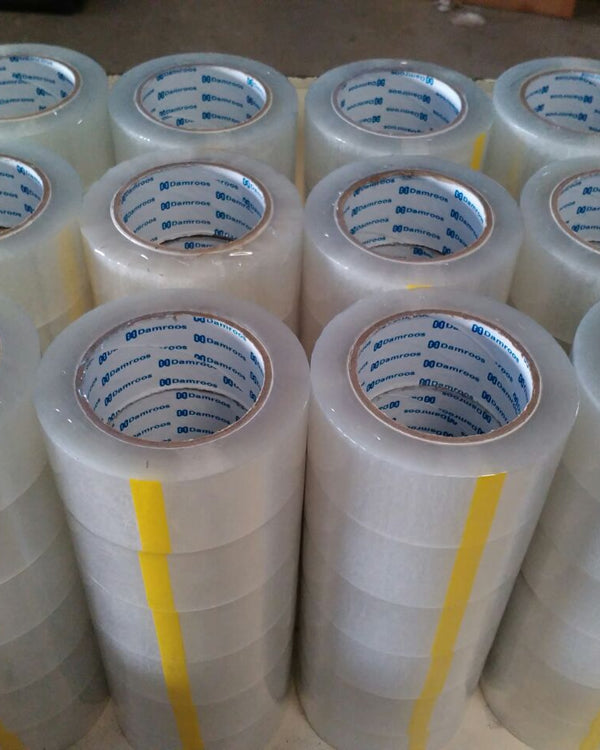
A stock image related to High transparency carton sealing tape.
In-depth Look: Manufacturing Processes and Quality Assurance for High transparency carton sealing tape
High transparency carton sealing tape represents the convergence of advanced polymer science and precision converting technology. For B2B procurement teams managing international supply chains across diverse climates—from the humidity of Southeast Asian ports to the temperature fluctuations of European logistics hubs—understanding the manufacturing intricacies behind these tapes is essential for quality assurance. The production of optical-grade clear sealing solutions involves sophisticated biaxially oriented polypropylene (BOPP) film engineering coupled with specialized adhesive formulation to achieve the crystal-clear aesthetics and mechanical reliability demanded by premium packaging applications.
How Is High Transparency Carton Sealing Tape Manufactured?
The manufacturing process begins with the extrusion of virgin polypropylene resin into cast film, followed by biaxial orientation—simultaneous stretching in both machine and transverse directions. This molecular alignment creates the high tensile strength and low haze characteristics essential for super-clear packaging tape. The oriented film then undergoes corona treatment to enhance surface energy before precision coating with solvent-based acrylic adhesive systems. Unlike hot melt alternatives, solvent acrylic coatings provide superior optical clarity and long-term aging resistance, though they require controlled drying tunnels to eliminate residual solvents without introducing bubbles or streaks. Advanced manufacturers employ closed-loop tension control systems during winding to prevent telescoping and ensure uniform roll geometry critical for automated dispensing in high-volume export packaging operations.
What Raw Materials Ensure Superior Clarity in Packaging Tapes?
Optical performance hinges on the selection of low-haze BOPP films manufactured from high-purity isotactic polypropylene with minimal nucleating agents. Premium grades utilize virgin resin rather than recycled content to eliminate contamination risks that create “fish eyes”—microscopic gel particles that disrupt transparency. The adhesive layer typically comprises solvent-based acrylic polymers cross-linked with specific tackifiers that maintain refractive indices closely matching the film substrate, minimizing interface distortion. For markets requiring extended outdoor storage or exposure to intense UV radiation—common in Middle Eastern and African supply chains—manufacturers incorporate hindered amine light stabilizers (HALS) and UV absorbers directly into the adhesive matrix rather than applying them as surface coatings, ensuring the non-yellowing properties remain intact throughout the product lifecycle.
Which Production Techniques Eliminate Optical Defects Like Fish Eyes?
Maintaining defect-free clarity requires cleanroom-grade coating environments with positive-pressure air filtration systems rated at ISO Class 8 or better. Adhesive solutions undergo multi-stage filtration through mesh screens finer than 100 microns to remove gel particles and foreign matter before application. During the coating process, precision slot-die or reverse-roll coating heads maintain micron-level gap control to prevent streaking, while inline vision inspection systems utilizing high-resolution cameras detect optical imperfections at speeds exceeding 300 meters per minute. For B2B buyers sourcing for luxury goods or retail-ready packaging, verifying that suppliers employ statistical process control (SPC) on coating thickness variance—typically maintained within ±0.1 mil tolerance—ensures consistent transparency across production lots.
How Do Manufacturers Achieve UV Resistance and Non-Yellowing Properties?
UV degradation presents significant challenges for tapes stored in outdoor warehousing common in South American and Southeast Asian markets. Manufacturers combat photochemical degradation through the incorporation of benzotriazole UV absorbers and antioxidant packages that neutralize free radicals before they attack polymer chains. Accelerated aging tests utilizing QUV weathering chambers simulate six months of equatorial sun exposure to validate color stability, with premium grades maintaining Delta E color shift values below 1.0 after 500 hours of testing. Additionally, the biaxial orientation process itself enhances dimensional stability, preventing the shrinkage and adhesive ooze that often accompany thermal cycling in containerized shipping environments.
What Quality Control Measures Validate Performance for International Export?
Comprehensive QC protocols for global distribution must address both mechanical performance and climatic adaptability. Standard testing includes ASTM D3330 peel adhesion validation to ensure consistent tack across varying humidity levels (20% to 80% RH), critical for African and Middle Eastern destinations where desiccant containers may fail. Tensile strength testing per ASTM D3759 verifies that the oriented film withstands the shear forces of automated case sealing at high speeds. For transparency verification, haze meters quantify light diffusion, with export-grade tapes requiring haze values below 2% and gloss measurements exceeding 90 GU at 60 degrees. Reputable suppliers also conduct climate chamber cycling between -20°C and 60°C to simulate transcontinental shipping conditions, ensuring the adhesive system maintains balanced tack and holding power without embrittlement or gumming.
How Does Thickness Calibration Impact Sealing Reliability?
Caliper consistency—typically ranging from 2.0 to 2.6 mils for standard duty and 3.0+ mils for heavy-duty applications—directly influences both optical clarity and sealing performance. Variations exceeding ±5% in total thickness can cause tracking issues in automated carton sealers, leading to skewed application and potential seal failure during transit. Precision manufacturers utilize online beta-gauge measurement systems that provide real-time feedback to extrusion and coating lines, maintaining tight tolerances that ensure uniform pressure distribution when sealing corrugated board. For European and German industrial buyers utilizing high-speed packaging lines, specifying thickness uniformity within ±3% prevents the micro-wrinkling that can compromise both aesthetics and seal integrity during pallet stacking.
What Certifications and Compliance Standards Should Global Buyers Verify?
When sourcing for international markets, B2B procurement teams should demand ISO 9001:2015 certification for quality management systems, ensuring consistent batch-to-batch performance. For European distribution, REACH compliance and RoHS certification verify the absence of restricted substances in adhesive formulations. Food-contact applications require FDA 21 CFR 175.105 compliance or EU Regulation 10/2011 certification, ensuring that tape used on secondary packaging near consumables meets migration limits. Additionally, suppliers offering private-label programs should demonstrate capability in custom slitting and spooling with barcoding and traceability systems that support your inventory management requirements across multi-regional distribution networks.
Practical Sourcing Guide: A Step-by-Step Checklist for ‘High transparency carton sealing tape’
Procuring high-transparency carton sealing tape requires more than comparing unit prices. For international operations spanning humid tropical zones to arid Middle Eastern climates, buyers must verify optical consistency, adhesive chemistry, and supply chain flexibility. This checklist distills critical procurement criteria to mitigate defects like “fish eyes,” yellowing, or adhesive failure during cross-border transit.
How Do You Define Optical Clarity Specifications for Cross-Border Retail Applications?
Distinguish between standard clear and ultra-clear BOPP (biaxially oriented polypropylene) films. Specify solvent-based acrylic adhesives that eliminate haze and “fish eyes”—critical for retail packaging where barcode scanning and product visibility drive consumer trust. Request optical transmission rates exceeding 90% and haze measurements below 5% to ensure your sealed cartons present premium shelf appeal in European and Middle Eastern markets.
What Thickness and Film Construction Ensure Durability Across Diverse Climates?
Evaluate thickness options ranging from 2.0 to 2.6 mil for balanced tensile strength and conformability. Thicker films (2.6 mil) resist tearing during automated application while maintaining flexibility for irregular carton surfaces. Verify that the BOPP substrate offers biaxial orientation to prevent splitting under stress, particularly important for heavy-duty exports to African and South American logistics corridors.
How Can You Verify UV Resistance and Anti-Yellowing Properties Before Committing to Volume?
Demand accelerated aging test reports demonstrating non-yellowing performance under UV exposure. Solvent-based acrylic systems typically outperform hot-melt adhesives in tropical sunlight. Request 500-hour QUV test results to validate that clarity persists during extended port storage or desert transit, ensuring labels remain legible and packaging aesthetics endure the supply chain journey.
What Customization Specifications Reduce Waste in High-Volume Operations?
Negotiate custom width conversions—from narrow 1/4 inch strips for label protection to 3-inch machine rolls for automated carton sealers. Clarify MOQs for custom sizes; reputable converters offer low minimums (often under 50 rolls) with 3-5 day lead times. Specify core sizes compatible with your existing dispensers to avoid operational retooling costs in Vietnamese or German distribution centers.
Which Compliance Certifications and Sampling Protocols Protect Your Brand?
Require RoHS and REACH compliance documentation for European imports, plus FDA-compliant adhesives for food-contact applications. Before bulk shipment, insist on pre-production samples tested across your specific carton substrates (recycled corrugate vs. coated stock). Validate tack adhesion ASTM D3330 standards and shear resistance ASTM D3654 to prevent seal failure during humidity fluctuations.
How Should You Structure Logistics Agreements for Just-in-Time Delivery?
Leverage “pay as you pull” inventory programs to free cash flow, particularly valuable for emerging market operations. Confirm trackable shipping options and regional warehousing capabilities. For time-sensitive German manufacturing or Brazilian retail seasons, verify 2-3 day shipping availability on stock sizes and contingency plans for customs documentation in multi-language formats.
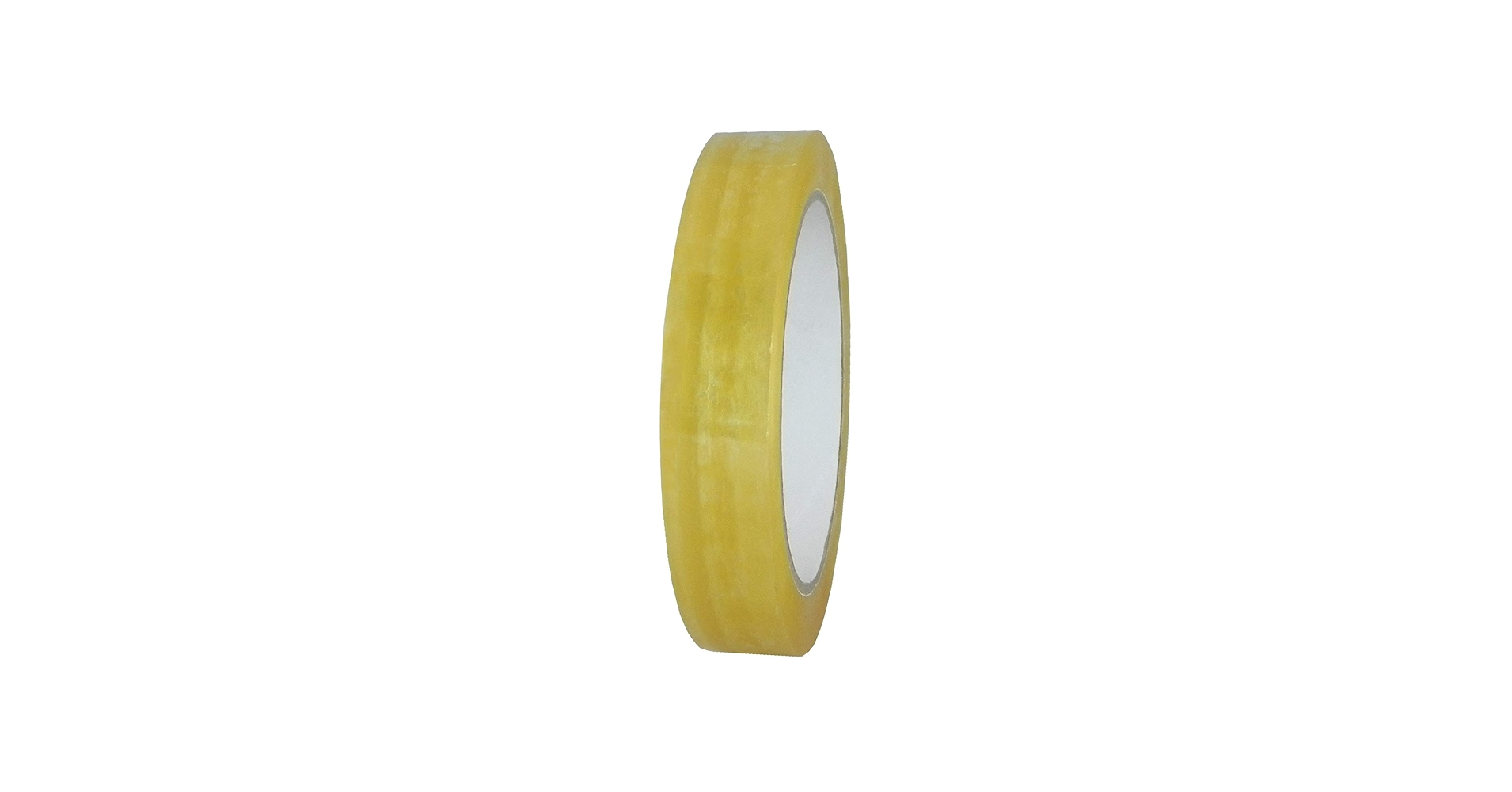
A stock image related to High transparency carton sealing tape.
Comprehensive Cost and Pricing Analysis for High transparency carton sealing tape Sourcing
High-transparency carton sealing tape commands a premium over standard opaque varieties due to specialized resin formulations and manufacturing precision. For procurement teams sourcing from international markets, understanding the granular cost drivers ensures competitive unit economics while maintaining the optical clarity required for retail-ready packaging and label protection applications.
What raw material factors determine base pricing tiers?
The primary cost differentiator lies in the biaxially oriented polypropylene (BOPP) film grade and adhesive system. Solvent-based acrylic adhesives, essential for non-yellowing UV resistance and “no fish eyes” clarity, typically cost 15-25% more than hot-melt or water-based alternatives. Thickness specifications—ranging from 2.0 mil for light-duty sealing to 2.6+ mil for heavy-duty lamination—directly correlate with resin consumption. Super-clear optical grades require premium raw materials with lower haze values and specialized UV stabilizers, impacting per-roll costs significantly compared to standard clear variants. Additionally, anti-aging additives for tropical climates (relevant for African and Southeast Asian markets) add marginal material costs but prevent adhesive degradation during extended transit.
How do volume commitments and MOQs influence unit economics?
Minimum order quantities (MOQs) vary dramatically between stock and custom specifications. Standard widths (48mm/72mm) in 1000-meter machine rolls often ship within 2-3 days with pallet-level MOQs, offering the lowest per-meter pricing. However, custom slitting to narrow widths (12mm–25mm) for bookbinding or specific roll lengths for automated packaging lines increases conversion costs and extends lead times to 3-5 days. Buyers should negotiate “Pay as you Pull” inventory programs where available, converting large annual volume commitments into staggered quarterly releases to optimize cash flow without sacrificing volume discounts. Currency fluctuation clauses in contracts—particularly important for Euro and emerging market currencies—protect against raw resin price volatility.
What logistics considerations impact total landed costs for emerging markets?
For buyers in Africa, South America, and the Middle East, Incoterms selection critically affects final pricing. FOB (Free on Board) arrangements from manufacturing hubs like Vietnam or China provide cost control, but buyers must factor in ocean freight volatility, port congestion fees, and regional import duties (often 5-15% for adhesive products). Air freight for urgent custom orders can triple logistics costs but may be justified for high-value electronics packaging requiring immediate replenishment. Consolidating shipments into full container loads (FCL) rather than LCL (Less than Container Load) typically reduces per-unit freight costs by 30-40%. Warehousing strategies, including bonded warehouse arrangements in regional hubs like Dubai or Rotterdam, can defer duty payments until actual consumption, improving working capital efficiency.
Are there hidden costs in value-added services and compliance?
Private labeling and custom printing add setup fees ($200–$500 per plate for flexographic printing) but eliminate secondary labeling costs and enhance brand presence at point-of-sale. Contract converting services—such as pre-cut lengths or specialized core sizes for high-speed applicators—require tooling investments but reduce warehouse labor downstream. Buyers should evaluate whether bundled “intelligent pricing” models that include conversion services offer better TCO (Total Cost of Ownership) than sourcing commodity tape and converting locally. Additionally, compliance certifications (REACH for European markets, RoHS for electronics packaging) involve testing costs that, while upfront, prevent costly customs rejections or retailer compliance penalties.
Strategic sourcing of high-transparency sealing tape requires balancing optical performance specifications with Incoterms negotiation and volume forecasting. By analyzing material grades against actual application requirements—rather than over-specifying—and leveraging regional consolidation hubs, procurement teams can achieve 10-20% cost optimization while maintaining the crystal-clear presentation essential for premium packaging applications.
Alternatives Analysis: Comparing High transparency carton sealing tape With Other Solutions
When evaluating sealing solutions for export-oriented manufacturing or high-visibility retail distribution, procurement teams must weigh optical clarity against operational constraints. While high transparency carton sealing tape offers distinct aesthetic and protective advantages, two primary alternatives dominate industrial procurement discussions: standard hot melt synthetic rubber tapes and water-activated kraft paper tapes. Each solution presents unique trade-offs regarding initial investment, application throughput, and compliance with regional environmental regulations.
How Does High Transparency Tape Compare to Standard Industrial Alternatives?
| 比較の側面 | High Transparency Carton Sealing Tape | Standard Hot Melt Carton Sealing Tape | Water-Activated Kraft Paper Tape |
|---|---|---|---|
| Visual Clarity & Aesthetics | Crystal-clear BOPP film; UV-resistant, non-yellowing; maintains visibility of branding/labels beneath | Translucent to cloudy appearance; prone to yellowing and oxidation under UV exposure; obscures underlying graphics | Opaque natural kraft or white paper finish; provides matte, professional aesthetic but zero visibility of contents |
| Adhesive Chemistry | Solvent-based acrylic; stable temperature performance (-20°C to 60°C) | Synthetic rubber (hot melt); aggressive initial tack; may soften in extreme heat (Middle East/Africa climates) | Starch-based adhesive activated by water; forms permanent chemical bond with corrugated fibers |
| Cost per Linear Meter | Mid-range premium (5-15% above standard grades) | Lowest cost option; ideal for high-volume, cost-sensitive markets (Vietnam, South America) | Higher material cost; requires dispenser investment; long-term savings via reduced theft/damage |
| アプリケーション・スピード | Compatible with high-speed case sealers; immediate handling | Fastest unwind and tack; suitable for automated lines exceeding 40 cases/minute | Requires 3-5 second dwell time for activation; manual or semi-automated application; slower throughput |
| Security & Tamper Evidence | Low; can be resealed without visible damage | Low; leaves residue but box integrity remains | High; tape tears box surface upon removal; meets TAPA and ISO 17712 standards for high-value shipments |
| Recyclability & Compliance | Requires separation from corrugated; limited recycling in emerging markets | Same separation issues; petroleum-based adhesive | Fully recyclable with box (Repulpable); meets EU Packaging and Packaging Waste Directive (Germany/Europe) |
| Climate Suitability | Excellent humidity resistance; stable in tropical climates (Africa, Southeast Asia) | Risk of adhesive creep in high heat; cold crack issues below 5°C | Sensitive to extreme humidity before application; excellent performance post-curing in varied environments |
Is Standard Hot Melt Carton Sealing Tape More Cost-Effective for High-Volume Operations?
Standard hot melt carton sealing tape represents the pragmatic choice for distribution centers prioritizing throughput over presentation, particularly in price-sensitive markets across Africa and South America where operational margins are thin. Formulated with synthetic rubber adhesives, these tapes deliver aggressive initial tack that performs reliably on dusty or recycled corrugated surfaces common in industrial zones. However, procurement teams should note the significant trade-off in optical quality: the cloudy film lacks the “crystal clear” clarity required for retail-ready packaging or label protection, and the adhesive may soften in the high-temperature environments typical of Middle Eastern logistics hubs. While the per-unit cost is approximately 10-15% lower than high transparency grades, the inability to showcase product branding through the seal often necessitates additional packaging inserts, potentially offsetting material savings for consumer-facing exports.
Can Water-Activated Kraft Paper Tape Replace Clear Solutions for Sustainable Export Packaging?
Water-activated kraft paper tape (WAT) serves as the definitive alternative for B2B buyers navigating stringent European sustainability mandates, particularly German exporters facing Extended Producer Responsibility (EPR) regulations. Unlike polypropylene films that complicate corrugated recycling streams, WAT bonds molecularly with box fibers, creating a tamper-evident seal that destroys the substrate upon removal—critical for high-value electronics and pharmaceutical shipments to Middle Eastern and European markets. While the initial implementation requires capital investment in water-activated dispensers and slows line speeds by 20-30% compared to pressure-sensitive films, the elimination of plastic separation costs and enhanced brand perception among eco-conscious consumers often yields positive ROI within 12-18 months. For manufacturers in Vietnam and South America targeting EU market entry, WAT offers compliance advantages that transparent plastic tapes cannot match, though it sacrifices the immediate visual verification of contents that high transparency tape provides.
Essential Technical Properties and Trade Terminology for High transparency carton sealing tape
When procuring high-transparency carton sealing tape for international logistics or retail presentation, understanding precise technical specifications separates commodity-grade products from performance-engineered solutions. B2B buyers must evaluate metrics beyond basic adhesion to ensure compatibility with automated packaging lines, climate variations across shipping routes, and brand visibility requirements. The following technical properties and trade terminology provide the necessary framework for quality assessment, supplier negotiation, and compliance with regional packaging standards.
What Are the Critical Technical Specifications for High-Clarity Packaging Tape?
Optical Clarity and Haze Measurements
High-transparency tape is quantified by luminous transmittance percentages and haze values—premium grades typically exhibit less than 5% haze and 90%+ light transmission. These optical properties ensure barcode scannability through the tape layer and maintain product visibility for retail display applications. Buyers should request spectrophotometer test reports verifying clarity retention after simulated UV exposure and thermal aging, particularly critical for goods stored in outdoor environments common in Middle Eastern and South American markets.
Film Caliper and Biaxial Orientation
The backing thickness, measured in mils (thousandths of an inch) or microns, directly impacts puncture resistance and machine-handling characteristics. Standard high-clarity tapes utilize biaxially oriented polypropylene (BOPP) films ranging from 1.8 to 3.0 mil (45–75 microns), with 2.6 mil representing heavy-duty specifications suitable for export shipping to humid climates. Thinner films reduce material costs but may compromise seal integrity during container compression or high-temperature transit.
Adhesive Chemistry and UV Stability
Solvent-based acrylic adhesives dominate premium high-transparency applications due to superior aging characteristics and non-yellowing properties compared to rubber-based alternatives. Critical specifications include UV resistance ratings (typically 6–12 months outdoor exposure without degradation) and temperature service ranges, usually -4°F to 150°F (-20°C to 65°C) for standard formulations. This stability prevents adhesive oxidation that creates visible yellowing on white or clear packaging, a common rejection criterion in European retail markets.
引張強さと伸び
Biaxially oriented films provide balanced mechanical properties in both machine and transverse directions, with tensile strength typically exceeding 20 lbs/inch and elongation at break between 100–180%. These specifications ensure the tape maintains seal integrity during box compression and rough handling without filamentation or edge lifting, essential for palletized shipments traversing varied infrastructure quality in African logistics corridors.
What Industry Terminology Should Buyers Know When Sourcing Transparent Sealing Tape?
Fish Eyes and Gel Particles
“Fish eyes” refer to microscopic irregularities or undispersed adhesive gel particles that create visible dots under the film surface, compromising the “invisible” aesthetic required for label protection. Quality-conscious buyers should specify “fish-eye-free” requirements in technical data sheets, particularly for lamination applications where visual perfection affects brand perception.
Crystal Clear vs. Super Clear Designations
While often used interchangeably in marketing materials, “crystal clear” typically denotes water-white clarity with minimal refractive distortion suitable for luxury goods packaging, whereas “super clear” indicates enhanced brightness through specialized BOPP casting techniques. Understanding these grade distinctions prevents specification mismatches between Asian manufacturers and European quality standards.
Solvent Acrylic vs. Hot Melt Systems
“Hot melt” refers to rubber-based adhesives applied in molten state, offering aggressive initial tack but prone to yellowing and thermal degradation. “Solvent acrylic” indicates adhesives cured through solvent evaporation, providing superior transparency retention and long-term adhesion stability essential for archival storage and high-temperature warehouse conditions prevalent in tropical regions.
Machine Grade vs. Hand Grade Specifications
“Machine grade” denotes tapes engineered for automated case sealers with controlled unwind characteristics and precise roll geometry to prevent jams at high speeds (1,000+ boxes/hour). “Hand grade” indicates products optimized for manual dispensers with easy-tear properties, usually distinguished by different core sizes (3-inch vs. 1.5-inch cores) and unwind tension suitable for intermittent application in smaller packaging operations.
Navigating Market Dynamics and Sourcing Trends in the High transparency carton sealing tape Sector
What is driving demand for high-transparency carton sealing solutions in global B2B markets?
The global shift toward retail-ready packaging and premium unboxing experiences has elevated high-transparency carton sealing tape from a commodity to a strategic branding asset. Unlike standard opaque alternatives, super clear BOPP (biaxially oriented polypropylene) tapes provide invisible sealing that maintains product visibility, critical for e-commerce fulfillment and retail display across European and Middle Eastern markets. Emerging economies in Africa, South America, and Southeast Asia—including major manufacturing hubs like Vietnam—are increasingly adopting these solutions to meet stringent international export standards while balancing cost efficiencies, driving demand for grades that offer exceptional optical clarity without premium pricing tiers.
How are material innovations reshaping performance standards for ultra-clear packaging tapes?
Next-generation high-transparency tapes utilize advanced solvent-based acrylic adhesive systems bonded to ultra-clear BOPP films, delivering non-yellowing properties and UV resistance essential for long-term storage and transit through varied climates. Manufacturers have eliminated common optical defects such as “fish eyes” through improved coating technologies, ensuring seamless application on high-speed packaging lines and pristine clarity for label protection and document lamination applications. These material advancements allow converters to offer thinner gauge options—such as 2.6 mil specifications—that maintain tensile strength while reducing material usage, directly addressing freight cost considerations for German importers and storage limitations in emerging markets.
Why are customization and flexible procurement becoming competitive necessities?
B2B buyers increasingly require supply partners capable of delivering custom converted sizes ranging from narrow hand-roll widths to extended machine-length rolls with minimal lead times. Private label and contract converting programs enable distributors across Africa and South America to build brand equity while maintaining inventory agility. Innovative procurement models such as “Pay as you Pull” arrangements, combined with just-in-time (JIT) delivery options and low minimum order quantities (MOQs), prove particularly vital for mid-sized enterprises managing cash flow constraints while responding to seasonal demand fluctuations without carrying excessive inventory risk.
How can international buyers verify sustainable manufacturing practices in tape supply chains?
While solvent-based acrylic adhesives provide superior optical clarity and aging resistance compared to hot-melt alternatives, procurement teams must rigorously evaluate environmental management systems and closed-loop solvent recovery processes that minimize volatile organic compound (VOC) emissions. Responsible suppliers now implement energy-efficient coating technologies and comprehensive material efficiency programs, producing high-performance tapes using reduced film gauges without compromising adhesive mass or shear strength. Buyers should request documentation regarding waste reduction protocols, renewable energy integration in production facilities, and the ability to supply thinner specifications that maintain sealing integrity while significantly reducing plastic consumption per sealed carton.
What role does ethical sourcing play in long-term procurement strategies for emerging markets?
For buyers operating in Africa, South America, and the Middle East, supply chain resilience depends on partnering with converters who maintain transparent ethical labor practices and quality certifications recognized in destination markets like Germany and Vietnam. Comprehensive due diligence should extend beyond the tape manufacturer to upstream film and adhesive suppliers, ensuring compliance with international labor standards and conflict
Frequently Asked Questions (FAQs) for B2B Buyers of High transparency carton sealing tape
What is high transparency carton sealing tape used for in industrial packaging?
High transparency carton sealing tape serves critical functions in industrial packaging where visual verification and presentation quality directly impact supply chain efficiency. Unlike standard opaque tapes, this specialized film allows immediate visual confirmation of carton contents, shipping labels, and handling instructions without unsealing packages. Industries ranging from electronics manufacturing to luxury goods distribution utilize this tape to maintain brand integrity while ensuring tamper-evident security. The optical clarity also supports quality control processes, enabling inspectors to detect moisture intrusion, product shifting, or damage during transit without breaking the seal.
How does high transparency tape improve barcode scanning accuracy in automated warehouse systems?
High transparency tape eliminates optical interference that causes misreads in automated scanning tunnels and handheld laser systems commonly used in modern distribution centers. Standard packing tapes often create glare, shadowing, or refraction that obscures barcode data, resulting in costly sorting errors and manual rework. By utilizing biaxially oriented polypropylene (BOPP) films with solvent-based acrylic adhesives, high transparency variants provide a flat, glass-like surface that allows scanning lasers to pass through unimpeded while protecting label integrity. This capability proves essential for B2B buyers operating high-velocity fulfillment centers where scanning accuracy rates must exceed 99.5% to maintain operational profitability.
What specifications define high transparency carton sealing tape for B2B procurement?
B2B procurement teams should evaluate three critical specifications: optical clarity percentage (measured by haze value, typically <5%), film thickness ranging from 2.0 to 3.0 mils depending on load weight, and adhesive chemistry optimized for specific climate conditions. Premium grades utilize solvent-based acrylic adhesives that resist yellowing and UV degradation, maintaining transparency for 12+ months of storage, whereas hot melt adhesives may offer superior initial tack but reduced clarity over time. Buyers should also verify the absence of “fish eyes” or bubbles in the film structure, which indicate manufacturing inconsistencies that compromise both aesthetics and seal integrity. Requesting technical data sheets (TDS) and samples for optical testing against your specific substrate materials ensures the tape meets your quality assurance protocols.
Can high transparency packing tape be custom printed while maintaining optical clarity for retail display?
Yes, advanced flexographic and digital printing technologies now allow for single-color and multi-color branding on high transparency substrates without significantly compromising optical properties. The key lies in utilizing low-density ink coverage and specialized plate-making techniques that create “reverse print” or spot-color designs, leaving the majority of the tape surface crystal clear for product visibility. B2B buyers should specify water-based or UV-curable inks specifically formulated for BOPP films to prevent adhesive bleed-through and maintain clarity. When sourcing from international manufacturers, request printed samples on your actual carton substrates to verify that the printed elements do not interfere with barcode scanning or create visual distortion when viewed through the tape.
How do I select the appropriate film thickness and adhesive type for high transparency tape in extreme climates?
Climate-specific selection requires matching adhesive chemistry to temperature ranges and humidity levels prevalent in your shipping corridors. For hot and humid climates common in Southeast Asia or South America, solvent-based acrylic adhesives provide superior aging resistance and prevent edge lifting caused by moisture vapor transmission. Cold chain logistics operating in European winters or refrigerated transport require specialized low-temperature acrylic formulations that maintain tack at 0°C to -10°C. Film thickness correlates directly with carton weight: 2.0 mil suits lightweight retail packages under 15kg, while 2.6-3.0 mil heavy-duty grades prevent splitting on double-walled corrugated boxes exceeding 30kg in industrial applications.
What is the difference between crystal clear, super clear, and ultra clear carton sealing tape for industrial buyers?
These marketing terms represent distinct optical grades with measurable differences in haze values and raw material quality. Crystal clear tapes typically offer standard clarity with slight cloudiness acceptable for general shipping, while super clear variants utilize premium-grade BOPP resins with enhanced biaxial orientation to achieve <3% haze values. Ultra clear represents the highest tier, employing specialized coatings and contamination-free manufacturing environments to deliver near-glass transparency ideal for retail display packaging and high-resolution barcode protection. B2B buyers should request haze measurement reports rather than relying on descriptive terminology, as industry standards vary by manufacturer and region.
How can I ensure consistent optical clarity and UV stability when sourcing high transparency tape for export logistics?
Establishing material traceability and UV resistance certifications prevents quality degradation during extended sea freight and warehouse storage. Require suppliers to provide UV resistance testing data showing less than 2% yellowing index change after 500 hours of accelerated aging (ASTM G154). Specify non-yellowing antioxidant additives in the adhesive formulation, particularly for shipments to high-sunlight regions like the Middle East or Africa. Implement incoming quality control protocols that include visual inspection against master samples and spectrophotometer testing for haze values, ensuring each production lot maintains the optical standards required for automated scanning and retail presentation.
What are the standard MOQs and lead times for custom width and length rolls in international B2B procurement?
International sourcing of custom-converted high transparency tape typically requires minimum order quantities (MOQs) ranging from 50 to 200 cases depending on slit width complexity and core size specifications. Standard stock sizes (48mm x 100m) usually ship within 2-3 business days from regional distribution centers, while custom widths or extended machine lengths (1000m+) require 3-5 weeks production lead time plus transit. B2B buyers should negotiate “pay as you pull” inventory programs or consignment stocking agreements to reduce working capital requirements while ensuring supply continuity. When sourcing from overseas manufacturers, factor in 4-6 weeks additional transit time for sea freight or utilize air freight for urgent custom orders, balancing cost efficiency against supply chain velocity requirements.
重要な免責事項および利用規約
⚠️ 重要な免責事項
メーカー、技術仕様、市場分析に関する内容を含め、本ガイドラインで提供される情報は、情報提供と教育目的のみのものです。専門的な調達アドバイス、財務アドバイス、または法的アドバイスを提供するものではありません。.
B2Bバイヤーは、独自の徹底的なデューデリジェンスを行う必要がある。 をご覧の上、ご購入をお決めください。本ガイドに記載された情報を信頼した場合のリスクは、読者が単独で負うものとします。.
Top 1 High Transparency Carton Sealing Tape Manufacturers & Suppliers List
1. Dunpron – OPP Tape No.3
ドメイン us.metoree.com
登録:2020年(6年)
はじめに This company, Dunpron – OPP Tape No.3, is a notable entity in the market.
Strategic Sourcing Conclusion and Outlook for High transparency carton sealing tape
As global e-commerce and retail presentation standards converge, high transparency carton sealing tape has evolved from a commodity input to a strategic packaging asset. For procurement teams operating across Africa, South America, the Middle East, and Europe, sourcing decisions now extend beyond basic adhesive strength to encompass optical clarity, supply chain resilience, and brand-aligned customization capabilities.
How Can B2B Buyers Future-Proof Their Tape Sourcing Strategy?
Future-ready procurement requires partnering with suppliers offering biaxially oriented polypropylene films with solvent-based acrylic adhesives that guarantee non-yellowing performance and UV resistance. This ensures packages maintain premium aesthetics throughout extended international shipping cycles. Prioritize vendors capable of delivering custom converted sizes—from narrow widths for label protection to machine-length rolls—without prohibitive minimum order quantities, thereby optimizing inventory cash flow and supporting just-in-time manufacturing models.
What Regional Factors Drive Strategic Sourcing Decisions?
For markets in Africa, South America, and the Middle East, where climate variability poses distinct challenges, selecting tapes with superior temperature stability and humidity resistance becomes critical. European buyers, particularly in Germany and Vietnam’s manufacturing hubs, increasingly require rapid fulfillment models (2-3 day standard shipping) alongside private labeling and contract converting programs that ensure brand consistency across diverse distribution networks.
The outlook points toward intelligent sourcing partnerships that balance technical material specifications—such as defect-free clarity with no fish eyes—with agile logistics, enabling businesses to meet uncompromising visual standards while maintaining cost efficiency in competitive global markets.