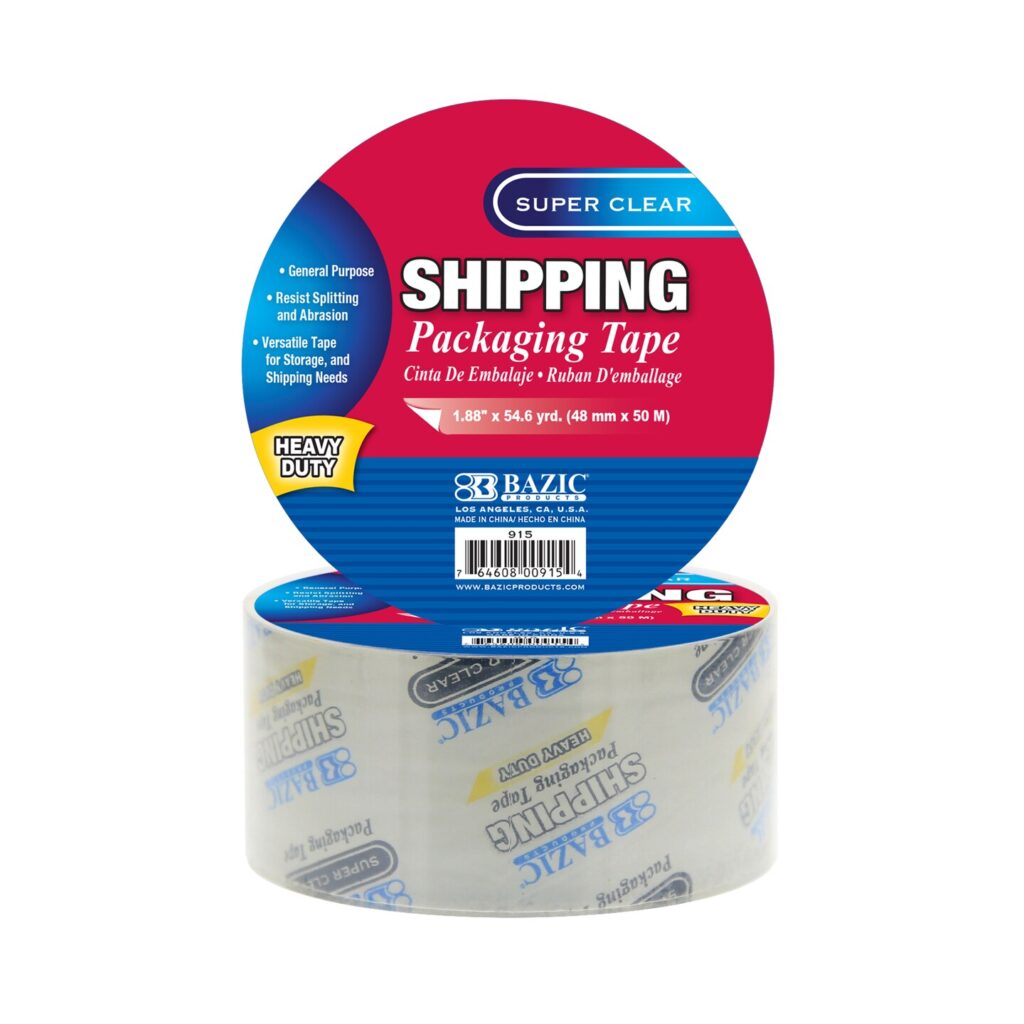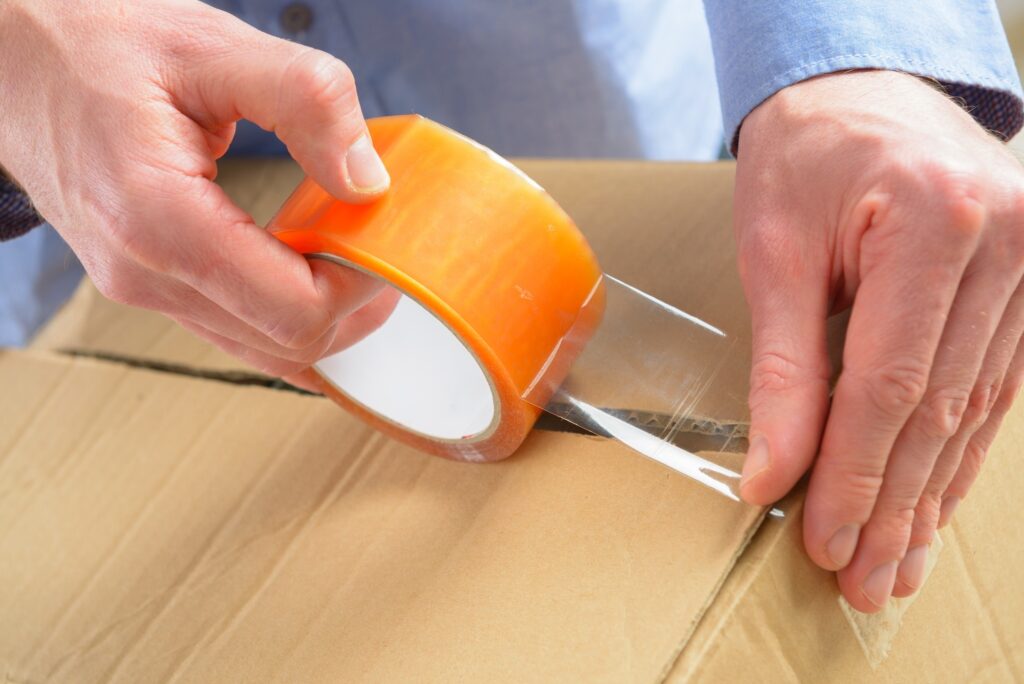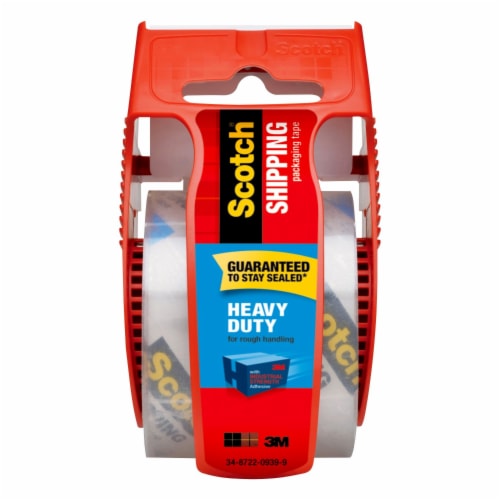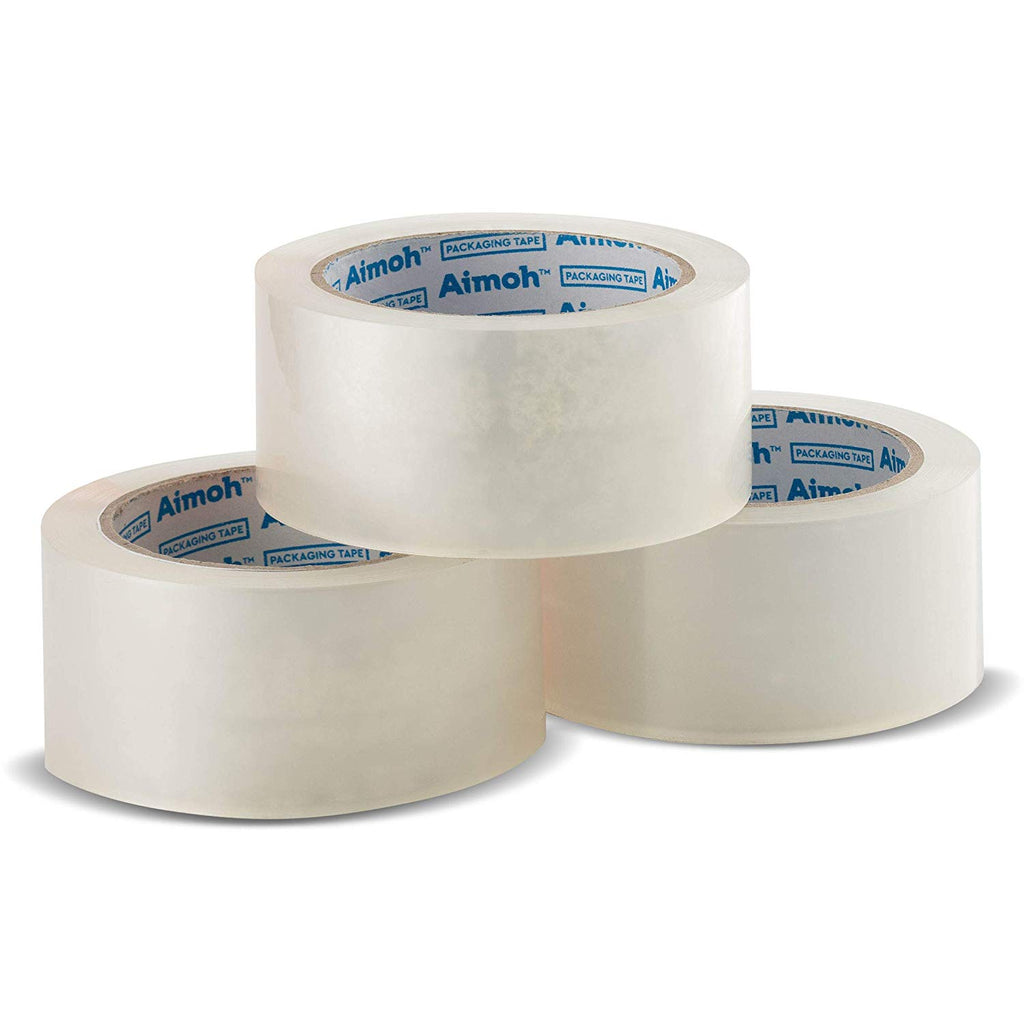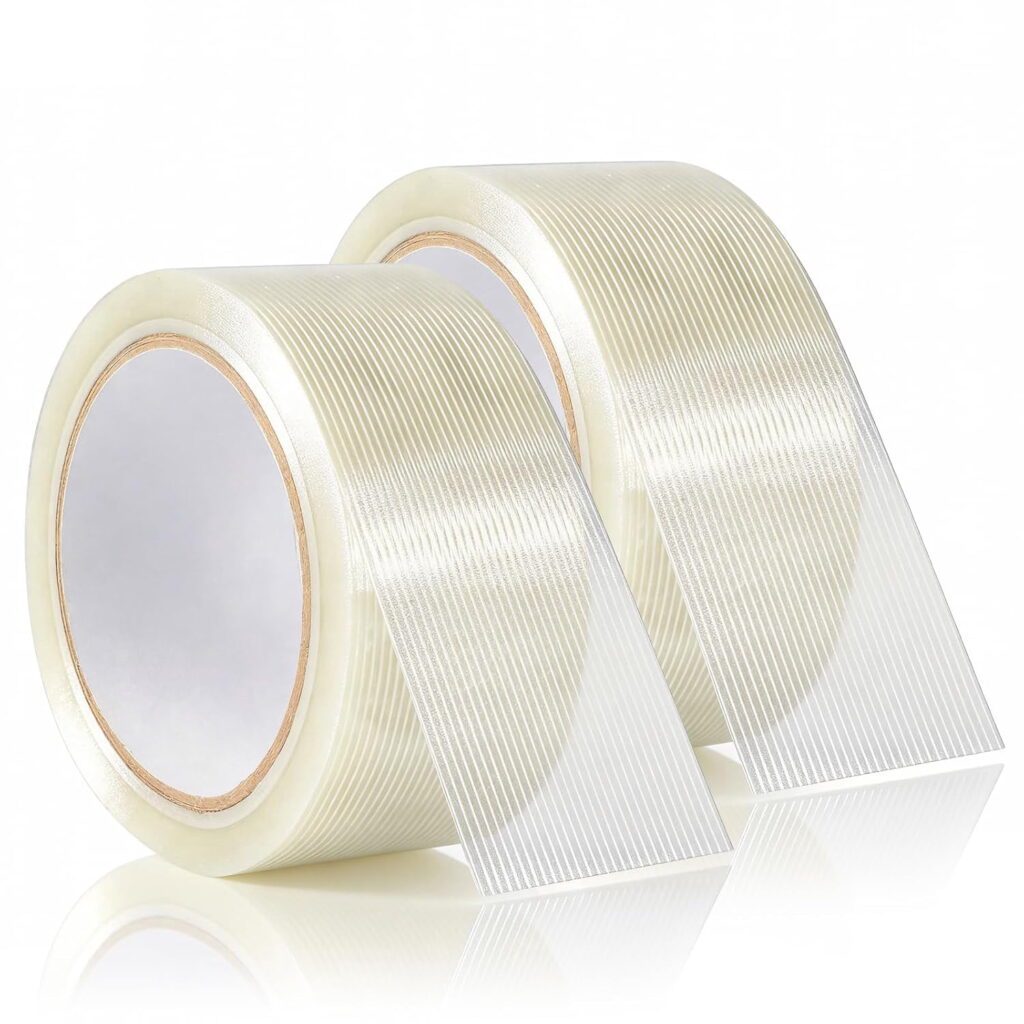
Introduction: Navigating the Global Market for Carton sealing tape
いつ sourcing carton sealing tape for high-volume export operations, procurement teams face a complex landscape where adhesive performance, regulatory compliance, and supply chain reliability intersect. Whether you’re managing logistics for Brazil’s booming e-commerce sector, Vietnam’s manufacturing hubs, or distribution networks across the Middle East and Africa, the difference between substandard and industrial-grade sealing solutions can mean the difference between damaged goods and intact deliveries across continents.
What Challenges Do International Buyers Face When Sourcing Carton Sealing Tape?
International buyers navigating the global tape market encounter significant friction points: inconsistent mil thickness standards between regions, varying adhesive formulations suited for tropical versus temperate climates, and the challenge of vetting manufacturers across time zones and regulatory frameworks. The stakes escalate when you consider that failed seals in transit don’t just damage products—they erode client trust, compromise tamper-evident security protocols, and trigger costly insurance claims that far exceed initial procurement savings.
How Can This Guide Optimize Your Technical Selection and Supplier Vetting?
This comprehensive resource dismantles these procurement barriers by examining critical selection criteria—from understanding UPVC versus BOPP film compositions to evaluating solvent-based natural rubber adhesives rated for specific tensile strengths. We dissect application-specific requirements for medium-duty carton sealing, explore color-coding systems for warehouse efficiency, and provide frameworks for assessing suppliers’ heat-shrinkable and printable tape capabilities. Specifically tailored for emerging markets, we address humidity-resistant adhesion for tropical climates and compliance with EU packaging directives.
By the final section, you’ll possess actionable benchmarks for cost optimization, quality verification protocols, and logistics strategies that transform carton sealing from a commodity purchase into a strategic supply chain advantage.
Understanding Carton sealing tape Types and Variations
| タイプ名 | 主な特徴 | 主なB2Bアプリケーション | バイヤーのための簡単な長所と短所 |
|---|---|---|---|
| PVC (Vinyl) Carton Sealing Tape | UPVC film (30–35 micron), solvent-based natural rubber adhesive, quiet unwind, heat-shrinkable, printable surface | Medium-to-heavy duty sealing, export logistics, temperature-variable environments, branded packaging | Pros: Superior adhesion, noiseless application, professional aesthetic, compatible with heat-shrink tunnels. Cons: 20–30% price premium over polypropylene, potential plasticizer migration in extreme heat. |
| BOPP (Polypropylene) Carton Sealing Tape | Biaxially oriented film (40–50 micron), acrylic or hot melt adhesive, high tensile strength, cost-optimized | High-volume e-commerce, general shipping, light-to-medium duty carton sealing | Pros: Economical for bulk procurement, excellent moisture resistance, consistent automated application. Cons: Noisy unwind requiring hearing protection, limited conformability, hot melt variants sensitive to tropical heat. |
| 水活性クラフト紙テープ(WAT) | Kraft paper backing with starch adhesive, requires water activation, reinforced with fiberglass options | Sustainable packaging initiatives, tamper-evident sealing, luxury goods, food industry exports | Pros: 100% recyclable with boxes, tamper-evident bond, strong penetration into recycled fibers. Cons: Requires capital investment in dispensers, slower line speeds, unsuitable for humid storage conditions. |
| Heavy-Duty Industrial Grade Tape | Thickness 2.5+ mil (60+ micron), UV-stabilized adhesives, reinforced backing, |
Key Industrial Applications of Carton sealing tape
| 業界/セクター | Specific Application of Carton sealing tape | ビジネスにとっての価値/利益 | このアプリケーションにおける主な調達上の考慮事項 |
|---|---|---|---|
| Eコマースとサードパーティロジスティクス(3PL) | High-volume fulfillment center carton sealing, automated packing lines, and returns processing | Operational efficiency through reliable seals; reduced damage claims; quiet unwind improves warehouse working conditions | High-tack acrylic or natural rubber adhesives for humid climates; compatibility with automated dispensers; bulk case quantities for high throughput |
| Agricultural Export & Commodities | Green coffee, cocoa, and spice container sealing for ocean freight; jute bag reinforcement | Moisture barrier protection during long-haul shipping; tamper evidence for customs inspections; prevents commodity spillage | UV-resistant PVC formulations; humidity-resistant solvent-based adhesives; tan/clear color options for UV reflection in tropical storage |
| Food & Beverage Manufacturing | Secondary packaging for canned goods, beverage multi-packs, and cold chain distribution boxes | Temperature stability from production to retail; food-safe adhesion; maintains brand appearance through supply chain | FDA/EU compliant adhesive standards; freezer-grade performance; printable surfaces for lot coding and traceability |
| Automotive Parts & Heavy Manufacturing | Export packaging for machined components, engine parts kitting, and heavy hardware distribution | Heavy-duty seal strength prevents box burst under weight; abrasion resistance during rough handling; dust-sealing for precision parts | High tensile strength (40+ lbs/in); solvent-based natural rubber for oily/dusty surfaces; thick 2.4+ mil film for puncture resistance |
| 医薬品・ヘルスケア流通 | Temperature-sensitive drug shipments, medical device sterile packaging, and clinical supply logistics | Tamper-evident security for regulatory compliance; clean removal for inventory access; contamination prevention | Pharmaceutical-grade adhesion standards; printable for batch tracking; consistent unwind tension for automated packaging lines |
How Does E-commerce Logistics Optimize Fulfillment with Carton Sealing Tape?
For high-volume fulfillment centers serving international markets, carton sealing tape functions as a critical automation-compatible consumable. In regions like Brazil and Vietnam where humidity fluctuates significantly, solvent-based natural rubber adhesives provide superior bonding to recycled corrugated fibers compared to standard acrylics. The quiet unwind properties of premium PVC tapes reduce noise pollution in warehouse environments—a significant occupational benefit for 3PL providers operating 24/7 operations. Buyers should prioritize tapes with consistent unwind tension to prevent jams in automated case sealers, ensuring continuous throughput during peak seasonal demand.
What Role Does Carton Sealing Tape Play in Agricultural Export Protection?
When shipping agricultural commodities such as coffee beans or cocoa from African and South American origins to European ports, carton sealing tape serves as the primary moisture barrier for containerized cargo. The tape’s heat-shrinkable properties allow it to conform to irregular box edges while maintaining seal integrity through temperature fluctuations during ocean transit. For buyers in commodity-dependent economies, sourcing UV-resistant tan or clear PVC formulations prevents adhesive degradation during outdoor storage at ports. The 2.4-mil thickness provides puncture resistance against rough handling by stevedores, ensuring valuable harvests reach processing facilities without spillage or contamination.
Why Is Specialized Carton Sealing Critical for Food & Beverage Cold Chain?
Food exporters require carton sealing tape that maintains adhesion integrity from freezing temperatures through tropical distribution. In the Middle Eastern market, where products often transition from refrigerated containers to ambient temperature retail environments, tape with high elongation (75%+) accommodates box expansion and contraction without seal failure. The printable surface allows manufacturers to apply lot codes and halal certification marks directly onto the tape, eliminating additional labeling steps. Buyers should verify FDA and EU regulatory compliance for indirect food contact, particularly when sealing secondary packaging for canned goods and beverage multi-packs destined for international supermarkets.
How Can Automotive Manufacturers Secure Heavy Components for International Transit?
Automotive parts exporters face unique challenges shipping heavy machined components that generate significant box stress. High-tensile carton sealing tape (42+ lbs/in) prevents “box burst” when stacking engine components or metal hardware for shipment to assembly plants. In dusty manufacturing environments common in Middle Eastern and African industrial zones, solvent-based natural rubber adhesives penetrate corrugated fibers contaminated with fine particulates, maintaining seal security where acrylic tapes would fail. The tape’s abrasion resistance protects against edge wear during the multiple handling points characteristic of automotive supply chains spanning continents.
What Are the Compliance Requirements for Pharmaceutical Carton Sealing?
Pharmaceutical distributors require tamper-evident sealing solutions that meet stringent international health authority standards. Carton sealing tape used for temperature-sensitive biologics must provide immediate visual evidence of breach while maintaining seal integrity through cold chain logistics. For buyers in emerging markets supplying European healthcare systems, printable PVC tapes enable direct application of serialization codes and anti-counterfeiting marks. The clean removal properties allow customs inspectors and hospital pharmacists to access contents without fiber tear, preserving package reusability for returns while ensuring the adhesive leaves no residue that could contaminate sterile environments.
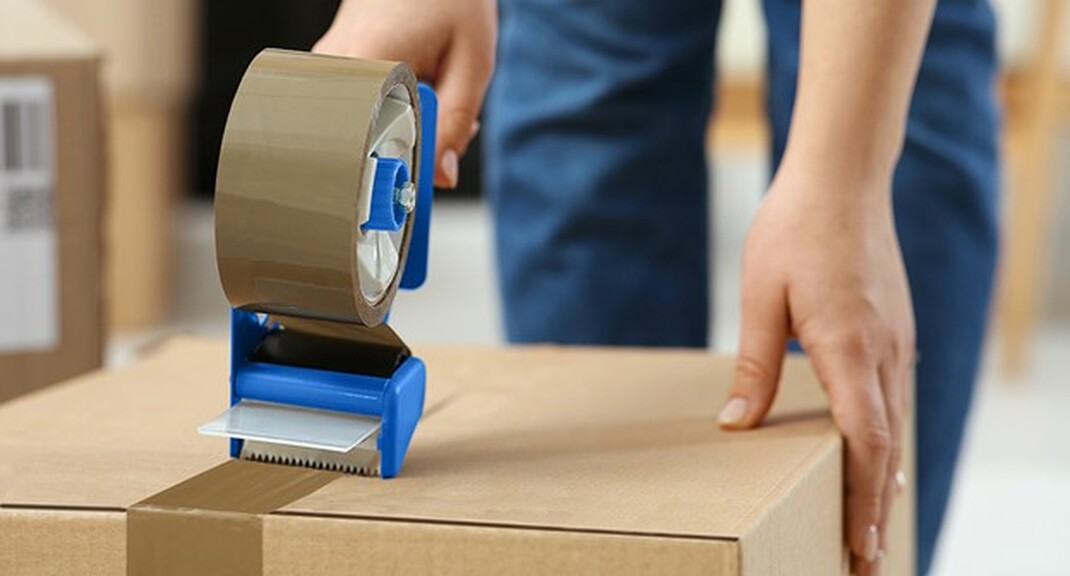
A stock image related to Carton sealing tape.
3 Common User Pain Points for ‘Carton sealing tape’ & Their Solutions
Scenario 1: Why Does Carton Sealing Tape Fail in High-Humidity Tropical Climates?
問題だ: In regions with tropical climates or monsoon seasons, standard carton sealing tape often loses adhesion during long warehouse storage or ocean freight. Acrylic and hot melt adhesives react differently to moisture and temperature fluctuations; buyers frequently report “flagging” (tape lifting at edges) or complete seal failure when containers experience condensation cycles. This leads to product damage, contamination risks, and customs inspection complications—particularly costly for agricultural exports or electronics shipments from Brazil, Vietnam, or West African ports.
解決策 Specify solvent-based acrylic adhesives for shipments requiring UV stability and humidity resistance, as they maintain tack in temperatures up to 150°F (65°C) and high moisture environments. For cold storage or freezer applications common in meat exports, select hot melt synthetic rubber adhesives for superior low-temperature performance. Always verify the tape’s shear strength rating and conduct adhesion tests on actual carton stock, as recycled content percentages vary by region and affect bonding.
Scenario 2: How to Prevent Tape Jams in Automated Case Sealing Machines?
問題だ: When scaling operations to automated packaging lines, buyers discover that hand-grade carton sealing tape causes frequent jams, misfeeds, or inconsistent seals. Thin films (below 1.9 mil) stretch or break under machine tension, while excessive unwind noise violates workplace safety standards. This downtime disproportionately impacts mid-sized manufacturers in emerging markets where technical support for European or Chinese machinery may be limited.
解決策 Source machine-grade tapes with 2.0–3.0 mil thickness and consistent roll concentricity to ensure smooth dispensing. Specify “quiet unwind” formulations for PVC or polypropylene films to reduce noise pollution below 65 decibels. For high-speed lines (exceeding 30 meters/minute), select hot melt adhesives with rapid initial tack to prevent “pop-opens” during conveyor transport. Request sample rolls for compatibility testing with your specific taping head pressure and temperature settings before bulk procurement.
Scenario 3: What Thickness Prevents Seal Failure in Heavy-Duty Export Shipping?
問題だ: Standard 1.8–2.0 mil tapes frequently fail when securing double-wall or triple-wall corrugated boxes exceeding 40kg—common in construction materials, automotive parts, or dense agricultural products shipped from the Middle East and South America. The tape may split under shear forces during forklift handling or stack compression, leading to pallet instability and liability issues during international transit.
解決策 Upgrade to heavy-duty 2.5–3.5 mil thickness with reinforced fiberglass or cross-woven filaments for loads exceeding 25kg per carton. For extreme heavy-duty applications, implement the “H-taping” method using high-tensile polypropylene (tensile strength above 45 lbs/inch) on all box seams, not just center seals. Consider colored PVC options (2.4+ mil) that provide both tamper-evidence and enhanced film strength for high-value exports to European markets requiring ISPM-15 compliance documentation.
Strategic Material Selection Guide for Carton sealing tape
Selecting the optimal substrate for carton sealing tape directly impacts supply chain integrity, operational efficiency, and brand perception across international distribution networks. For procurement teams managing logistics from humid Southeast Asian ports to arid Middle Eastern distribution centers, material selection determines whether shipments arrive intact or suffer seal failures during transit. Understanding the distinct mechanical properties, adhesive compatibilities, and cost structures of available films enables packaging engineers to align procurement decisions with specific climatic challenges, automation requirements, and sustainability mandates prevalent in African, South American, and European markets.
Which Polymer Film Delivers Superior Performance for High-Volume Export Operations?
Biaxially Oriented Polypropylene (BOPP) dominates global carton sealing due to its exceptional tensile strength—typically exceeding 20 lbs/in—and cost efficiency for high-volume procurement. Available in thicknesses ranging from 1.6 to 3.0 mils, this thermoplastic film resists abrasion and moisture while maintaining dimensional stability across temperature variations encountered in containerized shipping from Brazilian manufacturing hubs to European distribution centers. BOPP tapes utilize either hot melt synthetic rubber adhesives for immediate bond strength or acrylic formulations for enhanced UV and aging resistance. While ideal for automated application systems in Vietnamese facilities, the film generates audible unwind noise and exhibits reduced conformability on highly recycled corrugated surfaces, potentially compromising seal integrity on lightweight or double-pressed cardboard common in cost-sensitive markets.
Is PVC Carton Sealing Tape the Right Choice for Noise-Sensitive and Premium Packaging Applications?
Polyvinyl Chloride (PVC) tape represents the premium tier in sealing solutions, distinguished by its notably quiet unwind properties—a critical ergonomic factor for retail operations and office environments across European urban centers. The material’s 35-micron film weight provides superior conformability to irregular corrugated surfaces and recycled fibers, with solvent-based natural rubber adhesives delivering aggressive initial tack (typically 15-20 oz/in) essential for pharmaceutical and food-grade shipments. PVC offers excellent printability and heat-shrink compatibility, supporting branded packaging initiatives in Middle Eastern luxury goods markets. However, the material commands 40-60% higher procurement costs than polypropylene alternatives and exhibits plasticizer migration risks in extreme heat, requiring climate-controlled storage in African and South American regions during peak summer months.
When Should Sustainable Paper-Based Carton Sealing Replace Plastic Films?
Reinforced paper or kraft tape addresses emerging Extended Producer Responsibility (EPR) regulations across African and South American markets where recyclable packaging mandates are tightening. Unlike plastic films requiring separation from corrugated boxes, paper tapes integrate seamlessly into single-stream recycling systems, eliminating contamination fees and supporting circular economy certifications increasingly valued by European importers. These tapes utilize water-activated or pressure-sensitive natural rubber adhesives, offering sufficient tensile strength (15-25 lbs/in) for lightweight consumer goods while providing excellent print surfaces for branding. However, paper substrates lack moisture resistance and exhibit minimal elongation (under 5%), rendering them unsuitable for humid tropical climates or heavy export loads exceeding 25 kilograms where film flexibility proves essential for load containment.
| 素材 | Typical Use Case for Carton sealing tape | 主な利点 | 主な欠点/制限 | 相対コスト |
|---|---|---|---|---|
| BOPP (Biaxially Oriented Polypropylene) | High-volume e-commerce, automated manufacturing lines, general export logistics from Brazil/Vietnam | Exceptional tensile strength and abrasion resistance; compatible with extreme temperature fluctuations | Audible unwind noise; less conformable on recycled corrugated surfaces | 低い |
| PVC (Polyvinyl Chloride) | Premium retail packaging, pharmaceutical distribution, office environments requiring quiet operations | Silent unwind; superior adhesion to recycled fibers; excellent printability and heat-shrink compatibility | Higher material cost; plasticizer migration risk in extreme heat without climate-controlled storage | 高い |
| Paper/Kraft | Eco-conscious consumer goods, lightweight domestic shipping, circular economy initiatives in regulated markets | Fully recyclable with cardboard; no separation required; supports EPR compliance | Limited moisture resistance; lower tensile strength unsuitable for heavy loads or humid climates | ミディアム |
Strategic material selection necessitates balancing mechanical performance against environmental conditions and total cost of ownership. While BOPP serves high-volume logistics operations with optimal economy across diverse climates, PVC justifies its premium in noise-sensitive applications requiring superior adhesion to recycled content, and paper solutions meet regulatory demands for circular packaging systems despite load-bearing limitations that restrict them to lightweight shipments.
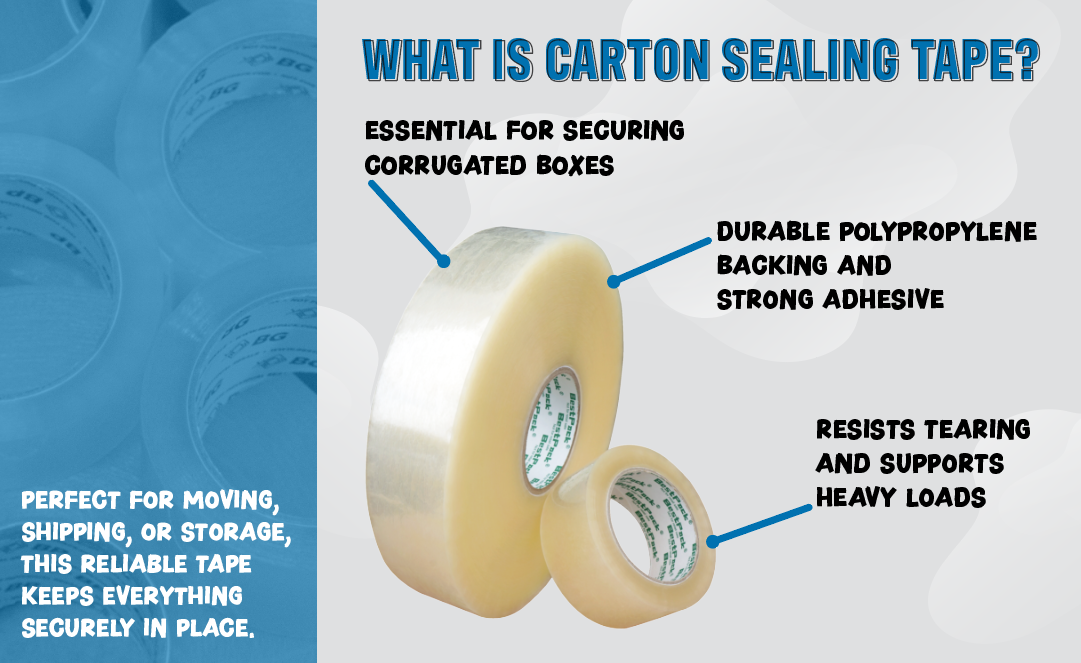
A stock image related to Carton sealing tape.
In-depth Look: Manufacturing Processes and Quality Assurance for Carton sealing tape
What separates commodity-grade tape from industrial-performance solutions starts at the molecular level of manufacturing. For procurement teams sourcing across diverse climates—from the humidity of São Paulo to the dust of Lagos—understanding how carton sealing tape is engineered ensures you specify products that withstand real-world logistics stress rather than merely meeting price points.
What Raw Materials Define High-Performance Carton Sealing Tape?
The substrate selection determines the tape’s fundamental durability. While standard tapes utilize BOPP (Biaxially Oriented Polypropylene) films ranging from 28 to 40 microns, premium industrial grades often employ UPVC (Unplasticized Polyvinyl Chloride) films at 32–35 micron thicknesses. UPVC offers superior dimensional stability and heat-shrink compatibility, critical for export shipments requiring pallet consolidation with heat-wrapped film.
Film orientation matters equally. True biaxial orientation—stretching the film in both machine and transverse directions—creates balanced tensile strength (typically 40–50 lbs/inch) and prevents splitting under shear stress. Buyers should verify that suppliers utilize virgin resin rather than recycled content for the film substrate, as regrind polymers create weak points that fail during temperature fluctuations common in Middle Eastern or African supply chains.
How Do Adhesive Coating Technologies Impact Performance?
The adhesive application represents the most critical variable in manufacturing consistency. Three primary chemistries dominate the market, each suited to distinct operational environments:
Solvent-based natural rubber adhesives deliver aggressive initial tack (15–20 oz/in adhesion) and superior performance on recycled corrugated board. However, they require precise coating weights (typically 20–25 gsm) and controlled drying tunnels to prevent residual solvent odors that can contaminate sensitive goods.
Hot-melt synthetic rubber adhesives offer faster production speeds and consistent coating thickness, making them cost-effective for high-volume operations. These perform excellently in automated case sealers but may become brittle in sub-zero European warehouse conditions.
Water-based acrylic adhesives provide UV stability and aging resistance ideal for long-term storage in outdoor Middle Eastern yards, though they require 24-hour cure times before full adhesion develops.
Advanced manufacturers employ micro-embossing techniques on the adhesive surface to prevent blocking (unwanted sticking between tape layers) while maintaining instant grab properties.
Why Does Precision Slitting Matter for Automated Packaging Lines?
Post-coating conversion determines whether tape performs reliably in high-speed dispensers. Master rolls undergo precision slitting to widths ranging from 48mm to 72mm, with tolerance controls of ±0.5mm. Excessive variance causes tracking errors in automated carton sealers, leading to production downtime that far exceeds any initial material savings.
Winding tension represents another critical control point. Inconsistent tension creates telescoping (layers shifting sideways) or air entrapment that causes flagging (tape lifting at edges) during application. Premium manufacturers utilize laser-guided tension control systems and perform unwind force testing to ensure “quiet unwind” characteristics—essential for warehouse environments where noise reduction impacts worker safety regulations in European and Brazilian facilities.
What QC Tests Ensure Tape Reliability in Extreme Climates?
Quality assurance protocols must simulate accelerated aging and environmental stressors. Reputable manufacturers conduct:
Loop tack testing to measure immediate adhesion strength against standardized corrugated surfaces, ensuring performance on both virgin and 100% recycled board stocks common in emerging markets.
Shear adhesion testing at elevated temperatures (typically 40°C/104°F for 72 hours) to verify the tape won’t slide or fail in containerized shipping through tropical ports.
Low-temperature flexibility testing (often -10°C to -20°C) to validate that tapes destined for European or high-altitude South American distribution won’t become brittle or lose tack.
Elongation testing (targeting 75–150% depending on grade) ensures the tape accommodates box expansion during stacking without snapping.
Additionally, automated vision systems inspect for coating voids, contamination, or film defects at speeds exceeding 300 meters per minute, far surpassing manual inspection reliability.
Which International Standards Should Buyers Verify?
Manufacturing facilities serving global B2B markets should maintain certifications beyond basic ISO 9001. Look for ASTM D5486 compliance for pressure-sensitive tape used for box closure, which specifies adhesion, tensile strength, and elongation minimums. TAPPI T-831 testing for water vapor transmission rates matters for moisture-sensitive goods shipped through humid climates.
For food-contact applications or pharmaceutical logistics, verify FDA 21 CFR 175.105 compliance for adhesive components and RoHS certification ensuring absence of heavy metals. Middle Eastern buyers should specifically request SASO (Saudi Standards, Metrology and Quality Organization) conformity certificates, while European procurement teams need REACH compliance documentation for chemical substance registration.
How to Evaluate Manufacturing Consistency Across Regions?
When auditing suppliers across Asia, Europe, or the Americas, assess process control capabilities rather than just finished product samples. Request statistical process control (SPC) data showing Cpk values (process capability indices) for coating thickness and adhesion consistency—values above 1.33 indicate statistically capable processes.
Evaluate raw material traceability systems. Can the manufacturer trace every roll back to specific resin batches and adhesive lot numbers? This becomes critical for recall management or defect isolation in multi-million unit shipments.
Finally, verify that manufacturing facilities maintain climate-controlled warehousing (typically 20–25°C, 50% RH) for adhesive raw materials. Improper storage of natural rubber adhesives prior to coating can cause premature cross-linking, resulting in tapes that appear fine at purchase but fail catastrophically within 90 days of application.
By scrutinizing these manufacturing variables—from film orientation chemistry to statistical quality controls—procurement teams can specify carton sealing tapes that reduce damage rates, eliminate line stoppages, and protect brand reputation across the most demanding international supply chains.
Practical Sourcing Guide: A Step-by-Step Checklist for ‘Carton sealing tape’
Sourcing carton sealing tape across international markets requires balancing technical performance with supply chain reliability. This checklist helps procurement teams evaluate specifications, verify supplier capabilities, and mitigate risks associated with long-distance shipping and diverse climate conditions—from humid Southeast Asian ports to temperature-variable Middle Eastern logistics hubs.
What Film Thickness and Adhesive Composition Match Your Load Requirements?
Verify that PVC film thickness meets your duty cycle—opt for 32-35 micron (2.2-2.4 mil) for medium-duty applications or heavier gauges for industrial loads. Specify solvent-based natural rubber adhesives for superior adhesion (15+ oz/in) and temperature resistance versus acrylic alternatives. Confirm tensile strength exceeds 40 lbs/in with 70%+ elongation capacity to prevent breakage during high-speed application or rough handling in distribution centers.
How Do You Validate Supplier Quality Consistency Across Batches?
Request third-party test reports verifying adhesion, tensile strength, and elongation consistency. Look for ISO 9001 certification and REACH compliance for European markets. Ask for production batch records to ensure the 32-35 micron film thickness and rubber adhesive formulation remain constant across large orders, preventing application failures that could compromise package integrity during international transit.
Should You Invest in Custom Printed Tape for Brand Protection?
Evaluate suppliers offering custom printing capabilities to enhance brand visibility and tamper evidence. Confirm they provide pre-production proofs or 3D visualization tools to verify logo clarity. Check minimum order quantities (MOQs) for custom runs versus standard clear/tan options. Custom printed PVC tape also offers heat-shrink compatibility for specialized packaging needs, adding value beyond basic sealing functions.
What Climate-Specific Performance Factors Affect Your Region?
For humid climates common in Brazil or Vietnam, verify moisture resistance and mold-resistant adhesive formulations. In Middle Eastern markets, confirm UV stability and high-temperature performance (40°C+). Request “quiet unwind” specifications if operating in noise-sensitive environments like distribution centers near residential areas. These regional adaptations prevent adhesive degradation that causes seal failures before goods reach final destinations.
How Do You Calculate Total Landed Costs Including Logistics Optimization?
Beyond per-roll pricing, analyze shipping density—PVC tape cases should maximize container cube utilization. Verify master carton dimensions (typically 24-36 rolls per case) and pallet configurations to minimize freight costs. Factor import duties based on HS code 3919.10, currency hedging for USD/EUR fluctuations, and inland transportation from port to warehouse. Request FOB, CIF, and DDP pricing options for comprehensive comparison.
Which Pre-Shipment Verification Steps Prevent Receiving Defects?
Conduct sample testing for dispenser compatibility, checking roll diameter consistency and unwind tension. Perform shear adhesion tests simulating 72-hour load conditions. Verify that printed rolls match color specifications (Pantone matching) and that clear/tan rolls show no yellowing or adhesive bleeding. Inspect master carton labeling for proper HS codes, weight declarations, and handling instructions to prevent customs delays.
What Documentation Ensures Compliance with Destination Market Regulations?
Request Material Safety Data Sheets (MSDS) and certificates of origin. For EU destinations, verify RoHS compliance and plastic packaging tax regulations. Brazilian buyers should check INMETRO requirements, while Middle Eastern markets may need SASO conformity certificates. Ensure the supplier provides commercial invoices with accurate micron specifications (32/35 micron) to avoid customs valuation disputes and import duty miscalculations.
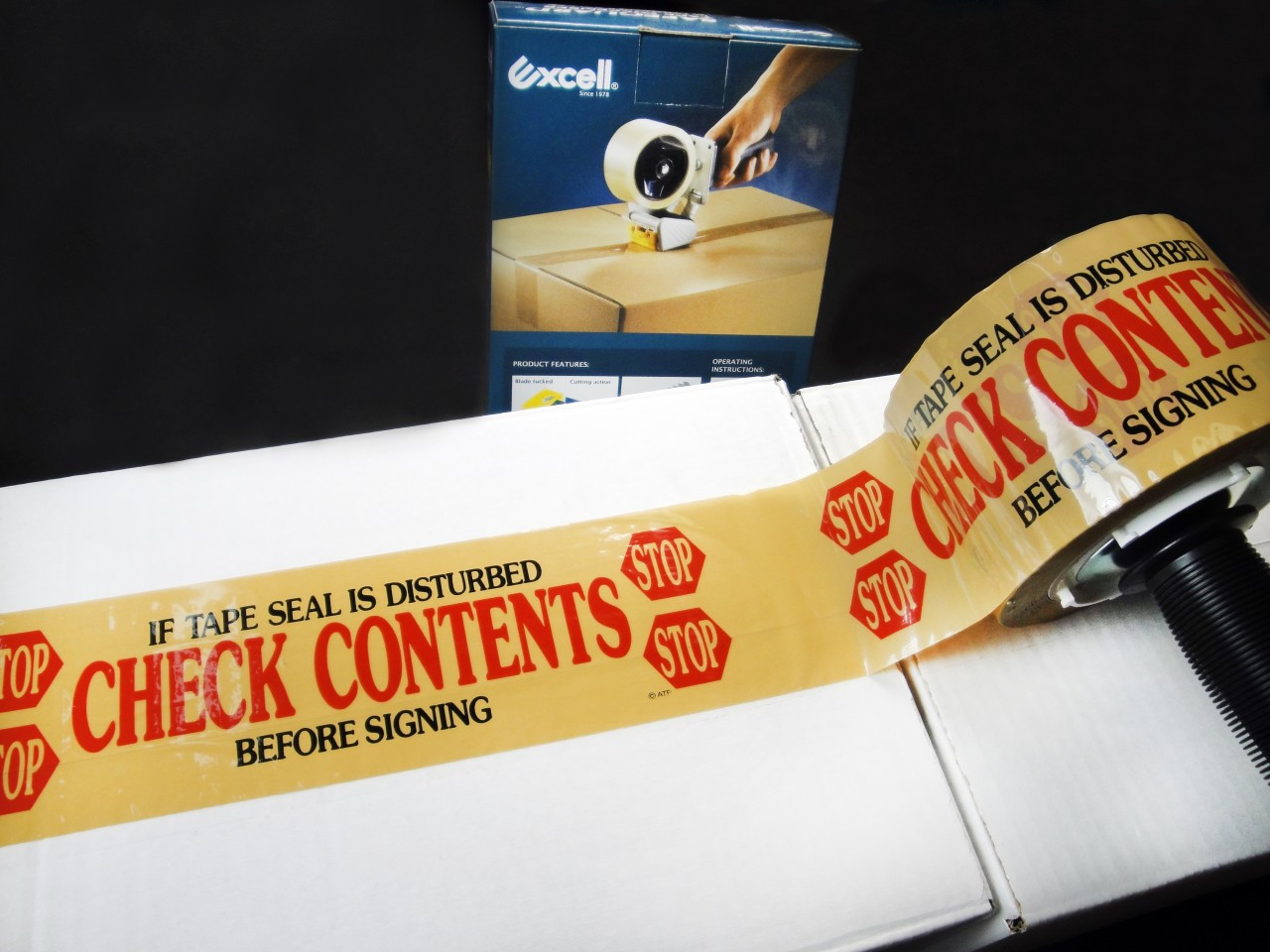
A stock image related to Carton sealing tape.
Comprehensive Cost and Pricing Analysis for Carton sealing tape Sourcing
When sourcing carton sealing tape for industrial packaging operations, understanding the granular cost drivers beyond per-roll pricing is essential for procurement teams operating across emerging markets. The global tape market exhibits significant price volatility based on resin indices, adhesive formulations, and regional manufacturing capacities, requiring buyers to adopt a total cost of ownership (TCO) perspective rather than unit-price comparison alone.
How Do Material Specifications and Micron Thickness Affect Carton Sealing Tape Costs?
The substrate composition and caliper directly determine material expenditure. Standard UPVC (unplasticized polyvinyl chloride) films ranging from 32 to 35 microns offer medium-duty sealing capabilities at moderate price points, while heavier 40+ micron variants command premiums for high-stress applications. Solvent-based natural rubber adhesives, delivering 15 oz/in adhesion strength and 42 lbs/in tensile resistance as seen in industrial-grade specifications, typically cost 15-20% more than hot-melt acrylic alternatives but provide superior performance in extreme temperature environments common in Middle Eastern and South American logistics corridors.
What Volume-Based Pricing Strategies Reduce Per-Unit Procurement Expenses?
B2B buyers should negotiate tiered pricing structures based on case quantities rather than individual rolls. Manufacturers often provide significant unit cost reductions at full container load (FCL) volumes—typically 20-40% below less-than-container-load (LCL) rates. For African and European importers, consolidating orders to achieve 1,000+ case minimums unlocks direct-factory pricing, bypassing distributor markups. Additionally, standard clear and tan formulations offer better economies of scale compared to colored or custom-printed variants, which require specialized production runs and inventory holding costs.
Are Custom Printed Carton Sealing Tapes Cost-Effective for Brand Security?
While custom-printed PVC tapes with company logos or tamper-evident messaging carry 30-50% premiums over stock products, they eliminate the need for additional labels and reduce pilferage risks in high-theft corridors. For Middle Eastern and African distributors, the combined cost of standard tape plus security labels often exceeds that of integrated printed solutions when calculated across 10,000+ carton volumes. Digital printing technologies now enable shorter minimum order quantities (500-case thresholds) compared to traditional plate-based flexography, making customization accessible to mid-tier importers without massive inventory commitments.
How Can International Buyers Navigate Currency Fluctuations and Logistics Costs?
Procurement teams in Brazil, Vietnam, and similar markets must account for USD-denominated raw material costs against local currency volatility. Implementing quarterly price-lock agreements with suppliers hedges against resin price spikes, while negotiating Incoterms that shift freight responsibility to sellers (CIF vs FOB) protects against ocean freight volatility. Storage optimization also impacts TCO; tapes with “quiet unwind” characteristics and heat-shrink compatibility reduce warehouse noise compliance costs and enable denser palletization, lowering cubic meter shipping rates by up to 12% compared to rigid packaging alternatives.
By analyzing micron specifications, adhesive chemistry, and container-level logistics rather than per-roll pricing alone, B2B buyers can achieve 18-25% cost optimization while maintaining seal integrity standards required for international export compliance.
Alternatives Analysis: Comparing Carton sealing tape With Other Solutions
While pressure-sensitive carton sealing tape dominates global supply chains due to its versatility and low barrier to entry, procurement teams in high-growth markets increasingly evaluate automated alternatives for specific operational contexts. Understanding the total cost of ownership, throughput implications, and infrastructure requirements of mechanical or thermal sealing methods enables B2B buyers from São Paulo to Lagos to optimize packaging lines for their specific export volumes and product categories.
| 比較の側面 | カートンシーリングテープ | Hot Melt Adhesive Systems | Plastic Strapping (PP/PET) |
|---|---|---|---|
| 性能とシールの完全性 | Excellent surface adhesion; vulnerable to extreme heat/cold cycles | Superior fiber-tear bond; temperature sensitive (melting point) | Mechanical hold; unaffected by temperature/humidity fluctuations |
| Total Cost of Ownership | Low CapEx; moderate recurring consumable spend | High initial equipment investment; 40–60% lower consumable costs | Medium tool investment; minimal strap coil expenditures |
| Implementation Complexity | Immediate deployment; minimal operator training | Requires technical setup, maintenance protocols, and safety systems | Moderate skill requirement for tensioning; portable tool options |
| 運用の柔軟性 | Accommodates variable box dimensions and seasonal demand | Optimized for uniform case sizes and continuous production | Adjustable for load weight; requires edge access and protectors |
| Throughput Capability | 15–30 cases/min (manual); 40+ (automated case sealers) | 40–100+ cases/min with rotary applicators | 20–40 straps/min (manual tools); slower than tape application |
| ベスト・ユースケース | Multi-SKU operations, e-commerce fulfillment, seasonal exports | High-volume FMCG lines (beverages, electronics) | Heavy agricultural exports, construction materials, palletized freight |
Is hot melt adhesive sealing superior to tape for high-throughput export operations?
Hot melt systems deploy thermoplastic adhesives at 150–200°C to create instantaneous fiber-tearing bonds that resist tampering more effectively than standard tape seals. For Brazilian beverage exporters or Vietnamese electronics manufacturers processing 50,000+ units monthly, the shift from tape to bulk adhesive pellets typically reduces per-seal material costs by 40–60% while eliminating roll-change downtime. However, this requires significant capital investment in dispensing tanks, heated hoses, and application nozzles, with ROI realization periods extending 18–24 months in emerging markets. Operations must also account for maintenance complexity—nozzle clogging and viscosity monitoring demand technical staff availability that may challenge facilities in remote African or Middle Eastern industrial zones with limited equipment support infrastructure.
When does plastic strapping outperform adhesive tape for international shipping?
Polypropylene (PP) and polyethylene terephthalate (PET) strapping provide mechanical closure ideal for heavy agricultural exports, construction materials, and dense consumer goods common in South American and Middle Eastern trade lanes. Unlike adhesive methods, strapping accommodates box deformation and humidity fluctuations inherent in ocean freight without catastrophic seal failure, though it requires edge protectors to prevent corrugated crushing. Manual tensioning tools offer low-cost entry points for growing African manufacturers, while battery-powered friction weld tools improve consistency for mid-tier operations. Procurement teams should note that strapping adds 12–20 seconds per case compared to tape application, potentially creating bottlenecks in high-velocity e-commerce fulfillment environments where tape dispensers maintain superior throughput.
Essential Technical Properties and Trade Terminology for Carton sealing tape
What Film Thickness Specifications Should B2B Buyers Prioritize?
Film thickness directly correlates with puncture resistance and load-bearing capacity. Standard carton sealing tape ranges from 32 micron (1.25 mil) to 35 micron (1.4 mil) for medium-duty applications, while heavy-duty variants exceed 40 micron. When sourcing for export containers or heavy corrugated boxes, specify UPVC (Unplasticized Polyvinyl Chloride) films between 35–50 micron to prevent splitting under stress during international transit.
How Does Tensile Strength Impact Sealing Security?
Tensile strength, measured in pounds per inch (lbs/in) or Newtons per 25mm, indicates the force required to break the tape longitudinally. Industrial-grade carton sealing tape typically offers 40–50 lbs/in tensile strength, ensuring the seal maintains integrity when boxes are stacked or subjected to rough handling. Low tensile values result in “necking” or tearing during application, particularly problematic in automated high-speed packaging lines.
Why Does Adhesion Value Matter for Different Climates?
Adhesion strength, quantified in ounces per inch (oz/in), measures the tape’s holding power on corrugated fiberboard. Standard values range from 15–25 oz/in for general purpose sealing, though tropical climates or dusty warehouse environments may require enhanced formulations exceeding 30 oz/in. Solvent-based natural rubber adhesives typically provide superior immediate tack compared to acrylic alternatives, crucial for cold storage applications or humid conditions common in South American and Southeast Asian logistics hubs.
What Role Does Elongation Percentage Play in Performance?
Elongation percentage—typically 70–80% for quality carton sealing tape—indicates the film’s ability to stretch before breaking. Higher elongation accommodates box expansion during temperature fluctuations and absorbs shock during transit. This property proves essential when sealing overfilled cartons or when packages encounter varying atmospheric pressures during air freight.
How Do Adhesive Chemistry Classifications Affect Selection?
The adhesive formulation determines temperature resistance and surface compatibility. Natural rubber-based adhesives offer excellent quick-stick properties and perform reliably from -10°C to 60°C, while hot-melt synthetic rubber adhesives provide cost-effective solutions for room-temperature applications. Acrylic adhesives, though slower to reach full bond strength, deliver superior UV resistance for long-term outdoor storage.
What Distinguishes UPVC from BOPP in Industrial Applications?
UPVC (Unplasticized Polyvinyl Chloride) film provides superior conformability and quiet unwind characteristics compared to BOPP (Biaxially Oriented Polypropylene), making it preferred for noise-sensitive environments and irregular surfaces. UPVC tapes also demonstrate better adhesion to recycled corrugated materials and offer heat-shrink compatibility for pallet wrapping operations.
What Does “Quiet Unwind” Mean for Operational Efficiency?
“Quiet unwind” refers to low-noise tape dispensing during application, a critical feature for facilities with noise regulations or 24-hour operations. This property results from specialized film calendering and adhesive formulations that minimize the “screech” common in standard BOPP tapes, improving workplace ergonomics and allowing audio-based quality control systems to function without interference.
How Does Heat-Shrinkable Tape Compatibility Benefit Export Logistics?
Heat-shrinkable tapes withstand the temperatures encountered in shrink-wrapping tunnels (typically 80–120°C) without adhesive degradation or film distortion. This compatibility allows sealed cartons to proceed directly through heat tunnels for pallet unitization, eliminating the need to re-tape after shrink-wrapping and reducing labor costs in export consolidation centers.
What Constitutes “Medium Duty” Versus “Heavy Duty” Specifications?
“Medium duty” typically designates tapes with 30–35 micron film thickness and 15–20 oz/in adhesion, suitable for boxes weighing up to 15kg. “Heavy duty” classifications indicate 40+ micron films with enhanced tensile strength exceeding 50 lbs/in, designed for double-walled corrugated containers and loads exceeding 25kg. Understanding these distinctions prevents over-specification waste or catastrophic seal failures.
What Defines a Printable Surface for Custom Branding?
Printable carton sealing tapes feature specially treated UPVC films or coated surfaces that accept flexographic and screen-printing inks without smearing. These surfaces enable low-cost customization for security sealing (tamper-evident patterns) or brand reinforcement, with printability ratings indicating ink adhesion quality measured in rub resistance tests.
Navigating Market Dynamics and Sourcing Trends in the Carton sealing tape Sector
How Are Global Supply Chains Reshaping Carton Sealing Tape Procurement?
International B2B buyers across Africa, South America, the Middle East, and Europe are witnessing a fundamental shift from commodity-grade packaging materials to specification-driven procurement strategies. The market is moving beyond generic polypropylene offerings toward precision-engineered UPVC film tapes, with technical metrics like micron thickness (32-35 micron), tensile strength (42+ lbs/in), and elongation percentages (75%) becoming standard negotiation points rather than optional specifications. This evolution reflects increasing demand for medium-duty to heavy-duty sealing solutions capable of withstanding diverse climate conditions during long-haul international shipping, particularly crucial for exporters in humid regions like Vietnam and tropical zones in Brazil.
Regional manufacturing hubs are diversifying beyond traditional East Asian suppliers, creating opportunities for buyers in emerging markets to establish more resilient, multi-source supply chains. However, this decentralization requires heightened scrutiny of adhesive formulations, particularly the distinction between solvent-based natural rubber adhesives offering superior adhesion (15+ oz/in) versus hot-melt alternatives. Procurement teams must now balance cost efficiency with performance consistency, especially when sourcing colored or custom-printed variants that require heat-shrinkable compatibility and printability without compromising structural integrity.
What Technical Specifications Should B2B Buyers Prioritize When Evaluating Tape Performance?
Modern logistics operations demand more than basic sealing capability. Forward-thinking buyers are specifying 2.2 mil to 2.4 mil thickness ranges for medium-duty applications, recognizing that micron-level precision directly correlates with package integrity during automated handling and palletized storage. The transition toward quiet-unwind formulations addresses workplace safety and noise pollution concerns in high-volume distribution centers, while printable UPVC films enable integrated branding strategies that transform packaging from a cost center into a marketing asset. These specifications matter particularly for European buyers navigating strict workplace safety regulations and noise ordinances.
Customization capabilities have expanded significantly, with advanced visualization tools now allowing buyers to design and approve branded sealing tape configurations with rapid turnaround times. This technological leap enables smaller B2B purchasers to access enterprise-level customization previously reserved for massive volume commitments, particularly valuable for companies in competitive markets seeking tamper-evident and color-coded inventory management solutions. When evaluating suppliers, buyers should verify consistency in adhesion ratings (minimum 15 oz/in for secure carton sealing) and ensure that colored variants maintain the same tensile properties as clear standards to prevent weak points in the supply chain.
How Can Procurement Teams Balance Performance with Sustainability Mandates?
Sustainability pressures are reshaping sourcing criteria across international markets, with particular scrutiny on solvent-based adhesive systems prevalent in high-performance PVC tapes. While these formulations deliver exceptional adhesion characteristics necessary for heavy-duty carton sealing, they present volatile organic compound (VOC) challenges and end-of-life recyclability complications that conflict with circular economy initiatives. Progressive buyers are increasingly demanding transparency regarding adhesive chemistry, pushing suppliers toward low-VOC formulations that maintain the adhesion standards required for secure transit without environmental compromise.
Ethical sourcing extends beyond environmental metrics to encompass supply chain labor practices and raw material traceability. B2B purchasers should verify supplier compliance with international manufacturing standards, particularly regarding the rubber adhesive components derived from natural sources. The tension between performance requirements—specifically the need for heat-shrinkable, high-tensile UPVC films—and sustainability principles requires sophisticated evaluation frameworks. Buyers must assess whether 32-35 micron PVC alternatives or shifting toward recyclable polypropylene substrates better serves their corporate sustainability goals without compromising the tensile strength necessary for palletized shipping security.
What Strategies Ensure Ethical and Resilient Tape Sourcing in Volatile Markets?
Establishing dual-source strategies for critical packaging materials mitigates risks associated with regional supply disruptions affecting Africa and South American trade routes. Due diligence should encompass verification of film thickness consistency (avoiding substandard micron variations) and adhesive quality certifications that guarantee performance across temperature fluctuations. For buyers committed to sustainability, exploring bio-based adhesive alternatives while maintaining specification standards represents the next frontier in responsible procurement, requiring close collaboration with manufacturers capable of balancing ecological innovation with rigorous performance demands.
Long-term partnerships with suppliers demonstrating investment in sustainable manufacturing processes—such as solvent recovery systems and energy-efficient coating technologies—provide B2B buyers with competitive advantages in markets where environmental compliance increasingly determines contract eligibility. By prioritizing suppliers who offer detailed technical datasheets specifying elongation percentages, adhesion values, and film composition, procurement teams can ensure carton sealing solutions meet both operational requirements and evolving ethical standards across diverse international regulatory environments.
Frequently Asked Questions (FAQs) for B2B Buyers of Carton sealing tape
Adhesive Formulations and Film Backing Selection
1. What is the difference between hot melt and acrylic carton sealing tape?
Hot melt adhesives (typically rubber-based) provide aggressive initial tack and superior adhesion to recycled corrugated surfaces, making them ideal for high-speed application and cold-temperature environments. Acrylic adhesives offer excellent UV resistance and aging stability, performing better for long-term storage in outdoor conditions, though they generally provide lower initial grab and perform poorly in freezing temperatures compared to hot melt formulations.
2. How does solvent-based natural rubber adhesive perform in high-humidity tropical climates compared to water-based acrylics?
Solvent-based natural rubber adhesives maintain consistent tack and shear strength in high-humidity environments typical of regions like Southeast Asia, Brazil, and the Gulf states, resisting moisture penetration that can degrade water-based acrylics. This formulation prevents edge lifting and adhesive migration during containerized ocean freight where condensation cycles occur, ensuring cartons remain sealed throughout extended transit periods in variable climates.
3. What distinguishes UPVC film backing from standard BOPP tape for export packaging applications?
Unplasticized polyvinyl chloride (UPVC) film provides exceptional dimensional stability and quiet unwind characteristics compared to biaxially oriented polypropylene (BOPP), reducing noise pollution in warehouse environments and enabling compatibility with high-speed automated lines. UPVC tapes also offer superior heat-shrinkability and printability, allowing for branded security sealing that conforms to irregular box surfaces without wrinkling during palletization and stretch-wrapping processes.
Load Capacity and Durability Specifications
4. What thickness of carton sealing tape is best for heavy-duty shipping and export containers?
For heavy-duty applications exceeding 25-30 kg per carton or double-walled corrugated boxes, select tape with a minimum thickness of 2.4 mil (60 microns) or higher, with film thickness of 35+ microns providing optimal puncture resistance. Industrial-grade heavy-duty variants typically range from 2.6-3.0 mil total thickness, offering the tensile strength (40+ lbs/in) necessary to withstand the shear forces encountered during international freight handling and stacking in containerized shipping.
5. How do tensile strength and elongation percentages impact tape performance for irregular loads?
Tensile strength (measured in lbs/in or N/cm) indicates the force required to break the tape, while elongation percentage measures the film’s ability to stretch before rupture—critical for accommodating box expansion under compression. For export packaging, seek tapes offering 40+ lbs/in tensile strength and 60-80% elongation, as these specifications allow the tape to absorb shock and distribute stress across the seal line when cartons bulge due to overstuffing or atmospheric pressure changes during air freight.
Automation and Operational Compatibility
6. Can standard carton sealing tape be used with automatic case sealing machines?
While standard hand-grade tape can technically feed through some automatic sealers, machine-grade carton sealing tape features consistent roll concentricity, uniform adhesive coating, and optimized unwind tension that prevents jamming, stretching, or flagging at high speeds (30+ cartons per minute). For automated production lines, specify machine-grade rolls with 3-inch cores and consistent thickness tolerance (±0.1 mil) to minimize downtime and ensure proper knife cutting without filament buildup.
7. What specifications ensure quiet unwind properties for high-volume packing operations?
Quiet unwind characteristics derive from the combination of UPVC film substrates and solvent-based adhesive systems that minimize the “snap” noise associated with BOPP films during rapid dispensing. For operations running 8+ hour shifts or located in noise-sensitive environments, specify tapes labeled “low-noise” or “quiet unwind,” which typically feature specialized release coatings and film formulations that reduce friction coefficients by 40-60
重要な免責事項および利用規約
⚠️ 重要な免責事項
メーカー、技術仕様、市場分析に関する内容を含め、本ガイドラインで提供される情報は、情報提供と教育目的のみのものです。専門的な調達アドバイス、財務アドバイス、または法的アドバイスを提供するものではありません。.
B2Bバイヤーは、独自の徹底的なデューデリジェンスを行う必要がある。 をご覧の上、ご購入をお決めください。本ガイドに記載された情報を信頼した場合のリスクは、読者が単独で負うものとします。.
Strategic Sourcing Conclusion and Outlook for Carton sealing tape
As global logistics networks face continued volatility, strategic sourcing of carton sealing tape demands a shift from commodity purchasing to supply chain resilience planning. Buyers operating across Africa, South America, and the Middle East must prioritize partners offering consistent quality certification alongside flexible inventory solutions that accommodate fluctuating import regulations and diverse climate conditions.
How Can Buyers Future-Proof Their Carton Sealing Tape Procurement?
Diversifying specifications between standard-grade PVC for general use and tamper-evident variants for high-value shipments mitigates operational risk. Prioritize suppliers demonstrating stable solvent-based natural rubber adhesive formulations with verified tensile strength exceeding 40 lbs/in, ensuring performance integrity through humid tropical transit conditions. Establishing direct relationships with manufacturers capable of custom printing capabilities—without prohibitive MOQs—creates competitive differentiation while securing supply continuity against regional shortages.
What Quality Metrics Matter Most for Cross-Border Reliability?
Focus on elongation percentages above 70% and quiet unwind properties to optimize high-speed automated packaging line efficiency. As sustainability mandates tighten across European and Middle Eastern markets, verifying heat-shrinkable compatibility and printable surfaces positions operations for regulatory compliance. The convergence of technical reliability, climate-appropriate adhesion, and branding flexibility defines tomorrow’s procurement advantage in emerging economies.