Introduction: Navigating the Global Market for Insulation Foil Tape
Sourcing insulation foil tape for high-performance thermal management and sealing applications across international markets presents a multifaceted challenge for procurement teams balancing technical specifications with supply chain reliability. Whether you are managing HVAC infrastructure in Saudi Arabia, construction developments in Vietnam, or industrial manufacturing across Africa and South America, selecting the appropriate adhesive-backed reflective barrier can significantly impact energy efficiency, project timelines, and long-term operational costs. The global marketplace offers extensive options—from aluminum and copper variants to specialized metalized and stainless steel films—yet navigating quality certifications, regional compliance requirements, and supplier credibility demands strategic expertise that transcends basic product catalogs.
What critical factors should international buyers evaluate when selecting insulation foil tape?
International procurement teams frequently encounter inconsistencies in product specifications, adhesive formulations unsuited for extreme climates, and logistical hurdles when shipping temperature-sensitive materials across borders. Understanding the distinction between HVAC-grade aluminum tapes, EMI-shielding copper solutions, and heavy-duty stainless steel variants becomes essential when local technical support is limited and application failures carry significant financial and safety implications for industrial operations.
How does this guide empower strategic procurement decisions across global markets?
This comprehensive resource examines critical selection criteria including foil substrate types, pressure-sensitive adhesive technologies, and application-specific performance standards for construction, automotive, and electronics sectors. We analyze rigorous supplier vetting methodologies, cost optimization strategies for bulk procurement, and quality assurance protocols tailored to diverse regional requirements. By addressing regulatory considerations, climate-specific storage protocols, and technical documentation standards prevalent in Europe, the Middle East, Africa, and South America, this guide equips B2B decision-makers with actionable intelligence to secure reliable, certified insulation foil tape that meets rigorous international benchmarks while optimizing total cost of ownership.
Understanding Insulation Foil Tape Types and Variations
| タイプ名 | 主な特徴 | 主なB2Bアプリケーション | バイヤーのための簡単な長所と短所 |
|---|---|---|---|
| Pure Aluminum Foil Tape (Dead Soft) | Malleable aluminum backing (typically 30-50 micron), high thermal reflectivity (>95%), acrylic or rubber-based pressure-sensitive adhesive, conforms to irregular surfaces. | Sealing HVAC ductwork joints, vapor barrier seams in fiberglass insulation, emergency pipe wrapping, radiant barrier patching. | 長所だ: Excellent heat resistance (up to 150°C), superior moisture barrier, easy hand-tearable. 短所だ: Low tensile strength prone to tearing, not suitable for load-bearing applications. |
| Reinforced Aluminum Foil Tape (Scrim/Fiberglass) | Aluminum laminated to fiberglass or polyester scrim mesh backing, high puncture resistance, maintains structural integrity under mechanical stress. | Heavy-duty commercial ductwork, metal building insulation seams, outdoor weatherproofing, marine insulation applications. | 長所だ: Superior tear resistance, dimensional stability over large spans, durable in harsh environments. 短所だ: Reduced flexibility compared to dead-soft foil, higher per-meter cost, heavier weight. |
| Metalized Polyester (PET) Film Tape | Metallized polymer film backing, non-conductive, UV-stable finish, consistent thickness, cost-effective alternative to metal foils. | Temporary insulation seals, packaging for thermal protection, aesthetic joining of white-faced insulation boards, dust covers. | 長所だ: Lower bulk pricing, excellent UV resistance, good for tropical climates. 短所だ: Lower thermal conductivity, limited heat resistance (~100°C), not suitable for high-temp HVAC. |
| Copper Foil Tape (Conductive Adhesive) | Pure copper backing with electrically conductive acrylic adhesive, EMI/RFI shielding effectiveness, corrosion-resistant surface. | Shielding cables in industrial plants, grounding insulation systems, protecting sensitive electronics in data centers, lightning protection integration. | 長所だ: Excellent electrical conductivity, effective EMI barrier, long-term oxidation resistance. 短所だ: Significantly higher cost than aluminum, unnecessary for standard thermal insulation, requires clean dry application. |
| Double-Sided Foil Tape | Aluminum or metalized film carrier with aggressive adhesive on both sides, high initial tack, eliminates need for mechanical fasteners. | Bonding insulation boards to metal substrates, laminating multi-layer radiant barriers, mounting HVAC components, sealing overlaps without visible tape lines. | 長所だ: Clean aesthetic finish, prevents thermal bridging from screws, fast installation reduces labor costs. 短所だ: Difficult to reposition after contact, requires meticulous surface preparation, higher waste risk during application. |
What is the best aluminum foil tape for high-temperature HVAC systems?
Pure aluminum foil tape with a dead-soft backing remains the industry standard for sealing ductwork and vapor barriers in climate-controlled environments. Its malleable structure conforms to irregular corrugated surfaces and rigid insulation boards alike, creating airtight seals that prevent thermal leakage. When sourcing for projects in hot climates like Saudi Arabia or humid regions like Vietnam, prioritize tapes with high-tack acrylic adhesives rated for continuous operating temperatures up to 150°C. B2B buyers should verify UL 181 compliance for HVAC applications and request samples to test adhesion on local substrate materials common in African or South American construction markets.
When should buyers choose reinforced foil tape over standard grades?
Reinforced aluminum foil tape, featuring an internal fiberglass or polyester scrim mesh, offers superior tensile strength and puncture resistance essential for heavy-duty commercial applications. This variation is indispensable for outdoor insulation seams, metal building envelopes, and industrial ductwork where mechanical stress or wind uplift occurs. While standard foil tears easily during application, reinforced grades maintain structural integrity across large panel spans. Procurement teams should specify scrim-reinforced options for infrastructure projects requiring long-term durability in harsh environments, though they should note the trade-off in flexibility and the higher material cost per square meter compared to dead-soft alternatives.
Is metalized polyester tape a cost-effective alternative for large-scale insulation projects?
Metalized polyester film tape provides a budget-conscious solution for temporary seals, packaging applications, and aesthetic joins where thermal conductivity is secondary. Unlike pure aluminum, metallized PET offers excellent UV stability and dimensional consistency, making it suitable for exposed outdoor installations in tropical climates. However, B2B buyers must recognize its limitations: lower heat resistance (typically maxing at 100°C) and reduced thermal reflectivity. For large-volume purchasers in developing markets across Africa or South America, this tape serves well for non-critical insulation bundling and protective wrapping, but should not replace aluminum grades in high-temperature HVAC or critical vapor barrier applications.
Why do industrial buyers specify copper foil tape for EMI-sensitive environments?
Copper foil tape addresses specialized insulation needs beyond thermal management, specifically electromagnetic interference (EMI) shielding and grounding in industrial facilities. With conductive acrylic adhesives, it creates Faraday cages around cables and sensitive equipment enclosures, essential for manufacturing plants and telecommunications infrastructure in the Middle East and Europe. The tape’s oxidation-resistant properties ensure long-term conductivity in varying humidity levels. While significantly more expensive than aluminum variants, procurement officers should specify copper for data centers, medical facilities, and heavy industrial zones where electrical noise suppression is critical to operational safety and equipment longevity.
How does double-sided foil tape improve installation efficiency in commercial buildings?
Double-sided foil tape eliminates the need for mechanical fasteners like screws or staples when mounting insulation boards, radiant barriers, or HVAC components to metal substrates. This creates cleaner aesthetic finishes and prevents thermal bridging caused by metal penetrations. The aggressive adhesive system provides immediate bond strength, reducing labor time on large-scale construction projects. For B2B buyers managing tight deadlines in European or Middle Eastern commercial developments, this tape offers significant labor cost savings. However, surfaces must be meticulously cleaned and degreased prior to application, as repositioning is nearly impossible once the adhesive contacts the substrate.
Key Industrial Applications of Insulation Foil Tape
| 業界/セクター | Specific Application of Insulation Foil Tape | ビジネスにとっての価値/利益 | このアプリケーションにおける主な調達上の考慮事項 |
|---|---|---|---|
| HVAC & Climate Control Systems | Sealing ductwork joints, insulating flexible air ducts, and repairing thermal insulation in extreme temperature environments | Reduces energy consumption by 15-30% through airtight seals; prevents condensation in high-humidity climates; extends HVAC system lifespan in continuous-operation facilities | Verify UL 723 fire ratings for high-temperature applications; ensure acrylic or silicone adhesive compatibility with local humidity levels; check for UV resistance for outdoor installations in desert regions |
| Construction & Building Infrastructure | Vapor barrier sealing in roofing systems, radiant barrier installation in attics, and thermal bridge mitigation in metal building frameworks | Lowers cooling costs in tropical climates; prevents mold growth via moisture control; meets green building certification requirements (e.g., LEED, Estidama) | Confirm compliance with local building codes (e.g., Saudi Building Code, Eurocodes); assess tape thickness (30-50 micron) for structural applications; evaluate liner release properties for hot-weather application |
| Automotive Manufacturing & Aftermarket | Heat shielding for engine compartments, EMI shielding in electric vehicle battery systems, and sealing thermal insulation in exhaust systems | Protects sensitive electronics from thermal damage; ensures passenger safety in high-heat environments; supports lightweighting initiatives versus mechanical fasteners | Demand automotive-grade certifications (OEM specifications like SAE J2302); validate adhesion to oily surfaces common in manufacturing; ensure resistance to automotive fluids (coolants, oils) |
| Oil, Gas & Petrochemical Industries | Pipeline insulation wrapping, equipment lagging seals, and cryogenic insulation maintenance in LNG facilities | Prevents corrosion under insulation (CUI); maintains process temperature stability; reduces thermal loss in high-stakes energy infrastructure | Prioritize flame-retardant grades (ASTM E84 Class A or EN 13501-1); verify chemical resistance to hydrocarbons; ensure supplier has experience with extreme climate logistics (desert heat, tropical humidity) |
| Renewable Energy & Solar Installations | PV module junction box sealing, solar thermal collector insulation, and inverter heat management | Improves solar panel efficiency by managing operating temperatures; extends equipment life in desert environments; ensures electrical safety in outdoor installations | Source UV-stabilized aluminum grades; verify compatibility with solar panel backsheet materials; consider high-tack acrylic adhesives for dusty installation conditions |
How Does Insulation Foil Tape Improve Energy Efficiency in Extreme Climate Zones?
In regions like Saudi Arabia and Vietnam, HVAC systems operate under extreme thermal stress where duct leakage can increase energy consumption by 30%. Aluminum foil tape creates airtight seals on flexible ductwork and insulation joints that prevent cooled air from escaping in 50°C desert heat or high-humidity tropical conditions. This thermal integrity reduces compressor cycling and operational costs significantly. International buyers should specify tapes with high-tack acrylic adhesives formulated for dusty environments, verify UL 723 fire-resistance ratings compliant with local mechanical codes, and ensure the backing withstands UV exposure during outdoor installation.
What Role Does Foil Tape Play in Moisture Management for Tropical and Arid Construction?
For rapidly urbanizing markets across Africa and South America, foil tape serves as the critical sealant in radiant barrier systems and vapor retarders for metal roofing and wall assemblies. It bonds insulation boards and seals overlaps to prevent condensation-driven mold in humid climates while reflecting solar heat in arid regions. Procurement teams must prioritize tapes with silicone-coated release liners that separate cleanly in high ambient temperatures, confirm compatibility with local insulation materials like mineral wool or PIR foam, and verify compliance with regional building codes such as the Saudi Building Code or Eurocodes.
Why Is High-Temperature Foil Tape Critical for Emerging Automotive Markets?
As automotive production expands in Mexico, Brazil, and Southeast Asia, manufacturers require foil tapes capable of withstanding engine bay temperatures exceeding 150°C while providing EMI shielding for electronic control units. These tapes provide lightweight thermal shielding for wiring harnesses and battery systems in electric vehicles, replacing heavier mechanical fasteners. Sourcing managers should verify OEM automotive specifications like SAE J2302, ensure aggressive adhesion to oily metal substrates common in stamping plants, and confirm resistance to glycol-based coolants and synthetic lubricants prevalent in local vehicle assembly operations.
How Can Foil Tape Solutions Address Corrosion Challenges in Energy Infrastructure?
In Middle Eastern and African oil fields, insulation foil tape prevents costly corrosion under insulation (CUI) by sealing pipeline jacketing against sand, salt spray, and moisture ingress in coastal and desert environments. It maintains process temperature stability in LNG cryogenic systems and refinery steam lines where thermal bridging must be eliminated. International buyers must source flame-retardant grades meeting ASTM E84 Class A or EN 13501-1 standards, ensure chemical resistance to aromatic hydrocarbons and sour gas, and verify suppliers possess logistics capabilities for remote extraction sites with extreme climate conditions.
What Specifications Matter for Solar Installation Foil Tape in Desert Environments?
Utility-scale solar farms in Saudi Arabia and North Africa require foil tapes that manage PV junction box temperatures while resisting UV degradation and sand abrasion over 25-year operational lifespans. These applications demand UV-stabilized aluminum constructions with aggressive adhesives that bond to dusty surfaces during rapid field installation. Buyers should prioritize tapes tested for 85°C/85% RH accelerated aging to simulate harsh operational conditions, verify compatibility with EVA solar encapsulants to prevent delamination, and ensure the adhesive system maintains tack after exposure to desert sand particulates and thermal cycling.
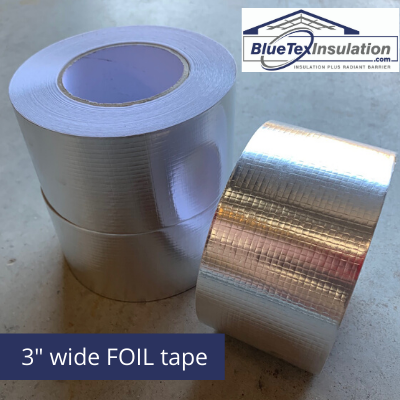
A stock image related to Insulation Foil Tape.
3 Common User Pain Points for ‘Insulation Foil Tape’ & Their Solutions
Scenario 1: Adhesive Breakdown in Extreme Heat and Humidity
問題だ: In industrial zones across Saudi Arabia, Vietnam, and equatorial Africa, procurement teams frequently encounter tape delamination when standard acrylic adhesives soften in ambient temperatures exceeding 50°C (122°F). This degradation compromises vapor barrier integrity in HVAC ductwork and building envelopes, leading to condensation issues and significant thermal efficiency losses. High humidity in coastal regions further reduces tack, causing edges to lift and creating pathways for air infiltration that inflate operational energy costs.
解決策 Specify solvent-based acrylic or silicone adhesive formulations rated for continuous operating temperatures up to 150°C (302°F) with high shear resistance. Prioritize reinforced FSK (Foil-Scrim-Kraft) tape for mechanical stability in high-stress joints, as the fiberglass scrim prevents tearing during thermal expansion cycles. Mandate installation protocols that require surface cleaning with isopropyl alcohol to remove oils and moisture, and schedule application during cooler morning hours when substrate temperatures are below 35°C to maximize initial tack development.
Scenario 2: Inconsistent Sealing Across Large-Scale HVAC Networks
問題だ: Commercial contractors managing multi-story installations across South America and the Middle East often report air leakage at insulation seams due to improper application techniques. When installation crews apply narrow tape strips or fail to maintain consistent pressure, micro-gaps form at duct corners and longitudinal seams. These leaks reduce system efficiency by 15-30%, forcing compressors to work harder and accelerating insulation degradation through moisture infiltration, particularly problematic in high-rise commercial developments.
解決策 Mandate minimum 3-inch (75mm) width aluminum foil tape for all longitudinal seams, with 4-inch (100mm) widths for transverse joints and corners. Require the use of application rollers or squeegees to achieve 15-20 psi bonding pressure, ensuring full adhesive contact on irregular surfaces. For complex geometries, utilize hand-tearable plain aluminum foil rather than reinforced varieties to improve conformability. Implement a “50% overlap rule” where tape extends halfway across the adjacent insulation layer, creating a continuous vapor barrier that accommodates thermal movement without splitting.
Scenario 3: Compatibility Issues Between Tape and Insulation Facing Types
問題だ: Procurement managers frequently face material mismatches when specifying tape for diverse insulation systems, particularly when distinguishing between FSK-faced fiberglass, plain foil radiant barriers, and foam insulation boards. Using standard metalized tape on FSK-facing results in weak bonds prone to creep, while applying FSK tape to smooth radiant barrier surfaces creates unnecessary bulk and potential thermal bridging. These mismatches delay construction schedules and necessitate costly rework in large commercial projects across Europe and emerging markets.
解決策 Match the tape backing precisely to the insulation facing material. Specify FSK tape exclusively for sealing seams in FSK-faced fiberglass and mineral wool insulation, where the scrim-reinforced structure provides dimensional stability. For exposed radiant barrier applications or foam board insulation, utilize plain dead-soft aluminum foil tape that conforms to surface irregularities without adding thermal mass. When joining dissimilar materials, employ double-sided butyl tape as a permanent bonding agent between layers, then seal exposed edges with matching foil tape to maintain vapor barrier continuity. Always verify adhesive compatibility with specific insulation manufacturers’ specifications, particularly when working with closed-cell foams.
Strategic Material Selection Guide for Insulation Foil Tape
Selecting the appropriate backing material for insulation foil tape directly impacts thermal efficiency, installation durability, and total project cost. For B2B procurement teams operating across diverse climates—from the humid tropics of Vietnam to the arid heat of Saudi Arabia—understanding material specifications ensures compliance with regional building codes and long-term performance standards. Material selection must account for local humidity levels, UV exposure, and temperature fluctuations that vary significantly between African, European, and Middle Eastern markets. This analysis examines four primary substrate options, evaluating their suitability for commercial HVAC systems, radiant barrier applications, and industrial thermal management in demanding international environments.
When Is Aluminum Foil Tape the Optimal Choice for High-Temperature Insulation?
Dead-soft aluminum foil tape remains the industry benchmark for thermal insulation across HVAC and construction sectors. Its exceptional heat reflectivity—typically reflecting up to 95% of radiant heat—makes it indispensable for sealing ductwork and vapor barriers in climate-controlled environments. The material conforms easily to irregular surfaces and maintains adhesion in temperatures ranging from -35°C to 120°C when paired with acrylic adhesives. For procurement teams managing projects in Europe and the Middle East, aluminum offers the best balance of thermal performance and cost-efficiency, particularly for large-scale residential or commercial developments requiring consistent R-value maintenance and regulatory compliance.
Can Metalized Film Tape Reduce Material
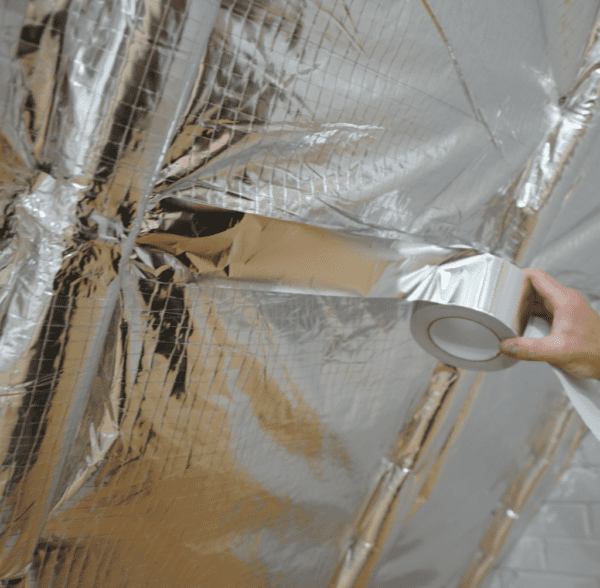
A stock image related to Insulation Foil Tape.
In-depth Look: Manufacturing Processes and Quality Assurance for Insulation Foil Tape
Understanding the manufacturing intricacies behind insulation foil tape empowers procurement teams to evaluate supplier capabilities beyond surface specifications. For B2B buyers sourcing across diverse climate zones—from the humid tropics of Vietnam to the arid deserts of Saudi Arabia and the variable conditions of African and South American markets—manufacturing consistency directly correlates with on-site performance and project longevity. The production of high-grade insulation foil tape involves precision metallurgy, advanced adhesive chemistry, and rigorous validation protocols that separate commodity products from industrial-grade solutions capable of maintaining thermal barriers and moisture seals for decades.
How Is Aluminum Foil Substrate Prepared for High-Performance Insulation Tape?
The foundation of premium insulation foil tape begins with substrate selection and metallurgical processing. Manufacturers typically utilize annealed aluminum alloys (ranging from 1100 to 1145 series) that undergo controlled heat treatment to achieve optimal malleability without compromising tensile strength. This annealing process allows the foil to conform to irregular surfaces—critical for HVAC ductwork and radiant barrier installations—while maintaining the structural integrity needed for tear resistance during application. Surface preparation involves corona treatment or chemical etching to microscopically roughen the aluminum, creating anchor sites that ensure mechanical bonding with adhesive layers. For specialized applications requiring enhanced conductivity or corrosion resistance, some facilities incorporate copper or stainless steel substrates, though aluminum remains the dominant choice for thermal insulation due to its superior reflectivity-to-weight ratio and cost-effectiveness in bulk procurement scenarios.
What Adhesive Formulation Technologies Ensure Reliable Bonding in Extreme Climates?
The adhesive layer represents the critical differentiator between tape that fails within months and tape that maintains seal integrity for the building lifecycle. Pressure-sensitive adhesive (PSA) systems for insulation applications typically employ either acrylic, rubber-based (natural or synthetic), or silicone formulations, each selected based on service temperature ranges and environmental exposure. Acrylic adhesives offer excellent UV stability and aging resistance for outdoor applications in intense African or Middle Eastern sunlight, while rubber-based systems provide aggressive initial tack and conformability for cold-weather installation. For high-humidity environments like Southeast Asia or coastal South America, manufacturers increasingly utilize cross-linked acrylics or silicone adhesives that resist moisture vapor transmission and prevent delamination. The coating process involves precision slot-die or gravure application, maintaining adhesive thickness tolerances within ±0.01mm to ensure consistent peel adhesion values across the entire roll length—a crucial specification for automated application equipment used in large-scale construction projects.
Which Automated Coating and Lamination Processes Guarantee Consistent Thickness?
Modern manufacturing facilities employ closed-loop coating systems that monitor basis weight in real-time, adjusting adhesive deposition rates to compensate for substrate variations. Following adhesive application, tapes undergo controlled curing in thermal ovens or UV chambers, depending on the chemical system, to achieve optimal cross-linking without residual solvents that could compromise long-term adhesion. The lamination process bonds the metallized layer to reinforcing scrim or release liners using precision calendering rollers that apply uniform pressure across web widths exceeding one meter. For double-sided insulation tapes intended for foam-to-foam bonding in HVAC systems, manufacturers utilize tandem coating lines that apply adhesive to both sides of a carrier film before final lamination. Inline vision inspection systems detect coating voids, contamination, or thickness deviations immediately, triggering automatic rejection of defective sections before slitting—ensuring that B2B buyers receive material that meets specification uniformity from the first meter to the last.
How Do Manufacturers Validate Tape Performance Through Accelerated Aging Tests?
Quality assurance protocols for insulation foil tape extend beyond visual inspection to include mechanical and environmental stress testing that simulates decades of service life. Peel adhesion testing (ASTM D3330) measures the force required to remove tape from standardized substrates at various angles, while shear strength testing (ASTM D3654) evaluates the tape’s ability to resist sliding under load—critical for overhead insulation applications. Thermal cycling chambers subject samples to rapid temperature fluctuations between -40°C and 150°C to assess adhesive stability and foil delamination resistance, replicating the thermal shock conditions common in unconditioned shipping containers or desert environments. For buyers in humid climates, manufacturers conduct 85°C/85% relative humidity testing (ASTM D1182) to verify that adhesives resist hydrolysis and that foil layers maintain barrier properties against moisture vapor transmission. These quantitative metrics provide procurement teams with objective data to compare supplier performance rather than relying solely on marketing claims.
What Regional Certification Standards Must B2B Buyers Verify for Cross-Border Procurement?
International B2B procurement requires verification that manufacturing facilities maintain certifications relevant to destination markets, ensuring customs clearance and regulatory compliance. European buyers should confirm EN 13469 compliance for HVAC accessories and REACH declarations regarding adhesive chemical substances, while Saudi Arabian imports require SASO (Saudi Standards, Metrology and Quality Organization) certification and adherence to specific fire resistance ratings. For African and South American markets, ISO 9001:2015 quality management system certification provides baseline assurance of process consistency, though buyers should additionally request ASTM E84 (Surface Burning Characteristics) test reports for applications involving building codes. RoHS (Restriction of Hazardous Substances) compliance and VOC (Volatile Organic Compound) emission data become critical for green building projects and indoor air quality regulations increasingly prevalent in Middle Eastern and European commercial construction. Reputable manufacturers provide batch-specific test reports and Certificate of Analysis (CoA) documentation that trace raw material origins through the production chain.
Why Does Precision Slitting and Core Selection Matter for International Logistics?
The final manufacturing stages significantly impact material handling efficiency and shelf stability during intercontinental shipping. Precision slitting equipment converts master rolls into specified widths (commonly 48mm, 72mm, or 96mm) with edge quality that prevents adhesive oozing or foil fraying during unwinding. Core selection—whether cardboard, plastic, or fiberboard—affects dimensional stability in containerized shipping where temperature fluctuations can cause expansion and contraction. Manufacturers serving tropical export markets often utilize moisture-barrier packaging with desiccant inserts and UV-resistant stretch wrapping to prevent humidity ingress and adhesive degradation during sea transit. B2B buyers should verify that suppliers utilize uniform core diameters (typically 76mm or 152mm) compatible with standard application dispensers and automated taping equipment, reducing installation downtime and ensuring consistent application tension across project sites.
When evaluating manufacturing partners for insulation foil tape procurement, technical documentation transparency serves as the primary indicator of quality commitment. Buyers should request detailed process flow diagrams, raw material sourcing certifications, and statistical process control (SPC) data demonstrating Cpk values above 1.33 for critical dimensions. This manufacturing intelligence enables procurement teams to mitigate supply chain risks while ensuring that delivered materials perform reliably across the diverse environmental conditions encountered in global infrastructure development.
Practical Sourcing Guide: A Step-by-Step Checklist for ‘Insulation Foil Tape’
Strategic procurement of insulation foil tape requires moving beyond basic product specifications to evaluate technical compatibility, regional compliance, and supply chain resilience. This checklist provides B2B buyers with actionable steps to mitigate sourcing risks and ensure consistent product performance across diverse climatic and operational environments, from humid tropical zones to arid desert installations.
How Do You Define Your Technical Requirements and Application Environment?
Begin by mapping specific use cases—whether HVAC duct sealing, radiant barrier installation, or EMI shielding—against environmental stressors. Document required temperature ranges, moisture exposure levels, and surface compatibility (smooth metal, irregular insulation, or concrete). For high-humidity regions like Southeast Asia or the Gulf states, prioritize vapor barrier ratings and mold-resistant adhesive formulations to prevent premature failure.
Which Foil Material and Adhesive Chemistry Aligns With Your Operational Conditions?
Aluminum foil suits general insulation and heat reflection, while copper provides conductivity for electronics, and stainless steel offers chemical resistance. Match adhesive chemistry to your climate: acrylic adhesives perform reliably in moderate temperatures, whereas silicone-based options maintain tack in extreme heat (common in Middle Eastern or African installations) and resist plasticizer migration when bonding flexible ductwork or reflective insulation membranes.
What Certifications and Compliance Standards Are Required for Your Region?
Verify that products meet local building codes and industry-specific safety standards. HVAC applications typically require UL 181A-P or 181B-FX listings for flame spread and smoke development. For European markets, confirm CE marking and RoHS compliance. Middle Eastern buyers should prioritize SASO certification, while African importers need SONCAP or equivalent, ensuring smooth customs clearance and regulatory acceptance in target markets.
How Should You Evaluate Supplier Manufacturing and Quality Control Capabilities?
Assess production consistency through ISO 9001 certification and request batch-specific test reports for peel adhesion, tensile strength, and thermal aging resistance. Inquire about customization capabilities for width, roll length, and core sizes to optimize container loading and reduce waste. Reliable suppliers should provide detailed technical data sheets with quantified performance values rather than generic marketing claims.
What Are the Critical Logistics and Storage Considerations for International Procurement?
Climate-controlled shipping is essential for pressure-sensitive adhesives; extreme container heat during transit can degrade tack or cause adhesive oozing. Negotiate moisture-barrier packaging with desiccants for humid sea routes. Confirm shelf life specifications (typically 12-24 months) and storage temperature requirements upon arrival, ensuring warehouse conditions align with manufacturer specifications to maintain adhesive integrity.
How Do You Validate Product Performance Before Committing to Bulk Orders?
Request pre-production samples for adhesion testing on your actual substrate materials under local temperature and humidity conditions. Conduct accelerated aging tests if laboratory facilities are available. Establish clear acceptance criteria for roll consistency, edge alignment, and absence of adhesive transfer. This validation step prevents costly failures and ensures compatibility with your specific installation protocols.
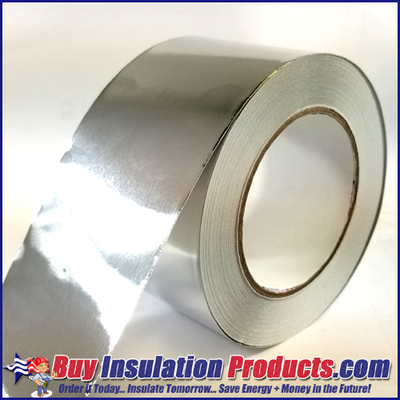
A stock image related to Insulation Foil Tape.
Comprehensive Cost and Pricing Analysis for Insulation Foil Tape Sourcing
B2B procurement of insulation foil tape extends far beyond comparing unit prices. While retail benchmarks indicate standard aluminum HVAC tapes range from $0.15–$0.20 per linear foot, international bulk sourcing involves complex variables including raw material volatility, adhesive technology tiers, and regional logistics infrastructure. For buyers in Saudi Arabia, Vietnam, and emerging African markets, understanding these cost drivers ensures competitive positioning without compromising thermal performance standards.
What Raw Material Specifications Drive Cost Variations in Bulk Orders?
Aluminum commodity pricing directly impacts base tape costs, with high-purity alloys (99.5%+) commanding 15–25% premiums over standard HVAC grades. Adhesive chemistry represents the second major cost variable; solvent-based acrylic formulations suitable for moderate climates cost significantly less than high-tack silicone or specialized non-conductive adhesives required for SCIF applications. Copper and stainless steel variants for EMI shielding or marine environments can escalate costs to $0.50–$1.20 per linear foot, requiring precise application-based selection to avoid over-specification.
How Do Volume Tiers and MOQ Requirements Impact Total Acquisition Costs?
Manufacturers typically structure pricing across three distinct breakpoints: trial quantities (500–1,000 rolls), FCL (Full Container Load) volumes of 20,000–50,000 rolls, and annual contract commitments. Buyers sourcing for large Middle Eastern infrastructure projects report optimal economics at 40-foot high-cube container quantities, achieving 35–45% per-unit reductions compared to LCL shipments. However, procurement teams must balance bulk discounts against inventory carrying costs; acrylic adhesives maintain 12–18 month shelf lives under ideal conditions, but high-humidity African or tropical South American storage environments may necessitate climate-controlled warehousing, offsetting volume savings.
What Regional Logistics and Compliance Costs Affect African and Middle Eastern Buyers?
Beyond standard FOB pricing, importers must calculate thermal protection requirements during maritime transit. Non-temperature-controlled shipping can degrade adhesive performance, risking entire batches of high-value product. Saudi Arabia applies 5% industrial materials tariffs, while select South American markets impose 15–20% anti-dumping duties on Chinese-origin aluminum products. Currency fluctuation risks require attention when sourcing from USD-denominated suppliers using Euro, Real, or Dong-based budgets—hedging strategies become essential for contracts exceeding $50,000 annual value.
When Should Buyers Invest in Premium HVAC or SCIF-Grade Over Standard Metalized Tapes?
Standard metalized polymer tapes ($0.12–$0.16/linear foot) suffice for basic radiant barriers, but critical applications demand validated performance. Premium high-tack HVAC silicone tapes cost 30–40% more than acrylic alternatives but prevent costly failures in 60°C+ environments common in Middle Eastern construction. Similarly, SCIF-grade aluminum tapes with non-conductive adhesives command $25–$30 per roll (3″ x 150′) versus $20–$23 for standard metalized versions, yet provide essential electromagnetic shielding for data centers and military installations where failure costs exceed material expenses exponentially.
Strategic sourcing requires evaluating lifecycle costs rather than initial unit pricing. Establish supplier qualification protocols verifying aluminum purity certifications and adhesive thermal stability testing before committing to annual volume agreements, ensuring optimal balance between procurement economics and application reliability.
Alternatives Analysis: Comparing Insulation Foil Tape With Other Solutions
While insulation foil tape provides a versatile peel-and-stick solution for sealing thermal barriers and HVAC systems, procurement teams and project managers frequently evaluate alternative attachment methods to optimize for specific project scales, labor availability, and environmental conditions. For large-scale industrial builds across Africa, the Middle East, and Southeast Asia, understanding how mechanical fastening systems and spray adhesive technologies compare to traditional foil tape enables strategic decision-making that balances initial material costs against long-term thermal performance and installation efficiency.
What Are the Key Differences Between Insulation Foil Tape and Alternative Attachment Methods?
| 比較の側面 | Insulation Foil Tape | メカニカル・ファスニング・システム | Spray Adhesive Systems |
|---|---|---|---|
| Sealing Performance | Superior air-tight seal; eliminates thermal bridging; acts as vapor barrier when overlapped | Creates physical attachment but risks air gaps; penetrates vapor barriers creating moisture ingress points | Uniform bonding with no punctures; excellent for irregular surfaces; overspray can reduce material efficiency |
| コスト効率 | Low material cost; minimal labor requirements; no equipment needed | Low hardware cost; high labor intensity; requires tools and potential replacement of damaged insulation | Moderate to high material cost; requires PPE and ventilation infrastructure; potential overspray waste increases consumption |
| 実施しやすさ | Immediate application; minimal training; peel-and-stick simplicity allows for quick repairs | Requires skilled labor; physically demanding; risk of tearing insulation or injury during installation | Fast coverage of large areas; requires surface preparation and masking; curing time (30 min–24 hrs) delays project completion |
| Durability & Climate Resilience | Resistant to moisture, UV, and temperature extremes (-30°C to 120°C+); long service life without degradation | Permanent hold; susceptible to thermal bridging; corrosion risk in humid/saline environments (coastal Middle East, Vietnam) | Strong bond when cured; temperature-sensitive application (often 10°C–32°C required); may degrade under extreme UV without protective coating |
| Best Use Cases | HVAC duct sealing, radiant barrier seams, temporary repairs, patchwork in existing buildings | Heavy rigid insulation boards, high-wind load roofing in industrial zones, permanent fixtures requiring structural anchorage | Large surface areas, complex geometries, acoustic insulation, applications where mechanical fixation is impractical or prohibited |
How Do Mechanical Fastening Systems Compare for Heavy-Duty Insulation Projects?
Mechanical fastening—utilizing insulation pins, washers, screws, or staples—remains a prevalent method for securing rigid insulation boards in industrial facilities and metal roofing applications across Africa and the Middle East. While this approach provides robust physical anchorage capable of withstanding high wind loads and structural stress, it inherently compromises the vapor barrier integrity by creating penetration points that may allow moisture ingress and air leakage, undermining thermal efficiency in humid climates. Procurement teams should note that although hardware costs remain low, labor expenses escalate significantly due to the skilled installation required and the time-intensive nature of securing thousands of fastening points across large commercial surfaces. Furthermore, in coastal or high-humidity environments such as Vietnam or Saudi Arabia’s industrial zones, metal fasteners present substantial corrosion risks that can degrade thermal performance over time, often necessitating additional weatherproofing measures like caulking or secondary seals that foil tape systems inherently avoid through seamless application.
Is Spray Adhesive a Viable Alternative for Large-Scale Insulation Installation?
Spray adhesive systems, including high-tack silicone formulations and eco-friendly FRP solutions, offer compelling advantages for projects involving expansive surface areas or irregular substrates where tape strips prove impractical or labor-prohibitive. This method delivers uniform bonding coverage without the thermal bridging associated with mechanical fasteners, making it particularly effective for acoustic insulation, curved ductwork, and complex geometries common in modern HVAC infrastructure throughout Europe and South America. However, B2B buyers must carefully evaluate total cost of ownership, accounting for significantly higher material costs per square meter, the necessity of specialized application equipment or pneumatic systems, and mandatory ventilation protocols that complicate installation in enclosed industrial environments. Additionally, most spray adhesives require critical curing periods ranging from minutes to hours before achieving full bond strength, potentially delaying project timelines compared to the immediate adhesion and repositionability provided by foil tape. For large infrastructure projects where labor efficiency and seamless vapor barriers outweigh material premiums, spray systems may justify the investment despite these operational constraints and environmental compliance requirements.
Essential Technical Properties and Trade Terminology for Insulation Foil Tape
When procuring insulation foil tape for international construction and HVAC projects, understanding precise technical specifications ensures compliance with regional building codes and climatic demands. Buyers must evaluate performance characteristics beyond basic width and length to guarantee substrate compatibility and long-term durability in diverse environments ranging from humid tropical zones to arid desert regions.
What Are the Critical Technical Specifications for Insulation Foil Tape?
Thermal Resistance Range: This defines the operational temperature limits, typically spanning -40°C to 150°C for standard aluminum foil tapes. For Middle Eastern and African markets where ambient temperatures exceed 50°C, selecting tapes with high-temperature acrylic adhesives prevents adhesive flow and bond failure on metal roofing and ductwork.
Adhesive Chemistry and Cure Profile: Pressure-sensitive adhesives (PSA) fall into two primary categories: acrylic-based formulations offering superior UV resistance and aging stability for outdoor applications, and synthetic rubber-based systems providing aggressive initial tack for bonding to low-surface-energy substrates common in industrial insulation.
Backing Thickness and Conformability: Measured in microns (typically 30μm to 100μm
Navigating Market Dynamics and Sourcing Trends in the Insulation Foil Tape Sector
What Are the Current Market Dynamics Shaping Global Insulation Foil Tape Demand?
The global insulation foil tape market is experiencing robust expansion driven by infrastructure modernization across emerging economies and stringent energy efficiency mandates in developed regions. For B2B buyers operating in high-growth markets such as Saudi Arabia, Vietnam, and Brazil, understanding regional demand patterns is critical for strategic procurement. The Middle East and Southeast Asia currently represent the fastest-growing consumption hubs, fueled by mega-construction projects and rapid HVAC system adoption in commercial and residential sectors. Meanwhile, African markets are witnessing increased import activity as local construction standards evolve to prioritize thermal efficiency and moisture management.
Supply chain volatility remains a primary concern for international buyers, with aluminum price fluctuations and adhesive chemical shortages impacting lead times and cost structures. Smart procurement strategies now emphasize supplier diversification across multiple manufacturing regions rather than single-source dependencies. Additionally, the market is witnessing a definitive shift from commodity-grade aluminum tapes toward specialized variants—including copper foil for electromagnetic shielding and stainless steel for corrosive industrial environments—reflecting broader industrial diversification beyond traditional construction applications.
How Is the Insulation Foil Tape Sector Adapting to Industry-Specific Performance Requirements?
Modern B2B applications are driving tape manufacturers to develop substrate-specific solutions that extend far beyond basic heat reflection. In the automotive sector, particularly across European and South American manufacturing hubs, demand is surging for multi-layer tapes that combine thermal management with EMI shielding capabilities. Construction industries in desert climates require tapes with enhanced UV stability and high-tack acrylic adhesives that maintain integrity during extreme temperature cycling. This specialization trend necessitates that procurement teams move beyond generic product specifications and engage suppliers capable of customizing adhesive formulations, backing thicknesses, and release liner configurations to match precise environmental stressors.
Digitalization of supply chains is simultaneously transforming how buyers verify product quality and traceability. Leading manufacturers now offer batch-specific technical data sheets and real-time inventory visibility, essential for just-in-time construction schedules in fast-moving markets. The integration of pressure-sensitive adhesive technologies with sustainable backing materials represents another key innovation vector, as industries seek to balance mechanical performance with environmental compliance.
Why Does Sustainable Sourcing Matter for B2B Insulation Tape Procurement?
Sustainability has transitioned from a marketing differentiator to a procurement imperative, particularly for buyers supplying European markets with strict REACH regulations and emerging green building standards across the Middle East. Traditional solvent-based adhesives are increasingly replaced by low-VOC acrylic and hot-melt formulations that reduce hazardous air pollutants without compromising tack strength or temperature resistance. Forward-thinking buyers are now evaluating tape products based on end-of-life recyclability, recognizing that multi-layer laminated structures often present greater recycling challenges than pure aluminum or copper substrates.
Ethical sourcing extends beyond environmental metrics to encompass responsible raw material extraction and labor practices throughout the supply chain. Aluminum and copper mining operations face heightened scrutiny regarding community impact and worker safety standards. B2B buyers should prioritize suppliers demonstrating transparent material traceability from smelting to finished product, particularly when sourcing for publicly funded infrastructure projects where ethical compliance is mandatory. Certifications such as ISO 14001 for environmental management and SA8000 for social accountability serve as reliable indicators of supplier commitment to sustainable operations.
What Should International Buyers Evaluate When Establishing Ethical Supply Partnerships?
When vetting insulation foil tape suppliers for long-term partnerships, due diligence must extend to subcontractor networks and raw material provenance. Request documentation verifying conflict-free mineral sourcing and compliance with regional environmental regulations specific to your target markets—whether EU REACH standards or emerging Middle Eastern sustainability codes. Evaluate manufacturing facilities for energy efficiency metrics and waste reduction protocols, as these directly impact both carbon footprint and long-term price stability.
For buyers in Africa and South America, consider the strategic advantages of partnering with suppliers offering regional warehousing or local manufacturing capabilities to reduce shipping emissions and inventory carrying costs. Establish clear sustainability KPIs within procurement contracts, including targets for recyclable packaging and adhesive formulation transparency. By aligning with suppliers who invest in closed-loop manufacturing processes and renewable energy-powered production facilities, B2B buyers not only mitigate regulatory risks but also position themselves favorably for green building certifications and environmentally conscious end-user markets.
Frequently Asked Questions (FAQs) for B2B Buyers of Insulation Foil Tape
1. What is the difference between FSK tape and plain aluminum foil insulation tape for commercial building projects?
FSK (Foil-Scrim-Kraft) tape features a fiberglass scrim reinforcement sandwiched between the aluminum foil and kraft paper backing, providing superior tear resistance and mechanical strength for rough handling during installation. Plain aluminum foil tape offers greater conformability for irregular surfaces and delivers higher heat reflectivity, making it ideal for complex duct geometries and tight corners. For projects in the Middle East and Africa where UV exposure and sand abrasion are concerns, FSK provides enhanced durability, while plain aluminum suits intricate HVAC retrofits in European commercial buildings.
2. What temperature ranges can aluminum foil insulation tape withstand in high-heat industrial applications?
Standard aluminum foil tape with acrylic adhesive typically withstands temperatures from -35°F to 250°F (-37°C to 121°C), suitable for general HVAC and insulation sealing. High-tack silicone-based variants accommodate continuous exposure up to 300°F (149°C) and intermittent peaks of 400°F (204°C), essential for industrial applications in Saudi Arabia and other high-temperature environments. Always verify the adhesive system—acrylic for moderate temperatures, silicone for extreme heat—rather than assuming all metalized tapes perform equally under thermal stress.
3. How do you properly apply foil tape to insulation seams and joints to prevent air leakage in HVAC systems?
Ensure all surfaces are clean, dry, and above 50°F (10°C) before application, removing oils and dust with isopropyl alcohol for optimal adhesion. Remove the release liner gradually while applying firm, uniform pressure using a squeegee or roller, overlapping seams by at least 2 inches (50mm) to create an airtight vapor barrier. Avoid stretching the tape during application, which causes lifting and thermal bridging; instead, allow the tape to relax naturally over joints for permanent bonding.
4. What are the primary applications of foil insulation tape in large-scale HVAC and construction projects?
Foil insulation tape serves critical functions including sealing flexible duct connections, maintaining vapor barrier continuity at insulation joints, and repairing torn facing on fiberglass duct wrap in commercial buildings. It prevents thermal bridging and condensation in climate-controlled environments while providing EMI shielding for sensitive telecommunications infrastructure. For large facilities in Vietnam and Southeast Asia, it acts as a moisture barrier essential for preventing mold growth in high-humidity conditions.
5. How should international B2B buyers select adhesive formulations for insulation foil tape in extreme climates?
Acrylic adhesives offer superior UV resistance and longevity for outdoor applications in sunny African and Middle Eastern climates, resisting degradation from intense solar exposure. Silicone adhesives provide exceptional performance in high-humidity environments and extreme temperature cycling common in South American and Southeast Asian regions. Rubber-based high-tack formulations ensure immediate bond strength for cold-weather installation in high-altitude South American projects, though they require protection from prolonged UV exposure to prevent adhesive breakdown.
6. What surface preparation methods ensure optimal adhesion of foil insulation tape in high-humidity environments?
Thoroughly clean substrates with isopropyl alcohol to eliminate oils, oxidation, and particulate matter that compromise bond strength in moist conditions. For porous surfaces like concrete or unfinished wood common in industrial African construction, apply a compatible primer to prevent adhesive starvation and ensure lasting attachment. In humid climates like Vietnam, schedule application during early morning hours when dew point conditions are minimal, ensuring surfaces are visibly dry with no condensation before tape application.
7. Which fire safety certifications and UL ratings should procurement teams verify when sourcing insulation foil tape?
Verify UL 181 compliance—specifically UL 181A-P for rigid ducts and UL 181B-FX for flexible ducts—for North American market requirements, ensuring the tape meets flame spread and smoke development standards. European projects require EN 13501-1 fire classification ratings, while ASTM E84 testing provides critical flame spread indices for Middle Eastern building codes. For African infrastructure projects, confirm compliance with SABS (South African Bureau of Standards) or equivalent regional certifications to satisfy local fire safety regulations and insurance requirements.
8. How can buyers prevent adhesive degradation and cold flow during international transport and storage?
Store insulation foil tape horizontally in climate-controlled environments between 60-80°F (15-27°C), away from direct sunlight and moisture that accelerate adhesive aging. During international shipping through varying climate zones, allow 24-48 hours for thermal acclimation upon arrival before application to prevent cold flow—where adhesive becomes too soft or brittle to perform effectively. Check manufacturing dates upon receipt and rotate stock using First-In-First-Out (FIFO) methods, as pressure-sensitive adhesives typically maintain optimal properties for 12-18 months under ideal storage conditions.
重要な免責事項および利用規約
⚠️ 重要な免責事項
メーカー、技術仕様、市場分析に関する内容を含め、本ガイドラインで提供される情報は、情報提供と教育目的のみのものです。専門的な調達アドバイス、財務アドバイス、または法的アドバイスを提供するものではありません。.
B2Bバイヤーは、独自の徹底的なデューデリジェンスを行う必要がある。 をご覧の上、ご購入をお決めください。本ガイドに記載された情報を信頼した場合のリスクは、読者が単独で負うものとします。.
Top 3 Insulation Foil Tape Manufacturers & Suppliers List
1. Tape Suppliers – Foil Tape
ドメイン tapesuppliers.com
登録:2007年(19年)
はじめに Foil tape, also known as aluminum tape, provides chemical resistance, light reflectance, weatherability, flame resistance, and moisture resistance. It is commonly used in electrical, HVAC, construction, and other industries requiring electrical or thermal conductivity. The product has not been evaluated or approved for use in the medical industry.
2. IPG – Aluminum Foil Tapes
ドメイン イテイプ・ドット・コム
登録:1998年(28年)
はじめに IPG aluminum foil tapes are cost-effective solutions for high-volume industrial applications including HVAC, insulation, and duct sealing. Product range includes: ALF300 (3 mil premium self-wound, acrylic adhesive, UV/water resistant); ALF150L (utility grade with rubber adhesive, for fiberglass duct board, reflective); ALF161LA (cold temperature utility grade, acrylic adhesive, +35°F min applicati…
3. 3M – Foil Tapes
ドメイン 3m.com
Registered: 1988 (38 years)
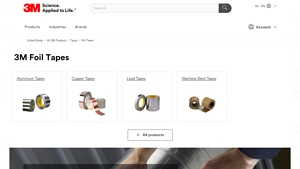
はじめに 3M Foil Tapes portfolio includes 84 products across four main categories: Aluminum Tapes, Copper Tapes, Lead Tapes, and Stainless Steel Tapes. Key product lines include Scotch® Foil Tapes (3311, 3326), 3M™ Venture Tape™ series (1520CW, 1555CW Cryogenic Vapor Barrier, 3243 High Temperature, 1568CW/1551CW/1547CW Metal Building Facing), 3M™ VentureClad™ series (1577CW, 1579GCW Heavy Duty Insulation J…
Strategic Sourcing Conclusion and Outlook for Insulation Foil Tape
How Should Global Buyers Evaluate Long-Term Supplier Partnerships?
Sourcing insulation foil tape for international projects requires moving beyond unit pricing to assess total value and technical compatibility. Buyers operating in high-temperature climates like Saudi Arabia or humid regions like Vietnam must prioritize suppliers offering certified aluminum and copper foil tapes that withstand extreme thermal cycling and moisture exposure. Establishing direct relationships with manufacturers who provide comprehensive technical documentation, consistent lead times, and regional logistics support minimizes project delays and ensures compliance with diverse local building codes.
What Are the Emerging Trends Shaping Insulation Foil Tape Procurement?
The market is rapidly shifting toward high-performance acrylic adhesives and multi-layer laminates that serve dual purposes—thermal insulation and EMI shielding for expanding telecommunications infrastructure. Sustainability initiatives are also driving demand for solvent-free adhesives and recyclable metal backings, particularly in European markets. Forward-thinking procurement teams should audit supplier R&D capabilities and verify stock availability of specialized variants, such as stainless steel tapes for corrosive marine environments or lead-free alternatives for healthcare applications.
Which Procurement Strategies Ensure Supply Chain Resilience?
Diversifying sourcing across multiple regions while maintaining strict quality consistency remains critical for 2025 and beyond. Buyers should negotiate framework agreements that include volume flexibility and on-site technical support, ensuring reliable access to application-specific solutions—from HVAC duct sealing to radiant barrier installation—without compromising performance standards or critical delivery timelines.