Introduction: Navigating the Global Market for Nano adhesive tape
Sourcing nano adhesive tape for scalable industrial applications presents a unique procurement challenge: balancing exceptional bonding performance with residue-free removability while navigating complex international supply chains. For procurement teams across Saudi Arabia, Vietnam, and emerging markets in Africa and South America, the promise of “gecko-inspired” mounting solutions often clashes with inconsistent product quality, unclear technical specifications, and opaque supplier credentials—leaving buyers vulnerable to costly inventory mismatches and project delays.
What critical factors should international buyers evaluate when selecting traceless bonding solutions?
This comprehensive guide dismantles these sourcing barriers by delivering actionable intelligence across the entire procurement spectrum. We examine the technical distinctions between acrylic gel and carbon-nanotube array formulations, analyze surface compatibility matrices for construction and electronics applications, and establish rigorous supplier vetting frameworks specific to Middle Eastern, African, and European regulatory environments. From understanding van der Waals force mechanics to calculating total cost of ownership across logistics corridors, we address the specific pain points facing B2B purchasers in high-growth regions.
How does strategic sourcing of reusable adhesive technologies drive operational efficiency?
By translating complex nanoscale adhesion science into practical procurement criteria, this resource empowers you to mitigate supply chain risks, optimize inventory investments, and secure high-performance mounting solutions that meet diverse industrial standards—ensuring your organization capitalizes on the “magic tape” revolution without compromising on quality or reliability.
Understanding Nano adhesive tape Types and Variations
| タイプ名 | 主な特徴 | 主なB2Bアプリケーション | バイヤーのための簡単な長所と短所 |
|---|---|---|---|
| Standard Clear Acrylic Gel | Transparent, washable, reusable, moderate adhesion (up to 2kg/m²), general-purpose formulation | Retail display mounting, office organization, temporary signage, light fixture installation, hospitality décor | Pros: Cost-effective, versatile, residue-free removal Cons: Limited load capacity, degrades above 60°C |
| Heavy-Duty Industrial Grade | Thicker substrate (1–3mm), high-density acrylic or carbon-nanotube formulation, superior tensile strength (up to 10kg/m²) | Machinery fixture mounting, warehouse organization systems, permanent tool holders, industrial panel bonding, heavy equipment stabilization | Pros: Exceptional load bearing, durable under stress Cons: Premium pricing, potential surface impressions on soft substrates |
| Automotive & Electronics Grade | Temperature resistant (-20°C to 120°C+), UV stabilized, anti-static properties, low outgassing | Dashboard component mounting, PCB fixation, wire harness management, automotive trim attachment, electronic device assembly | Pros: Withstands thermal cycling, safe for sensitive circuits Cons: Specialized surface requirements, highest cost tier |
| Custom Die-Cut Solutions | Pre-cut shapes, rolls, or sheets; OEM branding options; precision dimensional tolerances (±0.2mm) | Manufacturing assembly lines, appliance production, electronics packaging, promotional product assembly, automated robotic application | Pros: Reduces labor time by 30–40%, exact fit, brandable Cons: MOQ requirements (typically 1,000+ units), longer lead times |
What are the different load capacities available in nano adhesive tapes?
Standard clear acrylic gel tapes offer moderate adhesion suitable for lightweight materials under 2kg per square meter, making them ideal for temporary retail displays and office environments. These variations prioritize removability and transparency over sheer strength, utilizing lower density micro-structures that maximize surface contact on smooth substrates like glass and polished metal. B2B buyers should evaluate the specific gravity of mounted objects and environmental exposure duration, as standard grades degrade under sustained heavy loads or temperatures exceeding 60°C, potentially compromising long-term display installations in warm climates.
How does heavy-duty industrial nano tape differ from standard grades?
Heavy-duty industrial nano tape incorporates denser acrylic formulations or carbon nanotube arrays that significantly increase tensile strength, supporting loads up to 10kg per square meter on vertical surfaces without slippage. This variation features thicker substrates (typically 1–3mm) that compensate for minor surface irregularities while maintaining the reusable characteristics of standard tape. Procurement teams should verify the tape’s cyclic fatigue resistance and specify whether permanent or semi-permanent adhesion is required, as industrial grades may leave slight impressions on soft substrates after extended mounting periods, requiring surface compatibility testing.
Which nano tape specifications are optimal for automotive and electronics manufacturing?
Automotive-grade nano tapes undergo specialized compounding to resist thermal cycling between -20°C and 120°C without adhesive degradation, essential for dashboard mounting and under-hood applications exposed to engine heat. Electronics variants often incorporate anti-static properties and precision thickness control (0.5–1mm) to prevent short circuits while securing PCBs and wire harnesses in compact devices. Buyers in these sectors must confirm compliance with industry-specific flammability standards and verify that outgassing levels meet sensitive electronic component requirements, particularly for long-term installations in enclosed devices where volatile compounds could damage circuits.
When should B2B buyers consider custom die-cut nano tape solutions?
Custom die-cut configurations eliminate manual cutting inefficiencies in high-volume manufacturing environments, providing pre-shaped adhesive pads that integrate directly into automated assembly lines and robotic application systems. These solutions accommodate specific component geometries in appliance manufacturing, electronics packaging, and promotional product assembly, reducing labor costs by 30–40% compared to manual application while ensuring consistent placement accuracy. Procurement managers should assess minimum order quantities (typically 1,000+ units), evaluate die-cost amortization across production runs, and confirm that the supplier maintains dimensional tolerances within ±0.2mm for precision applications requiring exact alignment.
Key Industrial Applications of Nano adhesive tape
| 業界/セクター | Specific Application of Nano adhesive tape | ビジネスにとっての価値/利益 | このアプリケーションにおける主な調達上の考慮事項 |
|---|---|---|---|
| 電子機器製造・組立 | Temporary fixation of PCBs, heat sinks, and wire harnesses during SMT assembly and prototyping cycles | Eliminates curing time and residue contamination on precision components; supports rapid prototyping iterations while maintaining clean room standards | Temperature resistance above 80°C for reflow compatibility; precision die-cutting capabilities; anti-static packaging for sensitive electronics |
| Automotive Interior Assembly | Dashboard component mounting, wire harness organization, and temporary trim panel fixation during vehicle assembly | Reduces vehicle weight versus mechanical fasteners; enables clean removal for warranty repairs; prevents drilling damage to interior substrates | UV and heat resistance for dashboard exposure up to 85°C; automotive grade material certifications; compatibility with textured plastics and coated metals |
| Commercial Construction & Interior Fit-Out | Glass panel positioning, mirror installation, and temporary signage mounting on polished stone, tile, and glass surfaces | Preserves expensive finishes without drilling; immediate adhesion accelerates project timelines; reusable for design adjustments without surface damage | Load capacity certifications for safety compliance; humidity resistance for tropical climates (Vietnam, coastal Africa); bulk packaging for large-scale projects |
| Retail Display & Exhibition | Point-of-sale display assembly, promotional signage mounting, and temporary fixture installation in leased retail spaces | Protects landlord-owned surfaces from damage penalties; enables rapid seasonal refreshes; transparent appearance maintains visual merchandising aesthetics | Custom die-cutting for branded shapes; consistent adhesion across temperature variations; flexible MOQs for seasonal campaign demands |
| Renewable Energy & Solar Installation | Temporary solar panel positioning, cable management on aluminum frames, and monitoring equipment mounting | Prevents warranty-voiding drill holes in weatherproof panels; reusable positioning aids reduce installation waste; withstands thermal cycling for maintenance access | UV stabilization for desert sun exposure (Saudi Arabia, North Africa); high shear strength for wind load resistance; weatherproofing for outdoor longevity |
How Can Electronics Manufacturers Improve Assembly Efficiency with Nano Adhesive Solutions?
Electronics manufacturers leverage nano adhesive tape for temporary fixation of delicate components during surface-mount technology (SMT) processes and final assembly. Unlike traditional adhesives that require curing time and leave residues, nano tape secures heat sinks, flexible circuits, and wire bundles without contaminating precision parts. For buyers in Vietnam’s growing electronics hub, sourcing tapes with specific die-cut dimensions and temperature resistance up to 80°C ensures compatibility with reflow soldering processes. The tape’s reusability also supports rapid prototyping cycles, reducing material waste during product development
A stock image related to Nano adhesive tape.
3 Common User Pain Points for ‘Nano adhesive tape’ & Their Solutions
Scenario 1: Why Does Nano Adhesive Tape Fail on Painted Concrete in Humid Climates?
問題だ:
B2B buyers distributing to construction and facility management sectors across Africa, Southeast Asia, and the Middle East frequently encounter catastrophic adhesion failures when standard nano tape is applied to painted concrete, cinder block, or textured drywall common in commercial buildings throughout these regions. The biomimetic van der Waals mechanism requires pristine, non-porous surfaces to generate millions of microscopic contact points, yet humid tropical climates introduce airborne moisture and outgassing from porous substrates that compromise the tape’s molecular grip. When mounted fixtures fall within days, distributors face costly product returns, damaged client relationships, and project delays that erode margins
Strategic Material Selection Guide for Nano adhesive tape
When sourcing nano adhesive tape for international distribution, understanding the underlying material composition is critical for matching product specifications to regional market demands. While marketed uniformly as “nano tape,” these products vary significantly in adhesive technology, durability, and cost structure. B2B buyers must evaluate whether standard acrylic formulations meet bulk procurement needs or if specialized variants justify premium positioning in high-value markets across Europe, the Middle East, and emerging economies.
Which Acrylic Gel Density Offers the Best Value for High-Volume Procurement?
Acrylic gel matrices represent the dominant material in commercial nano tape production, utilizing acrylate polymers engineered with microscopic surface structures to generate van der Waals forces. This formulation delivers exceptional optical clarity and immediate tack strength on glass, metal, and polished tile surfaces common in modern construction. For buyers serving African and Southeast Asian markets, standard acrylic gel offers an optimal balance of performance and affordability, though procurement teams should verify UV stabilizers are included, as unmodified acrylate degrades under prolonged solar exposure common in these climates.
Are Carbon Nanotube Arrays Worth the Investment for Premium Market Segments?
True carbon nanotube (CNT) array tapes represent the biomimetic ideal referenced in scientific literature, employing vertically aligned carbon structures that emulate gecko setae at the nanoscale. These deliver superior shear strength and maintain adhesion through hundreds of reuse cycles, making them suitable for precision electronics manufacturing and aerospace applications in European markets. However, the manufacturing complexity limits supplier availability and requires pristine, non-porous surface conditions rarely found in standard construction environments, restricting scalability for mass-market distribution.
When Does Polyurethane Gel Outperform Standard Acrylic in Humid Climates?
Polyurethane (PU) gel formulations provide an intermediate solution particularly suited to Middle Eastern and South American markets where humidity fluctuations challenge standard acrylic performance. The softer polymer matrix conforms better to micro-textured surfaces and maintains tack in moist bathroom or kitchen environments where acrylic tapes may slip. While PU gel offers improved weather resistance and washability, buyers should note the lower initial adhesion values and potential for yellowing under oxidation, factors that may limit acceptance in high-end decorative applications.
Is Silicone-Modified Nano Tape Essential for Automotive and Medical Applications?
Silicone-based nano adhesives cater to specialized B2B sectors requiring extreme temperature stability (-50°C to 200°C) and chemical inertness, particularly automotive interior assembly and medical device mounting. Unlike acrylics, silicone formulations resist plasticizer migration and maintain performance in Saudi Arabian desert heat or European winter conditions. The trade-off involves significantly higher raw material costs and reduced adhesion on low-energy plastics like polypropylene, making this material suitable only for industrial buyers with specific technical requirements rather than general consumer markets.
| 素材 | Typical Use Case for Nano adhesive tape | 主な利点 | 主な欠点/制限 | 相対コスト |
|---|---|---|---|---|
| Acrylic Gel Matrix | General mounting, home décor, retail display | Cost-effective with high optical clarity | Degrades under prolonged UV/heat exposure | 低い |
| Carbon Nanotube Array | Precision electronics, aerospace, high-cycle industrial | Exceptional shear strength and reusability | Requires pristine surface conditions; limited supply | 高い |
| Polyurethane Gel | Humid environments, curved surfaces, outdoor signage | Superior conformability and moisture resistance | Lower initial tack; potential yellowing | ミディアム |
| Silicone-Based | Automotive interior, medical devices, extreme climates | Extreme temperature stability and chemical resistance | Reduced adhesion on low-energy plastics; premium pricing | Very High |
A stock image related to Nano adhesive tape.
In-depth Look: Manufacturing Processes and Quality Assurance for Nano adhesive tape
When sourcing nano adhesive tape for commercial distribution or industrial application, understanding the manufacturing pipeline separates premium products from commodity alternatives. The production of high-performance nano tape involves sophisticated polymer engineering that directly impacts the van der Waals adhesion, washability, and shear strength your end-users demand. For procurement teams operating across diverse regulatory environments—from Saudi Arabia’s SASO standards to the EU’s REACH directives—visibility into production protocols ensures compliance, consistency, and competitive positioning.
What Raw Material Standards Define Industrial-Grade Nano Adhesive Tape?
The foundation of reliable nano tape lies in its acrylic gel matrix or advanced polyurethane formulation, typically ranging from 0.5mm to 3.0mm in thickness. Premium manufacturers utilize medical-grade acrylate polymers free from plasticizers that degrade after UV exposure, ensuring the tape maintains its micro-suction structure through multiple wash cycles. The backing film—usually high-clarity PET (polyethylene terephthalate) or specialized PE (polyethylene)—must exhibit zero residual stress to prevent curling during application in high-temperature environments common in Middle Eastern and Southeast Asian markets.
Carbon nanotube array variants, while less common in consumer grades, require chemical vapor deposition (CVD) processes for B2B industrial applications demanding extreme shear resistance. Buyers should verify that suppliers utilize virgin resin materials rather than recycled polymers, as molecular consistency directly correlates with the density of microscopic contact points that generate adhesion through biomimetic van der Waals forces.
How Does Precision Coating Technology Impact Adhesion Performance?
The coating stage determines whether the tape achieves true “gecko-like” adhesion or merely conventional stickiness. Advanced manufacturers employ micro-structured coating heads that create uniform arrays of microscopic bumps—mimicking the setae found on gecko feet—across the gel surface. This precision matters: inconsistent coating thickness creates weak points where the tape fails under shear load, particularly critical when mounting heavy objects on vertical surfaces like glass or polished marble.
Thermal curing versus UV curing represents a key manufacturing divergence. UV-cured acrylic gels typically offer superior transparency and immediate tack strength, essential for electronics assembly and automotive interior applications. Thermal curing, while slower, often yields higher temperature resistance (up to 120°C), making it preferable for industrial MRO applications in hot climates. Reputable facilities maintain cleanroom standards during coating to prevent particulate contamination that would compromise the tape’s residue-free removal characteristic.
Which Quality Control Protocols Validate Washability and Reusability Claims?
B2B buyers must insist on documented testing protocols that verify the tape’s cyclical performance. Leading manufacturers subject production batches to standardized peel adhesion tests (ASTM D3330) measuring initial tack, 24-hour adhesion buildup, and post-wash recovery rates. Quality assurance teams should conduct minimum 50-cycle wash tests—rinsing samples with deionized water, air-drying, and remeasuring adhesion strength—to validate reusability claims crucial for the cost-conscious African and South American markets.
Shear resistance testing (ASTM D3654) simulates long-term load bearing, while environmental aging chambers expose samples to 85°C/85% relative humidity for 72 hours to accelerate shelf-life validation. For applications involving outdoor signage or automotive mounting in Gulf Cooperation Council (GCC) countries, additional UV resistance testing (ASTM G154) ensures the acrylic gel won’t embrittle after prolonged sun exposure.
What Certifications and Compliance Documentation Should International Buyers Require?
Regulatory compliance varies significantly across your target markets. European importers require REACH compliance and RoHS certification confirming the absence of restricted heavy metals. For Middle Eastern distribution, SASO (Saudi Standards, Metrology and Quality Organization) conformity certificates and GCC marking streamline customs clearance. Vietnamese and broader ASEAN markets increasingly demand ISO 9001:2015 quality management system certification as a baseline for B2B partnerships.
Food-contact safety certifications (FDA 21 CFR 175.105 or EU 10/2011) become essential when the tape serves hospitality or kitchen organization sectors. Additionally, verify that manufacturers provide Material Safety Data Sheets (MSDS) in English, Arabic, and local languages to support your distribution network’s safety protocols.
How Do Converting and Packaging Standards Affect Shipping Integrity?
Post-manufacturing converting capabilities determine whether suppliers can meet specialized B2B requirements. Precision die-cutting equipment should handle complex geometries without compressing the gel structure—maintaining the micro-bumps essential for adhesion. For international shipping from Chinese manufacturing hubs to African or South American ports, moisture-barrier packaging with silica gel desiccants prevents humidity degradation during 30+ day sea freight transits.
Roll winding tension requires strict control; excessive tension deforms the gel layer, while insufficient tension causes telescoping during transport. Premium suppliers utilize automated vision inspection systems during slitting to detect edge defects or contamination invisible to manual checks. Request samples from different positions within master rolls (lead, middle, tail) to verify consistency across production lots—a critical factor when supplying large-scale construction or retail projects.
Procurement Checklist for B2B Buyers:
Before finalizing supplier agreements, audit manufacturing facilities for ISO-certified cleanroom coating environments, verify raw material traceability to prevent counterfeit acrylic resins, and request batch-specific test reports covering peel strength, shear resistance, and washability cycles. Establishing these quality benchmarks upfront prevents costly returns and protects your brand reputation in competitive international markets where product performance directly influences repeat purchasing decisions.
Practical Sourcing Guide: A Step-by-Step Checklist for ‘Nano adhesive tape’
Procuring nano adhesive tape for resale or industrial application requires moving beyond marketing claims to verify functional specifications that align with regional climate demands and diverse surface compatibility requirements. This checklist equips procurement teams with targeted evaluation criteria to assess material integrity, performance consistency, and supplier reliability before committing to bulk orders across African, Middle Eastern, and South American markets.
1. How to Verify Material Composition and Adhesive Technology?
Request technical data sheets distinguishing between standard acrylic gel matrices and advanced carbon nanotube arrays that mimic gecko setae structures. Verify that adhesion relies purely on van der Waals force mechanisms rather than chemical bonding, ensuring the product delivers true residue-free removal without surface oxidation or ghosting. For markets in Saudi Arabia or Vietnam, confirm temperature resistance ratings exceed 60°C to prevent adhesive degradation during high-heat storage or automotive dashboard applications in tropical climates.
2. What Surface Compatibility Testing Should You Demand?
Insist on comprehensive sample testing across your target surface portfolio—including tempered glass, polished ceramics, powder-coated metals, and high-gloss plastics common in Middle Eastern and European construction projects. Evaluate performance on slightly textured substrates if your end-users include African markets with varied wall finishes or older painted surfaces. Document quantitative peel strength measurements and verify that removal causes no paint delamination, substrate damage, or microscopic residue accumulation on aged surfaces.
3. How to Evaluate Washability and Reusability Metrics?
Require quantitative cycle testing data demonstrating adhesion retention rates after 50+ wash/dry cycles using standard tap water and mild air drying. Verify that simple rinsing fully restores van der Waals forces without material deformation, yellowing, or loss of transparency. This durability verification is critical for B2B buyers supplying humid climates like Southeast Asia or coastal African regions where frequent moisture and dust exposure necessitate regular washing without performance degradation or reduced reusability.
4. What Customization and OEM Capabilities Support Your Market Positioning?
Assess die-cutting flexibility for custom shapes, widths, and pre-cut sheets that reduce end-user labor and material waste while supporting specific application needs. Confirm OEM options including private labeling, branded dispenser packaging, and multilingual instruction inserts targeting Arabic, Portuguese, or Vietnamese speakers. For South American and Middle Eastern retail markets, verify suppliers can accommodate specific roll lengths, core sizes, and retail packaging formats preferred by local distribution channels and big-box retailers.
5. How to Validate Quality Certifications and Safety Standards?
Demand comprehensive non-toxicity certifications and odorless material verification, essential for household, educational, and automotive interior applications where VOC emissions are restricted. Review environmental compliance documentation including RoHS and REACH standards mandatory for European import requirements and increasingly adopted in Middle Eastern markets. Verify factory audit reports and ISO 9001 quality management certifications to ensure consistent batch production, material traceability, and defect rates below industry thresholds.
6. What Packaging and Logistics Specifications Prevent Degradation?
Specify heat-resistant packaging with moisture barriers and desiccant packs for sea freight through tropical climates with high humidity exposure. Require UV-protective wrapping to prevent acrylic gel polymerization or premature degradation during extended port storage and customs clearance. Confirm pallet configurations maximize container utilization while preventing roll compression, core collapse, or deformation that could compromise the microscopic surface structures essential for maintaining optimal van der Waals adhesion upon final delivery.
A stock image related to Nano adhesive tape.
Comprehensive Cost and Pricing Analysis for Nano adhesive tape Sourcing
Nano adhesive tape sourcing requires understanding a complex cost structure that extends far beyond per-meter pricing. For B2B buyers operating across diverse markets—from Saudi Arabian construction firms to Vietnamese electronics manufacturers—grasping the underlying value drivers ensures competitive procurement without compromising performance standards.
What Raw Material Specifications Drive Nano Tape Pricing Variations?
The primary cost determinant lies in the acrylic gel formulation and substrate engineering. Standard acrylic-based nano tapes utilize micro-scale suction structures, while premium variants incorporate carbon nanotube arrays for enhanced shear strength. Industrial-grade tapes with higher temperature resistance (essential for Middle Eastern climates) command 15-25% premiums due to advanced polymer stabilization. Buyers should verify whether “nano” branding reflects actual micro-engineering or merely marketing terminology, as this significantly impacts price-to-performance ratios.
How Do Volume Commitments and MOQs Affect Unit Economics?
Chinese manufacturers typically structure pricing around MOQ thresholds of 1,000–5,000 rolls for standard widths, with substantial price breaks at 20-foot container volumes. Custom die-cutting or private labeling adds 8-12% to base costs but enables brand differentiation in European retail markets. For African and South American importers, consolidating mixed-container orders reduces per-unit freight costs, which often exceed material costs for lightweight adhesive products.
What Hidden Costs Impact Total Landed Pricing for International Buyers?
Beyond FOB pricing, buyers must factor in compliance certifications. REACH and RoHS compliance for European markets adds $0.02–$0.05 per meter, while heat-resistance testing for Gulf Cooperation Council (GCC) regions requires additional quality assurance investments. Packaging specifications significantly influence logistics—bulk industrial rolls reduce packaging waste but require specialized unwinding equipment, whereas consumer-ready blister packs increase material costs by 18-22%.
Which Incoterms and Payment Structures Optimize Cash Flow for Emerging Market Buyers?
For buyers in Saudi Arabia, Nigeria, or Brazil, negotiating FOB terms with 30% deposit/70% against B/L structures mitigates currency fluctuation risks while maintaining supplier accountability. Some manufacturers offer consignment arrangements for established distributors, reducing working capital requirements but requiring volume commitments of 50,000+ units quarterly.
How Should Buyers Evaluate Price-Quality Ratios Across Regional Suppliers?
Vietnamese and Chinese suppliers offer competitive base pricing ($0.15–$0.40 per meter depending on thickness), but quality variance demands rigorous pre-shipment inspection. Premium European manufacturers charge 40-60% premiums but provide batch consistency critical for automotive electronics applications. For construction and MRO sectors in Africa and South America, mid-tier acrylic formulations offer optimal durability-to-cost ratios, provided suppliers demonstrate washability certification and UV resistance testing.
Strategic sourcing involves balancing initial unit costs against lifecycle value. Reusable nano tapes with verified 500+ wash cycles may command higher upfront prices but deliver superior ROI for industrial facility management compared to single-use alternatives. Establishing long-term supply agreements with manufacturers offering technical customization capabilities ultimately provides greater cost stability than spot-market purchasing, particularly for buyers navigating volatile currency markets in emerging economies.
Alternatives Analysis: Comparing Nano adhesive tape With Other Solutions
When evaluating mounting and bonding solutions for commercial projects, procurement teams must weigh the flexibility of nano adhesive tape against traditional methods that have dominated industrial and construction sectors for decades. While nano tape offers unique advantages in reusability and surface preservation, established alternatives like permanent acrylic foam tapes and mechanical fastening systems remain viable depending on load requirements, substrate conditions, and long-term facility management strategies.
| 比較の側面 | Nano Adhesive Tape | Permanent Acrylic Foam Tape (VHB) | メカニカル・ファスニング・システム |
|---|---|---|---|
| Bonding Mechanism | Van der Waals forces (physical micro-suction) | Chemical acrylic adhesive bond | Physical penetration and friction |
| Surface Compatibility | Smooth, non-porous surfaces (glass, metal, tile) | Wide range including textured and porous materials | Requires drillable, structurally sound substrates |
| Removability | Clean removal, washable, reusable 50+ times | Permanent bond; requires heat/solvents for removal | Permanent; leaves holes and surface damage |
| Load Capacity | Light to medium (typically 0.5–2 kg/cm²) | Heavy structural loads (10–20 kg/cm²) | Maximum capacity; vibration-resistant |
| 申請1件あたりのコスト | Higher initial cost, near-zero reuse cost | Low material cost, single-use only | Moderate hardware cost, high labor cost |
| Installation Requirements | Manual pressure only; no tools or curing time | Pressure-sensitive; requires 24–72 hour curing | Requires drilling equipment and skilled labor |
| Surface Damage Risk | None when properly applied | Residue and potential finish damage upon removal | Permanent penetration damage; compromises waterproofing |
How Does Permanent Acrylic Foam Tape Compare for Structural Bonding?
Permanent acrylic foam tapes, commonly categorized as VHB (Very High Bond) products, serve as the primary alternative when load-bearing capacity exceeds the physical adhesion limits of nano tape. These tapes create chemical bonds through pressure-sensitive adhesives that cure over time, delivering structural integrity for metal panel cladding, glass curtain walls, and heavy signage in commercial construction across Europe and the Middle East. However, B2B buyers must consider that this permanence eliminates flexibility; removal requires chemical solvents or heat guns and inevitably damages painted or coated surfaces. For projects in Saudi Arabia or Vietnam where temporary installations may transition to permanent fixtures, the single-use nature of foam tapes generates higher material waste and replacement costs compared to washable nano alternatives.
When Should Procurement Teams Specify Mechanical Fasteners Over Nano Tape?
Mechanical fastening systems—including screws, wall anchors, and bracket mounts—remain indispensable for heavy-duty industrial applications where nano tape’s van der Waals forces cannot provide sufficient safety margins. Manufacturing facilities and warehouse operations across South America and Africa frequently require these solutions for mounting heavy machinery guards, shelving units exceeding 50kg, or electrical enclosures subject to constant vibration. While fasteners offer unmatched load security and temperature resistance, they introduce significant labor costs through drilling requirements and compromise waterproofing integrity by penetrating surfaces. For buyers managing leased commercial properties or historic buildings, the irreversible surface damage from mechanical systems often outweighs their strength advantages, making nano tape preferable for non-structural applications.
What Are the Total Cost of Ownership Differences Between Nano Tape and Traditional Methods?
Analyzing procurement economics reveals distinct value propositions across these mounting technologies. Nano adhesive tape commands premium unit pricing but delivers measurable ROI through reusability—single rolls can service hundreds of temporary installations in exhibition centers or retail environments throughout Southeast Asia. Conversely, mechanical fasteners require auxiliary costs including drill bits, labor time, and surface repair materials upon decommissioning. Permanent foam tapes occupy the middle ground with moderate material costs but hidden expenses in removal solvents and substrate refinishing. For international buyers operating across diverse markets, nano tape’s reduced logistics complexity—eliminating the need for power tools, chemical adhesives, or specialized installation crews—often translates to 40–60% lower total installation costs for light-duty commercial applications.
Essential Technical Properties and Trade Terminology for Nano adhesive tape
When procuring nano adhesive tape for industrial distribution or large-scale facility management, understanding precise technical metrics separates commodity-grade products from high-performance bonding solutions. Unlike conventional pressure-sensitive adhesives that rely on chemical tackifiers, nano tapes utilize physical adhesion mechanisms, requiring buyers to evaluate specifications through the lens of biomimetic engineering and surface physics.
What Technical Specifications Should B2B Buyers Verify When Sourcing Nano Adhesive Tape?
ピール接着強度, quantified in Newtons per centimeter (N/cm) or ounces per inch (oz/in), measures the vertical force required to remove tape from standardized stainless steel test panels. For commercial mounting applications, specify values exceeding 1.5 N/cm to ensure reliable load-bearing capacity on glass, metal, and polished substrates without mechanical fasteners.
Dynamic Shear Resistance indicates the tape’s ability to withstand lateral sliding forces, critical for applications involving vibration or thermal expansion. Industrial-grade nano tapes typically offer shear resistance of 500+ grams per square centimeter, preventing mounted objects from creeping on vertical surfaces or automotive dashboards in transit.
温度動作範囲 defines environmental limits where van der Waals forces remain effective. While standard acrylate formulations operate between -20°C and 80°C, high-temperature variants maintain adhesion up to 120°C, essential for automotive interiors in Middle Eastern climates or industrial equipment near heat sources.
Washability Index specifies the number of rinse-and-reuse cycles—typically 500 to 1,000—before tack strength degrades below 80% of original values. This metric determines total cost of ownership for reusable mounting solutions in rental properties, exhibition halls, or temporary retail displays.
破断伸度, expressed as a percentage (ideally 300-500%), indicates the tape’s ability to conform to microscopic surface irregularities. Higher elongation ensures maximum contact point density on polished concrete or textured ceramics, optimizing the physical bond across varying substrate topologies.
Which Industry Terms Define Nano Adhesive Performance and Application Standards?
Biomimetic Adhesion refers to the emulation of gecko foot setae—microscopic hair-like structures that generate physical bonds without chemical residues. This distinguishes nano tape from traditional pressure-sensitive adhesives and explains its residue-free characteristics.
Van der Waals Forces are weak intermolecular attractions between the tape’s micro-suction arrays and substrate surfaces. Understanding this mechanism helps procurement teams recognize why surface preparation (removing oils, moisture, and particulates) impacts bond strength more critically than with chemical adhesives.
Surface Energy Compatibility describes the tape’s effectiveness on high-energy substrates (glass, anodized aluminum) versus low-energy plastics (polypropylene, polyethylene). Buyers must match tape specifications to substrate surface energy or specify corona treatment protocols to prevent adhesion failure on difficult-to-bond plastics.
Die-Cutting Tolerance indicates the precision with which converters can fabricate custom shapes without compromising the micro-structure integrity of the acrylic gel matrix. This term is critical for OEMs requiring branded mounting solutions or specific geometric patterns for electronics assembly and point-of-sale displays.
Traceless Removal denotes clean peel without adhesive transfer, substrate staining, or ghosting, typically quantified by ASTM D3330 testing standards. This property is essential for temporary mounting in premium real estate, heritage buildings, or museum installations where surface preservation is mandatory.
Navigating Market Dynamics and Sourcing Trends in the Nano adhesive tape Sector
What are the emerging market trends driving nano adhesive tape demand in emerging economies?
The global nano adhesive tape market is experiencing accelerated growth, particularly across Africa, South America, the Middle East, and Southeast Asia, where rapid urbanization and infrastructure development are reshaping procurement priorities. Unlike traditional fastening solutions, nano adhesive tapes—engineered with acrylic gel matrices or carbon nanotube arrays that exploit van der Waals forces—are increasingly specified for construction, electronics assembly, and automotive interior applications in these regions. Buyers in Saudi Arabia and Vietnam are particularly driving demand for high-temperature resistant variants that perform reliably in extreme climates, from desert heat to tropical humidity.
Supply chain dynamics reveal a bifurcation between commodity-grade “magic tapes” marketed for consumer DIY applications and industrial-grade nano adhesives designed for load-bearing electronic and automotive uses. Smart sourcing requires distinguishing between micro-engineered products utilizing true biomimetic principles and standard double-sided tapes rebranded with “nano” marketing terminology. Procurement teams should prioritize suppliers offering customizable die-cutting capabilities and thickness variations (typically 0.5mm to 2.0mm), as OEMs across target markets shift toward just-in-time manufacturing models that require precision bonding solutions without surface damage.
Price volatility remains a critical consideration, with acrylic polymer and polyurethane gel costs fluctuating based on petrochemical market shifts. Forward-thinking buyers are negotiating long-term contracts with manufacturers who maintain vertical integration from raw material synthesis to finished product conversion, ensuring consistency in adhesion strength (measured in N/cm) and reusability cycles. Additionally, the rise of smart packaging and temporary signage in retail sectors across Europe and the Middle East is creating niche demand for transparent, residue-free mounting solutions that support rapid rebranding cycles without substrate degradation.
How can B2B buyers ensure sustainable sourcing of reusable nano adhesive tapes?
Sustainability in nano adhesive procurement extends beyond the product’s inherent reusability to encompass manufacturing ethics, material traceability, and end-of-life recyclability. While the tape’s washable, regenerative properties align with circular economy principles—allowing hundreds of reuse cycles when properly maintained—B2B buyers must scrutinize the environmental footprint of the acrylic and carbon-based polymers used in production. Leading manufacturers in Asia are increasingly adopting closed-loop water systems and solvent-free coating processes to reduce VOC emissions during the creation of the microscopic suction-cup structures that enable van der Waals adhesion.
Ethical sourcing protocols should verify compliance with REACH, RoHS, and ISO 14001 certifications, particularly when sourcing from high-volume production hubs serving African and South American markets. Procurement teams should request transparency regarding labor practices and raw material provenance, as premium nano tapes require high-purity acrylates that, if sourced irresponsibly, carry significant environmental and social risks. Furthermore, buyers should evaluate whether suppliers utilize recyclable PET or PP backings rather than PVC, which complicates waste streams.
The sustainability advantage of nano adhesive tapes lies in their ability to eliminate single-use fasteners and surface-damaging mounting hardware. For B2B applications in facility management and exhibition construction—sectors growing rapidly across the Middle East and Europe—this translates to reduced construction waste and lower carbon footprints from transportation of heavy mounting equipment. Buyers should prioritize suppliers offering bulk packaging solutions that minimize plastic waste while providing technical datasheets confirming the tape’s performance longevity, ensuring that the “reusable” claim translates into measurable TCO (Total Cost of Ownership) reductions across multi-year deployment cycles.
Frequently Asked Questions (FAQs) for B2B Buyers of Nano adhesive tape
1. What is the minimum order quantity for wholesale nano adhesive tape?
Standard MOQs for nano adhesive tape typically range from 1,000 to 5,000 rolls depending on the manufacturer and product specifications. For custom OEM projects involving private labeling or specific dimensional requirements, factories often require 3,000 to 10,000 rolls per SKU to justify tooling and setup costs. Many suppliers offer flexibility for first-time buyers by allowing mixed container loads (20ft or 40ft) with multiple SKUs to meet minimum volume thresholds while testing market demand.
2. How does nano adhesive tape compare to 3M VHB tape for industrial mounting applications?
Nano adhesive tape utilizes physical van der Waals forces rather than chemical curing, making it ideal for temporary mounting and applications requiring repositionability, whereas 3M VHB creates a permanent chemical bond suited for structural loads. While VHB excels in heavy-duty outdoor environments and extreme temperature fluctuations (-40°C to 150°C), nano tape offers superior versatility for smooth interior surfaces and electronics assembly where residue-free removal is critical. For B2B buyers managing prototyping phases or rental property installations, nano tape provides significant cost savings through reusability, though VHB remains preferable for permanent architectural mounting.
3. Can nano adhesive tape be customized with specific widths and thicknesses for OEM projects?
Yes, reputable manufacturers offer comprehensive OEM customization including widths from 5mm to 1000mm, thicknesses ranging from 0.5mm to 5mm, and various gel densities to accommodate specific load requirements. Custom die-cutting services can produce specific shapes, pre-cut squares, or continuous rolls with branded release liners featuring your company logo and application instructions. When negotiating OEM contracts, specify your required elongation percentage and tensile strength parameters, as these mechanical properties vary significantly between standard consumer-grade and industrial-grade nano tape formulations.
4. What temperature range can nano adhesive tape withstand in manufacturing environments?
Industrial-grade nano adhesive tape typically maintains adhesion between -20°C and 80°C, with specialized formulations extending this range to -30°C and 120°C for automotive and electronics manufacturing applications. Exposure to temperatures exceeding 60°C for prolonged periods may gradually reduce the acrylic gel’s viscosity, though performance typically restores upon cooling. For high-temperature manufacturing lines exceeding these thresholds, consider hybrid mounting solutions or specify silicone-modified acrylic formulations during procurement negotiations.
5. Which surface preparation methods ensure optimal adhesion for industrial nano tape applications?
Successful application requires cleaning substrates with isopropyl alcohol (70% or higher) to remove oils, dust, and oxidation that compromise van der Waals force generation. Porous surfaces like untreated concrete or raw wood require sealing with polyurethane or epoxy primers to create the non-porous interface necessary for nano tape adhesion. For high-humidity environments common in Southeast Asian or Middle Eastern manufacturing facilities, ensure surfaces are completely dry and consider applying anti-corrosion treatments to metal substrates to prevent oxidation beneath the tape bond.
6. How can I verify the quality and authenticity of nano adhesive tape when sourcing from international manufacturers?
Request third-party testing certificates for peel strength (ASTM D3330), shear resistance (ASTM D3654), and RoHS/REACH compliance to ensure material safety and performance consistency. Conduct washability testing by requesting samples subjected to 50+ wash cycles to verify reusability claims, as inferior formulations lose adhesion after 3-5 washes. Reputable suppliers should provide transparent supply chain documentation including acrylic gel sourcing information and carbon nanotube array specifications if marketing “true nano” structural products.
7. What are the best practices for storing and handling bulk quantities of nano adhesive tape in humid climates?
Store nano adhesive tape in climate-controlled environments maintaining 40-60% relative humidity and temperatures between 15°C and 25°C to prevent premature degradation of the acrylic gel matrix. Original packaging should remain sealed until use, as exposure to airborne particulates and moisture in tropical or desert climates can contaminate the micro-suction surface structure. Implement FIFO (First In, First Out) inventory rotation, as even unopened industrial-grade nano tape typically maintains optimal performance for 12-18 months from manufacture date.
8. How does the cost-per-application of reusable nano tape compare to permanent adhesive solutions for large-scale projects?
While nano tape commands a 30-50% higher upfront cost per meter compared to traditional foam tapes, its reusability (50-100+ cycles when properly maintained) reduces total cost of ownership by 60-80% in temporary mounting scenarios like exhibition booth construction or seasonal retail displays. Calculate break-even points based on your project duration; for installations lasting under six months with planned removal, nano tape eliminates surface repair costs associated with permanent adhesive removal. Bulk procurement agreements often include washability restoration services or technical training for your installation teams to maximize reuse cycles.
重要な免責事項および利用規約
⚠️ 重要な免責事項
メーカー、技術仕様、市場分析に関する内容を含め、本ガイドラインで提供される情報は、情報提供と教育目的のみのものです。専門的な調達アドバイス、財務アドバイス、または法的アドバイスを提供するものではありません。.
B2Bバイヤーは、独自の徹底的なデューデリジェンスを行う必要がある。 をご覧の上、ご購入をお決めください。本ガイドに記載された情報を信頼した場合のリスクは、読者が単独で負うものとします。.
Top 3 Nano Adhesive Tape Manufacturers & Suppliers List
1. AmpleTape – Nano Adhesive Tape

ドメイン ampletape.com
登録:2020年(6年)
はじめに Product: Nano adhesive tape (also referred to as nano gel tape, double-sided nano tape, nano magic tape). Key Features: Reusable multiple times without losing stickiness; washable (can be cleaned with water and dried to restore adhesion); traceless removal (leaves no residue and does not damage surfaces); transparent/invisible design; high adhesion strength. Material Compatibility: Adheres to meta…
2. Baiyi – Nano Tape
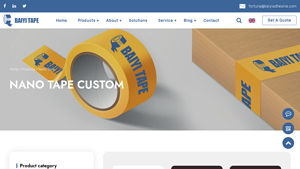
ドメイン baiyiadhesive.com
登録:2017年(9年目)
はじめに Manufacturer: Zhejiang Baiyi Adhesive Products Co., Ltd. Product Category: Nano Tape (8 items listed). Product Variants: 1) DIY Blow Bubbles Nano Tape, 2) Double-Sided Nano-Pearl Coloured Adhesive, 3) Double-Sided Nano-Colour Translucent Adhesive, 4) Gold Onion Double-Sided Nano Adhesive, 5) Double-Sided Nano-Transparent Adhesive, 6) Double-Sided Nano Red Film Adhesive, 7) Double-Sided Nano-Mesh A…
3. Topever – Self Adhesive Tapes
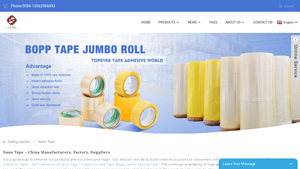
ドメイン topevertape.com
登録:2022年(4年)
はじめに This company, Topever – Self Adhesive Tapes, is a notable entity in the market.
Strategic Sourcing Conclusion and Outlook for Nano adhesive tape
As global supply chains prioritize efficiency and sustainability, nano adhesive tape represents a strategic pivot from permanent mechanical fasteners to reusable, surface-friendly bonding solutions. For procurement teams across Africa, South America, the Middle East, and Southeast Asia, the technology offers distinct advantages: reduced installation labor, elimination of surface damage liability, and adaptability to diverse climates—from humid tropical environments to air-conditioned commercial interiors.
How Can Buyers Verify Authentic Nano Performance Claims?
Not all products marketed as “nano” utilize true micro-structured acrylic arrays or carbon nanotube technology. B2B buyers should demand technical datasheets specifying shear strength, cycle durability (wash/reuse counts), and substrate compatibility testing relevant to local materials—whether Saudi Arabian marble facades or Vietnamese polished wood furniture. Requesting samples for climate-specific testing ensures van der Waals adhesion performs under regional humidity and temperature variations.
What Is the Strategic Outlook for Reusable Adhesives?
The market trajectory points toward expansion in construction temporary mounting, automotive interior assembly, and electronics manufacturing—sectors booming in emerging economies. As sustainability mandates tighten globally, washable, residue-free adhesives will transition from convenience items to compliance necessities. Forward-thinking procurement strategies should secure supplier partnerships capable of consistent quality at scale, positioning nano tape not merely as an alternative, but as a primary fastening infrastructure for modern, flexible manufacturing and retail environments.