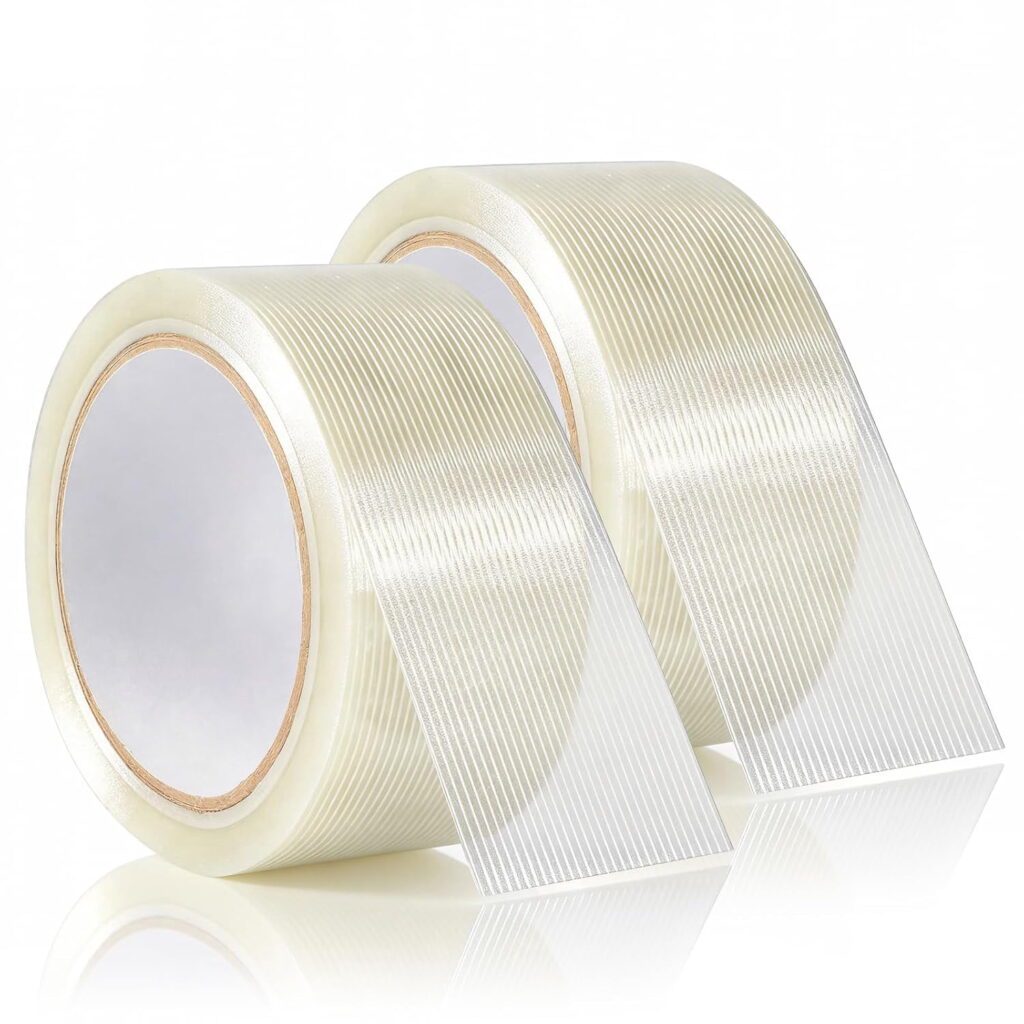
Introduction: Navigating the Global Market for Nano gel tape
いつ sourcing nano gel tape for industrial applications or retail distribution, procurement teams face a complex landscape of varying adhesive technologies, supplier reliability concerns, and fluctuating global pricing structures. The promise of reusable, residue-free mounting solutions has created explosive demand across construction, automotive, and electronics sectors, yet navigating quality certifications and bulk pricing tiers requires strategic insight that many international buyers struggle to access.
What Makes Global Nano Gel Tape Procurement Challenging for Emerging Markets?
From Lagos to Berlin, buyers encounter inconsistent product specifications masquerading as advanced “nano technology,” while logistics complexities and import compliance requirements vary dramatically across African, South American, and Middle Eastern trade corridors. Understanding the distinction between genuine PU-based microsphere adhesives and conventional double-sided tapes becomes critical when your reputation depends on delivering washable, transparent mounting solutions that perform reliably on glass, metal, and painted drywall without leaving residue.
How Can This Guide Optimize Your International Sourcing Strategy?
This comprehensive resource examines technical specifications including bond strength metrics and substrate compatibility, while providing actionable frameworks for supplier vetting, quality assurance protocols, and cost-per-use analysis across bulk order tiers. Whether you’re establishing supply chains for automotive interior mounting in Germany or sourcing eco-friendly adhesive solutions for Nigeria’s growing retail sector, you’ll find region-specific procurement intelligence that transforms vendor selection from guesswork into data-driven decision-making—ensuring you secure high-performance nano gel tape that meets both your technical requirements and bottom-line objectives.
Understanding Nano gel tape Types and Variations
| タイプ名 | 主な特徴 | 主なB2Bアプリケーション | バイヤーのための簡単な長所と短所 |
|---|---|---|---|
| Standard Double-Sided Transparent | PU polymer base, crystal clear finish, residue-free removal, compatible with glass/metal/plastic | Retail display mounting, office organization, temporary signage, light fixture installation | Pros: Cost-effective for bulk procurement, versatile across surfaces. Cons: Limited load capacity (typically <2kg), temperature sensitive above 60°C. |
| Heavy-Duty Industrial Grade | Thicker gel substrate (1-2mm), microsphere adhesive technology, enhanced shear strength, vibration dampening | Industrial tool mounting, heavy mirror installation, machinery fixture attachment, warehouse organization | Pros: Superior holding power (5-10kg+), durable for long-term bonding. Cons: Higher cost per meter, may require surface cleaning/preparation for optimal adhesion. |
| Washable Reusable Grade | Hydrophilic PU formulation, regenerates with warm soapy water, maintains adhesion after 50+ wash cycles | Rental property fittings, temporary exhibition stands, reusable packaging systems, seasonal retail displays | Pros: Excellent cost-per-use ratio, sustainable/eco-friendly option for ESG compliance. Cons: Requires maintenance protocol, adhesion gradually degrades after multiple washes. |
| High-Temperature Automotive Grade | Silicone-PU hybrid composition, -20°C to 120°C range, UV stabilized, anti-static properties | Dashboard accessory mounting, EV battery component fixation, solar panel installation, outdoor signage | Pros: Climate resilient for extreme heat/cold, outdoor rated longevity. Cons: Premium pricing tier, specific curing time required for full bond strength. |
| Custom Die-Cut Industrial Solutions | Pre-cut geometries, extended release liners, OEM branding options, bulk roll formats (up to 50m+) | Electronics assembly, appliance manufacturing, point-of-sale display production, automotive interior trim | Pros: Reduced labor costs in assembly, consistent application quality, scalable for high-volume orders. Cons: Higher MOQ requirements (typically 500+ units), longer lead times for custom tooling. |
What Are the Best Applications for Standard Clear Nano Gel Tape in B2B Settings?
Standard double-sided transparent nano gel tape serves as the entry-level solution for businesses requiring clean, removable mounting across diverse surface types including painted drywall, glass, tile, and metal. This variation utilizes polyurethane (PU) pressure-sensitive adhesive technology to provide immediate tack without surface damage, making it ideal for retail environments, corporate office fit-outs, and temporary exhibition graphics where aesthetic discretion is paramount. B2B buyers should evaluate bulk case pricing structures, as standard grades typically offer the most competitive per-meter costs for high-volume procurement across multiple project sites, though load limitations restrict use to objects under 2 kilograms.
How Does Heavy-Duty Industrial Grade Nano Gel Tape Support Manufacturing and Warehouse Operations?
Heavy-duty industrial grade nano gel tape features enhanced gel thickness and microsphere adhesive particles
Key Industrial Applications of Nano gel tape
| 業界/セクター | Specific Application of Nano gel tape | ビジネスにとっての価値/利益 | このアプリケーションにおける主な調達上の考慮事項 |
|---|---|---|---|
| Automotive Manufacturing & Aftermarket | Interior trim mounting, dashboard accessory fixation, wire harness management, and temporary fixture holding during assembly | Eliminates drilling damage and screw holes, reduces vehicle weight for fuel efficiency, enables rapid prototyping and customization without permanent alteration | Heat resistance certification for tropical climates (Africa/Middle East/South America), automotive-grade PU composition with microsphere technology, bulk roll availability for high-volume assembly lines |
| Electronics Assembly & Manufacturing | Temporary PCB holding during testing phases, sensor mounting, display integration in devices, and cleanroom component positioning | Residue-free removal prevents circuit contamination, reusable properties reduce consumable costs in high-mix production, transparency allows aesthetic integration | Anti-static properties essential for sensitive components, compliance with EU RoHS/REACH standards for German/European facilities, precision die-cutting capabilities for small component mounting |
| Commercial Construction & Interior Fit-Out | Temporary signage installation, mirror and glass mounting on mixed substrates, protective film application during building completion | Damage-free removal preserves expensive finishes (marble, tile, painted drywall), washable reuse reduces material waste on large projects, bonds to porous surfaces without mechanical fasteners | Compatibility with high-humidity environments (Nigeria, Brazil, UAE), bulk pricing for construction-scale procurement, verified adhesion strength on local substrates like brick, stone, and painted concrete |
| Retail Display & Exhibition Services | Reusable POP display assembly, trade show booth construction, temporary visual merchandising and fixture mounting | Rapid repositioning without surface damage enables frequent layout changes, multi-use cycles maximize ROI for exhibition companies, invisible mounting enhances product presentation | Washability for repeated use across multiple exhibition cycles, climate stability for international shipping (Europe to Middle East/Africa), clear appearance specifications for premium brand displays |
How Does Nano Gel Tape Streamline Automotive Interior Assembly Without Permanent Fixings?
In automotive manufacturing and aftermarket services across Germany, Nigeria, and the UAE, nano gel tape serves as a critical solution for mounting interior trim components, dashboard accessories, and wire harnesses without drilling. The tape’s microsphere adhesive technology bonds securely to metal, plastic, and glass substrates while allowing clean removal during vehicle servicing or end-of-lease restoration. For buyers in hot climates like the Middle East and West Africa, sourcing heat-resistant formulations is essential to prevent adhesive degradation in high-temperature interiors. This eliminates screw holes that compromise vehicle aesthetics and provides the flexibility needed for rapid prototyping and customization in modern assembly lines.
What Role Does Nano Gel Tape Play in Cleanroom Electronics Manufacturing?
Electronics manufacturers in Europe and assembly hubs in South America utilize nano gel tape for temporary holding of PCBs during testing phases and mounting sensors or displays in consumer devices. The PU-based composition leaves zero residue on sensitive circuits, preventing costly contamination in cleanroom environments where traditional adhesives fail. B2B buyers must verify anti-static properties and compliance with EU RoHS directives when sourcing for German or Dutch facilities. The tape’s reusability proves particularly valuable for high-mix, low-volume production runs common in contract electronics manufacturing, where frequent repositioning of components is required without damaging delicate substrates or leaving conductive residues.
Why Is Nano Gel Tape Essential for Damage-Free Construction and Interior Fit-Outs?
Construction contractors across Africa and South America leverage nano gel tape for mounting temporary signage, installing mirrors on tiled walls, and securing protective films during building completion phases. Unlike mechanical fasteners that damage expensive finishes like marble or painted drywall common in Middle Eastern commercial developments, this transparent tape adheres strongly to porous brick, stone, and glass without leaving residue upon removal. Buyers should prioritize bulk roll formats and verify adhesion performance in high-humidity environments typical of Nigerian or Brazilian construction sites. The washable reusability significantly reduces material waste on large-scale projects where temporary fixtures require frequent repositioning during fit-out.
How Can Retail and Exhibition Industries Maximize ROI with Reusable Mounting Solutions?
Retail display manufacturers and exhibition service providers from Europe to South America depend on nano gel tape for assembling point-of-purchase displays and trade show booths that require frequent assembly and disassembly across multiple venues. The tape’s transparency ensures invisible mounting that doesn’t distract from product presentation, while its washability allows the same tape to be reused across numerous exhibition cycles, significantly reducing consumable costs for event management companies. When sourcing, buyers should request samples tested for climate stability during international shipping between regions like Germany and the UAE, ensuring the adhesive maintains its properties despite temperature fluctuations in transit and varying ambient conditions at exhibition venues.
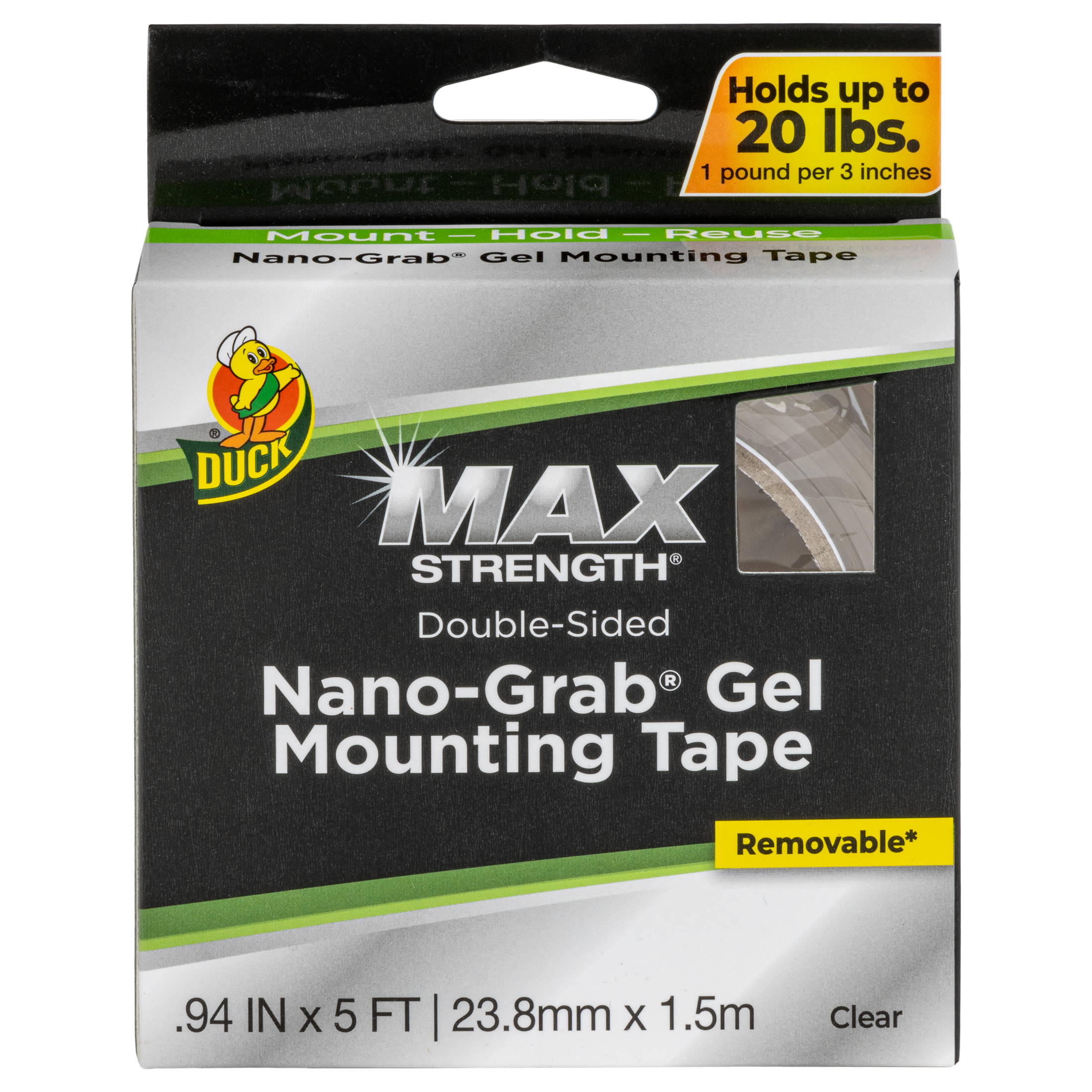
A stock image related to Nano gel tape.
3 Common User Pain Points for ‘Nano gel tape’ & Their Solutions
Scenario 1: Industrial Load-Bearing Failures in High-Vibration Machinery Installation
問題だ:
B2B procurement teams across manufacturing sectors frequently encounter catastrophic adhesive failures when deploying standard nano gel tape for heavy machinery installation or automotive component mounting. The core issue stems from ambiguous weight capacity specifications—while marketed as “heavy-duty,” many nano tapes lack verified shear strength ratings for industrial vibration environments common in German manufacturing facilities or Nigerian construction sites. When tape fails under dynamic loads, the resulting equipment damage and safety liabilities far exceed initial procurement savings. Additionally, buyers struggle to reconcile wholesale pricing tiers with quality assurance, often receiving inconsistent batch adhesion that complicates inventory standardization across international project sites.
解決策
Mitigate load-bearing risks by specifying nano gel tape with quantified tensile strength metrics (minimum 1.5 kg/cm² for industrial applications) rather than generic marketing claims. Conduct substrate-specific adhesion testing using actual surface materials from your target markets—whether textured Middle Eastern stone or European painted drywall—before committing to bulk orders. While heavy-duty nano tape commands higher wholesale pricing tiers, implement reusable protocols where tape is washed with warm soapy water between applications, reducing per-use costs by 60-80% compared to single-use acrylic foam tape alternatives. Establish supplier agreements that include batch consistency certifications and temperature resistance validation for climates ranging from humid African environments to arid Middle Eastern conditions.
Scenario 2: Cross-Regional Surface Compatibility and Residue Liability Issues
問題だ:
International distributors operating across diverse geographic markets face significant liability when nano gel tape performs inconsistently across varying environmental conditions. In high-humidity African climates or dusty Middle Eastern construction sites, standard PU-based nano tapes often lose adhesion prematurely or, conversely, bond too aggressively to delicate European wall surfaces, leaving residue that damages client property. This creates a dual pain point: technical failure in challenging environments and costly surface restoration claims in developed markets like Germany. Buyers also encounter confusion regarding which tape formulations work on porous versus non-porous substrates, leading to inventory fragmentation and increased SKU complexity.
解決策
Source nano gel tape featuring microsphere adhesive technology that maintains consistent performance across painted drywall, brick, stone, metal, and glass without substrate-specific inventory changes. Prioritize suppliers offering transparent, residue-free removal guarantees backed by independent testing certifications—critical for maintaining client relationships in European markets where surface damage liability is high. For challenging environments, implement pre-application surface preparation protocols using isopropyl alcohol wipes to remove dust and oils, particularly crucial in Nigerian or Middle Eastern industrial settings. Negotiate customized dimensions (widths beyond standard 0.94-inch rolls) to minimize edge lifting in high-temperature climates, ensuring the tape covers sufficient surface area for permanent bonding while maintaining clean aesthetic lines required for German automotive and electronics manufacturing standards.
Scenario 3: Manufacturing Integration Bottlenecks from Inflexible Sizing and MOQ Constraints
問題だ:
OEM manufacturers and industrial assemblers face production line inefficiencies when integrating nano gel tape into automated mounting processes or custom machinery assembly. Standard 5-foot roll lengths and fixed widths (typically 0.94 inches) create material waste and application delays when components require specific die-cut shapes or extended liner configurations for automated dispensers. Furthermore, buyers seeking customization encounter prohibitive minimum order quantities (MOQs) that strain working capital, particularly for African and South American mid-sized enterprises testing nano tape as an alternative to mechanical fasteners. The inability to secure dimension-specific wholesale pricing tiers forces manufacturers to choose between inefficient manual cutting processes or reverting to less versatile acrylic foam tape solutions.
解決策
Partner with suppliers offering comprehensive customization services including die-cutting, extended liner options, and width variations (ranging from narrow electronics-mounting strips to wide industrial gasketing formats) without excessive MOQ penalties. Structure procurement agreements around scalable wholesale pricing tiers that accommodate initial pilot runs (5-9 case quantities) while providing volume discounts for 10+ case commitments as demand scales. For automated manufacturing lines, specify nano gel tape with differential adhesion properties—permanent bonding on the equipment side and removable/repositionable adhesion on the mounting surface—to facilitate quality control adjustments during assembly. This approach eliminates the dimensional constraints of standard rolls while leveraging nano tape’s reusability advantage over traditional foam tapes, ultimately reducing per-unit fastening costs in high-volume electronics and automotive component manufacturing.
Strategic Material Selection Guide for Nano gel tape
Selecting the appropriate substrate for nano gel tape represents a critical procurement decision for B2B buyers operating across diverse climatic zones, from Nigeria’s humid regions to Germany’s precision manufacturing environments. While marketed as uniform commodities, nano gel tapes vary significantly in polymer composition—ranging from thermoplastic elastomers to advanced silicone hybrids—creating distinct performance profiles in adhesion longevity and temperature tolerance. Understanding these material distinctions enables procurement teams to align technical specifications with environmental stressors, reducing field failure rates and optimizing cost-per-application metrics across construction, electronics, and automotive sectors.
Why Does Polymer Composition Matter for Cross-Regional Nano Gel Procurement?
Material selection directly impacts inventory management and regional distribution strategies, as formulations react differently to storage conditions prevalent in target markets. Buyers sourcing for Middle Eastern construction sectors must prioritize UV resistance, while those supplying European automotive manufacturers may prioritize shear strength over reusability. The following analysis examines four primary material categories, evaluating their suitability for specific industrial applications and climatic conditions.
Is Polyurethane (PU) Gel Suitable for High-UV Environments?
Polyurethane (PU) gel formulations constitute the industry standard in nano tape manufacturing, leveraging microsphere adhesive architectures that enable mechanical washing and adhesive reactivation for repeated deployment cycles. This thermoplastic polymer delivers exceptional optical clarity (>90% light transmission), rendering it indispensable for retail display mounting, glass bonding, and museum exhibition applications where visual aesthetics remain paramount. However, standard PU formulations exhibit inherent photodegradation vulnerabilities, with adhesive cohesion deteriorating rapidly under sustained UV exposure exceeding 50 hours in arid Middle Eastern or high-altitude African environments. Procurement specialists should mandate UV-stabilized PU grades for outdoor applications, recognizing that unmodified variants typically withstand only moderate temperature ranges between -10°C and 60°C before viscoelastic properties compromise.
When Should B2B Buyers Specify Acrylic-Based Nano Gel Over Standard PU?
Acrylic-based nano gels employ pressure-sensitive adhesive (PSA) technology cross-linked with nano-scale particles, delivering superior shear strength and resistance to plasticizer migration from PVC surfaces common in automotive interior assemblies. These formulations demonstrate exceptional performance in electronic device mounting and signage applications requiring weatherability across fluctuating temperatures (-20°C to 120°C), particularly within European industrial standards. While acrylic variants offer enhanced oxidative stability compared to PU alternatives, they fundamentally sacrifice reusability characteristics, typically permitting only 2-3 removal cycles before adhesive fatigue and substrate delamination occur. This performance profile renders acrylic nano gel cost-prohibitive for temporary installation projects but optimal for semi-permanent industrial bonding where longevity exceeds functional flexibility.
How Does Silicone Nano Gel Perform in Extreme Temperature Applications?
Silicone-based nano tapes address specialized B2B segments requiring biocompatibility certifications or extreme thermal performance, such as medical device manufacturing, food processing equipment, and
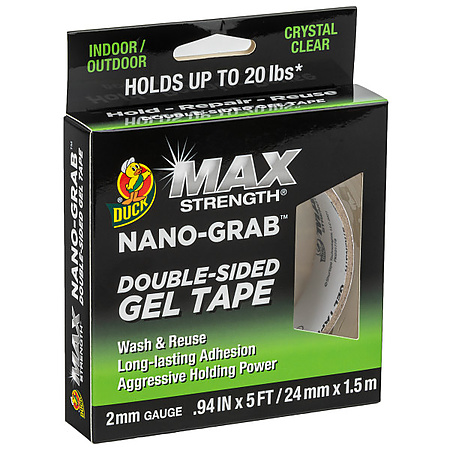
A stock image related to Nano gel tape.
In-depth Look: Manufacturing Processes and Quality Assurance for Nano gel tape
Understanding the manufacturing backbone of nano gel tape empowers procurement teams to evaluate supplier capabilities beyond marketing claims. For industrial buyers sourcing from international markets—whether distributing through Lagos, Frankfurt, or São Paulo—production consistency directly correlates with brand reputation and end-user satisfaction. The following technical overview examines how premium nano tape transitions from raw polyurethane compounds to finished double-sided solutions capable of supporting heavy loads while maintaining clean removability.
How Is Nano Gel Tape Manufactured Using Advanced PU Gel Processes?
Industrial production begins with high-grade polyurethane (PU) resin synthesis, where manufacturers combine polyols and isocyanates under controlled atmospheric conditions to create the gel matrix. Unlike conventional acrylic foam tapes, nano gel requires precise viscosity management during the liquid phase to achieve the characteristic transparent, rubber-like consistency that distinguishes premium products. Advanced facilities employ closed-loop mixing systems that eliminate air bubbles and contaminants, ensuring the gel maintains uniform density critical for optical clarity and load distribution.
The coating stage utilizes precision slot-die or knife-over-roll application methods to deposit the PU gel onto silicone-treated release liners at thicknesses typically ranging from 0.5mm to 2.0mm. Temperature-controlled environments prevent premature curing while allowing the material to flow evenly across web widths exceeding one meter for bulk production. This phase determines the tape’s final tack level and compression characteristics, requiring real-time viscosity monitoring to prevent batch-to-batch variation that could compromise adhesion performance in tropical climates or heated industrial environments.
What Role Do Microsphere Adhesives Play in Production Consistency?
Embedded within the PU matrix are microscopic adhesive spheres—often nano-scale acrylic or synthetic rubber particles—that create the tape’s unique pressure-sensitive properties without traditional chemical solvents. During manufacturing, these microspheres undergo surface activation treatments before uniform dispersion throughout the gel medium using high-shear mixing technology. The distribution density of these particles directly impacts the tape’s immediate tack versus long-term holding power balance, a critical specification for B2B buyers serving both temporary mounting and permanent bonding markets.
Quality-focused manufacturers implement laser particle-size analysis during this phase to verify that microsphere diameters fall within strict tolerances (typically 10-100 nanometers). Inconsistent particle sizing results in uneven stress distribution under load, potentially causing premature failure when mounting glass, metal, or painted drywall surfaces. This nanotechnology integration separates commodity-grade tapes from industrial-strength variants capable of supporting weights exceeding 1kg per square centimeter while remaining washable and reusable.
Which Quality Control Tests Validate Industrial-Grade Nano Tape Performance?
Reputable suppliers subject production batches to rigorous mechanical testing protocols that simulate real-world stress conditions across diverse climates. Peel adhesion tests measure the force required to remove tape from standardized stainless steel and painted surfaces at 180-degree and 90-degree angles, ensuring values meet specified Newton-per-meter ranges for both initial tack and 72-hour cured adhesion. Shear resistance testing evaluates the tape’s ability to resist slippage under constant load at elevated temperatures—particularly crucial for buyers distributing in Middle Eastern or West African markets where ambient temperatures frequently exceed 40°C.
Reusability validation requires automated cycling machines that repeatedly adhere samples to test panels, remove them, wash with aqueous solutions, and reapply to verify adhesive recovery rates. Premium nano gel tapes must maintain 80-90% of original bond strength after 20+ wash cycles to qualify for commercial distribution. Additionally, accelerated aging chambers subject samples to UV radiation, humidity cycling (85% RH), and thermal shock (-20°C to 60°C) to predict shelf-life stability during ocean freight and warehouse storage in varying environmental conditions.
How Do Manufacturers Ensure Climate Stability for Global Distribution?
For B2B buyers sourcing across continents, manufacturing facilities must implement climate-adaptive packaging and stabilization processes that prevent degradation during transit. Post-curing, nano gel tapes undergo conditioning in humidity-controlled clean rooms (typically 23°C/50% RH) to establish moisture equilibrium before final winding and packaging. This stabilization prevents the “cold flow” or adhesive migration issues that plague inferior products during high-temperature container shipping common on routes between Asia and African ports or through the Suez Canal.
Packaging specifications include multi-layer moisture barrier films with desiccant inserts and UV-opaque outer cartons to protect the silicone release liners from humidity-induced delamination. Manufacturers serving European markets (particularly Germany) often integrate additional anti-static treatments during slitting operations to prevent dust attraction during automated application processes in electronics assembly facilities. These production details ensure that nano tape arrives at Nigerian distribution centers or German industrial plants with adhesion properties identical to factory specifications.
What Certifications Should B2B Buyers Demand for Nano Gel Tape?
International procurement teams should verify that manufacturing facilities maintain ISO 9001:2015 quality management systems with specific adherence to adhesive tape production protocols. For European distribution, REACH compliance and RoHS certification confirm the absence of restricted substances like heavy metals or phthalates in the PU gel formulation—essential for electronics mounting applications and construction projects under EU regulations. Middle Eastern buyers should request SASO (Saudi Standards, Metrology and Quality Organization) conformity certificates, while Nigerian importers benefit from SON (Standards Organization of Nigeria) product registration documentation.
Environmental sustainability credentials increasingly influence B2B purchasing decisions, with leading manufacturers obtaining ISO 14001 environmental management certifications and providing solvent-free production guarantees. Requesting batch-specific Certificate of Analysis (CoA) documents with detailed peel strength values, gel density measurements, and microsphere distribution data enables technical teams to verify consistency before accepting shipments. These documentation standards separate commodity traders from strategic manufacturing partners capable of supporting long-term supply agreements across diverse international markets.
Practical Sourcing Guide: A Step-by-Step Checklist for ‘Nano gel tape’
When sourcing nano gel tape for commercial applications across diverse markets, buyers must look beyond basic product descriptions to ensure the polyurethane-based adhesive meets specific industrial standards for reusability and load-bearing capacity. This checklist provides actionable steps to evaluate suppliers, verify technical specifications, and secure procurement terms that align with cross-border shipping requirements and regional compliance standards.
1. How to Verify Material Composition and Adhesive Specifications for Industrial Use?
Request detailed technical data sheets confirming polyurethane (PU) gel composition rather than standard acrylic formulations, as PU provides superior elasticity and transparency for professional mounting applications. Verify the density of microsphere adhesive particles, which determines long-term bonding strength on surfaces including painted drywall, metal, glass, tile, and stone. Specify exact tensile strength ratings and thickness measurements suitable for your intended load-bearing requirements, whether for automotive interior components or heavy-duty exhibition displays.
2. What Surface Compatibility Testing Should You Conduct Before Bulk Procurement?
Order sample rolls to test adhesion on substrate combinations specific to your target markets—whether textured walls common in Middle Eastern construction or smooth automotive dashboards in European manufacturing. Evaluate performance across wood, brick, plastic, and glass under local temperature and humidity conditions, documenting any residue left after removal. Clean separation without sticky residue is essential for reusable applications in temporary retail displays or rental property management.
3. How to Evaluate Reusability Claims and Wash Cycle Durability?
Validate regeneration capabilities by removing samples, washing with warm soapy water, air-drying completely, and reapplying through 10+ cycles to verify consistent adhesion strength. Assess whether the gel matrix maintains structural integrity after repeated handling, particularly for temporary mounting solutions in exhibition contexts or seasonal retail installations. Confirm that washing does not compromise transparency or create uneven surface textures that reduce bonding effectiveness.
4. What Certifications and Compliance Documentation Are Required for Your Target Markets?
For European markets including Germany, mandate REACH and RoHS compliance certificates verifying non-toxic, environmentally friendly composition free from restricted substances. Nigerian and broader African buyers should request SONCAP conformity assessments or equivalent regional safety certifications applicable to adhesive products. Ensure suppliers provide Material Safety Data Sheets (MSDS) in English, French, Spanish, or Arabic depending on destination markets, alongside import-specific documentation required by local customs authorities.
5. How to Negotiate Customization, MOQs, and Pricing Tiers for International Shipping?
Discuss custom dimensions beyond standard sizes (such as 0.94 inch widths) to optimize material usage for specific applications in your portfolio. Negotiate volume-based pricing tiers—typically offering 6-9% discounts at 5-case quantities and above—while clarifying Incoterms responsibilities for freight, insurance, and customs clearance. Confirm packaging specifications include moisture barriers and temperature-resistant wrapping to prevent gel degradation during transit to tropical climates, and verify supplier capabilities for private labeling and multilingual instruction inserts.
6. What Quality Control Checks Should You Implement Upon Receiving Bulk Orders?
Conduct random sampling inspections to verify consistent gel transparency, uniform thickness throughout the roll, and proper silicone liner release characteristics. Test immediate adhesion strength on multiple surface types and cross-reference batch numbers against provided certification documents. Inspect packaging integrity for moisture contamination or heat exposure indicators, as compromised PU gel exhibits reduced tackiness and reusability, and document any discrepancies before accepting full shipment or releasing final payment.
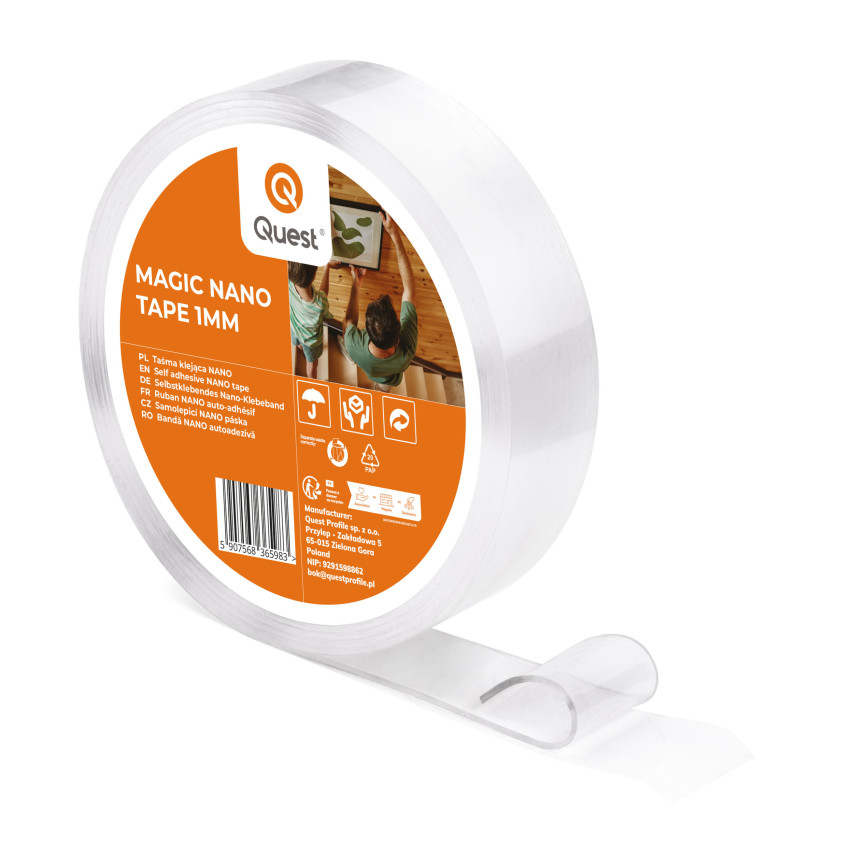
A stock image related to Nano gel tape.
Comprehensive Cost and Pricing Analysis for Nano gel tape Sourcing
B2B procurement of nano gel tape requires sophisticated cost analysis beyond superficial unit pricing. The pricing architecture reflects volatile PU (polyurethane) raw material markets, precision manufacturing tolerances, and regional logistics complexities. For international buyers across Africa, South America, the Middle East, and Europe, understanding tiered volume structures and hidden landed costs proves essential for margin optimization.
What Volume Tiers Deliver Optimal ROI for International Buyers?
Standard B2B pricing follows exponential discount curves based on minimum order quantities. Single-case procurement (6-24 units) typically positions standard 0.94″ x 5ft rolls at $4.50-$4.90 per unit. Mid-tier volumes (5-9 cases/30-59 units) unlock 6-8% reductions, while container-level commitments (10+ cases) secure 9-12% discounts, driving per-unit costs below $4.40. German industrial buyers frequently negotiate additional 3-5% annual contract reductions for volumes exceeding 500 cases, whereas Nigerian distributors should prioritize currency hedging clauses in USD-denominated agreements to mitigate Naira volatility risks.
How Do Material Specifications Drive Cost Variations?
Premium PU formulations with enhanced microsphere adhesion command 15-20% premiums over standard acrylic-hybrid alternatives. Automotive and electronics applications requiring operational temperature ranges (-20°C to 80°C) incur $0.80-$1.20 per meter premiums. Middle Eastern construction buyers must verify UV-stabilized formulations, adding $0.30-$0.50 per unit but preventing rapid degradation in 50°C+ environments. South American importers sourcing medical-grade PU tapes benefit from Mercosur trade advantages, potentially reducing landed costs by 8-12% compared to standard industrial grades.
What Hidden Logistics Costs Impact African and European Markets?
Unit pricing typically represents only 60-70% of total procurement expenditure. African buyers face specific climate-control requirements; shipping PU gel tapes necessitates refrigerated containers (adding $800-$1,200 per TEU) to prevent adhesive polymer breakdown during equatorial transit. European importers must incorporate REACH compliance certification costs ($0.15-$0.25 per unit). Customs classifications under HS Code 3919.10 generate duty variations from 0% (EU preferential rates) to 15-25% in select South American jurisdictions. First-time buyers should negotiate DDP (Delivered Duty Paid) terms to eliminate customs clearance surprises.
Does Washable Reusability Justify Premium Sourcing Costs?
Total cost of ownership calculations favor nano gel tape despite 40-60% higher upfront investment versus traditional foam tapes. Industrial-grade PU formulations support 50-100 wash cycles, reducing effective per-use costs to $0.04-$0.08 compared to $0.25-$0.40 for single-use alternatives. For Nigerian retail display networks and German exhibition contractors, this reusability factor delivers substantial long-term savings. However, industrial buyers must calculate reverse logistics expenses—establishing cleaning stations for returned tape rolls requires $0.10 per unit labor and water treatment budgeting to maximize ROI.
Alternatives Analysis: Comparing Nano gel tape With Other Solutions
When evaluating mounting and bonding solutions for commercial projects, procurement teams must weigh immediate cost against long-term operational flexibility. While nano gel tape offers unique reusability and surface protection, understanding how it stacks against conventional methods ensures optimal specification for diverse applications—from German manufacturing facilities requiring precision to Nigerian retail environments demanding rapid deployment.
| 比較の側面 | Nano Gel Tape | メカニカル・ファスニング・システム | Heavy-Duty Acrylic Foam Tape |
|---|---|---|---|
| Initial Investment | Low to Medium (reusable across cycles) | High (hardware + specialized labor) | Low to Medium (single-use consumption) |
| 設置スピード | Immediate (tool-free application) | Slow (requires drilling/anchoring) | Moderate (surface preparation required) |
| Surface Compatibility | Universal (glass, tile, painted drywall, metal, stone) | Limited (requires structural substrate integrity) | Moderate (surface-specific adhesive variants needed) |
| Load Capacity | Medium (optimal for electronics, décor, temporary fixtures) | High (structural and safety-critical loads) | High (permanent heavy-duty mounting) |
| Removability | Clean removal, washable and reusable | Damaging (permanent holes, repair costs) | Residue remains, single-use only |
| 労働条件 | Minimal (unskilled application) | High (skilled tradespeople required) | Low to Moderate |
| 環境への影響 | Low (PU material, multi-use lifecycle) | High (metal/plastic waste, dust generation) | Medium (acrylic waste, non-reusable) |
| Aesthetic Finish | Invisible/Transparent | Visible hardware | Visible (thicker profile, edge visibility) |
When Should B2B Buyers Choose Mechanical Fastening Over Nano Gel Tape?
Mechanical fastening systems—encompassing screws, wall anchors, and mounting brackets—remain the standard for structural load-bearing applications across industrial sectors in Germany and the Middle East. These systems provide unmatched shear strength for heavy machinery, permanent signage, and safety equipment where adhesive failure poses liability risks. However, procurement teams must factor in higher labor costs associated with drilling, dust containment, and potential surface damage that violates lease agreements in commercial real estate. For Nigerian construction projects or South American retail fit-outs requiring frequent layout changes, the permanence of mechanical solutions often creates costly renovation expenses when repositioning displays or equipment.
How Does Heavy-Duty Acrylic Foam Tape Compare for Permanent Industrial Applications?
Heavy-duty acrylic foam tapes represent the closest adhesive competitor to nano gel solutions, utilizing viscoelastic acrylic cores that bond aggressively to automotive and construction materials. Unlike nano gel’s PU-based microsphere technology that enables washing and reuse, acrylic foam tapes create permanent chemical bonds ideal for German automotive manufacturing or Middle Eastern HVAC installations where vibration resistance outweighs removability needs. While foam tapes offer superior immediate tack and weather resistance for outdoor applications, they lack the lifecycle cost advantages of nano gel tape; once removed, foam tapes require complete replacement and often necessitate surface refinishing due to adhesive residue. B2B buyers should specify foam tape for permanent fixtures in harsh environments while reserving nano gel solutions for temporary mounting, prototyping, and reusable applications in dynamic workspaces.
Essential Technical Properties and Trade Terminology for Nano gel tape
When sourcing nano gel tape for resale or industrial integration, verifying laboratory-grade specifications prevents costly returns and ensures compliance with regional safety standards. The following technical properties serve as non-negotiable benchmarks for B2B procurement teams operating across diverse climates and regulatory environments.
What Material Composition Determines Load-Bearing Capacity?
Polyurethane (PU) Gel Density defines the structural backbone of nano tape, typically measured in kilograms per cubic meter (kg/m³). Industrial-grade variants utilize high-density PU gel (above 900 kg/m³) to maintain viscosity under thermal stress, crucial for Middle Eastern and South American markets where surface temperatures frequently exceed 60°C. Requesting Material Safety Data Sheets (MSDS) to verify pure PU composition versus silicone blends ensures transparency regarding chemical stability and recyclability credentials required by EU REACH regulations.
Microsphere Adhesive Distribution refers to the density of microscopic suction structures per square centimeter. Higher concentrations (exceeding 10,000 microspheres/cm²) generate superior vacuum adhesion on textured substrates like painted concrete or automotive leather, directly correlating with the tape’s initial tack and shear resistance.
How Do Performance Metrics Influence Application Suitability?
Shear Resistance, quantified in kilograms per square centimeter (kg/cm²), indicates the tape’s ability to resist lateral sliding under static load. For B2B buyers supplying construction or electronics sectors, specifications above 1.2 kg/cm² prevent component displacement in vertical mounting scenarios.
温度動作範囲 specifies adhesion stability thresholds, typically spanning -20°C to 80°C for standard grades. However, premium automotive-grade tapes extend to 120°C, essential for dashboard mounting in tropical climates or industrial freezers in European logistics chains.
破断伸度 (300-500%) measures the tape’s stretch capacity before structural failure, determining conformability to curved surfaces in manufacturing assembly. Meanwhile, ライナーリリース力 (measured in grams per inch) affects automated dispensing efficiency; values between 20-50 g/inch optimize high-speed packaging operations without risking premature liner separation during transit.
Which Trade Terms Define Reusability and Compliance Standards?
Understanding industry jargon prevents specification mismatches during cross-border negotiations. Removability versus Repositionability distinguishes between clean removal without residue (critical for temporary exhibition builds) and the capacity for multiple relocations without washing—a distinction affecting pricing tiers in wholesale markets.
Washability Cycles quantifies reusability longevity, indicating how many soap-water rinses the tape withstands while retaining 80% adhesion. Commercial-grade products guarantee 50-100 cycles, whereas economy variants may offer only 10-20, significantly impacting total cost of ownership calculations for facility management firms.
Creep Resistance describes the adhesive’s resistance to flow under constant load, preventing mounted objects from sagging over months. This property is vital for permanent signage installation in African retail environments.
VOC Compliance references Volatile Organic Compound emissions standards, specifically EU REACH and California Prop 65 adherence. German and Nigerian buyers increasingly require VOC-free certifications to meet workplace safety regulations and import restrictions.
Tack Differentiation separates Initial Tack (immediate grip strength) from Ultimate Tack (bond strength after 72-hour curing). B2B buyers must specify requirements based on assembly speed versus long-term holding needs, particularly for automotive interior applications where vibration resistance is paramount.
Extended Liner (or finger-lift edge) refers to protective silicone backing that extends beyond the adhesive width, enabling faster peeling during high-volume manufacturing assembly. This feature reduces labor costs in packaging operations but requires precise specifications to prevent liner displacement during ocean freight.
Navigating Market Dynamics and Sourcing Trends in the Nano gel tape Sector
What Are the Current Market Dynamics Shaping Nano Gel Tape Procurement?
The global nano gel tape market is experiencing a significant shift from traditional acrylic adhesives toward polyurethane (PU)-based gel solutions, driven by demand for residue-free, reusable mounting systems. B2B buyers across Africa, South America, the Middle East, and Europe are increasingly prioritizing bulk procurement strategies that leverage tiered pricing models—similar to the 6-9% volume discounts observed in North American distribution channels—to optimize inventory costs while meeting diverse regional application needs. In European markets, particularly Germany, procurement teams are specifying nano gel tapes for automotive interior assembly and electronics mounting, where transparency and clean removability prevent surface damage to high-value components. Conversely, buyers in Nigeria and broader African markets are sourcing these solutions for construction and retail display applications, where multi-surface compatibility on painted drywall, brick, and metal reduces the need for mechanical fasteners in rapidly developing infrastructure sectors.
Supply chain dynamics indicate a growing bifurcation between commodity-grade products and specialized industrial formulations featuring microsphere adhesive technology. Middle Eastern importers are particularly focused on heat-resistant PU formulations suitable for extreme temperature variations, while South American manufacturers are integrating nano gel tapes into DIY product lines and temporary assembly workflows. The reusability factor—enabled by washing adhesive surfaces with warm, soapy water to restore bonding strength—is reshaping procurement calculations, with enterprises evaluating total cost of ownership (TCO) rather than per-unit pricing. This trend favors suppliers offering extended liner options and customizable widths that align with automated dispensing systems in high-volume manufacturing environments.
How Does Sustainability Influence Ethical Sourcing and Compliance in the Nano Gel Tape Sector?
Sustainability has transitioned from a secondary consideration to a core procurement criterion, as B2B buyers navigate increasingly stringent environmental regulations while meeting corporate circular economy targets. Nano gel tape’s inherent environmental advantages—non-toxic PU composition, zero-residue removal preventing surface waste, and reusability reducing consumable volume—position it favorably against traditional single-use adhesives. For European buyers, particularly those operating under Germany’s REACH regulations and EU Circular Economy Action Plan, sourcing decisions now require verification of solvent-free manufacturing processes and recyclable packaging materials. Similarly, Middle Eastern markets are implementing green building standards that favor mounting solutions contributing to LEED certification credits through reduced material waste during interior fit-outs.
Ethical sourcing considerations extend beyond material composition to encompass manufacturing transparency and labor practices in major production hubs. African and South American importers are increasingly auditing suppliers for compliance with ISO 14001 environmental management standards and SA8000 social accountability protocols, ensuring that the washable, reusable properties of nano gel tape are not offset by unethical production methods. Procurement teams should prioritize suppliers offering comprehensive material safety data sheets (MSDS) and third-party certifications verifying claims of non-toxicity and biodegradability. Furthermore, the shift toward sustainable sourcing is driving demand for water-based adhesive activation systems rather than solvent-based alternatives, aligning with global initiatives to reduce volatile organic compound (VOC) emissions across the adhesive supply chain.
Frequently Asked Questions (FAQs) for B2B Buyers of Nano gel tape
1. What are the wholesale pricing tiers and volume discounts available for nano gel tape bulk procurement?
Volume-based pricing for nano gel tape typically follows a tiered structure based on case quantities, with standard cases containing 6 to 24 rolls depending on width specifications. Entry-level tiers (1-5 cases) generally offer modest discounts of 5-7% off single-unit pricing, while mid-volume procurement (5-10 cases) unlocks 8-12% savings. High-volume commitments exceeding 10 cases often secure preferential rates of 15% or greater, with additional negotiations available for container-load quantities destined for distribution hubs in Lagos, Dubai, or Hamburg. B2B buyers should also factor in Incoterms, as FOB pricing from manufacturing centers may vary seasonally based on PU raw material costs.
2. How does nano gel tape compare to acrylic foam tape for industrial mounting and heavy-load applications?
While acrylic foam tapes provide permanent structural bonding with high shear resistance, nano gel tape offers distinct advantages for temporary or semi-permanent industrial mounting requiring clean removability. The polyurethane (PU) composition of nano gel creates a microsphere adhesive matrix that bonds aggressively to smooth surfaces yet releases without residue, unlike acrylic foams that typically leave adhesive remnants requiring solvent cleaning. For machinery installation, acrylic foam excels in permanent vibration-dampening applications, whereas nano gel tape serves better for fixture positioning, temporary tooling alignment, and applications requiring frequent repositioning during assembly processes. However, for sustained heavy loads exceeding 5kg per square inch in high-temperature environments, acrylic foam maintains superior long-term creep resistance.
3. Can nano gel tape be customized with specific dimensions, thicknesses, or private labeling for OEM manufacturing integration?
Yes, reputable manufacturers offer comprehensive OEM customization including precision slitting to widths ranging from 5mm to 100mm, custom roll lengths up to 50 meters, and specific thicknesses between 0.5mm and 3mm to accommodate automated dispensing systems. Die-cutting services enable production of custom shapes—circles, rectangles, or complex geometries—for direct integration into electronics assembly or automotive interior mounting. Private labeling options encompass custom core printing, branded release liners, and retail packaging design compliant with EU labeling directives or Middle Eastern import requirements. Minimum order quantities for custom configurations typically start at 500-1000 rolls, with lead times of 15-30 days depending on complexity.
4. What weight capacity does heavy-duty nano gel tape support for machinery installation and industrial equipment mounting?
Load capacity varies significantly based on surface area contact, substrate porosity, and tape thickness, but industrial-grade nano gel tape generally supports approximately 0.5-1.0 kg per 10cm² of contact area on smooth, non-porous surfaces like glass or powder-coated metal. For machinery installation, a 50mm x 50mm square (2500mm²) can typically secure loads of 10-15kg vertically, though dynamic shear forces require safety factors of 3:1 or greater. It is critical to note that nano gel tape performs optimally in tension and shear rather than peel mode, making it suitable for mounting control panels, sensors, and lightweight automation components rather than primary structural load-bearing. Buyers should request technical data sheets specifying adhesion strength measured in N/cm² and conduct substrate-specific testing before full-scale deployment.
5. Which surface preparation protocols ensure optimal adhesion for nano gel tape across diverse industrial substrates?
Nano gel tape adheres effectively to painted drywall, wood, glass, tile, metal, stone, and brick, provided surfaces are properly prepared to maximize microsphere adhesive contact. Industrial applications require thorough degreasing with isopropyl alcohol to remove machining oils, dust, or oxidation layers that compromise the PU gel’s vacuum-seal mechanism. Porous substrates like unsealed concrete or raw wood require priming or sealing to prevent adhesive absorption that reduces holding power. For high-humidity environments common in Middle Eastern or South American manufacturing facilities, ensuring complete surface dryness before application prevents moisture trapping that could degrade the gel’s cohesive properties over time.
6. How can manufacturing facilities maximize the reusability lifecycle of nano gel tape in temporary assembly fixtures?
Unlike permanent adhesive solutions, nano gel tape can undergo 50-100 reuse cycles when properly maintained, offering significant cost reductions for jig and fixture applications in lean manufacturing environments. To restore adhesive properties, remove the tape gently from substrates, wash under warm water (30-40°C) with mild detergent to remove particulate contamination, and allow complete air drying before reapplication. Avoid using solvents or abrasive cloths that may damage the microsphere structure. For inventory management, facilities should designate clean storage containers for
重要な免責事項および利用規約
⚠️ 重要な免責事項
メーカー、技術仕様、市場分析に関する内容を含め、本ガイドラインで提供される情報は、情報提供と教育目的のみのものです。専門的な調達アドバイス、財務アドバイス、または法的アドバイスを提供するものではありません。.
B2Bバイヤーは、独自の徹底的なデューデリジェンスを行う必要がある。 をご覧の上、ご購入をお決めください。本ガイドに記載された情報を信頼した場合のリスクは、読者が単独で負うものとします。.
Strategic Sourcing Conclusion and Outlook for Nano gel tape
How Can B2B Buyers Optimize Procurement Strategies for Nano Gel Tape in Emerging Markets?
As nano gel tape transitions from consumer novelty to industrial staple, procurement teams across Africa, South America, the Middle East, and Europe must prioritize suppliers offering verified PU material consistency and climate-adaptive formulations. The tape’s reusability and residue-free removal align with tightening ESG mandates, particularly in German manufacturing and Nigerian construction sectors seeking sustainable fastening alternatives. When evaluating vendors, insist on washability certification and bulk pricing transparency—typically structured in case-volume tiers—to maximize cost efficiency across large-scale installations while ensuring consistent adhesion on diverse substrates from painted drywall to metal and stone.
What Does the Future Hold for Nano Tape Applications in Heavy-Duty Industries?
Looking ahead, anticipate nano gel tape penetrating automotive interior assembly and renewable energy mounting systems, where its transparency and removability outperform traditional mechanical fasteners. Buyers should secure partnerships with manufacturers providing comprehensive technical datasheets validating shear strength across extreme temperatures and humidity levels common in Middle Eastern and South American environments. Establishing these supply relationships now ensures competitive positioning as demand accelerates for clean, repositionable bonding solutions in high-growth B2B verticals, while mitigating supply chain risks through diversified sourcing strategies that account for regional logistics complexities.