Introduction: Navigating the Global Market for Transparent packing tape for shipping
Sourcing reliable transparent packing tape for shipping operations across international borders presents a complex procurement challenge that can directly impact supply chain integrity and operational costs. From navigating inconsistent quality standards between regions to managing fluctuating freight logistics and customs documentation, procurement teams in emerging markets frequently struggle to secure consistent, high-performance sealing solutions that withstand diverse climate conditions while maintaining cost efficiency.
Why do international buyers face persistent challenges when sourcing transparent packing tape for global distribution?
The global marketplace for packaging materials remains highly fragmented, with significant variations in adhesive formulations, film thickness tolerances, and environmental compliance standards between manufacturers. Buyers from Vietnam to Brazil often encounter critical issues including tape adhesion failures in high-humidity environments, unclear technical specifications that disrupt automated packaging line integration, and suppliers lacking the export certifications necessary for seamless cross-border transactions and regulatory compliance.
What comprehensive evaluation criteria should procurement teams prioritize for transparent packing tape?
This guide delivers actionable intelligence across the complete procurement spectrum. We examine critical specification differentiators including hot-melt versus acrylic adhesive technologies, mil thickness optimization for various load weights, and release coating properties that affect high-speed application. You’ll discover application-specific recommendations for e-commerce fulfillment, heavy-duty industrial shipping, and temperature-sensitive logistics, alongside rigorous frameworks for supplier capability assessment, total cost of ownership modeling, and quality assurance protocols essential for international trade.
How can strategic procurement insights transform your packaging operations across emerging markets?
Designed specifically for procurement professionals throughout Africa, South America, the Middle East, and Europe, this authoritative resource converts complex technical specifications into strategic purchasing advantages. Whether establishing new supplier partnerships in Asia or optimizing existing packaging workflows in São Paulo, our comprehensive analysis equips you with the technical knowledge, market intelligence, and negotiation frameworks necessary to minimize shipping failures, ensure regulatory compliance, and secure transparent packing tape solutions that protect both your products and profit margins.
Understanding Transparent packing tape for shipping Types and Variations
| タイプ名 | 主な特徴 | 主なB2Bアプリケーション | バイヤーのための簡単な長所と短所 |
|---|---|---|---|
| Hot-Melt Polypropylene Tape | Synthetic rubber adhesive; aggressive initial tack; 1.6–2.0 mil thickness; high shear strength on recycled corrugated | High-volume e-commerce fulfillment; general warehousing; automated carton sealing lines | 長所だ: Cost-effective; excellent immediate grab |
Key Industrial Applications of Transparent packing tape for shipping
| 業界/セクター | Specific Application of Transparent packing tape for shipping | ビジネスにとっての価値/利益 | このアプリケーションにおける主な調達上の考慮事項 |
|---|---|---|---|
| E-commerce Fulfillment & 3PL | High-volume carton sealing for multi-SKU orders; automated dispenser compatibility | Maximizes throughput; clear visibility preserves barcode scanability; reduces rework costs | Acrylic adhesive for temperature stability; 2+ mil thickness for rough handling; bulk case pricing |
| Agricultural Export & Food Processing | Hermetic sealing of corrugated produce boxes; cold chain logistics for perishables | Prevents moisture ingress and spoilage; maintains traceability labels visible through tape; extends shelf life | Hot-melt adhesive for humid climates; FDA-compliant materials; UV resistance for outdoor storage |
| Automotive & Heavy Manufacturing | Palletizing engine components; securing irregular-shaped metal parts for international freight | Withstands 20+ kg tensile loads; prevents edge lifting during vibration-heavy transit; reduces damage claims | Synthetic rubber adhesive for dusty surfaces; 3-inch width for heavy loads; quiet unwind for factory floors |
| Healthcare & Pharmaceutical Distribution | Unit-of-use carton sealing for medical devices; tamper-evident closure of diagnostic kits | Ensures sterile barrier integrity; supports GDP compliance; clear finish allows expiration date visibility | Low-outgassing acrylic; cleanroom compatible; consistent adhesion for automated packaging lines |
How Can Transparent Packing Tape Optimize High-Volume E-Commerce Operations?
For fulfillment centers processing thousands of daily orders across Vietnam and Brazil, transparent packing tape with instant-tack acrylic adhesive eliminates costly downtime caused by flagging or splitting during peak seasons. The crystal-clear polypropylene film ensures shipping labels and QR codes remain fully scannable through automated sorting systems, significantly reducing misrouted packages and reverse logistics costs. Low-noise unwind properties minimize operator fatigue during extended shifts, while 2.6 mil thickness withstands the compression forces of conveyor systems and cross-docking operations common in emerging market logistics hubs where package integrity directly impacts customer satisfaction ratings.
What Sealing Solutions Work Best for Agricultural Exports in Humid Climates?
Exporters of coffee, cocoa, and fresh produce from Africa and South America require tape formulations that maintain aggressive adhesion despite extreme humidity and temperature fluctuations during extended maritime transit. Hot-melt adhesive variants create hermetic, moisture-resistant seals that prevent mold growth and preserve commodity quality from plantation to European processing facilities. The transparent backing allows customs inspectors to verify contents without tape removal, streamlining clearance at ports in Rotterdam or Hamburg. Sourcing 3-inch wide rolls with UV-resistant backings provides additional security for palletized agricultural sacks subjected to intense tropical sun and rough handling in container yards.
Why Do Automotive Parts Distributors Need Heavy-Duty Transparent Sealing Solutions?
Industrial distributors shipping machined metal components and spare parts from Middle Eastern manufacturing hubs to European assembly plants face unique challenges with dust contamination and vibration during multi-modal transport. Heavy-duty transparent tape featuring synthetic rubber adhesive bonds aggressively to slightly oily or dusty carton surfaces, preventing edge lift that could expose precision parts to corrosion or contamination. The 25+ lbs per inch tensile strength accommodates double-wall corrugated containers holding 50+ kg loads, while the optically clear finish maintains OEM branding visibility required for just-in-time manufacturing deliveries and quality control inspections.
How Does Specialized Transparent Tape Support Healthcare Supply Chain Compliance?
Pharmaceutical distributors operating across diverse regulatory environments from Africa to Eastern Europe require sealing solutions that meet Good Distribution Practice (GDP) standards without obscuring critical drug information or tamper-evidence indicators. Medical-grade transparent tape with low-outgassing acrylic adhesive ensures sterile barrier integrity for diagnostic kits and temperature-sensitive biologics during cold chain shipping. The consistent unwind force supports high-speed automated packaging lines in Cairo or São Paulo, while the non-yellowing clarity preserves lot numbers and expiration date visibility essential for pharmacovigilance tracking and regulatory audits throughout the international distribution network.
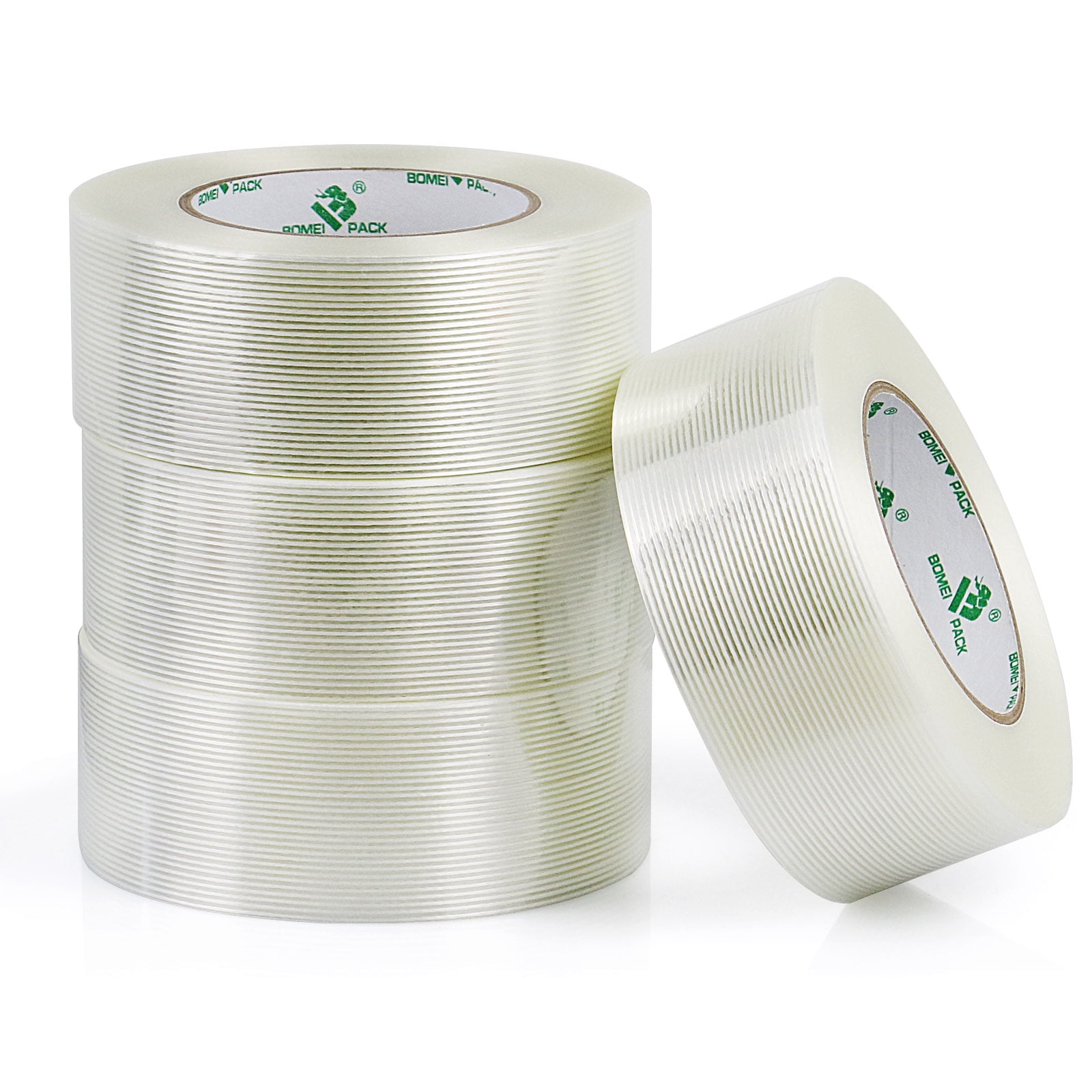
A stock image related to Transparent packing tape for shipping.
3 Common User Pain Points for ‘Transparent packing tape for shipping’ & Their Solutions
Scenario 1: Tape Peeling and Seal Failure in Tropical Transit Conditions
問題だ: B2B buyers sourcing from humid climates like Vietnam or Brazil often experience catastrophic seal failures when containers encounter condensation during ocean freight. Standard acrylic tapes may lose tack in high humidity, while hot-melt adhesives can become brittle in temperature fluctuations, leading to cartons opening mid-shipment and inventory damage.
解決策 Match adhesive chemistry to your distribution environment. For hot, humid regions (Southeast Asia, South America), select acrylic-based transparent tapes with UV stabilizers that resist moisture and temperature swings between 40°F–120°F. For cold-chain logistics or freezer storage, hot-melt synthetic rubber adhesives provide superior low-temperature performance. Always request technical data sheets specifying shear strength and temperature ranges before bulk procurement.
Scenario 2: Production Line Jams and Inconsistent Sealing with Automated Equipment
問題だ: Operations scaling to automated case sealers frequently face downtime when tape rolls bind, tear, or cause sensor misreads. Incompatible thickness (often below 1.6 mil) or irregular unwind tension forces maintenance stops every few hours, destroying throughput targets in high-volume fulfillment centers.
解決策 Specify machine-grade transparent packing tape with calibrated release coatings and uniform 1.9–2.6 mil thickness. Ensure the tape features a 3-inch core diameter for standard industrial dispensers and consistent unwind force below 2.5 lbs to prevent motor strain. Test samples on your specific equipment—whether Interpack or 3M-Matic sealers—before committing to pallet-quantity orders to verify compatibility with your conveyor speeds.
Scenario 3: Hidden Costs of “Economy” Tape in High-Volume Operations
問題だ: Procurement teams often select 1.6 mil economy tapes to reduce unit costs, only to find warehouse staff applying double or triple strips to secure heavy corrugated. This practice consumes 2–3x material volume and increases labor time per carton, negating any per-roll savings while creating bulky, unprofessional package appearances that damage brand perception.
解決策 Calculate total cost of ownership (TCO) rather than per-roll pricing. For shipping weights exceeding 30kg or double-wall corrugated, standardize on 2.0+ mil commercial-grade tape with 25+ lbs/inch tensile strength that seals reliably in a single pass. Negotiate volume contracts for 24-roll cases with consistent lot quality to eliminate variation between batches, and implement dispenser standardization to ensure optimal application pressure—reducing waste by 30–40% compared to thin alternatives.
Strategic Material Selection Guide for Transparent packing tape for shipping
Selecting the appropriate substrate and adhesive combination for transparent packing tape directly impacts seal integrity, operational efficiency, and total procurement costs across international supply chains. For B2B buyers managing diverse logistics corridors—from humid Southeast Asian ports to the temperature extremes of the Middle East and South America—understanding the performance trade-offs between standard polypropylene and specialized polyester films is essential for minimizing damage claims and optimizing dispenser compatibility.
When Should You Choose Hot-Melt Adhesive on Polypropylene Film for High-Volume Operations?
Oriented polypropylene (OPP) film paired with synthetic rubber hot-melt adhesive represents the industry standard for high-throughput distribution centers, typically manufactured at thicknesses between 1.6 and 2.0 mil with tensile strengths around 26 lbs per inch. This configuration delivers aggressive initial tack and high shear strength, creating instant bonds on corrugated fiberboard ideal for automated sealing lines operating at high speeds. The synthetic adhesive formulation provides excellent holding power for lightweight to medium-weight cartons during short-to-medium transit cycles. However, B2B buyers operating in regions with extreme temperature fluctuations should note that hot-melt adhesives soften significantly above 120°F (49°C) and become brittle in freezing conditions, potentially compromising seal integrity during summer warehousing or refrigerated transport. Additionally, the unwind noise level is considerably higher than acrylic alternatives, which may disrupt quiet warehouse environments or retail backrooms where acoustic comfort impacts worker productivity.
Is Acrylic-Adhesive Polypropylene Film Better for Climate-Variable Export Routes?
For shipments traversing humid climates or requiring extended storage periods, biaxially oriented polypropylene (BOPP) film with water-based acrylic adhesive—often specified at 2.6 mil thickness for enhanced durability—offers superior environmental stability. Acrylic formulations resist UV degradation and maintain consistent adhesion across broader temperature ranges, making them preferable for export containers exposed to direct sunlight or tropical humidity common in African and Southeast Asian logistics corridors. The pressure-sensitive acrylic provides a quieter, low-force unwind that reduces operator fatigue during manual application, which is critical for facilities without automated dispensers. While the initial tack is less aggressive than hot-melt alternatives, requiring slightly longer dwell time for maximum bond strength, acrylic adhesives demonstrate superior long-term aging characteristics and perform reliably on recycled corrugated content, which often presents challenging surfaces for synthetic rubber adhesives due to dust and short fibers.
Which Applications Require Polyester Film Backing Over Standard Polypropylene?
When shipping heavy machinery parts, dense agricultural products, or palletized loads subject to rough handling, upgrading to polyester (PET) film tape becomes strategically necessary. With thicknesses ranging from 3.5 to 4.1 mil compared to standard polypropylene’s 1.6 to 2.6 mil, polyester backing provides exceptional tensile strength and puncture resistance that prevents splitting under stress. This material excels in export scenarios where cartons endure multiple handling points or extended transit times through varied climate zones. The film’s dimensional stability ensures seals remain intact despite package expansion or contraction. While the procurement cost is significantly higher than polypropylene alternatives, the reduction in tape breakage, dispenser jams, and damage claims often justifies the investment for high-value goods or critical supply chain routes where seal failure is not an option.
| 素材 | Typical Use Case for Transparent packing tape for shipping | 主な利点 | 主な欠点/制限 | 相対コスト |
|---|---|---|---|---|
| Polypropylene (BOPP) + Hot-Melt Synthetic Adhesive | High-volume automated carton sealing, lightweight to medium-weight corrugated boxes | Aggressive initial tack and fast bond formation; cost-efficient for bulk procurement | Poor performance in extreme heat/cold; high noise levels during application | 低い |
| Polypropylene (BOPP) + Acrylic Adhesive | Climate-variable shipping routes, long-term storage, manual sealing operations | Superior UV stability and humidity resistance; quiet unwind reduces operator fatigue | Lower initial tack requires longer dwell time; slower bond on recycled corrugated | ミディアム |
| Polyester (PET) Film + High-Performance Adhesive | Heavy-duty export shipping, palletized loads, rough-handling logistics | Exceptional tensile strength and puncture resistance; maintains integrity under stress | Significantly higher material cost; requires higher application pressure | 高い |
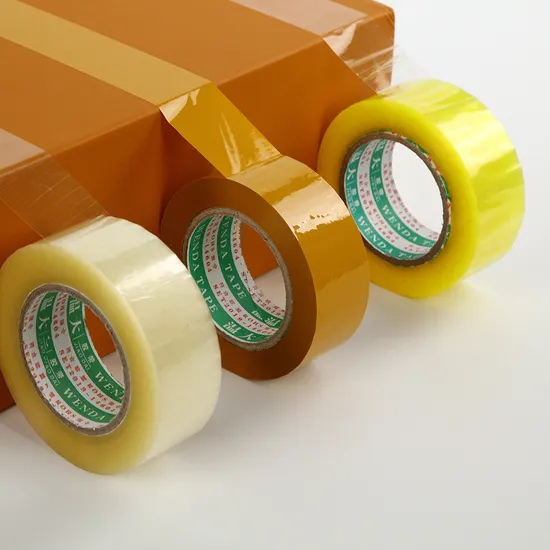
A stock image related to Transparent packing tape for shipping.
In-depth Look: Manufacturing Processes and Quality Assurance for Transparent packing tape for shipping
Transparent packing tape may appear simple, yet its reliability depends on sophisticated manufacturing protocols that directly impact your operational efficiency and cargo security. For procurement teams sourcing across diverse climates—from humid Southeast Asian ports to temperature-fluctuating European logistics hubs—understanding how these adhesive systems are engineered ensures you specify products that withstand real-world shipping stresses without costly failures.
What Raw Materials Determine the Performance of Transparent Packing Tape?
The foundation of any shipping-grade transparent tape begins with biaxially oriented polypropylene (BOPP) film, typically ranging from 0.9 to 1.2 mil in substrate thickness before adhesive application. Premium manufacturers utilize virgin polypropylene resins rather than recycled content to ensure consistent tensile strength and optical clarity, critical for barcode scanning and brand visibility on sealed cartons.
The adhesive layer—usually applied at 0.5 to 1.5 mil thickness—presents the primary decision point for buyers. Acrylic adhesives offer superior UV resistance and temperature stability (-4°F to 140°F), making them ideal for long-term storage and international shipping through varying climates. Hot-melt synthetic rubber adhesives provide aggressive initial tack and immediate bond strength, excelling in high-speed automated lines where dwell time is minimal. Some specialized formulations incorporate natural rubber for extreme low-temperature flexibility, particularly relevant for cold-chain logistics in Middle Eastern and Latin American pharmaceutical distribution.
A third critical component, often overlooked, is the silicone release coating applied to the non-adhesive side. This micro-thin layer (measured in nanometers) determines unwind force consistency—directly affecting operator fatigue during manual application and preventing “telescoping” (lateral shifting of tape layers) that jams automated dispensers.
How Is Polypropylene Film Converted Into High-Performance Packing Tape?
Manufacturing begins with extrusion casting, where polypropylene pellets are melted and formed into flat sheets, then stretched longitudinally and transversely (biaxial orientation) to align molecular chains. This orientation process increases the film’s tensile strength from roughly 3,000 psi to over 25,000 psi while maintaining the crystal-clear transparency required for shipping label visibility.
Following orientation, the film undergoes corona treatment—exposing the surface to high-voltage electrical discharge that increases surface energy from 29 dyne/cm to 38-42 dyne/cm. This microscopic roughening ensures mechanical bonding with the adhesive layer during the coating phase. Without adequate corona treatment, adhesives will “fish-eye” or bead up, creating weak seals vulnerable to humidity infiltration.
The coating process employs either direct gravure roll application for hot-melt adhesives or emulsion coating for water-based acrylics. Hot-melt systems require cooling drums to set the adhesive immediately, while acrylic coatings pass through tunnel dryers operating at 200-250°F to evaporate water carriers. Post-coating, tapes undergo lamination with the release-coated backing film, followed by precision slitting to standard widths (48mm, 72mm) or custom specifications.
What Quality Control Tests Ensure Tape Reliability in Shipping Environments?
Reputable manufacturers implement statistical process control (SPC) at multiple production stages. Peel adhesion testing (ASTM D3330) measures the force required to remove tape from standardized stainless steel panels after 20-minute and 24-hour dwell times, ensuring the adhesive achieves optimal “green strength” without excessive residue. For shipping applications, values between 20-28 oz/inch width indicate balanced performance—sufficient to secure 50-pound corrugated boxes while allowing reasonable opening force for end-users.
Tensile strength verification (ASTM D3759) confirms the BOPP backing can withstand the shear forces encountered during pallet stacking and conveyor transport. Production-grade tapes must exceed 25 lbs per inch width to prevent “necking” (narrowing under stress) that compromises seal integrity. Elongation testing ensures the tape stretches 150-180% before breaking, providing flexibility for box expansion during temperature changes without adhesive failure.
Unwind force testing proves particularly critical for B2B buyers operating high-volume fulfillment centers. Quality specifications typically require 200-400 grams of pull force at 300 feet per minute unwinding speed—low enough to prevent operator strain during 8-hour shifts, yet sufficient to maintain tension control in automated dispensers. Additionally, accelerated aging chambers simulate six-month storage cycles in 140°F environments to verify that adhesives won’t ooze or degrade in warehouse conditions common to tropical African or Southeast Asian markets.
Why Does Thickness Measurement in Mils Matter for Load Security?
Total caliper (backing plus adhesive) directly correlates with puncture resistance and edge tear strength. Standard duty tapes measure 1.6-1.9 mil total thickness, suitable for single-wall corrugated boxes under 30 pounds. Heavy-duty shipping environments—such as Brazilian agricultural exports or Middle Eastern construction material logistics—require 2.6-3.0 mil constructions that resist abrasion from rough handling and pallet strapping compression.
However, thickness alone doesn’t indicate quality. A 1.9 mil tape with high-grade acrylic adhesive often outperforms a 2.5 mil tape with inferior hot-melt formulation in high-humidity environments. Buyers should request thickness specifications broken down by component: film substrate, adhesive coat weight, and primer layers. This transparency allows accurate comparison between suppliers and prevents over-specification that unnecessarily increases per-seal costs.
How Do Manufacturers Ensure Consistent Roll Dimensions for Automated Operations?
Precision slitting tolerance—typically ±0.5mm on width—affects dispenser compatibility and seal coverage consistency. Variations exceeding 1mm cause “gapping” in automated case sealers, leading to adhesive contact with machine rollers and production line stoppages. Core diameter consistency (3-inch standard, 76mm ±0.25mm) ensures proper fit in both handheld dispensers and pneumatic tape guns used in European fulfillment operations.
Winding tension control during roll formation prevents “cinching” (loose outer layers) that creates flagging (tape lifting at box edges) during application. Quality manufacturers utilize electronic tension control systems that gradually decrease winding force as roll diameter increases, maintaining uniform density throughout the 100-150 yard length. This consistency proves essential for automated dispensers that rely on predictable unwind characteristics to maintain sealing rates of 20-30 cartons per minute.
What Certifications Should B2B Buyers Look for in Tape Manufacturing?
While ISO 9001 certification indicates general quality management, sector-specific standards provide deeper assurance. ASTM D5486/D5486M specifically addresses pressure-sensitive adhesive tapes for box sealing, establishing minimum shear adhesion and holding power requirements. For environmentally conscious procurement, ISO 14001 certification and RoHS compliance ensure tapes contain no heavy metals or restricted substances—critical for electronics shipping to European Union markets.
Food-contact certifications (FDA 21 CFR 175.105 for indirect contact) become relevant when tapes seal secondary packaging for food exports to Middle Eastern or African markets. Additionally, TAPPI (Technical Association of the Pulp and Paper Industry) standards for backing materials ensure compatibility with recycled corrugated content increasingly specified by sustainability-focused buyers in Vietnam and Brazil.
Understanding these manufacturing variables empowers procurement teams to move beyond price-per-roll comparisons toward total cost of ownership calculations. By specifying tapes aligned with your specific climate conditions, automation levels, and load requirements, you eliminate the hidden costs of reworks, damaged goods, and line downtime that erode logistics margins.
Practical Sourcing Guide: A Step-by-Step Checklist for ‘Transparent packing tape for shipping’
Procuring transparent packing tape for international shipping requires balancing technical performance with supply chain reliability. This checklist guides procurement teams through critical specifications and vendor qualifications to ensure secure carton sealing across diverse climate conditions and handling environments.
1. What specifications should you verify before ordering transparent packing tape for international shipping?
Map your operational environment before selecting technical criteria. Evaluate whether shipments will traverse high-humidity regions, extreme temperatures, or rough handling during transit. Heavy-duty export applications require thicker polypropylene films (2.6 mil or greater), while standard warehouse sealing suits 1.9 mil options. Document average carton weights, daily sealing volumes, and storage facility conditions to establish precise performance benchmarks that prevent seal failures during long-haul distribution.
2. How do you choose between hot-melt and acrylic adhesive for extreme climate shipping?
Select adhesive chemistry based on destination climate and application speed. Hot-melt formulations provide aggressive initial tack ideal for high-speed automated lines and temperate climates, bonding instantly to corrugated surfaces. Acrylic adhesives offer superior temperature resistance and aging stability, performing reliably in hot, humid environments common in target markets. For high-volume operations, specify low-noise unwind coatings to reduce operator fatigue and maintain workplace efficiency.
3. What width and core dimensions ensure compatibility with automated tape dispensers?
Confirm dimensional standards align with existing sealing equipment to prevent operational disruptions. Standard industrial widths include 2-inch (48mm) for light-duty applications and 3-inch (72mm) for heavy-duty warehouse use. Verify core diameter compatibility—typically 3-inch cores for industrial dispensers—while checking roll length specifications to calculate changeover frequency. Ensure crystal-clear optical clarity for barcode scanning if shipping labels must remain visible beneath tape surfaces.
4. Which film thickness and tensile strength standards prevent seal failures in transit?
Specify mechanical properties based on package weight and handling intensity. Standard duty tapes at 1.6–1.9 mil suit packages under 25 kilograms, while heavy-duty options exceeding 2.6 mil withstand weights surpassing 30 kilograms. Request tensile strength documentation demonstrating minimum 25 pounds per inch resistance to splitting. Verify the tape maintains adhesion integrity across expected temperature ranges from warehouse storage through final delivery.
5. What quality certifications indicate reliable transparent packing tape for export packaging?
Validate manufacturer compliance with international standards such as ISO 9001 and ASTM D5486 for pressure-sensitive adhesive tapes. Verify production capacity guarantees consistent supply for large-volume contracts without batch-to-batch variation. Request documentation regarding adhesive shelf life—typically 12 to 18 months—and proper storage protocols. For branded packaging requirements, confirm customization capabilities for printed logos or handling instructions directly on tape surfaces.
6. How should B2B buyers calculate total cost of ownership when sourcing packing tape in bulk?
Analyze pricing beyond per-roll costs by calculating cost-per-meter and accounting for waste rates during application. Evaluate case quantities—typically 24 or 36 rolls per case—to optimize shipping container utilization and minimize freight expenses per unit. Assess lead times and minimum order quantities relative to inventory turnover rates. Establish incoming inspection protocols to verify thickness, adhesion strength, and optical clarity before accepting bulk shipments.
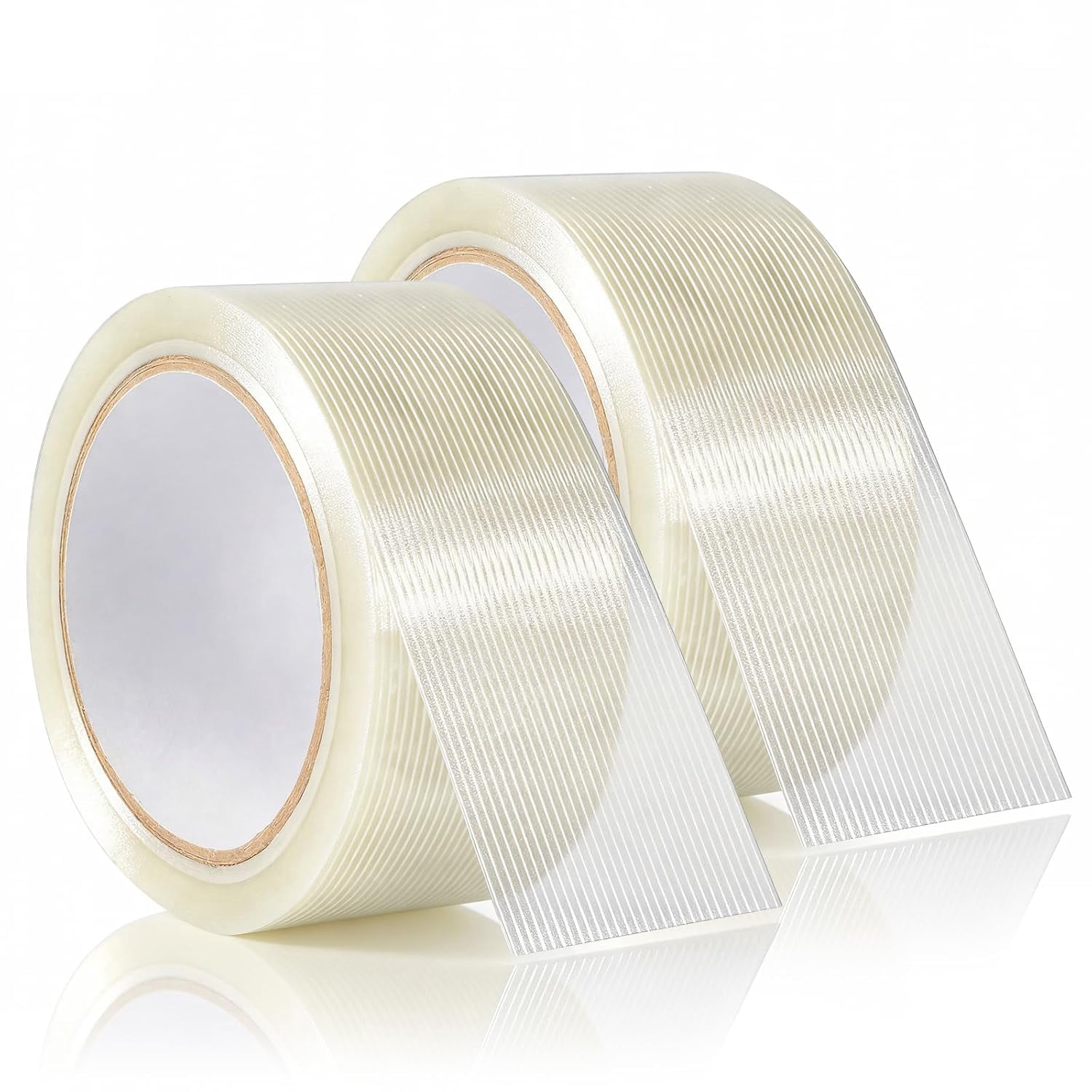
A stock image related to Transparent packing tape for shipping.
Comprehensive Cost and Pricing Analysis for Transparent packing tape for shipping Sourcing
Transparent packing tape pricing varies significantly based on material composition, order volume, and supply chain logistics. For procurement teams sourcing across Africa, South America, the Middle East, and Europe, understanding the granular cost drivers enables strategic negotiations and accurate budget forecasting beyond simple per-roll comparisons.
What Material Specifications Drive Price Differentiation in Clear Packing Tape?
The primary cost determinants lie in the film substrate and adhesive formulation. Standard polypropylene (PP) films range from 1.6 mil to 2.6 mil in thickness, with heavier-duty 3+ mil variants commanding 15-25% premiums due to increased resin content. Hot-melt adhesives typically offer 10-15% lower unit costs than acrylic formulations, though acrylic provides superior temperature resistance critical for cross-border shipments through varying climates. High-tack formulations and specialized release coatings for quiet unwinding add incremental per-roll costs but reduce labor fatigue and application time in high-volume warehouse operations.
How Do Volume Tiers and Packaging Configurations Impact Unit Economics?
B2B pricing follows aggressive volume curves, with case quantities (typically 24-36 rolls) serving as baseline minimum order quantities. Unit prices often drop 8-12% when moving from pallet quantities to full container loads (FCL), with additional savings achievable through annual volume commitments. Buyers should negotiate sliding scale agreements rather than fixed MOQs, allowing flexibility to consolidate shipments with corrugated packaging or stretch film. Standard 3-inch width rolls with 110-yard lengths offer optimal cost-per-meter ratios compared to specialty narrow widths or extended-length jumbo rolls requiring capital investment in industrial dispensers.
What Constitutes True Landed Cost for International Procurement?
Beyond FOB pricing, calculate dimensional weight freight costs—tape cases are volumetrically inefficient, often triggering air freight premiums if procurement cycles are misaligned. Import duties on plastic adhesive products vary by HS code classification (typically 3919.10) and regional trade agreements; Middle Eastern and African buyers should verify local plastic conversion taxes. Storage costs for bulk acrylic tape require climate-controlled warehousing in humid tropical regions to prevent adhesive degradation, adding 3-5% to carrying costs compared to hot-melt alternatives with wider temperature tolerances.
How Can Buyers Balance Quality Specifications with Cost Optimization?
Value engineering involves matching tensile strength to actual application requirements rather than over-specifying. Standard 25-30 lbs/inch tensile strength suffices for cartons under 30kg, eliminating unnecessary heavy-duty premiums for light e-commerce shipments. Standardizing core sizes (3-inch diameter) across multinational facilities maximizes dispenser compatibility and reduces SKU complexity. Requesting mill certificates for adhesive consistency and film uniformity prevents costly production line stoppages from tape breakage or inconsistent unwind tension that plague low-cost, recycled-content alternatives.
Strategic sourcing requires evaluating total cost of ownership across the product lifecycle rather than initial unit price. By aligning material specifications with actual shipping conditions, optimizing order quantities for container utilization, and accounting for regional storage requirements, procurement teams can achieve 12-18% cost reductions while maintaining seal integrity standards across diverse logistics networks.
Alternatives Analysis: Comparing Transparent packing tape for shipping With Other Solutions
While transparent packing tape remains the industry standard for carton sealing across global supply chains, procurement teams and logistics managers increasingly evaluate alternatives based on load requirements, sustainability mandates, and security protocols. Understanding how specialized solutions compare to conventional polypropylene tape enables strategic sourcing decisions that align with specific operational demands, from high-volume e-commerce fulfillment in Vietnam to heavy-duty industrial distribution in Brazil. This analysis examines two distinct alternatives—water-activated reinforced tape and plastic strapping systems—against standard clear packing tape across critical performance, cost, and implementation metrics.
| 比較の側面 | Transparent Packing Tape For Shipping | 水活性強化テープ | Polypropylene Strapping |
|---|---|---|---|
| Performance | Excellent for light-to-medium loads (up to 25-30 kg); vulnerable to edge lifting in extreme temperatures and humidity | Superior fiber-reinforced seal; tamper-evident; maintains integrity in temperature fluctuations; ideal for heavy/dense contents | Maximum load containment (up to 1,000+ kg); prevents box bursting under extreme stress; unaffected by adhesive failure |
| Cost | Low material cost ($0.02–$0.05 per meter); minimal equipment investment | Moderate material cost ($0.08–$0.15 per meter); requires water dispenser investment ($50–$300) | Higher material cost ($0.10–$0.30 per meter); requires tensioning tools ($20–$500) or automated systems |
| 実施しやすさ | Immediate deployment; compatible with handheld dispensers and automated case sealers; minimal training | Requires water-activated dispensers; 2–3 second adhesive curing time; moderate learning curve for operators | Requires manual or pneumatic tensioners; additional handling time; safety training required for tool operation |
| 環境への影響 | Polypropylene backing difficult to recycle with cardboard; adhesive contamination issues | Paper-based; fully recyclable with corrugated boxes; biodegradable options available | Plastic waste generation; reusable in closed-loop systems but rarely recycled in standard waste streams |
| Security & Tamper Evidence | Easy to slit and reseal without detection; visible evidence only if using printed/security tape | Permanent bond with cardboard; tearing destroys box surface; immediate visual tamper indication | Mechanical lock prevents opening without cutting; highly visible if removed; requires tools to reapply |
Is Water-Activated Reinforced Tape a Viable Alternative to Clear Packing Tape?
Water-activated tape (WAT), also known as gummed paper tape, creates a permanent chemical bond with corrugated fibers, offering security levels unattainable by pressure-sensitive alternatives. Unlike standard transparent tape that merely sits atop box surfaces and can lose adhesion in humid Middle Eastern climates or freezing European warehouses, reinforced WAT embeds fiberglass threads within kraft paper, providing tensile strength exceeding 50 lbs per inch while maintaining complete recyclability with cardboard waste streams. For B2B buyers in regions with strict sustainability directives—such as the EU’s Packaging and Packaging Waste Regulation—this eliminates separation costs and contamination penalties associated with plastic tape removal. However, implementation requires capital investment in water-dispensing equipment and a 2–3 second adhesive curing time, creating a learning curve for warehouse staff accustomed to instant-tack solutions. This makes WAT ideal for high-value electronics, pharmaceutical exports, or luxury goods requiring tamper-evident seals, though less suitable for ultra-high-speed operations where every second of packing time impacts fulfillment costs.
When Should Logistics Managers Choose Plastic Strapping Over Adhesive Solutions?
Polypropylene or polyester strapping serves as a mechanical alternative when adhesive methods prove insufficient for load containment, particularly for dense industrial products, agricultural exports, or multi-box palletized units common in African and South American trade corridors. While transparent packing tape effectively seals box flaps for standard parcel post, strapping encircles the entire package, distributing tension across structural edges to prevent bursting during rough handling, ocean freight stacking, or temperature fluctuations that compromise adhesive performance. This method proves essential for shipments exceeding 50 kilograms or containing sharp, heavy items that might cut through tape seals, though it requires tensioning tools, metal or plastic seals, and additional labor time that increases per-unit handling costs. Procurement teams should typically evaluate strapping for secondary reinforcement—applying it alongside tape for critical loads—rather than complete replacement, unless shipping rigid, non-fragile commodities like textiles or
Essential Technical Properties and Trade Terminology for Transparent packing tape for shipping
When procuring transparent packing tape for international logistics operations, technical specifications determine whether your cartons withstand the mechanical stresses of ocean freight, air cargo, and cross-border trucking. For buyers managing supply chains across humid climates in Brazil, Vietnam, or Nigeria, or temperature-variable routes through the Middle East and Europe, understanding these metrics prevents seal failures that expose goods to theft, moisture, and contamination.
What Film Thickness and Tensile Strength Are Required for Export-Grade Cartons?
Film thickness, measured in mils (thousandths of an inch), directly correlates with puncture resistance and edge tear strength. Standard commercial grades range from 1.6 mil for lightweight consumer goods to 2.6 mil and above for heavy export cartons exceeding 25 kg. Tensile strength—typically rated between 20 and 30 pounds per inch—indicates the longitudinal force the tape can withstand before snapping, a critical factor for palletized loads experiencing forklift impacts and vibration during transit.
How Do Hot-Melt and Acrylic Adhesives Perform in Tropical vs. Temperate Climates?
Adhesive chemistry determines bond integrity across temperature differentials. Hot-melt synthetic adhesives provide aggressive initial tack and instant fiber tear adhesion, excelling in automated high-speed packaging lines. Conversely, acrylic adhesives offer superior resistance to ultraviolet degradation and maintain holding power in extreme heat (up to 65°C/150°F) and high humidity, making them preferable for shipments transiting through Middle Eastern deserts or Southeast Asian monsoon seasons.
Why Do Core Dimensions and Roll Length Affect Total Cost of Ownership?
Standard three-inch (76 mm) cores ensure compatibility with handheld dispensers and automated carton sealing machinery prevalent in European warehouses. Roll lengths vary from 55 yards for boutique fulfillment to 1,000+ yards for continuous industrial operations. While extended-length rolls reduce per-meter packaging costs and minimize changeover downtime, they require dispensers with sufficient torque capacity to prevent operator strain during high-volume shifts.
What Does “Mil” Signify in Technical Data Sheets?
A “mil” represents one-thousandth of an inch (0.0254 mm), distinct from the millimeter. This imperial unit quantifies total caliper including the polypropylene film backing and adhesive layer. Misinterpreting this specification can result in procuring tape insufficient for corrugated board weights, leading to catastrophic seam failures during container loading.
What Is “Flagging” and How Does It Impact Customs Compliance?
Flagging describes the partial lifting of tape edges from carton surfaces due to thermal expansion, inadequate surface energy, or adhesive degradation. In international trade, flagging compromises the “six-sided seal” required by many customs authorities and exposes contents to moisture infiltration, potentially voiding cargo insurance policies and triggering inspection delays.
What Constitutes “Quiet Unwind” Technology?
Quiet unwind refers to specialized silicone release coatings applied to the tape backing that reduce noise levels during dispensing from 70+ decibels to under 60 decibels. This feature reduces operator fatigue in high-volume distribution centers and ensures compliance with European Union workplace noise directives (2003/10/EC) and similar occupational standards in Middle Eastern free zones.
What Distinguishes Pressure-Sensitive Adhesive from Water-Activated Systems?
Pressure-sensitive adhesive (PSA) forms an immediate bond upon application of manual or mechanical pressure without requiring moisture, heat, or curing time. This instant tack allows immediate carton handling and stacking, contrasting with water-activated (gummed) tapes that require drying periods—an operational distinction critical for just-in-time manufacturing and rapid-turnover fulfillment centers.
Navigating Market Dynamics and Sourcing Trends in the Transparent packing tape for shipping Sector
What Are the Current Market Dynamics Shaping Global Sourcing of Transparent Packing Tape?
The global transparent packing tape sector is experiencing a decisive shift toward performance-engineered solutions that balance cost efficiency with operational reliability across diverse industrial environments. Polypropylene film-backed tapes now dominate international procurement, largely supplanting PVC alternatives due to superior tensile strength-to-weight ratios and enhanced compatibility with high-speed automated sealing systems. For B2B buyers across Africa, South America, the Middle East, and Europe, understanding the nuanced distinction between adhesive chemistries has become critical for optimizing supply chains: hot-melt synthetic adhesives deliver aggressive initial tack and exceptional shear strength ideal for heavy-duty corrugated sealing in humid tropical climates, while acrylic formulations offer superior temperature resistance and anti-aging stability—essential characteristics for shipments traversing the extreme heat of Gulf regions or the seasonal temperature fluctuations of continental European distribution networks.
Regional procurement patterns reveal distinct operational priorities that inform strategic sourcing decisions. European markets increasingly demand tapes compliant with evolving packaging waste directives, driving significant interest in thinner-gauge yet high-performance films that reduce material usage without compromising the seal integrity required for omnichannel e
Frequently Asked Questions (FAQs) for B2B Buyers of Transparent packing tape for shipping
What is the difference between acrylic and hot melt adhesive in transparent packing tape for shipping?
Acrylic adhesives provide superior long-term bonding and temperature resistance, making them ideal for international shipments facing extreme heat or cold during transit across diverse climates. Hot melt adhesives offer aggressive initial tack and lower unit costs, performing excellently in climate-controlled environments but potentially softening in high-temperature conditions common in Middle Eastern or African logistics hubs. For B2B buyers managing export routes through varying environmental zones, acrylic formulations deliver more consistent performance across humidity and temperature fluctuations, while hot melt suits high-speed, temperature-stable domestic distribution centers.
How thick should transparent packing tape be for heavy-duty shipping boxes?
Heavy-duty corrugated containers exceeding 40 lbs or double-wall construction require tape thickness between 2.0 to 3.0 mil (0.05-0.08mm) to prevent splitting under stress during rough handling. Standard 1.6-1.9 mil tapes suffice for lightweight cartons under 30 lbs, but export shipments to regions with challenging infrastructure benefit from 2.6 mil or greater thickness combined with high tensile strength (25+ lbs per inch). Always match tape thickness to your box’s edge crush test (ECT) rating and anticipated drop stress during international transit to prevent seal failure.
Can transparent packing tape for shipping be used with automated case sealers?
Yes, provided you specify machine-grade rolls with consistent unwind characteristics and standard 3-inch (76mm) cores compatible with industrial sealing equipment. Production-grade acrylic tapes with specialized release coatings prevent stretching and breakage during high-speed application (50+ cartons per minute), whereas standard office-grade tapes often jam or flag in automated systems. When sourcing for automated lines, verify that the tape’s elongation properties and tensile strength match your sealer manufacturer’s specifications to minimize downtime in high-volume operations.
What is the most cost-effective way to buy transparent packing tape for high-volume shipping operations?
Bulk case purchasing (typically 24-36 rolls per case) reduces per-unit costs by 15-30% compared to individual roll purchases, with full pallet quantities offering additional economies for warehouses processing 500+ cartons daily. Establishing direct annual supply contracts with manufacturers rather than distributors eliminates middleman markups and ensures consistent batch quality critical for automated operations. For international buyers in Brazil or Vietnam, negotiating Incoterms that include ocean freight consolidation significantly reduces landed costs compared to air freight of lightweight, bulky tape shipments.
How do I choose between 48mm and 72mm width transparent packing tape for different shipping applications?
Standard 48mm (2-inch) tape suits single-wall cartons up to 40 lbs and manual sealing operations, while 72mm (3-inch) width provides 50% greater surface contact for heavy-duty double-wall boxes and high-stress palletized loads. Wider tape reduces the need for multiple strip applications on large export crates common in agricultural and industrial shipments to African and South American markets. When using automated dispensers, verify that your equipment accommodates the chosen width, as 72mm tapes require specialized heads but significantly reduce labor time per carton in high-volume fulfillment centers.
What storage conditions prevent adhesive degradation in tropical and high-humidity climates?
Store transparent packing tape in climate-controlled environments between 15-25°C (59-77°F) with relative humidity below 65% to prevent premature adhesive oxidation and backing delamination. Polypropylene films exposed to direct sunlight or tropical humidity before application often develop “edge lift” or reduced tack, particularly problematic for acrylic adhesives in Southeast Asian or Middle Eastern warehouses. Implementing FIFO (First In, First Out) inventory rotation and avoiding storage near heat sources ensures optimal performance when sealing containers destined for humid destination ports.
How can I reduce operator fatigue and noise levels when using transparent packing tape in high-volume warehouses?
Specify “quiet unwind” or “low-noise” formulations featuring specialized release coatings that reduce the screeching sound associated with standard polypropylene tapes by up to 60%. These production-grade tapes require less pulling force during application, minimizing repetitive strain injuries during extended shifts in fulfillment centers. For B2B operations in noise-sensitive environments or regions with strict workplace safety regulations (such as EU OSHA directives), quiet tapes improve worker comfort while maintaining the same sealing strength and adhesion properties as conventional options.
What tensile strength specifications ensure secure seals for international export shipments?
Require minimum tensile strength of 25 lbs per inch (44 N/cm) for ocean freight and 30+ lbs per inch for air cargo subjected to rapid pressure changes and rough handling in transit. This specification ensures the tape resists shear forces during container stacking and vibration in ships traveling to African or South American ports. Always request batch test certificates from suppliers verifying tensile strength and adhesion to ASTM D3759 standards, as inferior tapes may appear identical but fail catastrophically during monsoon seasons or extreme temperature fluctuations.
重要な免責事項および利用規約
⚠️ 重要な免責事項
メーカー、技術仕様、市場分析に関する内容を含め、本ガイドラインで提供される情報は、情報提供と教育目的のみのものです。専門的な調達アドバイス、財務アドバイス、または法的アドバイスを提供するものではありません。.
B2Bバイヤーは、独自の徹底的なデューデリジェンスを行う必要がある。 をご覧の上、ご購入をお決めください。本ガイドに記載された情報を信頼した場合のリスクは、読者が単独で負うものとします。.
Top 2 Transparent Packing Tape For Shipping Manufacturers & Suppliers List
1. Konya Shoji Co., Ltd. – Transparent OPP adhesive tape (5P) OPP tape (No48)
ドメイン us.metoree.com
登録:2020年(6年)
はじめに This company, Konya Shoji Co., Ltd. – Transparent OPP adhesive tape (5P) OPP tape (No48), is a notable entity in the market.
2. Uline – Tape Products
ドメイン uline.com
Registered: 1995 (31 years)
はじめに Uline provides a comprehensive range of tape products including Carton Sealing Tape, Kraft Sealing Tape, Strapping Tape, Masking Tape, Safety/Reflective Tape, Machine Length Carton Sealing Tape, Security Tape, Specialty Tape, Duct Tape, Velcro Brand, Hook and Loop Tape, Glue Dots, Surface Protection Tape, Double-Sided Tape, Anti-Slip Tape, Gaffer’s Tape, High Temperature Tape, Adhesive Transfer Ta…
Strategic Sourcing Conclusion and Outlook for Transparent packing tape for shipping
Transparent packing tape represents a critical intersection of operational efficiency and supply chain security for international B2B operations. As procurement teams across Africa, South America, the Middle East, and Europe navigate volatile logistics markets, material specification and supplier reliability have emerged as strategic imperatives rather than commodity considerations.
How Should Global Buyers Evaluate Tape Specifications for Diverse Shipping Environments?
Procurement decisions must balance adhesive chemistry—acrylic formulations offering superior temperature resistance for fluctuating climates, versus hot-melt options providing immediate tack for high-speed automation. The shift toward standardized 3-inch cores and optimized film thicknesses (1.9–2.6 mil) reflects industry demands for dispenser compatibility and tensile strength without excessive material waste.
What Procurement Strategies Ensure Long-Term Supply Chain Resilience?
Forward-thinking buyers are consolidating volume commitments to secure favorable unit pricing on case-quantity orders while diversifying supplier portfolios to mitigate regional disruptions. Evaluating total cost of ownership—including unwind efficiency and breakage rates—often reveals that premium-grade acrylic tapes deliver superior value over commodity alternatives despite higher initial costs.
By treating transparent packing tape as a strategic procurement category rather than an operational afterthought, international buyers can enhance package integrity, reduce downtime, and establish resilient supply chains capable of withstanding diverse climatic and logistical challenges.