Introduction: Navigating the Global Market for Washable nano tape
Sourcing washable nano tape that meets stringent industrial standards while maintaining cost-efficiency presents a significant procurement challenge for businesses operating across diverse regulatory environments. As global supply chains grow increasingly complex, B2B buyers from Riyadh to Berlin face mounting pressure to secure adhesive solutions that deliver traceless mounting, thermal resilience, and reusability without compromising on compliance or quality. The convergence of aerospace manufacturing demands, commercial interior design trends, and industrial assembly requirements has transformed this once-niche product into a critical component for modern operations.
What challenges do procurement teams face when sourcing washable nano tape globally?
Navigating the international marketplace for polymer-based adhesive tapes requires more than comparing thickness specifications and peel strength ratings. Buyers must evaluate temperature resistance capabilities ranging from -196°C to 260°C, assess acrylic adhesive formulations for specific climatic conditions, and verify traceless removal claims across ceramic, glass, and metal substrates. Regional variations in quality certifications, import logistics, and supplier reliability create additional layers of complexity for procurement professionals in Lagos, São Paulo, Dubai, and Frankfurt.
How can buyers evaluate suppliers and specifications across continents?
This comprehensive guide addresses the full procurement lifecycle for washable nano tape, from understanding technical parameters like 180° peel strength and ring initial tack to assessing long-term temperature resistance up to 120°C. We examine application-specific requirements across home decoration, industrial production, and aerospace sectors, while providing frameworks for supplier vetting, cost analysis, and quality assurance tailored to African, South American, Middle Eastern, and European markets.
By synthesizing technical specifications with regional market intelligence, this resource empowers international buyers to make informed decisions that balance performance requirements with supply chain resilience. Whether securing transparent nano tape for electronics manufacturing in Saudi Arabia or procuring high-density variants for automotive applications in Germany, readers will gain actionable insights to optimize their sourcing strategies and mitigate procurement risks.
Understanding Washable nano tape Types and Variations
| タイプ名 | 主な特徴 | 主なB2Bアプリケーション | バイヤーのための簡単な長所と短所 |
|---|---|---|---|
| Standard Transparent Grade | Thickness: 0.5–1.0mm; Crystal clear appearance; Acrylic adhesive; Peel strength 45–55 N/inch; Long-term temp resistance 120°C | Retail display mounting, office organization, glass/mirror installation, temporary signage, home decoration | Pros: Aesthetically invisible, versatile surface compatibility, cost-effective for bulk orders. Cons: Lower load capacity than industrial grades; dust visibility on adhesive side requires frequent washing. |
| Heavy-Duty Industrial Grade | Thickness: 1.2–1.5mm; Higher density gel matrix; Peel strength 55–60 N/inch; Enhanced shear resistance; Short-term temp resistance 160°C | Automotive component mounting, heavy machinery fixturing, permanent industrial bonding, carpet installation | Pros: Superior load-bearing capacity; long-term durability; suitable for vibration-heavy environments. Cons: Higher cost per meter; may require surface preparation for optimal adhesion on low-energy substrates. |
| Ultra-Thin Precision Grade | Thickness: 0.25–0.4mm; Low profile; High initial tack (30–40 N/inch); Flexible conformability; Minimal thermal mass | Electronics assembly, medical device manufacturing, precision instrument mounting, PCB fixation, aerospace interior components | Pros: Fits tight spaces; clean removal from delicate surfaces; maintains dielectric properties. Cons: Limited reusability cycles; not suitable for heavy loads; requires precise application technique. |
| High-Temperature Chemical-Resistant Grade | Operating range: -196°C to 260°C; Corrosion-resistant (except molten alkali metals); UV and aging resistant; High insulation properties | Aerospace manufacturing, satellite assembly, chemical processing equipment, outdoor industrial applications in extreme climates | Pros: Extreme environment stability; long service life in harsh conditions; excellent weathering resistance. Cons: Premium pricing; requires specialized storage conditions; limited color options typically available. |
| Colored Opaque Grade | Available in grey, black, and white; UV-stable pigmentation; Identical mechanical properties to transparent variants; Reduced glare | Construction site marking, exhibition management, color-coded inventory systems, temporary wayfinding, protective film mounting | Pros: Visual discretion on dark surfaces; enables organizational color-coding; no transparency-related aesthetic concerns. Cons: Pigment quality varies by supplier; may show wear marks more visibly than clear alternatives; limited availability in some regions. |
Which nano tape specifications suit heavy industrial load-bearing requirements?
Heavy-duty industrial grade nano tape (1.2–1.5mm thickness) delivers peel strengths of 55–60 N/inch, making it ideal for B2B procurement managers in automotive and manufacturing sectors. This variation utilizes a denser acrylic gel matrix that distributes shear forces across bonded surfaces, preventing slippage under vibration. When sourcing, verify the supplier’s retentivity ratings (≥24 hours minimum) and ensure compatibility with your specific substrate surface energy. Consider bulk procurement agreements, as industrial applications typically require consistent roll lengths and custom widths for automated application processes.
What are the optimal applications for transparent standard-grade nano tape?
Standard transparent nano tape (0.5–1.0mm
Key Industrial Applications of Washable nano tape
| 業界/セクター | Specific Application of Washable nano tape | ビジネスにとっての価値/利益 | このアプリケーションにおける主な調達上の考慮事項 |
|---|---|---|---|
| Electronics Manufacturing & Semiconductor Assembly | Temporary PCB fixation and component masking during wave soldering and conformal coating processes | Eliminates residue contamination on sensitive circuits; enables rapid repositioning without cleaning solvents, reducing production downtime by up to 40% | Verify ESD-safe formulations; confirm compatibility with automated pick-and-place systems; ensure compliance with RoHS/REACH directives for European markets |
| Automotive & Electric Vehicle (EV) Assembly | Interior trim mounting, wire harness temporary routing, and reusable jig fixtures during painting/coating operations | Withstands paint bake cycles (up to 160°C short-term); washable properties allow repeated use across multiple vehicle platforms, reducing consumable waste | Validate adhesion strength on powder-coated metals; assess resistance to automotive fluids (oils, coolants); ensure supply chain reliability for high-volume African and South American assembly plants |
| Aerospace & Satellite Manufacturing | Lightweight component fixation in cleanroom environments and temporary bonding of thermal insulation blankets | Maintains structural integrity in extreme thermal cycling (-196°C to 260°C); traceless removal prevents surface damage on high-value composite materials | Demand material certifications for outgassing (ASTM E595); verify lot traceability; confirm packaging integrity for humid climates (Middle East, Southeast Asia) |
| Medical Device & Laboratory Equipment Production | Sterile workholding for disposable device assembly and temporary mounting of sensors during calibration | Washable chemistry supports ISO 14644 cleanroom standards; eliminates adhesive residue that could compromise biocompatibility testing | Require ISO 13485 supplier certification; validate autoclavability or chemical sterilization compatibility; ensure consistent thickness tolerance (±0.05mm) for automated processes |
| Renewable Energy & Solar Panel Manufacturing | Temporary fixation of photovoltaic cells during framing and junction box installation | High insulation properties prevent electrical shorting; washable reuse reduces material waste in large-scale solar farms | Confirm UV resistance for outdoor staging; verify adhesion on glass and anodized aluminum; assess supply chain logistics for remote African and Middle Eastern desert installations |
How Does Washable Nano Tape Optimize Electronics Assembly Lines?
In high-volume electronics manufacturing across Germany and Southeast Asia, washable nano tape serves as a critical consumable for temporary PCB fixation during wave soldering and conformal coating. Its high-temperature resistance (up to 160°C short-term) prevents adhesive failure during thermal processes, while the traceless removal eliminates costly cleaning operations between production runs. Procurement teams should prioritize tapes with consistent thickness tolerance (±0.05mm) to ensure compatibility with automated pick-and-place systems, particularly when sourcing for dust-sensitive environments in African tech hubs or Middle Eastern smart city projects where air quality challenges demand frequent tape washing and reuse.
Why Is Temperature-Resistant Nano Tape Critical for Automotive Production?
Automotive manufacturers in Brazil and Saudi Arabia leverage washable nano tape for temporary wire harness routing and interior trim positioning during assembly. The tape’s ability to withstand paint bake cycles up to 160°C makes it indispensable for EV battery pack assembly lines where thermal management is crucial. Unlike permanent adhesives, its washable nature allows procurement teams to reuse fixtures across multiple vehicle platforms, significantly reducing consumable costs in high-volume plants. Buyers must verify adhesion compatibility with powder-coated metals and resistance to automotive fluids prevalent in diverse operating environments from humid South American climates to arid Middle Eastern conditions.
What Specifications Matter Most for Nano Tape in Aerospace Applications?
Aerospace contractors across Europe and the Middle East specify washable nano tape for satellite component fixation and thermal blanket installation, where outgassing properties and extreme temperature stability (-196°C to 260°C) are non-negotiable. The polymer-based adhesive provides high insulation value essential for avionics while maintaining cleanroom compatibility. For B2B buyers managing procurement for African space initiatives or Gulf-based aviation MRO facilities, sourcing considerations must include ASTM E595 outgassing certification and lot traceability to ensure compliance with AS9100 quality standards. The tape’s aging resistance against UV radiation proves particularly valuable for long-duration satellite missions.
How Can Medical Device Manufacturers Ensure Compliance with Washable Nano Tape?
Medical technology producers in Germany and emerging markets utilize washable nano tape for sterile workholding during disposable device assembly and
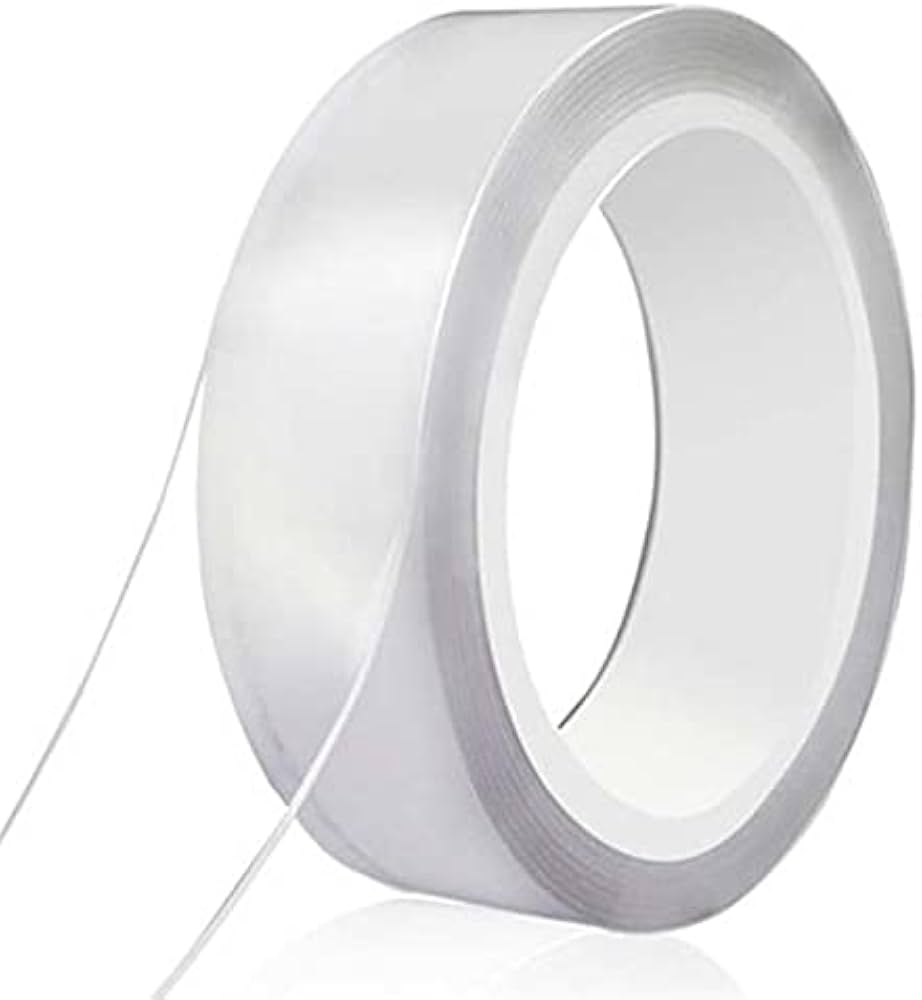
A stock image related to Washable nano tape.
3 Common User Pain Points for ‘Washable nano tape’ & Their Solutions
Scenario 1: How Can B2B Buyers Secure OEM Branding Without Excessive MOQ Barriers?
問題だ:
Distributors and retailers across Africa, South America, and the Middle East frequently encounter inflexible minimum order quantities when attempting to source private-label washable nano tape for resale. This creates significant inventory risk for emerging market entrants who need to validate consumer demand before committing to full container loads. Furthermore, inconsistent packaging standards and lack of multilingual labeling support can prevent market penetration in regions like Germany or Saudi Arabia, where regulatory compliance and premium presentation directly impact B2B purchasing decisions and retail partnerships.
解決策
Identify manufacturers offering scalable OEM programs with tiered MOQ structures starting at manageable pilot quantities while maintaining full private labeling capabilities. Specify acrylic nano tape variants (PLA3025–PLA30150 series) that support custom color matching—selecting from grey, black, white, or transparent options—and multilingual packaging design from initial trial orders. Establish batch consistency protocols ensuring 180° peel strength ratings (30–60 N/inch depending on thickness) remain uniform across all branded production runs, enabling gradual market expansion from test markets to wholesale distribution without supplier switching costs or quality degradation.
Scenario 2: What Temperature Resistance Specifications Ensure Reliability in Heavy-Duty Industrial Mounting?
問題だ:
Industrial procurement teams in automotive manufacturing, aerospace assembly, and electronics production face critical adhesive failures when nano tape encounters operational temperature extremes. Standard mounting solutions often degrade when exposed to the -196°C cryogenic conditions or 260°C peak temperatures required for satellite components, automotive engine assemblies, or medical device sterilization processes. This performance gap results in costly production stoppages, component displacement risks, and potential liability issues, particularly challenging for manufacturers operating in climates with extreme diurnal temperature variations like those found in Middle Eastern deserts or high-altitude South American facilities.
解決策
Specify commercial-grade washable nano tape with verified acrylic formulations delivering long-term temperature resistance of 120°C and short-term tolerance up to 160°C. For heavy-load industrial applications, select thicknesses between 0.64mm–1.5mm (PLA3064–PLA30150 specifications) providing 45–60 N/inch peel strength and ≥24-hour retentivity ratings. Implement substrate-specific application protocols for metal, glass, and ceramic surfaces to leverage the tape’s corrosion-resistant properties and high insulation values, ensuring reliable component fixation through thermal cycling while maintaining traceless removal capabilities for equipment maintenance and upgrade cycles.
Scenario 3: How Can Facilities Maximize Cost Efficiency Through Verified Washable Nano Tape Reusability?
問題だ:
Facility managers and procurement officers frequently discover that lower-grade “washable” adhesives lose bonding strength after minimal reuse cycles, undermining sustainability claims and inflating operational budgets. When nano tape accumulates dust, metal shavings, or environmental contaminants during industrial warehouse use, retail display applications, or construction site mounting, improper material composition prevents effective cleaning and adhesion restoration. This creates unexpected material waste and potential surface damage liabilities, particularly problematic for European buyers facing stringent environmental compliance standards and African distributors managing high-humidity storage conditions that accelerate adhesive degradation.
解決策
Implement rigorous supplier qualification focusing on pure polymer acrylic compositions that maintain mechanical properties through 50+ wash cycles when cleaned with water and air-dried properly. Select transparent variants for aesthetic-sensitive applications like glass mounting in German commercial spaces, or opt for colored tapes (grey/black) for industrial traceability in Saudi Arabian manufacturing facilities. Calculate total cost of ownership advantages by factoring in eliminated surface repair costs, reduced waste disposal fees, and the elimination of permanent adhesive removal expenses—particularly valuable for temporary mounting in exhibition centers, rental property management, and seasonal retail installations where surface integrity preservation is paramount.
Strategic Material Selection Guide for Washable nano tape
Selecting the appropriate polymer substrate for washable nano tape requires balancing adhesion mechanics, environmental resilience, and total cost of ownership across diverse climatic zones.
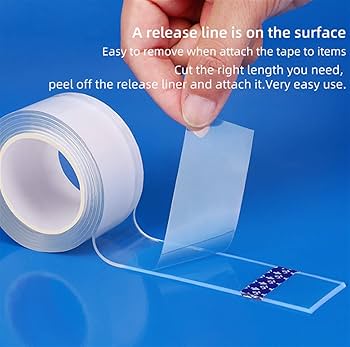
A stock image related to Washable nano tape.
In-depth Look: Manufacturing Processes and Quality Assurance for Washable nano tape
Understanding the manufacturing intricacies behind washable nano tape enables B2B procurement teams to evaluate supplier capabilities beyond marketing claims. For buyers operating across diverse regulatory environments—from Germany’s precision engineering standards to Saudi Arabia’s extreme heat logistics—knowledge of polymer engineering, quality validation protocols, and compliance certifications ensures consistent product performance in industrial, aerospace, and commercial applications.
How Is Washable Nano Tape Manufactured for Industrial-Scale Supply?
The production of washable nano tape begins with precision polymer engineering, specifically utilizing advanced acrylic formulations that create a nano-gel matrix with optimal viscoelastic properties. Manufacturers extrude these polymer compounds into uniform substrates ranging from 0.25mm to 1.5mm in thickness, calibrating each grade to specific load-bearing requirements indicated by product codes such as PLA3025 through PLA30150. The coating process involves applying double-sided adhesive layers through automated slot-die coating systems, ensuring consistent gel distribution across the entire surface area without air entrapment. Temperature-controlled curing chambers, typically operating between 80°C and 120°C, then stabilize the adhesive cross-linking, creating the characteristic balance between strong initial tack and traceless removability. This multi-stage production line requires ISO Class 7 or better cleanroom conditions to prevent particulate contamination that could compromise the tape’s reusable properties and optical clarity in transparent grades.
What Raw Material Specifications Determine Performance Grades?
B2B procurement teams should prioritize
Practical Sourcing Guide: A Step-by-Step Checklist for ‘Washable nano tape’
This practical checklist equips procurement teams with actionable criteria to evaluate washable nano tape suppliers, ensuring specifications align with regional industrial standards and end-user expectations across diverse markets from German manufacturing to Saudi Arabian construction sectors.
1. How to Define Technical Specifications and Performance Metrics for Washable Nano Tape?
Begin by mapping precise thickness requirements ranging from 0.25mm for lightweight applications to 1.5mm for heavy-duty industrial mounting. Verify peel strength ratings between 30-60 N/inch match your load-bearing needs, and confirm temperature resistance spans -196°C to 260°C for extreme environment compatibility. Specify color preferences—transparent for aesthetic installations or opaque variants for industrial visibility—while ensuring acrylic adhesive formulations suit your target substrates and climate conditions.
2. What Surface Compatibility and Substrate Testing Should You Conduct Before Bulk Ordering?
Request samples to test adhesion on surfaces common in your distribution markets, such as textured concrete prevalent in African construction or high-temperature glass facades in Middle Eastern commercial buildings. Evaluate performance under local humidity conditions, particularly for South American tropical climates or Saudi Arabian desert environments with extreme diurnal temperature shifts. Document shear strength and residue-free removal across ceramic, metal, painted drywall, and powder-coated finishes to validate traceless claims.
3. How to Verify Washability Claims and Reusability Cycles in Your Quality Control Process?
Establish testing protocols that simulate multiple wash-dry cycles using local water conditions to verify adhesion recovery rates meet industrial standards. Confirm the tape maintains structural integrity after rinsing with clean water and air-drying, as commercial users expect consistent performance through 50+ reuse cycles. Verify that nano-porous surfaces regenerate tackiness effectively without adhesive delamination or base material warping that could compromise reusability.
4. Which Compliance Certifications and Safety Standards Are Essential for International Distribution?
Demand RoHS and REACH compliance documentation for European markets, particularly German industrial sectors with strict chemical substance regulations. Verify heat resistance certifications for aerospace or automotive applications requiring short-term exposure up to 160°C, and ensure packaging materials meet regional environmental mandates. For Middle Eastern markets, confirm products withstand high ambient temperatures during shipping and storage without adhesive bleed-through or backing degradation.
5. How to Evaluate Supplier Capabilities and Logistics for Regional Market Requirements?
Assess minimum order quantities against your inventory turnover rates, negotiating flexible packaging options such as Arabic-labeled rolls for Saudi Arabia or Portuguese packaging for Brazilian markets. Evaluate the supplier’s experience shipping to African ports and South American customs territories, ensuring they provide proper moisture-barrier packaging for humid sea freight conditions. Confirm lead times accommodate seasonal demand fluctuations and verify their capacity to maintain consistent quality across multiple bulk shipments.
6. What Sampling Protocols and Pre-Shipment Inspections Ensure Consistent Product Quality?
Request production samples from specific batch codes rather than prototype-quality specimens to verify manufacturing consistency across large volumes. Implement third-party pre-shipment inspections checking dimensional tolerances, roll length accuracy, and adhesive uniformity across the entire production run. Conduct accelerated aging tests on samples to predict shelf-life performance in varying storage conditions before finalizing purchase agreements.
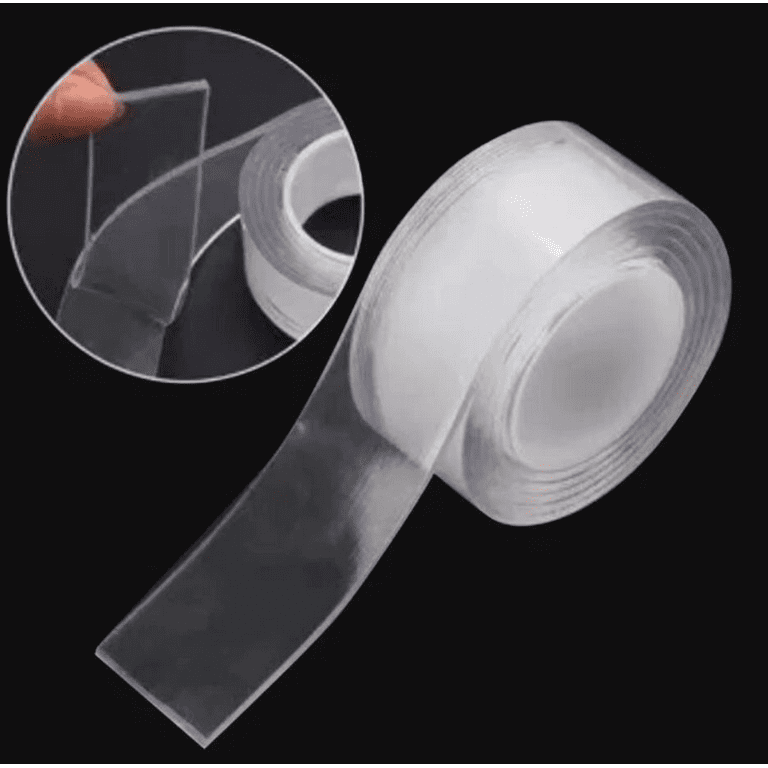
A stock image related to Washable nano tape.
Comprehensive Cost and Pricing Analysis for Washable nano tape Sourcing
When sourcing washable nano tape for industrial or retail distribution, understanding the granular cost drivers beyond per-meter pricing is essential for procurement teams targeting diverse markets like Germany, Saudi Arabia, or emerging economies in Africa and South America. The pricing architecture for these acrylic-based adhesive solutions varies significantly based on polymer grade, thickness specifications, and reusability certifications, requiring buyers to evaluate total landed costs rather than unit prices alone.
How Do Material Specifications and Thickness Grades Affect Bulk Pricing?
The cost structure correlates directly with technical parameters, particularly tape thickness and adhesive performance. Standard variants ranging from 0.25mm to 0.5mm thickness typically occupy the entry-level price bracket, suitable for general mounting applications. However, industrial-grade specifications—such as 1.0mm to 1.5mm thickness with peel strength exceeding 55 N/inch and temperature resistance up to 160°C—command premiums of 15-25% due to specialized polymer formulations. Buyers should note that transparent formulations often incur slightly higher costs than opaque alternatives (grey, black, white) because of purity requirements in the acrylic adhesive layer, though this differential narrows at volume thresholds above 5,000 rolls.
What Volume Tiers and MOQs Optimize Procurement Economics?
Minimum order quantities typically start at 500-1,000 rolls for standard widths (20mm-50mm), with significant price breaks occurring at 10,000+ roll quantities. For African and South American markets where capital constraints may limit initial orders, some manufacturers offer consolidated shipping programs that reduce per-unit logistics costs despite lower volumes. European buyers, particularly in Germany, often benefit from pallet-based pricing (72-96 cartons) that includes pre-certified REACH compliance documentation, eliminating downstream testing expenses. Middle Eastern procurement teams should negotiate for heat-resistant stock keeping units (SKUs) given regional climate demands, ensuring the 120°C long-term resistance specification justifies any nominal price premium over standard grades.
Which Hidden Costs Impact Total Landed Pricing for Cross-Border Sourcing?
Beyond FOB pricing, buyers must factor in dimensional weight calculations—nano tape is lightweight but bulky, affecting container utilization rates. For Saudi Arabian imports, SASO (Saudi Standards, Metrology and Quality Organization) compliance testing adds $800-$1,200 per shipment unless suppliers provide pre-certified documentation. European Union entrants face similar REACH compliance verification costs. Additionally, payment terms significantly influence final costs; Letters of Credit (LC) typically add 2-3% to transaction values compared to Telegraphic Transfer (TT) arrangements, though they provide essential risk mitigation for new supplier relationships in emerging markets.
How Does Customization Influence Manufacturing Costs?
Private labeling and OEM specifications introduce variable costs depending on complexity. Custom core printing and branded dispenser packaging typically add $0.15-$0.30 per roll, while specialized cutting widths (non-standard 0.6-inch or 1.5-inch formats) require blade change fees ranging from $300-$500 per production run. For buyers requiring aerospace-grade traceability or medical-device-adjacent certifications, lot-tracking capabilities and enhanced quality control protocols can increase unit costs by 8-12%, though these investments prove critical for high-liability applications in European healthcare and industrial sectors.
Are There Regional Pricing Strategies for Different Markets?
Factory-direct pricing from Asian manufacturers typically offers 20-35% savings compared to regional distributors in Europe or the Middle East, though this requires managing import logistics and customs clearance internally. German buyers often prioritize suppliers offering VDA 6.3 process audits or ISO/TS 16949 certifications, accepting moderate premiums for supply chain reliability. Conversely, price-sensitive markets in Africa and South America may opt for standard commercial grades without extensive certification portfolios, focusing instead on washable reusability features that extend product lifecycle and reduce replacement frequency.
Alternatives Analysis: Comparing Washable nano tape With Other Solutions
Selecting the optimal fastening methodology requires balancing immediate adhesion requirements against long-term operational costs, surface integrity, and regional regulatory compliance. While washable nano tape provides unique reusability and traceless characteristics ideal for dynamic commercial environments, procurement teams across industrial sectors—from German automotive manufacturing to Saudi Arabian commercial construction—must evaluate its efficacy against established mounting technologies. This analysis examines washable nano tape against two prevalent B2B alternatives: traditional mechanical fastening systems and permanent acrylic foam mounting tapes, providing actionable insights for specification decisions in diverse climatic and regulatory contexts.
Comparative Analysis: Technical Specifications and Operational Costs
| 比較の側面 | Washable Nano Tape | メカニカル・ファスニング・システム | Permanent Acrylic Foam Tape |
|---|---|---|---|
| Performance (Load Capacity) | Light to medium (up to 2 kg/cm²) | Heavy structural (unlimited with proper anchors) | Medium to heavy (up to 30 kg/cm²) |
| Performance (Temperature Range) | -196°C to 260°C | Material dependent (-50°C to 500°C+) | -40°C to 150°C (standard grades) |
| Cost (Initial Investment) | Low (reusable up to 600 cycles) | High (hardware + specialized labor) | Moderate (single-use application) |
| Cost (Total Ownership) | Minimal (washing restores adhesion) | High (repair costs upon removal) | Moderate (replacement required) |
| 実施しやすさ | Instant application, no tools, no surface damage | Requires drilling, dust management, skilled labor | Surface preparation critical, quick bonding, permanent placement |
| Surface Compatibility | Smooth, non-porous only | Universal (penetrates all materials) | Rigid, smooth substrates only |
| 環境への影響 | Low waste, recyclable polymer | Metal extraction, construction debris | Single-use plastic, difficult to recycle |
| Regulatory Compliance | EU REACH compliant, low VOC | CE marked hardware required | Varies by adhesive chemistry, EPR implications |
Detailed Alternative Evaluation
When Should You Choose Mechanical Fasteners Over Washable Nano Tape?
Mechanical fastening systems—including screws, bolts, and riveted brackets—remain indispensable for heavy-load industrial applications exceeding structural safety thresholds of 5 kilograms per mounting point
Essential Technical Properties and Trade Terminology for Washable nano tape
When sourcing washable nano tape for industrial or commercial distribution, understanding precise technical metrics and trade-specific nomenclature ensures specification alignment and reduces costly procurement errors. The following specifications and terminology frameworks are essential for B2B buyers evaluating suppliers across diverse regulatory environments.
What Are the Critical Technical Specifications for Load-Bearing Applications?
Washable nano tape performance hinges on 180° Peel Adhesion, quantified in Newtons per inch (N/inch), which measures the force required to remove the tape from standardized stainless steel substrates. Industrial grades typically range from 30–60 N/inch, with higher values indicating superior capacity for mounting fixtures, cable management systems, or electronic components. Equally critical is Total Thickness, available from 0.25mm to 1.5mm, where thicker variants (1.0mm–1.5mm) provide enhanced gap-filling for uneven industrial surfaces, while thinner options (0.25mm–0.5mm) suit precision electronics assembly.
How Do Temperature Resistance Ratings Impact Industrial Use?
B2B procurement requires distinguishing between Long-Term Temperature Resistance (typically 120°C) and Short-Term Temperature Resistance (up to 160°C). The former defines continuous operational limits for automotive underhood applications or medical device sterilization, while the latter indicates survival thresholds during wave soldering or powder coating processes. Premium nano tapes maintain mechanical integrity across extreme ranges from -196°C to 260°C, making them suitable for aerospace logistics and cryogenic storage solutions.
What Is the Difference Between Initial Tack and Shear Resistance?
Ring Initial Tack (30–55 N/inch) measures immediate bond formation upon contact, essential for high-speed assembly lines requiring instant fixture positioning. Conversely, Retentivity (≥24 hours) indicates shear resistance—the tape’s ability to withstand static loads without vertical sliding or creep. Procurement officers should specify high-tack formulations for temporary positioning during manufacturing, while high-retentivity variants are necessary for permanent structural mounting in construction or transportation sectors.
What Does “Traceless Removal” Mean for Asset Protection?
In commercial leasing and electronics manufacturing, **
Navigating Market Dynamics and Sourcing Trends in the Washable nano tape Sector
What Are the Emerging Applications Driving Demand for Washable Nano Tape in Global B2B Markets?
The washable nano tape sector is experiencing accelerated adoption across industrial manufacturing sectors, driven by the material’s unique combination of extreme temperature resistance (-196°C to 260°C) and traceless removability. Unlike traditional mechanical fasteners or permanent adhesives, nano tape offers B2B procurement teams in automotive, aerospace, and electronics manufacturing a solution that withstands thermal cycling while allowing component repositioning during precision assembly processes. This versatility has catalyzed demand in medical device manufacturing, where high insulation properties and chemical resistance against molten alkali metals prove critical for sterile equipment mounting and temporary fixturing during production.
Regional demand patterns reveal distinct procurement priorities that reflect local industrial climates and regulatory environments. Middle Eastern markets, particularly Saudi Arabia’s rapidly expanding construction and infrastructure sectors under Vision 2030 initiatives, prioritize nano tape formulations with enhanced UV stability and short-term heat resistance up to 160°C for outdoor mounting applications in extreme desert environments. Conversely, German and broader European industrial buyers emphasize compliance with stringent REACH regulations and demand comprehensive technical datasheets covering dielectric loss characteristics and long-term aging resistance metrics for precision engineering, renewable energy installations, and electric vehicle battery assembly.
Supply chain diversification has emerged as a critical procurement strategy, with African and South American distributors increasingly establishing direct relationships with specialized acrylic adhesive manufacturers rather than relying on trading companies. This shift reflects growing technical sophistication among B2B buyers who require customized thickness specifications ranging from ultra-thin 0.25mm layers for electronics to heavy-duty 1.5mm grades for industrial fixtures, alongside specific peel strength ratings between 30-60 N/inch. However, market fragmentation has introduced quality variability risks, necessitating that procurement teams verify ring initial tack measurements and retentivity standards (≥24 hours) to distinguish industrial-grade products from consumer variants that lack the mechanical integrity required for aerospace or heavy industrial applications.
How Can B2B Buyers Ensure Sustainable and Ethical Sourcing of Washable Nano Tape?
Sustainability in nano tape procurement extends beyond the product’s inherent reusability to encompass the entire polymer supply chain and manufacturing lifecycle. While the tape’s washability supports circular economy principles—allowing industrial users to rinse adhesive surfaces with clean water and regenerate bonding strength rather than discarding mounting hardware—responsible sourcing requires verification of acrylic polymer origins, energy consumption during production, and end-of-life recyclability. European buyers, particularly in Germany and Scandinavia, increasingly mandate Environmental Product Declarations (EPDs) and full carbon footprint documentation from Asian manufacturing partners, ensuring that the environmental benefits of reusable tape aren’t negated by carbon-intensive production methods or excessive packaging waste.
Ethical sourcing protocols demand rigorous supplier auditing, especially when procuring from high-volume production hubs in Asia-Pacific regions. B2B purchasers should verify that manufacturers maintain ISO 14001 environmental management certifications and ISO 9001 quality standards while providing complete transparency regarding chemical compliance beyond basic REACH adherence. The polymer materials used in premium nano tape grades must demonstrate non-combustibility and moisture resistance without relying on restricted phthalates, heavy metal catalysts, or ozone-depleting substances during synthesis. Furthermore, buyers should investigate labor practices within manufacturing facilities, ensuring adherence to international safety standards for workers handling chemical adhesives and high-temperature processing equipment.
For emerging markets in Africa and South America, where import logistics create significant carbon impacts, selecting suppliers offering bulk concentrated formulations or regional warehousing facilities reduces transportation emissions and supports local economic development. Additionally, buyers should assess whether suppliers utilize closed-loop water systems in their manufacturing processes and offer recyclable or biodegradable packaging alternatives to traditional plastic cores. Establishing direct partnerships with manufacturers who invest in renewable energy for polymer synthesis—rather than intermediaries—ensures alignment with corporate ESG targets while securing competitive pricing and consistent quality for high-volume industrial contracts across diverse climatic conditions, from humid tropical environments to arid desert installations.
Frequently Asked Questions (FAQs) for B2B Buyers of Washable nano tape
What Is the Minimum Order Quantity for Wholesale Washable Nano Tape Procurement?
1. What is the MOQ for wholesale washable nano tape orders?
Standard wholesale MOQs typically range from 1,000 to 5,000 rolls depending on thickness specifications and width requirements. For private label or OEM branding projects—including custom core printing and multilingual packaging for Middle Eastern or European markets—manufacturers usually require 10,000 to 20,000 unit minimums to offset setup costs. Volume pricing tiers often activate at 50,000+ units, with container-load quantities (20ft/40ft) offering optimal landed cost efficiency for African and South American distributors.
How Does Washable Nano Tape Perform in Heavy-Duty Industrial Mounting Applications?
2. How does washable nano tape perform for heavy-duty industrial mounting applications?
Commercial-grade nano tape utilizing acrylic polymer formulations delivers peel strengths between 30 and 60 N/inch, with thicker variants (1.2mm–1.5mm) achieving maximum adhesion for automotive trim and electronic component fixation. The tape maintains structural integrity under vibration and dynamic shear loads common in aerospace manufacturing and industrial assembly lines. For permanent structural loads exceeding 50kg or high-torque environments, supplement with mechanical fasteners, as the reusable adhesive is designed for removable mounting rather than permanent structural bonding.
Can Washable Nano Tape Be Customized with OEM Branding and Private Labeling?
3. Can washable nano tape be customized with OEM branding and private labeling?
Most manufacturers offer comprehensive OEM services including custom-printed tape cores, branded retail packaging, and multilingual instruction inserts (Arabic, German, Portuguese, Spanish) tailored to specific export markets. Customization options extend to color matching (grey, black, white, or transparent), private label cartons, and barcode/RFID integration for inventory management. Production lead times for branded orders typically extend 2–4 weeks beyond stock items, requiring digital proof approval before mass production commences.
What Are the Temperature Resistance Specifications for Commercial-Grade Washable Nano Tape?
4. What are the temperature resistance specifications of commercial-grade washable nano tape?
Industrial nano tape maintains mechanical stability across an extreme temperature range of -196°C to 260°C, with continuous long-term resistance up to 120°C and short-term exposure tolerance reaching 160°C. This thermal performance suits cryogenic laboratory applications in European research facilities and high-heat automotive assembly in Middle Eastern climates. The acrylic adhesive retains dielectric insulation properties across these temperature extremes, ensuring reliable performance in electronic manufacturing where thermal cycling occurs.
How Can B2B Buyers Restore Adhesion After Washing Nano Tape in Bulk Operations?
5. How do I restore adhesion after washing nano tape for repeated industrial use?
Rinse contaminated tape under clean running water to remove dust, metal shavings, oils, or oxidation particles accumulated during factory use. Allow complete air drying or use oil-free compressed air; avoid heat guns that may degrade the polymer structure beyond 160°C. Once dry, the tape regenerates approximately 90–95% of original tack strength, supporting 500+ wash cycles before adhesive fatigue occurs. Implement standardized cleaning protocols in your facility to ensure consistent reusability across bulk inventory.
What Surface Preparation Methods Ensure Optimal Nano Tape Bonding Across International Climates?
6. What surface preparation ensures optimal bonding for international shipping and varied climates?
Degrease substrates with isopropyl alcohol or neutral pH cleaners to remove manufacturing oils and oxidation films, particularly critical in humid climates like coastal Brazil or Southeast Asia where moisture compromises initial tack. Ensure surfaces are completely dry and above 10°C during application to allow proper acrylic wetting. For porous substrates (unpainted concrete, raw wood), apply surface sealers or select thicker tape variants (1.0mm+) to compensate for surface irregularities and thermal expansion differentials common in outdoor African and Middle Eastern installations.
How Do I Select the Correct Thickness and Peel Strength for Specific B2B Applications?
7. How do I select the correct thickness and peel strength specifications for different B2B applications?
Match specifications to load requirements: 0.25–0.4mm thickness (30–40 N/inch) for lightweight office mounting and paper products; 0.5–0.8mm (45–50 N/inch) for glass fixation and home decoration; 1.0–1.5mm (55–60 N/inch) for heavy industrial applications and automotive trim. Thicker tapes provide superior gap-filling on irregular substrates but require higher initial pressure (15–20 psi) for proper bonding. Consider thermal expansion coefficients when selecting thickness for metal-to-glass applications in variable European climates.
What Certifications and Compliance Standards Are Required for Nano Tape Imports in Regulated Markets?
8. What certifications should I verify when importing washable nano tape for commercial use?
Require RoHS and REACH compliance documentation for European Union imports, ensuring acrylic adhesives meet chemical safety directives. For Middle Eastern distribution, verify SASO (Saudi Arabia) or GCC conformity certificates; African markets may require SONCAP (Nigeria) or PVOC pre-shipment inspection certificates. Request Material Safety Data Sheets (MSDS) and Technical Data Sheets (TDS) documenting flammability ratings, UV resistance, and polymer composition to facilitate customs clearance and industrial safety audits in regulated sectors.
重要な免責事項および利用規約
⚠️ 重要な免責事項
メーカー、技術仕様、市場分析に関する内容を含め、本ガイドラインで提供される情報は、情報提供と教育目的のみのものです。専門的な調達アドバイス、財務アドバイス、または法的アドバイスを提供するものではありません。.
B2Bバイヤーは、独自の徹底的なデューデリジェンスを行う必要がある。 をご覧の上、ご購入をお決めください。本ガイドに記載された情報を信頼した場合のリスクは、読者が単独で負うものとします。.
Top 3 Washable Nano Tape Manufacturers & Suppliers List
1. Yousan – Nano Tape
ドメイン yousantape.com
登録:2016年(10年)
はじめに Nano Tape Washable and traceless adhesive tape is a transparent, reusable double-sided tape made of polymer material with acrylic adhesive. Available in product codes PLA3025 through PLA30150 with thicknesses ranging from 0.25mm to 1.5mm and colors including grey, black, white, and transparent. Key features include traceless removal (leaves no residue or wall damage), washable reusability (can be …
2. Baiyi – Nano Tape
ドメイン baiyiadhesive.com
登録:2017年(9年目)
はじめに Manufacturer: Zhejiang Baiyi Adhesive Products Co., Ltd. Product Category: Nano Tape (8 variants). Available Types: DIY Blow Bubbles Nano Tape, Double-Sided Nano-Pearl Coloured Adhesive, Double-Sided Nano-Colour Translucent Adhesive, Gold Onion Double-Sided Nano Adhesive, Double-Sided Nano-Transparent Adhesive, Double-Sided Nano Red Film Adhesive, Double-Sided Nano-Mesh Adhesive, VHB Tape (Nano Ta…
3. JiaoTaoTao – Nano Tape
ドメイン clothadhesive.com
Registered: 2025 (1 years)
はじめに Nano Tape is a reusable double-sided adhesive tape manufactured by JiaoTaoTao Guangdong New Materials Co., Ltd. designed for temporary mounting and surface fixing without leaving residue. Key features include strong adhesion, easy removal, repeatable performance on smooth surfaces, and suitability for home, office, and general use applications. Available models include JTT-NT10 (Nano Tape Double S…
Strategic Sourcing Conclusion and Outlook for Washable nano tape
How Will Washable Nano Tape Reshape Industrial Procurement Strategies?
As industries across Africa, the Middle East, and Europe pivot toward sustainable operational models, washable nano tape emerges as a critical procurement asset. Its reusability and extreme temperature resilience (-196°C to 260°C) position it as a cost-efficient alternative to permanent mechanical fasteners in automotive, aerospace, and electronics manufacturing. Forward-thinking buyers should anticipate growing demand in Saudi Arabia’s construction sector and Germany’s precision engineering markets, where traceless mounting and chemical resistance are non-negotiable.
What Specifications Matter Most for Cross-Regional Supply Chains?
When evaluating suppliers, prioritize acrylic-based formulations with verified peel strength ratings (30–60 N/inch) and thickness variations (0.25mm–1.5mm) suited to diverse climate conditions. Ensure compliance with regional safety standards while confirming washability cycles—critical for reducing waste in high-dust environments common in African and South American industrial settings.
Why Invest Now in Reusable Adhesive Technologies?
The shift toward circular economy principles makes nano tape indispensable for B2B inventory strategies. By eliminating surface damage and supporting repeated use, distributors can offer clients measurable ROI through reduced material waste and simplified installation protocols across glass, metal, and ceramic substrates.