Introduction: Navigating the Global Market for Aluminum Tape for Ductwork
Sourcing high-performance aluminum tape for ductwork represents a critical procurement decision that directly impacts HVAC system efficiency, energy consumption, and long-term operational costs. For international buyers operating across Africa, South America, the Middle East, and Europe—from rapidly expanding construction markets in Nigeria and Brazil to established industrial centers—navigating the global supply chain for reliable sealing solutions presents unique challenges. When ductwork lacks proper airtight integrity, facilities face not only inflated energy expenditures but also compromised indoor air quality and accelerated mechanical degradation, making informed supplier selection essential for sustainable project success.
Why does aluminum tape selection matter for global infrastructure projects?
Aluminum foil tape serves as the primary thermal barrier and moisture seal in modern ventilation systems, with applications ranging from residential HVAC installations to heavy industrial ductwork. The material’s inherent heat reflectivity, flame resistance, and conformability to irregular surfaces make it indispensable for joining sheet metal sections, sealing insulation vapor barriers, and repairing flexible duct connections. However, procurement teams must account for extreme climatic variations—from the humid tropics of West Africa to the temperature fluctuations of the Middle East—while ensuring compliance with diverse regional building codes and performance standards that vary significantly between emerging and established markets.
What comprehensive procurement strategies will this guide explore?
This resource delivers actionable intelligence spanning technical specifications, supplier vetting methodologies, and cost optimization frameworks tailored for international commerce. We examine critical distinctions between adhesive chemistries, including acrylic and synthetic rubber formulations, analyze surface preparation protocols that ensure lasting bonds in challenging environments, and provide criteria for evaluating manufacturers capable of consistent quality at scale. Beyond material properties, we address logistics considerations, import regulations affecting regions like Nigeria and Brazil, currency fluctuation impacts, and volume pricing strategies. Whether equipping commercial developments in Lagos or retrofitting industrial facilities in São Paulo, this guide empowers procurement professionals with the technical expertise and market insights necessary to secure aluminum tape solutions that optimize HVAC performance while effectively managing total cost of ownership across diverse operational contexts.
Understanding Aluminum Tape for Ductwork Types and Variations
| タイプ名 | 主な特徴 | 主なB2Bアプリケーション | バイヤーのための簡単な長所と短所 |
|---|---|---|---|
| Standard Acrylic Adhesive Aluminum Tape | Pure aluminum foil (30-50 micron), acrylic PSA, service temp -30°C to 120°C, UV stable | Commercial HVAC duct sealing, residential AC systems, outdoor exposed ductwork in hot climates | Pros: Long shelf life, excellent aging resistance, cost-effective for large projects. Cons: Requires clean, dry surface for optimal adhesion (6.0+ N/cm), lower initial tack |
| Synthetic Rubber Adhesive Aluminum Tape | Aggressive rubber-resin formulation, high initial grab, conformable backing | Emergency repairs, high-humidity environments (tropical climates), dusty industrial sites | Pros: Bonds to imperfect surfaces, instant adhesion, good for quick installation. Cons: Temperature limited to 80°C typically, adhesive may harden over 5+ years |
| 強化ホイルスクリムクラフト(FSK)テープ | Fiberglass scrim reinforcement, tri-directional mesh, high tensile strength | Industrial ductwork, insulation facing, heavy-duty commercial HVAC in manufacturing zones | Pros: Tear-resistant, maintains seal under mechanical stress, puncture proof. Cons: Reduced flexibility, higher material cost, requires more pressure to activate adhesive |
| High-Temperature Silicone Adhesive Tape | Silicone-based PSA, service temp -40°C to 200°C+, flame retardant options | Exhaust systems, boiler connections, high-heat industrial processes, Middle Eastern industrial zones | Pros: Withstands thermal cycling, maintains adhesion at extreme heat, fire-rated options available. Cons: Premium pricing (2- |
Key Industrial Applications of Aluminum Tape for Ductwork
| 業界/セクター | Specific Application of Aluminum Tape for Ductwork | ビジネスにとっての価値/利益 | このアプリケーションにおける主な調達上の考慮事項 |
|---|---|---|---|
| Commercial HVAC & Building Services | Sealing supply/return ductwork joints, plenum connections, and flexible duct attachments in climate control systems | Reduces energy consumption by preventing thermal leakage; ensures consistent indoor air quality and temperature stability in high-demand environments | High-temperature acrylic adhesive (minimum 80°C rating); UV resistance for outdoor exposed ductwork; compliance with local HVAC codes and energy efficiency standards |
| Industrial Manufacturing & Dust Collection | Sealing rigid and flexible ductwork in dust extraction, fume ventilation, and material conveying systems for heavy industry | Maintains suction efficiency to reduce equipment strain; prevents hazardous particulate leakage ensuring occupational safety compliance; minimizes product contamination | Reinforced scrim backing for high-pressure systems; chemical resistance to oils, solvents, and abrasive dust; fire-retardant ratings per local industrial safety standards |
| Oil, Gas & Petrochemical | Sealing thermal insulation on process ventilation, exhaust ductwork, and flare lines; creating vapor barriers on insulated piping | Prevents corrosion under insulation (CUI) that drives major maintenance costs; ensures safety integrity in high-temperature hydrocarbon processes; reduces unplanned downtime | Extreme temperature range performance (-40°C to 150°C+); hydrocarbon and solvent-resistant adhesive; compliance with API/ASME standards for pressure-containing systems |
| Data Center & Telecommunications | Sealing precision cooling ductwork, raised floor plenums, and air containment systems in mission-critical server environments | Eliminates bypass airflow improving PUE (Power Usage Effectiveness) metrics; supports strict contamination control protocols; meets fire safety requirements for high-density electrical spaces | Low-outgassing/zero VOC acrylic formulations; UL 723/ASTM E84 Class A fire rating; cleanroom-compatible adhesion with immediate tack for minimal downtime installation |
How Does Aluminum Tape Solve Sealing Challenges in Commercial HVAC Systems?
Commercial HVAC installations across Nigeria, Brazil, and the Middle East face extreme thermal demands that compromise traditional sealing methods. Aluminum tape creates impermeable barriers at ductwork joints, preventing cooled air from escaping in ambient temperatures exceeding 40°C while blocking dust infiltration that reduces indoor air quality. For facility managers and MEP contractors, this ensures consistent climate control in hotels, hospitals, and office complexes while reducing compressor workload by up to 15 percent. When sourcing for tropical or desert environments, procurement teams must prioritize tapes with UV-stabilized acrylic adhesives and aluminum backing rated for continuous high-temperature exposure to prevent adhesive degradation during peak cooling seasons.
Why Is Aluminum Tape Critical for Industrial Dust Collection and Manufacturing?
Manufacturing facilities throughout South America and Africa utilize aluminum tape to maintain airtight seals in dust extraction ductwork for woodworking, metal fabrication, and mining operations. These high-velocity systems require tape that withstands abrasive particulate flow, vibration from heavy machinery, and occasional exposure to chemical fumes without delaminating. Proper sealing prevents hazardous dust leakage that violates occupational safety standards while maintaining suction efficiency that reduces equipment wear. Industrial buyers should source reinforced aluminum tapes with scrim backing for high-pressure applications, verifying that products meet local fire safety classifications and offer immediate tack for quick installation during maintenance shutdowns.
What Role Does Aluminum Tape Play in Oil, Gas, and Petrochemical Infrastructure?
Petrochemical facilities in the Middle East and Nigeria rely on aluminum tape to seal thermal insulation around process ventilation ductwork, exhaust systems, and flare lines exposed to extreme thermal cycling and hydrocarbon environments. The tape functions as a vapor barrier preventing moisture ingress that causes corrosion under insulation (CUI), a major maintenance cost driver in offshore and desert installations. Its conformability allows sealing around complex geometries like pipe supports and vessel nozzles where rigid seals fail. Procurement specialists must ensure tapes comply with API standards for pressure-containing systems, feature solvent-resistant adhesives, and maintain flexibility across temperature ranges from -30°C to 120°C to accommodate process fluctuations.
How Can Data Centers Optimize Cooling Efficiency with Aluminum Tape?
European and Middle Eastern data center operators employ aluminum tape to seal precision cooling ductwork, raised floor plenums, and CRAC unit connections where thermal efficiency directly impacts operational costs. In facilities housing sensitive IT infrastructure, the tape prevents bypass airflow that wastes cooling capacity while providing a clean, professional finish that supports contamination control protocols. Unlike cloth tapes, aluminum variants offer zero outgassing and meet stringent fire safety requirements for enclosed spaces with high electrical density. Buyers should prioritize UL-listed products with low-VOC acrylic adhesives and verify that tape thickness provides sufficient durability for high-traffic areas beneath raised flooring systems.
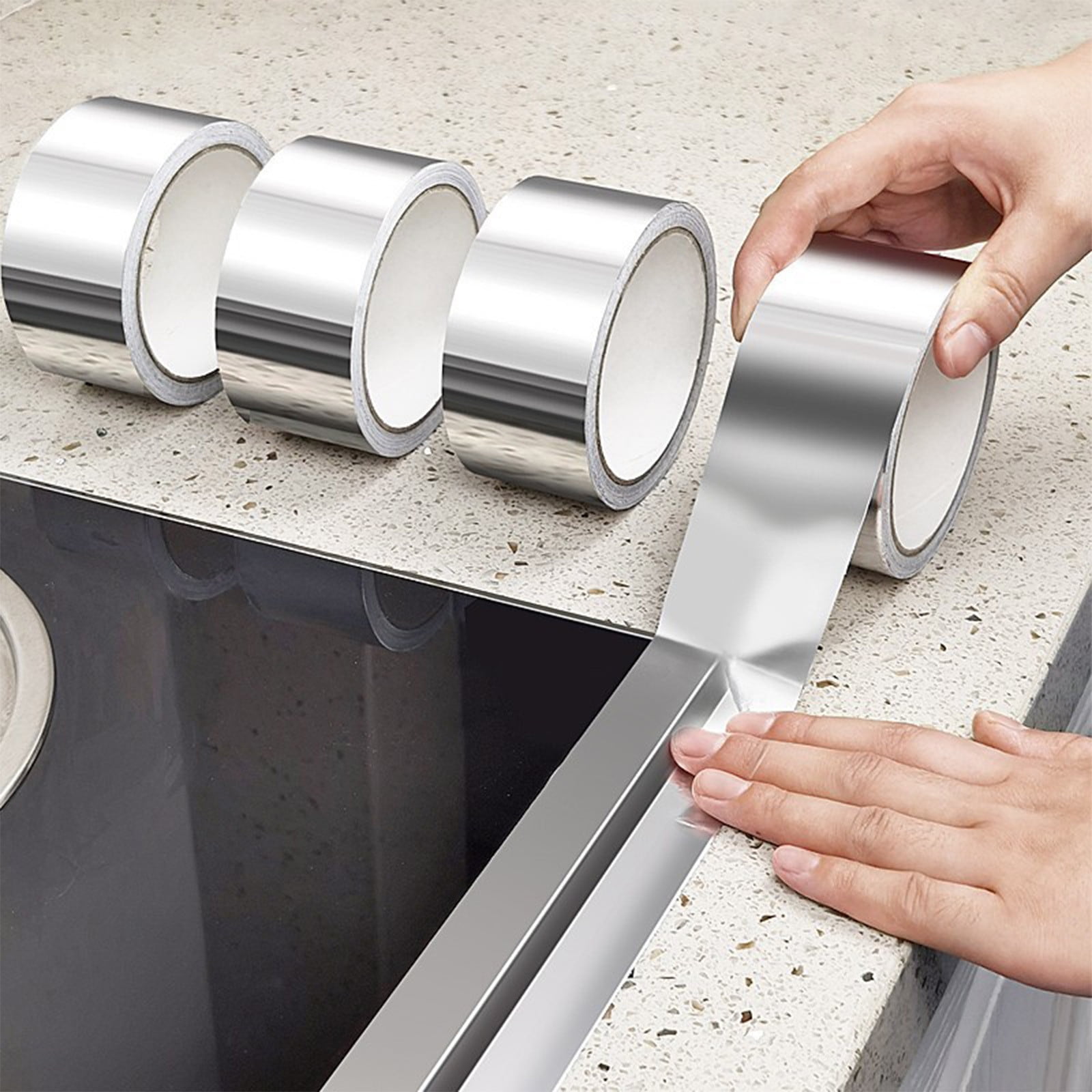
A stock image related to Aluminum Tape for Ductwork.
3 Common User Pain Points for ‘Aluminum Tape for Ductwork’ & Their Solutions
Scenario 1: Which UL Rating is Required for Commercial Metal Ductwork: 181A-P or 181B-FX?
問題だ:
Procurement teams managing HVAC projects across multiple international markets frequently encounter compliance failures due to UL rating confusion. UL 181A-P and UL 181B-FX are not interchangeable—A-P is rigorously tested for rigid metal ductwork and high-pressure systems common in European and North American commercial buildings, while B-FX is only certified for flexible fiberglass ducts. Buyers sourcing from global suppliers often receive incorrect certifications, resulting in tape that passes initial inspection but fails pressure testing, leading to project delays, penalty clauses, and costly remediation in regulated markets like Germany or the UAE.
解決策
Before purchasing, verify that rigid metal ductwork specifications explicitly require UL 181A-P rated aluminum tape with a minimum 3.1 mil foil thickness and acrylic adhesive rated for temperatures between -20°F and 250°F (-29°C to 121°C). For flexible duct connections, UL 181B-FX is acceptable but must meet local fire code requirements. Always request third-party batch testing certificates and UL authorization letters from suppliers to avoid counterfeit products prevalent in emerging markets. Store compliance documentation digitally for inspector verification during final commissioning.
Scenario 2: Why Does Aluminum Tape Fail in High-Humidity HVAC Applications?
問題だ:
Contractors in tropical climates such as Brazil, Nigeria, or the Gulf states consistently report tape adhesion failure within six months of installation. High ambient humidity combined with condensation on cold ductwork creates a moisture barrier that standard acrylic adhesives cannot penetrate. Additionally, construction site dust and airborne hydrocarbons leave microscopic oily residues on galvanized steel surfaces, preventing proper bonding. This results in peeling edges, air leakage rates exceeding 15%, and thermal inefficiency that increases client energy costs by up to 30%, damaging contractor reputations and triggering warranty claims.
解決策
Specify aluminum tape formulated with aggressive synthetic rubber adhesive rather than standard acrylic for humid environments. Mandate surface preparation protocols that include degreasing with isopropyl alcohol and complete drying before application, even on apparently clean metal. Select tape with a built-in vapor barrier and reinforced scrim backing for dimensional stability. During installation, use a silicone roller or squeegee to apply firm pressure, eliminating air pockets that trap moisture. For outdoor exposed ductwork in coastal regions, choose marine-grade aluminum tape with enhanced corrosion resistance to salt-laden air.
Scenario 3: Is Aluminum Tape or Mastic Better for Sealing Fiberglass Duct Board?
問題だ:
Industrial facilities utilizing fiberglass duct board (FDB) face a critical decision between sealant types that impacts both immediate costs and long-term performance. Thin aluminum tape (1.5–2.0 mil) lacks the structural integrity to bridge FDB’s porous, irregular surface texture, creating micro-gaps that become thermal bridges and condensation points. Conversely, pure mastic application requires skilled labor, 24–48 hour curing times that delay project handover, and can sag on overhead joints. Maintenance managers subsequently struggle with mold growth at poorly sealed board joints and escalating energy costs from compromised thermal envelopes in data centers or pharmaceutical cleanrooms.
解決策
For fiberglass duct board applications, specify UL 181B-FX rated aluminum tape with a minimum 3.5 mil thickness and pressure-sensitive adhesive specifically engineered for porous substrates. The tape must conform to irregular textures while maintaining airtight integrity under flexural stress. Implement a hybrid sealing strategy: apply UL 181A-P rated tape as the primary seal at metal-to-board transitions, then overlay with fiber-reinforced water-based mastic on high-pressure joints exceeding 2 inches in width. This approach reduces labor costs by 40% compared to full mastic application while ensuring compliance with SMACNA (Sheet Metal and Air Conditioning Contractors’ National Association) standards for industrial HVAC systems.
Strategic Material Selection Guide for Aluminum Tape for Ductwork
Selecting the optimal aluminum tape composition requires balancing adhesive chemistry, foil gauge, and environmental resistance against specific operational demands. For procurement teams and HVAC contractors operating across diverse climates—from the humid coastal regions of Nigeria and Brazil to the temperature-variable zones of Eastern Europe and arid Middle Eastern environments—understanding material specifications directly impacts system longevity, energy efficiency, and total installation costs. The following analysis examines three primary material configurations commonly specified in commercial and industrial ductwork applications, providing actionable insights for B2B buyers evaluating performance trade-offs.
What Are the Performance Differences Between Acrylic and Synthetic Rubber Adhesives?
Standard dead-soft aluminum foil paired with high-performance acrylic adhesive represents the professional HVAC industry benchmark for permanent sealing solutions. This configuration typically utilizes 30-50 micron aluminum backing with either water-based or solvent acrylic adhesive layers, offering exceptional UV resistance and temperature stability ranging from -20°C to 120°C. Acrylic formulations maintain adhesive integrity during extreme thermal cycling, making them ideal for exposed outdoor ductwork in Middle Eastern installations and European regions with seasonal variability. The synthetic adhesive creates a molecular bond with metal substrates that resists aging and oxidation. However, acrylic systems demand meticulously clean, dry application surfaces and exhibit lower initial tack compared to rubber alternatives, requiring skilled installation techniques and proper surface preparation—particularly challenging on oily metals or dusty substrates common in active African and South American construction environments.
When Should Procurement Teams Specify Synthetic Rubber-Based Aluminum Tape?
Synthetic rubber (hot melt) adhesive systems bonded to dead-soft aluminum foil provide aggressive initial tack and superior adhesion characteristics for less-than-ideal application conditions. These materials excel in high-humidity environments such as Brazilian industrial zones or Nigerian coastal facilities where atmospheric moisture during installation compromises acrylic bonding performance. Rubber-based tapes conform exceptionally well to fibrous duct board, flexible duct connections, and irregular metal seams, creating immediate airtight seals without extensive surface preparation or primer application. The pressure-sensitive adhesive fills microscopic surface imperfections, ensuring reliable performance on galvanized steel with light oil residue. The primary limitation involves reduced temperature resistance, typically maxing out at 80°C-90°C, which restricts use in high-temperature exhaust systems. Additionally, rubber adhesives may oxidize over time and leave residual tack upon removal, complicating maintenance procedures for systems requiring frequent modification.
Why Invest in Fiberglass-Reinforced Aluminum Foil for Critical Applications?
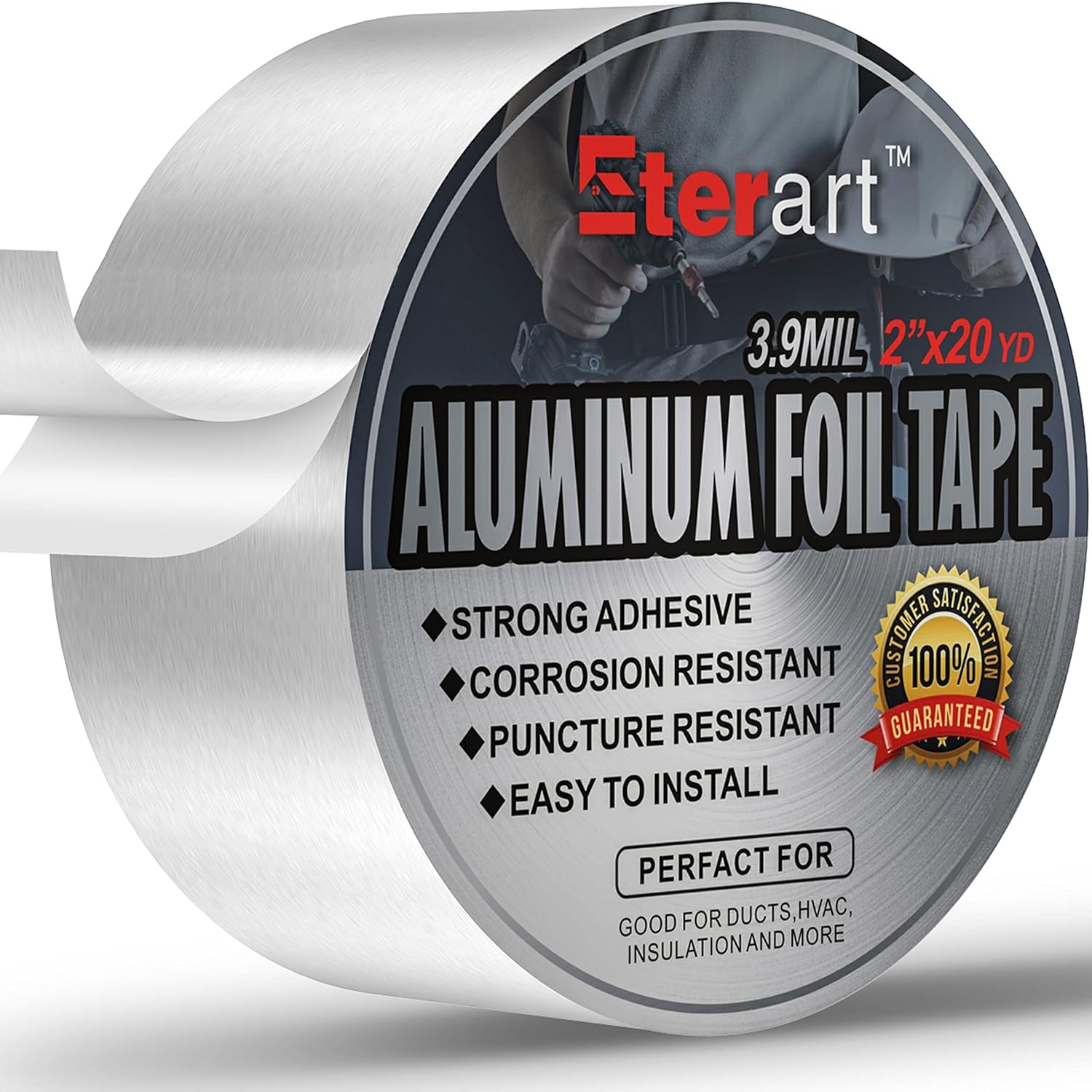
Fiberglass scrim
A stock image related to Aluminum Tape for Ductwork.
In-depth Look: Manufacturing Processes and Quality Assurance for Aluminum Tape for Ductwork
For procurement teams evaluating suppliers across diverse markets—from industrial zones in São Paulo to construction hubs in Lagos—understanding the manufacturing pipeline behind aluminum foil tape is essential for risk mitigation and long-term project success. The consistency of the adhesive coating, the purity of the aluminum substrate, and the rigor of quality assurance protocols directly determine whether your ductwork seals will withstand thermal cycling and humidity over a 20-year building lifecycle.
What Raw Materials Determine the Performance of Aluminum Duct Tape?
The manufacturing process begins with material selection that separates commodity-grade products from professional HVAC solutions. The substrate typically utilizes aluminum alloys 1145 or 1235 in “dead soft” temper, providing the malleability necessary to conform to irregular duct surfaces and flex joints without cracking. Thickness ranges from 0.02mm to 0.08mm, with heavier gauges offering puncture resistance for high-traffic mechanical rooms.
Adhesive selection represents the critical performance differentiator. Acrylic adhesives dominate premium HVAC applications due to their superior resistance to temperature fluctuations (-30°C to 120°C) and UV stability, making them ideal for Middle Eastern and tropical South American climates. Alternatively, synthetic rubber-based adhesives offer higher initial tack for cold-weather application but may degrade under sustained thermal load. The release liner—typically silicone-coated Kraft paper or polyethylene film—must separate cleanly without leaving residue that could compromise the bond during installation.
How Is Aluminum Foil Tape Manufactured in Industrial Facilities?
Production commences with precision coating operations where adhesive is applied to the foil substrate via comma coating or slot-die methods, ensuring uniform thickness across the entire web. This lamination occurs in climate-controlled environments (typically 20-25°C with 45-55% relative humidity) to prevent moisture entrapment that could cause bubbling during application.
Following lamination, the master rolls undergo slitting to standard widths—commonly 48mm, 72mm, or 96mm—though custom dimensions are available for specialized ductwork systems. Winding tension represents a critical control point; excessive tension causes adhesive “ooze” and liner separation, while insufficient tension leads to telescoping during ocean freight transport—a common issue when shipping to African or Brazilian ports. Quality manufacturers utilize differential winding shafts to maintain consistent tension across the roll face.
What Quality Control Tests Ensure Reliability for HVAC Applications?
Reputable facilities implement multi-stage testing protocols that align with international building codes. Peel adhesion testing—measured in Newtons per centimeter (N/cm)—verifies immediate bond strength, with premium products achieving values exceeding 6.0 N/cm on steel substrates. Shear resistance testing (ASTM D3654) evaluates the tape’s ability to resist slippage under load, critical for overhead duct applications where gravity and thermal expansion create constant stress.
Environmental stress screening includes thermal cycling chambers where samples endure rapid temperature shifts (-20°C to 80°C) to simulate seasonal extremes. Humidity aging tests (95% relative humidity for 96 hours) replicate the conditions found in coastal Nigerian or Gulf-state environments, ensuring the adhesive maintains integrity without delamination. Additionally, puncture resistance and tensile strength assessments verify that the foil backing withstands mechanical abrasion during installation.
Which International Standards Should B2B Buyers Verify?
When sourcing for projects in Europe or the Middle East, compliance documentation becomes non-negotiable. UL 723 (ASTM E84) certification for flame spread and smoke-developed indices is mandatory for commercial building codes, ensuring the tape does not propagate fire within duct systems. Mechanical specifications should reference ASTM D3330 (peel adhesion), D3652 (thickness), and D3759 (tensile strength).
Facility-level certifications provide additional procurement assurance. ISO 9001:2015 quality management systems indicate standardized production controls, while ISO 14001 environmental certifications demonstrate responsible manufacturing practices increasingly required by European contractors. For food-processing or cleanroom applications, buyers should request RoHS and REACH compliance documentation to verify the absence of restricted substances in the adhesive formulation.
How Does Packaging and Storage Affect Product Integrity During Export?
For international shipments to regions with variable port conditions, packaging specifications warrant careful scrutiny. Individual rolls require moisture-barrier wrapping (typically VCI film or polyethylene) to prevent humidity ingress during the 30-45 day transit periods common to West African or South American logistics corridors. Master cartons should incorporate desiccant packets and indicate “temperature-sensitive” handling instructions, as acrylic adhesives can degrade if exposed to temperatures exceeding 40°C during containerized shipping.
Storage recommendations upon receipt include maintaining warehouse conditions below 25°C with humidity levels under 70%. When properly stored, aluminum foil tape maintains a shelf life of 18-24 months, though procurement teams should implement FIFO (First In, First Out) inventory rotation to ensure optimal adhesion characteristics. Buyers should verify that suppliers provide batch-coded rolls enabling traceability back to specific production runs—a critical requirement for warranty claims and defect analysis in large-scale commercial projects.
Practical Sourcing Guide: A Step-by-Step Checklist for ‘Aluminum Tape for Ductwork’
Procuring aluminum tape for ductwork requires more than comparing unit prices. For B2B buyers operating across diverse climates—from the humidity of Lagos to the temperature swings of São Paulo—technical specifications directly impact installation success and system longevity. This checklist ensures you evaluate suppliers against performance-critical criteria that determine seal integrity in real-world HVAC applications.
How Do You Validate Adhesive Chemistry for Extreme Temperature Fluctuations?
Aluminum tape must maintain bond integrity in both scorching attic spaces and freezing ventilation shafts. Specify acrylic or synthetic rubber adhesives rated for your region’s specific thermal range, ensuring they resist heat escape without compromising flexibility. Request technical data sheets verifying adhesion strength—typically measured in N/cm on steel substrates—to confirm the tape won’t lift during seasonal expansion and contraction cycles common in Middle Eastern and European installations.
What Backing Thickness and Release Liner Quality Prevent Application Failures?
Source tapes with robust aluminum backing that resists tearing during application around ductwork bends, paired with high-grade silicone paper release liners for clean, measured cutting. Thinner backings often stretch excessively when pulled, weakening the adhesive bond and creating entry points for moisture. Verify that suppliers provide manageable roll lengths—typically 150-foot industrial rolls—that balance bulk pricing with on-site handling practicality for your installation teams.
Which Surface Preparation Protocols Should You Mandate for Your Technical Teams?
While sourcing, ensure your supplier provides comprehensive technical briefs emphasizing that tape application requires completely clean, dry, oil-free surfaces. This is particularly critical in humid climates like Brazil or Nigeria where ambient moisture compromises initial tack. Specify that installation protocols must include surface degreasing and drying steps, as even premium adhesives fail on contaminated substrates, leading to costly callbacks and air leakage that undermines energy efficiency.
How Can You Verify Compliance with International Fire Safety and HVAC Standards?
Demand certifications proving flame resistance and compliance with regional building codes—essential for commercial projects in Europe and the Middle East. Verify that products meet specific HVAC industry standards for vapor barrier performance, preventing condensation buildup that leads to corrosion in tropical environments. Request independent testing documentation rather than manufacturer claims to ensure the tape performs as a true thermal insulator in your specific market.
What Packaging and Storage Specifications Protect Adhesive Integrity During Transit?
Aluminum tape’s adhesive degrades when exposed to heat and humidity during shipping. Specify climate-controlled container requirements and moisture-barrier packaging for sea freight to African and South American ports. Require suppliers to guarantee shelf-life viability upon arrival, with storage instructions in multiple languages, ensuring warehouse conditions in Lagos or Dubai don’t compromise product performance before installation.
How Should You Structure Sample Testing and Quality Assurance Protocols?
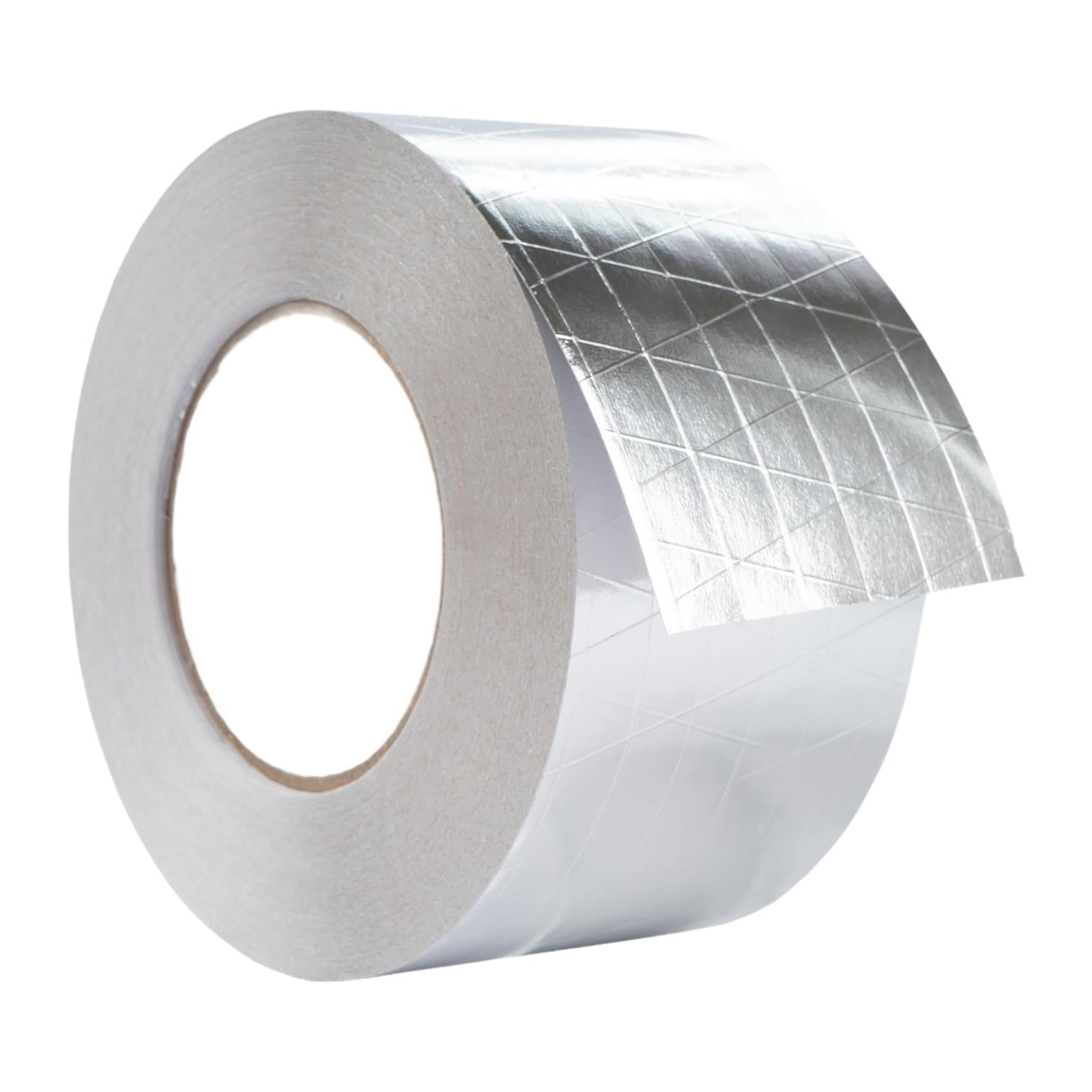
Before committing to bulk orders, request samples for adhesion testing on your specific ductwork materials—whether galvanized steel or flexible aluminum laminate. Implement batch testing protocols that verify consistent roll-to-roll thickness and adhesive spread. Establish clear acceptance criteria for overlap sealing performance, ensuring that when your teams apply multiple tape layers with slight overlaps (as required for airtight seals), the product creates continuous vapor barriers without weak points.
A stock image related to Aluminum Tape for Ductwork.
Comprehensive Cost and Pricing Analysis for Aluminum Tape for Ductwork Sourcing
Strategic procurement of aluminum foil tape for HVAC ductwork requires moving beyond unit price comparisons to evaluate total cost of ownership, particularly for buyers navigating complex logistics corridors in Brazil, Nigeria, and the Middle East. Material specifications, adhesive chemistry, and regional import frameworks significantly influence the final landed cost and project profitability.
What Material Specifications Drive Aluminum Tape Pricing in Global Markets?
Aluminum tape costs correlate directly with foil thickness and backing quality. HVAC-grade products typically utilize 30-50 micron aluminum layers with reinforced scrim, commanding higher prices than general-purpose alternatives. Acrylic adhesive formulations, essential for maintaining adhesion integrity across temperature fluctuations (as required in overhead ventilation systems), represent 20-30% of material costs but prevent expensive rework from seal failures in extreme climates common in Middle Eastern and African installations.
How Do Volume Tiers and MOQs Impact Procurement Economics?
Manufacturers structure B2B pricing across distinct volume thresholds. Sample quantities (1-50 rolls) typically incur 40-60% premiums compared to containerized shipments. For Brazilian or Nigerian contractors, consolidating orders to achieve Full Container Load (FCL) minimums—typically 500-800 cartons depending on roll dimensions—can reduce per-roll costs by $0.15-$0.40 while mitigating the high air freight premiums often necessary for urgent African market deliveries.
Why Does Adhesive Selection Affect Long-Term HVAC Project Costs?
The choice between acrylic and synthetic rubber adhesives creates significant cost variance. While synthetic rubber offers lower upfront pricing, acrylic adhesives provide superior resistance to thermal cycling and humidity—critical factors for ductwork in tropical climates like Nigeria or Brazil. Failed seals from inadequate adhesive performance necessitate labor-intensive reapplication, often exceeding initial material savings by factors of three to five when accounting for access difficulty in commercial ceiling installations.
What Hidden Logistics Costs Should Buyers in Emerging Markets Consider?
Beyond Ex-Works pricing, buyers must calculate import duties (typically 5-15% for aluminum products in South American and African markets), VAT obligations, and inland transportation from port to warehouse. Humidity-controlled storage represents an often-overlooked cost; tapes require dry, temperature-stable environments to maintain the adhesive integrity essential for proper bonding, as contaminated or moist surfaces directly compromise seal effectiveness and drive up application waste.
How Can Procurement Teams Optimize Specifications for Cost Efficiency?
Negotiating custom roll lengths—such as 150-foot industrial rolls versus standard 50-yard consumer formats—reduces packaging waste and labor time for large-scale contractors. Requesting mill certificates verifying 6.5 N/cm minimum adhesion strength (steel substrate) ensures compliance with HVAC performance standards without over-specifying premium aerospace-grade alternatives unsuitable for standard ductwork.
By analyzing these cost dimensions—from raw material chemistry to regional logistics constraints—procurement professionals can achieve 15-25% total cost reductions while ensuring ductwork integrity in demanding climate conditions.
Alternatives Analysis: Comparing Aluminum Tape for Ductwork With Other Solutions
While aluminum foil tape has become the preferred solution for sealing HVAC ductwork in many regions, procurement teams and contractors should evaluate how it stacks against established alternatives before finalizing specifications. Selection criteria often shift based on climate conditions, substrate materials, and project scale—factors particularly relevant for infrastructure developments across diverse markets from Lagos to São Paulo. Whether managing high-humidity commercial builds in West Africa or retrofitting legacy systems in Eastern Europe, understanding the trade-offs between tape systems and liquid sealants ensures technical specifications meet both performance benchmarks and total cost of ownership constraints.
| 比較の側面 | Aluminum Tape for Ductwork | Brush-Applied Mastic Sealant | ブチルゴムテープ |
|---|---|---|---|
| アプリケーション・スピード | Immediate adhesion, no curing required | 24–48 hour curing time before pressurization | Immediate adhesion, slower placement due to thickness |
| 表面適応性 | Optimal for smooth metal seams and joints | Excellent for irregular gaps, rough surfaces, and flexible connections | Superior for uneven textures, pitted metal, and non-standard substrates |
| 耐熱温度 | -35°C to 120°C (acrylic adhesive) | -40°C to 150°C (remains flexible after curing) | -40°C to 100°C (maintains pliability) |
| Labor Intensity | Low skill, minimal cleanup, fast application | High skill, requires fiberglass mesh reinforcement | Moderate skill, requires firm pressure activation |
| Material Cost per Meter | $$ | $ | $$$ |
| Durability & Maintenance | 10–15 years, requires periodic inspection for edge lifting | 20+ years, permanent bond, difficult to modify | 15–20 years, UV resistant, vibration dampening |
| ベスト・ユースケース | Standard metal ductwork, quick repairs, indoor applications | Large commercial infrastructure, accessible ductwork, budget-sensitive projects | External exposed ducts, high-vibration environments, extreme weather |
Is Brush-Applied Mastic Sealant More Economical for Large-Scale Commercial Projects?
Mastic sealants represent the traditional approach to duct sealing, particularly prevalent in emerging markets prioritizing material cost over labor speed. This viscous compound requires manual application with a brush or caulking gun, frequently necessitating fiberglass mesh reinforcement to prevent cracking across thermal expansion cycles. While the raw material cost remains significantly lower than premium tape systems, the labor multiplier is substantial—technicians must account for 24 to 48 hours of curing time before pressurizing systems, and surface preparation demands are equally stringent regarding oil and dust removal. For massive infrastructure projects where ducts remain accessible and timelines allow for staged commissioning, mastic provides a permanent, flexible seal that accommodates vibration better than rigid tape bonds. However, in humid climates common across West Africa or coastal Brazil, extended curing periods can create logistical bottlenecks that erode initial material savings, particularly when project delays incur penalty clauses.
How Does Butyl Rubber Tape Perform Compared to Aluminum Foil in Harsh Environmental Conditions?
Butyl rubber tape emerges as a formidable alternative when confronting irregular substrate textures or extreme thermal cycling common in industrial environments. Unlike aluminum foil tapes that excel on smooth galvanized steel, butyl compounds conform to pitted surfaces and maintain pliability across temperature ranges that would compromise standard acrylic adhesives. The material offers superior moisture barrier properties and inherent UV resistance, making it particularly suitable for external ductwork exposed to intense solar radiation in Middle Eastern installations or torrential monsoon conditions. Procurement teams should note that butyl systems typically command a 20–30% price premium over standard aluminum acrylic tapes and require firmer pressure during application to activate the adhesive fully. The trade-off manifests in reduced callback rates for seal failures in high-vibration environments, such as industrial facilities near mining operations or manufacturing zones where mechanical stress fractures conventional foil seals.
Essential Technical Properties and Trade Terminology for Aluminum Tape for Ductwork
When procuring aluminum tape for HVAC ductwork, understanding precise technical specifications ensures compliance with regional building codes and operational longevity in diverse climates. Buyers must evaluate performance metrics beyond basic width and length to guarantee airtight seals that withstand thermal cycling and humidity fluctuations common in tropical and arid environments.
What Adhesion Strength Should You Specify for High-Temperature Ductwork?
Adhesion strength, measured in Newtons per centimeter (N/cm) or ounces per inch (oz/in), determines how effectively the tape bonds to galvanized steel, aluminum, or fiberglass duct board. For commercial HVAC applications, specify tapes offering minimum 4.0 N/cm initial tack and 6.5 N/cm ultimate adhesion to steel surfaces. This ensures immediate bonding during installation while maintaining structural integrity during system vibration and thermal expansion cycles common in high-velocity air handling systems.
How Does Temperature Resistance Impact Tape Performance in Extreme Climates?
Temperature resistance defines the operational range where adhesive maintains viscosity without degrading. Premium aluminum tapes function between -35°C to +120°C (-31°F to +248°F), accommodating both freezer storage and high-velocity air handling units. Acrylic adhesives typically outperform rubber-based alternatives in elevated temperatures, resisting flow and oxidation in Middle Eastern or South American heat while maintaining flexibility during European winter installations.
Why Does Backing Thickness Matter for Industrial Ductwork Applications?
Backing thickness, usually 30-50 microns (1.2-2.0 mils) for standard HVAC grades, directly correlates with puncture resistance and conformability. Thicker dead-soft aluminum alloys (50+ microns) provide superior protection against mechanical damage during maintenance access, while thinner laminates offer better adhesion to irregular surfaces. Specify thickness based on whether applications involve rigid metal ducting or flexible insulated flex-duct prevalent in retrofit projects.
What Certifications Validate Aluminum Tape for Fire Safety Compliance?
UL 181A-P (for rigid ducts) and UL 181B-FX (for flexible ducts) listings indicate compliance with North American fire safety standards, though internationally recognized equivalents include EN 1366 and ISO 6944. These certifications verify flame spread resistance and smoke development indices, critical for commercial buildings in Nigeria, Brazil, and the UAE where fire safety regulations increasingly mirror international codes.
What Is a Release Liner and Why Does It Affect Installation Efficiency?
The release liner—typically silicone-coated kraft paper—protects the adhesive until application. High-quality tapes feature easy-release liners that separate cleanly without tearing, enabling rapid application during large-scale commercial installations. Specify UV-stabilized liners for tropical climates where sunlight exposure during outdoor storage might cause liner embrittlement and adhesive contamination.
What Does “Dead Soft” Aluminum Mean for Conformability?
“Dead soft” refers to fully annealed aluminum alloy (typically 1145 or 1235) that undergoes zero work hardening. This metallurgical state allows the tape to conform to irregular duct surfaces, rivets, and screw heads without spring-back or lifting. Harder alloys resist conforming, creating air pockets that compromise thermal efficiency and require additional sealant applications.
How Do Acrylic and Rubber Adhesives Differ in HVAC Applications?
Acrylic adhesives offer superior UV resistance and aging stability for outdoor ductwork exposed to intense sunlight, while rubber-based adhesives provide aggressive initial tack for dusty construction environments common in developing markets. Understanding this distinction prevents specification errors where high-temperature acrylic is required but rubber is substituted due to cost constraints, resulting in adhesive failure during summer peak loads.
What Constitutes Proper Seam Sealing Versus General Joining?
Seam sealing refers specifically to closing longitudinal joints in sheet metal ductwork to prevent air leakage, requiring tapes with high shear strength. General joining encompasses connecting dissimilar materials or repairing insulation facings, where conformability takes precedence over sheer tensile strength. Distinguishing these applications ensures correct product selection for mechanical versus thermal barrier functions in complex building envelopes.
Navigating Market Dynamics and Sourcing Trends in the Aluminum Tape for Ductwork Sector
What Are the Critical Market Drivers Shaping Aluminum Tape Demand in Emerging Economies?
The global aluminum tape for ductwork market is experiencing robust expansion, particularly across Africa, South America, and the Middle East, where rapid urbanization and infrastructure modernization are accelerating HVAC adoption in both commercial and residential sectors. B2B buyers in regions like Nigeria and Brazil are witnessing increased demand for high-performance sealing solutions that comply with stringent international energy efficiency standards, driven by governmental pushes for sustainable building practices and rising energy costs that make airtight ductwork economically imperative for facility managers. As local regulators implement stricter codes to reduce carbon emissions and improve indoor air quality, contractors are systematically shifting from traditional mastic and mechanical fastening methods to advanced aluminum foil tape solutions that offer superior thermal resistance and vapor barrier properties. This transition is particularly critical in tropical climates like those found in West Africa and Southeast Brazil, where extreme humidity, airborne particulates, and rapid temperature fluctuations require sealing systems capable of maintaining adhesive integrity without delamination, corrosion, or compromising the mineral wool insulation commonly used in these regions.
How Is Adhesive Technology Evolving in High-Performance Ductwork Applications?
Modern HVAC systems operating in diverse climatic conditions demand aluminum tapes with sophisticated acrylic or synthetic rubber adhesives engineered to maintain bonding strength across extreme temperature ranges from -20°C to +120°C. Procurement teams are increasingly prioritizing products featuring high-tack formulations that deliver immediate adhesion strength exceeding 6 N/cm on galvanized steel and aluminum surfaces, eliminating the need for additional primers and significantly reducing labor costs during large-scale commercial installations
Frequently Asked Questions (FAQs) for B2B Buyers of Aluminum Tape for Ductwork
1. What is the difference between UL 181A-P and UL 181B-FX rated aluminum tape for commercial ductwork?
UL 181A-P certification applies to pressure-sensitive tapes engineered for rigid metal ductwork, mandating higher peel adhesion (minimum 20 oz/in width) and shear strength to withstand the static pressures of commercial HVAC systems. UL 181B-FX covers applications for flexible duct systems and fibrous glass duct board, with standards focused on flexibility and compatibility with non-metallic surfaces rather than extreme mechanical strength. For commercial installations across Europe and the Middle East, specify UL 181A-P for permanent metal-to-metal joints in high-pressure plenums, while reserving UL 181B-FX for flexible duct connections and insulation vapor barrier repairs. Always verify that your destination country’s building codes recognize these specific UL classifications
重要な免責事項および利用規約
⚠️ 重要な免責事項
メーカー、技術仕様、市場分析に関する内容を含め、本ガイドラインで提供される情報は、情報提供と教育目的のみのものです。専門的な調達アドバイス、財務アドバイス、または法的アドバイスを提供するものではありません。.
B2Bバイヤーは、独自の徹底的なデューデリジェンスを行う必要がある。 をご覧の上、ご購入をお決めください。本ガイドに記載された情報を信頼した場合のリスクは、読者が単独で負うものとします。.
Top 3 Aluminum Tape For Ductwork Manufacturers & Suppliers List
1. Ajit Industries – Aluminum Tape
ドメイン ajitindustries.com
Registered: 2003 (23 years)
はじめに AIPL Sunsui Aluminum tape is a specialty tape backed with dead soft Aluminum foil coated with modified acrylic adhesive system on siliconized paper liner. Manufacturer offers adhesive customization options including synthetic adhesive, solvent acrylic, or water-based acrylic in various thicknesses. Key properties: heat-resistant, waterproof, conductive, moisture-proof, high adhesion power, good ag…
2. IPG – Aluminum Foil Tapes
ドメイン イテイプ・ドット・コム
登録:1998年(28年)
はじめに IPG offers a comprehensive line of aluminum foil tapes for building, construction, and industrial applications. Key products include: ALF300 (3 mil premium self-wound with acrylic adhesive, UV resistant); ALF150L (utility grade with rubber adhesive and white SCK liner, 40°F min temp); ALF161LA (cold temperature utility grade with acrylic adhesive, 35°F min temp, 60# SCK liner); ALF175L (medium gra…
3. Oneida Air – HVAC Aluminum Foil Tape

ドメイン oneida-air.com
登録:1998年(28年)
はじめに HVAC Aluminum Foil Acrylic Tape – 150′ Roll (SKU: ATF000000). Price: $24.95. General purpose aluminum foil tape featuring high tack pressure-sensitive rubber based adhesive for seaming and sealing fiberglass duct board and duct wrap to enhance appearance and maintain vapor barrier integrity. Key features include aggressive, long-lasting adhesive with superior bonding performance in both sub-zero a…
Strategic Sourcing Conclusion and Outlook for Aluminum Tape for Ductwork
As global infrastructure demands intensify across diverse climates—from the humid coastlines of Nigeria to the industrial zones of Brazil—strategic procurement of aluminum tape for ductwork transcends simple commodity purchasing. Forward-thinking buyers recognize that specification precision and supplier reliability directly correlate with HVAC system longevity and energy efficiency outcomes in demanding commercial environments.
How Can Procurement Teams Future-Proof Their Aluminum Tape Supply Chains?
Emerging markets require partners capable of consistent acrylic adhesive formulations that withstand thermal cycling between extreme heat and cooling periods. Establishing dual-source agreements with manufacturers demonstrating ISO-certified production capabilities mitigates regional supply volatility while ensuring compliance with international HVAC sealing standards.
What Quality Benchmarks Should Drive Your Long-Term Sourcing Strategy?
Prioritize specifications exceeding 6.5 N/cm adhesion strength on steel substrates and temperature stability from -35°C to 120°C. Verify that release liner technologies facilitate rapid application in high-humidity environments, reducing installation labor costs and minimizing seam failures during critical project phases.
How Does Proper Specification Impact Total Cost of Ownership?
Investing in premium aluminum tape with synthetic rubber or acrylic adhesives eliminates recurring maintenance cycles in inaccessible ductwork. The initial procurement cost differential diminishes rapidly when accounting for reduced energy leakage, eliminated condensation damage, and extended system lifecycles across commercial installations.
By aligning technical requirements with supply chain resilience, procurement professionals transform aluminum tape from a consumable expense into a strategic asset that safeguards operational efficiency and stakeholder value across international markets.