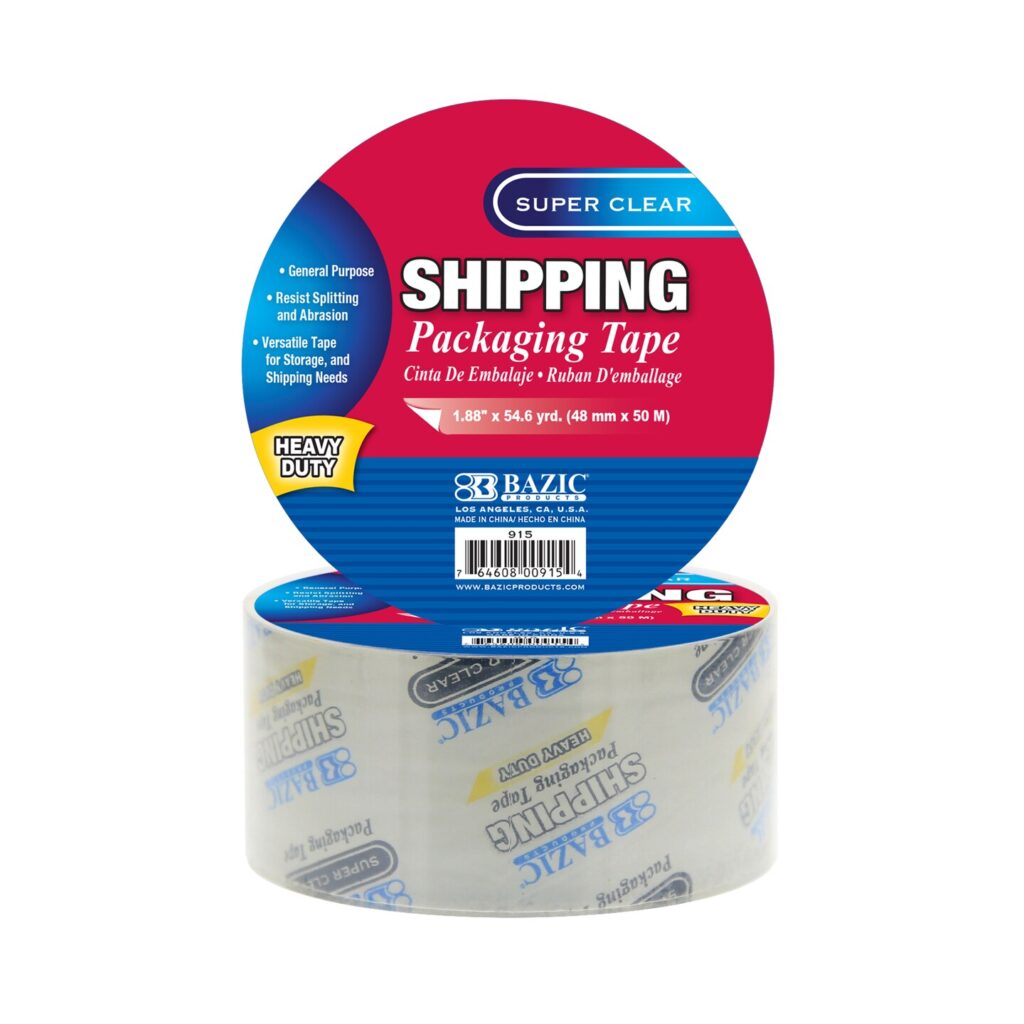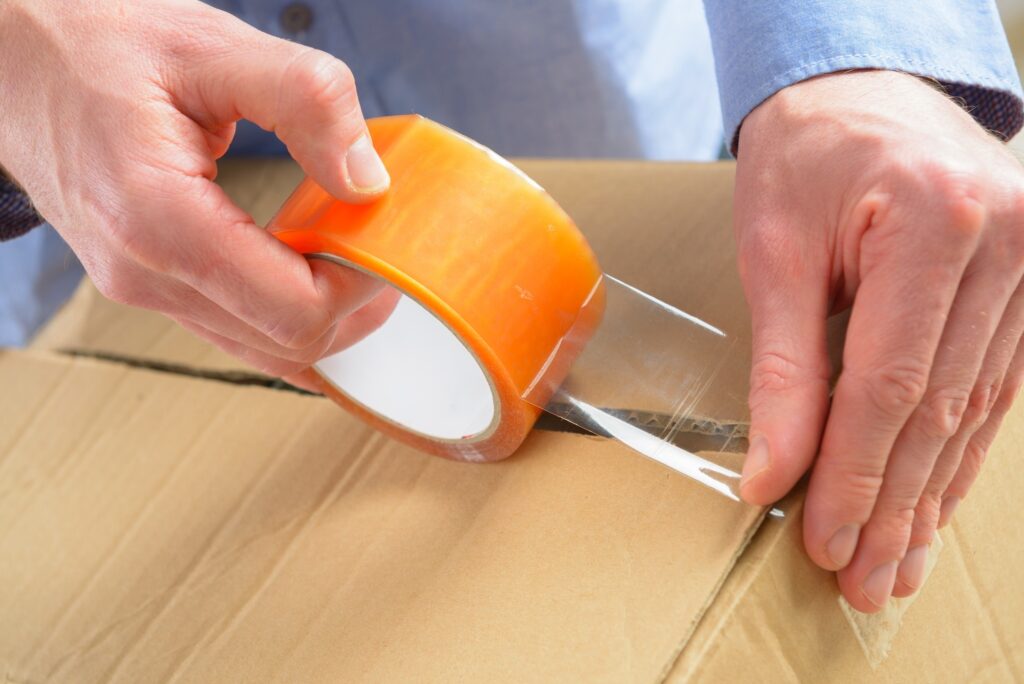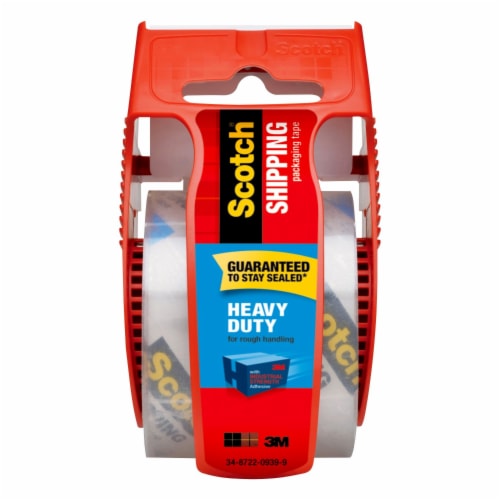
Introduction: Navigating the Global Market for Clear strong adhesive tape
Sourcing clear strong adhesive tape for permanent bonding applications has become increasingly complex as global supply chains face unprecedented volatility. Procurement teams across Brazil, Saudi Arabia, and emerging markets throughout Africa and Europe must navigate a fragmented landscape where product specifications vary dramatically between regions, and the promise of “heavy-duty” performance often fails to materialize under extreme temperatures or high-humidity conditions. Whether you’re securing components for automotive manufacturing, retail display installations, or construction projects, selecting the right transparent mounting solution requires moving beyond basic product descriptions to understand real-world performance metrics.
What Critical Factors Should International Buyers Evaluate When Selecting Clear Adhesive Solutions?
This comprehensive guide dismantles the complexity of global adhesive tape procurement by examining the full spectrum of available technologies—from nano-mounting acrylics to high-temperature resistant formulations capable of withstanding 140°C environments. We analyze application-specific requirements across industrial sectors, establish rigorous frameworks for vetting suppliers in Asia-Pacific manufacturing hubs, and decode the hidden cost structures including tariffs and logistics that impact landed pricing for Middle Eastern and South American importers.
How Can Procurement Teams Mitigate Supply Chain Risks in Diverse Regional Markets?
By synthesizing technical specifications with regional compliance standards and logistics optimization strategies, this resource equips B2B decision-makers with actionable intelligence to secure reliable, high-performance clear adhesive partnerships. You’ll gain the clarity needed to replace mechanical fasteners with confidence, ensuring your mounting solutions deliver invisible strength while meeting the unique demands of your local operating environments.
Understanding Clear strong adhesive tape Types and Variations
| タイプ名 | 主な特徴 | 主なB2Bアプリケーション | バイヤーのための簡単な長所と短所 |
|---|---|---|---|
| Nano Gel/Acrylic Foam Double-Sided Tape | Washable, reusable micro-suction technology; temperature resistant up to 140°C; gel-like consistency; residue-free removal | Exhibition displays, temporary signage mounting, automotive interior trim, electronics assembly | Pros: Cost-effective for temporary installs, repositionable, restores adhesion after washing Cons: Poor performance on porous surfaces, dust accumulation reduces efficacy, unsuitable for structural loads |
| Heavy-Duty PET Film Mounting Tape | Biaxially oriented polyester carrier; aggressive solvent acrylic adhesive; immediate bond; high shear strength (>20 N/cm²) | Permanent fixture mounting, architectural glass installation, mirror mounting, HVAC component fixing | Pros: High optical clarity, permanent hold, chemical resistant, eliminates visible fasteners Cons: Difficult removal risks surface damage, higher cost per meter, requires precise initial placement |
| Acrylic Transfer Tape (Clear) | Pure adhesive layer without carrier film; 100% optical clarity; conformable to irregular surfaces; thin profile | Point-of-sale displays, acrylic signage bonding, glass-to-metal joining, luxury packaging | Pros: Truly invisible bond, excellent wet-out, minimal thickness addition Cons: Requires careful liner removal, no gap-filling capability, sensitive to application pressure |
| UV-Resistant Polycarbonate Outdoor Tape | UV stabilizers; wide temperature range (-40°C to 150°C); moisture barrier; stabilized adhesive system | Outdoor advertising, construction site glazing, solar panel framing, marine applications | Pros: Withstands harsh climates and thermal cycling, long-term durability, prevents yellowing Cons: Premium pricing, rigidity limits conformability, requires 24-72 hours cure time |
| Removable/Repositionable Clear Tape | Low-tack synthetic rubber/silicone adhesive; clean removal window (30-90 days); no residue; surface-safe | Temporary protective films, exhibition graphics, rental property maintenance, prototype assembly | Pros: Surface-safe removal, repositionable during installation, reduces restoration costs Cons: Limited load capacity, adhesive degrades over time, temperature sensitive |
What Are the Industrial Applications of Washable Nano Gel Tapes?
Nano gel tapes utilize micro-suction acrylic technology that creates vacuum bonds with smooth surfaces. These tapes offer unique reusability characteristics—when contaminated, washing with water restores adhesion, making them economically viable for temporary exhibition setups and rental property fixtures. For B2B buyers in event management and retail display sectors, specify thicknesses between 1-2mm for optimal load distribution. However, assess surface texture carefully; nano gel performs poorly on porous materials common in unfinished construction environments across emerging markets.
How Does Heavy-Duty PET Mounting Tape Replace Mechanical Fasteners?
Heavy-duty PET film tapes feature biaxially oriented polyester carriers coated with aggressive solvent-based acrylic adhesives, delivering shear strength exceeding 20 N/cm². These tapes bond glass, metal, and high-energy plastics without visible fixing hardware, critical for architectural glass installations and luxury retail environments. When sourcing, verify the adhesive system’s compatibility with local climate conditions—high-humidity regions like coastal Brazil or the Gulf states require moisture-curing formulations. Buyers should request test samples on actual substrate materials, as surface energy variations significantly impact bond longevity.
When Should Procurement Teams Choose Acrylic Transfer Tape Over Foam Tapes?
Acrylic transfer tapes consist of pure adhesive layers without carrier films, providing optical clarity that foam tapes cannot match. These products excel in applications requiring “invisible” bonding, such as luxury packaging, acrylic display cases, and glass furniture assembly. The absence of a carrier allows the adhesive to conform to micro-surface irregularities, creating molecular-level contact. B2B buyers must consider application methodology—these tapes require precise liner removal and pressure-sensitive application tools. For high-volume manufacturing, specify tapes with easy-release liners to reduce assembly time and labor costs.
What Clear Tape Specifications Are Essential for Extreme Climate Durability?
UV-resistant clear tapes incorporate polycarbonate or stabilized PET backings with UV-absorbing adhesive systems designed for prolonged outdoor exposure. These products withstand thermal cycling and intense solar radiation typical of Middle Eastern and African construction sites. The tapes maintain optical clarity while preventing adhesive degradation that causes yellowing and bond failure. When specifying for solar energy projects or outdoor signage, demand test data for UV resistance (ASTM G154 standards) and temperature cycling performance. Note that these specialized tapes require 24-72 hours cure time to achieve rated weatherproofing, impacting project scheduling.
How Can Removable Clear Tapes Reduce Facility Maintenance Costs?
Removable clear tapes utilize low-tack synthetic rubber or silicone adhesives formulated for clean removal from painted drywall, glass, and polished surfaces without residue transfer. These products serve facility managers in commercial real estate and hospitality sectors across Europe and South America, enabling temporary signage and protective films during renovation cycles. When procuring, verify the removal time window—typically 30-90 days before adhesive curing becomes permanent. For multi-site operations, standardize on UV-resistant removable grades to prevent adhesive ghosting on windows exposed to sunlight, which reduces end-of-lease restoration expenses.
Key Industrial Applications of Clear strong adhesive tape
| 業界/セクター | Specific Application of Clear strong adhesive tape | ビジネスにとっての価値/利益 | このアプリケーションにおける主な調達上の考慮事項 |
|---|---|---|---|
| Construction & Architectural Finishing | Mounting glass balustrades, acrylic partitions, mirrors, and decorative wall panels without mechanical fasteners | Eliminates drilling damage and surface cracks, enables faster installation timelines, provides seamless aesthetic finish, reduces labor and hardware costs | Verify temperature resistance up to 140°C for hot climates, UV stability for outdoor exposure, compatibility with glass and anodized aluminum substrates |
| Automotive Manufacturing & Aftermarket | Attaching interior trim components, exterior emblems, LED light strips, and weatherstripping seals | Reduces vehicle weight versus mechanical fasteners, prevents corrosion initiation points, allows clean aesthetic integration, provides vibration damping | Confirm high-temperature resistance (140°C+) for engine bay and hot climate performance, automotive-grade adhesive certification, resistance to plasticizer migration from PVC components |
| Solar Energy & Electronics Assembly | Mounting junction boxes, heat sinks, display components, and frame bonding in solar panels and consumer electronics | Provides electrical insulation properties, accommodates thermal expansion between dissimilar materials, ensures clean aesthetic in transparent assemblies, simplifies repair versus permanent bonding | Require UV resistance and thermal cycling durability for outdoor applications, dielectric strength ratings, clean removability characteristics for maintenance access |
| Retail & Commercial Display | Installing acrylic signage, glass display cases, point-of-sale displays, and temporary exhibition structures | Creates invisible bonds that do not distract from branding, enables rapid display reconfiguration, eliminates surface damage for leased commercial spaces, supports reusability | Prioritize residue-free removal for temporary installations, instant grab strength for vertical mounting, compatibility with painted drywall and delicate acrylic surfaces |
| Industrial Equipment & HVAC Manufacturing | Mounting inspection windows, control panels, ventilation ducts, and equipment housings | Provides vibration damping for machinery longevity, creates airtight seals without fasteners, eliminates corrosion risks, enables faster assembly line production | Verify chemical resistance against industrial solvents and oils, appropriate foam thickness for gap-filling requirements, immediate handling strength for manufacturing efficiency |
How is clear strong adhesive tape transforming glass and acrylic mounting in modern construction?
In commercial and residential construction across regions like Saudi Arabia and Brazil, clear strong adhesive tape serves as a critical alternative to mechanical fasteners for installing glass balustrades, acrylic partitions, and decorative mirrors. The tape eliminates the risk of drilling-induced cracks in tempered glass while providing a seamless, invisible bond that enhances modern architectural aesthetics. For buyers in hot climates, selecting tapes with high-temperature resistance up to 140°C ensures that bonds remain secure despite intense solar exposure and thermal expansion cycles common in Middle Eastern and South American environments, reducing long-term maintenance costs.
What role does high-performance clear tape play in automotive assembly and trim applications?
Automotive manufacturers and aftermarket specialists utilize clear strong adhesive tape for mounting interior trim, exterior emblems, LED lighting strips, and weatherstripping components. This application solves critical challenges by eliminating corrosion-prone screw holes and reducing overall vehicle weight while maintaining structural integrity during high-speed vibration and temperature fluctuations. For markets like Europe and the Middle East, where vehicles endure extreme heat, sourcing tapes rated for continuous exposure above 140°C becomes essential to prevent adhesive degradation in engine bays or sun-exposed surfaces, ensuring durable performance in demanding climatic conditions.
Why are solar energy installers and electronics manufacturers choosing clear mounting tapes for component assembly?
In the renewable energy and electronics sectors, clear strong adhesive tape provides specialized solutions for mounting solar panel junction boxes, heat sinks, and display components where thermal management and aesthetic transparency are crucial. The tape accommodates thermal expansion differences between dissimilar materials while offering electrical insulation properties critical for solar installations. Buyers should prioritize products with UV stabilization and thermal cycling resistance to ensure long-term performance in outdoor African and Middle Eastern
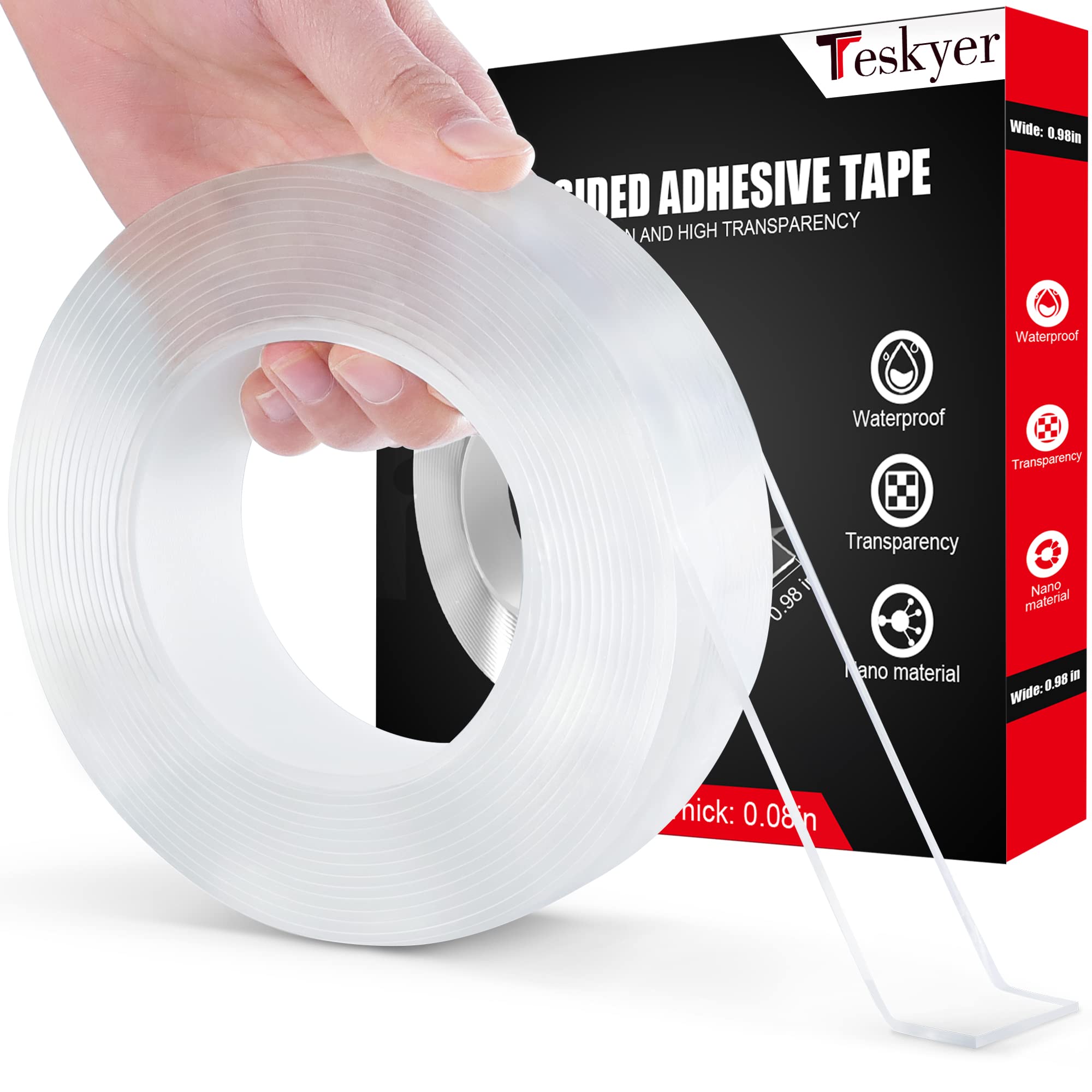
A stock image related to Clear strong adhesive tape.
3 Common User Pain Points for ‘Clear strong adhesive tape’ & Their Solutions
Scenario 1: Residue-Related Surface Damage in Commercial Lease Environments
問題だ: Facilities managers and retail fit-out contractors across Europe and the Middle East frequently encounter disputes when removing temporary promotional graphics, wayfinding signage, or seasonal displays from leased commercial properties. Standard aggressive clear tapes may bond tenaciously to painted drywall, glass curtain walls, or polished stone facades, leaving behind adhesive residue that requires expensive chemical remediation or surface refinishing. This not only jeopardizes security deposit returns but also delays property handovers, creating costly downtime between tenants. The risk is compounded when maintenance crews use improper removal techniques, scratching surfaces while attempting to scrape off aged tape.
解決策 Specify removable-grade clear mounting tapes engineered with “clean removal” technology, explicitly rated for specific dwell periods (e.g., 6-month or 12-month clean removal guarantees). Prioritize acrylic foam tapes over rubber-based adhesives for indoor applications where repositioning may be required. Implement mandatory substrate testing protocols using sample boards before full-scale application, particularly on delicate surfaces like freshly painted gypsum or anodized aluminum. Train installation teams on proper removal techniques: apply consistent low heat (40-50°C) using industrial heat guns to soften the adhesive, then peel slowly at 180 degrees parallel to the surface rather than pulling perpendicular, which minimizes substrate stress and eliminates residue transfer.
Scenario 2: Adhesive Failure Under Extreme Thermal and Humid Conditions
問題だ: Construction firms and outdoor advertisers operating in high-heat climates—such as Saudi Arabia, Arizona, or Brazil’s interior—face catastrophic tape failure when mounting exterior signage, solar panel components, or HVAC insulation. Standard clear adhesive tapes soften and experience “adhesive creep” when surface temperatures exceed 60°C, causing mounted objects to sag or detach entirely. In humid coastal African regions or during South American monsoon seasons, moisture ingress between the tape and substrate compromises the bond line, leading to delamination and potential safety hazards from falling equipment.
解決策 Procure high-performance clear acrylic tapes specifically rated for high-temperature environments, with continuous operating ranges up to 140°C and short-term resistance to 180°C. Verify that products carry UV-stability certifications (ASTM G154 or equivalent) to prevent yellowing and embrittlement under intense solar exposure. For outdoor applications, select tapes with moisture-resistant backings and apply during optimal temperature windows (typically 15°C to 35°C ambient) to ensure proper wet-out. In extremely humid regions, utilize adhesion promoters or primers on porous substrates like concrete or painted wood to create a moisture barrier, and specify tapes with aggressive initial tack to overcome surface condensation during application.
Scenario 3: Inconsistent Bonding to Low-Surface-Energy (LSE) Industrial Substrates
問題だ: Manufacturing procurement teams in automotive, electronics, and appliance sectors frequently discover that standard clear strong adhesive tapes fail to bond effectively to low-surface-energy materials common in modern production—specifically polypropylene (PP), polyethylene (PE), thermoplastic olefins (TPO), and powder-coated metals. These substrates resist traditional adhesives, causing assembly line delays, increased rework costs, and potential warranty issues when decorative trim, glass panels, or electronic displays detach during shipping or end-use. The invisible nature of clear tape exacerbates quality control challenges, as bond failures may not be immediately visible during production.
解決策 Specify modified acrylic or silicone-based clear adhesive tapes explicitly formulated for LSE substrates, which feature specialized chemistry to overcome surface tension barriers. Implement rigorous surface preparation protocols: clean substrates with isopropyl alcohol (IPA) to remove mold release agents or handling oils, and consider corona or plasma surface treatment for high-volume plastic bonding operations. For critical structural applications, employ a hybrid fastening strategy using clear tape for vibration damping and aesthetics alongside mechanical fasteners for primary load bearing during the adhesive’s full cure period (typically 72 hours). Conduct shear and peel testing according to ASTM D1002 standards on actual production materials rather than standard steel test panels to validate performance before procurement approval.
Strategic Material Selection Guide for Clear strong adhesive tape
Selecting the optimal substrate and adhesive combination for clear mounting tapes requires balancing mechanical performance, environmental stability, and total cost of ownership. For procurement teams operating in diverse climates—from the humid tropics of Brazil to the arid heat of Saudi Arabia—understanding material specifications is critical to preventing bond failure and costly rework. The following analysis examines three distinct material technologies that dominate the industrial clear tape market, providing actionable insights for specifying tapes in construction, manufacturing, and commercial display applications.
Which Material Offers the Best Permanent Bonding for Structural Applications?
Acrylic foam tapes, often categorized as Very High Bond (VHB) systems, utilize a closed-cell polyethylene or acrylic foam core coated with pressure-sensitive adhesive on both sides. These materials excel in structural mounting applications where mechanical fasteners are impractical or aesthetically undesirable, such as architectural panel installation, elevator interior cladding, or automotive trim attachment in Middle Eastern construction projects. The viscoelastic foam core distributes dynamic stress across the bond line while accommodating thermal expansion differentials between metal and glass substrates—a critical consideration for outdoor installations in regions experiencing extreme diurnal temperature shifts exceeding 40°C. However, the aggressive permanence of these adhesives means removal typically damages substrates, requiring complete surface replacement rather than clean removal. Additionally, the thick profile (typically 0.4mm to 2.0mm) may create visible edges in thin-gap applications, and the material commands premium pricing that impacts large-scale procurement budgets.
How Does Nano Gel Technology Compare for Removable Mounting Solutions?
Nano gel tapes, constructed from polyurethane or acrylic hybrid matrices with micro-porous structures, represent the rapidly growing segment of reusable mounting solutions favored by facility managers and exhibition contractors. Unlike permanent foam tapes, these materials utilize physical adsorption combined with moderate chemical adhesion, allowing them to be washed, air-dried, and reapplied multiple times without losing tack—extending product lifecycle in circular economy procurement models. This characteristic proves particularly valuable for B2B sectors managing temporary exhibitions across European trade shows, rental property fixtures in Brazilian urban developments, or seasonal retail displays. The material performs optimally on smooth, non-porous surfaces such as glass, polished tile, and powder-coated metal. Nevertheless, nano gel exhibits significant limitations in high-temperature environments common
A stock image related to Clear strong adhesive tape.
In-depth Look: Manufacturing Processes and Quality Assurance for Clear strong adhesive tape
Understanding the Production Lifecycle of Industrial-Grade Clear Tape
The manufacturing of clear strong adhesive tape represents a sophisticated convergence of polymer chemistry and precision engineering. For B2B buyers sourcing from international markets—whether for construction projects in Saudi Arabia, automotive assembly in Brazil, or electronics manufacturing in Europe—understanding these processes ensures procurement decisions align with performance requirements and regulatory standards. Modern production facilities utilize advanced coating technologies to create tapes that balance optical clarity with aggressive adhesion, moving beyond simple pressure-sensitive adhesives to nano-acrylic formulations capable of replacing mechanical fasteners.
What Raw Materials Determine the Performance of Clear Strong Adhesive Tape?
The foundation of high-performance clear tape lies in its material stack, typically comprising a carrier film and specialized adhesive layer. Premium manufacturers utilize polyethylene (PE) or polyethylene terephthalate (PET) films ranging from 0.5mm to 2mm thickness, selected specifically for their transparency and dimensional stability under thermal stress. The adhesive layer predominantly features advanced acrylic polymers or nano-acrylic formulations, cross-linked to provide immediate tack while maintaining removability characteristics essential for temporary mounting applications.
For buyers operating in high-temperature environments—common in Middle Eastern and African industrial settings—silicone-modified acrylics offer enhanced thermal resistance up to 140°C, preventing adhesive flow and maintaining structural integrity. The backing material undergoes corona treatment or primer application to ensure optimal adhesive anchorage, preventing delamination during application or environmental exposure. These material selections directly impact the tape’s ability to perform on diverse substrates, from painted drywall and glass to powder-coated metals and automotive plastics.
How Is the Adhesive Coating Process Optimized for Industrial-Grade Clarity?
Manufacturing clarity in adhesive tapes requires contamination-controlled coating environments and precision thickness control. The production process typically employs solvent-based or hot-melt coating methods, with solventless UV-curable systems gaining preference for environmental compliance and optical purity. During coating, adhesive viscosity is maintained within strict parameters (usually 3,000–8,000 cPs) to prevent air entrapment that could compromise transparency.
Multi-layer coating heads apply adhesive in controlled thicknesses ranging from 0.5mm to 2.0mm, depending on the intended load-bearing capacity. Thermal drying ovens, typically 30-50 meters in length, remove solvents at controlled rates to prevent blistering, while UV curing stations utilize 365nm wavelength lamps to polymerize adhesive instantly, increasing production efficiency while eliminating solvent emissions. For double-sided clear mounting tapes, manufacturers utilize transfer coating techniques where adhesive is applied to a release liner first, then laminated to the carrier film, ensuring bubble-free interfaces critical for invisible mounting applications.
What Quality Control Tests Validate Shear Strength and Temperature Resistance?
Rigorous quality assurance protocols separate commodity tapes from industrial-grade products suitable for international B2B procurement. Manufacturers conduct standardized peel adhesion tests (ASTM D3330), measuring the force required to remove tape from stainless steel panels at 180-degree angles, with premium products demonstrating values exceeding 20 N/25mm. Static shear testing (ASTM D3654) evaluates the tape’s ability to resist slippage under constant load, typically testing 1kg weights for 72+ hours at elevated temperatures.
Environmental simulation chambers replicate the challenging conditions found in Brazilian humidity or Saudi Arabian heat, subjecting samples to thermal cycling between -20°C and 80°C with 85% relative humidity. For markets in tropical regions, manufacturers conduct specific humidity resistance testing at 40°C/95% RH for 1,000 hours, simulating tropical storage conditions that could compromise adhesive performance in non-climate-controlled warehouses. Clarity testing utilizes haze meters to ensure light transmission rates above 90%, while accelerated aging tests (ASTM D3611) predict long-term performance by exposing samples to UV radiation and heat for extended periods.
Which International Certifications Should B2B Buyers Demand from Manufacturers?
When sourcing clear strong adhesive tape for international distribution, certification verification provides assurance of manufacturing consistency and regulatory compliance. ISO 9001:2015 certification indicates robust quality management systems, while ISO 14001:2015 demonstrates environmental responsibility in adhesive production—increasingly important for European market access. REACH compliance (Registration, Evaluation, Authorization and Restriction of Chemicals) ensures tapes meet EU safety standards regarding substance restrictions, critical for applications involving consumer contact or indoor air quality requirements.
For construction and automotive sectors in the Middle East and South America, ASTM International standards provide benchmark references for adhesive performance. UL listings (Underwriters Laboratories) indicate fire safety compliance for electrical and building applications. B2B buyers should also verify RoHS compliance (Restriction of Hazardous Substances) for electronics applications, ensuring tapes contain no restricted heavy metals or phthalates. Requesting batch-specific test reports and material safety data sheets (MSDS) provides traceability and supports risk management in international supply chains.
How Do Manufacturers Ensure Consistent Roll Dimensions and Tensile Properties?
Precision converting processes determine the usability and efficiency of clear tape in automated industrial applications. After coating and curing, master rolls undergo slitting operations using razor or shear slitting techniques to achieve width tolerances of ±0.5mm—critical for automated dispensing systems in automotive and electronics manufacturing. Tension control systems maintain consistent web tension throughout winding to prevent telescoping or edge deformation during international shipping.
Tensile strength testing ensures the carrier film withstands application stresses without stretching or breaking, with industrial-grade clear tapes typically demonstrating break strengths between 20–50 N/cm. Length verification systems count precisely during winding, ensuring 49-foot (15-meter) or custom lengths meet specifications. For B2B buyers, understanding these converting capabilities enables specification of custom widths (from 5mm to 1000mm+) and core sizes (3-inch, 6-inch, or custom) to optimize inventory and application efficiency in regional distribution centers.
What Sustainable and Customization Options Are Available for Bulk Procurement?
Leading manufacturers now offer sustainable alternatives addressing environmental regulations and corporate sustainability goals prevalent in European markets. Water-based acrylic adhesives reduce volatile organic compound (VOC) emissions during production, while recyclable PET carriers support end-of-life processing. Bio-based acrylic adhesives derived from plant-based monomers now offer performance parity with petroleum-based alternatives, supporting Scope 3 emissions reduction targets for multinational distributors. Some facilities utilize renewable energy sources in coating operations, reducing the carbon footprint associated with large-volume orders shipped to African or South American ports.
Customization capabilities extend beyond dimensions to include specialized release liners printed with branding or application instructions, facilitating retail packaging in local markets. Manufacturers can formulate adhesives specifically for regional climate conditions—enhanced moisture resistance for tropical environments or cold-temperature adhesion for high-altitude applications. For construction and industrial distributors, private labeling services and multi-language technical documentation support market localization strategies, while bulk packaging options (palletized master cartons) optimize container utilization for ocean freight from Asian manufacturing hubs to Middle Eastern or Brazilian ports.
Practical Sourcing Guide: A Step-by-Step Checklist for ‘Clear strong adhesive tape’
Procuring clear strong adhesive tape for industrial or commercial distribution requires moving beyond consumer-grade specifications. Buyers must balance aggressive bonding capabilities with transparency requirements while ensuring compliance with regional standards. This checklist provides a systematic framework to evaluate suppliers, validate product specifications, and secure consistent quality for high-volume orders.
1. How Do You Define the Application Environment and Substrate Compatibility?
Start by mapping the end-use conditions your tape must withstand. Will it face Saudi Arabia’s 50°C+ outdoor temperatures or Brazil’s high-humidity coastal environments? Clear mounting tapes perform differently on porous concrete versus non-porous glass or powder-coated metals. Request technical data sheets specifying temperature ranges (look for minimum -20°C to maximum 140°C ratings) and substrate adhesion values. Verify whether the tape offers permanent bonding or clean removability for temporary installations, as this determines the adhesive formulation—typically acrylic foam for permanent holds or nano-gel technologies for reusable applications.
2. What Thickness and Dimensional Specifications Optimize Your Logistics?
Standard thicknesses range from 0.5mm to 2mm, with heavier-duty applications requiring greater material depth to absorb surface irregularities. Determine whether your market prefers pre-cut strips (common in European retail) or bulk rolls (preferred in Middle Eastern construction sectors). Calculate total linear footage needed per unit—industrial buyers should seek 49ft+ continuous rolls to minimize waste. Clarify core diameters and packaging configurations to ensure compatibility with your existing dispensers and warehousing systems.
3. How Can You Verify Optical Clarity and Aesthetic Performance?
“Clear” standards vary significantly between suppliers. Request samples to test optical transparency against different backgrounds—premium mounting tapes should disappear visually when applied to glass or acrylic surfaces. Inspect for yellowing resistance under UV exposure, particularly critical for Middle Eastern and South American markets with intense solar conditions. Evaluate whether the carrier material maintains clarity under stress or if distortion occurs when bridging gaps between mounted objects.
4. Which Compliance Certifications Are Mandatory for Your Target Markets?
Regulatory requirements differ sharply across regions. European imports typically demand REACH compliance and RoHS certification regarding chemical substances. Saudi Arabian and broader GCC markets require SASO conformity assessments, while Brazilian imports need INMETRO certification for certain adhesive categories. Verify that your supplier provides Material Safety Data Sheets (MSDS) and can supply third-party test reports for shear strength and peel adhesion according to PSTC or ASTM standards.
5. What Quality Control Protocols Ensure Batch Consistency?
Establish pre-shipment inspection criteria before placing bulk orders. Require suppliers to conduct loop tack tests and 180-degree peel adhesion tests on each production batch. Verify that the adhesive coating weight remains consistent across the roll length—variations indicate poor manufacturing controls. For double-sided clear tapes, check that both adhesive layers offer identical bonding strength and that the release liner removes cleanly without leaving residue or tearing.
6. How Should You Structure Sample Testing and Pilot Orders?
Never commit to container-load quantities without environmental testing. Request A4-sized sample sheets to conduct your own shear tests under local temperature and humidity conditions. Test the tape’s performance on the actual substrates your end-users will encounter—whether painted drywall, ceramic tile, or automotive dashboards. Run a pilot order of 5-10% of your projected volume to evaluate packaging durability during sea freight and storage stability over 90 days.
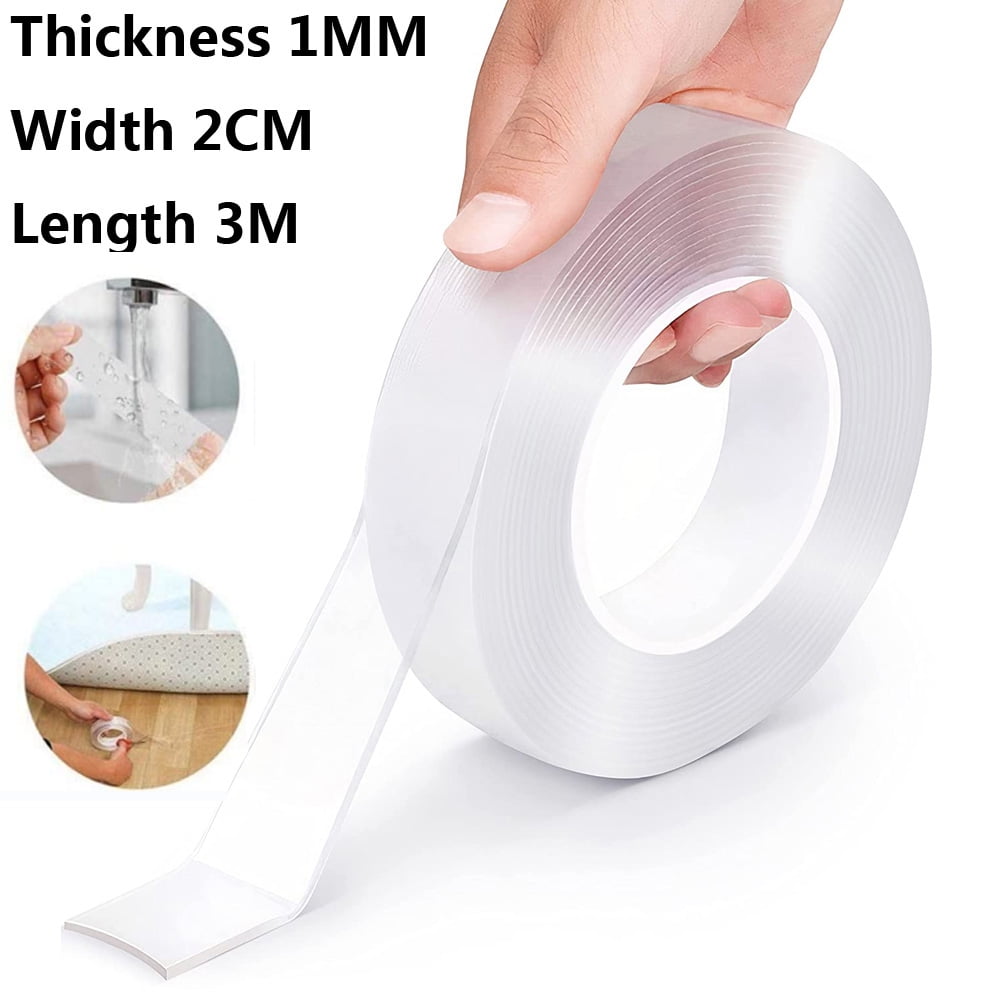
A stock image related to Clear strong adhesive tape.
Comprehensive Cost and Pricing Analysis for Clear strong adhesive tape Sourcing
B2B procurement of clear strong adhesive tape extends far beyond comparing unit prices per roll. For international buyers operating across diverse regulatory environments—from São Paulo’s industrial corridors to Riyadh’s construction sectors—understanding the total cost of ownership requires analyzing material specifications, logistics complexity, and regional compliance requirements that significantly impact landed costs.
What Material Specifications Drive Price Variations in Clear Mounting Tapes?
The base chemistry of the adhesive layer represents the primary cost determinant. Acrylic formulations offer cost-effective bonding for general industrial applications, while silicone-based adhesives command premium pricing but deliver superior temperature resistance—critical for buyers in Saudi Arabia or Nigeria where ambient temperatures regularly exceed 40°C. Thickness measured in mils (thousandths of an inch) directly correlates with price; heavy-duty variants rated for 140°C continuous exposure typically cost 15-25% more than standard clear tapes. Additionally, nano-mounting technologies featuring reusable adhesive properties, while carrying higher upfront costs, reduce long-term expenditure by eliminating waste in temporary mounting applications common to exhibition and retail sectors.
How Do Volume Tiers and MOQs Impact Procurement Economics?
Minimum order quantities (MOQs) create significant pricing inflection points for distributors and large contractors. Standard pricing breaks typically occur at 1,000, 5,000, and 10,000+ roll thresholds, with per-unit costs potentially dropping 30-40% between retail and container-load quantities. For African and South American importers, optimizing container space becomes crucial—tapes with larger core diameters or bulk spooling reduce shipping volume efficiency, effectively increasing landed costs despite lower FOB prices. Custom width slitting or private labeling services typically add $0.02-$0.05 per linear meter but enable premium positioning in local markets.
What Hidden Logistics Costs Affect Cross-Border Tape Sourcing?
Import classification under HS Code 3919 (self-adhesive plates, sheets, and film) triggers varying duty structures across target markets. Brazilian buyers face Mercosur tariff complexities, while Middle Eastern importers must account for SASO certification costs. Temperature-controlled shipping becomes essential for acrylic adhesives transiting through hot climates, adding 8-12% to freight costs but preventing adhesive degradation that renders products unusable. Storage requirements present additional considerations—high-humidity environments in coastal African markets necessitate climate-controlled warehousing to prevent premature adhesive activation, adding carrying costs that must factor into pricing models.
How Can Buyers Optimize Cost Efficiency Without Sacrificing Performance?
Evaluating cost-per-meter rather than roll price reveals true value, as shorter “consumer” lengths often cost 3-4x more per meter than industrial bulk rolls. For construction and automotive applications, calculating failure costs—including rework labor and warranty claims—demonstrates that premium heavy-duty tapes with aggressive adhesive properties typically deliver lower total cost of ownership than budget alternatives. Establishing annual volume contracts with manufacturers rather than spot-buying through traders provides price stability against petrochemical volatility while ensuring consistent quality specifications critical for automated manufacturing lines.
Strategic sourcing requires balancing immediate unit economics against performance longevity, regulatory compliance, and supply chain resilience specific to regional operating conditions.
Alternatives Analysis: Comparing Clear strong adhesive tape With Other Solutions
When evaluating mounting and bonding solutions for commercial projects, procurement teams must weigh trade-offs between installation velocity, structural integrity, and long-term adaptability. While clear strong adhesive tape offers distinct advantages in optical transparency and removability, traditional mechanical and chemical bonding methods remain viable alternatives depending on load requirements, substrate materials, and environmental conditions prevalent in diverse markets from the Middle East to South America. The following analysis examines how these solutions compare across critical procurement criteria including total cost of ownership, implementation complexity, and performance under regional climate stressors.
| 比較の側面 | Clear Strong Adhesive Tape | メカニカル・ファスニング・システム | Liquid Structural Adhesives |
|---|---|---|---|
| Performance & Load Capacity | High shear strength (up to 140°C), excellent for static loads; limited peel resistance on textured surfaces | Superior tensile strength and vibration resistance; ideal for dynamic loads and structural joints | Exceptional structural integrity; creates rigid bonds with high impact resistance |
| Total Cost of Ownership | Low material cost; minimal labor (no curing); zero removal/repair costs for reusable nano-formulations | Low hardware cost but high installation labor; potential substrate repair costs upon removal | Moderate material cost; significant labor for surface prep and curing; specialized application tools required |
| 実施スピード | Immediate bond; no drying or curing time required | Time-intensive requiring drilling, alignment, and torque specifications | Slow curing (hours to days); requires clamping and controlled environmental conditions |
| Aesthetic & Surface Impact | Virtually invisible; maintains substrate integrity; transparent finish ideal for glass/acrylic | Visible hardware; permanent surface damage (holes); requires cosmetic finishing | Often visible as residue or overflow; difficult to remove without surface damage |
| Environmental Resistance | UV stable; performs in -20°C to 140°C range; moisture resistant when properly applied | Extreme temperature and chemical resistance; unaffected by UV exposure | Variable resistance; many formulations degrade under UV or extreme thermal cycling |
| Removability & Flexibility | Clean removal possible; reusable options available (nano-acrylic); allows repositioning | Permanent alteration to substrate; removal requires patching or replacement | Permanent bond; removal requires mechanical abrasion or chemical solvents |
| Surface Compatibility | Optimal for smooth, non-porous surfaces (glass, metal, acrylic); limited efficacy on porous materials | Requires sufficient substrate thickness; suitable for wood, metal, masonry; incompatible with thin or brittle materials | Excellent for porous, irregular, or dissimilar materials; fills gaps and surface imperfections |
When Should B2B Buyers Choose Mechanical Fastening Over Clear Adhesive Tape?
Mechanical fastening systems—including screws, bolts, rivets, and brackets—represent the traditional benchmark for structural load-bearing applications across construction, automotive assembly, and heavy manufacturing sectors in Africa and the Middle East. These solutions excel in environments subject to constant vibration, thermal expansion, or dynamic shear forces where adhesive bonds may experience fatigue over time, particularly in Saudi Arabian industrial facilities or Brazilian infrastructure projects facing seismic activity. For procurement teams, mechanical fasteners provide predictable failure modes and straightforward inspection protocols that simplify maintenance scheduling and safety compliance. However, implementation requires significant capital investment in drilling equipment, torque management tools, and skilled labor capable of ensuring proper alignment and load distribution. The process permanently alters substrates through drilling, creating stress concentration points that compromise thin materials like acrylic or glass and necessitate costly repairs upon removal. While unit material costs remain low compared to specialized adhesives, the total installed cost often exceeds tape solutions when accounting for labor rates, equipment depreciation, and surface remediation. Additionally, visible hardware conflicts with modern architectural requirements for seamless aesthetics in European retail displays or hospitality fixtures, making mechanical fastening less suitable for consumer-facing installations where visual continuity drives brand perception.
Are Liquid Structural Adhesives a Cost-Effective Alternative for Permanent Industrial Bonding?
Liquid structural adhesives—encompassing epoxy, polyurethane, and methyl methacrylate formulations—offer chemical bonding solutions that penetrate porous substrates and create rigid, load-distributing joints impossible to achieve with tape or mechanical point-loading. These systems prove particularly valuable in B2B applications involving dissimilar materials (such as metal-to-composite or glass-to-concrete) where thermal expansion coefficients differ significantly, or where irregular surface topography prevents uniform tape contact essential for nano-acrylic products. Manufacturing operations across Europe and South America frequently employ liquid adhesives for structural panel bonding that reduces overall weight compared to welded or riveted joints while providing superior gap-filling capabilities. However
Essential Technical Properties and Trade Terminology for Clear strong adhesive tape
When procuring clear mounting solutions for industrial distribution or large-scale retail, understanding measurable performance metrics ensures compliance with diverse regional climate demands and application standards. The following specifications and terminology differentiate commodity products from professional-grade tapes suitable for heavy-duty bonding across African, Middle Eastern, and South American markets.
What Temperature Range Should Clear Mounting Tape Withstand for Hot Climate Operations?
Temperature resistance defines operational limits in extreme environments, particularly critical for buyers in Saudi Arabia, Brazil, and North Africa. Premium clear mounting tapes maintain adhesive integrity up to 140°C (284°F) without oozing or delamination, while standard alternatives typically fail above 60°C. For outdoor applications, seek specifications indicating high-temperature shear resistance alongside low-temperature flexibility (down to -20°C) to prevent brittleness during desert nights or winter logistics.
How Do Shear Strength and Peel Adhesion Specifications Impact Load Capacity?
Shear strength measures resistance to sliding under constant load, expressed in holding time under standard weight or pounds per square inch (PSI). Industrial-grade clear tapes should demonstrate 500–1000 grams per 25mm² shear resistance for vertical mounting. Peel adhesion, measured in Newtons per 25mm (N/25mm), indicates removal force at 180 degrees. High-performance acrylic adhesives offer 15–25 N/25mm peel strength, providing immediate tack while allowing repositioning during installation.
Why Does UV Stability Matter for Transparent Outdoor Applications?
UV resistance prevents yellowing and adhesive degradation in tapes used for architectural glass, signage, or automotive bonding. Without UV stabilizers, transparent tapes fail within 3–6 months in equatorial regions. Request ASTM G154 test data showing less than 5% transmittance loss after 500 hours of exposure to ensure optical clarity retention under harsh sunlight conditions prevalent in Middle Eastern and South American markets.
What Thickness Specifications Ensure Optimal Conformability Without Visibility?
Thickness, or caliper, typically ranges from 0.5mm to 2.0mm. Thinner nano-gel formulations (0.5–1.0mm) provide invisible bonding on smooth surfaces like glass and acrylic, while thicker acrylic foam tapes offer gap-filling for irregular substrates but compromise transparency. Verify thickness tolerance (±10%) to ensure consistent die-cutting and automated application compatibility.
What Is “Aggressive Adhesive” in Industrial Tape Terminology?
“Aggressive adhesive” denotes high-tack formulations designed for immediate bonding to challenging substrates without primer. These high-solids acrylic adhesives create instant grab on low-surface-energy materials like powder-coated metals or polypropylene. However, such adhesives typically sacrifice removability, making them unsuitable for temporary mounting requiring clean removal.
How Does Nano Gel Technology Differ from Traditional Pressure-Sensitive Adhesive?
Nano gel technology describes washable, reusable acrylic adhesives utilizing micro-suction structures rather than chemical bonding. Unlike permanent pressure-sensitive adhesives (PSA), nano tapes allow residue-free removal and reactivation with water, ideal for temporary exhibitions and rental property management. This technology offers lower shear strength (1–2 kg/cm²) but superior versatility for non-permanent industrial applications.
What Is a Release Liner and Why Does Its Specification Matter for Automation?
The release liner is the silicone-coated paper or film backing preventing premature adhesion. For high-volume manufacturing, liner weight (80–120 gsm for kraft paper) and release force determine processing efficiency. Heavy-duty paper liners prevent tearing during rapid unrolling, while PET film liners provide dimensional stability for precision die-cutting at higher cost points.
How Does Surface Energy Affect Bonding Success on Industrial Substrates?
Surface energy, measured in dynes per centimeter (dynes/cm), determines adhesive wetting capability. High-energy surfaces (metals, glass, >40 dynes/cm) bond readily, while low-energy plastics (polyethylene, polypropylene, <30 dynes/cm) require specialized adhesives or corona treatment. Procurement teams should request compatibility charts to prevent failure on common automotive and packaging materials.
Navigating Market Dynamics and Sourcing Trends in the Clear strong adhesive tape Sector
The clear strong adhesive tape sector is undergoing significant transformation as global supply chains adapt to post-pandemic resilience requirements and evolving industrial standards. For procurement teams operating across Africa, South America, the Middle East, and Europe—from São Paulo’s manufacturing corridors to Riyadh’s construction hubs—understanding these dynamics is essential for securing high-performance materials that balance cost-efficiency with technical reliability.
What Are the Emerging Technology Trends Reshaping Clear Adhesive Tape Procurement in High-Growth Markets?
Demand for clear strong adhesive tapes is accelerating in emerging economies, driven by infrastructure expansion and the shift toward aesthetic, non-mechanical fastening solutions. In the Middle East and Africa, where extreme ambient temperatures challenge material performance, B2B buyers are prioritizing advanced acrylic and nano-adhesion technologies capable of withstanding sustained heat exposure up to 140°C without yellowing or delamination. This thermal stability is critical for outdoor construction applications and automotive assembly in regions like Saudi Arabia and Nigeria.
Simultaneously, the transition from traditional mechanical fasteners—nails, screws, and staples—toward transparent mounting solutions is reshaping procurement specifications across Brazil’s retail display sector and Europe’s electronics manufacturing. Modern clear tapes now offer aggressive adhesive properties capable of holding substantial loads while remaining virtually invisible, enabling seamless design aesthetics in glass bonding and signage applications. Procurement teams are increasingly sourcing reusable nano-mounting varieties that allow for clean removal and repositioning, reducing material waste during installation phases and supporting lean construction methodologies.
Supply chain diversification represents another pivotal trend, with buyers establishing direct relationships with manufacturers in Turkey, the UAE, and Southeast Asia to mitigate logistics volatility. This regionalization strategy ensures faster turnaround times for bulk orders while allowing customization of tape thickness, roll lengths, and core sizes to match specific industrial equipment requirements.
How Can B2B Buyers Navigate Sustainability Requirements and Ethical Sourcing in Clear Tape Supply Chains?
Sustainability mandates are increasingly influencing procurement decisions, particularly for European buyers subject to REACH regulations and Middle Eastern markets adopting stricter environmental standards. When sourcing clear strong adhesive tapes, procurement teams must evaluate the complete material lifecycle—from solvent-free adhesive formulations to recyclable PET backings that minimize plastic waste. High-durability reusable options, such as nano-mounting tapes that withstand multiple application cycles, offer tangible waste reduction benefits over single-use alternatives, aligning with circular economy principles gaining traction in corporate ESG frameworks.
Ethical sourcing extends beyond environmental impact to encompass labor practices and raw material traceability. Buyers should verify that suppliers maintain SA8000 or BSCI certification, ensuring fair labor conditions in manufacturing facilities—particularly important when sourcing from regions with varying regulatory oversight. Additionally, transparency regarding petrochemical derivatives and silicone-based adhesives helps mitigate risks associated with conflict materials while supporting Scope 3 carbon accounting requirements.
For African and South American importers, requesting Environmental Product Declarations (EPDs) and ISO 14001 certifications from suppliers provides documented assurance of sustainable manufacturing processes. Optimizing bulk packaging to eliminate unnecessary plastic wrapping and selecting regional distribution hubs can further reduce the carbon footprint associated with international freight, delivering both cost savings and compliance with emerging green procurement policies across the EU and GCC markets.
Frequently Asked Questions (FAQs) for B2B Buyers of Clear strong adhesive tape
What is the strongest clear adhesive tape for industrial load-bearing applications?
1. What is the strongest clear adhesive tape for industrial applications?
For industrial applications requiring maximum holding power, acrylic foam core tapes and nano-gel adhesive tapes offer superior performance compared to standard polyester films. These heavy-duty formulations provide high shear strength and distribute dynamic loads across bonded surfaces, making them suitable for replacing mechanical fasteners in manufacturing assembly and construction projects. When sourcing for industrial use, prioritize tapes with documented tensile strength ratings above 20 lbs per square inch and temperature resistance capabilities that match your operational environment, particularly for markets with extreme climates like the Middle East or South America.
How do you remove clear strong adhesive tape without damaging surfaces or leaving residue?
2. How do you remove clear strong adhesive tape without leaving residue?
Clean removal requires applying controlled heat (using a heat gun or industrial hair dryer at 60-80°C) to soften the adhesive matrix before slowly peeling the tape parallel to the surface rather than pulling away perpendicularly. For stubborn residues on sensitive substrates like painted drywall or automotive clear coats, use citrus-based or isopropyl alcohol solvents applied with non-abrasive microfiber cloths to dissolve remaining adhesive without surface damage. B2B buyers should specify “clean removal” or “low-residue” adhesive formulations when procuring for temporary mounting applications in rental equipment, exhibition displays, or leased commercial properties to minimize end-of-contract restoration costs.
Which clear adhesive tape specifications ensure reliability in high-temperature industrial environments?
3. Which clear adhesive tape works best for high-temperature environments?
Silicone-based and specialized acrylic adhesive tapes rated for continuous exposure up to 140°C (284°F) maintain bonding integrity in high-temperature manufacturing environments such as Saudi Arabian industrial facilities or Brazilian automotive plants. These heat-resistant formulations prevent adhesive flow and bond degradation that causes standard tapes to fail when exposed to thermal cycling, direct sunlight, or heat-generating equipment. When evaluating suppliers, request technical data sheets verifying temperature resistance ranges and shear adhesion failure temperatures (SAFT) to ensure compliance with your specific industrial thermal requirements.
What surface preparation ensures optimal bonding for clear strong adhesive tape on diverse substrates?
4. What surfaces can clear strong adhesive tape bond to effectively?
Clear strong adhesive tapes create effective bonds on high-surface-energy (HSE) materials including glass, metals, and glazed ceramics, while requiring additional surface preparation for low-surface-energy (LSE) plastics like polyethylene and polypropylene common in industrial packaging. Successful application demands surfaces be clean, dry, and free from oils, dust, or oxidation—use isopropyl alcohol wipes followed by mechanical abrasion on painted or porous concrete surfaces to maximize adhesive contact. For B2B applications involving mixed substrates, consider hybrid adhesive systems designed specifically for multi-material bonding or implement corona/plasma surface treatment for challenging LSE plastics.
How can procurement teams verify weather resistance for outdoor clear adhesive tape applications in tropical climates?
5. How do I ensure clear adhesive tape performs in humid or outdoor conditions?
For outdoor installations in tropical regions like Brazil or coastal Middle Eastern environments, specify clear tapes with UV-stable acrylic adhesives and moisture-resistant nano-gel compositions that
重要な免責事項および利用規約
⚠️ 重要な免責事項
メーカー、技術仕様、市場分析に関する内容を含め、本ガイドラインで提供される情報は、情報提供と教育目的のみのものです。専門的な調達アドバイス、財務アドバイス、または法的アドバイスを提供するものではありません。.
B2Bバイヤーは、独自の徹底的なデューデリジェンスを行う必要がある。 をご覧の上、ご購入をお決めください。本ガイドに記載された情報を信頼した場合のリスクは、読者が単独で負うものとします。.
Top 2 Clear Strong Adhesive Tape Manufacturers & Suppliers List
1. WH Tape – Industrial Adhesive & Specialty Tapes
ドメイン wh-tape.com
登録:2023年(3年間)
はじめに Key product categories identified include: 3M’s Scotch and VHB (Very High Bond) tapes for office and industrial use; Avery Dennison’s pressure-sensitive adhesive materials for labeling, packaging, and medical applications; Tesa SE’s double-sided, masking, packaging, and automotive tapes; Nitto Denko’s electrical insulation tapes, surface protection films, and medical tapes; Scapa Group’s solutions…
2. Marian Inc. – Die-Cut PSA Tapes
ドメイン marianinc.com
登録:1998年(28年)
はじめに Marian Inc. specializes in die-cut industrial pressure sensitive adhesive (PSA) tapes and adhesives. Product categories include: Acrylic Foam Tapes (3M™ VHB™, DC2008, DC2011, PT1100, tesa® ACXplus), Transfer Tapes (3M™ 467, 927, Adchem 728), Double Coated Tapes (3M™ 9415, 9425, tesa® 4959, 4965, 62855/56, Adchem 254), Re-Closable Fasteners (3M™ Dual Lock™, VELCRO® hook and loop), and Optically Cle…
Strategic Sourcing Conclusion and Outlook for Clear strong adhesive tape
As global manufacturing standards converge and sustainability mandates intensify, clear strong adhesive tape has evolved from a commodity consumable to a strategic procurement asset. For B2B buyers across Africa, the Middle East, and South America, selecting the right transparent bonding solution requires balancing immediate performance metrics with long-term supply chain resilience.
How Can Procurement Teams Source Clear Mounting Tape for Extreme Climate Resilience?
Operations in high-temperature regions like Saudi Arabia or humid environments in Brazil demand formulations that exceed standard specifications. Premium clear adhesive tapes must maintain aggressive bonding capabilities beyond 140°C while resisting UV degradation and moisture infiltration. Buyers should prioritize suppliers offering comprehensive thermal performance certifications and regional distribution networks, ensuring nano-mounting technologies and heavy-duty variants perform reliably without visible yellowing or adhesive creep under environmental stress.
What Strategic Advantages Do Transparent Adhesives Offer Over Mechanical Fasteners?
The transition from screws, staples, and welding to clear mounting solutions accelerates assembly timelines and reduces labor costs while enabling invisible joins in glass, acrylic, and polished metal applications. This shift supports lean manufacturing initiatives and aesthetic requirements in automotive, electronics, and architectural sectors—particularly valuable for emerging markets competing on production efficiency and design sophistication.
Strategic sourcing success depends on validating technical specifications against regional climate challenges, diversifying supplier portfolios to mitigate logistics disruptions, and partnering with manufacturers committed to consistent quality transparency.