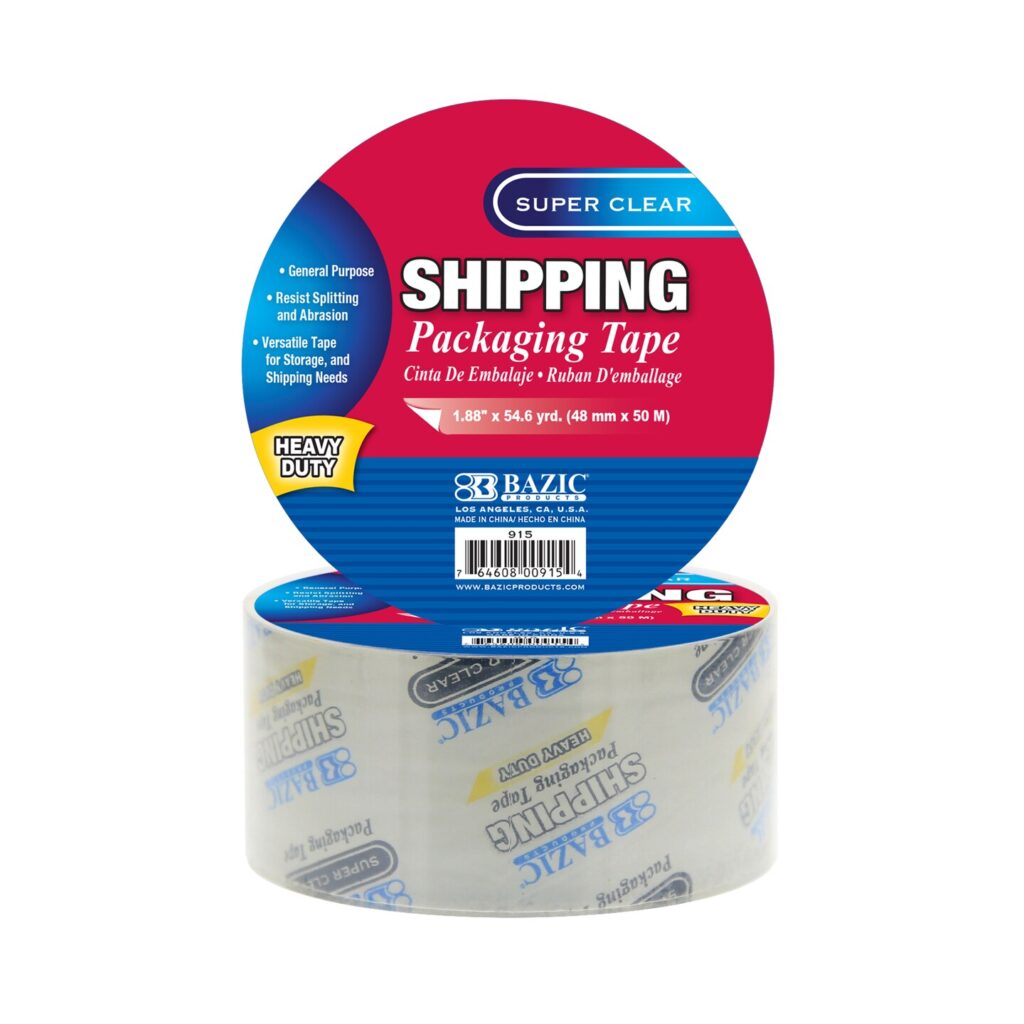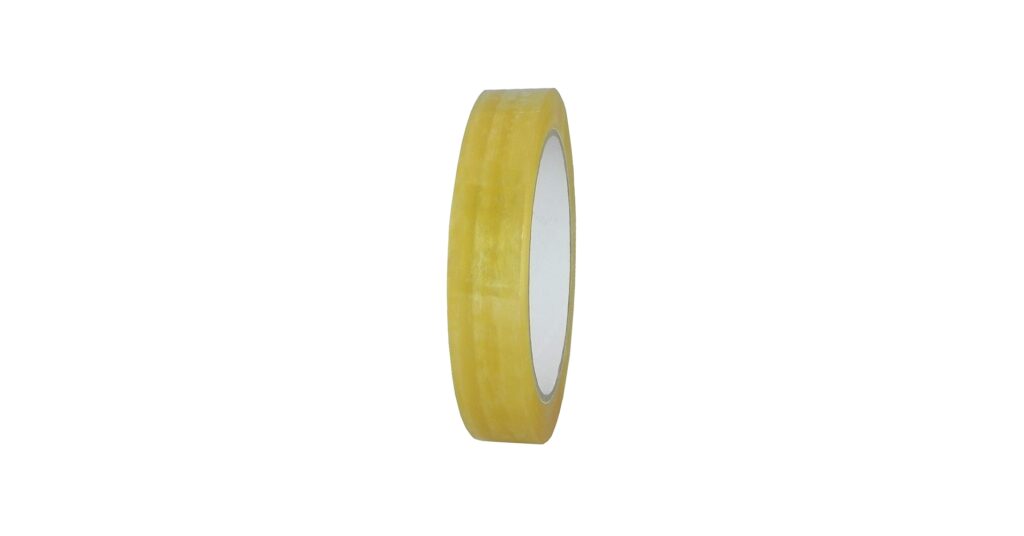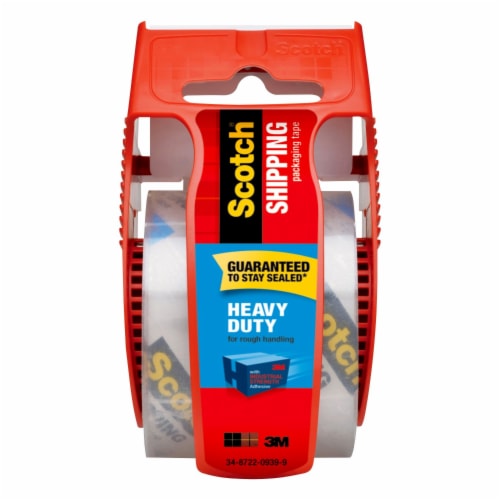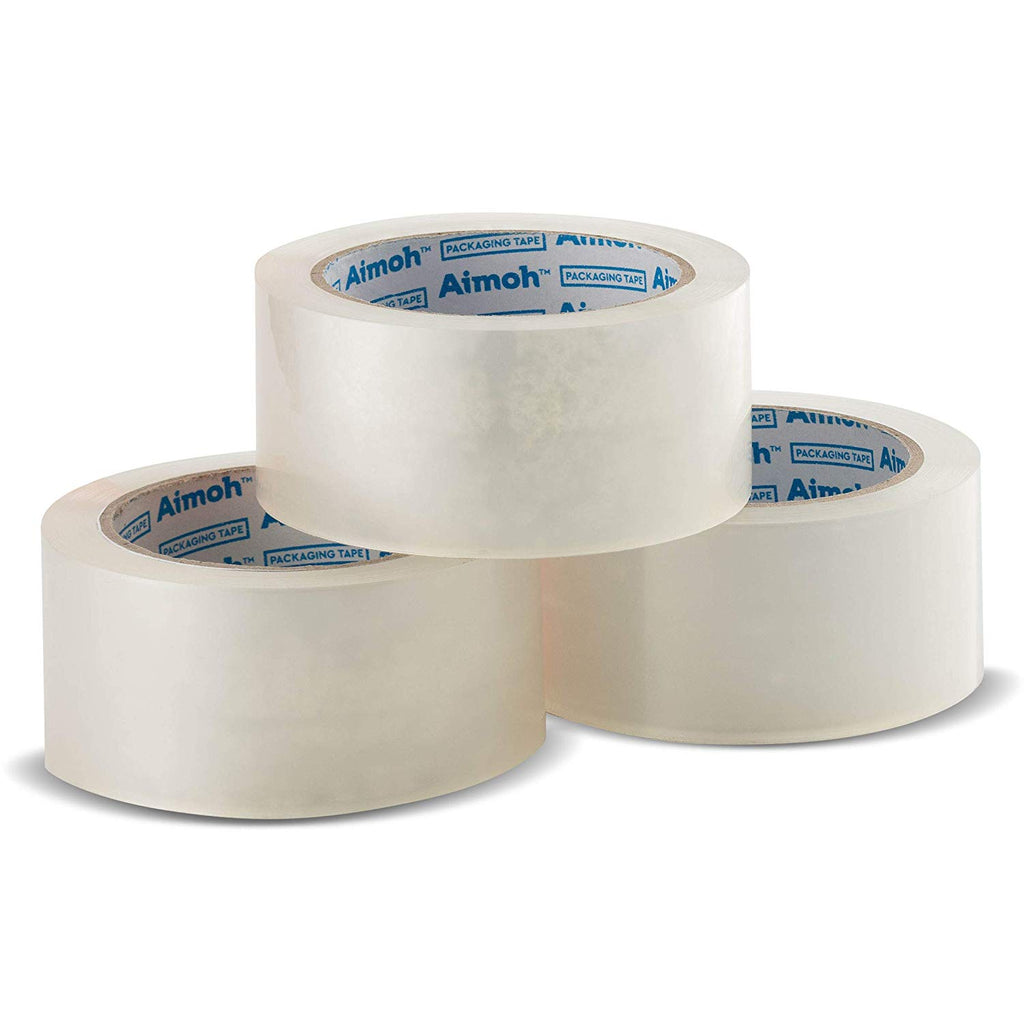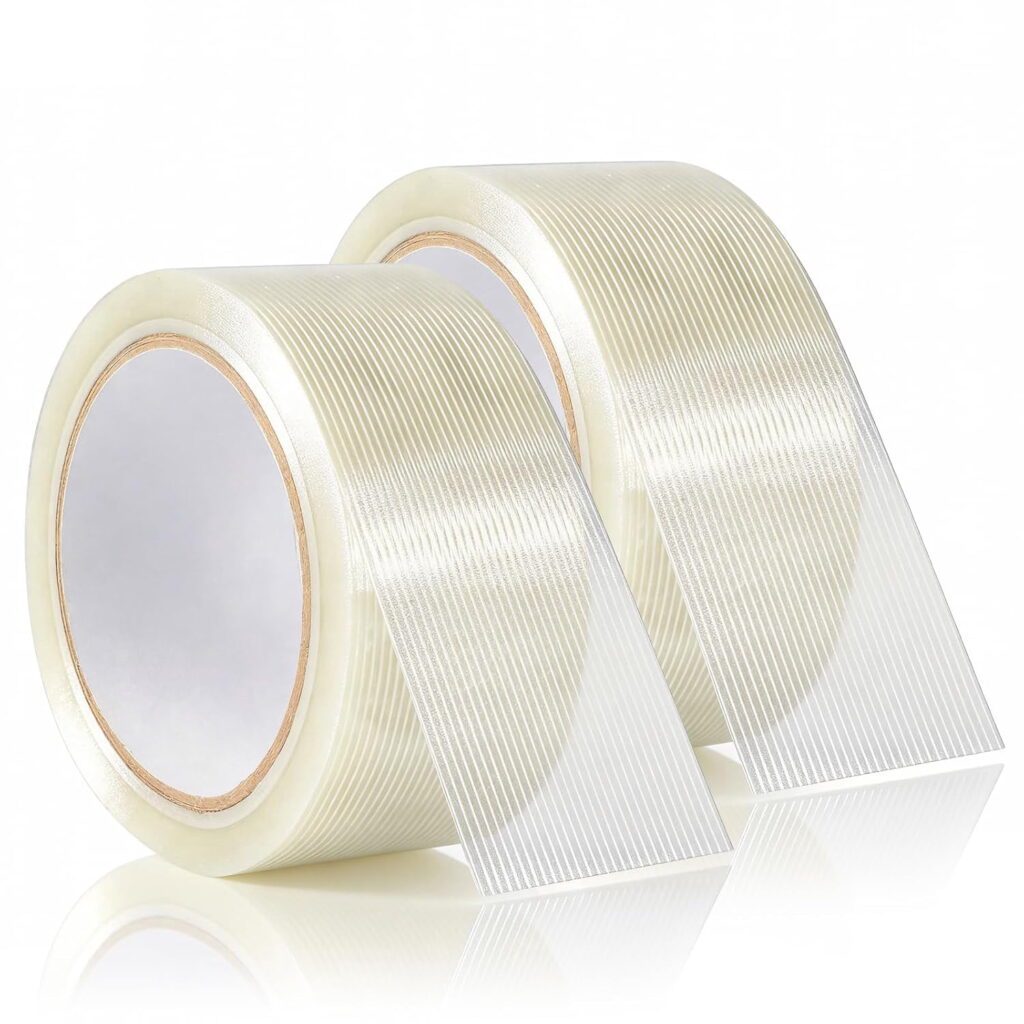
Introduction: Navigating the Global Market for Duct Insulation Tape
Sourcing high-performance duct insulation tape for international HVAC infrastructure presents distinct procurement challenges that extend far beyond basic product specifications. From the extreme thermal demands of Saudi Arabian commercial developments to Germany’s stringent energy efficiency mandates, B2B buyers navigate a complex landscape where material compatibility, climate resilience, and supply chain reliability intersect. Whether managing large-scale ductwork installations across African mining operations or retrofitting ventilation systems in South American manufacturing facilities, selecting inappropriate specifications risks costly adhesive failures, thermal inefficiencies, and regulatory non-compliance that can derail entire project timelines.
Why Do Climate-Specific Applications Require Distinct Tape Formulations?
This comprehensive guide examines critical distinctions between foil-backed, PVC, and cloth-reinforced insulation tapes, analyzing performance metrics across extreme temperature ranges from sub-freezing European winters to intense Middle Eastern heat peaks. We explore application-specific requirements including moisture resistance for tropical South American environments, UV stability for African desert installations, and high-tack acrylic adhesives essential for German industrial standards, ensuring your technical specifications precisely match diverse operational realities rather than generic assumptions.
How Can International Buyers Optimize Procurement Across Regulatory Frameworks?
Beyond material selection, we address strategic supplier vetting methodologies, total cost of ownership calculations for bulk international logistics, and navigation of regional certification requirements. Whether securing compliant products for Saudi Arabian construction codes or meeting German DIN standards, this resource equips procurement teams with actionable frameworks to evaluate adhesive durability, thermal reflectivity ratings, and supply chain reliability—transforming complex global sourcing into confident, specification-compliant purchasing decisions.
Understanding Duct Insulation Tape Types and Variations
| タイプ名 | 主な特徴 | 主なB2Bアプリケーション | バイヤーのための簡単な長所と短所 |
|---|---|---|---|
| アルミ箔空調テープ | Pure aluminum backing; high-temp acrylic adhesive (150°C+); thermal reflectivity; moisture barrier; conforms to irregular surfaces | Sealing rigid ductwork seams; high-heat furnace connections; repairing flexible duct tears; vapor barrier sealing | Pros: Superior heat reflection, excellent moisture barrier, UL 723 safety compliance. Cons: Higher cost than polymer alternatives, electrically conductive (safety consideration), wrinkles if stretched. |
| Metalized Polypropylene Film Tape | UV-stabilized metalized PP film; high-tack acrylic adhesive; sub-freezing performance (-20°C); lightweight construction | Outdoor duct insulation wrapping; rooftop HVAC in desert climates; cold-weather installations; UV-exposed environments | Pros: Excellent UV resistance, cost-effective, maintains tack in extreme cold. Cons: Lower heat tolerance than pure aluminum, less conformable to sharp edges. |
| PVC Vinyl Duct Insulation Tape | Flexible vinyl backing; rubber-based adhesive; moisture/chemical resistance; operating range -18°C to 80°C | Round duct sealing; tubular duct connections; high-humidity basement systems; color-coding maintenance lines | Pros: Highly flexible, water-resistant, easy hand-tear application |
Key Industrial Applications of Duct Insulation Tape
| 業界/セクター | Specific Application of Duct Insulation Tape | ビジネスにとっての価値/利益 | このアプリケーションにおける主な調達上の考慮事項 |
|---|---|---|---|
| Commercial HVAC & Building Services | Sealing ductwork seams and insulation joints in large-scale ventilation systems | Reduces thermal loss by up to 30%, lowering energy costs and improving climate control precision | UV-resistant acrylic adhesive, metalized foil backing, compliance with local energy codes |
| Oil & Gas Processing Facilities | High-temperature duct sealing in refineries and petrochemical plants with extreme heat exposure | Prevents hazardous air leaks and maintains thermal efficiency in extreme environments | Heat resistance up to 200°C+, chemical resistance, flame retardant certifications |
| Cold Chain Logistics & Food Processing | Insulating refrigeration ducts and freezer unit connections in processing plants and storage facilities | Eliminates condensation and thermal bridging, ensuring consistent temperatures for food safety | Sub-zero adhesive performance, moisture barrier properties, FDA-compliant materials for food contact areas |
| Data Center Infrastructure | Sealing raised floor plenums and CRAC (Computer Room Air Conditioning) ductwork | Optimizes cooling efficiency, prevents dust infiltration, and maintains precise temperature control for server protection | Low-outgassing adhesive, anti-static properties, high tack for quick installation during maintenance windows |
How Does Duct Insulation Tape Improve Energy Efficiency in Large-Scale Commercial Buildings?
In commercial complexes across Germany and Saudi Arabia, duct insulation tape seals the joints of HVAC systems spanning thousands of square meters. The tape prevents thermal leakage at connection points where traditional insulation fails, reducing HVAC energy consumption by up to 30% in extreme climates. For B2B buyers managing multi-site portfolios, selecting UV-stable acrylic adhesives ensures long-term performance in Middle Eastern deserts and sub-Saharan African environments where intense temperature fluctuations and solar exposure rapidly degrade standard adhesive tapes.
What Are the Critical Sealing Requirements for Ductwork in High-Temperature Petrochemical Facilities?
Refineries in the Middle East and processing plants in South America require duct insulation tape that withstands continuous exposure to 150°C+ temperatures while resisting chemical corrosion from hydrocarbons. The tape creates critical vapor barriers around exhaust ducting and prevents hazardous gas leaks in process areas where safety is paramount. Buyers must prioritize metalized foil tapes with flame-retardant certifications and chemical resistance ratings, ensuring compliance with stringent regional safety standards and reducing maintenance frequency in harsh industrial environments.
Why Is Moisture-Resistant Duct Sealing Essential for Cold Storage and Food Processing Infrastructure?
From frozen food facilities in Germany to pharmaceutical cold chains in Africa and South America, insulation tape eliminates condensation at duct joints where extreme temperature differentials cause moisture accumulation and thermal bridging. This prevents mold growth and bacterial contamination that compromise product integrity and violate food safety standards. Sourcing considerations include sub-freezing adhesive performance—critical for blast freezer units—and compliance with FDA or EU food contact regulations, ensuring tape integrity in both humid tropical climates and ultra-low temperature environments.
How Can Data Center Operators Optimize Cooling Efficiency with Specialized Duct Sealing Solutions?
Data centers in emerging markets across the Middle East, Africa, and South America rely on precision climate control to protect critical server infrastructure from thermal damage. Duct insulation tape seals raised floor plenums and CRAC unit connections, preventing dust infiltration and air leakage that can reduce cooling efficiency by 15-20% and increase operational costs. Buyers should seek low-outgassing, anti-static formulations that won’t contaminate sensitive electronics, paired with high-tack adhesives enabling rapid deployment during narrow maintenance windows to minimize costly system downtime.
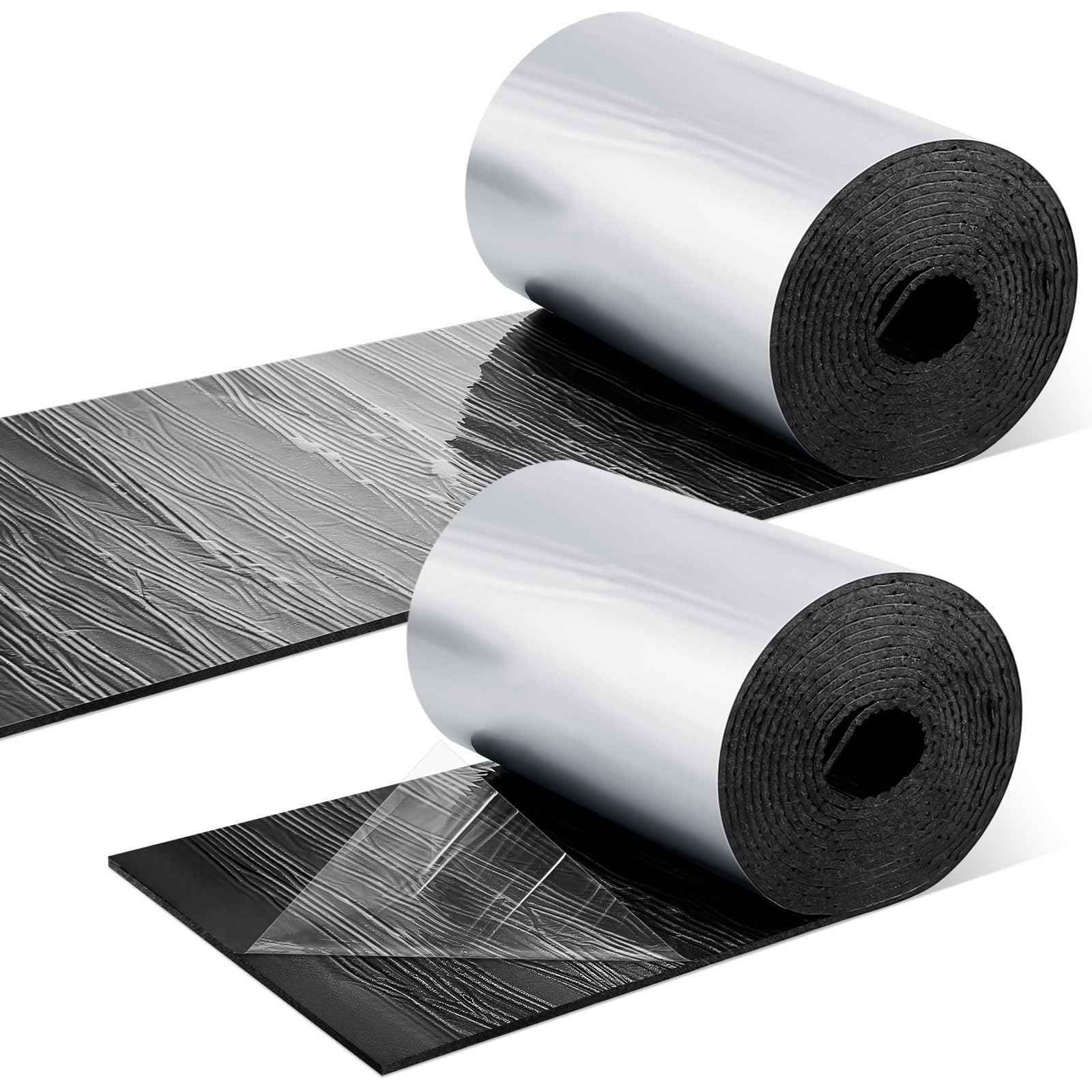
A stock image related to Duct Insulation Tape.
3 Common User Pain Points for ‘Duct Insulation Tape’ & Their Solutions
Scenario 1: Adhesive Degradation Under Extreme Thermal Cycling
問題だ: B2B buyers sourcing for projects in extreme climates—from Saudi Arabian desert heat to Scandinavian freezing temperatures—face catastrophic tape failure when specifications don’t account for thermal cycling. Standard acrylic adhesives lose tack in high humidity above 140°F or become brittle below 20°F, causing seams to peel away from ductwork within months of installation. This results in thermal bridging, energy loss, and costly maintenance callbacks that damage contractor reputations and client relationships across Middle Eastern and European markets.
解決策 Specify metalized foil tapes with high-tack acrylic adhesives explicitly rated for operational temperatures spanning -20°F to 250°F (-29°C to 121°C). For outdoor installations exposed to intense UV radiation, require UV-stable metalized polypropylene film backings that resist degradation. Prioritize products tested for sub-freezing application temperatures to ensure adhesion integrity during winter construction phases in German and Nordic markets. Always request technical data sheets verifying temperature performance before procurement to avoid project delays.
Scenario 2: Incomplete Airtight Seals from Improper Application Protocols
問題だ: Even premium duct insulation tape fails when installation crews apply it to contaminated surfaces or stretch it excessively during application. Dust, oil residue, and moisture on duct surfaces prevent proper bonding, while over-stretching thins the adhesive layer and impairs the tape’s heat reflection capabilities. This creates microscopic air leaks that reduce HVAC efficiency by up to 30%, leading to condensation issues, mold growth, and client disputes over energy performance in commercial buildings across Africa and South America.
解決策 Establish mandatory surface preparation protocols requiring technicians to clean all duct surfaces with damp cloths to remove dust, oils, and debris before application. Specify installation training that emphasizes applying tape without tension—since stretching compromises thermal reflectivity—and using firm pressure from the center outward with a squeegee or roller to eliminate air bubbles. Procure 3-inch width rolls rather than narrower options to ensure adequate overlap on seams and joints, particularly for pre-insulated duct systems common in large-scale Middle Eastern construction.
Scenario 3: Regulatory Rejection Due to Non-Certified Tape Specifications
問題だ: Procurement teams frequently encounter project delays and inspection failures when confusing standard cloth-backed duct tape with UL 181-rated HVAC tapes required for commercial installations. In regulated markets like Germany and across the EU, using uncertified tape on rigid fiberglass duct boards or flexible connections violates building codes, triggering expensive rework, shipment holds at customs, and potential liability for non-compliance with fire safety and air quality standards.
解決策 Mandate UL 181A-P certification for rigid duct applications and UL 181B-FX for flexible duct connections in all commercial project specifications. For European markets, ensure compliance with equivalent EN standards for fire classification and thermal performance. Require suppliers to provide Material Safety Data Sheets (MSDS), technical data sheets, and compliance certificates prior to bulk order acceptance. Specify foil-backed aluminum tapes rather than PVC or cloth alternatives for industrial HVAC systems to meet stringent fire resistance ratings and thermal efficiency requirements in international commercial codes.
Strategic Material Selection Guide for Duct Insulation Tape
B2B procurement decisions for duct insulation tape require balancing thermal performance, environmental resilience, and total cost of ownership across complex international supply chains. For buyers operating across diverse climates—from the arid desert heat of Saudi Arabia to the industrial manufacturing zones of Germany and the humid coastal regions of Brazil and Nigeria—material selection directly impacts HVAC system longevity, energy efficiency metrics, and compliance with regional building codes. Understanding the distinct mechanical properties, adhesive chemistries, and degradation mechanisms of each substrate enables strategic sourcing that aligns with specific operational demands, climate exposures, and budgetary constraints inherent in large-scale commercial projects.
Which Material Delivers Optimal Thermal Performance for High-Temperature Ductwork?
Aluminum foil tape represents the premium tier for HVAC thermal management, engineered with dead-soft aluminum alloys ranging from 1.5 to 3.5 mil thickness and paired with high-tack acrylic or heat-resistant silicone adhesives. For B2B buyers in Saudi Arabia and the Middle East, where ambient temperatures regularly exceed 40°C, this material provides critical radiant heat reflection with emissivity values below 0.05, significantly reducing cooling loads in unconditioned spaces. The substrate offers superior moisture vapor barrier properties and meets rigorous European fire safety classifications including EN 13501-1 standards required in German commercial construction. However, procurement teams must account for higher raw material costs and susceptibility to oxidation in high-salinity coastal environments, necessitating climate-controlled warehousing and rapid inventory turnover to prevent edge corrosion that compromises adhesive performance.
What Are the Cost-Effective Alternatives to Traditional Aluminum HVAC Tape?
Metalized polypropylene film tapes deliver strategic cost optimization for large-scale infrastructure projects without sacrificing essential thermal performance. These products utilize UV-stabilized polypropylene substrates metallized with aluminum oxide layers, providing 95% reflectivity comparable to pure foil at 30-40% lower material costs—a crucial consideration for budget-conscious markets in Africa and South America. The acrylic adhesive systems demonstrate exceptional versatility, maintaining bonding strength in sub-freezing European winters while resisting tropical humidity degradation common in equatorial regions. B2B buyers should evaluate the trade-off between cost savings and mechanical durability; metalized films exhibit lower puncture resistance and may experience metallization cracking during aggressive application on irregular duct surfaces. Additionally, prolonged direct UV exposure can degrade the polypropylene backing, making these tapes unsuitable for external weatherproofing without protective jacketing.
When Should You Choose PVC Tape Over Metal-Backed Options for Duct Sealing?
Polyvinyl chloride (PVC) insulation tape offers distinct advantages for flexible duct systems and complex geometries where rigid metal tapes fail to conform. Formulated with plasticized PVC backings and synthetic rubber adhesives, these products create hermetic seals resistant to water vapor and fungal growth—critical properties for humid climates in West Africa and Southeast Asian-adjacent Middle Eastern coastal zones. The material maintains pliability across temperatures from -10°C to 80°C, facilitating year-round installation in variable European weather patterns. Unlike reflective foils, PVC provides minimal thermal insulation value, functioning primarily as an air and moisture barrier. Procurement managers should note that while PVC offers excellent chemical resistance against common HVAC cleaning agents, continuous exposure to temperatures above 80°C causes plasticizer migration and adhesive failure, limiting use to return air ducts or low-pressure systems rather than high-temperature supply lines.
Which Tape Material Offers Superior Durability for Industrial HVAC Maintenance?
Cloth-backed duct tapes, reinforced with woven polyethylene or fiberglass scrim and coated with aggressive synthetic rubber adhesives, provide maximum mechanical durability for industrial maintenance applications and emergency repair protocols. These materials excel in heavy-duty scenarios prevalent in mining operations, petrochemical facilities, and manufacturing plants across target regions, offering tear
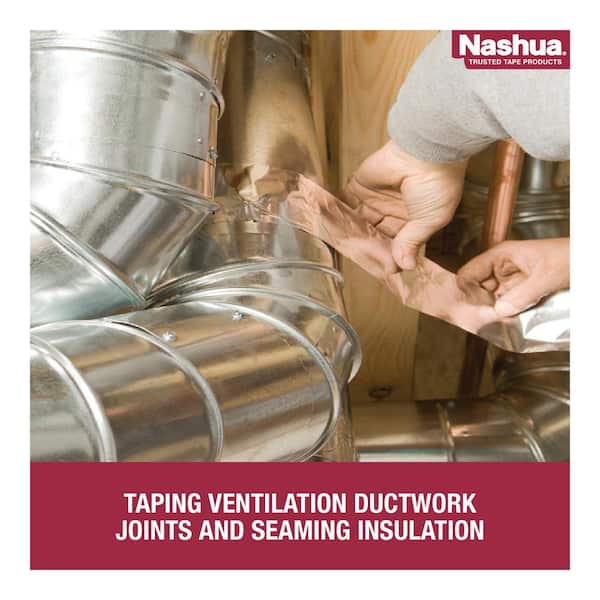
A stock image related to Duct Insulation Tape.
In-depth Look: Manufacturing Processes and Quality Assurance for Duct Insulation Tape
Procuring duct insulation tape for international projects requires visibility beyond product specifications. Understanding how these critical HVAC components are fabricated and validated ensures that shipments arriving in Riyadh, São Paulo, or Berlin perform identically to their samples. For B2B buyers managing cross-border supply chains, manufacturing sophistication directly correlates with field reliability, particularly when tapes must withstand both desert heat and sub-zero European winters.
What Raw Materials Determine Performance in Extreme Climates?
The manufacturing process begins with substrate selection, which dictates thermal resilience and tensile strength. Premium duct insulation tapes utilize metalized polypropylene films or aluminum foil backings ranging from 3.0 to 3.5 mil thickness. These materials undergo corona treatment to enhance surface energy, ensuring subsequent adhesive layers bond molecularly rather than merely mechanically.
Acrylic adhesive formulations represent the critical differentiator for international buyers. Manufacturers engineer high-tack acrylics with UV stabilizers specifically for climates experiencing intense solar exposure, such as the Middle East and North Africa. For European and South American markets with variable humidity, suppliers incorporate moisture-curing catalysts that prevent delamination during monsoon seasons or coastal installations. The raw material sourcing for these polymers requires certified purity levels, as contaminants above 0.05% can compromise sub-freezing adhesion performance.
How Is Multi-Layer Lamination Engineered for HVAC Applications?
Production facilities employ solvent-free lamination techniques to combine backing materials with adhesive coatings. This environmentally conscious approach eliminates volatile organic compound (VOC) residues that could off-gas in enclosed ductwork—a critical consideration for German and Saudi Arabian indoor air quality standards.
The coating process utilizes precision gravure rollers that apply adhesive at tolerances of ±0.0005 inches. This uniformity prevents the “edge curl” phenomenon that plagues inferior tapes when applied to rigid duct boards. Following coating, materials pass through infrared curing tunnels where temperature profiles between 120°C and 150°C activate cross-linking in the acrylic polymers. This curing stage determines the tape’s ultimate shear strength and resistance to thermal creep under load.
Slitting operations demand equal precision. Rotary shear blades maintained within micron-level tolerances cut master rolls into standard widths (typically 48mm or 72mm) without deforming the backing. For B2B buyers, understanding that their supplier utilizes automated tension control during slitting prevents field issues where inconsistent roll tightness causes telescoping during shipping to remote African or South American job sites.
Which Quality Control Protocols Validate Adhesive Performance?
Reputable manufacturers implement statistical process control (SPC) monitoring throughout production runs. Quality assurance laboratories conduct peel adhesion tests per ASTM D3330 standards, measuring the force required to remove tape from stainless steel panels after 24-hour dwell times. Acceptable ranges typically fall between 50-80 ounces per inch width for high-tack HVAC applications.
Thermal cycling tests simulate decade-long aging by subjecting samples to temperatures ranging from -40°C to +120°C across 500 cycles. This protocol validates that acrylic adhesives maintain tack without embrittlement—essential for Russian or Canadian markets experiencing severe winters, as well as Gulf Cooperation Council projects where rooftop ductwork exceeds 80°C surface temperatures.
Moisture resistance validation involves 96-hour water immersion testing followed by immediate adhesion measurement. Tapes destined for tropical South American or Southeast Asian markets must demonstrate less than 15% adhesion loss after humidity exposure, ensuring that condensation within duct systems doesn’t compromise seal integrity during monsoon seasons.
How Do Manufacturers Ensure Consistency Across Global Supply Chains?
For international B2B procurement, batch traceability represents a non-negotiable quality assurance element. Sophisticated facilities assign unique lot codes to each production run, linking raw material certificates, machine parameters, and operator logs to finished goods. This documentation proves invaluable when customs authorities in Saudi Arabia or Nigeria require material safety data sheets (MSDS) and technical conformity declarations.
Dimensional stability testing occurs before packaging, with laser micrometers verifying that roll thickness variations remain within ±5% across the entire 150-foot length. Such consistency prevents the “stretched tape” issue that reduces thermal reflectivity when installers apply tension during duct wrapping.
Packaging protocols also undergo quality scrutiny. UV-resistant film wrapping and moisture-barrier cardboard cores prevent adhesive degradation during the 30-45 day ocean freight typical for shipments to African and South American ports. Manufacturers serving European markets often provide dual-language labeling (English/German or English/Arabic) compliant with local labeling directives, streamlining import clearance.
What Certifications Should B2B Buyers Demand for Regulatory Compliance?
When evaluating manufacturing partners, insist upon ISO 9001:2015 quality management certifications as baseline evidence of systematic process control. For duct insulation tapes used in commercial HVAC, UL 723 (ASTM E84) fire ratings indicating Class A surface burning characteristics are mandatory for Middle Eastern and European building codes.
European buyers specifically require CE marking under the Construction Products Regulation (CPR), confirming that tapes meet EN 13499 standards for thermal insulation of ductwork. German markets often demand additional DIN 4108 compliance for vapor barrier applications. For African and South American infrastructure projects, manufacturers should provide SABS (South African Bureau of Standards) or INMETRO (Brazilian) conformity certificates where applicable.
Environmental compliance documentation matters increasingly for corporate procurement policies. Request RoHS (Restriction of Hazardous Substances) certificates confirming the absence of lead, mercury, or cadmium in metalized backings. For green building projects pursuing LEED certification, manufacturers should provide VOC content testing per South Coast Air Quality Management District (SCAQMD) Rule 1168, ensuring adhesive formulations contain less than 50 grams per liter of volatile compounds.
Understanding these manufacturing and quality assurance dimensions enables procurement teams to move beyond unit pricing comparisons. By verifying that suppliers maintain rigorous lamination controls, climate-specific adhesive validation, and comprehensive international certification portfolios, B2B buyers mitigate the risks of field failures in diverse global environments while ensuring regulatory compliance across multiple jurisdictions.
Practical Sourcing Guide: A Step-by-Step Checklist for ‘Duct Insulation Tape’
Procuring duct insulation tape for international HVAC projects requires balancing technical performance with supply chain reliability. This checklist guides B2B buyers through critical evaluation criteria—from material specifications to logistics documentation—ensuring your procurement aligns with regional climate demands and regulatory requirements across diverse markets including the Middle East, Europe, and emerging economies. Following these steps minimizes costly installation failures and ensures long-term thermal efficiency.
What thickness and temperature ratings are essential for your duct insulation tape application?
Begin by mapping your project’s environmental conditions—whether extreme desert heat in Saudi Arabia or freezing European winters—to material specifications. Verify that metalized films offer adequate UV resistance for outdoor installations and that acrylic adhesives maintain tack across your operational temperature range. Request thermal conductivity data and confirm the tape’s mil thickness matches your durability requirements for high-pressure duct systems.
How do you distinguish between foil-backed, PVC, and cloth-backed options for commercial HVAC systems?
Analyze substrate compatibility with your existing ductwork—metalized polypropylene excels for reflective insulation, while cloth-backed variants suit high-wear industrial environments. Scrutinize adhesive formulations carefully; high-tack acrylic systems perform better in sub-freezing conditions than rubber-based alternatives, ensuring reliable seals during cold-weather installations and preventing thermal bridging that compromises energy efficiency.
Which fire safety and building codes must your duct insulation tape satisfy in target markets?
Confirm products carry relevant regional certifications—Euroclass ratings for EU projects, SASO compliance for Saudi Arabia, or local fire resistance standards. Request Material Safety Data Sheets (MSDS) and technical data sheets upfront to validate flame spread indices and chemical composition restrictions before committing to bulk container orders.
What quality control documentation should you demand from overseas duct tape manufacturers?
Beyond standard specifications, require batch testing reports, ISO 9001 certification evidence, and shelf-life guarantees. Verify that suppliers provide detailed application guidelines—including surface preparation requirements and maximum stretch tolerances—to prevent installation failures that could compromise HVAC system efficiency and create costly air leakage issues.
How do you optimize procurement costs without sacrificing adhesive performance for critical HVAC seals?
Factor in not just unit pricing but shipping volumes, customs duties for chemical adhesives, and climate-controlled storage requirements. Evaluate lead times against project schedules—premium high-tack tapes may command higher prices but reduce labor costs through superior handling characteristics and reduced rework requirements.
What storage conditions prevent adhesive degradation in metalized HVAC tapes before installation?
Establish climate-controlled warehousing protocols, as extreme heat can prematurely activate acrylic adhesives while freezing temperatures may reduce initial tack. Coordinate with installation teams to ensure surface preparation standards—cleaning ducts of oil, dust, and moisture—and proper application techniques are understood before product delivery to site.
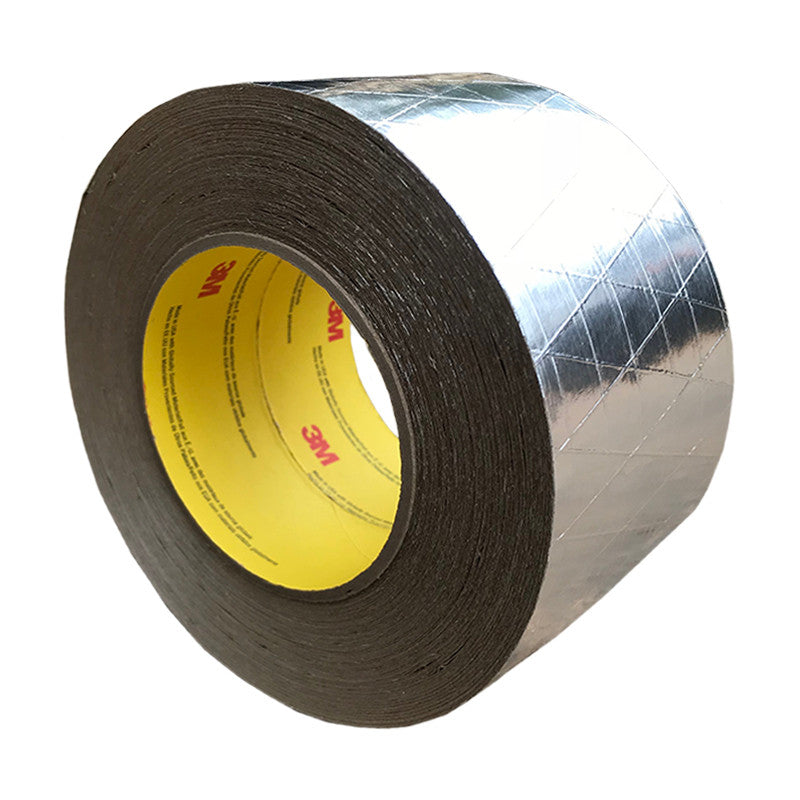
A stock image related to Duct Insulation Tape.
Comprehensive Cost and Pricing Analysis for Duct Insulation Tape Sourcing
Buyers evaluating duct insulation tape procurement must look beyond sticker prices to understand the true cost structure. While retail samples like 3-inch by 150-foot rolls of metalized foil tape may list at $23–$28 per unit in North American markets, international B2B sourcing involves complex variables including raw material grades, adhesive technologies, and regional logistics frameworks that significantly alter final landed costs.
What Factors Drive Duct Insulation Tape Pricing in Global Markets?
Material composition serves as the primary cost determinant. Premium metalized polypropylene films with high-tack acrylic adhesives command higher prices than standard PVC or cloth-backed alternatives, particularly when engineered for extreme temperature performance required in Saudi Arabian or Middle Eastern HVAC installations. Thickness specifications—commonly 3.2 mil (0.0032 inches) for standard duty versus heavier gauges for industrial applications—directly correlate with per-roll pricing. Additionally, width and length configurations (such as 3″ x 150′ versus 3″ x 180′ rolls) create unit economics that favor bulk procurement, with longer rolls typically offering 15–20% cost efficiency per linear foot.
素材仕様が調達予算に与える影響とは?
Foil-backed insulation tapes designed for high-heat ductwork represent the premium tier, essential for markets with stringent energy efficiency regulations like Germany. These specifications require UV-stable metalized layers and sub-freezing adhesive performance, increasing manufacturing costs by 25–30% compared to general-purpose PVC tapes. Buyers must also factor certification requirements; European CE marking or specific Middle Eastern standard compliance adds documentation costs that generic products avoid. However, investing in temperature-resistant acrylic adhesives reduces long-term maintenance expenses by preventing seal failure in thermal cycling conditions common in African and South American climates.
What Are the Hidden Logistics Costs When Importing HVAC Tape?
International procurement introduces substantial landed cost variables beyond the product price. While domestic suppliers may offer free FedEx Ground shipping for smaller orders, containerized sea freight from Asian manufacturing hubs to African or South American ports incurs freight charges, customs duties (typically classified under HS Code 3919), and port handling fees. Lead time differentials impact working capital; same-day shipping availability versus 4–6 week ocean freight cycles affects inventory carrying costs. Currency fluctuation risks between USD, EUR, and local currencies further complicate budget forecasting for German and Saudi Arabian buyers managing multi-currency procurement portfolios.
バイヤーはいかにして単価以上の総所有コストを最適化できるか?
Strategic sourcing decisions should prioritize total cost of ownership over per-roll pricing. Consolidating orders to meet full-container-load (FCL) quantities reduces per-unit shipping costs by 40–60% compared to LCL (less-than-container) shipments. Requesting technical data sheets and material safety data sheets upfront eliminates compliance verification delays that generate demurrage charges. Evaluating adhesive performance metrics—specifically high-tack acrylic formulations that maintain bond integrity across temperature extremes—minimizes costly rework and air leakage remediation. For European buyers, selecting suppliers with existing EU warehousing eliminates import VAT timing disadvantages, while African and South American purchasers should negotiate Incoterms that clarify customs clearance responsibilities to prevent unexpected brokerage fees.
Alternatives Analysis: Comparing Duct Insulation Tape With Other Solutions
While pressure-sensitive aluminum foil tapes remain the industry standard for quick repairs and standard duct sealing, procurement teams and HVAC contractors should evaluate application-specific alternatives for large-scale commercial projects. Factors such as duct accessibility, system pressure requirements, extreme ambient humidity prevalent in African and South American markets, and long-term energy efficiency targets often dictate whether traditional tape, liquid sealants, or automated technologies provide superior ROI. Understanding these distinctions ensures specification accuracy for industrial facilities, healthcare infrastructure, and high-performance buildings across diverse climate zones ranging from Saudi Arabia’s arid heat to Germany’s seasonal temperature differentials.
Why Evaluate Alternatives to Standard Foil Tape in Commercial HVAC?
| 比較の側面 | Duct Insulation Tape (Foil-Backed) | 刷毛塗りダクトマスチック | Aerosol-Based Automated Sealing | Mechanical Gasket Systems |
|---|---|---|---|---|
| Performance | Excellent for high-temp applications (up to 200°F+); UV-resistant metalized backing; immediate tack; suitable for low to medium pressure systems (≤2 in. w.g.) | Superior longevity and flexibility; creates monolithic seal accommodating thermal expansion; ideal for irregular surfaces; cures to hard, durable finish | Highest air tightness (90-95% leakage reduction); seals inaccessible joints from interior; computer-verified results; maintains flexibility | Excellent for high-pressure systems (>4 in. w.g.); reusable and serviceable; unaffected by adhesive degradation; maintains seal under vibration |
| Cost | Low material cost ($0.10–$0.30 per linear foot); minimal labor training required | Low material cost ($0.05–$0.15 per linear foot) but high labor cost; requires mesh and tools | High upfront cost ($1,500–$3,000 per system); requires specialized equipment and certified technicians | Moderate-to-high material cost; requires precision fabrication; low maintenance cost over lifecycle |
| 実施しやすさ | Very high; peel-and-stick application; no curing time; performs in sub-freezing temperatures; minimal surface prep | Moderate; requires thorough surface cleaning, brush/roller application, |
Essential Technical Properties and Trade Terminology for Duct Insulation Tape
When procuring duct insulation tape for large-scale HVAC installations across diverse climate zones—from the humid tropics of South America to the arid deserts of the Middle East—understanding precise technical specifications and industry nomenclature ensures compliance with regional building codes and long-term performance expectations. The following breakdown addresses the critical metrics and terminology that distinguish commercial-grade products from consumer-level alternatives.
What Are the Critical Technical Specifications for Duct Insulation Tape?
Adhesion Strength (Tack): Measured in ounces per inch width, high-tack acrylic adhesives provide immediate bonding strength essential for vertical duct applications and overhead installations. Premium formulations maintain adhesion integrity across extreme temperature differentials, performing reliably from sub-freezing environments (-20°C) through high-heat cycles exceeding 120°C, ensuring seal integrity whether applied in European winters or Saudi Arabian summer conditions.
Material Thickness (Mil Rating): Commercial-grade tapes typically range from 3.0 to 4.5 mil (0.076mm to 0.114mm). A 3.2-mil metalized polypropylene construction offers an optimal balance between conformability and puncture resistance, critical for wrapping pre-insulated ductwork without tearing during application while providing sufficient durability for industrial handling.
Thermal Reflectivity and Emissivity: Metalized foil backings provide low-emissivity surfaces (0.03–0.05) that reflect radiant heat, significantly reducing thermal transfer in climate zones with extreme temperature differentials. This specification directly impacts HVAC system energy efficiency ratings and is essential for maintaining consistent air temperatures in long duct runs common in large commercial African and Middle Eastern developments.
Moisture Vapor Transmission Rate (MVTR): Expressed in grams per square meter per 24 hours, this metric indicates the tape’s effectiveness as a vapor barrier. Values below 1.0 g/m²/24hr prevent condensation accumulation within insulation layers, mitigating mold risks and corrosion in high-humidity environments prevalent in coastal South American and Gulf regions.
What Industry Terminology Should B2B Buyers Understand?
Foil-Scrim-Kraft (FSK): A laminated backing comprising aluminum foil, fiberglass scrim reinforcement, and kraft paper. This composite structure provides dimensional stability and tear resistance for rigid duct board applications, distinct from plain foil tapes used for flexible duct sealing, and is the standard for mechanical closure systems in German and EU markets.
Pressure Sensitive Adhesive (PSA): Refers to adhesives that require only pressure—not heat or solvent activation—to form permanent bonds. In HVAC contexts, PSA tapes must meet specific shear strength requirements (ASTM D3654) to withstand constant air pressure differentials without delamination or creep.
Vapor Retarder vs. Vapor Barrier: While often used interchangeably, these denote different permeability classifications under ASTM E96. A vapor barrier (Class I) exhibits permeance below 0.1 perms, whereas vapor retarders (Class II/III) allow controlled moisture diffusion. Duct insulation tapes functioning as true vapor barriers require specific certification for use in conditioned spaces.
Air Infiltration/Exfiltration: The unintended leakage of conditioned air into (infiltration) or out of (exfiltration) duct systems. Tapes rated for low air leakage (meeting SMACNA or Eurovent standards) prevent energy loss and maintain indoor air quality, particularly critical in European markets with strict Energy Performance of Buildings Directive (EPBD) regulations.
Pre-Insulated Ducts (PIDs): Factory-insulated ductwork requiring specialized closure tapes that bond effectively to both metal casings and insulation facings. Unlike standard duct tape, PID-compatible tapes must accommodate thermal expansion differentials between dissimilar materials without compromising the vapor seal.
Tubular Duct Systems: Refers to flexible, spiral-wound ducting common in commercial ventilation infrastructure. These systems require tapes with high elongation percentages (20–30%) to accommodate flexing and vibration without cracking or compromising the adhesive seal over the system lifecycle.
Navigating Market Dynamics and Sourcing Trends in the Duct Insulation Tape Sector
The global duct insulation tape market is undergoing significant transformation as regional infrastructure demands converge with evolving energy efficiency standards. For procurement teams across Africa, South America, the Middle East, and Europe, understanding material innovations and supply chain vulnerabilities has become essential for maintaining competitive HVAC operations. Buyers must now balance performance specifications—such as extreme temperature resistance and UV stability—with logistical considerations including lead times, bulk pricing structures, and compliance with increasingly stringent environmental regulations.
What Regional Factors Are Driving Demand for High-Performance HVAC Sealing Solutions?
Procurement patterns in the duct insulation tape sector increasingly reflect regional climatic challenges and regulatory frameworks. In the Middle East, particularly Saudi Arabia, extreme thermal cycling and intense UV exposure have elevated demand for metalized polypropylene films with high-tack acrylic adhesives capable of maintaining integrity above 80°C. These specifications ensure sealed ductwork withstands desert conditions while minimizing thermal bridging in climate-controlled environments.
Conversely, European markets—led by German engineering standards—prioritize tapes that comply with stringent Energy Performance of Buildings Directives (EPBD). Buyers here focus on products that demonstrate superior air barrier properties and minimal volatile organic compound (VOC) emissions, supporting both sustainability mandates and precision HVAC efficiency requirements. The emphasis lies on tapes that maintain adhesion across sub-freezing temperatures while providing reflective insulation values critical for reducing heating costs in temperate climates.
Emerging markets across Africa and South America present distinct procurement challenges centered on infrastructure scalability and import logistics. Rapid urbanization drives demand for cost-effective, high-volume solutions that resist moisture infiltration in tropical humidity while accommodating irregular supply chains. Procurement teams in these regions increasingly favor suppliers offering consolidated shipping options and localized warehousing to mitigate project delays.
Material innovation trends indicate a decisive shift from traditional cloth-backed tapes toward multi-layer metalized solutions. These advanced composites offer enhanced tear resistance and thermal reflectivity, crucial for pre-insulated duct systems gaining traction globally. Additionally, the sector witnesses growing adoption of UV-resistant formulations that extend service life in outdoor applications, reducing maintenance frequency for commercial installations.
How Can B2B Buyers Ensure Sustainable and Ethical Sourcing in Global Tape Supply Chains?
Sustainability in duct insulation tape procurement extends beyond material composition to encompass manufacturing ethics and end-of-life accountability. European buyers, particularly in Germany, must verify compliance with REACH regulations regarding chemical substances and RoHS directives limiting hazardous materials. These standards increasingly influence global supply chains, requiring manufacturers to disclose adhesive formulations and backing material origins.
The environmental impact of acrylic adhesives presents a critical evaluation point. Water-based adhesive systems offer significant reductions in solvent emissions compared to traditional rubber-based alternatives, aligning with green building certification requirements such as LEED and BREEAM. However, the multi-layer construction of metalized tapes—combining polypropylene films, aluminum layers, and chemical adhesives—creates recycling complexities that procurement teams must address through waste management partnerships or manufacturer take-back programs.
Ethical sourcing necessitates rigorous supplier auditing, particularly when sourcing from high-volume manufacturing regions. Buyers should prioritize partners demonstrating ISO 14001 environmental management certification and SA8000 social accountability standards. For African and South American markets, where import reliance is high, selecting suppliers with carbon-neutral shipping options or regional distribution hubs can significantly reduce Scope 3 emissions while ensuring consistent availability.
Transparency in supply chain documentation has become a competitive differentiator. Forward-thinking procurement teams now request Environmental Product Declarations (EPDs) and Health Product Declarations (HPDs) to assess lifecycle impacts. These documents enable informed comparisons between PVC, foil-backed, and cloth alternatives, ensuring selected tapes meet both performance specifications and corporate sustainability targets without compromising the durability required for critical HVAC infrastructure.
Frequently Asked Questions (FAQs) for B2B Buyers of Duct Insulation Tape
1. What is the best type of duct insulation tape for commercial HVAC systems operating in extreme temperature environments?
For commercial HVAC applications exposed to thermal extremes, metalized foil-backed tape with high-tack acrylic adhesive outperforms standard cloth-backed alternatives. This construction utilizes UV-resistant metalized polypropylene film that reflects radiant heat while maintaining adhesion from sub-freezing conditions to over 200°F (93°C). Unlike traditional duct tape, this specification resists moisture infiltration and thermal degradation common in outdoor ductwork across Middle Eastern and African climates. For flexible round ducts or complex geometries, PVC-backed tapes provide superior conformability while retaining water-resistant properties.
2. What temperature rating should duct insulation tape have for industrial applications in regions like Saudi Arabia and Germany?
Industrial procurement for diverse climates requires tape rated for continuous operation between -20°F to 250°F (-29°C to 121°C) to accommodate both Alpine winters and desert heat. Acrylic-based adhesives perform reliably across these ranges without becoming brittle or losing tack, whereas rubber-based adhesives degrade under thermal cycling. For Saudi Arabian markets specifically, verify SASO certification and compliance with local fire safety standards for smoke development. European buyers should prioritize tapes meeting EN 1366-1 standards for ductwork fire resistance and carrying CE marking for EU market access.
3. How do you properly apply duct insulation tape to ensure an airtight seal on large-scale commercial ductwork?
Surface Preparation and Application Technique
Proper installation begins with cleaning all surfaces using a damp cloth to remove dust, oil, and oxidation that compromise adhesion. Apply 3-inch width tape without stretching—maintain natural tension to prevent heat reflection impairment and adhesive failure over time. Press firmly from the center outward to eliminate air pockets, ensuring complete contact across the entire seam width.
Sealing Best Practices
重要な免責事項および利用規約
⚠️ 重要な免責事項
メーカー、技術仕様、市場分析に関する内容を含め、本ガイドラインで提供される情報は、情報提供と教育目的のみのものです。専門的な調達アドバイス、財務アドバイス、または法的アドバイスを提供するものではありません。.
B2Bバイヤーは、独自の徹底的なデューデリジェンスを行う必要がある。 をご覧の上、ご購入をお決めください。本ガイドに記載された情報を信頼した場合のリスクは、読者が単独で負うものとします。.
Top 1 Duct Insulation Tape Manufacturers & Suppliers List
1. Nashua – All-Weather HVAC Tape
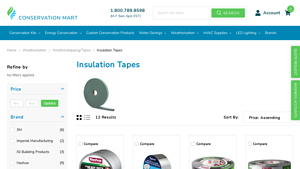
ドメイン conservationmart.com
登録:2007年(19年)
はじめに Category: Insulation Tapes for weatherization and HVAC applications. Available brands: 3M, Nashua, Imperial Manufacturing, and ISI Building Products (20 total products, 12 displayed). Product types include: Heavy Duty Duct Tape (silver, 48mm x 27.4M), All-Weather HVAC Duct Tape (Nashua 398 series in black, silver, and white; 48mm x 55m or 1.89″ x 60yd), Multi-Purpose Aluminum Foil Tape (2.0 mil, 4…
Strategic Sourcing Conclusion and Outlook for Duct Insulation Tape
How Can Buyers Ensure Supply Chain Resilience in Extreme Climates?
Procurement teams operating across diverse geographies—from Saudi Arabia’s intense heat to Germany’s freezing winters—must prioritize climate-adaptive specifications. Specify high-tack acrylic adhesives rated for sub-freezing application and UV-stable metalized films that maintain integrity in desert environments. Demand comprehensive technical data sheets and Material Safety Data Sheets (MSDS) from suppliers to verify compliance with regional HVAC standards and facilitate customs clearance in emerging markets.
What Are the Emerging Sustainability Standards for HVAC Sealing Solutions?
The global shift toward energy-efficient building codes is driving demand for tapes that deliver superior thermal sealing while minimizing environmental impact. European buyers should verify adherence to REACH regulations and low-VOC certifications, while Middle Eastern and African markets increasingly require products that reduce cooling load demands. Metalized polypropylene films offer a cost-effective alternative to pure aluminum, delivering comparable reflectivity with reduced material waste.
Strategic Outlook
As infrastructure investment accelerates across Africa, South America, and the Middle East, duct insulation tape procurement is evolving from commodity purchasing to technical partnership. Forward-thinking buyers will secure multi-year agreements with manufacturers offering localized technical support, consistent batch quality, and documentation transparency—ensuring HVAC system longevity while mitigating supply chain volatility in volatile regional markets.