Introduction: Navigating the Global Market for Heat Resistant Aluminum Tape
Sourcing heat resistant aluminum tape for extreme-temperature industrial environments presents a critical procurement challenge for international buyers navigating complex global supply chains. With temperature tolerances spanning from standard 120°C solutions to specialized grades exceeding 316°C, and adhesive formulations varying dramatically in thermal performance, selecting inappropriate specifications risks equipment failure and costly operational downtime. For procurement teams operating across Africa, South America, the Middle East, and Europe—including major industrial centers in Brazil and Saudi Arabia—understanding these technical distinctions is essential for securing reliable sealing solutions that withstand demanding thermal stress.
Why Do Temperature Ratings and Adhesive Chemistry Determine Tape Performance?
While aluminum backing naturally withstands extreme heat, the adhesive layer dictates actual thermal limits—standard acrylics degrade at 120°C while silicone formulations endure 316°C. This guide examines the complete spectrum from consumer-grade products to professional industrial solutions, ensuring you match specific HVAC, furnace repair, or ductwork requirements with appropriate adhesive technologies, whether synthetic rubber resin or high-grade acrylic compounds.
How Should Buyers Evaluate Suppliers Across Regional Markets?
Procurement across diverse climates and regulatory environments—from humid African infrastructure projects to Saudi Arabian petrochemical facilities—demands understanding of regional compliance standards and quality certifications. We address specific challenges facing buyers in Brazil, the Middle East, and European manufacturing sectors, including humidity resistance requirements and chemical compatibility standards essential for long-term adhesive integrity.
What Strategic Procurement Insights Will This Guide Deliver?
Beyond technical specifications, discover cost optimization strategies, bulk purchasing considerations, and supplier reliability verification methods. From distinguishing adhesive types to evaluating professional-grade durability against consumer alternatives, this comprehensive resource empowers informed purchasing decisions that mitigate supply chain risks while meeting your operational temperature requirements and budget parameters.
Understanding Heat Resistant Aluminum Tape Types and Variations
| タイプ名 | 主な特徴 | 主なB2Bアプリケーション | バイヤーのための簡単な長所と短所 |
|---|---|---|---|
| Standard Acrylic HVAC Grade | Water-based acrylic adhesive; operational range -30°C to 120°C; dead-soft aluminum backing | Commercial HVAC duct sealing, general building insulation, temporary weatherproofing repairs | Pros: Cost-effective for bulk procurement, readily available globally, sufficient for ambient climate control. Cons: Degrades under prolonged UV/humidity exposure common in tropical regions, limited chemical resistance, adhesive failure above 120°C |
| High-Performance Solvent Acrylic | Solvent-based acrylic formulation; temperature stability -30°C to 150°C; superior initial tack and cohesion | Industrial piping systems, automotive heat shielding, petrochemical processing equipment | Pros: Enhanced adhesion to irregular metal substrates, better moisture and chemical resistance for harsh environments. Cons: Higher VOC emissions requiring ventilation compliance, premium pricing 20-30% above standard grades |
| Ultra-High Temperature Silicone Grade | Silicone adhesive chemistry; continuous exposure up to 316°C (600°F); maintains flexibility at thermal extremes | Aerospace component sealing, furnace and oven repair, high-temp exhaust systems, metal foundries | Pros: Exceptional thermal cycling stability, prevents brittleness during rapid temperature changes. Cons: Highest cost tier, demands meticulous surface preparation (oil-free substrates), lower initial tack requires longer curing periods |
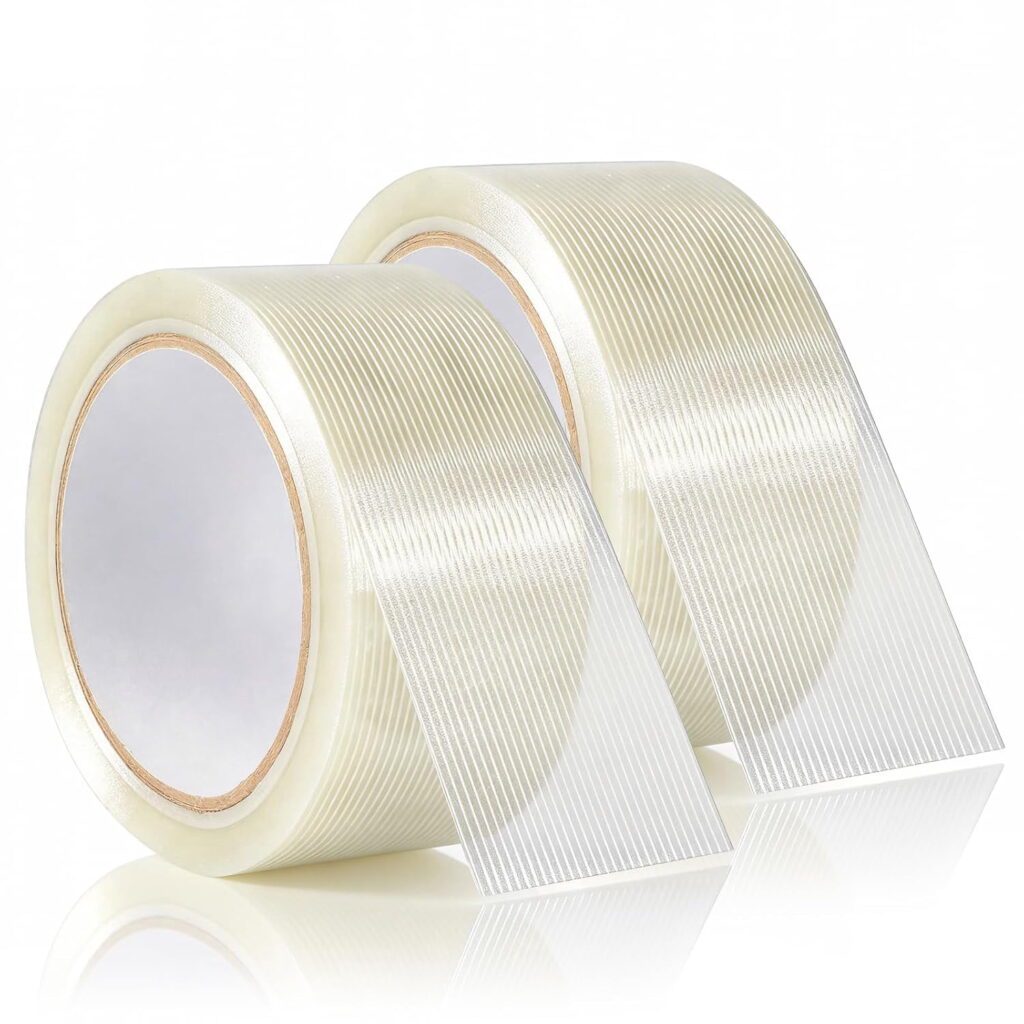
| Fiberglass-Reinforced Structural | Aluminum foil laminated with woven fiberglass scrim; high tensile strength (>50 N/cm); tear and puncture resistant | Heavy-duty industrial ductwork, vibration-prone machinery insulation, marine cladding systems | Pros: Superior mechanical durability, dimensional stability under mechanical stress, long-term seam integrity. Cons: Reduced conformability on complex curves, heavier weight increases shipping costs, requires specialized cutting tools |
What Are the Best Applications for Standard Acrylic HVAC Aluminum Tape?
Standard acrylic HVAC-grade aluminum tape serves as the workhorse for climate control infrastructure across commercial developments in moderate climates. Featuring water-based acrylic adhesives and dead-soft aluminum foil backings, these tapes excel in ambient temperature environments where cost efficiency outweighs extreme performance requirements. B2B procurement teams favor this category for large-scale HVAC installations in regions like Europe and South America, particularly when sealing ductwork joints and vapor barriers. However, buyers should verify adhesive aging characteristics, as water-based formulations may degrade under prolonged UV exposure or high humidity common in African and Middle Eastern coastal regions, necessitating inventory turnover strategies that account for storage conditions.
Which High-Performance Aluminum Tape Works Best for Industrial Chemical Environments?
Solvent-based acrylic aluminum tapes bridge the gap between general-purpose and extreme-temperature applications, offering enhanced chemical resistance and adhesion strength critical for manufacturing and petrochemical sectors. These formulations penetrate surface contaminants more effectively than water-based alternatives, creating robust bonds on galvanized steel and aluminum substrates found in processing equipment. For procurement managers in Brazilian or Saudi Arabian industrial markets, this type provides reliable performance in outdoor installations where temperature fluctuations and moisture exposure challenge standard grades. The trade-off involves higher volatile organic compound emissions during application, requiring compliance with local environmental regulations and adequate ventilation protocols during installation.
How Does Silicone-Based Aluminum Tape Perform in Extreme Temperature Environments?
Silicone adhesive aluminum tapes represent the pinnacle of thermal resistance, maintaining structural integrity and adhesion at continuous operating temperatures up to 316°C. This capability proves essential for B2B sectors including aerospace maintenance, metal foundries, and high-performance automotive manufacturing where heat cycling exceeds standard acrylic limitations. The silicone chemistry remains flexible across extreme temperature differentials, preventing tape embrittlement during thermal shock events common in heavy industrial processes. International buyers should note that silicone formulations require meticulous surface preparation—free of oils and oxidation—to achieve optimal bonding, and typically command significant price premiums over standard grades, necessitating careful specification analysis to avoid over-engineering moderate-temperature applications.
Why Should Industrial Buyers Consider Fiberglass-Reinforced Aluminum Tape?
Fiberglass-reinforced aluminum tapes integrate woven glass fiber scrims between foil layers, delivering exceptional tensile strength and puncture resistance for heavy-duty mechanical applications. This construction addresses specific pain points for industrial maintenance teams managing vibration-prone ductwork or insulation systems subject to physical abrasion in power generation and shipbuilding industries. While the reinforcement limits conformability on highly irregular surfaces compared to dead-soft alternatives, the dimensional stability proves invaluable for long-term cladding applications where mechanical stress would tear standard tapes. Procurement specialists should evaluate scrim density specifications, as heavier reinforcements may require specialized cutting equipment and stronger substrate preparation to ensure proper seam integrity during installation.
Key Industrial Applications of Heat Resistant Aluminum Tape
| 業界/セクター | Specific Application of Heat Resistant Aluminum Tape | ビジネスにとっての価値/利益 | このアプリケーションにおける主な調達上の考慮事項 |
|---|---|---|---|
| HVAC & Industrial Climate Control | Sealing ductwork joints, insulating refrigeration lines, and repairing air handling units in high-ambient-temperature environments. | Prevents thermal leakage and air infiltration, reducing energy consumption by up to 15% in high-load cooling systems; ensures compliance with international efficiency and air quality standards. | Verify adhesive temperature rating exceeds local peak ambient heat (e.g., 50°C+ in Gulf regions); request UL 723 or EN 13501-1 flame retardancy certifications for commercial installation compliance. |
| Oil, Gas & Petrochemical Processing | Wrapping high-temperature steam pipes, insulating flare stacks, and sealing insulation jackets on processing equipment in coastal and desert facilities. | Minimizes heat loss in steam distribution networks, improving thermal efficiency; provides critical corrosion resistance against salt spray and chemical exposure prevalent in offshore and refinery environments. | Prioritize silicone-adhesive variants rated for 300°C+ continuous operation; ensure conformity to ASTM D3330 peel adhesion standards for stainless steel and aluminum substrates. |
| Automotive Manufacturing & Aftermarket | Heat shielding for exhaust manifolds, securing wiring harnesses near engine blocks, and emergency repair of thermal barriers in commercial vehicle fleets. | Extends component lifespan by reflecting up to 95% of radiant heat away from sensitive electronics; enables rapid roadside repairs without workshop downtime, crucial for logistics operators in hot climates. | Specify 30-50 micron foil thickness for mechanical durability on vibrating surfaces; confirm solvent-based acrylic adhesive compatibility with oily, unprepared metal surfaces common in engine bays. |
| Commercial Construction & Infrastructure | Sealing roof penetrations, joining reflective insulation boards, and patching metal cladding in high-solar-load and monsoon-prone environments. | Creates impermeable vapor barriers that prevent moisture ingress during heavy rains; reflects solar radiation to reduce cooling loads in warehouses and airport terminals across tropical and desert regions. | Source UV-stabilized acrylic adhesives for long-term outdoor exposure; validate tape flexibility at low temperatures for regions with high diurnal temperature swings (e.g., desert nights dropping below 10°C). |
How does heat resistant aluminum tape optimize HVAC systems in extreme climates?
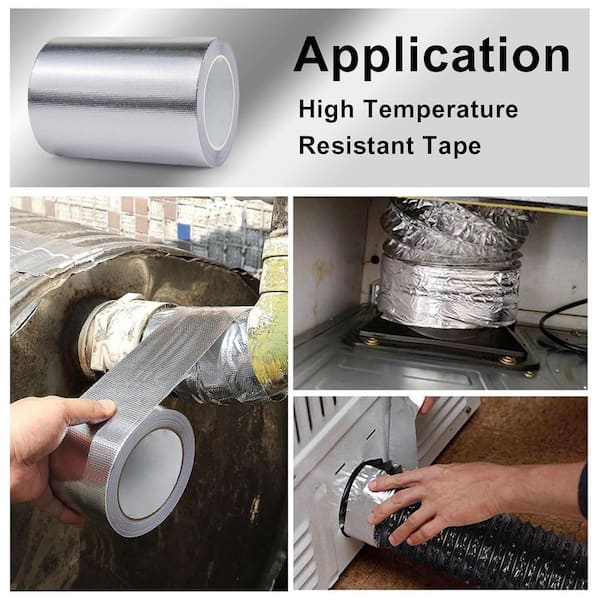
In regions like Saudi Arabia and Brazil, where ambient temperatures frequently exceed 45°C, HVAC infrastructure faces severe thermal stress and sand infiltration risks. Aluminum tape creates airtight seals on ductwork joints and refrigeration lines, preventing cooled air from escaping while blocking dust and moisture ingress. This thermal integrity directly reduces compressor workload, lowering energy consumption by up to 15% in commercial buildings and industrial facilities. Procurement teams should prioritize tapes with silicone or high-grade acrylic adhesives that maintain aggressive tack in high-humidity, dusty environments, ensuring compliance with ASHRAE standards for air leakage.
What are the critical applications for aluminum tape in oil and gas pipeline maintenance?
For petrochemical facilities in the Middle East and offshore platforms in Brazil, maintaining insulation integrity on high-temperature steam pipes and flare stacks is non-negotiable for operational safety. Heat resistant aluminum tape wraps fiberglass insulation and seals jacketing seams, reflecting radiant heat while providing a corrosion-resistant barrier against salt spray and chemical exposure. This solves the critical failure point of traditional cloth tapes that degrade under continuous 300°C exposure. When sourcing, buyers must verify silicone-based adhesive formulations rated for 316°C continuous service, and request conformity certificates to ASTM D3330 for peel adhesion on stainless steel substrates common in refineries.
Why is high-temperature aluminum tape essential for automotive manufacturing in emerging markets?
Automotive assembly plants in Turkey, South Africa, and Brazil rely on aluminum tape to secure wiring harnesses, protect sensors from exhaust manifold radiation, and repair thermal barriers in commercial vehicle fleets. In hot climate operations, the tape reflects up to 95% of radiant heat, preventing the premature failure of wire insulation and electronic components that plagues standard PVC tapes. This capability is vital for logistics operators requiring roadside repairs without service bay downtime. Sourcing considerations should include specifying 30-50 micron foil thickness for abrasion resistance on vibrating surfaces, and confirming adhesive compatibility with oily, unprepared metal substrates.
How can construction projects leverage aluminum tape for thermal efficiency in hot regions?
From the humid coastal zones of West Africa to the arid deserts of the Gulf, commercial construction faces extreme weathering and thermal bridging challenges. Heat resistant aluminum tape seals roof penetrations, joins reflective insulation boards, and patches metal cladding seams, creating impermeable vapor barriers that withstand monsoon-driven moisture and intense solar loads. This application solves the dual problem of condensation buildup and heat gain in metal roofing systems, significantly reducing cooling loads for industrial warehouses and airport terminals. Buyers should source UV-stabilized acrylic adhesive variants that maintain flexibility during cold desert nights while resisting softening in 50°C+ daytime temperatures.
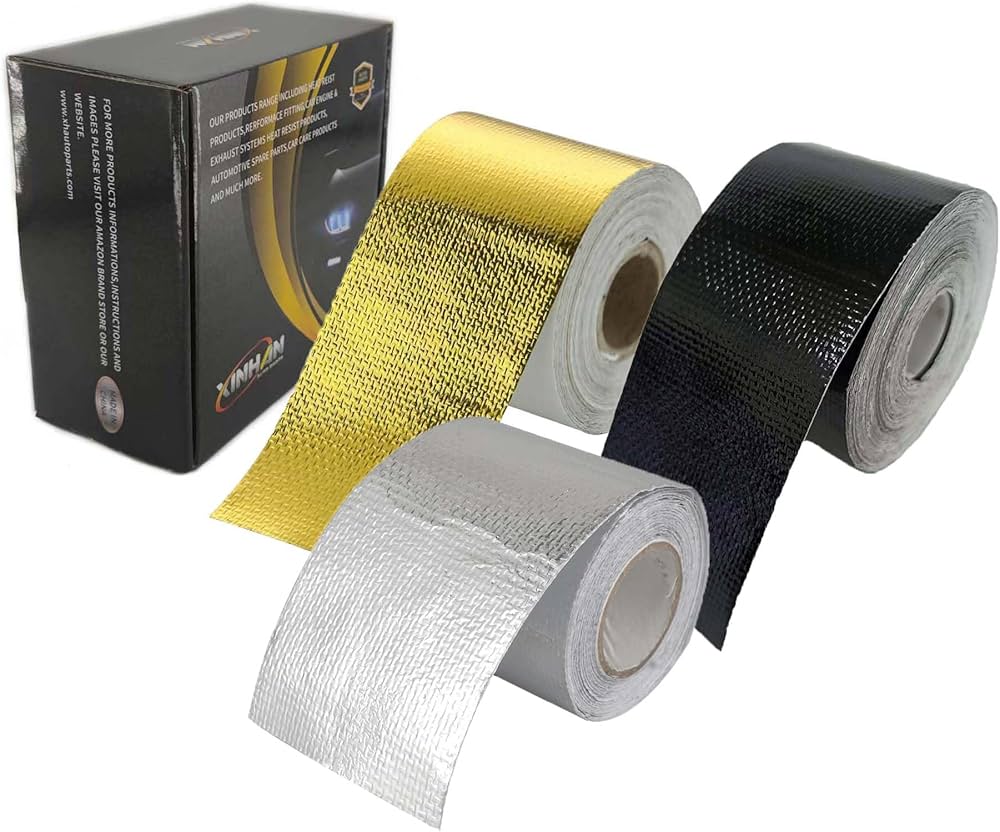
A stock image related to Heat Resistant Aluminum Tape.
3 Common User Pain Points for ‘Heat Resistant Aluminum Tape’ & Their Solutions
Scenario 1: Adhesive Degradation in Extreme Thermal Environments
問題だ:
Procurement teams frequently encounter catastrophic tape failure when deploying standard acrylic-adhesive aluminum foil tape in high-temperature industrial applications common across Middle Eastern petrochemical facilities and African metal processing plants. While aluminum backing withstands temperatures exceeding 600°C, the adhesive layer typically degrades between 120°C–150°C, causing delamination, seal breaches, and potential safety hazards in critical ductwork. This temperature mismatch results in costly unplanned maintenance, compromised insulation integrity, and energy losses in climate-controlled industrial facilities where continuous operation is essential.
解決策
Specify silicone-adhesive aluminum foil tape for applications exceeding 150°C, particularly for furnace sealing, exhaust systems, and high-temperature HVAC where temperatures reach 300°C. Request technical datasheets specifying continuous operating temperatures with 20-30% safety margins above actual peak conditions. For high-ambient-temperature regions like Saudi Arabia or Brazil, prioritize solvent-based acrylic or silicone formulations that resist thermal cycling and UV degradation, verifying ASTM D3330 adhesion standards to ensure bond integrity under sustained thermal stress.
Scenario 2: Mechanical Durability vs. Heat Resistance Trade-offs
問題だ:
Engineers frequently discover that standard aluminum foil tape lacks tensile strength for vibrating industrial machinery, large-diameter ductwork, or aerospace applications where mechanical stress coincides with thermal exposure. In South American mining operations and agricultural processing facilities, standard 30-micron foil tears during installation or operation, while confusion persists regarding whether fiberglass reinforcement compromises heat resistance. This leads to application delays, material waste, and compromised sealing integrity in critical systems requiring both flexibility and structural strength under thermal load.
解決策
Select fiberglass-reinforced aluminum foil tape for applications requiring high tensile strength while maintaining thermal performance up to 150°C–200°C. The embedded fiberglass mesh prevents tearing during installation around irregular geometries and withstands vibration without sacrificing heat-reflective properties. Verify that reinforced tape specifications match your temperature requirements, as mechanical reinforcement should not significantly alter thermal conductivity. For automated application systems, confirm liner release characteristics remain compatible with high-speed equipment while delivering the enhanced durability required for heavy-duty industrial environments.
Scenario 3: Regulatory Compliance and Fire Safety Certification
問題だ:
Commercial construction projects across Europe and the Middle East face stringent inspection requirements for flame spread and smoke generation, yet procurement teams frequently specify aluminum foil tape lacking UL 723 (ASTM E84) certification. This oversight proves critical in Saudi Arabia’s commercial sector and European HVAC installations, where building codes mandate Class 0 or Class 1 surface burning characteristics. Non-compliant installations result in inspection failures, project delays, and liability issues when adhesives contribute to smoke development during fire events, despite aluminum’s inherent non-combustibility.
解決策
Explicitly require UL 723-tested aluminum foil tape with published Flame Spread Index (FSI) and Smoke Developed Index (SDI) ratings, ensuring Class 0 (FSI 0-25) or Class 1 (FSI 26-75) compliance for commercial applications. Request third-party test certificates verifying that specific adhesive formulations maintain these ratings under operating temperatures. For international projects in Brazil or Europe, additionally confirm compliance with EN 13501-1 or ABNT NBR standards, ensuring heat-resistant tape meets both thermal performance specifications and mandatory fire safety regulations for commercial and industrial installations.
Strategic Material Selection Guide for Heat Resistant Aluminum Tape
Selecting the optimal heat-resistant aluminum tape requires understanding the material science behind both the metallic substrate and the adhesive matrix. While the aluminum layer provides thermal conductivity and flame resistance, the adhesive determines the operational temperature ceiling and long-term bonding integrity. For procurement teams sourcing for extreme climates or industrial processes across Africa, South America, the Middle East, and Europe, material selection directly impacts safety margins, maintenance cycles, and total cost of ownership.
Which Adhesive Technology Delivers Maximum Thermal Stability for Industrial Applications?
Silicone adhesive systems represent the premium tier for high-temperature aluminum tapes, capable of maintaining adhesion integrity continuously up to 316°C (600°F) and intermittently higher. These polymers feature unique Si-O-Si backbone structures that resist thermal oxidation and degradation far exceeding organic adhesive alternatives. For B2B buyers operating in Saudi Arabia’s petrochemical sector or Brazil’s heavy metallurgical industries, silicone-based tapes provide mission-critical reliability in furnace sealing, exhaust system insulation, and high-temperature duct maintenance where failure is not an option. The material maintains exceptional flexibility across extreme thermal cycling, preventing the brittleness and adhesive fracture that plague lower-grade tapes. However, the sophisticated curing process, specialized raw materials, and extended manufacturing times position silicone adhesives at the highest price point, requiring procurement teams to justify investment through total cost of ownership calculations rather than initial expenditure.
Is Solvent-Based Acrylic the Best Balance of Heat Resistance and Cost Efficiency?
Solvent-based acrylic adhesives offer a strategic middle ground for international procurement teams, delivering robust operational stability up to 150°C (302°F) while maintaining moderate per-unit costs suitable for large-scale infrastructure projects. These cross-linked polymer formulations provide excellent UV resistance and moisture barriers, making them particularly suitable for Middle Eastern markets with intense solar thermal gain and African regions with high humidity that challenge adhesive performance longevity. The solvent carrier ensures aggressive initial tack on low-energy surfaces and slightly oxidized metals common in aging industrial HVAC systems across Europe. Procurement specialists should note that while these adhesives significantly outperform water-based alternatives in wet conditions and thermal cycling, they require adequate ventilation during application due to volatile organic compound (VOC) content, and their 150°C upper temperature threshold strictly limits use in direct flame proximity or extreme industrial process heat zones.
When Should Procurement Teams Choose Synthetic Rubber Resin for HVAC Applications?
Synthetic rubber resin adhesives, specifically formulated from thermoplastic elastomers, dominate the standard commercial and residential HVAC sectors with continuous exposure ratings up to 120°C (248°F). These compounds provide immediate bond strength and superior conformability to irregular duct surfaces and embossed metal patterns, significantly reducing installation labor costs—a critical economic factor for large-scale European construction projects or rapidly expanding South American infrastructure developments. The material exhibits excellent cold weather flexibility, maintaining adhesion integrity in sub-zero European winters or high-altitude African installations where rigid adhesives would fail. Primary limitations emerge in sustained high-temperature environments exceeding 120°C, where the adhesive may soften, experience cohesive failure, or leave residue upon removal, making these tapes unsuitable for engine compartments, boiler rooms, or industrial process equipment requiring enhanced thermal resistance beyond standard ventilation parameters.
How Does Dead-Soft Annealed Aluminum Foil Impact Heat Dissipation Performance?
The metallic substrate itself requires strategic metallurgical evaluation, specifically regarding temper conditions and alloy composition. Dead-soft annealed aluminum foil, typically manufactured from 1145 or 1235 alloy with H18 or O temper, offers superior conformability to complex geometries while maintaining thermal conductivity ratings up to 235 W/m·K. This material specification proves essential for heat shielding applications in automotive supply chains and aerospace manufacturing, where the tape must simultaneously dissipate thermal energy and adhere to curved exhaust components or irregular ducting. Thicker foil gauges (3-4 mil) provide enhanced structural integrity for abrasion-prone industrial environments but reduce flexibility for tight-radius wrapping, whereas thinner gauges (1.5
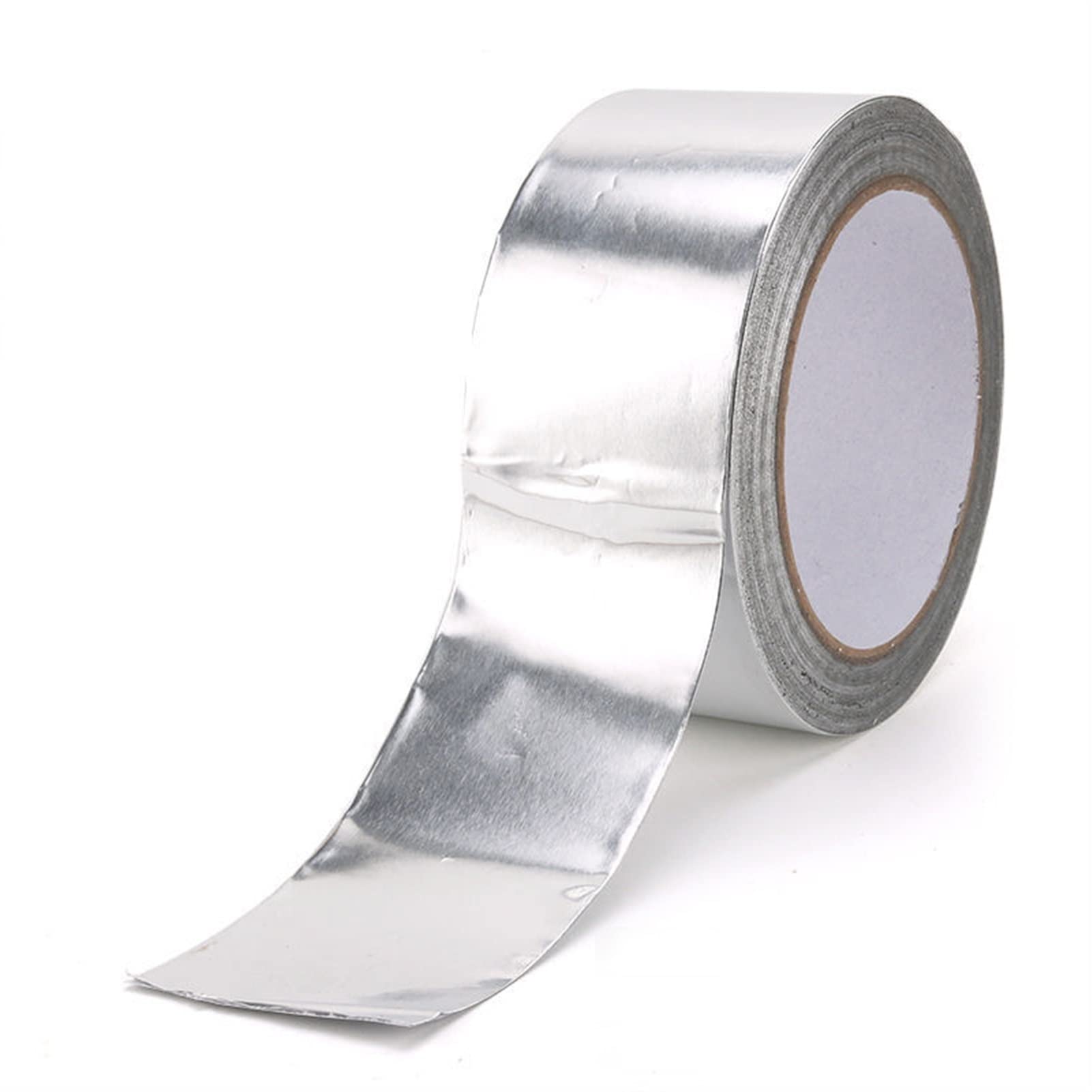
A stock image related to Heat Resistant Aluminum Tape.
In-depth Look: Manufacturing Processes and Quality Assurance for Heat Resistant Aluminum Tape
For B2B procurement teams evaluating heat resistant aluminum tape for HVAC infrastructure, petrochemical insulation, or automotive applications, manufacturing sophistication directly correlates with field performance and regulatory compliance. Industrial buyers from regions with extreme climate variations—such as the Middle East’s desert heat or South America’s high-humidity zones—require assurance that production methodologies account for thermal expansion, adhesive stability, and long-term durability.
Practical Sourcing Guide: A Step-by-Step Checklist for ‘Heat Resistant Aluminum Tape’
Procuring heat-resistant aluminum tape for international industrial operations requires moving beyond basic product specifications to evaluate adhesive chemistry, regional compliance standards, and climate-specific logistics. This checklist provides procurement teams with actionable criteria to ensure selected tapes perform reliably across diverse environmental conditions, from Saudi Arabian deserts to Brazilian industrial facilities.
1. What Temperature Range and Adhesive Chemistry Match Your Operational Requirements?
Map your maximum operational heat exposure against adhesive limitations rather than foil backing capabilities. Standard acrylic formulations handle -30°C to 120°C for HVAC systems, while solvent-based acrylics extend to 150°C. For extreme environments exceeding 300°C—common in Middle Eastern petrochemical or South American metallurgical operations—specify silicone adhesive tapes rated up to 316°C. Request thermal cycling test data to verify performance under fluctuating temperatures.
2. How Do You Validate Substrate Compatibility and Surface Preparation Protocols?
Aluminum tape adheres differently to galvanized steel, copper, or aluminum substrates common in African and European infrastructure projects. Confirm the backing thickness (typically 0.03mm to 0.08mm) suits your surface irregularities and thermal expansion rates. Require suppliers to provide region-specific surface preparation guidelines, as high-humidity climates like coastal Brazil demand enhanced degreasing protocols to prevent adhesive degradation from trapped moisture beneath the foil layer.
3. Which International Certifications and Testing Standards Ensure Quality Compliance?
Demand compliance documentation relevant to your target markets before placing bulk orders. European projects require REACH and RoHS compliance, while Saudi Arabian industrial applications often need SASO certification. Verify flame resistance ratings (ASTM E84 or EN 13501-1) and thermal conductivity coefficients. Request batch-specific test reports demonstrating peel adhesion strength after heat aging, not just room temperature data, to ensure long-term performance in extreme environments.
4. Does the Tape Resist Humidity, UV, and Chemical Exposure in Your Region?
Heat resistance alone proves insufficient for tropical climates or chemical processing environments prevalent in your target markets. Evaluate the tape’s resistance to salt spray (critical for coastal African or South American operations), UV stability for outdoor installations, and chemical compatibility with industrial cleaning solvents. Silicone adhesives typically outperform acrylics in humid, high-heat combinations, while specialized coatings may be necessary for marine applications.
5. How Do You Calculate Total Cost of Ownership Beyond Unit Price?
Analyze shelf life, application efficiency, and failure rates rather than focusing solely on per-roll pricing. Professional-grade tapes with higher upfront costs often reduce long-term expenses through extended durability. Assess supplier minimum order quantities (MOQs), lead times for container shipments to Nigeria or Brazil, and technical support availability. Verify that packaging includes moisture barriers suitable for multi-week maritime transport through varying climates.
6. What Storage and Handling Protocols Prevent Pre-Application Degradation?
Establish receiving inspection procedures for shipments exposed to high temperatures during transit through equatorial regions. Store rolls in climate-controlled environments below 35°C to prevent adhesive flow or oxidation of the aluminum layer. Implement first-in-first-out inventory rotation, as adhesive properties degrade over 12-24 months even in original packaging. Train installation teams on temperature-dependent tack development—cold weather applications may require surface warming for optimal bond formation.
A stock image related to Heat Resistant Aluminum Tape.
Comprehensive Cost and Pricing Analysis for Heat Resistant Aluminum Tape Sourcing
When sourcing heat resistant aluminum tape for industrial applications across diverse climates—from Saudi Arabia’s desert heat to Brazil’s humid coastal regions—understanding the nuanced cost structure prevents budget overruns and ensures specification compliance. Pricing volatility in the aluminum commodities market directly impacts base material costs, while adhesive chemistry determines performance premiums that can vary significantly between commodity and specialized grades.
What Raw Material Specifications Drive Bulk Pricing Variations?
The primary cost determinant remains the aluminum foil thickness, typically ranging from 18 to 50 microns in industrial grades. Thicker substrates (40-50 microns) command 25-40% price premiums over standard 30-micron HVAC grades but deliver superior puncture resistance for heavy-duty applications. Acrylic adhesive formulations offer the most cost-effective solution for applications under 120°C, whereas silicone-based systems—essential for environments exceeding 300°C—can increase unit costs by 60-80% due to specialized polymer requirements and extended curing processes that limit production throughput.
How Do Volume Commitments and Regional Logistics Impact Total Landed Costs?
For buyers in Africa, South America, and the Middle East, minimum order quantities (MOQs) significantly influence per-unit economics. Container-level purchases (20-foot FCL) typically reduce unit costs by 15-25% compared to LCL shipments, though working capital requirements increase accordingly. Regional regulatory compliance adds layers of cost; tapes requiring REACH certification for European markets or SASO conformity for Saudi Arabia incur additional testing fees ranging from $500-$2,000 per SKU, factors often overlooked in initial price-per-roll calculations but critical for customs clearance.
Why Does Temperature Rating Create Tiered Procurement Strategies?
Standard aluminum foil tapes rated for 120°C suit general HVAC sealing and represent the commodity tier, offering the lowest cost-per-meter for high-volume construction projects. However, industrial buyers requiring 316°C heat resistance face non-linear pricing escalations. High-temperature silicone adhesive tapes occupy the premium segment, with specialized glass-fiber reinforced variants costing 3-4 times standard grades. Procurement teams must balance immediate material costs against lifecycle value—premium grades reduce replacement frequency in furnace and exhaust applications, lowering total cost of ownership despite higher upfront investment.
What Hidden Quality Assurance Costs Should Buyers Anticipate?
Beyond unit pricing, B2B buyers must budget for incoming quality control and storage considerations. Heat resistant tapes require climate-controlled warehousing in tropical regions to prevent adhesive degradation and liner separation, adding 8-12% to logistics costs compared to standard industrial tapes. Additionally, verifying manufacturer certifications—particularly UL 723 flame spread ratings for Middle Eastern construction projects or ASTM E84 compliance for European industrial applications—ensures specification adherence but requires third-party validation budgets that impact overall procurement economics.
Alternatives Analysis: Comparing Heat Resistant Aluminum Tape With Other Solutions
When evaluating high-temperature sealing solutions for industrial infrastructure, procurement teams must assess whether heat resistant aluminum tape aligns with specific operational demands, or if alternative materials better address extreme thermal cycling, mechanical abrasion, or substrate compatibility challenges. While aluminum foil tapes offer an optimal balance of thermal reflectivity and conformability for HVAC systems and general industrial insulation, facilities operating in energy-intensive sectors across the Middle East, Africa, and South America may encounter applications where specialized fiberglass systems or metal-based alternatives provide superior longevity. The following comparative analysis examines these solutions across critical performance metrics to inform strategic sourcing decisions.
| 比較の側面 | Heat Resistant Aluminum Tape | Fiberglass Cloth Tape | Stainless Steel Foil Tape |
|---|---|---|---|
| Temperature Range | -30°C to 316°C (-22°F to 600°F) with silicone adhesive | -50°C to 550°C (-58°F to 1022°F) continuous exposure | -40°C to 600°C (-40°F to 1112°F) depending on grade |
| Thermal Properties | High reflectivity (237 W/m·K conductivity); radiant heat barrier | Insulating (low thermal conductivity); heat absorption | Moderate conductivity (16 W/m·K); minimal reflectivity |
| Mechanical Durability | Moderate tensile strength; susceptible to tearing under abrasion | High tear resistance; woven texture resists puncture | Superior structural integrity; 300-500 MPa tensile strength |
| Chemical & Moisture Resistance | Excellent moisture barrier; good oxidation resistance | Excellent chemical inertness; absorbs moisture if uncoated | Superior corrosion resistance (316 grade for marine/saltwater) |
| 適合性 | Excellent; conforms to irregular ductwork and corrugated surfaces | Moderate; rigid woven texture limits complex geometry wrapping | Limited; high memory retention requires extensive surface preparation |
| Cost Factor | $ (Economical for large-scale deployment) | $$ (Mid-range; specialized coatings increase cost) | $$$ (Premium material; 2-3x aluminum cost) |
| Installation Method | Pressure-sensitive adhesive; peel-and-stick application | PSA or dry wrap with mechanical fastening | High-tack acrylic or silicone adhesive; requires roller pressure |
| Primary Applications | HVAC duct sealing, temporary heat shielding, moisture barriers | Exhaust system insulation, furnace door seals, electrical insulation | Petrochemical pipe wrapping, offshore platform maintenance, abrasion zones |
How Does Fiberglass Cloth Tape Perform in Extreme Temperature Environments?
Fiberglass cloth tape serves as a woven textile alternative engineered specifically for environments where temperatures exceed the operational limits of aluminum foil adhesives, typically handling continuous exposure up to 550°C (1,022°F) and intermittent spikes approaching 750°C (1,382°F) without degradation. Unlike aluminum’s reflective metallic surface that creates a radiant heat barrier, fiberglass provides an insulating barrier that absorbs and dissipates thermal energy, making it ideal for static exhaust systems and high-temperature furnace seals where heat containment takes precedence over reflection. However, the woven texture lacks the moisture vapor barrier and air-tight sealing capabilities inherent to aluminum laminates, often requiring additional silicone coatings or hybrid installations in humid climates common to coastal Brazilian or Saudi Arabian industrial zones. While fiberglass offers superior dielectric strength for electrical insulation applications, its rigidity and thicker profile (typically 0.15mm to 0.5mm) present significant challenges when sealing complex ductwork geometries or corrugated surfaces that demand the 0.03mm to 0.08mm conformability of aluminum foil solutions.
Is Stainless Steel Foil Tape the Superior Choice for High-Stress Industrial Applications?
Stainless steel foil tape emerges as a premium alternative when mechanical durability and chemical resistance outweigh the thermal reflectivity advantages of aluminum, particularly in African mining operations, Middle Eastern petrochemical facilities, and offshore platforms where abrasion risks and saltwater exposure threaten tape integrity. With tensile strength significantly exceeding aluminum variants, 304 or 316-grade stainless steel systems withstand physical impact and puncture risks in high-traffic maintenance areas, though this robustness comes at approximately two to three times the material cost and increased weight per square meter. The material exhibits exceptional corrosion resistance against aggressive solvents and marine atmospheres, but demonstrates lower thermal conductivity, reducing its effectiveness as a heat shield or radiant barrier in HVAC applications where aluminum’s reflectivity provides energy efficiency benefits. For procurement teams managing infrastructure in harsh chemical environments, stainless steel tape provides longevity where aluminum might degrade, though installation requires greater surface preparation and uniform pressure application due to the material’s reduced flexibility and significant spring-back memory compared to soft aluminum substrates.
Essential Technical Properties and Trade Terminology for Heat Resistant Aluminum Tape
When sourcing heat resistant aluminum tape for industrial HVAC, petrochemical, or aerospace applications, precise technical specifications and standardized trade terminology form the foundation of effective procurement. Understanding these metrics ensures compliance with regional safety standards—from Saudi Arabia’s SASO requirements to Europe’s EN classifications—while preventing costly adhesive failures during extreme thermal cycling in African mining or South American steel production environments.
What Critical Technical Specifications Define Industrial-Grade Heat Resistance?
Continuous Operating Temperature Range: This specification differentiates between continuous duty limits and intermittent peak exposure. Standard acrylic adhesives maintain integrity from -30°C to 120°C, while high-grade solvent acrylics extend to 150°C. For extreme environments—such as Middle Eastern petrochemical facilities or Brazilian foundries—silicone adhesives withstand continuous exposure up to 316°C (600°F) without oxidative degradation, though they command premium pricing.
Backing Thickness (Mil): Expressed in mils (thousandths of an inch) or micrometers, aluminum foil backings range from 1.2 mil (30μm) for general purpose to 6 mil (150μm) for heavy-duty industrial applications. Dead-soft tempered 4–5 mil backings provide optimal puncture resistance for HVAC duct sealing in mining operations, while thinner 2 mil grades suit temporary protective masking in automotive manufacturing.
Peel Adhesion Strength: Quantified in ounces per inch (oz/in) or Newtons per meter (N/m), this measures the force required to remove the tape from standardized substrates. Industrial specifications typically require 50–80 oz/in initial adhesion to stainless steel at 25°C, with high-temperature grades retaining minimum 75% of this value after 72-hour heat aging at maximum rated temperature.
Thermal Conductivity and Emissivity: Pure aluminum backings offer thermal conductivity of approximately 205 W/(m·K), facilitating heat dissipation in electronic shielding. Simultaneously, low emissivity values (0.03–0.05) provide infrared reflectivity up to 95%, crucial for insulating hot pipelines in desert solar installations where radiant heat rejection determines system efficiency.
Elongation at Break: This mechanical property, expressed as percentage of original length, indicates conformability to irregular surfaces. Dead-soft temper aluminum achieves 3–5% elongation, enabling the tape to bridge minor surface imperfections in corroded ductwork common in coastal industrial zones without tearing.
What Essential Trade Terminology Should Procurement Teams Understand?
Release Liner (Interliner): The siliconized paper or poly-coated film backing that protects the adhesive until application. Kraft paper liners suit manual field application, while clear polyester film liners facilitate automated high-speed dispensing systems prevalent in European manufacturing. Specifying “easy-release” liners prevents delamination during humid tropical storage conditions.
PSA (Pressure Sensitive Adhesive): A category of adhesives that form permanent bonds when pressure is applied, requiring no heat, water, or solvent activation. B2B procurement should distinguish between “cold-tack” PSAs for immediate grab versus “flow-tack” formulations that develop stronger bonds over 24–72 hours, optimal for vibration-prone industrial machinery.
Dead Soft Temper: Metallurgical terminology describing fully annealed aluminum foil with maximum malleability. This temper allows the tape to conform to irregular flanges and corrugated ductwork without spring-back. Conversely, “hard temper” or “H18” foils maintain structural rigidity for stiffening applications but resist conforming to curved surfaces.
UL 723 / ASTM E84 Certification: North American fire safety standards measuring Flame Spread Index and Smoke Developed Index. Class A rated tapes (Flame Spread 0–25) satisfy stringent Saudi Arabian and European building codes for high-rise HVAC ductwork, providing critical fire containment in commercial installations.
Cold Weather Adhesion: The adhesive’s capacity to maintain tack when applied below 10°C (50°F). Solvent-based acrylics outperform water-based formulations
Navigating Market Dynamics and Sourcing Trends in the Heat Resistant Aluminum Tape Sector
The global heat resistant aluminum tape market is experiencing significant segmentation as industrial applications demand increasingly specialized performance characteristics. For procurement teams operating across diverse climatic zones—from the humid coastlines of Brazil to the extreme desert temperatures of Saudi Arabia—understanding the interplay between adhesive chemistry, regional infrastructure needs, and supply chain resilience has become essential for strategic sourcing.
What Are the Critical Market Trends Shaping Heat Resistant Aluminum Tape Procurement?
Regional demand patterns are driving a clear bifurcation between consumer-grade and industrial-grade product categories. While standard acrylic-based tapes (withstanding -30°C to 120°C) dominate HVAC maintenance sectors in Europe and North America, emerging markets across Africa and the Middle East are accelerating demand for specialized silicone-adhesive formulations capable of maintaining structural integrity up to 316°C. This shift reflects broader infrastructure development in petrochemical, marine, and heavy manufacturing sectors where thermal cycling and chemical exposure exceed the capabilities of conventional rubber-resin adhesives.
Supply chain volatility represents another critical consideration for international buyers. Fluctuations in aluminum raw material costs, coupled with adhesive technology shortages, have prompted leading procurement teams to diversify their supplier portfolios across Asian manufacturing hubs and regional conversion facilities. Buyers are increasingly prioritizing manufacturers who offer transparent tiered product lines—distinguishing between water-based acrylic solutions for general sealing and high-grade solvent-based or silicone systems for extreme heat applications—rather than relying on generic commodity tapes that risk adhesive failure in high-stakes industrial environments.
How Can B2B Buyers Navigate Sustainability and Ethical Sourcing Requirements?
Sustainability in heat resistant aluminum tape procurement extends beyond material recyclability to encompass the full lifecycle impact of adhesive technologies. While aluminum backing offers inherent circular economy advantages through infinite recyclability, the chemical composition of bonding agents varies significantly in environmental footprint. Water-based acrylic adhesives present lower VOC (Volatile Organic Compound) emissions during manufacturing compared to solvent-based alternatives, making them increasingly attractive for European buyers navigating stringent REACH regulations and corporate ESG mandates.
Ethical sourcing verification requires particular diligence regarding bauxite mining practices and smelting energy consumption. Progressive procurement teams are implementing supplier audit protocols that assess not only ISO 14001 environmental management certifications but also labor practices throughout the raw material extraction chain. For markets like Brazil and South Africa, where marine and automotive applications demand corrosion-resistant sealing solutions, selecting tapes with extended durability ratings—specifically silicone-based products that maintain adhesion for years rather than months—reduces material waste while ensuring compliance with emerging extended producer responsibility frameworks.
Furthermore, buyers should evaluate “heat resistance” through a sustainability lens: tapes rated for higher temperature thresholds often deliver superior longevity in challenging environments, reducing replacement frequency and total cost of ownership. This durability factor, combined with recyclable aluminum cores and increasingly bio-based adhesive innovations, positions heat resistant aluminum tape as a strategic component in circular procurement strategies for infrastructure projects across developing and established markets alike.
Frequently Asked Questions (FAQs) for B2B Buyers of Heat Resistant Aluminum Tape
1. What is the maximum temperature rating for industrial heat resistant aluminum tape, and how do I select the appropriate grade for extreme environments?
Standard aluminum foil tapes typically withstand temperatures from -30°C to 120°C, making them suitable for general HVAC maintenance. However, industrial-grade variants with silicone adhesives can handle continuous exposure up to 316°C (600°F), while high-grade acrylic formulations operate reliably between -30°C and 150°C. When sourcing for extreme environments such as Saudi Arabian petrochemical facilities or Brazilian steel mills, specify tapes with temperature ratings at least 20% higher than your peak operating temperature to account for thermal spikes and ensure long-term adhesion integrity.
2. What are the primary B2B applications for heat resistant aluminum tape in HVAC, aerospace, and heavy industrial sectors?
In HVAC systems, this tape seals ductwork joints and vapor barriers, preventing thermal bridging in climate control systems across commercial buildings. Aerospace applications utilize high-grade silicone-adhesive tapes for thermal protection of wire harnesses and engine compartment insulation, where temperature differentials exceed 200°C. Heavy industrial sectors—including oil refineries in the Middle East and manufacturing plants in Europe—employ these tapes for emergency pipe repairs, furnace lining maintenance, and protecting sensitive instrumentation from radiant heat in boiler rooms.
3. How does heat resistant aluminum tape differ from fiberglass reinforced foil tape in terms of durability and application suitability?
While standard aluminum tape offers excellent conformability for irregular surfaces and superior thermal conductivity, fiberglass reinforced foil tape incorporates a woven glass fiber mesh that increases tensile strength by 40-60% and puncture resistance. For B2B buyers managing infrastructure in harsh environments like African mining operations or South American marine facilities, fiberglass reinforcement provides structural integrity against abrasion and tearing, though it sacrifices some flexibility. Standard aluminum tape remains preferable for complex curved surfaces and applications requiring maximum heat reflection without structural reinforcement.
4. Is heat resistant aluminum tape UL 723 rated for flame spread and smoke generation, and what certifications should international buyers verify?
UL 723 (ASTM E84) certification measures Flame Spread Index and Smoke Developed Index, critical for building materials in commercial construction across Europe and the Americas. Premium industrial aluminum tapes achieve Class A ratings (FSI 0-25, SDI 0-450), indicating minimal flame propagation. For Middle Eastern markets, verify compliance with SASO (Saudi Standards) or UAE Fire and Life Safety codes, while Brazilian buyers should request CBCC-RF certification. Always request third-party test reports rather than manufacturer declarations when procuring large volumes for commercial projects.
5. How do I optimize adhesion performance when applying heat resistant aluminum tape in high-humidity climates like Brazil or Saudi Arabia?
High humidity can compromise initial tack and long-term bond strength, particularly with water-based acrylic adhesives. Specify solvent-based acrylic or silicone adhesives for tropical environments, as they resist moisture infiltration during curing. Require surface preparation protocols including degreasing with isopropyl alcohol and ensuring substrate temperatures exceed dew point by at least 3°C to prevent condensation under the tape. For coastal installations in West Africa or the Middle East, specify tapes with corrosion-resistant backings and consider primer application on porous surfaces to prevent adhesive degradation from salt-laden air.
6. What are the critical differences between solvent-based acrylic and silicone adhesives for high-volume industrial procurement?
Solvent-based acrylic adhesives offer excellent balance between cost and performance, operating effectively from -30°C to 150°C with strong initial tack suitable for HVAC and general industrial sealing. Silicone adhesives command premium pricing but deliver superior chemical resistance and continuous operation up to 316°C, making them essential for aerospace and petrochemical applications. Solvent-based systems cure faster and bond aggressively to metals, while silicone formulations provide better plasticizer resistance and maintain flexibility after thermal cycling—critical for long-term contracts requiring 10+ year service life in variable climates.
7. How should procurement teams calculate bulk order quantities and storage requirements to optimize supply chain costs for international shipments?
Standard aluminum foil tape maintains adhesive integrity for 12-18 months when stored in climate-controlled environments (15-25°C, 40-60% humidity). For container shipments to South America or Africa, account for 4-6 week transit times and potential temperature excursions during shipping. Calculate safety stock at 15-20% above immediate consumption rates to buffer against customs delays. Request custom slit widths from manufacturers to minimize waste—standard 48mm or 72mm rolls often require cutting for specific applications, generating 8-12% material loss. Negotiate Incoterms that place temperature liability on suppliers during transit for silicone-adhesive products.
8. What quality control testing protocols should I require from manufacturers before committing to large-volume contracts?
Require suppliers to provide batch-specific test reports including peel adhesion strength (ASTM D3330), shear resistance (ASTM D3654), and thermal aging tests at rated temperatures for 168 hours minimum. For critical applications, demand temperature cycling tests between -30°C and maximum rated temperature to verify adhesive stability. Verify aluminum purity (typically 99.5%+ for industrial grade) and adhesive coat weight consistency. Request samples for independent testing at local laboratories in your region—particularly important when sourcing from international manufacturers for projects requiring compliance with European EN 12068 or American UL standards.
重要な免責事項および利用規約
⚠️ 重要な免責事項
メーカー、技術仕様、市場分析に関する内容を含め、本ガイドラインで提供される情報は、情報提供と教育目的のみのものです。専門的な調達アドバイス、財務アドバイス、または法的アドバイスを提供するものではありません。.
B2Bバイヤーは、独自の徹底的なデューデリジェンスを行う必要がある。 をご覧の上、ご購入をお決めください。本ガイドに記載された情報を信頼した場合のリスクは、読者が単独で負うものとします。.
Top 3 Heat Resistant Aluminum Tape Manufacturers & Suppliers List
1. Hopelight – Aluminum Foil Tape
ドメイン ホープライト
登録:2016年(10年)
はじめに This company, Hopelight – Aluminum Foil Tape, is a notable entity in the market.
2. Tape Suppliers – Aluminum Foil Tape
ドメイン tapesuppliers.com
登録:2007年(19年)
はじめに Also known as aluminum tape or aluminum foil tape. Key properties include chemical resistance, light reflectance, weatherability, flame resistance, moisture resistance, electrical conductivity, and thermal conductivity. Constructed with foil backing and pressure-sensitive adhesive. Primary applications in electrical, HVAC, and construction industries. Not evaluated or approved for medical industry…
3. 3M – 433 High Temperature Aluminum Foil Tape
ドメイン findtape.com
Registered: 2003 (23 years)
はじめに 3M 433 High Temperature Aluminum Foil Tape (SKU 433) is a linerless, flame-resistant tape constructed from dead soft aluminum foil coated with a clear silicone pressure-sensitive adhesive. It delivers exceptional performance in extreme temperatures ranging from -65°F to 600°F (-54°C to 316°C) and meets F.A.R. 25.853(a) flame resistance requirements. UL Recognized component (file QQQW2.MH122798). P…
Strategic Sourcing Conclusion and Outlook for Heat Resistant Aluminum Tape
How Can Buyers Optimize Total Cost of Ownership in Extreme Climates?
For procurement teams operating in high-temperature regions like the Middle East or industrial zones in Brazil, selecting professional-grade aluminum tape with silicone adhesive represents a strategic investment rather than merely a supply expense. While standard acrylic formulations offer lower upfront costs, their performance degradation above 150°C necessitates frequent replacement cycles that inflate long-term operational expenditures. Specifying tapes rated for 316°C ensures thermal stability across HVAC, petrochemical, and renewable energy applications, directly reducing maintenance downtime in critical infrastructure projects where adhesive failure is not an option.
What Supply Chain Strategies Ensure Resilience Across Emerging Markets?
When sourcing for projects across Africa, South America, or Eastern Europe, prioritize manufacturers providing comprehensive temperature certification documentation and moisture-resistant packaging. Tropical humidity and extended shipping routes can compromise adhesive integrity before application, making pre-shipment conditioning and robust release liners essential quality indicators. Establishing direct partnerships with certified producers—rather than relying on fragmented distributor networks—mitigates counterfeit risks and guarantees consistent batch performance essential for industrial compliance standards.
How Will Advanced Adhesive Technologies Shape Future Procurement Standards?
The transition toward renewable energy infrastructure and electric vehicle manufacturing is driving demand for aluminum tapes capable of exceeding traditional 316°C limits. Forward-thinking procurement strategies should evaluate suppliers investing in hybrid silicone-acrylic formulations and nanocomposite backings that offer enhanced thermal conductivity alongside chemical resistance. Early adoption of these advanced materials positions industrial operations to meet stricter environmental regulations while maintaining seamless heat shielding performance across evolving application environments.