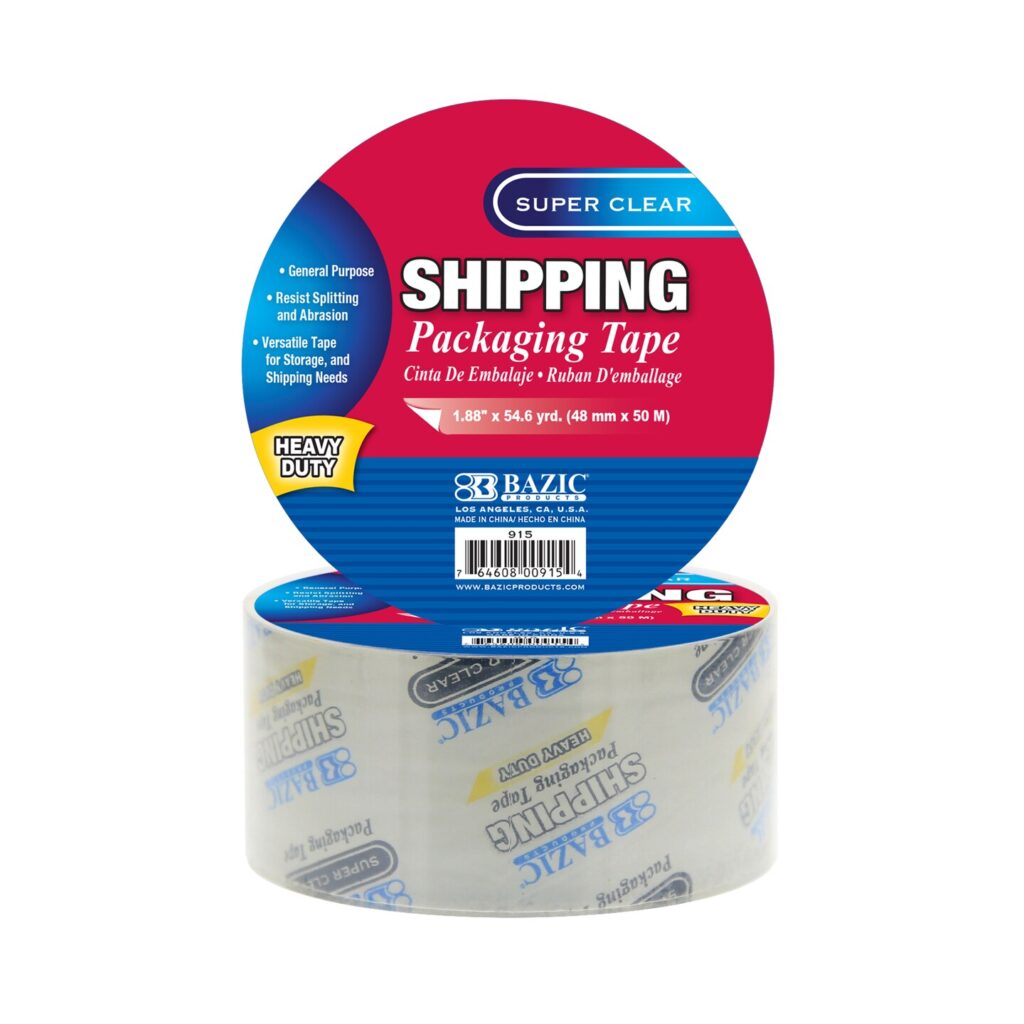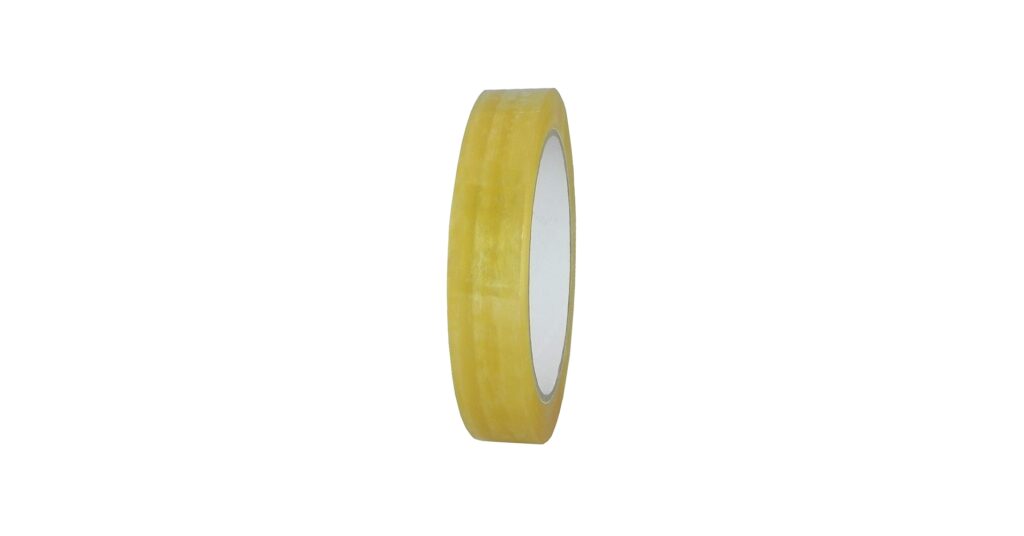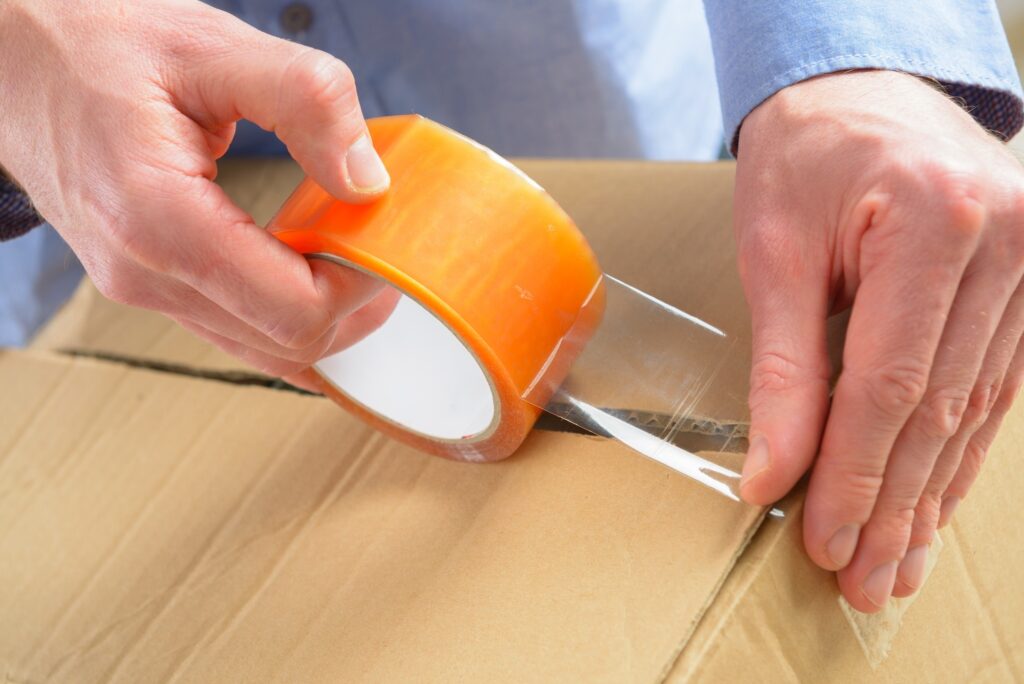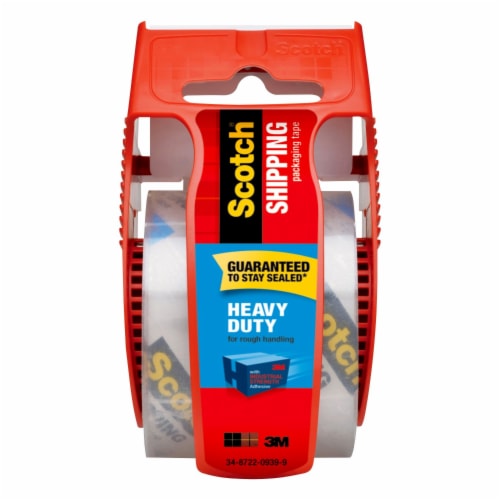
Introduction: Navigating the Global Market for High transparency adhesive tape
Sourcing high transparency adhesive tape for critical industrial applications presents unique procurement challenges in today’s fragmented global supply chain. From ensuring optical clarity standards for electronics manufacturing to securing temperature-resistant solutions for harsh Middle Eastern industrial environments, buyers face a complex landscape of technical specifications, certification requirements, and supplier reliability concerns that can significantly impact operational efficiency and product quality across international borders.
What challenges do international buyers face when sourcing optically clear adhesive solutions?
The global marketplace offers diverse technical options—from FEP fluoropolymer films with silicone adhesives rated for extreme temperatures (-100°F to 400°F) to acrylic transfer tapes optimized for graphic attachment and precision electronics assembly. However, navigating these material distinctions while managing cross-border logistics, varying compliance standards (such as EU RoHS directives critical to German manufacturing or import regulations affecting Saudi Arabian industrial sectors), and cost optimization requires specialized procurement knowledge that many sourcing teams lack.
How does this guide empower procurement decisions across Africa, South America, the Middle East, and Europe?
This comprehensive resource addresses these complexities by examining specific tape types including optically clear FEP films, double-coated polyester solutions, and high-temperature acrylic adhesives; detailing applications across electronics insulation, automotive assembly, and protective packaging; and providing robust frameworks for supplier vetting, quality verification, and total cost of ownership analysis. Whether securing inventory for operations in São Paulo, Riyadh, Lagos, or Munich, this guide equips procurement professionals with actionable insights to mitigate supply chain risks, ensure specification compliance, and establish reliable partnerships with manufacturers capable of meeting your region’s specific operational demands and regulatory environments.
Understanding High transparency adhesive tape Types and Variations
| タイプ名 | 主な特徴 | 主なB2Bアプリケーション | バイヤーのための簡単な長所と短所 |
|---|---|---|---|
| Acrylic Adhesive Transfer Tapes (ATG) | Finger-touch application with automatic liner rewind; high initial tack acrylic adhesive; excellent UV resistance; low odor formulation; compatible with ATG dispensers | Permanent double matting, graphic attachment, dust cover assembly, bonding coated/uncoated paper and cardstock | Pros: Precise adhesive placement, immediate permanent bond, invisible finish on paper goods. Cons: Requires specific ATG dispenser (1″ or 3″ core), limited repositionability once applied, not suitable for high-temperature applications |
| Optically Clear FEP Fluoropolymer Tapes | -100°F to 400°F temperature range; 9000V/mm dielectric strength; silicone adhesive backing; superior chemical/solvent resistance; clean removal properties | Coil and transformer insulation, wire harness wrapping for “see-through” identification, capacitor insulation, transparent barrier protection for painted substrates | Pros: Extreme temperature stability, superior electrical insulation, weather resistant, removes without residue. Cons: Premium pricing compared to polyester films, silicone adhesive may require primer for low-energy surfaces, limited conformability on sharp edges |
| Double-Coated Polyester Film Tapes | Differential adhesion (permanent one side, repositionable other); 2-mil polyester carrier; dimensional stability; UV resistant; tan polycoated kraft liner | Temporary positioning of films/foils, reclosable bags and envelopes, core starting in paper mills, removable labels and book inserts | Pros: Versatile repositionability, thin profile ideal for layered applications, good adhesion to plastics and foams. Cons: Lower tack on repositionable side limits heavy-duty use, not for structural bonding, limited plasticizer resistance with flexible PVC |
| High-Temperature Silicone Adhesive Tapes | Ultra-high temperature acrylic or silicone adhesive; densified kraft liner; 5.0+ mil thickness; heat and solvent resistant; stable in high humidity | Labeling hot motors and equipment, splicing in industrial ovens, high-temp processing environments, electrical insulation in heat zones | Pros: Withstands extreme processing temperatures (>400°F), excellent chemical resistance, maintains adhesion in heat/humidity. Cons: Higher price point than general-purpose tapes, requires rigorous surface preparation, limited conformability on rough or irregular substrates |
| Optically Clear UHMW Polyethylene Tapes | Ultra-high molecular weight film construction; exceptional abrasion resistance; low coefficient of friction; high impact strength; maintains clarity under mechanical stress | Conveyor belt lining, chute and hopper liners for material flow visibility, wear strips on transparent guards, packaging machinery guides | Pros: Superior durability against abrasion, allows visual monitoring of processes, chemical resistant for industrial cleaners. Cons: Limited high-temperature capability compared to fluoropolymers, requires firm pressure for initial bond, not intended for structural load-bearing applications |
What Are Acrylic Adhesive Transfer Tapes and When Should Buyers Specify Them?
These tapes feature a pressure-sensitive acrylic adhesive coated on a densified kraft paper liner, engineered specifically for adhesive transfer gun (ATG) dispensers. The design enables finger-touch application with automatic liner rewinding, delivering precise adhesive strips without manual liner removal. They offer high initial adhesion,
Key Industrial Applications of High transparency adhesive tape
| 業界/セクター | Specific Application of High transparency adhesive tape | ビジネスにとっての価値/利益 | このアプリケーションにおける主な調達上の考慮事項 |
|---|---|---|---|
| Electronics & Electrical Manufacturing | Coil winding insulation, transformer wrapping, and cable harness identification | Enables visual inspection of components without disassembly; provides high dielectric strength (9000V/mm) for safety; clean removal reduces maintenance downtime | Verify UL certification and temperature ratings (-100°F to 400°F); ensure silicone adhesive compatibility with existing insulation materials; confirm optical clarity meets inspection protocol requirements |
| Solar Energy & Photovoltaic Systems | Junction box sealing, panel edge sealing, and temporary barrier protection during assembly | UV resistance prevents yellowing in high-irradiance desert climates; maintains aesthetic integrity of solar cells; chemical resistance withstands harsh cleaning solvents | Confirm UV stability for 25-year service life; verify adhesion to EVA and backsheet materials; assess thermal cycling performance for extreme diurnal temperature variations |
| Automotive & Electric Vehicle Assembly | Interior display bonding, sensor module mounting, and wire harness wrapping in battery systems | Optical clarity preserves dashboard aesthetics; flame retardancy meets safety compliance; vibration resistance suits harsh road conditions; supports lightweighting vs. mechanical fasteners | Ensure automotive-grade certifications (IATF 16949); validate adhesion to low-surface-energy plastics and metals; confirm resistance to automotive fluids and temperature extremes |
| Premium Packaging & Display Graphics | Permanent double matting, point-of-purchase display mounting, and protective overlay lamination | Invisible bonding enhances luxury brand presentation; repositionable variants allow precise graphic alignment; UV resistance prevents fading in retail lighting | Check acid-free adhesive formulations for archival quality; verify compatibility with digital printing substrates; assess liner release properties for high-speed automated application |
| Aerospace & Industrial Maintenance | Temporary surface protection for aircraft transparencies, wind turbine blade sealing, and cleanroom equipment masking | Protects high-value substrates during manufacturing and MRO; clean removal prevents residue contamination; withstands extreme temperature variations and weather exposure | Verify outgassing compliance (ASTM E595) for aerospace applications; confirm static dissipation properties for electronics; assess peel strength differentiation for temporary vs. permanent holding |
How does high transparency adhesive tape solve critical insulation challenges in electronics manufacturing?
In transformer and coil winding applications, FEP-based optically clear tapes provide essential dielectric insulation while allowing technicians to visually inspect wire configurations without disassembly. This capability proves invaluable for quality control in German precision engineering facilities and Saudi Arabian electrical infrastructure projects. The tape’s high-temperature silicone adhesive withstands operating environments up to 400°F while maintaining clean removability for maintenance cycles, reducing downtime in critical power distribution systems and ensuring compliance with international electrical safety standards.
What role does optically clear adhesive tape play in desert solar farm durability?
For solar installations across the Middle East and North Africa, high-transparency barrier tapes protect junction boxes and panel edges from sand infiltration and thermal cycling. Unlike standard polyester tapes, fluoropolymer-based clear tapes offer superior UV resistance preventing yellowing that could reduce panel efficiency. The optical clarity allows for seamless integration without obscuring branding or regulatory markings, while chemical resistance withstands harsh cleaning protocols required in dusty environments, ensuring 25-year service life expectations critical for ROI calculations in utility-scale renewable projects.
Why are European automotive OEMs specifying transparent adhesive solutions for EV assembly?
In electric vehicle battery systems and interior displays, high-transparency tapes provide invisible bonding for touchscreens and sensor modules where aesthetic perfection meets functional safety. German automotive suppliers utilize these tapes for wire harness identification in compact engine bays, leveraging the see-through property for rapid troubleshooting. The tapes’ resistance to automotive fluids and temperature fluctuations ensures reliability across diverse climates, from South American humidity to Middle Eastern heat, while supporting lightweighting initiatives by replacing mechanical fasteners in interior trim applications.
How can clear adhesive tape enhance brand presentation in retail environments?
For high-end packaging operations in Europe and export markets, optically clear transfer tapes enable invisible bonding of dust covers, double matting for artwork, and mounting of promotional materials where visible tape lines would compromise luxury aesthetics. The repositionable variants allow precise alignment of graphics on displays before permanent adhesion, critical for seasonal marketing campaigns. UV-resistant formulations prevent yellowing in brightly lit retail spaces, maintaining brand integrity throughout the product lifecycle from manufacturing in Africa to European point-of-sale displays.
How does high transparency adhesive tape support aerospace maintenance and wind energy sectors?
In aircraft manufacturing and MRO facilities across Europe and the Middle East, optically clear FEP tapes serve as temporary surface protectors for cockpit
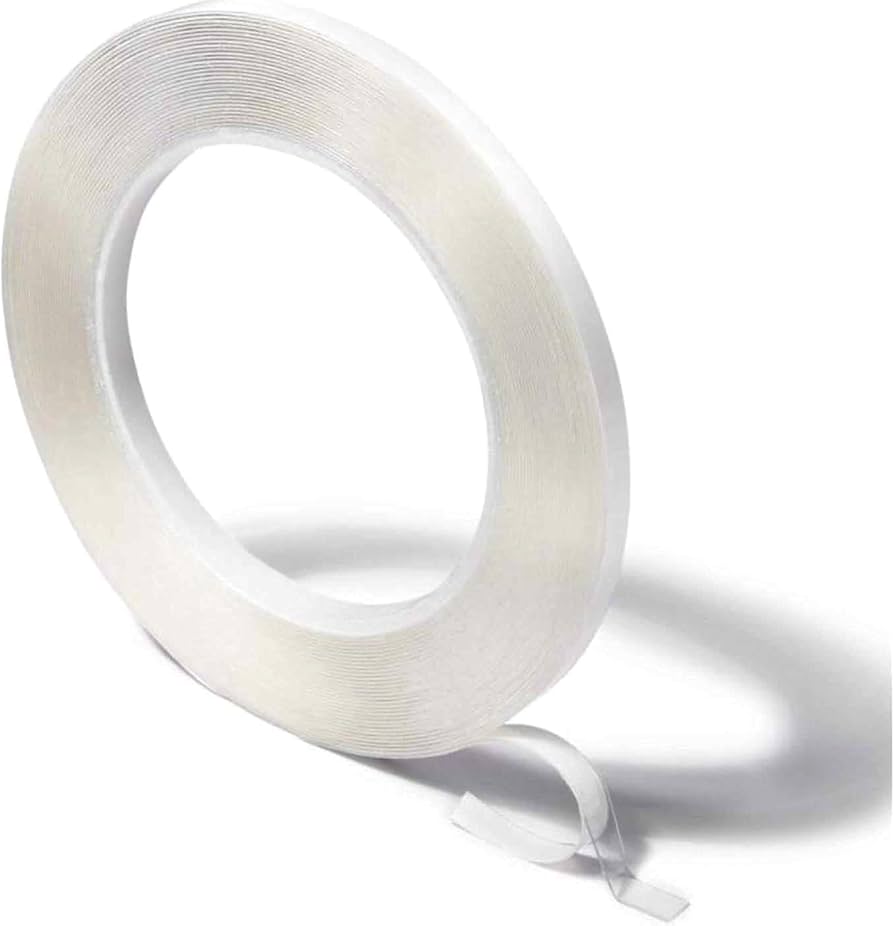
A stock image related to High transparency adhesive tape.
3 Common User Pain Points for ‘High transparency adhesive tape’ & Their Solutions
Scenario 1: How Does High Transparency Adhesive Tape Perform Under Extreme UV and Thermal Exposure?
問題だ: Buyers operating in high-sunlight regions like the Middle East or Africa frequently encounter optical tape yellowing and adhesive degradation when products are deployed outdoors or in uncontrolled warehouse environments. Standard clear tapes may offer initial clarity but lack the UV stabilizers and high-temperature resistance required for solar panel manufacturing, outdoor digital signage, or automotive applications. This degradation not only compromises aesthetic transparency but can also affect optical sensor functionality and create costly warranty claims when protective films become permanently discolored or brittle.
解決策 Specify FEP (fluorinated ethylene propylene) film tapes or specialized acrylic formulations rated for continuous high-temperature exposure up to 400°F (-100°F to 400°F range). Look for products with UV-resistant polycoated kraft liners and adhesives specifically tested for weatherability. For critical optical applications, request transmission rate certifications and verify that the silicone or acrylic adhesive maintains clarity after accelerated aging tests. Implementing tape with dielectric strength properties (such as 9000 volts per mm) also ensures performance in electrical insulation roles where thermal cycling occurs.
Scenario 2: What Causes Residue Contamination When Removing Tape from Glass and Optical Displays?
問題だ: Electronics manufacturers and glass processors in precision markets like Germany often face catastrophic yield losses when protective tapes leave adhesive residue on optical lenses, touchscreens, or display glass upon removal. This issue becomes acute in cleanroom environments where solvent cleaning is restricted or when dealing with anti-reflective coatings that cannot tolerate aggressive cleaning. Standard pressure-sensitive adhesives may bond too aggressively over time, especially under heat, creating a hazy film that requires manual rework and delays production schedules.
解決策 Select repositionable acrylic or ultra-clean silicone adhesive systems designed for “finger touch” application with liner rewinding capabilities. Prioritize tapes explicitly rated for clean removal from high-surface-energy (HSE) substrates like glass and polished metals. For temporary surface protection during shipping and assembly, specify tapes with differential adhesion—permanent on the carrier side and repositionable on the exposed side—to ensure secure holding without substrate contamination. Always conduct dwell-time testing on your specific optical substrates, as removal characteristics vary significantly between 24-hour and 72-hour adhesion periods.
Scenario 3: Why Does High Transparency Tape Fail to Bond with Low-Surface-Energy Plastics and Foams?
問題だ: Industrial buyers across South America and Europe frequently encounter bonding failures when applying high-transparency tapes to modern engineered materials such as polypropylene, silicone foams, or powder-coated surfaces common in automotive and electronics housing. These low-surface-energy (LSE) substrates resist standard acrylic adhesives, resulting in edge lifting, moisture ingress, and delamination during die-cutting operations. The issue compounds when tape must maintain optical clarity while providing structural bonding in display assembly or decorative trim applications where mechanical fasteners are prohibited.
解決策 Match the adhesive chemistry to the substrate energy level—utilize medium-firm pressure-sensitive acrylics (such as 3M Adhesive 400 equivalents) for coated papers and plastics, or silicone-based systems for extreme LSE materials. Verify that the tape construction accommodates “no mess” die-cutting without adhesive transfer to cutting equipment. For double-matting or permanent mounting of flexible plastics, specify adhesive transfer tapes with densified kraft liners that prevent stretching during application. Conduct adhesion testing on actual production materials rather than standard stainless steel panels, and consider tapes with specialized primers or corona-treated carriers when working with polyolefin-based substrates.
Strategic Material Selection Guide for High transparency adhesive tape
Selecting the appropriate substrate and adhesive system for high-transparency industrial tape requires carefully balancing optical clarity with environmental resistance, application methodology, and total cost of ownership. For procurement teams managing supply chains across diverse climates—from the humid coastal regions of West Africa to the extreme industrial heat
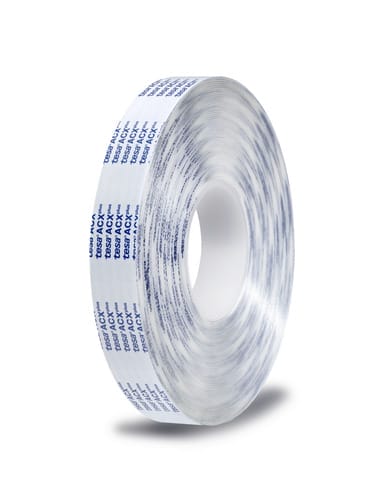
A stock image related to High transparency adhesive tape.
In-depth Look: Manufacturing Processes and Quality Assurance for High transparency adhesive tape
High transparency adhesive tapes serve critical functions in electronics assembly, precision packaging, and industrial applications where visual inspection or aesthetic presentation is paramount. For procurement teams sourcing these materials across diverse markets—from German automotive suppliers requiring EU RoHS compliance to Saudi Arabian electronics manufacturers needing high-temperature resistance—understanding the manufacturing workflow and quality protocols is essential for mitigating supply chain risks. The production of optically clear tapes involves sophisticated film processing, precision adhesive coating, and rigorous validation protocols that directly impact performance in extreme environments and critical bonding applications.
What Raw Materials Determine Optical Performance in High Transparency Tapes?
The foundation of optical clarity begins with substrate selection. Premium manufacturers typically utilize biaxially oriented polyethylene terephthalate (PET) films for general industrial applications, offering excellent dimensional stability and moisture resistance while maintaining light transmission rates exceeding 90%. For extreme chemical or thermal environments—such as transformer insulation or high-temperature motor labeling—fluorinated ethylene propylene (FEP) films provide superior dielectric strength (up to 9,000 volts per millimeter) and temperature resistance ranging from -100°F to 400°F. Polypropylene (PP) substrates offer a cost-effective alternative for less demanding applications, though with slightly reduced optical clarity compared to PET or FEP.
Adhesive chemistry represents the second critical variable. Acrylic adhesives dominate general-purpose applications due to their excellent UV resistance, solvent resistance, and permanent bonding characteristics on smooth surfaces like coated paper and plastics. Silicone adhesives, while commanding premium pricing, deliver exceptional performance in high-temperature environments and enable clean removal with minimal residue—critical for temporary positioning applications or protecting sensitive painted substrates. The adhesive thickness typically ranges from 1.5 to 5.0 mils, with precision coating ensuring uniform application that prevents optical distortion or “orange peel” effects visible under lighting.
Release liner engineering also impacts manufacturing quality. Polycoated kraft paper liners provide economical protection and compatibility with ATG (adhesive transfer gun) dispensers, while densified kraft liners offer enhanced heat resistance for high-temperature processing. The liner’s release force must be precisely calibrated—too tight causes tearing during application, while too loose leads to premature delamination during storage and shipping.
How Is the Coating Process Optimized for Clarity and Consistency?
Manufacturing high-transparency adhesive tape requires controlled environment production, typically within ISO Class 7 or 8 cleanrooms to prevent particulate contamination that would compromise optical clarity. The coating process employs slot die or gravure coating methods, allowing manufacturers to achieve adhesive thickness tolerances within ±0.1 mil across the entire web width. This precision prevents thickness variations that could create visible distortion when the tape is applied to graphics or display surfaces.
Tension control during lamination proves critical, as improper web tension introduces micro-bubbles or wrinkles between the adhesive layer and substrate film. Advanced manufacturers utilize closed-loop tension control systems and real-time optical inspection cameras to detect defects immediately during production. Following coating, tapes undergo either thermal curing (for solvent-based adhesives) or UV curing (for UV-acrylic formulations), with curing profiles carefully monitored to prevent adhesive flow that could reduce edge definition during subsequent die-cutting operations.
Slitting and winding operations require equally precise control. Core size standardization (typically 1-inch or 3-inch cores) ensures compatibility with international dispensing equipment, while precision slitting prevents edge burrs that could interfere with automated application systems. For B2B buyers requiring custom widths for specific manufacturing lines, suppliers should demonstrate capability for narrow-web slitting (down to 0.25 inches) without compromising liner integrity.
What Quality Control Measures Ensure Batch-to-Batch Reliability?
Comprehensive quality assurance protocols separate commodity suppliers from industrial-grade manufacturers. Optical testing utilizes haze meters and spectrophotometers to verify light transmission rates and haze percentages, ensuring each batch meets specified clarity standards for applications like graphic attachment or display lamination. Adhesion testing follows ASTM D3330 standards for peel adhesion and ASTM D3654 for shear strength, with particular attention to adhesion values on both high surface energy (HSE) and low surface energy (LSE) substrates common in automotive and electronics manufacturing.
Environmental stress testing validates performance claims for extreme climates relevant to Middle Eastern and African markets. This includes high-temperature aging tests (typically 70°C for extended periods) to verify adhesive stability in desert environments, as well as humidity exposure testing (40°C/90% RH) to ensure performance in tropical conditions. For electrical insulation applications, dielectric strength testing confirms the tape’s ability to withstand specified voltage without breakdown.
Die-cutting compatibility testing ensures the tape performs reliably in automated manufacturing processes. Quality assurance teams evaluate liner release consistency, adhesive edge bleeding, and dimensional stability after cutting. This proves particularly important for buyers utilizing the tape for precision applications such as core starting, end tabbing, or mounting promotional items where dimensional accuracy affects production line efficiency.
Which International Standards Should B2B Buyers Verify?
Regulatory compliance varies significantly across target markets, requiring manufacturers to maintain multiple certifications. For European markets including Germany, EU RoHS Directive 2011/65/EU compliance remains mandatory for electronics applications, restricting hazardous substances like lead, mercury, and cadmium in the adhesive formulation. REACH compliance (EC 1907/2006) addresses chemical substance registration and restricted substances, particularly relevant for silicone adhesive systems.
ASTM International standards provide performance benchmarks that transcend regional boundaries. ASTM D5750 outlines specifications for pressure-sensitive adhesive tapes used in electrical applications, while ASTM D1003 covers haze and luminous transmittance testing methodology. For buyers in Saudi Arabia and broader Middle Eastern markets, SASO (Saudi Standards, Metrology and Quality Organization) certification may be required for imported industrial materials, while GSO (Gulf Standardization Organization) markings facilitate entry into Gulf Cooperation Council markets.
ISO 9001:2015 certification for quality management systems and ISO 14001:2015 for environmental management demonstrate supplier commitment to consistent processes and sustainable manufacturing—increasingly important for European and multinational corporate buyers. Additionally, manufacturers serving the food packaging or medical device sectors should provide FDA 21 CFR 175.105 compliance documentation for indirect food contact applications.
How Do Manufacturers Ensure Clean Removability and Residue-Free Performance?
For applications requiring temporary bonding or surface protection, differential adhesive systems offer sophisticated functionality. These tapes feature permanent adhesive on the face side (for substrate attachment) and repositionable or low-tack adhesive on the back side, enabling easy removal from films, foils, and papers without delaminating the primary bond. Manufacturing these systems requires precise coating of two distinct adhesive chemistries, with barrier layers preventing intermixing during the production process.
Clean removability testing involves application to various substrates—including painted metals, polycarbonate plastics, and anodized aluminum—followed by removal at different time intervals (immediate, 24 hours, 7 days) and temperature conditions. Premium silicone adhesive formulations should demonstrate removal with “little to no residue” even after extended high-temperature exposure, validated through visual inspection and solvent extraction testing.
When evaluating suppliers, B2B buyers should request batch-specific Certificates of Analysis (CoA) documenting raw material traceability, production parameters, and quality test results. Leading manufacturers provide technical data sheets specifying storage conditions (typically 70°F/50% RH), shelf life (commonly 2 years for acrylic systems), and application guidelines specific to regional climate conditions. This documentation proves essential for import customs clearance in Brazil, South Africa, or other markets requiring material safety data sheets and compliance certificates.
Practical Sourcing Guide: A Step-by-Step Checklist for ‘High transparency adhesive tape’
Procuring high-transparency adhesive tape for industrial applications requires balancing optical performance with mechanical reliability. This checklist provides procurement professionals with a systematic framework to evaluate technical specifications, ensure regulatory compliance, and mitigate supply chain risks when sourcing specialized adhesive films.
What Are the Critical Application Requirements for High Transparency Adhesive Tape?
Begin by documenting the end-use environment. Determine whether the tape will face extreme temperatures, chemical exposure, or UV radiation, as these factors dictate adhesive chemistry—acrylic for general purpose, silicone for high heat (-100°F to 400°F), or repositionable formulations for temporary bonding. Clarify if the application requires die-cutting capabilities or specific core sizes (1-inch for handheld dispensers versus 3-inch for automated ATG systems).
How Do You Evaluate Optical Clarity and Dimensional Specifications?
Define your optical standards precisely. High-transparency tapes vary from general clear polyester to optically clear FEP fluoropolymer films with superior see-through properties for wire harness identification or display lamination. Specify film thickness (ranging from 2-mil to 5-mil), liner type (polycoated kraft or densified kraft), and total thickness requirements to ensure compatibility with existing equipment.
Which Adhesive Chemistry Suits Your Operational Environment?
Match adhesive properties to substrate types and operating conditions. For electrical insulation or coil wrapping, select silicone-adhesive FEP tapes offering high dielectric strength (9000V/mm) and clean removal. For graphic attachment or mounting promotional materials, consider double-coated film tapes with differential adhesion—permanent on one side, repositionable on the other—to accommodate temporary positioning needs.
What Certifications Ensure Compliance in International Markets?
Verify regulatory alignment with destination market requirements. Ensure tapes meet EU RoHS compliance for European distribution, ASTM standards for North American quality benchmarks, and specific regional electrical safety certifications. For Middle Eastern and African markets, confirm resistance to high ambient temperatures and humidity during transit and storage.
How Do You Assess Supplier Customization and Technical Support Capabilities?
Evaluate manufacturers beyond standard catalog offerings. Confirm capabilities for custom slitting widths, specialized liner configurations, and technical consultation for application optimization. Reliable suppliers should provide material safety data sheets (MSDS), detailed specification sheets, and engineering support for troubleshooting adhesion failures in challenging climates.
Why Is Sample Testing Essential Before Bulk Procurement?
Request production-grade samples for pilot testing on your actual substrates. Test for immediate tack, shear-holding power under load, and optical clarity after application. Evaluate liner release characteristics and residue-free removal, particularly critical for temporary mounting applications or when protecting sensitive painted surfaces during manufacturing processes.
What Storage and Handling Protocols Protect Tape Integrity?
Establish climate-controlled storage protocols, as extreme heat during shipping to tropical regions or Middle Eastern destinations can compromise adhesive performance. Verify shelf life specifications (typically 2 years for acrylic formulations) and storage temperature ranges. Ensure packaging provides UV protection and moisture barriers to maintain optical clarity and adhesive efficacy from factory to final application.
A stock image related to High transparency adhesive tape.
Comprehensive Cost and Pricing Analysis for High transparency adhesive tape Sourcing
Sourcing high transparency adhesive tape requires moving beyond unit price comparisons to understand the technical cost drivers that vary significantly between general-purpose packaging applications and specialized industrial uses. For procurement teams operating across diverse regulatory environments—from Germany’s stringent industrial standards to Saudi Arabia’s extreme climate demands—total cost optimization depends on aligning material specifications with actual performance requirements rather than defaulting to commodity-grade alternatives.
What Raw Material Specifications Drive High Transparency Adhesive Tape Pricing?
The cost differential between standard polyester clear tapes and fluoropolymer-based FEP (fluorinated ethylene propylene) films can exceed 300%, driven by resin chemistry and performance thresholds. Acrylic adhesives typically command lower price points than silicone formulations, yet the latter offer essential temperature resistance (-100°F to 400°F) for electrical insulation applications. Thickness variations—ranging from 2.3 mil for graphic attachment to 5.0 mil for heavy-duty industrial joining—directly correlate with material consumption and per-roll pricing. Additionally, specialized liners such as polycoated kraft paper or densified kraft add incremental costs but provide critical die-cutting compatibility and moisture resistance for Middle Eastern and tropical South American climates.
How Do Volume Tiers and MOQs Impact Your Total Cost of Ownership?
B2B procurement structures typically favor carton-based quantities, with industrial buyers facing minimum order quantities ranging from 2-roll cartons for specialized ATG (Adhesive Transfer Gun) tapes to 72-roll bulk packs for standard transfer tapes. The 1-inch core versus 3-inch core distinction affects not only per-unit pricing but also dispenser compatibility and waste reduction across your production line. For African and South American importers, consolidating shipments to optimize container space often proves more cost-effective than frequent small-batch orders, particularly when sourcing high-temperature resistant varieties that require climate-controlled transportation to prevent adhesive degradation during transit through varying humidity zones.
Which Hidden Logistics Costs Should Middle Eastern and European Buyers Anticipate?
International procurement of high-performance transparent tapes introduces tariff complexities, particularly for fluoropolymer-based products that may fall under specialized chemical import classifications requiring additional documentation. European buyers must factor in EU RoHS compliance certification costs, while Middle Eastern importers should evaluate UV-resistant formulations necessary for outdoor applications in high-sunlight environments. Shipping logistics vary significantly by adhesive chemistry—silicone-based high-temperature tapes often require specific humidity controls during transit, adding 15-20% to freight costs compared to standard acrylic alternatives. Lead time variations between standard 2-3 business day domestic availability versus 4-6 week international production runs for custom thicknesses further impact working capital requirements and inventory planning cycles.
When Does Investing in Premium Optical Clarity Deliver ROI?
While commodity clear tapes suffice for basic packaging, applications requiring see-through identification for wire harnesses or coil insulation justify the premium for FEP optically clear tapes despite their higher upfront cost. The 9000 volts per mm dielectric strength of fluoropolymer tapes reduces rework rates in electrical applications, delivering long-term savings that offset initial material expenditures. For German industrial buyers, ASTM-certified tapes ensure compliance with quality management systems, eliminating potential liability costs. Similarly, Saudi Arabian buyers benefit from chemical-resistant barriers that withstand solvent exposure in petrochemical environments, reducing replacement frequency by 40-60% compared to standard polyester alternatives while maintaining aesthetic transparency for inspection protocols.
Alternatives Analysis: Comparing High transparency adhesive tape With Other Solutions
When evaluating bonding solutions for display assembly, signage, or protective glazing, procurement teams must assess whether standard pressure-sensitive films meet operational demands or if alternative technologies offer superior long-term value. While high transparency adhesive tapes provide immediate handling strength and clean application, liquid curing systems and high-performance fluoropolymer films present distinct advantages for specific industrial environments, particularly in regions with extreme thermal variations or stringent chemical exposure requirements common to Middle Eastern and European manufacturing sectors.
Comparative Analysis: Performance Metrics Across Bonding Solutions
| 比較の側面 | High Transparency Adhesive Tape (Standard PET/Acrylic) | Liquid Optical Clear Adhesive (LOCA) | FEP Fluoropolymer Optically Clear Tape |
|---|---|---|---|
| Optical Transmission | High (>90%) with minimal haze | Excellent (>99%), eliminates interface layers | Very High (>95%), low refractive index |
| 耐熱温度 | -40°C to 150°C (standard grades) | -50°C to 150°C (post-cure) | -73°C to 204°C (-100°F to 400°F) |
| Chemical/Solvent Resistance | Moderate (susceptible to strong solvents) | High (cross-linked polymer resistance) | Excellent (inert to most chemicals) |
| Bond Formation | Immediate (pressure-sensitive) | Minutes to hours (UV/thermal cure required) | Immediate (pressure-sensitive) |
| Gap Filling Capability | Limited (<0 |
Essential Technical Properties and Trade Terminology for High transparency adhesive tape
When procuring high-transparency adhesive tapes for international manufacturing operations, precise technical specifications determine compatibility with regional climate conditions and industry standards. Understanding these metrics alongside standard trade terminology enables buyers from Germany to Saudi Arabia to evaluate supplier claims effectively and ensure optimal performance in electronics, automotive, or packaging applications.
What Defines Optical Clarity Percentage and Haze Values?
Optical clarity measures light transmittance, with premium industrial grades achieving greater than 90% transparency. Haze values indicate light scattering; low-haze formulations (below 1%) ensure underlying graphics or components remain visible without distortion. For B2B buyers in display manufacturing and electronics assembly, UV-resistant variants prevent yellowing degradation crucial for high-sunlight environments in the Middle East and South America.
How Do Temperature Resistance Ratings Impact Performance?
Temperature specifications indicate operational ranges from -40°C to 200°C depending on adhesive chemistry. Acrylic adhesives suit general industrial use up to 150°C, while silicone-based tapes withstand extreme heat for coil insulation or automotive under-hood applications. Buyers must distinguish between short-term processing heat resistance and continuous operating temperatures to prevent adhesive failure in African or Middle Eastern climates.
Why is Adhesive Thickness Specified in Mils?
Thickness, measured in mils (1 mil = 0.0254mm), typically ranges from 0.5 mil for precision electronics to 5+ mils for gap-filling applications. Thicker coatings improve bonding on irregular surfaces but may compromise optical clarity. Coat weight, expressed in grams per square meter (gsm), indicates adhesive mass per unit area and directly correlates with peel strength and shear resistance required for heavy-duty industrial mounting.
What is Surface Energy Compatibility?
Surface energy distinguishes between high-surface-energy (HSE) substrates like metals and glass versus low-surface-energy (LSE) plastics such as polypropylene and polyethylene. Technical datasheets specify adhesion values in Newtons per 25mm (N/25mm) or ounces per inch for each category. LSE-compatible formulations prevent bond failure on plastic components common in automotive interiors and consumer electronics manufacturing.
What is an Adhesive Transfer Tape (ATT)?
Adhesive Transfer Tape consists of unsupported adhesive film coated on a release liner without an internal carrier, offering superior optical clarity compared to double-coated tapes. ATT provides maximum conformability for graphic attachment and splicing applications, though it requires careful handling due to lack of dimensional stability until applied. This format is ideal for applications demanding invisible bonds between layered materials.
What Does “Finger Touch” Application Mean?
“Finger touch” or dry-edge technology features adhesive recessed from the tape edges, enabling manual application without sticking to fingers or automated equipment. This facilitates precise placement in high-speed packaging operations or manual assembly lines common in emerging markets, reducing material waste and improving ergonomic handling during extended production runs.
What Are Release Liners and Core Specifications?
Release liners are protective backings—typically polycoated kraft paper for moisture resistance or densified kraft for high-temperature stability—that prevent pre-adhesion during storage. Core size specifications (1-inch for handheld dispensers versus 3-inch for automated ATG systems) determine compatibility with existing manufacturing equipment common in European industrial environments.
What is the Difference Between Permanent and Repositionable Adhesives?
Permanent adhesives provide immediate high-tack bonding exceeding 50 ounces per inch for structural applications, while repositionable variants offer low initial adhesion allowing adjustment and clean removal from films and foils. Dual-adhesive systems combine permanent and removable sides, ideal for temporary fixtures, promotional displays, and reusable packaging solutions in retail environments.
Navigating Market Dynamics and Sourcing Trends in the High transparency adhesive tape Sector
The high transparency adhesive tape sector is undergoing significant transformation as industries ranging from electronics assembly to renewable energy infrastructure increasingly rely on invisible bonding solutions that maintain optical clarity under extreme operational stress. For procurement teams navigating diverse international markets—from Germany’s precision-engineering standards to Saudi Arabia’s high-temperature industrial environments, and emerging manufacturing hubs across Africa and South America—strategic sourcing requires balancing technical performance specifications with evolving sustainability mandates and supply chain resilience.
What Are the Current Market Dynamics and Regional Demand Drivers for High Transparency Adhesive Tapes?
The global market for optically clear adhesive solutions continues to expand robustly, fueled by the proliferation of touch-sensitive displays, electric vehicle battery assembly, and solar panel manufacturing where visual inspection and aesthetic integration are paramount. European markets, particularly Germany, demonstrate sophisticated demand for precision-engineered tapes that comply with stringent ASTM standards and EU regulatory frameworks regarding optical clarity, dimensional stability, and dielectric performance. These specifications are critical for applications including coil and transformer insulation, cable harness wrapping, and sensitive electronic component mounting where contamination visibility is essential for quality assurance.
Conversely, procurement teams operating in Saudi Arabia and the broader Middle East prioritize formulations engineered for thermal resilience, frequently requiring silicone-adhesive systems rated for continuous operation between -100°F and 400°F to withstand intense solar exposure and desert operational conditions. UV resistance and chemical stability become non-negotiable properties in these climates to prevent adhesive degradation and yellowing. Meanwhile, emerging economies across Africa and South America represent high-growth procurement zones where infrastructure development, localized electronics manufacturing, and automotive assembly are accelerating consumption of industrial-grade transparent tapes. Supply chain strategies are simultaneously evolving toward regionalization, with distributors establishing local fulfillment centers to mitigate logistics disruptions, currency volatility, and extended lead times that previously characterized transcontinental procurement.
Technical innovation is further reshaping market dynamics as manufacturers transition from mechanical fasteners to adhesive bonding in aerospace and automotive applications. This shift drives demand for advanced fluoropolymer films, such as FEP (fluorinated ethylene propylene) optically clear variants, which combine superior dielectric strength—often exceeding 9000 volts per millimeter—with puncture resistance and anti-stick properties while maintaining complete visual transparency for “see-through” identification and barrier protection applications.
How Can International Buyers Implement Sustainable and Ethical Sourcing Strategies for Transparent Adhesive Films?
Sustainability has evolved from regulatory compliance to a strategic procurement differentiator, particularly for European buyers navigating REACH and RoHS directives that restrict hazardous substances in adhesive formulations and backing materials. When evaluating high transparency tapes, procurement teams should prioritize suppliers offering solvent-free acrylic adhesives and densified kraft liners that minimize volatile organic compound (VOC) emissions during application and storage. The transition toward circular economy principles also necessitates attention to end-of-life characteristics; selecting tapes engineered for clean removal with minimal residue enables component reuse, facilitates device refurbishment, and reduces electronic waste streams in display manufacturing and industrial maintenance cycles.
Ethical sourcing extends beyond environmental metrics to encompass labor practices and raw material provenance. Buyers should verify supplier adherence to conflict mineral policies and fair labor standards, particularly when procuring silicone-based adhesives and fluoropolymer films derived from complex petrochemical supply chains. For markets in Africa and South America, where shipping distances amplify carbon footprints, implementing consolidated ordering strategies or partnering with manufacturers maintaining regional warehousing can significantly reduce Scope 3 emissions while ensuring consistent availability against demand fluctuations.
Furthermore, sustainable procurement requires evaluating liner waste management programs and recycling initiatives. Many industrial adhesive transfer tapes utilize polycoated kraft liners that, while functional, contribute to packaging waste streams. Progressive suppliers now offer liner recycling programs or alternative delivery formats that minimize disposable materials. Finally, comprehensive technical documentation—including material safety data sheets, carbon footprint disclosures, and chain-of-custody certifications—ensures transparency throughout the value chain while facilitating customs clearance in strictly regulated jurisdictions such as the EU and Saudi Arabia’s evolving standards frameworks.
Frequently Asked Questions (FAQs) for B2B Buyers of High transparency adhesive tape
What is high transparency adhesive tape used for in industrial applications?
1. What are the primary industrial applications for high transparency adhesive tape in manufacturing and assembly?
High transparency adhesive tape serves critical functions in electronics assembly, optical device manufacturing, and precision bonding where visual inspection or aesthetic clarity is required. In electronics manufacturing, it functions as coil and transformer insulation, wire harness wrapping for “see-through” identification, and temporary surface protection for displays and lenses. Industrial users also deploy it for permanent graphic attachment, dust cover sealing, and barrier protection in extreme environments where chemical resistance and temperature stability are essential. The tape’s ability to bond to difficult, varied, and textured surfaces—including areas with high humidity and sunlight—makes it indispensable for outdoor electrical applications in diverse climates.
What is the difference between high transparency adhesive tape and standard clear tape?
2. How does high transparency adhesive tape differ from standard clear packaging tape in terms of performance and composition?
Unlike standard clear packaging tape made from biaxially oriented polypropylene (BOPP) with basic adhesives, high transparency industrial tape utilizes specialized substrates like FEP (fluorinated ethylene propylene) film or optically clear polyester with advanced acrylic or silicone adhesives. This construction delivers superior optical clarity (often exceeding 90% light transmission), UV stability, and temperature resistance ranging from -100°F to 400°F (-73°C to 204°C). Standard tapes yellow over time and lack the dielectric strength (typically 9000V/mm) and chemical resistance required for industrial electronics and optical applications. For B2B buyers, the distinction is critical when bonding components that must remain visually undetectable or withstand thermal cycling in manufacturing processes.
What specifications should buyers consider when selecting high transparency adhesive tape for electronics manufacturing?
**3. Which technical specifications should
重要な免責事項および利用規約
⚠️ 重要な免責事項
メーカー、技術仕様、市場分析に関する内容を含め、本ガイドラインで提供される情報は、情報提供と教育目的のみのものです。専門的な調達アドバイス、財務アドバイス、または法的アドバイスを提供するものではありません。.
B2Bバイヤーは、独自の徹底的なデューデリジェンスを行う必要がある。 をご覧の上、ご購入をお決めください。本ガイドに記載された情報を信頼した場合のリスクは、読者が単独で負うものとします。.
Top 2 High Transparency Adhesive Tape Manufacturers & Suppliers List
1. WH Tape – Industrial & Specialty Adhesive Tapes
ドメイン wh-tape.com
登録:2023年(3年間)
はじめに 3M: Scotch and VHB (Very High Bond) tapes, range from office tapes to specialized industrial tapes. Avery Dennison: Pressure-sensitive adhesive materials for labeling, packaging, and medical applications. Tesa SE: High-performance double-sided tapes, masking tapes, packaging tapes, industrial and automotive tapes. Nitto Denko: Electrical insulation tapes, surface protection films, medical tapes. S…
2. Konya Shoji Co., Ltd. – Transparent OPP adhesive tape (5P) OPP tape (No48)
ドメイン us.metoree.com
登録:2020年(6年)
はじめに This company, Konya Shoji Co., Ltd. – Transparent OPP adhesive tape (5P) OPP tape (No48), is a notable entity in the market.
Strategic Sourcing Conclusion and Outlook for High transparency adhesive tape
As global supply chains recalibrate and industrial applications demand increasingly sophisticated bonding solutions, high transparency adhesive tape has evolved from a commodity item to a strategic procurement asset. Buyers across diverse markets must now balance optical performance with environmental resilience, particularly when sourcing for electronics, automotive, and renewable energy sectors where clarity and durability intersect.
How Can Buyers Future-Proof Their Transparent Adhesive Tape Supply Chains?
The convergence of extreme temperature resistance—exemplified by advanced FEP fluoropolymer films rated from -100°F to 400°F—and UV-stable acrylic formulations is reshaping procurement criteria. Forward-thinking sourcing strategies should prioritize suppliers offering multi-regional compliance certifications (EU RoHS, GCC standards) and customizable die-cutting capabilities to reduce assembly-line waste. Establishing partnerships with manufacturers who maintain redundant production facilities across continents mitigates geopolitical risks while ensuring consistent lead times for critical applications like transformer insulation and optical display lamination.
What Performance Metrics Deliver Maximum ROI in High-Clarity Bonding Applications?
Beyond immediate cost-per-roll calculations, evaluate total cost of ownership through the lens of chemical resistance and clean removability. Silicone-adhesive systems demonstrate superior longevity in harsh Middle Eastern climates and humid South American environments compared to standard rubber-based alternatives. For European automotive and Saudi Arabian solar energy sectors, specifying tapes with dielectric strength exceeding 9000 volts per millimeter ensures compliance with stringent safety standards while maintaining the optical transparency required for inspection and aesthetic continuity.
Ultimately, the next generation of industrial bonding demands tapes that perform as invisible infrastructure. By prioritizing material innovation over commodity pricing, procurement teams secure competitive advantages through reduced failure rates and extended product lifecycles.