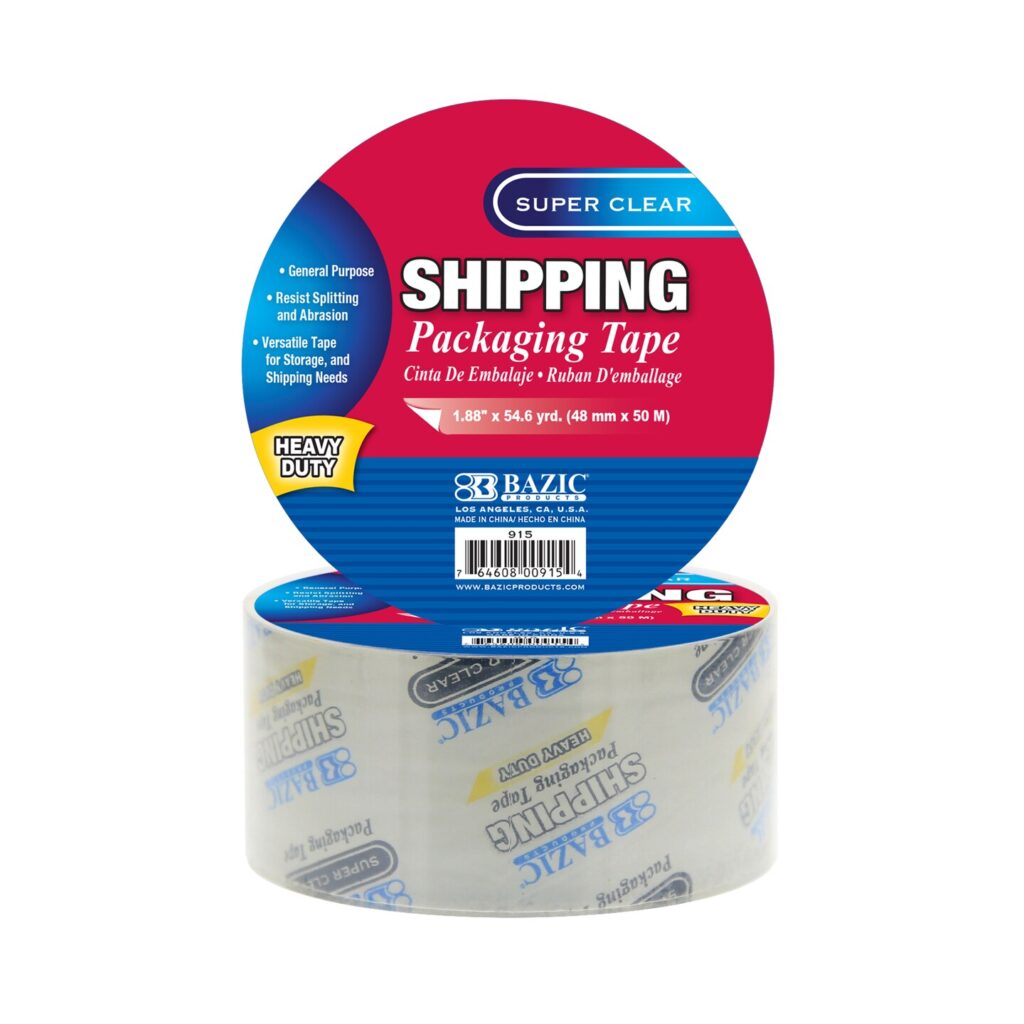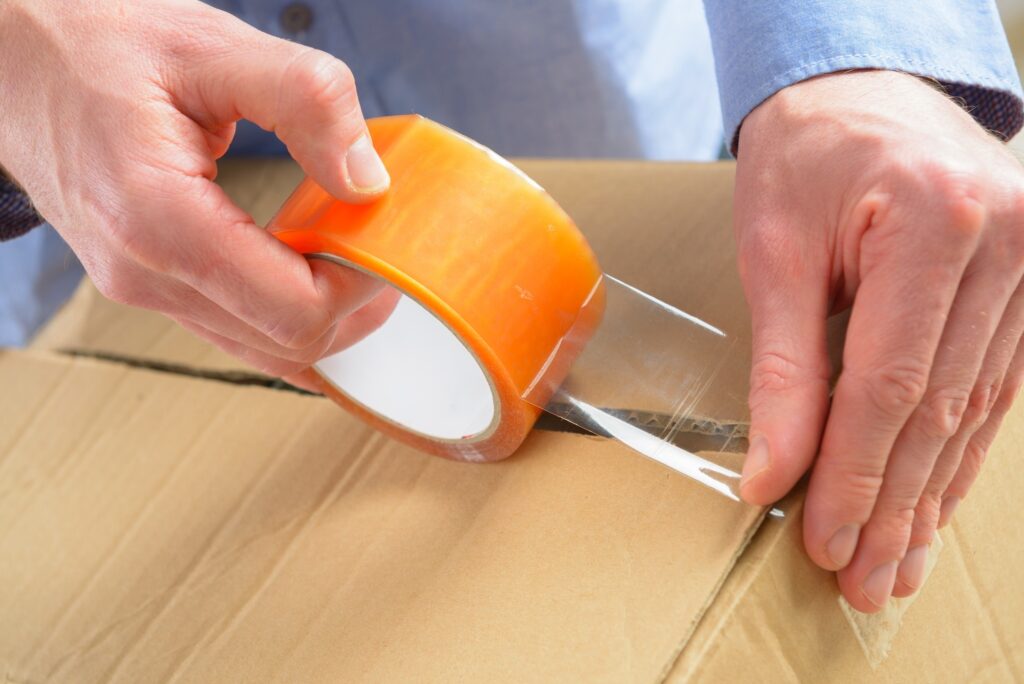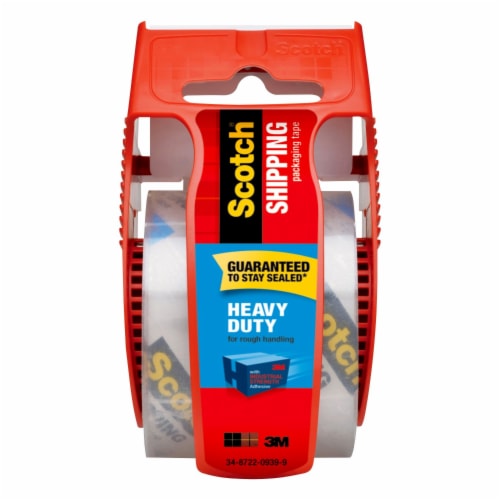
Introduction: Navigating the Global Market for Low noise tape for packaging
Sourcing low-noise tape for packaging operations has become a critical procurement priority for businesses operating in noise-sensitive environments, from bustling e-commerce fulfillment centers in Lagos to hospital supply chains in Ho Chi Minh City. The distinctive screech of conventional packaging tape not only disrupts workplace concentration but can violate increasingly stringent occupational noise regulations across emerging markets. For procurement teams spanning Nigeria to Vietnam, selecting the right adhesive solution requires balancing acoustic performance with tensile strength, regulatory compliance, and supply chain reliability.
What specifications define high-performance low noise packaging tape?
This comprehensive guide examines the technical distinctions between water-based acrylic and hot-melt adhesive systems, exploring thickness variations from standard 2-mil films to heavy-duty options capable of securing 40kg cartons. We analyze optimal applications across retail fulfillment, pharmaceutical distribution, and overnight logistics operations where acoustic comfort directly impacts productivity.
How can international buyers vet suppliers and navigate regional cost variables?
Beyond material specifications, we provide actionable frameworks for evaluating BOPP film manufacturers, assessing MOQ flexibility for emerging market importers, and understanding price volatility factors affecting buyers in South America, the Middle East, and Europe. Whether you’re sourcing for warehouse operations in São Paulo or distribution centers in Dubai, this guide equips you with the technical knowledge and supplier assessment criteria necessary to secure consistent, cost-effective low-noise sealing solutions that meet both performance standards and budgetary constraints.
Understanding Low noise tape for packaging Types and Variations
| タイプ名 | 主な特徴 | 主なB2Bアプリケーション | バイヤーのための簡単な長所と短所 |
|---|---|---|---|
| Standard Clear Low-Noise Tape | BOPP film (1.8–2.2 mil), water-based acrylic adhesive, transparent finish, peel adhesion ~20 oz/in | E-commerce fulfillment, office relocations, retail distribution (up to 20 kg cartons) | Pros: Cost-effective, versatile, excellent clarity; Cons: Limited to light/average loads, temperature sensitive |
| Heavy-Duty Industrial Low-Noise Tape | Thicker BOPP substrate (2.5–3.0 mil), reinforced tensile strength, high peel adhesion (>25 oz/in), temperature resistant | Export shipping, heavy machinery parts, automotive components (40 kg+ cartons) | Pros: Secure heavy loads, durable in transit; Cons: Higher cost per roll, requires compatible dispensers |
| Custom Printed Low-Noise Tape | BOPP base with 1–3 color flexographic printing, maintains <35dB unwind noise, tamper-evident options | Brand authentication, pharmaceutical security, luxury goods unboxing experience | Pros: Marketing value, supply chain security; Cons: Higher MOQs (5,000+ rolls), longer lead times |
| Colored Low-Noise Tape | Pigmented BOPP film (ISO standard safety colors), consistent low-noise unwind, color-coded identification | Warehouse inventory segregation, pharmaceutical temperature zones, export lane identification | Pros: Instant visual sorting, reduces handling errors; Cons: Premium pricing, limited color range vs standard tape |
What distinguishes standard clear low-noise tape from industrial grades?
Standard clear low-noise tape typically features a 1.8–2.2 mil BOPP film carrier with water-based acrylic adhesive, delivering peel adhesion around 20 oz/in and tensile strength suitable for cartons up to 20 kg. This variation suits B2B buyers managing e-commerce fulfillment centers, office relocations, or retail distribution where noise-sensitive environments coexist with moderate packaging demands. When sourcing, verify the unwind decibel rating—quality variants maintain noise below 40dB—and ensure compatibility with manual or semi-automatic dispensers. Additionally, confirm the tape’s performance on recycled corrugated surfaces, as adhesive formulations vary in their ability to bond with high-content recycled board common in sustainable packaging initiatives.
When should procurement teams choose heavy-duty low-noise tape?
Heavy-duty industrial low-noise tape incorporates thicker 2.5–3.0 mil BOPP substrates and enhanced adhesive formulations exceeding 25 oz/in peel strength, designed specifically for cartons weighing 40 kg or more. This type addresses the critical needs of exporters, automotive parts manufacturers, and heavy machinery distributors operating in shared warehouse environments or residential-adjacent logistics hubs where noise restrictions apply. Key purchasing considerations include tensile strength ratings measured in Newtons per centimeter, temperature resistance spanning -10°C to 60°C, and the tape’s ability to maintain quiet unwind under high-tension application. Buyers should also verify dispenser compatibility, as heavy-duty variants may require upgraded cutting mechanisms.
How can custom printed low-noise tape enhance brand security and recognition?
Custom printed low-noise tape combines Biaxially Oriented Polypropylene (BOPP) film with flexographic printing capabilities, allowing 1–3 color logos, barcodes, or warning text while maintaining quiet unwind properties below 35dB. B2B buyers in luxury consumer goods, pharmaceutical distribution, and high-value electronics utilize this variation for tamper-evident branding and supply chain authentication without the disruptive screech associated with standard printed packaging tapes. Procurement teams should request pre-production samples to verify print clarity does not compromise adhesive performance, confirm minimum order quantities typically ranging from 5,000–10,000 rolls, and validate ink durability against rubbing and moisture exposure during international transit.
Why invest in colored low-noise tape for warehouse inventory management?
Colored low-noise tape utilizes pigmented BOPP film in safety-standard colors—red, blue, green, and yellow—to create immediate visual segregation systems in high-volume distribution centers, maintaining noise levels below 40dB during peak operations. This variation enables pharmaceutical companies to identify temperature-controlled shipments, export coordinators to segregate international versus domestic freight, and quality control teams to mark hold or quarantine inventory. Buyers should assess colorfastness under UV exposure to prevent fading during outdoor storage, verify that pigment loading does not reduce adhesive contact surface area, and ensure the specific hue aligns with ISO or industry-standard color codes for immediate recognition by warehouse personnel.
Key Industrial Applications of Low noise tape for packaging
| 業界/セクター | Specific Application of Low noise tape for packaging | ビジネスにとっての価値/利益 | このアプリケーションにおける主な調達上の考慮事項 |
|---|---|---|---|
| E-commerce & 3PL Fulfillment | High-volume carton sealing for night-shift operations in residential-proximate fulfillment centers | Eliminates noise complaints enabling 24/7 operations; improves worker retention; ensures compliance with urban noise ordinances | Verify tensile strength ≥20 oz/in for cartons up to 40kg; confirm compatibility with automated dispensers; negotiate bulk container pricing for high-volume imports |
| Healthcare & Pharmaceutical Distribution | Sealing medical supply cartons and pharmaceutical shipments in hospital warehouses and clinical storage | Maintains <45dB acoustic environments for patient care; prevents contamination risks associated with tape shriek; supports regulatory compliance | Require medical-grade compliance certifications; ensure humidity-resistant water-based acrylic for tropical climates; verify clear optical clarity for content inspection |
| 電子機器製造・組立 | Packaging consumer electronics and micro-components in cleanroom and precision assembly facilities | Prevents electrostatic discharge from friction; eliminates acoustic distraction for precision workers; maintains particulate-free sealing operations | Specify anti-static BOPP formulations; validate consistent unwind quality for automated lines; ensure 2-mil thickness for structural integrity of sensitive shipments |
| Retail & Urban Commercial Warehousing | Back-of-store inventory management and urban distribution center operations in mixed-use commercial zones | Enables early morning/late night restocking without residential disturbance; supports sustainability goals with recycled cardboard compatibility; allows custom branding | Confirm UV resistance for storage near windows; verify adhesion to recycled corrugated materials; evaluate custom printing capabilities for localized branding requirements |
How Does Low Noise Tape Enable 24/7 Fulfillment Operations in Urban Logistics Hubs?
In rapidly urbanizing markets like Nigeria and Vietnam, e-commerce fulfillment centers often operate near residential districts to ensure last-mile efficiency. Standard packaging tape generates high-frequency unwind noise that triggers noise complaints and regulatory penalties, forcing costly operational delays. Low noise tape utilizes specialized water-based acrylic adhesives and precision-wound BOPP film to deliver tensile strength exceeding 20 oz/in while maintaining acoustic levels below 55dB. This allows third-party logistics providers to run night shifts uninterrupted, meeting consumer delivery expectations without violating municipal noise ordinances or disturbing residential communities adjacent to warehouse facilities.
Why Is Acoustic-Controlled Packaging Essential for Pharmaceutical Distribution Networks?
Healthcare facilities across the Middle East and Africa increasingly operate centralized distribution centers within hospital complexes or medical districts where noise pollution directly impacts patient recovery. Traditional tape application creates disruptive shrieking sounds that penetrate storage areas and clinical spaces. Low noise packaging tape eliminates acoustic disturbances during the sealing of medical supplies and pharmaceutical cartons, supporting compliance with healthcare facility noise standards (typically <45dB in patient areas). For buyers sourcing in humid tropical climates, selecting tapes with moisture-resistant acrylic adhesives ensures reliable carton sealing for temperature-sensitive medical shipments without the noise disruption associated with hot-melt alternatives.
What Packaging Solutions Protect Sensitive Electronics Assembly Environments?
Vietnam’s electronics manufacturing sector and similar precision industries require packaging operations that minimize both particulate contamination and acoustic distractions in cleanroom environments. The unwinding process of conventional tape can generate static electricity and audible distraction, risking damage to microelectronic components and reducing worker concentration during precision assembly. Low noise BOPP tapes engineered with anti-static properties provide smooth, quiet release while maintaining the 2-mil thickness and structural integrity needed to secure electrostatic-sensitive devices. This dual protection ensures that packaging stations within manufacturing facilities operate without introducing acoustic stress or particulate disturbance to delicate production lines.
How Can Urban Retail Chains Optimize Early-Hour Restocking Operations?
Modern retail operations in European cities and emerging South American markets frequently utilize urban micro-fulfillment centers and back-of-store warehouses that require early morning inventory replenishment before customer hours. Low noise tape facilitates quiet carton sealing and bundle wrapping during these sensitive hours, preventing disturbance to nearby residents and maintaining positive community relations. The tape’s compatibility with recycled cardboard—common in sustainable retail supply chains—combined with options for custom printed branding, allows retailers to maintain brand visibility while ensuring their logistics operations remain acoustically invisible in densely populated commercial districts.
A stock image related to Low noise tape for packaging.
3 Common User Pain Points for ‘Low noise tape for packaging’ & Their Solutions
Scenario 1: How Can Warehouses Reduce Noise Pollution Without Sacrificing Packaging Efficiency?
問題だ: Distribution centers and fulfillment warehouses located in urban areas across Europe, the Middle East, and South America face increasing scrutiny regarding noise pollution. The high-frequency screech produced when unwinding standard BOPP packaging tape creates cumulative acoustic stress that exceeds municipal decibel limits, particularly in facilities operating 24/7 near residential zones. This noise disrupts team communication, contributes to worker fatigue, and can trigger regulatory fines or operational restrictions in noise-sensitive environments like pharmaceutical distribution centers or luxury goods fulfillment hubs.
解決策 Deploy low-noise packaging tape engineered with specialized unwind coatings that reduce acoustic output by up to 50% compared to conventional acrylic tapes
Strategic Material Selection Guide for Low noise tape for packaging
Selecting the appropriate substrate for low-noise packaging tape requires balancing acoustic performance, tensile requirements, and supply chain resilience across diverse climates. For procurement teams operating from the humid logistics hubs of Lagos and Ho Chi Minh City to the regulated distribution centers of Frankfurt and São Paulo, material specifications directly impact operational efficiency, customs compliance, and total cost of ownership.
Which carrier material delivers optimal acoustic dampening for high-volume fulfillment centers?
Biaxially Oriented Polypropylene (BOPP) film represents the dominant substrate in the low-noise tape sector, typically paired with specialized water-based acrylic adhesives formulated to minimize unwind decibel levels. This combination delivers the tensile strength necessary for sealing cartons up to 40 kilograms while maintaining the quiet release essential for 24/7 e-commerce operations. The molecular orientation process creates a rigid, dimensionally stable carrier that resists elongation under stress, making it particularly suitable for automated carton sealing machines where consistent unwind tension prevents line stoppages. However, buyers must explicitly specify low-noise adhesive formulations, as standard BOPP tapes can generate significant screech during application. While BOPP offers excellent moisture resistance for tropical African and Southeast Asian climates, its inherent rigidity limits conformability on irregular surfaces or heavily recycled corrugated boards common in emerging markets.
Is PVC film substrate justified for premium noise-sensitive packaging applications?
Polyvinyl Chloride (PVC) film serves as the premium alternative for environments where acoustic comfort outweighs material unit costs, such as luxury retail distribution, hospital pharmacies, and corporate office mailrooms throughout Europe and the Middle East. Unlike BOPP, PVC possesses inherent plasticizer flexibility that eliminates the “screech” phenomenon without requiring specialized adhesive modifications, providing consistent quiet release across temperature variations from air-conditioned Dubai warehouses to cooler European climates. The material’s superior conformability ensures reliable seals on textured or irregular carton surfaces where rigid films might bridge and fail. Procurement teams should note that PVC carries significantly higher per-unit costs and presents end-of-life disposal challenges in regions with strict plastic regulations. Additionally, PVC tapes typically exhibit lower tensile strength than BOPP equivalents, generally restricting their use to lightweight cartons under 25 kilograms.
How does reinforced kraft paper compare to polypropylene films for sustainable quiet sealing?
Reinforced kraft paper tape offers a biodegradable low-noise solution increasingly favored by exporters targeting EU sustainability mandates and eco-conscious markets in South America and Africa. The fibrous cellulose structure produces virtually zero noise during manual application and removal, while water-activated or pressure-sensitive adhesive systems create tamper-evident bonds that enhance shipment security. This material integrates seamlessly with cardboard recycling streams, eliminating the contamination issues associated with plastic films and appealing to brands with circular economy commitments. However, procurement teams must account for critical limitations: kraft tape exhibits high moisture absorption rates that compromise adhesion in humid climates like coastal Nigeria or Vietnamese monsoon seasons, and its tensile strength—while improved through fiberglass reinforcement—rarely matches BOPP capabilities for heavy industrial loads. Storage requires climate-controlled warehousing to prevent premature adhesive degradation.
| 素材 | Typical Use Case for Low noise tape for packaging | 主な利点 | 主な欠点/制限 | 相対コスト |
|---|---|---|---|---|
| BOPP Film | High-volume e-commerce fulfillment, general carton sealing (up to 40kg) | Superior tensile strength and cost efficiency | Requires specialized acrylic formulation; less conformable | Low-Moderate |
| PVC Film | Luxury retail, healthcare facilities, office environments | Inherently quiet unwind; excellent surface conformity | Higher |
A stock image related to Low noise tape for packaging.
In-depth Look: Manufacturing Processes and Quality Assurance for Low noise tape for packaging
Understanding the manufacturing intricacies behind low-noise packaging tape empowers procurement teams to evaluate suppliers beyond surface-level specifications. For operations in noise-sensitive environments—ranging from Nigerian e-commerce fulfillment centers to European pharmaceutical warehouses—the consistency of tape performance directly impacts worker comfort and operational efficiency. This analysis examines the production methodologies and quality protocols that separate commodity-grade products from industrial-strength solutions suitable for demanding B2B applications.
How Is Low-Noise Packaging Tape Engineered for Silent Unwind?
The manufacturing process begins with biaxially oriented polypropylene (BOPP) film production, where polymer pellets undergo extrusion and stretching in both machine and transverse directions. This biaxial orientation creates a molecular structure that provides the high tensile strength necessary for securing cartons up to 40 kilograms while maintaining the thin profile—typically 1.8 to 2.2 mils (0.045–0.055mm)—essential for cost-effective shipping.
The critical noise-reduction characteristic emerges during the adhesive coating phase. Manufacturers apply specialized water-based acrylic formulations containing optimized tackifier resins and wetting agents that minimize the “zipper effect” during unwinding. Unlike standard hot-melt adhesives that create friction against the film backing, these acrylic systems cure into a viscoelastic layer that releases smoothly from the BOPP surface. Precision coating heads maintain adhesive thickness within ±0.5-micron tolerances, ensuring uniform cling force across the entire roll that prevents the squeaking associated with uneven glue distribution.
Slitting and winding operations employ computerized tension control systems that calibrate roll hardness to specific decibel parameters. Excessive winding tension creates interlayer adhesion that generates noise during dispensing, while insufficient tension causes telescoping during transit. Leading facilities utilize acoustic testing chambers during the winding phase to verify that each master roll produces sound levels below 60 decibels during high-speed unwinding.
What Raw Material Specifications Determine Tape Performance?
B2B buyers should scrutinize the BOPP film’s orientation ratio and crystallinity, as these molecular characteristics dictate the tape’s resistance to elongation under load. Premium-grade tapes utilize films with 8:1 orientation ratios, providing the dimensional stability required for automated carton sealing machinery in high-throughput Vietnamese manufacturing plants or Middle Eastern logistics hubs.
The adhesive’s solids content—typically 55–65% for water-based acrylics—directly correlates with initial tack and long-term holding power. Suppliers utilizing advanced emulsion polymerization techniques achieve higher solids without viscosity increases, resulting in cleaner application and reduced ooze during storage in tropical climates. Additionally, the release coating applied to the non-adhesive side of the BOPP film requires silicone-based formulations with specific cure profiles to balance easy unwind with sufficient friction for dispenser grip.
Which Quality Control Tests Ensure Consistent Low-Noise Performance?
Reputable manufacturers implement multi-stage testing protocols that extend beyond standard peel adhesion measurements. While ASTM D3330 peel adhesion testing (measuring force in ounces per inch) verifies the 18–24 oz/in holding strength suitable for standard corrugated boxes, specific acoustic validation distinguishes genuine low-noise products.
Noise level assessment involves unwinding samples at 150 meters per minute through sound-isolated chambers equipped with decibel meters positioned at standard operator ear height. Consistent readings below 55 decibels indicate compliance with workplace noise regulations prevalent in European Union manufacturing directives. Additionally, dynamic shear testing (ASTM D3654) evaluates the adhesive’s resistance to slippage under constant load, critical for palletized goods experiencing vibration during trans-African shipping routes.
Environmental stress screening includes 72-hour humidity exposure at 85% relative humidity and tropical temperature cycling (40°C to 10°C) to verify that the acrylic adhesive maintains noise-reduction properties across climate variations encountered in South American or Southeast Asian supply chains.
How Do Manufacturers Maintain Batch Consistency for International Shipments?
Statistical Process Control (SPC) systems monitor coating thickness, adhesive weight, and unwind force in real-time during production runs exceeding 10,000 rolls. These automated systems flag deviations before entire batches require rejection, ensuring that Nigerian distributors receive product matching the specifications approved by European quality auditors six months prior.
Climate-controlled warehousing prevents pre-application degradation, with relative humidity maintained below 60% to prevent moisture absorption that could alter the acrylic’s viscoelastic properties. For buyers in regions with inconsistent power infrastructure, manufacturers increasingly utilize vacuum-sealed master packaging with desiccant inserts that preserve adhesive integrity during extended ocean freight transits.
What Certifications Should B2B Buyers Verify for Compliance?
Beyond ISO 9001 quality management systems, procurement teams should demand RoHS and REACH compliance documentation for European markets, confirming the absence of restricted heavy metals and phthalates in adhesive formulations. For food packaging applications common in Middle Eastern markets, FDA 21 CFR 175.105 or EU 10/2011 food contact certifications verify that tape components won’t migrate into packaged goods.
GCC conformity marks indicate suitability for Gulf Cooperation Council countries, while CE marking (where applicable) demonstrates compliance with EU machinery directive safety standards for automated dispensing equipment. Requesting batch-specific Certificate of Analysis (CoA) documents provides traceability to raw material lots and testing dates, essential for quality audits in regulated industries.
By evaluating suppliers against these manufacturing and quality benchmarks, international buyers secure low-noise tape solutions that deliver measurable acoustic benefits while maintaining the seal integrity required for diverse climatic and logistical challenges across global supply chains.
Practical Sourcing Guide: A Step-by-Step Checklist for ‘Low noise tape for packaging’
Procuring low-noise packaging tape requires balancing acoustic performance with structural reliability. For B2B buyers operating in noise-sensitive environments—such as pharmaceutical facilities, luxury retail fulfillment centers, or residential-adjacent warehouses—selecting the right supplier involves verifying technical specifications beyond marketing claims. This checklist provides actionable criteria to evaluate material composition, load capacity, and regional supply chain capabilities specific to quiet-release adhesive technologies.
1. How Do You Verify Decibel Ratings and Acoustic Performance Standards?
Request specific decibel level documentation from manufacturers, as “low noise” lacks universal industry standardization. Quality suppliers should provide unwind noise measurements below 60-65 dB, comparable to normal conversation levels. Ask for video evidence or samples demonstrating the tape’s performance on standard dispensers, particularly if your operations require overnight or residential-area packaging where noise restrictions apply.
2. What Material Specifications Ensure Silent Unwind Without Compromising Adhesion?
Verify that the tape utilizes biaxially oriented polypropylene (BOPP) film carriers paired with water-based acrylic adhesives, which minimize the “squeal” associated with solvent-based alternatives. Confirm the total thickness measures approximately 2.0 mils (0.05mm) for optimal balance between quiet handling and tensile strength. Avoid tapes using rubber-based adhesives unless specifically formulated for noise reduction, as these often generate higher friction sounds during application.
3. How Should You Match Tape Tensile Strength to Your Logistics Requirements?
Assess your carton weight categories before specifying tape strength. For shipments under 40 kilograms (88 pounds), standard low-noise BOPP tapes with 20+ oz/in peel adhesion provide sufficient holding power. Heavy-duty applications exceeding this threshold require reinforced filaments or double-layer sealing strategies. Request technical data sheets showing elongation percentages—quality low-noise tapes should maintain structural integrity without stretching excessively during quiet release.
4. Which Customization Options Maintain Acoustic Performance While Supporting Brand Visibility?
Explore custom printing capabilities that don’t compromise the tape’s noise-reduction properties. Water-based acrylic formulations typically accept one-color or multi-color branding while maintaining smooth unwind characteristics. Specify that printed layers must integrate within the adhesive system rather than surface coatings, which can increase friction noise. Verify that custom orders retain the same decibel ratings as standard clear variants through sample testing before bulk commitment.
5. How Do You Evaluate Supplier Logistics for International B2B Procurement?
Analyze minimum order quantities (MOQs) and regional warehousing capabilities, particularly for buyers in Nigeria, Vietnam, or Brazil where import logistics complexity varies. Reliable suppliers should offer tiered pricing starting at 36-roll quantities with progressive discounts at 108+ and 181+ carton levels. Confirm compliance with regional adhesive chemical regulations and verify that humidity-resistant formulations suit tropical climates without losing quiet-unwind properties.
6. What Quality Certifications Indicate Reliable Low-Noise Formulations?
Request ISO 9001 quality management certifications and specific acoustic testing documentation. Verify that water-based acrylic adhesives meet regional environmental standards such as REACH (Europe) or equivalent VOC emission controls in your target markets. Reputable manufacturers should provide batch consistency guarantees and sample retention policies, ensuring that subsequent orders match the acoustic performance of initial qualification samples.
A stock image related to Low noise tape for packaging.
Comprehensive Cost and Pricing Analysis for Low noise tape for packaging Sourcing
Understanding the cost structure of low-noise packaging tape requires looking beyond sticker prices to material specifications, volume commitments, and logistics complexities. For procurement teams in emerging markets like Nigeria and Vietnam, strategic sourcing decisions can reduce per-unit costs by 30% or more while ensuring acoustic performance standards meet warehouse operational requirements.
What Raw Material Specifications Drive Cost Variations in Low-Noise Tape?
Low-noise packaging tape typically utilizes BOPP (biaxially oriented polypropylene) film carriers with water-based acrylic adhesives, but quality gradients significantly impact pricing. Standard 2-mil thickness configurations offer optimal cost-efficiency for cartons up to 40kg, while thicker variants or specialized low-decibel formulations command premiums of 15-20%. The acoustic dampening properties depend on specialized release coatings and precision film tension control during manufacturing—features that separate commodity-grade products from premium industrial solutions. Buyers should verify whether quoted prices reflect virgin BOPP resins versus recycled content, as this affects both noise reduction consistency and adhesive longevity in varying climates.
How Do Volume Tiers and MOQs Affect Your Procurement Economics?
Quantity breaks represent the most immediate lever for cost reduction, with tiered pricing structures commonly offering 15-33% discounts at scale. For instance, moving from small pilot orders (1-35 units) to full container loads (181+ units) can reduce per-roll costs from approximately $3.17 to $2.11, based on standard industrial benchmarks. However, international buyers must balance these savings against inventory carrying costs and currency fluctuation risks. Manufacturers often require minimum order quantities (MOQs) of 5,000-10,000 rolls for custom printed low-noise tape, whereas stock products may start at 1,000 rolls. Consolidating shipments to achieve weight breaks on freight can further amplify these unit cost advantages.
Should You Source Low-Noise Tape from Chinese Manufacturers or Regional Distributors?
Geography fundamentally shapes your total landed cost. Direct sourcing from Chinese manufacturers—where the majority of BOPP film production occurs—offers unit prices 20-40% below Western equivalents, but requires navigating 30-45 day lead times and import duty complexities. For African and Middle Eastern markets, establishing relationships with regional distributors may incur higher per-unit costs but eliminates customs clearance uncertainties and provides local technical support. European buyers often face a different calculus, where proximity sourcing reduces carbon footprint compliance costs despite higher manufacturing wages, while South American operations might benefit from Mercosur trade agreements when sourcing from specific regional hubs.
What Hidden Costs Should B2B Buyers Factor Into Total Cost of Ownership?
Beyond the quoted FOB price, comprehensive budgeting must include sea freight fluctuations (currently volatile on Asia-Africa and Asia-South America routes), import duties ranging from 5-25% depending on HS code classification, and warehousing expenses for bulk inventory. Additionally, low-noise tape requires climate-controlled storage to prevent adhesive degradation in humid tropical environments—a critical consideration for Nigerian or Vietnamese operations. Quality assurance costs, including third-party acoustic testing and peel adhesion verification (targeting 20+ oz/in standards), should be allocated in initial procurement cycles to avoid costly application failures or noise complaints that disrupt fulfillment center operations.
Alternatives Analysis: Comparing Low noise tape for packaging With Other Solutions
When evaluating sealing solutions for distribution centers and manufacturing facilities, procurement teams must weigh acoustic comfort against operational efficiency and material costs. While low-noise packaging tape addresses specific workplace safety and productivity concerns, understanding how it stacks against conventional alternatives ensures optimal specification for diverse logistical environments. This analysis examines two primary substitutes: standard BOPP acrylic tape—ubiquitous in global supply chains—and water-activated reinforced kraft tape, an increasingly preferred option for security-conscious and sustainable operations.
| 比較の側面 | Low Noise Tape for Packaging | Standard BOPP Packaging Tape | Water-Activated Kraft Tape |
|---|---|---|---|
| Noise Level | <50 dB (whisper-quiet unwind) | 65-75 dB (high-pitch screech) | Minimal (no unwind noise) |
| Material Cost | Moderate (premium 15-25% over standard) | Low (baseline commodity pricing) | Higher (paper + reinforcement fibers) |
| アプリケーション・スピード | High (instant tack, handheld dispensers) | High (instant tack, handheld dispensers) | Moderate (requires water activation, 30-60s set time) |
| Seal Security | Moderate (peelable) | Moderate (peelable) | High (bonds to carton fibers, tamper-evident) |
| Equipment Required | Standard manual or electric dispensers | Standard manual or electric dispensers | Specialized water dispensers (electric/manual) |
| Environmental Profile | Plastic-based, recyclable with film | Plastic-based, recyclable with film | Biodegradable, renewable paper-based materials |
| 耐荷重 | Up to 40 kg (88 lbs) per seal | Up to 40 kg (88 lbs) per seal | 50+ kg (heavy-duty reinforcement available) |
| ベスト・ユースケース | Office-adjacent warehouses, night shifts, noise-restricted zones | General purpose, cost-sensitive high-volume operations | E-commerce, high-value goods, eco-mandate compliance |
How Does Standard BOPP Packaging Tape Compare for Cost-Sensitive Operations?
Standard biaxially oriented polypropylene (BOPP) packaging tape represents the baseline alternative that dominates emerging markets across Africa, Southeast Asia, and Latin America due to its commodity pricing and universal availability. While functionally identical in tensile strength and adhesion to its low-noise counterpart—typically utilizing similar 2-mil thicknesses and water-based acrylic adhesives—this conventional option produces significant acoustic pollution during unwind, often exceeding 65 decibels. For facilities operating in industrial zones without noise restrictions or running single-shift operations, the cost differential of 15-25% savings per roll may justify the auditory trade-off. However, buyers should calculate hidden productivity costs: sustained exposure to high-frequency tape screech correlates with reduced packing speeds and increased error rates in manual handling environments. This alternative suits high-volume exporters prioritizing unit economics over workplace acoustic management, particularly for shipments under 40kg where standard tape’s holding capacity remains sufficient.
Is Water-Activated Kraft Tape the Superior Alternative for Security and Sustainability?
Water-activated tape (WAT), commonly referred to as gummed or reinforced kraft tape, presents a paradigm shift from pressure-sensitive films, offering distinct advantages for B2B buyers navigating Europe’s packaging waste regulations or Middle Eastern sustainability mandates. Unlike low-noise BOPP options, WAT forms a permanent molecular bond with corrugated fibers, creating tamper-evident seals that reveal intrusion attempts through visible fiber tear—critical for high-value electronics and pharmaceutical shipments. The material eliminates plastic entirely, addressing Extended Producer Responsibility (EPR) compliance in jurisdictions like Nigeria and Vietnam where environmental scrutiny intensifies. However, implementation requires capital investment in electric water dispensers and retraining packing staff on activation protocols, slowing throughput by approximately 20-30% compared to instant-tack solutions. While the per-meter cost runs higher than acrylic tapes, the elimination of “over-taping” practices—common with plastic alternatives to achieve security—often results in comparable total cost of ownership for operations shipping goods exceeding 88 pounds or requiring climate-resistant seals that withstand extreme humidity variations common in South American and African logistics corridors.
Essential Technical Properties and Trade Terminology for Low noise tape for packaging
When procuring low-noise packaging tape for noise-sensitive logistics operations or high-volume export facilities, precise technical literacy ensures you specify products that perform reliably across diverse climates and handling conditions. The following specifications and terminology provide essential evaluation criteria for international B2B procurement.
What Technical Specifications Define Export-Grade Low-Noise Tape?
Unwind Noise Level (Acoustic Rating)
The defining characteristic is acoustic output during application, measured in decibels (dB). Premium low-noise formulations generate under 50 dB—comparable to office ambient noise—versus standard tapes exceeding 70 dB. This reduction results from specialized adhesive cohesion and release coating technologies that minimize friction between tape layers during unwind, critical for maintaining workplace noise compliance in European and Middle Eastern distribution centers.
Carrier Material and Caliper (BOPP Specifications)
The backing utilizes biaxially oriented polypropylene (BOPP) film, typically 25–30 microns (1.0–1.2 mils) thick. High-grade carriers feature balanced biaxial orientation, providing 30–40 N/cm tensile strength to prevent splitting during high-speed application while maintaining conformability to corrugated board surfaces common in West African and Southeast Asian export packaging.
Adhesive Coating Weight (Peel Adhesion)
Water-based acrylic adhesives dominate this category, offering quiet release properties. Critical metrics include coating weight (20–25 gsm) and peel adhesion values of 18–22 oz/in (5.0–6.2 N/25mm). These specifications ensure secure seals on cartons up to 40kg without adhesive transfer or edge lifting during the temperature fluctuations encountered in intercontinental shipping containers.
Total Thickness and Elongation
Total caliper (film plus adhesive) ranges 45–55 microns (1.8–2.2 mils). Elongation at break—typically 150–180%—indicates stretch capacity before rupture, accommodating carton expansion during transit and preventing seal failure in humid conditions common in tropical export markets like Nigeria or Vietnam.
Which Trade Terms Are Critical for International Low-Noise Tape Sourcing?
“Silent Unwind” vs. “Low Noise”
These marketing descriptors lack standardization. “Silent” typically indicates premium acoustic dampening (under 45 dB), while “low noise” suggests moderate reduction (50–60 dB). Always request specific decibel ratings rather than relying on subjective terminology to ensure compliance with facility noise regulations.
Peel Adhesion (180° Measurement)
This standard test measures force required to remove tape from substrate at 180 degrees, reported in oz/in or N/25mm. Specifications below 15 oz/in risk seal failure on heavy cartons, while excessive adhesion causes fiber tear upon opening—a critical consideration for reusable packaging systems in circular economies.
Hot Melt vs. Acrylic Systems
Hot melt rubber adhesives provide aggressive tack but generate high unwind noise. Acrylic systems deliver the quiet release essential for this category, with superior UV and aging resistance critical for long-term storage in Middle Eastern and African climates where temperatures exceed 40°C.
Micron/Mil Conversion
International suppliers use microns (metric), while North American manufacturers use mils (1 mil = 25.4 microns). A specification of “2 mil” equals approximately 50.8 microns total thickness. Clarify measurement units to avoid receiving under-specified product that compromises seal integrity.
Release Coating Optimization
This refers to the silicone treatment on the film’s non-adhesive side facilitating quiet unwinding. Optimized coatings prevent “telescoping” (lateral shifting of tape layers) and adhesive bleed while maintaining consistent unwind tension across varying humidity levels prevalent in South American logistics corridors.
Carton Weight Classification
Industry classifications include “light-duty” (under 15kg), “medium-duty” (15–40kg), and “heavy-duty” (over 40kg). Low-noise tapes rated for heavy-duty applications require enhanced tensile strength and specific adhesive wet-out properties to maintain silent performance under structural stress without box failure.
Navigating Market Dynamics and Sourcing Trends in the Low noise tape for packaging Sector
The low-noise packaging tape sector is experiencing significant transformation as industrial noise regulations tighten across European logistics hubs and Middle Eastern distribution centers. Characterized by BOPP (biaxially oriented polypropylene) film carriers and specialized water-based acrylic adhesives engineered to minimize unwind decibel levels, these solutions address critical workplace safety requirements while maintaining sealing integrity. For procurement teams in Nigeria, Vietnam, and emerging South American markets, understanding the intersection of technical specifications—such as the industry-standard 2-mil thickness and 20 oz/in peel adhesion rates—with regional supply chain dynamics is essential for optimizing both operational costs and compliance outcomes.
What Are the Emerging Trends Reshaping Low-Noise Tape Procurement?
The acceleration of e-commerce fulfillment and 24/7 warehouse operations has intensified global demand for silent sealing solutions that reduce ambient noise pollution without compromising performance. Contemporary low-noise tapes now deliver enhanced tensile strength capable of securing cartons up to 40 kilograms while maintaining acoustic levels significantly below conventional polypropylene alternatives. This technical evolution coincides with growing demand for value-added customization; suppliers increasingly offer multi-color printing capabilities on low-noise substrates, enabling brand visibility and handling instructions without sacrificing the acoustic benefits critical for retail distribution centers, pharmaceutical facilities, and residential delivery operations.
Regional market analysis reveals distinct procurement patterns shaped by local regulatory environments. European buyers prioritize products with verified acoustic performance metrics and CE compliance, while Middle Eastern logistics operators emphasize UV-stable formulations capable of withstanding extreme temperature fluctuations in climate-challenged storage environments. Conversely, African markets and Vietnamese manufacturing exporters focus on strategic volume procurement, leveraging tiered pricing structures that reduce per-unit costs by 15-33% at quantities exceeding 100 rolls. These regional nuances necessitate tailored sourcing strategies that align product specifications with local operational conditions and import tariff structures.
How Are Volume-Based Sourcing Strategies Transforming Global Supply Chains?
Procurement economics in the low-noise tape sector increasingly favor consolidated purchasing agreements and container-load efficiencies. While North American suppliers typically command premium pricing for rapid-turnaround orders with robust quality certifications, Asian manufacturing centers offer competitive unit economics for high-volume commitments, making them attractive partners for Nigerian distributors and South American wholesalers building regional inventory. Successful B2B buyers negotiate flexible MOQ arrangements that balance upfront capital expenditure against per-roll savings, particularly when sourcing custom-printed variants requiring plate costs and setup fees.
Why Should International Buyers Prioritize Sustainable Adhesive Technologies?
Environmental compliance has transitioned from preference to prerequisite, particularly for buyers serving European markets governed by stringent REACH regulations and packaging waste directives. The industry-wide shift toward water-based acrylic adhesives eliminates volatile organic compound (VOC) emissions associated with legacy solvent-based formulations, significantly reducing both environmental impact and workplace air quality concerns in high-volume sealing operations. This transition aligns with corporate sustainability mandates increasingly prevalent among Middle Eastern and African multinational corporations seeking to maintain export eligibility and green building certifications.
What Ethical Sourcing Standards Ensure Supply Chain Integrity?
Responsible procurement necessitates rigorous verification of manufacturing practices extending beyond product performance metrics. Discerning B2B buyers now require comprehensive factory audit certifications, including ISO 9001 quality management and ISO 14001 environmental management systems, to ensure ethical production conditions and consistent adhesive formulation integrity. For emerging market importers in Vietnam and Nigeria, establishing direct relationships with BOPP film manufacturers—rather than opaque trading intermediaries—ensures traceability of raw materials, prevents counterfeit products that compromise sealing performance, and guarantees compliance with international packaging safety standards.
How Can Procurement Teams Align with Circular Economy Principles?
End-of-life disposal strategies increasingly influence purchasing decisions as extended producer responsibility (EPR) regulations expand globally. While BOPP-based low-noise tapes offer superior tensile strength and clarity, their polypropylene composition requires specialized recycling streams distinct from paperboard waste. Progressive suppliers now provide technical documentation outlining recyclability protocols and exploring bio-based acrylic alternatives with reduced carbon footprints. For high-volume users, negotiating supplier-led take-back programs or selecting partners with established chemical recycling capabilities demonstrates environmental stewardship while future-proofing operations against impending regulatory shifts in target export markets.
By integrating these market insights with sustainability imperatives, procurement professionals can secure low-noise tape supplies that enhance operational efficiency while meeting the ethical and environmental standards demanded by contemporary global commerce.
Frequently Asked Questions (FAQs) for B2B Buyers of Low noise tape for packaging
What Is Low Noise Packaging Tape and How Does It Differ from Standard BOPP Tape?
1. What is low noise tape for packaging?
Low noise packaging tape is a specialized BOPP (Biaxially Oriented Polypropylene) film tape coated with water-based acrylic adhesive, engineered specifically to minimize unwind
重要な免責事項および利用規約
⚠️ 重要な免責事項
メーカー、技術仕様、市場分析に関する内容を含め、本ガイドラインで提供される情報は、情報提供と教育目的のみのものです。専門的な調達アドバイス、財務アドバイス、または法的アドバイスを提供するものではありません。.
B2Bバイヤーは、独自の徹底的なデューデリジェンスを行う必要がある。 をご覧の上、ご購入をお決めください。本ガイドに記載された情報を信頼した場合のリスクは、読者が単独で負うものとします。.
Top 2 Low Noise Tape For Packaging Manufacturers & Suppliers List
1. ProLoc – Low-Noise Packing Tape

ドメイン globepackaging.co.uk
Registered: 2009 (17 years)
はじめに Low-noise packing tape (ProLoc brand) featuring acrylic adhesive that produces significantly lower noise levels than standard tapes during dispensing. Available in three colors: brown (for shipping security), clear (for retail appeal), and white (for custom branding). Offers excellent adhesion on various surfaces while reducing workplace disruption and productivity loss associated with noisy tape….
2. Nitto El Material – Packaging OPP tape (EZ dampron)
ドメイン us.metoree.com
登録:2020年(6年)
はじめに This company, Nitto El Material – Packaging OPP tape (EZ dampron), is a notable entity in the market.
Strategic Sourcing Conclusion and Outlook for Low noise tape for packaging
How Can Procurement Teams Optimize Long-Term Value in Low-Noise Tape Sourcing?
As workplace noise regulations tighten globally, low-noise packaging tape has transitioned from a niche convenience to a strategic operational requirement. Forward-thinking buyers should standardize specifications around BOPP film carriers with water-based acrylic adhesives, ensuring consistent 2-mil thickness and peel adhesion ratings above 20 oz/in for reliable performance on cartons up to 40kg. This technical foundation guarantees compatibility across light-duty to average-weight packaging applications while maintaining the quiet unwind characteristics essential for distribution centers and retail backrooms.
When evaluating suppliers across Africa, South America, the Middle East, and Europe, prioritize partners offering scalable volume discounts and custom printing capabilities to support brand consistency. Request samples to verify acoustic performance in your specific climate conditions, as humidity and temperature variations can affect adhesive behavior. The most resilient sourcing strategies involve diversifying between established manufacturers and regional distributors who provide localized technical support and multilingual documentation—critical factors for minimizing supply chain disruptions in emerging markets.
Looking ahead, anticipate converging trends toward sustainable adhesives and enhanced tensile strength formulations that maintain acoustic benefits while supporting heavier loads. By locking in specifications that balance immediate noise-reduction needs with future sustainability mandates, procurement teams can secure competitive advantages while ensuring compliance with evolving international workplace safety standards.