Introduction: Navigating the Global Market for Waterproof masking tape
Sourcing waterproof masking tape for demanding industrial environments presents unique challenges for procurement teams operating across diverse climates and regulatory landscapes. Whether you’re managing construction projects in Nigeria’s humid regions, automotive manufacturing in Vietnam, or marine applications in European ports, the stakes for adhesive failure extend far beyond minor inconveniences—compromised seals can halt production lines, damage valuable substrates, and inflate operational costs. For international buyers navigating fragmented supply chains, the gap between standard masking solutions and truly waterproof industrial-grade alternatives often translates into significant financial risk and project delays.
Why is reliable waterproof masking tape essential for global B2B operations?
The global marketplace demands masking solutions that withstand not only moisture and precipitation but also extreme temperature fluctuations and chemical exposures common in industrial settings. For buyers in South America and the Middle East, where supply chain reliability varies significantly, understanding material specifications—from polyethylene backings to acrylic adhesive formulations—becomes critical for maintaining quality standards across distributed manufacturing networks. Unlike conventional tapes that degrade under wet conditions, professional-grade waterproof variants maintain adhesion during wet grinding processes, outdoor construction phases, and high-humidity storage environments prevalent in African and Southeast Asian markets.
What comprehensive insights does this procurement guide provide?
This guide delivers actionable intelligence on selecting optimal tape specifications for specific applications, from temporary surface protection in precision manufacturing to long-term outdoor masking in infrastructure projects. You’ll discover methodologies for vetting international suppliers, navigating import compliance across African and European markets, and calculating total cost of ownership beyond unit pricing. We examine material innovations, adhesion testing protocols, regional availability patterns, and bulk procurement strategies that directly impact your operational efficiency.
By mastering these selection criteria and supply chain dynamics, you’ll transform waterproof masking tape from a commodity purchase into a strategic asset that enhances operational reliability, reduces rework expenses, and ensures project continuity regardless of environmental conditions.
Understanding Waterproof masking tape Types and Variations
| タイプ名 | 主な特徴 | 主なB2Bアプリケーション | バイヤーのための簡単な長所と短所 |
|---|---|---|---|
| Poly-Coated Crepe Paper Waterproof Masking Tape | Crepe paper saturated with water-resistant resins; polyethylene backing or coating; UV-stabilized adhesive systems | Exterior painting in tropical climates (e.g., Nigeria, Vietnam); concrete curing; automotive refinishing; stucco and masonry masking | Pros: Cost-effective for large-scale projects; highly conformable to irregular surfaces. Cons: Limited repositionability; risk of adhesive residue if exposed beyond specified duration. |
| Precision Washi/Flatback Waterproof Masking Tape | Ultra-thin rice paper or flatback construction; repositionable acrylic adhesive; residue-free removal; maintains tack when wet | Glass grinding and lapidary work; electronics assembly; semiconductor processing; delicate surface masking during wet operations | Pros: Clean removal prevents surface damage; allows multiple repositionings; thin profile prevents interference. Cons: Lower tensile strength than synthetic alternatives; premium pricing impacts bulk procurement budgets. |
| Heavy-Duty Vinyl Waterproof Masking Tape | PVC or polyvinyl chloride film backing; aggressive rubber-based adhesive; high resistance to saltwater, UV, and temperature fluctuations | Marine maintenance and shipyards; offshore oil infrastructure; outdoor industrial signage; HVAC duct sealing in humid environments | Pros: Superior weather resistance for 30+ day outdoor exposure; excellent durability under mechanical stress. Cons: Less conformable to complex curves than paper tapes; potential for adhesive transfer on porous substrates. |
| Double-Sided Waterproof Masking Tape | Waterproof carrier (tissue, film, or scrim) with adhesive coating on both sides; resistant to water whitening and humidity | Bonding components during wet grinding processes; splicing in humid manufacturing environments; temporary fixture holding for stone/polishing industries | Pros: Creates invisible seams and strong bonds without mechanical fasteners; suitable for submerged applications. Cons: Minimal repositionability once applied; requires precise initial placement to avoid production delays. |
What is Poly-Coated Crepe Paper Waterproof Masking Tape and When Should Buyers Specify It?
Poly-coated crepe paper waterproof masking tape represents the industrial standard for B2B procurement teams managing construction and automotive projects in high-humidity regions. Manufactured by impregnating crepe paper with water-resistant resins and laminating it with polyethylene, this type delivers reliable adhesion during exterior painting and concrete curing in monsoon-prone climates. Buyers should prioritize specifications indicating UV stabilization and 14-day clean removal guarantees to prevent costly surface damage on premium substrates. Its superior conformability to irregular masonry and stucco surfaces makes it particularly valuable for infrastructure developments across Africa and Southeast Asia where weather resistance must balance with application flexibility.
How Does Precision Washi Waterproof Masking Tape Support Delicate Manufacturing Processes?
Precision washi or flatback waterproof masking tape addresses specialized requirements in glassworking, electronics assembly, and precision manufacturing where residue-free removal is non-negotiable. Unlike traditional paper tapes, this variation utilizes ultra-thin profiles with repositionable acrylic adhesives that maintain tack even when submerged in cooling fluids or grinding slurries, making it ideal for lapidary work and semiconductor processing. B2B purchasers should evaluate tensile strength ratings and verify compatibility with automated dispensing systems, as these tapes often feature lower structural integrity than vinyl alternatives. The ability to reposition components multiple times during wet grinding operations significantly reduces material waste in high-value manufacturing environments.
Why Choose Vinyl-Based Waterproof Masking Tape for Extreme Climate Operations?
Heavy-duty vinyl waterproof masking tape provides superior environmental resistance for marine maintenance, offshore infrastructure, and outdoor industrial applications across Middle Eastern and European markets. Constructed from PVC films with rubber-based adhesives, this type withstands saltwater exposure, extreme temperature fluctuations, and prolonged UV bombardment without degradation. Procurement officers must assess surface energy compatibility carefully, as vinyl tapes may exhibit aggressive bonding to porous substrates that risks surface damage upon removal. For B2B buyers managing pipeline coating projects or shipyard maintenance, this variation offers the durability necessary for extended outdoor exposure while maintaining clean edge lines for professional finishing standards.
What Are the Strategic Advantages of Double-Sided Waterproof Masking Tape in Wet Processing?
Double-sided waterproof masking tape serves critical bonding functions in water-intensive manufacturing where traditional mechanical fasteners prove impractical or corrosive. Featuring a waterproof carrier—typically tissue or film—coated with pressure-sensitive adhesive on both sides, this variation enables temporary or permanent bonding of components during wet processing stages such as stone polishing and glass grinding. B2B buyers should verify the carrier’s resistance to water whitening and adhesive performance under shear stress when saturated. While offering exceptional holding power for creating grinding handles or securing protective films, this tape requires precise initial placement as repositionability is significantly limited compared to single-sided alternatives, directly impacting production line efficiency if misapplied.
Key Industrial Applications of Waterproof masking tape
| 業界/セクター | Specific Application of Waterproof masking tape | ビジネスにとっての価値/利益 | このアプリケーションにおける主な調達上の考慮事項 |
|---|---|---|---|
| Glass Processing & Fabrication | Bonding glass pieces during wet grinding/polishing (e.g., Rociprolap operations); creating temporary handles for small components like millefiori; marking precise cut/grind lines on glass surfaces | Prevents slippage during water-cooled processes; repositionable adhesive reduces material waste; residue-free removal eliminates costly re-cleaning and surface damage | High adhesion when wet combined with clean removal; compatibility with glass surfaces without leaving residue; temperature resistance to withstand grinding heat |
| Construction & Civil Engineering | Temporary sealing of exterior joints and facade elements; masking during waterproof coating and sealant applications; protecting surfaces during concrete curing in rainy conditions | Maintains adhesion in high humidity and unexpected rainfall; prevents moisture ingress during critical curing phases; reduces rework costs from tape failure in tropical climates | UV resistance for prolonged outdoor exposure; compatibility with concrete, masonry, and stone; strong backing that resists tearing when saturated |
| Marine & Offshore Manufacturing | Masking during hull painting and antifouling applications; temporary sealing of deck fittings and hatches; protecting sensitive electronics during high-pressure washing and saltwater exposure | Withstands saltwater spray and high-pressure washing without adhesive degradation; prevents corrosion during assembly; ensures clean removal from fiberglass and metal surfaces | Saltwater and chemical resistance (fuel/oil); high tensile strength for marine environments; adhesive stability in high-humidity salt air |
| Automotive Manufacturing | Masking during water-based paint booth operations; protecting sensors and connectors during leak testing; temporary bundling of wiring harnesses in engine compartments | Survives paint booth humidity and high-pressure washing stations; prevents electrical shorts during testing; heat resistance reduces defects near engine blocks | Chemical resistance to automotive fluids (coolants, brake fluid); clean removal from painted metal and plastic substrates; temperature stability up to 150°C |
How does waterproof masking tape improve precision in glass grinding operations?
In glass fabrication facilities, waterproof masking tape serves as a critical bonding agent during water-cooled grinding processes. Unlike standard tapes that lose adhesion when saturated, specialized waterproof variants maintain grip on glass surfaces during flat-grinding operations or when creating temporary handles for delicate millefiori pieces. For B2B buyers in emerging manufacturing hubs like Vietnam and Nigeria, selecting repositionable formulations prevents costly material waste while ensuring residue-free removal eliminates secondary cleaning processes. The tape’s ability to mark cutting lines that survive constant water spray ensures precision in high-volume production environments where accuracy directly impacts yield rates and reduces rejected pieces.
What are the best practices for using waterproof masking tape in exterior construction projects?
Construction contractors rely on waterproof masking tape to protect surfaces during concrete curing and waterproof coating applications in variable climates. The tape creates effective moisture barriers on exterior joints and facade elements, maintaining adhesion through unexpected rainfall common in tropical regions like South America and Southeast Asia. For procurement teams managing international supply chains, sourcing tapes with UV-stabilized backings prevents degradation during extended outdoor exposure and shipping storage. Compatibility with masonry and concrete surfaces ensures clean removal without substrate damage, proving particularly valuable in Middle Eastern markets where tape must withstand extreme heat while blocking sand and moisture infiltration during building envelope installation.
Why is marine-grade waterproof masking tape essential for offshore equipment assembly?
Marine manufacturers utilize waterproof masking tape during hull painting, antifouling applications, and protection of deck fittings during pressure washing. The tape’s resistance to saltwater spray and high-pressure washing prevents corrosion during critical assembly phases in shipyards and offshore platforms. For buyers in coastal African nations and European maritime hubs, selecting tapes with specialized rubber-based adhesives ensures performance in salt-laden environments where standard adhesives fail. The material must demonstrate high tensile strength to withstand marine conditions while providing clean removal from fiberglass and metal surfaces without leaving adhesive residue that could compromise protective coatings or require expensive rework.
How can automotive manufacturers prevent paint defects using waterproof masking solutions?
Automotive production lines require waterproof masking tape that survives water-based paint booths and high-pressure washing stations without adhesive transfer. The tape protects sensors during leak testing and bundles wiring harnesses in engine compartments where humidity and heat converge. For European and South American automotive suppliers, sourcing considerations include chemical resistance to brake fluids and coolants, plus temperature stability up to 150°C near engine blocks. High-quality waterproof masking prevents costly rework by maintaining sharp paint lines and protecting electronic components during water-intensive manufacturing phases, directly impacting defect rates and production efficiency while ensuring compliance with international automotive quality standards.
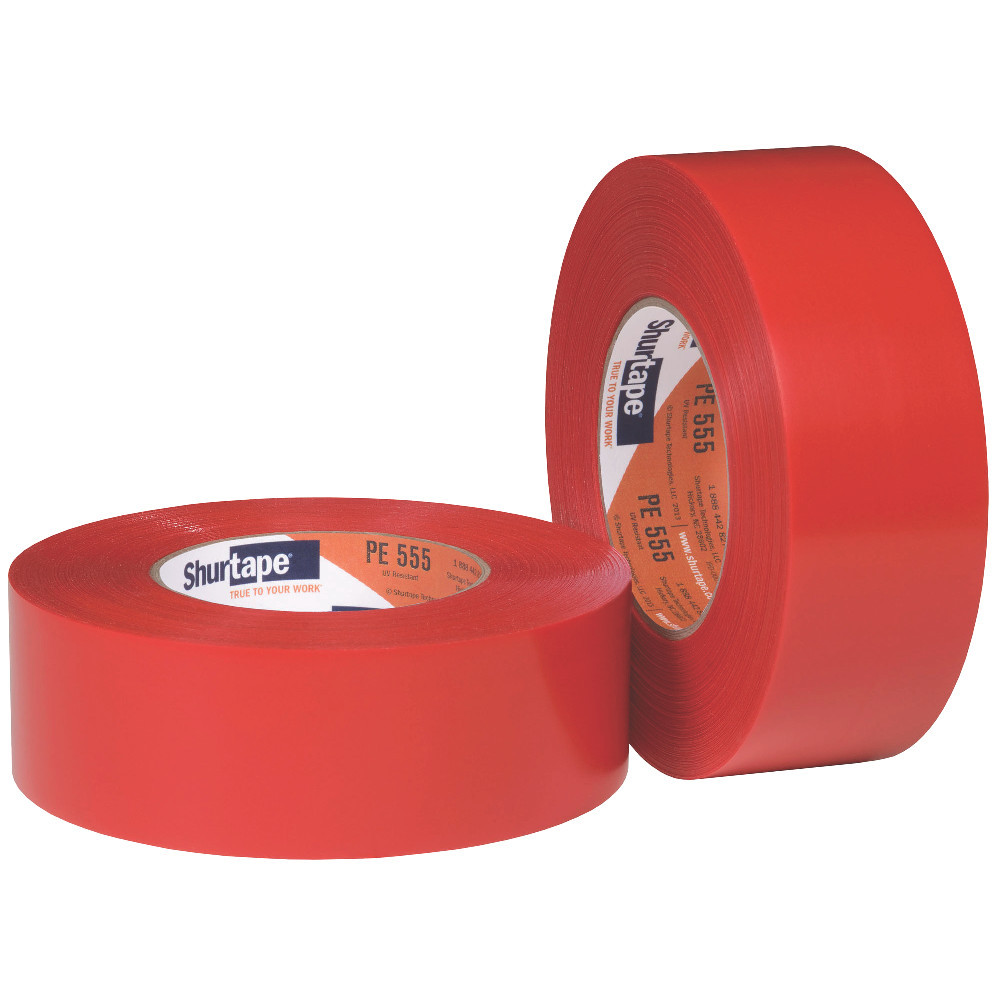
A stock image related to Waterproof masking tape.
3 Common User Pain Points for ‘Waterproof masking tape’ & Their Solutions
Scenario 1: How Can You Maintain Masking Integrity in High-Humidity Tropical Climates?
問題だ:
Construction contractors and marine coating specialists operating in precipitation-heavy regions like West Africa or Southeast Asia frequently encounter catastrophic tape failure within 24–48 hours of application. When waterproof masking tape lacks true hydrophobic adhesion, high humidity levels exceeding 90% cause edges to lift and water channels to form beneath the backing, resulting in paint bleed-through and costly rework on infrastructure and vessel projects. This challenge intensifies on porous substrates such as concrete, weathered steel, or fiberglass, where moisture ingress accelerates adhesive breakdown and compromises sharp masking lines essential for professional finishes.
解決策
Specify industrial-grade waterproof masking tapes engineered with cross-linked acrylic adhesives specifically formulated for saturated environments, rather than standard rubber-based alternatives that degrade when wet. Prioritize products with documented 14-day weather resistance ratings and UV-stabilized polypropylene or vinyl backings that resist embrittlement under intense sun exposure. Implement rigorous surface preparation protocols using isopropyl alcohol to eliminate oils and ensure complete dryness before application. For critical exterior projects, select tapes featuring moisture-activated curing adhesives that actually strengthen their bond when exposed to humidity, maintaining tack during monsoon conditions while allowing repositionability during initial application.
Scenario 2: What Prevents Clean Removal After Extended Outdoor Exposure on Delicate Surfaces?
問題だ:
Manufacturers masking delicate substrates—such as automotive clear coats, architectural glass, or powder-coated aluminum—for extended outdoor curing cycles often discover that tape removal leaves silicone-like adhesive residue or, conversely, pulls substrate material upon extraction. This occurs when waterproof tapes utilize aggressive natural rubber adhesives unsuited for sensitive surfaces, particularly after thermal cycling and UV exposure common in outdoor storage yards across South America and the Middle East. The resulting contamination requires laborious solvent cleaning or complete refinishing, damaging finished goods and eroding profit margins on high-value components.
解決策
Deploy repositionable, residue-free masking tape formulations utilizing low-tack synthetic acrylic or silicone adhesives specifically engineered for clean removal after 14–21 days of outdoor exposure. Verify substrate compatibility through patch testing on inconspicuous areas before full-scale application, particularly on thermally sensitive coatings. Train application teams to remove tape at consistent 45-degree angles, pulling slowly and parallel to the surface rather than perpendicular, to minimize shear stress on delicate finishes. For glass fabrication and precision grinding operations, select ultra-thin, repositionable variants that create temporary alignment guides or handling grips without leaving transfer films, ensuring residue-free performance even after prolonged UV and moisture exposure.
Scenario 3: Which Waterproof Masking Tapes Withstand High-Temperature Curing Without Thermal Degradation?
問題だ:
Industrial coating facilities utilizing powder coating, e-coating, or high-temperature baking cycles between 120°C–150°C experience catastrophic tape failure when waterproof masking products melt, ooze adhesive, or leave carbonized residue on finished parts. This thermal breakdown contaminates precision-masked areas, requiring costly stripping and reprocessing that disrupts production schedules. The issue is particularly acute in automotive parts manufacturing and metal fabrication, where waterproof protection must coexist with heat resistance during multi-stage curing processes that immediately follow aqueous washing or outdoor drying phases.
解決策
Integrate heat-resistant waterproof masking tapes rated for continuous exposure to 150°C (302°F) or higher, utilizing silicone-based or high-temperature acrylic adhesives rather than standard rubber formulations that soften and migrate when heated. Specify crepe paper backings with thermal stability certifications rather than plasticized films that may shrink or melt during curing. For processes involving both water exposure and subsequent heat treatment, select hybrid formulations specifically tested for thermal shock resistance between wet application and dry oven cycles. Establish quality control checkpoints to verify tape integrity before parts enter curing ovens, ensuring that waterproofing capabilities do not compromise the tape’s ability to maintain clean removal properties after high-heat exposure.
Strategic Material Selection Guide for Waterproof masking tape
Selecting the optimal substrate for waterproof masking tape requires balancing environmental resistance, surface compatibility, and total cost of ownership. For procurement teams sourcing industrial supplies across diverse climates—from the humid tropics of Southeast Asia to the arid regions of the Middle East and the variable weather patterns of Europe—material selection directly impacts project timelines, rework costs, and supplier relationships. This strategic analysis examines four primary substrate categories: polyethylene films, polyvinyl chloride films, resin-treated crepe papers, and precision washi papers. Each offers distinct performance profiles for industrial masking applications where moisture resistance, repositionability, and clean removal are critical operational requirements.
Which synthetic film provides superior conformability for complex waterproof masking?
Polyethylene film-backed masking tapes deliver exceptional hydrophobic properties combined with substrate flexibility, making them indispensable for marine construction, curved glass processing, and outdoor industrial masking in high-humidity environments. The material’s molecular structure resists water absorption while maintaining adhesion during condensation-heavy curing processes common in African and South American manufacturing facilities. PE films excel at conforming to irregular surfaces and textured substrates without wrinkling, ensuring clean paint lines and protection during wet grinding operations. However, procurement teams should note that PE exhibits lower tensile strength than PVC alternatives, potentially stretching under automated application tension or heavy mechanical stress. Additionally, extreme UV exposure can degrade PE backings over extended outdoor applications. From a cost perspective, PE films occupy the moderate tier, offering an optimal balance between performance and procurement budget for general industrial applications.
How does PVC film backing perform in extreme weather waterproof masking applications?
Polyvinyl chloride film-backed tapes provide maximum structural durability for long-term outdoor exposure, infrastructure projects, and harsh industrial environments where tape integrity must persist through monsoon seasons or desert sandstorms. PVC’s inherent rigidity and UV resistance make it suitable for Middle Eastern construction sites and European exterior renovation projects requiring extended application periods. The material maintains dimensional stability across extreme temperature fluctuations, preventing edge lifting during thermal cycling. While PVC offers superior mechanical strength and abrasion resistance compared to paper alternatives, its reduced flexibility limits effectiveness on complex curved geometries and intricate masking patterns. Environmental compliance represents another procurement consideration, as PVC formulations face increasing regulatory scrutiny regarding plasticizer content in certain export markets. Cost positioning reflects these durability advantages, with PVC tapes commanding premium pricing appropriate for heavy-duty infrastructure and long-duration industrial maintenance applications.
What are the cost-benefit considerations for resin-treated crepe paper waterproof masking?
Resin-impregnated crepe paper substrates offer procurement teams an economical entry point for waterproof masking in controlled indoor environments and short-term outdoor applications. These tapes retain the hand-tearability and paint compatibility that construction crews prefer, while waterproof coatings prevent humidity-induced adhesive failure during multi-day curing cycles typical in tropical climates. The fibrous structure allows for quick application without cutting tools, improving labor efficiency on large-scale painting projects. Critical limitations include structural vulnerability to prolonged water immersion—once the resin barrier compromises, paper fibers rapidly deteriorate, potentially leaving residue on sensitive substrates. Additionally, crepe paper lacks the dimensional stability of synthetic films under high-temperature drying processes. This material suits budget-conscious procurement for interior fit-outs, automotive refinishing booths, and temporary protection where moderate moisture resistance meets cost efficiency requirements
A stock image related to Waterproof masking tape.
In-depth Look: Manufacturing Processes and Quality Assurance for Waterproof masking tape
Understanding the manufacturing intricacies behind waterproof masking tape empowers procurement teams to evaluate supplier capabilities, negotiate specifications, and ensure product reliability across diverse climatic conditions. For buyers sourcing from international markets—whether for construction projects in Nigeria, automotive painting in Vietnam, or marine applications in Europe—knowledge of production workflows and quality protocols serves as a critical risk mitigation tool.
What raw material specifications ensure water resistance in masking tape backings?
The foundation of waterproof masking tape lies in its backing material selection, which diverges significantly from standard paper masking tapes. Premium manufacturers utilize specialized crepe paper saturated with latex or synthetic rubber compounds, creating a hydrophobic barrier while maintaining the conformability essential for masking curved surfaces. Alternatively, thin-gauge polyethylene (PE) or polyvinyl chloride (PVC) films provide superior water impermeability for demanding wet-grinding or marine applications.
For repositionable variants favored in glassworking and precision manufacturing, silicone-treated flatback papers or low-density polyethylene films balance water resistance with clean removability. The backing thickness—typically ranging from 80 to 150 micrometers—directly impacts both waterproofing efficacy and the tape’s ability to form temporary handles or bonding tabs in wet environments.
How is the adhesive formulated to maintain tack under wet conditions?
Adhesive engineering determines whether waterproof masking tape merely survives moisture or performs optimally within it. Manufacturers predominantly employ two chemistries: hot-melt rubber-based adhesives for immediate high-tack bonding, and solvent or emulsion acrylics for UV-stable, residue-free removal.
Rubber-based formulations incorporate synthetic styrene-butadiene rubber (SBR) or natural rubber derivatives blended with tackifying resins and hydrophobic plasticizers. These compounds resist water infiltration at the bond line, preventing the adhesive whitening or delamination common in standard masking tapes. Acrylic adhesives undergo cross-linking processes that create thermosetting polymers, maintaining shear strength even during prolonged water immersion. Advanced formulations include moisture-scavenging additives that actively displace water at the substrate interface during initial application.
What coating and saturation processes create the waterproof barrier?
Manufacturing waterproof masking tape involves multi-stage coating lines operating under strictly controlled atmospheric conditions—typically maintaining 45-55% relative humidity to prevent premature adhesive curing. The process begins with primer application to the backing material, ensuring mechanical adhesion between the base substrate and subsequent functional layers.
For paper-based tapes, a saturation stage impregnates the cellulose fibers with latex emulsions or synthetic rubber solutions, rendering the backing dimensionally stable when wet. Film-based tapes undergo corona or flame treatment to increase surface energy before adhesive coating. The adhesive application itself utilizes gravure or Meyer rod coating techniques, achieving precise thickness control (typically 25-40 micrometers dry film weight). Subsequent drying tunnels—segmented into progressive temperature zones—evaporate solvents without blistering the adhesive surface, followed by silicone release coating on the reverse side to enable clean unwinding.
Which quality assurance tests validate waterproof performance?
Reputable manufacturers subject waterproof masking tape to rigorous environmental simulation exceeding typical end-use conditions. Water immersion testing involves submerging bonded samples for 24 to 72 hours at varying temperatures (23°C to 70°C), followed by immediate 180-degree peel adhesion testing to verify bond integrity.
Humidity chamber testing maintains samples at 85°C and 85% relative humidity for 1000+ hours, simulating tropical storage conditions relevant to African and Southeast Asian markets. Repositionability testing—critical for glassworking and automotive applications—measures adhesion retention across multiple stick/removal cycles on wet surfaces. Additionally, shear strength testing evaluates the tape’s resistance to slippage under load when saturated, while salt spray testing (ASTM B117) validates corrosion resistance for marine and industrial applications.
How do manufacturers ensure consistency across international batches?
Statistical Process Control (SPC) systems monitor coating weights, adhesive viscosity, and drying temperatures in real-time, with automatic rejection of material falling outside ±5% tolerance bands. Raw material traceability systems—essential for REACH and RoHS compliance—track each batch of backing paper and adhesive resin from supplier delivery through final slitting.
Climate-controlled warehousing (18-22°C, 50% RH) prevents adhesive migration and backing dimensional changes prior to shipment. For buyers in regions with extreme logistics challenges, manufacturers implement accelerated aging tests (ASTM D3611) to verify that tape maintains specified adhesion levels after simulated 6-month storage in tropical conditions.
What certifications and standards should global buyers verify?
When sourcing for international projects, verify ISO 9001:2015 quality management certification as a baseline requirement. European markets demand REACH and RoHS compliance regarding restricted substances, while automotive sector buyers should confirm adherence to OEM specifications exceeding ASTM D5486 standards.
For Middle Eastern and African markets where high-temperature performance is critical, request test data demonstrating shear resistance at 80°C+ ambient temperatures. Vietnamese and broader ASEAN industrial buyers often reference JIS Z 1522 standards for pressure-sensitive adhesive tapes. Additionally, verify that manufacturers provide Certificate of Analysis (CoA) documentation for each production lot, detailing peel adhesion, tensile strength, and elongation percentages to ensure batch-to-batch consistency essential for automated production lines.
By scrutinizing these manufacturing parameters and quality protocols, procurement teams can distinguish between commodity-grade products and engineered solutions capable of withstanding the specific environmental challenges of their respective markets.
Practical Sourcing Guide: A Step-by-Step Checklist for ‘Waterproof masking tape’
Procuring waterproof masking tape for industrial applications requires more than comparing unit prices. For buyers operating in high-humidity regions or specialized manufacturing sectors across Africa, South America, and Southeast Asia, selecting the right product prevents costly production delays and adhesive failures. This checklist provides a systematic approach to evaluating suppliers, verifying product specifications, and ensuring your procurement aligns with both operational requirements and international trade standards.
1. Define Technical Specifications for Your Climate and Application
Start by documenting your exact use case—whether for wet grinding operations, temporary surface protection, or precision marking during glass fabrication. Specify the temperature range, water exposure duration, and substrate types (glass, metal, painted surfaces). For tropical climates common in Nigeria or Vietnam, prioritize tapes with mold-resistant adhesives and UV-stable backings to prevent degradation during storage and application. Consider width variations needed for automated versus manual application processes.
2. How to Verify Adhesive Performance and Substrate Compatibility?
Request technical data sheets showing shear strength and peel adhesion values under wet conditions.
A stock image related to Waterproof masking tape.
Comprehensive Cost and Pricing Analysis for Waterproof masking tape Sourcing
B2B procurement of waterproof masking tape requires a sophisticated understanding of cost drivers that extend far beyond unit sticker prices. For international buyers operating in emerging markets, fluctuations in raw material indices, adhesive technology tiers, and regional manufacturing capacities create a complex pricing landscape that demands strategic sourcing approaches.
What Raw Material Factors Drive Waterproof Masking Tape Pricing?
The cost structure fundamentally hinges on three components: backing material, adhesive formulation, and waterproofing treatment. Crepe paper backings with synthetic rubber adhesives typically occupy the mid-range price bracket, while premium polyethylene or vinyl-backed variants with industrial-grade acrylic adhesives command 15-30% premiums. The waterproofing mechanism itself—whether through wax saturation, polymeric coating, or multi-layer lamination—significantly impacts material costs. Buyers should note that UV-resistant and high-temperature formulations (suitable for Middle Eastern and tropical African climates) require specialized additives that increase per-roll costs but reduce failure rates in extreme environments.
How Do Volume Tiers and MOQs Impact Regional Procurement Costs?
Chinese and Vietnamese manufacturers typically structure pricing around container-load efficiencies, with 20-foot container minimums (approximately 3,000-5,000 rolls depending on width) unlocking 25-40% discounts compared to LCL (Less than Container Load) shipments. For Nigerian or South American buyers facing currency volatility, negotiating quarterly blanket orders with monthly draw-down provisions can stabilize unit costs against exchange rate fluctuations. European suppliers often offer higher per-unit pricing but lower MOQs (500-1,000 rolls), making them viable for specialized industrial applications where certification compliance justifies the premium.
What Hidden Costs Should Buyers Factor Beyond FOB Pricing?
Savvy procurement teams must account for import duty classifications (HS Code 3919.10 for adhesive tapes), which vary dramatically across target markets—ranging from 5% in Vietnam to 20%+ in certain African trade blocs. Additional cost layers include REACH or RoHS compliance testing (essential for European markets), moisture-resistant packaging upgrades for humid shipping routes, and inland logistics from port to warehouse. For buyers in landlocked regions like parts of South America or Africa, regional distribution hub strategies can reduce total landed costs by 12-18% compared to direct-to-site shipping.
How Can Buyers Optimize Total Cost of Ownership?
Long-term cost efficiency requires balancing initial unit price with performance metrics. Low-cost tapes with inadequate waterproofing often result in 3-5x higher total costs when accounting for rework, surface damage, and production delays. Establishing supplier scorecards that weigh adhesion retention rates (tested under local humidity conditions) against price points enables data-driven negotiations. Consider requesting split-payment terms (30% deposit, 70% against B/L) to mitigate currency risk while securing capacity commitments during peak manufacturing seasons.
Alternatives Analysis: Comparing Waterproof masking tape With Other Solutions
When evaluating adhesion solutions for moisture-prone manufacturing environments, procurement teams across emerging markets must carefully weigh the trade-offs between temporary repositionability and permanent sealing integrity. While waterproof masking tape excels in precision applications requiring clean removal—such as glass grinding operations, temporary fixture bonding during wet processing, or marking drill points on submerged materials—certain industrial scenarios demand alternatives that prioritize long-term environmental resistance over removability. Understanding how specialized alternatives compare across critical performance metrics enables strategic sourcing decisions that align with specific operational requirements, from marine equipment maintenance in Nigerian ports to chemical processing facility repairs in Vietnamese industrial zones.
How Do Waterproof Masking Tape and Industrial Alternatives Compare on Key Metrics?
| 比較の側面 | Waterproof Masking Tape | ブチルゴムテープ | Self-Fusing Silicone Tape |
|---|---|---|---|
| Adhesion Mechanism | Acrylic-based, pressure-sensitive | Butyl rubber compound, permanent | Self-amalgamating (no adhesive) |
| Removability | Clean removal, residue-free | Permanent bond, leaves residue | Permanent fusion, cannot remove |
| Water Resistance | High (temporary wet exposure) | Excellent (long-term immersion) | Superior (chemical/waterproof) |
| Temperature Range | -20°C to 80°C (typical) | -40°C to 90°C | -60°C to 260°C |
| Surface Compatibility | Smooth, non-porous (glass, metal) | Rough, irregular (concrete, roofing) | Irregular shapes, cylindrical objects |
| コスト効率 | $$(中程度) | $ (Low material cost) | $$$ (High performance premium) |
| ベスト・ユースケース | Temporary masking, wet grinding | Permanent sealing, leak repair | High-heat/chemical exposure |
Is Butyl Rubber Tape the Right Choice for Permanent Infrastructure Sealing?
Butyl rubber tape represents a cost-effective alternative for B2B buyers prioritizing permanent waterproofing over repositionability. Unlike waterproof masking tape, which relies on acrylic adhesives designed for temporary holding power during wet manufacturing processes, butyl tape creates a permanent, airtight seal that remains flexible under thermal expansion and contraction common in outdoor infrastructure across diverse climates—from the humid coastlines of West Africa to the temperature extremes of Central Europe. This thick, malleable tape conforms to irregular surfaces such as concrete, roofing membranes, and corrugated metal, making it ideal for construction and marine applications where long-term leak prevention outweighs the need for clean removal. Procurement teams should note that butyl tape requires significant surface preparation and delivers substantially lower precision than masking tape, making it unsuitable for delicate manufacturing processes like glass grinding or electronic component masking where residue-free removal is mandatory. Additionally, storage conditions in high-temperature warehouses may accelerate aging of butyl compounds, requiring climate-controlled inventory management compared to the more stable acrylic adhesives in waterproof masking tape.
Can Self-Fusing Silicone Tape Outperform Waterproof Masking Tape in Extreme Environments?
Self-fusing silicone tape emerges as a premium alternative for industrial environments where chemical resistance and extreme temperature fluctuations exceed the capabilities of standard waterproof masking tape. This specialized solution contains no adhesive; instead, it chemically bonds to itself under tension, creating a seamless, solid rubber barrier that withstands exposure to oils, acids, and solvents while maintaining integrity from -60°C to 260°C. For procurement teams in the Middle East’s petrochemical sector or South American mining operations, this translates to reduced maintenance frequency in harsh conditions where traditional adhesive tapes would degrade rapidly. While the initial cost per meter runs significantly higher than waterproof masking tape, the elimination of adhesive failure risks and the ability to wrap complex geometries—such as pipe fittings and cable bundles—without surface preparation offers compelling total cost of ownership benefits for critical infrastructure. Unlike repositionable masking tape, however, silicone tape forms a permanent bond that
Essential Technical Properties and Trade Terminology for Waterproof masking tape
When evaluating waterproof masking tape for industrial wet-grinding applications, glass processing, or marine coating projects, B2B buyers must verify specific technical benchmarks that ensure performance under continuous moisture exposure. These specifications not only determine bonding reliability during submerged operations but also impact customs classification and storage requirements in tropical climates prevalent across target markets like Nigeria and Vietnam.
What Technical Specifications Define High-Performance Waterproof Masking Tape?
Wet Adhesion Strength (ASTM D570): This measures the tape’s ability to maintain bond integrity when saturated, typically expressed in ounces per inch (oz/in) or Newtons per 25mm. Industrial-grade waterproof masking tape maintains 20-30 oz/in adhesion when wet, ensuring workpieces remain secured during Rociprolap grinding or water-cooled cutting operations without slippage.
Backing Caliper and Material: Thickness ranges from 4-8 mils (100-200 microns), with crepe paper backings offering conformability for curved glass surfaces while polyethylene films provide superior moisture barriers. The backing composition determines whether the tape breathes during paint curing or creates a complete waterproof seal for submerged applications.
Tensile Strength: Measured in pounds per inch (lb/in), this indicates resistance to breaking when creating tape handles for heavy stone or glass pieces. Quality waterproof masking tapes offer 15-25 lb/in tensile strength with 5-10% elongation, allowing repositioning without tearing during wet handling.
Temperature Resistance: Critical for multi-stage processing, standard waterproof masking tapes withstand 60°C-80°C (140°F-176°F) during drying cycles, with specialized grades handling brief exposure up to 120°C (248°F) without adhesive degradation or backing shrinkage.
Water Resistance Duration: Classified by hours of continuous submersion without delamination, premium grades offer 72-96 hour resistance ratings. This specification ensures adhesive stability throughout extended wet grinding operations or monsoon-season construction delays common in tropical import markets.
What Trade Terminology Should International Buyers Master?
Repositionable Adhesive: Refers to tapes allowing multiple applications without losing tack or leaving residue, essential for marking cut lines on expensive glass or ceramic substrates. Unlike permanent waterproof tapes, repositionable variants enable adjustment during wet layout processes.
Shear Resistance (Holding Power): Measured in minutes under static load (ASTM D3654), this indicates anti-slip capability. Minimum 100-minute shear resistance prevents workpiece movement during vibration-heavy wet grinding, reducing material waste in stone processing facilities.
Clean Removal Rating: Expressed as “clean removal within X days” (typically 3-14 days), guaranteeing no adhesive transfer or ghosting when removed from polished surfaces. This property is crucial for protecting automotive finishes or optical glass during water-cooled fabrication.
HS Code 3919.10: The harmonized tariff classification for self-adhesive plastic tapes, distinct from 4823.20 (paper-based tapes). Correct classification ensures proper duty calculation when importing into African, South American, or Middle Eastern markets, avoiding customs delays.
Master Roll Specifications: Refers to bulk dimensions (typically 980mm-1320mm width, 4,000m-6,000m length) used for slitting into retail rolls. Understanding master roll dimensions optimizes container utilization and reduces per-unit costs for high-volume distributors.
Navigating Market Dynamics and Sourcing Trends in the Waterproof masking tape Sector
How Is the Global Waterproof Masking Tape Market Evolving for Industrial Buyers?
The waterproof masking tape sector is experiencing significant transformation driven by cross-industry demand from construction, marine, automotive, and specialized manufacturing sectors across Africa, South America, and the Middle East. Unlike standard masking tapes, industrial-grade waterproof variants now feature repositionable acrylic adhesives and thin-profile polyethylene backings that maintain adhesion in wet grinding environments—a critical requirement for glassworking and metal fabrication industries expanding in Vietnam and Nigeria. Market analysis indicates that buyers are increasingly prioritizing residue-free removal technologies, which reduce surface preparation costs and support lean manufacturing protocols. As infrastructure projects multiply in emerging economies, procurement teams are shifting from commodity-grade duct tapes to specialized waterproof masking solutions that offer multi-element resistance against humidity, salt spray, and temperature fluctuations.
What Technical Specifications Should B2B Procurement Teams Prioritize in 2024?
When sourcing for industrial applications, technical differentiation separates high-performance waterproof masking tapes from standard consumer-grade alternatives. Premium products utilize vinyl or polyethylene substrates combined with industrial-grade rubber or acrylic adhesives that resist dissolution under prolonged moisture exposure—a specification particularly vital for outdoor construction in tropical climates. For precision manufacturing sectors, repositionable adhesion technology allows temporary bonding during wet grinding processes while enabling clean removal without surface damage. Buyers should verify tensile strength ratings and adhesive cohesion properties, ensuring compatibility with automated application systems common in European manufacturing facilities. Additionally, tapes offering UV stability alongside waterproofing command premium positioning in Middle Eastern markets where solar exposure compounds environmental stressors.
Which Regional Markets Are Driving Demand for Water-Resistant Adhesive Solutions?
Regional demand patterns reveal distinct procurement priorities across target markets. European buyers increasingly require waterproof masking tapes that comply with REACH regulations and circular economy principles, emphasizing recyclability alongside performance. Conversely, rapid industrialization in Nigeria and Vietnam drives demand for cost-effective, high-volume solutions suitable for construction site weatherproofing and temporary surface protection. South American markets demonstrate growing appetite for specialized marine-grade waterproof tapes capable of withstanding saltwater corrosion in port infrastructure projects. Middle Eastern procurement teams prioritize heat-resistant waterproof variants for outdoor applications where thermal cycling and humidity coexist. Understanding these regional nuances enables suppliers to configure product portfolios that address specific climatic challenges and regulatory frameworks.
How Can Buyers Ensure Sustainable Sourcing Without Compromising Performance?
Sustainability in waterproof tape procurement extends beyond material composition to encompass lifecycle impact and supply chain transparency. Forward-thinking B2B buyers are evaluating solvent-free adhesive formulations that maintain waterproof integrity while reducing volatile organic compound (VOC) emissions—a critical consideration for European Union import compliance. Residue-free removal technologies not only reduce cleaning chemical usage but also facilitate substrate recycling, aligning with circular economy objectives. When assessing suppliers, procurement teams should request Environmental Product Declarations (EPDs) and verify that polyethylene backings incorporate post-industrial recycled content without sacrificing tensile strength. For African and South American markets, sustainable sourcing increasingly involves selecting manufacturers with certified waste-water treatment facilities, ensuring that tape production does not compromise local water security in regions facing scarcity challenges.
What Ethical Compliance Standards Matter When Importing Waterproof Tapes to Europe and the Middle East?
Ethical sourcing has transitioned from voluntary initiative to mandatory compliance requirement, particularly for buyers serving European markets with stringent Modern Slavery Acts and due diligence directives. B2B procurement teams must verify that suppliers maintain SA8000 or equivalent social accountability certifications, ensuring fair labor practices throughout the adhesive manufacturing process. For Middle Eastern importers, halal certification and ethical material sourcing increasingly influence supplier selection, particularly regarding rubber-based adhesives. Transparency in chemical supply chains is essential; buyers should demand full material disclosure to confirm the absence of conflict minerals or hazardous substances restricted under RoHS directives. Establishing direct relationships with manufacturers—rather than relying solely on trading companies—enables better audit capabilities and ensures that waterproofing technologies are not achieved through environmentally destructive processes.
Are Eco-Friendly Adhesive Technologies Viable for High-Moisture Industrial Applications?
The viability of sustainable adhesives in waterproof masking applications has advanced significantly, with bio-based acrylic formulations now offering moisture resistance comparable to petroleum-derived alternatives. These innovations address the historical trade-off between environmental responsibility and performance durability, particularly crucial for B2B buyers in construction and marine sectors. Water-based adhesive systems, once considered vulnerable to humidity, now incorporate cross-linking polymers that create impermeable seals suitable for tropical climates prevalent in Southeast Asian and West African markets. However, buyers must verify that “eco-friendly” designations do not indicate compromised waterproofing capabilities; reputable suppliers provide independent testing data confirming adhesion retention after 72-hour water immersion. As the sector evolves, procurement teams can increasingly specify tapes that combine repositionable convenience, residue-free removal, and biodegradable backing materials without sacrificing the industrial-grade waterproofing essential for demanding B2B applications.
Frequently Asked Questions (FAQs) for B2B Buyers of Waterproof masking tape
1. What is the difference between waterproof masking tape and standard painter’s tape for exterior industrial use?
Standard painter’s tape utilizes paper-based backings and general-purpose adhesives designed for temporary indoor protection during painting, breaking down rapidly when exposed to moisture, UV radiation, or temperature cycling. Waterproof masking tape employs polyethylene or vinyl substrates combined with industrial-grade acrylic or rubber-based adhesives that maintain structural integrity and tack during prolonged outdoor exposure. For B2B procurement in tropical climates like Nigeria or Vietnam, specifying waterproof variants prevents costly rework caused by tape failure during unexpected weather events or wet processing stages.
2. How long can waterproof masking tape withstand continuous exposure to rain and humidity before losing adhesion?
Industrial-grade waterproof masking tapes typically maintain adhesion for 7 to 14 days of continuous outdoor exposure, with premium formulations extending to 21 days under moderate humidity (60-80% RH). Actual performance depends on surface preparation—clean, degreased metal or glass surfaces significantly extend adhesion life compared to porous or contaminated substrates. When sourcing for Middle Eastern or South American construction projects, request technical datasheets specifying adhesion retention rates at 85%+ humidity to ensure compatibility with local monsoon or wet season conditions.
3. What temperature range can heavy-duty waterproof masking tape withstand during high-heat curing processes?
Heavy-duty waterproof masking tapes designed for industrial curing processes generally withstand temperatures between 120°C to 150°C (248°F to 302°F) for 30-60 minute cycles, with specialized high-temperature variants rated up to 200°C (392°F) for powder coating applications. Standard waterproof masking tapes may withstand intermittent exposure to 80-100°C, but prolonged high-heat curing requires silicone-based adhesives rather than acrylic or rubber formulations. Verify the specific heat resistance ratings when procuring for automotive manufacturing or metal fabrication operations to prevent adhesive residue baking onto finished surfaces.
4. Can waterproof masking tape be removed cleanly from delicate surfaces after extended outdoor exposure?
High-quality waterproof masking tapes with acrylic adhesive formulations can be removed residue-free from glass, polished metals, and painted surfaces after up to 14 days of outdoor exposure, provided the surface was clean at application. Rubber-based adhesives offer stronger initial bond but may leave ghosting or adhesive transfer if left beyond 7 days in high-UV environments. For delicate substrates like automotive clear coats or architectural glass common in European markets, specify “clean removal” or “residue-free” grades and conduct sample testing on actual project materials before bulk procurement.
5. How do I select the right adhesive formulation when sourcing waterproof masking tape for tropical climates with high UV exposure?
For tropical African and Southeast Asian markets, solvent-based acrylic adhesives outperform rubber-based alternatives, offering superior UV resistance and thermal stability in temperatures exceeding 40°C (104°F) without adhesive flow or edge lifting. Rubber-based adhesives provide aggressive initial tack suitable for cold, damp application conditions but may degrade or leave residue under intense solar exposure. Request UV-aging test data (ASTM D3654) from suppliers to verify that tape performance matches your region’s solar irradiance levels and seasonal humidity patterns.
6. What bulk packaging and storage protocols prevent adhesive degradation during international shipping to humid regions?
Waterproof masking tape requires climate-controlled storage between 15°C and 25°C (59°F-77°F) with relative humidity below 60% to prevent premature adhesive activation and edge curling. For container shipping to humid ports like Lagos or Ho Chi Minh City, insist on moisture-barrier packaging with desiccant packs and pallet wrapping to protect against condensation during transit. Establish inventory rotation protocols using First-In-First-Out (FIFO) methods, as adhesive shelf life typically ranges 12-24 months unopened, but degrades rapidly if stored in non-climate-controlled warehouses.
7. Which industry certifications should B2B buyers demand when sourcing waterproof masking tape for automotive or marine applications?
Require ISO 9001:2015 certification for quality management systems and RoHS/REACH compliance for chemical safety standards, particularly when supplying European markets. For marine applications in saltwater environments, demand tapes meeting ASTM D6123 standards or DNV-GL marine equipment certifications to ensure corrosion resistance. Automotive industry buyers should verify OEM approvals (such as Ford WSB-M15G354-A or GM 6400M specifications) or IATF 16949 compliance to ensure tape compatibility with automated paint lines and high-temperature curing ovens.
8. How can procurement teams verify that waterproof masking tape maintains repositionability without residue in wet grinding applications?
Request sample rolls for wet-process testing specific to your equipment—such as Rociprolap flat grinders or CNC wet cutting stations—to evaluate repositionability during submerged operations. Quality waterproof masking tapes should allow repositioning 2-3 times while maintaining sufficient bond strength to secure workpieces, yet release cleanly without adhesive transfer that could contaminate grinding surfaces. Conduct adhesion tests using actual production materials (glass, stone, or coated metals) under your facility’s specific water chemistry and temperature conditions to validate performance before placing volume orders.
重要な免責事項および利用規約
⚠️ 重要な免責事項
メーカー、技術仕様、市場分析に関する内容を含め、本ガイドラインで提供される情報は、情報提供と教育目的のみのものです。専門的な調達アドバイス、財務アドバイス、または法的アドバイスを提供するものではありません。.
B2Bバイヤーは、独自の徹底的なデューデリジェンスを行う必要がある。 をご覧の上、ご購入をお決めください。本ガイドに記載された情報を信頼した場合のリスクは、読者が単独で負うものとします。.
Top 1 Waterproof Masking Tape Manufacturers & Suppliers List
1. Tape Suppliers – Masking Tape
ドメイン tapesuppliers.com
登録:2007年(19年)
はじめに Masking tape is a pressure-sensitive adhesive tape invented in 1925 for the auto industry to paint two-toned cars. It temporarily conceals and protects surfaces during soldering, blasting, spraying, coating, plating, and polishing processes. Key features include easy tear and dispensing capabilities, clean removal without residue, and no damage to newly painted surfaces. The tape uses a specialize…
Strategic Sourcing Conclusion and Outlook for Waterproof masking tape
As global supply chains stabilize following recent disruptions, procurement teams must prioritize partners offering consistent quality assurance across diverse climates. Waterproof masking tape has evolved from a simple utility consumable to a critical component in precision manufacturing workflows, particularly for industries requiring temporary bonding during wet-grinding applications, moisture-resistant marking, or secure handling in humid environments where standard adhesives fail.
How Can B2B Buyers Secure Reliable Suppliers Across Diverse Regional Markets?
When sourcing for operations in high-humidity regions like Vietnam or Nigeria, verify that suppliers provide tapes with acrylic or industrial-grade rubber adhesives that maintain structural integrity during prolonged water exposure and temperature fluctuations. Prioritize repositionable formulations that ensure residue-free removal, significantly reducing rework costs in glassworking, automotive refinishing, and marine construction sectors. Establishing direct relationships with manufacturers rather than intermediaries ensures better customization options, stable inventory availability, and competitive bulk pricing essential for sustainable African and South American market expansion.
What Future Trends Will Shape Waterproof Adhesive Procurement Strategies?
The market is shifting toward multi-functional tapes that combine robust water resistance with clean removability and extreme temperature stability. As sustainability mandates tighten in Europe and the Middle East, expect increased demand for eco-friendly adhesive formulations that maintain performance in tropical heat without compromising repositionability. Forward-thinking procurement teams should audit supplier environmental certifications, climate-resilience testing protocols, and regional logistics capabilities now to secure competitive advantage in these rapidly emerging economies.