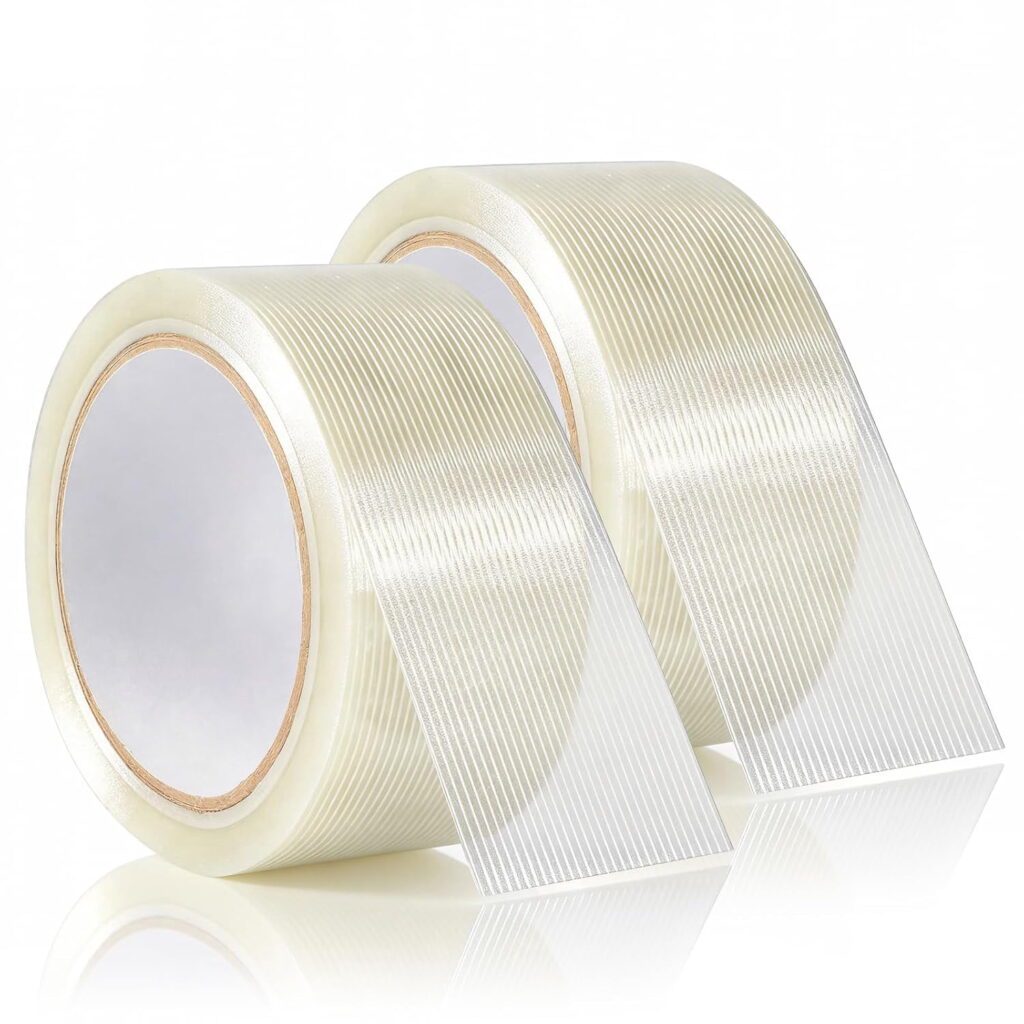
Introduction: Navigating the Global Market for Nano mounting tape
Sourcing nano mounting tape for large-scale commercial installations presents unique procurement challenges for businesses navigating complex global supply chains. From ensuring consistent adhesive performance across extreme climate variations to vetting manufacturers capable of meeting stringent bulk volume requirements, international buyers face critical decisions that directly impact operational efficiency and project timelines. Whether you are securing fixtures for retail environments in Lagos, mounting exhibition displays in São Paulo, or installing signage in Riyadh’s harsh desert conditions, selecting the right reusable adhesive solution requires more than basic product specifications—it demands strategic market insight and rigorous supplier evaluation.
Why Is Strategic Supplier Vetting Essential for International Nano Tape Procurement?
This guide addresses the specific pain points facing procurement teams across Africa, South America, the Middle East, and Europe. We examine essential quality benchmarks including tensile strength ratings, temperature resistance parameters, and reusability cycles that determine long-term value in demanding environments. You will discover how to evaluate manufacturers’ ISO certifications, navigate complex import compliance requirements, and assess logistical capabilities for reliable delivery to emerging markets such as Nigeria and Saudi Arabia, ensuring your supply chain remains resilient against disruption.
What Comprehensive Procurement Insights Will This Guide Deliver?
Beyond technical specifications, this resource explores cost-optimization strategies including volume-based pricing structures, total cost of ownership calculations, and currency fluctuation risk management. We analyze application-specific requirements across construction, electronics assembly, retail display, and automotive sectors, helping you match nano tape variants—whether acrylic-based or advanced gel-matrix formulations—to your precise operational demands. By the conclusion, you will possess actionable frameworks for negotiating supplier contracts, implementing quality control protocols, and making informed purchasing decisions that maximize ROI across international borders.
Understanding Nano mounting tape Types and Variations
| タイプ名 | 主な特徴 | 主なB2Bアプリケーション | バイヤーのための簡単な長所と短所 |
|---|---|---|---|
| Standard Clear Nano Gel Tape | Transparent acrylic gel composition (0.5–1mm thickness), double-sided adhesion, residue-free removal | Retail displays, temporary signage, lightweight fixture mounting, glass partition installation | Pros: Versatile across smooth surfaces, invisible finish maintains aesthetics, cost-effective for high-volume orders. Cons: Limited load capacity (typically under 1kg/cm²), temperature sensitive above 60°C, requires non-porous substrates. |
| ヘビーデューティー工業用ナノテープ | Thicker gel substrate (1–2mm), cross-linked polymer structure, UV and weather-resistant coating | Construction fixtures, industrial cable management, heavy mirror/glass installation, outdoor signage | Pros: Superior holding power (up to 5kg/cm²), withstands temperature extremes (-20°C to 80°C), durable for long-term installations. Cons: Higher per-unit procurement cost, requires meticulous surface preparation, overkill for temporary applications. |
| Washable/Reusable Nano Tape | Hydrophobic gel surface, rinse-to-reactivate adhesive properties, maintains viscosity after multiple cycles | Exhibition booth setups, rental property fittings, temporary retail installations, seasonal promotional displays | Pros: Significant long-term cost savings, sustainable procurement option reducing waste, ideal for cyclic reuse industries. Cons: Adhesion degrades after 5–8 wash cycles, unsuitable for porous or dusty environments without regular maintenance. |
| Nano-Foam Hybrid Tape | Gel adhesive layer bonded to PE foam carrier, conforms to irregular surfaces, vibration dampening properties | Automotive trim mounting, curved architectural elements, textured concrete or painted drywall applications | Pros: Fills surface gaps and irregularities, provides cushioning for delicate mounted items, works on semi-porous substrates. Cons: Visible edge lines compromise aesthetics, lower transparency than pure gel, foam degradation in extreme humidity. |
Which Nano Tape Type Offers the Best Load-Bearing Capacity for Industrial Applications?
Heavy-duty industrial nano tape features a substantially thicker acrylic gel substrate, typically measuring 1–2mm versus the standard 0.5–1mm thickness found in consumer grades. This variation utilizes cross-linked polymer chains that distribute weight across broader surface areas, supporting loads up to 5kg per square centimeter without mechanical fasteners. For B2B buyers in construction and manufacturing sectors across the Middle East and Africa, this type proves essential for mounting industrial sensors, cable trays, and glass panels where drilling would compromise structural integrity or violate lease agreements. Procurement teams should verify temperature resistance ratings, as industrial grades typically withstand sustained heat exposure up to 80°C without adhesive degradation, crucial for outdoor installations in arid climates.
How Does Washable Nano Tape Impact Total Cost of Ownership for Temporary Installations?
Washable nano tape incorporates hydrophobic gel technology that allows rinsing under lukewarm water to remove dust particles and restore adhesive properties to near-original levels. This characteristic makes it particularly valuable for exhibition companies, event management firms, and rental property managers in European and South American markets who require reusable mounting solutions for temporary displays and seasonal fixtures. Each proper washing cycle typically restores 90% of original adhesion strength, supporting 5–8 reuse cycles before replacement becomes necessary. When calculating procurement costs, buyers should factor in reduced material waste and lower labor expenses associated with removal and reapplication, though they must ensure end-users understand proper cleaning protocols to maximize lifecycle value.
What Surface Compatibility Factors Should Buyers Consider When Selecting Nano Tape Variations?
Standard clear nano gel tape performs optimally on non-porous, high-surface-energy substrates including glass, metal, and polished ceramics, making it ideal for retail environments and corporate signage applications. However, for textured concrete walls, painted drywall, or brick surfaces common in African and Middle Eastern construction projects, nano-foam hybrid tapes provide superior performance by conforming to surface irregularities while maintaining consistent adhesion. The polyethylene foam carrier layer compensates for microscopic voids that would compromise pure gel tapes. Buyers should assess substrate porosity and surface energy levels before bulk ordering, as mismatched tape selection leads to premature failure, rework expenses, and potential damage to client property.
Why Does Climate Resistance Vary Between Standard and Industrial Nano Tape Grades?
Climate adaptation represents a critical procurement consideration for buyers operating in regions with extreme temperature fluctuations or high humidity. Standard nano tapes utilize basic acrylic formulations that soften in sustained heat above 60°C, common in Saudi Arabian summers or Nigerian dry seasons, potentially causing loaded items to sag or detach. Industrial grades incorporate UV stabilizers and heat-resistant polymers that maintain viscosity across -20°C to 80°C ranges. For outdoor applications, unwarehoused storage in tropical climates, or manufacturing facilities without climate control, specifying industrial-grade nano tape prevents adhesive creep and ensures long-term holding power despite environmental
Key Industrial Applications of Nano mounting tape
| 業界/セクター | Specific Application of Nano mounting tape | ビジネスにとっての価値/利益 | このアプリケーションにおける主な調達上の考慮事項 |
|---|---|---|---|
| Commercial Construction & Interior Fit-Out | Temporary mounting of protective films, safety signage, and vertical cable routing during build-out phases; securing fixtures without surface penetration | Eliminates surface damage liability, reduces labor costs associated with drilling and patching, enables rapid project handover without repair work | High shear strength for vertical holds, residue-free removal guarantee, temperature resistance for unconditioned construction sites in hot climates |
| Retail & Exhibition Management | Point-of-purchase (POP) displays, seasonal merchandising fixtures, trade show booth construction, temporary signage mounting | Enables rapid layout changes without landlord penalties, reusable across multiple campaigns and locations, clean removal preserves premium flooring and wall finishes | Clear aesthetic for invisible mounting, certified weight capacity for merchandise loads, washability for repeated use across exhibition circuits |
| Facility Management & Hospitality | Wayfinding signage, hygiene station mounting, cable management in offices and hotels, temporary safety barriers during renovations | Maintains asset value by preventing wall damage, supports agile workspace reconfigurations, reduces maintenance downtime and tenant improvement costs | Antimicrobial properties for healthcare settings, compatibility with regional paint systems and tile, humidity resistance for bathrooms and kitchens |
| Telecommunications & Data Centers | Server rack cable organization, temporary sensor mounting, equipment stabilization during upgrades, fiber optic management | Prevents costly equipment damage from permanent adhesives, enables hot-swappable configurations, improves airflow by reducing cable clutter | Electrostatic discharge (ESD) safety compliance, high temperature tolerance near server heat, clean removal for equipment rotation and warranty preservation |
How does nano mounting tape streamline commercial construction and interior fit-out projects?
In fast-paced construction markets like Nigeria and Saudi Arabia, nano mounting tape addresses critical pain points during commercial build-outs and tenant improvements. Contractors utilize it to secure temporary protective films on premium marble and glass surfaces, route electrical cables vertically without drilling concrete cores, and install safety signage during final project phases. The tape’s residue-free removal prevents costly surface restoration before client handover, particularly vital when working with high-end finishes common in Gulf Cooperation Council (GCC) commercial developments. For international buyers, sourcing tapes with verified high shear strength ensures they maintain holds on heavy-duty cables while withstanding extreme desert heat during unconditioned construction phases.
What are the optimal applications for nano mounting tape in retail and exhibition environments?
Retail operators across South America and Europe increasingly leverage nano tape for agile merchandising strategies in shopping malls and temporary pop-up locations. The adhesive enables rapid installation of promotional displays, seasonal fixtures, and LED lighting without violating strict lease agreements that prohibit permanent surface alterations. Exhibition managers particularly value the reusability factor—washing and reapplying the same tape across multiple trade shows significantly reduces material waste and international shipping costs. When sourcing for retail applications, buyers should prioritize crystal-clear variants that remain invisible behind acrylic signage and rigorously verify weight ratings that accommodate dense product displays without sagging over extended campaigns.
Why should facility managers integrate nano mounting tape into hospitality and corporate maintenance protocols?
Facility management companies operating in high-growth urban centers from Lagos to Riyadh require non-destructive mounting solutions for hotels, airports, and corporate campuses. Nano tape excels in mounting hand sanitizer stations, temporary wayfinding during facility renovations, and cable management beneath desks in modern open-plan offices. Unlike traditional drilling methods, this approach preserves wall integrity across thousands of square meters of commercial space, directly impacting long-term asset valuation and reducing tenant improvement costs. Procurement teams should specify tapes with enhanced humidity resistance for bathroom installations and verify compatibility with regional paint systems common in European and African commercial buildings to prevent finish damage upon removal.
How can telecommunications providers optimize infrastructure deployment using nano adhesive solutions?
Telecom operators expanding 5G networks and hyperscale data centers across emerging markets benefit significantly from nano tape’s temporary yet robust mounting capabilities. Field technicians use it to organize fiber optic cables along server racks, mount temporary environmental sensors during tower upgrades, and secure routing equipment during phased installations without leaving adhesive residue on expensive capital hardware. This proves especially valuable in data centers where equipment rotation is frequent and permanent adhesives would degrade resale values or violate warranty terms. Buyers in this sector must prioritize temperature-resistant formulations that maintain adhesion near heat-generating servers and ensure electrostatic discharge (ESD) compliance to protect sensitive electronic components during installation.
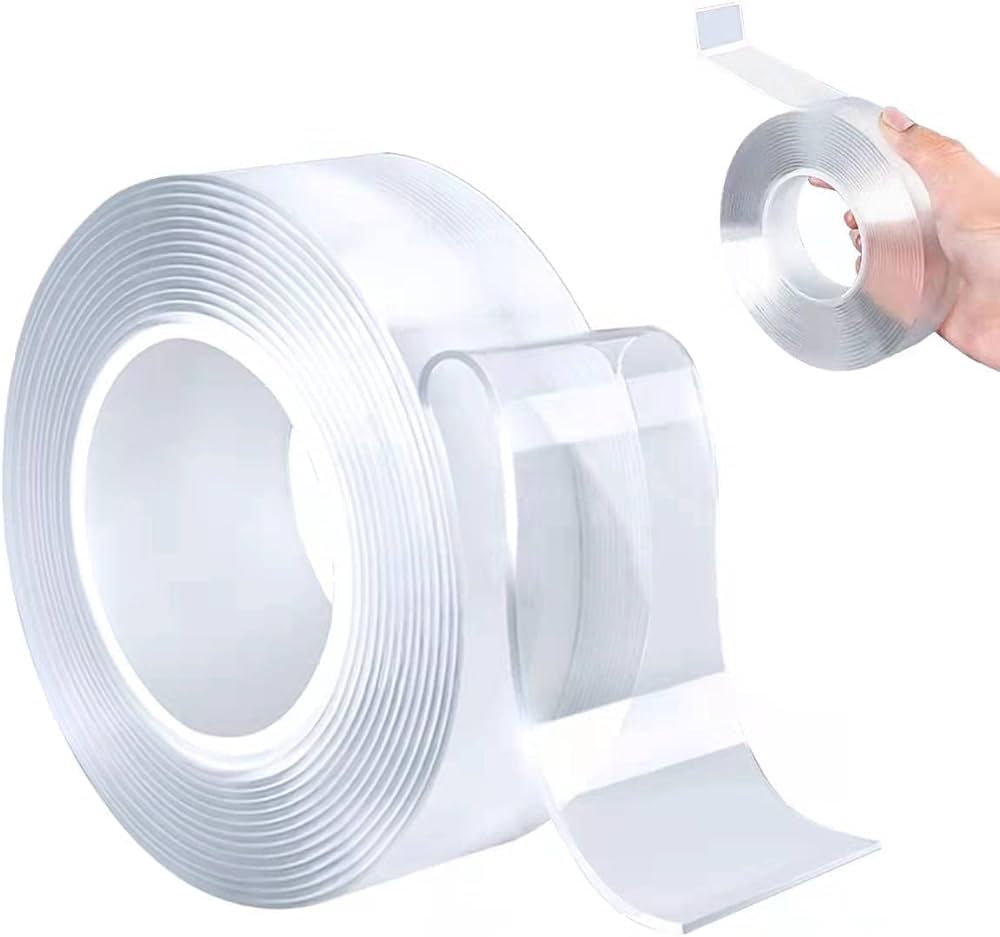
A stock image related to Nano mounting tape.
3 Common User Pain Points for ‘Nano mounting tape’ & Their Solutions
Scenario 1: Can Nano Mounting Tape Replace Mechanical Fasteners in Manufacturing Assembly Without Compromising Structural Integrity?
問題だ:
High-volume manufacturing facilities across emerging markets face production bottlenecks when assembling electronics, automotive interiors, or retail fixtures. Mechanical fasteners create stress concentration points in thin-gauge metals and composites, while drilling introduces metal shavings that contaminate sensitive components and void warranties on leased automation equipment. For B2B buyers in Nigeria, Saudi Arabia, and similar growth markets, traditional fastening methods also limit agile manufacturing capabilities, preventing rapid line reconfiguration needed for seasonal production shifts or multi-OEM contract work.
解決策
Industrial-grade nano mounting tape distributes shear forces across bonded surfaces, eliminating point-load failures and galvanic corrosion risks associated with screws in humid climates. When sourcing, specify acrylic foam tapes rated for dynamic loads and thermal cycling between -20°C to 80°C to handle unconditioned warehouse environments common in West Africa and the Middle East. This enables tool-free attachment of lightweight panels, cable management trays, and temporary assembly jigs without compromising powder-coated finishes or creating permanent modification records on machinery. Procurement teams should verify the tape’s viscoelastic properties to ensure vibration dampening in high-speed assembly operations.
Scenario 2: How Much Weight Can Heavy-Duty Nano Mounting Tape Support in Commercial Display Applications?
問題だ:
Commercial facilities managers and retail fit-out contractors across South America and the Middle East increasingly encounter strict “no-drill” lease agreements designed to preserve concrete, marble, and glass finishes in malls and office complexes. Traditional mounting methods violate these contracts, while conventional foam adhesives degrade under UV exposure in desert climates or lose adhesion during high-humidity monsoon seasons. This creates liability concerns when mounting digital signage, wayfinding systems, or HVAC components, particularly on textured surfaces like stucco or poured concrete common in Latin American commercial construction.
解決策
Heavy-duty nano mounting tape with transparent acrylic gel formulations supports loads exceeding 1kg per square centimeter when properly applied to clean substrates. For B2B procurement in these regions, prioritize products with UV-stabilized backings and temperature ratings exceeding 60°C to withstand atrium and rooftop installations in Saudi Arabian or Nigerian developments. Pre-cut tape segments ensure consistent application pressure, maximizing bond strength on slightly textured commercial surfaces while eliminating anchor points. This approach maintains compliance with landlord preservation clauses and allows rapid reconfiguration of retail layouts without surface restoration costs.
Scenario 3: How Do You Remove Nano Mounting Tape from Commercial Surfaces Without Residue or Surface Damage?
問題だ:
Medical device manufacturers, semiconductor fabricators, and electronics assemblers face costly downtime when temporary mounting solutions leave silicone or rubber adhesive residue on cleanroom equipment, optical inspection stations, or anodized aluminum frames. Chemical removal processes risk introducing VOCs that violate ISO 14644-1 cleanroom classifications or require specialized cleaning crews that add operational overhead to simple equipment moves. In European precision manufacturing contexts, abrasive cleaning methods can damage expensive coatings, while solvent residues compromise pharmaceutical packaging integrity or electronic component cleanliness.
解決策
Advanced nano mounting tape utilizes micro-suction technology rather than chemical adhesion, allowing complete removal via slow lateral peeling (180-degree angle) without solvent intervention. When sourcing, specify washable acrylic gel formulations that allow maintenance teams to rinse the tape with water to restore adhesion for multiple reuse cycles. This preserves sensitive finishes on automation equipment and eliminates the need for isopropyl alcohol or citrus-based cleaners that might degrade polycarbonate guards. For B2B buyers, this capability supports circular economy initiatives while ensuring surface integrity in regulated environments where contamination directly impacts product quality and compliance audits.
Strategic Material Selection Guide for Nano mounting tape
Material selection directly impacts
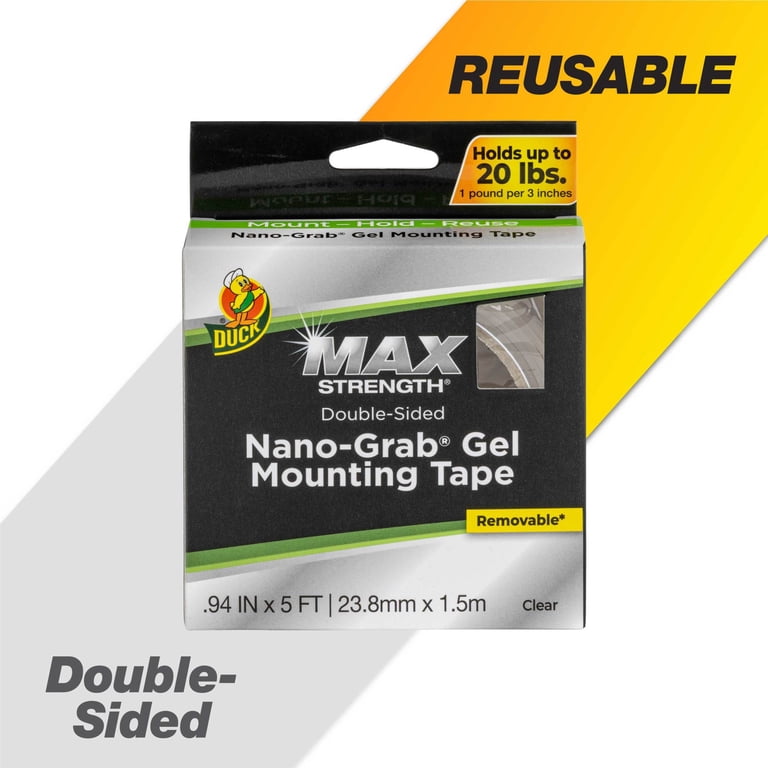
A stock image related to Nano mounting tape.
In-depth Look: Manufacturing Processes and Quality Assurance for Nano mounting tape
B2B buyers sourcing nano mounting tape for retail distribution or industrial applications must understand the technical specifications behind manufacturing excellence. The production of high-performance nano adhesive tapes involves sophisticated polymer engineering, precision coating technologies, and rigorous quality assurance protocols that directly impact product reliability, reusability, and market compliance. Understanding these processes enables procurement teams to evaluate supplier capabilities, negotiate specifications, and ensure inventory meets regional regulatory standards across diverse markets from Lagos to Riyadh.
What Raw Materials Define Premium Nano Mounting Tape Quality?
The foundation of superior nano mounting tape lies in medical-grade acrylic polymer formulations or advanced polyurethane (PU) gel matrices, depending on the intended application strength. Premium manufacturers utilize high-purity synthetic resins with controlled molecular weights between 300,000 to 800,000 Daltons, ensuring optimal viscoelastic properties that balance initial tack with long-term cohesion. B2B buyers should verify that suppliers source raw materials from certified petrochemical providers and maintain batch traceability systems, as inconsistent polymer quality directly correlates to adhesion failure rates in high-humidity environments typical of West African or Middle Eastern climates.
How Is the Nano-Adhesive Layer Engineered for Reusability?
Manufacturing facilities employ precision micro-structuring technology to create the characteristic nano-porous surface that enables thousands of reuse cycles without residue transfer. The process involves controlled solvent casting or hot-melt coating at temperatures between 120°C to 160°C, followed by electron beam cross-linking that establishes three-dimensional polymer networks. These microscopic void structures—measuring 50-200 nanometers in diameter—function as millions of suction cups that conform to surface irregularities while allowing air evacuation during application, creating vacuum-assisted adhesion that regenerates after washing with water.
What Quality Control Protocols Ensure Consistent Adhesion Performance?
Reputable manufacturers implement multi-stage QC checkpoints beginning with incoming raw material spectroscopy analysis and continuing through in-process viscosity monitoring during the coating phase. Finished rolls undergo standardized peel adhesion testing (ASTM D3330) measuring initial tack values between 1.5-3.0 N/cm for standard duty grades and up to 5.0 N/cm for heavy-duty variants, with shear resistance testing (ASTM D3654) requiring minimum 72-hour hold times under 1kg load. Additionally, washability testing protocols simulate 50+ cleaning cycles using deionized water to verify that adhesion strength retention remains above 80% of original specifications, critical for B2B buyers serving markets where product longevity claims require substantiation.
Which International Standards Should B2B Buyers Verify?
When evaluating manufacturing partners, procurement teams must confirm compliance with ISO 9001:2015 quality management systems and ISO 14001 environmental management standards as baseline requirements. For European distribution, REACH compliance regarding Substances of Very High Concern (SVHC) and RoHS directives restricting hazardous substances are non-negotiable, while Saudi Arabian markets require SASO certification and Nigeria demands SONCAP conformity assessment. Food-contact applications require FDA 21 CFR 175.105 compliance or EU Regulation 10/2011 certification, ensuring adhesive migration limits meet strict safety thresholds for consumer goods mounting.
How Does Environmental Compliance Impact Manufacturing?
Leading facilities utilize closed-loop solvent recovery systems and water-based coating technologies that reduce volatile organic compound (VOC) emissions below 50g/m², meeting stringent EU Directive 2010/75/EU industrial emissions standards. Energy-efficient curing ovens employing infrared or UV-LED technology reduce carbon footprints while maintaining precise temperature uniformity (±2°C) essential for consistent cross-linking density. B2B buyers should request Environmental Product Declarations (EPD) and carbon footprint documentation, as sustainability credentials increasingly influence tender awards in public sector procurement across South American and European markets.
What Packaging and Storage Specifications Preserve Shelf Life?
Post-manufacturing, nano tapes require moisture-barrier packaging utilizing aluminum-laminated films or metallized polyester with water vapor transmission rates below 0.1g/m²/day to prevent premature hydration of the adhesive layer. Storage conditions must maintain 15-25°C with relative humidity below 60%, with shelf life typically certified for 24 months when sealed and 12 months after opening. For international shipping, manufacturers should provide vacuum-sealed individual rolls with silica gel desiccants and temperature indicators, ensuring that products arriving at Port Harcourt or Jeddah maintain full adhesion specifications despite transit duration and climatic variations during maritime transport.
Practical Sourcing Guide: A Step-by-Step Checklist for ‘Nano mounting tape’
Procuring nano mounting tape for commercial resale or industrial deployment requires systematic evaluation beyond standard adhesive specifications. This checklist equips procurement teams with actionable criteria to assess product suitability, supplier reliability, and logistical feasibility when sourcing from international manufacturers for distribution across diverse regional markets.
1. What Technical Specifications Ensure Optimal Load-Bearing Capacity?
Evaluate the tape’s thickness—typically 1mm for standard applications and 2mm for heavy-duty industrial mounting—against your specific weight requirements. Request technical data sheets specifying shear strength in pounds per square inch and tensile resistance metrics. For distribution in Middle Eastern and African markets, verify thermal stability ranges exceeding 60°C, as extreme ambient heat can compromise standard acrylic adhesives and cause premature bond failure on outdoor installations.
2. How Do You Validate Reusability Claims and Washability Standards?
Confirm the guaranteed number of effective reuse cycles, with premium nano tapes offering 600+ washes without adhesion degradation. Request independent laboratory test reports demonstrating retention of gel viscosity after repeated washing and air-drying cycles. Verify that the nano-polymer composition leaves zero residue upon removal, a critical feature for maintaining surface warranties on expensive fixtures, glass partitions, and electronic mounting applications common in European commercial buildings.
3. Which Surface Compatibility Assessments Prevent Installation Failures?
Conduct adhesion testing on substrates prevalent in your target regions—textured painted drywall common in South American construction, oily metal surfaces in industrial Middle Eastern environments, or high-humidity tropical walls in West Africa. Ensure suppliers provide detailed surface preparation protocols and compatibility matrices for painted surfaces, glass, powder-coated metal, and plastic substrates. Request samples specifically to test performance on slightly uneven or porous materials where traditional mounting tapes fail.
4. What Certifications Indicate Compliance with International Import Standards?
Verify RoHS and REACH compliance for European Union distribution, and confirm ISO 9001 manufacturing certifications for quality consistency. For Nigerian imports, ensure SONCAP (Standards Organization of Nigeria) product certification compatibility; for Saudi Arabian markets, verify SASO (Saudi Standards, Metrology and Quality Organization) requirements. Request material safety data sheets (MSDS) and certificates of origin in advance to expedite customs clearance and prevent costly port detentions in strict regulatory environments.
5. How Should You Evaluate Supplier Production Capacity and Quality Consistency?
Assess manufacturing scalability by confirming monthly production volumes exceeding your forecasted demand by at least 30% to ensure supply chain resilience. Negotiate buffer stock agreements for peak seasons and verify raw material sourcing stability to prevent batch inconsistencies. For container-load orders, mandate third-party pre-shipment inspections and specify acceptable quality limit (AQL) standards to mitigate risks of thickness variations or adhesive defects in bulk shipments.
6. What Customization and Packaging Options Maximize Market Differentiation?
Inquire about private labeling capabilities, retail packaging customization with multilingual instruction inserts (Arabic, Portuguese, French), and barcode labeling for regional retail systems. Specify vacuum-sealed, moisture-barrier packaging for sea freight to humid destinations to prevent gel degradation. Negotiate mixed-SKU container loading allowing you to test multiple widths—1cm, 2cm, and 3cm variants—before committing to single-SKU bulk orders, reducing inventory risk in untested markets.
7. Which Payment Terms and Incoterms Protect Cross-Border Transactions?
Structure initial transactions using secure payment milestones—30% deposit with 70% against bill of lading or irrevocable letter of credit for untrusted suppliers. Clarify Incoterms (FOB, CIF, or DDP) to explicitly delineate customs clearance responsibilities and shipping insurance coverage. Establish contractual penalty clauses for delayed deliveries or quality deviations exceeding agreed tolerances to safeguard working capital in long-distance procurement relationships.
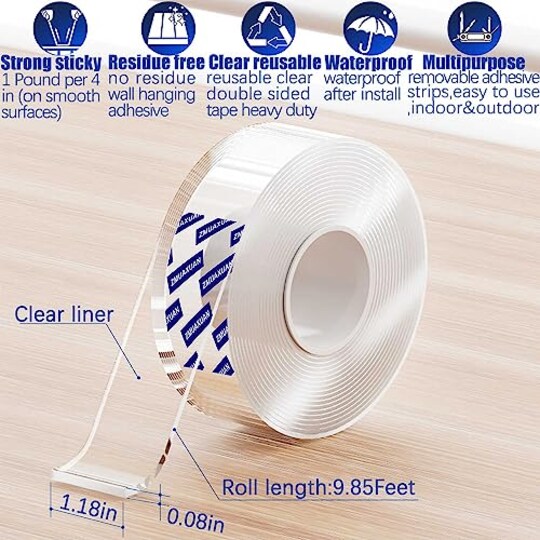
A stock image related to Nano mounting tape.
Comprehensive Cost and Pricing Analysis for Nano mounting tape Sourcing
Nano mounting tape sourcing requires strategic cost analysis beyond simple unit pricing. For procurement teams operating in Nigeria, Saudi Arabia, Brazil, and Eastern European markets, understanding the layered cost structure—from raw material grades to regional logistics complexities—proves essential for optimizing landed costs and maintaining competitive margins.
What Factors Determine Nano Mounting Tape Pricing in Bulk Orders?
Bulk pricing typically follows tiered volume structures, with significant breakpoints occurring at 1,000, 5,000, and 10,000-roll thresholds. Manufacturers often structure Minimum Order Quantities (MOQs) around master carton quantities or full production runs, typically requiring 500–1,000 units for customized specifications. OEM branding and private-label packaging add 8–15% to base manufacturing costs but eliminate intermediary markups. Seasonal fluctuations in acrylic adhesive raw materials and PET substrate availability can impact quotes by 5–12% quarterly, making long-term supply agreements advantageous for budget stability.
素材仕様が調達予算に与える影響とは?
Material composition creates substantial price variance across product grades. Standard 1mm-thick nano gel tapes suit light-duty applications at entry-level pricing, while industrial-grade 2mm–3mm variants with enhanced shear resistance command 40–60% premiums. Reusability ratings significantly affect lifecycle costs; tapes rated for 600+ wash cycles versus 200-cycle alternatives may cost 25% more upfront but reduce per-use expenses by 60%. Additionally, specialized formulations offering UV resistance or high-temperature stability (above 80°C) for Middle Eastern climates require premium resin blends, increasing unit costs by 18–30%.
What Are the Hidden Logistics Costs When Importing Nano Tape?
Volumetric weight calculations often surprise first-time importers, as nano tape’s light density means shipping costs derive from dimensional rather than actual weight. Optimizing container space through vacuum-compressed packaging or master roll configurations can reduce per-unit freight costs by 20–35%. For African and South American destinations, factor port congestion fees at Lagos (Apapa) or Santos, where demurrage charges can accumulate rapidly. HS code classification (typically 3919.10 for adhesive tapes) determines duty rates ranging from 5–15% across GCC and ECOWAS trade zones, while improper documentation may trigger costly customs holds.
How Can Regional Buyers Optimize Payment Terms and Currency Risk?
Mitigating currency volatility between USD, EUR, and local currencies (Naira, Real, Riyal) requires structured payment strategies. Established suppliers typically accept 30% T/T deposits with 70% against B/L, though Letter of Credit arrangements provide security for initial transactions despite adding 2–4% in banking fees. For Saudi and Nigerian markets facing foreign exchange restrictions, negotiating multi-currency pricing or escrow payment structures protects both parties. Building relationships to secure 60–90 day payment terms improves cash flow for distributors managing inventory across extended supply chains.
When Does Premium Pricing Translate to Better ROI for B2B Applications?
Evaluating total cost of ownership reveals that mid-to-premium tier nano tapes often outperform budget alternatives in commercial settings. Calculate cost-per-use rather than cost-per-roll: a $12 reusable tape surviving 500 cycles costs $0.024 per use versus a $4 single-use foam tape. For construction and retail display applications common in Dubai or São Paulo, superior adhesion prevents liability costs from falling fixtures or damaged surfaces. Additionally, premium suppliers offering batch consistency and technical documentation reduce quality control overhead, justifying 20–30% higher upfront investments through reduced rejection rates and warranty claims.
Alternatives Analysis: Comparing Nano mounting tape With Other Solutions
When evaluating fastening solutions for commercial fit-outs and industrial applications, procurement teams must assess nano mounting tape against established alternatives that have dominated facility management and construction sectors. While nano adhesive technology offers unique repositioning capabilities, understanding its performance relative to permanent acrylic bonding systems and mechanical fastening methods ensures optimal material selection aligned with project lifecycle requirements and surface integrity protocols.
How does nano mounting tape compare to traditional mounting solutions?
| 比較の側面 | Nano Mounting Tape | Acrylic Foam Mounting Tape | Hook & Loop Fastening Systems |
|---|---|---|---|
| Performance | Semi-permanent adhesion; 1–2 kg/cm load capacity | Permanent structural bond; 5+ kg/cm capacity | Mechanical grip; degrades with dust accumulation |
| Cost Structure | Medium initial cost; high reuse value | Low initial cost; single-use application | Low hardware cost; recurring adhesive replacement |
| 実施しやすさ | Immediate application; tool-free | Surface preparation required; permanent placement | Alignment-critical installation; mechanical fastening |
| Surface Versatility | Smooth, non-porous surfaces | Rigid, clean substrates only | Compatible with fabrics and textured materials |
| Removal Impact | Residue-free; surface-safe | Destructive removal; damages substrates | Clean removal; potential adhesive residue on base |
| Environmental Suitability | Indoor use; moderate temperature range | UV/waterproof; extreme weather resistant | Varies by backing material; arid climate challenges |
Is acrylic foam mounting tape suitable for permanent installations compared to nano tape?
Acrylic foam mounting tape represents the industry standard for permanent structural bonding, utilizing viscoelastic acrylic adhesives that chemically bond with substrates to distribute dynamic loads across signage, architectural panels, and HVAC components. While this solution offers superior shear strength and weather resistance critical for outdoor applications in Middle Eastern climates or high-humidity African regions, its permanent nature creates significant liabilities for leased commercial spaces prevalent in European and South American markets. Procurement teams must calculate total cost of ownership beyond initial material expenses, as acrylic foam removal necessitates surface reconstruction—adding labor costs and security deposit risks that nano tape eliminates through its residue-free removal technology. For temporary exhibitions, seasonal retail displays, or tenant improvement projects where spatial configurations change frequently, acrylic foam’s single-use application model proves economically inefficient despite lower per-unit pricing.
When should procurement teams choose hook-and-loop systems over nano adhesive?
Hook-and-loop fastening systems provide mechanical attachment solutions ideal for textile applications, cable management, and access panels requiring frequent opening cycles without adhesive fatigue. However, facility managers in dusty environments—common in Nigerian construction sites or Saudi Arabian industrial facilities—must account for particulate accumulation within hook fibers that progressively degrades grip strength and necessitates replacement cycles. Unlike nano tape’s uniform gel-based adhesion that conforms to microscopic surface irregularities, mechanical fasteners create visible gaps and profile protrusions that compromise aesthetic requirements in client-facing hospitality or corporate environments. While hook-and-loop offers immediate reusability without washing (unlike nano tape’s periodic maintenance requirement), its alignment-critical installation and bulkier form factor limit applications in precision electronics mounting or sleek retail fixture installations where nano tape’s transparency and repositionability provide superior operational flexibility.
Essential Technical Properties and Trade Terminology for Nano mounting tape
When procuring nano mounting tape for commercial distribution or industrial applications, understanding the technical specifications and standard industry nomenclature ensures product performance aligns with regional climate conditions and end-user expectations. Unlike conventional foam or acrylic mounting tapes, nano tapes utilize a gel-based acrylic matrix that demands specific evaluation criteria during bulk sourcing, particularly when supplying markets with extreme temperature variations or high-humidity environments.
What Are the Critical Technical Specifications for Bulk Nano Tape Procurement?
Peel Adhesion Strength (N/25mm or oz/in): This metric quantifies the force required to remove the tape from a stainless steel test panel at a 180-degree angle and specific speed. For B2B applications involving signage, fixtures, or electronic device mounting, look for values exceeding 15 N/25mm for permanent applications or 5-10 N/25mm for temporary mounting solutions that require clean removal.
Temperature Resistance Range: Given the diverse climates across target markets—from the humid heat of Lagos to the arid conditions of Riyadh—verify the tape’s operational range, typically -20°C to 80°C for standard grades, with high-temperature variants extending to 120°C. Storage temperature limits often differ from application limits, requiring clarification for container shipping conditions and warehouse storage.
Thickness (Caliper) and Conformability: Measured in millimeters or mils, thickness directly correlates with gap-filling capabilities and immediate tack. Thinner tapes (0.5–1.0 mm) suit smooth glass and metal surfaces, while thicker variants (1.5–2.0 mm) accommodate textured substrates common in construction and automotive applications.
Washability Cycles and Reusability Index: Unlike single-use adhesives, nano tapes derive value from their regenerative properties. Specify the number of effective wash-and-reuse cycles (typically 50–600 times depending on formulation quality) and whether adhesion recovery requires air-drying or specific cleaning agents to maintain transparency and tack.
Which Industry Terms Should B2B Buyers Understand When Sourcing Nano Mounting Tape?
Viscoelastic Acrylic Gel Matrix: Refers to the proprietary blend of acrylic polymers exhibiting both viscous flow (pressure conformability) and elastic recovery (shape retention). This property enables the tape to fill microscopic surface irregularities while maintaining structural integrity under dynamic loads.
Surface Energy Compatibility: A critical concept indicating which substrates the tape will bond to effectively. High-surface-energy materials (glass, anodized aluminum) provide excellent bonding, while low-surface-energy plastics (polypropylene, polyethylene) may require corona treatment or specialized nano formulations to prevent adhesion failure.
Dynamic Shear Resistance: Measures the tape’s ability to resist sliding forces when mounted vertically or overhead, expressed in kilograms per square centimeter (kg/cm²) or pounds per square inch (psi). This specification prevents product liability issues involving falling objects in commercial installations and retail displays.
Liner Release Force: Indicates the ease of removing the silicone-coated release liner during application, measured in grams per 25mm width. For automated manufacturing or high-volume retail packaging, specify low-release liners (20–40 g/25mm) to improve processing speed while preventing premature delamination during transit.
Die-Cut Tolerance: When ordering custom shapes for specific OEM applications (phone holders, cable organizers, automotive trim), this term defines dimensional accuracy (typically ±0.1 to ±0.5 mm) and edge cleanliness critical for automated dispensing equipment and aesthetic consistency.
Removability vs. Repositionability: Distinct adhesive behaviors where “removable” indicates clean removal without residue within a specified time window (usually 6–12 months), while “repositionable” allows immediate adjustment during application but may develop permanent bond strength after 24–72 hours of dwell time.
Navigating Market Dynamics and Sourcing Trends in the Nano mounting tape Sector
What Is Driving the Global Expansion of the Nano Mounting Tape Market?
The nano mounting tape sector is experiencing accelerated growth as commercial sectors pivot toward non-destructive installation methodologies. These acrylic gel-based adhesives deliver immediate bonding strength across glass, metal, and painted surfaces while enabling residue-free removal—critical attributes for rental property management, retail fixture installation, and temporary exhibition builds. Emerging markets across Africa and the Middle East are particularly driving volume demand, where rapid urbanization and infrastructure development require versatile mounting solutions that accommodate diverse substrate types common in modern commercial construction. European markets, conversely, demonstrate mature demand characterized by preference for specialized formulations meeting stringent REACH compliance and fire safety regulations.
Which Regional Market Trends Should B2B Buyers Monitor?
Procurement patterns vary significantly across target geographies, necessitating region-specific sourcing strategies. African distributors, particularly in Nigeria and Kenya, prioritize bulk quantities featuring enhanced moisture resistance to withstand tropical humidity and monsoon conditions. Middle Eastern buyers, including those in Saudi Arabia and the UAE, emphasize UV-stable formulations capable of maintaining adhesion through extreme diurnal temperature fluctuations and high solar exposure. South American markets show growing appetite for dual-purpose products serving both industrial mounting and consumer DIY segments, enabling distributors to optimize inventory turnover across diverse customer bases. European procurement teams increasingly focus on supply chain digitization, requiring batch traceability and automated reordering systems to maintain just-in-time inventory models.
How Is Sustainability Reshaping Procurement Standards for Nano Adhesives?
The transition toward circular economy principles is fundamentally altering buyer specifications within the mounting solutions sector. Nano tapes engineered for multiple wash-and-reuse cycles—maintaining adhesive integrity through hundreds of applications—command premium positioning in corporate and government tenders. Facility management companies across the Middle East particularly value these characteristics for seasonal retail displays and temporary event infrastructure, where rapid installation and removal cycles generate significant material waste with traditional fasteners. This reusability factor directly correlates with reduced landfill contributions and lower total cost of ownership, metrics now weighted heavily in vendor scorecards for hospitality chains and commercial real estate portfolios.
What Ethical Sourcing Criteria Matter Most for International Distributors?
Ethical procurement extends beyond performance specifications to encompass environmental impact and manufacturing transparency. B2B buyers should prioritize suppliers providing RoHS compliance documentation and low-VOC emission certifications essential for European market access and LEED-certified projects. For African and South American markets, verify that manufacturing partners utilize solvent-free acrylic formulations and recyclable PET film carriers rather than PVC alternatives, which face increasing regulatory scrutiny. Inquire about water stewardship in gel production processes, as drought-sensitive regions increasingly favor suppliers employing closed-loop manufacturing systems. Additionally, request third-party verified lifecycle assessments (LCAs) and modern slavery policy attestations to ensure alignment with corporate ESG mandates while mitigating regulatory risks across diverse import jurisdictions. Establishing partnerships with manufacturers demonstrating ISO 14001 environmental management certification provides competitive advantage in markets where sustainability credentials influence contract awards.
Frequently Asked Questions (FAQs) for B2B Buyers of Nano mounting tape
1. What is nano mounting tape used for in industrial applications beyond temporary household fixes?
Nano mounting tape serves critical functions in commercial signage installation, automotive trim assembly, electronics manufacturing, and retail fixture mounting where mechanical fasteners would compromise aesthetics or require drilling. Industrial-grade variants provide vibration dampening for sensitive laboratory equipment while enabling rapid prototyping without permanent alterations to test surfaces. The transparent, gel-based composition allows for invisible bonding in glass-to-metal applications and consumer electronics assembly, creating clean, professional finishes that traditional screws or rivets cannot achieve.
2. How much weight can heavy-duty nano mounting tape support per square inch in commercial installations?
Premium heavy-duty nano mounting tape typically supports between 0.5 to 1.5 pounds per square inch on smooth, non-porous surfaces, with specialized industrial formulations reaching up to 2 pounds per square inch when properly applied under optimal conditions. Load capacity depends significantly on surface preparation, total contact area, and environmental factors; textured or porous substrates like unpainted concrete may reduce holding strength by 30-50%. For B2B procurement decisions, request technical data sheets specifying shear strength (measured in psi) and dynamic load ratings rather than general weight claims to ensure specifications meet your engineering requirements.
3. Can nano mounting tape replace mechanical fasteners in manufacturing assembly lines?
Nano mounting tape effectively replaces screws, rivets, and welds in non-structural applications requiring quick assembly, thermal expansion accommodation, or temporary positioning during curing processes. It excels in mounting lightweight panels, cable management systems, and decorative trim where disassembly or repositioning may be required for maintenance. However, for load-bearing structural connections or safety-critical applications subject to dynamic shear forces, hybrid fastening systems combining nano tape with mechanical anchors provide optimal reliability while reducing installation time by 40-60% and eliminating surface damage from drilling.
4. How do you remove nano mounting tape from commercial surfaces without leaving adhesive residue or damaging paint?
Remove nano mounting tape by peeling slowly at a 180-degree angle parallel to the surface rather than pulling perpendicular, which minimizes substrate stress and prevents paint delamination. For any remaining residue, apply isopropyl alcohol (70% or higher) or citrus-based adhesive removers compatible with the specific surface material—always test solvents on painted drywall in inconspicuous areas first. On delicate surfaces like wallpaper or fresh paint, warm the tape slightly with a heat gun set to low before removal to reduce adhesive tack, then clean with a microfiber cloth dampened with the appropriate solvent.
5. How does nano mounting tape perform in high-temperature climates typical of Middle Eastern and African industrial environments?
Standard nano mounting tape maintains adhesion between -20°C to 60°C, while industrial-grade acrylic gel formulations withstand continuous exposure up to 80°C and intermittent peaks of 100°C without significant degradation. In high-humidity environments like coastal Nigeria or Saudi Arabia, select tapes with UV stabilizers and moisture-resistant backings to prevent hydrolysis that compromises gel integrity. For outdoor applications in extreme heat, specify nano tapes with silicone-modified adhesives rather than pure acrylic gels, as they resist thermal creep and maintain shear strength above 40°C ambient temperatures where standard formulations might soften.
6. What surface preparation protocols ensure maximum adhesion when applying nano mounting tape to concrete, painted drywall, and powder-coated metal?
Clean all substrates with isopropyl alcohol to remove oils, dust, and manufacturing release agents that compromise nano-suction technology, allowing surfaces to dry completely before application. Allow painted surfaces to cure for 30 days minimum before tape application to prevent paint delamination upon future removal. For porous concrete or brick, apply a surface primer or choose nano tapes specifically formulated for rough surfaces with thicker gel layers (2mm+) that conform to micro-irregularities; powder-coated metal requires light abrasion with fine-grit sandpaper followed by solvent cleaning to eliminate oxidation layers that inhibit bonding.
7. What customization options are available for bulk B2B procurement of nano mounting tape for specific manufacturing needs?
Industrial suppliers offer die-cutting services for custom shapes including gaskets, spacers, and mounting pads, plus precision slitting to widths from 3mm to 1000mm for automated assembly lines. Material specifications can be modified including gel thickness (0.5mm to 3mm), liner types (paper vs. film for high-speed dispensing equipment), and private labeling with your company branding. Minimum order quantities for custom formulations typically start at 500-1000 square meters, with lead times of 15-30 days depending on complexity, though standard sizes in master carton quantities ship immediately from regional distribution centers.
8. How do you calculate the total cost of ownership when switching from mechanical fasteners to nano mounting tape in high-volume assembly operations?
Calculate TCO by factoring labor cost reductions, as nano tape application requires 60-80% less installation time than drilling and screwing, plus elimination of capital equipment costs for drills, rivet guns, and drill bit inventories. Include reduced surface damage repair costs and the reusability factor—quality nano tape can be washed and repositioned 3-5 times during prototyping phases, reducing material waste. However, account for potential productivity losses if tape fails in high-shear applications; conduct pilot testing on 5-10% of your production line to establish accurate consumption rates and failure percentages before committing to full-scale procurement to ensure ROI projections are accurate.
重要な免責事項および利用規約
⚠️ 重要な免責事項
メーカー、技術仕様、市場分析に関する内容を含め、本ガイドラインで提供される情報は、情報提供と教育目的のみのものです。専門的な調達アドバイス、財務アドバイス、または法的アドバイスを提供するものではありません。.
B2Bバイヤーは、独自の徹底的なデューデリジェンスを行う必要がある。 をご覧の上、ご購入をお決めください。本ガイドに記載された情報を信頼した場合のリスクは、読者が単独で負うものとします。.
Top 2 Nano Mounting Tape Manufacturers & Suppliers List
1. AmpleTape – Nano Adhesive Tape

ドメイン ampletape.com
登録:2020年(6年)
はじめに Nano adhesive tape is a reusable, washable, and traceless double-sided tape made from transparent materials that remain invisible after application. It maintains adhesion across multiple uses and can be restored by washing with clean water and drying. Compatible with various surfaces including metal, glass, wood, plastic, and ceramics without leaving residue or causing damage. Applications include…
2. ADH Tapes – SlimFlex H-Series & Industrial Tapes
ドメイン adhtapes.com
Registered: 2018 (8 years)
はじめに This company, ADH Tapes – SlimFlex H-Series & Industrial Tapes, is a notable entity in the market.
Strategic Sourcing Conclusion and Outlook for Nano mounting tape
How Can International Buyers Secure Reliable Nano Tape Supply Chains?
When sourcing nano mounting tape across diverse regions—from Nigeria’s expanding retail sectors to Saudi Arabia’s construction boom—prioritize suppliers offering consistent acrylic gel formulations and customizable width specifications. Verify compliance with regional environmental standards and establish logistics partnerships capable of navigating varied customs protocols. Long-term reliability hinges on manufacturers demonstrating scalable production capacity alongside rigorous quality control systems that withstand tropical humidity and desert heat extremes.
What Market Trends Will Drive Nano Tape Demand in Emerging Economies?
The shift toward damage-free installation solutions is accelerating across African and South American markets, where rental property maintenance and temporary retail displays dominate commercial real estate. Reusable nano adhesives address sustainability mandates gaining traction in European procurement policies while offering cost efficiencies vital for price-sensitive Middle Eastern contractors. Expect demand surges in electrical cable management and modular fixture mounting as businesses prioritize flexible, non-permanent bonding solutions that reduce renovation waste.
Why Should Distributors Act Now to Capitalize on Nano Adhesive Innovation?
Forward-thinking B2B distributors must position nano mounting tape as a premium alternative to traditional mechanical fasteners before market saturation occurs. Invest in sample programs targeting facility managers and construction procurement officers, emphasizing the tape’s residue-free removal and load-bearing capabilities. By securing exclusive distribution agreements with manufacturers advancing nano-gel technology now, buyers can capture first-mover advantages in regions undergoing rapid infrastructure modernization and commercial fit-out expansion.