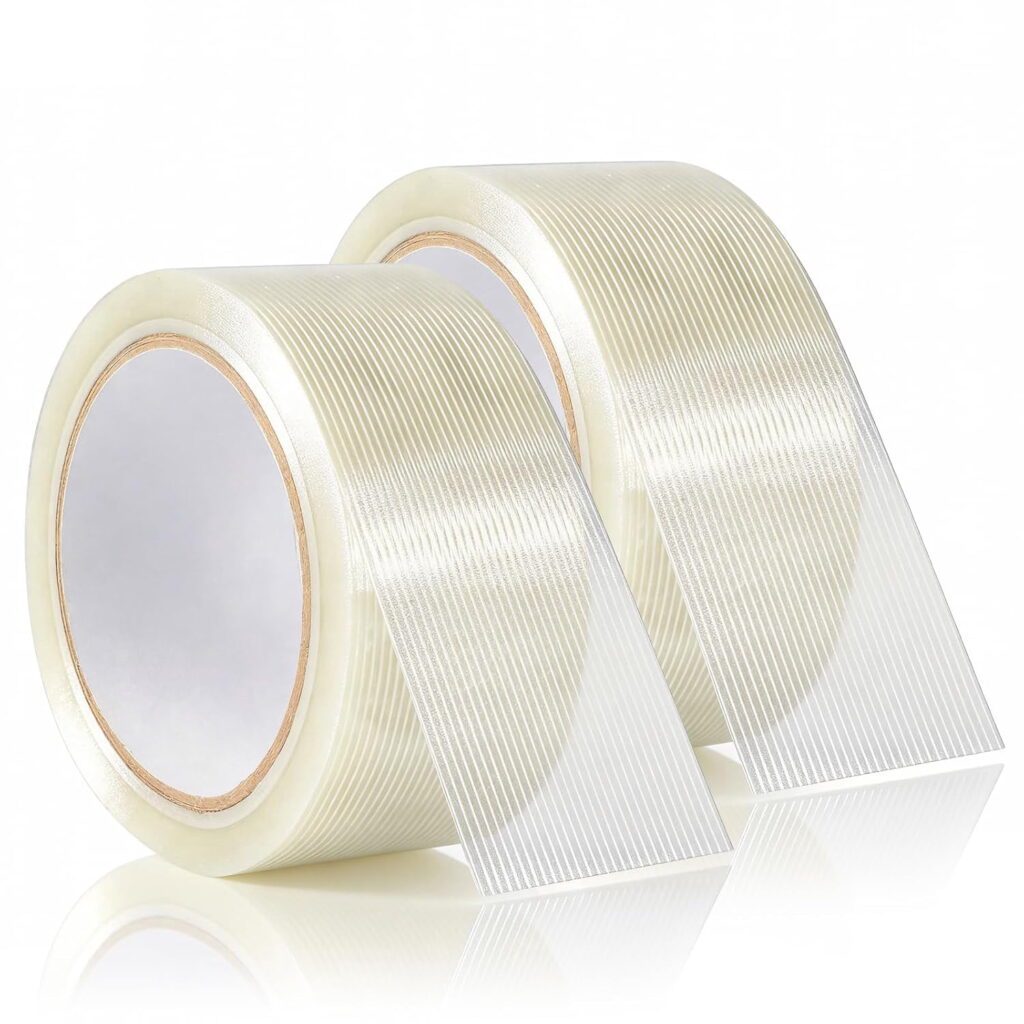
Introduction: Navigating the Global Market for Reusable nano tape
Sourcing high-performance reusable nano tape for industrial mounting applications presents a unique procurement challenge for international buyers seeking alternatives to mechanical fasteners and permanent adhesives. As markets across Nigeria, Brazil, and the broader Middle East and Europe accelerate infrastructure development and retail expansion, the demand for traceless, washable mounting solutions has surged—yet navigating supplier reliability, material specifications, and bulk pricing remains complex in a fragmented global marketplace.
What Makes Reusable Nano Tape Essential for Modern Industries?
Unlike conventional foam tapes or mechanical anchors, reusable nano tape leverages microscale polymer arrays and van der Waals forces to deliver strong adhesion without surface damage. This acrylic-based solution offers washable, residue-free performance across electronics manufacturing, construction finishing, and retail display installations. For procurement teams, understanding the distinction between marketing terminology and actual material capabilities—whether the product utilizes true nano-scale engineering or micro-structured acrylics—proves critical for specification accuracy and application success.
How Can International Buyers Navigate Quality, Applications, and Supplier Vetting?
This comprehensive guide examines the complete procurement ecosystem for reusable nano tape, from material composition standards and load-bearing specifications to regional supplier capabilities and logistics optimization. We analyze cost-efficiency frameworks for bulk orders, quality assurance protocols for acrylate-based adhesives, and application-specific requirements across industrial MRO, construction, and commercial display sectors. Whether you are securing inventory for West African distribution networks or Brazilian retail fixture manufacturing, this resource equips you with actionable criteria to evaluate technical datasheets, audit manufacturing facilities, and negotiate favorable terms—transforming complex sourcing decisions into strategic procurement advantages.
Understanding Reusable nano tape Types and Variations
| タイプ名 | 主な特徴 | 主なB2Bアプリケーション | バイヤーのための簡単な長所と短所 |
|---|---|---|---|
| Standard Clear Acrylic Nano Tape | Transparent gel composition, 1-2mm thickness, general-purpose adhesion | Retail display mounting, office organization, light fixture installation | 長所だ: Cost-effective, versatile surface compatibility 短所だ: Limited load capacity, temperature sensitivity |
| ヘビーデューティー工業用ナノテープ | 3-5mm thickness, reinforced acrylic matrix, high shear strength | Construction fixtures, industrial signage, HVAC component mounting | 長所だ: Superior load bearing, weather resistant 短所だ: Higher unit cost, surface preparation required |
| Washable Regenerative Nano Tape | Hydrophilic surface technology, rinse-to-restore adhesion, 500+ wash cycles | Rental property fittings, temporary exhibition stands, reusable packaging | 長所だ: Extended lifecycle, sustainable credentials 短所だ: Drying time required, humidity sensitivity during storage |
| High-Temperature Electronic Grade | Silicone-acrylic hybrid, -40°C to 150°C range, non-conductive | Electronics manufacturing, automotive interior assembly, LED strip mounting | 長所だ: Thermal stability, clean removal 短所だ: Premium pricing, specialized application |
| Custom Die-Cut Nano Tape | OEM-specific shapes, liner options, automated application ready | Consumer electronics assembly, automotive trim, appliance manufacturing | 長所だ: Labor cost reduction, precise fit 短所だ: MOQ requirements, design lead times |
What Specifications Define Standard Clear Acrylic Nano Tape for General B2B Use?
Standard clear acrylic nano tape features a transparent gel composition typically 1-2mm thick, utilizing micro-suction technology derived from acrylate polymers. This variation suits retail display mounting, office organization systems, and light fixture installation where visual discretion is paramount. B2B buyers should assess surface energy compatibility across common substrates like glass, metal, and painted drywall, while noting that standard grades generally support loads of 0.5-2kg per square inch. Temperature sensitivity limits outdoor applications in tropical climates unless specifically rated, making indoor climate-controlled environments the primary deployment zone for this cost-effective category.
How Does Heavy-Duty Industrial Nano Tape Differ in Construction Applications?
Heavy-duty industrial nano tape incorporates reinforced acrylic matrices with thicknesses exceeding 3mm, engineered to withstand shear forces up to 10kg per square inch in construction and manufacturing environments. This grade features enhanced weather resistance for outdoor signage, HVAC component mounting, and temporary structural fixtures prevalent in Middle Eastern infrastructure projects. Procurement teams must verify surface preparation requirements, as industrial variants often demand clean, non-porous substrates to achieve optimal bonding. The higher unit cost delivers extended durability against UV exposure and thermal cycling, essential for long-term industrial installations.
Why Is Washable Regenerative Nano Tape Critical for Circular Economy Business Models?
Washable regenerative nano tape employs hydrophilic surface engineering that restores adhesion through water rinsing, supporting 500+ application cycles without adhesive degradation or
Key Industrial Applications of Reusable nano tape
| 業界/セクター | Specific Application of Reusable nano tape | ビジネスにとっての価値/利益 | このアプリケーションにおける主な調達上の考慮事項 |
|---|---|---|---|
| 電子機器製造・組立 | Temporary fixation of PCBs and components during wave soldering; mounting sensors in prototypes; clean room cable management | Eliminates adhesive residue on sensitive circuits; enables rapid prototyping iterations |
3 Common User Pain Points for ‘Reusable nano tape’ & Their Solutions
Scenario 1: Securing Heavy Commercial Signage in High-Temperature Environments
問題だ: Procurement teams across the Middle East and North Africa frequently encounter adhesive failure when mounting promotional displays, wayfinding signage, or safety equipment in warehouses and retail spaces where ambient temperatures regularly exceed 40°C. Standard nano tape formulations experience reduced tensile strength under thermal stress, causing expensive glass or metal signage—often weighing 5kg or more—to detach unexpectedly and create liability risks in high-traffic areas. Facilities managers struggle to verify manufacturer weight capacity claims against real-world thermal conditions, forcing them to default to permanent drilling solutions that violate commercial lease agreements and damage expensive wall finishes in temporary retail installations or exhibition spaces.
解決策 Specify industrial-grade nano tape utilizing high-temperature acrylate formulations explicitly rated for continuous exposure up to 80°C, rather than consumer-grade alternatives. Implement distributed load engineering by applying multiple 2-inch strips in a grid pattern rather than single continuous runs, creating redundant adhesion points that prevent catastrophic single-point failures. For loads exceeding 3kg, adopt a hybrid mounting strategy where nano tape provides immediate positioning and stabilization while discrete mechanical supports handle primary weight bearing. Always request batch-specific shear strength test reports and temperature performance data from suppliers, particularly for shipments transiting through hot-climate ports like Lagos, Dubai, or Santos, to ensure the polymer matrix hasn’t degraded during containerized transport.
Scenario 2: Achieving Reliable Bonds on Dusty, Textured Concrete in Active Construction Zones
問題だ: Infrastructure developers and MRO teams in Nigeria, Brazil, and rapidly urbanizing regions face critical delays when mounting temporary electrical fixtures, cable management systems, or protective barriers on unpainted concrete, brick, or stucco surfaces common in industrial settings. While nano tape promises drill-free installation that preserves structural integrity, porous, dusty substrates prevalent in active construction zones prevent the van der Waals force contact necessary for reliable adhesion. Project managers report wasting significant labor hours re-applying tape that peels within hours, while dust infiltration beneath the adhesive accelerates failure. This forces teams back to traditional mechanical fastening, damaging surfaces and creating compliance issues in leased facilities where drilling is prohibited.
解決策 Establish mandatory two-step surface preparation protocols before any tape application. First, utilize industrial-grade isopropyl alcohol wipes (minimum 70% concentration) to remove construction dust, cutting oils, and curing compounds—standard dry cloths merely redistribute particulates. For surfaces with texture variance exceeding 0.5mm, such as exposed aggregate concrete or painted cinder block, specify nano tape with thicker gel layers (2.0mm minimum) that conform to micro-textures rather than standard 1.0mm variants. Apply tape only to the flattest available sections of the substrate, avoiding mortar lines. In persistently dusty environments, seal the tape perimeter with a compatible removable edge-sealing compound to prevent particulate infiltration that breaks the adhesive seal under vibration or air pressure changes.
Scenario 3: Preventing Inventory Degradation When Storing Bulk Quantities in Humid Climates
問題だ: Distributors and retail chains purchasing container-load quantities of reusable nano tape for resale across South America, West Africa, and Southeast Asia face substantial inventory losses when warehousing lacks climate control. High ambient humidity—often exceeding 80% in coastal regions like Lagos, Rio de Janeiro, or Mumbai—causes the acrylate gel to prematurely activate, resulting in rolls adhering to themselves, edges curling, and reduced washability before products reach end-users. This creates severe cash flow complications for wholesalers who cannot sell compromised stock and damages commercial relationships with contractors expecting consistent reusability. Standard cardboard packaging offers insufficient protection during monsoon seasons or container condensation (“container rain”) during ocean freight.
解決策 Partner exclusively with manufacturers providing vacuum-sealed, aluminum-laminated moisture barrier bags containing silica gel desiccants specifically engineered for tropical logistics. Upon receipt, maintain inventory in humidity-controlled warehousing at 40-50% relative humidity, critical for preserving the nano-scale polymer structure and preventing hydrolysis. Implement rigorous first-in-first-out (FIFO) rotation protocols, recognizing that nano tape efficacy degrades significantly after 18 months even under ideal storage. When vetting suppliers, request accelerated aging test data (85°C/85% RH testing for 1,000 hours) to verify tropical-grade formulations. For high-volume buyers, consider negotiating smaller, quarterly shipments rather than annual container purchases to minimize exposure time, or specify cold-chain logistics for the final distribution leg in extreme humidity zones.
Strategic Material Selection Guide for Reusable nano tape
Selecting the appropriate polymer base for reusable nano tape represents a critical decision point for B2B procurement teams managing diverse operational environments across international supply chains. The adhesive matrix—whether acrylate, polyurethane, or silicone—directly impacts load-bearing capacity, environmental resistance, and reusability cycles. Material selection must account for regional climate variations, from the humidity of Nigerian coastal regions to the temperature extremes of Middle Eastern deserts. Understanding these polymer distinctions enables buyers to align technical specifications with surface requirements prevalent in African construction, Brazilian manufacturing facilities, or European retail installations, ensuring optimal performance while minimizing replacement costs.
Which Acrylate-Based Formulation Delivers Superior Shear Strength for Smooth Surfaces?
Acrylate-based nano tapes represent the dominant formulation in commercial markets, utilizing cross-linked acrylic polymers that generate robust van der Waals forces through nano-scale surface contact. These materials excel on high-energy surfaces such as glass, polished aluminum, and painted drywall, delivering exceptional initial
In-depth Look: Manufacturing Processes and Quality Assurance for Reusable nano tape
B2B procurement of reusable nano tape requires understanding the manufacturing nuances that separate commodity-grade consumer products from industrial-quality solutions suitable for retail distribution and commercial installation. While the “nano” designation references micro-structured acrylic polymers inspired by gecko adhesion rather than true nanotechnology, production precision directly impacts load-bearing capacity, washability longevity, and residue-free removal characteristics. For buyers sourcing from Asian manufacturers for distribution in Nigeria, Brazil, or the UAE, verifying production capabilities and quality protocols prevents costly inventory failures, particularly given the climate variations between humid tropical markets and arid Middle Eastern environments.
How Is Reusable Nano Tape Manufactured at Scale?
Industrial production begins with the preparation of specialized acrylate polymer matrices, either through solvent-based coating systems or advanced hot-melt extrusion processes that eliminate volatile organic compounds. Manufacturers employ precision micro-embossing techniques using engraved rollers to create gecko-inspired surface structures—microscopic arrays that maximize van der Waals force contact points across the tape surface. The adhesive layer undergoes controlled UV curing or thermal cross-linking to achieve the optimal balance between initial tack and cohesive strength, preventing adhesive flow during storage while maintaining removability. Automated
Practical Sourcing Guide: A Step-by-Step Checklist for ‘Reusable nano tape’
Procuring reusable nano tape for industrial distribution or retail resale requires moving beyond marketing terminology to verify actual performance specifications. This checklist equips procurement teams with actionable validation steps to ensure bulk orders meet technical standards, regional compliance requirements, and climate-specific durability needs for markets across Africa, South America, the Middle East, and Europe.
1. How Do You Verify Material Composition and Reusability Specifications?
Request technical data sheets detailing acrylate polymer density and micro-engineered surface structures that generate van der Waals forces. Authentic reusable nano tape should withstand 500+ wash cycles while maintaining 90% of initial adhesion strength. Demand independent laboratory reports confirming traceless removal capabilities and verify that washing protocols use standard tap water rather than specialized cleaning solutions, ensuring practical reusability for end-users.
2. What Load Capacity and Surface Compatibility Standards Should You Define?
Specify shear strength requirements based on application—industrial mounting typically necessitates 1-2 kg/cm² capacity. Request comprehensive adhesion testing data across substrates prevalent in your target markets: painted concrete common in Nigerian construction, textured tiles in Brazilian homes, and powder-coated aluminum in Middle Eastern commercial spaces. Include temperature resistance parameters exceeding 60°C for high-heat climates, ensuring adhesive stability during peak summer conditions.
3. Which Regional Compliance Certifications Must You Verify?
Confirm REACH registration for European distribution and RoHS compliance for electronic applications. Middle Eastern markets require phthalate-free and halal-compliant manufacturing certifications, while Brazilian imports necessitate INMETRO labeling standards. African customs authorities increasingly require fumigation certificates and Portuguese/French language Material Safety Data Sheets. Verify packaging complies with emerging single-use plastic restrictions specific to Nigerian and EU environmental regulations.
4. What Customization Options Maximize Market Differentiation?
Evaluate OEM capabilities including branded cores, custom widths from 12mm to 50mm, and localized instruction inserts in Arabic, Portuguese, or French. Assess die-cutting services for specialized industrial applications requiring specific shapes. Determine minimum order thresholds for enhanced formulations—UV-stabilized variants for intense solar exposure may require 5,000-roll commitments. Confirm lead times for customized packaging align with your quarterly inventory cycles and seasonal demand fluctuations.
5. How Do You Conduct Pre-Shipment Quality Validation?
Implement third-party inspection protocols focusing on dust-free manufacturing environments, as particulate contamination compromises nano-adhesion performance. Require pre-shipment random sampling where test specimens demonstrate immediate tack without adhesive transfer or residue. Verify roll consistency in thickness and clarity, indicating uniform nano-structure application. Establish acceptance criteria allowing rejection of batches exhibiting adhesion failure rates exceeding 2% or visible bubble formations in the acrylic matrix.
6. What Logistics Protocols Preserve Product Integrity?
Specify climate-controlled container shipping for trans-equatorial routes to prevent adhesive degradation in high humidity. Request UV-protective pallet wrapping for Middle Eastern and South American transit corridors. Establish warehouse protocols maintaining 15-25°C ambient temperatures to preserve micro-structure integrity during storage. Confirm 24-month shelf-life guarantees and negotiate consignment inventory arrangements for high-volume distributors, improving cash flow while ensuring stock freshness for end-users.
Comprehensive Cost and Pricing Analysis for Reusable nano tape Sourcing
When sourcing reusable nano tape at scale, understanding the cost architecture beyond unit pricing is critical for procurement teams in Nigeria, Brazil, and across European markets. The pricing landscape varies significantly based on acrylic polymer grades, nano-engineering precision, and regional logistics corridors. B2B buyers must evaluate whether the “nano” designation represents genuine micro-suction array technology or premium marketing positioning, as this distinction directly impacts both upfront costs and long-term adhesion performance.
What Raw Material Costs Should You Expect in Bulk Nano Tape Procurement?
The primary cost driver lies in the acrylate polymer matrix and nano-scale additive formulations. Premium grades utilizing advanced micro-suction arrays command 15-25% higher raw material costs than standard acrylic foam tapes. For B2B buyers, this translates to tiered pricing structures where medical-grade or industrial-strength variants with enhanced van der Waals force replication significantly exceed consumer-grade alternatives. Requesting detailed material specification sheets from manufacturers helps validate whether the nano branding reflects genuine engineered polymers capable of 500+ reuse cycles, or merely conventional adhesives with surface texturing.
How Do Volume Tiers and MOQs Impact Your Total Investment?
Chinese and Southeast Asian manufacturers typically structure pricing around MOQ thresholds of 5,000 to 10,000 rolls for customized specifications, with substantial price breaks occurring at 20,000+ unit volumes. However, emerging market buyers should negotiate flexible container-loading arrangements rather than rigid per-roll minimums to optimize cash flow. Consider that virgin material tapes offer superior reusability and washability compared to recycled-content alternatives, potentially reducing quarterly procurement frequency despite 20-30% higher upfront costs per roll.
What Logistics Considerations Affect Landed Costs in Africa and South America?
For buyers in Lagos, São Paulo, or Dubai, shipping configurations dramatically alter unit economics. Nano tape’s gel-like composition requires climate-controlled container sections during transit to prevent adhesive degradation in high-humidity environments. Factor in 8-12% additional costs for moisture-barrier packaging and ISPM-15 compliant pallets. Import duties vary significantly—Brazil’s Mercosur tariffs on adhesive products differ substantially from Nigeria’s ECOWAS trade agreements, necessitating HS code 3919.10 classification verification to optimize duty payments and avoid customs delays.
How Should You Evaluate Cost-Per-Use Versus Upfront Unit Pricing?
B2B procurement teams must shift analysis from per-meter costs to cost-per-application cycles. While standard double-sided foam tapes average $0.15-$0.25 per linear meter, premium reusable nano tapes range $0.40-$0.80 initially. However, with 300-500 reuse cycles versus single-use alternatives, the amortized cost drops to $0.001-$0.002 per use. For facility management, retail display, and industrial mounting companies across the Middle East and Europe, this represents 60-80% lifecycle cost reductions despite higher initial procurement investments.
What Quality Certification Costs Should You Budget For?
Reputable suppliers should provide REACH compliance documentation and RoHS certifications for European markets, while SONCAP certification is essential for Nigerian imports and INMETRO for Brazilian distribution. Budget $200-$500 per shipment for third-party SGS or Bureau Veritas inspection services, particularly crucial when sourcing nano-branded products where material authenticity requires verification. These verification costs, while adding 2-3% to total procurement budgets, prevent costly recalls from substandard adhesion performance in critical industrial applications.
Strategic sourcing of reusable nano tape requires balancing material science validation with sophisticated logistics planning. By analyzing total landed costs rather than factory gate pricing, procurement teams can leverage this innovative adhesive category for significant long-term operational savings while ensuring compliance with regional import regulations.
Alternatives Analysis: Comparing Reusable nano tape With Other Solutions
When evaluating mounting and bonding solutions for commercial facilities, retail environments, or construction projects across diverse markets—from the humid climates of Lagos and São Paulo to the dust-prone industrial zones of the Middle East—procurement teams must weigh immediate material costs against long-term operational flexibility and surface integrity. While reusable nano tape offers a distinct value proposition through its traceless removability and washability, understanding its performance relative to traditional mechanical methods and permanent adhesive systems ensures optimal specification for load-bearing requirements, lease agreements, and installation timelines.
| 比較の側面 | Reusable Nano Tape | Mechanical Fastening (Drilling & Anchors) | Permanent Acrylic Foam Tape (VHB) |
|---|---|---|---|
| Performance & Load Capacity | Light to medium (1–5 kg/cm²); suitable for signage, fixtures, and cable management | High to structural; supports heavy machinery and safety-critical loads | Very high; structural bonding for automotive trim and permanent signage |
| Total Cost of Ownership | Low (reusable for 500+ cycles, minimal labor) | High (low hardware cost but significant labor/tooling expenses) | Medium to high (single-use; recurring material costs for reinstallation) |
| 実施しやすさ | Immediate application; no curing time or specialized tools required | Slow; requires drilling, dust management, and skilled masonry/electrical labor | Fast application but requires extensive surface prep and 24–72 hour curing |
| Surface Impact | Zero damage; traceless removal preserves lease deposits | Permanent damage (holes); compromises structural integrity of substrates | Difficult residue removal; often damages paint or drywall upon detachment |
| Environmental Adaptability | Excellent; performs in humidity/dust when surfaces are clean pre-application | Universal; corrosion-resistant hardware required in coastal/humid regions | Excellent weatherproofing; temperature-sensitive during initial application |
| Reusability & Flexibility | High; washable and repositionable for temporary displays and agile workspaces | None; hardware removable but substrate damage remains | None; single-use adhesive bond |
| Best Application | Temporary retail displays, rental properties, exhibition stands, prototyping | Permanent fixtures, heavy industrial equipment, seismic-rated installations | Long-term outdoor signage, automotive assembly, semi-permanent mounting |
How Does Mechanical Fastening Compare for Industrial Applications?
Mechanical fastening—encompassing screws, wall anchors, and toggle bolts—remains the industry standard for structural integrity in heavy-load applications, particularly within the construction and manufacturing sectors prevalent across Nigeria and Brazil, where building codes frequently mandate physical anchoring for safety-critical installations and heavy machinery mounting. However, this approach introduces substantial hidden costs through specialized labor requirements, power tool procurement, and construction debris management that complicates operations in cleanroom environments or active retail spaces. Furthermore, the permanent alteration of substrate surfaces creates significant liabilities for facility managers operating leased commercial properties in European urban centers or flexible co-working spaces across the Middle East, where lease agreements demand pristine restoration upon vacancy. While indispensable for suspended loads exceeding structural adhesive limits or applications subject to seismic shear forces, drilling offers none of the operational agility required for temporary exhibition stands, seasonal retail configurations, or rapid prototyping environments where surface preservation is paramount.
Is Permanent Acrylic Foam Tape More Suitable Than Nano Tape for Long-Term Bonding?
Permanent acrylic foam tapes, categorized commercially as VHB (Very High Bond) or structural mounting tapes, occupy the middle ground between nano tape’s removability and mechanical fastening’s brute strength, finding particular traction in European automotive assembly and Middle Eastern outdoor signage industries where weatherproofing and vibration resistance are non-negotiable. These adhesive systems deliver exceptional holding power for semi-per
Essential Technical Properties and Trade Terminology for Reusable nano tape
When sourcing reusable nano tape for industrial distribution or retail channels, understanding the technical datasheet beyond marketing claims ensures compliance with regional safety standards and end-user performance expectations. The following specifications and terminology form the baseline for quality assurance and contract negotiations.
What Are the Critical Technical Specifications for Bulk Nano Tape Procurement?
Tensile Shear Adhesion (N/cm² or oz/in²): This metric measures the tape’s resistance to sliding under static load. For heavy-duty mounting applications common in construction and retail display sectors, specify values exceeding 15 N/cm² on high-surface-energy substrates like glass and painted drywall. Lower values indicate light-duty use only.
破断伸度(%): Indicates the material’s flexibility before rupture. Premium nano tape should offer 50–100% elongation to accommodate thermal expansion and contraction without cracking. This is particularly critical for shipments to regions with extreme temperature fluctuations, such as the Middle East or high-humidity zones in West Africa.
洗濯可能サイクル: Defines how many times the adhesive can be rinsed with water to restore full bonding strength. Industrial-grade tapes offer 500–1,000 cycles, while economy versions may degrade after 50–100 washes. Verify this metric to match product lifespan with your target market’s price sensitivity.
Operating Temperature Range: Standard acrylic gel matrices function between -20°C and 80°C. For outdoor applications in Brazil or the Gulf states, confirm high-temperature thresholds above 60°C to prevent adhesive softening and creep failure during peak summer storage or use.
Gel Layer Thickness (mm/mil): Typically available in 1mm (40 mil) or 2mm (80 mil) variants. Thicker layers provide better gap-filling on uneven industrial surfaces but require longer initial curing times. Thinner profiles suit electronics and precision assembly.
Surface Energy Compatibility: Distinguishes between high-surface-energy (HSE) substrates like metal and glass versus low-surface-energy (LSE) plastics like polypropylene. Standard nano tape adheres poorly to LSE materials without surface primers or corona treatment.
How Do Industry Terms Impact Your Nano Tape Sourcing Decisions?
Gecko Tape / Biomimetic Adhesion: Trade terminology referencing the micro-suction structure mimicking gecko feet. While marketed as “nano,” the adhesion relies on micro-scale van der Waals forces and mechanical interlocking rather than true nanotechnology.
Acrylic Gel Matrix: Describes the viscoelastic polymer composition providing both flow (for surface wetting) and cohesion (for structural strength). Clarify whether the supplier uses pure acrylic, blended elastomers, or PU (polyurethane) hybrids, as this affects clarity and UV resistance.
跡形もない除去: Industry jargon indicating clean removal without substrate damage, paint delamination, or adhesive residue. Essential for the rental property and temporary event installation markets prevalent in European urban centers.
型抜き公差: Refers to precision slitting of master rolls into custom widths, sheets, or shaped dots. Standard tolerance is ±0.5mm, but high-precision electronics applications may require ±0.2mm. Understand MOQ implications for custom dimensions to optimize container load yields.
ファンデルワールス力: The intermolecular attraction mechanism between the tape’s micro-porous surface and the substrate. While not strictly nanoscale, this physics principle explains the reusable, pressure-activated bonding that distinguishes nano tape from traditional foam adhesives.
Master Roll Specifications: Denotes the jumbo roll dimensions (typically 1000mm or 1250mm width × 300–600m length) used for slitting. Knowing master roll dimensions and core sizes (3-inch vs. 6-inch) is essential for calculating freight costs and warehouse storage efficiency for bulk imports.
Navigating Market Dynamics and Sourcing Trends in the Reusable nano tape Sector
The reusable nano tape market is undergoing a strategic shift from consumer novelty to industrial-grade fastening solutions. For procurement teams across Nigeria, Brazil, and Middle Eastern markets, this adhesive technology offers compelling alternatives to mechanical fasteners in construction, retail fit-out, and electronics assembly. However, the sector remains fragmented between genuine micro-engineered products utilizing acrylate polymer arrays and commoditized alternatives relying on basic pressure-sensitive adhesives marketed under the “nano” umbrella. Understanding these distinctions is essential for B2B buyers seeking reliable supply chains and performance consistency in diverse climatic conditions.
What Industrial Applications Are Driving Demand for Reusable Nano Tape in Emerging Markets?
Industrial adoption of reusable nano tape is accelerating beyond residential organization into specialized B2B sectors requiring temporary yet secure fixation. In Nigeria’s booming construction industry, contractors increasingly utilize these adhesives for temporary protective film installation and lightweight fixture mounting during interior fit-outs, where drill-free application preserves expensive tile and glass surfaces while avoiding structural penetration risks. Similarly, Brazilian retail and exhibition sectors leverage washable nano tape for point-of-purchase displays and seasonal signage, enabling rapid reconfiguration without surface damage penalties in leased commercial spaces.
The electronics manufacturing sector represents a high-growth vertical, particularly for heat-sensitive component fixation where traditional thermal adhesives prove excessive. Advanced nano tapes utilizing true micro-engineered surfaces—employing van der Waals force principles rather than chemical adhesion—provide removable yet secure bonding for circuit board components and precision device assembly. Automotive interior suppliers across European markets are also adopting these solutions for trim attachment and cable management, valuing the traceless removal that supports vehicle lease return standards and refurbishment cycles.
Regional sourcing patterns reveal distinct procurement behaviors shaping supply strategies. European buyers typically prioritize certified sustainable formulations and comprehensive technical documentation, while African and South American markets emphasize cost-effectiveness combined with tropical climate resistance and humidity tolerance. This divergence creates opportunities for tiered supplier approaches, where premium nano-engineered products serve automotive and electronics sectors, while mid-grade acrylic formulations address construction and retail needs. The trend toward localized distribution hubs in Lagos and São Paulo is reducing lead times, though buyers must balance convenience against bulk pricing advantages available through direct Asian manufacturer relationships.
How Can Procurement Teams Verify Sustainable and Ethical Sourcing in Nano Tape Supply Chains?
Sustainability in the nano tape sector extends beyond the obvious reusability benefits to encompass material composition, manufacturing ethics, and end-of-life accountability. While the product’s washable nature inherently supports circular economy principles—reducing construction waste and disposable adhesive consumption in rapidly developing markets—B2B buyers must scrutinize base materials beyond marketing claims. Ethical sourcing requires verification that acrylate polymers derive from non-toxic formulations compliant with EU REACH regulations and increasingly stringent Middle Eastern import standards, rather than PVC-based alternatives that compromise recyclability and off-gas volatile compounds.
Supply chain transparency presents particular challenges given the concentration of manufacturing in Asian industrial zones. Procurement teams should prioritize suppliers providing detailed material safety data sheets (MSDS) and third-party certifications regarding factory conditions and labor practices. For European and Middle Eastern markets, carbon footprint documentation across logistics chains becomes critical, as the weight-to-value ratio of nano tape favors air freight, potentially increasing scope 3 emissions unless sea freight consolidation strategies are implemented for non-urgent inventory.
Water usage in the cleaning process—necessary to regenerate adhesion—presents a hidden sustainability variable often overlooked in lifecycle assessments. Industrial users in water-scarce Middle Eastern regions should evaluate dry-cleaning compatible formulations or closed-loop washing systems to maintain adhesion cycles without environmental compromise. Furthermore, responsible suppliers now offer take-back programs or guidance on acrylic adhesive recycling pathways, particularly important for large-scale industrial users generating significant volumes. B2B buyers should negotiate packaging minimization protocols—requesting bulk spooling rather than individual blister packs—to align with corporate sustainability mandates while reducing landed costs in price-sensitive African and South American markets.
Frequently Asked Questions (FAQs) for B2B Buyers of Reusable nano tape
1. How do I assess weight capacity limits for commercial nano tape applications?
Commercial-grade reusable nano tape typically supports 0.5–1.0 kg per square inch on optimal surfaces, though load distribution remains critical for industrial applications. For heavy-duty mounting exceeding 2 kg, calculate shear forces across multiple contact points rather than relying on single-strip adhesion. Always conduct substrate-specific pull tests using your actual surface materials before full-scale deployment, as porous textures or micro-contaminants common in manufacturing environments can reduce holding capacity by 30–50%.
2. How do I evaluate reusable nano tape against traditional mounting solutions for business use?
Unlike mechanical fasteners or permanent chemical adhesives, nano tape eliminates surface damage and enables repositioning during installation, reducing labor costs by 40–60% in fixture-heavy environments like retail or exhibitions. It requires zero curing time compared to epoxy or construction adhesives, allowing immediate load-bearing capacity that accelerates project timelines. However, for permanent structural loads exceeding 5 kg or high-vibration industrial machinery, hybrid solutions combining nano tape with mechanical anchors provide superior safety margins while maintaining removability benefits.
3. How do I secure bulk quantities of reusable nano tape for manufacturing and retail distribution?
Leading manufacturers offer OEM customization with minimum order quantities (MOQs) starting at 500–1,000 rolls for private labeling and custom widths. Volume pricing tiers typically activate at 100+ units, with full container loads (20ft/40ft) offering the most competitive FOB pricing for importers in Nigeria, Brazil, and Middle Eastern markets. When sourcing, specify gel density requirements (measured in g/cm³) and anti-microbial additives for high-humidity climates to ensure product stability during ocean freight transit.
4. How do I identify compatible surface types for industrial nano tape applications?
Nano tape adheres optimally to non-porous substrates including tempered glass, anodized aluminum, polished ceramic, and acrylics found in modern commercial interiors. Industrial applications on painted drywall, concrete, or powder-coated metals require surface sealing primers to prevent dust particle interference that compromises van der Waals force adhesion. Avoid direct application to unfinished wood, silicone-coated materials, or oil-exposed surfaces common in automotive and heavy machinery environments, as these create permanent bond failures.
5. How do I ensure optimal nano tape performance in extreme climates across diverse markets?
Standard nano tape maintains adhesion between -10°C and 80°C, but suppliers can formulate UV-stabilized acrylic gels for Middle Eastern markets where surface temperatures exceed 50°C. For high-humidity environments like Nigeria or coastal Brazil, request anti-microbial nano tape formulations that prevent mold growth at the gel-surface interface during monsoon seasons. Cold chain logistics for European distribution requires verification that the tape remains flexible above 5°C to prevent micro-fracturing during winter installation.
6. How do I navigate customs and import regulations when sourcing nano tape internationally?
Reusable nano tape typically classifies under HS Code 3919.10 (self-adhesive plates and tape) with import duty rates varying 5–15% depending on destination country tariff schedules. European buyers should verify REACH compliance and RoHS certification for electronics applications, while Middle Eastern importers require SASO conformity assessment certificates. For African markets including Nigeria, ensure suppliers provide pre-shipment inspection (PSI) certificates and Material Safety Data Sheets (MSDS) to prevent port clearance delays.
7. How do I verify quality standards and certifications for B2B nano tape procurement?
Request third-party test reports from SGS, Intertek, or Bureau Veritas verifying tensile strength, shear resistance, and wash cycle durability (industrial-grade tape should maintain 90% adhesion after 500+ washes). Verify ISO 9001 manufacturing certification and demand batch-specific Certificates of Analysis (COA) for each production run. For electronics manufacturing clients, confirm the absence of volatile organic compounds (VOCs) and compliance with IECQ QC 080000 hazardous substance process management standards.
8. How do I calculate ROI when transitioning to reusable nano tape for industrial mounting applications?
Factor in elimination of surface repair costs (typically $2–5 per drilled hole in commercial drywall or leased retail spaces) and reduced installation labor time compared to mechanical fastening. While unit costs exceed traditional foam tape by 3–4x, total cost of ownership drops 60% over 24 months in high-turnover environments like trade show displays or seasonal retail fixtures. Calculate break-even points based on reusability cycles—premium nano tape supports 500+ repositioning cycles, making it cost-neutral after approximately 12–15 uses compared to single-use adhesive alternatives.
重要な免責事項および利用規約
⚠️ 重要な免責事項
メーカー、技術仕様、市場分析に関する内容を含め、本ガイドラインで提供される情報は、情報提供と教育目的のみのものです。専門的な調達アドバイス、財務アドバイス、または法的アドバイスを提供するものではありません。.
B2Bバイヤーは、独自の徹底的なデューデリジェンスを行う必要がある。 をご覧の上、ご購入をお決めください。本ガイドに記載された情報を信頼した場合のリスクは、読者が単独で負うものとします。.
Top 4 Reusable Nano Tape Manufacturers & Suppliers List
1. JiaoTaoTao – Nano Tape
ドメイン clothadhesive.com
Registered: 2025 (1 years)
はじめに Nano Tape is a reusable double-sided adhesive tape manufactured by JiaoTaoTao Guangdong New Materials Co., Ltd. Key features include temporary mounting capabilities, residue-free removal, strong adhesion, and repeatable performance on smooth surfaces. Available models include: JTT-NT10 (standard nano double-sided tape), JTT-NT20 (transparent waterproof gel tape/magic PU gel tape), Nano-01 (PU gel …
2. Toptape – Alien Tape
ドメイン allfoamtape.com
Registered: 2019 (7 years)
はじめに This company, Toptape – Alien Tape, is a notable entity in the market.
3. Jerrytape – Nano Tape
ドメイン jerrytape.com
登録:2020年(6年)
はじめに This company, Jerrytape – Nano Tape, is a notable entity in the market.
4. AMK – Nano Tape
ドメイン amktape.com
登録:2023年(3年間)
はじめに Product Name: Nano Tape (Reusable and Residue-Free). Key Features: Reusable design that sticks to almost any surface without leaving residue; removable and repositionable without causing surface damage; washable with water for multiple reuses; safe, non-toxic, and eco-friendly with no harmful chemicals or solvents; exceptional adhesive capabilities. Applications: Home, office, and workshop organiz…
Strategic Sourcing Conclusion and Outlook for Reusable nano tape
How Can Procurement Teams Secure Reliable Nano Tape Supply Chains Across Emerging Markets?
When sourcing reusable nano tape for industrial applications across Nigeria, Brazil, or the Middle East, prioritize suppliers who provide transparent technical specifications regarding acrylic composition and adhesion standards rather than relying solely on “nano” marketing terminology. Establish partnerships with manufacturers offering consistent batch quality and moisture-resistant packaging, as humidity fluctuations during shipping to tropical or coastal regions can compromise the tape’s van der Waals adhesion properties before application.
What Is the Long-Term ROI of Switching to Reusable Mounting Solutions?
Forward-thinking procurement strategies should evaluate total cost of ownership rather than unit price alone. Washable, traceless nano tape reduces material waste by 60-80% in retail display and construction applications compared to traditional foam adhesives, while eliminating surface damage costs during tenant improvements or equipment repositioning. This reusability aligns with tightening ESG requirements in European markets and supports sustainability mandates increasingly prevalent in Middle Eastern commercial developments.
How Will Gecko Tape Technology Evolve in Global B2B Applications?
The market trajectory indicates rapid expansion beyond home decoration into industrial MRO, temporary event infrastructure, and electronics manufacturing. Buyers should anticipate demand for specialized formulations—heat-resistant variants for South American climates and anti-static versions for African data centers—while securing volume commitments now to lock in favorable pricing before raw material costs for high-grade acrylates fluctuate further.