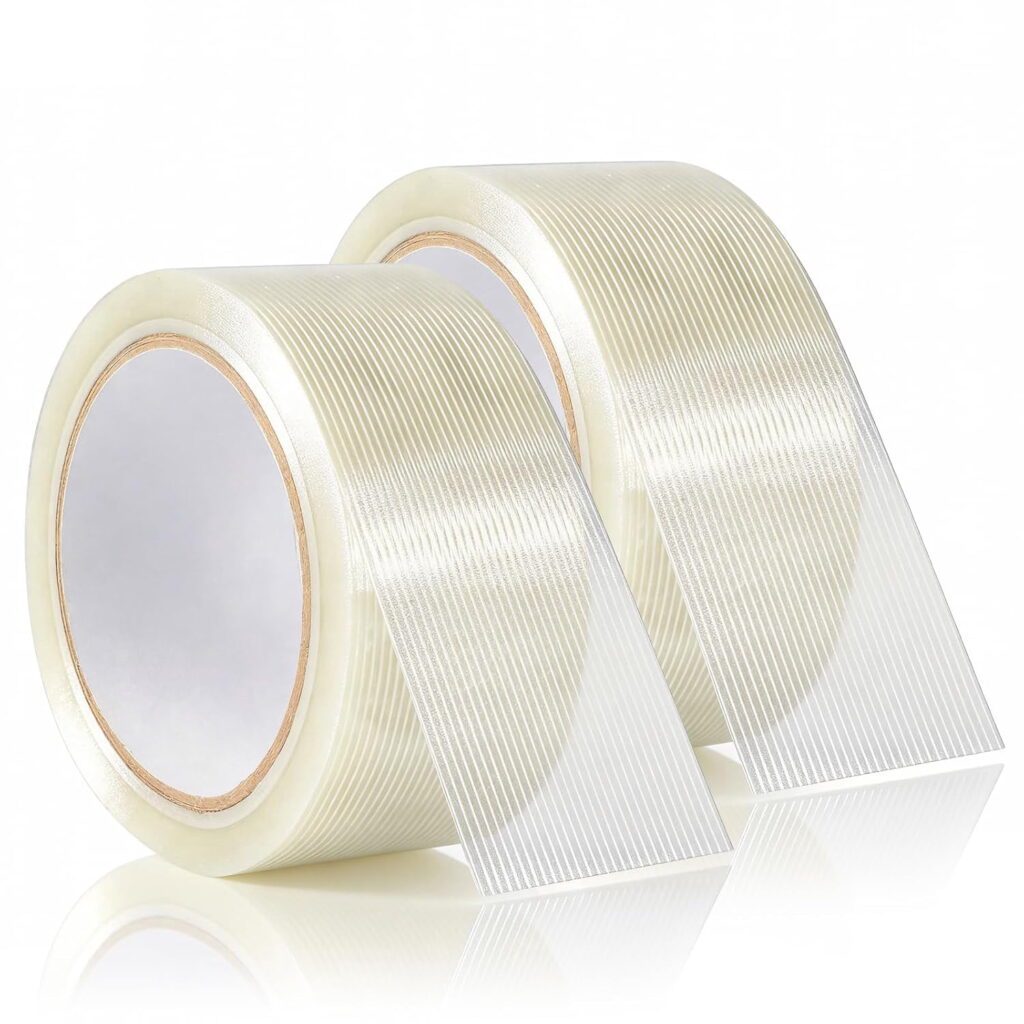
Introduction: Navigating the Global Market for Strong adhesive nano tape
Procuring strong adhesive nano tape that withstands extreme temperature fluctuations while maintaining traceless removability presents a complex challenge for international procurement teams. Whether you are sourcing mounting solutions for Saudi Arabia’s scorching industrial environments or Germany’s precision manufacturing sector, the gap between standard consumer-grade products and industrial-performance requirements can derail operational efficiency. This persistent pain point—finding versatile adhesion that bridges durability with surface protection—demands a strategic approach to global supply chain management.
What challenges do global buyers face when sourcing high-performance nano adhesive solutions?
Buyers across Africa, South America, the Middle East, and Europe encounter unique regulatory hurdles, climate-specific performance demands, and supplier reliability concerns. From navigating CE compliance in German automotive applications to ensuring heat resistance in Middle Eastern construction projects, the procurement landscape requires nuanced technical knowledge. Additionally, distinguishing between washable PU gel formulations and acrylic-based industrial variants becomes critical when evaluating total cost of ownership against application longevity.
How can this guide optimize your international procurement decisions?
This comprehensive resource examines technical specifications—including thickness variations from 0.25mm to 1.5mm, temperature tolerances ranging from -196°C to 260°C, and peel strength metrics—alongside practical applications spanning aerospace, electronics manufacturing, and commercial construction. We analyze supplier vetting protocols for emerging markets, cost-benefit frameworks for bulk purchasing, and quality assurance standards specific to B2B industrial use.
By synthesizing regional market intelligence with technical performance data, this guide equips procurement professionals from Lagos to São Paulo, Riyadh to Berlin, with actionable insights to secure reliable, cost-effective nano tape solutions. You will gain strategic clarity to evaluate suppliers against industry-specific benchmarks, ensuring your adhesive investments deliver consistent performance across diverse operational environments while maintaining compliance with international standards.
Understanding Strong adhesive nano tape Types and Variations
| タイプ名 | 主な特徴 | 主なB2Bアプリケーション | バイヤーのための簡単な長所と短所 |
|---|---|---|---|
| Standard Acrylic Nano Tape (0.25–0.8mm) | Acrylic adhesive; thickness range 0.25–0.8mm; peel strength 30–50 N/inch; long-term temp resistance 120°C; available in grey, black, white, transparent | Electronics assembly, automotive interior mounting, medical device manufacturing, general industrial bonding | Pros: Versatile thickness options, strong initial tack (30–45 N/inch), stable across climates. Cons: Permanent bonding limits repositioning; residue removal requires solvents on some surfaces. |
| Heavy-Duty Structural Nano Tape (1.0 |
Key Industrial Applications of Strong adhesive nano tape
| 業界/セクター | Specific Application of Strong adhesive nano tape | ビジネスにとっての価値/利益 | このアプリケーションにおける主な調達上の考慮事項 |
|---|---|---|---|
| 電子機器製造・組立 | Temporary fixation of PCBs during wave soldering, heat sink attachment, and component mounting in consumer electronics assembly lines | Enables residue-free rework and repair, reduces hardware dependency (screws/clips), and improves thermal management through high dielectric strength | Verify dielectric breakdown voltage (>kV range), thickness tolerance (±0.02mm), and compliance with RoHS/REACH for electronic waste regulations |
| 自動車製造とEV組み立て | Interior trim bonding, wire harness management, sensor mounting, and temporary fixture positioning during painting/coating processes | Reduces vehicle weight by replacing mechanical fasteners, withstands temperature cycling (-40°C to +160°C), and eliminates vibration noise | Require automotive-grade certifications (IATF 16949), validation for short-term high-temp exposure (160°C), and resistance to automotive fluids (oil, coolant) |
| Aerospace & Satellite Manufacturing | Lightweight component fixation in cabin interiors, satellite panel assembly, and temporary holding of precision parts during composite curing | Critical weight reduction (replacing metal fasteners), extreme temperature stability (-196°C to +260°C), and corrosion resistance in harsh environments | Demand AS9100 quality standards, low outgassing certification (ASTM E595), and traceability documentation for mission-critical applications |
| Renewable Energy Infrastructure (Solar & Wind) | Junction box mounting on solar panels, temporary blade repair patches for wind turbines, and cable management in extreme weather installations | UV and weathering resistance for 25+ year outdoor exposure, high initial tack for immediate bonding in field conditions, and washability for maintenance reuse | Confirm long-term temperature resistance (120°C continuous), UV aging test reports (ISO 4892), and compatibility with aluminum/glass substrates common in solar frames |
| Medical Device Manufacturing | Assembly of diagnostic equipment, temporary fixation of sensors in wearable medical devices, and sterile packaging applications | Biocompatible adhesion options, resistance to sterilization cycles (autoclave/ETO), and clean removal for device servicing without contamination | Ensure ISO 10993 biocompatibility testing, validation for sterilization methods, and cleanroom manufacturing capabilities (ISO 14644) |
How Does Strong Adhesive Nano Tape Optimize Electronics Manufacturing Workflows?
In high-volume electronics assembly, nano tape serves as a critical temporary bonding solution for PCB fixation during wave soldering and reflow processes. Its high insulation properties prevent electrical interference while maintaining position integrity at temperatures up to 160°C. For manufacturers in Germany’s precision engineering sector and emerging tech hubs across Africa and South America, the tape’s residue-free removal enables efficient rework and component recovery, significantly reducing electronic waste and supporting circular economy initiatives without compromising production speed.
What Role Does Nano Tape Play in Modern Automotive Assembly and EV Manufacturing?
Automotive manufacturers leverage nano tape for interior trim attachment, wire harness organization, and sensor mounting where mechanical fasteners add unnecessary weight. The material’s ability to withstand short-term exposure to 160°C makes it suitable for paint shop applications and under-hood environments. For buyers in Saudi Arabia’s expanding automotive sector and European EV markets, sourcing tape with validated resistance to thermal cycling and automotive fluids ensures longevity in desert heat conditions and freezing European winters, while supporting lightweighting goals critical for fuel efficiency and electric vehicle range optimization.
Why Is High-Performance Nano Tape Critical for Aerospace and Defense Applications?
Aerospace engineers utilize nano tape for satellite component fixation, aircraft interior panel mounting, and temporary holding during composite manufacturing, where every gram matters. The tape’s exceptional temperature range (-196°C to +260°C) accommodates the thermal extremes of space environments and high-altitude flight. When sourcing for defense contractors or commercial aviation in the Middle East and Europe, prioritize suppliers offering AS9100-certified production and low-outgassing validation to prevent contamination of sensitive optical and electronic systems in satellites and aircraft cabins.
How Can Solar and Wind Energy Infrastructure Benefit from Industrial Nano Adhesive Solutions?
In renewable energy installations, nano tape provides immediate bonding for solar junction boxes and temporary weatherproofing for wind turbine maintenance. Its resistance to UV radiation and temperature fluctuations supports 25-year service life expectations in outdoor environments. For infrastructure projects across Africa and South America, where extreme weather and remote locations complicate maintenance, selecting tape with proven ISO 4892 UV aging resistance and high initial tack ensures reliable performance during monsoon seasons and intense solar exposure without requiring specialized installation equipment.
What Are the Applications of Nano Tape in Medical Device Assembly and Healthcare Technology?
Medical device manufacturers employ nano tape for assembling diagnostic equipment, mounting sensors in wearable health monitors, and securing components during sterilization processes. The tape’s stability against oxygen and UV radiation ensures long-term reliability in clinical settings. For healthcare technology buyers in Europe and the Middle East, ensuring ISO 10993 biocompatibility compliance and validation for autoclave or ethylene oxide sterilization cycles is essential, particularly when bonding materials in implantable device assembly or sterile packaging applications where contamination risks must be eliminated.
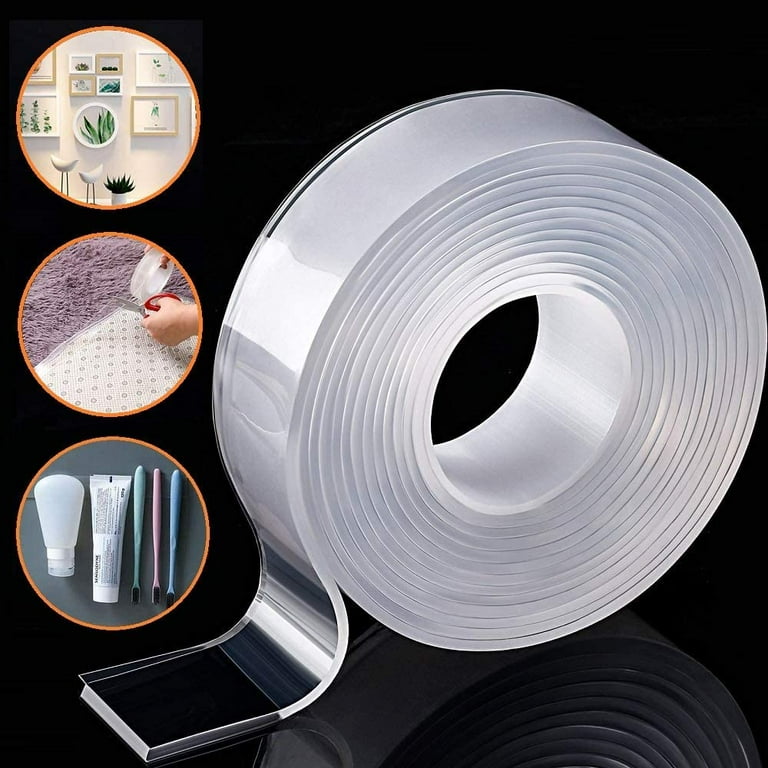
A stock image related to Strong adhesive nano tape.
3 Common User Pain Points for ‘Strong adhesive nano tape’ & Their Solutions
Scenario 1: How to Prevent Load-Bearing Failures in High-Vibration Manufacturing Environments?
問題だ: B2B buyers in automotive and electronics assembly sectors frequently encounter nano tape that promises heavy-duty adhesion but fails under dynamic shear forces. When mounting components on production lines or securing fixtures during transport, vibration and shifting loads can cause tape creep or complete detachment. This results in damaged inventory, production downtime, and safety hazards in facilities across Germany’s precision manufacturing hubs or Saudi Arabia’s growing industrial zones. Procurement teams struggle to verify true load capacities against marketing claims, especially when applications involve vertical mounting or suspended objects.
解決策 Specify acrylic-based nano tapes with thicknesses of 1.0mm to 1.5mm and verified peel strength ratings of 55–60 N/inch. Prioritize products with high ring initial tack (50+ N/inch) to resist immediate slippage. For critical applications, implement a dual-fixture strategy using nano tape for positioning combined with mechanical fasteners for permanent security. Always request load capacity documentation specific to your substrate materials—whether glass, anodized aluminum, or powder-coated steel—to ensure the adhesive formulation matches your operational shear requirements. Conduct pilot testing with actual vibration frequencies before bulk procurement.
Scenario 2: Why Does Nano Tape Lose Adhesion on Textured or Porous Manufacturing Surfaces?
問題だ: Industrial environments rarely feature perfectly smooth substrates. Buyers sourcing for facilities in South America or Africa often apply nano tape to painted concrete walls, unfinished metal composites, or textured plastic housings, only to experience bonding failures within days. The microscopic air gaps between the tape and porous surfaces reduce contact area, while surface contaminants like metal dust or oil residue—common in manufacturing settings—further compromise adhesion, leading to costly rework and maintenance cycles. This issue particularly affects temporary fixtures in construction sites or modular factory setups where surface quality varies significantly.
解決策 Implement rigorous surface preparation protocols including degreasing and drying before application. Select thicker nano tape variants (0.8mm–1.2mm) that can conform to microscopic surface irregularities and fill gaps effectively. For highly porous substrates, consider using a primer to seal the surface or opt for nano tapes specifically engineered with higher initial tack (40–50 N/inch) to penetrate surface textures. Establish cleaning stations near application points to remove metal shavings and dust that accumulate during industrial processes. For reusable applications, ensure wash protocols remove all contaminants to restore adhesion for subsequent uses.
Scenario 3: Can Nano Tape Withstand Extreme Temperature Fluctuations in Outdoor Industrial Applications?
問題だ: Procurement teams installing signage, solar equipment, or outdoor sensors in Middle Eastern deserts or tropical African climates face adhesive degradation when surface temperatures exceed 60°C. Standard nano tapes soften and lose structural integrity, while cold storage applications in European logistics hubs can cause brittleness and bond fracture. This thermal instability creates maintenance nightmares for outdoor infrastructure and climate-controlled manufacturing environments alike. Buyers need assurance that reusable tapes won’t melt onto substrates or lose elasticity during seasonal temperature swings common in continental European markets.
解決策 Source industrial-grade nano tapes validated for long-term temperature resistance up to 120°C and short-term exposure to 160°C. Verify specifications for UV radiation and aging resistance, ensuring the polymer matrix remains stable against oxygen and ultraviolet exposure. For extreme climates, select transparent or colored acrylic tapes with proven performance in -196°C to 260°C ranges, suitable for aerospace-grade applications. When mounting outdoor equipment, account for thermal expansion by using slightly thicker tape (1.0mm+) that accommodates substrate movement without delaminating. Establish quarterly inspection protocols for high-heat zones to verify ongoing adhesion integrity and plan wash cycles accordingly.
Strategic Material Selection Guide for Strong adhesive nano tape
When sourcing strong adhesive nano tape for industrial distribution or large-scale facility management across diverse climates—from the humidity of West Africa to the extreme heat of the Arabian Peninsula—material composition directly dictates performance longevity, environmental resilience, and total cost of ownership. B2B procurement teams must evaluate polymer chemistry beyond surface-level specifications to ensure alignment with regional infrastructure demands, whether mounting solar components in Saudi Arabia or securing medical devices in German manufacturing facilities.
Which Polymer Base Delivers Optimal Adhesion for Industrial Mounting?
Acrylic-based nano tapes represent the industry standard for general-purpose mounting, utilizing cross-linked acrylic polymers that provide consistent 180° peel strength ranging from 30 to 60 N/inch depending on thickness (0.25mm–1.5mm). These materials excel in office environments and light industrial applications where transparency and immediate tack are required for fixing file racks, decorative elements, or carpet pads. However, acrylic formulations demonstrate limited washability; while they resist moisture absorption according to technical specifications, repeated cleaning cycles often degrade adhesion permanently rather than restoring it. For distributors serving European markets with strict VOC regulations, solvent-free acrylic options offer compliance advantages but command premium pricing in bulk procurement scenarios.
Is PU Gel or Acrylic Better for Washable Reusable Applications?
Polyurethane (PU) gel nano tapes distinguish themselves through exceptional elasticity and true reusability, maintaining adhesive properties after multiple washing cycles when contaminated with dust, metal shavings, or sweat—common issues in African mining operations or South American industrial settings. The PU gel structure, often protected by PET release film, allows for 99% transparency while providing high ductility for uneven surfaces common in automotive interior mounting or retail display installations. B2B buyers should note that PU variants typically exhibit lower short-term temperature resistance (usually up to 120°C–160°C) compared to specialized alternatives, making them unsuitable for aerospace manufacturing or outdoor applications in high-heat climates like the Middle East or Northern Africa where surface temperatures exceed operational limits.
What Material Withstands Extreme Temperatures in Aerospace and Automotive Applications?
For sectors requiring operation in severe thermal environments (-196°C to 260°C), silicone-modified nano polymers or fluoropolymer composites provide necessary stability against molten alkali exposure and UV degradation. These advanced materials maintain dielectric strength and mechanical properties where standard acrylics would fail, particularly relevant for satellite component fixation, aircraft interior assembly, or under-hood automotive applications in European and Middle Eastern markets. The trade-off involves significantly higher material costs and reduced initial tack compared to consumer-grade options, requiring precise surface preparation and longer curing times during installation.
How Do PET Film Laminates Impact Durability and Processing?
Substrate architecture significantly influences handling characteristics in high-volume manufacturing, with PET (polyethylene terephthalate) film carriers providing dimensional stability for automated cutting and dispensing processes. When laminated with nano-gel adhesives, PET-backed tapes prevent stretching during application while facilitating clean removal without residue—a critical factor for temporary fixtures in exhibition centers or leased commercial spaces. This construction proves essential for electronics manufacturing in humid climates such as coastal South American or Southeast Asian regions, where moisture resistance and dimensional consistency prevent delamination during precision assembly operations.
| 素材 | Typical Use Case for Strong adhesive nano tape | 主な利点 | 主な欠点/制限 | 相対コスト |
|---|---|---|---|---|
| Acrylic Polymer | Office organization, home decoration, light industrial fixtures | High initial tack, immediate bonding, VOC-free regulatory compliance | Limited reusability, degrades after washing, moderate temp resistance (120°C–160°C) | ミディアム |
| Polyurethane (PU) Gel | Retail displays, automotive interiors, washable mounting systems | Fully washable/reusable, 99% transparency, high elasticity for uneven surfaces | Lower heat resistance, less effective on rough or porous substrates | Low-Medium |
| Silicone/Fluoropolymer Composite | Aerospace components, automotive under-hood, extreme industrial | Extreme temp range (-196°C to 260°C), chemical/molten alkali resistance | High cost, reduced initial tack, requires surface preparation | 高い |
| PET-Laminated Nano Gel | Electronics assembly, automated manufacturing, humid climates | Dimensional stability, moisture resistance, clean removability | Rigidity limits conformability to curved surfaces, higher material cost | ミディアム-ハイ |
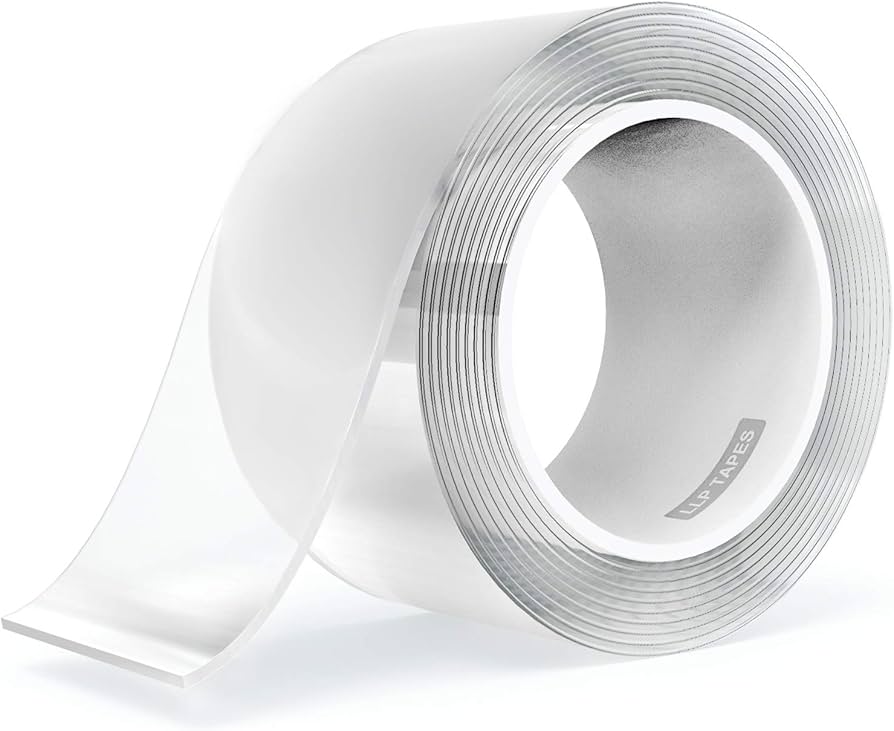
A stock image related to Strong adhesive nano tape.
In-depth Look: Manufacturing Processes and Quality Assurance for Strong adhesive nano tape
Understanding the manufacturing intricacies behind strong adhesive nano tape is critical for B2B procurement teams sourcing from international suppliers. The transition from raw polymer materials to finished industrial-grade products involves sophisticated chemical engineering and rigorous validation protocols that directly impact your inventory quality, customer satisfaction rates, and compliance with regional safety standards.
What Raw Material Standards Ensure Optimal Nano Tape Adhesion and Durability?
Premium nano tape production begins with medical-grade polyurethane (PU) gel or high-performance acrylic polymers, selected specifically for their viscoelastic properties and environmental stability. Manufacturers source base polymers with molecular weights calibrated to achieve the optimal balance between immediate tack (initial grab) and long-term cohesion (holding power). For B2B buyers serving industrial markets in Germany or Saudi Arabia, verifying that suppliers use virgin polymer resins rather than recycled compounds is essential, as recycled materials often compromise the temperature resistance range (-20°C to 120°C for standard industrial grades) and reduce reusability cycles from thousands to mere hundreds of applications.
The substrate layer typically consists of high-clarity PET (polyethylene terephthalate) film, treated with corona discharge processes to enhance surface energy and ensure complete adhesive wetting. Leading manufacturers maintain material traceability records, documenting lot numbers for every polymer batch to facilitate rapid quality investigations if adhesion variance occurs downstream.
How Does Precision Coating Technology Affect Nano Tape Consistency?
The manufacturing core involves solvent-free coating lines that deposit adhesive layers with micron-level precision across varying thickness specifications (0.25mm to 1.5mm). Advanced facilities utilize gravure or slot-die coating systems operating in climate-controlled clean rooms (ISO Class 7 or better) to prevent dust contamination that would compromise the tape’s traceless properties. During coating, real-time thickness gauges employing beta-ray or laser technology monitor adhesive deposition, automatically adjusting roller pressure to maintain ±5% tolerance across the entire master roll.
Curing processes vary by chemistry: UV-cured acrylics require precise exposure to ultraviolet light at specific wavelengths to initiate polymerization, while moisture-curing PU gels depend on controlled humidity chambers. For buyers sourcing for aerospace or automotive applications in Europe, confirming that manufacturers employ thermal aging ovens to simulate long-term stability ensures the final product maintains its 55-60 N/inch peel strength (for 1.5mm variants) throughout the product lifecycle.
What Quality Control Tests Validate Washable and Reusable Performance?
Quality assurance for washable nano tape extends beyond standard adhesion metrics. Reputable manufacturers implement cyclic washing protocols where samples undergo 50+ washing cycles using deionized water, followed by air-drying and re-adhesion testing to verify that peel strength remains within 90% of original specifications. This validates the marketing claim of reusability for your end-users in humid climates like Southeast Asia or coastal African regions.
Laboratories also conduct comprehensive environmental stress screening, including:
– Thermal shock testing: Rapid transition between -20°C and 80°C to verify dimensional stability
– UV aging exposure: 500+ hours in QUV chambers simulating Middle Eastern solar conditions
– Chemical resistance verification: Exposure to common industrial solvents, oils, and cleaning agents
– Shear resistance testing: Static load applications measuring hours-to-failure under 1kg weights at elevated temperatures
Each production batch requires 180° peel adhesion testing (ASTM D3330) and loop tack testing to ensure consistency with published technical datasheets, with statistical process control (SPC) charts monitoring variance trends.
Which Manufacturing Certifications Matter for B2B Buyers in Europe and the Middle East?
When evaluating suppliers for export to Germany, Saudi Arabia, or South American markets, verify possession of ISO 9001:2015 quality management systems as a baseline requirement. For European distribution, REACH compliance and RoHS 2.0 certification are non-negotiable, ensuring the absence of restricted substances like heavy metals or certain phthalates in the polymer matrix.
Industrial buyers should also request ISO 14001 environmental management certification, indicating responsible solvent handling and waste reduction during coating processes. For electrical applications, UL listings or IEC 60454 certifications validate the tape’s dielectric properties and insulation ratings (typically >3kV breakdown voltage for 1mm thickness), critical for electronics manufacturing clients.
How Do Production Facilities Manage Custom Specifications for Regional Markets?
Leading manufacturers accommodate B2B customization through modular production lines capable of adjusting adhesive formulations for specific climatic conditions. For high-temperature environments like industrial zones in the Middle East, manufacturers can increase cross-linking density in the polymer matrix to enhance short-term heat resistance up to 160°C. Conversely, for cold-chain logistics applications in Northern Europe, formulations emphasize low-temperature flexibility to prevent embrittlement below -40°C.
Slitting and spooling operations utilize computerized tension control systems to prevent edge curling and adhesive ooze during conversion from master rolls to retail or industrial lengths. Custom die-cutting capabilities, protective film lamination (typically 50-75 micron PE or PET release liners), and private label packaging with Arabic, Portuguese, or German language compliance markings represent value-added services that streamline your regional distribution logistics.
Before final shipment, reputable suppliers conduct 100% visual inspection for bubbles, inclusions, or thickness variations, packaging finished goods in moisture-barrier bags with desiccants to prevent hydrolysis degradation during ocean freight to African or South American ports. By understanding these manufacturing checkpoints, procurement teams can draft technical agreements that specify acceptable quality limits (AQL) and establish clear remediation protocols for non-conforming batches.
Practical Sourcing Guide: A Step-by-Step Checklist for ‘Strong adhesive nano tape’
Procuring high-performance adhesive solutions requires meticulous evaluation of technical specifications, supplier capabilities, and regional compliance standards. This checklist provides procurement managers with a systematic framework to assess strong adhesive nano tape manufacturers, ensuring selected products meet both industrial application demands and specific market requirements across diverse climates and regulatory environments.
How Do You Verify Material Composition and Certifications for Industrial Nano Tape?
Begin by requesting detailed technical datasheets specifying whether the tape utilizes acrylic or polyurethane (PU) gel matrices. Verify transparency ratings—premium industrial grades should offer 99% optical clarity for aesthetic applications. For European markets including Germany, confirm REACH and RoHS compliance certificates, while Saudi Arabian and Middle Eastern imports may require SASO conformity assessments. Always validate washability claims through independent testing reports demonstrating adhesion restoration after multiple cleaning cycles.
What Thickness and Load-Bearing Specifications Match Your Application Requirements?
Match material thickness to intended load capacity: lightweight office applications typically require 0.25–0.5mm thickness with 30–45 N/inch peel strength, while heavy-duty industrial mounting demands 1.0–1.5mm variants offering 55–60 N/inch adhesion. Evaluate the specific surface energy of your target substrates—nano tape performs optimally on smooth surfaces like glass, metal, and polished ceramics but may require different formulations for textured materials common in African and South American construction markets.
How Can You Ensure Temperature Resistance Aligns With Regional Climate Conditions?
Verify thermal performance specifications against your destination markets’ environmental extremes. Standard nano tape maintains integrity at 120°C long-term and 160°C short-term, suitable for Middle Eastern heat exposure, but aerospace or automotive applications may require specialized formulations rated for -196°C to 260°C. Request accelerated aging test data demonstrating UV stability and humidity resistance, particularly critical for tropical climates and outdoor installations.
What Quality Control Protocols Should You Mandate From Manufacturers?
Establish clear acceptance criteria including 180-degree peel strength consistency across production batches and minimum 24-hour retentivity standards. Require demonstration of traceless removal on painted drywall, varnished wood, and glass surfaces without substrate damage. Insist on washability validation protocols—quality nano tape should restore full adhesion after rinsing with clean water and air drying, maintaining performance through at least 500 reuse cycles.
How Do You Evaluate OEM Capabilities and Customization Flexibility?
Assess manufacturing flexibility for private-label opportunities, including custom width slitting, branded core printing, and specialized packaging for retail versus bulk industrial distribution. Determine minimum order quantities (MOQs) for custom thicknesses outside standard 0.25–1.5mm ranges. Evaluate the supplier’s experience with multilingual packaging requirements and their ability to provide Arabic, Portuguese, or German language labeling for target markets.
What Logistics and Compliance Factors Ensure Smooth International Delivery?
Confirm Harmonized System (HS) codes for adhesive tapes (typically 3919.10) and verify import duty structures for your destination countries. Address shelf-life limitations—acrylic adhesives typically maintain optimal performance for 12 months when stored at 23°C and 50% humidity. Discuss temperature-controlled shipping options for large-volume orders to prevent adhesive degradation during transit through equatorial regions, and establish clear Incoterms defining quality liability transfer points.
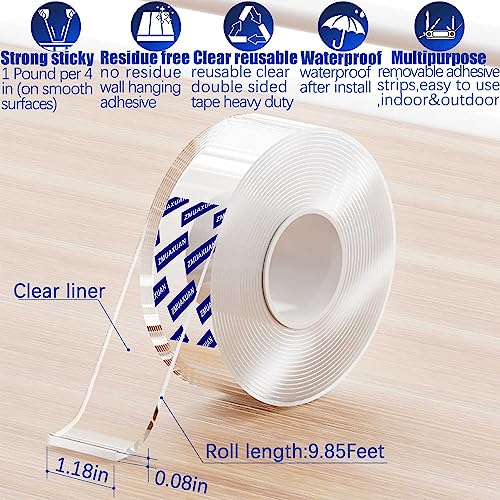
A stock image related to Strong adhesive nano tape.
Comprehensive Cost and Pricing Analysis for Strong adhesive nano tape Sourcing
B2B sourcing of strong adhesive nano tape extends far beyond comparing unit prices per roll. For procurement teams in Germany evaluating automotive-grade specifications, distributors in Saudi Arabia requiring high-temperature resistance for industrial applications, or African retailers seeking cost-effective inventory solutions, understanding the multifaceted cost structure is essential for profitable procurement. The pricing landscape varies significantly based on material grades, volume commitments, and regional logistics complexities that directly impact landed costs.
What Factors Determine Bulk Pricing Tiers for Nano Tape Manufacturers?
Industrial nano tape pricing operates on stratified minimum order quantity (MOQ) structures that reward volume commitment. Standard consumer-grade rolls (typically 1mm or 2mm thickness) may start at 1,000-unit MOQs for branded packaging, while custom industrial specifications—such as the 1.5mm heavy-duty variants (PLA30150) with 60 N/inch peel strength—often require 5,000+ unit commitments to unlock factory-direct pricing. For European buyers requiring REACH and RoHS compliance certifications, expect 8-12% premiums over standard grades to cover testing and documentation costs. Customization options, including private label printing, specific width slitting, or specialized release liners, typically add $0.02–$0.05 per linear meter depending on complexity.
How Do Material Thickness and Performance Specifications Influence Cost Structures?
The correlation between physical specifications and pricing is linear and significant. Entry-level 0.25mm thickness tapes (PLA3025) with 30 N/inch adhesion strength cost approximately 40-50% less per square meter than industrial-grade 1.5mm variants (PLA30150) offering 60 N/inch holding power and enhanced temperature resistance up to 160°C. Transparent PU gel formulations command 15-20% premiums over opaque grey or white alternatives due to purity requirements. For Middle Eastern markets where high ambient temperatures stress adhesive performance, investing in higher-temperature resistant grades (120°C long-term stability) reduces failure rates despite 25-30% higher upfront costs compared to standard 80°C-rated consumer products.
What Are the Hidden Logistics Costs When Sourcing for African and South American Markets?
International buyers must calculate total landed costs beyond FOB pricing. Shipping nano tape to African ports or South American distribution centers involves specific considerations: the material’s density affects container utilization (rolls are lightweight but bulky), while moisture-resistant packaging is essential for tropical climates to prevent adhesive degradation during transit. Import duties vary significantly—Saudi Arabia applies 5% customs duty on adhesive tapes, while certain African nations impose 15-25% tariffs on finished adhesive products. Currency fluctuation hedging becomes critical for Euro or USD-denominated contracts when sourcing for volatile local markets. Additionally, consider that washable, reusable formulations reduce inventory replenishment frequency, lowering total procurement costs by 30-40% annually despite higher initial unit prices compared to single-use foam tapes.
Alternatives Analysis: Comparing Strong adhesive nano tape With Other Solutions
When evaluating mounting and bonding solutions for industrial or commercial procurement, decision-makers must weigh immediate performance against long-term operational costs. While strong adhesive nano tape offers a unique combination of reusability and traceless removal, traditional fastening methods remain prevalent across manufacturing and construction sectors. Understanding how these alternatives perform across critical metrics—such as temperature resistance, installation throughput, and total cost of ownership—enables procurement teams to align material specifications with project requirements, whether outfitting automotive assembly lines in Germany or managing facility installations in Saudi Arabia.
Which Traditional Mounting Methods Represent the Primary Competition?
| 比較の側面 | Strong Adhesive Nano Tape | メカニカル・ファスニング・システム | Permanent Structural Adhesives |
|---|---|---|---|
| Initial Bond Strength | 30–60 N/inch immediate tack; increases with pressure | High tensile strength; dependent on substrate integrity | High strength after 24–48 hour curing period |
| 耐熱温度 | -196°C to 260°C (stable across extreme ranges) | Varies by metal type; typically -40°C to 300°C+ | Epoxy: -50°C to 150°C; Acrylic: -40°C to 120°C |
| Surface Compatibility | Smooth, non-porous surfaces (glass, metal, ceramic, coated wood) | Requires rigid, drillable substrates; unsuitable for thin materials | Versatile but requires chemical surface preparation |
| Removability & Rework | Washable, reusable 500+ times; zero residue | Destructive removal; leaves permanent holes | Permanent bond; removal requires mechanical grinding or solvents |
| 設置スピード | Immediate application; no curing or tools | Labor-intensive; requires drilling, alignment, and torque specifications | 30-minute to 48-hour curing time; clamping often required |
| 申請1件あたりのコスト | Higher upfront cost; amortized over multiple uses | Low material cost; high labor and equipment costs | Low material cost; single-use application |
| Aesthetic Impact | 99% transparent; invisible mounting | Visible hardware; potential corrosion over time | Visible bond lines; potential for squeeze-out |
How Do Mechanical Fastening Systems Compare for B2B Applications?
Mechanical fastening systems—including screws, bolts, and rivets—have long served as the industrial standard for permanent structural joins, particularly in heavy manufacturing and construction environments across Europe and the Middle East. While these methods provide ultimate shear strength and perform reliably on rough or unfinished surfaces, they introduce significant limitations for modern agile operations. The installation process requires specialized tooling and skilled labor, driving up project costs and extending timelines. More critically, mechanical fasteners compromise substrate integrity by creating permanent holes, rendering them unsuitable for delicate electronics manufacturing, glass installations, or leased commercial facilities where surface damage incurs financial penalties. Additionally, dissimilar thermal expansion rates between metal fasteners and composite materials can lead to stress fractures in extreme climates, whereas nano tape’s polymer composition accommodates thermal cycling without compromising the bond.
Are Permanent Structural Adhesives More Cost-Effective Than Nano Tape?
Permanent structural adhesives, such as epoxy resins and acrylic-based compounds, offer an alternative that distributes load across bonded areas while eliminating visible hardware. These solutions excel in joining dissimilar materials—such as aluminum to carbon fiber in aerospace applications—and provide excellent environmental sealing against moisture and chemicals. However, for procurement teams managing high-mix, low-volume production or temporary installations, permanent adhesives present logistical challenges. They require precise surface preparation, controlled application environments, and extended curing periods that can bottleneck assembly lines. Once cured, these adhesives prohibit repositioning or rework; misalignment results in material waste and potential damage to expensive components. In contrast, strong adhesive nano tape supports lean manufacturing principles by allowing immediate quality checks and repositioning without curing delays, while its washable reusability aligns with sustainability mandates increasingly prevalent in German and Saudi Arabian industrial sectors.
Essential Technical Properties and Trade Terminology for Strong adhesive nano tape
When procuring strong adhesive nano tape for industrial distribution or OEM integration, understanding precise technical specifications ensures compliance with regional safety standards and application longevity across diverse climate conditions. Buyers must evaluate performance metrics beyond marketing claims to guarantee reliability in everything from electronics assembly to architectural mounting.
What Technical Specifications Determine Load-Bearing Capacity and Environmental Resistance?
Peel Adhesion Strength (180°): Measured in Newtons per inch (N/inch) or N/25mm, this quantifies the force required to remove tape from a standardized stainless steel panel at a 180-degree angle. Industrial-grade nano tapes typically demonstrate values between 30–60 N/inch, with higher ranges essential for heavy-duty automotive trim or construction panel mounting.
Temperature Resistance Parameters: Distinguish between long-term resistance (continuous exposure, typically up to 120°C) and short-term peak resistance (intermittent exposure up to 160°C). For buyers in Saudi Arabia, Nigeria, or Brazil where ambient temperatures frequently exceed 40°C, verifying thermal stability prevents adhesive flow, edge lifting, or degradation in non-climate-controlled warehouses.
Thickness Tolerance and Gap Filling: Available from 0.25mm to 2.0mm, thickness selection directly impacts conformability to irregular surfaces and stress distribution. Thicker variants (1.0mm+) provide superior gap filling for uneven substrates common in industrial metal fabrication, while thinner profiles suit precision electronics where minimal bond line thickness is critical.
Optical Transmission and UV Stability: For glass mounting and display applications, specify light transmission rates (typically >90%) and haze values. Additionally, verify UV resistance ratings to ensure the PU gel matrix does not yellow or embrittle after prolonged sun exposure, particularly crucial for outdoor signage and automotive applications in high-UV regions.
What Industry Terminology Should Procurement Teams Master?
PU Gel Matrix Composition: Refers to the polyurethane gel structure enabling washability and reusability. Unlike traditional acrylic foam tapes, PU gel maintains viscoelastic properties after water cleaning, supporting 500+ reuse cycles—essential for sustainable procurement policies and rental display companies.
Release Liner Specifications: The PET (polyethylene terephthalate) or PE protective film covering the adhesive layer. B2B buyers should specify liner thickness (typically 25–75 micron) and siliconization levels to ensure compatibility with automated dispensing equipment and to prevent liner breakage during high-speed converting.
180° Peel and Loop Tack Testing: While peel testing measures removal force, loop tack (or “quick stick”) measures immediate adhesion upon contact without pressure. Understanding ASTM D3330 protocols for peel testing and PSTC-6 for loop tack helps buyers verify supplier claims and benchmark products across different manufacturers consistently.
Static Shear Resistance and Creep: Static shear measures the tape’s ability to resist sliding under constant load (typically tested in hours to failure under 1kg weight), while creep refers to dimensional stability over time. These metrics are critical for vertical mounting in industrial automation and preventing component displacement in vibrating machinery.
Die-Cutting and Converting Tolerances: Refers to post-manufacturing processes cutting master rolls into specific shapes (pads, gaskets, washers). Specify dimensional tolerances (typically ±0.1mm for precision work) and whether the supplier offers kiss-cutting or through-cutting capabilities, essential for electronics OEMs requiring custom shapes for assembly automation.
Navigating Market Dynamics and Sourcing Trends in the Strong adhesive nano tape Sector
What Are the Current Market Dynamics Driving Demand for Strong Adhesive Nano Tape?
The global strong adhesive nano tape market is experiencing accelerated diversification beyond consumer applications into high-specification industrial sectors. B2B procurement teams across Africa, South America, the Middle East, and Europe are increasingly sourcing these polymer-based acrylic tapes for aerospace component fixation, electronic device assembly, and automotive manufacturing, where temperature resistance spanning -196°C to 260°C proves critical for operational integrity. Regional demand patterns reveal distinct procurement priorities: Middle Eastern industrial buyers emphasize extreme heat tolerance for desert climate operations and solar energy installations, while European manufacturers prioritize REACH-compliant formulations suitable for medical device production and cleanroom environments where outgassing must be minimized.
Technical specification standardization has emerged as a dominant trend, with industrial buyers now expecting customizable thickness profiles ranging from 0.25mm for lightweight electronic mounting to 1.5mm for heavy-duty industrial applications requiring 60N/inch peel strength. This granularity allows procurement teams to match specific adhesive formulations to substrate compatibility requirements, whether bonding glass facades in commercial construction or securing sensitive circuit boards in telecommunications infrastructure. The shift toward just-in-time manufacturing has further compressed supply chain timelines, prompting suppliers to establish regional distribution hubs in Frankfurt, Dubai, and São Paulo to serve cross-border procurement needs without excessive lead times that could disrupt production schedules.
Cost-efficiency calculations are evolving beyond unit pricing to incorporate total cost-of-ownership models that account for reusability cycles. The washable nature of premium PU gel nano tapes offers African and South American distributors significant value propositions, as these products withstand hundreds of wash-dry-reuse cycles, reducing inventory replenishment frequency and warehousing costs. Meanwhile, aerospace and satellite manufacturing sectors in Europe and the Middle East are driving demand for traceless removal capabilities that eliminate surface damage during component repositioning, thereby reducing material waste in precision assembly processes where traditional mechanical fasteners would compromise structural integrity.
How Can B2B Buyers Ensure Sustainable and Ethical Sourcing of Nano Tape Products?
Sustainability in nano tape procurement extends beyond end-user reusability to encompass raw material provenance, manufacturing ethics, and end-of-life disposal protocols. B2B buyers should verify that acrylic adhesive suppliers maintain ISO 14001 environmental management certifications and provide transparent polymer sourcing documentation, particularly regarding the absence of restricted phthalates, halogens, and heavy metals under RoHS and REACH directives. For electronics manufacturers in Germany and medical device producers in Saudi Arabia, compliance with these standards is non-negotiable, necessitating comprehensive supplier audits that trace PU gel components back to certified chemical processing facilities with established wastewater treatment protocols.
The circular economy potential of washable nano tapes presents significant waste reduction opportunities for large-scale industrial users seeking to minimize their environmental footprint. Unlike traditional foam mounting tapes that require disposal after single use, high-grade nano tapes can be rinsed with clean water to remove dust, metal shavings, and industrial contaminants, restoring adhesive properties for immediate redeployment in assembly lines. Procurement teams should negotiate bulk packaging agreements that minimize single-use plastic wrapping, instead opting for recyclable PET film protective layers and cardboard core spooling systems that align with corporate sustainability mandates prevalent in European markets and increasingly adopted by environmentally conscious distributors in Brazil and South Africa.
Ethical sourcing considerations also encompass labor practices within manufacturing facilities and transportation networks. Buyers sourcing from Asian production centers should demand SA8000 or equivalent social accountability certifications, ensuring that the production of these high-performance adhesives—capable of holding significant loads on glass, metal, and ceramic surfaces—occurs under fair labor conditions with appropriate safety equipment for chemical handling. Additionally, carbon footprint assessment tools should evaluate shipping logistics, with sea freight preferred over air transport for bulk orders of 3-meter industrial rolls to minimize Scope 3 emissions. By integrating these sustainability checkpoints into vendor scorecards and requiring detailed material safety data sheets (MSDS) for each product variant, procurement professionals can secure nano tape supplies that meet both rigorous performance specifications and evolving ESG commitments across diverse international markets.
Frequently Asked Questions (FAQs) for B2B Buyers of Strong adhesive nano tape
What is the maximum load capacity of heavy-duty nano adhesive tape for
重要な免責事項および利用規約
⚠️ 重要な免責事項
メーカー、技術仕様、市場分析に関する内容を含め、本ガイドラインで提供される情報は、情報提供と教育目的のみのものです。専門的な調達アドバイス、財務アドバイス、または法的アドバイスを提供するものではありません。.
B2Bバイヤーは、独自の徹底的なデューデリジェンスを行う必要がある。 をご覧の上、ご購入をお決めください。本ガイドに記載された情報を信頼した場合のリスクは、読者が単独で負うものとします。.
Strategic Sourcing Conclusion and Outlook for Strong adhesive nano tape
The evolution of adhesive solutions from single-use fasteners to reusable, high-performance nano polymers represents a paradigm shift for procurement professionals across diverse industrial sectors. As markets in the Middle East, Africa, and South America experience rapid infrastructure expansion, while European buyers intensify focus on circular economy compliance, strong adhesive nano tape emerges as a strategic procurement asset that balances operational efficiency with environmental accountability.
How Can Buyers Ensure Long-Term Supply Chain Resilience?
When evaluating suppliers, prioritize partners offering comprehensive technical documentation—including temperature resistance certifications (-196°C to 260°C) and peel strength metrics (30–60 N/inch)—alongside scalable manufacturing capabilities. Establishing direct relationships with manufacturers rather than intermediaries ensures consistent quality for high-stakes applications in aerospace, automotive assembly, and medical device manufacturing, while securing favorable terms for bulk procurement across multiple regional markets.
What Makes Nano Tape a Sustainable Investment for Global Enterprises?
Beyond immediate cost savings through reusability and washability, industrial-grade nano tape aligns with stringent EU environmental directives and Saudi Vision 2030 sustainability frameworks. Its traceless removal eliminates surface damage costs, while thermal stability reduces material failure risks in extreme climates—from German industrial freezers to Saudi Arabian construction sites—delivering measurable ROI through extended product lifecycles and reduced waste management expenditures.