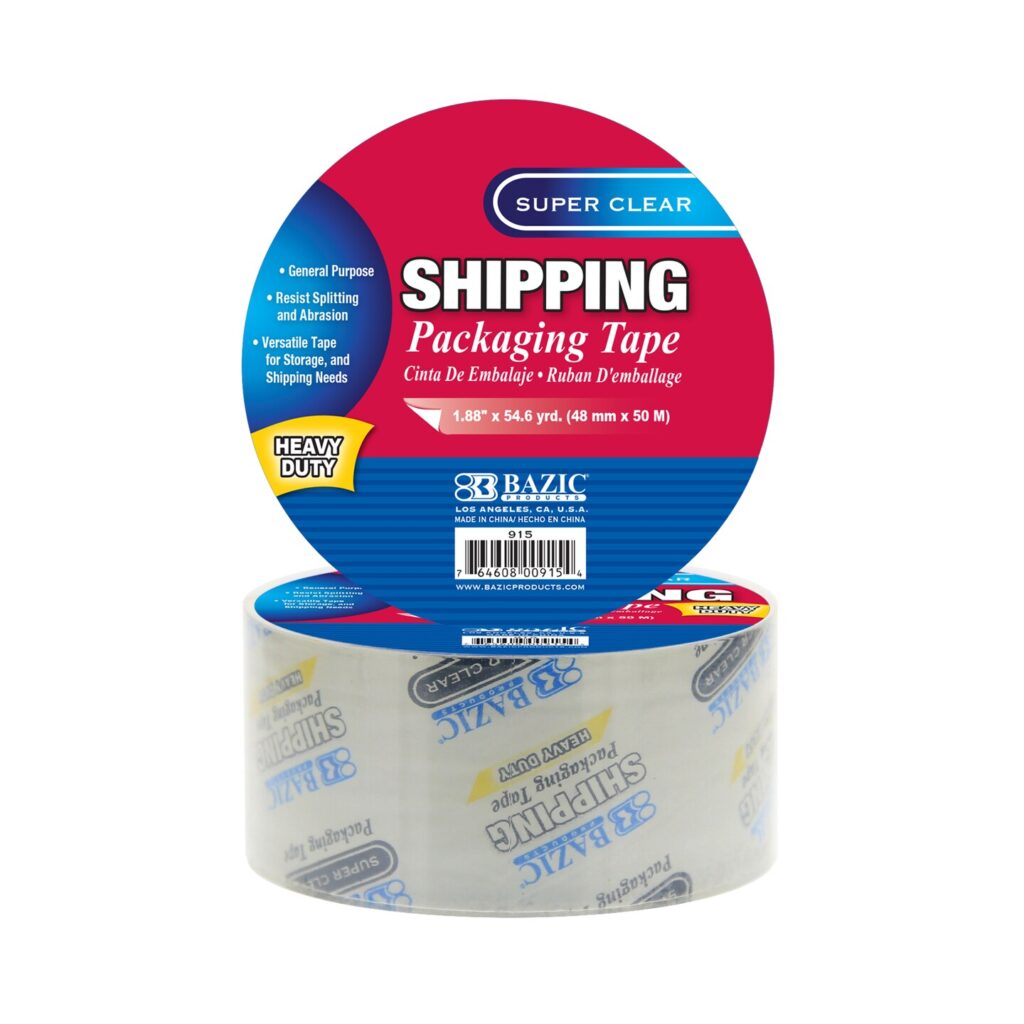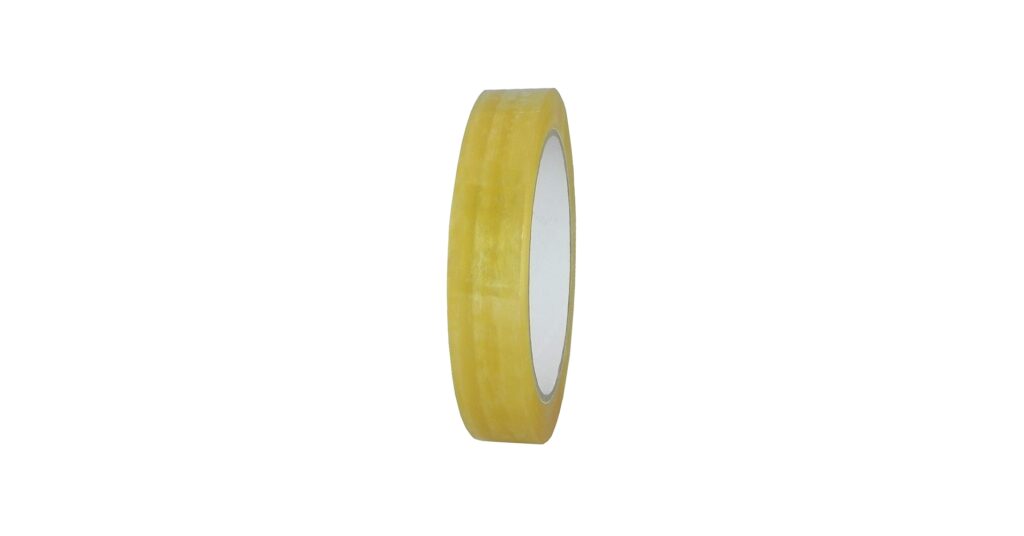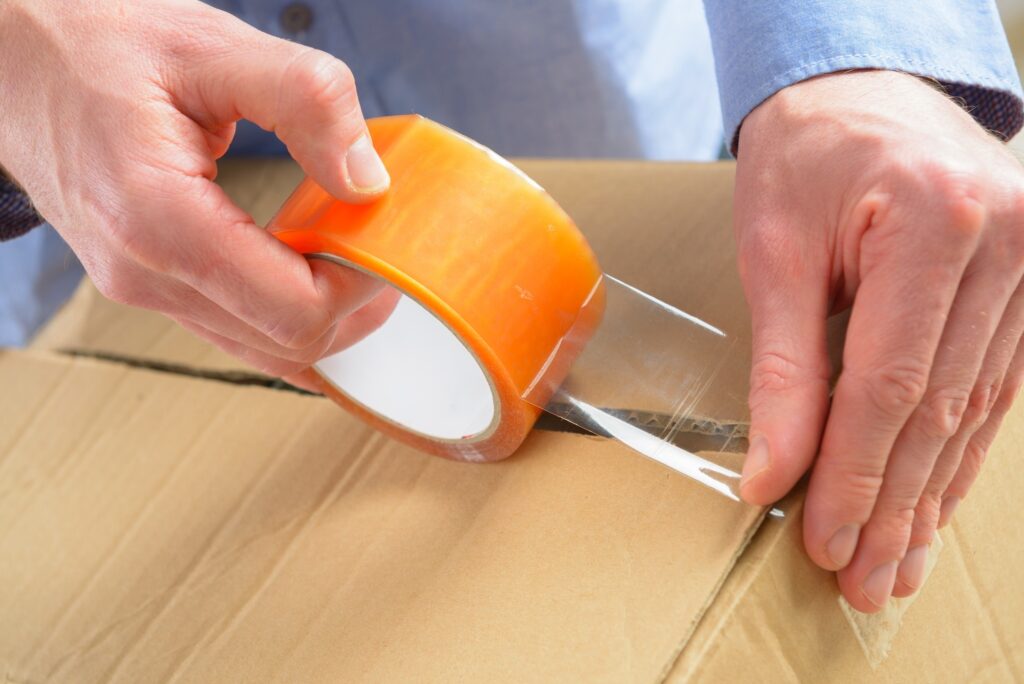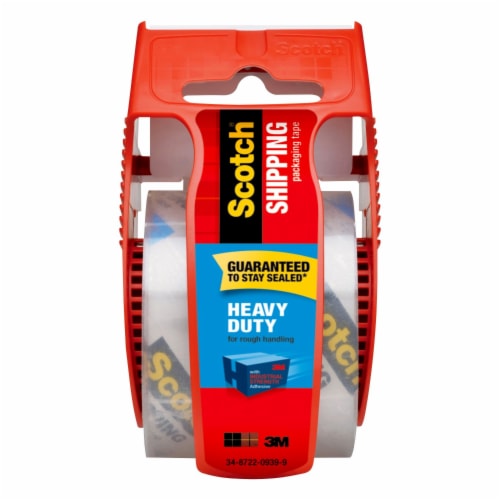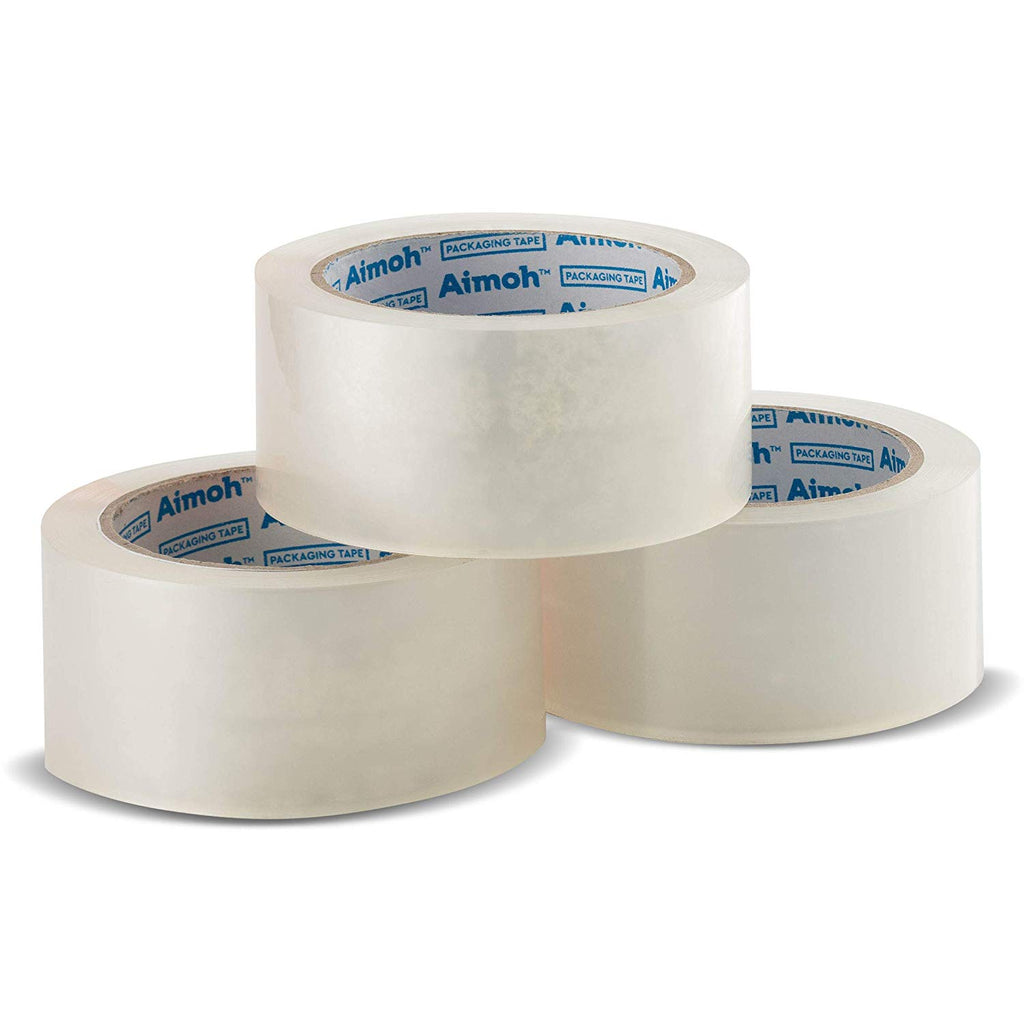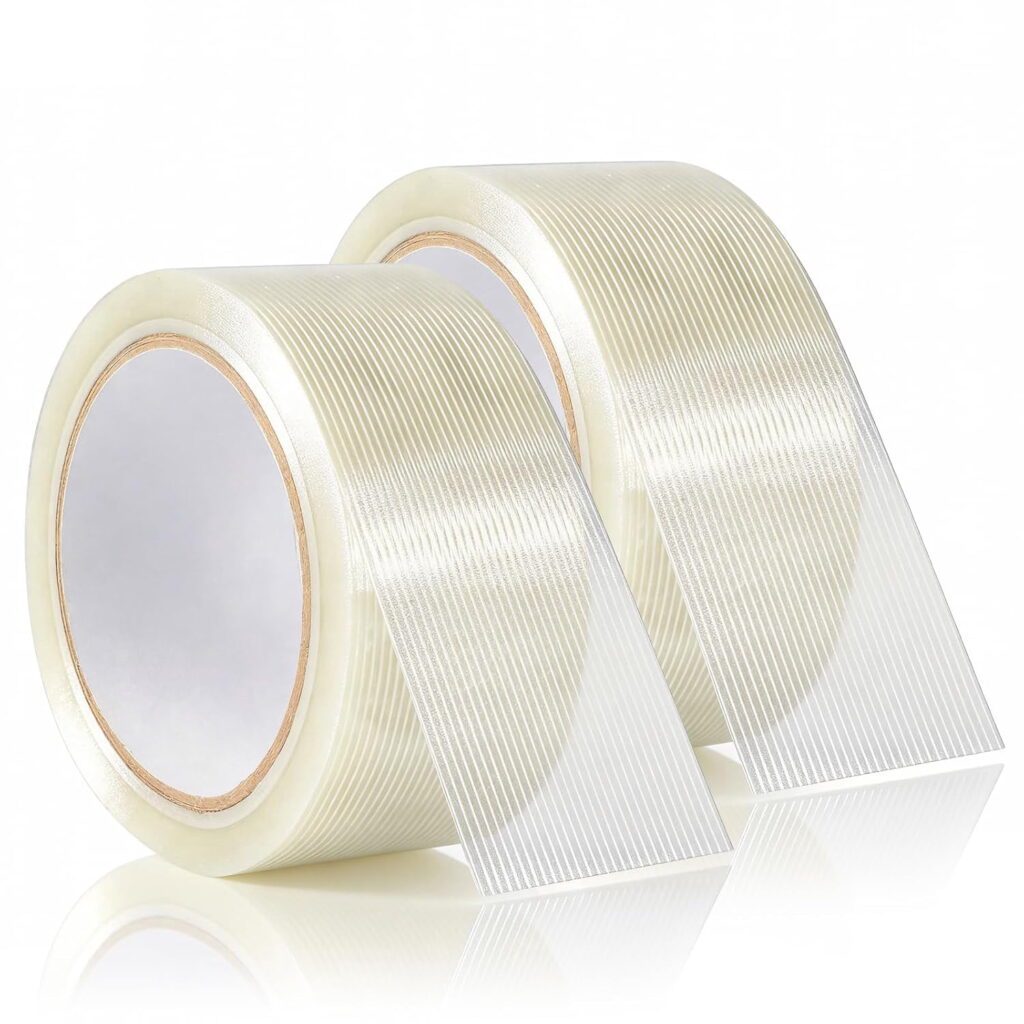
Introduction: Navigating the Global Market for Super clear carton sealing tape
Sourcing super clear carton sealing tape for high-visibility packaging operations requires navigating a procurement landscape where optical clarity meets logistical complexity. For international buyers operating across Africa, South America, the Middle East, and Europe—from German industrial distributors to Saudi retail logistics providers—the challenge extends beyond finding transparent adhesive films to securing solutions that maintain crystal-clear aesthetics despite tropical humidity, desert temperature extremes, and extended maritime transit. This complexity intensifies when balancing cost efficiency against performance specifications, as substandard films risk adhesive failure, yellowing, or compromised package integrity that directly impacts brand perception in competitive retail environments.
Why Does Film Clarity Impact Global Brand Performance?
Super clear carton sealing tape functions as more than a closure mechanism; it serves as a critical interface between product and consumer. Engineered from biaxially oriented polypropylene with advanced solvent-based acrylic adhesives, these transparent solutions enable immediate product visibility for retail display while providing UV-resistant protection essential for inventory storage in high-sunlight regions. Unlike conventional packaging tapes, premium super clear variants eliminate visual defects and discoloration, ensuring that barcodes remain scannable and brand aesthetics stay pristine from manufacturing floors in São Paulo to distribution centers in Johannesburg.
How Can Buyers Evaluate Suppliers Across Diverse Regional Markets?
This guide delivers actionable intelligence for complex procurement decisions, examining technical specifications including mil thickness variations, adhesive formulations optimized for climate-specific challenges, and compliance requirements spanning EU packaging directives to Middle Eastern quality standards. We explore comprehensive supplier vetting methodologies, total cost of ownership models accounting for international freight and customs considerations, and quality assurance protocols critical for B2B relationships spanning multiple continents.
By integrating material science expertise with regional market dynamics, this resource equips procurement professionals to source super clear carton sealing tape that enhances brand presentation while ensuring package security across global supply chains.
Understanding Super clear carton sealing tape Types and Variations
| タイプ名 | 主な特徴 | 主なB2Bアプリケーション | バイヤーのための簡単な長所と短所 |
|---|---|---|---|
| Solvent Acrylic Super Clear Tape | Biaxially oriented PP film, solvent-based adhesive, non-yellowing, UV resistant, no fish-eye defects | Premium retail packaging, label protection, long-term archival storage, document lamination | Pros: Superior aging stability, crystal clarity retention; Cons: Higher cost, requires controlled application environment |
| Water-Based Acrylic Super Clear Tape | Eco-friendly water-based adhesive, standard BOPP film, quieter unwind properties | General carton sealing, e-commerce fulfillment, short-term warehouse storage | Pros: Cost-effective, environmentally preferable, immediate bond; Cons: Limited humidity resistance, potential yellowing over time |
| Heavy-Duty Industrial Super Clear Tape | 2.5+ mil thickness, high-tensile strength film, aggressive adhesive formulation | Heavy-duty export shipping, recycled corrugated boxes, palletized loads | Pros: Exceptional holding power on rough/textured surfaces; Cons: Premium pricing, requires robust dispensing equipment |
| UV-Resistant Crystal Clear Tape | Enhanced UV inhibitors, anti-fog properties, extreme optical clarity | Outdoor storage, retail display in sunny climates, greenhouse packaging | Pros: Maintains transparency under direct sun exposure; Cons: Niche application, limited global supplier availability |
What makes solvent acrylic super clear tape the premium choice for B2B buyers?
Solvent acrylic super clear tape utilizes biaxially oriented polypropylene film combined with advanced solvent-based adhesive technology, delivering exceptional optical clarity completely free of fish-eye defects. This variation offers superior UV resistance and guaranteed non-yellowing characteristics, making it indispensable for premium retail packaging, document lamination, and long-term archival storage where visual aesthetics directly impact brand perception. B2B buyers should note that while this type commands a higher price point than water-based alternatives, its chemical stability across extreme temperature variations and aging resistance justify the investment for high-value electronics, luxury goods, and export
Key Industrial Applications of Super clear carton sealing tape
| 業界/セクター | Specific Application of Super clear carton sealing tape | ビジネスにとっての価値/利益 | このアプリケーションにおける主な調達上の考慮事項 |
|---|---|---|---|
| E-commerce & Retail Distribution | Sealing primary shipping cartons with transparent branding windows; overlay protection for shipping labels and barcodes | Eliminates visual obstruction of marketing graphics; ensures scanability of tracking codes through automated logistics hubs; maintains professional unboxing experience for end customers | UV-resistant acrylic adhesive for tropical storage conditions (Africa/Middle East); compatibility with high-speed automated case sealers; low-noise unwinding properties for high-volume fulfillment centers |
| Agricultural & Food Exports | Carton sealing for temperature-sensitive produce and premium foodstuffs; cold chain packaging integrity | Provides customs visibility without package opening; resists condensation in refrigerated transport; non-yellowing clarity for extended sea freight to European markets | Food-contact safe adhesive certifications (EU 10/2011 compliance); performance stability across 0°C to 40°C ranges; moisture resistance for humid climates (South America/West Africa) |
| Electronics & High-Value Manufacturing | Dust-free sealing of component packaging; lamination of specification labels and serial plates | Meets German/Saudi industrial aesthetic standards; protects documentation from factory contaminants; superior clarity for inventory photography and quality control verification | Anti-static formulations for sensitive components; clean-room compatible manufacturing; high initial tack for coated corrugated boards common in precision manufacturing |
| Publishing & Document Archiving | Book spine reinforcement and repair; archival document lamination; library inventory protection | Archival transparency without yellowing for decades; reversible application for rare book conservation; humidity resistance for tropical institutional collections (Middle East/Africa) | pH-neutral adhesive systems (ISO 18916 compliance); low-tack options for delicate paper; resistance to fungal growth in high-humidity storage environments |
How Does Super Clear Carton Sealing Tape Enhance Brand Visibility in Cross-Border E-commerce?
In high-growth e-commerce markets across Africa and the Middle East, super clear carton sealing tape serves as a critical branding tool for international retailers shipping to European consumers. The tape’s optical clarity eliminates “fish eyes” and haze that obscure printed graphics or handwritten codes, ensuring barcodes remain scannable through automated logistics hubs in Frankfurt or Amsterdam. For businesses utilizing automated case sealers in distribution centers from São Paulo to Riyadh, the tape’s consistent unwind tension prevents costly line stoppages while its UV-resistant formulation prevents premature yellowing during outdoor storage in tropical climates. This maintains package integrity and professional presentation throughout extended international transit, directly impacting customer satisfaction rates and reducing return processing costs.
Why Is UV-Resistant Super Clear
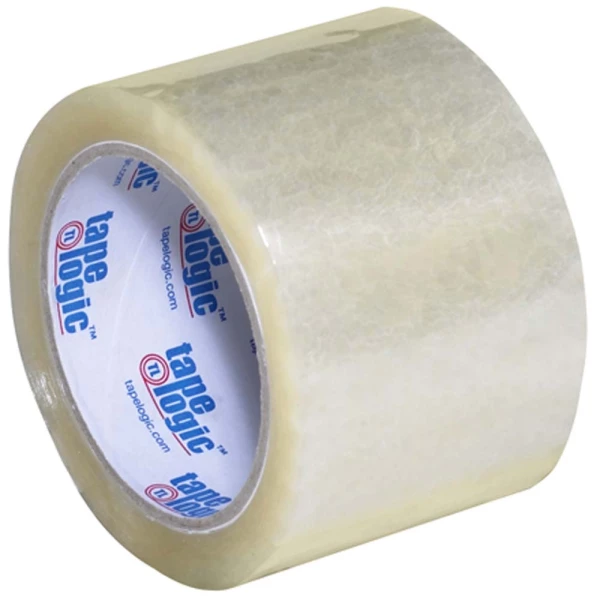
A stock image related to Super clear carton sealing tape.
3 Common User Pain Points for ‘Super clear carton sealing tape’ & Their Solutions
Scenario 1: Optical Interference Blocking Automated Barcode Scanning
問題だ: In high-volume distribution centers across Europe and the Middle East, operations managers frequently encounter scanning failures when standard clear tape obscures barcodes beneath the seal. Standard polypropylene tapes often exhibit haze, micro-bubbles, or “fish eyes” that diffract laser scanner light, forcing warehouse staff to manually reposition packages or reprint labels. This friction creates bottlenecks in automated sortation systems, reducing throughput during peak shipping periods and increasing labor costs associated with manual intervention.
解決策 Specify super clear carton sealing tape with biaxially oriented polypropylene (BOPP) film and solvent-based acrylic adhesive systems engineered for >90% light transmission. Unlike standard clear variants, these advanced formulations eliminate optical distortion, allowing barcode scanners to read through the tape seamlessly without removing protective seals. When sourcing, request technical data sheets verifying clarity percentages and test samples with your specific scanner models to ensure compatibility with high-speed automated warehouse operations.
Scenario 2: UV-Induced Yellowing in High-Sunlight Export Markets
問題だ: B2B exporters shipping from Germany to Saudi Arabia or from South America to Africa often discover that standard clear tape turns amber or yellow during transit, particularly when containers sit in ports under intense UV exposure. This discoloration creates the perception of aged inventory or potential tampering, compromising retail-ready presentation standards for consumer electronics, cosmetics, and premium goods. The aesthetic degradation often triggers retailer rejection fees and brand reputation damage in markets where packaging quality directly influences purchasing decisions.
解決策 Procure super clear tape specifically formulated with UV-resistant, non-yellowing adhesive systems designed for extended outdoor exposure. Solvent-based acrylic adhesives outperform hot-melt alternatives in UV stability, maintaining crystal-clear transparency throughout multi-climate supply chains. Verify that specifications include “non-yellowing” guarantees and resistance to thermal aging, ensuring that packages maintain professional appearance from European cold storage through Middle Eastern desert heat to African retail shelves.
Scenario 3: Adhesive Failure During Extreme Temperature Transitions
問題だ: International shipments frequently traverse extreme climate zones, causing standard tape adhesives to fail through thermal shock. When pallets move from refrigerated European warehouses to humid South American ports or Saudi Arabian heat, inferior adhesives either become brittle and lift in cold conditions or soften and ooze in high heat, compromising carton integrity. This temperature sensitivity results in split seals, contamination risks, and potential product loss during customs inspections or final-mile delivery.
解決策 Select super clear carton sealing tape with solvent-based acrylic adhesives rated for wide service temperature ranges, typically -20°C to 60°C (-4°F to 140°F). These formulations maintain consistent tack and shear strength across climate transitions, preventing the “flagging” or adhesive transfer common in hot-melt alternatives. For automated case sealing compatibility, ensure the tape offers consistent unwind characteristics and anti-static properties to prevent machine jams, particularly when operating high-speed packaging lines in varying humidity conditions prevalent in African and Middle Eastern manufacturing facilities.
Strategic Material Selection Guide for Super clear carton sealing tape
Selecting the optimal substrate for super clear carton sealing requires balancing optical properties against environmental resilience and conversion economics. International buyers must evaluate how different film technologies perform across diverse climate zones, from the humid supply chains of West Africa to the temperature-controlled logistics networks of Central Europe. Understanding the molecular structure and adhesive compatibility of each material ensures procurement decisions align with specific industry requirements, whether prioritizing shelf aesthetics for retail display or durability for heavy-duty industrial export.
Which Film Substrate Delivers Superior Optical Clarity for High-Volume Retail Packaging?
Biaxially Oriented Polypropylene (BOPP) dominates the global super clear tape market due to its exceptional strength-to-thickness ratio and cost efficiency. The biaxial orientation process aligns polymer molecules in both machine and transverse directions, creating a film that resists splitting under stress while maintaining the transparency required for barcode scanning and content verification. When laminated with solvent-based acrylic adhesives, BOPP tapes exhibit superior UV resistance and non-yellowing characteristics critical for Middle Eastern and African markets where extended sun exposure during transport is common. This combination offers excellent adhesion to corrugated cardboard across varying temperatures, though buyers should verify that the acrylic formulation contains no plasticizers that could migrate and create “fish eyes” in the film. The material’s lightweight nature reduces freight costs for international bulk shipments, making it economically advantageous for high-volume operations in South America and Asia.
How Does UPVC Film Perform in Extreme Humidity and Temperature Fluctuations?
Unplasticized Polyvinyl Chloride (UPVC) provides a strategic alternative for procurement teams managing shipments through tropical climates or chemical-adjacent industries. Unlike polypropylene, UPVC maintains structural integrity in high-moisture conditions without the surface whitening sometimes observed in BOPP films exposed to condensation cycles during ocean freight. The material’s rigidity offers excellent machinability on high-speed carton sealing equipment, reducing wrinkling during automated application in Saudi Arabian and German manufacturing facilities. UPVC demonstrates superior chemical resistance against oils and solvents, making it suitable for automotive parts packaging and industrial component exports. However, UPVC films typically exhibit slightly lower optical transmission rates compared to premium BOPP grades, and their higher density increases freight costs for bulk tape
A stock image related to Super clear carton sealing tape.
In-depth Look: Manufacturing Processes and Quality Assurance for Super clear carton sealing tape
Understanding the manufacturing intricacies behind super clear carton sealing tape empowers procurement teams to distinguish between commodity-grade products and premium solutions suitable for high-visibility packaging. The production of optical-grade packaging tape involves sophisticated polymer processing and adhesive chemistry that directly impacts performance in diverse climatic conditions—from the humidity of West Africa to the intense UV exposure of the Middle East.
What Raw Materials Determine Optical Grade in Super Clear Packaging Tape?
Premium super clear carton sealing tape begins with biaxially oriented polypropylene (BOPP) film manufactured from virgin resin rather than recycled polymers. This distinction matters because recycled content introduces impurities that create “fish eyes”—microscopic gel particles that scatter light and compromise transparency. The base film typically measures between 1.8 to 2.6 mils in thickness, with higher gauges providing enhanced puncture resistance for heavy-duty export shipments to European markets like Germany, where transit durability standards are stringent.
The adhesive layer comprises either solvent-based or water-based acrylic systems. Solvent-based acrylics offer superior clarity retention and resistance to yellowing compared to rubber-based alternatives. These systems maintain adhesive integrity across extreme temperature fluctuations, critical for buyers in Saudi Arabia and the Gulf region where warehouse temperatures can exceed 40°C during summer months.
How Does the Biaxial Orientation Process Ensure Clarity and Strength?
The transformation from polypropylene pellets to crystal-clear film occurs through the biaxial orientation process, where extruded film undergoes simultaneous stretching in both machine and transverse directions. This molecular alignment creates a balanced tensile strength exceeding 20,000 psi while maintaining haze levels below 1.5%—the industry threshold for “super clear” classification.
During manufacturing, precise control of stretching ratios (typically 4:1 to 8:1) determines the film’s mechanical properties. Over-stretching induces stress whitening that appears as cloudiness, while insufficient orientation reduces tensile strength. Leading manufacturers employ real-time optical monitoring systems during this phase to detect haze deviations before the adhesive coating stage, ensuring that only optically perfect substrates proceed to coating.
What Quality Control Protocols Eliminate Visual Defects in Clear Tape?
Quality assurance for super clear tape focuses heavily on optical consistency, requiring inspection protocols beyond standard packaging tape testing. Automated vision systems scan finished rolls for fish eyes, contamination, and coating voids at resolutions detecting defects as small as 0.1mm. Batch testing includes accelerated aging chambers that simulate six months of UV exposure to verify non-yellowing claims—essential for products stored in outdoor markets across Africa and South America.
Thickness uniformity receives particular scrutiny, with laser micrometers verifying that adhesive coating varies by no more than ±0.1 mil across the web. Inconsistent coating creates visual distortion and weak points where sealing failures occur. Premium suppliers also conduct haze meter testing per ASTM D1003 standards, rejecting any production lot exceeding 2.0% haze, whereas commodity grades often tolerate 5-10% opacity.
How Do Adhesive Formulations Impact Performance in Extreme Climates?
The choice between solvent-based and emulsion acrylic adhesives represents a critical decision point for international buyers. Solvent-based systems cure through evaporation, creating a denser, more moisture-resistant adhesive layer ideal for tropical climates in West Africa and Southeast Asia. These formulations resist hydrolysis—the chemical breakdown that causes water-based tapes to turn white and lose tack in high humidity.
Water-based acrylics, while environmentally preferable and lower in cost, contain residual surfactants that can migrate to the film surface over time, creating a hazy appearance. For buyers in Germany and other EU markets prioritizing sustainability, hybrid formulations now offer improved clarity with reduced VOC content, though solvent-based remains the standard for critical optical applications requiring guaranteed long-term transparency.
Which Testing Standards Validate Tape Performance for International Logistics?
B2B buyers should verify compliance with ISO 29878 (packaging tape specifications) and ASTM D3330 (peel adhesion testing) when evaluating suppliers. These standards quantify initial tack, holding power to cardboard, and shear resistance—metrics that predict performance during the vibration and temperature cycles of international shipping.
Tensile strength testing per ASTM D3759 ensures the tape withstands the mechanical stress of automated case sealing equipment without breaking. For Middle Eastern markets, additional testing for UV resistance per ASTM D4329 validates that tape subjected to direct sunlight during port storage maintains adhesion and clarity. Reputable manufacturers provide Certificates of Analysis (CoA) documenting these metrics for each production lot, enabling traceability and quality assurance for pharmaceutical or electronics exporters requiring pristine packaging aesthetics.
Why Does UV Stabilization Matter for Supply Chain Integrity?
UV stabilizers prevent the photochemical degradation that causes standard clear tape to yellow and embrittle within weeks of sun exposure. For buyers in Saudi Arabia, Nigeria, or Brazil—where supply chain infrastructure often involves outdoor storage—tapes lacking hindered amine light stabilizers (HALS) or benzotriazole UV absorbers will degrade before reaching end consumers.
Premium super clear tapes incorporate these additives at 0.5-2% concentration by weight, invisible to the naked eye but critical for longevity. This technology ensures that packaged goods arrive at European retail destinations with seals that remain both functional and aesthetically pleasing, avoiding the rejection risks associated with yellowed or lifted tape that suggests tampering or age damage.
How Does Precision Slitting Affect Automated Packaging Efficiency?
The final manufacturing stage—slitting master rolls into finished widths—requires precision that impacts automated packaging line efficiency. Edge alignment tolerances of ±0.5mm prevent telescoping (lateral shifting of tape layers) that causes jams in high-speed case sealers. For buyers operating automated facilities in Germany or industrial zones in South America, requesting slit-edge quality certification ensures compatibility with pneumatic tape dispensers and automated carton sealers.
Quality-conscious suppliers perform 100% inspection of slit edges for burrs or adhesive squeeze-out that could contaminate packaging machinery. This attention to detail reduces downtime in high-volume operations and maintains the clean, professional appearance that super clear tape promises for retail-ready packaging.
By scrutinizing these manufacturing and quality assurance parameters, procurement professionals can source super clear carton sealing tape that meets the dual demands of optical excellence and logistical reliability across diverse international markets. The intersection of virgin BOPP substrates, solvent-based acrylic chemistry, and rigorous optical testing creates a packaging solution that protects both product integrity and brand perception from factory floor to final destination.
Practical Sourcing Guide: A Step-by-Step Checklist for ‘Super clear carton sealing tape’
Procuring super clear carton sealing tape requires balancing optical performance with supply chain resilience, particularly when sourcing across diverse climates and regulatory environments from Germany to Saudi Arabia. This checklist provides B2B procurement teams with actionable criteria to evaluate film quality, adhesive chemistry, and logistics reliability, ensuring your packaging maintains premium aesthetics from warehouse to final destination while meeting stringent regional compliance standards.
Step 1: What Technical Specifications Define True “Super Clear” Performance?
Specify biaxially oriented polypropylene (BOPP) film with solvent-based acrylic adhesive systems for superior optical clarity and tensile strength. Demand thickness specifications between 2.0 and 2.6 mil for adequate durability without excessive bulk. Verify non-yellowing properties, UV resistance for sun exposure during extended transit, and “no fish eyes” guarantees to ensure bubble-free application that maintains professional aesthetics on retail-ready packaging and label protection applications.
Step 2: How Do You Match Adhesive Systems to Regional Climate Conditions?
Select adhesive formulations based on your destination markets’ climate profiles and storage environments. For Middle Eastern and African markets with high heat and intense UV exposure, prioritize tapes with enhanced UV stabilizers and high-temperature acrylic adhesives that resist softening or edge lifting. European buyers should verify compliance with EU packaging regulations and cold-chain adhesion performance for varying warehouse temperatures, while South American importers must consider high-humidity resistance for tropical climates.
Step 3: Which Customization Capabilities Support Your Brand Requirements?
Evaluate suppliers offering precision custom width conversions from narrow hand rolls to long-length machine rolls without prohibitive minimum order quantities. Confirm private labeling and contract converting options for seamless brand integration across international markets. Inquire about “pay as you pull” inventory programs that reduce cash flow pressure and storage costs. Verify lead time differentials between stock items (typically 2-3 days) and custom conversions (3-5 days) to align with your production schedules.
Step 4: What Quality Certifications Validate Cross-Border Compliance?
Request comprehensive documentation proving UV resistance ratings and non-yellowing guarantees under accelerated aging tests. For German and broader EU markets, verify REACH compliance and food-contact safety certifications if applicable for consumer goods packaging. Saudi Arabian and Middle Eastern buyers should confirm adherence to SASO standards or regional packaging material regulations, while African trade corridors may require specific import documentation regarding adhesive chemical composition.
Step 5: How Do You Structure Logistics for Climate-Sensitive Materials?
Implement trackable shipping solutions with specific climate-controlled storage recommendations upon arrival in destination ports. Super clear tapes require protection from extreme heat during ocean transit to prevent adhesive degradation or film distortion. Establish clear receiving inspection protocols to check for roll deformation, adhesive bleed, or clarity reduction that could compromise optical performance before acceptance and warehouse storage in regional distribution centers.
Step 6: What Sampling Protocols Verify Real-World Performance?
Request pre-production samples to test optical clarity against your specific carton substrates, printed graphics, and barcode systems. Conduct adhesion tests on actual packaging materials under local temperature and humidity conditions representative of African or Middle Eastern climates. Evaluate long-term label protection capabilities by applying samples over printed barcodes and scanning through the tape after simulated aging to ensure sustained readability compliance with retail distribution standards.
Step 7: How Can You Optimize Total Cost of Ownership Beyond Unit Price?
Calculate true costs beyond per-roll pricing by analyzing waste reduction from precise width customization and reduced rework from reliable initial adhesion. Negotiate flexible payment terms accommodating international currency transfers and evaluate suppliers offering consolidated shipping to African and South American ports to reduce freight costs. Consider JIT delivery options and regional warehousing partnerships to minimize inventory holding costs while ensuring consistent supply for seasonal demand fluctuations.
A stock image related to Super clear carton sealing tape.
Comprehensive Cost and Pricing Analysis for Super clear carton sealing tape Sourcing
When sourcing super clear carton sealing tape for international distribution, procurement teams must look beyond per-roll pricing to understand the total landed cost structure. The premium optical clarity achieved through biaxially oriented polypropylene (BOPP) film and solvent-based acrylic adhesives typically commands a 15-30% price premium over standard clear tapes, but offers superior UV resistance and non-yellowing properties critical for retail-ready packaging in demanding climates.
What Raw Material Specifications Drive Cost Variations?
The primary cost determinants center on film thickness and adhesive chemistry. Standard super clear tapes range from 2.0 to 2.6 mil thickness, with heavier gauges providing enhanced puncture resistance for heavy-duty export shipping but increasing material costs proportionally. Solvent-based acrylic systems, essential for the crystal-clear aesthetic and long-term adhesion, cost significantly more than hot-melt alternatives but prevent the “fish eye” defects that compromise barcode scanning efficiency. Buyers should verify that quoted prices account for UV stabilizers, as these additives prevent clarity degradation during extended storage in high-sunlight regions like the Middle East or Latin America.
How Do Volume Tiers and Customization Affect Unit Economics?
Global suppliers typically structure pricing around minimum order quantities (MOQs) starting at 5,000-10,000 rolls for standard widths, with substantial discounts at full container load (FCL) quantities. However, custom width conversions—ranging from narrow 1/4 inch label protection rolls to extended machine lengths—incur setup fees that amortize favorably only above 50,000 linear meters. Consider “Pay as you Pull” inventory programs where available, as these reduce working capital requirements by 20-40% compared to bulk purchasing, particularly valuable for African and South American distributors managing currency fluctuation risks.
What Strategies Reduce Total Landed Costs for Regional Importers?
For buyers in Germany, Saudi Arabia, and emerging African markets, logistics configuration significantly impacts final costs. Consolidating shipments through regional converting hubs rather than direct mill orders reduces freight expenses by 15-25% and simplifies customs clearance for pressure-sensitive adhesive classifications. Evaluate suppliers offering localized private labeling and slit-to-width services near target markets, as this eliminates the dimensional weight penalties associated with shipping bulky master rolls internationally. Additionally, negotiate Incoterms that transfer risk after conversion rather than at origin, protecting against clarity degradation during humid ocean transit common to tropical African and South American ports.
Are There Hidden Costs in Low-Price Super Clear Tape Offers?
Aggressive unit pricing often masks quality compromises that increase total cost of ownership. Tapes lacking proper release coatings may cause unwind noise and application inefficiencies in automated German packaging lines, while insufficient adhesive coat weights fail in Saudi Arabia’s high-temperature warehouse environments. Request optical clarity specifications (haze values below 5%) and adhesion test data (ASTM D3330) before committing to large volumes, as remanufacturing costs for failed seals typically exceed any initial savings from commodity-grade alternatives.
Alternatives Analysis: Comparing Super clear carton sealing tape With Other Solutions
While super clear carton sealing tape delivers unmatched transparency for retail-ready packaging, procurement teams must weigh aesthetic requirements against operational constraints and regional supply chain standards. For B2B buyers managing diverse shipping portfolios across Africa, South America, the Middle East, and Europe, understanding how these premium films compare to conventional alternatives ensures optimal material specification for specific logistics corridors, regulatory environments, and end-market expectations.
Which Sealing Solution Delivers the Best Value for International Distribution?
| 比較の側面 | Super Clear Carton Sealing Tape | Standard Opaque BOPP Tape | Water-Activated Kraft Paper Tape |
|---|---|---|---|
| Visual Clarity & Brand Presentation | Crystal-clear visibility; ideal for retail display and barcode scanning through tape | Opaque tan/buff finish obscures contents; functional appearance only | Natural brown/tan paper aesthetic; printable but not transparent |
| Performance & Security | UV-resistant, non-yellowing; moderate tamper resistance | Standard adhesion; easy to slit and reseal without detection | Bonds with corrugated fibers; tearing leaves obvious damage; tamper-evident |
| コスト効率 | Premium pricing; 15-25% higher material costs than standard | Lowest cost option; mass-produced standard | Moderate material cost; reduces shrinkage/theft losses |
| 実施しやすさ | High; compatible with manual and automated dispensers; instant adhesion | High; same application method as clear tape | Moderate; requires water activation, dispensing equipment, and 30-60 second curing |
| Environmental Compliance | Polypropylene-based; recyclable but plastic-dependent | Same plastic substrate; limited sustainability advantage | Biodegradable paper; recyclable with cardboard; meets EU plastic reduction regulations |
| 気候への抵抗 | Stable in high humidity (Saudi Arabia, Brazil); UV-resistant | Good humidity resistance; adhesive may yellow over time | Sensitive to moisture before application; excellent seal integrity once dry |
| Customization & Printing | Limited; clear background restricts visibility | Excellent; solid background for bold branding | Excellent; direct printing on paper surface for eco-branding |
Is Standard Opaque BOPP Tape the Practical Choice for Bulk Industrial Shipping?
Standard opaque BOPP tape represents the most ubiquitous alternative for high-volume operations where visual aesthetics remain secondary to cost containment and functional sealing requirements. This conventional option utilizes the same biaxially oriented polypropylene substrate as super clear variants but incorporates pigmented films—typically tan or buff—that effectively mask carton contents while reducing raw material costs by 15-25% compared to optical-grade clear films. For B2B buyers managing industrial supply chains across Africa and South America, opaque tape offers identical automated application speeds and humidity resistance without the premium pricing associated with crystal-clear presentation. However, procurement teams should carefully evaluate the trade-offs: this solution compromises brand presentation at retail endpoints, prevents barcode scanning through the tape layer, and offers minimal protection against pilferage, as the tape can be slit and resealed without leaving visible evidence of tampering. Additionally, in markets like Saudi Arabia and Germany where consumer transparency increasingly drives purchasing decisions, opaque sealing may conflict with premium positioning strategies.
How Does Water-Activated Kraft Paper Tape Support Sustainable Export Requirements?
Water-activated kraft paper tape emerges as the primary eco-friendly alternative, particularly for European markets subject to stringent packaging regulations and Middle Eastern buyers serving sustainability-conscious retail partners. Unlike polypropylene-based films, this reinforced paper solution utilizes vegetable-based adhesives that bond molecularly with corrugated carton fibers, creating a tamper-evident seal that destroys the box surface upon removal while eliminating plastic waste from the recycling stream. While initial implementation requires capital investment in water-dispensing equipment and tolerates slightly slower application speeds—typically requiring 30-60 seconds of curing time—the long-term operational benefits include significantly reduced theft during international transit, seamless compliance with Germany’s Packaging Act and similar EU circular economy directives, and enhanced brand perception through visible sustainability commitments. This alternative proves especially valuable for high-value electronics, pharmaceuticals, and premium consumer goods shipped to environmentally regulated markets, where security credentials and carbon footprint reduction outweigh the convenience of pressure-sensitive adhesive films. Buyers should note that kraft tape performs poorly in pre-application humid conditions common in tropical African or South American climates, requiring climate-controlled storage prior to use.
Essential Technical Properties and Trade Terminology for Super clear carton sealing tape
When procuring super clear carton sealing tape for international supply chains, precise technical literacy prevents costly specification mismatches and ensures packaging integrity across diverse climates. The following specifications and terminology provide the necessary framework for evaluating supplier capabilities and product suitability across European, Middle Eastern, African, and South American markets.
What Optical Clarity Ratings Ensure Premium Transparency?
Optical clarity, measured by haze percentage and luminous transmittance, determines how effectively tape showcases underlying graphics or barcodes. Premium super clear tapes maintain haze values below 5% with transmittance exceeding 90%, ensuring minimal light scattering. This specification proves critical for retail-ready packaging and automated scanning environments where barcode readability directly impacts logistics efficiency.
How Does Film Thickness Affect Durability and Cost Efficiency?
Film thickness, expressed in mils (thousandths of an inch) or microns, dictates puncture resistance and tensile strength. Standard super clear tapes range from 1.8 to 3.0 mils (45-75 microns), with heavier gauges providing superior integrity for heavy-duty export shipments. Thicker films increase material costs and may require dispenser tension adjustments, while thinner options suit lightweight retail packaging.
Why Does Adhesive Chemistry Matter for Long-Term Clarity?
Solvent-based acrylic adhesives deliver the optical transparency required for super clear applications, resisting the yellowing common in hot melt rubber formulations. These adhesives provide balanced initial tack and long-term holding power while maintaining stability under UV exposure. For archival storage or premium retail display, specify non-yellowing solvent acrylic systems to prevent aesthetic degradation.
What Is Biaxial Orientation and Why Does It Matter for Performance?
Biaxially oriented polypropylene (BOPP) film undergoes stretching in both machine and transverse directions, creating molecular alignment that enhances tensile strength and dimensional stability. This manufacturing process produces the crystal-clear appearance and uniform thickness essential for high-speed automated dispensing. BOPP backing resists moisture and chemicals, making it ideal for export packaging facing variable humidity conditions.
What UV Stability Standards Should Export Buyers Specify?
UV resistance prevents adhesive oxidation and film embrittlement during prolonged sun exposure during transit or storage. Quality super clear tapes incorporate UV inhibitors that maintain seal integrity across climates from Middle Eastern deserts to tropical ports. Specify tapes with UV resistance ratings exceeding 500 hours of accelerated aging testing to ensure performance consistency.
What Are “Fish Eyes” and How Do They Impact Quality Control?
Fish eyes describe microscopic bubbles or imperfections within the adhesive coating that create visible distortions resembling small circular marks. These defects indicate inconsistent coating processes and compromise the optical clarity essential for premium packaging applications. B2B buyers should explicitly require “fish-eye-free” specifications in technical data sheets for lamination and label protection uses.
How Do Mils and Microns Differ in International Trade Specifications?
A “mil” equals one-thousandth of an inch (0.0254mm), while microns represent micrometers (0.001mm). North American suppliers typically reference mils (e.g., 2.6 mil), whereas European and Asian markets prefer microns (66 microns). Understanding that 1 mil equals 25.4 microns prevents thickness specification errors during international procurement across Germany, Saudi Arabia, or South American markets.
What Distinguishes Machine Rolls from Hand Roll Formats?
Machine rolls feature extended lengths (1000+ meters) and specific core sizes for automated carton sealing equipment, while hand rolls contain 50-100 meters for manual dispensers. Super clear tapes require precise unwind tension specifications to prevent stretching or distortion during high-speed application. Verify core diameter and roll diameter compatibility with existing equipment to avoid production line interruptions.
What Is the Difference Between Tack and Shear Resistance?
Tack measures immediate bond strength upon application (instant grip), while shear resistance indicates the tape’s ability to prevent sliding under sustained load. Super clear tapes for export shipping require high shear values to maintain seal integrity during temperature fluctuations, whereas sufficient tack ensures immediate box closure without reopening during handling.
What Does “Non-Yellowing” Certification Mean for Archival Applications?
Non-yellowing refers to the tape’s ability to maintain optical clarity without developing amber discoloration during aging or UV exposure. This property distinguishes premium super clear tapes from standard packaging tapes, particularly important for archival document protection and retail presentation. Request accelerated aging test data to verify non-yellowing claims exceed 12-month equivalent exposure standards.
Navigating Market Dynamics and Sourcing Trends in the Super clear carton sealing tape Sector
The super clear carton sealing tape sector is undergoing rapid transformation as global supply chains adapt to e-commerce proliferation and premium packaging standards. For procurement professionals across Africa, South America, the Middle East, and Europe, navigating this landscape requires understanding both technical material specifications and evolving regional compliance frameworks. The market is distinctly moving toward high-performance biaxially oriented polypropylene (BOPP) films paired with advanced adhesive systems that offer superior optical clarity while meeting diverse climatic and regulatory demands.
How Is the Global Super Clear Carton Sealing Tape Market Evolving for B2B Buyers?
The global market for super clear carton sealing tapes is characterized by increasing demand for aesthetic functionality alongside mechanical performance. Unlike standard opaque sealing solutions, super clear variants serve dual purposes: ensuring package security while enabling product visibility for retail-ready applications. This trend is particularly pronounced in emerging markets across Africa and South America, where consumer goods companies utilize crystal-clear tapes to enhance shelf appeal without compromising tamper-evident sealing. Simultaneously, European markets are driving innovation in UV-stable formulations that prevent yellowing during extended storage, reflecting sophisticated quality expectations for export-ready packaging.
What Regional Quality Specifications Should Buyers Consider When Sourcing Clear Packaging Tapes?
Regional environmental conditions dictate specific performance requirements that B2B buyers must verify during supplier qualification. In Middle Eastern markets such as Saudi Arabia, tapes must demonstrate exceptional heat resistance and adhesion stability in high-temperature logistics environments, necessitating solvent-based acrylic systems that resist softening and edge-lifting. Conversely, German and broader European procurement teams prioritize compliance with stringent chemical regulations while demanding non-yellowing, fish-eye-free optical clarity for label protection and document lamination applications. African and South American buyers increasingly seek versatile grades suitable for varying humidity levels, requiring moisture-resistant barriers that maintain seal integrity during monsoon seasons or tropical storage conditions.
Why Are Agile Supply Chain and Customization Capabilities Now Essential?
Modern B2B procurement strategies emphasize supply chain resilience over pure cost optimization. The ability to source custom-converted dimensions—from narrow widths for specialized bundling to extended machine rolls for automated packaging lines—without excessive minimum order quantities provides critical inventory flexibility. Leading suppliers now offer just-in-time (JIT) delivery frameworks and “pay as you pull” programs that free up working capital for distributors managing multiple SKU portfolios. This agility proves particularly valuable for international buyers navigating fluctuating import regulations and currency volatility, allowing for smaller, more frequent shipments of specialty grades including ultra-clear lamination tapes and reinforced carton sealing variants.
How Can Buyers Navigate Sustainability and Ethical Sourcing in the Clear Tape Sector?
Sustainability in the super clear tape market extends beyond material composition to encompass manufacturing ethics and end-of-life management. While traditional solvent-based adhesives provide superior optical clarity and adhesion, environmentally conscious buyers are increasingly scrutinizing volatile organic compound (VOC) emissions and waste generation during the converting process. B2B procurement teams should evaluate suppliers based on documented environmental management systems and the availability of recyclable mono-material solutions that maintain transparency while supporting circular economy objectives.
What Environmental Certifications and Material Innovations Should B2B Buyers Prioritize?
Progressive manufacturers are developing thinner-gauge, high-tensile BOPP films that reduce plastic usage without compromising performance, alongside low-VOC adhesive formulations that meet evolving European REACH standards and Middle Eastern environmental regulations. Buyers should prioritize suppliers offering private label and contract converting programs with verified chain-of-custody documentation, ensuring that sustainability claims regarding “crystal clear” or “super clear” products are substantiated through ISO-certified production practices. Additionally, inquiry into take-back programs for converting waste and compatibility with existing polypropylene recycling streams demonstrates commitment to extended producer responsibility.
How Does Ethical Manufacturing Impact Long-Term Sourcing Partnerships?
Ethical sourcing requires transparency regarding labor practices and facility compliance, particularly when sourcing from regions with varying regulatory frameworks. B2B buyers should verify that converting partners maintain consistent safety standards and fair labor practices across international production facilities. Establishing direct relationships with manufacturers offering contract converting and private label capabilities—not merely trading companies—ensures greater oversight of production ethics and quality consistency. This due diligence proves particularly critical for buyers in Germany and Saudi Arabia, where corporate social responsibility (CSR) mandates and national vision programs increasingly influence supplier selection criteria beyond unit pricing.
Frequently Asked Questions (FAQs) for B2B Buyers of Super clear carton sealing tape
1. What is the difference between super clear and standard clear carton sealing tape for industrial packaging?
Super clear carton sealing tape utilizes premium biaxially oriented polypropylene (BOPP) film combined with solvent-based acrylic adhesives, delivering optical-grade transparency that standard clear tapes cannot match. While standard tapes often employ lower-grade films with hot melt adhesives that yellow over time and create visible “fish eyes” or bubbles, super clear variants maintain non-yellowing clarity and UV resistance critical for retail presentation. For industrial buyers, this translates to enhanced brand perception, reduced rejection rates from retailers for poor aesthetics, and superior protection of printed materials beneath the tape surface. The solvent acrylic formulation also provides better aging characteristics and temperature stability compared to rubber-based hot melt alternatives, ensuring seal integrity across diverse climates.
2. How does super clear carton sealing tape improve barcode scanning accuracy in automated warehouse operations?
The optical clarity of super clear tape eliminates light refraction and distortion that often plague standard tapes, allowing barcode scanners to read labels through the sealed overlay without interference. Unlike cloudy or frosted alternatives that create “blind spots” or require operators to fold back tape edges for scanning, super clear formulations provide a transparent window that maintains label legibility while protecting against moisture and abrasion. This transparency reduces manual handling requirements and rescanning incidents, directly improving throughput in high-velocity distribution centers. Additionally, the absence of adhesive “fish eyes” ensures consistent flatness over barcodes, preventing laser scatter that can trigger misreads in automated sorting systems.
3. What specifications should businesses consider when purchasing super clear packing tape for retail-ready shipments?
For retail-ready applications, prioritize film thickness between 2.0 and 3.0 mils to balance tensile strength with conformability around box edges and irregular surfaces. Verify that the adhesive system is specifically formulated as non-yellowing and UV-resistant, particularly if shipments will undergo extended display periods in retail environments with window exposure. Consider the tape’s compatibility with recycled corrugated content, as super clear solvent acrylic adhesives typically perform better on challenging substrates than hot melt alternatives. Finally, ensure the product offers consistent roll geometry and unwind characteristics suitable for your application method, whether manual dispensers or automated case sealers, to maintain the pristine aesthetic required for shelf-ready presentation.
4. Is super clear carton sealing tape compatible with high-speed automated case sealing machines?
Premium super clear carton sealing tapes are engineered specifically for automated packaging lines, featuring consistent unwind tension and low-noise release properties that prevent machine jams at speeds exceeding 100 feet per minute. The biaxially oriented polypropylene film provides exceptional tensile strength and elongation characteristics, resisting breaks and snaps during rapid acceleration and deceleration cycles common in high-volume operations. Look for products with anti-static formulations to prevent dust attraction and clogging of vacuum feed systems, particularly important in dry climates prevalent in Middle Eastern and European manufacturing facilities. When specifying for automation, confirm that roll diameters and core dimensions match your equipment specifications, and request samples for line trials to verify adhesive tack levels appropriate for your specific corrugated board grades.
5. How can international buyers ensure super clear carton sealing tape performs in extreme climates and long transit times?
For operations in tropical African regions or the high-heat environments of the Middle East, specify solvent-based acrylic adhesives rather than hot melt formulations, as they maintain tack and shear resistance across temperature ranges from -4°F to 176°F (-20°C to 80°C). Request UV-resistant grades to prevent adhesive degradation and film yellowing during outdoor storage or containerized shipping where temperatures can exceed 140°F (60°C). In humid climates such as coastal South America or West Africa, select tapes with anti-fungal additives and moisture-resistant backings to prevent edge lifting and mold growth during extended warehousing. Always verify that suppliers provide certificates of analysis confirming adhesive performance after accelerated aging tests, ensuring that clarity and bond strength persist throughout the product’s shelf life and transit duration.
6. What customization options are available for super clear carton sealing tape to support private label and branding requirements?
Leading manufacturers offer comprehensive private label programs allowing distributors and large end-users to market super clear tape under their own brand identity without minimum order quantities that strain cash flow. Custom converting services enable specification of non-standard widths—from narrow ¼-inch strips for small box sealing to oversized machine rolls—reducing waste and improving application efficiency for unique packaging geometries. Core printing options allow for company logos, part numbers, or handling instructions to be printed directly on the cardboard cores, enhancing brand visibility in warehouse environments. For businesses testing new markets, seek suppliers offering “pay as you pull” inventory programs and low minimums on custom sizes, enabling just-in-time delivery that reduces working capital requirements while maintaining consistent product availability.
7. How do you calculate the true cost efficiency of super clear carton sealing tape versus lower-grade alternatives?
Total cost of ownership calculations must extend beyond per-roll pricing to include yield metrics—super clear tapes often provide longer usable lengths per roll due to thinner, stronger film constructions that require fewer wraps per seal. Factor in the reduction in rework costs associated with rejected retail shipments due to yellowing or hazy tape appearance, as well as decreased labor expenses from fewer scanner misreads and manual re-taping operations. Machine downtime represents a significant hidden cost; premium super clear tapes reduce breakage and jamming in automated systems, improving overall equipment effectiveness (OEE) in high-volume facilities. Additionally, consider inventory carrying costs—super clear formulations typically offer 12-18 month shelf stability without adhesive degradation, allowing for bulk purchasing economies without the risk of obsolescence faced by hot melt alternatives in warm storage conditions.
8. What are the best practices for storing and handling super clear carton sealing tape in humid or high-temperature warehouse environments?
Store inventory in climate-controlled environments maintaining temperatures between 50-80°F (10-27°C) and relative humidity below 60% to preserve adhesive tack and prevent film blocking, though premium solvent acrylic formulations tolerate temporary excursions beyond these ranges. Always store rolls vertically on their edges rather than stacking horizontally to prevent edge crushing and deformation that can cause tracking issues in dispensers and automated equipment. Implement FIFO (First In, First Out) inventory rotation to ensure optimal adhesive performance, and shield stock from direct sunlight exposure even through warehouse windows, as cumulative UV exposure can initiate premature aging despite the tape’s UV-resistant properties. For tropical climates, consider desiccant packaging for long-term storage and ensure pallets are elevated off concrete floors to prevent moisture wicking that can compromise the outer layers of tape rolls.
重要な免責事項および利用規約
⚠️ 重要な免責事項
メーカー、技術仕様、市場分析に関する内容を含め、本ガイドラインで提供される情報は、情報提供と教育目的のみのものです。専門的な調達アドバイス、財務アドバイス、または法的アドバイスを提供するものではありません。.
B2Bバイヤーは、独自の徹底的なデューデリジェンスを行う必要がある。 をご覧の上、ご購入をお決めください。本ガイドに記載された情報を信頼した場合のリスクは、読者が単独で負うものとします。.
Strategic Sourcing Conclusion and Outlook for Super clear carton sealing tape
As global supply chains prioritize both aesthetic excellence and operational resilience, super clear carton sealing tape has evolved from a basic consumable into a strategic asset for brand presentation. For procurement teams navigating diverse regulatory and climatic conditions across Africa, the Middle East, and Europe, selecting the right transparent sealing solution requires balancing optical performance with supply chain agility.
How Can Buyers Secure Supply Chain Resilience for Clear Tape Procurement?
When evaluating international suppliers, prioritize partners offering biaxially oriented polypropylene films with solvent-based acrylic adhesives that guarantee non-yellowing, UV-resistant performance—critical for goods facing extended transit or high-temperature storage. Seek converters providing flexible minimum order quantities, custom width conversions, and private labeling programs that support brand differentiation while optimizing cash flow through inventory management options like “pay as you pull” arrangements.
What Innovations Will Define the Future of Transparent Packaging?
The sector is advancing toward thinner-gauge films that maintain structural integrity while reducing material consumption, alongside enhanced lamination technologies for label protection. Forward-thinking procurement strategies should anticipate demand for recyclable adhesive systems and crystal-clear finishes that support circular economy goals without compromising the “invisible seal” essential for retail-ready packaging.
By aligning specifications with these durability, customization, and sustainability benchmarks, B2B buyers can secure tape solutions that protect product integrity and brand reputation across complex global distribution networks.