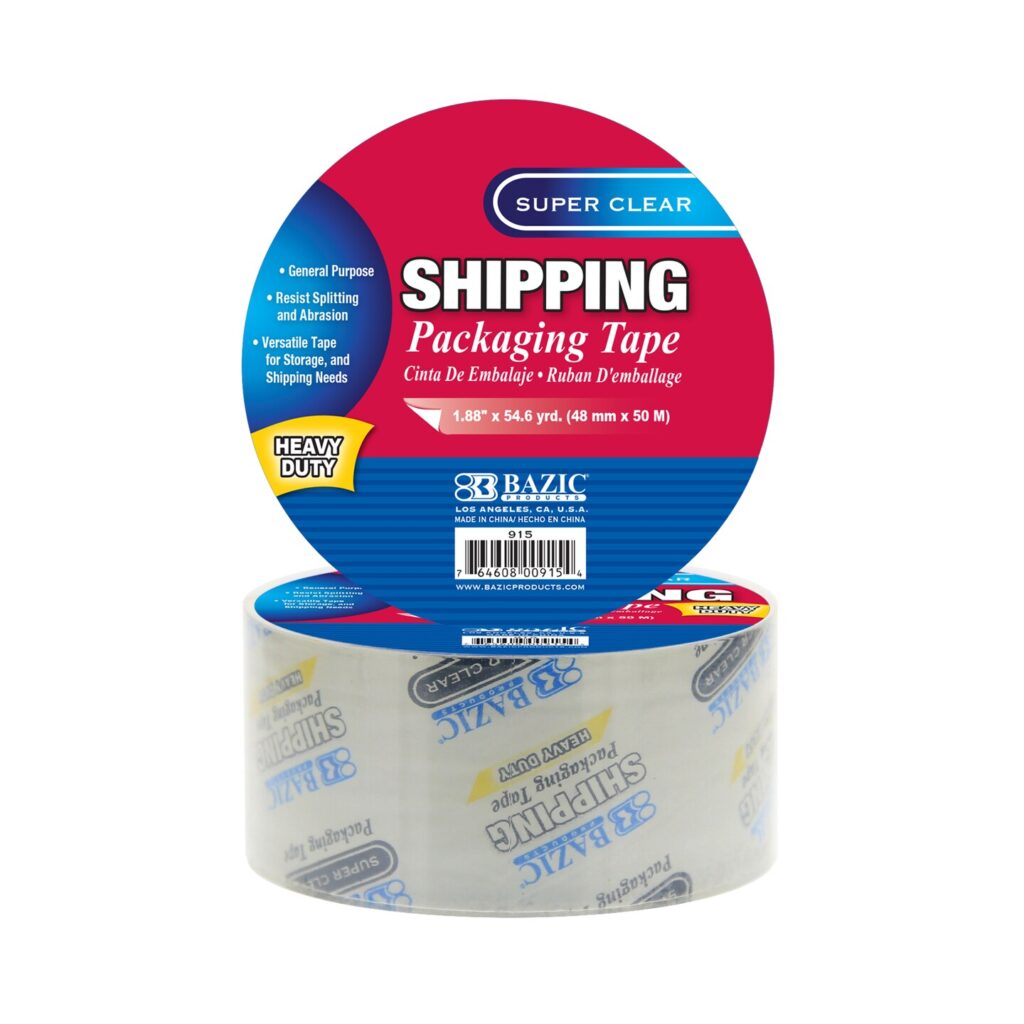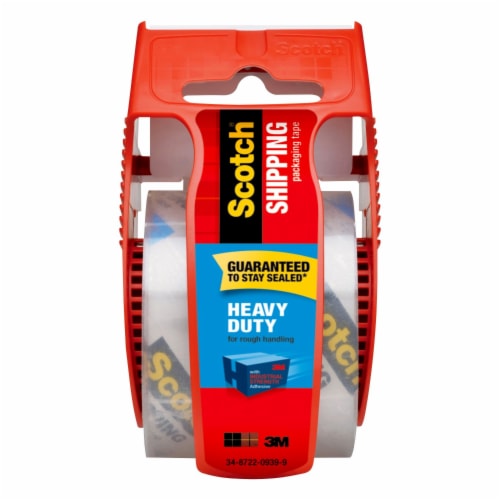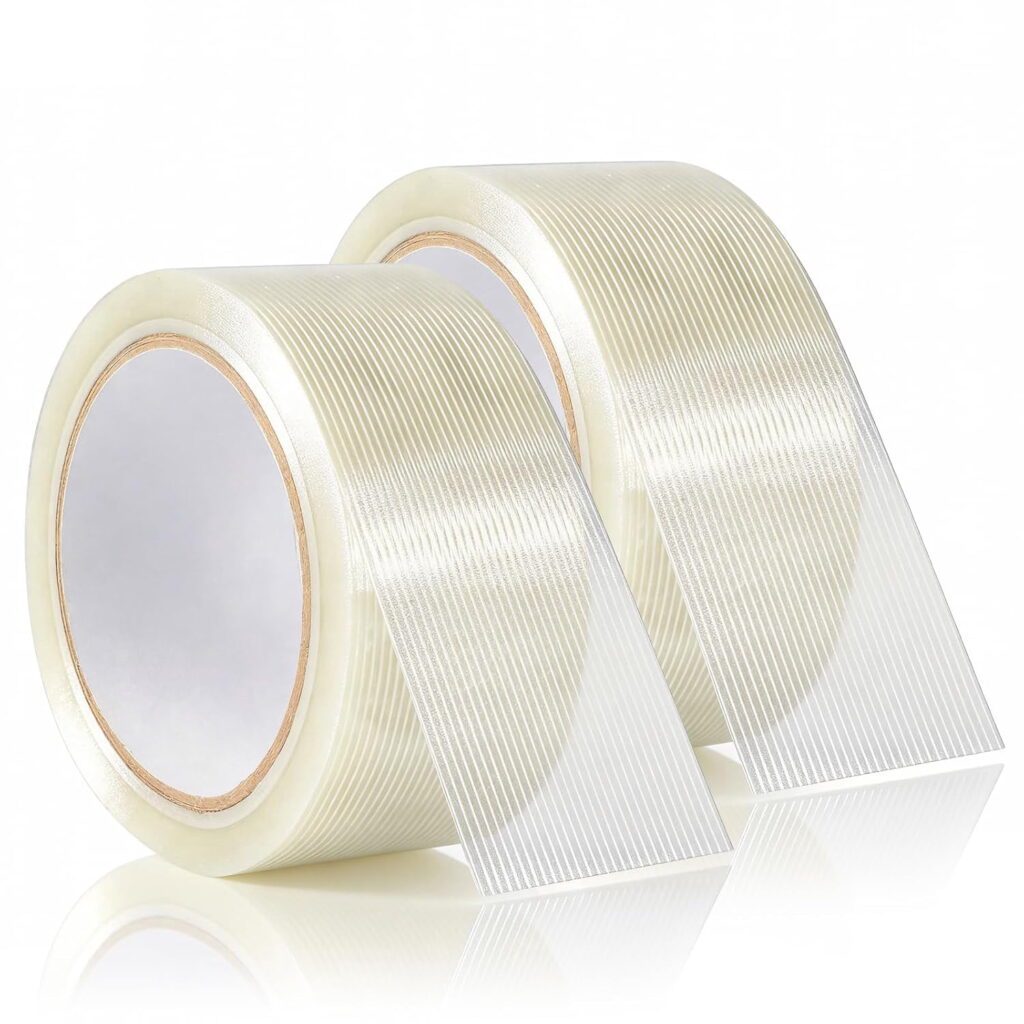
Introduction: Navigating the Global Market for Super transparent adhesive packing tape
Sourcing super transparent adhesive packing tape capable of maintaining crystal-clear optical clarity through extreme temperature fluctuations and multi-modal shipping routes remains a critical challenge for procurement teams spanning Africa, South America, the Middle East, and Europe. When your packaging serves as the final touchpoint between your brand and customers in Frankfurt or Riyadh, adhesive failure and tape yellowing don’t merely compromise box integrity—they erode professional credibility and trigger costly reshipments. This guide confronts the complexity of securing consistent, high-performance sealing solutions that satisfy both German manufacturing precision standards and the demanding logistics environments of emerging markets.
Why Does Optical Clarity Impact Your Cross-Border Brand Reputation?
Super transparent packaging tape functions as more than a sealing mechanism; it serves as a visible quality assurance marker during customs inspections and final-mile delivery. For B2B buyers managing shipments across continents, tape that maintains invisible adhesion ensures barcode readability, preserves branded packaging aesthetics, and signals operational excellence to discerning distributors who equate packaging quality with product reliability.
What Technical Specifications Drive International Sourcing Success?
Navigating global supply chains requires understanding critical differentiators between standard 2.0mil and heavy-duty 2.7mil acrylic formulations, particularly regarding humidity resistance in Middle Eastern climates and cold-chain performance for South American agricultural exports. This comprehensive resource examines essential procurement criteria—including core standardization for automated dispensers, adhesive curing properties across seasonal variations, and compliance with EU packaging directives—to protect your operations from costly stockouts and specification mismatches.
Throughout subsequent sections, we dissect supplier vetting protocols, total cost of ownership calculations, and regional compliance requirements specific to German industrial standards and Saudi Arabian import regulations. Whether you’re establishing bulk procurement frameworks for warehouse operations or negotiating long-term contracts with manufacturers, this guide provides the technical depth and market intelligence necessary to optimize your adhesive packaging investments across diverse international trade corridors.
Understanding Super transparent adhesive packing tape Types and Variations
| Type Name | Key Distinguishing Features | Primary B2B Applications | Brief Pros & Cons for Buyers |
|———–|—————————-|—————-
Key Industrial Applications of Super transparent adhesive packing tape
| 業界/セクター | Specific Application of Super transparent adhesive packing tape | ビジネスにとっての価値/利益 | このアプリケーションにおける主な調達上の考慮事項 |
|---|---|---|---|
| Eコマースとフルフィルメント・ロジスティクス | Carton sealing for automated high-volume fulfillment lines; returns management and reverse logistics processing | Eliminates re-boxing costs; enables automated barcode scanning through tape without removal; maintains professional brand presentation in humid subtropical climates | Acrylic adhesive for temperature stability (20°C to 60°C); UV resistance for outdoor storage in Middle Eastern and African ports; machine-grade thickness consistency for dispenser compatibility |
| Electronics Manufacturing & Export | Cleanroom sealing of anti-static pouches; temporary holding of delicate components during PCB assembly | Allows visual inspection of serial numbers and component IDs; leaves no residue on sensitive semiconductor surfaces; provides chemical resistance against flux cleaners and solvents | Low-outgassing certification; RoHS/REACH compliance (critical for German/EU markets); anti-static properties; clarity retention under fluorescent factory lighting |
| Luxury Retail & Cosmetics | Gift box sealing for premium unboxing experiences; shelf-ready packaging for high-value consumer goods in duty-free and boutique retail | Preserves aesthetic brand presentation; provides tamper evidence without obscuring sustainability certifications or luxury branding; supports Instagram-worthy unboxing moments | Custom slit widths for automated packaging lines; aesthetic-grade optical clarity (low haze); compatibility with recycled and coated cardboard substrates common in European packaging |
| Cold Chain & Temperature-Controlled Logistics | Sealing corrugated boxes in refrigerated warehouses (0-5°C); securing temperature-sensitive pharmaceutical and agricultural exports | Maintains adhesion integrity in high-humidity cold storage; prevents condensation-related seal failure; allows inventory verification without breaking seals | FDA/EU food contact compliance; specialized cold-temperature acrylic formulation; resistance to moisture accumulation and frost; performance validated across temperature excursions |
| Pharmaceutical & Medical Devices | Sterile barrier system sealing; secondary packaging for clinical trial materials and temperature-sensitive biologics | Ensures tamper evidence while maintaining lot number and expiration date visibility; stable adhesion through air freight temperature variations; supports GDP (Good Distribution Practice) compliance | ISO 15378 certification; comprehensive batch traceability documentation; validated sealing performance data for regulatory submissions; compliance with Middle Eastern health authority requirements |
How does super transparent tape optimize high-volume shipping workflows across diverse climates?
In fulfillment centers from Lagos to São Paulo and Dubai, this tape enables machine-applied carton sealing that remains optically clear for automated barcode scanning tunnels. The acrylic adhesive formulation resists shear forces during container stacking in humid port environments common in West African and Middle Eastern logistics hubs, preventing pop-opens that trigger costly chargebacks from major retailers while maintaining professional package presentation essential for customer retention in competitive e-commerce markets.
Why is optical clarity critical for electronics manufacturing and export?
German automotive suppliers and Saudi Arabian telecom infrastructure providers require tape that secures anti-static pouches without obscuring component identifiers or serial numbers required for traceability. Super transparent tapes with low-haze properties allow visual inspection of sensitive PCBs and semiconductors while providing chemical resistance against flux residues and cleaning solvents used in manufacturing facilities from São Paulo to Istanbul, ensuring quality control without compromising adhesive performance or leaving residue on delicate surfaces.
How can packaging tape enhance brand perception in premium retail markets?
For European cosmetics distributors and Middle Eastern luxury retailers, invisible sealing maintains the sophisticated unboxing experience while providing tamper-evident security. Unlike opaque brown tape, super transparent varieties allow branded box designs, sustainability certifications, and regulatory markings to remain fully visible, crucial for compliance with EU packaging regulations and consumer protection laws in South American metropolitan markets where aesthetic presentation directly influences repurchase rates and brand loyalty among discerning consumers.
What specific challenges does super transparent tape address for cold chain and perishable supply chains?
In the pharmaceutical corridors of Germany and the agricultural export sectors of Kenya, Colombia, and Peru, maintaining seal integrity across temperature differentials is paramount for GDP (Good Distribution Practice) compliance. These tapes utilize specialized cold-temperature acrylic adhesives that resist condensation and frost buildup, ensuring cartons remain securely sealed from refrigerated warehouses through last-mile delivery in varying ambient conditions without the yellowing or embrittlement common in hot-climate storage environments.
How does super transparent adhesive tape support regulatory compliance in pharmaceutical distribution?
For medical device exporters serving Middle Eastern healthcare systems and African pharmaceutical importers, tape clarity ensures batch numbers and sterilization indicators remain visible while providing tamper-evident seals required by health authorities. The stable acrylic adhesive performs reliably through temperature excursions during international air freight, preventing package compromise that could invalidate sterile barriers or temperature-sensitive biologics, while the crystal-clear appearance supports the professional standards demanded by European hospital procurement departments and private clinics.
A stock image related to Super transparent adhesive packing tape.
3 Common User Pain Points for ‘Super transparent adhesive packing tape’ & Their Solutions
Why Does Clear Packing Tape Turn Yellow in High-Temperature Climates?
問題だ: B2B buyers operating across the Middle East, North Africa, and tropical South America consistently face tape degradation when standard clear products oxidize under intense UV exposure and extreme heat. These tapes frequently yellow within weeks of application, losing critical tackiness and creating seal failures during international transit. Additionally, warehouses without climate control experience inventory degradation before deployment, forcing buyers to discard adhesive stock that has chemically degraded on the shelf, directly inflating operational costs and risking cargo security.
解決策 Transition to acrylic-based super transparent packing tape formulated with UV inhibitors and a robust thickness of 2.0 to 2.7 mil. Unlike hot melt alternatives that soften and yellow in heat, acrylic adhesives maintain chemical stability across temperatures ranging from -20°C to 80°C. Request suppliers provide UV-stability certifications (ASTM D4329 standards) and implement inventory rotation protocols storing tape away from direct sunlight. Crystal-clear BOPP film formulations specifically resist discoloration for 12+ months, ensuring packages maintain professional appearance throughout extended transit times and harsh storage conditions.
How Can Noisy Tape Disrupt High-Volume Warehouse Operations?
問題だ: German and European distribution centers prioritizing workplace safety encounter significant productivity drains when using conventional hot melt tapes that generate unwind noise exceeding 80 decibels—often violating occupational noise standards. These tapes frequently split during rapid application and cause inconsistent tension that jams automated case-sealing equipment. Such interruptions create critical bottlenecks in high-velocity operations processing 500+ packages hourly, increasing labor costs and reducing throughput efficiency while contributing to worker fatigue.
解決策 Implement super transparent acrylic packing tape engineered specifically for quiet unwind characteristics (typically under 60 decibels) and high-tensile strength exceeding 20 lbs per inch. Verify immediate compatibility with standard 3-inch core dispensers and automated sealing machinery. Specify “wrinkle-free” unwind properties and consider jumbo rolls (1000+ yards) to minimize changeover frequency. These specifications maintain continuous line velocity while ensuring compliance with European workplace noise directives and preventing the splitting issues common with lower-grade alternatives.
Is Cloudy Packaging Tape Damaging Your E-commerce Brand Perception?
問題だ: Growing e-commerce sectors across Africa and South America struggle with “cloudy” or hazy packing tape that obscures printed logos and creates amateurish unboxing experiences. Standard clear tape often presents a milky, frosted appearance that detracts from premium packaging designs, leading to customer perception issues and increased return rates attributed to “damaged packaging”—even when the corrugated structure remains perfectly intact. This visual degradation particularly impacts luxury goods and subscription box businesses where presentation directly influences customer retention and brand loyalty.
解決策 Utilize optical-grade super transparent adhesive tape with light transmission ratings above 90%, specifically engineered to be “invisible” upon application. For branded packaging, select precise 2-inch widths that align with box closure seams without overlapping printed areas. When evaluating suppliers, request samples tested against your specific corrugated board color—authentic super transparent tape should disappear completely against both white and Kraft surfaces. Pair with high-quality tape dispensers to ensure bubble-free, creaseless application that maintains crystal clarity and enhances the unboxing experience rather than diminishing it.
Strategic Material Selection Guide for Super transparent adhesive packing tape
Selecting the optimal film substrate for super transparent adhesive packing tape requires balancing optical clarity, mechanical performance, and regional logistics demands. For procurement teams operating across diverse climates—from the humidity of West Africa to the temperature fluctuations of Central Europe—understanding material specifications directly impacts supply chain efficiency and product integrity. The choice between polypropylene, vinyl, polyester, and bio-based backings determines not only aesthetic presentation but also seal reliability during multi-modal transit through varying atmospheric conditions.
Which Backing Material Delivers the Best Cost-Clarity Balance for High-Volume Procurement?
Biaxially Oriented Polypropylene (BOPP) dominates the global packing tape market due to its exceptional cost-efficiency and adequate transparency for standard commercial applications. This thermoplastic polymer offers excellent moisture resistance, making it particularly suitable for shipments traversing humid climates common in West African and South American logistics corridors. While BOPP provides good optical clarity for general cartoning, it exhibits slight haze compared to premium alternatives and produces audible unwinding noise. The material’s high tensile strength ensures sealed packages maintain integrity during extended international transit, with standard 2.7mil thickness configurations compatible with high-speed automated dispensers utilizing 3-inch cores.
How Does PVC Film
A stock image related to Super transparent adhesive packing tape.
In-depth Look: Manufacturing Processes and Quality Assurance for Super transparent adhesive packing tape
When sourcing super transparent adhesive packing tape for international distribution, understanding the manufacturing pipeline and quality protocols separates commodity suppliers from strategic partners. For buyers operating in diverse climates—from the humidity of West Africa to the temperature-controlled logistics of Germany—manufacturing precision directly impacts product performance, shelf stability, and brand reputation.
How Is Super Transparent Film Manufactured to Ensure Optical Clarity?
The foundation of super transparent tape lies in biaxially oriented polypropylene (BOPP) film production. Unlike standard packing tapes that may utilize cast polypropylene with inherent haze, premium transparent variants begin with specialized resin grades featuring ultra-low crystallinity and minimal additives.
The extrusion process involves melting polypropylene pellets and forming them into a thick sheet, which then undergoes machine-direction orientation (MDO) and transverse-direction orientation (TDO). This biaxial stretching aligns polymer chains uniformly, reducing light scattering and achieving clarity levels exceeding 90% light transmission. For buyers, the critical specification to verify is the film’s haze value—premium grades maintain haze below 1.5%, whereas standard tapes often exceed 3%. Additionally, surface treatment through corona discharge prepares the film for adhesive application without compromising optical properties, ensuring the tape remains virtually invisible when applied to printed packaging.
What Adhesive Technologies Deliver Superior Bonding Without Yellowing?
Acrylic water-based adhesives dominate the super transparent segment due to their inherent UV stability and resistance to oxidation. Unlike hot-melt rubber adhesives that degrade and yellow within months, high-grade acrylic formulations maintain optical clarity for years while providing consistent tack across temperature variations.
The coating process employs precision comma-bar or gravure roll systems that apply adhesive at controlled thicknesses—typically between 20-25 microns for heavy-duty applications. Manufacturers utilize automated vision systems during coating to detect air bubbles or streaks that would compromise transparency. For Middle Eastern and South American markets where packages endure intense solar exposure during transit, buyers should specify adhesives with UV inhibitors and antioxidants. The curing phase involves passing coated film through temperature-controlled ovens that evaporate water content while cross-linking polymer chains, creating a permanent bond that resists shearing forces without leaving residue upon removal.
Which Quality Control Tests Validate Tape Performance for Export Markets?
Reputable manufacturers implement multi-stage testing protocols that align with international standards. Peel adhesion testing (ASTM D3330) measures the force required to remove tape from stainless steel at 180 degrees, with super transparent grades typically achieving 20-25 oz/in width. Shear strength testing (ASTM D3654) evaluates the tape’s ability to resist slippage under load—critical for heavy boxes shipped via ocean freight to African ports.
Optical quality verification includes spectrophotometric analysis to quantify haze and luminous transmittance, ensuring batch-to-batch consistency. For European buyers subject to REACH regulations, manufacturers must provide documentation confirming the absence of restricted substances like phthalates or heavy metals. Additionally, accelerated aging tests subject samples to 70°C environments for 72 hours to simulate extended storage conditions, verifying that clarity and adhesion remain stable throughout the product lifecycle.
How Do Manufacturers Ensure Consistent Roll Dimensions and Winding Tension?
Precision slitting represents a critical phase where master rolls are converted to finished widths. Computer-controlled slitting machines utilize razor or shear-cut blades maintained within micron-level tolerances to prevent edge fraying that could cause dispenser jams. For buyers utilizing automated packaging lines, consistent roll diameter and core alignment prevent line stoppages.
Tension control during winding determines how cleanly the tape unwinds. Excessive tension causes adhesive deformation and edge curling, while insufficient tension creates telescoping (lateral shifting of layers). Leading facilities employ dancer-arm tensioning systems and laser-guided edge sensors that maintain ±0.5mm width consistency across production runs. When auditing suppliers, request samples from beginning, middle, and end of production lots to verify dimensional stability—a key indicator of process control maturity.
What Certifications Should International Buyers Demand for Regulatory Compliance?
For shipments entering the European Economic Area, suppliers must demonstrate compliance with REACH (Registration, Evaluation, Authorization and Restriction of Chemicals) and RoHS directives regarding hazardous substance limitations. Food-contact applications require FDA 21 CFR 175.105 compliance or EU Regulation 10/2011 certification, confirming adhesives won’t migrate into packaged goods.
ISO 9001:2015 certification indicates standardized quality management systems, while ISO 14001 demonstrates environmental responsibility—increasingly important for German and Scandinavian procurement policies. For Saudi Arabian and broader GCC markets, SASO (Saudi Standards, Metrology and Quality Organization) conformity certificates may be required. Requesting Material Safety Data Sheets (MSDS) and Certificate of Analysis (CoA) for each batch provides audit trails necessary for customs clearance and liability protection.
How Can Buyers Audit Manufacturing Facilities for Quality Assurance?
Virtual and physical factory audits should assess environmental controls, as dust and humidity compromise tape clarity and adhesive curing. Cleanroom classifications of ISO Class 8 or better during slitting operations indicate appropriate contamination control. Review raw material traceability systems—reputable manufacturers maintain lot tracking from resin pellet to finished roll, enabling rapid defect isolation.
Evaluate statistical process control (SPC) documentation to confirm manufacturers monitor critical parameters like coating weight and tensile strength in real-time rather than relying solely on end-line inspection. For African and South American distributors facing extended supply chains, verify that manufacturers utilize moisture-barrier packaging and pallet stabilization methods that prevent edge damage during ocean transit. Establishing quality agreements that define acceptable quality levels (AQL) for defects—typically 1.0 for major defects and 2.5 for minor—creates accountability frameworks that protect your market reputation.
By scrutinizing these manufacturing dimensions, procurement professionals secure tape products that maintain optical excellence and adhesive reliability across diverse climatic conditions and regulatory environments, transforming a commodity purchase into a competitive supply chain advantage.
Practical Sourcing Guide: A Step-by-Step Checklist for ‘Super transparent adhesive packing tape’
Navigating the procurement of super transparent adhesive packing tape requires balancing optical clarity with industrial-grade durability. For international buyers sourcing from global manufacturing hubs, understanding the technical nuances that distinguish commercial-grade products from retail variants ensures your packaging maintains brand integrity while withstanding diverse climatic conditions during cross-border transit. This checklist provides actionable criteria to evaluate suppliers, specifications, and logistics protocols essential for high-volume B2B procurement.
What Technical Specifications Define True Commercial-Grade Transparency?
Specify BOPP film thickness between 2.0–3.0 mil (0.05–0.076mm) for heavy-duty applications, ensuring compatibility with automated carton sealing machines. Verify acrylic adhesive formulations for superior UV stability, particularly critical for Middle Eastern and South American markets with high sun exposure. Demand clarity ratings exceeding 90% light transmission. Confirm standard dimensions of 48mm width with 3-inch cores for dispenser compatibility, and specify roll lengths (typically 60–100 yards) that optimize your packaging line efficiency without excessive changeovers.
How Can You Verify Supplier Credentials for International Export?
Validate ISO 9001:2015 quality management certifications and request export experience documentation specific to your target regions—particularly SASO/SABER compliance for Saudi Arabia, REACH declarations for EU imports, and SONCAP prerequisites for Nigerian markets. Assess the manufacturer’s container loading optimization expertise and verify their ability to provide Certificates of Origin, Material Safety Data Sheets (MSDS), and commercial invoices compliant with your country’s import banking requirements. Request references from existing clients in comparable climatic zones.
Which Climate Factors Should Influence Your Adhesive Selection?
Acrylic adhesives outperform hot-melt alternatives in high-temperature, high-humidity environments typical of African and Middle Eastern logistics chains, resisting shear failure up to 60°C. Evaluate temperature cycling resistance for shipments transiting through multiple climate zones, ensuring adhesive maintains tack between -10°C and 70°C. Inquire about moisture-resistant packaging for sea freight, as humidity levels exceeding 70% during transit can compromise adhesive integrity before the tape reaches your warehouse, particularly for South American port destinations.
What Customization Options Balance Branding with Crystal Clarity?
Explore underprint technology that applies logos or handling instructions beneath the transparent film layer, maintaining optical clarity while enhancing brand visibility. Specify custom core labels with your part numbers for inventory management, and negotiate master carton configurations that align with your warehouse racking systems. For premium European markets, request anti-static formulations and specific palletization patterns (e.g., 48 rolls per pallet) that maximize container cube utilization while preventing compression damage to outer tape layers.
How Do You Optimize Logistics to Prevent Quality Degradation?
Specify moisture-barrier packaging with desiccant packs for ocean freight to tropical destinations, utilizing Incoterms that allocate insurance responsibility appropriately (CIF or DDP for buyer protection). Require suppliers to avoid stacking pallets above recommended heights (typically 1.8 meters) to prevent core deformation. Confirm container loading uses dunnage or airbags to prevent shifting during transcontinental transit, particularly critical for Middle Eastern and African routes involving multi-modal transport segments where handling shocks are frequent.
What Quality Assurance Protocols Validate Batch Consistency?
Mandate pre-shipment third-party inspection testing peel adhesion strength per ASTM D3330 standards (minimum 20 oz/in width) and holding power per ASTM D3654. Require suppliers to retain production batch samples for six months and provide defect rate reports targeting less than 0.5% visual imperfections. Establish clear acceptance criteria for roll concentricity to prevent jamming in automated dispensers, and verify that color consistency meets your brand standards for super transparent applications.
A stock image related to Super transparent adhesive packing tape.
Comprehensive Cost and Pricing Analysis for Super transparent adhesive packing tape Sourcing
Super transparent adhesive packing tape pricing varies significantly based on material composition, order volume, and supply chain geography. For B2B buyers sourcing across Africa, South America, the Middle East, and Europe, understanding the granular cost drivers enables strategic procurement decisions that balance optical clarity with total landed costs. Unlike standard packing tape, super transparent variants require higher-grade BOPP (Biaxially Oriented Polypropylene) film and specialized acrylic adhesives, creating distinct pricing tiers that fluctuate with polypropylene resin markets and regional import duties.
What Factors Drive the Unit Cost of Super Transparent Packing Tape in Global Markets?
The primary cost determinants center on film thickness measured in mil (thousandths of an inch) and adhesive coating weight. Standard commercial grades range from 1.8mil to 2.7mil, with super transparent tapes typically requiring 2.0mil+ film substrates to achieve crystal clarity without distortion. Acrylic adhesive formulations, essential for UV resistance and aging stability in Middle Eastern and South American climates, command a 15–25% premium over hot-melt alternatives. Additionally, core specifications—whether 3-inch industrial cores or 1-inch retail cores—impact shipping cube efficiency, with larger cores reducing per-unit freight costs but increasing warehouse storage footprints.
How Do Material Specifications Impact Bulk Pricing for High-Clarity Acrylic Tapes?
Super transparent tapes utilize low-haze BOPP films that undergo additional surface treatment to enhance adhesive anchorage while maintaining light transmission rates above 90%. This specialized substrate typically adds $0.12–$0.18 per square meter compared to standard clear tapes. Roll dimensions also significantly affect unit economics; 60-yard lengths common in North American retail packaging cost approximately 20% more per meter than 100-yard industrial lengths when sourced in bulk. For European buyers requiring EU-compliant acrylic formulations free from certain plasticizers, regulatory compliance adds incremental raw material costs that manifest in final pricing structures.
What Are the Hidden Logistics Costs When Importing Packing Tape to Emerging Markets?
Beyond ex-factory pricing, B2B buyers must calculate dimensional weight charges and climate-controlled storage requirements. Super transparent acrylic tapes require humidity-controlled warehousing below 70% relative humidity to prevent adhesive degradation, particularly critical in coastal African and Southeast Asian ports. Import classification nuances also affect landed costs—adhesive tapes typically fall under HS Code 3919, but super transparent variants with specific micron ratings may trigger different duty brackets in Mercosur or GCC trade zones. Container utilization rates vary dramatically; uncompressed tape rolls achieve only 65% container efficiency versus pre-palletized bulk shipments, potentially adding $800–$1,200 per TEU in ocean freight inefficiencies.
How Can Buyers Optimize Total Cost of Ownership Through Strategic Volume Commitments?
Procurement teams should negotiate annual volume agreements rather than spot purchasing to hedge against polypropylene price volatility. Minimum order quantities (MOQs) of 5,000–10,000 rolls typically unlock 12–18% volume discounts compared to container-load quantities. For buyers in Germany or Saudi Arabia, establishing consignment inventory arrangements with regional distributors eliminates upfront capital expenditure while ensuring consistent supply. Additionally, specifying slit-to-width customization at the manufacturing source rather than distributing master rolls locally can reduce conversion costs by 8–10%, particularly beneficial for South American markets with high domestic labor costs for secondary processing.
Alternatives Analysis: Comparing Super transparent adhesive packing tape With Other Solutions
While super transparent adhesive packing tape remains the dominant solution for carton sealing due to its immediate tack and optical clarity, B2B procurement teams evaluating total cost of ownership, sustainability mandates, and load security must assess specialized alternatives. For international buyers operating across African agricultural corridors, South American manufacturing hubs, and European regulatory environments, two distinct categories—water-activated kraft tape and polypropylene strapping—offer competitive advantages for specific logistics scenarios, from heavy-duty palletizing to eco-compliant brand positioning.
| 比較の側面 | Super Transparent Adhesive Packing Tape | Water-Activated Kraft Tape | Polypropylene Strapping Bands |
|---|---|---|---|
| 性能とシールの完全性 | High immediate tack; ideal for standard corrugated boxes up to 30 lbs; vulnerable to temperature extremes and shear stress on heavy loads. | Forms permanent chemical bond with cardboard fibers; tamper-evident (destroys box upon removal); superior performance in temperature fluctuations; reinforced versions handle 50+ lbs. | Mechanical hold; tensile strength 300-600 lbs; prevents shifting and bursting for loads 50-200 lbs; offers no seal against dust or moisture. |
| Cost Structure | Low material cost ($0.02–$0.05 per meter); minimal equipment investment (standard dispensers). | Moderate material cost; requires dispenser with water reservoir ($50–$500); lower per-seal cost at high volumes; reduced plastic tax liabilities in EU. | Higher initial cost for tensioners/sealers ($100–$1,500); low material cost per unit; maintenance costs for tooling; economical for heavy loads only. |
| 実施しやすさ | Immediate deployment; compatible with standard hand dispensers and high-speed automated case sealers; minimal training required. | Moderate learning curve for activation timing; requires water access and humidity control; 30–40% slower application speed than pressure-sensitive tape. | Requires trained labor for tensioning protocols; manual or semi-automatic tools needed; not suitable for primary carton sealing without complementary tape. |
| Sustainability Profile | Polypropylene (PP) substrate; recyclable with box but not biodegradable; incurs plastic packaging taxes in regulated markets. | Paper-based, biodegradable, and recyclable without separation; often FSC-certified; aligns with EU Packaging and Packaging Waste Directive and Germany’s VerpackG. | PP or PET plastic; recyclable but rarely processed due to metal seals; high durability reduces total material volume for securing heavy goods. |
| ベスト・ユースケース | High-volume e-commerce; retail-ready packaging requiring barcode visibility; general B2B logistics under 30 lbs. | Luxury goods; heavy international freight; companies targeting green certifications; shipments requiring tamper evidence (pharmaceuticals, electronics). | Palletized agricultural exports; construction materials; bulk commodity handling in Middle Eastern and African trade corridors. |
Is Water-Activated Kraft Tape the Right Choice for Eco-Conscious Exporters?
Water-activated kraft tape (WAT), also known as gummed paper tape, presents a compelling sustainable alternative for B2B procurement teams navigating increasingly stringent European environmental regulations such as Germany’s VerpackG and the EU’s Packaging and Packaging Waste Directive. Unlike super transparent polypropylene tapes, WAT utilizes a starch-based adhesive that chemically bonds with corrugated cardboard fibers, creating a tamper-evident seal that destroys the substrate upon removal—an essential security feature for high-value electronics and pharmaceutical shipments to Middle Eastern and European markets. While the initial investment in water-activated dispensers ($50–$500 depending on automation level) and the necessity of water access increase operational complexity, the long-term benefits include 100% biodegradability, compatibility with existing paper recycling streams without separation, and enhanced brand perception among sustainability-conscious consumers. However, logistics managers should account for a 30–40% reduction in application speed compared to pressure-sensitive tape guns, making WAT less viable for ultra-high-volume automated lines unless upgrading to electric water-activated sealing systems. For exporters in Africa and South America targeting premium EU retailers, this alternative mitigates plastic tax liabilities while meeting corporate ESG mandates, despite requiring adjustments to warehouse humidity controls to prevent premature activation.
When Should B2B Buyers Choose Plastic Strapping Over Adhesive Packing Tape?
Polypropylene (PP) or polyester (PET) strapping bands function as a structural reinforcement alternative rather than a direct sealing substitute, specifically engineered for heavy-duty B2B logistics where standard adhesive tapes risk shear failure under extreme load. Common in agricultural exports from South America and
Essential Technical Properties and Trade Terminology for Super transparent adhesive packing tape
When procuring super transparent adhesive packing tape for international logistics, understanding precise technical specifications and standardized trade terminology prevents costly specification mismatches. Buyers operating across diverse climates—from the humidity of West Africa to the temperature-controlled warehouses of Central Europe—must verify performance metrics that exceed aesthetic clarity to ensure seal integrity through varying supply chain conditions.
What Film Thickness and Core Specifications Ensure Industrial Compatibility?
Film thickness, measured in MIL (one-thousandth of an inch) or micrometers (microns), determines puncture resistance and dispenser compatibility. Heavy-duty commercial applications typically require BOPP films ranging from 2.0 to 3.0 MIL (50–75 microns), with 2.7 MIL representing the optimal balance between strength and conformability. Thinner films risk splitting during high-tension sealing, while specifications above 3.0 MIL may jam automated dispensers. Equally critical is the core size; standard industrial cores measure 3 inches (76mm) inner diameter to accommodate high-volume tape guns and pneumatic carton sealers prevalent in German and Saudi Arabian manufacturing facilities. Verify core cardboard density, as inferior cores collapse under tension in automated systems.
How Is Optical Clarity Quantified for Automated Scanning Systems?
“Super transparent” denotes specific photometric standards requiring luminous transmittance exceeding 90% with haze values below 2%. This ensures barcode readability through the tape layer during automated sorting—a critical requirement for distribution centers utilizing optical scanning systems. Additionally, adhesive coat weight, expressed in grams per square meter (GSM), determines bonding strength on recycled corrugated fibers. Industrial-grade clear tapes typically feature 25–35 GSM of adhesive, providing sufficient tack to withstand temperature fluctuations common in South American and African supply chains without obscuring package markings.
What Is the Difference Between Acrylic and Hot Melt Adhesive Formulations?
Acrylic adhesives, water-based and UV-stable, offer superior aging resistance and clarity retention, making them ideal for long-term storage in outdoor Middle Eastern environments or exposure to fluorescent warehouse lighting. Conversely, hot melt adhesives (synthetic rubber-based) provide aggressive initial tack—the immediate stickiness upon contact—and perform better on dusty or recycled cardboard surfaces common in emerging markets, though they may yellow faster than acrylic formulations.
How Do Tensile Strength and Shear Resistance Impact Load Security?
Tensile strength measures the force required to break the film longitudinally (typically 30–50 N/cm for quality BOPP—Biaxially Oriented Polypropylene), while shear resistance indicates the tape’s ability to resist sliding under constant load. High shear values prevent box creep during stacked palletization—a priority for sea freight consolidation to African ports. Furthermore, elongation at break (typically 150–200% for BOPP) indicates the percentage the tape stretches before snapping, accommodating thermal expansion during transit from humid Brazilian ports to air-conditioned European retail centers without seal failure.
Navigating Market Dynamics and Sourcing Trends in the Super transparent adhesive packing tape Sector
The global super transparent adhesive packing tape sector is undergoing rapid evolution as e-commerce proliferation and supply chain resilience requirements redefine procurement priorities. For B2B buyers operating across Africa, South America, the Middle East, and Europe, navigating these dynamics requires sophisticated understanding of regional specification standards, raw material volatility, and shifting sustainability mandates. As crystal-clear transparency becomes essential for premium branding and automated inventory scanning, sourcing strategies must now balance cost efficiency with technical performance metrics and long-term supply security in increasingly fragmented global markets.
What Are the Critical Market Trends and Demand Drivers in Super Transparent Tape Procurement?
The industry is witnessing a decisive shift toward heavy-duty specifications, with 2.7mil thickness rapidly becoming the benchmark for commercial-grade applications requiring enhanced tensile strength and puncture resistance. Acrylic adhesive formulations have emerged as the preferred technology for super transparent applications, offering superior UV stability and aging resistance compared to hot-melt alternatives—critical properties for shipments traversing the intense solar exposure common in Middle Eastern and African logistics corridors.
Regional demand patterns reveal nuanced procurement behaviors: European markets, particularly Germany, increasingly favor ultra-thin, high-performance BOPP films that minimize material usage while maintaining structural integrity, driven by circular economy packaging directives. Conversely, emerging economies in South America and Sub-Saharan Africa demonstrate accelerating growth in standard-duty transparent tapes, fueled by expanding agricultural export sectors and retail formalization. Supply chain diversification has become imperative, with procurement managers establishing secondary sourcing relationships beyond traditional manufacturing hubs to mitigate geopolitical risks and navigate complex tariff structures affecting intra-regional trade.
Climate adaptation represents another critical procurement dimension often overlooked in standard specifications. Super transparent tapes destined for humid tropical climates in West Africa or Southeast Asia require enhanced moisture-resistant adhesive formulations to prevent delamination, while those shipping to arid Middle Eastern environments must withstand extreme temperature fluctuations without compromising tack. The proliferation of automated packaging infrastructure has further introduced new technical criteria, with buyers now prioritizing consistent unwind tension and low-noise unwinding characteristics that directly impact operational efficiency in high-volume German automotive or Saudi Arabian pharmaceutical distribution centers.
How Are Sustainability and Ethical Sourcing Frameworks Reshaping B2B Tape Procurement?
Sustainability has transitioned from peripheral concern to core procurement prerequisite, particularly for buyers serving European markets governed by stringent REACH regulations and emerging environmental standards in the Middle East. Leading suppliers now offer solvent-free acrylic adhesive systems that eliminate volatile organic compound (VOC) emissions during production, simultaneously addressing environmental targets and stringent workplace safety protocols required in German industrial settings.
Ethical sourcing extends throughout the petrochemical supply chain, with increasing scrutiny on BOPP film manufacturers regarding carbon footprint transparency and responsible feedstock sourcing. For buyers in Africa and South America, selecting suppliers with certified recycling programs and coreless packaging options significantly reduces end-of-life waste management burdens while supporting circular economy objectives. Furthermore, carbon-neutral shipping logistics and optimized palletization strategies have become critical evaluation criteria when sourcing from Asian manufacturing centers to European or Middle Eastern destinations, as Scope 3 emissions reporting becomes mandatory in corporate sustainability disclosures.
Innovation in bio-based adhesives derived from natural rubber or plant-based acrylates is gaining commercial viability, offering pathways to reduce petroleum dependency while maintaining optical clarity. However, buyers must critically evaluate the performance consistency of these emerging materials across diverse climate zones. Social responsibility considerations now intersect with quality assurance, as procurement teams verify compliance with ISO 14001 environmental management certifications and SA8000 social accountability standards. For Middle Eastern markets, particularly Saudi Arabia, alignment with Vision 2030 sustainability goals and local content requirements increasingly influences vendor selection, necessitating comprehensive Material Safety Data Sheets (MSDS) and Life Cycle Assessment (LCA) documentation to ensure regulatory compliance across diverse regional markets.
Frequently Asked Questions (FAQs) for B2B Buyers of Super transparent adhesive packing tape
What distinguishes super transparent packing tape from standard clear tape in B2B procurement?
Super transparent tape utilizes advanced biaxially-oriented polypropylene (BOPP) film with enhanced optical clarity, eliminating the cloudy or yellowish tint common in standard clear tapes. This crystal-clear construction ensures that shipping labels, barcodes, and branded packaging remain fully visible through the tape layer, reducing scanning errors and maintaining professional aesthetics. For international buyers, this distinction is critical when shipping to quality-conscious markets in Europe or when presentation impacts brand perception in premium retail channels.
Why should e-commerce businesses choose super transparent adhesive tape over opaque alternatives?
E-commerce operations benefit from super transparent tape’s ability to showcase custom-printed boxes and branding elements while providing secure seals that withstand automated sorting systems. The tape’s invisible appearance creates a seamless, professional unboxing experience that enhances customer satisfaction and reduces the visual clutter associated with cloudy packaging tape. Additionally, the superior clarity ensures that automated barcode scanners at distribution centers can read through the tape without obstruction, minimizing shipping delays and misrouted packages.
Which specifications define industrial-grade super transparent tape for high-volume shipping environments?
High-volume operations should prioritize tapes measuring 2.0 to 2.7 mil in thickness with a tensile strength exceeding 20 lbs/inch to prevent splitting during automated application. Standard 48mm (1.88-inch) width with a 76mm (3-inch) core ensures compatibility with industrial tape dispensers and automated carton sealing machines commonly used in fulfillment centers. For operations in regions with varying humidity levels, such as coastal African ports or Middle Eastern logistics hubs, selecting acrylic-based super transparent tape provides consistent adhesion across climate fluctuations.
How does super transparent acrylic tape compare to hot melt adhesive tape for international B2B logistics?
Super transparent tape typically employs acrylic adhesive formulations that offer superior temperature resistance ranging from -20°C to 80°C, making them ideal for shipments traversing European winters and Middle Eastern summers. Unlike hot melt tapes that provide aggressive initial tack but degrade under UV exposure and extreme heat, acrylic-based transparent tapes maintain stable adhesion during long-term storage and transit. However, hot melt options may offer cost advantages for short-distance domestic shipping within consistent climate zones, while acrylic super transparent tapes excel in international supply chains requiring extended shelf stability.
What storage protocols ensure super transparent packing tape maintains adhesion quality in tropical and desert climates?
To prevent adhesive degradation in high-humidity environments common in South American and African markets, store super transparent tape vertically in climate-controlled warehouses maintaining temperatures between 15°C and 25°C. Avoid direct exposure to sunlight and heat sources, as excessive warmth can cause acrylic adhesives to flow or edge-flag prematurely. Properly stored industrial rolls typically maintain optimal performance for 12 to 18 months, though procurement teams should implement first-in-first-out inventory rotation to ensure consistent application quality across bulk shipments.
Can super transparent packing tape accommodate custom printing for corporate branding without compromising clarity?
Yes, manufacturers can apply flexographic or screen-printed logos onto super transparent tape using specialized inks that maintain the substrate’s optical clarity while displaying crisp branding elements. This customization allows B2B buyers to secure shipments while simultaneously displaying company logos, handling instructions, or promotional messages without obscuring box contents. For buyers sourcing from international suppliers, requesting samples with underprint versus overprint techniques ensures that branding remains visible while adhesive performance meets specific industry standards.
How does super transparent tape perform under extreme temperature variations during intercontinental shipping?
Acrylic-based super transparent tape demonstrates exceptional thermal stability, maintaining adhesion integrity when shipments transition from refrigerated European warehouses to hot Middle Eastern tarmacs or humid South American ports. Unlike rubber-based adhesives that soften in heat or become brittle in cold, quality super transparent tapes resist shear failure and lifting across temperature ranges typical of global supply chains. Procurement teams should verify specific temperature ratings with suppliers, ensuring the tape’s performance specifications align with the climatic extremes encountered in their specific trade routes.
What cost-optimization strategies apply when sourcing super transparent tape for enterprise-scale packaging operations?
Optimize procurement costs by standardizing on 2.0-2.5 mil thickness for general applications rather than over-specifying heavy-duty grades unnecessarily, and consolidate orders to achieve container-load pricing from manufacturers. Consider the total cost of ownership including dispenser compatibility—standard 3-inch core sizes reduce equipment changeover time and maintenance costs in high-speed packaging lines. For African and South American markets, evaluating regional suppliers against Asian manufacturers while factoring in import duties and shipping lead times often reveals that strategic bulk purchasing with quarterly delivery schedules minimizes both per-unit costs and supply chain disruptions.
重要な免責事項および利用規約
⚠️ 重要な免責事項
メーカー、技術仕様、市場分析に関する内容を含め、本ガイドラインで提供される情報は、情報提供と教育目的のみのものです。専門的な調達アドバイス、財務アドバイス、または法的アドバイスを提供するものではありません。.
B2Bバイヤーは、独自の徹底的なデューデリジェンスを行う必要がある。 をご覧の上、ご購入をお決めください。本ガイドに記載された情報を信頼した場合のリスクは、読者が単独で負うものとします。.
Top 4 Super Transparent Adhesive Packing Tape Manufacturers & Suppliers List
1. Partech – Super Clear OPP Packing Tape
ドメイン パルテック・パッキング・ドットコム
登録:2023年(3年間)
はじめに Super Clear OPP Packing Tape manufactured by Partech® (Yilane Shanghai Industrial Co Ltd) in China. Features high quality crystal-clear transparent appearance allowing easy reading of package labels and branding. Includes user-friendly dispenser for clean cutting and easy handling. Available in sizes including 1 inch and 50cm widths. Ideal for packaging applications requiring high visibility of pr…
2. Elite Tape – Super Clear Carton Sealing Tape
ドメイン elitetape.com
Registered: 2014 (12 years)
はじめに Product: Elite Super Clear Carton Sealing Tape (#226ESC). Composition: Strong biaxially oriented polypropylene clear film with solvent-based acrylic adhesive system. Thickness: 2.6 Mil. Key Features: Non-yellowing, UV resistant, no fish eyes, high transparency and clarity. Applications: Carton sealing for light to heavy duty packages, label protection, lamination, bookbinding/document protection, …
3. 3M – Packing Tapes
ドメイン fishersci.com
Registered: 1995 (31 years)
はじめに Product Categories: Transparent tapes, packing tapes, box sealing tapes, film tapes, kraft sealing tapes, and tamper-evident security tapes. Brands: 3M/Scotch, Staples Advantage, Grainger, MSC, Essendant, Tape Logic, Uline, Deluxe Uline. Key Specifications: Widths range from 1″ to 3″ (common sizes 1.88″, 2″, 3″); Lengths vary from 22.2 yards to 1000 yards; Thicknesses from 1.6 mil to 4.1 mil; Tens…
4. 3M – VHB & Scotch Tapes
ドメイン wh-tape.com
登録:2023年(3年間)
はじめに 3M: Scotch and VHB (Very High Bond) tapes, office tapes, specialized industrial tapes. Avery Dennison: pressure-sensitive adhesive materials for labeling, packaging, and medical applications. Tesa SE: double-sided tapes, masking tapes, packaging tapes, industrial and automotive tapes. Nitto Denko: electrical insulation tapes, surface protection films, medical tapes. Scapa Group: healthcare, electr…
Strategic Sourcing Conclusion and Outlook for Super transparent adhesive packing tape
As global supply chains face increasing volatility, super transparent adhesive packing tape has evolved from a basic consumable to a critical component of brand presentation and logistics security. For procurement teams across Africa, South America, the Middle East, and Europe, success lies in viewing this category through the lens of total cost of ownership rather than per-roll pricing, ensuring that clarity and adhesion performance withstand diverse climate conditions from humid tropical ports to arid desert storage.
How Can Buyers Future-Proof Their Tape Supply Chains?
Strategic procurement now demands acrylic adhesive formulations that resist UV degradation and temperature fluctuations—essential for maintaining crystal-clear visibility and seal integrity in high-heat environments. Prioritizing standardized 2.7mil thickness specifications and 3-inch core compatibility ensures seamless integration with automated packaging lines while reducing downtime. Furthermore, diversifying supplier relationships across multiple regions mitigates geopolitical shipping disruptions and currency volatility.
What Defines Value Beyond Unit Cost?
Forward-thinking buyers evaluate tape based on barcode-scanning clarity, unwind consistency, and compliance with EU packaging regulations. The market outlook favors suppliers offering technical transparency, regional warehousing capabilities, and recyclable acrylic options. Organizations that align procurement with these durability and sustainability standards will secure operational resilience while maintaining the professional, invisible seal that distinguishes premium packaging.