Introduction: Navigating the Global Market for Heavy duty carton sealing tape
Sourcing heavy-duty carton sealing tape for secure international logistics presents a critical procurement challenge for operations managers navigating diverse regulatory environments, climatic extremes, and varying infrastructure quality. When shipping containers traverse from humid West African ports to German distribution centers or endure the temperature fluctuations of Middle Eastern desert routes and South American high-altitude transport, inadequate sealing solutions frequently fail—resulting in carton pop-opens, moisture damage, customs delays, and significant profit erosion. For buyers in Nigeria, Germany, and emerging markets across Brazil and the UAE, selecting the right adhesive solution transcends basic procurement; it becomes a strategic imperative for maintaining supply chain integrity and customer satisfaction across thousands of kilometers.
What Technical Specifications Ensure Reliability Across Diverse Climates?
This guide examines the critical distinctions between utility-grade and packaging-grade formulations, including cold-weather acrylic adhesives essential for European winters and high-tack synthetic rubber options for tropical humidity. We analyze width optimization (48mm versus 72mm) for varying carton weights, tensile strength requirements for stacked container shipping, and the transition from manual dispensers to automated sealing systems for high-volume operations.
How Can Buyers Navigate Supplier Vetting and Cost Optimization?
Beyond material specifications, we address cross-continental supplier evaluation frameworks, quality certification verification (ISO standards), and bulk procurement strategies tailored to regions with developing logistics infrastructure. Whether managing procurement for German automotive parts distribution or Nigerian agricultural exports, understanding total cost of ownership—including dispenser compatibility and storage requirements—ensures operational continuity.
By demystifying adhesive material science, regional compliance requirements, and supplier reliability metrics, this resource empowers B2B decision-makers to mitigate packaging failures, reduce transit damage claims, and secure their global trade operations with data-driven confidence.
Understanding Heavy duty carton sealing tape Types and Variations
| タイプ名 | 主な特徴 | 主なB2Bアプリケーション | バイヤーのための簡単な長所と短所 |
|---|---|---|---|
| Hot Melt Synthetic Rubber Heavy Duty Tape | Aggressive initial tack; 2.0–3.0 mil thickness; synthetic rubber/resin adhesive; quick bond formation; optimal for machine application | High-volume distribution centers; automated packaging lines; standard corrugated shipping; e-commerce fulfillment | Pros: Cost-effective, fast application speed, excellent shear strength for vertical stacking. Cons: Poor performance below 40°F (4°C), limited UV resistance, potential oxidation over extended storage. |
| Solvent Acrylic Heavy Duty Tape | Stable adhesive chemistry; 2.0+ mil thickness; superior temperature resistance (-4°F to 150°F); UV and aging resistant; quieter unwind | Export shipping to Africa/Middle East; long-term warehouse storage; temperature-variable climates; outdoor palletized goods | Pros: Withstands extreme heat/cold, longer shelf life, maintains adhesion under UV exposure. Cons: Higher cost than hot melt, slower initial tack requires pressure dwell time, specific dispenser tension requirements. |
| Natural Rubber |
Key Industrial Applications of Heavy duty carton sealing tape
| 業界/セクター | Specific Application of Heavy duty carton sealing tape | ビジネスにとっての価値/利益 | このアプリケーションにおける主な調達上の考慮事項 |
|---|---|---|---|
| International Freight & Export Logistics | Sealing triple-wall corrugated containers for ocean freight and air cargo | Eliminates carton blowouts during multi-modal transport, reduces cargo insurance claims and customs delays from damaged packaging | UV-resistant adhesive for tropical exposure (e.g., West Africa), high shear strength for container stacking, compliance with international shipping standards |
| Automotive & Heavy Manufacturing | Securing metal components, spare parts, and machinery in double-wall shipping boxes | Prevents seal failure from sharp edges and vibration during transit, ensures just-in-time delivery integrity and workplace safety | Filament-reinforced options for puncture resistance, compatibility with automated case sealers, adhesion resistant to light oil residues |
| Agricultural Export & Cold Chain | Closing bulk produce cartons (coffee, cocoa, fruits) for refrigerated and ambient international shipping | Maintains seal integrity in high humidity and cold storage, prevents contamination and spoilage that leads to port rejections | Cold weather adhesive formulations (effective to 0°C or below), FDA/EU compliance for indirect food contact, moisture-resistant backing |
| 建設・建築資材 | Packaging ceramic tiles, hardware, and abrasive materials for project site delivery | Withstands rough handling and weight shifting, prevents moisture ingress on outdoor job sites in varying climates | High mil thickness (2.0+ mil), aggressive hot melt or acrylic adhesive for dusty surfaces, tamper-evident options for high-value materials |
| E-commerce Fulfillment & Distribution | Heavy-duty closure for bulk B2B shipments and oversized consumer goods in automated warehouses | Enables safe stacking in high-bay storage, reduces returns from damaged packaging, supports brand visibility | Low-noise unwind for warehouse environments, consistent adhesion to recycled corrugate, custom printed options for branding and security |
How does heavy duty carton sealing tape secure export shipments in extreme climates?
For B2B buyers managing exports from Nigeria to Germany or Brazil to the Middle East, heavy duty carton sealing tape serves as the primary defense against seal failure during weeks-long ocean voyages. Standard adhesives degrade in the high humidity of West African ports or the temperature fluctuations of trans-Atlantic shipping. High-shear formulations prevent “flagging” (tape edges lifting) when containers are stacked under tropical sun, while UV-resistant backings stop brittleness. This ensures that agricultural commodities and manufactured goods arrive without exposure to moisture or tampering, protecting both product integrity and customs compliance.
What sealing solutions withstand sharp automotive parts in international transit?
Automotive manufacturers shipping spare parts from Germany to South America or heavy machinery components to the Middle East require tape that resists puncture from metal edges and vibration-induced seal failure. Heavy duty options with reinforced filaments or high-tensile polypropylene backings prevent cartons from splitting when containing dense brake rotors, engine parts, or hardware kits. The adhesive must maintain tack despite oil residues common in industrial packaging, while providing immediate bond strength to prevent shifting during air freight handling. This reduces workplace injury risks from failed seals and eliminates costly production delays from damaged just-in-time inventory.
Why is cold-weather adhesive critical for agricultural exports from Africa and South America?
Coffee exporters in Colombia and cocoa producers in Nigeria face unique challenges when products move from tropical growing regions to European cold storage. Standard carton sealing tapes lose adhesion in refrigerated containers, risking spillage and contamination. Heavy duty tapes with specialized cold-weather adhesives (effective from 0°C to -10°C) maintain seal integrity throughout the supply chain, from humid origin warehouses to climate-controlled destination facilities. This prevents moisture ingress that causes mold in agricultural commodities and ensures compliance with EU food safety standards for imported goods, directly impacting rejection rates at port inspections.
Which tape specifications prevent failure with abrasive construction materials?
Construction material distributors shipping ceramic tiles, granite, or cement products to project sites in the Middle East and Europe need abrasion-resistant sealing solutions. Heavy duty tapes with 2.0+ mil thickness and aggressive hot melt adhesives withstand the weight and sharp edges of building materials that quickly slice through standard packaging. These tapes must perform on dusty, recycled corrugated surfaces common in construction supply chains while resisting moisture from outdoor storage. Proper specification prevents costly field returns and ensures materials arrive intact for critical project timelines, particularly in remote locations where replacement inventory is unavailable.
How can fulfillment centers optimize heavy-duty sealing for global e-commerce?
B2B e-commerce operations shipping bulk consumer goods to international markets require tape that balances durability with warehouse efficiency. Heavy duty carton sealing tapes with low-noise unwind properties improve working conditions in high-volume fulfillment centers, while consistent adhesion to recycled corrugate supports sustainability initiatives. For shipments to diverse climates—from humid Southeast Asian markets to arid Middle Eastern distribution hubs—acrylic adhesives provide stable performance across temperature ranges. Custom printed options also serve as branding tools and tamper-evidence for high-value electronics and luxury goods, reducing theft and enhancing unboxing experiences for international B2B clients.
A stock image related to Heavy duty carton sealing tape.
3 Common User Pain Points for ‘Heavy duty carton sealing tape’ & Their Solutions
Scenario 1: Why Do Heavy-Duty Shipments Fail at the Seams During Long-Haul Transport?
問題だ: B2B buyers shipping dense industrial components, automotive parts, or agricultural machinery often face catastrophic tape failure when cartons are subjected to shear forces during multi-modal transit. Standard packaging tapes—typically 1.6–1.9 mils thick—lack the tensile strength to prevent “box pop” when contents shift or stack pressure increases on pallets exceeding 30 kg per carton. This is particularly acute for exporters in Nigeria or Brazil moving minerals and heavy goods, where rough handling at ports exacerbates stress. The result is damaged inventory, customs clearance delays, and costly insurance claims that erode profit margins on international contracts.
解決策 Specify true heavy-duty carton sealing tape with a minimum 3.0 mil thickness and hot melt rubber adhesive, which provides 35+ lbs per inch tensile strength and superior shear resistance compared to standard acrylic formulations. Implement the “H-taping” method—sealing center seams and all edge overlaps—to distribute stress evenly across the carton. For shipments exceeding 50 kg or utilizing double-wall corrugated, apply reinforced filament tape along stress-bearing edges to create a hybrid closure system. Always verify the tape’s holding power rating matches your specific load requirements, as true heavy-duty grades can secure boxes up to 80 kg when properly applied.
Scenario 2: How Does Extreme Climate Impact Carton Sealing Tape Performance?
問題だ: Adhesive degradation presents distinct challenges across diverse global climates. In tropical regions like West Africa or Southeast Asia, high humidity (80%+) and UV exposure cause standard acrylic tapes to hydrolyze and peel prematurely, compromising seal integrity during outdoor storage. Conversely, in Northern European winters or cold chain logistics, adhesives can undergo glass transition, becoming brittle and losing tack at temperatures below 5°C. Buyers often discover these failures only after goods have sat in customs yards or unheated warehouses, leading to tampering risks, contamination, and rejected shipments that damage supplier relationships.
解決策 Match adhesive chemistry to specific environmental stressors. For hot, humid climates, select solvent-based acrylic tapes with UV stabilizers that resist moisture and oxidation better than emulsion acrylics. For cold chain logistics or winter shipping from Germany to Nordic regions, specify cold-weather grade hot melt adhesives (such as packaging grades formulated for sub-freezing application) that maintain aggressive tack down to -10°C. Store inventory in climate-controlled environments (15–25°C) and conduct adhesion tests on actual shipping surfaces, as recycled corrugated content varies by region and significantly affects bond strength. Consider printed tape with batch codes for traceability in sensitive supply chains.
Scenario 3: What Causes Inefficiency and Material Waste in High-Volume Tape Application?
問題だ: Manufacturing and fulfillment operations processing thousands of cartons daily face hidden operational costs from manual tape application. Inconsistent hand-tearing leads to excessive tape usage—often 20-30% over standard requirements—while repetitive motion injuries reduce workforce productivity in high-labor-cost markets. Additionally, uneven application pressure creates weak seals that fail quality checks, requiring rework that bottlenecks dispatch schedules. This inefficiency is particularly critical for rapidly scaling e-commerce operations in South America and Africa, where throughput directly impacts competitive positioning and customer satisfaction metrics.
解決策 Deploy ergonomic handheld tape dispensers with tension control mechanisms (such as 2″ or 3″ industrial models) to ensure consistent application pressure and precise 2–3 inch overlap on seams. For operations exceeding 500 cartons daily, implement semi-automatic definite length tape dispensers that cut predetermined lengths, reducing material waste by up to 30% and eliminating repetitive strain. High-volume lines should consider water-activated tape (WAT) systems with electric dispensers that provide tamper-evident seals and integrate with conveyor systems. Standardize application protocols across shifts to eliminate variables, and calculate ROI based on reduced labor time and material savings to justify equipment upgrades.
Strategic Material Selection Guide for Heavy duty carton sealing tape
Selecting the optimal substrate for heavy-duty carton sealing requires balancing tensile strength requirements, application methodology, and climatic conditions prevalent in your logistics corridor. For B2B procurement teams managing shipments across diverse regions—from the humid ports of Lagos to the automated distribution centers of Frankfurt—understanding material-specific performance characteristics prevents costly seal failures and inventory damage. The following analysis examines four primary substrate technologies, evaluating their suitability for high-stakes international supply chains where seal integrity directly impacts customer satisfaction and customs compliance.
What Is Polypropylene (BOPP) Tape and When Should You Specify It for Heavy Loads?
Biaxially Oriented Polypropylene (BOPP) represents the industry standard for high-volume heavy-duty applications, offering exceptional tensile strength-to-cost ratios ideal for emerging market economies. This thermoplastic polymer performs reliably in automated carton sealing machines, maintaining consistent unwind characteristics at high speeds essential for large-scale export operations. For operations spanning climates like Nigeria’s tropical humidity or Brazil’s seasonal extremes, specify hot-melt rubber adhesive formulations for superior initial tack in ambient temperatures, or choose acrylic adhesives
A stock image related to Heavy duty carton sealing tape.
In-depth Look: Manufacturing Processes and Quality Assurance for Heavy duty carton sealing tape
Heavy-duty carton sealing tape serves as the critical last line of defense in global supply chains, securing everything from automotive parts to agricultural exports. Unlike standard packaging tapes, industrial-grade variants undergo specialized manufacturing processes that enhance tensile strength, adhesive mass, and environmental resistance. For procurement teams sourcing from international markets—whether managing Nigeria’s humid logistics corridors or Germany’s cold-storage facilities—understanding these production nuances ensures specifications align with operational demands rather than merely matching price points.
What Material Specifications Define Heavy-Duty Carton Sealing Tape?
The distinction between general-purpose and heavy-duty carton sealing tape begins at the molecular level with biaxially oriented polypropylene (BOPP) film thickness. While standard duty tapes typically utilize 1.6 mil to 1.8 mil films, heavy-duty variants require 2.0 mil to 3.1 mil substrates to withstand the shear forces of double-stacked containers and automated sorting systems.
Adhesive formulation marks the second critical differentiator. Hot melt synthetic rubber adhesives dominate heavy-duty applications, offering aggressive initial tack and superior holding power on recycled corrugated fibers common in export packaging. Alternatively, solvent-based acrylic adhesives provide extended temperature resistance (-20°C to 80°C), essential for Middle Eastern and European markets experiencing extreme thermal cycling during transit. The adhesive coating weight typically ranges from 25 to 35 microns for heavy-duty grades, compared to 18-22 microns for standard tapes, ensuring complete fiber penetration on rough board surfaces.
How Is Industrial-Grade Carton Sealing Tape Manufactured?
Manufacturing begins with extrusion casting, where polypropylene pellets undergo biaxial orientation—stretching both machine-direction and transverse-direction—to create films with 300-400% tensile strength improvements over cast films. This oriented BOPP then receives corona surface treatment, increasing surface energy from 29 dynes/cm to 38-42 dynes/cm, ensuring adhesive wetting and bond integrity.
The coating process employs direct gravure or Meyer rod application systems. Hot melt adhesives require precision temperature control (150°C-180°C) during application to prevent thermal degradation of the rubber polymers. For acrylic formulations, water-based coatings undergo tunnel drying at 80°C-100°C, removing moisture while cross-linking adhesive polymers to achieve optimal peel strength.
Post-coating, master rolls undergo aging stabilization (24-48 hours) before slitting operations. Computer-controlled slitting heads convert jumbo rolls (1280mm-1620mm widths) into finished widths—commonly 48mm (2-inch) or 72mm (3-inch)—with tolerance controls of ±0.1mm. Winding tension critically impacts unwind characteristics; heavy-duty tapes require optimized tension profiles to prevent telescoping during ocean freight yet ensure smooth dispensing in high-speed automation lines.
What Quality Control Tests Ensure Carton Sealing Tape Reliability?
Quality assurance protocols for heavy-duty tapes extend beyond visual inspection to quantitative performance metrics. Tensile strength testing per ASTM D3759 ensures films withstand 30-50 N/cm forces without breakage, while elongation testing confirms 150-200% stretch capacity to accommodate box expansion during stacking.
Peel adhesion testing (ASTM D3330) measures the force required to separate tape from standardized corrugated board, with heavy-duty grades requiring minimum 20-25 oz/inch values for hot melt and 15-20 oz/inch for acrylic variants. Shear resistance testing (ASTM D3654) evaluates holding power under constant load—critical for palletized goods experiencing vibration during transcontinental rail or truck transport.
Environmental stress screening includes 72-hour humidity exposure (95% RH at 40°C) for tropical climate suitability, and cold box testing (-10°C to -20°C) for Northern European compliance. Unwind force measurements ensure consistent application tension across the roll length, preventing machine jams in automated case sealers. Batch traceability systems track raw material lots, enabling rapid defect isolation across international distribution networks.
How Do Climate Conditions Affect Heavy-Duty Tape Adhesive Formulation?
Regional climate variability necessitates adhesive customization often overlooked in generic procurement specifications. For African and South American markets with high humidity (70-90% RH) and temperatures exceeding 35°C, manufacturers incorporate moisture-curing polyurethane additives or high-tack acrylics resistant to hydrolysis. These formulations prevent “flagging”—adhesive failure where tape corners lift—caused by corrugated board breathing in humid conditions.
Conversely, German and Northern European buyers require cold-weather adhesives formulated with specialized tackifiers maintaining flexibility below 0°C. Standard hot melt adhesives glass transition occurs around 5°C-10°C, causing brittle failure in unheated warehouses. Cold-grade variants utilize plasticized rubber matrices effective to -20°C without compromising shear strength. UV stabilizers become essential for Middle Eastern markets, preventing adhesive oxidation and backing embrittlement during extended outdoor storage or desert transport.
What Certifications Should B2B Buyers Require From Tape Manufacturers?
International procurement demands verification beyond manufacturer claims. ISO 9001:2015 certification ensures consistent process control, while ASTM D5486 compliance validates pressure-sensitive adhesive performance for box closure. European Economic Area imports require RoHS compliance (Restriction of Hazardous Substances), ensuring tapes contain <1000 ppm lead, mercury, or cadmium—critical for electronics packaging.
Food contact safety certifications (FDA 21 CFR 175.105 or EU 10/2011) become necessary for agricultural exporters packaging produce or dry goods. For sustainable procurement initiatives, ISO 14001 environmental management and recyclability certifications (APR – Association of Plastic Recyclers) demonstrate corporate responsibility alignment. Requesting batch-specific Certificate of Analysis (CoA) documents provides quantitative verification of thickness, adhesion, and tensile specifications for each production lot.
What Customization Options Support Global Supply Chain Efficiency?
Beyond standard clear and tan offerings, color-coded heavy-duty tapes facilitate inventory management across multilingual warehouse environments. High-visibility red, blue, or green tapes enable immediate product category identification, while custom Pantone-matched colors support brand consistency for consumer-facing shipments.
Custom printing capabilities—flexographic or rotogravure—allow integration of handling instructions, fragile warnings, or QR codes for track-and-trace systems directly onto the tape surface. For automated packaging lines, specify core dimensions (76mm vs. 152mm) and unwind characteristics (low-noise vs. standard) compatible with existing dispenser infrastructure.
Regional voltage and safety standards affect dispenser procurement; European operations require CE-marked equipment, while Nigerian and Middle Eastern facilities may prioritize 220V/50Hz compatibility and dust-resistant housing. Specifying jumbo roll formats (1000m+ lengths) for on-site slitting reduces per-unit costs for high-volume operations, though this requires evaluating local slitting equipment capabilities.
Practical Sourcing Guide: A Step-by-Step Checklist for ‘Heavy duty carton sealing tape’
Procuring heavy-duty carton sealing tape requires evaluating specifications beyond mil thickness. For international operations spanning tropical humidity to cold-chain logistics, buyers must assess adhesive chemistry, tensile strength, and dispensing compatibility to prevent seal failures during multi-modal transport.
Step 1: How Do You Determine the Optimal Tape Thickness and Grade for Your Load Weight?
Heavy-duty applications typically require 2.5 mil to 3.5 mil thickness, distinguishing them from utility-grade options. Assess carton weight classes—standard packaging grade suits loads under 30 kg, while reinforced formulations with higher tensile strength are essential for palletized goods exceeding 50 kg. Request technical data sheets specifying elongation percentages and break strength to match tape grade with actual stress factors.
Step 2: Which Adhesive Formulation Works Best for Your Climate and Storage Conditions?
Hot melt adhesives provide aggressive initial tack for immediate handling, while acrylic formulations offer superior temperature resistance for uncontrolled environments. For tropical regions like Nigeria or humid South American ports, specify moisture-resistant acrylics. Cold weather variants with synthetic rubber adhesives prevent brittleness below 10°C, critical for German winter logistics or refrigerated supply chains.
Step 3: What Width and Length Specifications Maximize Sealing Efficiency?
Standard 48mm widths suit single-wall cartons, while 72mm configurations provide 50% more surface contact for double-wall containers. Evaluate roll lengths—110-yard rolls reduce changeover frequency in high-volume operations, while shorter lengths minimize waste. Ensure your selected width aligns with existing dispensers or automated case sealers to avoid retrofitting costs.
Step 4: How Do You Verify Dispensing Equipment Compatibility?
Manual handheld dispensers suit low-volume operations, but heavy-duty procurement often necessitates semi-automatic definite-length dispensers for ergonomic efficiency. When sourcing machine-grade tape, confirm that film thickness and unwind tension match equipment specifications—thicker tapes require modified rollers to prevent stretching during automated application.
Step 5: What Certifications and Compliance Standards Should You Verify for International Shipping?
Request ASTM D5486 or ISO 9001 compliance documentation to ensure adhesive integrity across borders. For exports to European markets, verify EU regulation 1935/2004 conformity. Tamper-evident options with void messaging provide security for high-value shipments to African and Middle Eastern markets where pilferage risks escalate during port delays.
Step 6: How Do You Assess Supplier Reliability and Customization Capabilities?
Evaluate minimum order quantities against consumption rates to optimize cash flow. Confirm lead times accommodate ocean freight schedules. For brand protection, inquire about custom printing capabilities—water-activated reinforced tapes with company logos enhance traceability while serving as anti-counterfeiting measures in competitive markets like Nigeria and Brazil.
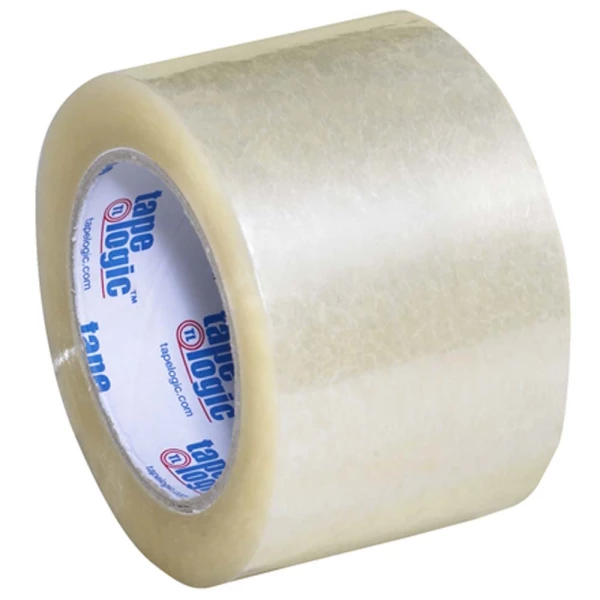
A stock image related to Heavy duty carton sealing tape.
Comprehensive Cost and Pricing Analysis for Heavy duty carton sealing tape Sourcing
When sourcing heavy-duty carton sealing tape for international operations, understanding the granular cost drivers beyond the per-roll sticker price is essential for optimizing procurement budgets. The pricing architecture for industrial-grade sealing solutions varies significantly based on material specifications, adhesive formulations, and regional manufacturing capabilities, particularly when shipping to markets like Nigeria, Germany, or Brazil. Procurement teams must evaluate specifications against actual logistics stressors rather than defaulting to maximum durability ratings, which can inflate costs unnecessarily.
What Material Specifications Drive Cost Variations in Heavy-Duty Sealing Tape?
The cost differential between utility-grade and premium heavy-duty formulations often hinges on mil thickness and tensile strength. Standard duty tapes typically range 1.6-1.9 mils, while true heavy-duty variants exceed 2.5-3.0 mils, utilizing higher-grade BOPP (Biaxially Oriented Polypropylene) films. Adhesive chemistry significantly impacts pricing: hot melt synthetic rubber adhesives offer superior initial tack for high-speed automated lines but cost 10-15% more than acrylic formulations, while specialized cold-weather polymers essential for Middle Eastern desert storage or European winter logistics command 20-30% premiums due to their extended service temperature ranges.
How Do Dimensions and Packaging Quantities Impact Total Procurement Costs?
Width and length configurations significantly affect landed costs per linear meter. While 48mm (2-inch) widths dominate standard carton sealing, 72mm (3-inch) heavy-duty variants reduce labor costs for oversized freight but increase material spend by approximately 40% per application. Bulk purchasing strategies differentiate between master carton quantities (typically 24-36 rolls per case) versus palletized full container loads, with the latter reducing unit costs by 30-50% for high-volume users. However, buyers must balance these savings against warehouse storage costs in premium logistics hubs like Lagos or Hamburg, where space constraints may favor just-in-time delivery of compressed quantities over bulk stockpiling.
What Hidden Costs Should International Buyers Factor Into Sourcing Decisions?
Beyond FOB pricing, import duties on adhesive tapes vary dramatically—ranging from 5% in EU trade zones to 15-25% in select African and South American markets, often classified under HS code 3919.10. Currency fluctuation hedging becomes critical for Euro or USD-denominated contracts when sourcing for Naira or Real-based operations. Additionally, machine-grade tapes compatible with automated carton sealers often carry 10-15% premiums over hand-grade equivalents but deliver ROI through reduced downtime and consistent application tension. Freight optimization proves crucial: tapes are volumetrically light but bulky, making LCL (Less than Container Load) shipments disproportionately expensive compared to FCL (Full Container Load) procurement, particularly for landlocked destinations requiring additional trucking from coastal ports.
How Can Buyers Optimize Grade Selection Against Performance Requirements?
Over-specification wastes budget; under-specification risks carton failure and damage claims. Utility-grade formulations (equivalent to 1.8-2.0 mil specifications) suffice for static storage under 25kg in climate-controlled environments, while true heavy-duty packaging-grade variants with 30+ lb/in tensile strength and reinforced backings justify their 20-25% cost premium for dynamic shipping exceeding 40kg or multi-modal transport through humid tropical climates. For high-theft distribution routes common in emerging markets, tamper-evident or custom-printed security tapes add 15-30% incremental material costs but significantly reduce shrinkage losses and insurance premiums.
Strategic sourcing requires analyzing total cost of ownership across the supply chain rather than isolated unit prices. By aligning tape specifications with actual logistics stressors—climate conditions, carton weights, automation levels, and regional duty structures—procurement teams can achieve optimal price-performance ratios while ensuring packaging integrity across complex international distribution networks.
Alternatives Analysis: Comparing Heavy duty carton sealing tape With Other Solutions
While heavy duty carton sealing tape remains the industry standard for high-volume packaging operations, procurement teams evaluating closure methods should consider specialized alternatives that address specific logistics challenges. Depending on your cargo weight, security requirements, and environmental conditions during transit through regions like West Africa or the Middle East, alternative sealing technologies may offer distinct advantages. Below, we analyze how water-activated reinforced tape and filament strapping tape compare against traditional heavy duty pressure-sensitive tape across critical operational metrics.
| 比較の側面 | Heavy Duty Carton Sealing Tape | 水活性強化テープ | Filament Strapping Tape |
|---|---|---|---|
| Adhesive Mechanism | Pressure-sensitive acrylic/hot melt | Starch-based adhesive activated by water | Pressure-sensitive synthetic rubber |
| Seal Integrity | High tensile strength, vulnerable to shear forces | Permanent bond with corrugated fibers, tamper-evident | Extreme tensile strength, reinforced with fiberglass |
| アプリケーション・スピード | Immediate adhesion, high-speed compatible | Requires 2-3 minute curing time, manual or electric dispensers | Immediate adhesion, slower manual application |
| Equipment Investment | Low (hand dispensers) | Medium (electric dispensers recommended) | Low (hand dispensers) |
| Cost Per Seal | $0.02 – $0.05 | $0.08 – $0.15 | $0.06 – $0.12 |
| 気候への抵抗 | Excellent (hot melt variants for extreme heat/cold) | Poor in high humidity before application, excellent after curing | Moderate (susceptible to adhesive creep in extreme heat) |
| セキュリティ機能 | Can show tampering if printed, removable | Permanent, shows obvious damage upon removal | Difficult to remove cleanly, leaves fiber residue |
| ベストアプリケーション | General heavy shipping, automated lines | High-value goods, long-term storage, export to humid climates | Palletized loads, extreme weight (50kg+), reinforcement |
Is Water-Activated Reinforced Tape Better for High-Security Export Shipments?
Water-activated tape (WAT), also known as gummed paper tape, creates a permanent mechanical bond with corrugated fibers rather than simply adhering to the surface. This makes it particularly valuable for B2B shipments traversing complex customs environments in Nigeria or Germany where tamper evidence is paramount. The starch-based adhesive penetrates the box material, creating a seal that cannot be removed without leaving visible damage or destroying the carton integrity.
However, implementation requires operational adjustments. Unlike pressure-sensitive heavy duty tape, WAT requires electric dispensers for high-volume operations and needs 2-3 minutes of curing time before handling. This can bottleneck automated packaging lines but proves cost-effective for lower-volume, high-security shipments. For businesses shipping electronics or pharmaceuticals through Middle Eastern ports where temperature fluctuations compromise standard adhesives, WAT offers superior longevity once cured, though initial material costs run 3-4 times higher than synthetic heavy duty alternatives.
When Should You Choose Filament Strapping Tape Over Heavy Duty Carton Sealing Tape?
Filament tape, reinforced with continuous fiberglass threads, serves as a hybrid solution between standard carton sealing and industrial strapping. For South American exporters shipping dense agricultural products or German automotive parts exceeding 50kg per carton, filament tape provides tensile strength exceeding 300 lbs per inch—significantly higher than even premium heavy duty polypropylene tapes.
The strategic advantage lies in reinforcement rather than primary sealing. Many logistics operators use filament tape in conjunction with heavy duty tape, applying it as a “cross-pattern” over box edges or as a replacement for steel strapping on palletized loads. While material costs exceed standard carton sealing tape by 40-60%, it eliminates the need for separate strapping equipment and metal seals. The synthetic rubber adhesive performs adequately in African climates but may require surface cleaning on dusty corrugated stock common in Middle Eastern construction material shipments. Unlike WAT, filament tape allows immediate handling, making it suitable for fast-paced warehouse environments where curing delays are unacceptable.
Essential Technical Properties and Trade Terminology for Heavy duty carton sealing tape
When procuring heavy-duty carton sealing tape for international logistics, understanding technical specifications and trade terminology ensures compliance with diverse regional transit standards and climatic demands. Whether shipping through Nigeria’s humid ports or Germany’s freezing distribution centers, precise material specifications prevent seal failure, tampering risks, and inventory loss during multi-modal transport.
What Are the Critical Technical Specifications for Heavy-Duty Carton Sealing Tape?
Film Thickness (Mil/Micron Rating): Heavy-duty applications require biaxially oriented polypropylene (BOPP) films ranging from 2.0 to 3.0 mil (50–75 microns). Thicker films provide superior puncture resistance against sharp corrugated edges and abrasion during rough handling common in African or South American transit corridors.
Tensile Strength: Measured in pounds per inch (lbs/in) or Newtons per 25mm, this indicates resistance to breakage under stress. Heavy-duty tapes should exceed 25 lbs/in to secure boxes weighing over 40kg without seam splitting during automated palletizing or manual handling.
Adhesion to Steel (Tack): Expressed in ounces per inch (oz/in), this measures immediate surface grip upon application. Premium heavy-duty formulations offer 45–60 oz/in adhesion, ensuring instant bonding to recycled corrugated surfaces and high-humidity environments typical of Middle Eastern export packaging.
Elongation Percentage: The tape’s ability to stretch before breaking, typically 150–200% for heavy-duty grades. High elongation absorbs impact energy when boxes are dropped or vibrated during transport, preventing brittle failure in cold storage environments like European pharmaceutical supply chains.
Temperature Service Range: Critical for global supply chains, specifying performance from -20°C to 60°C. Cold weather adhesives maintain flexibility in German winters, while heat-resistant formulations prevent adhesive softening in direct Nigerian or Brazilian sunlight.
What Industry Terminology Should International Buyers Master?
“Hot Melt” vs. “Acrylic” Adhesives: Hot melt rubber-based systems provide aggressive initial tack and perform well in dusty or cold conditions, ideal for European construction materials. Acrylic adhesives offer superior UV and heat resistance, better suited for long-term storage in Middle Eastern and African climates.
“Machine Grade” Specifications: Denotes tapes engineered for high-speed automated case sealers with consistent unwind tension and anti-static properties. These differ from hand-grade rolls in core size (3-inch vs. 1-inch) and tensile consistency required for continuous operation.
“Utility” vs. “Packaging” vs. “Heavy Duty” Grades: Utility grade (1.6–1.8 mil) suits lightweight boxes under 15kg. Packaging grade (1.9–2.1 mil) handles standard commercial loads. True heavy-duty (2.5+ mil) secures export shipments exceeding 30kg or double-walled corrugated.
“Silent Unwind” or “Low Noise”: Refers to specialized release coatings that reduce dispenser noise by up to 50%, improving workplace conditions in high-volume distribution centers where noise regulations or worker comfort are priorities.
“Shear Resistance”: The tape’s ability to resist sliding under constant load. High shear values prevent box creep and seal failure when pallets are stacked three-high during ocean freight to South American ports.
“Reinforced” Backing: Indicates fiberglass or cross-woven fiber reinforcement for extreme applications exceeding standard BOPP capabilities, often used for heavy machinery exports requiring metal-edge protection.
Navigating Market Dynamics and Sourcing Trends in the Heavy duty carton sealing tape Sector
How Is the Global Heavy-Duty Carton Sealing Tape Market Evolving for B2B Buyers?
The industrial packaging sector is witnessing a decisive shift toward high-performance sealing solutions as supply chain resilience becomes paramount for international operations. Heavy-duty carton sealing tape—typically exceeding 2.0 mil in thickness and engineered with hot melt synthetic rubber or advanced acrylic adhesives—now represents a critical procurement category for manufacturers, 3PL providers, and e-commerce fulfillment centers across Africa, South America, the Middle East, and Europe. Market dynamics indicate growing demand for cold-weather adhesive variants capable of maintaining tack in temperatures as low as -20°C, addressing the logistical realities of European winters and temperature-controlled storage facilities in emerging markets. Additionally, the proliferation of automated packaging lines has elevated requirements for machine-grade tapes that offer consistent unwind properties and low-noise application, reducing downtime in high-volume operations from Lagos to Berlin.
What Quality Specifications Distinguish Industrial-Grade From Standard Carton Sealing Solutions?
Discerning B2B buyers must evaluate tensile strength, adhesive formulation, and dimensional stability when selecting between utility-grade and heavy-duty classifications. Industrial-grade variants, such as packaging-grade formulations designed for 30+ pound box weights, utilize oriented polypropylene films with reinforced filaments to prevent splitting under stress, whereas standard utility tapes suffice for lightweight corrugated applications. Width specifications also play a crucial role; while 48mm (2-inch) widths dominate general shipping, 72mm (3-inch) heavy-duty configurations provide superior seal integrity for oversized freight common in industrial machinery exports and agricultural commodity shipping. Furthermore, specialized hot melt adhesives offer aggressive initial tack for high-speed automated application, while acrylic formulations provide extended UV resistance essential for outdoor storage scenarios prevalent in Middle Eastern and African logistics hubs.
Why Are Climate-Adaptive Adhesive Technologies Critical for International Supply Chains?
Geographic diversification of manufacturing and distribution networks necessitates tape solutions that perform reliably across extreme environmental gradients. Cold-weather adhesive technologies, specifically engineered to maintain viscosity in freezing conditions, prevent seal failure during transcontinental shipping routes that traverse multiple climate zones. Conversely, humidity-resistant acrylic systems mitigate adhesive creep in tropical environments characteristic of Nigerian or Brazilian supply chains, where monsoon seasons and high moisture content compromise standard tape integrity. Buyers sourcing for multi-regional operations should prioritize suppliers offering temperature-specific formulations rather than universal-grade products, ensuring carton security from refrigerated European pharmaceutical logistics to ambient-temperature Middle Eastern construction material shipments.
How Can Enterprises Balance Sustainability Compliance With Cost Efficiency in Tape Procurement?
European regulatory frameworks, particularly Germany’s Packaging Act and the EU Green Deal, increasingly mandate recyclable packaging components, creating compliance imperatives that extend to adhesive tape selection. Heavy-duty polypropylene tapes now incorporate post-industrial recycled content without compromising tensile strength, while water-activated reinforced paper tapes offer biodegradable alternatives for environmentally sensitive markets. However, buyers in cost-sensitive regions such as West Africa or South America must balance these sustainability mandates against total cost of ownership. Strategic procurement involves right-sizing tape specifications—utilizing heavy-duty grades only for weight-appropriate shipments—to minimize material waste while satisfying corporate ESG targets. Additionally, evaluating suppliers’ carbon footprint through localized manufacturing capabilities can reduce Scope 3 emissions associated with transoceanic tape shipments.
What Ethical Sourcing Criteria Should Global Buyers Prioritize When Vetting Tape Manufacturers?
Responsible procurement extends beyond product specifications to encompass supply chain transparency and labor standards within adhesive tape manufacturing. B2B buyers should verify ISO 9001 and ISO 14001 certifications to ensure consistent quality management and environmental stewardship, particularly when sourcing from high-volume Asian manufacturers serving African and European markets. Due diligence regarding raw material provenance—specifically the exclusion of conflict minerals in adhesive additives and responsibly sourced paper for reinforced tape backings—mitigates reputational risk. Furthermore, assessing manufacturers’ social compliance through Sedex or SA8000 certifications ensures ethical labor practices across production facilities. For buyers in Nigeria, Germany, and beyond, establishing direct relationships with manufacturers offering comprehensive technical documentation and batch traceability ensures accountability while supporting long-term supply chain stability.
Frequently Asked Questions (FAQs) for B2B Buyers of Heavy duty carton sealing tape
What specifications define industrial-grade heavy-duty carton sealing tape for export shipping?
1. What is the best heavy duty carton sealing tape for shipping heavy items?
For international B2B logistics, the optimal heavy-duty carton sealing tape features a biaxially oriented polypropylene (BOPP) film measuring 2.5 to 3.0 mil in thickness with a hot melt synthetic rubber adhesive. This configuration provides superior tensile strength exceeding 30 lbs per inch, ensuring secure closure for corrugated containers weighing 50 to 80 pounds. For shipments exceeding 80 pounds or involving rough handling, consider reinforced filament tape or double-sealing with 72mm width tape to prevent burst seams during transoceanic transit.
How do hot melt and acrylic adhesives compare for heavy-duty box sealing applications?
2. Is hot melt or acrylic adhesive better for heavy duty box sealing?
Hot melt synthetic rubber adhesives outperform acrylic for heavy-duty applications requiring immediate bond strength and high-speed automation compatibility. Hot melt formulations maintain aggressive tack in temperatures ranging from 20°F to 140°F (-6°C to 60°C), making them ideal for cold storage chains and varied climates across Europe and Africa. Acrylic adhesives offer superior UV resistance and aging stability for long-term storage, but typically provide lower initial grab and are better suited for lightweight cartons or indoor warehousing rather than heavy export shipments.
What mil thickness indicates genuine heavy-duty performance in carton sealing tape?
3. What thickness is considered heavy duty for carton sealing tape?
Heavy-duty carton sealing tape begins at 2.5 mil (0.064mm) thickness, with industrial-grade variants ranging up to 3.0 mil (0.076mm) for maximum durability. Standard packaging tapes measure 1.8 to 2.0 mil and are insufficient for double-walled corrugated boxes or palletized loads. When sourcing from international suppliers, verify that the film thickness includes the adhesive layer, as some manufacturers quote film-only measurements that misrepresent total caliper and puncture resistance.
What weight capacities can B2B buyers expect from heavy-duty packing tape?
4. How much weight can heavy duty packing tape hold?
Properly applied 3.0 mil hot melt tape can secure cartons weighing 60 to 80 pounds (27 to 36 kg) under standard shipping conditions, while reinforced strapping tape handles loads exceeding 100 pounds (45 kg). Actual performance depends on application technique, with pressure-sensitive adhesives requiring 15-30 minutes to reach optimal bond strength. For heavy machinery or dense products, implement the “H-pattern” sealing method using 72mm width tape rather than standard 48mm to distribute shear forces across box seams.
Which dispenser systems optimize efficiency for high-volume heavy-duty tape application?
5. How can procurement teams optimize tape application efficiency for heavy-duty packaging?
Manual handheld dispensers suffice for low-volume operations, but B2B buyers should invest in semi-automatic definite-length dispensers or L-clip box sealers for throughput exceeding 500 cartons daily. Heavy-duty tapes require robust dispensers with metal frames and serrated blades capable of cutting 2.5+ mil thickness without jamming. For fully automated packaging lines, specify machine-grade carton sealing tape with uniform roll winding to prevent stretching and misalignment during high-speed application.
How do extreme temperatures affect heavy-duty tape performance in global supply chains?
6. What climate considerations should international buyers prioritize when selecting heavy-duty sealing tape?
Hot melt adhesives perform reliably in cold climates common in Northern Europe but may soften in extreme heat during Middle Eastern or South American summers, requiring acrylic formulations for environments exceeding 120°F (49°C). Cold weather variants with specialized synthetic rubber compounds maintain adhesion below freezing, preventing “flagging” or tape lift during winter transport. Always verify temperature resistance specifications match your destination markets’ seasonal extremes, as adhesive viscosity changes directly impact seal integrity.
Can heavy-duty carton sealing tape support branding and security requirements?
7. How do custom printing and color-coding options enhance heavy-duty tape functionality?
B2B buyers can specification custom printed heavy-duty tape with company logos, handling instructions, or tamper-evident messaging using up to 3-color flexographic printing on 2.5+ mil BOPP film. Color-coded systems—such as blue tape for heavy items or red for fragile contents—streamline warehouse sorting and reduce handling errors in multilingual distribution centers. Security-focused buyers should inquire about void-pattern or destructible adhesives that leave evidence of tampering, crucial for high-value exports to regions with complex customs procedures.
What storage protocols maintain adhesive integrity for internationally sourced tape inventory?
8. How should procurement teams store heavy-duty carton sealing tape to preserve shelf life?
Store tape rolls horizontally in climate-controlled environments between 50°F and 80°F (10°C to 27°C) with 40% to 60% relative humidity to prevent adhesive degradation during ocean freight or warehouse storage. Direct sunlight and heat sources accelerate oxidation, reducing shelf life from 12 months to as little as 3 months. Implement FIFO (First In, First Out) inventory rotation, and avoid storing near volatile chemicals or dust-contaminated areas that compromise adhesive contact with corrugated fibers.
重要な免責事項および利用規約
⚠️ 重要な免責事項
メーカー、技術仕様、市場分析に関する内容を含め、本ガイドラインで提供される情報は、情報提供と教育目的のみのものです。専門的な調達アドバイス、財務アドバイス、または法的アドバイスを提供するものではありません。.
B2Bバイヤーは、独自の徹底的なデューデリジェンスを行う必要がある。 をご覧の上、ご購入をお決めください。本ガイドに記載された情報を信頼した場合のリスクは、読者が単独で負うものとします。.
Top 2 Heavy Duty Carton Sealing Tape Manufacturers & Suppliers List
1. Kingftape – Heavy Duty BOPP Packing Tape
ドメイン kingftape.net
Registered: 2021 (5 years)
はじめに Heavy Duty Acrylic Transparent BOPP Adhesive Packing Tape designed for carton box sealing. Constructed with premium quality BOPP film and strong acrylic adhesive, featuring excellent thickness and toughness with high tensile strength that resists tearing or splitting. Provides durable viscosity and high adhesive strength with no discoloration, smooth surface, and anti-freezing properties. Performs…
2. STA Tapes – Acrylic Carton Sealing Tapes
ドメイン sta-tapes.com
登録:2016年(10年)
はじめに STA Coated Technologies (STA Tapes) manufactures acrylic carton sealing tapes in Rogersville, TN. Product lines include: COHERE Economy Acrylic series (1060 1.7mil, 1080 1.8mil, 1081 1.9mil High Tack, 1082 2.0mil) available in Clear/Tan; SUPREME Industrial Acrylic series (1160 1.7mil, 1180 1.8mil, 1181 1.9mil High Tack, 1182 2.0mil, 1242 2.4mil Premium, 1352 2.8mil Heavy Duty, 1535 3.1mil Premium)…
Strategic Sourcing Conclusion and Outlook for Heavy duty carton sealing tape
How Can Buyers Optimize Procurement Across Diverse Climates and Regulations?
Sourcing heavy duty carton sealing tape for international operations requires balancing performance specifications with regional compliance standards. Buyers operating across Africa, the Middle East, and South America must prioritize UV-resistant and cold-weather adhesive formulations to withstand extreme temperature fluctuations during transit and storage. Establishing relationships with suppliers offering certified tensile strength and consistent mil thickness ensures packaging integrity meets both stringent European export standards and local distribution requirements.
What Strategic Trends Are Reshaping Industrial Tape Markets?
The shift toward sustainable packaging is accelerating innovation in water-activated and recyclable tape alternatives, though heavy duty polypropylene and PVC variants remain essential for high-stress logistics corridors. Smart procurement now involves evaluating total cost of ownership—including dispenser compatibility and application efficiency—rather than per-roll pricing alone. As supply chains regionalize, maintaining dual-source strategies for both machine-grade and hand-application tapes mitigates disruption risks while supporting just-in-time manufacturing demands.
Final Recommendations for Long-Term Supply Resilience
Forward-thinking procurement teams should standardize core tape specifications across facilities while allowing regional flexibility for climate-specific adhesives. Investing in automated sealing systems alongside ergonomic handheld dispensers creates operational redundancy. By treating heavy duty carton sealing tape as critical infrastructure rather than a commodity, organizations secure packaging continuity essential for maintaining competitiveness in global B2B markets.